


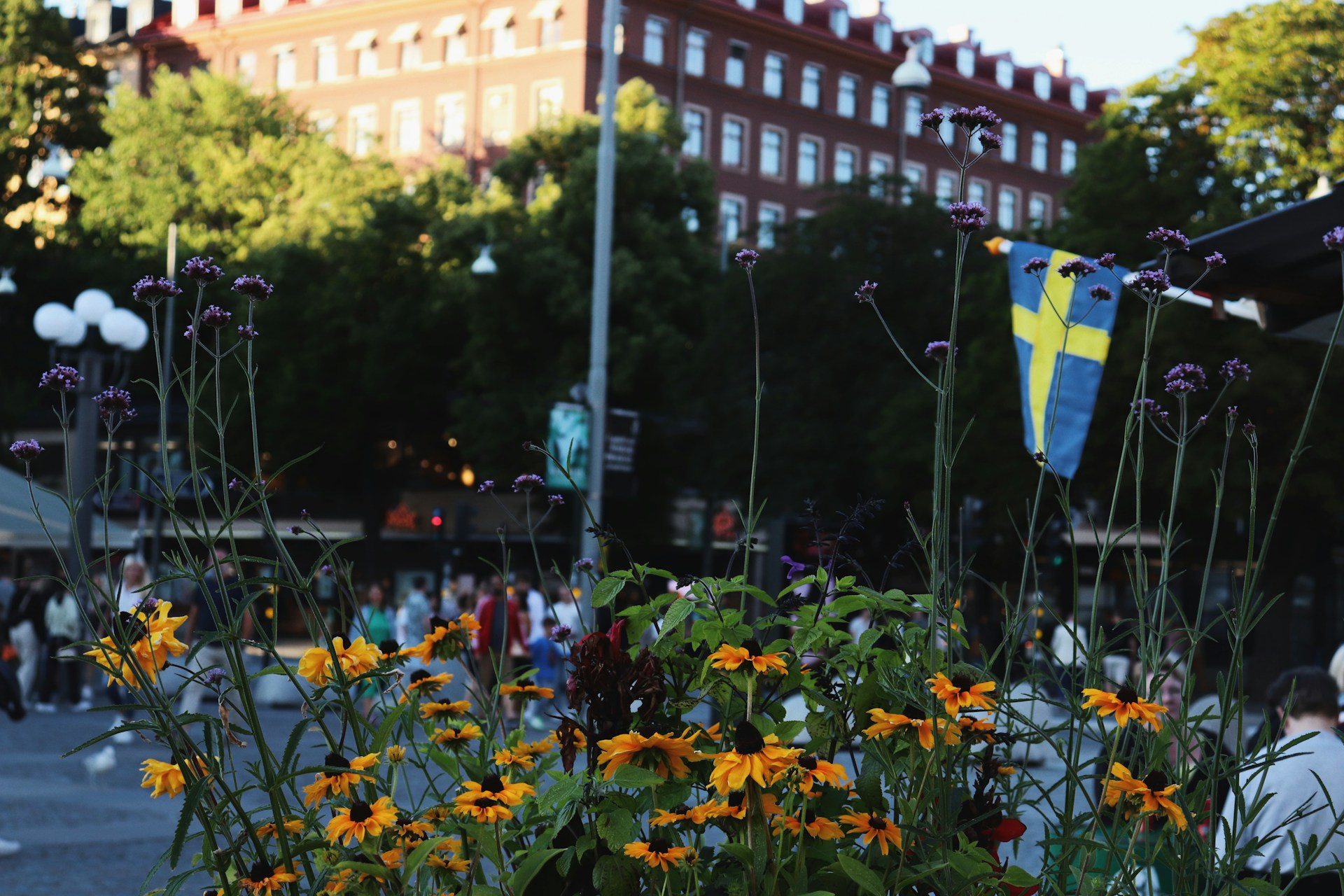
Scandinavia bursts to life with festivals that celebrate culture, nature, and community in unforgettable ways. From the fiery spectacle of Walpurgis Night to the joyful whirl around the Midsummer maypole, these unique Scandinavian festivals weave together generations and centuries-old traditions. Learn more about the unique Scandinavian festivals and what they mean today.
Towns and cities come alive with parades, music, and seasonal feasts that showcase local heritage. Revelers don traditional costumes, sing folk songs, and savor foods tied to the land, creating moments of pure joy and connection. While modern tourism adds excitement, communities carefully preserve the customs that define them. Dive into the magic of these festivals and experience firsthand the vibrant blend of tradition, celebration, and togetherness that makes Scandinavia truly unforgettable.
Fire and Light: The Meaning of Walpurgis Night in Modern Scandinavia
Fire lights up the Nordic sky, and crowds gather to celebrate unique Scandinavian festivals that honor spring and shared heritage. Walpurgis Night grew from pagan spring rituals that praised light and growth. Today, people in Sweden and Finland build towering bonfires to ward off the winter. Flames crackle, choirs sing, and students lead joyful processions through city squares. Villages host smaller gatherings filled with local songs and stories. In fact, the celebration now strengthens social unity across generations. However, urban concerts create a different mood than quiet rural events. Young people embrace the festival for connection and cultural pride. Families share traditions with purpose and energy each year.
Dancing Around the Maypole: Midsummer as a Cultural Identity Marker
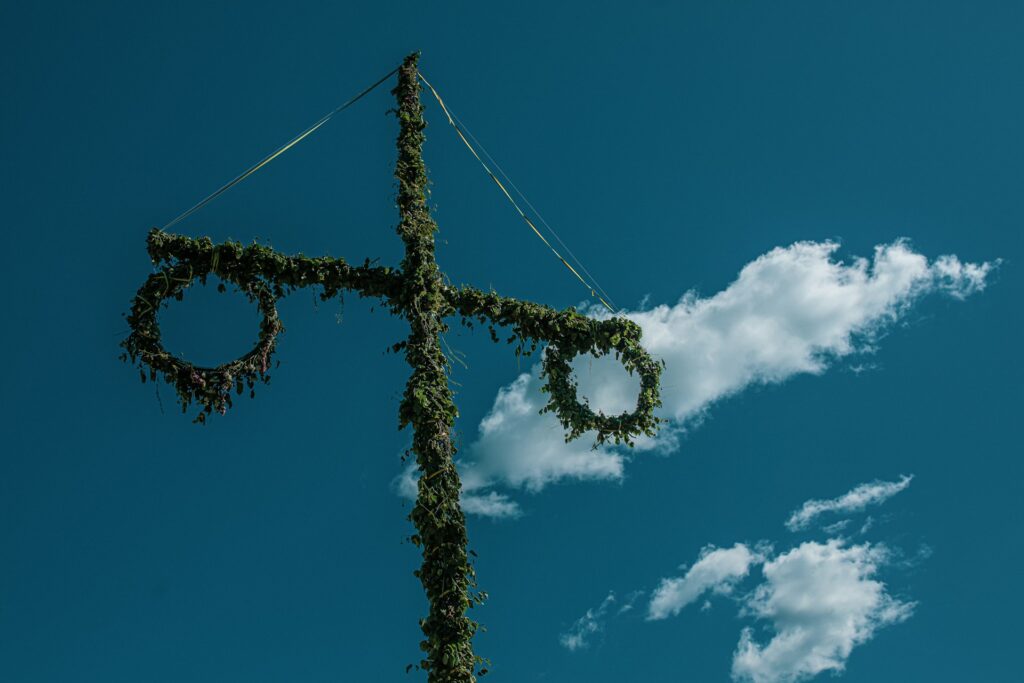
In Sweden, Midsummer brings communities together to honor summer and seasonal cycles. Villagers raise a maypole decorated with greenery and flowers, and families join hands to dance in circles while singing folk songs. Children run through fields wearing floral crowns, and adults wear traditional clothing that reflects local heritage. Seasonal foods like fresh potatoes, herring, and strawberries appear on every table, connecting meals to the land. Similarly, rituals celebrate sunlight, nature, and communal life, encouraging pride in heritage. Tourists attend the events each year, adding energy while respecting customs. Music, laughter, and shared stories keep the tradition alive. Families teach younger generations the songs, dances, and practices that define Midsummer, ensuring continuity for years to come.
Ice, Snow, and Art: Creativity at the Icehotel Winter Events
In northern Sweden, artists and builders create an entire hotel from ice and snow, which stands as a temporary masterpiece each winter. Guests explore intricately carved rooms, art installations, and themed suites that showcase Arctic creativity. Sculptures melt each spring, reminding visitors of nature’s impermanence. Hence, the Icehotel encourages reflection on climate, creativity, and cultural identity. Every corridor and artwork tells a story of adaptation and imagination. Visitors also gain practical advice for traveling in northern regions. If you decide to make a visit, you should find short-term storage solutions for professionals traveling abroad to ensure a worry-free overseas trip. This way you will be combining artistry with convenience. Guides will explain local history, while artists interact with guests to share inspiration. Visitors also gain practical advice for traveling in northern regions.
Between Pagan Roots and Christian Faith: St. Lucia Day
Each December, communities in Norway and Sweden honor Saint Lucia by celebrating light during the darkest season. Girls dress in white robes, and one wears a crown of candles to lead processions through schools and town halls. Choirs perform ancient songs that link winter solstice rituals with Christian tradition, and families gather to enjoy saffron buns and warm drinks. In contrast, some events focus more on cultural heritage than religion. Nevertheless, hope and light remain central themes, connecting generations. Children learn songs and practices, while communities host workshops to engage participants.

Viking Echoes: The Legacy of Up Helly Aa
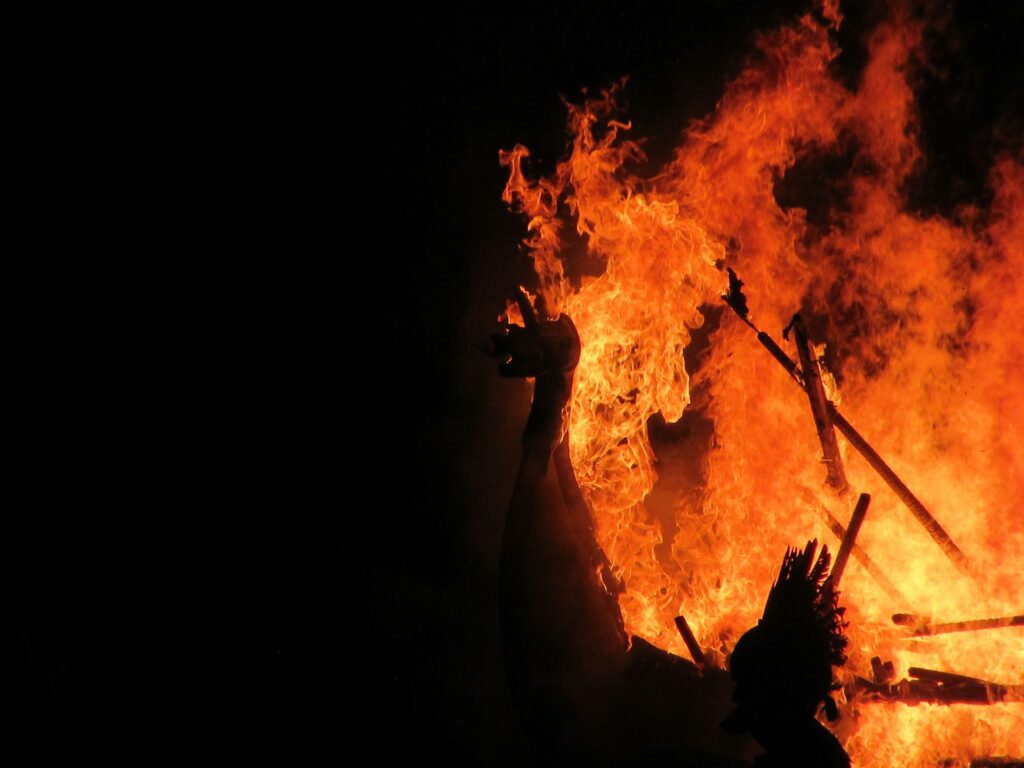
Each winter in Shetland, locals honor their Norse ancestry with a torch-lit procession that lights up the long nights. During Up Helly Aa Day, many people in costumes carry torches through Shetland’s capital. Participants craft detailed Viking costumes and rehearse processions for months, while communities gather to watch as a wooden longship burns. The flames celebrate history, courage, and communal pride. On the other hand, the festival draws tourists who enjoy the spectacle and local culture. Organizers carefully balance heritage with visitor safety. Students and young residents join the squads to learn teamwork, storytelling, and tradition. Through songs, speeches, and shared meals, the festival passes knowledge from older to younger generations.
Tradition Meets Modern Values: The Future of Nordic Celebrations
Nordic festivals continue to evolve as communities embrace sustainability and environmental awareness. Organizers introduce eco-friendly practices at events, from renewable energy to zero-waste initiatives, while maintaining traditional performances and rituals. For this reason, celebrations balance heritage with modern responsibility. Communities also focus on inclusion and diversity, ensuring that everyone can participate in cultural activities regardless of background. Technology plays a growing role, with live streams, interactive apps, and digital guides enhancing engagement without replacing hands-on experiences. Governments and local organizations provide support to keep these events thriving. Younger generations influence the direction of celebrations, experimenting with creative interpretations and new ideas.
Celebrating Heritage and the Lasting Impact of Unique Scandinavian Festivals
Unique Scandinavian festivals continue to bring communities together, blending centuries-old traditions with modern celebrations. From fire rituals to summer dances, these events preserve cultural identity while welcoming new generations. In short, they inspire connection, joy, and pride. Celebrate the heritage and energy of these festivals wherever you travel next.
Meta Description: Discover unique Scandinavian festivals and their meaning today, from Viking fire rituals to Arctic traditions shaping Nordic identity.
Unique Scandinavian Festivals And What They Mean Today, written explicitly for Daily Scandinavian by Mark Anderson. Mark is a cultural travel writer who explores traditions and festivals across Europe. He specializes in Scandinavian heritage, sharing insights on local customs and seasonal celebrations. His work inspires readers to experience authentic cultural events and connect with communities around the world.
Feature image (top): © Anna Delliou/Unsplash