



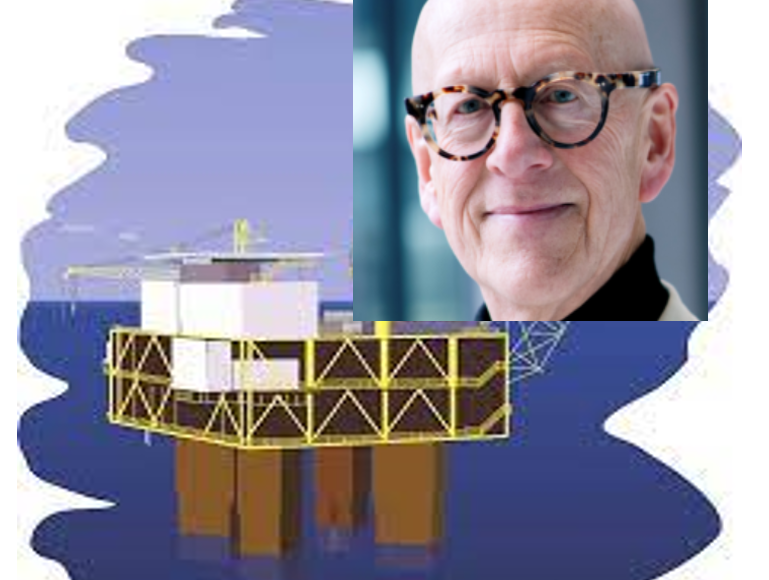
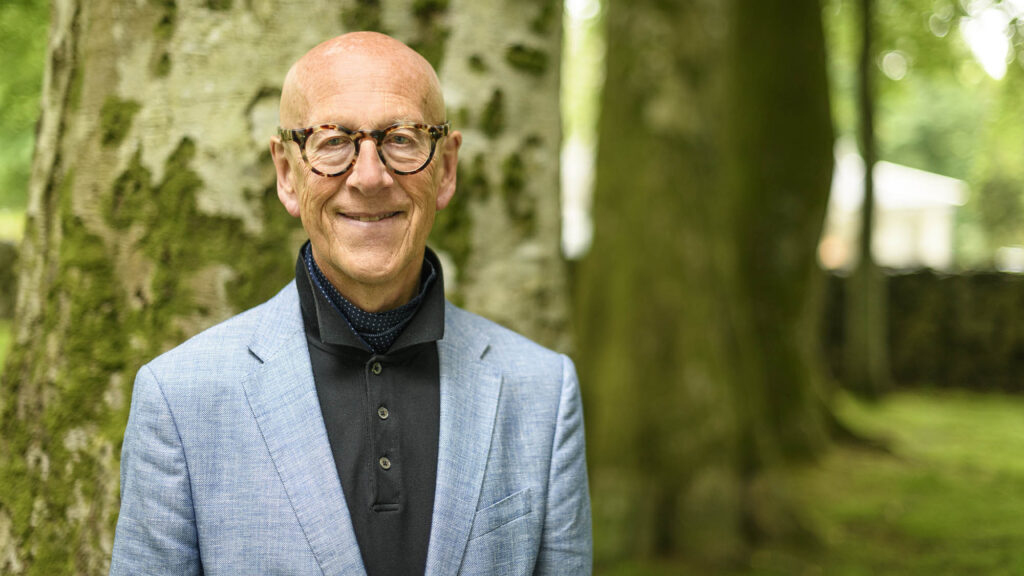
Norwegian professor and solar energy expert Harald N. Røstvik built the first house in Europe that produced more energy than it consumed. He did so in 1985. Now he has written the book “Fragments of a Good Life,” which is a 55-year critique of power.
In a 2009 interview, he said, “If most Norwegian architects were compared to any other professional group, they would be prostitutes. Architects, too, will do anything for money.”
The book “Fragments of a Good Life” was published last December. In it, Professor Emeritus of Urban and Regional Planning and Civil Architecture MNAL Harald N. Røstvik offers unique insight into 55 years of power criticism, environmental struggle, and the history of sustainable architecture and urban planning, including the early history of solar energy.
******************************************
Related: The World’s Most Eco-Friendly City
******************************************
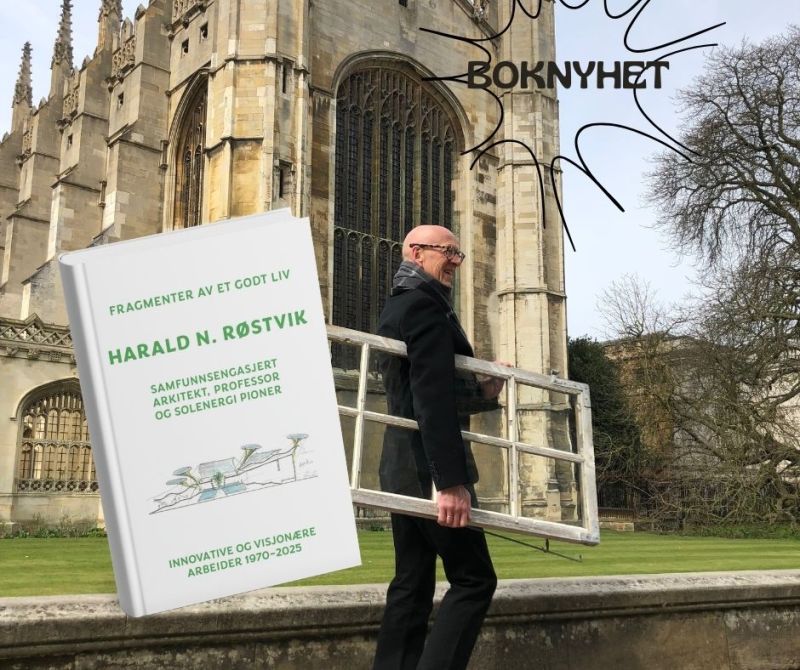
The book chronicles Røstvik’s career and projects from 1970 to 2025 and includes information on renewable energy projects he worked on with Morten Harket in Norway, the Maldives, and East Timor. Røstvik shares a wealth of historically interesting material, including photographs and drawings.
Harald and Morten first met in Sri Lanka in 1987 and went on to work together on several projects, including importing the first modern electric vehicle into Norway in 1989 and producing the short film The Sunshine Revolution in 1991.
“We Norwegians claim to be environmentally friendly, even though we are the world’s largest exporter of oil and have one of the world’s highest energy consumption rates. In this homeland of double standards, architects are mostly obedient servants who have built monuments to themselves and their clients and have learned that silence is golden. If you are kind and quiet, you will get the assignment. That is why there are no plus houses in Norway,” he said in 2009.
In 2021 Rørvik and Harket appeared together at a film screening and panel discussion at the University of Stavanger. In 2022, they were interviewed in a BBC Scotland segment about Norway’s electric car revolution.
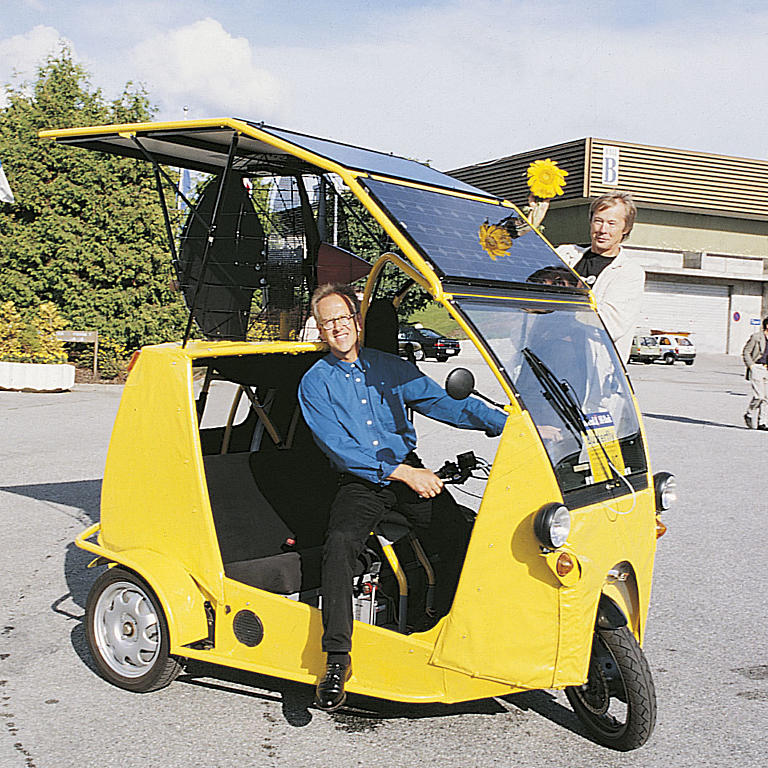
In 2023, Rørvik donated his extensive archive to the Norwegian Archives. It is now available to historians and others. The book presents the archive’s contents: his works in architecture and urban planning, articles, and books from 1970 to 2025.
Chanelle’s 1988 “A House Built for the Future” was an ecological “dream house.” The energy for light and heat was to be obtained mainly from the sun and wind, through solar collectors, solar panels, and a windmill on the roof. The solar cells were to produce electricity, which was stored in industrial batteries. But the authorities said no. They were not interested in Rørvik’s plus house.
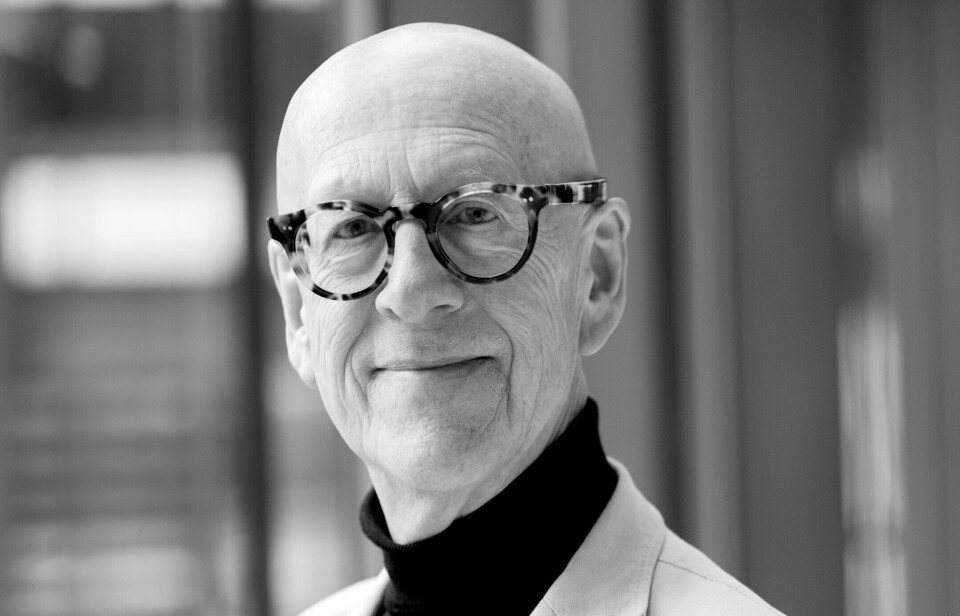
Harald N. Røstvik is not just an ordinary professional but a pioneer. In 2020, the world’s largest solar energy organization, ISES, named Røstvik among the 250 internationally leading solar energy pioneers of the past 50 years. That a Norwegian architect made such a list is remarkable, as he stood almost alone in Norway for a long time with his ideas.
Harald N. Røstvik has stood alone in parts of his climate fight. The book shows why he is considered one of the most important Norwegian voices in the fields of the environment, architecture, and future thinking today.
A Norwegian Architect’s 55 Years of Power Criticism, Tor Kjolberg reporting.