The Swedish concept of lagom can help us to live a happier, more harmonious and balanced life, according to Scandinavian lifestyle coach, Maya Thoresen. Her book “Living Lagom – A Swedish Guide to a Balanced Life” is a 21-day challenge with ideas to help you live a more lagom lifestyle. You can try everything from self-care to new activities, and get useful tips on how to clean up your home and your life once and for all. Create a healthier lifestyle – the Swedish way.
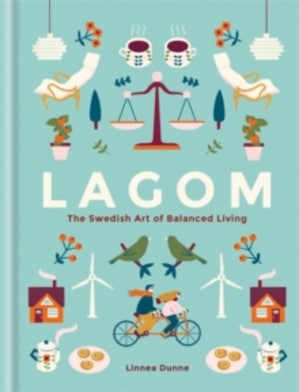
Linnea Dunne is another Swedish author, who has moved to Dublin where she lives with her husband and two half-Swedish kids, trying to achieve that lagom balance against all odds. She has written the book Lagom – The Swedish Art of Balanced Living.
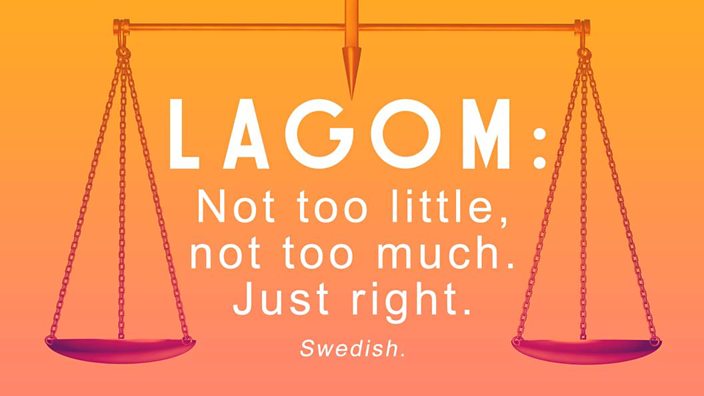
Lagom is used to describe the perfect state when something is neither too much, nor too little.
What is lagom?
Lagom is used to describe the perfect state when something is neither too much, nor too little. However, no translation does the word justice because the word lagom contains a superficial logic. It is a word that dominates life, language and culture in Sweden.
Linnea Dunne has written the book Lagom – The Swedish Art of Balanced Living.
These books were written in 2017 and 2018 respectively and are easy-to-read books with beautiful pictures and essays. The books are detailing how habits and policies are supporting Swedes in achieving a balanced approach to life. Both contain many ideas that are worth adopting for the sake of one’s mental health.
In Sweden, if the question starts with “How much?” the typical answer is “lagom”. It is just enough to make you satisfied. The word implies a distance for extravagance and flashiness, although lagom is always positive, focusing on the absolutely essential, knowing when to stop.
Swedish fika One of the practices espoused is the possible benefits of adopting fika, coffee breaks of fifteen minutes, in the morning and afternoon. This is a very serious part of a Swede’s working day. The books will also show you how lagom can be incorporated into your personal life, family, relationships, work, home, health, and wellbeing. The Swedes apply lagom to most aspects of their life without thinking about it.
Maya Thoresen’s book “Living Lagom – A Swedish Guide to a Balanced Life” is a 21-day challenge with ideas to help you live a more lagom lifestyle
In many ways this is admirable. It is part of the self-restraint that has allowed Sweden to be an egalitarian society, a place where unions work harmoniously with industrialists, where people take their work seriously, but leave before 5pm to be with their families.
Create a Healthier Lifestyle – the Swedish Way
Both books have cheerful, eye-catching covers that clearly represents the contents of the books. In a Vogue article, lagom was explained through the country’s love of mellanmjölk (semi-skimmed milk) that is neither unhealthily full-fat nor flavorless and watery. Linnea Dunne describes IKEA’s sustainable approach to design and lifestyle, something that is not always apparent from the marketing IKEA has done in North America. One of IKEA’s design successes described by Dunne is the Billy bookcase. In fact, my study is full of them!
Thoresen’s book includes some easy Swedish recipes to be enjoyed together with family and friends, a good activity instead of eating out. However, Swedish artists will tell you how much they hate lagom because of the constraints it puts on self-expression and the audacity allowed in ideas.
In conclusion I will say that If you like motivational self-help books, there is no reason why you would not enjoy these in spite of the fact that lagom as a lifestyle trend is increasingly a myth.
Create a Healthier Lifestyle – the Swedish Way, written by Tor Kjolberg
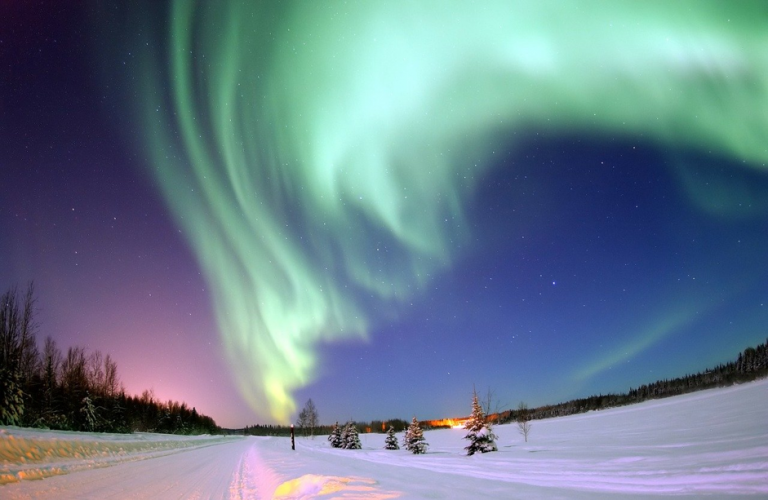
Want to see the northern lights? Well, that’s a great idea. However, there is one subtlety – in this case, everything will depend on the weather and on your luck, of course. Nevertheless, it is really possible to increase your chances of meeting this unique natural phenomenon. And for this, it is enough to choose the right time, the right place and make the right route. Here is a 5 Days itinerary to see the Northern Lights in Norway.
We decided to help you with this task and made a sketch of the route along the northern part of Norway, where each city or village hides the northern lights from prying eyes, and then shows it to the most daring and patient tourists.
Tromsø, aka Northern Paris and the Gates of the Arctic, is considered one of the best places in the world to observe the northern lights.
Day 1 – Tromsø Tromsø, aka Northern Paris and the Gates of the Arctic, is considered one of the best places in the world to observe the northern lights. And although, as the locals say, in many ways it’s just a clever marketing technique and advertising, the percentage of successful trips to catch Aurora here approaches 90%.
What else to see in Tromsø?
You can take a walk along the bridge that connects the main historical part of Tromsø, located on the island, with the new mainland, .admire the world’s northernmost Arctic Cathedral (Hans Nilsens vei 41) with an avant-garde design in the form of ice floes and a bright stained glass window, which was especially good under the daytime sun, climb Storsteinen mountain by the Fjellheisen funicular (Solliveien 12). Funicular gondolas are called “Polar Bear” and “Fur Seal” and depart every half hour.
And the views that open from the observation deck on the mountain are really worth paying almost 200 NOK per person. The opportunity to look at the whole island in the night lights, climb higher up the mountain away from the light of the city in the hope of seeing the northern lights and just being alone with white snow and thousands of stars is definitely worth it.
Related: Northern Lights and Midnight Sun Skiing in Norway
Day 2 – Senja Island This is not a tourist place – the Norwegians themselves, if they want to admire the breathtaking scenery and stare at the ocean from the top of the rocks, choose a trip to Senja Island. The landscapes here are in no way inferior to Lofoten and in many ways even superior: the mountains are taller and sharper, and the photos will go beyond the banal foreshortenings.
The advantage of the island lies in the diversity of the local landscapes: if the western part of the island is rocky, with crazy peaks and rock walls abutting the open ocean, then the eastern part is more gentle, with hills, lakes, deer and a national park. Almost the only way to get to Senja is to rent a car in Tromsø. From October to March, the snow-capped peaks look even more severe, and the northern lights dance almost every day in the sky.
Day 3 – Andenes
After exploring the island of Senha, you can head back to Lofoten in Andenes. Here you can book an excursion into the ocean, where you can see whales. During the tour, you will enjoy beautiful views of the Norwegian Sea and the island of Senja, as well as the Lofoten Islands. In the evening after dinner, do not give up the opportunity to listen to stories about the glorious Sigurd. The northern lights are very bright since there are no big cities nearby, which means that extraneous light will not interfere with the natural picture.
Nature here is so beautiful that you will surely amaze your friends on Instagram or Facebook.
Day 4 – Henningsvær Henningsvær is a small fishing village near Austvogey (island of the Lofoten archipelago), connected to it by a bridge. The indigenous population is a little over four hundred. Most of them are tourists who were attracted by the atmosphere of a fishing village and amazingly delicious seafood dishes. Henningsvær is a staging point between the main tourist destinations and the two largest islands. Travelers visit a secluded place for several hours in order to relax a bit, get acquainted with traditional cuisine and its dishes, enjoy the picturesque views and interesting architecture of the village.
Day 5 – Nusfjord On the last day, make another discovery and visit the village of Nusfjord. Only twenty small houses – this is a real paradise for an introvert. And just one cafe where you can taste the food of maximum freshness – here you can be sure that the fish in your soup swam in seawater half an hour ago.
Nature here is so beautiful that you will surely amaze your friends on Instagram or Facebook. Well, if you want to take a picture of the northern lights, then you should definitely take a tripod with your camera and take pictures at long exposures.
5 Days Itinerary To See The Northern Lights In Norway– Conclusion Hunting for the Northern Lights in Norway is a whole adventure that deserves to remain in your archives. After returning, be sure to write your story and share it with other travelers. Moreover, the best freelance writers from Online Writers Rating are always ready to help you to cope with this task.
Frank Hamilton
5 Days Itinerary To See The Northern Lights In Norway is written for Daily Scandinavian by
by Frank Hamilton. Frank is a blogger and translator from Manchester. He is a professional writing expert in such topics as blogging, digital marketing and self-education. He also loves traveling and speaks Spanish, French, German and English.
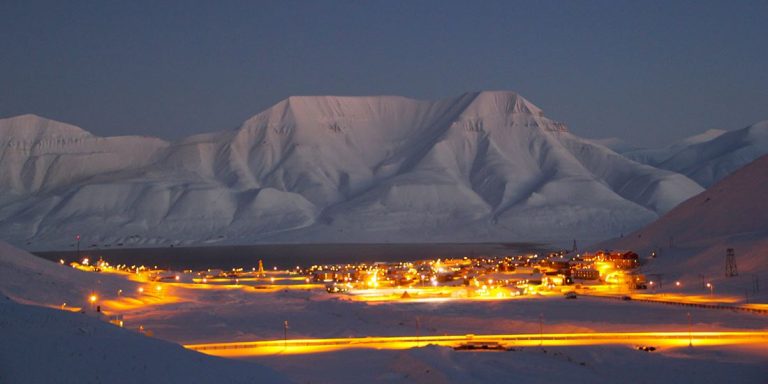
Svalbard, prior to 1925 known as Spitsbergen, is the Norwegian archipelago in the Arctic Ocean situated about midway between continental Norway and the North Pole. The islands were first used as a whaling base, while coal mining started at the beginning of the 20th century. The Svalbard Treaty of 1920 recognizes Norwegian sovereignty, and the 1925 Svalbard Act made Svalbard a full part of the Kingdom of Norway. Svalbard is indeed worth a visit. Most visitors call it Fantastic Svalbard. Here you can find out why.
Svalbard has a fantastic food selection, one of Scandinavia’s largest wine cellars and duty-free zone. Spitsbergen hides more than the eye can see. It is possible to sail to Svalbard, but most visitors fly. There are direct flights from Oslo and Tromsø to Svalbard.
Arctic sledding. Photo: Visit Norway
Arctic sledding
Experience dog mushing in its most natural way and drive into the nearby valleys of the deep Arctic environment. You will be guided out into the wilderness driving your own sled and exploring the beautiful surroundings.
Snow mobiling
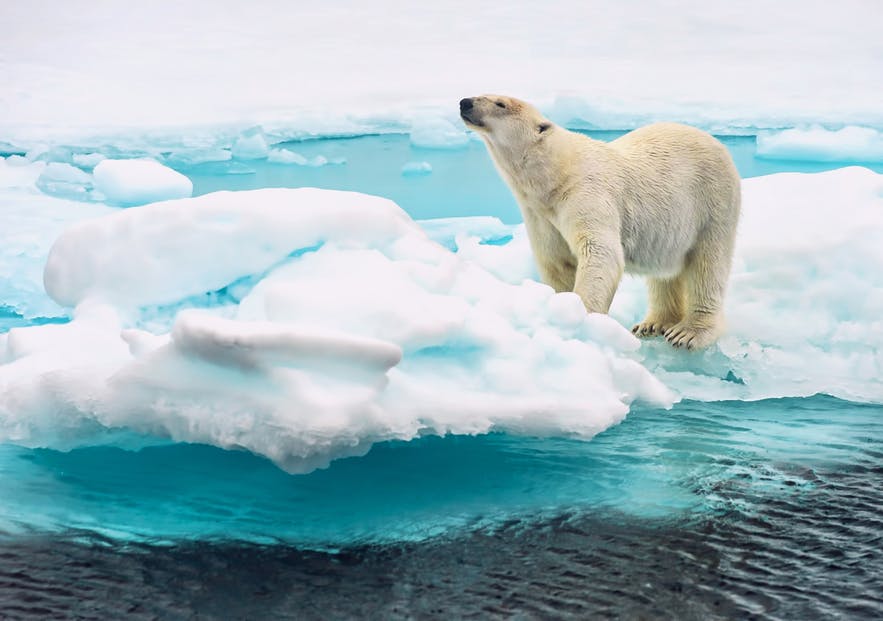
Discover untouched wilderness and experience unique wildlife during an incredible snowmobile activity. Did you know that there are more polar bears in Svalbard than people? Roughly 3000 polar bears live around Spitsbergen and Longyearbyen during the winter months. However, it’s not easy to find them. The best chances of seeing one are on the east coast in Spitsbergen. That’s why your guide will take you there.
Roughly 3000 polar bears live around Spitsbergen and Longyearbyen. Photo: Visit Svalbard
Ice Cave visits
Svalbard’s glaciers contain countless passages formed by the melted waters leading to fascinating ice caves. Luckily, it’s possible to visit some of these.
Have you ever wondered what it looks like inside the ancient ice? Equipped with a headlamp, crampons and a helmet, you can enter this calm and silent world and see the beautiful blue colors, icicles and snow crystals.
Experience the wonderful frozen landscape and be captivated by the beauty in the ancient ice.
Arctic silence on snowshoes
A snowshoeing adventure is elegant in its simplicity. Discover what it was like to be an Arctic explorer enjoying winter walks in one of the most remarkable and un-spoilt areas in the world, lands where few people venture. Here we will find a surprising variety of flora and fauna including Polar Bears, arctic foxes and seals plus glaciers, ice floes and stunning views.
Springtime skiing in Svalbard Cross country skiing expeditions take place in springtime and what better way to explore the beautiful Arctic scenario than to ski through it. On Svalbard, there is a variety of ski touring holidays for a range of abilities both on piste and off piste, both with and without pulks.
Funktionærmessen has been shortened to Funken. Photo: Hurtigruten
Local dining Svalbard offers a surprising number of restaurants for a place with around 2400 inhabitants. One of the restaurants, Huset (the House), offers fantastic food as well as one of the largest wine cellars in Scandinavia with around 15,000 bottles.
In addition to Huset, it is worth mentioning Gruvelageret (the Mining Store), Funksjonærmessen (Officer’s canteen), Vinterhagen (the Winter Garden), Kroa (the Pub) and Stationen (the Station). The price levels in the restaurants are reasonable, especially for those who want to match good wine with their food.
Fantastic Svalbard, Norway
In summer, Svalbard offers great midnight sun, boat trips and cabin visits. But in winter, the islands show their true self.
Feature image (on top) Photo: Thon hotels
Fantastic Svalbard, Norway, compiled by Tor Kjolberg
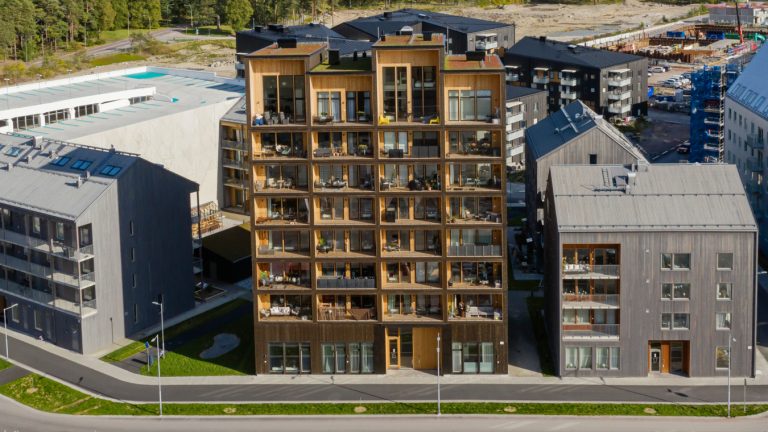
Construction of an 8.5-storey-high apartment block, built entirely with cross-laminated timber has recently been completed in the city of Västerås. The building is secured with mechanical screws that ensures it can be taken apart and reused. It is the tallest timber building in Sweden.
The building has been designed by C. F. Møller Architects and is situated in Västerås, one hour from Stockholm. By being constructed from solid timber, the building radically reduces CO2 emissions and positively affects the indoor climate.
The building has been designed by C. F. Møller Architects and is situated in Västerås
A new landmark
The Residential Tower on Lilludden, in the new district of Kajstaden at Lake Mälaren in Västerås, has become a landmark. Even the walls, joists, balconies, the lift and the stairwell shafts have been made of cross-laminated wood. The architects hope the structure becomes a benchmark for a sustainable future.
The use of CNC-milled solid timber and glulam allows for an airtight, energy-efficient structure without the need for additional cladding.
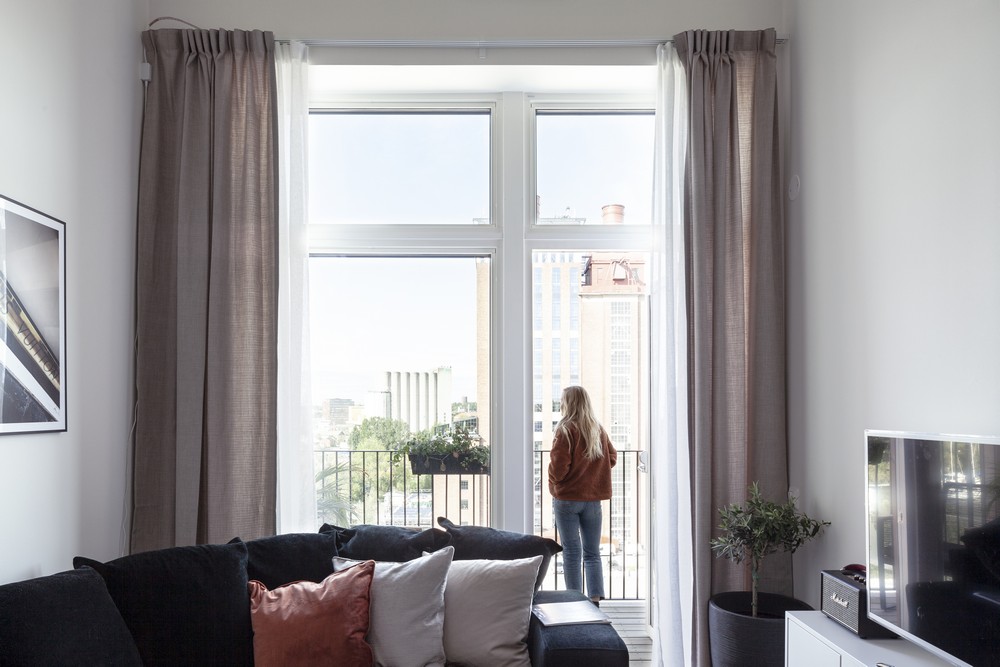
The double height apartments range from one to five rooms in size
Each floor has four flats, and each floor has taken three craftsmen an average of three days to construct. The low weight of the material also meant fewer deliveries to the construction site and a more efficient, safer and quieter working environment during construction.
Carbon-dioxide savings “The total carbon-dioxide savings from use of solid wood instead of concrete are estimated at 550 tons of CO2 over the building’s life,” explains Rob Marsh, the studio’s sustainability manager. Research also shows that buildings with a wooden frame make a positive contribution to human health and well-being thanks to better air quality and acoustic qualities.
The double height apartments range from one to five rooms in size and all the living rooms are positioned to look out over the harbor. The building is distinguished by its boxy form and staggered roof.
The Tallest Timber Building in Sweden
“Industrial timber technology provides architects with better tools for designing beautiful houses that boast a high degree of detail,” says Ola Jonsson, associate partner at C.F. Møller Architects. Through research projects and several active wood projects, C.F. Møller Architects has focused on innovation as well as developing and implementing multi-storey buildings with solid wood frames.
The Residential Tower on Lilludden, in the new district of Kajstaden has become a landmark
The Norwegian founder of Punkt has invented a revolutionary phone that calls and texts and says, ‘I don’t need the internet with me everywhere I go’. But what’s the big idea behind the smarter smartphone from Norway?
Punkt is a cousin of the feature phone, but it’s still a modern connected device aimed at helping you maintain a normal lifestyle. “A dumb phone for the smart person who still wants to stay connected, the Punkt MP02 4G ditches digital detoxing to tame your tech instead.” If you’re a slave to your smartphone, the Punkt wants to break those chains.
What’s actually the big idea? “It’s a low-tech mobile phone that offers only the most basic functions: call, text and reminders. Everything we do at Punkt is about taming technology,” says founder Petter Neby.
Punkt is a post-modern anti-flagship that suggests putting a full stop to the distractions and diversions of modern life.
A post-modern anti-flagship
In other words, Punkt is a post-modern anti-flagship that suggests putting a full stop to the distractions and diversions of modern life. Punkt’s first phone only had 2G connection, which is gradually being phased out around the world. Adding 4G LTE makes sense for longevity, but because the MP-02 doesn’t have a browser, navigation, email, or social networks, it doesn’t improve the phone itself.
The average person checks their phone 150 times a day. 85 percent of people have no problem using their phones while talking to friends or family. Total daily media consumption has increased from eight hours in 2010 to over 12 hours in 2019. 24/7/365 connectivity isn’t always a good thing. 47 percent of people have tried to limit their phone use, but only 30 percent succeeded.
“I have nothing against technology,” says Petter Nerby. “It’s great, we need it, and we should use it – but the way we use it today can be overwhelming.”
Ruggedness with charaxcter
The hardware design is basically set and the company has no plans to change that. Punkt MP02-4G combines ruggedness with character and a timeless minimalism that probably will look striking decades from now. The buttons and shape of this phone are pleasing to touch and to hold, and the overall construction has a high-end feel that belies the primitive hardware and capabilities contained within.
That being said, when you need to make a call or send and receive texts, the MP02 is all 2020, linking its 4G Voice over LTE (VoLTE) connection with a tablet or laptop to keep you in touch. It also serves as a WiFi hotspot.
Established in 2008
Punkt was established in 2008, when Petter Neby wanted a simple, functional and well-designed alarm clock. The brand’s debut product, the DPOT card-less phone, launched in 2011, shortly followed by the alarm clock, AC01. “Punkt is about using technology to help us adopt good habits for less-distracted lives.”
In spite of having a 4G radio, Punkt MP02 can’t access the internet at all. In spite of being based on Android, it has no apps. Punkt has 16GB of internal storage and the fanciest bit of multimedia, but no camera. Punkt gets a 4G LTE modem, tethering support, and BlackBerry’s security suite. But all you get out of it are some bespoke ringtones. So why bother?
Punkt MP02-4G combines ruggedness with character and a timeless minimalism
Because you can’t buy attention and focus. A smartphone often becomes a deep dive of notifications, updates and time-sucking diversions, while the MP02 is a conscious, principled rebellion against the tethering, often strangling blanket of modern communication.
A smarter smartphone from Norway
“I could never imagine that MP02 would replace my smartphone,” says Neby. “It’s a second device. When I finish work, I would switch off my smartphone, like I switch off my computer, and use MP02 for social calls and messages.”
The price of the Punkt MP-02 is $350, or 295 British pounds which is about the same as the Palm. It may put some would-be adopters off. A $350 price is a lot for a second device, but the Punkt is really designed to be your only phone, for which that cost is not obscene.
The Punkt MP02 does calls, texts, and serves as a handy 4G hotspot when required. It also looks and feels great, and its 2-inch monochrome screen will likely never break. What more do we really need from a phone? You’re making a statement: I’m using technology when I need it. Technology is not using me.
A Smarter Smartphone From Norway, written by Tor Kjolberg
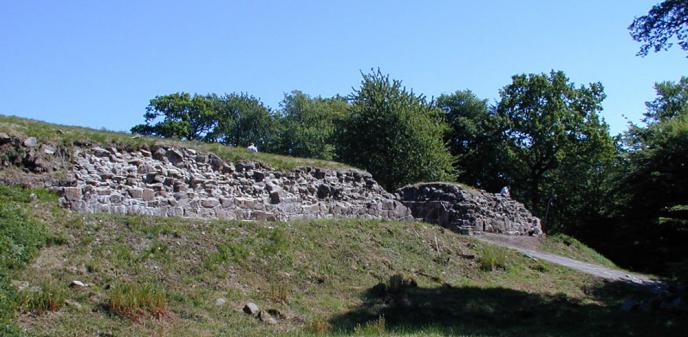
Bornholm, Denmark, was a maritime center in the Baltic Sea during the Iron Age. Jewelry, coins and relics from as far away as Rome and the Near East have been discovered on the island and the scant remains of two forts dating from the Viking period can be found in Paradisbakkerne (The Hills of Paradise). The Viking strongholds in Denmark are worth a visit.
It is generally believed that Bornholm became a part of the kingdom of Denmark at around that time. The Gamleborg Viking Fortress was the first fortress of the Danish island, built around 750 AD. The massive fortress is 264 meters (866 ft) long from north to south and 110 meters (360 ft) wide from east to west. It is Bornholm’s oldest defense works.
Gamleborg fort
The Gamleborg fort
The Gamleborg fort was used as refuge during the tenth century against Viking raids and was abandoned in 1150. Excavations in the 1950s showed the fortifications originated in the Viking period although there is evidence the site was used as a hideout in the Iron Age. The ruins that can be seen today are mainly the result of reconstruction work completed in about 1100.
Almindingen forest, Bornholm
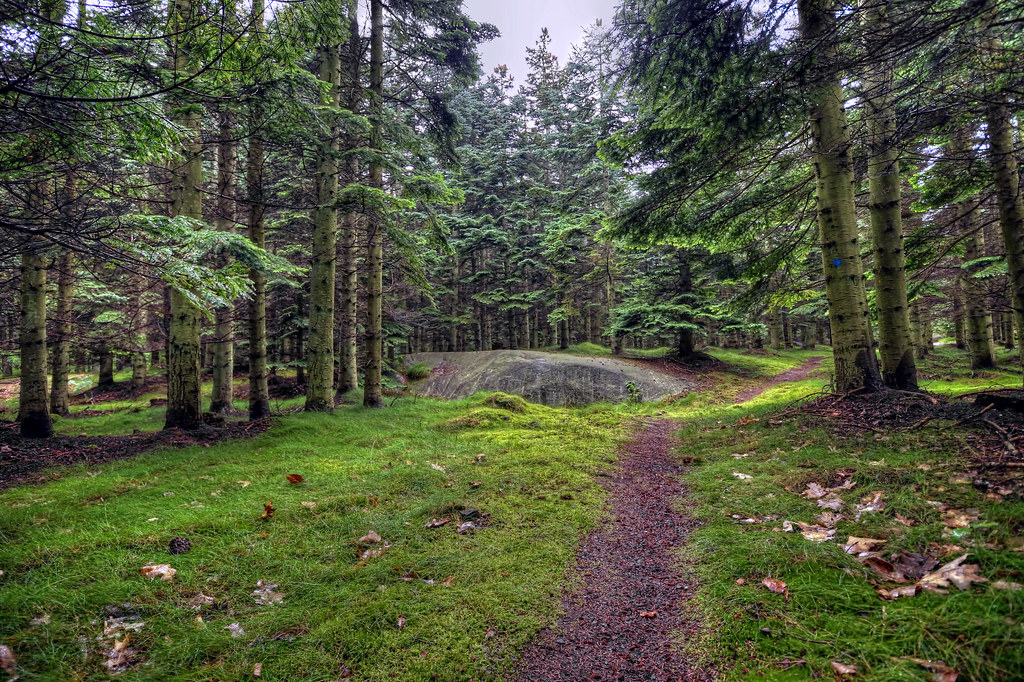
Almindingen forest Almindigen (‘the common’) is one of Denmark’s largest forests, covering 3,800 hectares (9,400 acres), with a number of walking paths, one leading to Gamleborg. Almindingen was fenced in for forestry in 1809 by Hans Rømer, the forest supervisor.
Hammershus castle, Bornholm
Hammershus castle
Perched on a huge rocky knoll on the northwest corner of the island are the impressive ruins of Hammershus. The castle was built around 1200 to defend the island against attack, and is today Scandinavia’s largest castle ruin. At the time the castle was built, Bornholm was owned by the Archbishop of Lund (in what is now southern Sweden, but then a part of Denmark).The archbishop was openly at war with the kings of Denmark.
Viking Strongholds in Denmark
Strong separatist feelings still exist among some Bornholmers. Their banner is a Danish flag with a green cross, instead of the familiar white one.
Feature image (on top) From Gamleborg fort
Viking Strongholds in Denmark, written by Tor Kjolberg
Snuff in Sweden was born in the 16th century when Swedes began to mix tobacco leaves with salt and water to place behind the upper lip. However, Europeans first came into contact with the tobacco plant when Christopher Columbus reached the island of Haiti in the West Indies in October 1492. In early 18th-century Sweden, snus became a moist ground tobacco product originating from a variant of dry nasal snuff. Read this short history of Swedish snus.
In the 1560s, Jean Nicot, French ambassador in Lisbon, came into contact with the tobacco plant, which was then grown in the backyards of Lisbon, and he became so enthusiastic that he took some tobacco plants home to Paris. Carl von Linné used his name for the Latin name given to the tobacco plant, Nicotiana tabacum.
Swedish botanist, zoologist, and physician Carl von Linné
Since Paris was the model for all European courts, it was not long before snus was being used in the rest of Europe. A customs document from 1627 states that snus was brought to Sweden from Porvoo in Finland for the first time.
Snus for the aristocracy
Snus became very popular, almost a must, among men and women of the aristocracy in the 1700s. The cans were small masterpieces of gold and had to be expensive and handled with carefully controlled elegance. It rapidly became a popular gift and the Swedish tobacco industry had its breakthrough. At the end of the 1700s, tobacco was being grown in about 70 Swedish towns and Swedish consumers switched to placing a pinch of snus under the lip. Many farmers, who had their own tobacco plantations, made their own snus by grounding the tobacco in their coffee grinders or in snus mills that they had carved themselves.
During the 1800s, the largest brand being Ettan (Number One). Photo: Wikipedia
Manufacturers began to produce local varieties of the moist snus during the 1800s, the largest brand being Ettan (Number One). When the Swedish government needed funds for the military and the first pension reform in the early 1900s, it was to come from tobacco. In 1915, the tobacco monopoly was re-introduced.
Record levels of snus consumption in Sweden
In 1919, when Sweden had a population og 6 million people, snus consumption reached record levels (7,000 tons, a consumption of 1.2 kg per capita). After a setback to the benefit of other tobacco products, snus regained its popularity in the late 1960. In 1973, the product developers at Swedish Match created a snus flavored with whiskey, it came in portion bags that were not very different from tea bags. The sales curves for portion-packed snus were pointing upwards. Per-capita consumption of moist snuff between 1970 and 2004 increased steadily from 393 to 922 g per person.
During 2003, 193 million cans of snus (6,761 tons) were sold to approximately one million snus users in Sweden, and the usage of snus had taken a step over the customary gender barriers, and women now account for nearly a fifth of snus consumers.
The third largest producer of tobacco products in Europe, Stockholm-based Swedish Match, decided to quit cigarettes in 2016 and steered away from smoke-related tobacco products, focusing instead on snus and chewing tobacco.
Buy snus online SnusDirect.com, established in Grebbestad, Sweden 2010, is the leading online retailer of Swedish snus, known for its wide range of snus products and its express delivery options. All the snus sold by the company is packaged in environmentally friendly packaging. Green packaging has a reduced impact on the environment because it is made of recycled or recyclable materials.
SnusDirect.com offers a wide range of different snus products in varying flavors, both loose and portions. With the catchphrase ‘Sweden at your doorstep’ SnusDirect.com offers home delivery of orders via Swedish postal service or UPS wherever it is legal to send snus. SnusDirect.com offers excellent customer service and support, and operates out of Grebbestad in Sweden.
The web site is easy to navigate with a user-friendly interface. SnusDirect.com takes all credit cards or bank wire transfers through its secure site.
Campaign from SnusDirect. Photo: Scrfeenshot
It amazes me that a small company located in Grebbestad, a small seaside resort in Bohuslän on the west-coast of Sweden, can market and sell high quality snus products in an age where tobacco is increasingly vilified and so many classic brands are a part of large corporations. So, we asked Ellinor Kyrk, Customer Relations at SnusDirect, what is the secret to the company’s success?
“From the very start our main goal has been to offer high quality, fresh snus at a low price. Why not share the Swedish snus tradition that we are so proud of with the rest of the world?” she says.
Reports from buying customers and a report from Trustpilot stating that 79% of customers rate the company as ‘excellent’ prove that SnusDirect indeed is a success story.
Bestseller Lyft
Kyrk admits that selling products online has been challenging, not least selling products all around the world. Changing regulation, shipping couriers and even natural disasters can affect the business. “It is important to keep our promise to the customers with the best quality service we can offer. That is the expectation we have on ourselves and from our customers,” she ads.
Each month new released flavors and strengths in different shapes and formats are released on the market. “One may think the snus market has exhausted their potential in growth and development, but we are surprised each month with what comes next. Of-course we have the oldies but goodies that are on our bestselling lists, and they will most likely always stay, but we also have new innovations on those lists such as the all-white nicotine pouches,” says Ellinor Kyrk.
At the moment it is all about the mint flavors. The company’s top 5 products are all mints in different formats. The fastest growing trend, the top 2 bestsellers, is the tobacco free all-white nicotine pouches. Kyrk emphasizes that these products are hyped up due to their white format, leaving no discoloration on your teeth, and slim fit, making them hardly noticeable.
Women now account for nearly a fifth of snus consumers
Snusdirect’s two bestsellers are quite new on the snus market, they were launched autumn 2018 and quickly climbed the bestselling lists. These all-white nicotine pouches called LYFT are sold all around the world, the most popular ones are LYFT Freeze and LYFT Ice Cool, they are known for their minty freshness along with the nicotine kick! Another strong snus that quickly increased in demand is the Siberia 80-degrees White Dry, this snus is popular due to the super high nicotine level! It is one of the strongest snus brands on the market with 43 mg/g, this is the can all snusers out there want to try to see if they can handle it. “It was launched on our website in 2017 and has been highly sought-after ever since,” says Kyrk.
In fourth place you will find the well-known General Mint White, a longtime favorite with a lovely sweet peppermint flavor and a traditional tobacco taste in the background. The original General recipe has been refined for 150 years. This is one of the older brands with a taste of history.
When I asked Ellinor Kyrk what the future holds, she answered, “our main focus in the future is to improve our product, we want to reach out to all countries and adapt to their specific needs and demands in order to continue offering high quality goods and services. To do so, our goal is to build a more local presence, we recently opened a new online store in Norway, so we are not only available at snusdirect.com and snusdirect.eu. For Norwegian customers we have opened snusdirect.no to meet their needs and demands in order to provide the best quality service with fast deliveries – fresh snus at a lower price”.
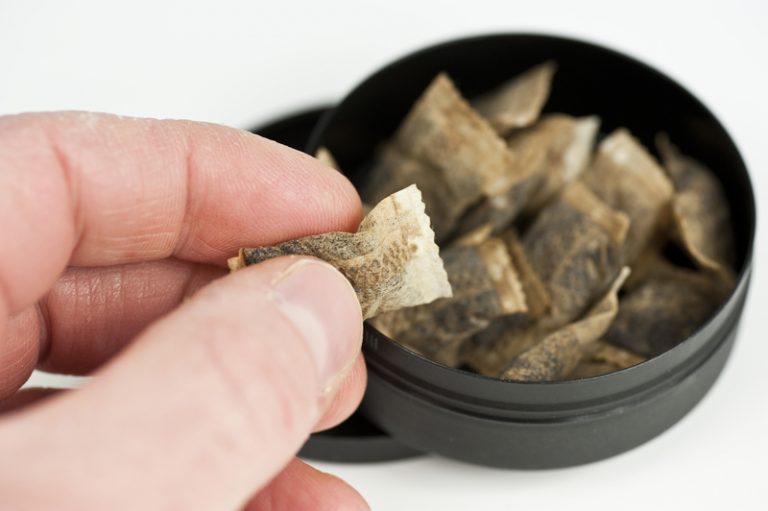
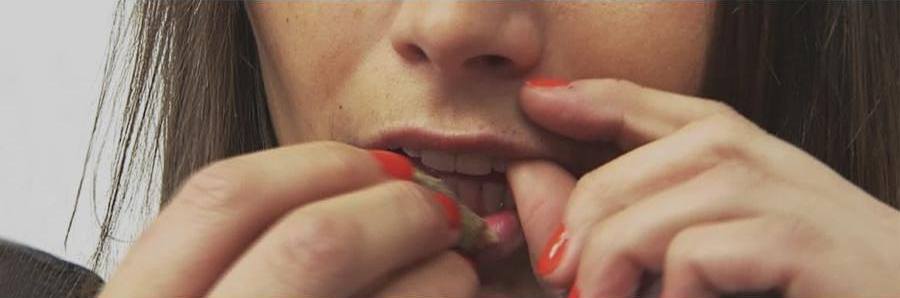
Snus is simply placed in the mouth, usually between the upper lip and gums on one side discreetly
Facts about Swedish snus Swedish snus is the popular form of smokeless tobacco, often flavored with exciting and delicious flavors. It is tobacco which is neither chewed nor spat nor smoked, so it does not harm the environment in any way. Simply placed in the mouth, usually between the upper lip and gums on one side discreetly.
It is discreet to carry and use. There are increasing restrictions on smoking, but no restrictions on snus use. Snus can be used in no-smoking areas. People around the snus user are not adversely affected in any manner.
Snus is a pasteurized product, bacteria-free. As it is virtually sterile, it has a long shelf life. In fact, in the freezer it can last for as long as a year.
The best way to see the fjords in Norway is from a boat! You can choose between one-day round-trip-cruises or on an international cruiser going along the coast. Here are some of our favorite choices for cruising the fjords in Norway.
Norway has for many years been marketing itself as “the most beautiful cruise destination in the world,” and the country does in fact offer some of the most scenic places in the world; majestic fjords, waterfalls dropping thousands of feet down rocky cliffs and tiny farms clinging to the side of mountains.
Bergen harbour. Photo: Pinterest
A Day-Cruise from Bergen
You can enjoy the Arctic appeal of Norway through scenic beauty, unique museums and funky foods. A round-trip cruise from Bergen takes you up the 27-kilometer long Osterfjord. Underway, the fjord narrows between steep mountains as the boat brings you safely through the powerful currents of the shallow and narrow Mostraumen strait.
The Disney film “Frozen” has been credited with nearly doubling tourism in Norway since the first movie was released in 2013. Later, the new “Frozen 2” and “Frozen – the Broadway Musical” have given the tourism in Norway a continuing growth.
Smaller villages along the fjords function as transit hubs for excursions out to scenic vistas, and Norway’s cities give the opportunity to explore excellent museums on the country’s maritime history and local culture, as well as shops for its well-regarded woolen products or unusual food items, like brown goat cheese from farms that have been in families for generations.
Car ferry in Lysefjord
Cruises from Stavanger
Stavanger is the jumping-off point for boat trips into the Lysefjord, with its dramatic cliffs (including the towering Pulpit Rock) and gushing waterfalls. It’s also home to some unique museums, including the Norwegian Canning Museum and the Norwegian Petroleum Museum. Don’t miss a walk through the wooden houses of Old Stavanger or the harbor area with its seaside restaurants and local shops.
A one-day roundtrip cruise is out from Stavanger on the Lysefjord. On this exciting fjord cruise, you can enjoy the impressive Lysefjord, Preikestolen (Pulpit Rock), the Vagabond’s cave and get up close to the Hengjane waterfall (you can actually taste the water from the falls!). The cruise is available all year round.
Cruising the Norwegian fjords is never boring. Photo: Pixabay
Cruising the Fjords in Norway
The incredible clouds, drifting across the sky, sometimes puffy and white, sometimes dark and some infused with bright patches where the sun shines through, sparkling on the sea, are amazing when you’re aboard a cruise liner. Cruising the Norwegian fjords is never boring. If you are an adventurous type you might want to follow the coastline all the way north, into the Arctic, to spy on polar bears and abandoned mines and to seek out the midnight sun.
If you’re more of an one-day cruise passenger type, you might want to bring your car on the car ferry on the Lysefjord (see above). On this car ferry you get to admire the Pulpit Rock from sea level as the ferry passes by. But Lysefjorden is the home to several other gems, like Lysebotn, with the 27 hairpin bends up to 600 m.a.s.l. and a spectacular view, and Kjerag – a challenging and jaw-dropping hike. The ferry departs from Flørli, Forsand, Lauvvik, Lysebotn or Songesand.
One of the country’s most beautiful fjords, Geiranger fjord on the west-coast. Photo: Hurtigruten
One of Norway’s most beautiful fjords
The scenery in Norway is so wild and awe-inspiring that visitors sometimes are overwhelmed. One of the country’s most beautiful fjords, Geiranger fjord on the west-coast, is a deep-sea inlet reaching nine miles into the heart of the country and a UNESCO World Heritage Site.
If you start out in Ålesund, you’re able to do 3 fjords in 3 hours! From Ålesund you travel through three different fjords and spectacular scenery before you arrive in Geiranger. You can either choose to stay in Geiranger, or take the boat back again, after a few hours in Geiranger where you can have lunch and go for a short sightseeing tour to the closest viewpoints Ørnesvingen (the Eagle bend) or Flydalsjuvet.
The famous Seven Sisters waterfall
On a car ferry from Hellesylt to Geiranger you can enjoy the Geirangerfjord, see the famous Seven Sisters waterfall and the Bridal Veil (Brudesløret) waterfall and gaze up at the abandoned farms clinging on to the mountain sides.
From Geiranger you may have a day touring by bus taking you high into the mountains on a narrow road full of hairpin turns giving you the chance to have a view to the fjord far below. The cruise liner you’ve left has now been reduced to the size of a toy boat.
Some passengers chose to stay aboard. Perhaps they are afraid of the winding roads. However, most passengers want to sample the country and its people as much as possible. Norway offers plenty of waterside villages that lie in fairy-tale-like settings.
Tailor made cruises Cruise travelers have a lot of choices to tailor their Norway cruises, and with hotel and food prices being sky high, a cruise can in fact be the most affordable way to experience the country. June through August is the peak of the Norway cruise season, but voyages begin in May and run into September, while Hurtigruten and car-ferries sail year-round. (A few lines offer earlier spring or later fall cruises.)
From Flåm. Photo: Sverre Hjørnevik/Flåmbrygga hotell
One of Norway’s busiest summer destinations
On a day round-trip cruise Flåm – Gudvangen – Flåm, you can experience the Nærøyfjord, the narrowest and most spectacular of the inlets of the Sognefjord, at the heart of the UNESCO World Heritage Area. It is available all-year. If you travel from Flåm, you will first sail through the idyllic Aurlandsfjord, which is also inscribed on the UNESCO World Heritage List. Then, the boat continues through the narrow Nærøyfjord before arriving Gudvangen, innermost in the Nærøyfjord. The trip takes around two hours one way.
Flåm is one of the country’s busiest summer destinations and offers a 12-mile mountain railway journey that takes passengers through the beautiful landscapes of the innermost part of the Aurlandsfjord, an arm of the Sognefjord.
The car ferry between Gudvangen and Kaupanger runs daily from May to September. On this 2-3 hours’ long trip you get to see some of the most beautiful and most dramatic fjord landscapes in the world! Booking in advance is recommended due to limited capacity.
Cruise travelers have a lot of choices to tailor their Norway cruises, and with hotel and food prices being sky high, a cruise can in fact be the most affordable way to experience the country
On the west coast
Enjoy unspoilt nature on the cruise from Ålesund to Øye, through the 35 km long Hjørundfjord. The Hjørundfjord is surrounded by the Sunnmøre Alps, with mountains streching up to 1700 m.a.s.l. Pass villages along the way, some without road connection. You can disembark at Trandal, where you can try the world’s most instagrammable swing.
The express boat from Bergen takes you through striking scenery to the village of Rosendal by the Hardangerfjord. In Rosendal you can visit Baroniet, Scandinavia’s smallest “palace” from 1665 as well as the Folgefonn Centre, where you can learn about the global cycle of water and climate changes.
From Nærøyfjord, Flåm. Photo: Fjord Cruise
A cruise on the Fjærlandsfjord starts from Balestrand sailing in towards the village Fjærland. The Fjærlandsfjord is beautiful and majestic as it is surrounded by steep mountains, some still covered with snow on the peaks. The water has a bright green color because of the melt water from the glaciers that flows into the fjord. A fantastic boat trip from the unique architecture village Balestrand through the beautiful fjord arm towards the Jostedalsbreen Glacier.
Åkrafjorden and the Langfoss waterfall are hidden gems. The highlight of the cruise is the view towards the Langfoss waterfall. Langfoss has an impressive drop height of 612 meters, and in 2011 CNN Travel rated Langfoss as one of the most beautiful waterfalls in the world.
Hurtigruten in the Troll fjord. Photo: Hurtigruten
One of the world’s longest coastlines
Norway has the second longest coastline in the world, next only to Canada. The most recent measurements are: mainland 29,750 km + islands 73,187 km = total 102,937 km. Fiords are the nation’s main draw; 100 cruise ships visited them last summer on more than 400 voyages. Figures from the lobby group Cruise Norway show the number of passenger visits is expected to pass four million in 2019. The number was just 2.5 million in 2012. Therefore, Norwegians are concerned that ships are getting bigger and their numbers are multiplying.
“When many ships and visitors arrive at the same time, it creates congestion, pollution and tension in many local communities along the coast,” wrote economic development agency
Innovation Norway in a report that concluded that cruise tourists spend less money locally than other types of tourists.
Departing from a variety of homeports
Cruises to and in Norway depart from a variety of homeports, including Bergen and Oslo. Other popular departure cities are Copenhagen, Amsterdam, Hamburg and a variety of U.K. ports. True Arctic cruises may embark in Svalbard (Spitsbergen). However, there doesn’t seem to be much of a standard Norway cruise. Bergen, built on mountainsides overlooking the sea, is a UNESCO World Heritage City. Although it’s Norway’s second-largest city — only Oslo is larger— it has small-town charm and is known for its outdoor fish market and Bryggen waterfront buildings, which date to 1070.
Bergen is the big city that features on most itineraries, some may include Oslo. Cruises are rounded out with smaller, scenic ports like Stavanger, Geiranger, Alesund and Flam. A surprising number goes as far north as Spitsbergen (Svalbard) in the Arctic – even on weeklong sailings.
Stena Line’s SAGA. Photo: Visit Norway
Temperatures and weather in Norway
Temperatures may be a little lower at off-peak times, but you’ll avoid summer crowds. In general, summer temperatures are warm but not oppressive, with average daytime temps in the upper 50s and 60s in ports like Oslo and Bergen. Though highs can reach into the 80s, weather there can change frequently. Don’t forget that Norway is a terrific place for outdoor activities like kayaking, biking and hiking – that is, when it’s not raining. Weather can be very varied and often wet, so always have a backup plan in case of inclement weather. Take advantage when the sun is out, and, if it’s raining, don’t be afraid to push back an activity – often a rainy day will turn sunny later on (or vice versa). Also be sure to pack a rain jacket and umbrella, and dress in layers.
The king of Norway cruises
The king of Norway cruises is Hurtigruten, which offers year-round service up and down Norway’s coastline, cruising roundtrip from Bergen, going as far north as Kirkenes and the Arctic Circle, and stopping at a myriad of ports, both large and small. While foreigners may treat these journeys like regular cruises, staying onboard for five, six or the full 11 nights, day-trippers use the same vessels as ferry service between ports, and crewmembers unload freight and mail at most stops.
Cruising the Fjords in Norway, compiled by Tor Kjolberg
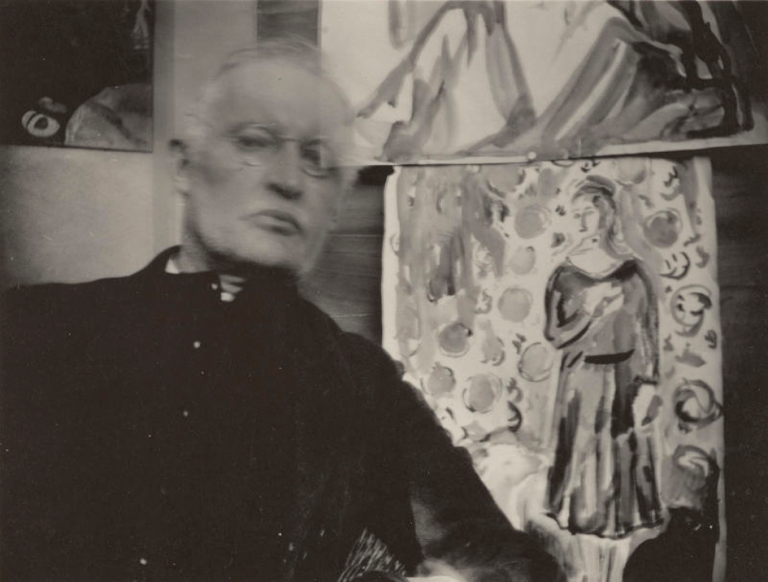
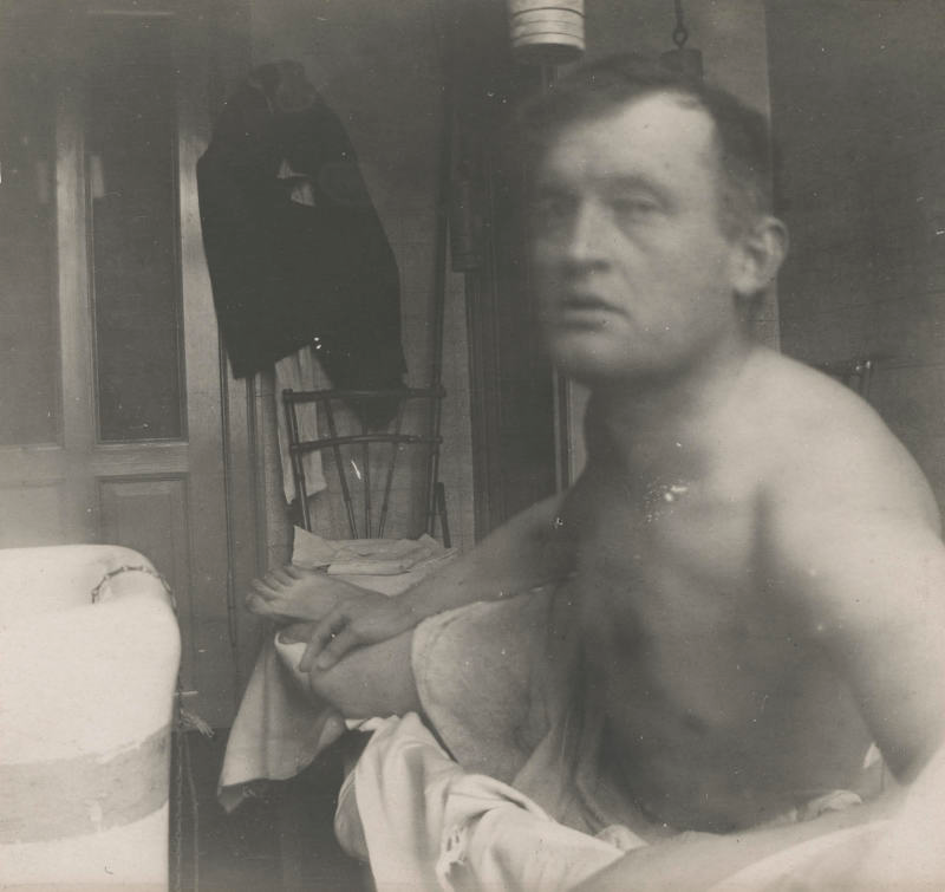
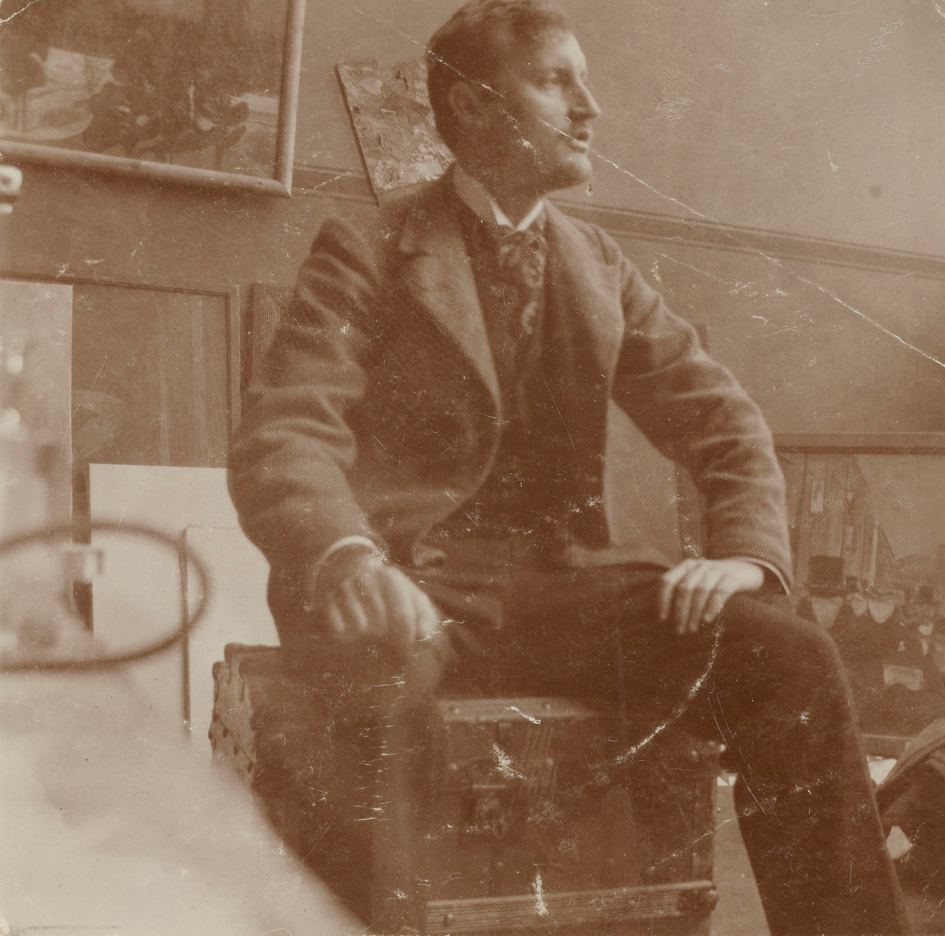
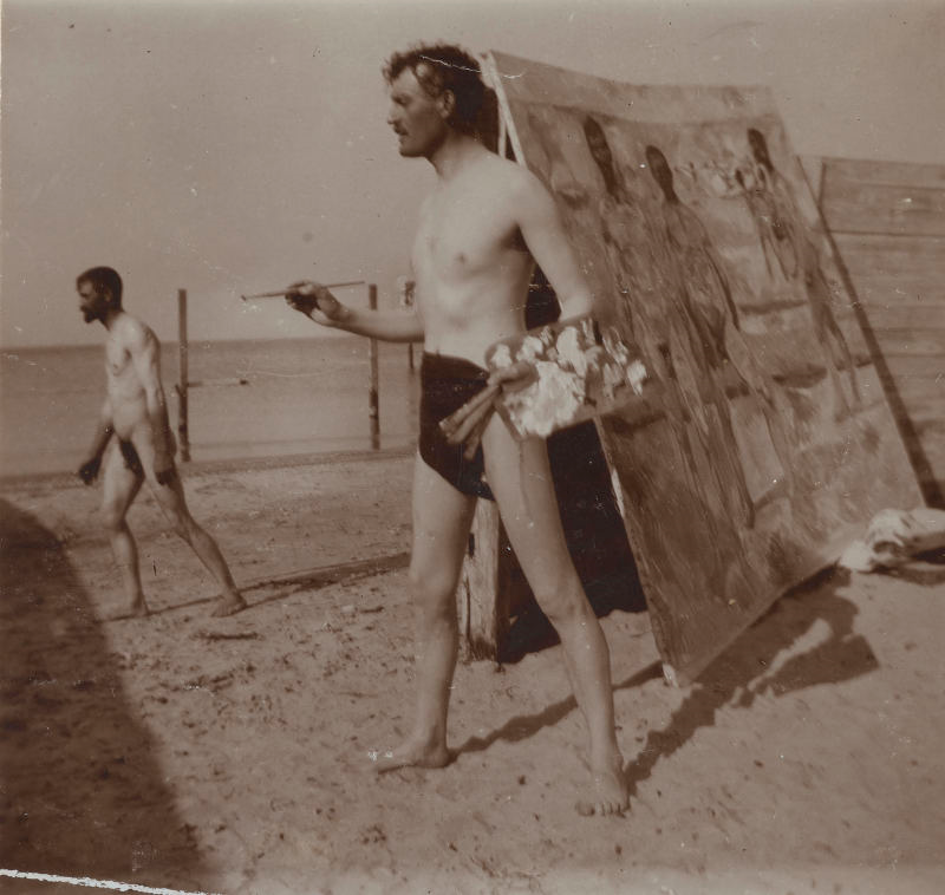
Norwegian painter and artist Edvard Munch (1863-1944) was one of the first artists to take “selfies”. He was a distinctive photographer, and in 1902 he bought his first camera. He used photography as an experimental medium, often placing himself in front of the lens. In his photographs, he often explored the effect of apparent “errors” such as distortions, blurry movements and unusual camera angles. Now, you can experience the experimental self of Edvard Munch at the Thiel Gallery in Stockholm
Edvard Munch pursued photography as an experimental medium and himself as an experimental subject. The unexpected areas of blank, disunified, or undefined form and shadows that replace living bodies mirrored his formal strategies in painting and graphic works. An amateur, he did not exhibit his photographs. Munch’s photographs have been dated to two periods, 1902 to 1910 and 1927 to the mid-1930s.
Self-portrait ”à la Marat” by the bathtub at dr Jacobsons clinic, Copenhagen, 1908-09. Photo: Edvard Munch. Munchmuseet, Oslo
Edvard Munch’s ‘selfies’
The investigative and poetic pictures show the artist himself and his immediate surroundings: “selfies” from the nerve clinic, the beach or the garden in his home outside Oslo. Munch took up photography in 1902, the year in which he and his lover Tulla Larsen ended a long relationship with a pistol shot that mutilated one of the artist’s fingers. This event, and an accelerated career, triggered a period of increasing emotional turmoil that culminated in a rest cure in the private Copenhagen clinic of Dr. Daniel Jacobson in 1908-1909.
Edvard Munch sitting on his suitcase in his studio at Lützowstrasse 82, Berlin, 1902
At that time, industrialist and art collector Ernest Thiel was one of Munch’s most important supporters, and he acquired a large collection of Munch’s works at the Thiel Gallery. The second period of activity, from 1927 into the mid-1930s, was bracketed by triumphant retrospective exhibitions in Berlin and Oslo. A hemorrhage in Munch’s right eye, temporarily impairing his vision, ended several photo-experiments.
Edvard Munch paining on the beach in Warnemünde, 1907. Photo: Edvard Munch. Munchmuseet, Oslo
The Experimental Self of Edvard Munch in Stockholm
The exhibition «Edvard Munch’s photographs. The experimental chase” is produced by The American Scandinavian Foundation/Scandinavia House, New York in collaboration with Munchmuseet, Oslo. The exhibition at Thiel Gallery in Stockholm runs until 31 May 2020.
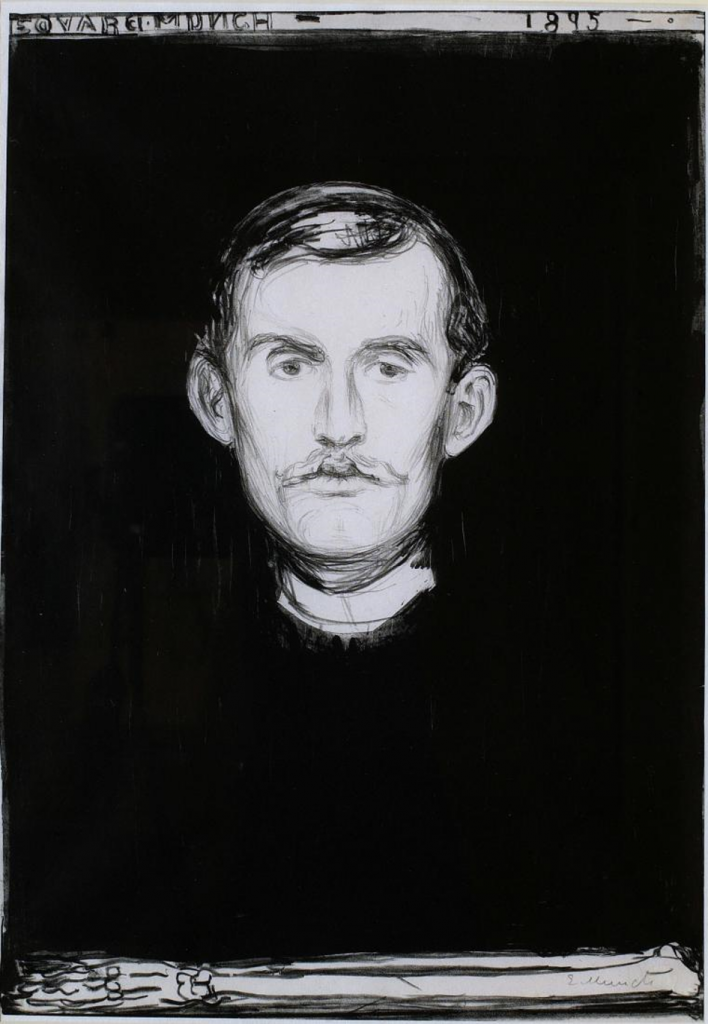
Edvard Munch, Self-portrait, 1895, lithography. The Thiel Gallery
Edvard Munch, Evening, 1902, wood cut. The Thiel Gallery
The exhibition, aims to show a part of Munch’s work that is unknown to many, but was an obvious part of his artistic work. The exhibition contains around 50 photographs provided by the Munch Museum after Edvard Munch’s own originals. A selection of Edvard Munch’s graphic prints, taken from the Thiel Gallery’s own collection, are displayed together with the borrowed photographs. The exhibition is curated by art historian Dr Patricia Berman.
Edvard Munch, The sick child, 1896, lithography. The Thiel Gallery
Feature image (on top): Edvard Munch, wearing glasses, in front of two watercolours, Ekely, ca 1930. Photo: Edvard Munch. Munchmuseet, Oslo
The Experimental Self of Edvard Munch in Stockholm is based on a press release from the Munch Museum in Oslo
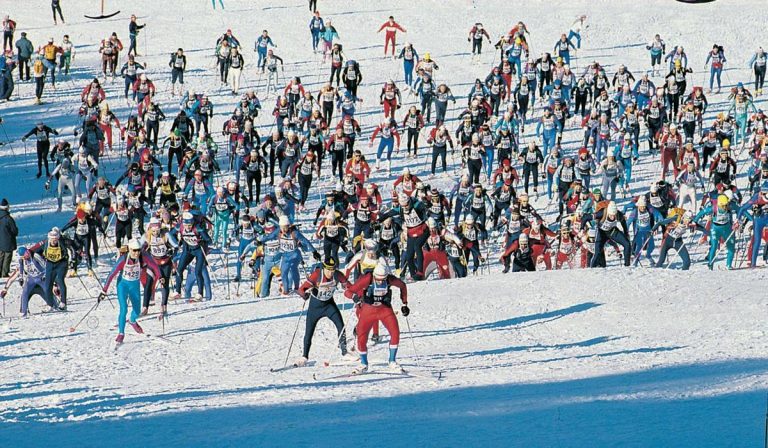
The first Birken Race (Birkebeienrrenn) took place in 1932 with 155 male participants. Much has changed since then. Today several thousand people from around the world are experiencing the joy of skiing in the wild nature of the Norwegian mountains. The legendary Norwegian ski race is a 54 km cross-country race starting in Rena to the finish in Lillehammer.
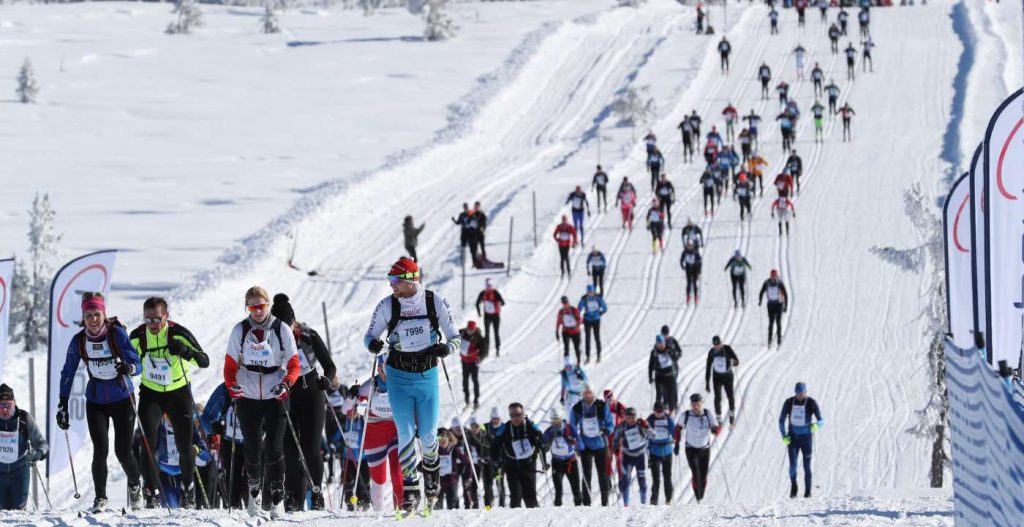
The race crosses two mountains and the tracks take the participants through breathtaking sceneries. It was in this landscape the king’s son was saved in security in the 13th century and since then hundred thousand of Norwegians have taken up the challenge to go on the trip over the mountains. In later years the race and the Norwegian nature have made Birken attractive to foreigners as well as to Norwegians.
The race crosses two mountains and the tracks takes the participants through breathtaking sceneries
Competitors from all over the world Birkebeinerrennet and its region have a very stable climate with good winters and a lot of wild snow in the high ground, and today competitors from all over the world join the races and create an amazing atmosphere. Competitors must be 16 years old by 31.12.20, and all participants must carry a backpack weighing at least 3.5 kg throughout the race.
The tradition of all participants carrying a backpack was established to symbolize the original Birkebeinere that saved the infant Norwegian king from the rivaling fraction, the Baglers.
In later years the race and the Norwegian nature have made Birken attractive to foreigners as well as to Norwegians
The Baglers
Originally, the Baglers intended to be offensive – referring to their leggings of birch bark, indicating that they were poor and incapable. Today, however, the name carries a sense of pride, strength and endurance – something thousands of people, participating in this historical race every year, keep striving for.
The Legendary Norwegian Ski Race
With its wild snow profile and demanding mountains, Birken makes it a real challenge to all XC skiers and a rite of passage under tough conditions. The position of XC skiing in Norway with the country’s skiing traditions and its stars, makes Birkebeinerrennet a special event for all Norwegians.