Swedish start-up Candela reckons that it has developed the perfect all-electric Med ferry. The Swedish company Candela is connecting Africa and Europe as well as crossing the Baltic Sea in a new way.
The company’s ultimate purpose is to speed up the transition to fossil fuel-free lakes and oceans. A traditional 7.5 m petrol boat consumes about 15 times more fuel than a family car, leaving a heavy footprint on our planet. Multiply that number by the number of ships and boats in seas worldwide, and it’s easy to see that the concept of traditional combustion engine boats is not sustainable.
The company set a world record by driving a hydrofoiling Candela C-8 between Stockholm and the Finnish autonomous region of Åland, marking the first time an electric boat has crossed the Baltic Sea. They even returned the same day – at 95% lower costs than a fossil-fuel-powered boat.
Swedish Start-Up Company is Connecting Africa and Europe and Crossing the Baltic Sea in a New Way, the article continues below the image.
Gustav Hasselskog, CEO and founder of Candela.
The company’s Elina is a fully electric hydrofoil that is attempting to set a world record for being the first all-electric vessel to traverse the Mediterranean. The plan is to graze past the Rock of Gibraltar, dock at the Spanish city of Ceuta on the African continent for a quick charge of the boat’s battery in the morning, and then return to the Spanish mainland in the afternoon.
The idea is to rethink efficiency in marine transportation to enhance the performance of electric boats and ships significantly. “The aim is to demonstrate that long-distance electric sea travel is not only possible today, but that foiling electric ships and boats outperform fossil-fueled vessels in every way,” says Gustav Hasselskog, CEO and founder of Candela.
Candela’s larger hydrofoil, the P-12, can take 30 passengers and is already running a successful commuter service on Stockholm’s waterways.
Elina is a C-8 hydrofoil, a nimble and lightweight 28ft (8.5 m) leisure boat built from carbon fibre that comes with battery technology and upholstery designed by car manufacturer Polestar. The boat, which is built and developed by Swedish firm Candela, can reach speeds of 30 knots (55.6km/h) and travel 40 nautical miles (74km) on a single charge. Candela’s crossing of the Med is not just about breaking records; it’s also a charm offensive. This will introduce the technology behind the firm’s larger hydrofoil, the P-12, which can take 30 passengers and is already running a successful commuter service on Stockholm’s waterways.
“At Candela, we care about doing something good for the planet and all its species. Coming from 20 different nations, we share a conviction that kindness combined with deep knowledge in science has revolutionary power,” states the company’s website.
The company’s Elina is a fully electric hydrofoil that is attempting to set a world record for being the first all-electric vessel to traverse the Mediterranean.
The record trip on the Baltic Sea was made on Thursday, Sep 5, 2024, in the latest version of the leisure boat Candela C-8, equipped with a Polestar battery, and charged by Kempower, starting at 6 a.m. from Stockholm’s Frihamn. After a charging stop in Kapellskär, they reached Mariehamn, the capital and largest town of the Åland Islands, an autonomous region of Finland, at lunchtime, making it the first electric boat to cross the Baltic Sea between Sweden and Finland.
About the company
Candela was founded in 2014 by Gustav Hasselskog. Determined to find ways to make electric boats with both range and speed, he gathered a task force consisting of some of the world’s leading experts within dynamic modelling, hardware design, hydrodynamics, control theory, machine learning, image & signal processing, structural engineering, and electrical machines.
Greece is Norwegians’ first choice when going on a summer holiday, according to charter company Apollo. “Greece sells by far the most in the summer,” says press officer Linn Granvold in NTB. Greece is the Norwegians’ first summer holiday destination choice.
Greece is a well-known and beloved travel destination that is often chosen every year. The country has good temperatures, a mix of sun, beach, local food, and reasonable prices. Eighty percent of the approximately 200,000 boarders who traveled with Apollo this summer traveled to Greece.
While Crete, Rhodes, and Epirus are the favorites of Norwegians in Greece, something else is now capturing Norwegians’ interest. There is a growing trend that Norwegians want to go to places that are less affected by tourists.
Linn Granvold is not sure why this trend is happening. “We are seeing a phenomenon in social media called “destination dupes”. In short, the trend is a hunt for genuine and local travel areas without completely emptying the wallet. We think the phenomenon is magnificent because it contributes positively to the local population. And it is cheaper to vacation on such trips.
At the same time, Apollo sees another trend. Norwegians and extended families like to travel to the same places and hotels as they did the year before.
From the old town in Drama.
This is one of the reasons why Daily Scandinavian, in collaboration with our travel partner TAKs verden, is heading towards Drama (Δράμα), located in northeastern Greece near the border with Bulgaria, a place rich in natural beauty, cultural heritage, and historical depth.
I discovered Drama as a travel destination through my good friend and co-editor of our new debate section, Raymond Sebergsen. His great passion is paragliding, and 13 years ago, he discovered Drama for the first time. The city has perhaps the best conditions in the world for paragliders, both in terms of geography and flight conditions.
The food in the Drama area is fresh and genuine.
However, over the years, he found that this city with its 40,000 inhabitants has so much more to offer than paragliding: The food, the nature, the culture, the sights, and not least the genuine people who live there.
Raymond Sebergsen’s great passion is paragliding, and 13 years ago, he discovered Drama for the first time.
In summertime, you can fly directly with Norwegian Air Shuttle to Thessaloniki. From there, it is just under two hours to Drama by car. The rest of the year, you can easily get there with a stopover by plane. Drama has something to offer all year round.
When a priest in a town outside the Antique town of Filippa realized I was from Norway, he asked me to send his regards to the author Jo Nessbø.
From early December to early January, the city transforms into a Christmas village with lights, wooden stalls, activities for children, and festive music. It’s especially magical at night and draws visitors from all over northern Greece. Drama is turned into a festive wonderland called “Oneiroupoli“ (“Dream City”).
We will for sure tell you more about Drama in future reviews.
Celine Sandberg was studying business development when she had the idea to replace petroleum-based cushioning foam, which fills our furniture, with a new variant made from Norwegian kelp. This is a Norwegian green alternative to cushioning foam sofas and more.
Celine Sandberg’s start-up company Agoprene is introducing sustainable seaweed foam that sets a new standard in planet-friendly materials. Developed and crafted to make choosing planetary health a no-brainer.
Agropene’s flexible foam provides a green alternative for sofas and more. Photo: Agropene
“For us, sustainability isn’t a trend or a selling point; it’s the benchmark. It’s about embedding eco-consciousness into every choice, ensuring that what’s ‘green’ today is ‘normal’ tomorrow,” states the company’s website.
Today, her company, Agropene, is doing well, as its flexible foam provides a green alternative for sofas and more. The primary component of Agoprene biofoam is Norwegian kelp, but minerals from crab shells and waste from the Norwegian paper industry are also used. The material is 100% biodegradable and contains no harmful or petroleum-based chemicals.
Born out of a vision to harness science for a meaningful impact, Agoprene stands at the intersection of innovation and responsibility. The starting point for Celine Sandberg’s journey was a challenge: how to reduce the carbon footprint of the furniture industry without compromising on quality.
*************************************************
Related: Seaweed in a Shampoo Bottle
*************************************************
By trading petrochemicals for biomass, she and her team embarked on a mission to create foam that was not only eco-friendly but an upgrade in every sense. Today, as they expand their vision, they are driven by the same commitment to innovation, quality, and the planet.
Agoprene’s ambition is to enhance sustainability in everyday products, beginning with the furniture industry. Its solutions not only reduce environmental impact but also provide cost-effective alternatives for businesses across various sectors.
By sourcing natural materials from local waters, the company is crafting a foam that’s not just kinder to the planet but also a practical choice for various applications.
“Flexible foam made from seaweed hadn’t been produced before, so I went knocking on professors’ doors to pitch my idea, but they didn’t think it was doable,” says Sandberg. “I created the prototypes in my student kitchen with a lot of seaweed, some pots, and an oven. The first thing we made was bioplastic, which was quite easy, and then a rigid foam. After two years, we managed to make it flexible.”
Agoprene’s ambition is to enhance sustainability in everyday products, beginning with the furniture industry. Photo: Agropene
“With rubber consumption increasing and set to continue to grow in the future, it goes without saying that we need more sources of rubber than we already have. Otherwise, we will have to burn down more hectares of rainforest and drill for even more oil”, says Celine.
She recently submitted her master’s thesis at NTNU’s School of Entrepreneurship and is now working full-time as the general manager of Agoprene. The goal is to develop an entirely new type of foam rubber that is biodegradable and more environmentally friendly than existing alternatives.
Initially, the plan was to use natural rubber to make a new type of wetsuit for extreme sports athletes. However, when she discovered that rubber production was environmentally unfriendly, she began searching for alternative materials. And with a pandemic that shut down the country, Celine was forced to look in her backyard.
Celine’s surprise stems from companies’ willingness to test out a new material. She was speaking to some of the most prominent players in the world who have been reaching out to her company.
Agoprene is leading the way in sustainable innovation. Its seaweed foam is not just an alternative – it’s a revolution. Altogether avoiding petrochemicals, it’s pushing boundaries to offer a product that’s pure, eco-friendly, and in harmony with nature.
The company’s first automated line in Norway is slated to open later this year. According to Celine, it doesn’t make sense to build a few large production lines. “We want 100 smaller ones all around the world that are closer to customers and use local seaweed. Next, we want to target the transport and footwear industries.”
Norwegian Green Alternative to Cushioning Foam for Sofas and More, reported by Tor Kjolberg
Textile expert, former model, and reality TV contestant Ørnulf Høyer is often referred to in the media as the Norwegian king of clothing. He started his fashion stores in 2004 and has had an adventurous growth, but now he is planning to slow down.
Last year was 20 years since the Norwegian clothing king’s adventure began. A textile cowboy who decided to focus on retail after many years as an agent for brands such as Marlboro Classic and Sand. Most people thought it was total madness to focus on high-end fashion in Norway, but then there is also some madness in the man who dared to embark on this journey – namely, Ørnulf Høyer.
At the age of 21, he was discovered on the dance floor of a local restaurant in Oslo and was recruited by the Elite modeling agency. There, he got jobs that showcased his masculinity and charm, and was later sent to Florida with fellow model Claudia Scott to model in a photo novel.
Until Høyer was 27 years old and had completed his degree in economics from BI in Oslo, he lived in a dormitory in an adapted house on the west side of Oslo to be present for his mother, who was severely injured after a fall on her bicycle as a youngster.
From Høyer, Trondheim.
***********************************************
You may also like to read Norway’s First Fashion King
***********************************************
As a salesman, he gained extensive knowledge of the Norwegian fashion industry, lessons he later applied when building the Høyer empire. In 1991, he was appointed to manage the agency for the Danish clothing brand Sand in Norway. During the financial crisis in 2008, he opened a large high-end store in the middle of Oslo’s main street Karl Johan. Despite gloomy predictions, the store proved to be a huge success.
Ørnulf Høyer established five Sand stores in Norway, but terminated the agreement with Sand in 2003. It was with the final settlement from Sand that he took the opportunity to realize his dream of starting a chain of his stores with several well-known brands. The first Høyer store opened in 2004, and with the help of his ability to become a media presence, the Høyer name became a household name. By now, he had bought a 750 square meter villa with a swimming pool on the best western side of Oslo.
Høyer’s prominent villa has been used as a filming location in a number of Norwegian film and TV productions, including the TV series ‘Exit’. Photo: finn.no
The prominent villa has been used as a filming location in a number of Norwegian films and TV productions, including the series “Hvite gutter” and “Mammon”, as well as the films “Tina & Bettina The Movie” and “Exit”.
What made him dare to take the plunge, and not least, what made him succeed? Why clothes – was it business or fascination that took him in that direction?
“Believe it or not, but it was emotions! I love electric emotions – and then the choice was between the clothing and entertainment industry. In my opinion, those are the industries that best promote those emotions. If it weren’t for the passion I have in my body, I would most likely have ended up in real estate. A little madness, a lot of passion, and fearlessness are probably the reasons for my success.”
“Nothing of what I have achieved would have been possible without all the talented people I’ve had the chance to work with who share the same passion as I – I’ve been lucky,” says Høyer.
In addition, he developed new sensible economic models, based on innovation and alliances with business partners, landlords, and suppliers. “But none of this would have been possible without all the talented people I’ve had the chance to work with who share the same passion as I – I’ve been lucky,” he adds.
To succeed in business, how much does personality really depend on, and to what extent can one acquire the necessary qualities?
“60% personality and 40% acquired knowledge!” he answers immediately, and adds, “You must have an inner flame, believe in yourself and in the opportunities that are given to you. If you manage to anchor this with knowledge, you are well on your way. You are never fully educated, and you must remain curious and seek new perspectives at every opportunity. There is a wealth of knowledge in everyday conversations. Let your brain play with your thoughts and don’t go straight for definitive answers”.
According to Høyer, building a business is a lifestyle.
Building a business is a lifestyle, says Høyer. You must be prepared to make it your lifestyle and feel that you have the willpower to stick with it for the long haul. Think outside the box. You must have the ability to change course while looking ahead. Look for opportunities and ideas that may challenge or contradict your previous beliefs. It is also important to remember that you have two ears and one mouth. Listen to good advice and translate it into your “language”.
Stand up and sit on the “other side of the table”. Understanding the other party and putting yourself in the other’s perspective is extremely useful. This applies in many situations, whether you are selling something, finding solutions with your wife, or agreeing on a deal – dare to think again! Give yourself time when making important decisions. “Sleeping on it” is a perfect expression and excellent advice. Don’t let yourself be pressured into making hasty decisions. Sleeping on a decision for both one and two nights before forming an opinion is very wise. It’s better to have one night of little sleep and a spinning head than many sleepless nights because of one bad decision.
As a fashion king for over 30 years, you have had a significant influence on how Norwegian businessmen dress. What are your best tips for “power dressing” for guys?
“I swear by black myself – it can never go wrong, black shirt, blazer, trousers, shoes with a scarf around the neck that gives character to the outfit. Then you are dressed for most things and most people, classic and “sharp”. We guys don’t have as many accessories as girls, but we make the most of what we have! Wear glasses, a belt, a watch, scarves, and shoes – here you can play around. Let the boots do the talking – they can make the whole outfit! I have always liked using glasses as a styling element – they frame the face and add character. Use a few details from the outfit as a starting point. For example, the same leather in the shoes and belt, or a scarf around the neck, picks up the color in the blazer.
From Høyer, Egertorget, Oslo.
Good clothing costs a little more, but over the years, it isn’t that expensive – that’s what I like about Høyer and our products too. It costs a little extra when products aren’t mass-produced and the fabric quality is good, and when you pay a little more, you also take better care of it”.
The villa that Ørnulf Høyer bought unseen in the 1990s from one of Norway’s biggest money-making criminals is being sold as the clothing entrepreneur plans to downsize and hopes to reduce his workload from 150 to 75 percent.
Several Nordic countries consistently rank high as the best places to be a child, with Netherlands, Denmark, Sweden, Norway, and Finland often cited as top contenders.The Nordics are thebest countries in the world for raising kids.
Unicef recently published a list of the best countries in which to be a child. The Netherlands placed first. Denmark came in second. According to the Organization for Economic Cooperation and Development, the Nordic nations of Denmark, Sweden and Norway are viewed as excellent locations to raise children by international survey respondents.
The Nordic nations generally excel in providing a strong foundation for child well-being. Photo Nadja Abele/iStock.
Copenhagen certainly scores well on the “popsicle test”, which assesses the safety of a place according to whether an eight-year-old can walk to a shop on their own, buy a lolly and return safely.
The Nordic nations generally excel in providing a strong foundation for child well-being, encompassing physical and mental health, access to quality education, and a supportive social environment.
The strength of a country’s social safety net may offer clues about the quality of life in that nation. For example, The Scandinavian countries Denmark, Sweden and Norway have spent more than 1% of their total gross domestic product on early childhood education and care. Danish children enjoy wonderful freedoms and protections, and are indulged by city planners.
Nordic countries like Denmark, Sweden, Norway, and Finland are known for their robust social safety nets, including generous parental leave policies, affordable or free healthcare, and quality education systems.
The Danish education system is highly regarded for its innovative teaching methods and commitment to student well-being. Photo: Stock Planets/iStock.
A companion to the overall 2024 Best Countries rankings from U.S. News, the 2024 Best Countries for Raising Kids rankings are drawn from a global survey of almost 17,000 people. The rankings are based on how respondents perceived countries in relation to eight specific attributes: cares about human rights, family-friendly, gender equality, happy, income equality, safe, and having well-developed public education and public health systems.
The Danish education system is highly regarded for its innovative teaching methods and commitment to student well-being. It includes both public and private schools, with public schools being tuition-free.
This said, the joy of going to school is waning, and too many children feel alone and left out. Multiple children and youth are affected by poor mental health and illness. For some children and young people, the challenges are significant. Despite several efforts, 47,000 young people between the ages of 16 and 24 are still neither in employment nor in education.
Nordic countries are known for their robust social safety nets, including affordable or free healthcare. Photo: Violeta Stoimenova/iStock.
The Nordic countries prioritize child well-being in their policies and social structures, leading to high levels of life satisfaction among children. Nevertheless, although the Nordic countries may be the best places in the world to grow up, we still meet challenges.
Spring and autumn in the Nordic countries offer something different—fewer crowds, lower prices, and better access to local experiences. Travelers are now choosing the Nordic shoulder season to enjoy natural landscapes without the rush of peak months.Read on and learn more about the reasons travelers are falling in love with the Nordic shoulder season.
With mild weather and more daylight, outdoor activities feel more enjoyable. Flights and hotels are often less expensive, giving more people the chance to explore Norway, Sweden, Finland, Denmark, and Iceland. Seasonal foods, colorful scenery, and quiet towns make each trip feel more personal. These off-peak months reveal a different side of the region—one that’s easier to explore and enjoy.
Charming Weather Without the Crowds
Cool mornings and mild afternoons define the weather during this off-peak travel season. These conditions make walking, hiking, and sightseeing far more pleasant. Fewer tourists visit during these months, which means less noise and more open space. Trails, viewpoints, and popular landmarks feel peaceful, not packed. Outdoor cafes have free tables, and guided tours run without long waits.
As a matter of fact, the tranquility adds to the experience, letting travelers move freely without feeling rushed or crowded. Parks, lakes, and coastal paths become more enjoyable without the buzz of peak-season traffic. In contrast, summer can feel overwhelming in busy destinations. With this in mind, the off-peak climate offers more room—literally and figuratively—to enjoy what’s around you.
The Weather is great during this season, so you’ll get to experience every tourist attraction you want. Photo: Bob Jenkin/Pexels
Affordable Nordic Travel Has a Season – and This Is It
Travel during the off-peak Nordic months often costs significantly less than trips taken in summer. Flights are easier to find at lower fares, and accommodations drop their rates to fill empty rooms. For example, hotel prices in places like Oslo or Reykjavik can fall in price in spring and autumn. Luxury stays, usually out of reach for many, become more attainable during this period. Spa hotels, fjord cruises, and boutique stays often run special offers or include extras for less.
Dining, car rentals, and guided tours may also come at reduced prices. In contrast, peak-season prices can double without offering much more in return. As a matter of fact, traveling off-season is a smart way to avoid overspending. With this in mind, those avoiding common mistakes when moving overseas can also benefit from planning visits during these cost-friendly months to explore possible new homes without breaking their budget.
Traveling during Nordic shoulder season is less expensive and less crowded. Photo: Efrem Efre/Pexels
Autumn Colors and Spring Blossoms Create Picture-Perfect Views
Mountains turn gold and red during autumn, while spring brings blooming fields and fresh green hillsides. Forests glow with seasonal color, and fjords reflect skies that shift from soft blue to deep orange. These views create ideal settings for hikers, cyclists, and photographers looking to capture striking contrasts. Local festivals highlight the harvest in autumn and celebrate renewal in spring, often with music, markets, and local food. Snow still clings to high peaks while flowers open in the valleys, offering strong visual contrasts.
Wildlife becomes more active, and trails feel open and quiet. Nature lovers will find the season ideal for peaceful exploration. Not to mention, the lighting during these months is softer and more dramatic, perfect for photos. Then again, crowds are smaller, making it easier to enjoy wide-open spaces. Every path and lookout offers something special during these short yet stunning seasons.
More Access to Local Life and Hidden Gems
Traveling during the Nordic shoulder season often brings unexpected rewards. Residents have more time to chat, recommend places, or share personal stories. Small villages feel more relaxed, and it’s easier to strike up conversations in local cafes or markets. Because of this, the popularity of Nordic countries has increased among travelers. Sweden has become a popular travel destination, with international tourist arrival numbers rising to over 6.8 million in 2024.
Traditional events still happen, from fishing festivals to autumn food tastings, but without the crowds of high summer. Tourism feels less polished and more real, giving travelers a closer look at everyday life. Shops, museums, and attractions feel more personal, not rushed.
Then again, hidden spots feel more accessible—quiet trails, historic farms, and old harbors that are often overlooked in peak months. These details make travel feel deeper and more engaging. Above all, it’s about slowing down and seeing what’s often missed during the busier times of the year.
Seasonal Cuisine Is Fresh, Unique, and Delicious
Fresh ingredients define Nordic cooking during the shoulder season. Markets and local kitchens focus on what’s naturally available in spring or autumn. Travelers enjoy foods tied to place and season without the inflated prices of summer dining. Menus shift to highlight ingredients harvested locally, often within the same week. Not to mention, food tours offer rich cultural insight and help travelers understand how climate shapes cuisine. Foraging experiences are also popular during these months, giving visitors a chance to try ingredients straight from the land. Street markets and coastal towns serve meals that are both simple and refined. Expect:
Spring lamb with herbs and root vegetables
Autumn wild mushrooms and berry-based sauces
Freshly caught fish prepared with dill and rye
Cloudberries, lingonberries, and baked cheese for dessert
Hearty stews made with game meat and local produce
Northern Lights and Midnight Sun Without the Fuss
Clear skies and lower humidity create excellent conditions for viewing the northern lights. These displays often appear in early spring and late autumn, especially in places like Abisko, Tromsø, or northern Finland. Long, dark evenings make the colors stand out sharply. In spring, daylight stretches well into the evening, giving travelers more time to explore. Autumn skies glow with rich reds and oranges as the sun sets slowly.
Tour bookings are easier during these months, with fewer crowds and more flexible schedules. Smaller group sizes improve the experience, and guides are more available. Another key point, the weather remains favorable—cold enough for clear skies but without the deep chill of winter. In short, the mix of light, space, and quiet brings out the best of the season, whether chasing auroras or enjoying extra hours of daylight.
If you decide to travel North, you will get to witness the beautiful Aurora Borealis
Why the Nordic Shoulder Season Is the Smartest Time to Travel
The Nordic shoulder season offers travelers a quieter, richer, and more affordable way to explore the region. From colorful landscapes to authentic local experiences, this travel window highlights the best of spring and autumn. With fewer crowds, better prices, and stunning natural sights, it’s an ideal time to go. For those seeking beauty, comfort, and value, the North delivers all three without the stress of peak-season travel.
Sarah Miller
Reasons Travelers Are Falling in Love with the Nordic Shoulder Season, written explicitly for Daily Scandinavian by Sarah Miller. Sarah is a travel writer and content strategist with a passion for offbeat destinations. She specializes in Nordic travel, sustainable tourism, and cultural insights. With over a decade of experience, Sarah crafts engaging, research-driven articles that help readers explore the world with purpose, curiosity, and practical know-how.
You probably know the feeling. You want to check a couple of flight tickets, and suddenly, three hours have passed. Here are my views on planning a holiday online: Where to book, what to book, and what to watch out for.
You have ten tabs open, four different comparison sites, and no idea which is the cheapest, safest, or most reasonable option. What was supposed to be the start of something enjoyable ends in frustration. And we haven’t even gotten to the rental car yet.
Welcome to the digital holiday jungle. Here’s a guide to what you need to know when planning your trip, which websites are worth using, and how to avoid the most common pitfalls.
Welcome to the digital holiday jungle.
First: Flights
Flight tickets are usually the first thing people book. There are many search engines and comparison tools available, but they vary significantly in terms of user-friendliness, price accuracy, and the information they display.
Skyscanner is my personal favorite for checking prices. Not because I book through them, but because they offer a fantastic overview – especially if you’re flexible on dates. You can view an entire month at a glance, compare different routes, and set alerts for price changes. But once I find a good departure, I always book directly with the airline. The price is usually the same, but it gives me peace of mind knowing I don’t have to deal with a middleman if something goes wrong. It simply feels safer when I know who I’m dealing with.
Google Flights is fast and easy to use, allowing you to see price trends, alternative airports, and compare over time. It also shows whether a price is lower than average.
Momondo often offers a more playful interface and map view, but it can show results from more obscure sites. Here, you should be cautious about who you book with.
Tip: Use these services to find the best travel dates, but consider booking directly with the airline. The price is often the same or even lower, and it’s easier to manage any changes or cancellations later.
Skyscanner offers a clear price calendar that makes it easy to spot the cheapest travel dates – perfect for flexible travelers. In this example, I chose Alicante simply because many Norwegians travel there and have holiday homes in the area.
*******************************************
Related: Hotel Booking Secrets
*******************************************
Where do you find the best deal without falling into a trap?
Next: Hotels and Accommodation
The next step is accommodation, and this is where many start to feel overwhelmed. Should you go for a hotel, an apartment, or maybe a vacation home? And where do you find the best deal without falling into a trap?
Booking.com remains the most widely used platform in Europe. It has a large selection, user reviews, and often flexible cancellation options. Especially useful if you like having control and want to be able to make changes along the way.
Hotels.com offers a loyalty program where you get one free night for every ten you book. Handy if you travel often, but the prices aren’t always the lowest.
Trivago and Kayak are meta platforms that compare prices across many sites, including Booking.com and others. They provide a quick overview, but they don’t always show the whole picture.
Airbnb has become more expensive in recent years, and the additional fees can make up a significant portion of the price. Many hosts have also implemented strict rules and high security deposits. Read the reviews carefully, and be aware that customer service is not always on your side.
Tip: If you find a hotel on Booking.com, it can be worth checking the hotel’s website. Many offer lower prices or extra perks for direct bookings.
Renting a car is often where people face the most frustration.
And Finally: Car Rental – The Real Test
Renting a car seems simple in theory. In practice, this is often where people face the most frustration. Vague terms, hidden fees, high deposits, and unexpected insurance costs can turn this into an expensive headache.
DiscoverCars, Rentalcars, AutoEurope, and even Skyscanner (which has a dedicated car rental section) are among the most commonly used comparison tools. They display prices from various providers, including both large and local ones. Many users form a good first impression and are tempted by the lowest price, but often overlook the fine print. I’ve been there.
I recently booked a car myself through DiscoverCars, with extra insurance included, from a company called United Rent A Car. The price was around 200 euros for ten days – about half of what the big-name companies were charging. Naturally, I was skeptical. When something seems too cheap, alarm bells go off. But after thoroughly reviewing the terms and checking around a bit, I decided to take the chance.
This time, we’re also conducting a site inspection and planning trip for a travel company, in conjunction with a reporting assignment for a travel media outlet. So, I doubt it would be particularly wise of them to try anything shady. Still, I’m prepared for the possibility that something unexpected might come up. That’s precisely what makes car rental the most unpredictable part of holiday planning.
Skyscanner is my personal favorite for checking prices.
Here are a few essential things to watch out for:
Insurance: If you purchase insurance through the comparison site, it doesn’t apply directly with the rental company. You’ll have to pay any damages upfront and request reimbursement afterwards. This applies, for example, to DiscoverCars’ full coverage. Some people prefer to buy full insurance directly at the counter. It costs more but often leads to fewer surprises and arguments.
Credit card and deposit: Many companies require a credit card in the main driver’s name and will block an amount ranging from 500 to 2000 euros. This amount can remain reserved on your account for several weeks after returning the car. If you don’t have a credit card, you risk losing the booking altogether – even if everything else is in order. Not everyone is upfront about this in advance.
Fuel policy: Full to full means you pick up the car with a full tank and return it the same way. Other options include prepaid fuel or fees if the tank isn’t full. Read the details carefully and take a photo of the fuel gauge before you drive off.
Damage and photos: Always take pictures of the car from all angles, both when picking it up and returning it. There’s often disagreement over minor scratches, rim damage, or dirt, and having photos can save you in case of disputes. I always do this now, to be on the safe side.
Reviews: Check reviews of both the platform you’re booking through and the actual rental company. Trustpilot, Google, and Revdex can be helpful, but be cautious and read more than one review, looking for recurring complaints rather than isolated bad experiences.
Tip: If you’re unsure, choose a well-known company like Avis, Hertz, or Sixt. They’re usually more expensive, but you know what you’re getting. Big players tend to have clearer policies, better routines, and more responsive customer service if something goes wrong. That said, many small local companies also do a great job. The key is to do your homework and not base your decision solely on price.
Finding a cheap rental car is easy. Having a good experience with it takes a bit more effort. But once you’ve been through it a few times, you learn what to avoid – and sometimes, taking a chance works out fine as long as you’ve made an informed choice and keep a close eye on the details.
Conclusion: Planning a Holiday Online: Where to Book What – and What to Watch Out For. Booking Chaos Is the New Normal
In the hunt for the perfect vacation, we’ve ended up with a paradox. Everything is available, and that makes it almost impossible to choose. It’s tempting to opt for the cheapest option and hope for the best, but it almost always pays to spend a little more time reading the terms, double-checking prices, and being a bit skeptical of deals that seem too good to be true.
There’s no single correct solution, but there are plenty of good ones – as long as you know what you’re saying yes to.
As for how the car rental turns out this time? That remains to be seen. I’m taking the chance, but staying alert. A follow-up article will come once I know how it all played out. Hopefully, it’ll be a lesson worth sharing – whether as a helpful tip or a friendly warning.
Raymond Sebergsen
Planning a Holiday Online: Where to Book What – and What to Watch Out For, written by Raymond Sebergsen in collaboration with Daily Scandinavian. Raymond is a self-taught multidisciplinary problem solver with over 30 years of experience in IT, sales, product and service development, and management. His career began in local radio and TV, where he discovered the joy of communicating, creating, and doing things his way. This approach still characterizes his work: curious, practical, and driven to understand and improve. He will share his experiences and essential knowledge with Daily Scandinavian readers. Here are more tips and guides by Raymond Sebergsen.
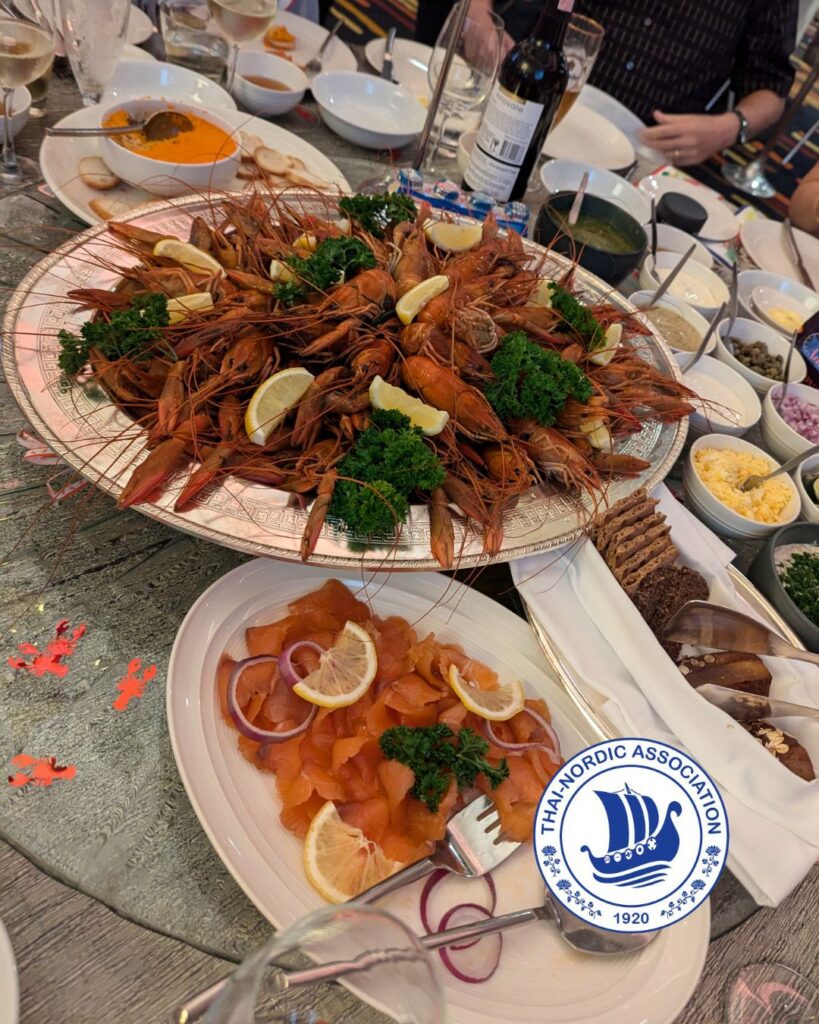
The annual Thai-Nordic Crayfish Party will take place on Saturday, 20 September 2025,at The Landmark Ballroom in Bangkok.
The Nordic crayfish party is known for being one of the liveliest Nordic-themed celebrations in Thailand. The event draws a crowd from across the Thai-Nordic community.
The Thai-Nordic Association’s annual Crayfish Party in Bangkok is a celebration of Nordic culture, specifically Swedish “Kräftskiva” traditions, featuring a feast of crayfish, Scandinavian delicacies, and drinks.
The Nordic crayfish party is known for being one of the liveliest Nordic-themed celebrations in Thailand.
The evening offers everything that you have come to expect from a crayfish party! The Crayfish Party is held in cooperation with the Nordic chambers, SWEA, SANT, and the Danish Women’s Network. Members of these co-host organizations are eligible to join at the fully discounted member rate. Attendees can expect a lively atmosphere with live music, dancing, and opportunities to network within the Thai-Nordic community.
The centerpiece of the party is a traditional crayfish meal.
The centerpiece of the party is a traditional crayfish meal, served with bread, Västerbotten cheese, and other Scandinavian dishes.
Welcome drink, plenty of beer, wine, soft drinks, and schnaps, accompanied by lots of crayfish, Scandinavian delicacies, desserts, and midnight snacks, as well as singing all the famous Crayfish songs and then dancing the night away with The Boss Band and sets from a DJ!
he evening offers everything that you have come to expect from a crayfish party!
The event is an excellent opportunity to connect with members of the Thai-Nordic community and enjoy a festive atmosphere.
I always find early mornings to be the most magical, especially when there’s mist rising from the forest or lakes, and the light is soft and golden. Read on and learn more about the best times of day for getting great nature snaps in Sweden.
Late evenings can be beautiful too, especially during Swedish summers when the light lingers. Golden hour does live up to its name here, adding warmth and drama to both landscapes and close-up nature shots.
Even a simple scene can become stunning if you catch it in the right light.
Five top tips for taking your wildlife shots from good to great
Wait for the light: Even a simple scene can become stunning if you catch it in the right light.
Look closer: Details like moss textures, insects on petals, or dew drops can be just as powerful as wider shots.
Don’t be afraid to experiment: Some of my favourite shots came from breaking my own rules — blurry wings, off-centre framing, even shooting into the sun.
Play with focus: Try focusing on unexpected parts of the frame, like a leaf in the foreground, to create depth and intrigue.
Use manual settings when possible: In uneven light, manually adjusting shutter speed and aperture gives you more control and can elevate a shot.
Details like moss textures, insects on petals, or dew drops can be just as powerful as wider shots.
Best Swedish destinations for photography and hiking
Österlen is one of my favorite regions for photography. The soft light, rolling fields, and wide-open beaches (like Sandhammaren and Haväng) are stunning, especially in the off-season when it’s quieter.
In uneven light, manually adjusting shutter speed and aperture gives you more control and can elevate a shot.
In Gotland (and Fårö), the light is something else. It feels different, almost Mediterranean in summer. The rauk formations, windswept coastlines and peaceful inland meadows make it a dream to photograph. I’d go back in a heartbeat.
Try focusing on unexpected parts of the frame, like a leaf in the foreground, to create depth and intrigue.
Abisko in the north is also on my dream list, mainly for the winter light and Northern Lights.
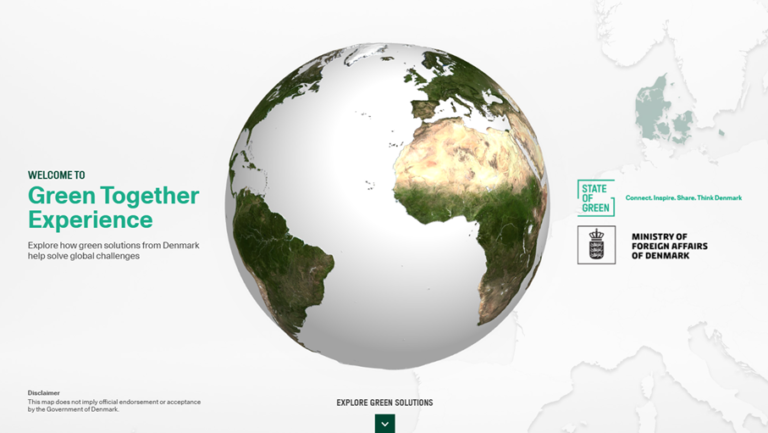
State of Green and the Danish Ministry of Foreign Affairs have launched a new European map highlighting green projects and partnerships across the continent. But not only in Europe.Danish companies and institutions collaborate globally to address pressing challenges in energy, water, and urban development.
For hundreds of years, Denmark was a society heavily reliant on agriculture and fishing, and Danes still feel a strong connection to the land and the surrounding waters. This respect for nature is why Denmark is a pioneer in promoting sustainability.
Our climate refers to the average weather pattern in a region over a long period, such as in polar, tropical, and temperate areas. The Earth’s climate is warming rapidly due to the large amounts of carbon released into the atmosphere by humans, which exceeds the capacity of nature to absorb it. This carbon was stored underground for millions of years as fossil fuels, such as gas and oil. By extracting and burning these fuels for energy, transport, and industry, we’re releasing that stored carbon back into the atmosphere.
The Danish Green Together Experience is a digital platform that showcases green solutions, expertise, and partnerships from around the world. Sustainability means different things to different people. To the Danes, sustainability is a holistic approach that encompasses renewable energy, water management, waste recycling, and green transportation, including a strong bicycling culture.
It took 1 million years to form the fossil fuels we consume in just one year. As Europe strives to achieve its ambitions and goals under the EU Green Deal, Denmark is poised to play a pivotal role. A newly launched European map on the Green Together Experience platform showcases how Danish companies, cities, and institutions are already contributing to the continent’s climate and sustainability goals.
The Danish Green Together Experience is a digital platform that showcases green solutions, expertise, and partnerships from around the world. Sustainability means different things to different people.
What is sustainability?
Through decades of extraordinary and sustained efforts, Denmark has developed a world-class green energy system that delivers a cleaner, everyday life and increased green energy.
In particular, Denmark has focused on making buildings more energy-efficient, a crucial step in a country where heating is required for more than half of the year. We all create carbon emissions, either as individuals or organizations. We rely on fossil fuels to heat our homes and workplaces, to travel, and to manufacture the products we buy and use. The annual amount of emissions a person or organization creates is called their carbon footprint.
The launch of the Green Together Experience coincides with Denmark’s preparation to assume the rotating Presidency of the Council of the European Union in 2025 – a moment when visibility into green partnerships and practical solutions is more crucial than ever. Through an interactive and data-rich overview, the map invites international stakeholders to explore green projects and partnerships that span borders and sectors.
Through decades of extraordinary and sustained efforts, Denmark has developed a world-class green energy system that delivers a cleaner, everyday life and increased green energy.
Danish companies are among the global market leaders in making buildings efficient, particularly Rockwool (insulation), Velux (windows), Danfoss (heating applications), and Grundfos (careful use of water).
We have entered a climate emergency. This means rapidly changing weather systems worldwide. In Europe, we are experiencing more frequent storms and flooding in the winter, as well as increased drought in the summer. We are now living through the effects of these changing patterns, and they are only set to become worse. It will mean growing numbers of wildfires; farming conditions becoming unpredictably difficult, and rising sea levels covering our low-lying coastlines.
The new map brings together more than 30 real-world case stories across Europe, from offshore wind farms in Poland to water efficiency in Spain and district heating in the Czech Republic. The platform also includes information about Denmark’s green collaboration with countries across Europe, as well as emphasizing the key potential for green growth and partnership.
Denmark is committed to contributing to the United Nations’ achievement of its 17 Sustainable Development Goals by 2030.
Denmark is committed to contributing to the United Nations’ achievement of its 17 Sustainable Development Goals by 2030. It has developed a specific action plan to address both environmental sustainability and social goals, such as equality and inclusion.
Fortunately, there are numerous ways to reduce our carbon footprint and help slow the warming of our planet. This can include changing the way we travel, heat our homes, eat, and buy products. However, to make an impact, all levels of society must make a change, including government, big corporations, charities, and individuals.
*****************************************
Related: Green Living in Copenhagen
*****************************************
Explore green cooperation across Europe
All case stories on the map are part of the broader Green Together Experience – a digital platform designed to showcase how Danish public and private partners collaborate to address environmental challenges through international cooperation. Visitors can explore sector-specific examples within energy, cities, and water, with each project placed at its real-world location.
Denmark is the sixth-largest shipping nation in the world, and the Danish company Maersk Line is the world’s largest container shipping operator, handling 12 million containers annually.
According to the International Maritime Organization (IMO), shipping is responsible for 2-3% of the world’s greenhouse gases. This means that the potential and impact of decarbonizing international shipping are excellent. As a significant maritime power, Denmark has a responsibility to use its influence to advance shipping globally.
The new map brings together more than 30 real-world case stories across Europe, from offshore wind farms in Poland to water efficiency in Spain and district heating in the Czech Republic.
Our Living Planet
Animals, plants, fungi, and microorganisms living together in one area form ecosystems – complex networks of life that are part of what we call biodiversity. This biodiversity, both local and global, is deeply interconnected and supports essential systems that provide us and all living things with clean air, fresh water, and food.
Whether used at international expos, diplomatic meetings, or local stakeholder visits, the platform will serve as a practical tool for initiating dialogue and inspiring green action. The Green Together Experience platform will be visible at official events and venues across Denmark’s EU Presidency, showcasing both Denmark’s and Europe’s green goals and ambitions.
In the very middle of Denmark lies Samsø island, famous for its delicious potatoes. Since 2007, Samsø has been 100% sustainable, relying entirely on renewable energy sources, including wind, solar, and biomass.
To meet that goal, many of Samsø’s inhabitants replaced their oil-burning heaters and insulated their homes.
The island is now implementing a new strategy for reusing all waste. A new biogas plant will also generate the necessary power for the ferry “Princess Isabella,” which connects Samsø with the mainland of Denmark.
The green Embassy House in Aarhus.
Human life depends on a healthy, living planet. Our survival and well-being are tied to the natural ecosystems and cycles that meet our basic needs and enable us to thrive. For humanity to flourish, we need a world that is rich in life, diverse in species, and resilient in the face of change—protected not just for us, but by us.
Circular economy
Accessible online and designed for use at events, meetings, and campaigns, the platform supports embassies, trade councils, and international partners in promoting Denmark’s green leadership through tangible and credible examples.
Danish Companies and Institutions Collaborate Globally to Address Pressing Challenges in Energy, Water, and Urban Development, Tor Kjolberg reporting.



 Linn Granvold is not sure why this trend is happening. “We are seeing a phenomenon in social media called “destination dupes”. In short, the trend is a hunt for genuine and local travel areas without completely emptying the wallet. We think the phenomenon is magnificent because it contributes positively to the local population. And it is cheaper to vacation on such trips.


 Agoprene’s ambition is to enhance sustainability in everyday products, beginning with the furniture industry. Its solutions not only reduce environmental impact but also provide cost-effective alternatives for businesses across various sectors.