Starting this winter, travelers from central Europe will have a new, convenient way to explore the Arctic. From December 2024 to April 2025, Discover Airlines (part of the Lufthansa Group) will offer a direct route from Frankfurt to Alta, operating twice a week. Now it will be easier for European travelers to explore the Arctic.
This new connection brings visitors to the heart of Norway’s Arctic in just 3.5 hours, marking the first direct flight from Germany to Finnmark.
This new connection brings visitors to the heart of Norway’s Arctic in just 3.5 hours.
Situated above the Arctic Circle, Alta is one of the northernmost communities in the world and a gateway to some of the most iconic Arctic experiences. From northern lights and whale watching to Sámi culture and a unique ice hotel, this new route creates an opportunity to experience Arctic life firsthand.
Alta Unveiled
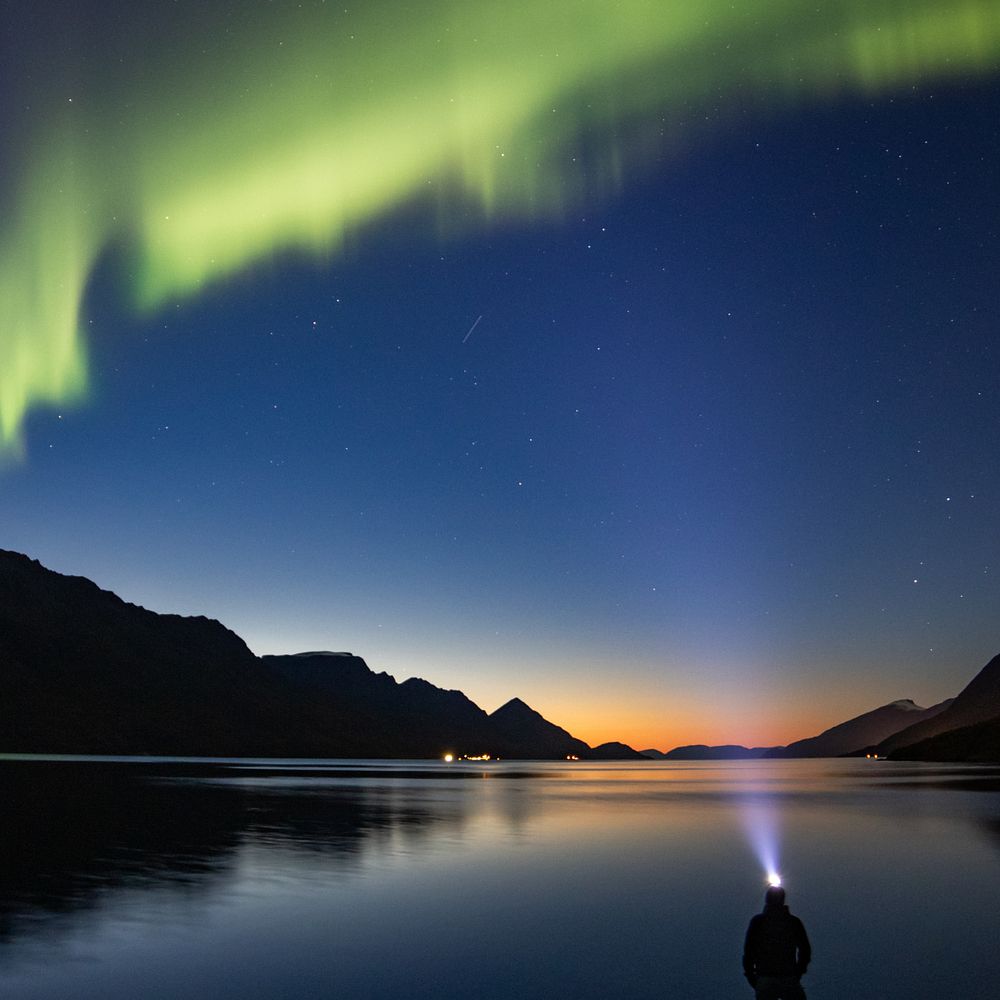
Alta, known as the ‘City of the Northern Lights,’ is a popular destination for those seeking to experience this unique Nordic wonder. Its location, perfectly situated between the sea and the vast Finnmarksvidda plateau, offers exceptional conditions for viewing the aurora. From late November to mid-January, the polar night brings extended darkness, making Alta one of the world’s top spots to witness this natural phenomenon.
Northern light Alta. Photo: Visit Alta.
Beyond the northern lights, one of the area’s winter highlights is whale watching, as large whales migrate into the Altafjord. Joining a whale safari brings you close to these impressive creatures, offering an unforgettable encounter with nature. Their dedication to ensuring these experiences are conducted with the utmost respect for these large mammals and their habitat, makes watching these animals in their environment even more enjoyable. The fjord’s calm waters and winter light createsa backdrop to the whole experience that you will not soon forget.
The Ideal Destination: Combining Nature and Culture
A visit to Alta is also an opportunity to connect with the region’s deep cultural roots. For thousands of years, the area has been a meeting place for indigenous Sámi people, and today, visitors can engage with Sámi traditions and way of life. Just outside the town, guided experiences offer insight into Sámi culture, from sampling traditional food to learning about reindeer herding and history. These encounters provide a meaningful connection to the Arctic’s past and present.
Sami Silda Alta.
In addition, Alta is renowned for its dog sledding opportunities, a time-honoured Arctic tradition. The region’s location makes it a prime spot for exploring the Arctic wilderness by dog sled, with the season often lasting well into May.
Explore Further: Hammerfest, Nordkapp, and Sapmi by Bus or Boat
Alta is also a great starting point for discovering more of the Arctic, offering easy bus and ferry routes to Hammerfest, Nordkapp, and Sapmi. In Hammerfest, the world’s northernmost town, you can explore the rich history of the region at the Museum of Reconstruction, dedicated to the post-war reconstruction of northern Norway. A bus ride takes you to Nordkapp, where you can stand at the iconic North Cape and enjoy the view over the ocean from Europe’s northernmost point. Lastly, you can learn more about the Sámi culture in Kautokeino with a visit to Juhls’ Silver Gallery, showcasing exquisite craftsmanship deeply rooted in Sámi traditions.
Juhl’s Silver gallery, Kautokeino.
Embrace the Chill
For the ultimate winter adventure, you can experience the world-renowned Sorrisniva Igloo Hotel. Opening in December, this hotel is entirely rebuilt each year from snow and ice, offering a truly one-of-a-kind experience. Every corner of the hotel, from the bedrooms to the bar, is crafted from ice by local artists, creating a display of Arctic craftsmanship. It’s definitely a chilly stay you will remember.
Alternatively, Alta offers modern, comfortable accommodations at hotels like Thon Hotel and Scandic Hotel. Centrally located, these hotels provide easy access to local attractions and make it simple to join tours and excursions.
Facts
Discover Airlines will operate the route with two weekly departures in each direction throughout the winter season 2024/25. Flights will take place on Thursdays and Sundays, departing from Frankfurt at 09:05 and arriving in Alta at 12:40. Return flights from Alta will take off at 13:25 and land in Frankfurt at 16:50. The flight time is estimated at 3 hours and 35 minutes from Frankfurt to Alta, and 3 hours and 25 minutes on the return.
Flights to Alta can be booked at discover-airlines.com. To read more about Alta, please visit visitalta.no and nordnorge.com.
Easier for European Travelers to Explore the Arctic, a press release from Discover Airlines
Scandinavian design has long been admired for its ability to blend functionality with beauty. Its simplicity, clean lines, and emphasis on natural materials make it the ideal approach for minimalist living. However, perhaps the most appealing aspect of Scandinavian interiors is the way storage solutions seamlessly integrate into the design. In this article, we’ll explore how Scandinavian storage solutions can help you embrace minimalist living while maintaining a sense of style and order in your home.
The Heart of Scandinavian Design: Simple Yet Functional Storage
At the core of Scandinavian design is the principle that everything should have a purpose, with no space for clutter or unnecessary items. Scandinavian storage solutions reflect this ethos by offering sleek, functional designs that enhance your home while keeping things organized. From multi-purpose furniture to clever shelving, these solutions are designed to maximize space while maintaining a clean, minimalist aesthetic.
This approach can be of tremendous help for those embracing minimalist living on a global scale. Relocating to a new country often presents unique challenges. Scandinavian storage solutions can help maintain order during this process. storage during the move can provide peace of mind, knowing your belongings are safely stored and organized until you’re ready to settle into your new space. With Scandinavian design’s emphasis on functional storage, you can pack and store items efficiently, keeping your move stress-free while you indulge in the art of minimalist living.
Embracing Minimalism with Scandinavian Storage Solutions
Minimalist living is all about reducing excess and focusing on what truly matters. Scandinavian storage solutions make it easy to achieve this by offering clever, space-saving options that help you keep your home clutter-free. With everything in its place, you’ll enjoy a more peaceful and spacious environment.
Whether you’re storing everyday essentials or seasonal items, Scandinavian design offers practical ways to keep everything organized.
Hidden Storage for a Sleek, Uncluttered Look
One of the defining features of Scandinavian storage solutions is their ability to hide clutter without sacrificing style. Built-in cabinets, under-bed storage, and furniture with concealed compartments are all excellent ways to store items discreetly. These storage options help maintain the clean, minimalist look that Scandinavian design is known for while allowing you to keep essential items close at hand.
Additionally, the seamless integration of storage into the overall design ensures that even the most functional pieces contribute to the aesthetic appeal of your home.
Romso multi functional table.
Multi-Functional Furniture: Scandinavian Design at Its Best
Multi-functional furniture is a cornerstone of Scandinavian storage solutions. Think of a sofa that doubles as storage for blankets or a coffee table with hidden compartments for magazines and remotes. These pieces allow you to maximize every inch of your home, making them perfect for minimalist living.
By incorporating furniture that serves more than one purpose, you can reduce the need for additional storage, freeing up more space.
Open Shelving for a Minimalist Display
While hidden storage is important for maintaining a minimalist home, Scandinavian design also embraces open shelving for displaying beautiful, functional items. Open shelving offers an opportunity to showcase your favorite pieces while maintaining an organized, tidy space. Wooden shelves in light, natural tones complement the Scandinavian aesthetic, providing a functional and stylish way to store and display your belongings.
When curating a few well-chosen items, you can add personality and warmth to your space without compromising its clean, uncluttered feel.
Natural Materials for Timeless Storage Solutions
Scandinavian design is rooted in nature, with an emphasis on using natural materials such as wood, leather, and linen. These materials not only add warmth and texture to your storage solutions. They also create a timeless look that fits seamlessly into any minimalist home. Opt for storage pieces made from light woods like oak or birch to maintain the clean, bright atmosphere typical of Scandinavian interiors.
Additionally, using sustainable materials aligns with the eco-conscious principles often associated with Scandinavian design, ensuring your home feels both grounded and environmentally friendly.
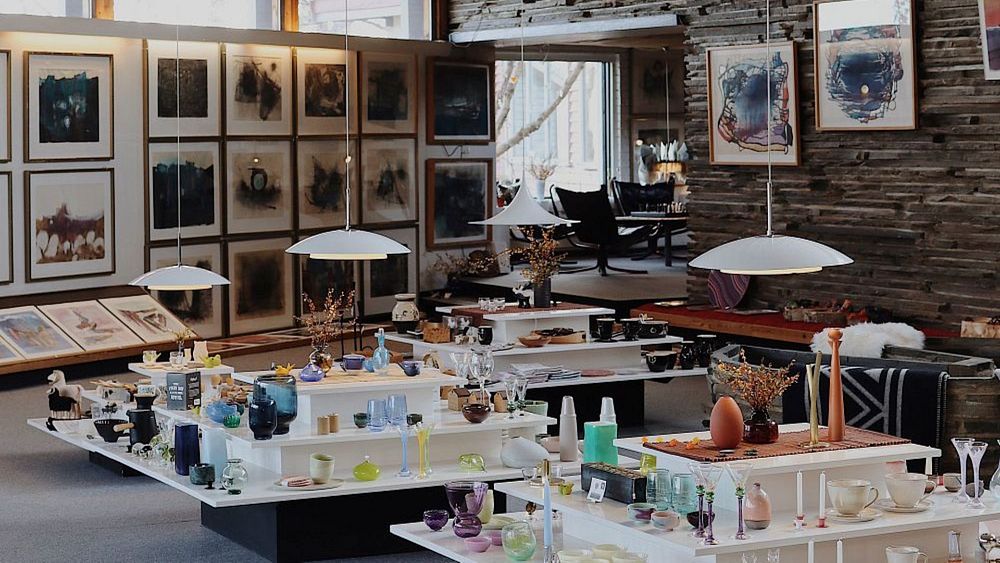
Scandinavian storage solutions excel in providing stylish and practical options. Photo: Mojo boutique
Scandinavian-Inspired Wardrobe Solutions
When it comes to organizing your wardrobe, Scandinavian storage solutions excel in providing stylish and practical options. Minimalist wardrobes often feature simple, clean lines with ample space for hanging clothes and storing accessories.
Many Scandinavian wardrobes come with built-in drawers and compartments, allowing you to keep everything organized without needing additional furniture.
Decluttering Before Introducing Scandinavian Storage Solutions
To truly embrace minimalist living, decluttering is an essential first step. Scandinavian design thrives on simplicity and order, which means only keeping the items you truly need or love. Once you’ve decluttered, you’ll find it easier to incorporate Scandinavian storage solutions that complement your space. Without the excess, your home will feel more open, calm, and functional, making it easier to maintain a minimalist lifestyle.
Creating a thoughtful, streamlined environment will make it easier to maintain a clutter-free home. This way, you will reduce daily stress and enhance your overall living experience. Not to mention that decluttering is one of the best things you can do if you’re planning to move in the near future. Even with the help of International Moving, any international relocation can be made more efficient if you have fewer belongings. And the best thing is that once you learn how to declutter, you can keep your new place clutter-free from the very first day you move into it!
Bethel dining storage bench
Creating a Serene Home with Scandinavian Storage
Scandinavian design is often associated with hygge, a Danish term that refers to creating a cozy, comfortable home. By incorporating Scandinavian storage solutions, you can enhance the feeling of hygiene in your home. Clean lines, natural materials, and clutter-free spaces provide a serene environment to relax and unwind. Scandinavian storage not only helps you stay organized but also creates a calming atmosphere that is perfect for minimalist living.
Scandinavian Storage Solutions for a Minimalist Life
Incorporating Scandinavian storage solutions into your home allows you to embrace minimalist living without compromising on style or functionality. Whether decluttering or simply looking for ways to enhance your space, Scandinavian design provides the perfect balance of form and function. With everything in its place, you will enjoy a spacious, peaceful, and beautifully minimalist home.
Scandinavian Storage Solutions for a Minimalist Life, written dedicatedly for Daily Scandinavian by Melissa Thompson. Melissa is an expert copywriter who loves minimalist living and interior design. With years of experience writing, she specializes in topics like storage solutions, home organization, and international relocations, helping readers transform their homes into serene, functional spaces.
Founded in 2010 by Magnus Ström, Ström Architects, based in New Forest, UK, has brought Swedish Architecture at its best world-wide. The firm specializes in creating one-off houses with astonishing contemporary design satisfying every need of its customers.
In recent years, the architectural firm has worked with projects in Sweden, Finland, Spain, Turkey, Czech, USA, Caribbean and the Middle East. Since 2010, Ström Architects has grown in size and reputation and has been recognized through various awards – both nationally and internationally.
Ström insists that he does not design houses, but homes with soul.
Magnus Ström moved to the UK in 1994, where he graduated with an honors degree in architecture at Portsmouth University. He soon realized that working on house projects was more interesting and rewarding than designing office space.
Regularly, the company hosts “Fika” – building on the Swedish tradition of making time to share a cup of coffee and a bite to eat with colleagues. At these Fika sessions they have a brief presentation by one team architect or external guest about something that inspire the group.
Barcelona House (2023), located in the hills just outside Barcelona, and enjoys unobstructed 180º views along the Mediterranean coastline to one side, and pine forests to the rear.
Barcelona House
Cedar Cove (concept) is a family home sitting on the west facing shore of a beautiful cove in Rhode Island, near Newport.
Cedar Cove
Superhouse (project) is located in a quiet, private bay on an undisclosed Mediterranean island.
Ström insists that he does not design houses, but homes with soul. In his spare time Magnus enjoys spending time with his family and yacht racing. He finished 9th overall in The Fastnet Race, and won his class in the trans-Atlantic ARC race.
Swedish Architecture at Its Best – World-Wide, written by Tor Kjolberg
Feature image (on top): At the 10th anniversary of Ström Architects in 2020, Ström Architects was looking back at where it started, its journey to this point, and looking ahead to what the future would bring. Superhouse is one ot the company’s recent projects.
The world’s most foremost photography museum is opening in the Norwegian capital. Fotografiska has become a global focal point for photography in Stockholm, New York, Berlin, Shanghai and Tallinn. Fotografiska to open in Oslo in 2027, as a part of Deich, House of Photography.
Fotografiska celebrates the art form of photo and photography as a contribution to new perspectives in the public debate. The museums are vibrant cultural houses with a unique universe of inspiration, interactivity, and colorful surprises.
“We want to create a special moment for each of our guests.,” says Yoram Roth, Fotografiska’s Executive Chairman.Art photo from Fotografiska
“We want to create a special moment for each of our guests. We view them not as visitors but rather as guests. You should have a fun, joyful, inspiring, and thought-provoking time with us, and each visit should offer a range of experiences,” says Yoram Roth, Fotografiska’s Executive Chairman.
Fotografiska does not have its own collection, but develops rotating exhibitions in close collaboration with everyone, from international star photographers to local stars. Together with the artists, they have challenged established genres and the very museum format itself. With long opening hours and a rich program of lectures, conversations, and social gatherings, Fotografiska has welcomed millions of guests since the opening in 2010.
Art photo from FotografiskaFotografiska Oslo will be a part of Deich House of Photography
Fotografiska Oslo will be a part of Deich House of Photography, in the former main public library building, Deichman. The museum will feature its own shop, bar and conservatory, becoming a key part of the house’s extensive array of restaurants, bars and meeting venues, all framed by the theme of photography.
Art photo from Fotografiska
Fotografiska is the contemporary museum of photography, art and culture and one of the world’s leading museums dedicated to photographic art. Established in Stockholm in 2010 with the mission to inspire a more conscious world, Fotografiska has become a museum for inspiration, inclusion and creativity. Fotografiska is currently located in Stockholm, Berlin, Tallinn and Shanghai.
“Fotografiska will become part of the Deich photo house, in the historic library building at Hammersborg. The museum will have its own museum shop, bar and conservatory and will be a central part of the house’s broad offer. It will be a central part of the innovation of the 12,000 square meter building,” writes Møller Eiendom in a press release.
Fotografiska to Open in Oslo, a press release from Oslo Business Region
28 million people in the Nordic region, rising to 35 million if we include the Baltic countries make the Nordic countries the 10th largest economy in the world. “This is a unique foundation for the future of Artificial Intelligence in the Nordic countries,” says Karen Ellemann, Secretary General in Nordic Council of Ministers.
The future success of AI in the Nordic countries should be measured not only by the way it benefits the Nordic region but also how it contributes to setting global standards. The development of AI is progressing rapidly and affecting many sectors. That’s why it’s critical that the Nordics, as a region with strong democratic values and a high level of trust in its institutions, take a leading role in this development.
Karen Ellemann, Secretary General in Nordic Council.
A region with a unique foundation
The Nordic region has long been known for being at the forefront of digital innovation. The Nordics have a dynamic technological ecosystem, world-class research within the field of AI, and a well-educated population. Purpose-driven innovation with a human-centered approach, where democratic values and shared social responsibility are fundamental principles, has characterized the region. Not only does this give the Nordic countries the opportunity to lead the development of responsible AI but also a duty to do so.
Less than a year ago, the Nordic prime ministers signed the declaration on Nordic digital resilience. The declaration emphasizes that the region’s highly digitalized societies and shared values put it in a unique position to address the challenges and leverage the opportunities that AI brings. Co-operation across borders and sectors is crucial in harnessing this potential. The first steps have already been taken with the preliminary project for a New Nordics AI center, which builds on recommendations from the Nordic Ethical AI Expert Group.
While AI has enormous potential, there are also significant challenges, such as access to talent and expertise. Even now the Nordics are experiencing a shortage of specialists in AI, and the need for advanced data knowledge is greater than ever. The education sector must be adapted to meet these needs, while the region also needs to ensure diversity in AI expertise in terms of gender, ethnicity, and background.
Another critical factor is data. Although the region has high-quality datasets in both the public and private sectors, there are significant technical and legal barriers that hinder the effective sharing and application of data across borders. To scale AI solutions and maximize their potential, the Nordics must strengthen co-operation on secure data sharing and ensure a sustainable AI infrastructure that supports innovation without undermining the region’s ambitious climate goals.
The new EU legislation for AI already imposes strict regulatory requirements. That’s why it’s important that the implementation in the Nordic Region is harmonized while avoiding overregulation that could stifle innovation. AI can succeed only if it’s responsible and transparent, which means the Nordics must have robust and democratic frameworks in place.
AI Readiness Conference in Copenhagen 2024. Photo: Svein Berg
The Nordics are seeking to bring about a Nordic AI vision for 2030, whereby the region is a world leader in large-scale AI adoption, with tangible benefits for both citizens and businesses. The region should excel at using responsible AI to strengthen its companies’ global competitiveness, improve public services, make new scientific breakthroughs, accelerate the green transition, and maintain cybersecurity and resilience in its democratic societies.
The proposal for such a vision was discussed last August, when high-level decision-makers from the private and public sectors met with Nordic and Baltic ministers in Copenhagen. What the outcome will be remains to be seen. Nevertheless, the Nordic Council of Ministers is proud to be a platform for close co-operation across sectors and borders.
“We must promote innovation, ensure access to necessary expertise, and develop an AI infrastructure that’s both efficient and sustainable. This is an enormous challenge but also a unique opportunity for our region to lead the global AI revolution. Let’s take responsibility and ensure that the Nordic-Baltic region leads by example in how AI can be developed and used in a way that benefits both society and humanity as a whole. Together, we can shape the future,” according to a statement from the council.
About the Nordic Council of Ministers
The Nordic Council of Ministers is the official body for inter-governmental co-operation in the Nordic Region. It seeks Nordic solutions wherever and whenever the countries can achieve more together than by working on their own.
Artificial Intelligence in the Nordic Countries, based on a press release from Norden.org
Finnair commissioned Helsinki-based designer Joanna Laajisto to create a new 440 seat Finnair lounge at Helsinki Vantaa Airport. It has become a commuters’ haven at Helsinki Airport.
This lounge is not a refurbishment of the existing Schengen Lounge but a brand-new lounge. It is almost 50% larger, allowing it to accommodate 440 guests and address overcrowding issues that have plagued the lounge in the past year.
The space, which is located on the Schengen side and opened on 9 July, is influenced by Finnish nature and features local wood, stone, leather, and woolen fabrics. The new Schengen Lounge applies the same Nordic design language that was ushered into the Schengen Lounges in 2019 and onboard Finnair’s long-haul aircraft under the auspices of David Kondo, former Head of Customer Experience Product Design (who is now at Austrian).
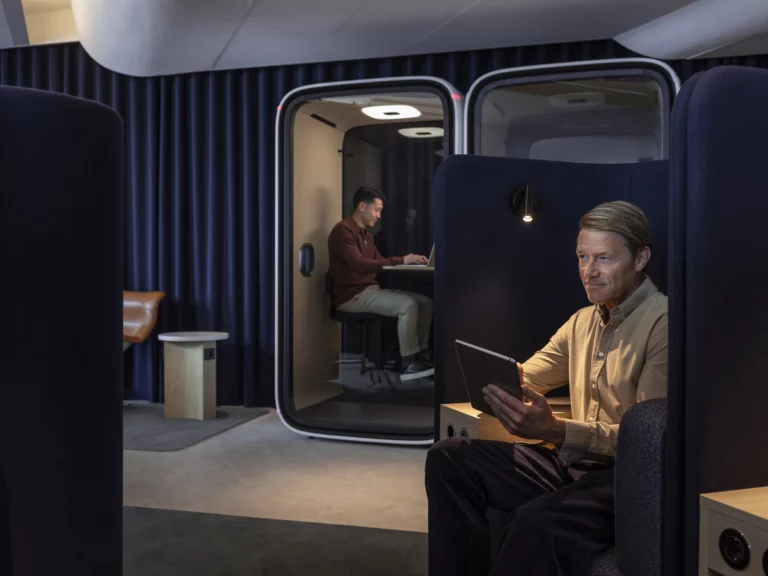
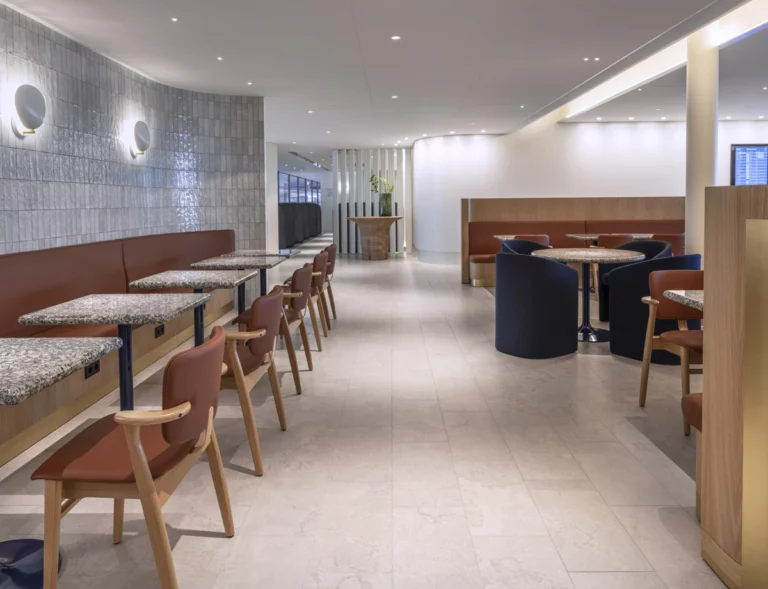
The lounge is furnished with Artek’s Domus chairs.The lounge is designed with busy commuters in mind.
The materials are complemented by Finnish furniture, including Artek’s Domus chairs. Made by Choice’s Goma bar stool by Thomas Sandell and Centenniale coffee tables designed by Laajisto for Finnish furniture maker Nikari.
The lounge is designed with busy commuters in mind and offers dedicated areas for both work and relaxation, making it the perfect pre-flight destination. It now looks consistent with Finnair’s Schengen lounges and the new AirLounge award-winning business class seat.
The lounge features separate yet subtly demarcated areas for a range of users.The cafeteria.
****************************************
Related: Airport of the Future
****************************************
The lounge features separate yet subtly demarcated areas for a range of users. It has been created in response to Finnair’s comprehensive customer surveys. Emphasizing spaciousness, comfort and refined areas for different functions, every detail is designed to meet the customers’ hopes and needs for an overall better lounge experience.
You’ll find the new lounge near Gate 21. It is open from 5am until midnight daily, with breakfast served until 10:30am and a lunch/dinner buffet thereafter.
Commuters’ Haven at Helsinki Airport, reported by Tor Kjolberg
This potent novel by award-winning Norwegian writer Vigdis Hjorth narrates a doomed, adulterous affair between a man and a woman, accompanying its female protagonist – a writer named Ida – as she surrenders herself to a seemingly bottomless pit of abjection in the name of love, a Norwegian novel about a passionate and destructive love affair.
The novel If Only by Vigdis Hjorth, first published in Norway in 2001, is considered the cult author’s most important novel.
The novel If Only by Vigdis Hjorth, first published in Norway in 2001.
It’s the story about a relatively young woman, aged thirty. She married in her early twenties, had two children. It is winter. January and minus 14°C, white, frosty mist around the parked car, around the spruces, the mailbox on its post, but higher up the sky is blue, clear, the sun has come back. She has written in her diary that she is waiting for the heartbreak that will turn her into her true self. She has an impending sense of doom or possibly her own death.
Vigdis Hjorth is an artist of the desperate and the broken. Spanning nearly forty years of publication, her novels have come to be associated with “scars,” “wounds,” and “psychological warfare.” Hjorth’s three previous works in English have all been released through Verso, and all translated by Charlotte Barslund.
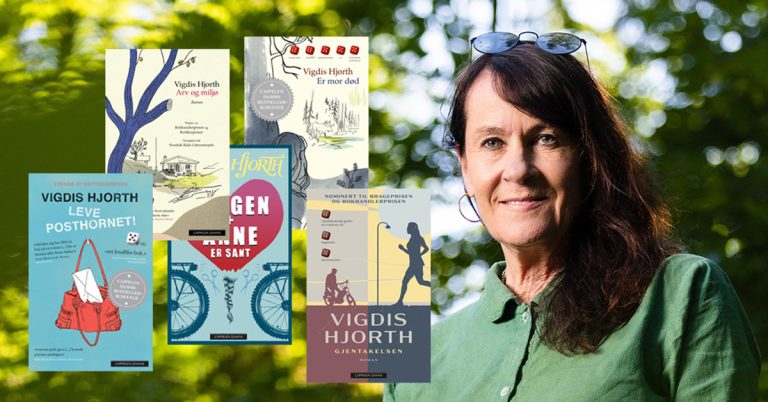
Vigdis Hjorth is an artist of the desperate and the broken.
Is Mother Dead (2023) presents a woman dangerously obsessed with her mother; Long Live the Post Horn! (2020) follows an alienated public relations specialist, haunted by the suicide of her colleague, who finds herself reinvigorated by her work resisting the privatization of the postal service; 2019’s Will and Testament, perhaps the novel best known to Hjorth’s English readers, recounts, through the kind of slippery autofiction made famous by fellow Norwegian Karl Ove Knausgaard, the story of a woman who accuses her father of having sexually abused her as a child. In a 2019 New Yorker profile of the author, Lauren Collins writes that Hjorth “forces us to regard bleeding souls.”
Now out in English for the first time, If Only exposes the tragedy of both longing for and attaining one’s love object. Can passion be mistaken for love? When Ida meets Arnold, also married, at a conference, she impulsively invites him to share her bed. She returns home, already half-obsessed, and the dissolution of her marriage and break-up of her family pass almost without her noticing.
Bookcover of the Norwegian version from 2001.
**************************************
Related: Norwegian New York-Based Author, Feminist and Philosopher About Art and Gender
**************************************
After writing to each other for a couple of months, they meet again in early June where they spend a night and an afternoon together. They still write, but more rarely now, it is the summer holidays and besides, it has become too serious, potentially uncontrollable, but they can’t help themselves. They meet a few times that autumn, but it only becomes more dangerous, more difficult, they have to end it, they end it and don’t see each other until May, at her insistence, the following year. By then she is divorced and living on her own.
“An absorbing study of inner turmoil … gripping” wrote the Guardian
“Addictive … The beauty of If Only is in the way Hjorth underscores how often love and suffering are bedmates” wrote Susie Mesure, Financial Times.
A Norwegian Novel About a Passionate and Destructive Love Affair, reported by Tor Kjolberg
Copenhagen has been ranked as the second most liveable city in the world in the Economist Intelligence Unit’s 2024 Global Liveability Index. Indeed, the Danish capital is known and loved for its beautiful green urban spaces, lively culture, and healthy work/life balance. Yet, life in Copenhagen doesn’t come cheap, and expats moving here need to budget accordingly.Read on and learn more about smart steps to rent the perfect Copenhagen apartment.
A one-room city center apartment, for example, costs over 9,450 kr on average a month. As long as you keep your apartment search to areas within your budget, plan for all expenses, and submit rental applications fast, you’re bound to find the perfect apartment in no time.
Where to look for rentals (based on budget)
Which part of Copenhagen you move to is ultimately determined by your budget. A minimum monthly budget of 16,000 kr, means you can pretty much afford a spacious one-bedroom apartment anywhere, including one in the city center, Indre By. As Indre By is both beautiful and full of things to do, it’s very competitive and apartments here go fast. On the other hand, you can also look in Østerbro with a similar high budget. Østerbro is an attractive family area just north of the city center — the perfect spot if you love nature as it’s full of parks, lakes, forests, and even a beach.
Which part of Copenhagen you move to is ultimately determined by your budget. Photo: Cityapartment.dk
Alternatively, you can look in more affordable districts if needed, such as, Nordvest, Nørrebro, Vesterbro, Vanløse, and Ørestad. You can expect to pay a minimum of 6,000 kr in these areas. Nørrebro and Vesterbro are city center districts, while Nordvest, Ørestad, and Vanløse are slightly further afield. It’s particularly easy to find affordable apartments in Ørestad. This area is generally quite quiet, and you can catch the subway or train into Copenhagen.
Act fast to beat the competition
As the market is so competitive, it usually takes some time to find a good rental in Copenhagen. So, book a few weeks in a hotel or airbnb to accommodate this. Once you find something you like, you need to act fast, otherwise someone else will snap it up first. So, book a viewing asap — and if it feels right, submit an application. You can then expect to be vetted by the landlord. This process usually takes a few days. In particular, payment problems and eviction history are the top two concerns landlords have about potential tenants, a recent SmartMove survey reveals. So, these are key areas in your rental history you should expect your landlord to research. If you do have a history of late payments, you can work to improve your reputation. For instance, report your on-time rent payments to credit bureaus. This also helps improve your credit score over time.
While you’re looking for the perfect apartment, book a few weeks in a hotel or airbnb . Photo: airbnb-copenhagen.
The rental contract itself will also obviously be written in Danish, so it’s important to translate it before you sign anything. You therefore won’t agree to points you’re not happy with. In particular, the contract will state the condition you should leave the rental in once the contract ends. This may require you to repaint or redecorate, which can be expensive, so you’ll need to budget accordingly.
Financial considerations
Usually, tenants are required to pay a three-month deposit in order to qualify for a rental. On top of that, you may also have to pay three months’ rent in advance, which then covers your rental payments over the final three months of your contract. So, you may therefore have to be prepared to make an upfront payment of six months’ rent in total. Keep in mind, rent doesn’t always include water, heating, or electricity, either, so you’ll also have to check that and work it into your budget.
Move-in costs are another financial consideration. Photo: CBRE Investment Management.
Move-in costs are another financial consideration — although these vary considerably between furnished vs. unfurnished apartments. Unfurnished apartments come with fully-fitted kitchens and electrical appliances, and, although they’re typically cheaper than furnished accommodations, you obviously have to buy the furniture. If you go this route, you can find good deals on new and used products on DBA, Denmark’s largest online marketplace.
Copenhagen is a great place to live, and finding an apartment here is well worth your effort. As long as your smart and plan for the process carefully, you’ll secure your dream rental in no time.
Karoline Gore
Smart Steps To Rent The Perfect Copenhagen Apartment, written dedicatedly for Daily Scandinavian by Karoline Gore. Karoline is a freelance writer from Stoke on Trent in the UK who left the corporate grind when she started a family and has never looked back. She enjoys contributing to a range of online publications on the topics that are important to her.
According to Norwegian Air Shuttle, this summer’s blustery weather has resulted in early planning of the autumn’s everyday breaks and family holidays. Norwegian has made a list of the ten most booked travel destinations abroad during the autumn holidays, and destinations with a good and warm climate combined with big city life are tempting the most. Read more aboutNorwegians’ most popular destinations this autumn
Spain continues to be the favorite country among Norwegian travelers
In the top ten list that Norwegian presents, there are a total of five destinations in Spain. The most popular destination for the autumn holidays, which in Norway are in weeks 40 and 41, is Alicante followed by Malaga. The other Spanish destinations on the list are the cities of Palma, Barcelona and Gran Canaria.
Other cities on the top ten list are the cities of London, Nice, Berlin, Rome and Budapest.
“We are happy to be able to offer an exciting and varied route network to attractive destinations. Spain continues to be a favorite among many of our customers, but there is also great interest in discovering our destinations in many of the other European countries. This autumn and winter we are launching a number of new and exotic destinations to warmer latitudes, so we look forward to welcoming travelers on board this season,” says Magnus Thome Maursund, commercial director at Norwegian.
“This autumn and winter we are launching a number of new and exotic destinations to warmer latitudes,” says Magnus Thome Maursund, commercial director at Norwegian
In total, Norwegian offers 170 routes to 76 destinations for the coming winter season, with 27 of the routes being new this year. Among other things, Norwegian launches direct flights from Norway to Dubai, Agadir and Hurghada.
Beyond the essential ideas of broad access to food, housing, quality education, health care and employment, quality of life also may include intangibles such as job security, political stability, individual freedom and environmental quality. According to U.S. News & World Report, four Nordic countries are seen as treating their citizens well. These four Nordic countries with best quality of life through all phasis of life are scoring on top 10 in this report..
What makes a country truly great? Is it a booming economy, a high standard of living or the ability to inspire adventure and creativity? According to the 2024 Best Countries ranking from U.S. News & World Report, it’s all of the above—and more.
Denmark tops quality of life rankings by U.S. News & World Report and Wharton School.
The rankings evaluated affordability, job stability, healthcare quality, and individual freedom.
Scandinavian countries, including Sweden, Norway, and Finland, dominated the top 10.
The Kingdom of Denmark emerged in the 10th century and includes two North Atlantic island nations, the Faroe Islands and Greenland. Along with Sweden and Norway, it forms Scandinavia, a cultural region in Northern Europe.
The Kingdom of Sweden, flanked by Norway to the west and the Baltic Sea to the east, expands across much of the Scandinavian Peninsula and is one of the largest countries in the European Union by land mass. Capital city Stockholm was claimed in the 16th century, and border disputes through the Middle Ages established the modern-day nation.
Switzerland, officially called the Swiss Confederation, is a small country in Central Europe made up of 16,000 square miles of glacier-carved Alps, lakes and valleys. It is one of the world’s wealthiest countries, and has been well-known for its neutrality.
The Kingdom of Norway is the westernmost country in the Scandinavian peninsula, made up mostly of mountainous terrain. Nearly all of its population lives in the south, surrounding the capital, Oslo. Norway’s coastline is made up of thousands of miles of fjords, bays and island shores. The Norwegians developed a maritime culture, and were active throughout the Viking era, establishing settlements in Iceland and Greenland.
Canada takes up about two-fifths of the North American continent, making it the second-largest country in the world after Russia. The country is sparsely populated, with most of its 35.5 million residents living within 125 miles of the U.S. border. Canada’s expansive wilderness to the north plays a large role in Canadian identity, as does the country’s reputation of welcoming immigrants.
Geography defines the history and culture of Nordic Finland, one of the most northern-reaching countries in the world. Bordered by Scandinavia, Russia, the Baltic Sea and the Gulf of Bothnia, Finland and its vast stretches of heavily forested open land acts as a northern gate between West and East.
******************************************
Related: The Inviable Lifestyle in Helsinki
******************************************
Denmark was ranked first for quality of life by U.S. News & World Report in partnership with the Wharton School at the University of Pennsylvania. Denmark ranked 10th overall for best countries, which was released 10 September and considered quality of life among 10 factors.
The rankings considered factors such as affordability, job and political stability, healthcare quality, and individual freedom. Scandinavian countries dominated the list, as Sweden, Norway, and Finland made the top 10.
The rankings 7 – 10 were Germany, Australia, Netherlands and New Zealand respectively.
Four Nordic Countries with Best Quality of Life, reported by Tor Kjolberg


















 Top ten destinations from Norway this autumn: