Whether you’re in a car or coach, on a bicycle, boat or train, on foot or on skis, the Scandinavian countries have an enormous variety of sights and scenery to beguile the visitor.
Denmark is neatly beautiful with its white sand beaches, well-groomed farmland, gentle hills and fairytale castles. Chilled-out Copenhagen is a particularly enjoyable capital with pedestrianized streets, pavement cafés, superb shops and entertainment.
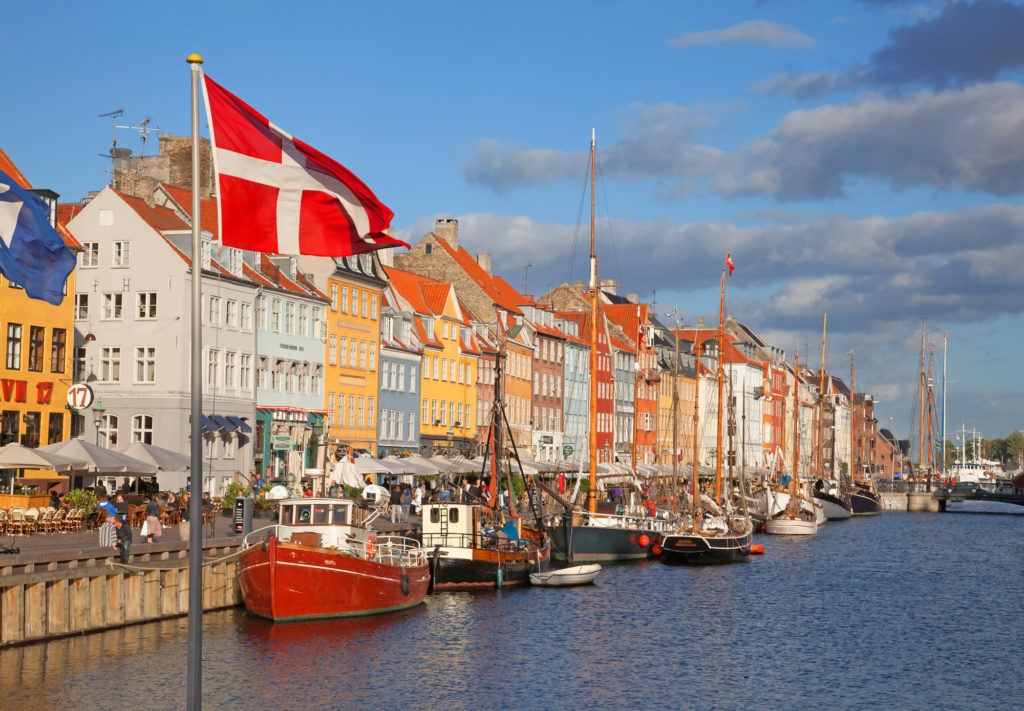
From Nyhavn, Copenhagen
Every Danish town has its museum and art gallery, every castle its collection. Remote from the rest of Denmark lie the Faroe Islands, a birdwatcher’s paradise, and Greenland, a terrific adventure destination.
Norway is made up of mountains etched with beautiful fjords and dramatic valleys. From the southern beaches, the coastline stretches right into the Arctic Circle, dotted with islands, fishing villages and historic towns like Bergen.
The Oslo Opera House at dusk, with the illuminated Havnelageret building to the right – Oslo, Norway
Inland, the rugged landscape beckons walkers and skiers. The capital, Oslo, offers every city delight, with forests in its doorstep.
A short drive from Copenhagen brings you to southern Sweden’s gentle farmland and sunny islands. At the country’s heart lie two vast lakes, Vänern and Vättern, linked by the Göta Kanal, a pleasure-boaters’ mecca.
Further north, the folklore province of Dalarne gives way to lakes and forests, winter sports centers and rugged Lapland.
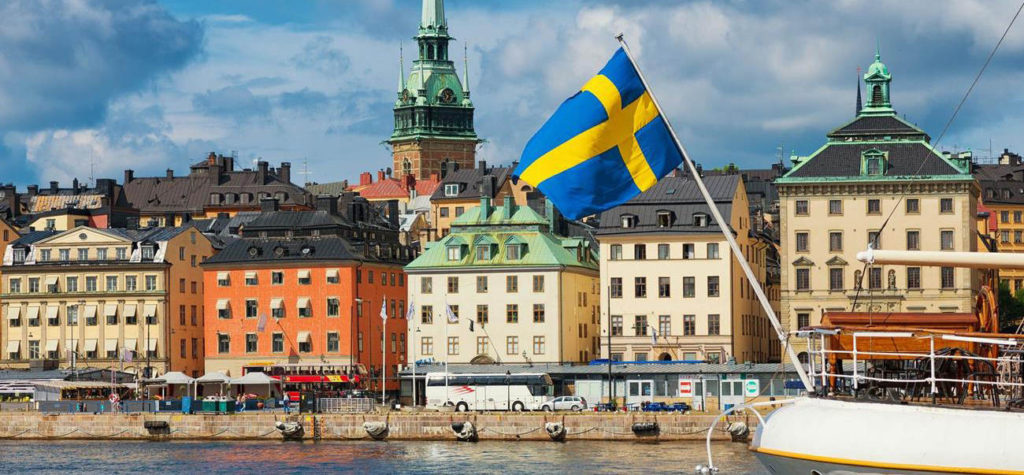
From Stockholm
Stockholm floats majestically on 14 islands, probably the most sophisticated of Scandinavia’s capitals.
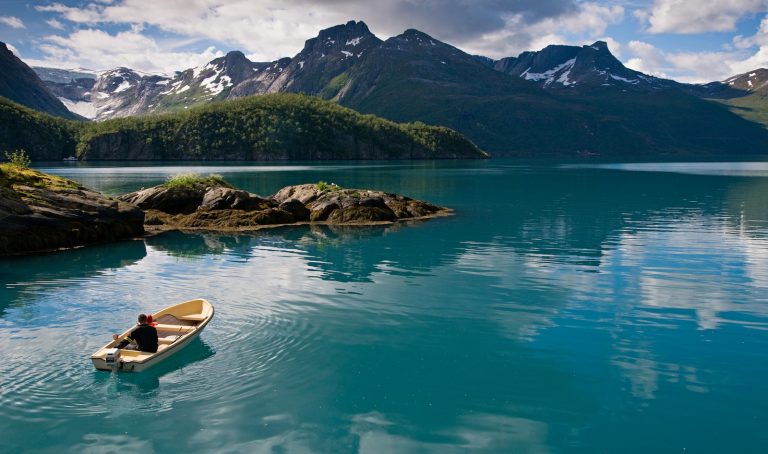
Feature image (on top): Small boat with two persons on Norwegian fjord
Scandinavian Places in a Nutshell, written by Tor Kjolberg
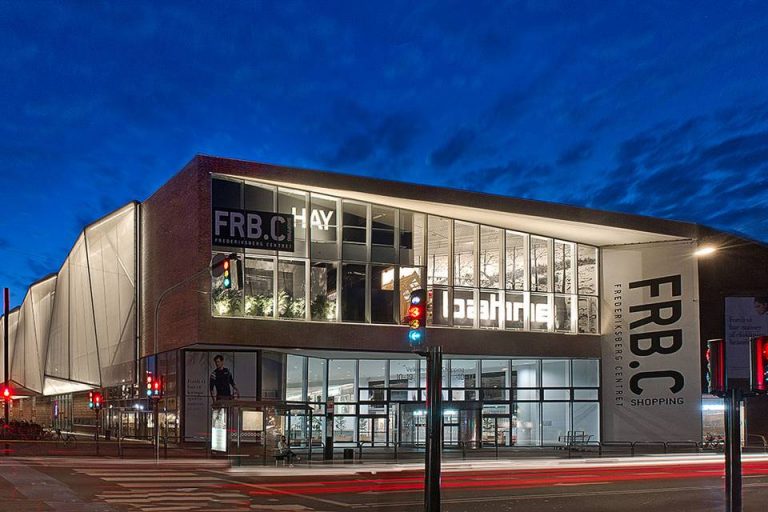
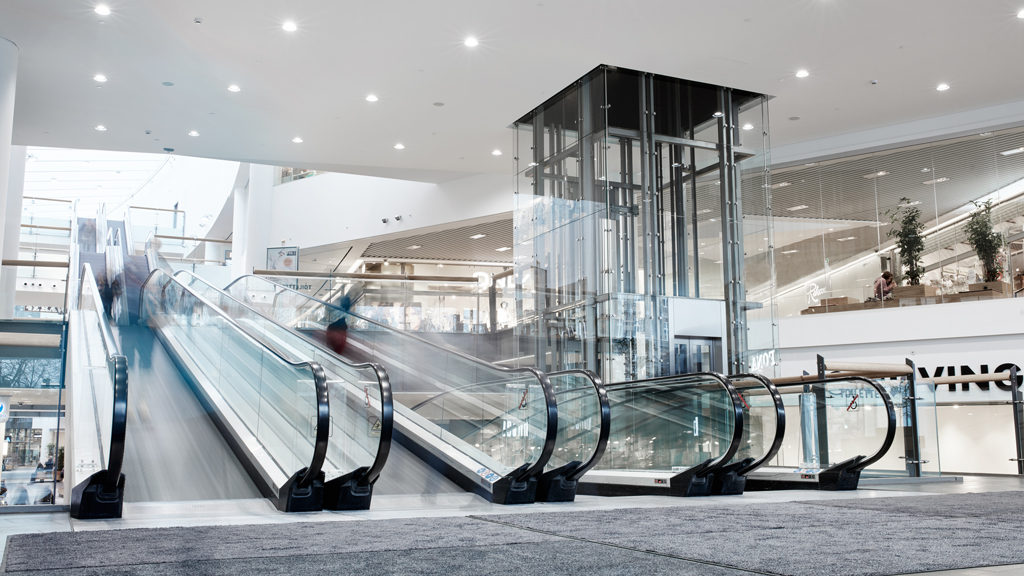
The International Councils of Shopping Centers (ICSC) has awarded Fredriksberg Centeret in Copenhagen one of the world’s best shopping centers in the world. Every year ICSC honors the real estate industry’s most cutting-edge properties, innovative solutions, and creative responses to market trends. The award was presented during a ceremony held in Las Vegas 21 May.
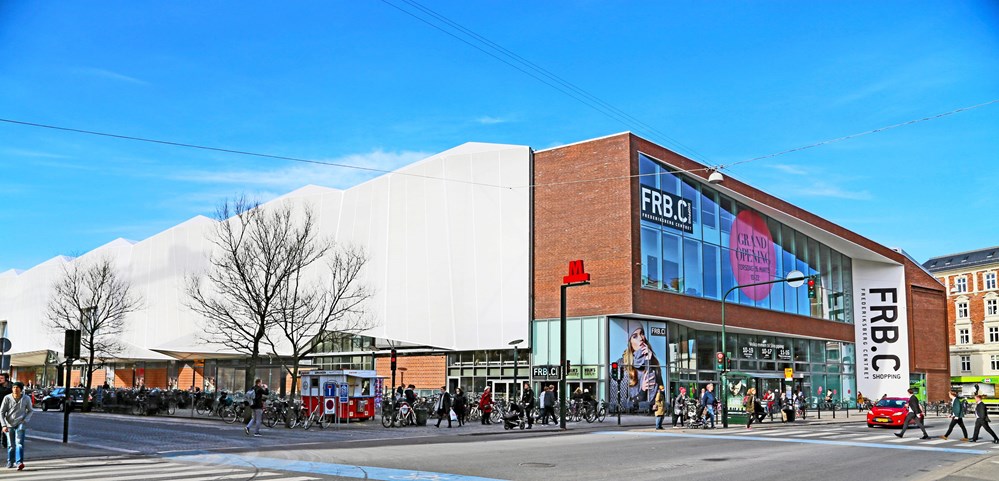
Fredriksberg Centeret, Copenhagen
Fredriksberg Centeret was awarded the 2017 Design and Development Award, stating that “Haskoll Fredriksberg’s Scandinavian design combines dynamic shapes and lines, attractive textures, and quality materials to create a warm, comfortable ambience throughout the newly expanded center.”
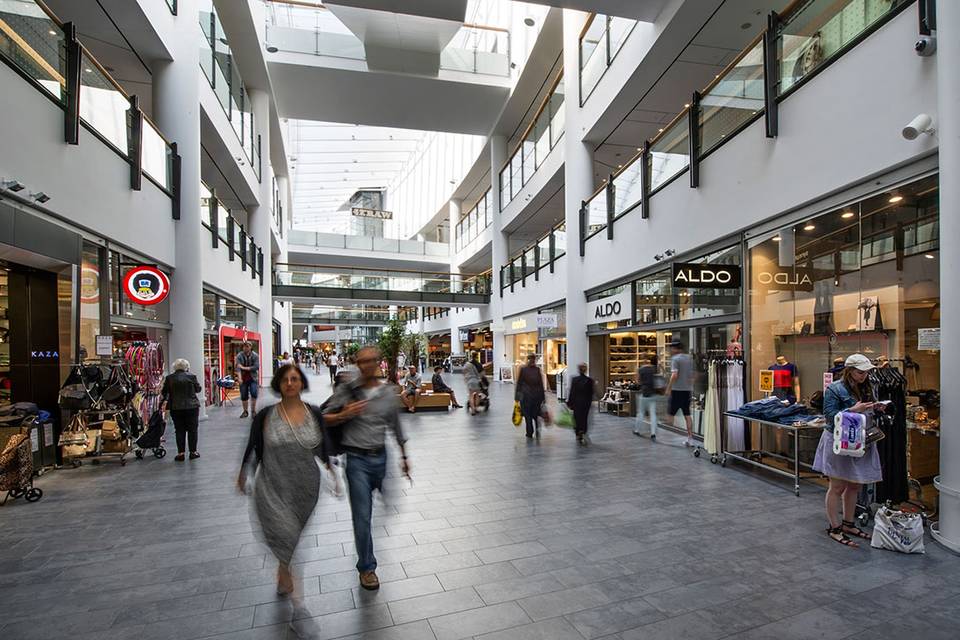
The shopping center contains a good selection of clothing stores as well as outlets for shoes, bags and accessories
Fredriksberg Centeret is conveniently located next to the Fredriksberg Metro station and just a short walk from Radisson Blu Falconer Hotel and Conference Center. Visitors can combine shopping with a trip to the beautiful nearby Fredriksberg Garden.
Haskoll Fredriksberg’s Scandinavian design combines dynamic shapes and lines
The shopping center contains a good selection of clothing stores as well as outlets for shoes, bags and accessories. There is a large supermarket, three cafes and electronic stores.
One of the World’s Best Shopping Centers – in Copenhagen, written by Tor Kjolberg
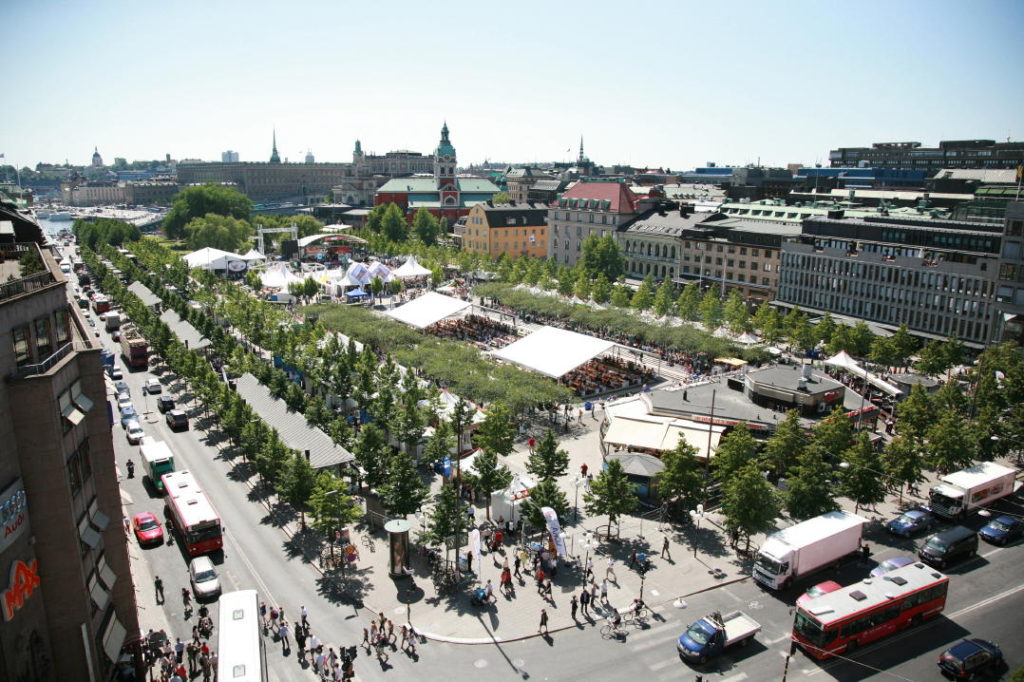
Smaka på Stockholm (A Taste of Stockholm) is Sweden’s biggest and one of the world’s biggest food and drink festivals. Every year more than 350,000 visitors are attracted to this early summer food festival.
Several of Sweden’s best chefs and collaborators provide a range of scrumptious sustenance from a broad spectrum of food traditions and cultures across the huge festival ground at Kungsträdgården in Stockholm.
Visitors with a shared interest in food and drink can visit the festival for free
The offerings are as diverse as the capital itself, and visitors can enjoy Swedish cuisine as well as exotic creations from all over the world.
Visitors with a shared interest in food and drink can visit the festival for free – at least until they decide to taste some of the amazing food and drink being served. During the first week of June Kunsträdgården is transformed into a culinary sensation, presenting some of the best restaurants, food-trucks, bakers and local producers in Sweden.
A taste of Stockholm poster
The organizer expect to sell 200,000 portions of food, 100,000 pints of beers and 65,000 glasses of wine at the event, and there will be cooking contests, drink and food tastings as well as several free concerts from jazz to rock, performed by many well-known artists.
Stockholm culinary festival
Over the festival’s five-day run you can experience “chef duels’ and happy Swedes celebrating the beginning of summer. Initially, the festival was called Restaurangernas Dag (‘the Day of the Restaurants’), but in 2004 it changed the name to Smaka på Stockholm (A Taste of Stockholm).
This self-proclaimed ‘festival for all’ emphasizes on diversity for all ages, genders and backgrounds, and expect environmental awareness to play a big role. “We, and all participating companies recycle as much as we can,” says the organizer.
Chef duel at the festival
When: June 1 – 6
Opening hours: 1 – 5 June 11 am-11 pm, 6 June 11 am-10 pm.
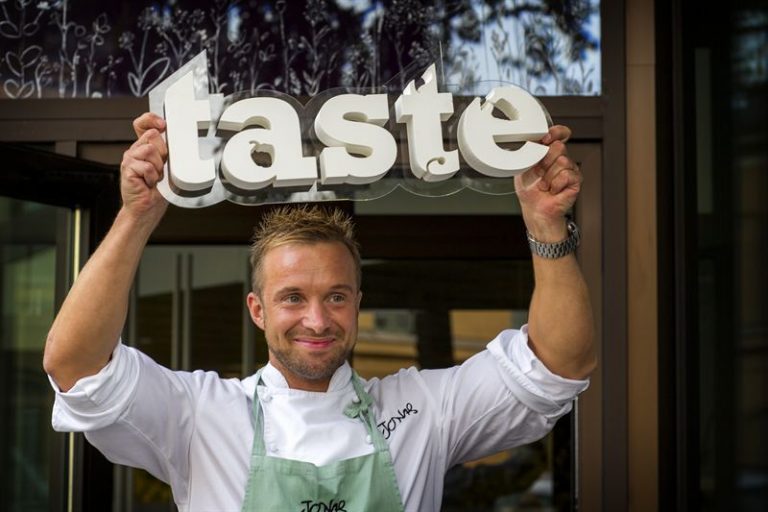
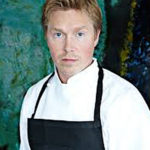
Feature image (on top): Top Chef Jonas Lundgren, 2009 Bocuse D’or silver medalist
OAD (Opinionated About Dining) is the only dining survey that factors experience into its rating system. Its 2016 results are based on over 160,000 reviews contributed by more than 4,500 people who registered for the survey. Scandinavian restaurants are well represented. OAD was established by Steve Plotnicki as a dining blog. Steve is a strong proponent of dining as a hobby. As a way of promoting the hobby, Steve moderates a discussion forum group which also goes by the name Opinionated About Dining.
Steve lives in Manhattan with his wife and twin teenage sons. He has a day job in the entertainment industry with offices in New York and London. More importantly, he gets hungry every day.
Here are the Scandinavian restaurants featured in his 2016 list:
Magnus Nilsson
Fäviken magasinet (Järpen, Sweden) (4) Magnus Nilsson’s restaurant is set in the midst of the woods in central Sweden (the closest town is 30 minutes away by car). The combination of hard-core naturalism and science defines the cooking of this era. When you finally arrive, you feel you have journeyed into the past.
René Redzepi
Noma(Copenhagen, Denmark) (5) René Redzepi created the culinary narrative that came to be known as the New Nordic cuisine. It created such a sensation that it is now being copied in restaurants all over the globe.
Daniel Berlin
Daniel Berlin (Tranås, Skåne, Sweden) (12) Located in an area people refer to as “the Tuscany of Sweden”, this restauranmt is one of Sweden’s most inventive young chefs. His cooking is referred to as “poetic and lyrical”.
Björn Frantzen
Restaurant Frantzén (Stockholm, Sweden) (16)
Björn Frantzén’s restaurant breaks with the minimalist tradition one associates with the NewNordic cooking. One reviewer described it as “really top-quality produce and delicious creative dishes: a must go for any food-loving individual traveling in Scandinavia,” while another lauded the “casual elegance” of the place, claiming it was “one of my top three meals of the year.”
Nikolai Nørregaard
Kadeau Bornholm (Aakirkeby, Denmark) (23) The reason to make the arduous trek to this island 240 kilometers north of Poland is twofold: the unusual and amazing ingredients that are raised on the island, and the talented team of Nikolai Nørregaard and Rasmus and Magnus Kofoed. More than one reviewer described the experience as “the best dinner of the year.”
Espen Holmboe Bang
Maaemo (Oslo, Norway) (24) Espen Holmboe Bang is utilizing “the right blend of modernism and classicism,” and the result is “a more refined version of Scandinavian cuisine”. Sommelier Pontus Dahlstrøm’s cellar is filled with tasty examples of classic French bottlings.
Rasmus Kofoed
Geranium (Copenhagen, Denmark) 26) Bocuse D’Or winner Rasmus Kofoed’s restaurant Geranium should be a mandatory stop on any trip to the city.
Claus Meyer
Studio (Copenhagen, Denmark) (40) The Standard in Copenhagen is a combination of jazz club, brasserie and a fine-dining restaurant that Claus Meyer named Studio.
Christian Puglisi
Relæ (Copenhagen, Denmark) (41) Do not be fooled by the casual appearance of Christian Puglisi’s restaurant. Some of the most refined cooking in Copenhagen is happening here. Reviewers speak of “modern cooking techniques that are respectful of nature” and “Nordic cooking at its simplest and grandest.”
Magnus Ek
Oaxen (Stockholm, Sweden) (50) Swedish chef Magnus Ek got the King of Denmark to give him permission to plant a garden on the Djurgården, where he raises as much of the produce he uses as possible. And Ek is a real patriot. Everything from the tables to the porcelain to the knives used in the restaurant were fabricated in the shipyard a few hundred meters from the restaurant.
Kadeau (Copenhagen, Denmark) (70) Nicolai Nørregaard, Rasmus Kofoed and Magnus Hoegh Kofoed has firmly established itself among the top tier of the second generation of New Nordic restaurants.
Jacob Holmström and Anton Bjuhr
Gastrologik (Stockholm, Sweden) (83) This attractive dining room features the cooking of Jacob Holmström and pastry chef Anton Bjuhr. This is one of the few fine-dining restaurants where dairy products play an important role in the cuisine.
Niklas Ekstedt
Ekstedt (Stockholm, Sweden) (94) Niklas Ekstedt does an amazing job cooking everything over a wood fire.
Paul Cunningham
Henne Kirkeby Kro (Henne, Denmark) (95) British-born Paul Cunningham gave up the big city life and moved from Copenhagen to this idyllic location on the west coast of Denmark.
Mathias Dahlgren
Mathias Dahlgren (Stockholm, Sweden) (97) Located in Grand Hotel, Stockholm, Mathias Dahlgren’s restaurant is famous for its interpretation of the “New Nordic Cuisine”.
Sayan Isaksson
Esperanto (Stockholm, Sweden) (103) Sayan Isaksson’s restaurant is on the short list of Scandinavian restaurants that people should pay attention to.
Falsled kro (Milinge, Denmark) (144) A two-hour drive from Copenhagen, this lovely inn offers diners a break from the hustle-bustle of Denmark’s largest city. While the “top-quality food,” “superb wine list” and “spotless service” may be enough to prompt you to visit the restaurant, when you add the beautiful hotel and amazing gardens to the mix, the place is almost irresistible.
Matt Orlando
Amass (Copenhagen, Denmark) (165) California-born Matt Orlando did a two-and-a-half-year stint as Noma restaurant’s executive chef before opening Amass in 2013. Orlando’s menu offers a more international take on Nordic cuisine.
Søren Selin
AOC (Copenhagen, Denmark) (171) Despite losing the chef who put the restaurant on the map (Ronny Emborg), AOC manages to quietly soldier on, attracting positive responses from the list’s reviewers along the way. Emborg’s shoes were filled by Søren Selin, who after a slow start, has managed to raise the profile of the restaurant to where it was before the change in chefs.
Rasmus Munk
Alchemist (Copenhagen, Denmark) (178) Rasmus Munk is the name of the brave young man behind this restaurant, and if you can secure a seat at the 13-person counter where he serves dinner four nights a week, he will bombard you with a menu of culinary and liquid delights that totals over 40 courses.
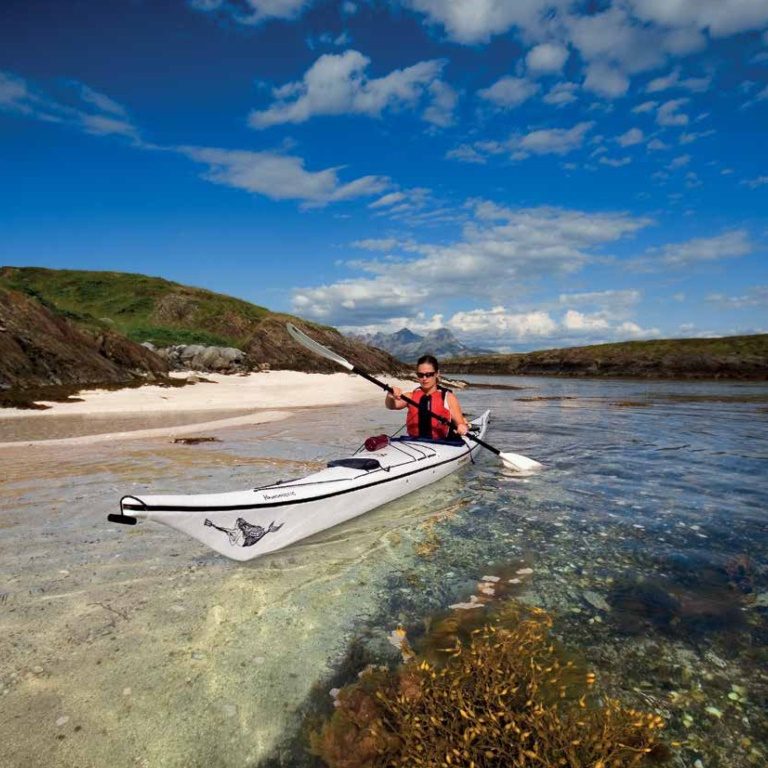
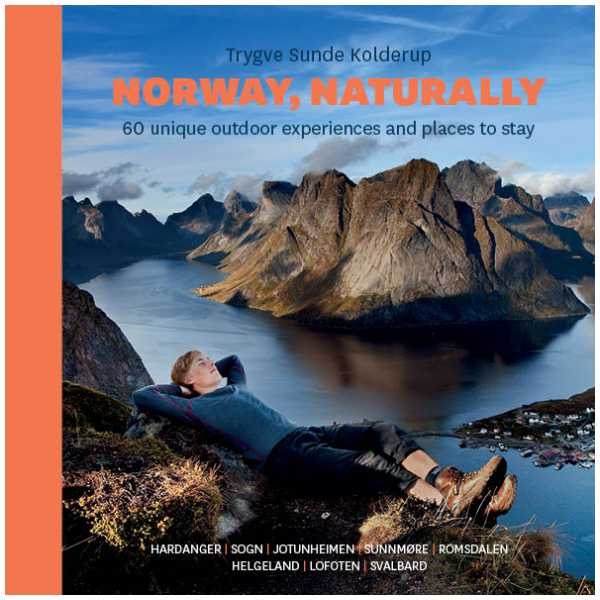
Author Trygve Sunde Kolderup has produced an excellent guide to 60 unique Norwegian outdoor experiences and places to stay. Kolderup is manager of Hvitserk, a company that organizes expeditions and adventure tours all over the world, so he knows what’s all about.
This book describes 60 unique outdoor experiences and places to stay, ranging from the far south to the Arctic regions. Chosen because the author wants foreigners as well as natives to experience the wonderful and diverse scenery Norway has to offer. What makes Norway special for travelers is the variety of outdoor experiences that you’ll find in this book – and in real life.
Norway, Naturally book cover
Most trips described in the users’ guide are accessible by public transport, and the 180 pages contain eight chapters, each guiding you to very diverse outdoor areas and unique accommodation. The areas described are Hardanger, Sogn, Jotunheimen, Sunnmøre, Romsdalen, Helgeland, Lofiten and Svalbard.
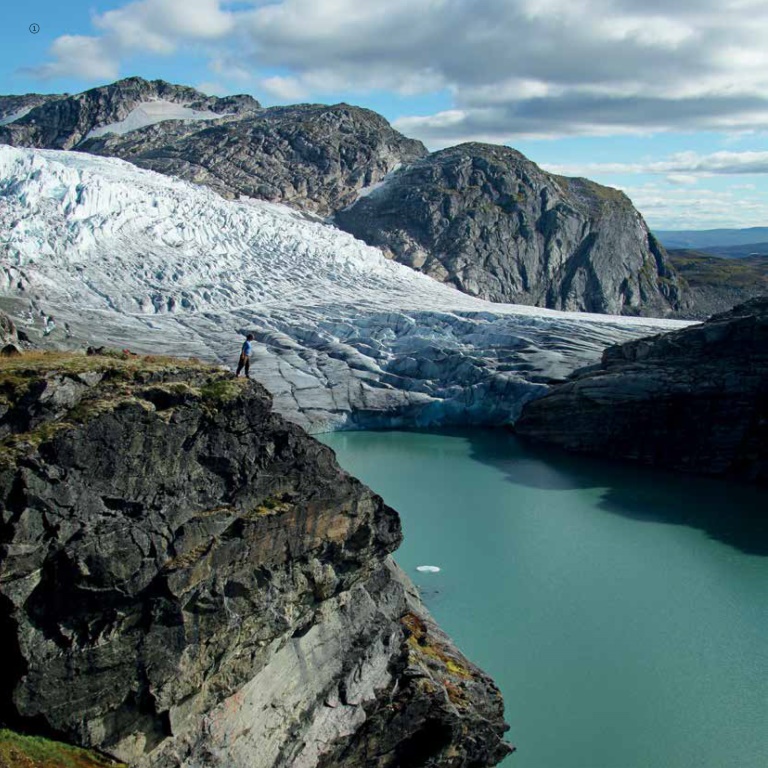
On the way from Finse to Demmevasshytta, it is a a demanding trip, where the final strech to the no-service cabin goes across the Rembesdalskåret glacier
Many of the areas are close to one another, making it easy to connect different routes for a fortnight’s holiday, or as stated in the introduction: “These areas are so close to each other that you can live in one area and hike in the other.” This guide contains maps for planning purposes and fact panels provide information on level of difficulty, length, base etc.
Villa Norangdal lies right by Kvitegga (1691m) and Blæja (1420m) at the eastern end of Norangsdalen
If you visit some of the gems Trygve Sunde Kolderup has written about, you’ll probably discover other treasures as well.
“Don’t be surprised if you feel the urge to change your holiday plans after reading Norway, naturally!” wrote outdoor journalist Iver Gjelstenli.
Garfish (belone belone) come to the Scandinavian shores in May, and are a very popular angling fish as they put up a good fight. They are one of the few true seasonal treats, in their short spring season, and again in August, when they return to deeper waters.
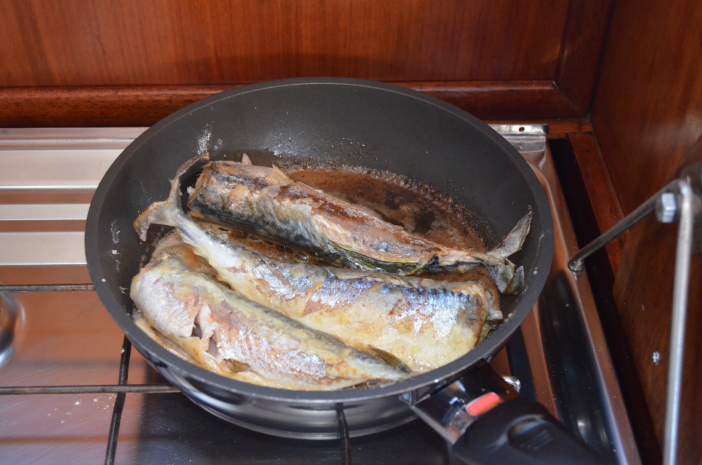
They’re the favorite fish for many Scandinavians; the flesh is very loose when raw, but becomes meaty and delicious when fried.
Garfish
Appearance and taste Garfish are wondrous creatures. When their long and slender bodies, which dart through the waters like liquid silver, they are hard to mistake for any other fish. The long beak is full of razor-sharp teeth and the bones are eerily green, which has led to much superstition about the garfish’s eating habits, but they are quite harmless.
Garfish bones
Garfish usually reach about one meter in length yet weight less than 1kg. Their meat tastes more like veal than fish.
North Sea, Skagerak and Kattegat
Buying and storing Garfish are best when they are boned, when the meat cam be cut into squares and is easy to handle. But you must ask the fishmonger to do it, as it’s rather difficult to do it yourself. The alternative is to cut them into chunks and fry them on the bone, like an eel. Un Denmark there are special boning machines for garfish, but these probably don’t exist anywhere else. One garfish should feed two people.
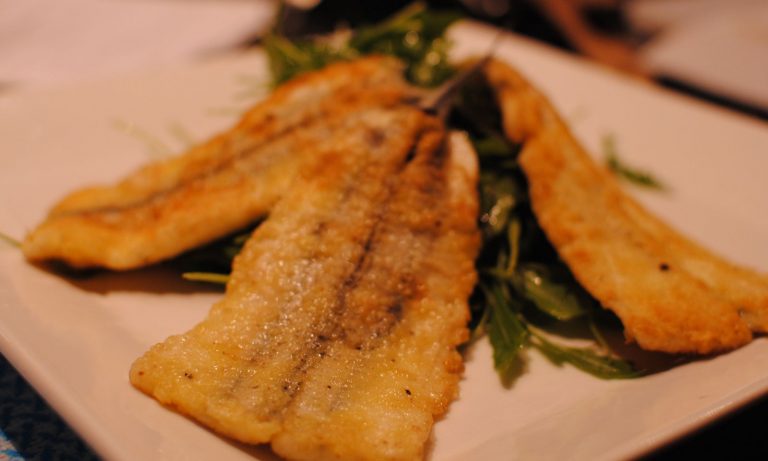
Fried garfish
Culinary uses Garfish come into their own when dusted with fine rye flour and fried in butter until crispy, which takes just a matter of a few minutes. Eat with new potatoes, cucumber and dill salad, and gooseberry compote with elderflowers. They are very good when barbecued. Garfish can also be soused like herrings, and this is a clever thing to do with leftover fried garfish.
Alcohol is expensive in Scandinavia and the sale of strong beer, wine and spirits in Sweden and Norway is restricted to state alcohol shops (Systembolaget in Sweden and Vinmonopolet in Norway) and licensed bars and restaurants. In contrast, alcohol flows freely in Denmark.
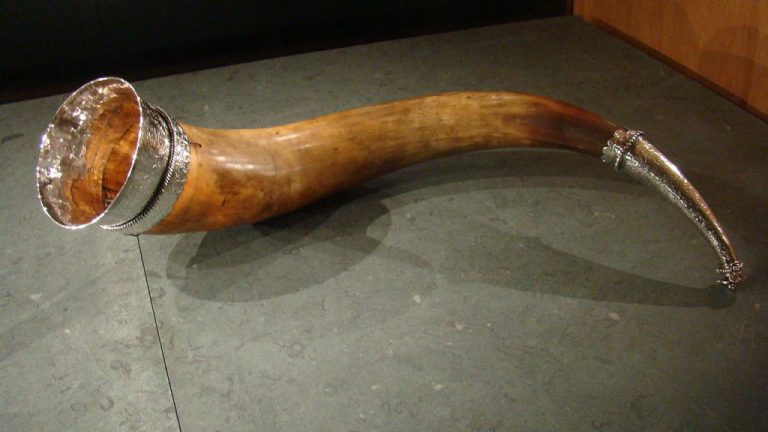
No Scandinavian herring dish is complete without aquavit, literally “water of life”. Distilled from potatoes or grain and flavored with herbs and seasonings (caraway seed, cumin, fennel, dill or St. John wort), ice-cold aquavit warms body and soil. One of the best is Norway’s Løiten Linje: part of its maturation involves a sea voyage across the equator and back. Connoisseurs claim it should be drunk at room temperature.
Scandinavian aquavit
In line with the growing local-food movement, microbreweries have mushroomed all over Scandinavia. At Christmas, out comes gløgg – hot spicy mulled wine, served with gingerbread, cinnamon buns, Danish æbleskiver (puff pancakes) or rice pudding.
Vinmonopolet (Norway)
To gain instant friends in Scandinavia, lift your drink and say the word for cheers: skål (pronounced “skoal”). The correct way to skål us to look at the person, say the word, lift the glass slightly, drink and look at the person again.
Swedish actor Max von Südow demonstrates the stylish skoal
At formal occasions, strict rules of etiquette govern the “skål”-ing: for example, never drink until your host has given a welcome toast.
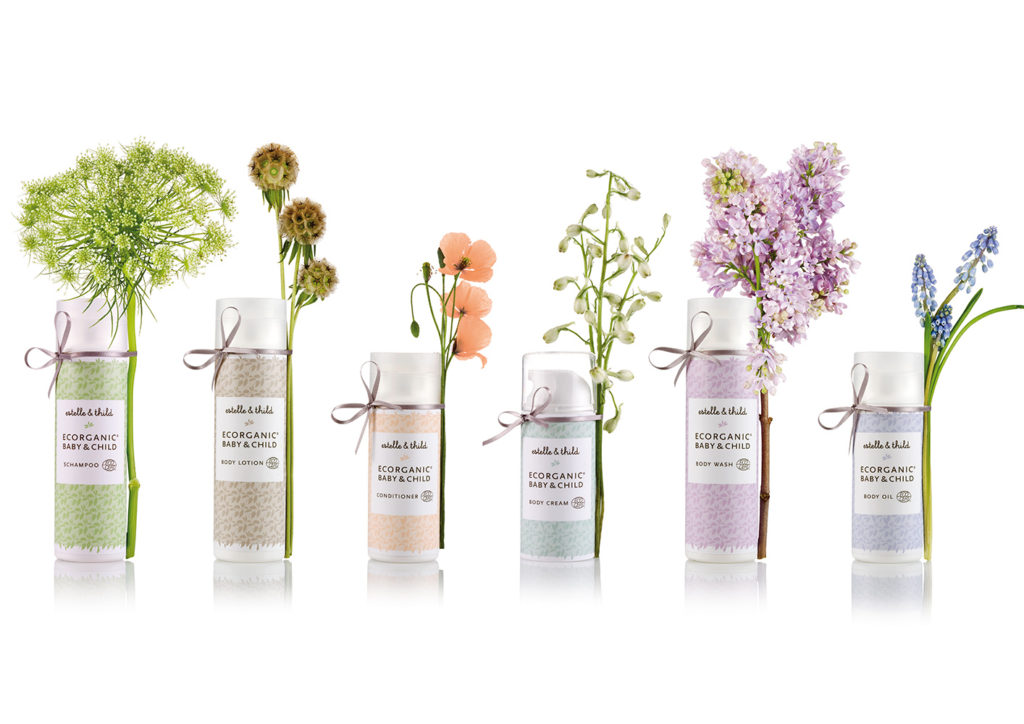
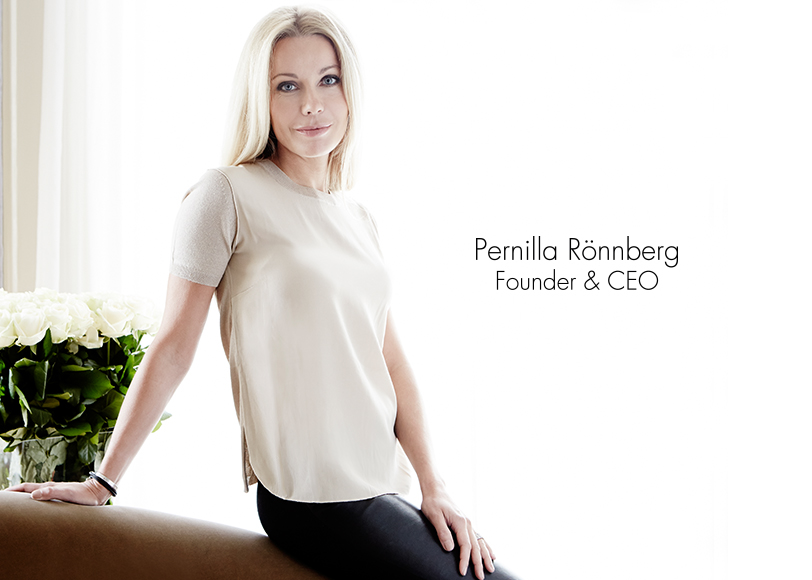
Organic cosmetics are positive for the environment, but no guarantee against irritated skin through allergic reactions. As former CEO of a skin care company, and disappointed with the selection of safe products for her children, Swedish Pernilla Rønneberg started her own brand with baby care skin care.
Stars such as Beyonce and Penelope Cruz have jumped on the natural trend, praising its results. And who can disagree with Mother Nature? “I have made the decision to use pure bioactive ingredients and exclusive raw materials in my products. All of our formulas are free from pesticides and toxic residues and are certified organic by Ecocert,” says Pernilla.
Facial Oil Rose
As former skin therapist and environmentalist, she works closely with her team to promote the best skin therapy nature can offer. ”Not considering our environment and ethics in beauty is for me very out of fashion” the Swedish founder adds.
Estelle & Thild
The Estelle & Thild series is not only organic but also completely free of parabens, allergens and irritating aromatic fragrance oils. Shortly after launching, Estelle & Thild became an instant success throughout Scandinavia and received accolades in the international press. Today Estelle & Thild’s wide range of products can be found across Scandinavia, Europe and Asia, in shops like Boot’s pharmacy and Harvey Nichols as well as in selected online stores such as Net-a-Porter.
Organic Luxury from Sweden, written by Tor Kjolberg
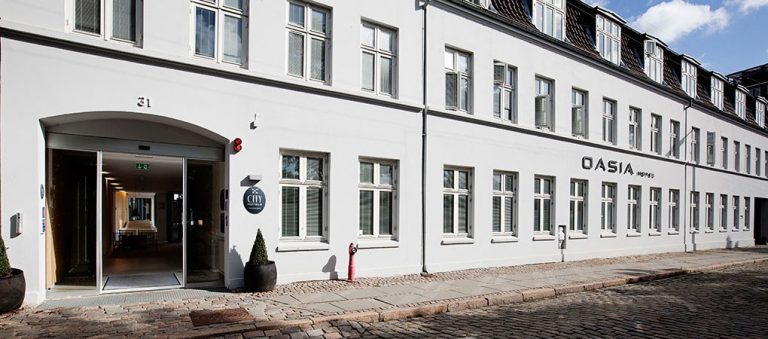
Hotel Oasia Aarhus, Denmark, is located in one of Aarhus city’s old historic buildings which formerly housed a small hotel called “Eriksen’s Hotel”. Today the hotel offers traditions mixed with modern simplicity which creates what the hotel describes as “elegant and discrete luxury”.
You’ll find Hotel Oasia tucked away on a quiet, cobbled residential street, comfortably within easy walking distance of trains, buses and all the main attractions of the city. The hotel offers a shuttle bus to the airport, but you can walk to the shops and cafes in trendy Jægergårdgade.
All 65 minimal but comfortable rooms in this boutique hotel have a stylish setting
In the heart of Aarhus stands architect Arne Jacobsen and Kim Møller’s iconic Aarhus City Hall, a symbol of classic design ethic. And even if you are staying in the town’s most bustling part, all 65 minimal but comfortable rooms in this boutique hotel have a stylish setting with some of the most prominent Nordic designer brands, for example Montana furniture, Lightyears lamps, Bang & Olufsen telephones and not least the opportunity to have some good nights’ sleep on Hästens mattresses.
With a range of weekend packages, the hotel provides ideal opportunities to explore attractions close by. You should not miss Aros, Aarhus’ world-class art museum, featuring Olafur Eliasson’s stunning rooftop installation “Rainbow Panorama”. “The Old Town” is an open air museum of urban history and culture, from the streets of Hans Christian Andersen’s time to the 1970s, you experience traveling in time.
“The Old Town” is an open air museum of urban history and culture
Culinary experiences The only meal served at Oasia is breakfast, but it is a pretty good one. The buffet includes organic breads, cereals, preserves and yoghurts, a good choice of cheeses, pastries and fresh food, and some hot options.
For discerning palates, Hotel Oasia has teamed up with local star chef Wassim Hallal and Restaurant Frederikshøjto offer special gourmet packages. The staff is, however, also happy to recommend other of the local area’s many dining spots.
Restraurant Fredrikshøj at Oddersvej
The combination of stylish, quiet rooms in a happening part of the city has proved a winning one. Several years in a row, including 2017, the hotel has been rewarded TripAdvisors Travelers’ Choice awards.
Pure Nordic Style at Hotel Oasia in Aarhus, reviewed by Tor Kjolberg
The Norwegian Monarchy has roots going back more than a thousand years in history. Here we shall only briefly touch upon the many centuries from the state’s unification, through the Middle Ages, and up to the present.
The royal family of today doesn’t really have any connection to the royals of the Viking age. At that time Norway consisted of many petty kingships and wasn’t united under one crown until Harald Fairhair (865-933 c.e.)Harald was an ambitious king and swore that he wouldn’t cut his hair until he achieved his goal of uniting the kingships into a single realm – hence the name!
Harald Fairhair
The next big event in the history of the Norwegian’s kings was Olav II Haraldsson (995-1030c.e.) bringing Christianity to Norway. Although Olav died in the battle of Stiklestad, the church that emerged helped to unify the country even further. Olav was actually canonized after his death and became Sankt Olav.
Haakon Magnusson (Stavanger Cathedral)
In 1163 the Law of Royal Succession simplified the process and gave only the eldest legitimate son the right to become the king. King Haakon V Magnusson died in 1319 without a male heir. His daughter, Ingeborg, was married to the Swedish Crown Prince Erik and their son, Magnus, was the first to become the heir to both Norway and Sweden.
In 1536 Norway was proclaimed a Danish dependency, and ceased to be an independent kingdom altogether and accepted the Danish king. When the Peace Treaty of Kiel gave Sweden the power over Norway, the Swedish royal family became the royal family to Norway as well. Carl XIV Johan of Sweden was crowned in Norway on September 7, 1818 (after his father passed away). This was the first coronation in Norway in over 300 years.
In the Middle Ages the Kingdom of Norway was a hereditary electoral monarchy – in other words, the monarchy was based on a combination of inheritance and electoral consent.
More important milestones are the secession from Denmark in 1814, and the dissolution of the union with Sweden in 1905.
The Constitution o Eidsvoll 1814
The major consequence of the assembly of representatives at Eidsvoll in 1814 was the brief national autonomy which laid the foundation for a lasting constitution with national political institutions.
The decades between 1814 and 1905 were characterized by a major, complex and lengthy struggle between the king in the union, who was supported by Sweden, and the Norwegian national assembly, the Storting.
Stortinget, the Parliament building in Oslo
With its famous resolution of 7 June 1905 the Storting unilaterally deposed the union king. But it did more than that, by firmly placing the monarchy within a wider framework. The deed that gave the deathblow to kingly power, also gave the monarchy greater legitimacy. Therefore, the year 1905 marked in Norwegian history the dissolution of a union and the deposal of a king, but the preservation of a system of government.
King Haakon VII in his Minerva. Photo: RiksarkivetKing Haakon VII visiting North Weald. Photo: Riksarkivet
The Norwegian government reached out to Denmark to find their next king. Prince Carl of Denmark (born 1872) was an ideal candidate to become Norway’s new king. He was already married to Princess Maud, the daughter of the British Royal couple, and they had a son (Alexander) to ensure the succession. Also, Prince Carl could trace his genealogy back to the Fairhair dynasty. He took the name Haakon VII. On 25thNovember 1905 he came to Norway together with his wife, Maud (born 1869) and their young son Alexander (born 1903) who was given the name Olav. The king and queen were crowned at Nidaros Cathedral on June 22, 1906.
Crown Princess Märtha, King Haakon VII and Crown Prince Olav. Photo: Riksarkivet
Crown Prince Olav was the first Norwegian heir to the throne since the Middle Ages who grew up in Norway.
There have, however, been times also in everyday life when a king has tried to exceed the bounds of what is personal, acceptable influence. This occurred just after 1905, and rather more dramatically in 1913, when the threat of abdication was imminent.
The period from 1905 and to the present day can be regarded as a continuous consolidation of the status that was originally established. Norwegian democracy still gives no leeway for the exercising of personal, royal power. In a democratic monarchy the emphasis is on the Constitution, not on the monarch. Democracy can do without him, but not without the Constitution.
Crown Prince Olav. Photo: Riksarkivet
During the WWII and the occupation King Håkon’s role was diverse; as a participant in continuing processes, and as a symbol of national unity. His resounding “No” to the German/Quisling demands on 10 April 1940 stands sharply illuminated in the history of the monarchy and the country.
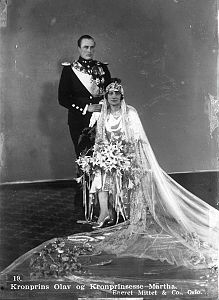
In 1929, Crown Prince Olav married his Swedish cousin, Princess Märtha. The Crown Prince and the Crown Princess had three children: Princess Ragnhild (born 1930), Princess Astrid (born 1932) and Prince Harald (born 1937).
Crown Prince Plav and Crown Princess Märtha. Photo: Tiksarkivet
King Haakon died in 1957 and his son became King Olav V. King Olav died in 1991. The two monarchs of modern Norway, King Håkon VII who ruled from 1905 to 1957 and King Olav V, 1957-1991 have strengthened the acceptance of monarchy in every way. The words chosen by the two monarchs as their motto: “Alt for Norge” (All for Norway) has been put into practice as consistent, democratic loyalty towards the system.
King Olav passed away on January 17, 2001 making his son Harald the new king of Norway. King Harald V, with Queen Sonja, are the King and Queen of Norway today. H.R.H. Crown Prince Haakon VIII is next in line in the succession and his daughter, H.R.H. Ingrid Alexandra will follow him.
Crown Princess Mette Marit, Crown Prince Haakon, Queen Sonja and King Harald. Courtesy Norwegian Royal Court
The order of succession was actually changed in the last few years to make it that a daughter can inherit the throne. H.R.H. Ingrid Alexandra is the first female to be the direct heir to the throne.
Pomp and Circumstance in Norway, compiled by Tor Kjolberg
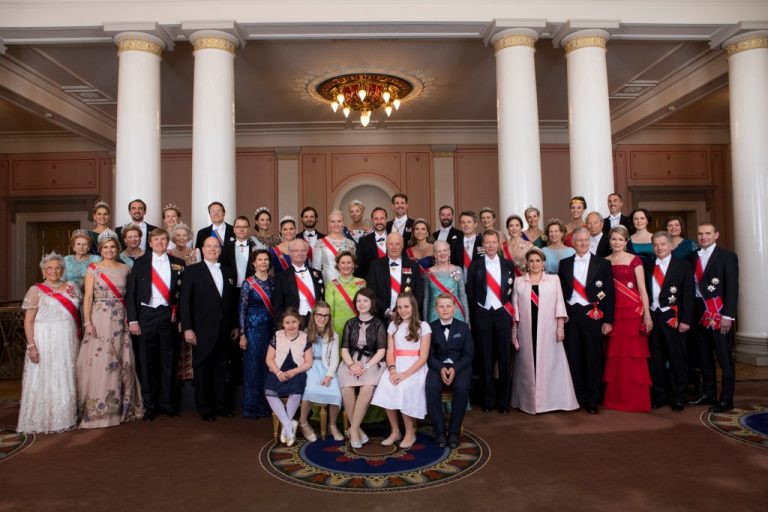
Ferature image (on top): From the King and Queen’s 80 years’ celebration 10 May, 2017. Cortesy the Norwegian Royal Court



















 “I have made the decision to use pure bioactive ingredients and exclusive raw materials in my products. All of our formulas are free from pesticides and toxic residues and are certified organic by Ecocert,” says Pernilla.