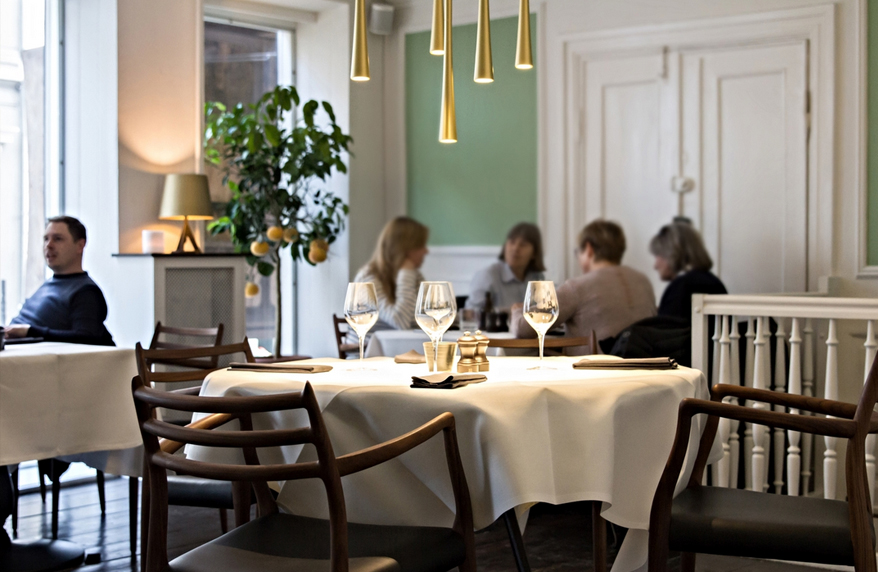
You will find some of the world’s best restaurants in Copenhagen. The Danish capital has become the new San Sebastian.
In the 90s there were chefs like Alain Ducasse and Joël Rebouchon, the 00s had Ferran Adriàs and Heston Blumenthals. Today the great chefs are to be found in Copenhagen.
Restaurant Noma Opened November 2003 by food entrepreneur Claus Meyer, entrepreneur Kristian Byrge and chefs René Redzepl and Mads Refslund. Has been awarded the Wordl’s Best Restaurant by the acclaimed Restaurant Magazine, and in S. Pellegrino’s World’s 50 Best restaurants.
Noma is now closed, and it is uncertain when the new Noma will reopen
Normally there was a three months waiting list. Now you must probably wait longer since its current location at Strandfade 93 has closed permanently. There is uncertainty about when the new Noma will open doors, but to be one of the first to know, sign up for their newsletter.
Kødbyens fiskebar
Kødbyens fiskebar This is one of Noma’s first offshoots in the middle of Copenhagen. The fish and shellfish is excellent, and there’s a relaxed atmosphere.
Restaurant Radio. Phito: Anders Schonnemann
Radio Established by one of the Noma founders, Claus Meyer, this restaurant has sometimes been called a kind of “Cheap Noma” or “Noma Light”. This is rather misleading since they work with unique, ancient grains and legumes from organic fields, fresh fruits and high quality fish and meat from local fishermen and farmers. However, it’s affordable.
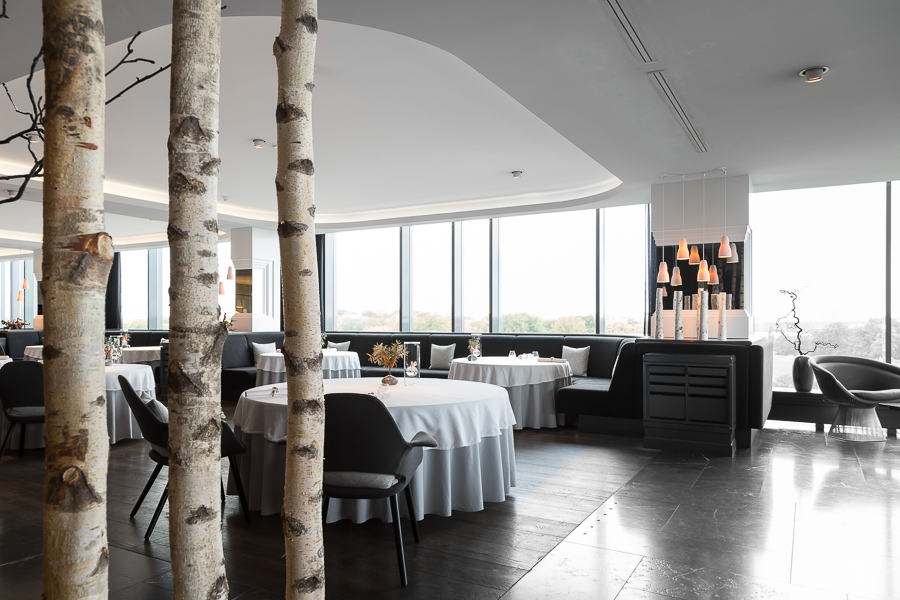
Restaurant Geranium
Geranium With a view all the way to Sweden this two Michelin star restaurant offers a vegetarian meal, a full dinner and lunch menus and might be called a challenger to Noma. Rasmus Kofoed is the only chef in the world who won bronze, silver and gold at the unofficial world competition in cooking, the Bocuse d’Or. The restaurant is focusing on Nordic ingredients.
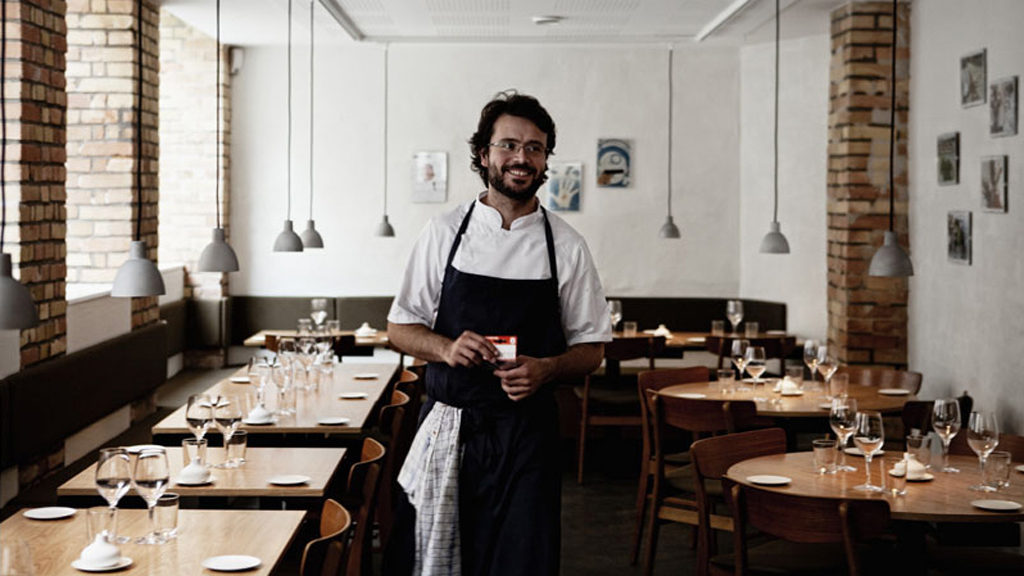
Restaurant Relæ
Relæ This is an unceremonious and low-priced restaurant, considering it’s a Michelin-starred restaurant. Sicilian chef Christian F. Puglisi has been responsible for Noma as well. Simple food and lots of vegetables. The restaurant has been awarded twice with the Sustainable Restaurant Award.
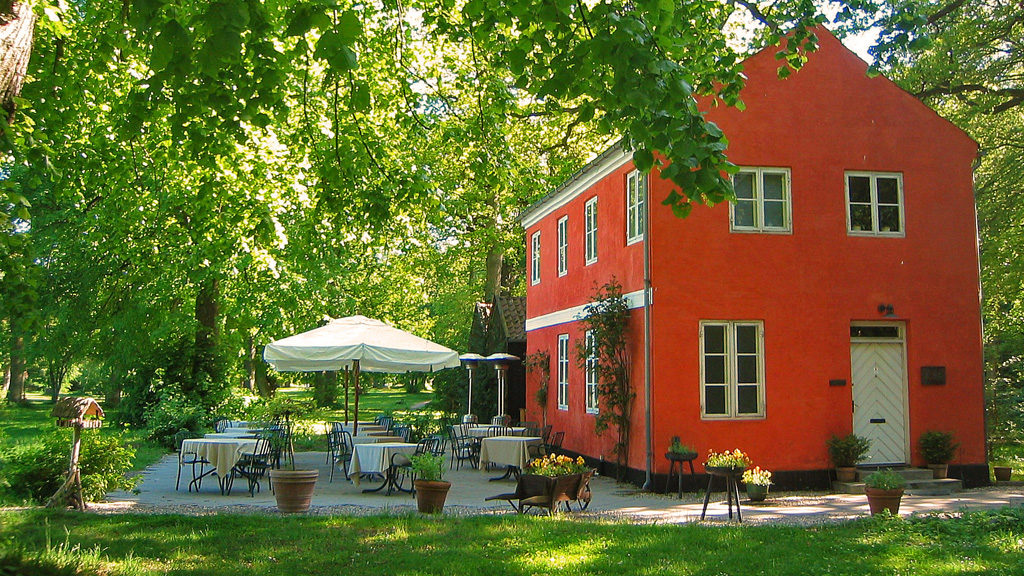
Restaurant Mielcke & Hurtigkarl
Mielcke & Hurtigkarl The restaurant is set in one of Copenhagen’s most beautiful royal gardens. Yuzu enthusiast Jakob Mielcke serves local food inspired by the Japanese kitchen. This is perhaps one of the most interesting and complex eateries in Copenhagen just now. The menu is a dynamic gastronomic experience of five or seven dishes.
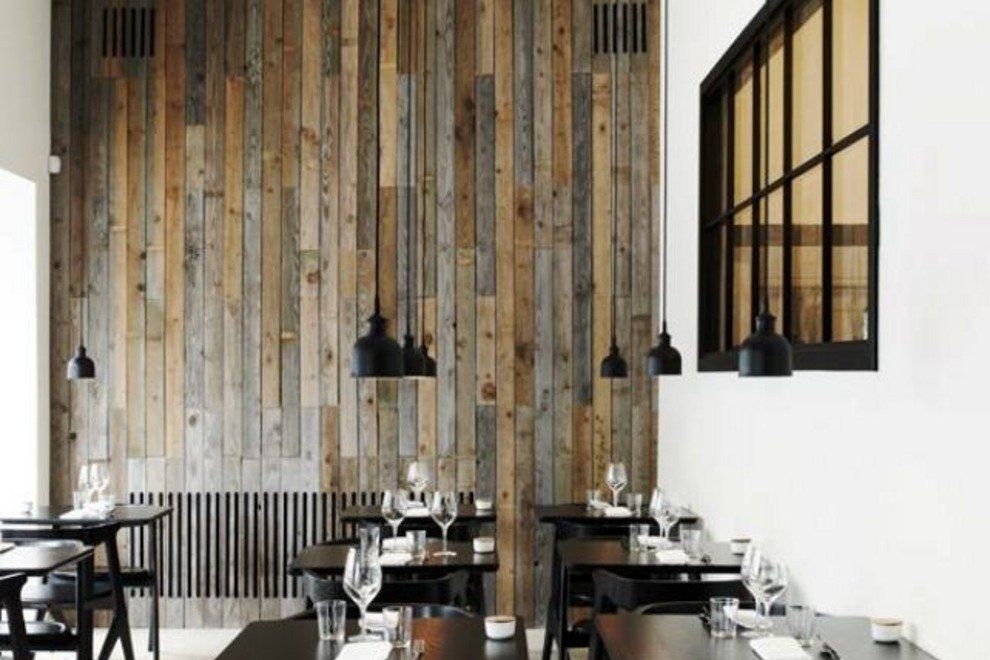
Restaurant Geist
Geist Celebrity chef Bo Bech makes food with pure ingredients and pure enthusiasm. He serves comfort food rather than complicated heavy menus. If you’re in the middle of Copenhagen, Geist at Kongens Nytorv is worth a visit.
Restaurant Formel B
Formel B The restaurant was opened by Kristian Arpe-Møller and Rune Amhild Jochumsen in 2003. The a la carte menu focuses mainly on seafood, with a few exquisite meat dishes. The wine carte is large with one of the best selections of Burgundy wines.
Restaurant Klin Klin
Klin Klin This is the only Thai restaurant in Europe with a Michelin star. Owner Henrik Yde Andersen, also a skilled sommelier, focuses on traditional Siam-cuisine approach with vegetables and sea food. The wine carte is mostly based on white wines from Germany, Austria and France.
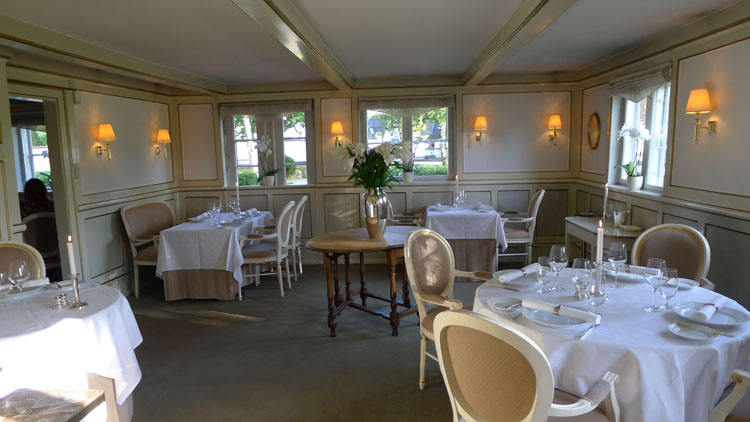
Restaurant Søllerød kro
Søllerød kro This is one of the older fine-dining restaurants in Copenhagen and one of the top notch venues in Denmark. Søllerød kro dates back to 1677 and the surroundings consist of an old pond, a small castle, a little village church and idyllic neighbors. A large wine carte accompanies the uncompromisingly high French standards.
Restaurant Kokkeriet
Kokkeriet Restaurant Kokkeriet empazizes on strictly Danish food with the very oldest traditions. The sommelier seems to have gone to a lot of effort to match the small wine carte with the menu. The restaurant is small, but stylish and cozy, and rest azure, the food has a delicate and fresh taste.
Restaurant Kadeau
Kadeau Restaurant Kadeau, opened in 2007, is one of the ambassadors of the Nordic kitchen. They are proud to say that their food mainly comes from the gastronomic treasure island Bornholm, where they also have a restaurant. “We grow, harvest, serve and love Bornholm.” Say Rasmus, Magnus and Nicolai.
Restaurant Den Røde Cottage
Den røde cottage The restaurant is being placed between Dyrehaven and the sea a small train ride from Copenhagen. Den røde cottage, meaning the Red Cottage, is probably one of the most idyllic in Copenhagen. The menu is French inspired and the wine list balances the food in a perfect manner.
Restaurant Marchal
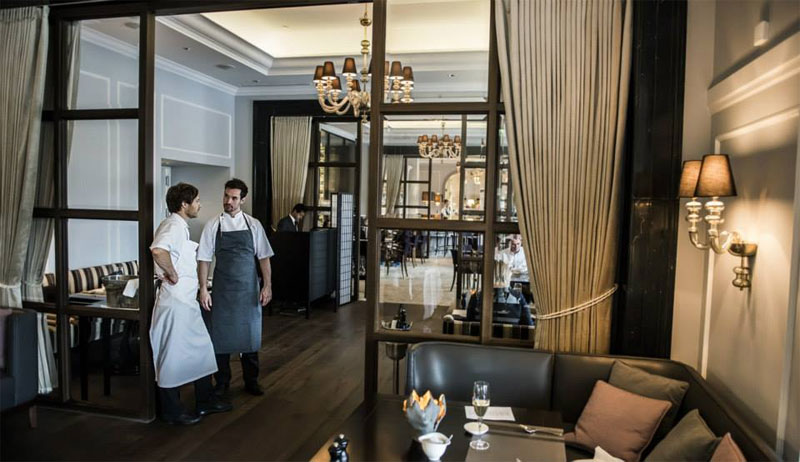
Marchal is the restaurant in the luxurious Hotel d’Angleterre at Kongens Nytorv. French Marchal was the chef at Hotel d’Angleterre in 1755, and the a la carte menu is still French inspired. If you’re afraid of high prices, Marchal is in fact one of the more affordable restaurants in Copenhagen.
Restaurant Era Ora
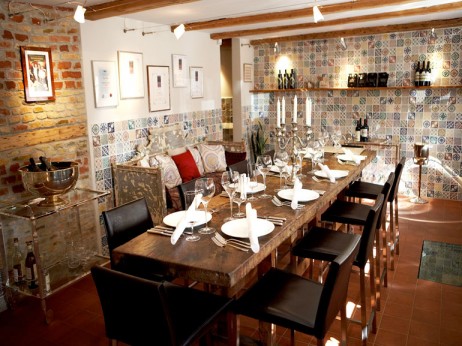
Era Ora Copenhagen’s Italian restaurant with a Michelin star, opened in 1983, is famous for high quality food and good service. Era Ora is honoured wuth the Leccio d’Oro-prize for world class Brunello’s. “At Era Ora we paur food to wine, not vice versa,” says Elvio Milleri. “We have since 1893 done our utmost to spread awareness of Italy’s unique food culture in Scandinavia.” Compiled by Tor Kjolberg
Feature image (on top): From Era Ora. Photo: Visit Denmark/Katrin Bjork
A year from now, in May 2018, in Seattle’s old Scandinavian neighborhood, Nordic Heritage Museum will be opening a new home. After many years of planning and fundraising, a modern 57,000-sq.ft. museum and cultural center , designed by Mithun architects and wrapped in zink skin, will open.
The museum’s sleek modern steel structure is based on the idea of a glacier-cut fjord that weaves together stories of homeland and Nordic American experience. Inside, fjord walls are composed of faceted white planes evoking its glacial origins.
Eric Nelson
Eric Nelson is the CEO of the Nordic Heritage Museum and he started buying property for a new, dramatically expanded site for the museum in 2003.
The Nordic countries of today are famed for tech, design and progressive social engineering. These countries ate Norway, Sweden, Denmark, Finland and Iceland – sometimes viewed as the “Five White Swans” flying together.
According to spokesman Jan Colbrese, this is the only museum in the United States “that celebrates all five of the Nordic countries.”
Jan Woldseth Colbrese with her great-granfather’s trunk
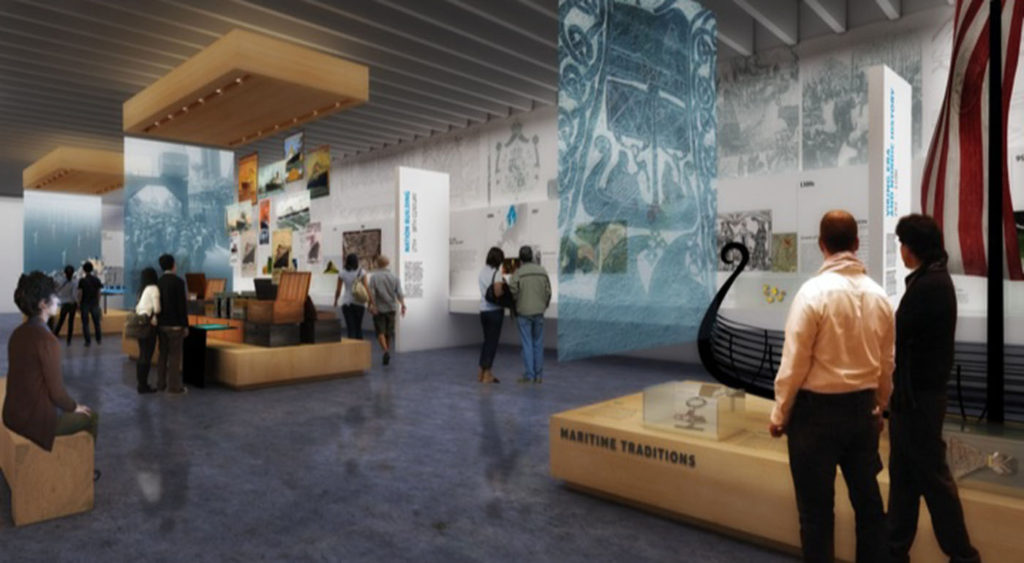
The museum has operated since 1980 in an old school building with minimal museum infrastructure. The new facility will provide climate-controlled collection and exhibition space with expanded areas for teaching, events and exhibitions. A more active location and interactive experience aim to engage a new generation of visitors.
A modern 57,000-sq.ft. museum and cultural center , designed by Mithun architects, will open May 2018
The Swans are playing a role in shaping the message you will find in the new museum. Until now the museum has focused on the “Great Migration” around the turn of the 20th century, when nearly a quarter of the Nordic population left their home countries; old steamer trunks, household objects, national costumes, books, bibles, jewelry and pioneer tools. Now the museum has been cultivating ties with the nations to find contemporary exhibits, which allows you to cross between galleries featuring past and present. That was driven home by a delegation of Nordic diplomats that flew into Seattle to inform about their countries, and what has made them successful.
Eric Nelson says the exhibit narrative will be driven by four core themes: openness, social justice, innovation, and respect for nature.
“Design in the Nordic countries comes out of love for and protection of the environment,” Colbrese adds. “If things are designed well, they work well and hold up and people don’t throw them away.”
According to spokesman Jan Colbrese, this is the only museum in the United States “that celebrates all five of the Nordic countries”
The new museum will also have more room to highlight Nordic immigrants’ influence in the United States, from radical labor organizers like Joe Hill to entrepreneurs like John W. Nordstrom.
So why a Nordic Heritage Museum in Seattle? Through trade and immigration, Seattle has huge ties to Scandinavia. Some 600,000 Washingtonians self-identify as being of Nordic or Scandinavian heritage, and Seattle has historically been one of the largest Scandinavian communities outside the old countries.
New Nordic Heritage Museum in Seattle, written by Tor Kjolberg
The wooden palace in Trondheim, Norway, was built in the 1770s as a private home for the affluent councellor Schøller’s widow Cecilie Christine von Schøller. The opulent building Stiftsgården has around 140 rooms. In 1800 it was sold to the Norwegian state. This good-looking yellow structure is claimed to be the largest wooden building in northern Europe. During the 19th century Stiftsgården was chiefly used in connection with the royal coronations, since it was traditional for Norwegian kings to be crowned in Trondheim’s Nidaros Cathedral.
During the 19th century Stiftsgården was chiefly used in connection with the royal coronations
Stiftsgården has been renovated a number of times, for example in connection with the consecration of King Olav in 1958. When the present king succeeded his father in 1991, plans were drawn up for a total rehabilitation of Stiftsgården, which was completed in 1997.
From the crowning jubilee. From left: Crown princess Mette Marit, Crown prince Haakon,. Queen Sonja and King Harald. Photo: Ned Alley/ANB
In 1906 Haakon VII was crowned in Trondheim and both King Olav V and King Harald V were consecrated in Nidaros Cathedral. Stiftsgården has been used for the festivities held on these occasions and the processions to and from the cathedral start and end here.
The Royal Residence is open for visitors form the 1st of June, until the 20th of August 2017
When Princess Märtha Louise was married in Nidaros Cathedral in Trondheim in 2002, the wedding celebrations were held at Stiftsgården.
Interuor from Stiftsgaarden
Inside, a long series of period rooms are decorated with fanciful Italianate wall-paintings and furniture in a range of late eighteenth- to early nineteenth-century styles, from Rococo to Classicism, that reflect the genteel tastes of the early occupants. The anecdotal guided tour brings a smile or two. The Royal Residence is open for visitors form the 1st of June, until the 20th of August 2017 (Closed form the 19th of until the 23rd of June).
Stiftsgaarden interior
It is only possible to visit Stiftsgården by attending a tour. The tours are conducted in Norwegian and English.
If the sight of Bakklandet’s old wooden buildings has whetted your appetite, you’ll enjoy the tangle of narrow alleys and pastel-painted clapboard frontages that fills out the sidestreets north of Kongens gate and west if Prinsens gate. It’s a pleasant area for a stroll.
The Largest Wooden Building in Northern Europe,written by Tor Kjolberg
Trolls are Scandinavian mythical and whimsical monsters that children find themselves frightened over. However, the trolls of Thomas Dambo most people will find adorable.
You can enjoy these sculptures at some of Denmark’s most remarkable off-the-beaten-path spots.
Teddy Friendly by Thomas Dambo
Dambo grew up as a self-described “hippie kid” doing street art and graffiti. One of the trolls Dambo has made was for the city of Horsens as a part of their “Feel Horsens” campaign, a troll sitting on the ground holding a swing people actually can use. Dambo is concerned about three issues, interactive use, nice to look at and recycling.
Louis by Thomas Dambo
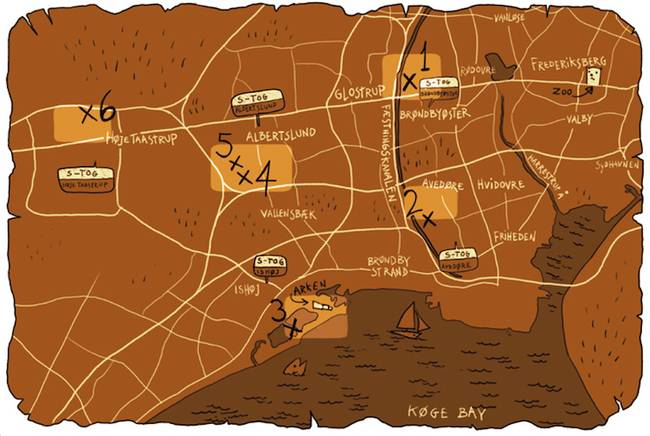
If you want to experience the wonderful world of Thomas Dambo you should explore the unknown depths of Copenhagen’s forests which are hiding six giant sculptures throughout six different municipalities in the area. He calls it “the open air sculpture treasure hunt.”
The open air sculpture treasure hunt
Dambo says he always spent a lot of time in dumpsters trying to find wood to build his tree top house or at flea markets “hunting” for stuff to play with. Now he has made six giants from recycled wood in areas where most regular Copenhageners never would have heard of or considered to visit.
Oscar by Thomas Dambo
The sculptures are tucked away underneath bridges, behind trees, up on hillsides or within the brush of the forests. How can you find them? Only by using a treasure map provided on Dambo’s website or deciphering poems engraved in stoned near the sculptures.
We advise you to go by bicycle, making it possible to visit all the sculptures in one day. You can however reach them by public transportation.
Tomas and his team of volunteers in front of Tilde (Thomas left)
“When the municipalities of west Copenhagen contacted me about a project, it seemed natural to make something which could get people out and explore the beautiful nature in the hidden outskirts,” Dambo said in a video on his project. Each of the sculptures came to life thanks to scrap wood that would have otherwise been thrown out, mainly 600 old pallets, a fence or whatever. All of the sculptures were made with the help from local volunteers.
Thomas by Thomas Dambo
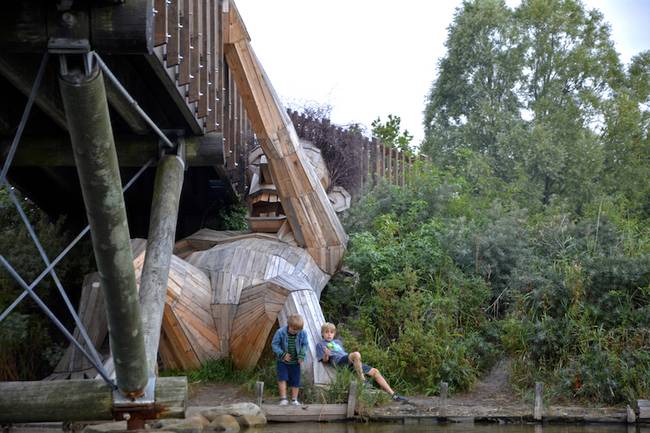
The six giants all have names. There is “Little Tilde”, hiding behind a big tree filled with 28 different birdhouses. “Oscar Under the Bridge” is a giant troll holding onto the bridge’s rail. Oscar is in fact named after an artist from Chile who came to Copenhagen to help with the project.
You can sit on the long legs of “Thomas on the Mountain”, and you can crawl up to “Hill Top Trine” and gaze at the grazing sheep in the distance. You can crawl into the gaping mouth of “Sleeping Louis”. You can even play and sleep inside of him.
Trine by Thomas Dambo
Four unemployed people and a teacher assisted in building “Teddy Friendly”.
Dambo has a Masters in design and has a huge workshop filled with scavenged stuff.
“I hope my art will inspire people to see the big potential in recycling and taking better care of our planet,” Dambo wrote in a blog post.
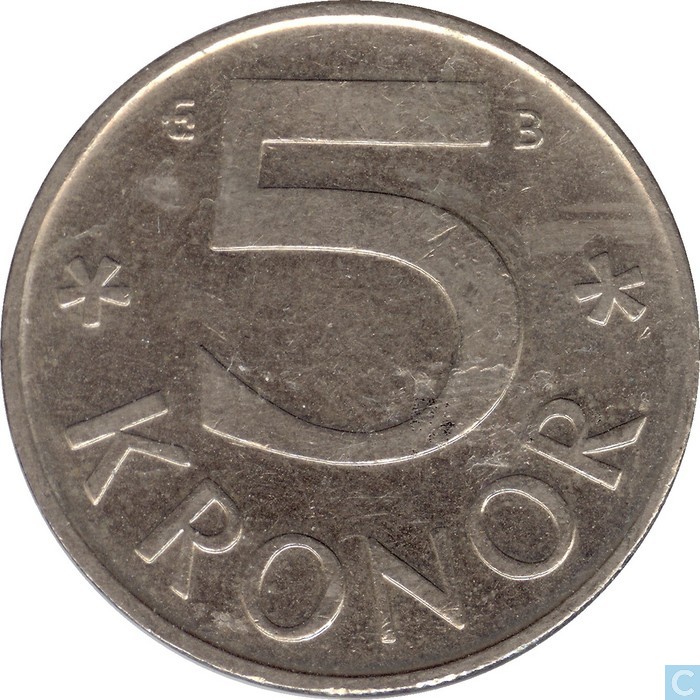
Old Swedish coins and banknotes will become invalid after 30 June, 2017. 20-, 50- and 1,000-krona banknotes as well as old 1-, 2- and 5-kronor coins cannot be used for payments after this date.
Therefore go through your pockets, clean out your drawers and start using your Swedish currency now.
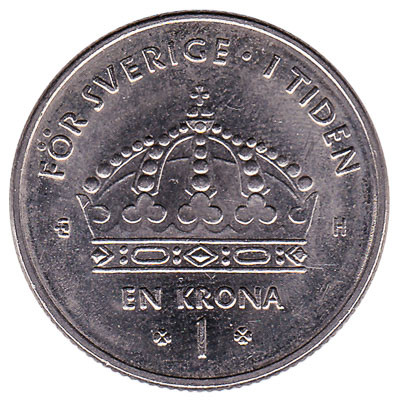
1 Swedish krona coin minted from 2001
Swedish banks are gearing up for large amounts of coins being deposited, and some banks apply a fee on coin deposit. If you are planning on travelling to Sweden and want local currency you should keep the above date in mind when visiting the bureau de change.
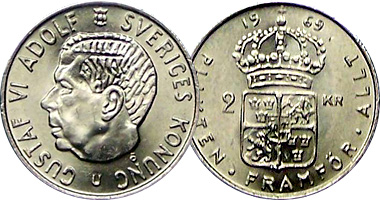
2 kronor Swedish coin minted from 1969
“If you have a very large amount of coins it’s good if you contact your branch in advance. We had one customer who brought in 40,000 kronor in 1-krona coins,” SEB press spokesperson Frank Hojem told TT newswire. The only old coin left in circulation will be the 10 krona coin.
Swerdisk 5 krona coin minted from 2001
The easiest way of getting rid of the old bank notes is to use them as means of payment in Sweden before 30 June 2017. You can also deposit the money into your bank account.
The Riksbank, Sweden’s central bank, estimates that approximately 1.3 billion coins, valued at nearly 2 billion kronor, are still in circulation. People who are in possession of old notes and reside outside of Sweden can visit their local bank or bureau de change to exchange them for another currency.
The easiest way of getting rid of the old bank notes is to use them as means of payment in Sweden before 30 June 2017.
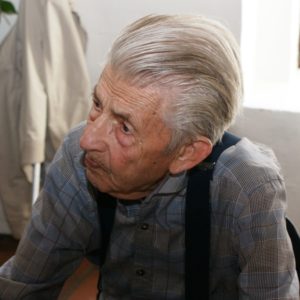
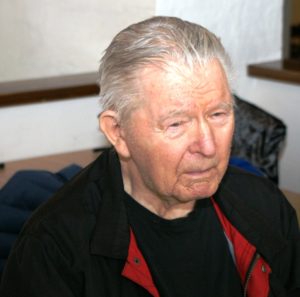
WWII veterans from the Norwegian Police Troops in Sweden still meet weekly for lunch at Akershus Fortress in Oslo. “Naturally, we are fewer now than just some years ago,” says one of them, Thor Hofsbro.
World War II began on September 1, just after the confusing covenant between two ideological archenemies, Nazi Germany and the Communist Soviet Union.
Norwegian police troops in Sweden
The German attack in Norway) 9 April 1940 came as a result of a carefully scheduled and extremely bold plan where information about the very weak Norwegian defense was a part of the German’s considerations. Norway resisted, but surrendered June 10, 1940. The king and the government moved to England to continue the fighting from there.
During the occupation of Norway about 10,000 Norwegians fled to Sweden to escape from the occupiers. Sweden rendered invaluable aid to Norway during this terrible time and saved several lives.
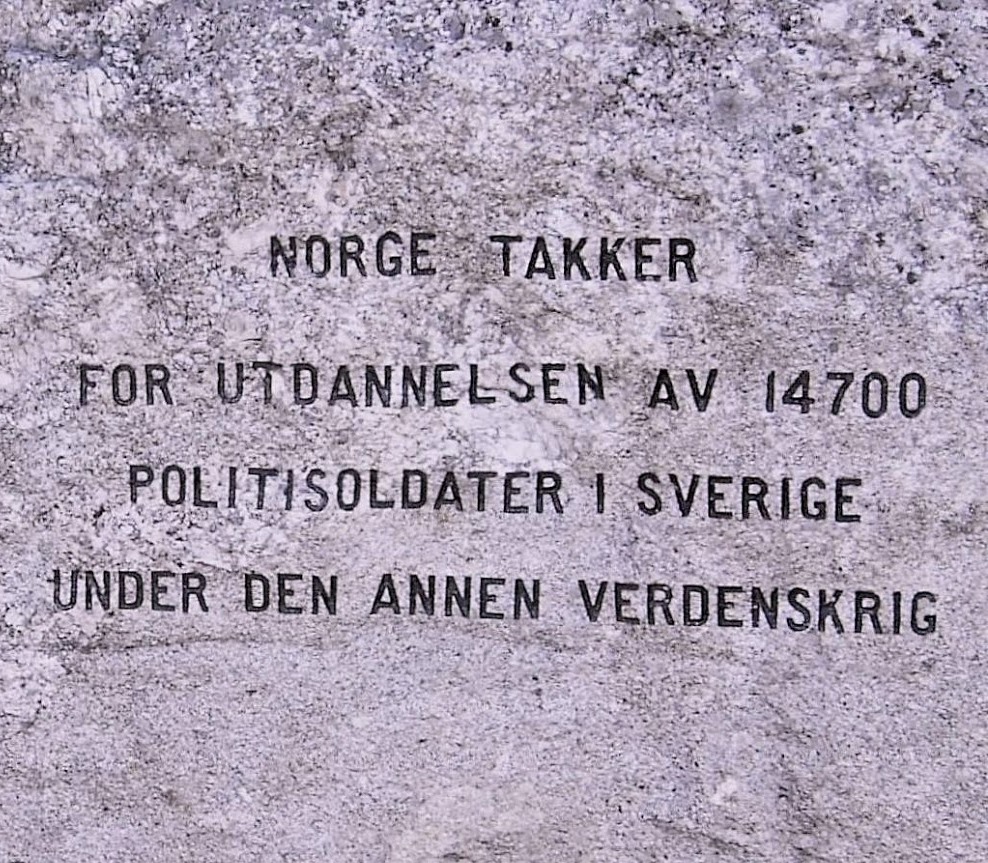
Memorial “Norway thanks for training 14700 police soldiers in Sweden during Second World War”
Back home in Norway it became more and more risky to be a young man “not taking part
Police troops getting in position
in the struggle against Bolshevism on the eastern front”. Nearly 50,000 registered refugees arrived in Sweden during the war. Around 15,000 men, recruited from these refugees, were trained at a number of secret camps in Sweden and became the Norwegian Police Troops.
The Norwegian Police Troops also included female soldiers, often referred to as lotter (Women’s Royal Army Corps).
The liberation of Finnmark was a military operation, lasting from 23 October 1944 until 26 April 1945, in which Soviet and Norwegian forces wrestled away control of Finnmark, the northernmost county in Norway.
Troops on the front lines
The Norwegian police forces who participated in the operation were very well equipped. In the most active period there were a total of 2,500 men.
In May 1945 the police troops – taking with them about one month of supplies – were transferred to Norway to help with keeping order and arresting collaborators following the German capitulation.
Veterans enjoying their lunch May 2017. The lady to the left is Vibeke Henny Strand, working at Norwegian Veteran Association (NVIO)Thor Wik (Stretcher bearer company)Aaleiv Nedberg (Milorg D13)
The mixed drink, a wonderful American invention, steadily grows more popular all over the world. As with all great culinary achievements, skill in mixing drinks comes with knowledge and practice. With a wild and thriving nightlife scene, Oslo is fast becoming the city of choice for young partygoers.
A recent increase in tourism has created a boom in the emergence of great bars and clubs. There are now so many, in fact, that it would be quite a job to choose which to visit first. Happily, however, with the help of some insiders (see below), we’re able to show you some of the top cocktail bars in Oslo.
Bar Boca
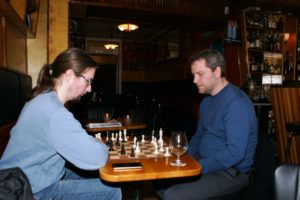
Bar Boca This local spot is home to some of the most expertly crafted cocktails by bar manager Tom Fredrik, who is THE specialist on Mohitos. The cozy bar, with its low-key 1950s décor, may be matchbox sized, with just five tables, but it’s the drinks that rule here, and they won’t let you down. If you’re hungry, we recommend their Cuban Sandwich. Bar Boca was expanded to three times the size three years ago
Guests enjoying a game of chess at Bar BocaTom De Ridder at Bar Boca
Acu Acu
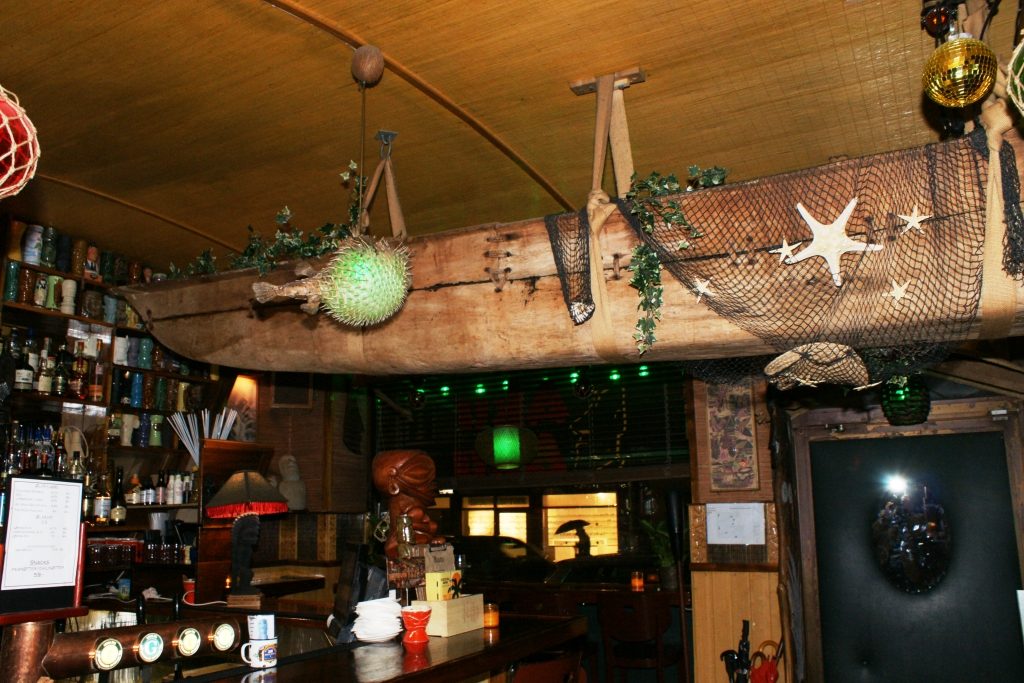
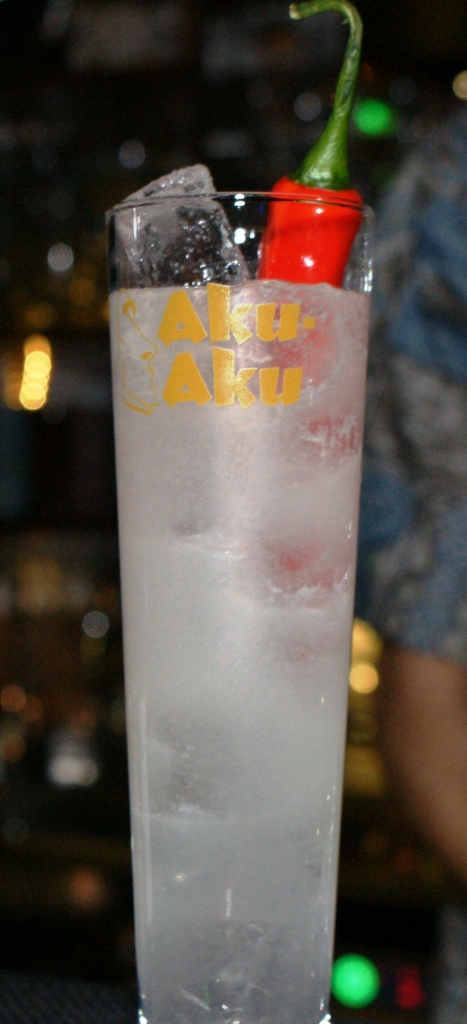
Aku Aku Tiki Bar A perfectly cozy hangout for friends or dates, Aku Aku has a seriously cool crowd of regulars who all seem to know each other, creating a very familiar atmosphere in which you will instantly feel at home. Aku Aku Tiki bar is home to some of the very few expertly crafted Tiki cocktails in Scandinavia.
Acu Acu by night
The Tiki trend started in Hollywood over 80 years ago and was based loosely on Cantonese, Hawaiian and Polynesian cuisines. The word Tiki is derved from Maori mythology about the first man, their equivalent to Adam in the Eden story.
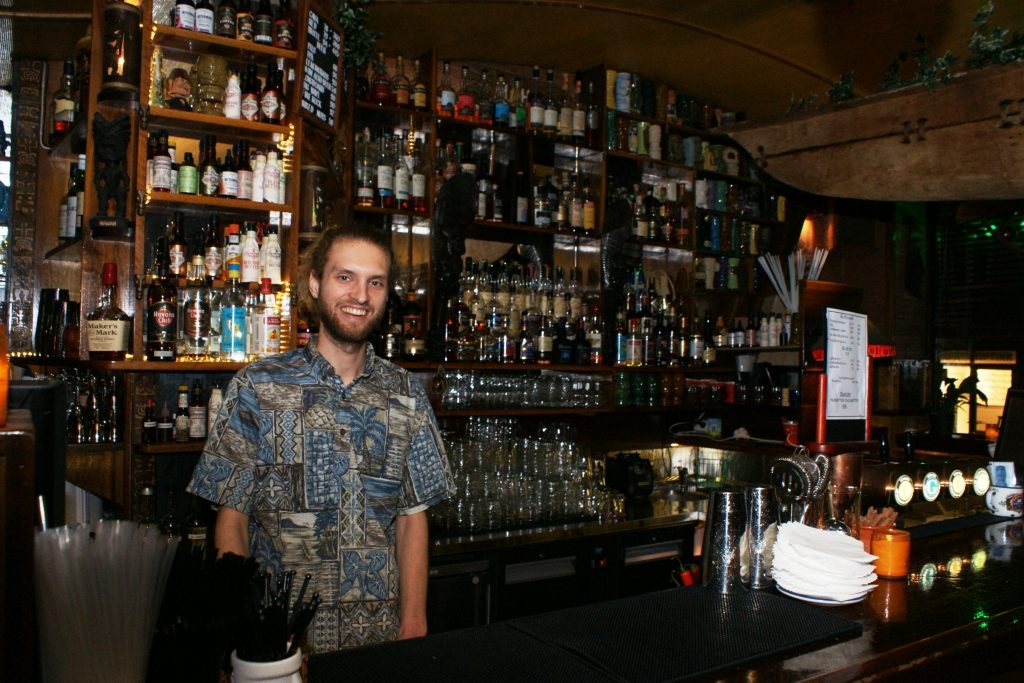
Chief bartender at Acu Acu
At Aku Aku you may enjoy genuine Tiki cocktails in a setting inspored by Polynesianhandicrafts and art, some of it borrowed from the Kon Tiki Museum in Oslo.
At Aku Aku yoy may enjoy genuine Tiki cocktails
Try their rum-based Chili Punch Signature drink. Their drink The Missionary with pineapple was by the way made by a mistake, and has been one of the most popular since the bar opened in xx. Aku Aku has a selection of more than 100 rums.
Chair cocktail bar
Chair This tiny and tucked away local secret spot is in fact not a secret any longer. Chairs is home to some of the most expertedly crafted Martinis in Oslo. A perfectly cozy hangout for friends or dates. Chairs has a seriously cool crowd of regulars who all seem to know each other, creating a very familiar atmosphere in which you will instantly feel at home. Although it is always packed and buzzing, the staff is so efficient they will know what you want almost before you sit down.
Chair is managed by Erkan Yelkenci from Turkey
Managed by Erkan Yelkenci from Turkey, Chair was the first gin-bar in Norway, now serving 110 different gins, and from this year, their third year in operation, they have their own gin label.
Signature drink at ChairSignature drink at Chair
Try their Bols Rabbit or the House Gin & Tonic, which was mixed 14,000 times last year.
Pigalle cocktail bar
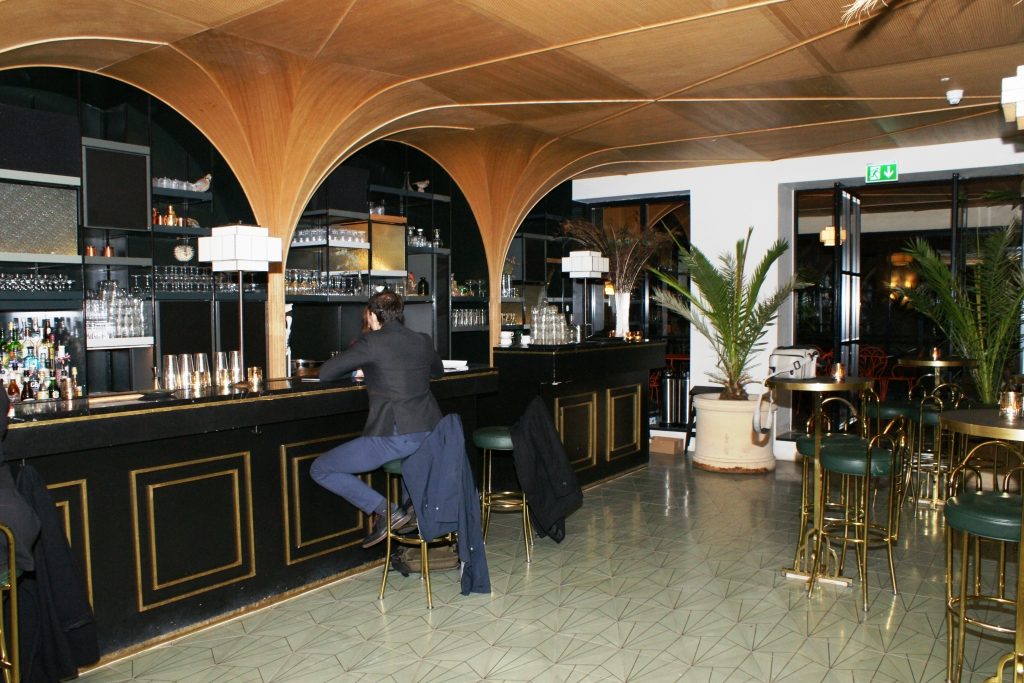
Pigalle The old is new again at Pigalle in the colorful district of Grønland in Oslo. Pigalle started as the first go-go bar in Oslo in 1964, and still maintains its historic roots. It is evident that the new owners have brought the premises back to the building’s original touch of the 1920s.
Bar manager Anne Maurseth
The newer cocktail bar, located on the second floor, is every bit a speakeasy brimming with history, which also offers a unique twist with its cocktail program, changing themes with seasons.
After Dinner Delight at Pigalle
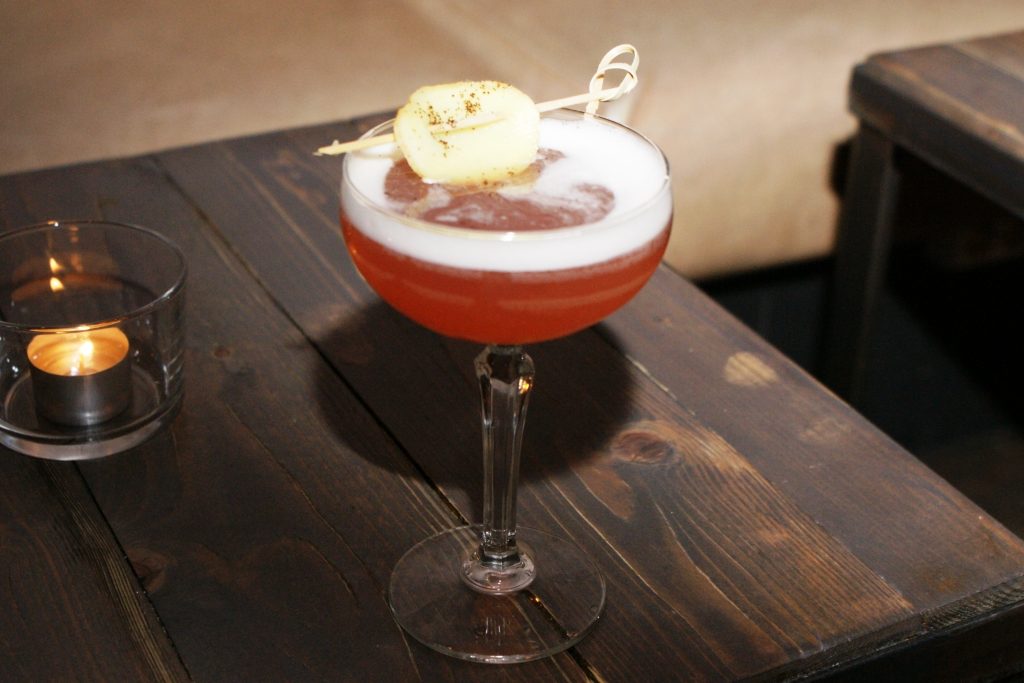
After 9 years’ experience in London, bar manager Anne Maurseth knows how to make a perfect Dry Martini. Try also her After Dinner Delight.
Nr. 19
Nr. 19 The name of Nr. 19 (No 19) refers to the old main police station and prison in Oslo. Nr. 19 Bar is however located in the building next to no. 19, which housed the Gestapo cells during WWII, so it’s all a little confusing.
Bartender Andreas Lohne will happily mix up your favorite drink
However, this small newcomer to Oslo’s evolving cocktail scene is located amid the bars and pubs at Youngstorget. The bartenders will happily mix up your favorite drink, but try their Cold Buttered rum or creation Bluegrass Mai Tai, consisting of Bourbon, Jim Beam Rye, Grand Marnier, lemon juice, house-made orgeat and agave syrup.
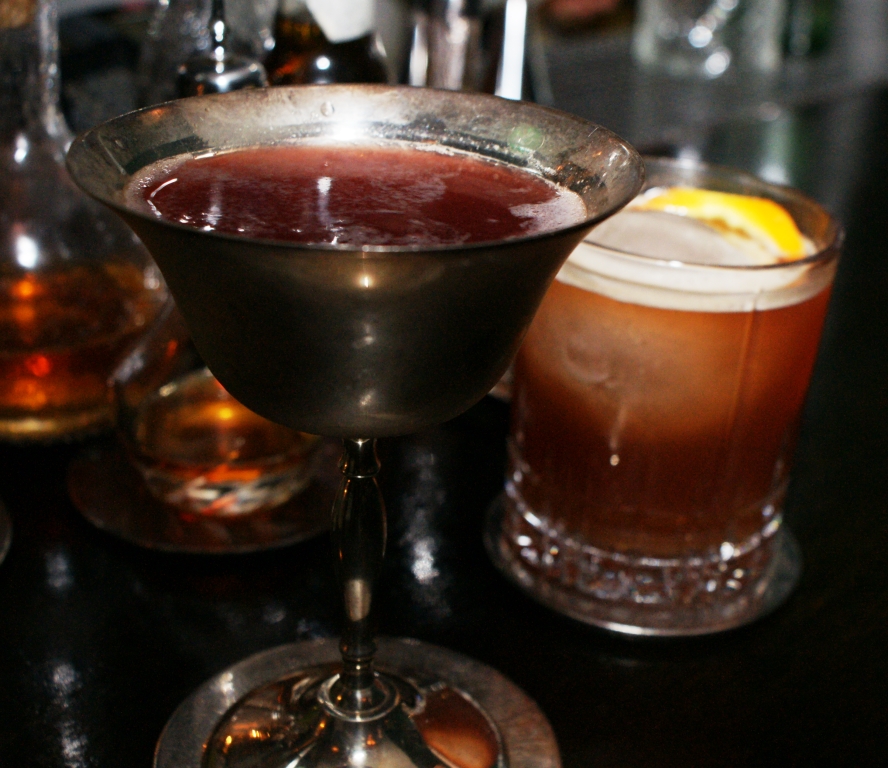
Signature drinks at Nr. 19
The bar’s young team works with great enthusiasm and decicattion. Each cocktail represents a piece of their creativity.
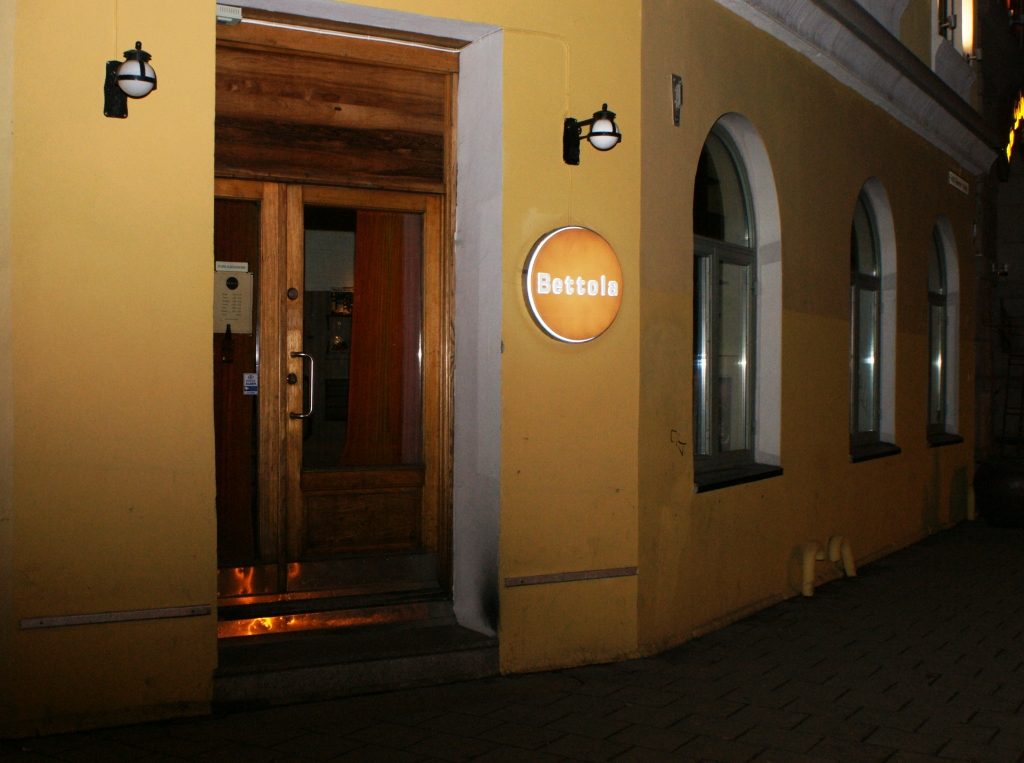
Bettola Cocktail Bar
Bettola Bar Bettola Bar is located next to the Italian restaurant Trattiore Popolare, so here two Italian etsablishments go hand in hand. They have different owners though.
Enjoying a cocktail at Bettola
We usually know professionalism when we see it, and these guys definitively know what they are doing. There are few things we enjoy more than watching mixologists in action.
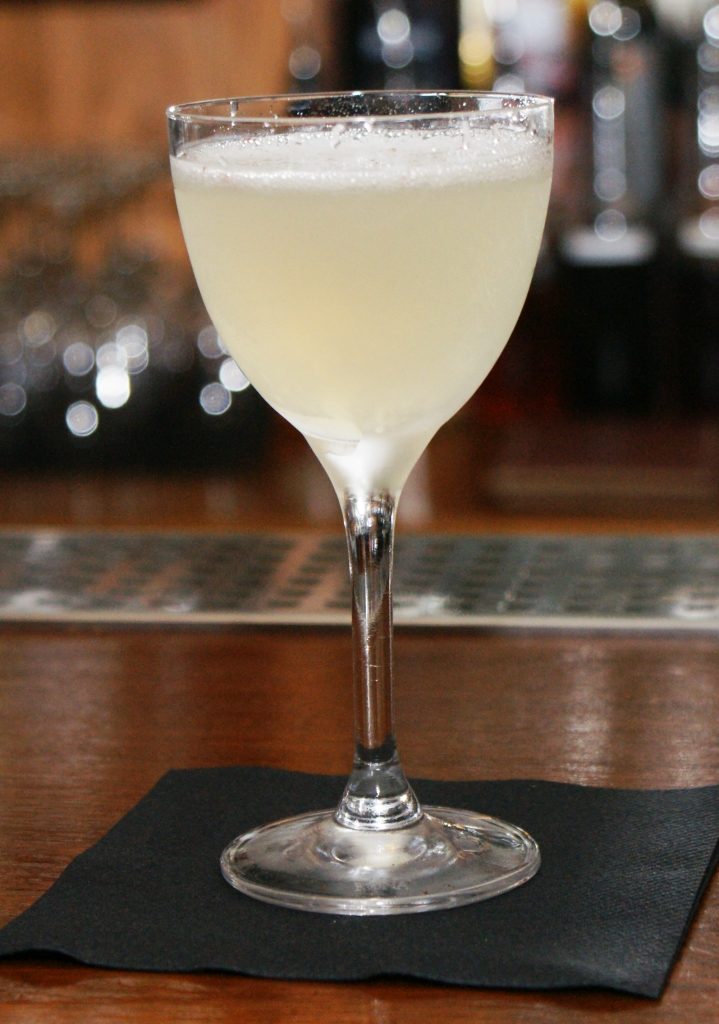
Sugnature drink at Bettola
The bar offers a very consistent and well thought-out selection – with a daily drink menu hanging on the wall. The cocktails here: quick and elegant.
Botaniska is alive with plant life from the moment you walk in
Botaniska It’s time to rethink everything you know about herbal tonics. According to Gunnar Forsgren, who helped kick off this trend at his 5 years old bar located in the center of Oslo, the benefits go beyond taste. “Everyone wants to eat and drink healthier, and cocktails are no exception,” he explains. These are as natural and organic as they come.
“Everyone wants to eat and drink healthier, and cocktails are no exception,” explains Gunnar Forsgren
And this place is literally alive with plant life from the moment you walk in. If you want to lift your spirit and mood, just lift a drink.
This is all about greenery
This is all about a greenery, there is actually a specially-conditioned room where even more plants are grown and end up in your drink.
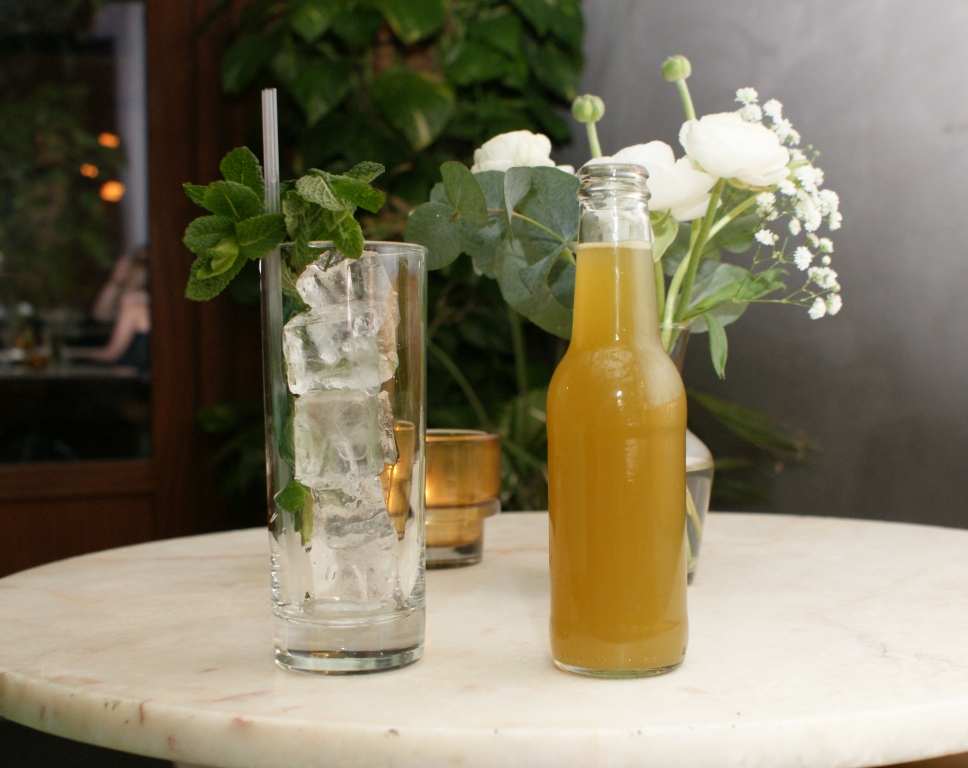
Signature drink at BotaniskaColorful cocktails at Botaniska
The drinks have been given fantasy names like Tom Cruisepersille and Miss Basil.
Enjoy!
* * * *
In fancy hotels, the bars are often a glamorous mingling spot for well-heeled travelers and high-end locals, serving pricey cocktails in chic decorated rooms for elegant drinking. Here are two of our favorite hotel bars.
Bristol cocktail bar at Hotel Bristol
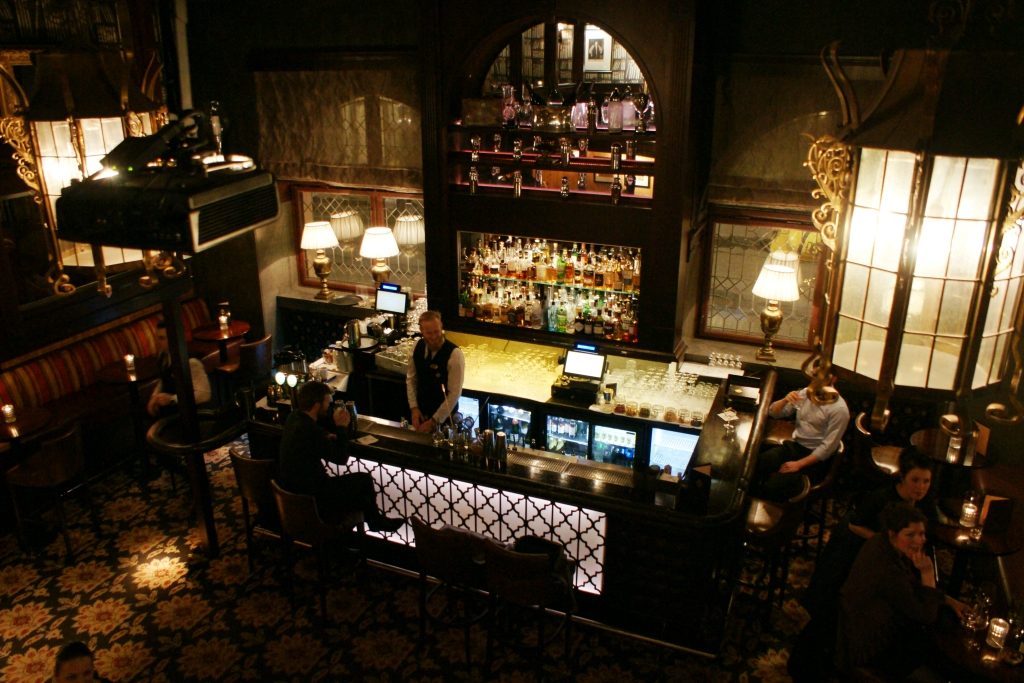
Bristol Bar Evan Rage, with wexperience from London and Australia has been in charge of Bristol cocktail bar since 2014. Bristol Cocktail Bar in Bristol Thon Hotel is decorated like an old English library and serves fabulous cocktails.
Head bartender Evan Rage in action at Bristol BarSignature derink at Bristol Bar
Enjoy your drinks in a relaxing atmosphere in deep leather couches and chairs and listen to pleasant music. There is in fact live music twice a month. Every second Wednesday Richard Bowers sings famous songs by Frank Sinatra, Dean Martin and Nat King Cole.
Photo: Courtesy The Thies
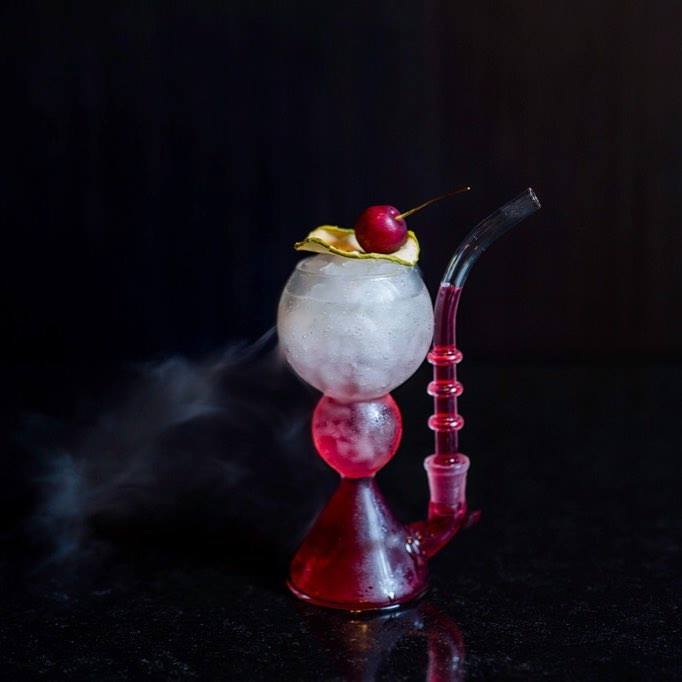
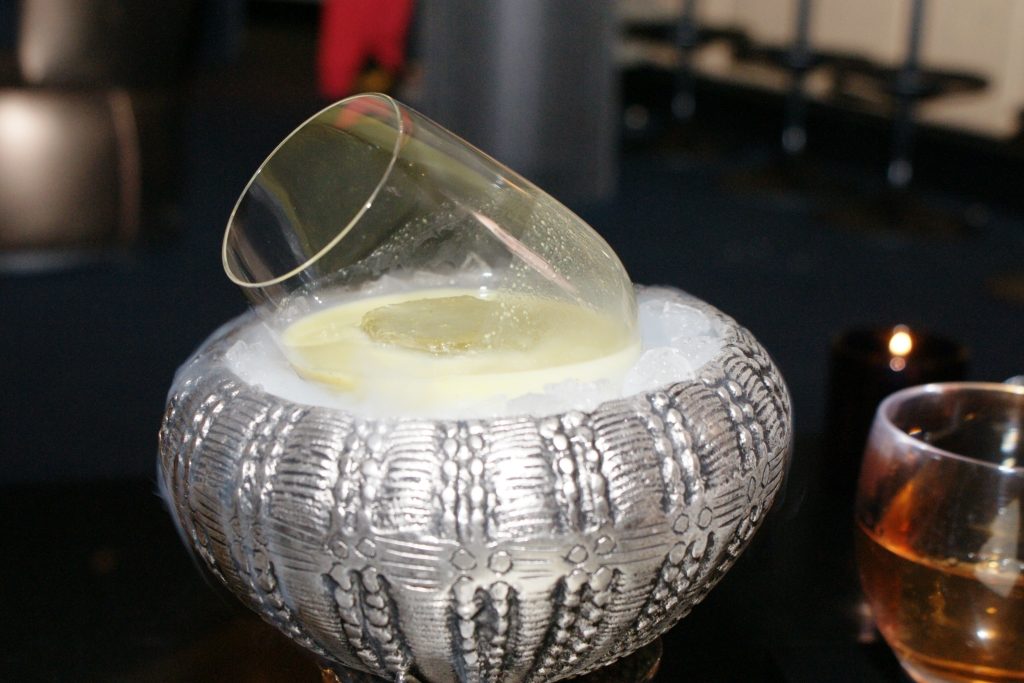
The Thief The thief bar is a cocktail experience. The bar team spends months on preparing the right flavour combinations, glassware and garnishes for upcoming menues. The images below give you an idea.
Photo: The ThiefPhoto: Courtesy The ThiefPhoto: Courtesy The ThiefSignature drink at The Thief
If you want to hang out in a spot which is loved by celebrities and fully understand the meaning of the word “exclusive”, just pay a visit.
Chris Grøtvedt and Slavomir Kytka at The Thief
Levitating cocktails, one of the most expensive bourbons in the world or an outstanding collection of Art are a few features describing the Thief. It is also a venue where the famous OSLO BAR SHOW takes place every summer. A must on a bar map.
* * * *
Last but not least, we visited one of the most interesting newcomers in Oslo.
Interior at Himkok
Himkok If you walk eastwards from Stortorget along Storgata you arrive at No. 27, but you have to go around the corner. The building appears to have housed a former fur store beside an Asian supermarket. There are no sign there that tells you it might be a cocktail bar inside. It’s like passing a secret door used during Prohibition to get booze to its patrons. The name Himkok translated into English means Moonshining, so rest assure you have come to the right place. Himkok also offers a unique twist with its cocktail program – you may even have your cocktails on taps!
Since Himkok is inspired by the Prohibition, many of the drinks being served there are compositions from first half of the 1900s. One of them is “The Last Word”, an American classic from the 1920s served at the private members club Detroit Athletic.
From the cider bar
Himkok’s menu “Flavours of Norway / Smaken av Norge” is a celebration of the culinary diversity of Norway. It is a tribute to the country’s amazing ingredients, passionate producers, dedicated farmers and incredible brewers. Himkok has created a collection of drinks which will take you on a culinary journey through the country, introducing you to old and new flavors, adventurous combinations and the beautiful people creating some of the best produce out there.
Mixing a gin martini at Himkok
When Matthew Ensor from New Zealand heard about the plans to make such a cocktail bar in Oslo he just jumped on a plane to be a part of the adventure. He is now a part of the leading team together with bartender Thomas Stenbäck and head bartender Joakim Olsson.
But Himkok is more than a cocktail bar. We would prefer to call it a Cocktail Land. Entering the door the first thing you see is a huge distillery machine behind a bulletproof glass wall. Matthew Ensor is producing aquavit, gin and vodka there.
During the summer season there is an outside area on the first floor with a cider bar serving a wide selection of fermented apple beverages. There is also a barbershop, in which you may have your hair and beard trimmed, zipping to your preferred cocktail..
But you are hereby officially warned. At Himkok you find happiness both behind bars and in front of it. It’s greatly addictive.
* * * *
Feature image (on top) Botaniska Cocktail Bar.
All images by Tor Kjolberg, unless otherwise specifically stated.
Selected Bars in Oslo is written by Tor Kjolberg in cooperation with Marcin Cebula, the Nordic Bols Ambassador, working across all the Scandinavian and Finnish markets.
Marcin is a true all-rounder because he has been working in almost every field of the bar industry in the last 11 years.
As a true Genever believer, he is trying to revive the interest for this still unknown and underrated product and bring it back where it
belongs – “on the top shelf of every bar “, as he says.
He is currently in the middle of the process of writing a book about Gin and Genever.
Marcin believes in hard work and diligence and his motto speaks for itself , “Actions speak louder than words”.
* * * *
Lucas Bols is the world’s oldest distilled spirits brand and one of the oldest Dutch companies still active. Company’s heritage dates back to 1575 when Bols family opened their distillery, t Lootsje (the little shed) in Amsterdam.
From these small scale beginnings, Bols has grown to become the manufacturer of some of the world’s finest liqueurs, gins/ jenevers and vodkas, sold in 110 countries around the world.
Purity and quality are the watchwords of the Bols brand. The company motto, which dates back to the Bols family origins, is “Semper Idem,” which means ‘Always the Same’. This reflects a strong obsession and commitment to producing Genevers, liqueurs, and Vodka to the same high quality that continues into the modern day.
There are hundreds of restaurants at and around Nyhavn in the capital of Copenhagen, but hard to choose where to go. However, excellent and charming places worth a visit are hidden In between the tourist traps. Enjoy!
Hummer Hummer translated into English is Lobster, and you find Hummer in Nyhavn 63A. In Copenhagen people eat lobster all year round, and at Hummer it doesn’t have to cost a fortune. You can choose between several different versions, from the initial snack section to main courses like grilled lobster or hamburger with beef and lobster.
The newly opened restaurant Hummer is owned by Michael Rønnebeck-Rørth
This exclusive shellfish is best accompanied with bubbles, so the wine list consist of a good selection of sparkling wines and white wines.
The newly opened restaurant is owned by Michael Rønnebeck-Rørth, who in cooperation with Thomas Rode develops the gastronomic profile.
Chef Andreas Møller has given the classic Danish smørrebrød a modern twist at Møllers
Møller Snaps & Smørrebrød Located in a cellar at Tolbodgade 5, this fairly priced restaurant offers you the chance to try Copenhagen’s famous open-faced sandwiches.
This restaurant has apparently not yet been discovered by the locals, but that must be ignorance since the sandwiches are among the best I’ve ever tasted in Copenhagen – and that says a lot! Chef Andreas Møller has given the classic Danish smørrebrød a modern twist, and the menu offers 10 different open sandwiches, all at around 100 kroner each.
And do like the locals, get a ‘snaps’ and a beer to it.
Don’t forget to get a ‘snaps’ and a beer to it!
Nyhavn pizzeria makes dozens of various pizzas, durum rolls and burgers
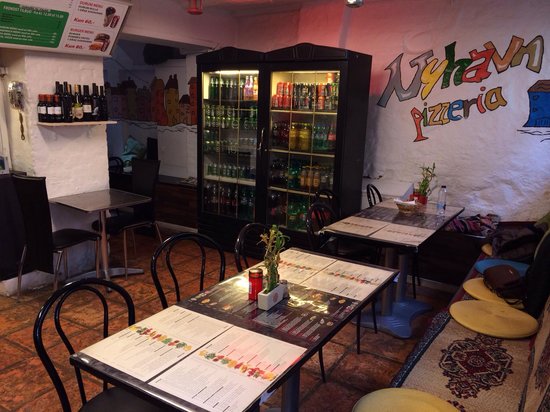
Nyhavn Pizzeria Do like the locals and enjoy a genuine Copenhagen pizzeria in the charming sidewalk Lille Strandgate, excellent for lunch or an evening meal.
This small pizzeria makes dozens of various pizzas, durum rolls and burgers. This is by no means a gourmet restaurant, but the pizzas are excellent. You may chose the classic pineapple classic Hawaii or pizzas containing different kinds of meat. You can bring your food out and enjoy the sights of boats passing through the canal. Vaffelbakeren Translated into English, Vaffelbakeren means the Waffle Baker. Vaffelbakeren has been in Nyhavn since 1953, but their secret recipe is all the way back from 1920.
Try Vaffelbakeren’s cream ice or Belgian waffles and enjoy them outside in the sun with fresh made coffee.
“We bake waffles every day from our secret recipe. Homemade sweets and fresh cream” is the statement on their website.
Zeleste has specialized in fish and shellfish from the Nordic seas, but during the hunting season it also serves the finest beef and wild duck
Restaurant Zeleste
You find Restaurant Zeleste a stone’s throw from Nyhavn, between Nyhavn and Store Strandstræde.
Zelest has specialized in fish and shellfish from the Nordic seas, but during the hunting season it also serves the finest beef and wild duck. During summer you can enjoy your meal in a comfortable chair in front of a large open fireplace. In chilly evenings you can cuddle up in a blanket beneath a heating lamp.
Hint: Try their delicious brunch plate at 200 kroner or something from their lunch offerings.
Eating in Nyhavn Like the Locals , written by Tor Kjolberg
The World Press Freedom Index has been published every year since 2002 by Reporters Without Borders (RSF) and is an important advocacy tool based on the principle of emulation between states. Because it is well known, its influence over governments is growing. Many heads of state and government fear its annual publication.
The Index is a point of reference that is quoted by media throughout the world and is used by diplomats and international entities such as the United Nations and the World Bank.
World Press Freedom Day 3 May
The degree of freedom available to journalists in 180 countries is determined by pooling the responses of experts to a questionnaire devised by RSF.
Translated into 20 languages including English, Arabic, Chinese, Russian, Indonesian and Korean, the questionnaire is sent to journalists, media lawyers, researchers and other media specialists selected by RSF in the 180 countries covered by the Index.
Best and worse on 2017 world press freedom index
A team of in-house specialists, each assigned to a different geographical region, keeps a detailed tally of abuses and violence against journalists and media outlets.
Campaugn agains press freedom violation
Top and bottom ranking on 2017 World Press Freedom Index:
No. 1 Norway 7.60
No. 2 Sweden 8.27
No. 3 Finland 8.92
No. 4 Denmark 10.36
– – –
No. 178 Turkmenistan 84.19
No. 179 Eritrea 84.24
No. 180 North Korea.
Not surprisingly is North Korea on bottom on the 2017 World press freedom index
When you’re traveling rapidly between time zones, your sleep and energy levels may be thrown off by jet lag.
This happens because your body’s circadian rhythms are thrown off by the environment, particularly as the sun sets or rises sooner or later than your body is expecting. Jet lag can cause tiredness, insomnia, impaired performance, even digestive issues.
Jet lag can cause tiredness, insomnia, impaired performance, even digestive issues
Jet lag may make it difficult to enjoy vacations, stay on the top of your game while traveling for business, or simply get back to real life once you’ve made it home. But there is good news: there are helpful strategies for overcoming jet lag, including being well prepared for travel and using light and sleep timing to get adjusted.
There are several strategies for reducing the impact of jet lag
What You Can do to Get Over Jet Lag You can reduce jet lag gradually by adjusting your bedtime over the course of a few days. You’ll want to adjust it by one to two hours each day as you shift to the local time zone. For example, if you’re traveling between one to two time zones, you’ll adjust your sleep by one hour each day for up to two days. Or if you’re traveling abroad, you’ll need to adjust your sleep by one hour each day for up to five days.
Practise good sleep hygiene
There are also strategies for reducing the impact of jet lag. These include:
Travel healthy and reduce stress: If possible, avoid flying while you’re sick, tired, or even hung over. Doing so will put you in an already difficult position for sleep and energy levels.
Get comfortable and sleep while flying: Wear comfortable clothing for your flight and try to sleep on the plane if you’re traveling when you would normally be sleeping either at home or your destination. Arriving exhausted regardless of the time zone will not help with jet lag.
Stay active while traveling: Avoid sitting still too long on your flight. Stretch in your seat and get up to walk the aisles periodically during the flight. If you have a stopover, deplane and stretch your legs in the airport.
Don’t go to sleep as soon as you arrive: You may be tired, but unless it’s nighttime in the local time zone at your destination, you shouldn’t try to get a full night’s sleep. Instead, try a short nap so you’ll feel refreshed but will still be tired enough to to go sleep at night according to the local time zone.
Expose yourself to light in the morning: Daylight is a powerful cue for sleep. It tells your body when it’s time to be awake, so light exposure can help you reset your internal sleep clock to align with the local time zone at your destination. It’s a good idea to go for a walk in the sun when you wake up. At the very least, open windows to let light into your hotel room. It’s also a good idea to use the hotel’s blackout curtains when it’s time to go to sleep.
Get out and be social: If you’re feeling fatigued from jet lag, socializing may be the last thing you want to do. But if you spend time with other people, especially those already adjusted to the local time zone, you’ll acclimate easier, eating meals and participating in activities according to the local time.
Practice good sleep hygiene: Wherever and whenever you sleep, it’s always smart to practice good sleep hygiene to maximize the quality of sleep you experience. Make sure your sleeping area is cool, dark, and quiet. Use a white noise machine or app if needed. Limit screen time, caffeine, large meals and alcohol before bed. Sleep on a mattress mattress that’s comfortable and not too hot and ask for a pillow that’s suited to your needs.
While there are no quick fixes for getting over jet lag, you can practice good travel sleep habits to move through jet lag as quickly as you can. Avoid long naps at the wrong time, practice good sleep hygiene, and try to follow the social and sleeping hours practiced in the local time zone when you reach your destination.
How to Pvercome Jet Lag, written by Sara Westgreen
Sara Westgreen is a researcher for the sleep science hub Tuck Sleep. She sleeps on a king size bed in Texas, where she defends her territory against cats all night. A mother of three, she enjoys beer, board games, and getting as much sleep as she can get her hands on.










































 Selected Bars in Oslo is written by Tor Kjolberg in cooperation with Marcin Cebula, the Nordic Bols Ambassador, working across all the Scandinavian and Finnish markets.
 From these small scale beginnings, Bols has grown to become the manufacturer of some of the world’s finest liqueurs, gins/ jenevers and vodkas, sold in 110 countries around the world.