


Think about the last time you created something simply because you wanted to. Perhaps it was a meal shared with family, a garden planted in spring, a few lines in a journal, or strokes on a canvas. Most likely, the experience was not about productivity or perfection. In this article, I explore the art of being human: how creativity supports well-being throughout life.
While creativity is often associated with artists, musicians, and writers, it is a deeply human trait that extends far beyond traditional art forms. It helps us process experiences, explore emotions, connect with others, and find meaning in our lives. In many ways, it may be one of the most overlooked tools for emotional well-being and self-discovery.
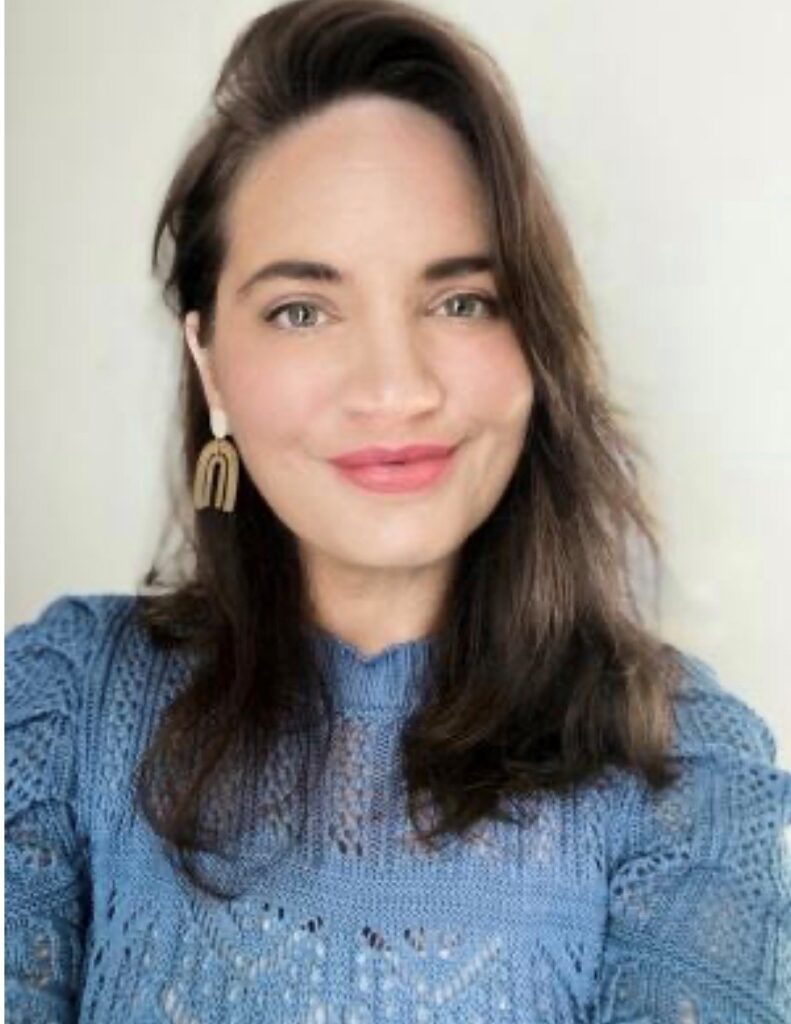
For Jillann Hertel, MFA (Creative Director, Founder of Creative Career Origination Lab, and Faculty at Georgia Institute of Technology), creativity is far more than an artistic skill. It is an essential part of being human. Through years of mentoring individuals and helping them discover their purpose, she has observed that the most important questions are not what we do but why we do it. That search for meaning lies at the intersection of creativity and well-being. When people take time to express themselves, reflect on their experiences, and create something that did not exist before, they engage in a process that supports emotional health, personal growth, and a deeper connection with the world around them.
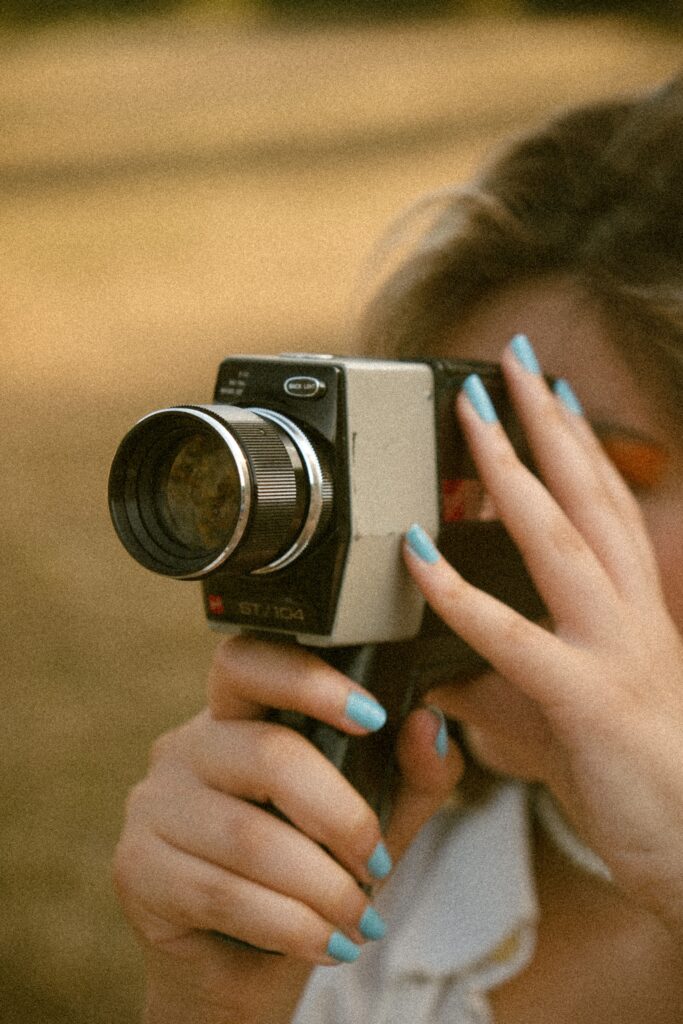
Hertel’s creative journey began early. Long before social media and smartphones, she used her father’s VHS camera to make films, write plays and musicals, and sought opportunities to share them with others, often performing at senior care centers. Looking back, she recognizes an innate drive toward self-expression and believes creativity is one quality that makes human beings unique. People can reflect on their experiences, interpret their meaning, and communicate those insights through stories, images, music, design, and other outlets. Through innovation, individuals transform personal experiences into something others can understand and relate to. This process does more than produce art. It helps people feel seen and understood. “When someone expresses their experience, it helps others recognize their own,” Hertel explains.
In many ways, creativity functions similarly to other established wellness practices. Just as journaling, talking with a friend, or spending time in nature can help process emotions, creative expression offers a healthy outlet for thoughts and feelings that might otherwise go unspoken. Whether through painting, writing, music, photography, or hands-on projects, these pursuits allow people to transform emotions into something tangible. The process encourages reflection, mindfulness, and emotional release. Rather than holding experiences internally, individuals can explore them, better understand them, and sometimes discover meaning. Hertel describes this as the difference between trapped energy and flowing energy. This ability to create meaning is especially valuable during periods of uncertainty, transition, or stress. While she often works with students navigating questions about their futures, the underlying challenge is universal. People of all ages wrestle with questions of identity, purpose, and direction.

What makes you tick? The question may seem simple, yet Hertel believes it can be one of the most important questions a person asks. Rather than searching for a single answer, she encourages exploration through whatever methods feel natural. Brainstorming, jotting ideas on sticky notes, or simply paying attention to recurring interests and passions are all ways to get ideas flowing. Sometimes seemingly unrelated interests reveal deeper values. A love of gardening, for example, may reflect a desire to nurture growth, practice patience, or stay connected to nature. Understanding those motivations can provide insight into what brings fulfillment and meaning. Perhaps most importantly, she rejects the idea that creativity belongs only to artists. “I one hundred percent think everyone has creative potential,” she says. For those looking to reconnect with their creativity, Hertel recommends starting small and letting curiosity lead the way. One of her favorite examples is making a zine (a handmade booklet assembled with paper, scissors, glue, images, and ideas). There are no rules, no expectations, and no requirement for perfection. The goal is simply to express something meaningful. Find a link to zine ideas here:
https://sites.gatech.edu/lmcunposted/
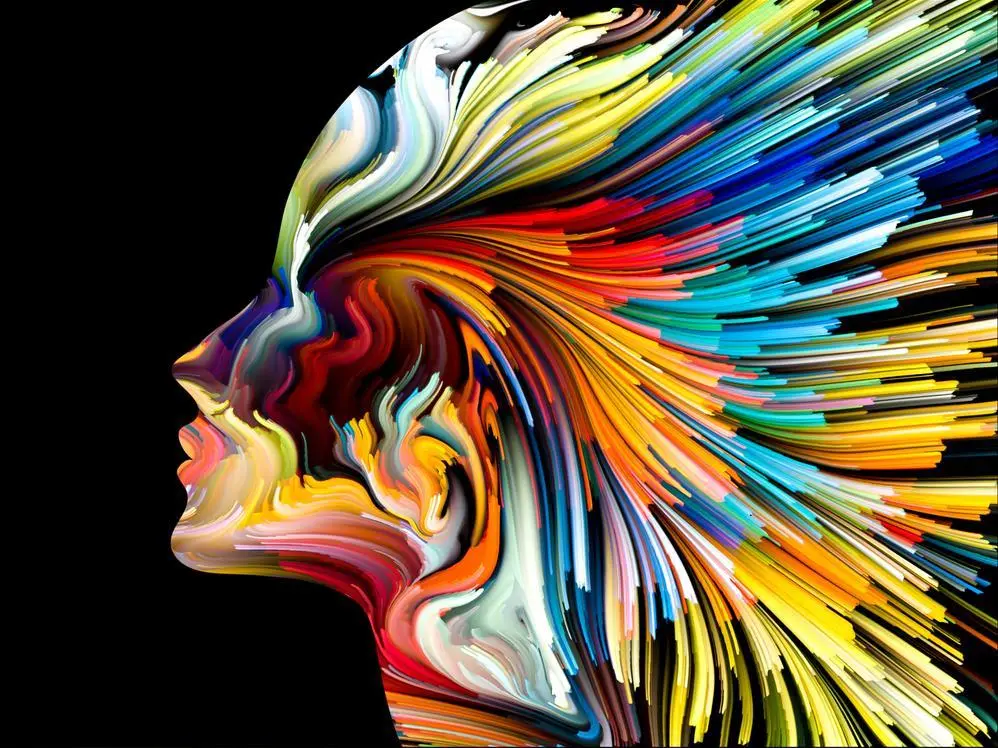
For many people, creativity serves as a bridge to community. Shared artistic experiences create opportunities for connection through local art groups, music ensembles, photography clubs, workshops, or informal gatherings. These creative spaces often become places where people feel welcomed, understood, and supported. Art can also shape the environments where people live, work, and gather. Murals, public installations, gardens, and thoughtfully designed spaces bring color, beauty, and character to everyday surroundings, transforming them into places that feel distinctly human and invite reflection and engagement. Research consistently shows that social connection is one of the strongest predictors of overall well-being, and creative communities naturally foster these bonds by encouraging people to share their stories, perspectives, and experiences. Creativity may look different from person to person. For some, it emerges through painting or music; for others, through cooking, storytelling, problem-solving, decorating a home, building a business, or cultivating a garden. In many ways, creativity is reflected in the countless choices people make each day as they shape their lives and respond to the world around them.
In the end, creativity is about far more than producing art. It is a way to understand ourselves, connect with others, and make sense of our experiences. It helps us discover meaning and cultivate greater well-being. In a culture that often values efficiency above all else, it offers something equally important: a reminder of what it means to be fully human. What can you put a bit of time and imagination into? The possibilities are endless…
To find out more about Jillann Hertel, just click the link.

The Art of Being Human: How Creativity Supports Well-Being Throughout Life,
written exclusively for Daily Scandinavian by Nicole Hammond. Nicole is a health educator, coach, and wellness writer with a Master of Science in Health and Human Performance and a Bachelor of Science in Health Science. She also holds certifications in stress management, coaching, and feng shui design. She enjoys writing, researching, creating, and facilitating in the areas of health and creating balance in mind, body, and the home. In her spare time, Nicole enjoys reading, cooking, traveling, exercising, and spending time with her family, including her two golden retrievers and cocker spaniel.
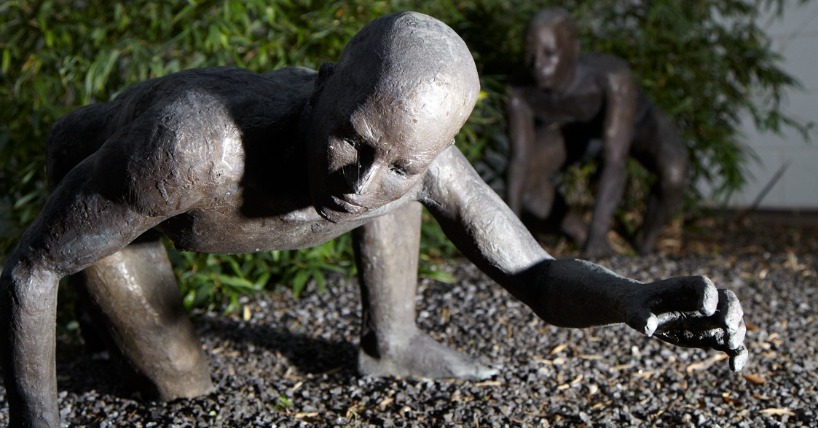
Feature image (top): Sculpture ‘Being Human’ by Joseph Hillier. Being Human is a complex work, comprising five large sculptures. Two of the sculptures can be found in the Newcastle University Biomedical Building Courtyard on the Campus for Ageing and Vitality. This purpose-built campus is located in the west end of the city, on the site of the former Newcastle General Hospital.
More articles by Nicole Hammond:
Finding Peace and Calm in the Home Through Hygge and Feng Shui
A Balance Blueprint: From Mind and Body Connection to Blood Sugar in 2026
Nutrition is a Key Player in Battling Stress
A Look Into Crushing Fear, Stress, and Anxiety
Spring Blossoms and Well-Being: Enjoying the Renewal in Nature, Light, and Simplicity