



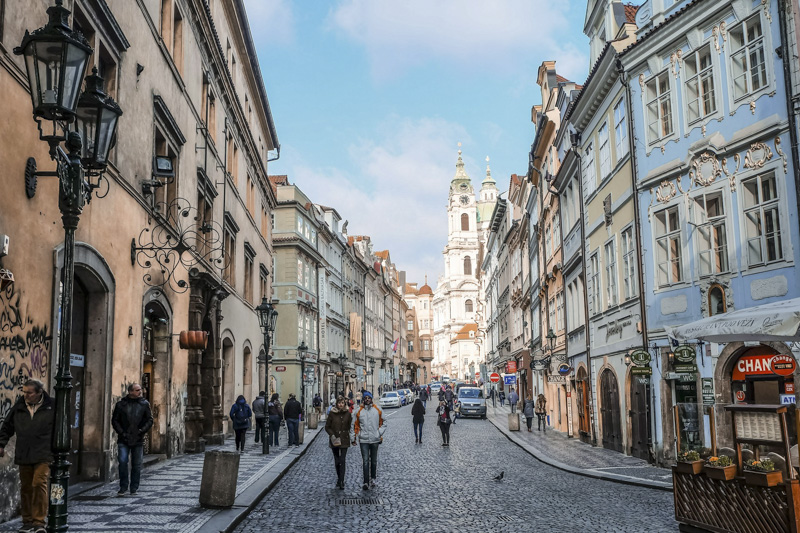
A city reveals far more at walking pace than from a taxi window or an underground carriage. On foot, you notice how one neighborhood gives way to the next, where residents pause for coffee and which lanes lead to unexpected courtyards. In this article, we explore the philosophy of the urban stroller.
These small discoveries often become the clearest memories of a city break.
Walking also gives you the freedom to change your plans. A striking doorway, a lively market, or music spilling from a square can pull you off the day’s intended route. The best urban walks allow for these detours while keeping practical matters in mind: comfortable footwear, light luggage, and regular rests.
The urban stroller moves slowly enough to pay attention. This idea has long been associated with the flâneur, an observer who reads city life through its streets, shopfronts, and public spaces. You don’t need to wander without purpose, though. A loose destination, such as a museum or lunch reservation, can give the day shape without dictating every turn.
******************************************
Related: The Danish 15-Minute City Concept
******************************************
Start in a district with several hidden gems within a two-kilometer radius. Mark one or two places you genuinely want to see, then allow twice as much time as the direct walk requires. A 20-minute route might take an hour once you account for photos, small shops, and an inviting bakery.
This approach also highlights a city’s design. Pavement width, crossings, shade, and public seating all affect how welcome pedestrians feel. Discussions of free movement rights show that access to urban space links to broader questions about mobility and who can use a city comfortably.
Those traveling with young children will need to assess curbs, steps, and crowded streets more carefully. Practical guidance on city life with a stroller highlights the value of checking routes and choosing suitable equipment. Travelers with limited mobility should do the same: look for level routes, accessible entrances, and reliable places to rest before setting out.
Ditching Heavy Bags to Roam Free
Even a well-planned walking day becomes tiring when you’re pulling a suitcase over paving stones. This problem often comes up between checking out in the morning and catching an evening train or flight. Those six or seven hours may look ideal for sightseeing, yet carrying everything you packed can make the nearest café seem like the only realistic destination.
Deal with your bags before beginning the day’s main walk. Ask whether your accommodation can hold them after checkout, check facilities at the transport terminal, or reserve a local storage point. In Northern Ireland’s capital, for example, travelers can book luggage storage in Belfast through a network of local partners, leaving them free to explore between accommodation and onward travel.
Keep a small day bag with water, a portable charger, a light waterproof layer and any medication you may need. Keep travel documents in an inner pocket, and avoid filling the newly available space with items you are unlikely to use. A bag that feels manageable for ten minutes may become uncomfortable after two hours.
Footwear deserves the same care. Advice on city-break footwear explains why support and fit matter when walking all day. Wear shoes that you’ve already tested over several kilometers. New trainers may look suitable, but an unnoticed seam or stiff heel can quickly cause trouble.
Plan a proper pause after roughly 90 minutes of walking. Sit down, drink some water, and check your route. This short reset helps you decide which sights still appeal and which can wait for another visit.

Architectural Gems Hidden off Main Avenues
Major avenues tell a city’s official story through monuments, civic buildings, and grand commercial façades. Side streets often tell a more intimate one. Here you may find a former workshop turned gallery, patterned brickwork above an ordinary shop, or an old courtyard preserved behind modern offices.
Choose one architectural detail to follow for part of your walk. It could be decorative tiles, painted signs, balconies, stone carvings or changing window styles. Looking for a specific feature sharpens your attention and turns an unstructured stroll into a simple visual trail. In Scandinavian cities, for instance, differences in façade color, roof shape and ground-floor use can reveal where one period of development ends and another begins.
Maps help, but use them selectively. Check your direction at a junction, then put your phone away for the next few blocks. Constantly watching a moving dot makes it easy to miss details at eye level and above. If a lane looks interesting, confirm that it’s a public route and see where it leads.
Respect the everyday life taking place around these buildings. Residential courtyards, doorways and staircases may be architecturally appealing, but they aren’t automatically public attractions. Photograph from public space, keep voices low, and avoid blocking entrances.
You can also research a building after you encounter it instead of reading everything in advance. A date on a façade or a faded company name may point to an industry’s history, migration patterns, or a former transport route. This order preserves the pleasure of discovery while adding context later.
Weather can change what you notice. Soft morning light brings out stone texture, while a brief shower deepens the color of brick and cobbles. If rain arrives, sheltered arcades, covered markets, and station halls let you keep walking without turning the day into a test of endurance.
Finding Quiet Corners in Busy Districts
Busy districts rarely remain noisy on every street. A turn behind a shopping avenue may lead to a small churchyard, library garden, or residential square where the pace changes immediately. These quieter places provide more than relief from crowds. They show how a city supports everyday life beyond its headline attractions.
Look for green patches on a map, especially those one or two blocks from major landmarks. Pocket parks are easy to miss because their entrances may resemble gaps between buildings. University grounds, waterfront paths and public cultural centers can offer similar breathing room, provided access is clearly permitted.
Thoughtful sustainable urban planning connects walkability and public space with healthier, more sociable cities. Travelers experience these design choices directly. Trees provide shade, benches extend how far older visitors can comfortably walk, and traffic-calmed streets make conversation easier.
Timing matters as much as location. Central squares can feel very different at 08:30, during the lunch rush, and in the early evening. Visit a popular district early in the day, then move toward quieter streets as crowds build. Alternatively, use the busiest period for a museum visit and return outdoors later.
Pay attention to sound when choosing a place to stop. A courtyard beside a main road may look calm but carry constant traffic noise, while a garden enclosed by buildings can feel surprisingly removed from the surrounding district. Ten quiet minutes can restore your concentration and prevent every street from merging into one long sequence of sights.
Leave a little space at the end of the day for the route back. The walk to a station, ferry terminal, or hotel often passes through working neighborhoods that guidebooks barely mention. If your bag is light and your schedule isn’t rushed, that final stretch may reveal the bakery, waterside bench or modest old façade you remember best.
The Philosophy of the Urban Stroller, written for Daily Scandinavian by a guest writer. Feature image (top) © Photo: Alice/Unsplash.