



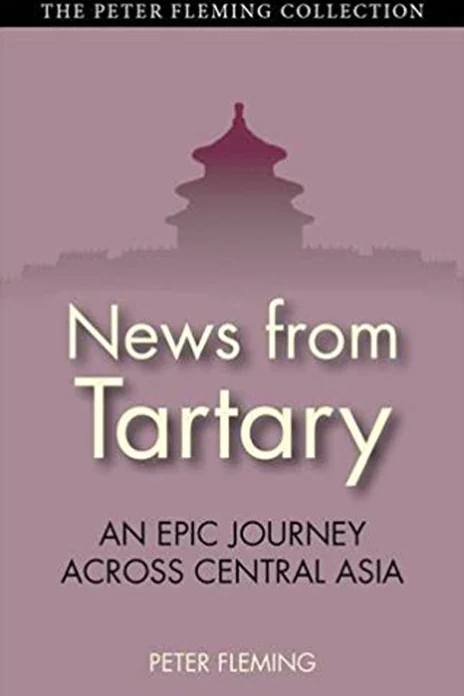
Historical Travel Books #13: News from Tartary, by Peter Fleming. The 1936 book by the Bond author’s brother describes his journey from what was then Peking to Kashmir—and leads the way in understatement and bumbling adventure. Read on and learn more about this epic travel across Asia.
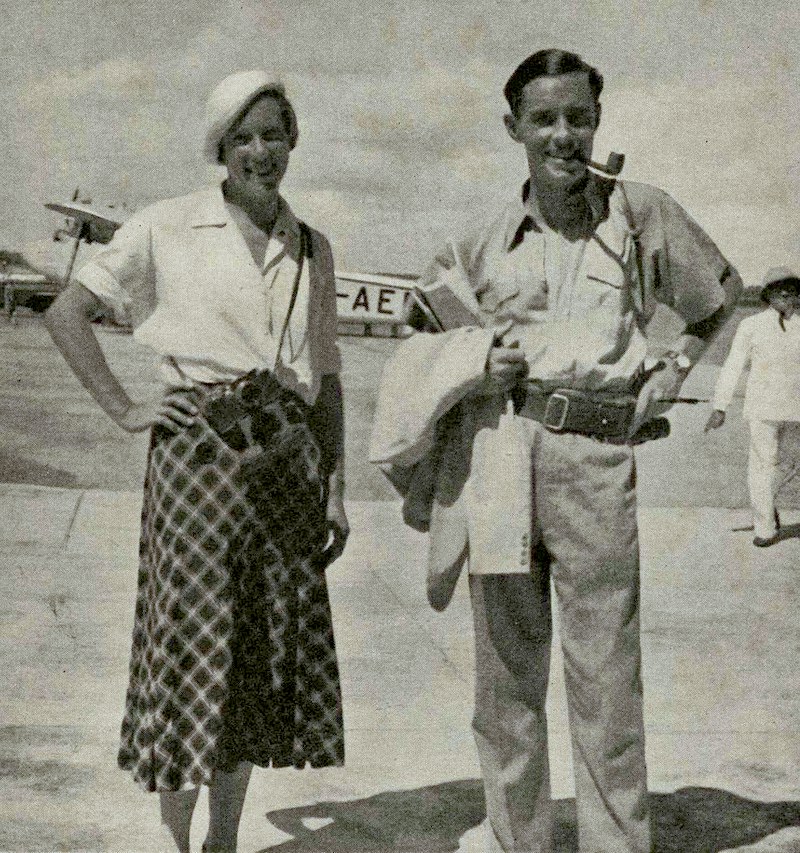
The British adventurer’s account of his journey across the Tibetan Plateau and Xinjiang shows its age but remains a classic of travel writing. The book takes us through the mountains, valleys, desolate deserts, and flamboyant lamaseries along the ancient Silk Road. In 1935, when 28-year-old Fleming and Swiss adventurer Ella Maillart, also known as Kini, set off on their seven-month trek, the region of Tartary — as he writes — was “not strictly a geographical term, any more than Christendom”.
Access was limited
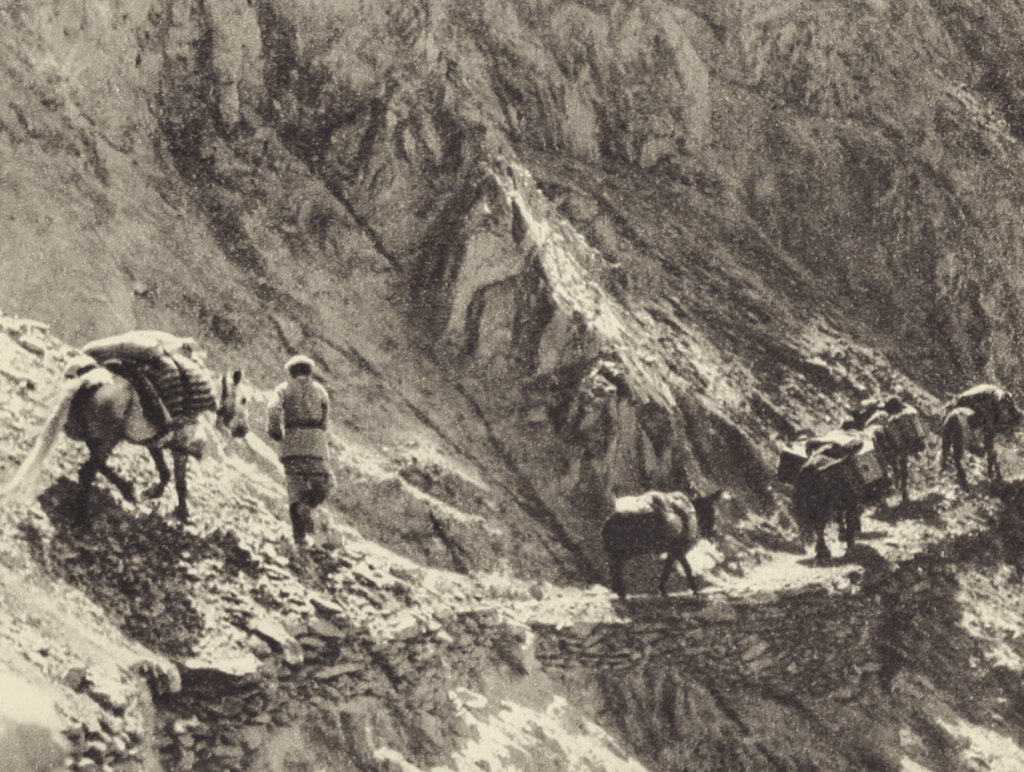
Their paths crossed with monks, lamas, passengers, governors, missionaries, and princes along the road they traveled. In the 1930s, the Tibetan Plateau and Xinjiang were wild places, still reeling from the collapse of the Qing Empire in 1912. Access was limited. Banditry was rife. Local satraps controlled most of the province.
Economic isolation and the breakdown of social order left communities in desperate poverty. Foreign powers furthered their strategic goals by sending money and weapons to dubious allies. It was a geopolitical hot zone, as unwelcoming to Chinese officialdom as it was to passing Etonian travelers. Fleming’s plan to traverse it then was akin to someone today smashing their iPhone on a rock, then setting off on foot from Khartoum to Mogadishu.

A striking picture of the region’s political situation
Throughout the book, Fleming draws a striking picture of the region’s political situation and territorial expansionism, such as the Civil War in Xinjiang, the Japanese invasion of Manchuria, and the conflict between the Muslim Turki and Tungan tribes. As a correspondent for The Times, he focuses more on the political landscape of the territories he passes through than on the daily life, social conditions, and characteristics of the tribes living there.
Fleming explains in the book’s preface that there were two reasons for the journey. With Tartary essentially a no-go area due to political turmoil and banditry, and a black hole for news, he was to gather intelligence for his employer. The second reason was simply that “we should enjoy it”.
Tsamba and mien became their favorite food
Fleming was, nominally, special correspondent for a newspaper he dubs the “T’ai Wu Shih Pao [泰晤士报], the ‘Newspaper-for-the-Enlightened-Apprehension-of-Scholars’” — which the more prosaically minded might know as The Times of London.
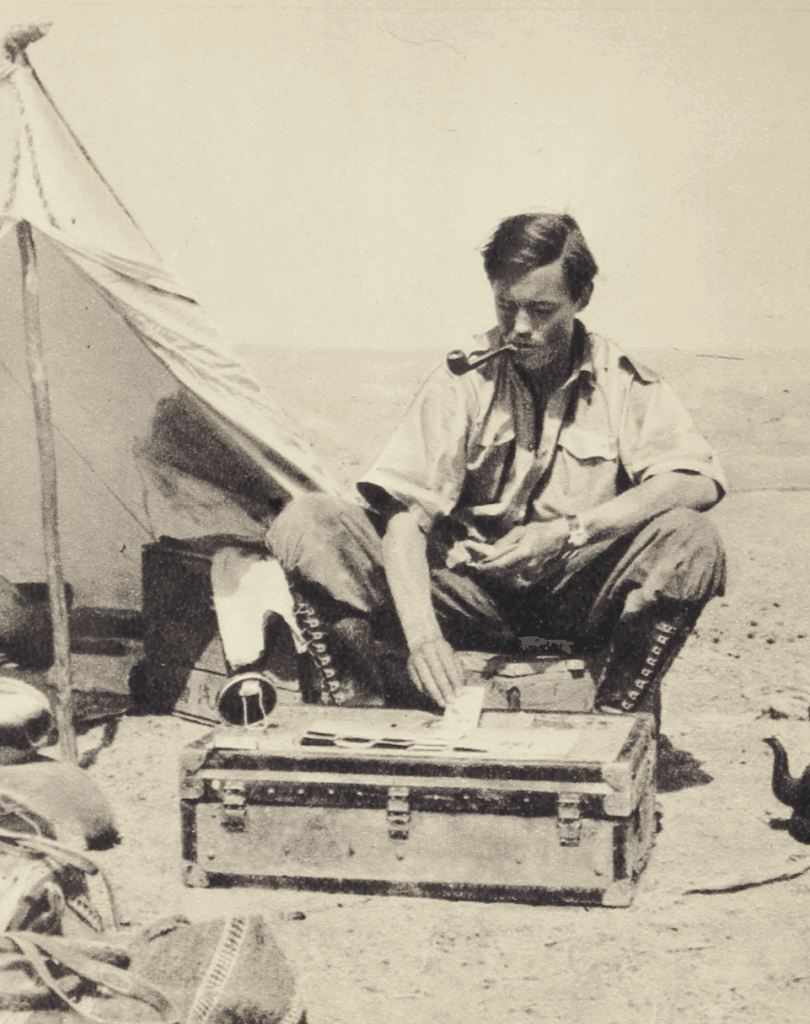
Fleming and Maillart travel for about 7 months, covering 3500 miles both by train and on foot, horseback, and camel. They lodge in various places, from inns and yurts (round tents covered with felt and used by nomads as dwellings) to missions and luxurious hotels; not to mention that tsamba and mien become their favorite food!
They set off with specialist gear only amounting to “a rook rifle, six bottles of brandy and Macaulay’s History of England”. But while Fleming’s writing is peppered with witty, Wodehouse-like asides, News From Tartary is in the main a controlled exercise in thin-lipped English understatement.
Freelancing for British intelligence?
Yet rumors abounded that he was also freelancing for British intelligence. A 2008 essay about Fleming and Maillart, by Maureen Mulligan, notes that in the 1980 book Abroad: British Literary Traveling Between the Wars, historian Paul Fussell “speculates on the probability that Peter Fleming was involved in undercover work for MI5 during his travels even before his acknowledged work in this area during the Second World War”.
On meeting with the Mongolian prince of Dzun, he opines that the grassland royal ought “to be a romantic figure, a true-blue, boot-and-saddle, hawk-on-wrist scion of the house of Chinggis Khan, with flashing eyes and a proud, distant manner and a habit of getting silhouetted on skylines. But God, not Metro-Goldwyn-Mayer, made the Prince.”
Being ranked as no. 64 on National Geographic’s 100 Best Adventure Books List, News From Tartary has served as an excellent reference book for readers interested in Silk Road expeditions and the political upheavals in this part of the world.
An Epic Travel Across Central Asia, compiled by Tor Kjolberg.
Previous articles in our series of Historic travel books:
Travels with a Donkey in the Cévennes
Frigate “Pallada” – A Tour Around the World
Historical Travel Books #9: Journey Without Maps
One of the Most Influential Travel Books of the 1930s: The Road to Oxiana
One of the Most Neglected Masterpieces of 20th-Century Travel Writing