


 were asking a simple question: What is the body trying to tell us?)
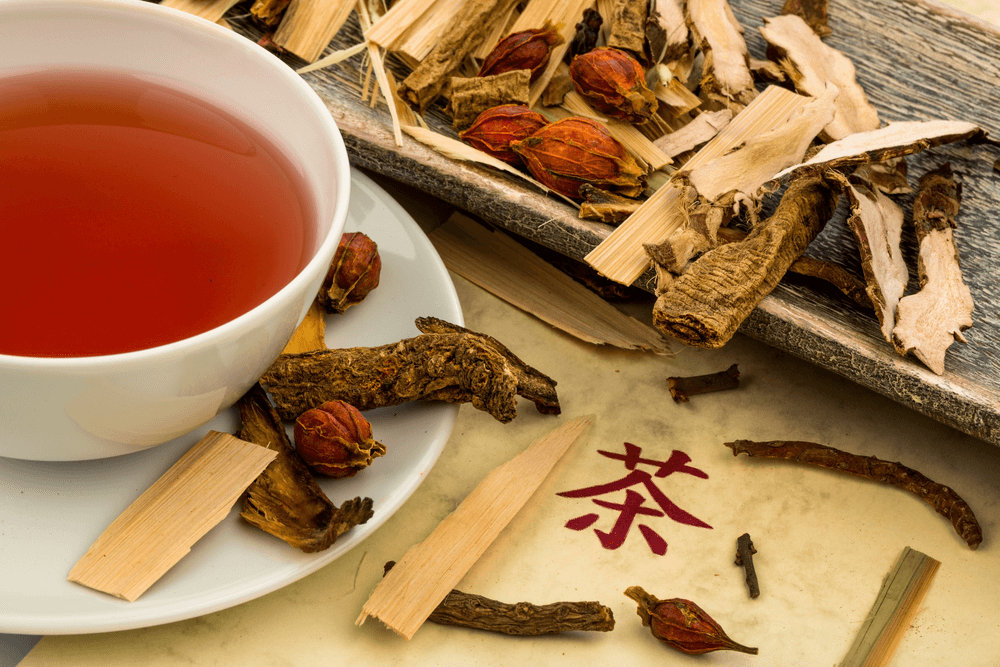
Long before wearable devices tracked our sleep, wellness apps prompted us to breathe, or nutrition labels filled our grocery carts, practitioners of Traditional Chinese Medicine (TCM) were asking a simple question: What is the body trying to tell us? Read on to learn more about ancient wisdom and modern wellness.
For thousands of years, Traditional Chinese Medicine (TCM) has viewed health not merely as the absence of disease but as a dynamic state of balance. Rather than focusing on a single symptom or diagnosis, it recognizes that the body’s physical, emotional, and environmental systems continually influence one another. According to acupuncturist Maggie Mejia, owner and practitioner at Family Tree Acupuncture in Daytona Beach, Florida, true health and healing begin with understanding the whole person.
“One of the hallmarks of Chinese medicine, and what makes it most different from Western medicine, is its holistic approach to the body,” Mejia explains. “While Western medicine often zooms in on a specific ailment, Chinese medicine zooms out to look at how the body’s systems work together, influence one another, and create balance and harmony throughout the whole person.”
Looking Beyond a Diagnosis for Optimal Wellness
One of the defining characteristics of Traditional Chinese Medicine is that it asks a different question. Instead of simply asking, What disease does this person have? TCM practitioners ask, What is the imbalance and why has it developed in this particular person?
“Body symptoms let you know that there is an imbalance,” says Mejia. “Someone may come in with headaches, difficulty sleeping, digestive issues, or another diagnosis, but we don’t just look at the diagnosis itself. We investigate why that imbalance is occurring.”
This means there is no one-size-fits-all treatment. “If two people come in with insomnia,” she explains, “there isn’t simply an insomnia protocol. We determine which imbalance is causing that person’s insomnia, and it may be completely different from the next person experiencing the same symptom.”
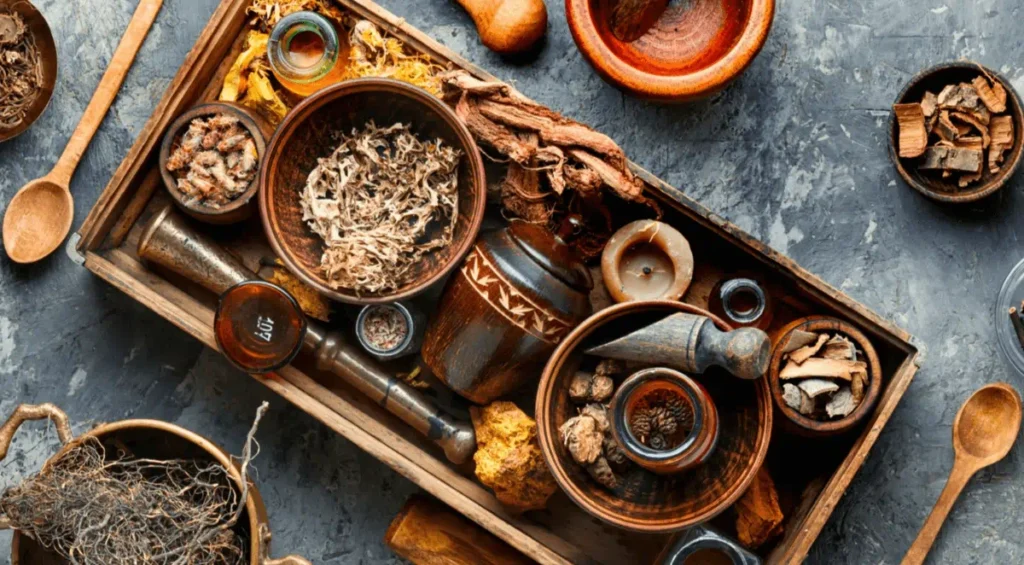
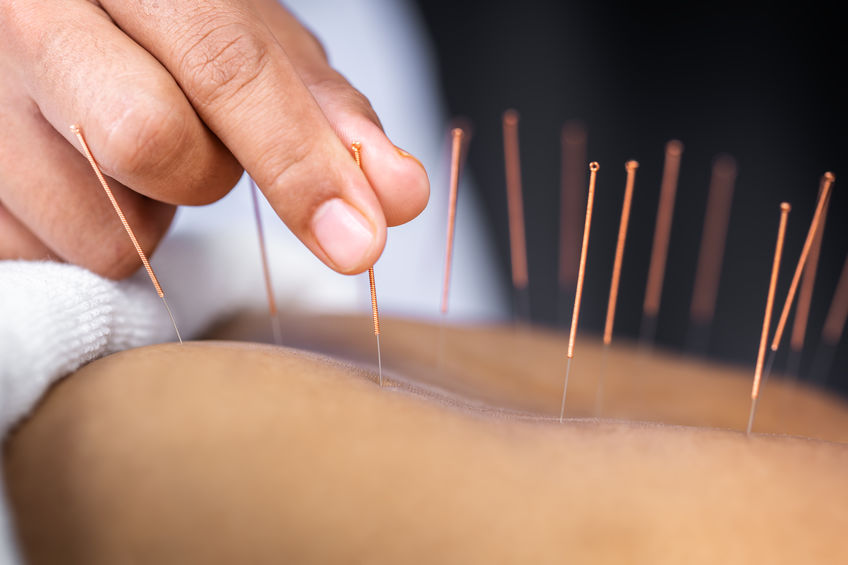
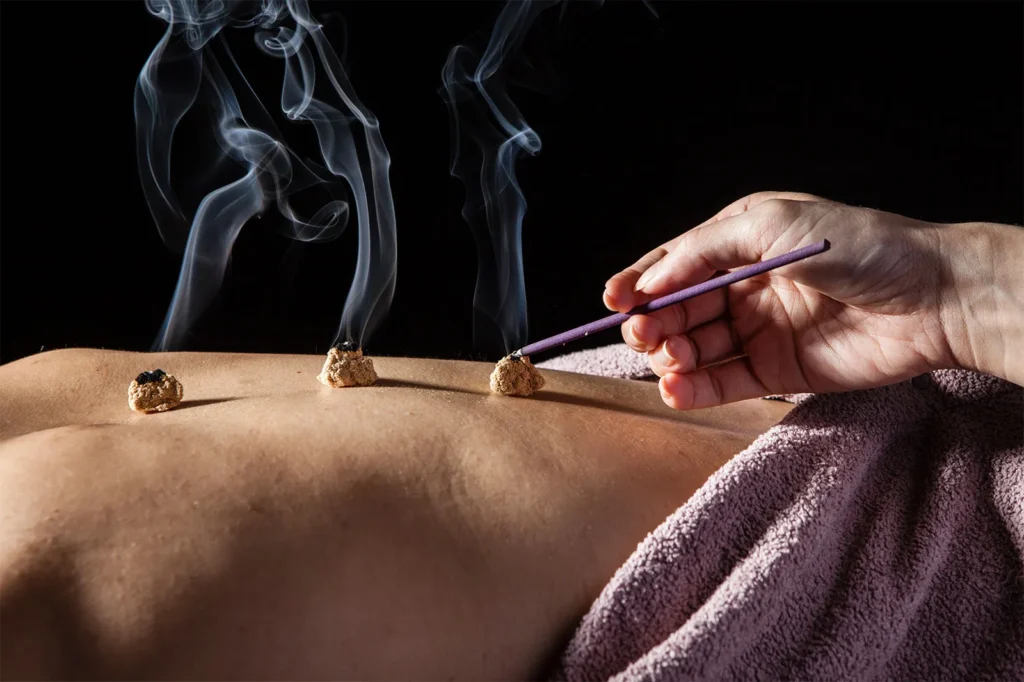
In Traditional Chinese Medicine, treatment typically includes acupuncture (the best-known practice within TCM) and herbal treatments. “In order to understand TCM and acupuncture,” Maggie Mejia explains, “you first have to understand the concept of qi. The body contains qi (pronounced “chee”), often described as the body’s vital energy. Our job is to determine where that energy may be blocked, lacking, or flowing in the wrong direction so we can help restore balance through acupuncture treatments.” Scientific research continues to explore how acupuncture influences the nervous system and may benefit certain conditions, particularly chronic pain, stress, and anxiety. Many people seek acupuncture as part of a broader, whole-person approach to wellness alongside Western medical treatments.
The Small Habits That Shape Our Health
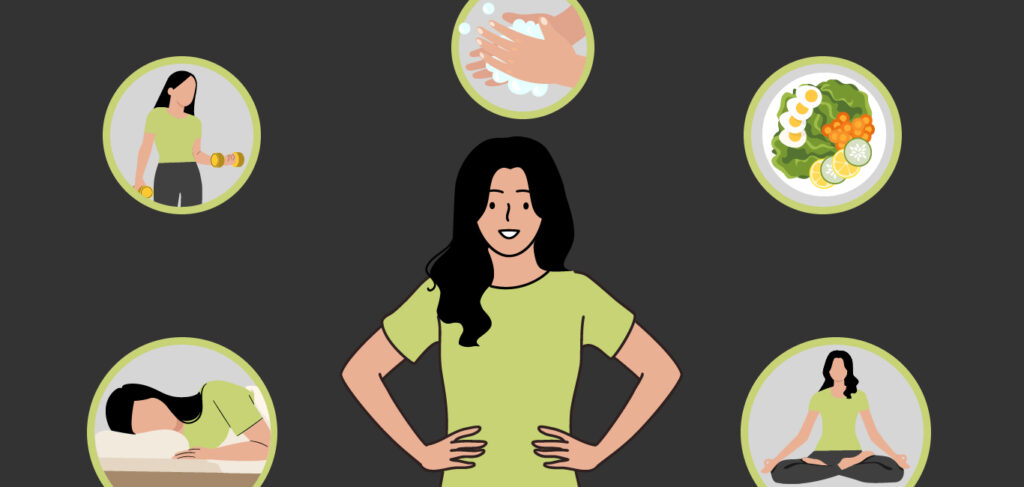
While acupuncture can play an important role, Mejia believes lasting well-being is built on everyday choices. “Chinese medicine has always emphasized nutrition, rest, and work-life balance,” she says. “Don’t overwork. Prioritize sleep. Give your body time to recover. Practice gentle movements such as qi gong and tai chi, and nourish properly.”
These ideas may sound surprisingly familiar, including prioritizing consistent sleep and nutrition, taking breaks from work, spending time outdoors, and allowing space for recovery, all of which echo habits long embraced throughout Scandinavia. Whether described through the lens of lagom, friluftsliv, or Traditional Chinese Medicine, the message is similar: health is cultivated through balance rather than extremes. Mejia also encourages slowing down during meals, avoiding overeating, and eating until about seventy percent full. Traditional Chinese Medicine generally recommends warm, nourishing foods and minimizing icy beverages during meals because, within its framework, cold foods and drinks are thought to interfere with digestion. While these practices may differ from Western nutritional guidance, they reflect TCM’s emphasis on supporting the body’s natural rhythms.
Listening to What the Body Is Saying
Perhaps the most compelling lesson Traditional Chinese Medicine offers is that symptoms deserve our attention, not our dismissal. “When we continually draw from our physical, mental, and emotional reserves without replenishing them, the body begins sending signals that something is out of balance.” Those signals may appear as fatigue, insomnia, digestive issues, anxiety, headaches, or chronic pain. Yet, as Mejia points out, modern society often teaches us to ignore them. “We wear exhaustion as a badge of honor,” she says. “We stay connected to work around the clock and often measure our worth by our productivity.” Mejia suggests a simple exercise: honestly evaluate your own balance. Has life become physically, mentally, or emotionally consuming? Have certain symptoms become so familiar that you’ve stopped paying attention to them?
Ancient Wisdom for Modern Life
Traditional Chinese Medicine is dynamic; there is no single formula that works for everyone because each treatment is tailored to the individual. TCM offers effective ways to restore balance, including acupuncture and possibly herbs, when guided by a licensed practitioner. Other principles can be practiced at home, including meditation, breathwork, qigong, tai chi, nourishing meals, healthy sleep routines, spending time in nature, and setting boundaries around work and technology, as mentioned. The ultimate goal of it all is to help the body function in greater harmony. One final quote from Mejia may be easy to remember: “Our bodies are incredibly wise,” she says. “Symptoms are not the enemy; they are our body’s way of communicating important information.” One of the greatest things we can do for our well-being is to learn to pause enough to listen.
Although developed on opposite sides of the world, Traditional Chinese Medicine and many Scandinavian approaches to well-being share a remarkably similar philosophy. Both emphasize prevention over reaction, living in harmony with nature, honoring rest, and recognizing that small daily habits shape long-term health.
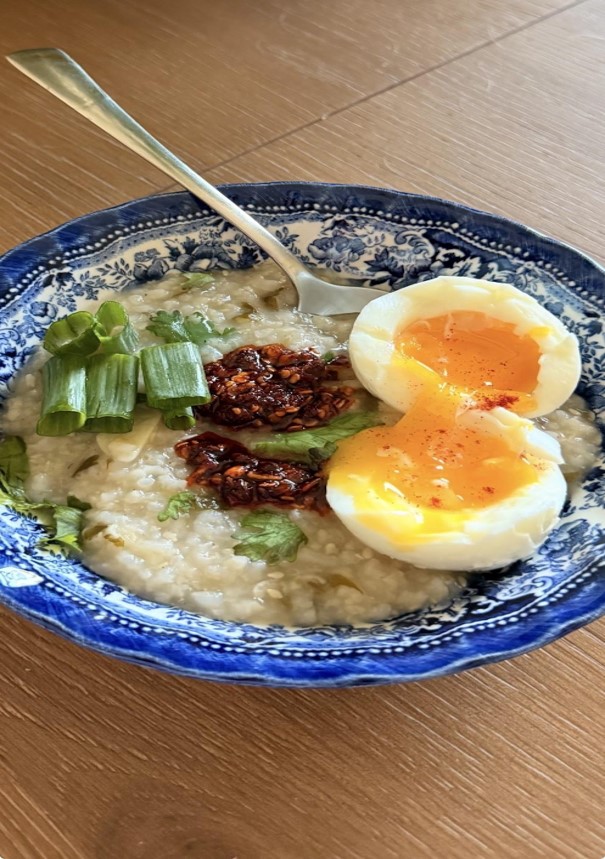
A healthy TCM recipe to try:
Congee: Bring 4 cups of water and ½ cup of rice to a boil. Reduce to a simmer and cook for an hour. This breaks down into a nutritious tonic for the body and resembles porridge when finished. Top with a “jammy” egg: In a separate pot, bring water to a boil, crack in an egg, and cook for 6 minutes. Remove the egg and top the congee. Garnish with whatever you like. Scallions, sesame seeds, soy sauce, and red pepper flakes are a personal favorite of mine. Have fun with it : )
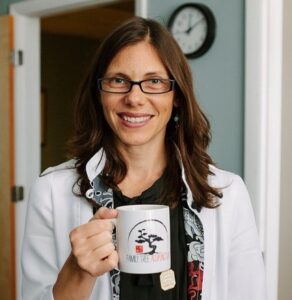
Maggie Mejia is a Florida-licensed Acupuncture Physician with more than 15 years of experience helping patients achieve better health through Chinese medicine. She is the owner and clinical director of Family Tree Acupuncture, a multi-practitioner Chinese medicine clinic serving the Daytona Beach, Florida, community since 2012. Maggie’s passion for Chinese medicine began in her early 20s, after firsthand experience with the profound impact acupuncture and herbal medicine had on her health. That personal transformation inspired a lifelong commitment to helping others restore balance, relieve pain, and improve their quality of life. You can connect with her or find out more about her clinic at familytreeacupuncture.com
Ancient Wisdom, Modern Wellness, written exclusively for Daily Scandinavian by Nicole Hammond. Nicole is a health educator, coach, and wellness writer with a Master of Science in Health and Human Performance and a Bachelor of Science in Health Science. She also holds certifications in stress management, coaching, and feng shui design. She enjoys writing, researching, creating, and facilitating in the areas of health and creating balance in mind, body, and the home. In her spare time, Nicole enjoys reading, cooking, traveling, exercising, and spending time with her family, including her two golden retrievers and cocker spaniel.
More articles by Nicole Hammond:
A Balance Blueprint: From Mind and Body Connection to Blood Sugar in 2026
Nutrition is a Key Player in Battling Stress
A Look Into Crushing Fear, Stress, and Anxiety
Spring Blossoms and Well-Being: Enjoying the Renewal in Nature, Light, and Simplicity
The Art of Being Human: How Creativity Supports Well-Being Throughout Life