

 Ascent of Mont Ventoux in 1336.)
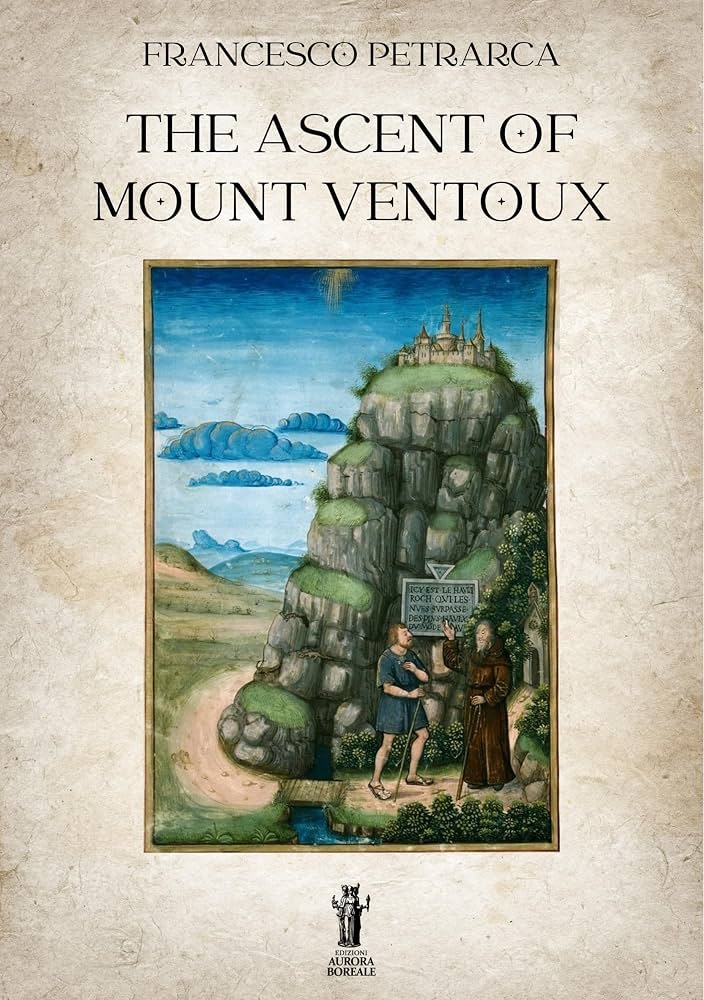
One of the earliest known records of taking pleasure in travel, of traveling for the sake of travel, and of writing about it, is Petrarch’s (1304–1374) Ascent of Mont Ventoux in 1336. This is our latest article in our series of historical travel stories.
The Italian poet Francis Petrarch states that he went to the mountaintop for the pleasure of seeing the summit of the famous height. He called his companions who stayed at the bottom frigida incuriositas (“a cold lack of curiosity”). He then wrote about his climb, drawing allegorical comparisons between climbing the mountain and his own moral progress in life.
In a well-known letter written around 1350, Petrarch claimed to be the first person since antiquity to have climbed a mountain (Mont Ventoux in Provence – 1912 meters) for the view.
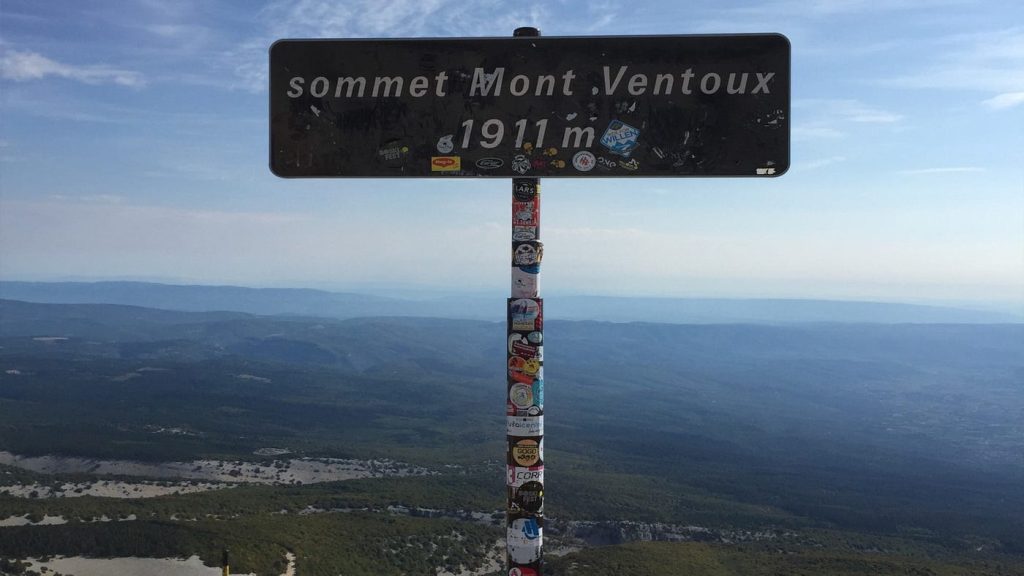
On pages 307 and 308, he wrote: “Today I made the ascent of the highest mountain in this region, which is not improperly called Ventosum. My only motive was the wish to see what so great an elevation had to offer. I have had the expedition in mind for many years; for, as you know, I have lived in this region from infancy, having been cast here by that fate which determines the affairs of men. Consequently, the mountain, which is visible from a great distance, was ever before my eyes, and I conceived the plan of doing, some time, what I have at last accomplished today.”
The idea of traveling simply for pleasure could be seen as distinctly modern, a precursor to modern tourism. When we think of travelers in ancient and medieval times, we generally find their wanderings purposive: Odysseus trying to return home, Herodotus recording great deeds for posterity, Aeneas refounding a city, Augustine searching for God, Dante entering the eternal, and Chaucer going on pilgrimage.
People often claim that Petrarch was the first to climb Mont Ventoux, though he never suggested as much. The mountain was likely already climbed in prehistoric times. There is even a slightly older written account of an ascent by Jean Buridan, who, on his way to the papal court in Avignon before 1334, climbed Mt. Ventoux “to make some meteorological observations.”
In fact, modern scholars, including Pierre Courcelle and Giuseppe Billanovich, doubt whether Petrarch himself climbed the mountain. However, here is what Petrarch wrote:
“When I came to look about for a companion I found, strangely enough, that hardly one among my friends seemed suitable, so rarely do we meet with just the right combination of personal tastes and characteristics, even among those who are dearest to us. This one was too apathetic, that one over-anxious; this one too slow, that one too hasty; one was too sad, another over-cheerful; one more simple, another more sagacious, than I desired.”
Petrarch himself may have intended his journey up the mountain as a meaningless event, an assertion that the good life comes to those who create their own narratives. As he puts it, “My only motive was the wish to see what so great an elevation had to offer.” This reflects the modern celebration of curiosity and whimsy rather than the classical concern with wonder and prudence. Even when we celebrate intellectual life today, we emphasize personal interests, desires, and making (“choose your path”) rather than finding one’s place within the whole (“discover your calling”).
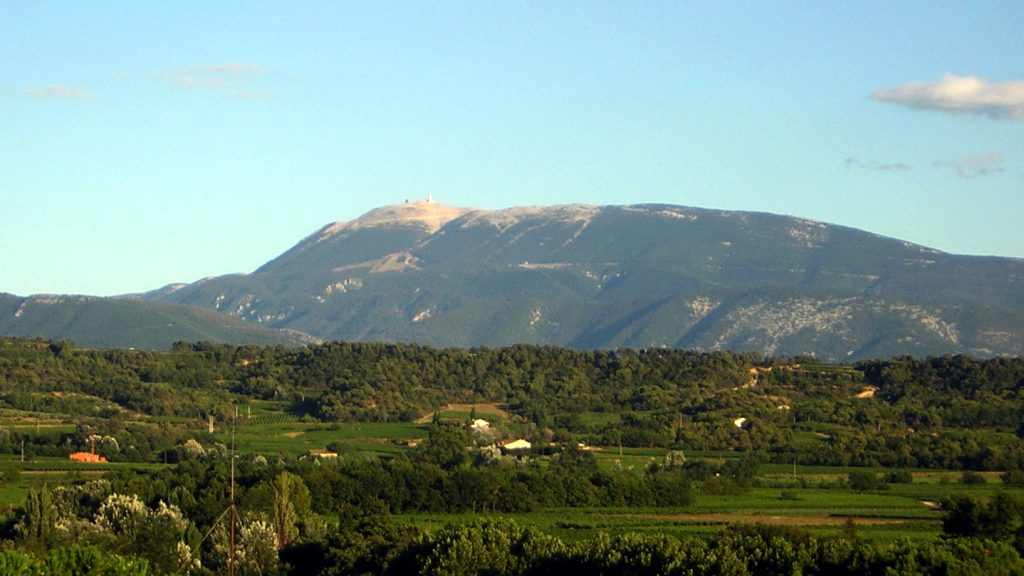
Numerous references also describe Petrarch as an “alpinist.” However, Mont Ventoux is not a difficult climb and is not usually considered part of the Alps. This implicit claim by Petrarch and Burckhardt that Petrarch was the first to climb a mountain for pleasure since antiquity was disproven by Lynn Thorndike in 1943.
But here’s what Petrarch has written: “But nevertheless in the end, after long wanderings, thou must perforce either climb the steeper path, under the burden of tasks foolishly deferred, to its blessed culmination, or lie down in the valley of thy sins, and (I shudder to think of it!), if the shadow of death overtake thee, spend an eternal night amid constant torments.” These thoughts stimulated both body and mind in a wonderful degree to face the difficulties that yet remained. Oh, that I might traverse in spirit that other road for which I long day and night, even as today I overcame material obstacles by my bodily exertions!
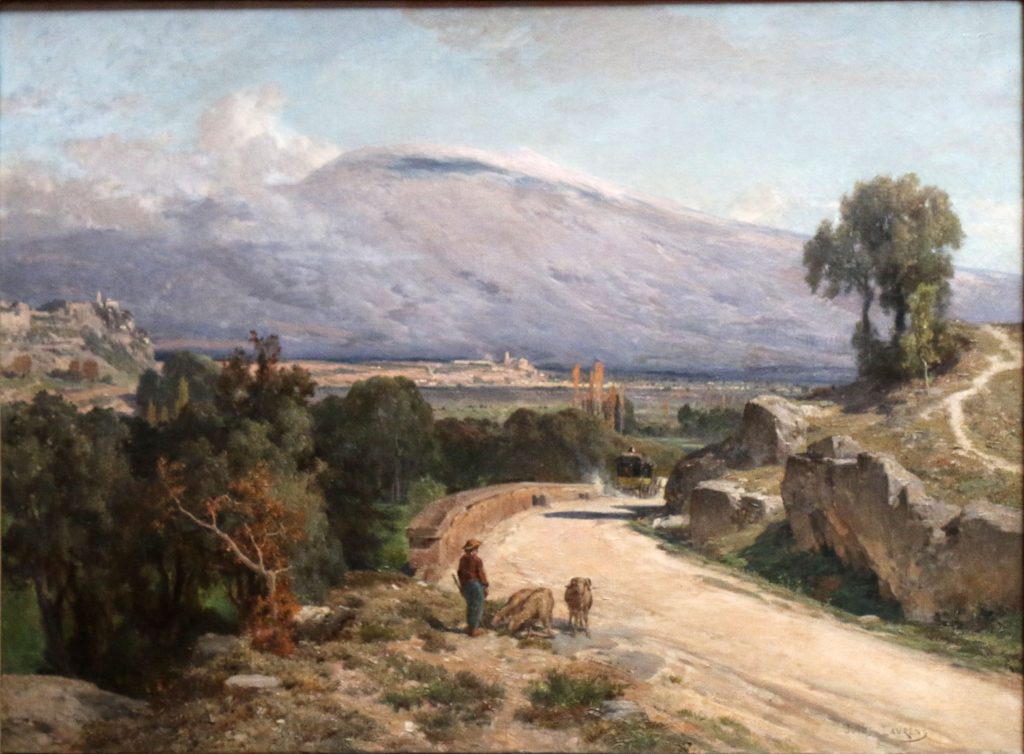
More generally, we could say that mountain climbing as a sport is a modern invention precisely because it rejects nature as purposive. Once nature is reduced to raw materials and a series of efficient causes, it becomes either a puzzle to be solved, an instrument for human comfort, or merely an obstacle to be overcome. Mountain climbers speak of “peak bagging,” an image reminiscent of Machiavelli’s comparison of fortune to a lady who is conquered by force. Consider, for example, Sir Edmund Hillary’s ascent of Everest: after an earlier failed attempt, he is said to have given her a bold warning: “I will come again and conquer you.”
In Re-Visioning Psychology, James Hillman uses the story of Petrarch’s ascent to argue that the outer world of nature is mirrored by an equally vast inner world of images. Both worlds exist apart from the human being. The outer world may have motivated Petrarch to climb Mont Ventoux, but the inner world emerged as he reached the top and read the passage from Augustine’s Confessions.
“What thou hast repeatedly experienced today on the ascent of this mountain happens to thee, as to many, in the journey toward the blessed life. But this is not so readily perceived by men, since the motions of the body are obvious and external, while those of the soul are invisible and hidden. Yes, the life which we call blessed is to be sought on a high eminence, and strait is the way that leads to it,” he wrote.
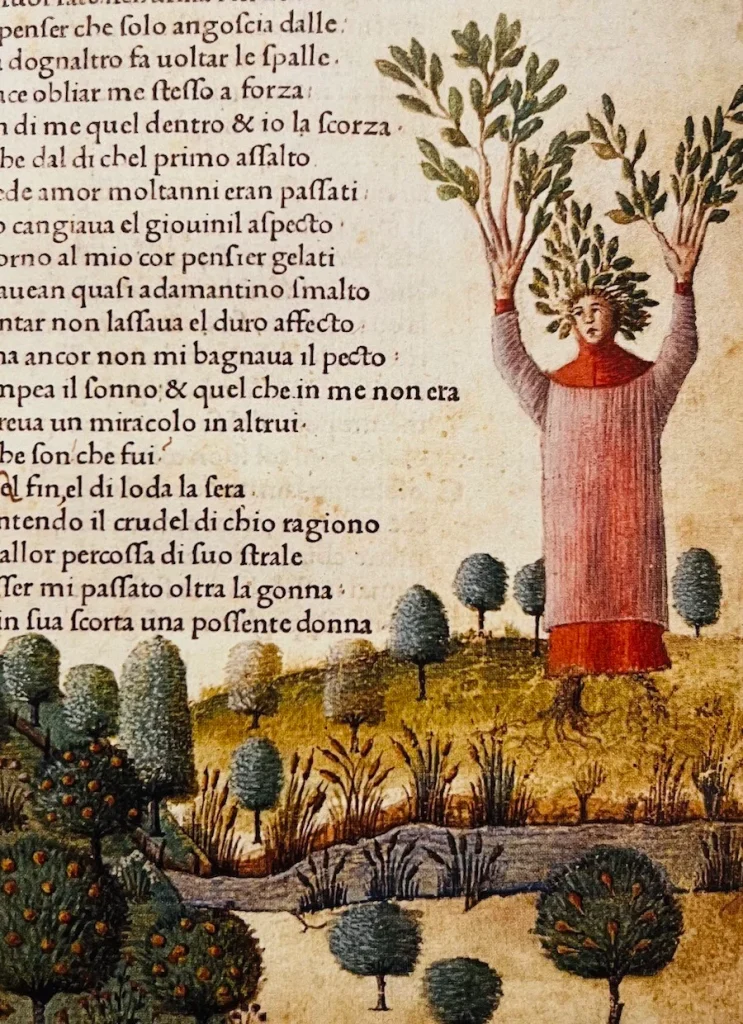
Nearing the top of Mont Ventoux, Petrarch’s mind turns from the corporeal to the spiritual: as he rests in a valley, he curses himself for following a path in life “leading through low and worldly pleasures.” At the peak, the dizzying view prompts an inward turn and a confession of his past sins. With a pocket edition of Confessions as his guide, Petrarch undergoes an inward (and then upward) conversion that carries him back down the mountain.
In the book he wrote,
“Happy the man who is skilled to understand
Nature’s hidden causes; who beneath his feet
All terrors cast, and death’s relentless doom,
And the loud roar of greedy Acheron.”
How earnestly should we strive, not to stand on mountaintops, but to trample beneath us those appetites that spring from earthly impulses?”
Historical Travel Stories: Ascent of Mont Ventoux, compiled by Tor Kjolberg.
Previous articles in our series of historic travel stories:
The World of the Odyssey: A Palimpsest of the Hellenic Art of Living Well
Sinbad the Sailor
Description of Greece
Safarnama – the Book of Travels
Journey Through Wales