


We will be back with more stories on Monday December 29.
Obesity is on the Rise, and Diets are Getting Worse: New Nordic Data Reveals Worrying Trends

A new report published this month paints a worrying picture of habits in the Nordic countries. Obesity is on the Rise, and Diets are Getting Worse: New Nordic Data Reveals Worrying Trends
We eat poorly and too much, we exercise too little, and obesity is on the rise. The report highlights the need for stronger measures to promote healthier and more sustainable behavior.
Nordic Monitoring (NORMO 2025) is a status report on Nordic behavior and health. Its findings are worrying: 56% of Nordic adults and one in five children are overweight or obese.
**************************************************
You may also like to read
Scandinavia Leads the World in Anti-Obesity Innovation: What New Research Means for Everyday People
**************************************************
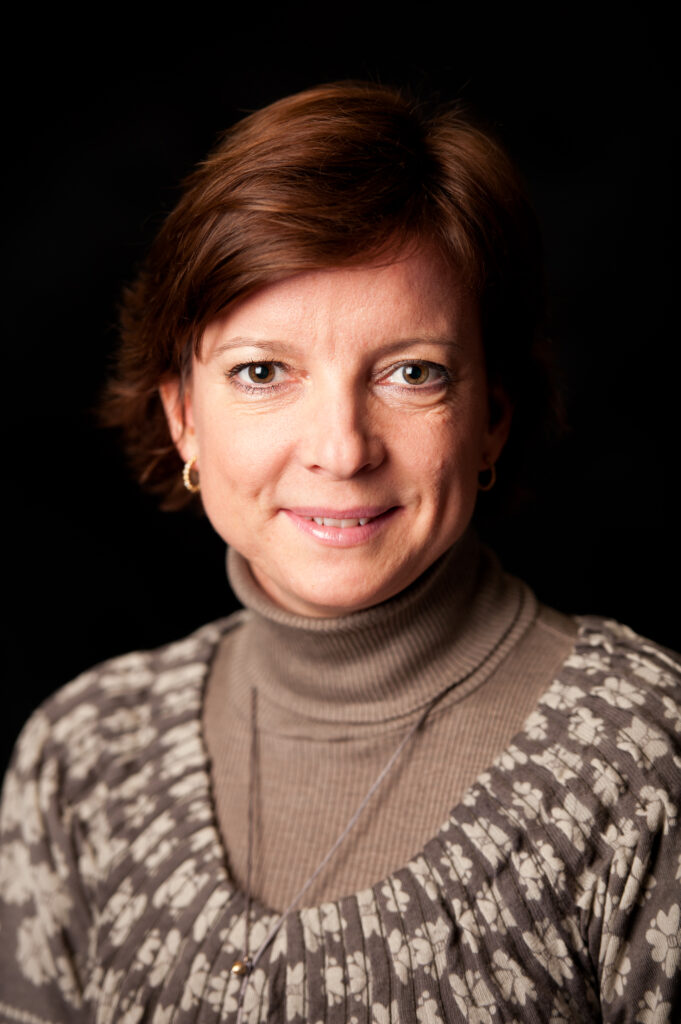
“The Nordic population is becoming sedentary and overweight. We spend far too much time in front of screens while eating unhealthy and unsustainable food,” says Karen Ellemann, Secretary General of the Nordic Council of Ministers.
We are eating less fruit, vegetables, and whole grains and more foods with a high sugar content.
The report highlights several common trends across all of the Nordic countries. We are eating less fruit, vegetables, and whole grains and more foods with a high sugar content. Sales of energy drinks, which can lead to sleep disorders, mental health problems, and difficulty concentrating, have doubled in the last decade.
Social inequality continues to be reflected closely in our behavior. In all of the Nordic countries, groups with lower levels of education report poorer diets and higher levels of overweight and obesity. Sisse Fagt, Senior Advisor at the DTU National Food Institute, led the NORMO 2025 work.
***********************************************
You might also like to read Five Scandinavian Slimming Secrets
***********************************************

“It is serious that we are seeing a trend towards poorer diets and greater obesity. I hope NORMO 2025 will highlight areas where decision makers should act,” says Fagt about the latest results of NORMO 2025.
Nordic efforts to initiate change
Several Nordic Council of Ministers’ initiatives seek to reverse this trend. NORMO 2025 is part of the follow-up to the Nordic Nutrition Recommendations 2023 (NNR2023), a flagship Nordic project that underpins the national guidelines and dietary recommendations of the Nordic and Baltic countries. In 2026, a significant effort will also be launched to cut young people’s consumption of caffeinated drinks.
“The ministers have set clear objectives for the health and food sectors to help improve public health in the Nordic Region and make food consumption healthy and sustainable,” says Karen Ellemann.
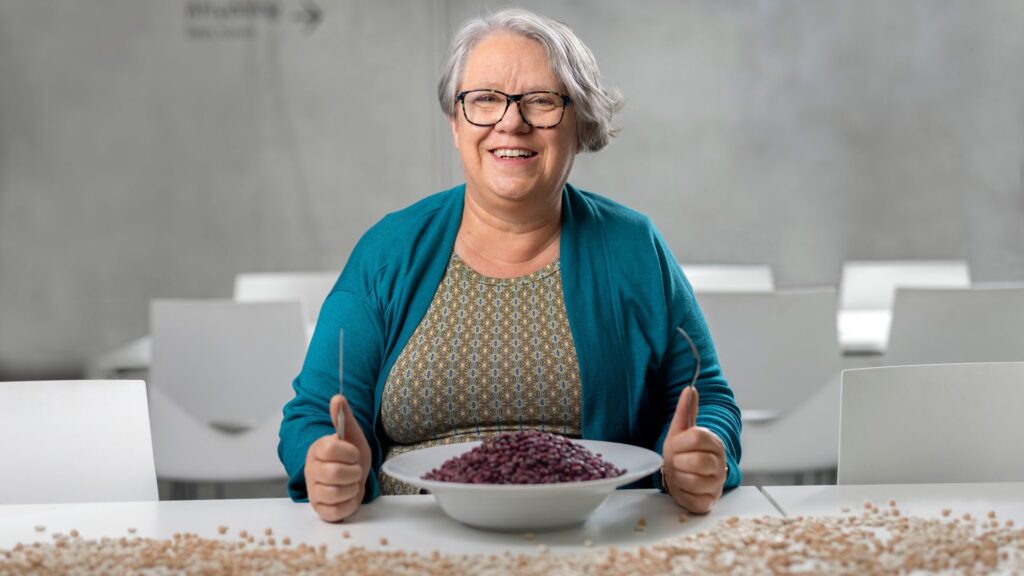
Key findings from the report
- We are eating less fruit, vegetables, and whole grains and more foods with a high sugar content.
- 56% of Nordic adults and 1 in 5 children are overweight or obese – an increase since 2014.
- Consumption of energy drinks has more than doubled in the past decade, with the most significant increase among young adults.
- Alcohol consumption and the use of tobacco and nicotine products are stable but still high.
- Up to a third of Nordic adults do not meet the recommendations for physical activity.
- Social inequalities are evident: People with lower levels of education report poorer diets, higher prevalence of overweight and obesity, and higher nicotine and alcohol consumption compared to those with higher levels.
Obesity is on the Rise, and Diets are Getting Worse: New Nordic Data Reveals Worrying Trends, a press release from Nordic Cooperation.
Feature image (top) © Andreas Omvik, norden.org
Therapy for a Danish Actor

In 2011, Danish-American actor Viggo Mortensen used part of his film earnings to start his own publishing house and a blog. Like the Austrian neurologist he portrayed in the film “A Dangerous Method,” Mortensen is interested in what motivates people. The blog was a form of therapy for the Danish actor.
“All that is gold does not glitter,
Not all those who wander are lost;
The old that is strong does not wither,
Deep roots are not reached by the frost.
From the ashes, a fire shall be woken.
A light from the shadow shall spring;
Renewed shall be the blade that was broken,
The crownless again shall be king.”
These are the first words we see when we visit Viggo Mortensen’s blog homepage, Viggo Works.
 “I’m not afraid of death,” he said in an interview with the New York Times in 2011, “but I resent it. I think it’s unfair and irritating. Every time I see something beautiful, I not only want to return to it, but I also want to see other beautiful things. I know I’m not going to get to all the places I want to go. I’m not going to read all the books I want to read. I’m not going to revisit certain paintings as many times as I would like. There’s a limit — I understand limits are good for character and all that, but I would rather live forever.”
Mortensen often uses his blog to highlight lesser-known international poets. After the terrorist attacks on July 22 in Oslo, he published Norwegian poet Rolf Jacobsen’s poem “The Guardian Angel.” But most often, he speaks for himself.
For Mortensen, you could say life is art, and vice versa. He doesn’t consciously separate his different creative roles. To him, there are various ways of doing the same thing: “Asking questions, discovering things for yourself, and ultimately communicating with others.
The brevity of life and the importance of seizing the day are, as one quickly learns, big themes for Mortensen. The sound of time’s winged chariot looks pretty loud in his ear, and the push to “use time well” repeatedly comes up in his conversations—especially when he’s explaining some of the more unconventional ways he has chosen to handle fame.
“Actors often behave in an unattractive way,” says Viggo Mortensen. “They are driven by a desire to be famous, rather than doing something creative and wonderful, and they get away with it if their films make money. But life is short. It is much more important what you are as a person than what you achieve as an actor.”

“In conversation, Mortensen doesn’t indulge in niceties. Doesn’t do small talk. But get him started on football, or his upcoming Spanish-language poetry collection, or even Green Book, and you can easily lose ten minutes listening to his enthusiastic observations and tangential musings. Trying to redirect his thoughts is about as effective as trying to stop a raging river with an ironing board.
These vocal outbursts don’t come from a sense of self-importance or high-mindedness, but from generosity. He tries to answer my questions as thoroughly and thoughtfully as possible – to a fault,” wrote Dan Masoliver in Shortlist.com in December 2018.
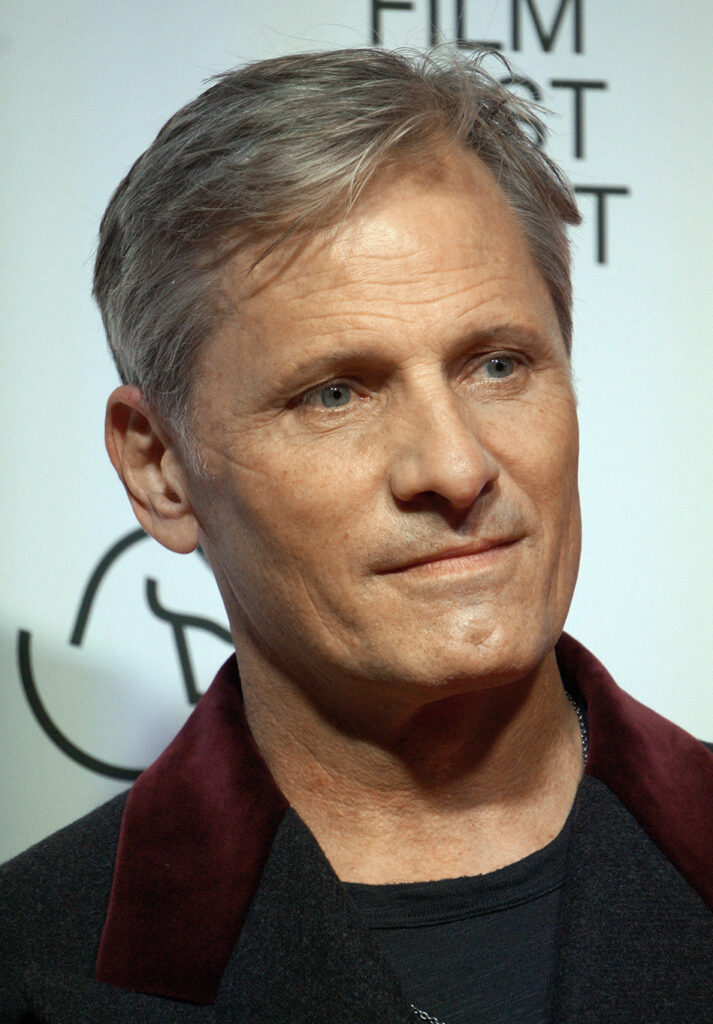 About Viggo Mortensen
Since his screen debut as a young Amish farmer in Peter Weir’s Vitne til mord (1985), Viggo Mortensen’s career has been characterized by a steady string of well-rounded performances.
Mortensen was born in New York City to Grace Gamble (Atkinson) and Viggo Peter Mortensen, Sr. His father was Danish, his mother was American, and his maternal grandfather was Canadian. His parents met in Norway, married, and moved to New York, where Viggo Jr. was born, before relocating to South America, where Viggo Sr. managed chicken farms and ranches in Venezuela and Argentina.
In 1999, Viggo received a phone call about a movie he knew nothing about: “The Lord of the Rings.” At first, he didn’t want to do it because it would mean time away from his son. But Henry, a big fan of the books, told his father he shouldn’t pass up the role. Viggo accepted the part and immediately began working on the project, which was already underway. Eventually, the success of “The Lord of the Rings” made him a household name – a challenging outcome for the ever-private and introspective Viggo.
Therapy for a Danish Actor, written by Tor Kjolberg.
Feature image (top) Aragon in The Lord of the Rings © New Line Cinema.
Guitars – Handcrafted in Norway

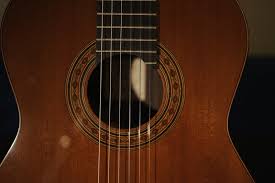
There are a dozen registered guitar makers in Norway, all of whom sell acoustic or electric guitars, basses, or other stringed instruments. One of them is Yngvar Thomassen, who has been a guitar maker in his spare time. His story is about guitars – handcrafted in Norway.
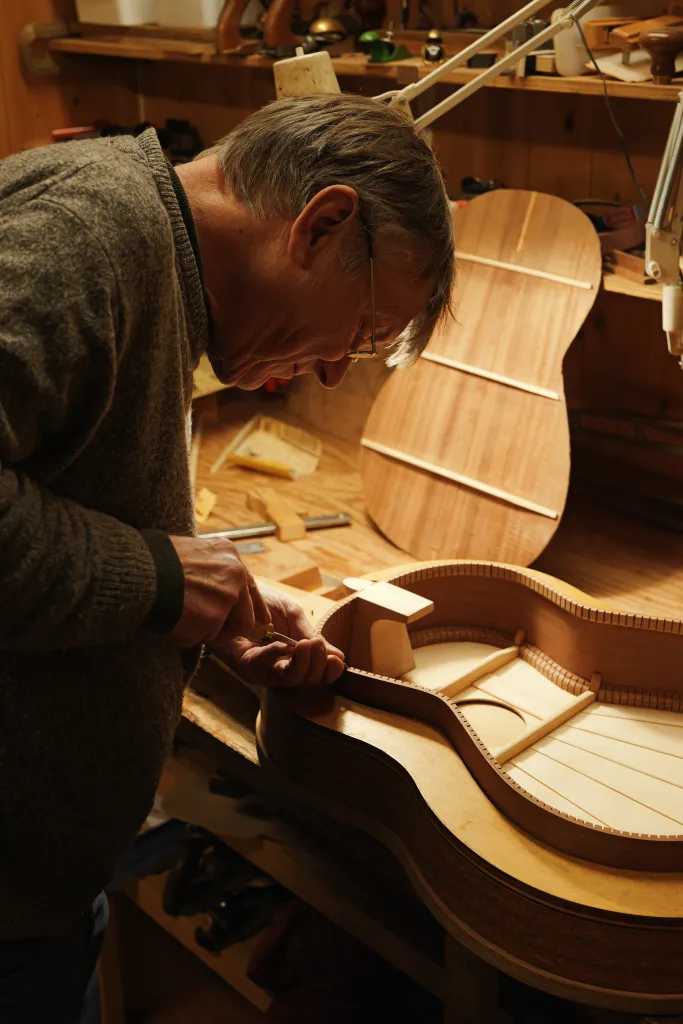
“I have been building guitars for over 30 years, but my interest in the instrument began much earlier. Hearing the classical guitar for the first time as a teenager marked the beginning of a lifelong relationship with the instrument. After many years of playing the classical guitar, I had the idea of building my own instrument – and discovered that it brought me even greater joy,” says Yngvar Thomassen.
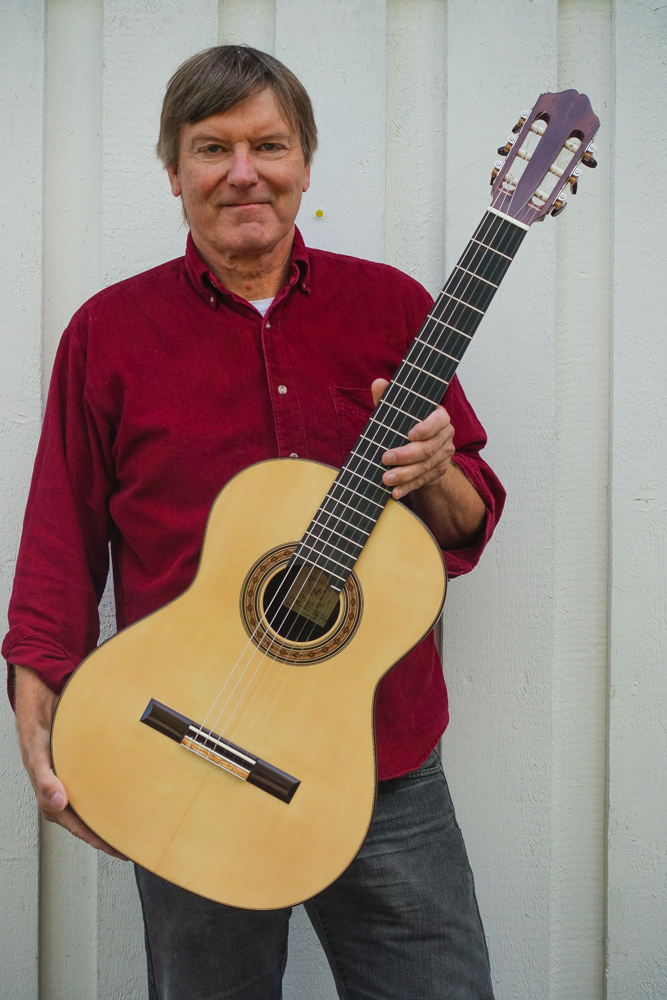
Yngvar Thomassen lives in Nesodden outside Oslo and has been building classical guitars since the mid-1990s. He is considered a master of the craft in Norway. Since the first six-string was completed in 1996, the self-taught guitar maker has created more than 70 classical guitars.
**********************************************
You may also like to read European Leading Guitar Maker Is Looking to Norway
**********************************************
Over the years, he has developed a clear tonal ideal that he strives to transfer to the instruments he builds. Every guitar is the result of many factors that sometimes work against each other, and the art of creating a fine instrument lies in balancing these factors. To shape the guitar to achieve the tonal character he is aiming for, he needs to understand how the various resonances interact within the instrument as an acoustic system.
When he retired some years ago, he said, “I’ve probably made around five guitars a year on average, part-time. It’s been on and off all these years. I will slow down now. You have to spend the rest of your life doing something worthwhile!”
His workshop in Nesodden smells of tropical lumber. The carefully selected and imported woods are arranged like a colorful sculpture.
“I build guitars with soundboards made of spruce or Canadian cedar, based on my own designs but also inspired by historical masters such as A. Torres and L. Panormo. For the sides and back, I most often use Indian rosewood,” says Yngvar.
“Over the years I have been doing this, the sound ideal has developed, just like the interpretation of musicians. The inspiration comes more from within than trying to imitate any specific guitars or guitar builders. I think that is quite common among those who have been involved in instrument building over time, except for those who build replicas,” he adds.
Thomassen maintains strong relationships with guitar builders abroad, particularly in Sweden.
At his website, the price for a standard classical guitar starts at NOK 60,000, including Norwegian VAT, excluding case.
The price may increase slightly if more expensive tuning machines or tonewoods are chosen. Prices for other models are agreed upon individually.
Guitars – Handcrafted in Norway, Tor Kjolberg reporting.
All images © Yngvar Thomassen
French Multifaced Designer Awarded Swedish Prestigious Prize

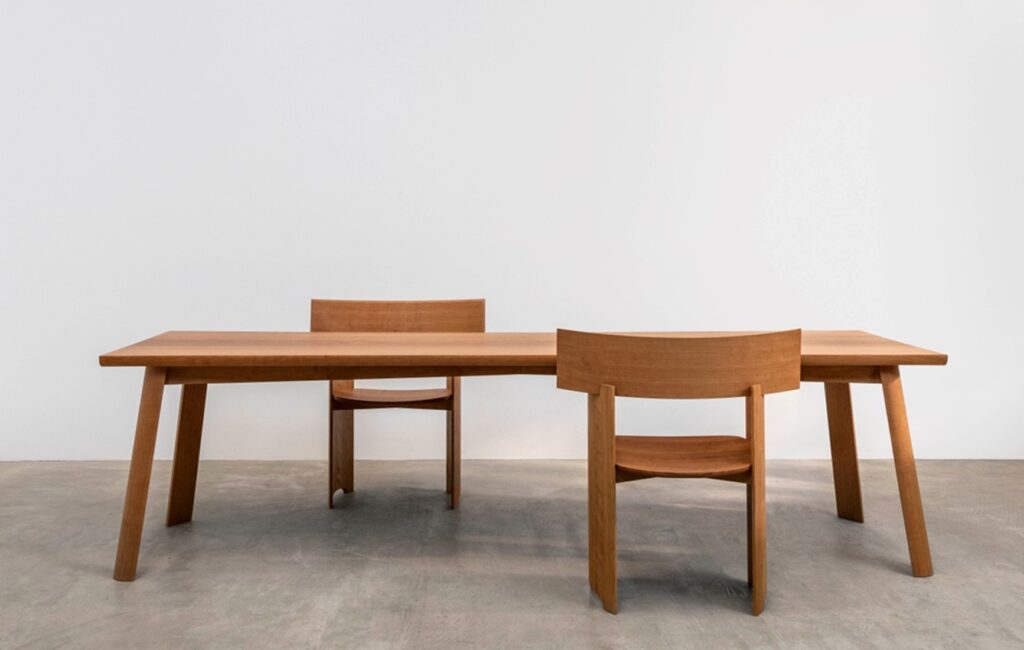
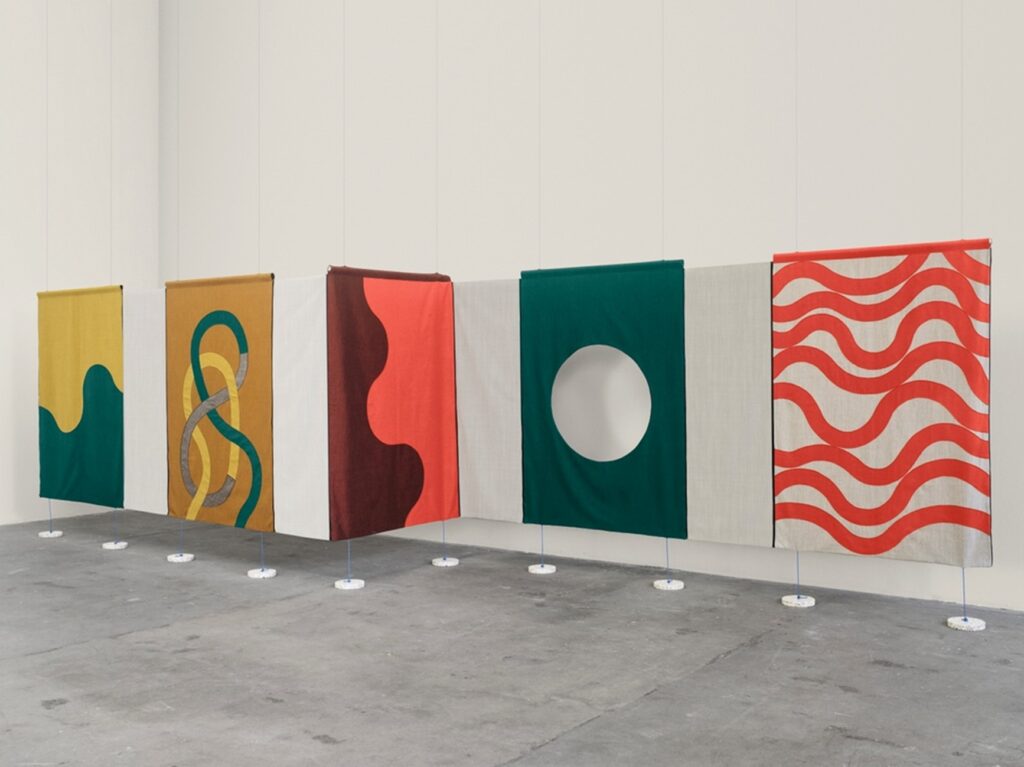
French designer Maria Jeglinska-Adamczewska has been awarded the Bruno Mathsson Design Residency 2026. The French multifaceted designer was awarded the prestigious Swedish prize for combining an interest in craft and making processes with great formal sensitivity, according to the jury.
The multifaceted designer Maria Jeglinska-Adamczewska (b. 1983 in France, based in France and Poland) will participate in the residency from May 15 to June 15, 2026, residing and working in a house from 1955 in Värnamo designed by architect and furniture designer Bruno Mathsson (1907-88), commissioned by Vandalorum’s founder Sven Lundh. The residency offers Jeglinska-Adamczewska the opportunity to explore the extensive furniture and manufacturing industry in the Jönköping region, to study Bruno Mathsson’s work, and to deliver a public lecture at the Vandalorum Museum of Art and Design.
Statement of the jury
“Maria Jeglinska-Adamczewska is a prolific designer who combines an interest in craft and making processes with a great formal sensitivity. Both in her work as a furniture and object designer and in her spatial works, she demonstrates her ability to use color in multiple ways and to draw inspiration from design history. She is at a point in her career where she has already gained international recognition. Yet, she can still profit from the opportunities that the Bruno Mathsson Design Residency can offer, especially by widening her research into crafts processes and manufacturing.”
The first Bruno Mathsson Design Residency Prize was awarded to Stephen Burk, a US designer and professor of architecture, in 2024.

Jeglinska-Adamczewska says about the residency
“I feel honored and humbled to be the recipient of the 2026 Bruno Mathsson Design Residency. Through this immersion, I aim to observe, reflect, and research the house’s architecture, integrating my roles as a furniture and exhibition designer. This period will deepen my understanding of natural materials and regional production techniques in the Jönköping area, while also providing closer insight into Mathsson’s vision. Engaging with Scandinavian design culture and regional craftsmanship will challenge and inspire my practice, fostering a continuation of the legacy of human-centered, material-sensitive design that Mathsson so eloquently embodied.”
About Maria Jeglinska-Adamczewska
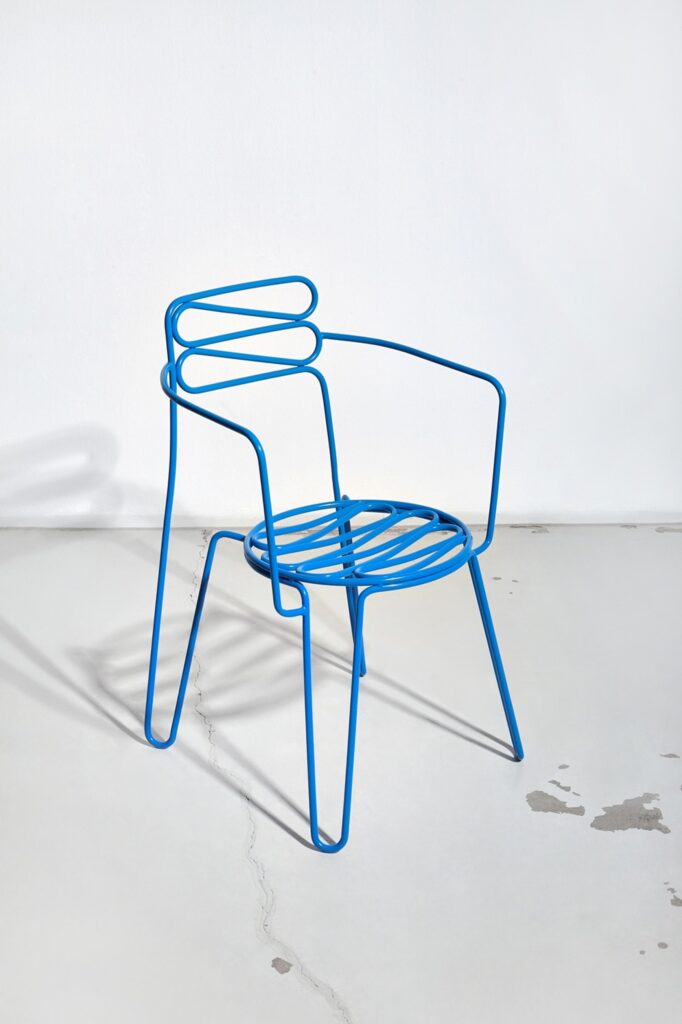
Maria Jeglinska-Adamczewska graduated from ECAL’s Industrial Design program in 2007 and received a scholarship from the IKEA Foundation, which led her to work for Galerie kreo in Paris, Konstantin Grcic in Munich, and Alexander Taylor in London. She works across a wide range of commissions, including industrial design, exhibition design, and research-based projects in design. Her clients include, among others, Ligne Roset, Kvadrat, Vitra, the London Design Biennale, and the Museum of Modern Art in Warsaw. From 2018 until 2020, she served as the Creative Director of Arena Design, a design fair in Poland. Her work is regularly exhibited internationally, including at the Design Museum in London, the Villa Noailles, the Barbican Art Gallery, the Centre Pompidou-Metz, and the Triennale di Milano. In 2022, The Little Black Chair was acquired by the Vitra Design Museum for its permanent collection. In October 2012, she curated and designed the exhibition Ways Of Seeing/Sitting at the Łódź Design Festival in Poland. She was also the co-curator and designer of the Polish Pavilion at the inaugural London Design Biennale in 2016. In 2025, she co-founded the design brand GestGest.
About Bruno Mathsson Design Residency
The Bruno Mathsson Design Residency is run by Region Jönköping County and Vandalorum Museum of Art and Design, with support from Region Jönköping County and Värnamo Municipality, in collaboration with the entrepreneur and collector Johan Sjöberg, Bruno Mathsson International, and the Karin and Bruno Mathsson Foundation.
The 2026 jury consists of: Dr. Mateo Kries, Director of the Vitra Design Museum; Jenny Nordberg, Designer; Magnus Jonsson, Culture Director, Region Jönköping County, Jönköping; Lennart Alves Gernes, Art and Design Developer, Region Jönköping County; and Elna Svenle, Museum Director of Vandalorum.
French Multifaced Designer Awarded Swedish Prestigious Prize, a press release from Vandalorum.
Feature image (top) Maria Jeglinska-Adamczewska © Kasia Bobula
Nutrition is a Key Player in Battling Stress

Throughout Scandinavia and much of the modern world, where busy work schedules, commitments, and technology overload are part of life, stress is a growing battle. This particular time of year, around the holidays, can also bring its own stress. But there’s a solution. Nutrition is a key player in battling stress.
Although stress may not be avoidable, we can help combat its effects through lifestyle choices, particularly those made at the grocery store, in the kitchen, or even while dining out.
Stress is a normal physiological response. It serves us for many reasons: to protect us from danger, to meet an office deadline, or to respond quickly to a situation with a burst of adrenaline. When stress becomes chronic, however, it can affect long-term well-being. As we may have heard, practices such as regular exercise for approximately 150 minutes per week (this could be walking, jogging, hiking, swimming, weights, yoga, pilates, etc. and can be broken up into 60 minute, 30 minute, or even 5 to 10 minutes throughout the day), breathing techniques, therapy, supplements, and other methods help tame stress. However, it may be underestimated that what we eat directly influences how the brain and body respond and recover.
During stressful events, the body releases epinephrine, which triggers a surge of glucose and fatty acids into the bloodstream for immediate energy. This can trigger a cascade of sensations, including nervous energy, anxiety, lightheadedness, upset stomach, a racing heart, and shortness of breath. The sympathetic nervous system is responsible for these feelings and drives the “fight-or-flight” reaction. It can also cause inflammation in the body. Our parasympathetic nervous system, on the other hand, calms the body down from the stress response. This is when we rest and digest, feel relaxed, get through the day, and reduce inflammation. Supporting the parasympathetic state through nutrition is becoming a key strategy in stress management across health research.
What should we avoid?
Let’s first look into foods that can intensify stress, and what we can limit or avoid. Fast food, excessive sugar, refined carbohydrates such as white flour in baked goods and certain crackers and chips, and other heavily processed foods can aggravate stress by destabilizing blood sugar and increasing inflammation. Excessive caffeine intake (more than 400 mg per day) found in hefty coffee drinks, sometimes laden with sugar, energy drinks, or sodas, can overstimulate the brain. Alcohol can also disrupt sleep and mood when used excessively. Artificial sweeteners, including aspartame found in some sodas and sugar-free products, may alter gut bacteria and are linked to anxiety and emotional regulation. Refined oils should also be avoided; anything with hydrogenated oils (found on labels of some coffee creamers, canned frosting, etc.) and in the form of hydrogenated or partially hydrogenated corn, soybean, palm, or even canola oil that is not in its pure form. By limiting or cutting back on these foods, the body can ward off inflammation and the stress response much more easily.

What can we implement to improve our stress and health?
Thankfully, many foods and nutrients can help us improve our stress levels and our overall health, leaving us feeling satisfied. The first powerhouse is fiber. Dietary fiber is increasingly recognized and has long been a part of a typical Nordic diet. Getting enough fiber is one of the most effective ways to reduce inflammation, balance blood sugar, nourish gut bacteria, and support satiety. Fiber prevents blood sugar spikes that can contribute to stress, anxiety, irritability, and fatigue. It helps produce serotonin for mood regulation and better sleep because blood glucose levels remain stable.
The top sources of fiber include oats, barley, rye, brown rice, beans, lentils, chia seeds, nuts, whole grain breads and pastas, and all fruits and vegetables. Some fruits and vegetables with high fiber content include root vegetables such as carrots, parsnips, beets, and potatoes; leafy greens; berries; apples; bananas; broccoli; artichokes; and Brussels sprouts. Adults should aim for 30 or more grams of fiber daily. One bowl of oatmeal, for example, using ⅔ cup of cooked oats, topped with a sliced banana, half a cup of blueberries, and a few nuts or seeds, can contain more than 10 mg of fiber in a single meal. Fiber-rich foods are part of the healthy carbohydrates our bodies need. These foods also help us produce serotonin, which helps our bodies relax and ward off stress.

Lean, high-quality protein is also essential in combating stress. Protein helps produce and regulate hormones such as serotonin and dopamine, both neurotransmitters in the brain that help regulate mood. Serotonin is associated with feelings of well-being and relaxation, while dopamine supports focus, motivation, and overall happiness. Protein also contains tyrosine, an amino acid essential for preventing fatigue, as well as tryptophan, a precursor to serotonin. One of a protein’s most crucial jobs in the body is to slow the absorption of glucose into the bloodstream, preventing the energy peaks and crashes associated with stress-induced sugar cravings. Examples of proteins prevalent in the Nordic diet include fatty fish, which are also high in omega-3 fatty acids, which are essential for brain health. Vegetarians can also get omega-3s from plant-based sources such as edamame, walnuts, seaweed, and flaxseed (also a fiber). Other sources of lean, high-quality protein include game meats, chicken, turkey, and lean red meat (which should be eaten less often than other meats). Yogurt is an excellent source of protein and probiotics, which are essential for good gut health. Other dairy products, such as milk and cheese, also contain protein and are typically enjoyed in Scandinavia.
To sum up what a healthy daily intake might look like, aim for at least 2-3 cups of vegetables, 2 cups of fruit, and three whole-grain servings. A great rule of thumb is to fill half of your plate with veggies, one quarter with protein (3-4 ounces), and the other quarter with whole-grain carbohydrates; aim for 90 grams of whole grains total and 60-110 grams of protein per day.
How we eat can be almost as important as what we eat. Try to savor your food, practice mindful eating, not too fast, eating until only around 80 percent complete, and eating while relaxed and seated comfortably, rather than while doing other things. Eating a meal shared with family or a friend can also facilitate feelings of connection.
Hydration is a significant part of maintaining our health and warding off stress. Water is essential for nearly every body function, including digestion, energy production, maintaining organ health, regulating temperature, flushing waste, brain function, and lubricating the joints and muscles. Aim for drinking half your body weight in water. Other sources of hydration are herbal, caffeine-free teas, decaf coffee, and low-sugar fruit juices.
Vitamins and Minerals Play a Major Role in Stress Management and Body Function:
Magnesium, known as the relaxation mineral, regulates nerve function, helps lower blood pressure, and promotes quality sleep. Magnesium-rich foods include pumpkin seeds, almonds, avocados, spinach, yogurt, potatoes, dark chocolate, and whole grains.
Potassium is essential for healthy blood pressure regulation and highly relevant in stress responses. Foods rich in potassium include most fruits and vegetables, such as leafy greens, bananas, sweet potatoes, avocados, beans, dairy products, and lentils.
B vitamins help produce neurotransmitters such as serotonin and dopamine, while supporting energy metabolism during long workdays or the dark winter months. Good sources include eggs, beans, poultry, whole grains, leafy greens, and fortified cereals.
Vitamin D is critical in Scandinavia due to limited winter sunlight. Vitamin D plays a significant role in mood and stress regulation. Sources include fortified dairy, eggs, mushrooms, and fatty fish such as salmon, herring, and mackerel.
Takeaway and bonus recipe:
Stress may be inevitable in modern life, but nutrition remains one of the most effective tools for balancing its impact. By reducing processed foods and prioritizing whole-food sources—fiber-rich whole grains, high-quality lean proteins, and adequate hydration we support a calmer, more resilient nervous system. When combined with regular movement, simple breathing practices, and consistent sleep, these small choices create meaningful change. It doesn’t require an overhaul of your lifestyle; just a more mindful approach at the market, in our kitchens, and at the table.
*******************************************
You may also like to read Nicole Hammond’s article on A Look Into Crushing Fear, Stress, and Anxiety
*******************************************
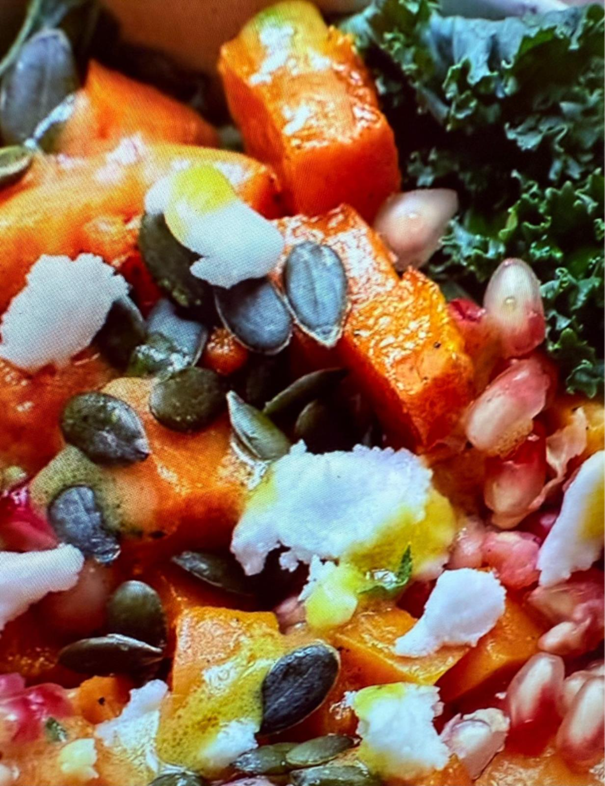
Winter salad recipe:
This winter salad is nurturing and power-packed with nutrients, including around half the recommended daily dose of magnesium (the daily recommended dose is around 380 mg)
Ingredients (serves 4):
4 cups chopped kale or chard
1 peeled, seeded, chopped, and roasted butternut squash
½ cup pumpkin seeds
½ cup of pomegranate seeds
1 finely chopped red onion
¼ goat cheese or cheese of your choice to top
Dressing:
¼ cup olive oil
¼ cup apple cider or champagne vinegar
1 tbs honey or maple syrup
1 tsp dijon mustard
1 crushed garlic clove, tsp salt
1 tsp black pepper
This winter salad delivers more than 150 mg of magnesium, plus fiber, plant protein, and antioxidants; a combination that supports relaxation and improved stress resilience.
Nutrition is a Key Player in Battling Stress, written explicitly for Daily Scandinavian by Nicole Hammond. Nicole is a health educator, coach, and wellness writer with a Master of Science in Health and Human Performance and a Bachelor of Science in Health Science. She also holds certifications in stress management, coaching, and feng shui design. She enjoys writing, researching, creating, and facilitating in the areas of health and creating balance in mind, body, and the home. In her spare time, Nicole enjoys reading, cooking, traveling, exercising, and spending time with her family, including her two golden retrievers and cocker spaniel.
Feature image (top) © va.gov.
What Happened on 10 December, the Date That New Laureates Received Their Nobel Prize?
The banquet began with the royals and other guests of honor entering the banquet hall in procession. Before that, the guests of honor had been introduced to the royal family in the Prince’s Gallery. Read on and learn more about what happened on 10 December, the date that new laureates received their Nobel Prize.
Since 1901, the Nobel Prizes have been presented to new laureates at ceremonies on 10 December, the anniversary of Alfred Nobel’s death. At the banquet, for which a formal dress code exists, a multi-course dinner is served and entertainment provided. After the dinner, a dance is held in the Golden Hall. The event is broadcast live on Sveriges Television (SVT) with generally high ratings.

The award ceremony in Stockholm has, almost without exception, taken place at Konserthuset Stockholm (the Stockholm Concert Hall) since 1926. In Oslo, the ceremony was for many years held at the Nobel Institute. From 1947 to 1990, the setting was the University of Oslo auditorium. In 1990, the event moved to the Oslo City Hall. At the Nobel Prize award ceremony in Stockholm, speeches are presented by the laureates and their discovery or work, after which His Majesty the King of Sweden hands each laureate a diploma and a medal.
Guests are welcomed into the Blue Hall and requested to take their seats around 30 minutes before 19:00, when the guests of honor march in procession to an organ and trumpet fanfare. Three minutes after the guests of honor have taken their seats, a toastmaster or toastmadame (a Swedish university/college student) calls for two ceremonial toasts: a toast for the Swedish monarch made by the chairperson of the Nobel Foundation, and a toast made by the monarch in memory of Alfred Nobel.

Soup and turbot on the menu
When all 1,300 or so guests had toasted last Wednesday, a festive menu was served on fine china in the Blue Hall. Chefs Pi Le and Tommy Myllymäki prepared the meal. The menu included porcini mushroom soup and turbot stuffed with scallops.
For dessert, pastry chef Frida Bäcke created Swedish sloe sorbet.
Composer Jacob Mühlrad was responsible for the music at the Nobel Banquet. In addition to newly written music, he also offered an interpretation of “One” by Swedish House Mafia.
Artist Alexander Wessely created the light show during the banquet. He has previously collaborated with Jacob Mühlrad and with artists such as Swedish House Mafia and The Weeknd.
***********************************************
You may also like to read Danish Nobel Winner Foiled the Führer
***********************************************
The banquet hosts approximately 1,300 guests. Up to 88 guests of honor (including the laureates and their spouses or partners, together with the Swedish royal family) are seated at the table of honor, located in the middle of the Blue Hall and decorated with flowers provided by the Italian municipality of Sanremo (where Alfred Nobel spent his final years of his life); the other guests sit across multiple tables surrounding the table of honor and throughout the City Hall.
During the banquet, artistic interludes called divertissements (French for ‘diversions’ / ‘entertainments’) are performed by Swedish performing arts talent, and can range from music and dance performances to theatrical presentations and (in the case of the 2002 banquet) even circus acts; these performances (and the floral arrangements of the banquet) are connected by a unique theme or narrative that defines the banquet each year. After the banquet, guests can dance inside the Golden Hall.
From the royal family, King Carl Gustaf, Queen Silvia, Crown Princess Victoria, Prince Daniel, Prince Carl Philip, Princess Madeleine, and her husband Christopher O’Neill attended. Princess Sofia, however, announced early last fall that she would not be attending.
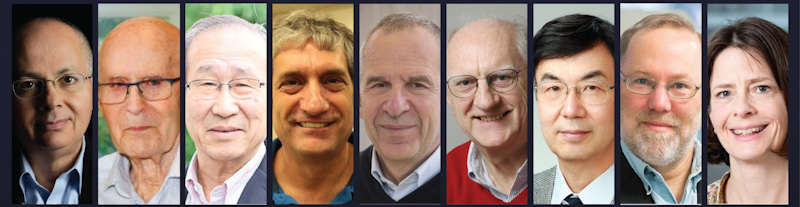
This year, Crown Princess Victoria sat between the two chemistry laureates Susumu Kitagawa and Omar M. Yaghi. Thomas Perlmann, Vice Chairman of the Nobel Foundation Board, had the Queen at the table, and the King had Nobel Foundation Chairwoman Astrid Söderbergh Widding as his lady-in-waiting.
One of the guests was former German Chancellor Angela Merkel.

As stipulated in the will of the Swedish-born inventor and international industrialist Alfred Nobel, which was opened after his death in 1896, the Nobel Prizes in physics, chemistry, physiology or medicine, and literature are awarded in Stockholm, Sweden, while the Nobel Peace Prize is awarded in Oslo, Norway. Since 1969, an additional prize has been awarded at the Stockholm ceremony: the Sveriges Riksbank Prize in Economic Sciences in Memory of Alfred Nobel, established in 1968 to mark the Riksbank’s 300th anniversary.
***********************************************
You may also like to read Controversial Nobel Peace Prize Winners
************************************************
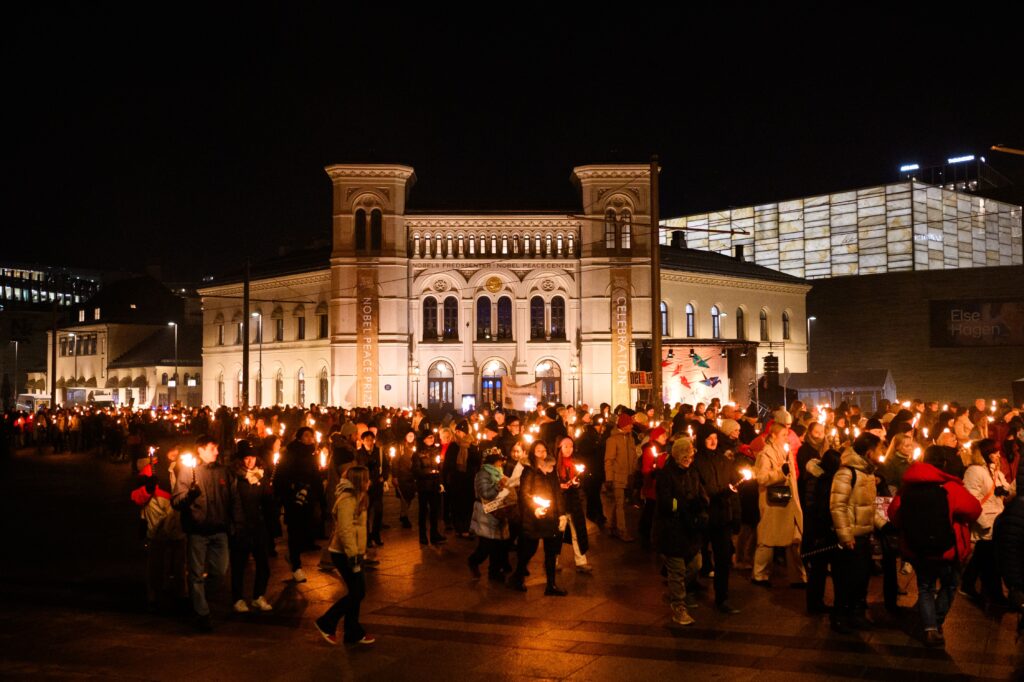
In Oslo, the Nobel Peace Prize is presented by the chairman of the Norwegian Nobel Committee in the presence of Their Majesties the King and Queen of Norway, the Government, Storting representatives, and an invited audience. Several hundred seats are reserved for individuals with special reasons for attending the ceremony. Later the same day, the Norwegian Nobel Committee hosts a banquet in honor of the laureate or laureates, with special guests. The Nobel Peace Prize 2025 was awarded to Maria Corina Machado “for her tireless work promoting democratic rights for the people of Venezuela and for her struggle to achieve a just and peaceful transition from dictatorship to democracy.” She arrived too late to attend the ceremony due to the complex logistics from Venezuela, but arrived the next day.

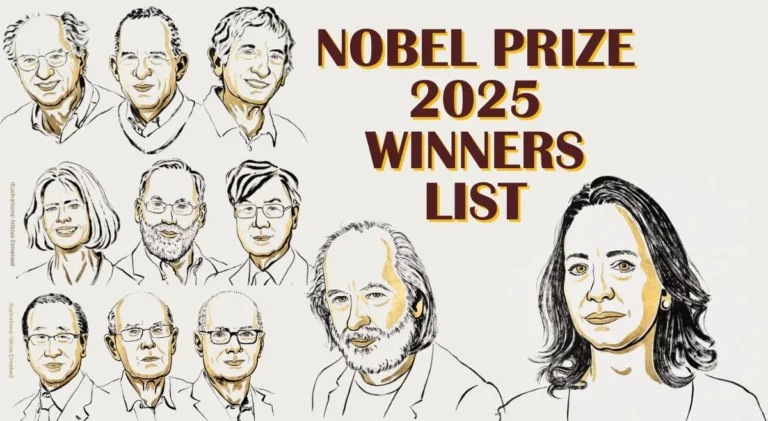
The 2025 Nobel Prize winners, announced in October 2025, include John Clarke, Michel H. Devoret, John M. Martinis (Physics); Susumu Kitagawa, Richard Robson, Omar M. Yaghi (Chemistry); Mary E. Brunkow, Fred Ramsdell, Shimon Sakaguchi (Physiology or Medicine); László Krasznahorkai (Literature); Maria Corina Machado (Peace); and Joel Mokyr, Philippe Aghion, Peter Howitt (Economic Sciences) for their significant contributions in their respective fields.
What Happened on 10 December, the Date That New Laureates Received Their Nobel Prizes? Tor Kjolberg reports.
A Guide for Adult Children Caring for Their Parents
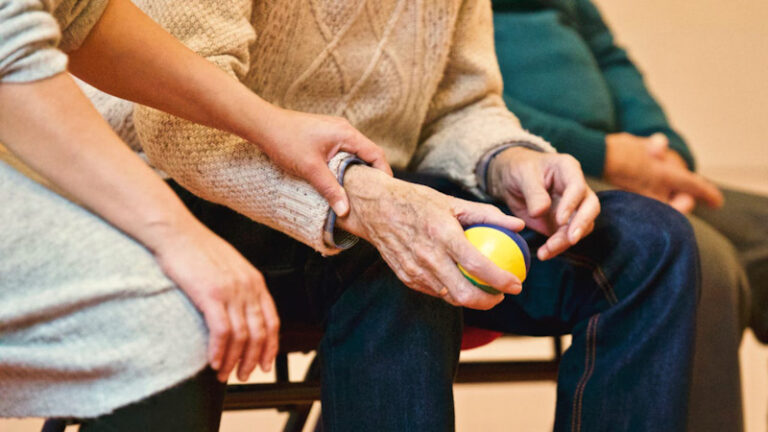
Caring for a parent as an adult child rarely starts all at once. It usually creeps in. A forgotten appointment here, a repeated story there. You help with groceries. Then paperwork. Here’s a guide for adult children caring for their parents.
Suddenly, you are the one quietly checking the calendar, the medication bottles, the way the house feels at night.
It can feel strange. Tender, even. Also heavy in ways you might not have expected. You are still their child, after all. But now you are also a steadying hand in the background, figuring things out as you go. This guide is not about doing it perfectly. It is about doing it mindfully, with some room to breathe.
Start With Conversations That Feel Human
Before checklists and schedules, start with conversations. Not the big dramatic sit down if you can avoid it. Smaller, gentler ones tend to land better.
Ask how they feel about specific changes. What worries them. What they want help with and what they would rather keep handling themselves. You may hear things you did not expect. You may listen to the same concern twice. That is okay.
These talks are less about solutions and more about trust. When trust is there, decisions later feel a little less sharp around the edges.

Respect Independence While Offering Support
One of the most complex balances is helping without taking over. Parents often fear losing their independence more than they fear aging itself.
Look for ways to support without rewriting their routines. Maybe it is organizing documents rather than handling every phone call. Perhaps it is setting up reminders instead of daily check-ins. Sometimes, safety tools like a Life Assure medical alert can quietly bridge that gap, offering reassurance without hovering. It helps to remember that dignity is part of care. So is patience. Both take practice.
Make Space for the Practical Stuff
At some point, practical matters need attention. Medical appointments, insurance paperwork, legal documents, household logistics. None of it is glamorous. All of it matters.
Try not to do everything in one push. Small chunks are more manageable and easier to revisit. Lists help. So do shared folders. So does admitting when you do not understand something yet. You are allowed to learn as you go.

Watch for Role Strain, Including Your Own
It is easy to focus entirely on your parent and miss how the role is affecting you. Caregiving can stretch quietly. One more task. One more call. One less evening to yourself.
Pay attention to your energy, your mood, even your patience. These are signals, not failures. When something feels heavier than usual, it usually is.
Building a small support circle matters. A sibling, a friend, even a professional who understands caregiving dynamics. You do not have to carry everything alone to be doing a good job.
Allow the Relationship to Change Without Losing It
The relationship will shift. That can feel uncomfortable. Sometimes it feels sad. Other times, it opens up moments of closeness you did not expect.
Try to preserve space for a connection that is not about care. Talk about everyday things. Watch something familiar together. Laugh when it shows up. Those moments matter more than they seem.
Caring for a parent is not a straight path. It loops. It pauses. It doubles back. You will do some things well and some things imperfectly. That is not a flaw in the process. That is the process. And showing up, even in the messy parts, is already doing something meaningful.
A Guide for Adult Children Caring for Their Parents, written for Daily Scandinavian by Jeremy Bowler. Jeremy is a full-time copywriter with 5 years of experience, specializing in business and finance. Jeremy graduated from the University of Chester with a 2:1 in business accounting and finance in 2005. He’s an avid traveler, has taught English in Nepal, Malaysia, and Japan, and has produced copy for Neil Patel, Entrepreneur, and Metro, among many other high-end publications.
Feature image (top) © Matthias Zomer/Pexels
Healthcare in Denmark

Denmark’s healthcare system is a high-quality, tax-funded, universal system providing free care to all residents, organized across national, regional, and municipal levels, with GPs acting as gatekeepers to specialist and hospital care. However, patients pay for certain services, such as dental care and certain medications. Read on and learn more about healthcare in Denmark.
At the national level, the state oversees the regulation and supervision of health and elderly care services.
The country’s five regions manage hospital care—including emergency services and psychiatry—as well as healthcare provided by general practitioners (GPs) and private specialists.
Your first point of contact is a General Practitioner (GP). They provide basic treatment, preventive care, and referrals to specialists or hospitals.
The regions operate public hospitals that provide specialist consultations, advanced diagnostics (E.g., X-rays), and complex treatments.
GPs act as gatekeepers, controlling access to most secondary care services and ensuring efficient resource use.

Danish government healthcare expenditures amount to approximately 10.4% of the GDP, of which around 84% is funded from regional and municipal taxation redistributed by the central government. Because necessary healthcare is taxpayer-funded, personal expenses are minimal and typically limited to copayments for certain services. Those expenses are usually covered by private health insurance.
Meanwhile, Denmark’s 98 municipalities are responsible for a range of primary health and social services, including elderly care, rehabilitation outside hospitals, home nursing, child dental and nursing services, and physiotherapy. Municipalities also co-finance regional rehabilitation services and training facilities.
*****************************************
Related: Nordic Healthcare: Why Scandinavians Are So Healthy?
*****************************************
Healthcare is mainly free of charge, but you pay for things like:
- Most prescription medicines (though subsidies exist).
- Dental care (for those over 21).
- Physiotherapy, psychology, and some other therapies.
Use of electronic health records is widespread, and efforts are underway to integrate these at the regional level.

For every 1,000 people in Denmark, there are about 3.4 doctors and 2.5 hospital beds. Hospital facilities account for 43% of total health care spending, above the OECD average, despite a considerable decrease in the number of beds. Child vaccination coverage is over 90%. Mortality from heart disease declined through 2015, while life expectancy increased.
**********************************************
Related: Comparing Nordic Healthcare Systems: Similarities and Differences
**********************************************
Performance of Danish healthcare
Life expectancy in Denmark
Denmark has made dramatic advances in reducing heart disease mortality, according to the Euro Health Consumer Index.
Life expectancy in Denmark has increased from 77.9 years in 2005 to 81.3 years in 2019. Danish women have a higher life expectancy (83.2 years in 2019) than Danish men (79.3 years in 2019).
For guidance on health insurance and access to services, the Danish Patient Safety Authority acts as a central resource. As part of the Ministry of Health, it offers general information about the healthcare system and helps patients navigate their options.
Each region also has a patient office, where advisers can provide guidance on available treatments. Both the Danish Patient Safety Authority and regional patient offices serve as National Contact Points for cross-border healthcare in Denmark.
 For International Residents
- You must register in the Civil Registration System (CPR) and get a health insurance card (yellow card) to access full benefits.
- EU/EEA:Your European Health Insurance Card (EHIC) covers necessary care for short stays.
Healthcare in Denmark, compiled by Tor Kjolberg.
Feature image (top): © University of Copenhagen.
Killing Time on Flights

A long flight might appear dull. By following proven methods, the flight may be more comfortable than you expect. Learn more about killing time on flights.
I routinely walk laps around the plane or do squat exercises in some of its more open areas. This helps break up the time and prevents soreness from prolonged sitting in the same position. You will feel much better by getting up and moving around during a long flight.
Congregating in the galley or restroom is usually discouraged on shorter flights, but flight crews are much more forgiving on longer international flights. If a crew member says you stand for too long in one of these areas, try going to the restroom to brush your teeth or splash some water on your face. You will usually be left alone if you are moving around and appear to be heading back to your seat or the bathroom. This can give you much more standing time without being bothered by flight attendants.

My journalist colleague Christian Borch has written a witty blog post about flying in contemporary times (in Norwegian only).
Many fellow travelers have asked me how I break up the time on a long flight. I am lucky that many international flights from OSL depart at 5 p.m. or later. This makes it easier to sleep at the normal time to kill a few of those monotonous flight hours. We all know that getting a good sleep on a plane is all but impossible. I consider it lucky to get four to five hours of sleep, even if it is not a deep sleep. The trade-off is that I will be tired enough to go to bed sooner, allowing my body to adjust to the new time zone as quickly as possible.

I split the rest of the time on a flight between music, movies, and books. Music is the big winner for me as it lets me enjoy my favorite entertainment even when flying. And sometimes I even get a nap while listening. But I usually read for an hour before sleep and listen to music after – if I can help it.
Since the entertainment is complimentary, I use the time to check out movies with no other intention than to pass the time.
Killing Time on Flights, written by Tor Kjolberg. Feature image (top) © OHLA Schools.