Add a Hat to Your Look in Colder Temperatures

0

Established in 2014 and based in Helsinki, Onar Studios is at the forefront of ecological leatherwork, driven by a strong commitment to innovation and sustainability. In colder temperatures, you should add a hat from Onar Studios to your look.

The company carefully selects the finest materials to guarantee the highest quality for all Onar Studios products. All leather is dyed in accordance with the Onar color palette and finished per company standards.

Add a Hat to Your Look in Colder Temperatures
Colder temperatures offer the perfect excuse to put on a hat

Colder temperatures offer the perfect excuse to put on a hat – it’s the oldest styling trick in the book and will also keep you warm. The brand celebrates the family’s craftsmanship tradition of founder Irene Kostas while embracing avant-garde design, bringing a fresh perspective to the fashion industry.

Leather is a natural material with minor grain and color variations. Due to the natural characteristics of leather and shearling, each item is unique. Finnish-Greek label Onar Studios makes the coziest shearling bucket and aviator-style hats.

****************************************
Related: The Classic Norwegian Sweater That Became a Fashion Hit

****************************************

Add a Hat to Your Look in Colder Temperatures
The hats feature 100% shearling and lamb nappa leather, sourced exclusively from food-industry by-products.

The hats feature 100% shearling and lamb nappa leather, sourced exclusively from food-industry by-products. This ethical approach not only minimizes waste but also aligns with the principles of a circular economy, ensuring that every piece contributes to sustainability.

The beauty of shearling is that rain, sleet, or snow will not harm the material. If your hat gets wet from rain or snow, shake off the excess water and leave it to dry. Toscana shearling might react to wetness by becoming curlier. Brush it after it has dried to restore the wool to its original form.

Add a Hat to Your Look in Colder Temperatures
Norwegian wool beanie from Holzweiler

If you prefer a more discreet look – and we don’t blame you – you can’t go wrong with a Norwegian wool beanie from Holzweiler made from soft Norwegian lambswool.

Add a Hat to Your Look in Colder Temperatures, written by Tor Kjolberg

Norwegian Multitalented Actress Began Her Career as a Red Blood Cell

Norwegian actress, model, television presenter, and author Jenny Skavland (b. 1986) started her career by appearing in a television commercial for pizza in 2007, after which the Norwegian multitalented actress began her acting career as a Red Blood Cell.

Skavlan made her acting debut at age eight as Alveole (a red blood cell) in Body Troopers, after which she appeared in several commercials. She has since appeared in such films as FatsoDead SnowBørning, and Tomme Tønner. In 2008, Skavlan participated as a celebrity dancer on Skal vi danse? on Norway’s TV2. In 2012, she wrote a book titled Sy om about her passion for sewing.

Norwegian Multitalented Actress Began Her Career as a Red Blood Cell
Jenny Skavland launching her book “Sy selv” in 2012. Photo: Wikipedia.

**********************************************
You might also like to read Norwegian Film Director Creates American Women’s History

**********************************************

Since then, Jenny Skavlan has worked as an actress and presenter in Norway and Sweden. She has always sewn and been interested in textiles, and in 2016, she helped launch the recycling app Tise in Norway. The app has almost 3 million users. In 2020, Jenny started Fæbrik together with three colleagues, where she now works full-time.

Norwegian Multitalented Actress Began Her Career as a Red Blood Cell
Jenny Skavland in a commercial for Vitus Apotek.

According to their website, “Fæbrik inspires many people to sew for themselves or to take part in the green clothing journey. Through a range of tools, Fæbrik helps consumers learn to sew, repair, or buy used items in a simple, accessible way. Our method is to use the carrot, not the whip, in our communication. Sustainability will become completely irresistible through Fæbrik’s social media channels”.

**********************************************
You might also like to read Swedish Actress – From Icelandic Viking to Mother Theresa

**********************************************

Norwegian Multitalented Actress Began Her Career as a Red Blood Cell
. In 2020, Jenny started Fæbrik together with three colleagues. Photo: Pullman Management.

“I have a weakness for older ladies who don’t change their wardrobe. Those who have a unique, high-quality wardrobe that stands the test of time, like Åse Kleveland! Fashion influencers who jump on short-term trends and always have new clothes are, I find, uninspiring,” she recently said in an interview with the magazine Costume.

Norwegian Multitalented Actress Began Her Career as a Red Blood Cell, written by Tor Kjolberg.
Feature image (top) © Pullman Management.


A Taste of the World in Oslo 2026

Norway’s most significant travel event takes place at NOVA Spektrum outside Oslo, 20 – 22 March. The exhibition is open to the public and professionals. Experience a taste of the world in Oslo 2026.

Under the slogan “A taste of the world”, TravelXpo will be elevated to a vibrant travel festival that combines inspiration, experiences, and trade. From 20 to 22 March 2026, NOVA Spektrum will be filled with destinations, culture, food, and experiences, allowing the public to taste, see, and hear a bit of the world while planning their next trip or experience.

A Taste of the World in Oslo 2026
From 20 to 22 March 2026, NOVA Spektrum will be filled with destinations, allowing the public to taste, see, and hear a bit of the world while planning their next trip or experience.

In a press release, TravelXpo says it aims to strengthen its position and regain ground. Through a strong advisory board, key players are coming together to help shape a solid professional program and mobilize the entire industry to unite behind TravelXpo – both in 2026 and in the years to come.

*******************************************************
You might also like to read Does Your Travel Website Attract the Right Visitors?

*******************************************************

A Taste of the World in Oslo 2026
The latest travel industry topics will be on the agenda.

Before the doors open to the public part of TravelXpo, the day at NOVA Spektrum begins with a current travel industry conference on Friday, March 20. Here, the latest travel industry topics will be on the agenda. The trade day starts with an informal sofa chat with the radar couple, Ronny Brede Aase and Tuva Fellmann, who recently opened a hotel in Greece and produced a TV series about the project for NRK.

*********************************************************
You might also like to read Tourist Board of Northern Norway Adopts Sustainable Marketing Guidelines to Promote Responsible Tourism

**********************************************************

A Taste of the World in Oslo 2026
Under the slogan “A taste of the world”, TravelXpo will be elevated to a vibrant travel festival that combines inspiration, experiences, and trade.

Meanwhile, the travel company Antor will hold its annual press meeting at a separate location within NOVA Spectrum.  The press meeting is a forum for the travel industry and the media, designed to enhance the visibility of member countries and inspire new travel experiences. The event is coordinated with TravelXpo to ensure broad press attention and allow participants to share news, presentations, and ideas in a professional forum.

A Taste of the World in Oslo 2026, Tor Kjolberg reporting
All images © TravelExpo

Norwegian Settlers Memorial in the US

0

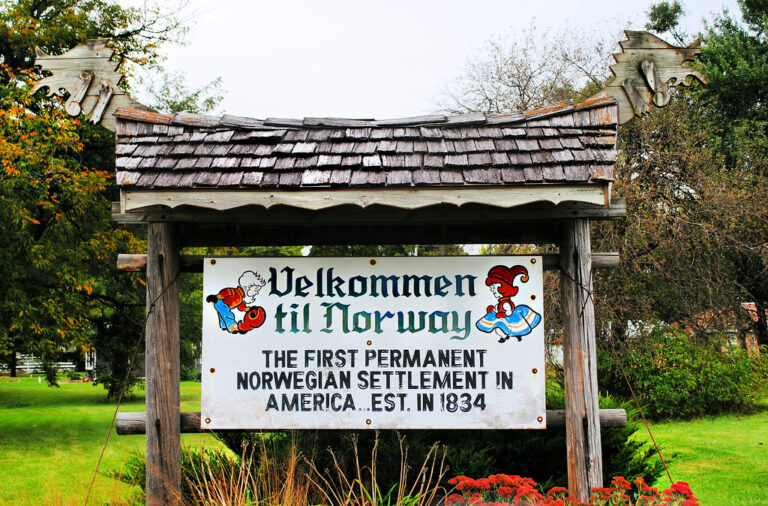
The first permanent Norwegian settlement in America is located on the farmland outside Chicago. Today, there are 25,000 descendants of those who left 200 years ago. Read on and learn more about the Norwegian Settlers Memorial in the US.

Norway, Illinois, is the first permanent Norwegian settlement in North America, settled in 1835 by the Sloopers, led by Cleng Peerson. The Sloopers were immigrants who arrived in America aboard the sloop Restaurasjonen in 1825 and later settled in Illinois.

In 2025, it was the 200th anniversary of the start of organized Norwegian emigration to America. In that narrative, the village of Norway on the toad flat prairie outside Chicago is significant. This is where Norwegian America truly began: Norway was the first permanent Norwegian settlement in the United States.

Norwegian Settlers Memorial in the US
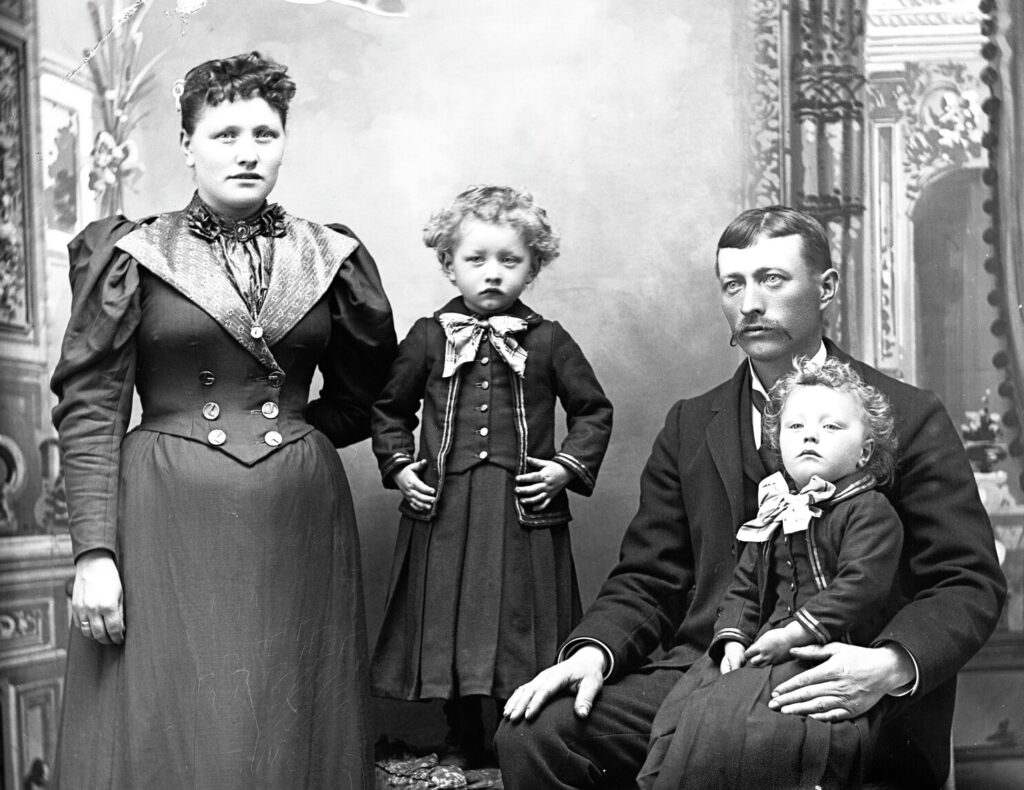
Norwegian immigrants moved into the former lands of the Potawatomi tribe.

Norway is an unincorporated community in Mission Township, LaSalle County, Illinois, located along the Fox River, known as the Fox River Settlement. The settlers had, in large part, relocated from the Kendall Settlement in New York State.

The Norsk Museum was established in 1978 in the oldest Norwegian Lutheran Church in America. The museum is dedicated to Norwegian culture and strives to honor and preserve the memory of the Norwegian forefathers who settled in the area. The museum continues to provide a link to the past and to preserve it for the future. The museum features household items, spinning wheels, rosemaling, bunads, a Viking display, immigrants’ trunks, early farm tools, and much more.

Norwegian Settlers Memorial in the US
The Norsk Museum was established in 1978 in the oldest Norwegian Lutheran Church in America.

The building is an excellent example of carpentry by pioneer Norwegian craftsmen. All the structural beams in the attic were hand-hewn from soft pine and fastened with wooden (hardwood) pegs rather than nails. The ends of some of the attic beams still bear various craftsmen’s symbols stamped into the wood. Building materials were hauled 70 miles from Chicago to Norway (IL) by wagon and oxen. It was dedicated as a house of worship in 1848, replacing a log cabin church built in 1838, and was decommissioned as a church in 1918.

Norwegian Settlers Memorial in the US
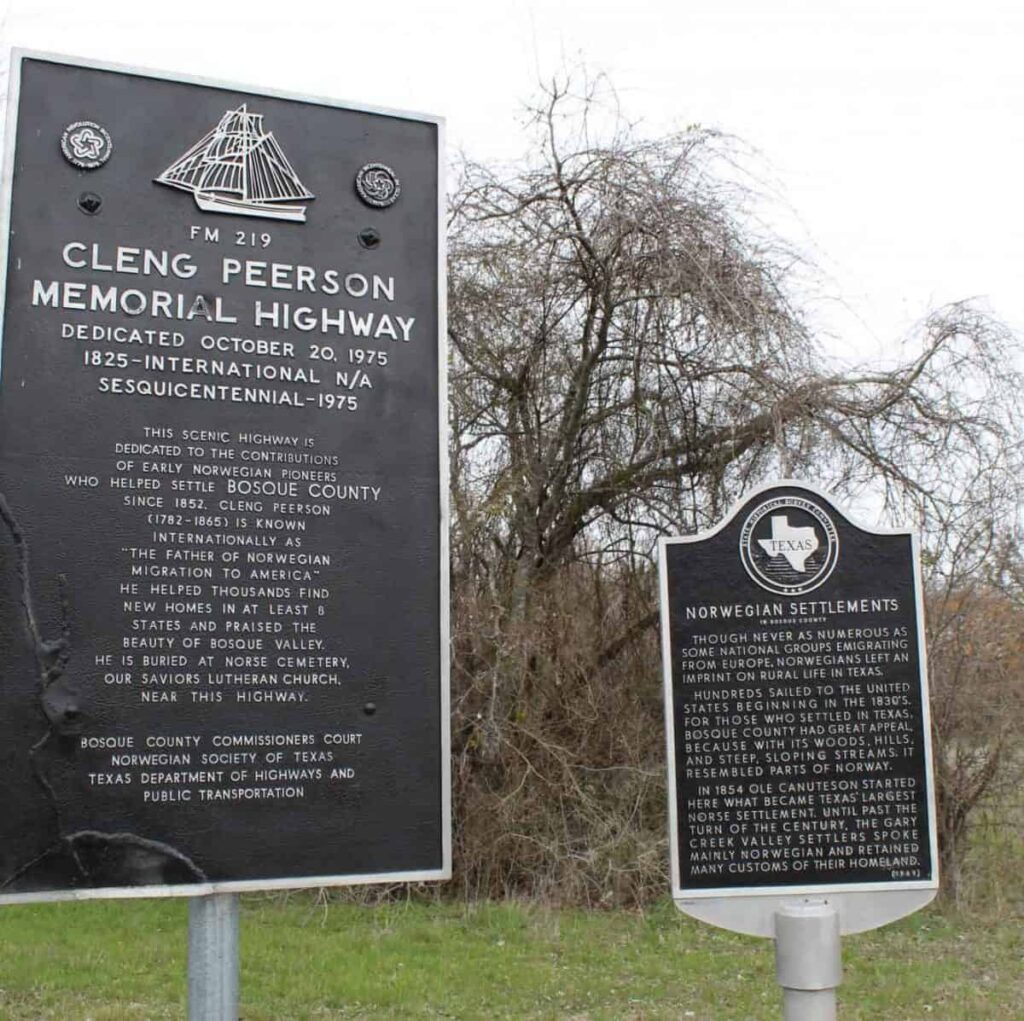
The Cleng Peerson Memorial Highway runs through downtown Norway.

The Cleng Peerson Memorial Highway runs through downtown Norway. The emigrant leader Peerson from Tysvær in Rogaland is central to the history of this place. He found his way to what became Norway and brought Norwegian emigrants here.

He came here as the first Norwegian in 1833, on foot. Perhaps a Norwegian had never been this far west in America before. Peerson had heard that an area on the prairie here would soon be put up for sale. He stopped in Chicago and found a swamp, camps inhabited by indigenous people, and a fort. Chicago was not yet a city at that time.

The Norwegian emigrants dreamed of vast, fertile American soil. Here they found it. Along the Fox River, there were to be many Norwegian farms.

The Cleng Peerson Memorial Highway runs through downtown Norway.
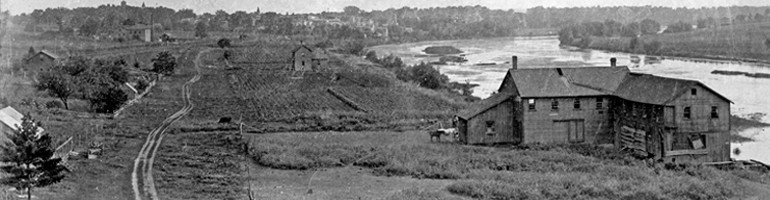
Mills Troy, 1901.

Norwegian immigrants moved into the former lands of the Potawatomi tribe, writes Sverre Mørkhagen in the book “Drømmen om Amerika,” but colonization had already displaced the indigenous people.

Norway does not have local government, fire districts, school districts, local police, or postal services. The nearby community of Sheridan provides most local government services. Postal addresses are designated as either being in Sheridan or Serena, both of which are no more than six miles away.

Norwegian Settlers Memorial in the US, Tor Kjolberg reporting

Nordic Vacuum-Packed Glass Windows Keep the Cold Outside and the Heat Inside

Windows can be a bane or a boon when it comes to an evening spent indoors. But Nordic vacuum-packed glass windows keep the cold outside and the heat inside.

Scandinavian window insulation focuses on high-performance timber frames, often aluminum-clad (aluclad) for durability, with advanced double- or triple-glazing (often argon-filled) for superior thermal performance. At the same time, traditional methods use separate inner panes creating an insulating air gap, all designed for extreme cold and high energy efficiency, prioritizing heat retention and minimizing drafts in Nordic climates.

Thanks to the high-vacuum chamber of such windows, which effectively blocks thermal conduction, its thermal insulation performance is 2-4 times better than that of insulated glass and 6-10 times better than that of single-pane glass. The properties of these products meet all international thermal transmittance requirements for windows and doors in passive houses.

Nordic Vacuum-Packed Glass Window Keeps the Cold Outside and the Heat Inside, the article continues below the image.

Nordic Vacuum-Packed Glass Window Keeps the Cold Outside and the Heat Inside
Standard in Nordic homes today is triple glazing.

******************************************
Related: Living in Scandinavian Glass Houses
******************************************

When visiting British and American homes in winter, often with only single-glazed windows, I have experienced how the cold seeps in and quietly ruins the mood.

Standard in Nordic homes today is triple glazing, using three panes with argon as the insulating gas, achieving exceptionally low U-values (as low as 0.5 W/m²K).

Nordic Vacuum-Packed Glass Window Keeps the Cold Outside and the Heat Inside, the article continues below the image.

Nordic Vacuum-Packed Glass Window Keeps the Cold Outside and the Heat Inside
Another advantage of triple-glazing is sound reduction.

******************************************
Related: Building Challenges on Greenland
******************************************

Another advantage is sound reduction. The best windows make downtown rooms quiet like a library. They effectively block sound transmission; their sound-insulation performance is significantly better than that of insulated glass. It has remarkable acoustic properties against high-penetration media and low-frequency noise, such as traffic and construction.

Nordic Vacuum-Packed Glass Window Keeps the Cold Outside and the Heat Inside
There are several Scvandinavian producers of triple-glass window panes.

If you’re searching for something able to withstand a Nordic gale, the Danes and the Norwegians do it best: from Horsens-based Velfac to Viborg’s Unik Funkis and Norway’s Magnor Vinduet.

Nordic Vacuum-Packed Glass Windows Keep the Cold Outside and the Heat Inside, Tor Kjolberg reporting.

Why has Iceland been ranked No. 1 in the World Economic Forum’s Global Gender Gap Index?

For 16 consecutive years, Iceland has been ranked first in the World Economic Forum’s Global Gender Gap Index. Read on and find out if the Hjalli model might be the answer.

The Global Gender Gap Index annually benchmarks the current state and evolution of gender parity across four key dimensions (subindexes): Economic Participation and Opportunity, Educational Attainment, Health and Survival, and Political Empowerment. Since its launch in 2006, it has been the longest-standing index tracking the progress of numerous countries’ efforts to close these gaps.

Why has Iceland been ranked No. 1 in the World Economic Forum’s Global Gender Gap Index?
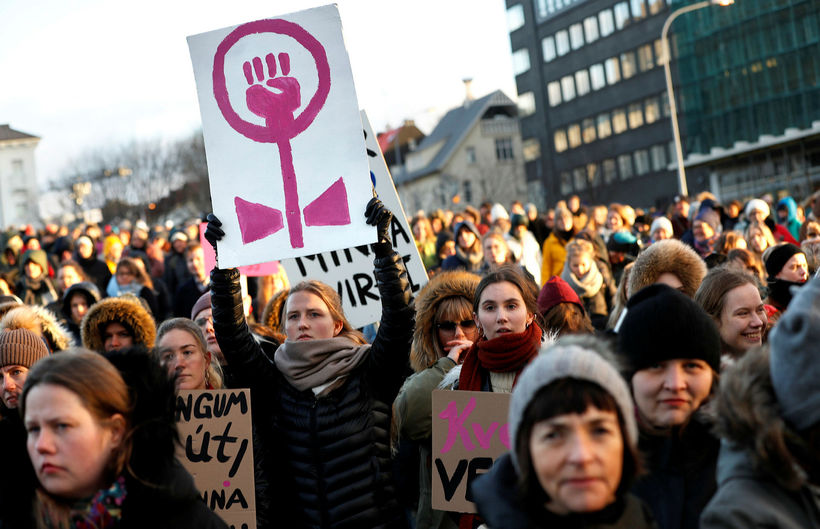
Key factors for Iceland’s top ranking have been early suffrage and political power.

Iceland has for many years had a commitment to and significant progress in closing gaps in Economic Participation, Education, Health, and Political Empowerment, featuring high female representation, mandatory parental leave, and cultural emphasis on equality, making it a leader for over a decade by ensuring women’s access and influence in all societal aspects.

Iceland currently has a female president, prime minister, head bishop, and chief of police. But it is also the birthplace of the Hjalli model.

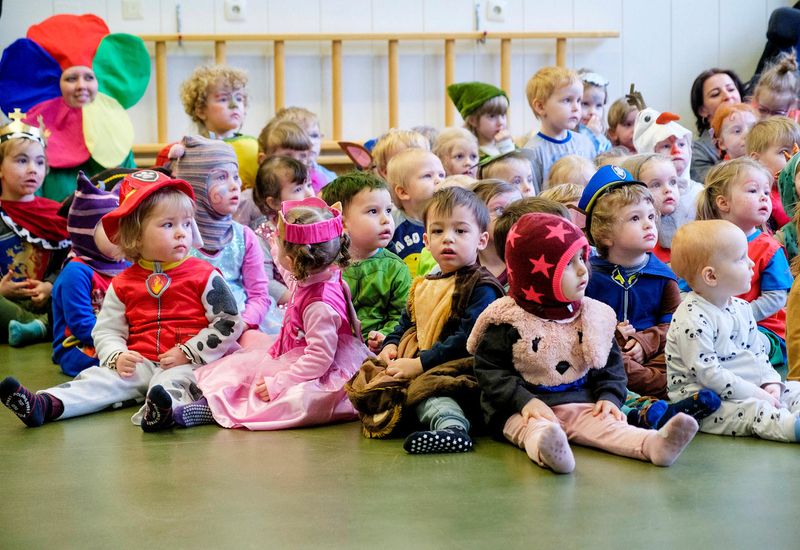
The education system was founded by Margrét Pála Ólafsdóttir in 1989 to promote gender equality, with children taught in small, single-sex groups for most of the day, alongside mixed-gender activities. It aims to break down gender stereotypes by providing focused attention and training in traditionally “opposite” gender traits (e.g., boys in nurturing, girls in assertiveness) through a “compensatory” curriculum, thereby fostering independence, empathy, and resilience in all children, using neutral environments and unisex gear.

Why has Iceland been ranked No. 1 in the World Economic Forum’s Global Gender Gap Index?
The education system was founded by Margrét Pála Ólafsdóttir in 1989.

In this edition of the Global Gender Gap Index, all 10 top-ranked economies have closed at least 80% of their gender gaps, the only economies to do so. European economies dominate the top 10, occupying eight of the spots. Among them, Iceland (92.6%, 1st), Finland (87.9%, 2nd), Norway (86.3%, 3rd), and Sweden (81.7%, 6th) have consistently ranked in the top 10 in every edition since 2006. Compared to the 2024 edition, the United Kingdom (83.8%, 4th) and the Republic of Moldova (81.3%, 7th) moved up in the rankings from last year to join the top 10. Germany (80.3%, 9th) and Ireland (80.1%, 10th) are also among the top 10 this year, marking their 7th and 18th appearances, respectively. New Zealand (82.7%, 5th) and Namibia (81.1%, 8th) have held the two remaining spots in the top 10 since 2021.

Key factors for Iceland’s top ranking have been early suffrage and political power. Iceland granted women the right to vote early (national suffrage in 1915) and has experienced significant female political participation, including the election of a female President and Prime Minister, fostering an environment in which women hold influential roles.

Why has Iceland been ranked No. 1 in the World Economic Forum’s Global Gender Gap Index?
Iceland granted women the right to vote early (national suffrage in 1915) and has experienced significant female political participation.

Economic equality has also played an important role. High female labor force participation, equal pay legislation, and policies that promote women in leadership roles contribute to strong scores on the economic opportunity dimension.

In addition, Iceland’s mandatory, shared parental leave has ensured that fathers take time off, promoting work-life balance and shared caregiving responsibilities, a key factor in workplace equality.

Beyond specific laws, Iceland has a deep-rooted culture and a systematic approach to addressing inequality, viewing gender equality as essential to national prosperity and growth, a sentiment reinforced by early legislation, such as equal inheritance rights in 1850.

Last but not least, Hjalli (“rock” in Icelandic) is based on the theory that children are stunted by being taught in mixed classrooms because social pressures lead them to gravitate toward behavior commonly coded as male or female.

Why has Iceland been ranked No. 1 in the World Economic Forum’s Global Gender Gap Index?
Today, it is estimated that almost 10 per cent of nursery-aged Icelandic children are taught under these principles in 18 preschools and primary schools.

*************************************************
Related: Examining the Gender Pay Gap in Scandinavian Countries

*************************************************

The Icelandic Hjalli Model (Hjallastefnan) is a progressive early education system founded on the following core principles:

  • Children spend most of their day in same-sex groups to minimize traditional gender roles and allow for focused development without social pressure.
  • A curriculum designed to explicitly teach qualities often discouraged by gender stereotypes (e.g., empathy for boys, assertiveness for girls).
  • Classrooms use neutral colors and designs, and toys/uniforms are unisex to avoid gender cues.
  • Cooperative activities are integrated to teach mutual respect, collaboration, and democratic values.
  • Focuses on emotional intelligence, self-regulation, resilience, kindness, and independence for all children.

*****************************************************
Related: Norwegian New York-Based Author, Feminist and Philosopher About Art and Gender

*****************************************************

Today, it is estimated that almost 10 per cent of nursery-aged Icelandic children are taught under these principles in 18 preschools and primary schools.
Children engage in specific courses (e.g., communication, friendship, courage) that rotate, reinforcing all human qualities.) Educators provide equal attention and opportunities, addressing individual needs within a gender-aware framework.

These schools encourage girls to take more risks and to speak confidently and directly. In contrast, boys are taught tenderness and a connection to their caring sides, for example, by giving each other gentle massages.

Why has Iceland been ranked No. 1 in the World Economic Forum’s Global Gender Gap Index?
Icelandremains the only economy to have closed more than 90% of its gender gap since 2022.

Iceland has pioneered efforts to require companies to report their gender pay gaps and to impose quotas for female representation on company boards.

The 2025 Global Gender Gap Index shows that no economy has yet achieved full gender parity. Iceland (92.6%) continues to lead the Global Gender Gap Index, holding the top position for 16 consecutive years, and remains the only economy to have closed more than 90% of its gender gap since 2022.

Why has Iceland been ranked No. 1 in the World Economic Forum’s Global Gender Gap Index? Tor Kjolberg reporting.

Experience the Real Arctic

Be a passenger on board the distinguished Sampo icebreaker and experience the real Arctic.

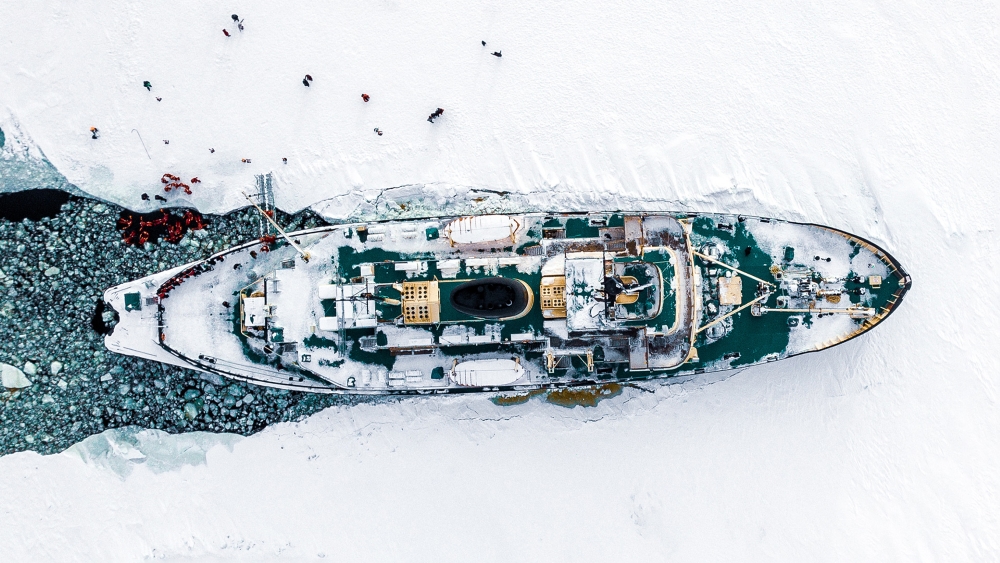
The icebreaker Sampo has a long and distinguished service record. The massive vessel, completed in 1961, was built to operate in extreme Arctic conditions. In the northern part of the Gulf of Bothnia, it has kept shipping lanes open for over 35 years.

Sampo cruises on the frozen sea in Kemi during the winter season.  Icebreaker Sampo Cruise includes a 4-hour icebreaker cruise, ice floating experience, walking on ice, guided tour around the vessel, diploma, welcome drink, lunch or brunch buffet on board, and entrance to the SnowExperience365 exhibition room.

Experience the Real Arctic
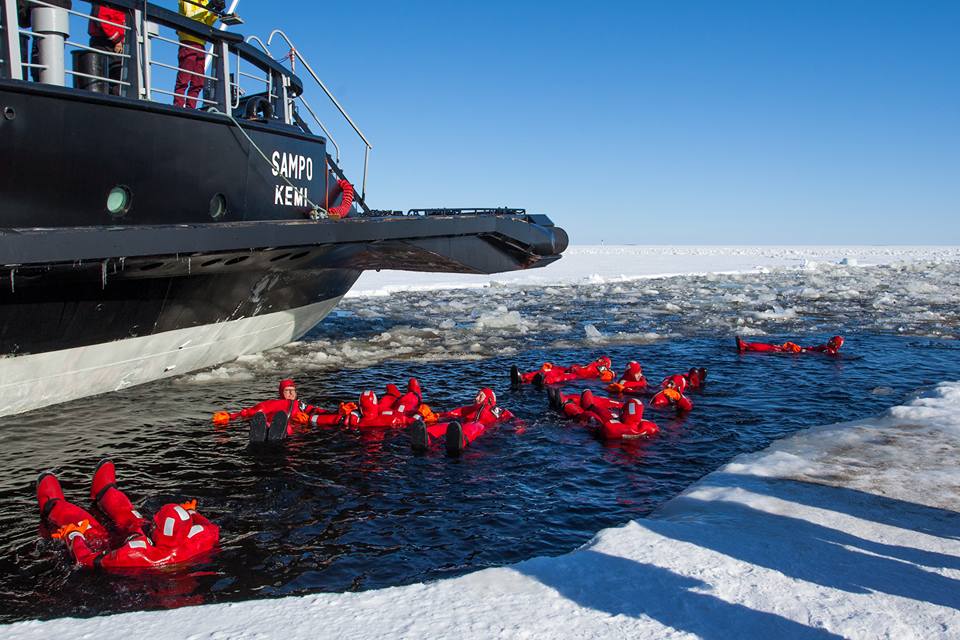
Here are guests floating in icy waters wearing a warm, protective survival suit.

Kemi, the northernmost seaside town in Finnish Lapland, offers compelling opportunities to experience the real Arctic. Kemi is one of Finland’s most popular winter destinations and is full of little miracles waiting to be discovered.

The town of Kemi purchased Sampo from the National Board of Navigation in 1987.
By making a purchase decision, Sampo received the Finnish Tourist Board’s Best Tourism Product award the same year.

************************************************
You may also like to read The Finnish UFO Houses
************************************************

Experience the Real Arctic
The massive vessel, completed in 1961, was built to operate in extreme Arctic conditions.

You can choose between a 2- or 3-hour cruise and feel the true power of the Icebreaker as it crushes through the frozen sea. Explore its fascinating decks with the interactive tour app, walk on the frozen sea, and float in icy waters wearing a warm, protective survival suit.

Sampo has provided exotic experiences to over 250,000 passengers from all over the world. During the cruise, passengers gain a clear understanding of how the icebreaker is built and how it operates, from the engine room to the bridge. You can brave the weather and watch the crashing of the ice from the deck of the ship, or stay warm and cozy inside the comfortable interior.

Sampo can take 150 passengers at a time. Yearly, Sampo carries about 10,000 tourists on cruises, and in total, passengers have come from over 50 countries. After your adventure, relax in the cozy saloon with a cup of hot juice and take home your official Cruise & Swim Certificate – a perfect keepsake from an unforgettable Arctic experience.

Experience the Real Arctic, Tor Kjolberg reporting.

Happy New Year!

We are entering a new year full of promise, and now we’re reflecting on all that Daily Scandinavian has achieved over the past 12 months.

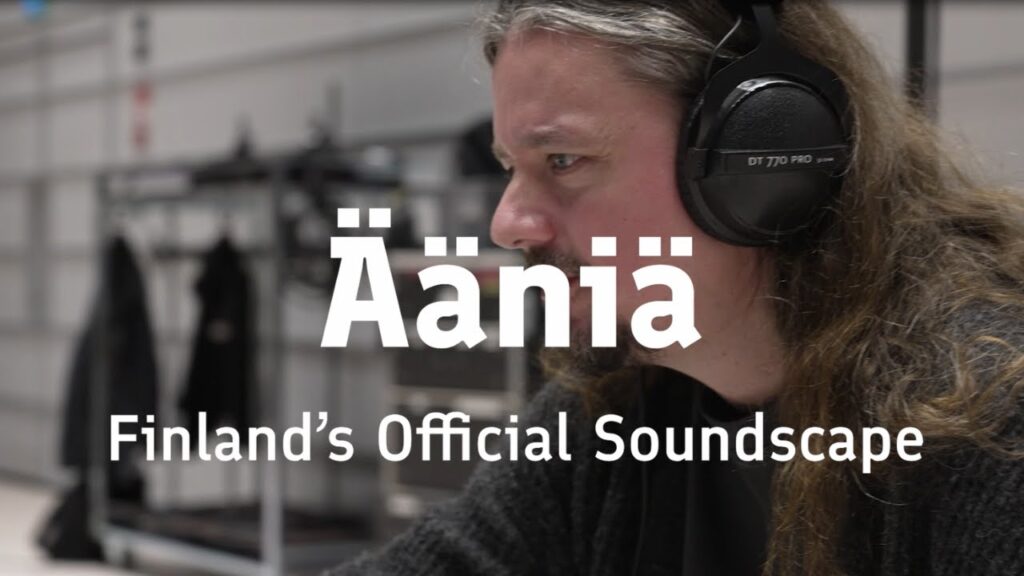
In 2025, we expanded our editorial coverage to Finland and Iceland. Although these countries are not part of Scandinavia, they are part of the Nordic region. Many people, even Scandinavians, consider Finland and Iceland as part of Scandinavia. One of our first takes on Finland was The Sound of Finland.

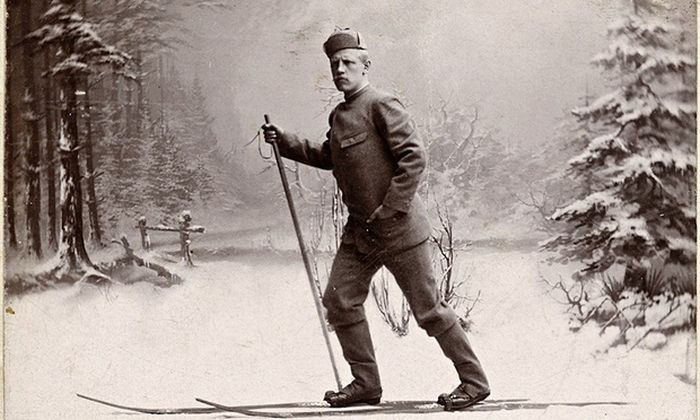
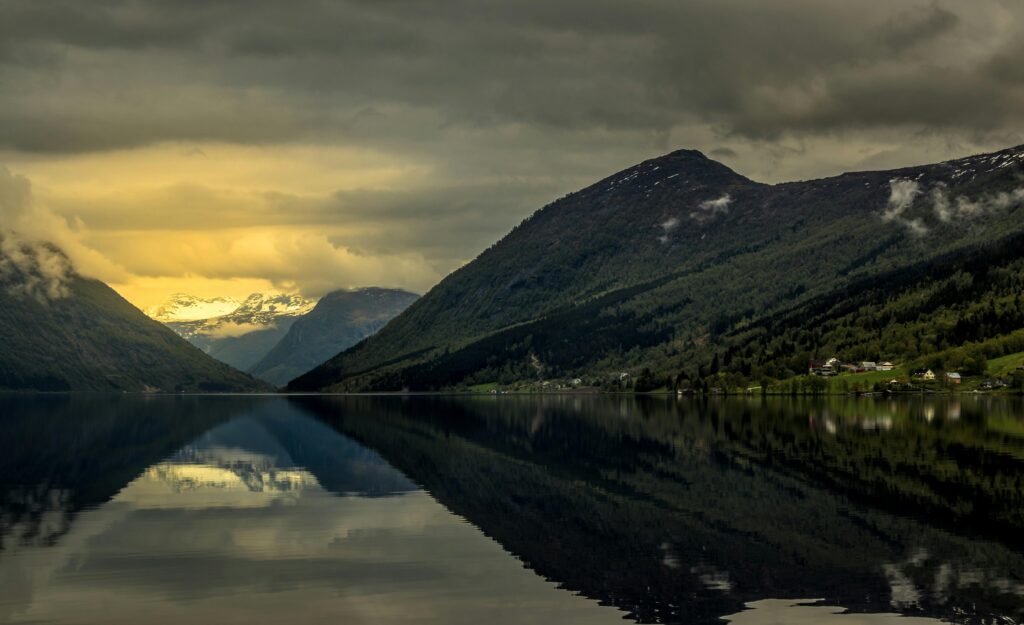
Happy New Year!Sharing Scandinavian history is a part of our mission. Skiing in Norway is intertwined with the country’s rich historical heritage and traditions for good and obvious reasons. Norway is known for its magnificent white landscapes; the fjords and mountains are spread across this long, narrow country, making skiing and snowboarding on snow and ice very accessible. In February, we published the Modern History of Skiing in Norway.

Happy New Year!When we launched Daily Scandinavian in 2013, our focus was on exploring Scandinavia. Over the years, we have gradually expanded our focus beyond Scandinavia, recognizing that our Scandinavian readers are also nomads interested in more distant destinations. Our new slogan is Daily Scandinavian – Exploring Scandinavia – Scandinavian Explorers.

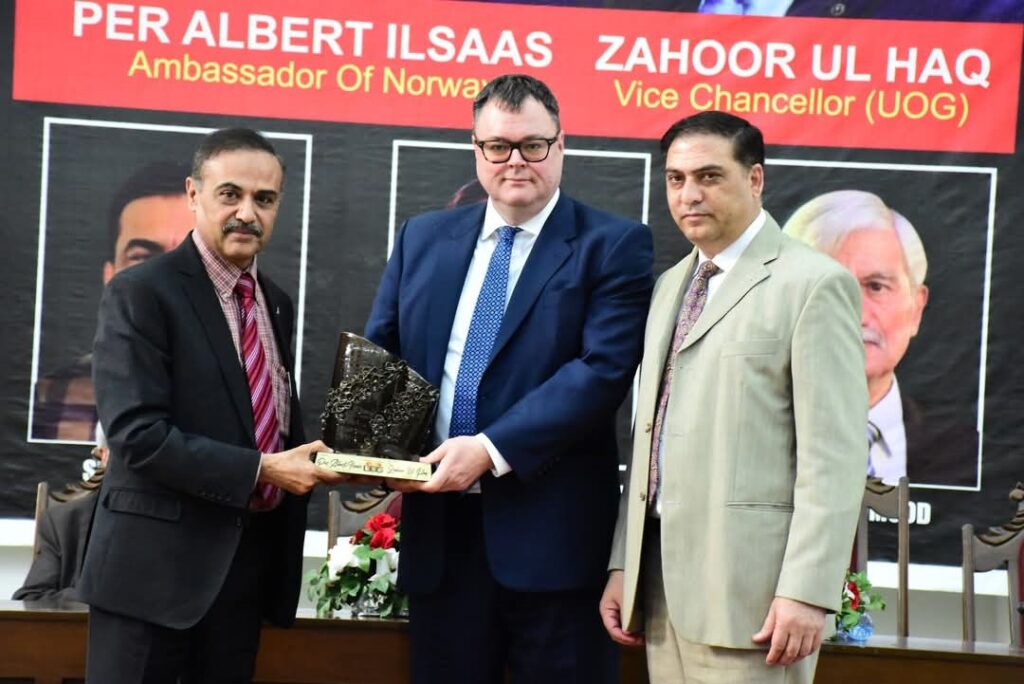
Midway between the major cities of Islamabad and Lahore was the bus stop from which many Pakistanis traveled to Europe. The journey usually took them via Afghanistan, Iran, and Turkey. It is now named Oslo Chowk and was inaugurated in Pakistan in February this year.

Happy New Year!We regularly publish articles on Nordic culture, including movies, books, music, and more. The Black Swan was the second most-watched program on Danish TV2. Almost 2.5 million Danes (out of a population of 6 million) watched the documentary series.

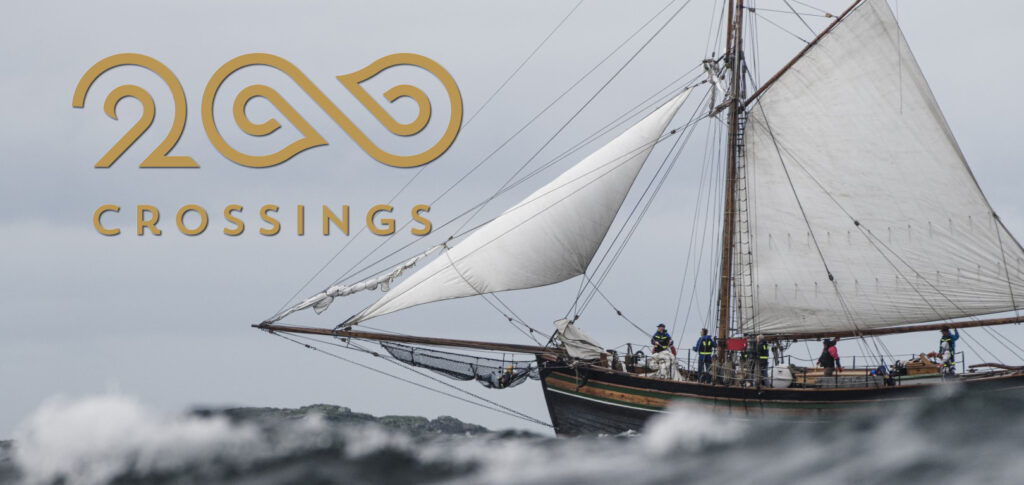
The ship Restauration set sail for the United States from Stavanger, Norway, on July 4, 1825, with 52 Norwegians aboard. “Crossings 200” commemorated 200 years of Norwegian migration to the United States.

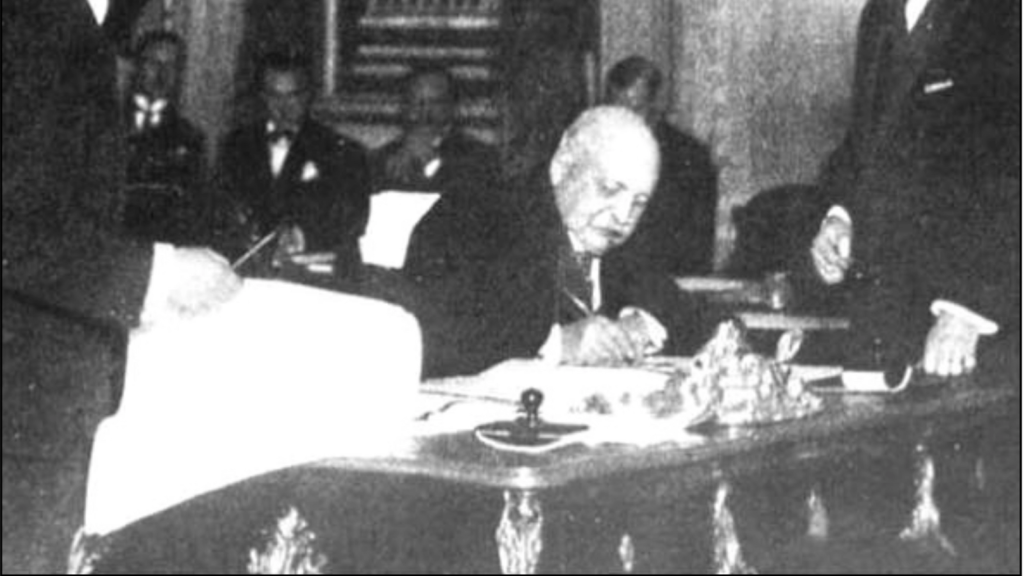
Happy New Year!In 2025, the Svalbard archipelago, governed by Norway under the Svalbard Treaty of 1920, once again became a focal point of geopolitical tension and international conflicts.

Happy New Year!No doubt, this year’s news has been dominated by international conflicts and international finance. This has influenced our editorial eyes as well. Norway, which previously took delivery of 28 K9s and 14 KIO ammunition resupply vehicles to keep its barrels fed with 155mm shells, is buying 24 new K9s. This is a repeat purchase of self-propelled howitzers for Norway.

Happy New Year!From time to time, not very often, we cover sporting events or sporting profiles. Drama in Greece is a year-round paradise for paragliders. For many, the word “drama” is synonymous with conflict or TV series, but in Greece, it is also the name of a city full of surprises. Drama is a medium-sized town in Northern Greece, surrounded by hills and farmland with the Falakro mountain range as a backdrop. Drama is worth a visit!

Happy New Year!Food is a widespread issue, also for Daily Scandinavian readers. The clipfish casserole with tomato, called Bacalao, is a favorite in Northern Norway. However, Portuguese chefs have long been skilled in crafting a delicacy from Norwegian salted cod.

Happy New Year!Writing about fine dining, food, and drink go hand in hand. It seemed like an eccentric choice when members of the Carlsson family planted an organic vineyard in rural Sweden. Read their story.

Happy New Year!Making portraits is one of my favorites. Last month, I wrote a profile on the Norwegian singer Nils Bech. Known for his remarkable voice and critically acclaimed performances in full artistic expression, artist Nils Bech is a one-of-a-kind artist. This star shines just as brightly in a sweaty club as on theater and festival stages, both in and outside Norway. But the Norwegian singer is also full of shame, anger, and jealousy.

Happy New Year!We have highlighted some of our content in 2025. One of our latest profiles was Danish-American actor Viggo Mortensen. In 2011, he used part of his film earnings to start his own publishing house and a blog. Like the Austrian neurologist he portrayed in the film “A Dangerous Method,” Mortensen is interested in what motivates people. The blog serves as therapy for the Danish actor.

Happy New Year!So I hope you enjoy our stories, and thank you for all your support, ideas, and feedback across this year. If you would like to contact me, my email address is editor@dailyscandinavian.com. Here’s wishing you the very best 2026.

Nordic Travelers Abroad: Why International Travel Insurance is More Important Than Ever

Nordic people are the world’s most frequent travelers, traveling far beyond Europe for work, study, and leisure. Nordic travelers abroad should read on and explore why international travel insurance is more important than ever.

Even miles away, unfamiliar systems and changing local travel risks can quickly escalate minor issues into costly setbacks.

This article explains why modern, comprehensive international travel insurance is now a necessity for Nordic travelers and how to select a policy that truly covers long-haul trips.

Why Nordic Travelers Face Specific Risks When Abroad

Long distances, climate contrasts, and activity choices create a distinct risk profile for Nordic travelers. Journeys to Asia, North America, or Africa typically involve multiple flights, transit hubs, and non-EU healthcare systems, each introducing points of failure or cost.

**************************************************
Related: The European Health Insurance Card – the most important thing you forgot to pack

**************************************************

Nordic Travelers Abroad: Why International Travel Insurance is More Important Than EverKey risk drivers include:

  • Medical fees are more prevalent outside the EU or EEA regions, where treatment can be more expensive, and billing methods vary.
  • Itinerary complexity with tight connections, different carriers, and varied baggage handling, raising the chance of delays and losses.
  • Trip styles that may require specialist cover, such as winter sports, hiking, or active city itineraries that mix public transport, ride-hailing, and day tours.
  • Seasonal travel surges around school holidays that increase crowding, queue times, and rebooking issues.

For readers comparing cover types across regions, considerations similar to those used for Singapore travel insurance can be instructive, particularly when assessing medical limits, the quality of emergency assistance, and exclusions for high-risk activities.

Nordic Travelers Abroad: Why International Travel Insurance is More Important Than EverWhy International Travel is More Uncertain Than Before

The global travel environment has become more unpredictable. Nordic travelers now contend with:

  • Flight disruption patterns that cause missed connections and rerouting, sometimes with limited same-day alternatives on long-haul corridors.
  • Luggage pressure on international legs, with higher probabilities of delay or mishandling when transiting through large hubs.
  • Health system variability outside Europe, including upfront deposits, limited cashless facilities, and differences in clinical protocols.
  • Weather events that close airports or restrict movement, and operational challenges that lead to rolling schedule changes.
  • Local regulations that may shift with minimal notice, affecting entry rules, documentation, or permissible activities.

Insurance can’t remove uncertainty, but it can convert sudden costs into manageable, pre-defined responses supported by 24-hour assistance.

***********************************************
You may also like to read Stories Of Funny Damage Claims From a Norwegian Insurance Company

***********************************************

Nordic Travelers Abroad: Why International Travel Insurance is More Important Than EverWhat International Travel Insurance Actually Does for Nordic Travellers

A well-chosen policy provides structured financial protection and practical support across the most common overseas pain points. Functional benefits often include:

  • Emergency medical treatment abroad

Cover for consultations, hospital stays, surgery, and prescribed medicines outside the Nordic region and the EU or EEA.

  • Trip cancellation and interruption

Reimbursement for prepaid flights, accommodations, and activities when covered events prevent departure or shorten a trip.

  • Baggage protection

Compensation for lost, stolen, or delayed luggage, including essentials during delay, and replacement for non-recoverable items.

  • Personal liability abroad

Protection against eligible third-party claims arising from accidental damage or injury.

  • 24/7 multilingual assistance

Real-time help with hospital admission, guarantees of payment where available, and guidance on documentation for claims.

  • Optional activity and rental add-ons

Extensions for winter sports, adventure activities, or hired-vehicle excess, where relevant to the itinerary.

Nordic Travelers Abroad: Why International Travel Insurance is More Important Than EverHow Nordic Travellers Can Choose the Right International Travel Insurance

Selecting a suitable cover is easier when you review the options methodically before booking complex routes or activities. Focus on the following:

  • Medical limit and scope

Choose a high medical limit that includes hospitalization, outpatient care, emergency dental, evacuation, and repatriation. Confirm whether pre-existing conditions require disclosure or optional upgrades.

  • Geography and duration

Ensure the policy explicitly lists every country to be visited, including any short transit stops. Check the maximum single-trip length and any caps for multiple trips in a year.

  • Activity cover

Verify that planned activities are included. Look for precise wording on winter sports, trekking altitude thresholds, water sports, cycle hire and any equipment use.

  • Cancellation, curtailment, and delays

Match cancellation limits to the total prepaid value. Review covered reasons, proof requirements, delay thresholds, and daily allowances.

  • Baggage and valuables

Note single-item limits, proof-of-ownership requirements, and exclusions for unattended items. Consider separate protection for high-value electronics.

  • Assistance quality

Look for 24-hour helplines, multilingual support, and, where possible, the ability to issue payment guarantees to hospitals.

  • Excesses and documentation

Understand the policy excess on each claim type. Keep boarding passes, medical reports, police acknowledgements, and purchase receipts to support any claim.

  • Existing cover checks

Some bank cards or home policies include limited travel benefits. Audit these for gaps in medical limits, evacuation, activity cover, and trip duration, then supplement if needed.

Nordic Travellers Abroad: Why International Travel Insurance is More Important Than Ever – Conclusion

Nordic citizens can still travel outside Europe, but rising financial and logistical challenges are making international travel more difficult. International travel insurance is the most cost-effective way to protect against medical expenses and loss of belongings. Changes in travel plans can be addressed through the assistance provided. By accounting for medical caps/tiers in international travel insurance, Nordic travelers to overseas destinations can feel greater certainty, control, and clarity about their travel plans.

Nordic Travellers Abroad: Why International Travel Insurance is More Important Than Ever, written for Daily Scandinavian by Sharat K. Sharat K is a seasoned digital strategist, content specialist, and marketing consultant with a strong focus on data-driven storytelling for global audiences. Drawing on years of experience in SEO, PR, and brand communication, he simplifies complex topics across finance, insurance, health, lifestyle, and travel into clear, engaging narratives that drive both visibility and conversions for brands. As a trusted partner to Nordic and international clients, he combines strategic thinking with hands-on execution, crafting articles, campaigns, and digital strategies that resonate with everyday readers and decision-makers alike.


Scandinavian Villages Where Time Seems to Slow Down

In today’s fast-paced world, finding time to slow down can feel nearly impossible. However, Scandinavian villages where time seems to slow down offer the perfect escape. Read on and learn more about Scandinavian villages where time seems to slow down.

These tranquil villages, nestled in the heart of Norway, Sweden, Finland, and Denmark, provide a peaceful retreat from the rush of daily life. Here, nature’s beauty and age-old traditions set the pace, allowing visitors to embrace a more straightforward, more mindful way of living. From the calm of remote fjords to the quiet of forested villages, these locations allow you to unwind and reconnect with what truly matters. Whether you seek relaxation, adventure, or culture, these Scandinavian villages provide a refreshing break from the chaos of modern life.

Norway’s Coastal Villages: Nature and Serenity Combined

Norway’s coastal villages offer a peaceful escape, where nature’s beauty meets a slower pace of life. The Lofoten Islands and Reine are among the most iconic, surrounded by towering fjords and calm seas. These remote locations provide an ideal setting for quiet living, where time seems to move at its own pace. Visitors can enjoy hiking through rugged landscapes, fishing in pristine waters, or sampling local seafood dishes. The villages maintain strong traditions, with wooden houses and charming harbors that reflect the deep connection between locals and the surrounding nature. These coastal destinations are ideal for those seeking a tranquil environment, where activities center on the outdoors and the peaceful rhythm of life.

Mountain and water during sunset
A quiet village on Norway’s coastline, where towering fjords meet tranquil waters, offering a peaceful retreat. Photo: Next Voyage/Pexels

Sweden’s Idyllic Villages: A Step Back in Time

Sweden’s villages offer a glimpse into a more straightforward, slower way of life. Mora and Värmland are perfect examples of this. These towns are rich in history, with wooden cottages and narrow roads that wind through forests and lakes. Nature is deeply connected to daily life, and people enjoy walking, cycling, and spending time outdoors. Local traditions, such as midsummer celebrations and fika (a Swedish coffee break), still thrive. Returning home after living abroad in these beautiful regions will give you a new perspective on life. The calmness you carry back serves as a reminder of a life lived at a gentler pace. Visiting these villages gives you a sense of timelessness, where both nature and community shape every moment. In these places, slowing down becomes second nature.

Denmark’s Seaside Villages: A Quiet Escape

Denmark’s seaside villages bring visitors closer to nature, with a peaceful atmosphere that’s hard to beat. Møn and Skagen are two such villages where you can disconnect from the rush of modern life. These locations offer breathtaking views of the sea, sandy beaches, and rolling dunes. Here, life centers on outdoor activities like walking along the coast or cycling on quiet roads. Locals pride themselves on their strong connection to the land and sea, which is reflected in their sustainable lifestyles. People enjoy fresh fish and local delicacies, often gathered from the surrounding waters. The calm and simplicity of these villages make them ideal for those seeking to escape urban pressures.

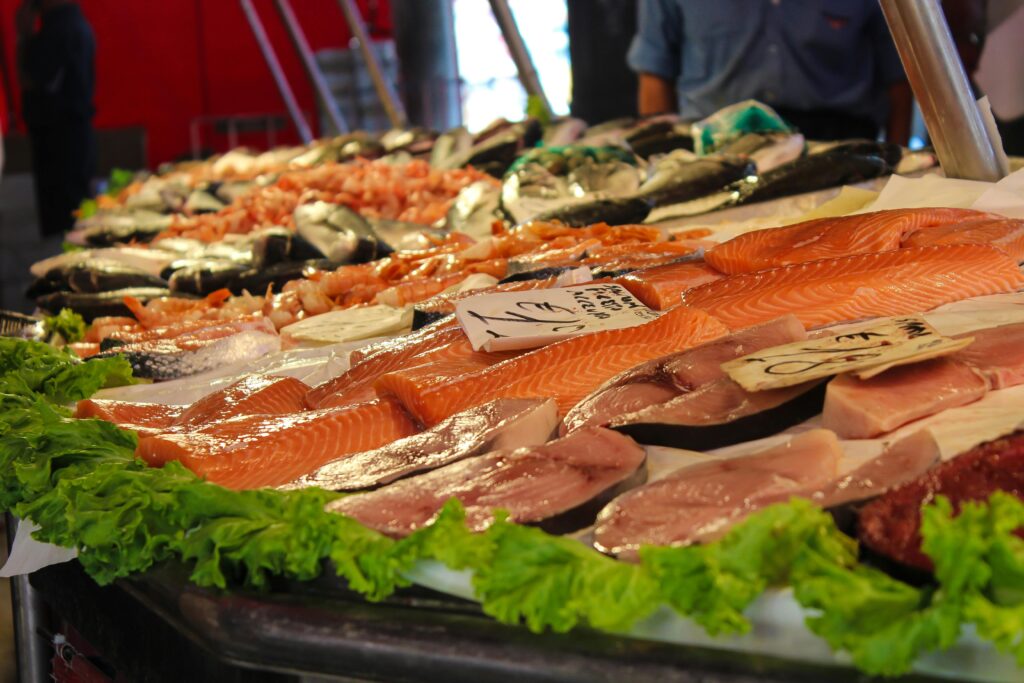
Fish sold in the market
Traditional food in a village setting, offering a taste of local flavors and the slow living culture define Scandinavia. Photo: Pixabay/Pexels.

Finland’s Remote Villages: Solitude Amidst the Lakes

You can find many Scandinavian villages where time seems to slow down in Finland. Remote villages along serene lakes offer solitude and a deep connection to nature. Savonlinna and Rovaniemi are two such examples, with breathtaking landscapes and small, tight-knit communities. Life here moves slowly, with locals spending their days enjoying the quiet beauty of the outdoors. Winter months bring a magical transformation, with snow-covered forests and the opportunity for ice fishing and cross-country skiing. In contrast, the warmer months allow for kayaking and enjoying the endless daylight. Once you come back from these villages, you feel a sense of calm that lingers long after. The Finnish culture of resilience and peace, known as “sisu,” is reflected in these remote locations, offering a true escape from the fast-paced world.

Life in the Norwegian Villages: Time Slows Down

Norwegian villages offer an unparalleled opportunity to experience life at a slower pace. These remote locations, nestled between fjords and mountains, provide an ideal environment for disconnecting from the stresses of modern life. Villages like Geiranger and Åndalsnes invite visitors to embrace the simplicity of nature and the peaceful rhythm of village life. The timeless quality of these villages allows you to enjoy a lifestyle focused on family, community, and the great outdoors.

Some fun and creative things to do:

  • Fishing: Cast a line into serene waters, offering the chance for quiet reflection and local cuisine.
  • Hiking: Explore rugged mountains and fjords for breathtaking views and peaceful solitude.
  • Skiing: Embrace winter sports in remote, scenic areas away from the crowds.
  • Local Festivals: Celebrate Norwegian traditions and community life, connecting with locals.
  • Wildlife Watching: Spot majestic wildlife, including reindeer and sea eagles, in their natural habitats.
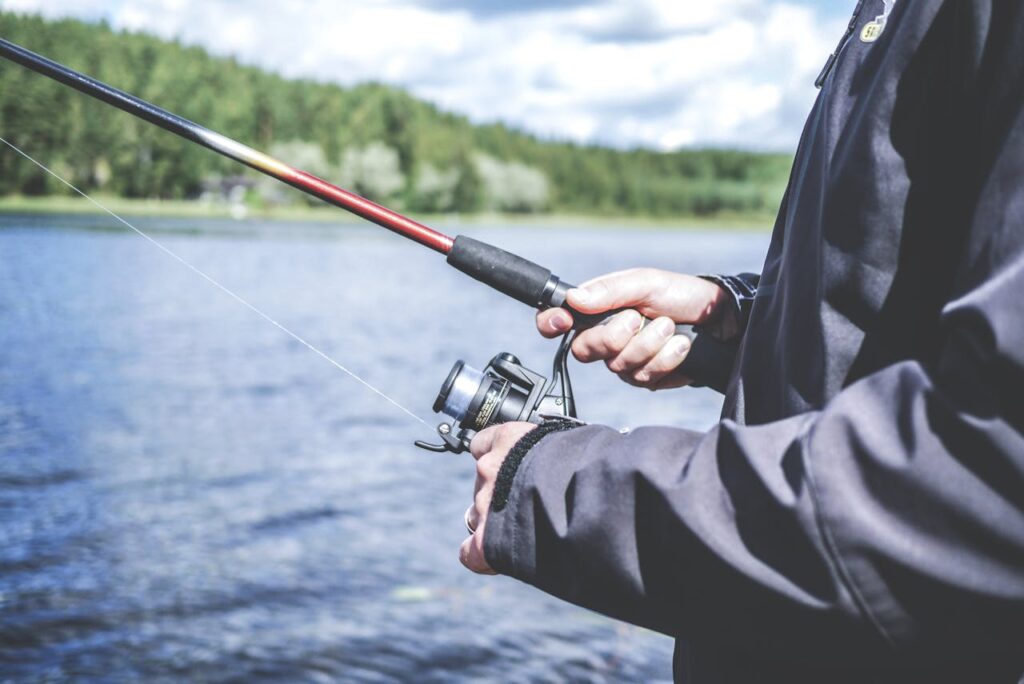
A man fishing
Fishing in a Norwegian village, where the calm waters and quiet surroundings offer the perfect escape, embodying the essence of Scandinavian villages where time seems to slow down. Photo: Lum3n/Pexels.

Iceland’s Tranquil Villages: A Slow-Paced Dream

Iceland’s villages offer a slow-paced lifestyle in a land of extremes. Villages like Seydisfjordur and Vik are located in remote, breathtaking landscapes of mountains, glaciers, and volcanic fields. In these areas, time seems to have stopped. People enjoy the outdoors by hiking, birdwatching, and soaking in natural hot springs. Despite the rugged terrain, these villages remain warm and welcoming, with a strong sense of community. In contrast to Iceland’s bustling tourist spots, these quieter villages offer an intimate experience of Icelandic culture. Local cuisine, including lamb and seafood, is a highlight, with many dishes reflecting the simplicity of life in these remote places. You leave feeling rejuvenated, connected, and at peace with nature.

Scandinavian Villages Where Time Seems To Slow Down: Traditions and Local Foods in Scandinavian Villages

In Scandinavian villages, food and tradition go hand in hand, reflecting the slow-paced life of these regions. Local dishes like Swedish meatballs, Norwegian salmon, and Finnish rye bread offer a taste of the culture. In small villages like those in the Swedish Dalarna, food often comes from the surrounding land and sea, prepared with care and simplicity, which makes them very popular among tourists. Sweden received 6.32 million international tourists from January to August 2025. The way people enjoy meals in these villages, whether in the warmth of a family kitchen or at a local festival, brings them closer to their roots. These villages also showcase local craftsmanship, with artisans creating handmade goods such as textiles, wood carvings, and pottery. Experiencing these traditions deepens the sense of connection to the land and community.

Hygge in Scandinavian Villages: The Art of Comfortable Living

The Danish concept of hygge embodies comfort, warmth, and contentment, and it thrives in Danish villages. In places like Møn and Bornholm, locals live by this philosophy, making their homes cozy and welcoming. Wooden furniture, warm blankets, and candlelight fill the homes, creating an atmosphere of relaxation and peace. People here prioritize time with family and friends, with activities centered on enjoying simple pleasures such as shared meals, hot drinks, and quiet evenings. This slow lifestyle extends to the wider village, where walking through nature or sitting by a fire in the evening offers a deeper connection to the world around you. In these villages, you truly experience the art of comfortable living.

 Conclusion: Embrace the Slow Life in Scandinavian Villages

Scandinavian villages where time seems to slow down offer a rare opportunity to escape the hustle of modern life. These peaceful communities, scattered across Norway, Sweden, Finland, and Denmark, provide a serene atmosphere where nature and tradition shape daily living. Whether you’re exploring Norway’s fjords, Sweden’s lakes, or Finland’s remote villages, each destination encourages a slower pace. The activities and local customs in these villages allow visitors to truly disconnect, reconnecting with nature and themselves. The calm and simplicity of these Scandinavian villages will stay with you and give you a new perspective on life. Embrace the slow life, and let it transform the way you experience the world.

Scandinavian Villages Where Time Seems to Slow Down
Rebecca Anderson

Scandinavian Villages Where Time Seems To Slow Down, written exclusively for Daily Scandinavian by Rebecca Anderson. Rebecca is a seasoned travel writer with a passion for exploring remote destinations and experiencing local cultures. She specializes in slow travel and sustainable living, with a focus on hidden gems worldwide. Rebecca’s writing aims to inspire readers to slow down and embrace the beauty of a simpler lifestyle.

Feature image (top): © Till Daling/Pexels