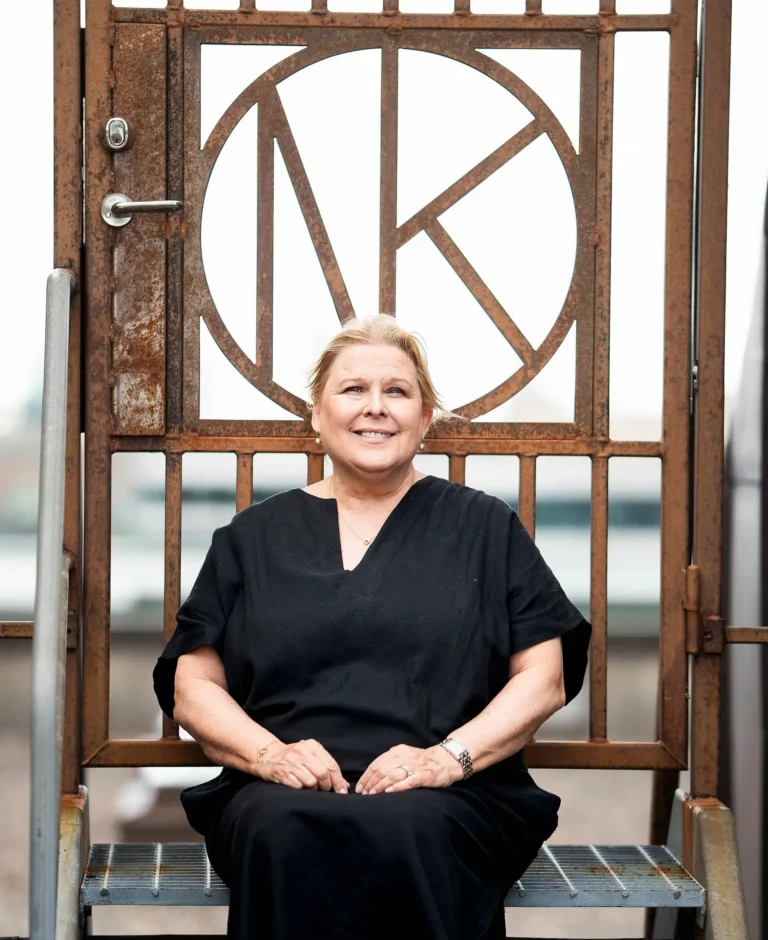
UK-born writer Ruth Kvarnström-Jones moved to Stockholm from the UK in the 1980s. Last year, she was author of the most borrowed fiction book in selected Swedish libraries. She says she was inspired by Agnetha Fältskog to learn Swedish.
Kvaernström-Jones is known for her historical fiction, including the Halleholm series and The Phenomenal Women of the Grand Hôtel, blending British roots with Swedish history and culture in her storytelling.
Her new book, ”Väninnorna på Nordiska Kompaniet”, is set to 1912 in Stockholm.
Her book The Phenomenal Women of the Grand Hôtel was voted Feelgood Book of the Year in Sweden in 2024.
Her new book, ”Väninnorna på Nordiska Kompaniet”, is set to 1912 in Stockholm and war is rumbling on the horizon. But Joseph Sachs has made up his mind — he is going to build Northern Europe’s grandest department store: Nordiska Kompaniet.
Ruth Kvarnström-Jones is blending British roots with Swedish history and culture in her storytelling.
Set against the background of a breathtaking emporium in the heart of Stockholm, friendships among the women see them through the men’s war nobody wanted and into the swinging 1920s. Kindred Spirits at Nordiska Kompaniet spans fifteen years and is based on the fascinating history of Josef Sachs and his fabulous Nordiska Kompaniet at Hamngatan 18 where the customer is king and the King is a customer.
Kvaernström-Jones focuses on Swedish history, particularly women’s stories, often set in Stockholm.
British Author Inspired by ABBA to learn Swedish, Tor Kjolberg reporting.
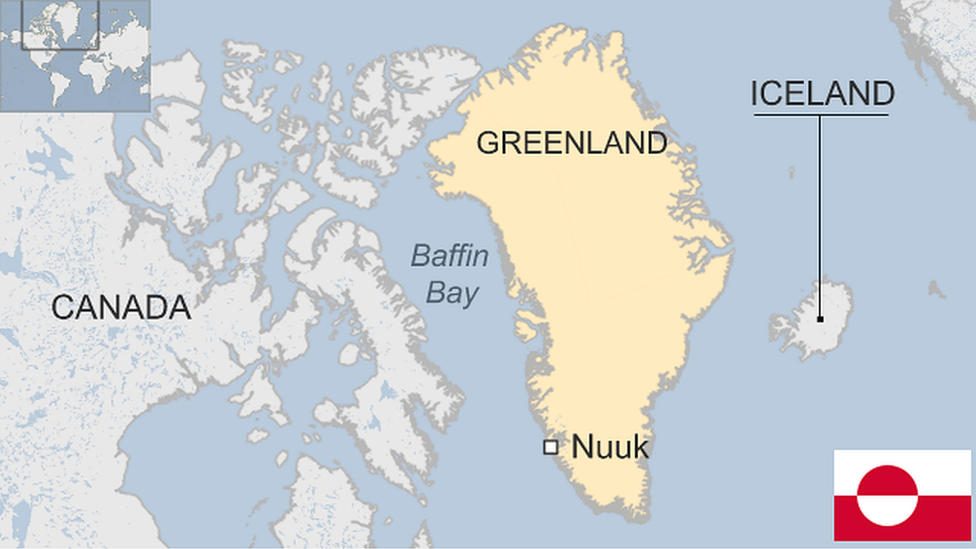
Denmark holds good title to the island of Greenland, along with the right to self-determination of the local population. But why is Greenland Danish?
While Denmark technically does not own Greenland, the world’s largest island is still part of the Kingdom of Denmark. It was a Danish colony until 1953, when it was made a part of Denmark. Greenland was finally granted home rule in 1979. The self-government act referendum in 2008 further extended its autonomy, allowing Greenland to govern its own affairs and have its own parliament, prime minister, anthem and flag.
The Danish government still controls areas such as citizenship, monetary policy, the military and foreign affairs. While Greenland has its own local Government, Greenlandic representatives are present in the Danish parliament.
Julianehaab (Qaqortoq) was founded in 1775 by the Norwegian farmer Anders Olesen and soon became an important center for trade. Today Qaqortoq is the central town in south Greenland.
The first Nordic presence in Greenland dates back to Erik the Red, a Norse Viking banished from Iceland for manslaughter, who sought a new future in Greenland around the end of the 10th century. The name “Greenland” referred to the vegetation around Southern Greenland’s fjords, but the name was likely also given in an attempt to lure more Norse settlers to Erik’s settlement in Southeast Greenland. The Norse settlements in Greenland became part of a North Atlantic empire ruled from Norway.
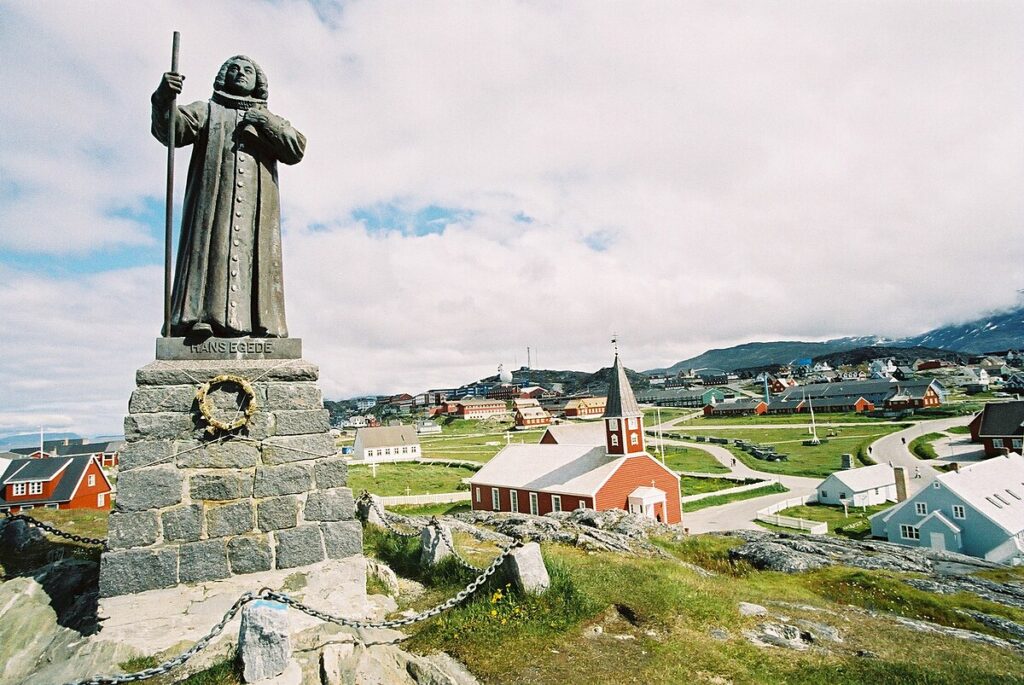
The Hans Egede statue. Photo: Wikipedia
Denmark can point to the arrival of missionary Hans Egede on the island in 1721. It claims to have administered the islands ever since. International law accepts that evidence of the actual effective occupation can be light where the territory is remote and inhospitable.
In view of the complicated relationship between Denmark and Norway at the time, and some Norwegian activity in Eastern Greenland later on, Oslo challenged the Danish claim early in the 20th century.
The Norwegian-Danish influence in Greenland had to compete with other foreign powers, notably the Dutch. In a process that spanned generations, the Inuit were converted to Christianity, and Greenland was both politically and economically tied to Denmark-Norway in a colonial relationship.
Map of Greenland.
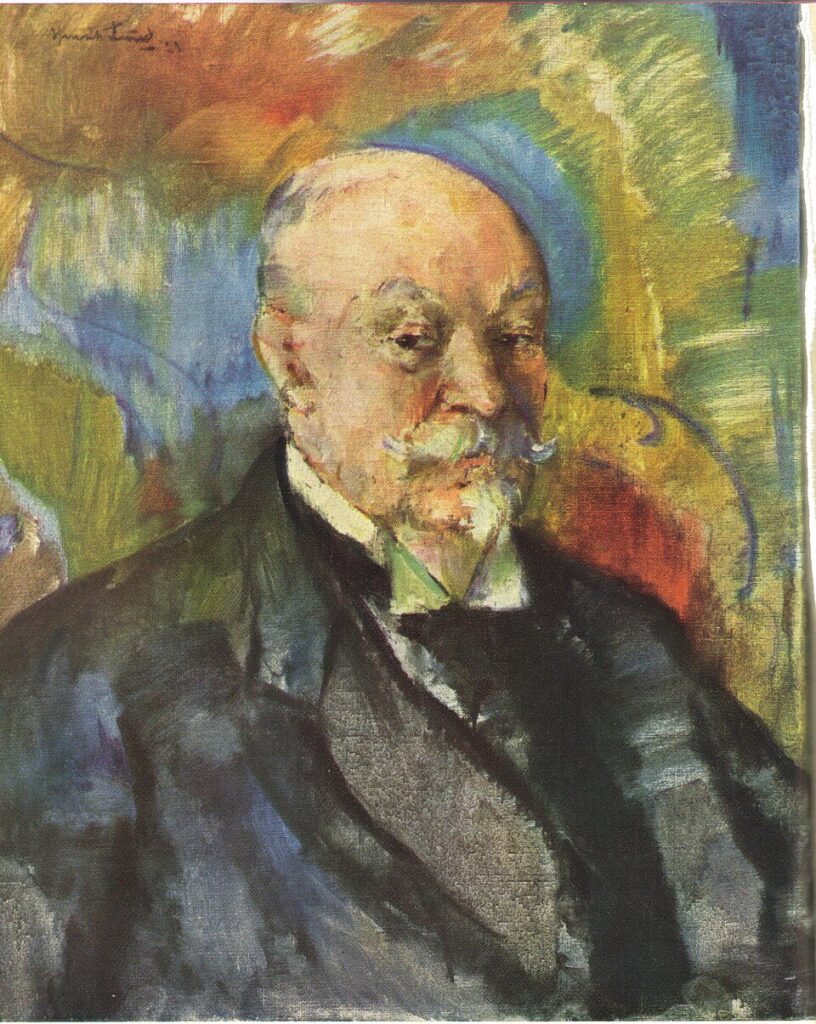
When the monarchy of Denmark and Norway broke apart in 1814, Denmark kept Greenland. Danish-Greenlandic colonial relations in the 19th and early 20th centuries were characterized by a Danish paternalistic policy for cautious development, ensuring that Greenland would be a profitable colony. In 1916, Denmark’s rights to Greenland were confirmed by the United States, as part of a deal that facilitated the American purchase of the Danish West Indies. Norway’s Foreign Minister Nils Claus Ihlen had given up any claim to Greenland. He had declared in 1919 that the Danish claim ‘would be met with no difficulties on the part of Norway’.
Norway’s Foreign Minister Nils Claus Ihlen, painting by Henrik Lund. Photo: Wikipedia.
A controversy concerning a Norwegian claim to parts of Greenland ended in 1933, when the Permanent Court of International Justice, founded by the League of Nations, ruled against Norway.
During World War II, Greenland fell under United States military protection during Denmark’s occupation by Germany when Danish ambassador Henrik Kauffmann signed a defense agreement in 1941 at his own initiative (but in the name of the king). This was also strategically important for the United States due to the proximity of Greenland to the North American continent. Denmark joined NATO in 1949, which opened further opportunities for the United States to place bases in Greenland. The United States holds a military base in Quaanaaq (northern Greenland) to this day.
After World War II, the United Nations pushed for decolonization in Greenland. In 1953, the former colony was incorporated into Denmark and granted two seats in the Danish Parliament. In 1979, Greenland achieved Home Rule, which included the formation of the Greenlandic Parliament, and it gained self-rule in 2009 through the passage of a law that included a ‘blueprint’ for seeking independence. The 2009 law firmly established that the decision to go for independence from Denmark would now rest with the Greenlandic people.
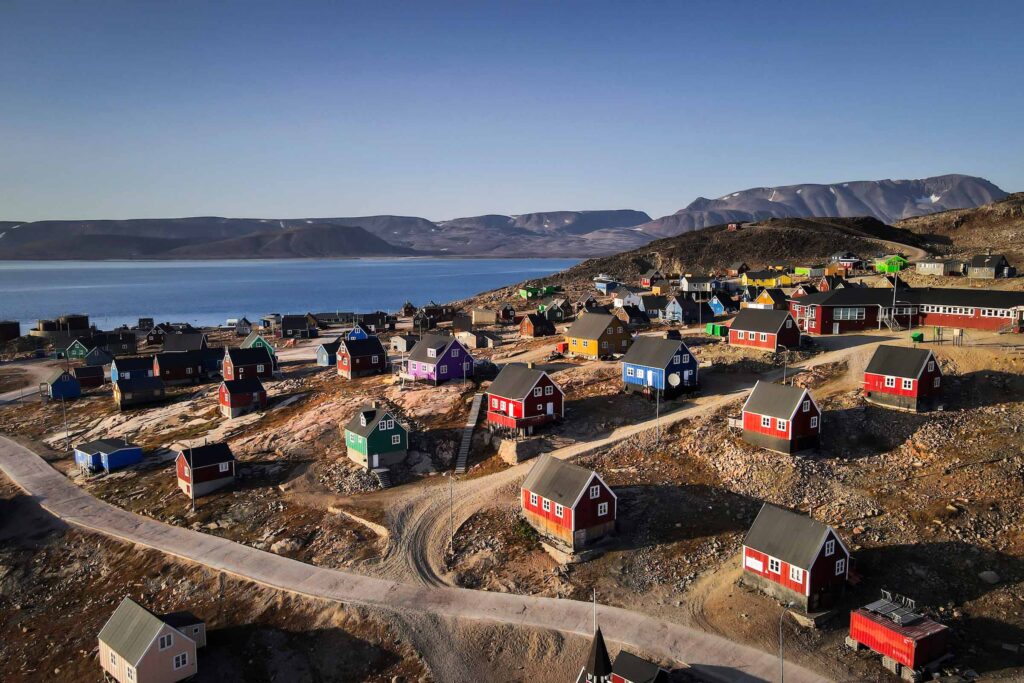
The red house area in Ittoqqortoormiit. Photo by Linda Kleist/Visit Greenland.
The UN General Assembly determined in Resolution 849 (IX) that ‘Greenland freely decided on its integration within the Kingdom of Denmark on an equal constitutional and administrative basis with the other parts of Denmark.’
This result has been universally accepted. However, since then, campaigners have argued that the indigenous population of Greenland did not approve this move in a referendum.
There is no doubt that the majority of Greenlanders want to use this option eventually. Polls show this. Independence has been accepted in Denmark as well. However, polls also consistently show that Greenlanders do not want independence if the price is the collapse of the Greenlandic welfare state.
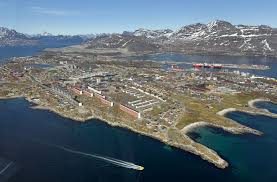
From Nuuk. Photo: Wikipedi.
Herein lies the challenge. Greenland is vast, stretching over more than 800,000 square miles, but its population is tiny, consisting of only 56,000 people. Furthermore, the climate remains harsh for most of the year, especially in the North. For these reasons, among others, the Greenlandic government remains dependent on a yearly block grant from Denmark of roughly $600 million, as well as on the Danish state supporting services in areas such as defense, coast guard, and law enforcement.
Greenlandic independence, therefore, depends on substantial continued Danish assistance after independence, something the Greenlandic government has yet to convince Denmark to accept.
Since 2009, the Greenlandic language has been the sole official language of Greenland.
The US has attempted to buy Greenland on repeated occasions over the past centuries, most notably in 1946, when President Truman offered $100 million in gold – a colossal sum at the time. Then as now, Denmark refused.
The extreme Arctic climate, incredible ice sheet, mesmerizing northern lights, vibrant Inuit cultures and modern capital city – there is no limit to what you can discover on this amazing island called Greenland.
Andy Mossack joins a Secret Atlas Expedition Micro Cruise with just twelve guests exploring the Arctic Svalbard Archipelago.
Svalbard is a remarkable place. A piece of prime Norwegian real estate north of the Arctic Circle of nine main islands and countless islets wedged between mainland Norway and the North Pole. Right at the convergence of the Arctic and Atlantic oceans, it is one of the world’s northernmost inhabited areas yet still intensely remote. A haven for wildlife – land, sea and sky – and enjoying 24 hours of summer sunlight for 6 months of the year.
Andy and his two leaders.
Longyearbyen
Longyearbyen was the base port for my eleven-night Secret Atlas Expedition Micro Cruise around the fjord-laden Svalbard Arctic archipelago. A select expedition cruise with just twelve guests, two experienced expedition guides and a top-notch crew at our beck and call to get us up close to as much wildlife and Nature’s landscapes as possible.
Longyearbyen’s transformation from old coal mining town to popular tourist hot spot is remarkable. Perhaps being the world’s northernmost settlement or the home of the world-famous Global Seed Vault or maybe even the location for the hit thriller series Fortitude are clues. Either way, I was grateful for the extra day to explore a fascinating town with a deep history of mining since 1899, no small feat when you consider it is dark as pitch for six months a year.
Today the mines are silent, but the town is small enough to walk around with a clutch of good hotels, two museums, some cosy coffee bars, a shopping mall and Svalbardbutikken, a large supermarket selling tax-free items including an impressive alcohol section. One word of warning though, make sure you have your passport with you when purchasing in case you get asked, to ensure you get your goods tax free. There are many hiking trails from here, but visitors are warned to only go out with an experienced armed guide as a polar bear encounter is always a possibility.
Zodiac boat (drone shot).Zodiac beach landing.
***************************************************
Related: A Homage to Svalbard
***************************************************
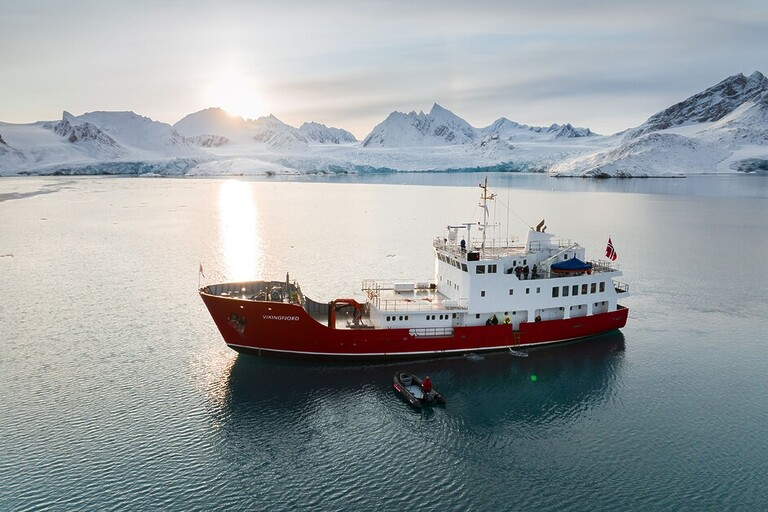
Vikingfjord Expedition Micro Cruise ship
MV Vikingfjord was waiting patiently in the port for our group to embark. With only twelve guests to accommodate she had more than enough home comforts to keep us all happy. Eight very comfortable ensuite cabins with luxury toiletries, an open-plan L shaped lounge, an observation lounge up on the bridge, an on-deck hot tub and sauna and plenty of viewing opportunities everywhere.
However, what she isn’t is a sleek cruise yacht built to graze around the tropics. As skipper Sven explained, “for 50 years she was an engineering supply ship to repair and service the lighthouses around the archipelago. Once she was retired, she had a complete refit to expedition cruising standards with all-new Scandi-style interiors, a brand-new energy-efficient engine and ice-strengthened hull. Trust me, she is one tough bird”.
Walrus huddleReindeer on Svalbard.
Norway has the longest coastline in the world, and I reckon Vikingfjord might well have seen most of it. I found it strangely comforting that she had so many miles under her Plimsole Line. Experience and strength are what you need in the polar wilderness not cheesy entertainment and fancy fine dining.
Speaking of which, the restaurant was the domain of Chef Rico a culinary wizard from the Philippines who, ably supported by stewardesses Carina and Ahliza, made sure our daily three meals were delicious and prepared with everyone’s dietary needs catered for. Even special requests were no trouble at all. Fishing rods were always in place whenever we stopped to ensure our catch of the day was just that and let’s face it, you can’t get much fresher than literally sea to table, can you?
Seating and eating was so straightforward. Just three tables, with everyone seated at the same time, including the skipper, and no dress code – just anything comfortable. Buffets for breakfast and lunch and table service with wines for dinner.
Lastly, all outdoor gear for our daily excursions was found in the changing area at your assigned peg number. Waterproof rubber muck boots, essential for grip while out walking, and waterproof suits and life jackets for our Zodiac dinghy cruises and landing transfers.
MV Vikingfjord (drone shot).
Expedition Micro Cruise Experience.
“Shall we wake you up if we spot some wildlife during the night?” This question from Miriam, our expedition leader, was at the end of our embarkation briefing and was answered with a resounding YES from the group. This may not be something you’ve experienced before, as typically, overnight cruising is in darkness, but as we were in 24-hour daylight, wildlife spotting is always a possibility. And it proved to be the case more than once, both times in glorious bright sunshine at 2am! It was well worth it though with two blue whales – the largest animals on Earth – adjoining the ship for a drive by one night, plus a female polar bear with her cub taking a nighttime stroll together on another.
MK Vikingfjord’s main lounge.Female polar bear.
Magical moments and utterly jaw-dropping!
Another landing excursion brought us to a remote beach where a whole huddle (yes that is what a group is called) of giant walruses was resting after a strength-sapping breakfast. These giant creatures need to eat up to 6% of their bodyweight in clams, that is over 6,000 in every session. We had to silently step around them to get to a place where we could just sit and observe them safely. An extraordinary encounter.
This is the beauty of expedition cruising on such a small scale. No plans are set in stone, everything is changeable depending on the wildlife, the weather, the opportunities and your own preferences. It was a privileged position to be in, particularly as we were completely alone in the wilderness without another ship in sight. Quite unlike any expedition cruise I’ve previously experienced.
Dramatic waterfall from a giant iceberg.
Another unforgettable moment was when Skipper Sven spotted a huge female polar bear walking across the ice. He stopped the ship, turned off the engines and we waited in silence. Nose raised in the air she caught our scent (polar bears can smell prey up to 5 miles away) and started walking towards us clearly intent on checking us out. Perhaps Chef Rico opening the kitchen door had a hand in this moment! She got to within 20 feet of us, almost touching distance, before calling it a day. Treating us to a final sideways roll on the ice before heading off. Spellbinding.
Expedition crew looking out for whales
Daily Expedition Life
The cruise plan was to sail clockwise around the archipelago stopping off in various key locations every day for guided outdoor excursions. Miriam would brief us at dinner each night about where we were stopping and what the next day’s outings entailed. For all the off-ship adventures two Zodiac inflatable ribs were driven by our expedition team either onto a beach landing for a guided hike or for close cruising glaciers across sea ice fields, or along the rugged coastline in search of wildlife.
Our armed guides regaled us with stories behind some of the historical relics and geology we came across on our treks, while all the time being mindful of our safety by keeping their eyes peeled for any polar bears. The remains of an old German wartime weather station, a few huts from famous turn of the century trapper/explorers, remnants of whaling stations, animal remains and even a wander around Pyramiden, a once famous but now eerily abandoned Russian mining town.
Beautiful icebergs shaped by nature.
There was Arctic flora and fauna to examine, all manner of bird life to identify, and more than few Attenborough encounters including being entertained by two Arctic fox cubs and tiptoeing around a whole herd of walrus.
These Attenborough moments could never be replicated by watching a television series. The sheer scale of being close to the face of a majestic glacier while learning about glacier movement and at the same time being interrupted by the thunder of huge chunks calving off in the distance is indescribable.
This cruise really was an exclusive front row seat to an epic production by our natural world.
Arctic fox cub.
Verdict. Is it worth the price?
Seemingly within hours of embarking Vikingfjord, I and my eleven other Secret Atlas shipmates had been transformed from strangers to something of a family, enjoying our shared experiences together and reminiscing each evening over dinner and a few drinks in the lounge. We all felt we were members of an exclusive club. A rare glimpse into a natural world seldom seen by many and in such a small group. Memories I will certainly never forget.
Was this experience worth the price? Every guest agreed it was worth every penny.
Land mammals: Arctic Fox, Svalbard Reindeer. Sea mammals: Polar Bear, Walrus, Bearded Seal, Harbor Seal, Minke Whale, Beluga Whale, Harp Seal and the biggest of all, 3 Blue Whales! Birds: Barnacle Goose, Pink-footed Goose, Common Eider, Black-legged Kittiwake, Glaucous Gull, Little Auk, Brünnich’s Guillemot, Black Guillemot, Nothern Fulmar, Common Ringed Plover, Purple Sandpiper, Ivory Gull, Arctic Tern, Great Skua, Arctic Skua, Long-tailed Skua, Atlantic Puffin, Red-throated Diver and Snow Bunting
About Secret Atlas
Launched in 2019 and run by Explorers for Explorers, Secret Atlas trips are curated for people who want to enjoy the spirit of exploration and be a part of an intimate experience rather than joining an overcrowded commercial cruise. Secret Atlas pioneering Expedition Micro Cruises take the smallest group sizes in the Arctic (12 guests) and Antarctic (48 guests) offering guests an authentic, unrivalled experience free from the crowds of larger vessels. To find out more about Secret Atlas, visit Secret Atlas Rates from £10,900 pp
Landing in Indonesia feels like stepping into another rhythm of life. The warmth, the scooters, the smiles, the chaos; it’s all part of the charm. But there’s one challenge many Scandinavian travelers don’t expect until they arrive: getting online quickly and affordably. Here’s anIndonesia eSIM guide for Scandinavians visiting Indonesia.
Traditional airport kiosks selling a physical SIM card often come with long queues, language barriers, and confusing packages. Relying on hotel public Wi-Fi hotspots sounds tempting, but coverage is patchy, speeds vary, and security isn’t always reassuring, especially when you need two-factor authentication to log into banking or work accounts.
This is where modern solutions step in to solve those early frustrations, letting you stay connected without disrupting your first travel moments.
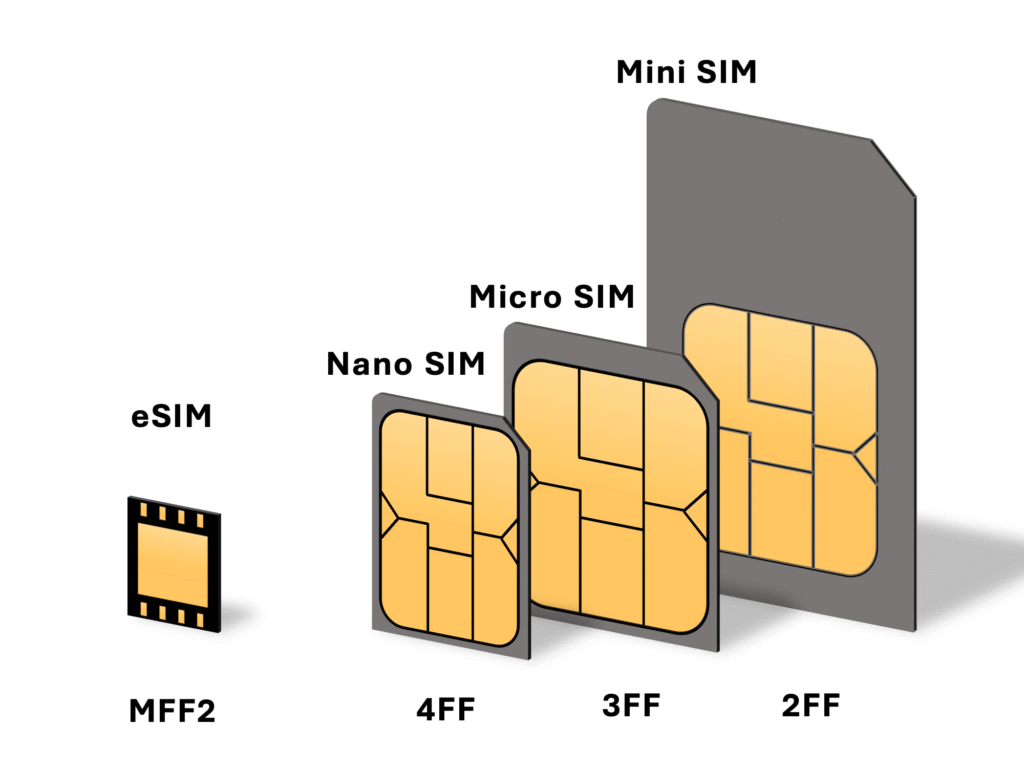
An eSIM, sometimes called a digital SIM, is embedded directly into your phone.
Finding the Best eSIM for Indonesia
The biggest issue most Nordic travelers face is losing time and patience trying to connect after arrival. You want maps to work, ride-hailing apps to load, and messages to send immediately.
Choosing the best eSIM for Indonesia addresses this by removing the need to hunt for shops or swap tiny plastic cards. Instead, everything is ready before you board the plane, giving you confidence from the moment you land.Angeline Magalong
What an eSIM Actually Is (and Why Scandinavians Love It)
An eSIM, sometimes called a digital SIM, is embedded directly into your phone. There’s nothing to insert or remove. This feels intuitive for travelers from Sweden, Norway, Denmark, Finland, or Iceland, where cashless systems and digital services are already the norm. You scan a QR code, follow a simple setup, and your phone connects.
Unlike older solutions tied to a single phone number, many travel eSIMs are built for flexibility. They’re perfect if you mainly rely on messaging apps, maps, and online bookings rather than traditional calls or texts.
Once purchased, the setup is done at home using stable Wi-Fi, which removes pressure after a long-haul flight.
Where to Get an eSIM for Indonesia: Before You Fly or After You Land?
Getting an eSIM before traveling is usually the smoothest choice. You can compare providers calmly, read plan details in English, and choose coverage that fits your itinerary. Once purchased, the setup is done at home using stable Wi-Fi, which removes pressure after a long-haul flight.
When you land, your phone connects automatically, giving you immediate access to maps, transport apps, and messages. For Nordic travelers used to efficiency and planning, this approach often feels more natural and reliable.
That said, you can also obtain eSIMs after arrival. Some Indonesian mobile operators and travel-focused providers offer eSIM activation through their official websites or partner stores in major cities like Jakarta and Denpasar.
However, this usually requires strong Wi-Fi access first, and instructions may be less traveler friendly. Airport options exist, but availability varies, and staff may prioritize physical SIMs over digital ones, which can slow things down.
You also need to look at the timing. If you arrive late at night or during peak travel hours, getting connected on the spot can become frustrating. Setting things up beforehand avoids that uncertainty and lets you start your trip smoothly, whether you’re heading straight to a hotel, a ferry, or a late-night ride.
In practical terms, most short-term visitors benefit from arranging their eSIM in advance, while longer stays may justify exploring local options later. Either way, planning your connectivity pays off in saved time and peace of mind.
Compatibility and Setup Before You Fly
It’s essential to check device compatibility before buying. Newer Android and iPhone models support eSIM technology, but not all versions do. Your phone must also be an unlocked phone, meaning it isn’t restricted to a Scandinavian carrier.
The activation process is usually straightforward and often includes instant activation after landing or at a scheduled time. Some providers guide you step by step, which is reassuring if this is your first time using an eSIM.
Coverage Across Islands, Cities, and Nature
Indonesia is vast, and coverage varies by region. Reliable providers connect to local networks operated by major local carriers, ensuring solid network coverage in populated areas.
You’ll typically enjoy 4G/5G coverage in cities like Bali, Surabaya, and Jakarta, while more remote destinations may fall back to 4G. Even so, signal strength is generally sufficient for navigation, messaging, and sharing photos, whether you’re exploring the Gili Islands or watching sunrise at Mount Bromo.
Data Plans That Match How You Travel
Most eSIM data plans are flexible and offer options for short holidays or longer stays. You’ll see everything from limited bundles to unlimited data, depending on how much streaming or work you plan to do.
Many options are data only, which suits travelers who use apps for international calls and video calls. This approach avoids unexpected roaming fees and painful data roaming charges from Nordic carriers.
The level of information technology development makes Indonesia increasingly attractive to digital nomads.
Internet Speed, Infrastructure, and Reliability
Indonesia’s digital landscape has grown rapidly in recent years. The country has the fifth-largest number of internet users at 185 million as of January 2024. This scale has pushed significant investment into infrastructure, especially in tourist-heavy and business regions.
The level of information technology development makes Indonesia increasingly attractive to digital nomads. You’ll notice improving speed coverage in urban centers, where high-speed data supports everything from ride-hailing to streaming. This is crucial, as cafés, co-working spaces, and hotels rely on stable backbones that complement mobile usage.
Staying Practical on the Road
An eSIM shines during everyday travel situations. Ordering food through local apps, navigating unfamiliar streets, or booking last-minute transport becomes effortless with consistent mobile connectivity.
You can also share your connection via a mobile hotspot, which is useful if you’re traveling with a partner or need to connect a laptop briefly. And if your plan allows top-ups, extending usage is easy without visiting a store.
Local Regulations You Should Know About
Indonesia has specific rules around IMEI registration, which affects long-term device usage. Short-term visitors using a prepaid eSIM are usually unaffected, but it’s wise to understand the basics if you’re staying longer.
Some providers specialize in prepaid eSIM options designed for tourists, offering compliance with regulations while maintaining access across local networks.
Using mobile data instead of open Wi-Fi reduces security risks, especially when accessing sensitive accounts.
Security, Support, and Peace of Mind
Using mobile data instead of open Wi-Fi reduces security risks, especially when accessing sensitive accounts. Reputable providers offer responsive customer support, often in English, which is reassuring if something goes wrong.
But connectivity is only one part of a smooth journey. Pairing it with the right travel insurance lets you focus on the experience rather than logistics.
Who Benefits Most From an Indonesian Travel eSIM
Whether you’re uploading content or coordinating schedules, a consistent internet connection matters. An Indonesian travel eSIM works well for many traveler types.
Solo backpackers appreciate the simplicity, couples enjoy shared planning, and business travelers value immediate access after landing. For remote workers and creatives, it supports daily workflows without the hassle of switching cards or relying on unstable connections.
Indonesia eSIM Guide for Scandinavians Visiting Indonesia Final Thoughts: Travel Light, Stay Connected
Indonesia rewards curiosity. From temples to beaches, street food to volcanoes, every day brings something new. The last thing you want is to worry about connectivity while you’re soaking it all in.
Choosing a modern eSIM solution lets you travel lighter, stay informed, and capture your experiences as they happen. With the right setup, your phone becomes a quiet companion, keeping you connected while Indonesia does the rest.
Indonesia eSIM Guide for Scandinavians Visiting Indonesia, written by Angeline Magalong for Daily Scandinavian.
Be prepared for any delays or discomfort on your next flight. Here’s what we recommend you bring on board a plane for a pleasant flight.
For a pleasant flight, pack comfort items like a neck pillow, an eye mask, and layers (a scarf/jacket) for temperature changes.
Waiting for the beverage cart to offer you a few ounces of water a few times during the flight won’t do the trick.
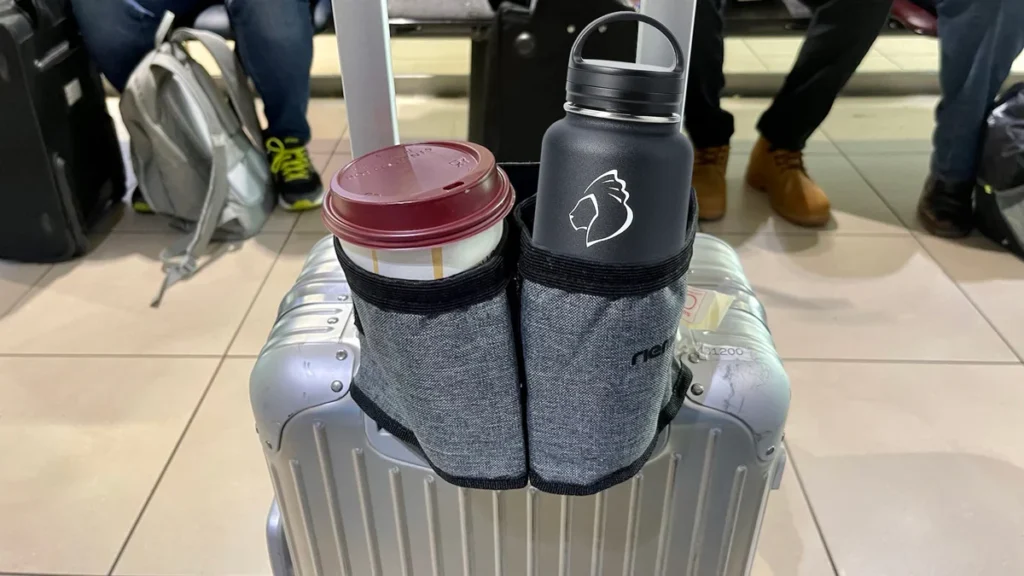
Bring your own water onboard
Since sleeping even slightly dehydrated can compromise sleep quality, staying properly hydrated helps you arrive at your destination more rested and may also help prevent illness. Waiting for the beverage cart to offer you a few ounces of water a few times during the flight won’t do the trick. And water bottles are very expensive to purchase on a flight (as much as €8 for a sixteen-ounce bottle). You can either purchase a liter of water for about €5 at an airport shop, or you can bring an empty bottle in your carry-on and fill it at an airport water dispenser after you have gone through security, of course. If you have multiple flights on an international trip, this will save you a little extra money.
Lip balm and moisturizer are also handy accessories.
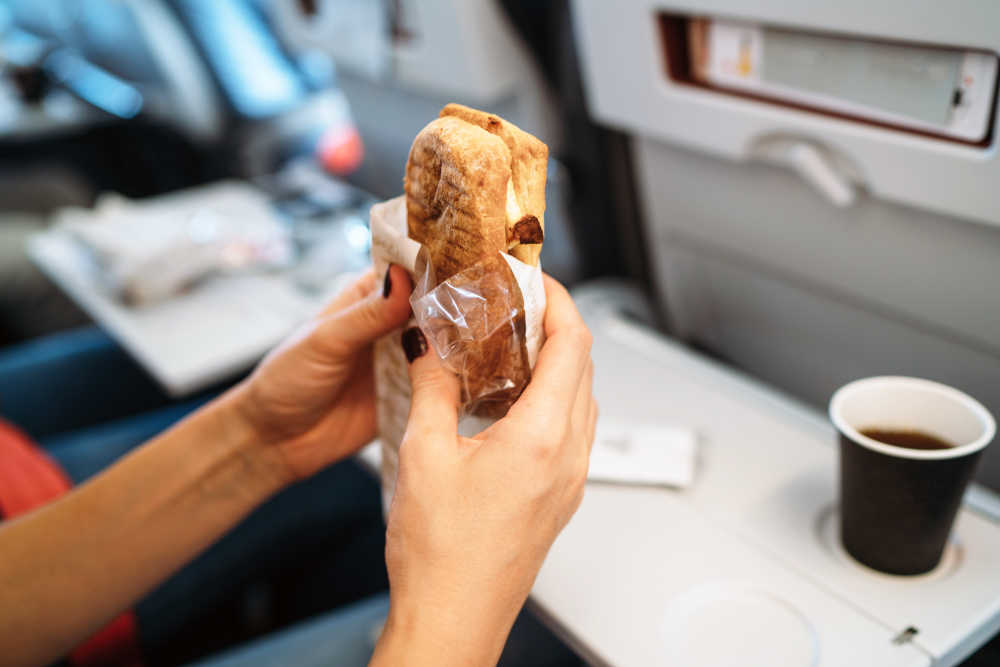
Buy your food and snacks before entering the airport.
Bring your own food and snacks on board
Many don’t know you can bring your own food and snacks on board an airplane. If you want to save as much money as possible, buy your food and snacks before entering the airport. Food items such as sandwiches, pizza, cooked meat, chips, nuts, chocolate, candy, pies, and cakes are allowed through security. Almost any food items that aren’t composed mostly of liquid are allowed. However, spreadable items such as hummus, cheeses, butter, peanut butter, and jam are subject to the 3.4-ounce rule. I sometimes buy food or snacks at the airport because cooked items are a few hours fresher, and I don’t have to keep track of snacks until just before boarding. However, the price will be higher, so make your own choice based on the price-convenience factor.
For entertainment and comfort on board, bring your book, paper, and important documents and essential toiletries, such as wipes and a toothbrush. Then you’ll be prepared for any delays or discomfort.
*******************************************
You may also like to read Flying Anxiety Cured
*******************************************
While you can’t change the seat itself, you can help reduce the noise.
Bring earplugs Sleeping on planes is difficult enough because of the size and awkward angle of airplane seats. The noise can also make it difficult. While you can’t change the seat itself, you can help reduce the noise. Having a set of earplugs can significantly reduce noise from people talking, babies crying, and attendants announcing. You will stay asleep longer and arrive slightly more rested. I like to keep a separate pair of earplugs in my toiletry kit, so I don’t have to remember to pack them. Always keep your toiletry kit in your carry-on bag so you have access to earplugs, a toothbrush, toothpaste, aspirin, eye drops, sleeping pills, or any other items you may need for a longer flight.
Bring your own earphones
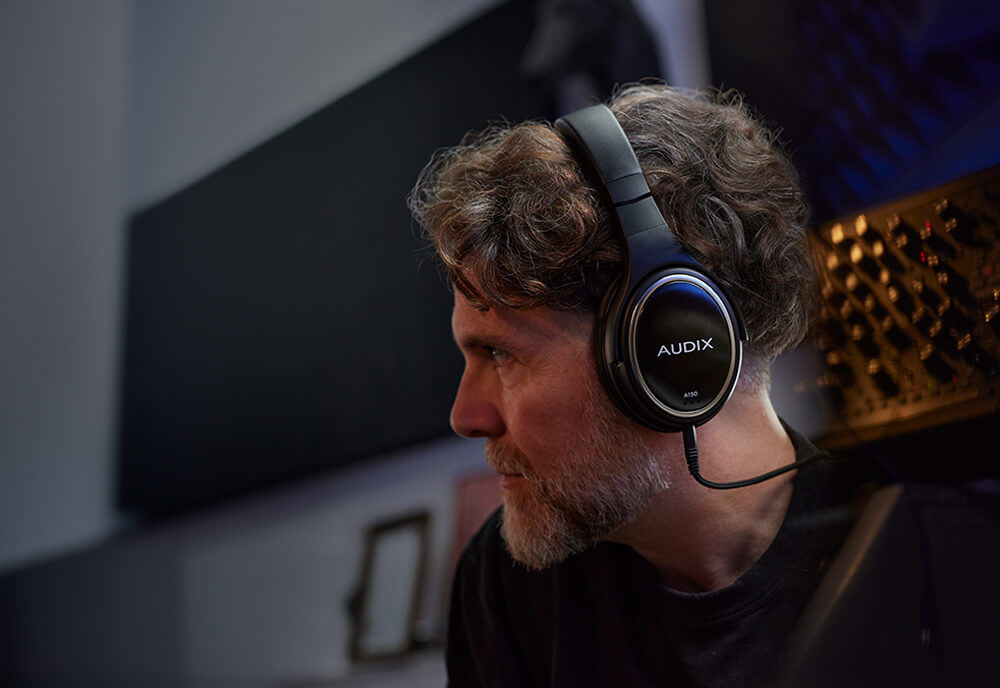
To me, earphones are one of the most important items to bring on long international flights. You will need them to listen to music, watch imperative time-passing movies and TV shows, or even help you to sleep. Some airlines charge for earphones, and some offer them at no charge, but one thing is for sure: the quality is poor. The airline’s standard-issue earphones usually don’t fit properly, and the sound quality is right up there with the food on the plane. Bringing your own earphones will save you a lot of money and give you a higher-quality experience. You can connect your own wired or wireless headphones to most airline entertainment systems, but you’ll likely need an adapter, especially for older planes with dual-prong jacks or for using wireless Bluetooth headphones. Standard wired headphones often need a dual-prong (airplane) adapter, while wireless ones need a Bluetooth audio transmitter that plugs into the plane’s 3.5mm jack.
Pleasant flight!
What You Should Bring On Board a Plane for a Pleasant Flight, written by Tor Kjolberg
I must admit, to put it mildly, I hate the freezing-cold Norwegian winter. Not only cold, but with lots of snow. You cannot even go out to your trash boxes without putting on snow boots and winter clothing. I was longing for light and warmth. I’ve found my winter paradise, south of winter – Sri Lanka.
After Christmas, winter in Norway stops feeling seasonal and starts feeling structural. The light thins to a rumor. Cold settles not just into streets and buildings, but into habits, conversations, and the body itself. Life continues—efficiently, responsibly—but at a reduced sensory volume. You dress for survival, move with purpose, and wait. For spring. For relief. For something to shift.
This is not a complaint. Winter here is part of the social contract. You endure it quietly, with wool, discipline, and the unspoken belief that resilience is a virtue. But this particular winter, endurance felt less like strength and more like inertia. I noticed how often I was tired without reason, how creativity slowed, how even pleasure became procedural. The problem was not the cold alone; it was the prolonged absence of contrast.
Few places offer such a decisive break from Nordic winter as Sri Lanka.The body stops bracing and begins to respond.In Norway, winter teaches restraint. In Sri Lanka, everything I imagined suggested expansion.
Why Sri Lanka?
Sri Lanka entered my thinking almost accidentally. Not as a checklist destination, but as an idea shaped by climate, geography, and scale. An island close to the equator, defined by light, movement, and variety. Beaches and tea hills, dense cities and quiet villages, monsoon air and sudden sun. It felt less like choosing a place and more like choosing the opposite. Not staying there permanently—just long enough to remember how it feels to be warm without effort.
People ask why Sri Lanka, specifically. Why not somewhere closer? Why not southern Europe, the Canary Islands, North Africa, or a short escape within reach? The answer is partly climatic—few places offer such a decisive break from Nordic winter—but it is also psychological. I did not want a softened version of the same season. I wanted immersion. Heat that reorders the body. Light that resets the clock.
In Norway, winter teaches restraint. In Sri Lanka, everything I imagined suggested expansion. Color replaces monochrome. Noise replaces silence. Life happens outdoors, in motion, in proximity. Markets spill into the streets. The body stops bracing and begins to respond. Trains move slowly enough to observe landscapes passing rather than disappearing.
The people in Sri Lanka are pleasant, polite, and helpful. I feel relaxed and well cared for.
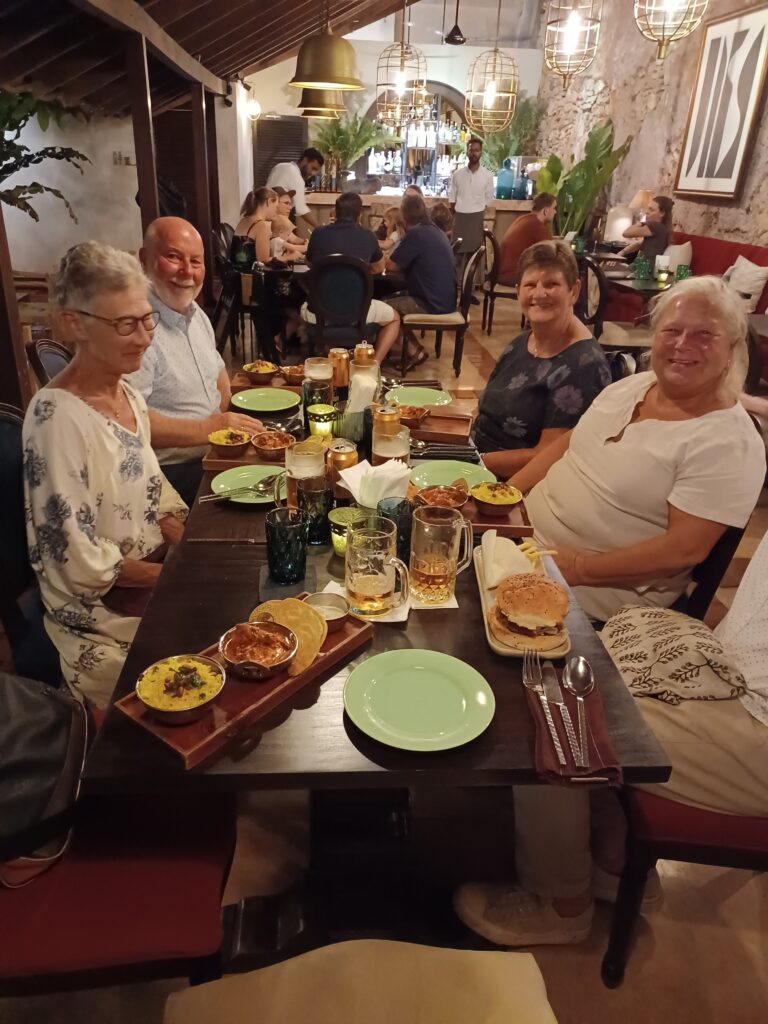
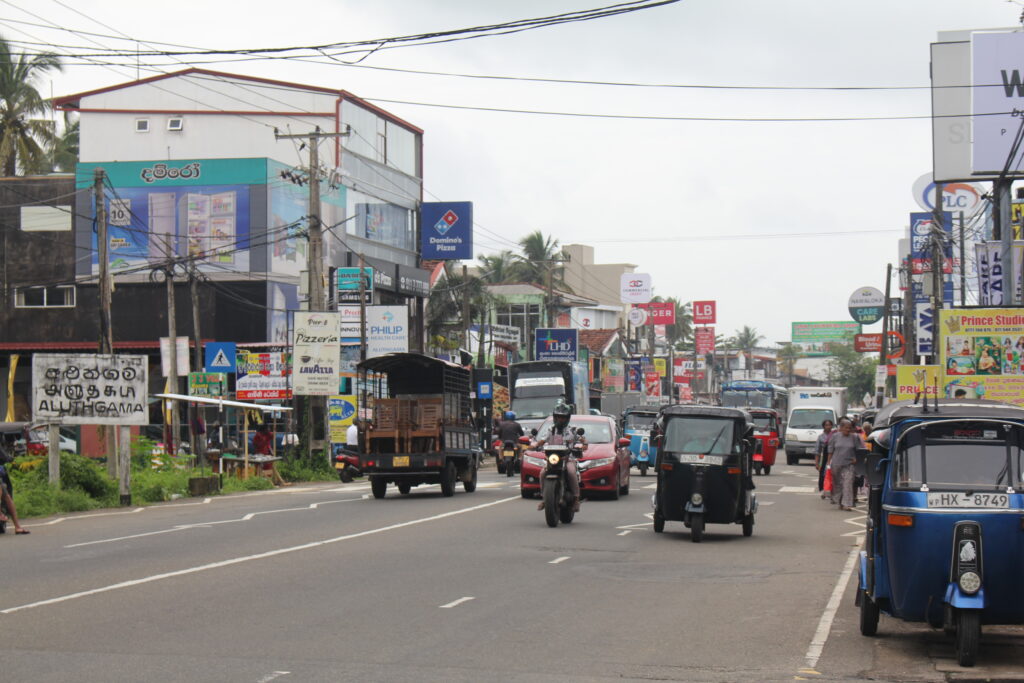
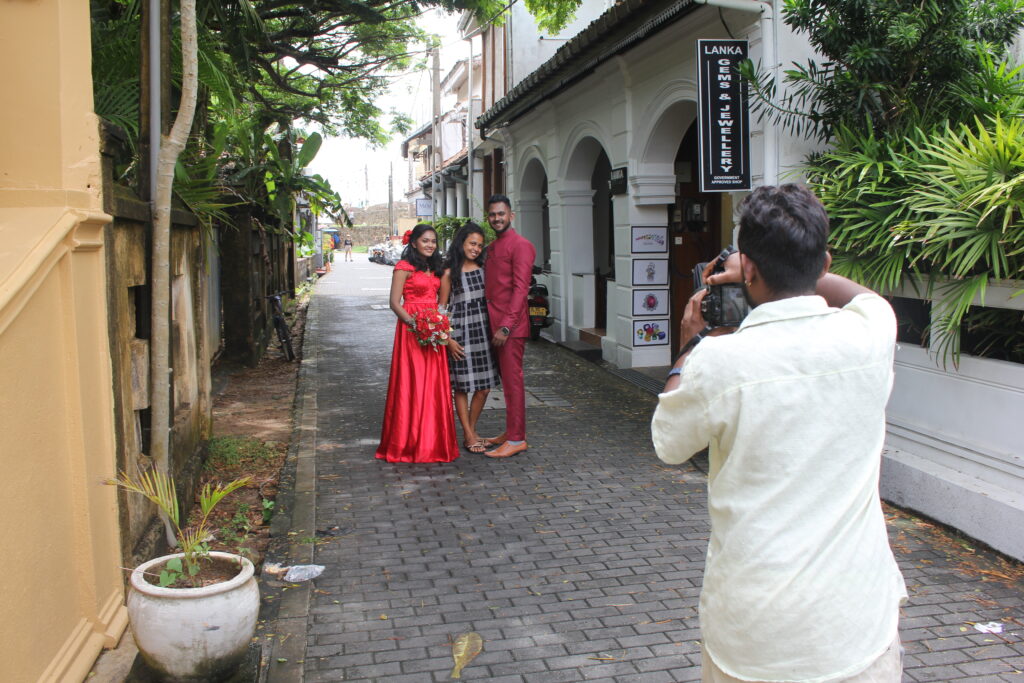
Dining out in Bentota.Life happens outdoors, in motion, in proximity.High street in Bentota.
My winter paradise
Talking about trains, a truly iconic Sri Lankan train journey is riding the coastal line through Bentota. Or even better, like me, making Bentota my winter paradise. Bentota is a popular resort town on Sri Lanka’s southwest coast, renowned for its beaches and the Bentota River.
A three-week stay in Bentota is offered by the travel agency Explore Sri Lanka. In Bentota, you can relax at your four-star hotel at the beach with all facilities, and enjoy excursions to nearby towns or attractions at your own pace if you feel restless. In my next report from Sri Lanka, I will recommend places you might visit.
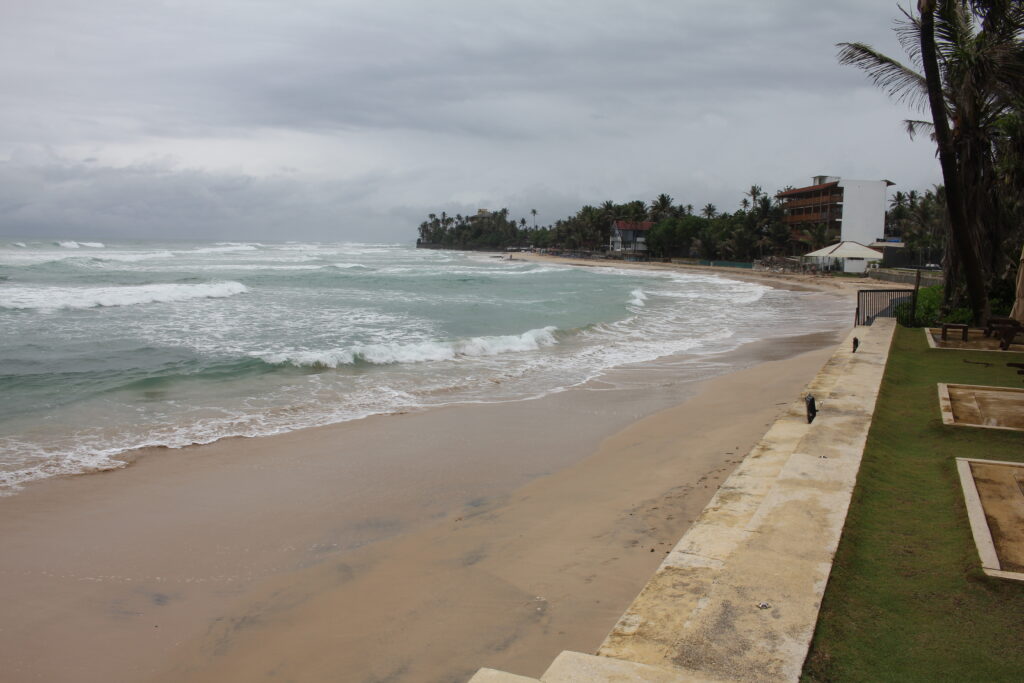
However, unsurprisingly, one of Bentota’s main attractions is the beach, with its smooth, white sand, palm-fringed shores, and sweeping sunset views. Though not every day, the waves of the ocean are suitable for surfers.
Winter (January-March) temperatures here are around 30°, with a gentle breeze, and sea temperatures around 28°C. The pleasant, mild evenings are one of the reasons Bentota is my favorite destination. I experienced a brief tropical downpour that lasted about 10 minutes, but a nearby bar offered a pleasant shelter.
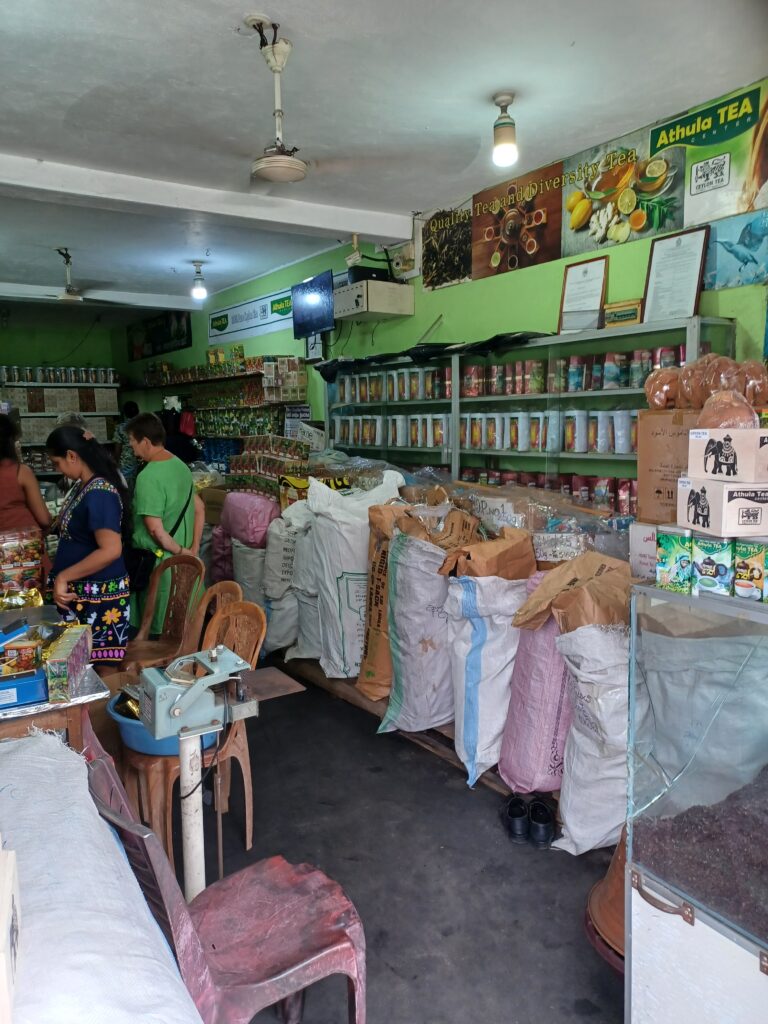
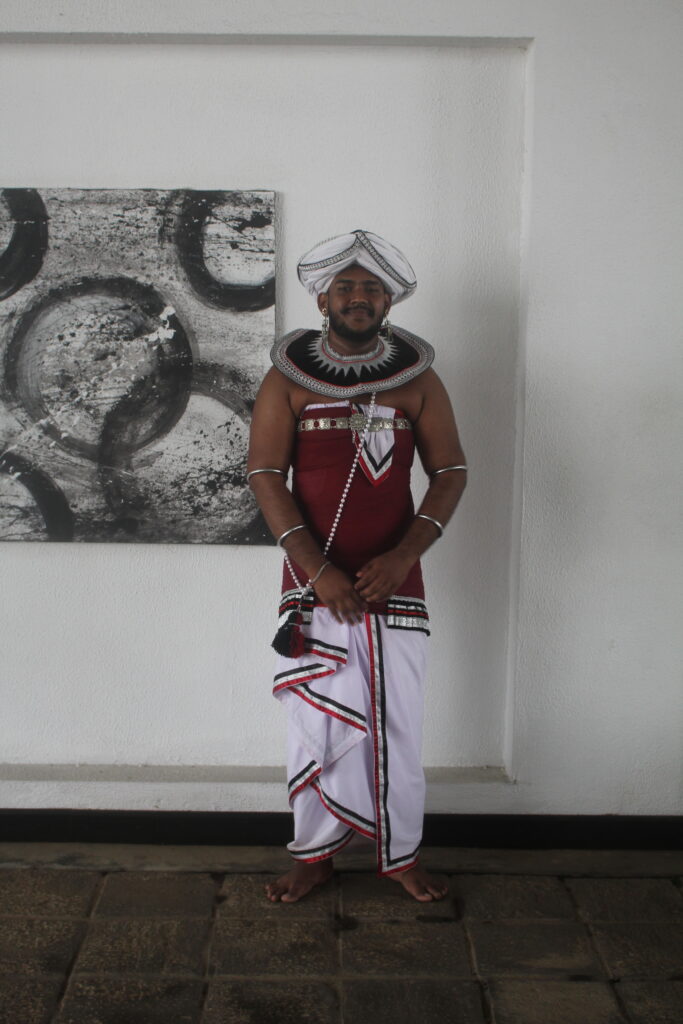
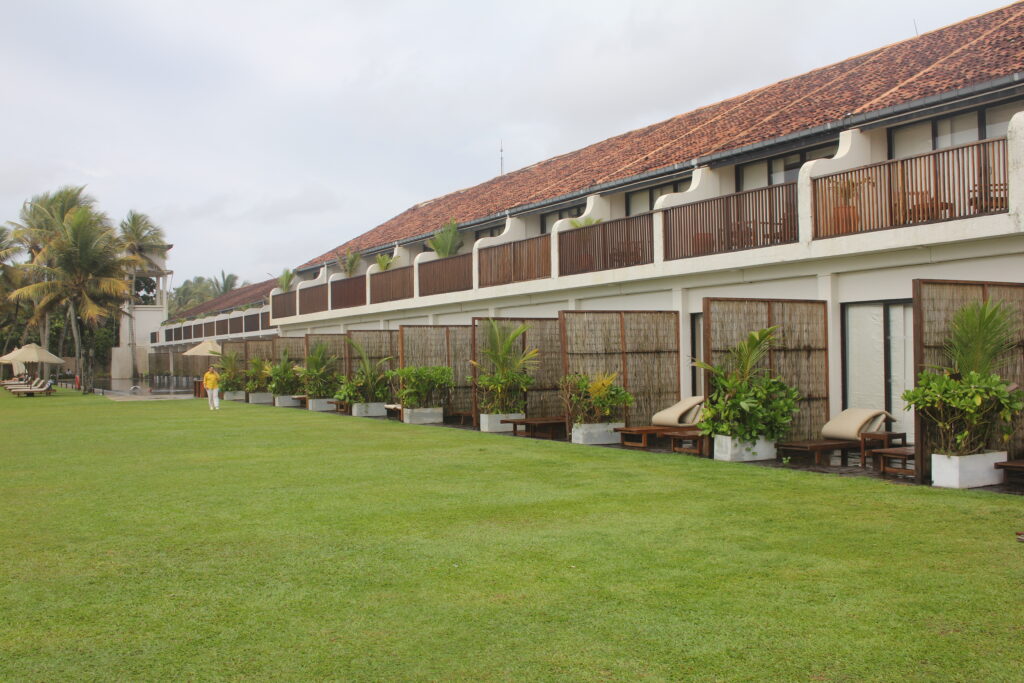
Shopping in Bentota.Welcome to our hotel!Your hotel room has either a balcony or you can go straigh out to the lawn.
One advantage of Bentota as a beach holiday destination is its calm waters and the wide river mouth at the back of the Bentota peninsula. This stretch between Bentota and Aluthgama is perfect for relaxed water sports, such as banana boat rides. The Bentota Bridge is the boundary of the western and southern provinces. Bentota lies only 65 km from the capital, Colombo.
Bentota is also a center of Ayurvedic treatments, a superb way to unwind on holiday. The Bentota Ayurveda Center is nestled right across the railway tracks behind the sea and the resorts. There you’ll also find some of the best traditional restaurants in the area, just a short walk from the resorts.
The restaurants along the railway track offer delicious food at reasonable prices. The service is excellent. Beer or sparkling water is my preferred drink, as imported wine is relatively expensive. By the Bentota River, there are other options: fine dining restaurants in romantic surroundings. It’s a rare possibility to enjoy a meal outside in the midst of palm trees. It’s a body-and-brain relaxation unlike anything else.
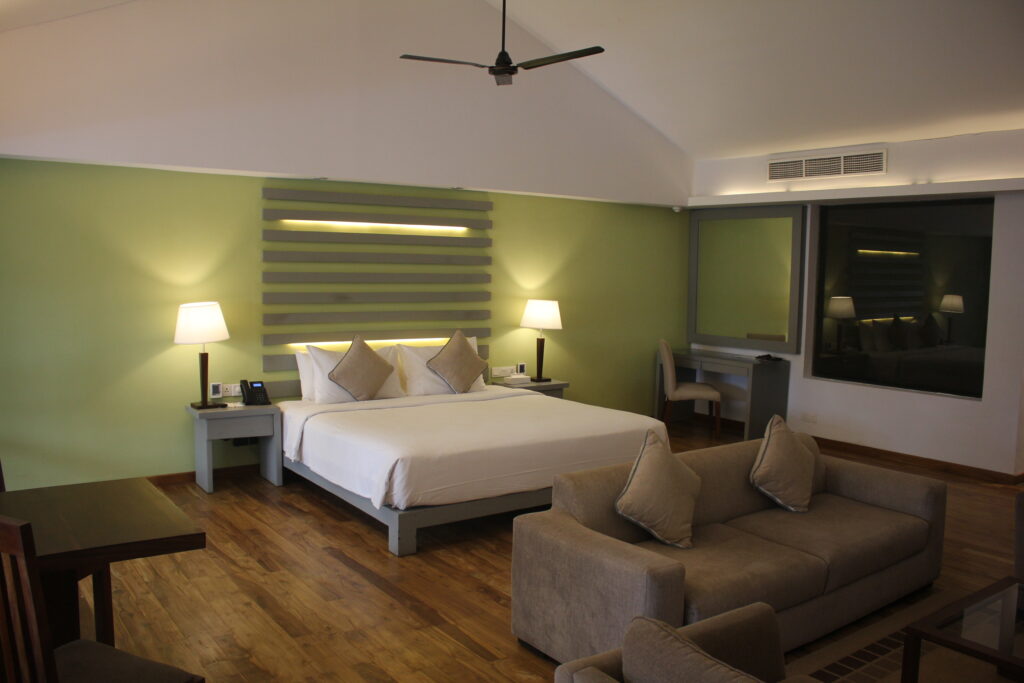
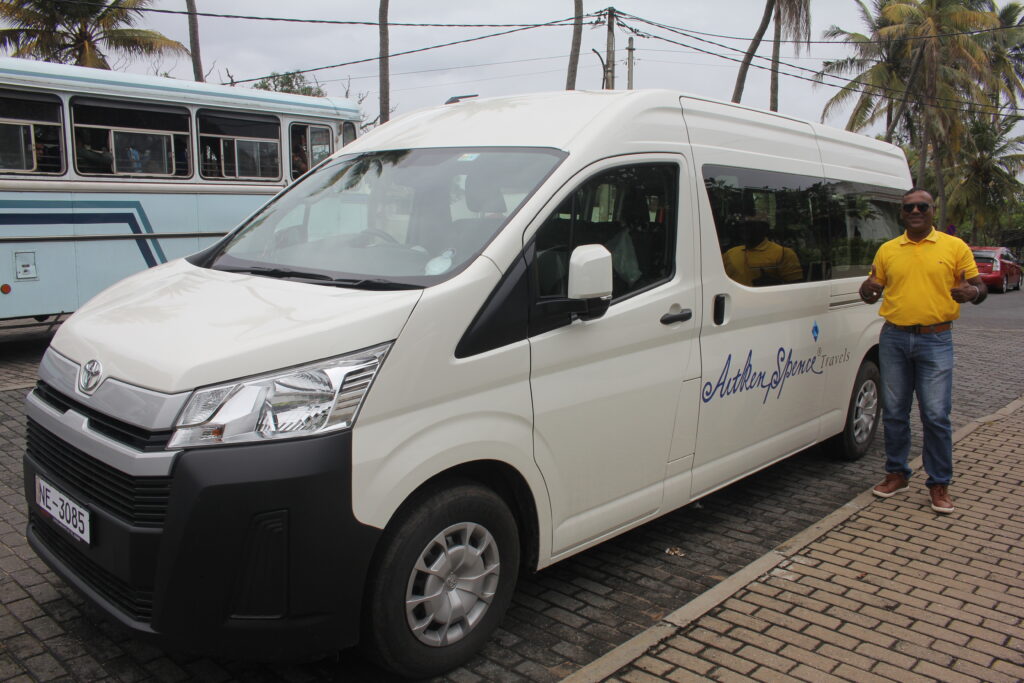
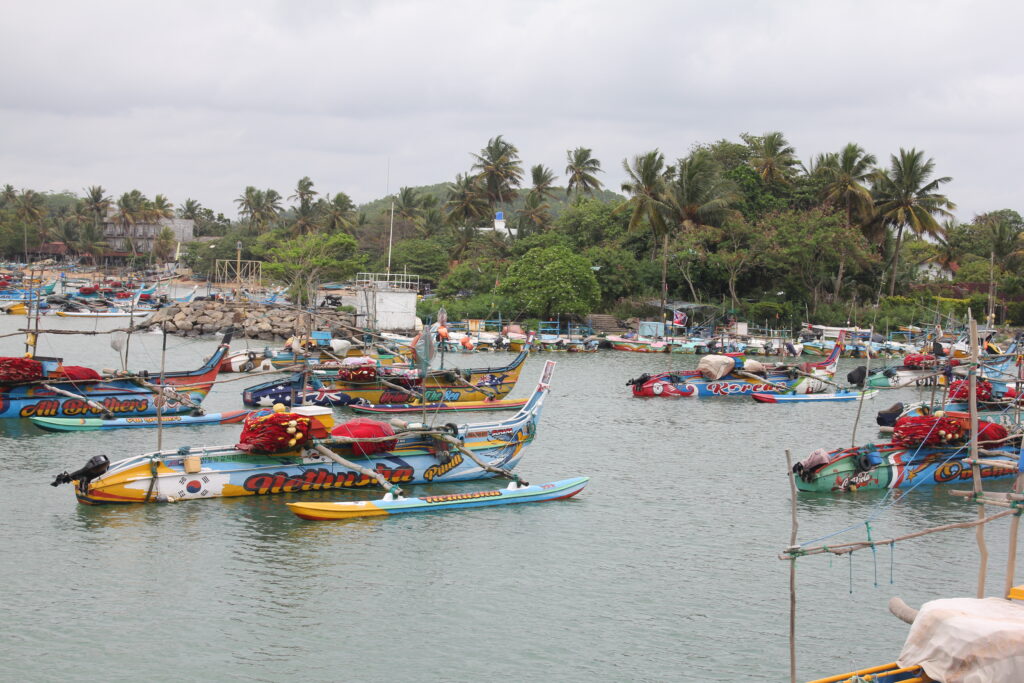
Spaceous rooms.Our driver taking us to the most exiting places.Colorful boats take you on a river ride.
To me, Bentota was love at first sight. The scenery, the people, and the warmth. Not just physical warmth, but sensory abundance. Humidity carries smells and sound. Food is layered, fragrant, unapologetic. The ocean is not scenery; it is a presence. After weeks of cold-induced inwardness, the external world becomes demanding again—and that demand feels like relief.
The people in Sri Lanka are pleasant, polite, and helpful. I feel relaxed and well cared for.
Still, whenever I describe this desire to escape winter, doubts inevitably follow.
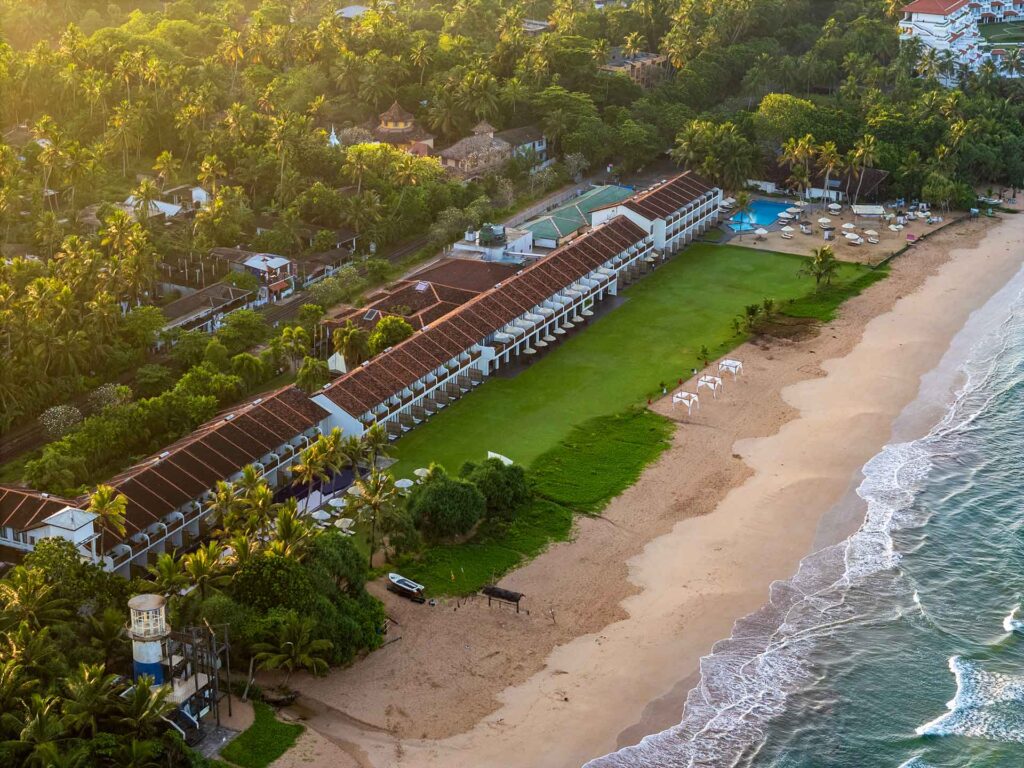
From a simple wedding seremonyEcho hotel, Bentota. Photo: Echo.Your accomodation, Echo hotel. Photo: Echo.
It’s such a long flight
Yes, it is. And distance matters. But there is a difference between inconvenience and deterrence. A long flight becomes a threshold—a clear transition between lives. And after a short stop in Doha, you do not drift into Sri Lanka; you arrive deliberately. That distance creates mental separation, which is precisely the point. For me, the length of the journey was not a flaw but a feature: a signal that this was not a weekend distraction, but a reset.
Isn’t it hard being so far from home?
Only if home is defined purely by proximity. Modern travel collapses distance in practical terms. Communication is constant. Familiar routines can be recreated selectively. And being far from home sharpens perspective. You notice which habits you miss and which you do not. Distance clarifies attachment rather than weakening it.
What about health concerns?
This question often carries unspoken anxiety about unfamiliar systems and climates. But health risks exist everywhere; they simply take different forms. Sri Lanka has established medical infrastructure, especially in urban areas, and common travel precautions—insurance, vaccinations, awareness—address most concerns. More importantly, mental health is part of health. Prolonged darkness and cold take a toll that is rarely acknowledged because it is normalized. Choosing sun and movement can be preventative care, not indulgence.
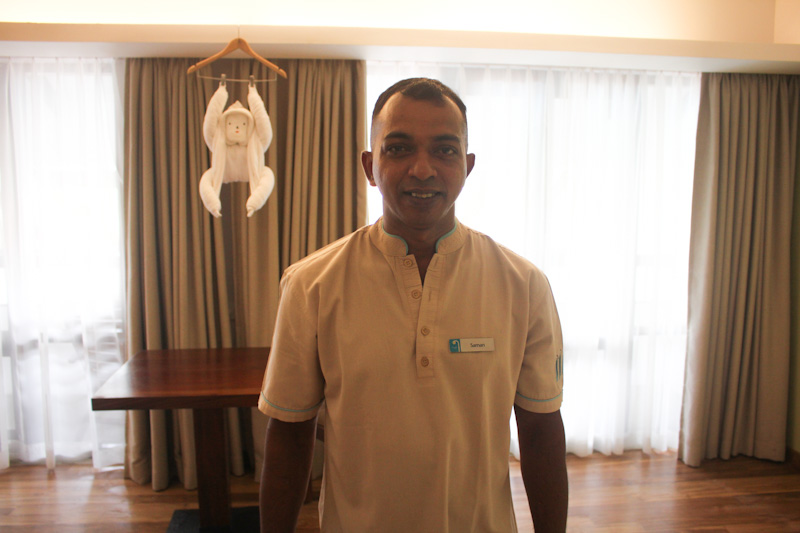
My room keeper Saman made a new towel animal everyday, placing it on the bed, or like here, hanging in front of the curtain. He told me he could make about 30 different figures.
Isn’t it irresponsible to escape rather than endure?
This is perhaps the most Nordic question of all. Endurance is valued here, sometimes at the expense of well-being. But escape is not abandonment. It is paused. Recalibration. The ability to step outside a system in order to return to it with perspective. Leaving winter behind for a time does not negate resilience; it preserves it.
In Sri Lanka, what I anticipated most was not rest, but responsiveness. The way days are shaped is less by clocks and more by heat, rain, and light. The way people adapt continuously rather than fortifying against the environment. Climate shapes culture, and culture shapes emotional availability. Smiles come easier when faces are not hidden behind scarves. Conversations happen in shared space rather than scheduled slots.
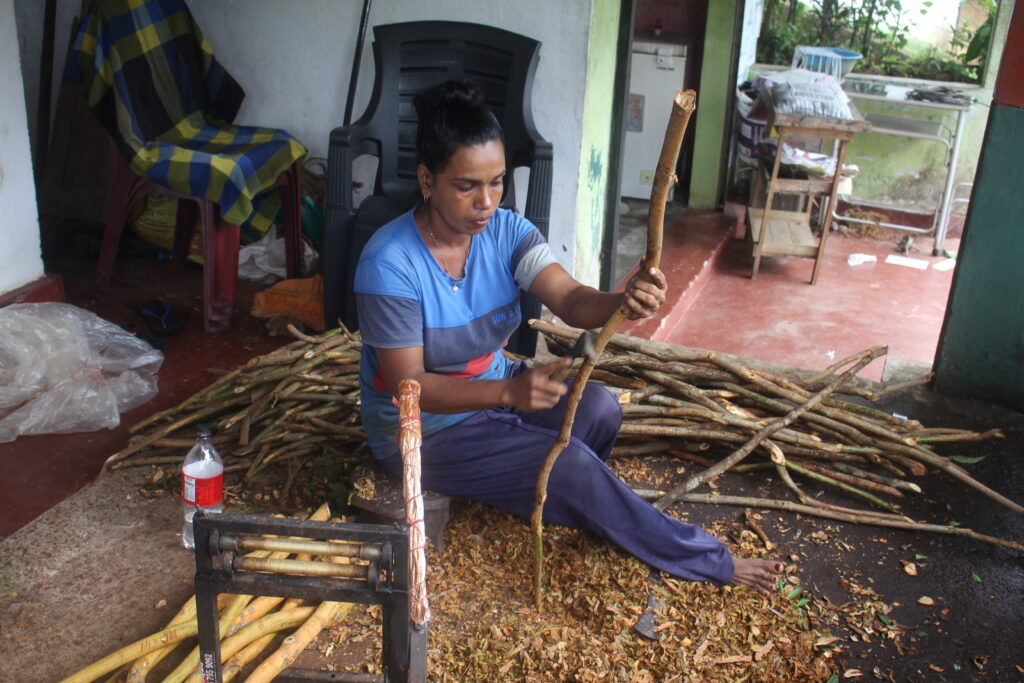
While Bentota isn’t a major production center like the dry zone, it’s part of the broader national context where sugarcane cultivation and processing are vital for food security and rural income.For centuries, Ceylon tea has been known as the finest tea around the world. Ceylon tea consists primarily of black tea, however green tea and other types of tea are also grown.
This is not romanticism. Sri Lanka has its own complexities, challenges, and contradictions. But none of them resembles winter paralysis. The island demands engagement. You sweat. You adjust. You participate. Even discomfort feels active rather than numbing.
Escape, in this sense, is not about avoiding difficulty. It is about choosing a different kind of effort. Cold asks you to contract; heat asks you to adapt. One rewards discipline. The other rewards presence. After weeks of contraction, the presence felt urgent.
I never imagined this journey as permanent. The value lies in contrast. Norway in winter teaches patience, structure, and restraint. Sri Lanka offers looseness, immediacy, and sensory renewal. One sharpens the other’s appreciation. Leaving makes returning meaningful.
If you want to escape the winter, Explore Sri Lanka is the only travel agency in Norway specializing solely in Sri Lanka. Check it out here.
When I picture the end of this escape, I do not imagine reluctance. I imagine carrying heat home—not literally, but rhythmically. A memory of light strong enough to endure darkness without being consumed by it. A reminder that endurance is a choice, not an obligation.
Winter will still be there. But I will meet it differently. Not depleted, but replenished. Not waiting, but prepared. And that, more than warmth, is why I needed to go south.
As 2026 unfolds, the concept of finding balance sits at the forefront of minds around the globe. More than ever, we are seeking an integrated model of living well that emphasizes harmony in how we think, move, eat, and ultimately how our internal systems respond to the relentless pace of modern life. Here’s a balance blueprint: From mind and body connection to blood sugar in 2026.
How can our everyday choices better support both mind and body?
The modern world is faster, louder, and more connected than ever before. Chronic stress has become so normalized that it is often worn as a badge of honor in the pursuit of productivity until it manifests as severe fatigue, irritability, disrupted sleep, physical discomfort, weight fluctuations, and difficulty concentrating, often referred to as “brain fog.”
These signals are not signs of weakness. They are messages from the body indicating that balance has been disrupted and some attention is needed. This is where we need to listen and implement small changes that can have a significant positive impact.
Practices such as breathwork, mindfulness, time in nature, and intentional movement are no longer viewed as luxuries.
Finding balance invites us to rethink our daily rhythms and implement small, intentional changes that restore a sense of harmony within. Health experts increasingly emphasize nervous system regulation as a foundational pillar of well-being. Practices such as breathwork, mindfulness, time in nature, and intentional movement are no longer viewed as luxuries; they are becoming essential counterweights to cognitive and physical overload. Physical balance practices, including tai chi, qi gong, and yoga, help create and support a strong balance blueprint in the body, in tandem with nutrition choices that nourish the brain and promote steady blood sugar levels.
Let’s break these down.
Techniques for Physical Balance and the Mind and Body Relationship
Mental and physical health are deeply intertwined. Psychological stress affects our physiological rhythms, including breathing, digestion, and hormone levels. Our physical habits include nutrition, exercise, and sleep, all of which shape our mood, focus, and emotional resilience. Research continues to show that when the body is under constant physiological stress, systems designed for short-term survival remain activated, the “fight or flight” mode.
Over time, this can affect everything from immune function to metabolic efficiency. Practices such as tai chi and qi gong are gentle, meditative movements that offer powerful benefits for physical and mental well-being and balance. Physically, slow, controlled movements improve balance, flexibility, posture, and joint mobility while building strength without placing stress on the body. These practices support circulation and breathing efficiency and promote recovery and resilience in the nervous system.
Physically, slow, controlled movements improve balance, flexibility, posture, and joint mobility while building strength without placing stress on the body. Photo: Map My Genome.
These practices are beneficial for stress reduction, injury prevention, and healthy aging. Mentally, tai chi and qi gong help to calm mental chatter and regulate emotional responses. By synchronizing breath with movement, they activate the parasympathetic nervous system, reducing anxiety, improving focus, and fostering a sense of calm and clarity. Together, they offer a holistic approach to movement that restores both the physical and mental balance between mind and body.
The ancient practice of Yoga has been popular and is known for its benefits, including increased strength and flexibility, reduced stress and anxiety, lower blood pressure, improved heart health, and better blood sugar control. Simple meditation is another way to support the body’s systems, find balance, reduce stress, and improve sleep patterns. Various meditation techniques offer distinct pathways toward mental and physiological regulation.
Guided imagery uses visualization to evoke calm and promote relaxation, while mindfulness meditation emphasizes present-moment awareness, allowing thoughts to arise and pass without judgment as attention remains anchored in the breath and the surrounding environment. Mantra or chanting meditation, which involves repeating a word or phrase such as “calm,” “health,” or “peace,” can further support cognitive focus and reinforce intentional states of being. Collectively, these practices provide evidence-informed tools to restore balance and bridge ancient wisdom with contemporary needs for resilience, regulation, and well-being.
Cardiovascular exercise, such as brisk walking, jogging, cycling, or swimming, works the heart and lungs, strengthening the cardiovascular system, improving circulation, and increasing the heart’s efficiency in pumping blood. Photo: Science Daily.
Physical Activity and Exercise for Balance
It is generally recommended that we get at least 150 minutes per week of physical activity to improve our overall health. Committing to at least 150 minutes of exercise per week, an average of 30 minutes per day, five days a week, or what you can, broken up into time increments allowed in your schedule. You can combine cardiovascular activity with strength training to build a strong foundation for balancing the body, mind, and internal systems.
Cardiovascular exercise, such as brisk walking, jogging, cycling, or swimming, works the heart and lungs, strengthening the cardiovascular system, improving circulation, and increasing the heart’s efficiency in pumping blood. Over time, this helps improve resting heart rate and blood pressure, reduces cholesterol levels, and significantly lowers the risk of heart disease and stroke. Cardiovascular exercise also plays a critical role in blood sugar regulation by increasing the muscles’ ability to absorb and use glucose during and after movement, helping to prevent sharp spikes and crashes in energy.
Strength training complements these benefits by building and maintaining lean muscle mass, essential for long-term health. Strength training also supports joint stability, posture, and bone density, reducing the risk of injury and age-related bone loss. Muscle tissue also serves as a reserve for glucose. The more muscle we have, the better our body can regulate blood sugar and improve insulin sensitivity. Together, cardio and resistance training reduce chronic inflammation and support a more resilient physical body.
Beyond physical effects, regular cardio and strength training have profound benefits for mental and emotional well-being. Exercise stimulates the release of endorphins and neurotransmitters such as serotonin and dopamine, which help reduce stress, anxiety, and symptoms of depression while improving mood, focus, and cognitive function. Physical activity also helps regulate the nervous system, promoting better sleep and enhancing the body’s ability to adapt to daily stressors. When practiced consistently, 150 minutes of intentional, varied exercise each week becomes a key strategy for creating balance.
If we can’t get 150 minutes per week, do what is possible. It all counts, and new studies show that even 10 minutes of exercise per day can yield significant health benefits. The key is to implement whatever changes you can; even small ones can have a significant impact. Take a quick five-minute walk or do a few squats when time and circumstances allow.
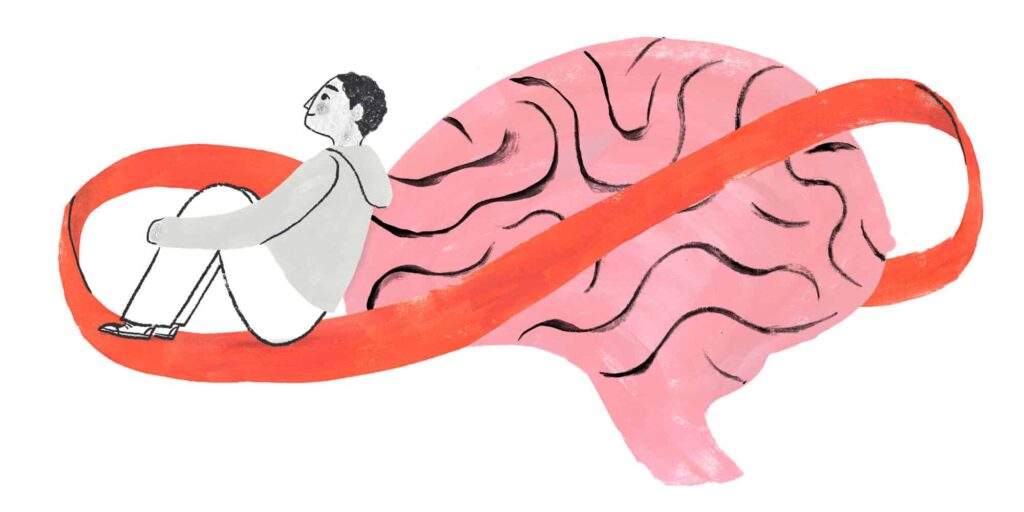
A Balance Blueprint: From Mind and Body Connection to Blood Sugar in 2026. Illustration: Harvard Health.
The Impact of Nutrition on Balance in the Body
Whole foods rich in fiber, healthy fats, quality protein, and essential micronutrients support steady health, balance, and energy in the body, and reduce the dramatic highs and lows often associated with highly processed diets. Healthy meals and eating patterns tend to promote satiety, mental clarity, and sustained performance throughout the day. Nutrition supports balance in the body most effectively when foods and nutrients work together to stabilize blood sugar while nourishing the brain and heart.
Fiber-rich foods such as oats, barley, rye, lentils, beans, berries, apples, and leafy greens slow carbohydrate absorption, helping prevent blood sugar spikes and supporting a healthy insulin response. Aim for 30 or more grams of fiber per day for good digestion and healthy blood sugar. Pairing these carbohydrates with quality proteins such as eggs, yogurt, fish, poultry, tofu, legumes, and healthy fats from avocados, olive oil, nuts, seeds, and fatty fish further steadies glucose levels and promotes long-lasting energy.
For brain health, omega-3 fatty acids found in salmon, sardines, walnuts, flaxseeds, and chia seeds support cognitive function, memory, and mood regulation. B vitamins from whole grains, eggs, leafy greens, and legumes are essential for neurotransmitter production and nervous system balance. Minerals such as magnesium found in pumpkin seeds, almonds, spinach, bananas, dark chocolate, and whole grains help calm the nervous system, regulate blood sugar, and support heart rhythm, while potassium from bananas, sweet potatoes, beans, and yogurt helps maintain healthy blood pressure.
Antioxidants from colorful fruits and vegetables such as blueberries, beets, tomatoes, and peppers help protect brain and heart tissue from inflammation and oxidative stress. Together, these foods and nutrients create internal balance by stabilizing energy, supporting mental clarity, protecting cardiovascular health, and allowing the body’s systems to function in harmony. The typical Scandinavian diet, or Nordic diet, includes many of these foods and nutrients and has gained increasing global attention as a model to aspire to, much like the Mediterranean diet. Eating in this healthy way helps keep blood sugar levels stable, an area of growing interest and importance in our health. Normal, healthy fasting blood sugar levels should be under 100 milligrams per deciliter. This test is typically performed during a physical exam. Another important test for assessing where our blood sugar levels are is an A1c test, a simple blood test that measures the average of our three-month blood sugar levels. A healthy A1c result is below 5.7. Results from 5.7 to 6.4 suggest pre-diabetes, and levels above 6.4 indicate diabetes. The good news is that by following a healthy diet, exercise, and mind-body techniques, along with your physician’s guidance, your numbers can be lowered or reversed.
2 salmon fillets baked at 200 celsius for 12-15 minutes
1 cup cooked lentils (brown or green)
1 small cucumber, sliced
1/2 cup cherry tomatoes
2 tablespoons olive oil
1 tablespoon lemon juice
1 teaspoon Dijon mustard
1 clove garlic, minced
Salt and pepper to taste
Optional: fresh dill or parsley
Fiber-rich lentils support digestion and steady energy
Salmon provides protein and omega-3 fats for brain health
Healthy fats and greens promote satiety and nutrient absorption
Balance. Photo by Nicole Hammond.
The Importance of Sleep for Health and Balance
Sleep and rest are essential to maintaining health and balance in the body. Sleep deprivation and irregular schedules disrupt nearly every system in the body, from hormone regulation to blood sugar levels to immune defense. As people become more aware of how fatigue affects decision-making, mood, and physical performance, sleep and rest are finally gaining the respect and momentum they deserve. To establish good sleep habits, aim for 7-8 hours of sleep per night. Avoid heavy meals within a few hours of bedtime, and avoid caffeine for several hours before bedtime. Try to establish a consistent sleep routine, going to bed around the same time every night. Avoid bright lights and screen time in bed when possible, and make the bedroom a cool, dark, clean, and cozy place. Journaling, meditation, and breathing exercises can support this important component of our health.
The Blueprint
Ultimately, balance in 2026 is not about perfection, rigid routines, or adding yet another item to an already full to-do list. It is about awareness, intention, and responding thoughtfully to the signals our bodies continually provide. When we align movement, nourishment, rest, and mental well-being, we create a sustainable support for our energy, focus, emotional resilience, and long-term health.
Small, consistent choices accumulate into meaningful change. In redefining balance as a daily practice rather than a distant goal, we empower ourselves to live with greater clarity, vitality, and resilience in an increasingly demanding world, finding balance in our minds, bodies, and yes, even our blood sugar.
Stay tuned for next month’s article, which will highlight how a cozy, well-designed home helps us feel healthy and productive.
A metal detectorist made a stunning Viking Age find in Norway. He discovered a Viking Age grave with a scallop covering the mouth of a skeleton, leaving archaeologists perplexed.
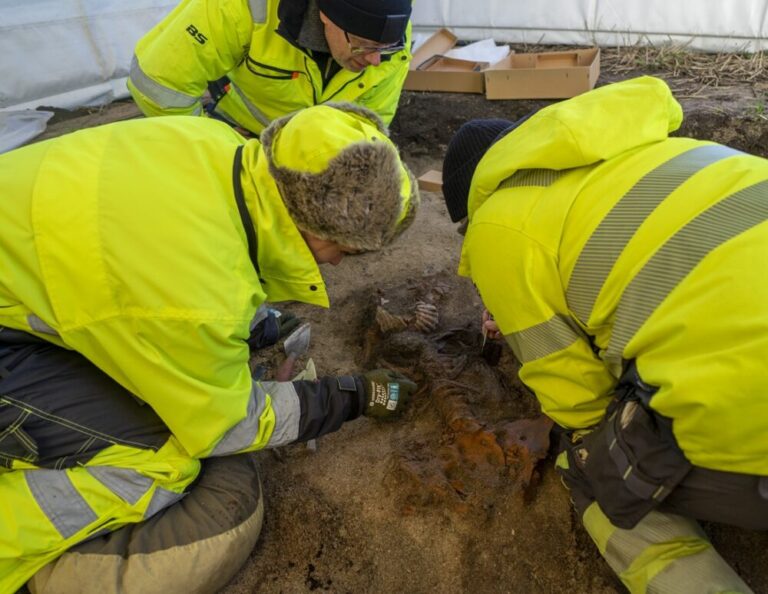
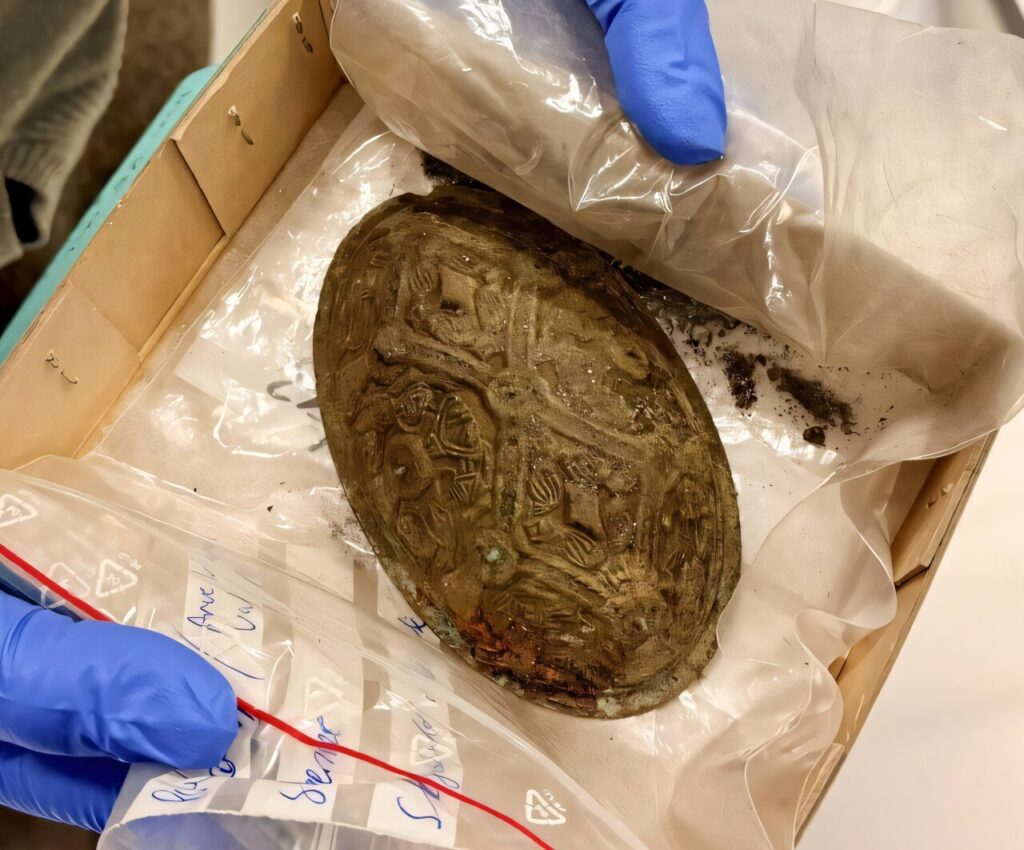
The find was made at Val in Bjugn, where hobbyist detectorist Roy Søreng uncovered an oval brooch late last year, an object commonly associated with women’s clothing in the 9th century. His report brought specialists from the NTNU Science Museum and Trøndelag County Council to the site, where they quickly realized that the artifact was only the beginning of something far larger.
What they found surpassed expectations. “This is a grave belonging to what we believe was a free, possibly married woman, likely a respected farm mistress,” says Raymond Sauvage, senior engineer at NTNU’s Department of Archaeology and Cultural History. “The preservation, the jewelry, the symbolism, it’s extraordinary.”
The find was made at Val in Bjugn. Photo: Arkeonews.
The practice of placing shells on a dead person’s mouth has previously not been documented from any pre-Christian grave in Norway. They also found small bird bones along the length of the grave, largely wing bones, carefully arranged, which provide another layer of symbolism that researchers are still trying to understand.
“We don’t yet understand the symbolism, but it must have carried deep meaning for those who laid her to rest,” says Sauvage. In the Middle Ages, scallop shells were associated with the cult of St James, but they have rarely been found in pre-Christian graves.
The practice of placing shells on a dead person’s mouth has previously not been documented from any pre-Christian grave in Norway.
Quiet and quick excavation
The excavation was conducted quickly and quietly because the grave was at risk of being destroyed by future plowing. In the same field, archaeologists previously found another remarkably well-preserved skeleton dating to the 8th century. The proximity of the two burials implies that the area was used over several generations as an important family or communal cemetery. Upcoming DNA testing may reveal whether the individuals were related.
The excavation was conducted quickly and quietly because the grave was at risk of being destroyed by future plowing.
Incredibly exciting discovery
Because of the exceptional preservation, the Ministry of Cultural Heritage provided emergency funding to conduct a full rescue excavation. The funding enabled the archaeologists to document the grave in detail, recover fragile objects, and secure bone samples before further deterioration. Specialists will examine the woman’s age, health, and possible causes of death, while conservators work to stabilize these delicate items.
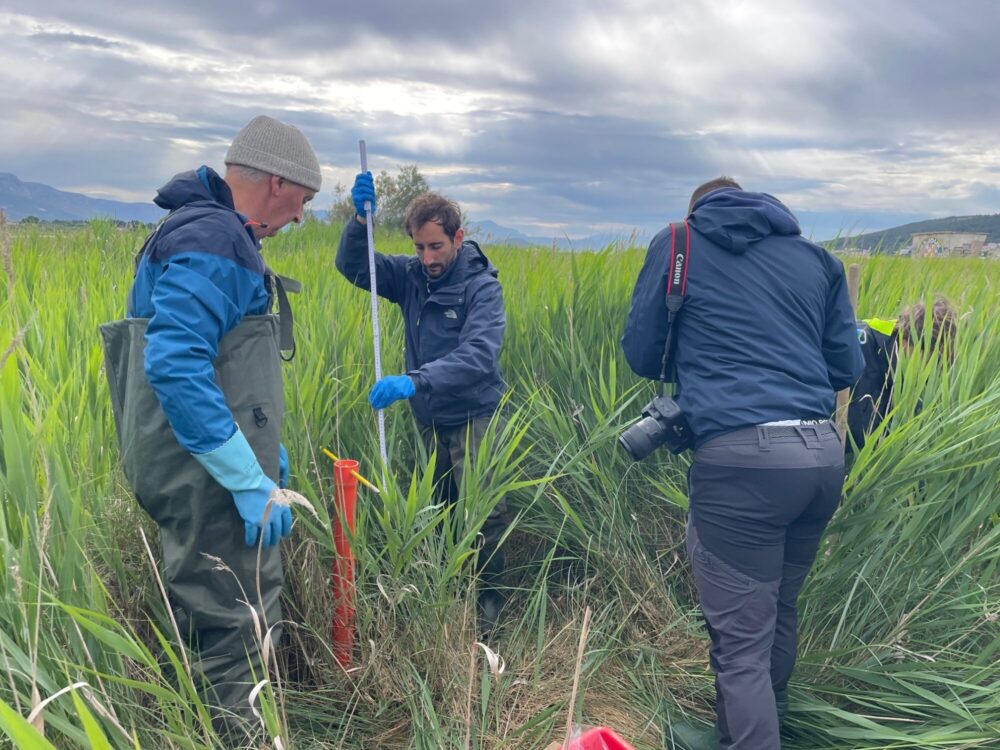
Researchers sampling carbon sequestration.
“This is an incredibly exciting discovery,” says Minister of Cultural Heritage Hanna Geiran. “Well-preserved Viking skeletons are exceptionally rare, and the knowledge potential here is enormous.”
Stunning Viking Age Find in Norway, Tor Kjolberg reporting. Sources and images: NTNU.
Feature image (top): Hanne Bryn, Knut Harald Stormsvik from Trøndelag County Authority with Kristoffer Rantala in action in the field. Photo: Raymond Sauvage, NTNU.
How Swedish, Norwegian, and Danish fitness cultures deliver sustainable results without diet-industry chaos. Read on and learn why Scandinavian methods work better than extreme dieting.
Walk through Stockholm, Copenhagen, or Oslo, and you’ll notice something: people look fit without appearing obsessed with fitness. There’s no juice cleanse culture, no extreme bootcamps on every corner, no diet industry dominating conversations. Yet Scandinavian countries consistently rank among the healthiest populations globally, with lower obesity rates than most Western nations.
This isn’t genetic luck—it’s a cultural approach. The Nordic philosophy on weight loss and body composition emphasizes sustainability, balance, and realistic goals over the quick-fix, all-or-nothing mentality that dominates American and UK fitness culture.
As Scandinavian fitness professionals increasingly build global practices serving international clients, they’re bringing this balanced approach to audiences desperate for alternatives to extreme dieting. The results speak for themselves: better long-term adherence, sustainable weight loss, and improved relationship with food and exercise.
Here’s what the Nordic approach gets right that mainstream diet culture gets wrong.
Lagom: The Swedish Philosophy Applied to Fitness
The Swedish concept of “lagom”—roughly translated as “just the right amount” or “not too much, not too little”—is pervasive in Nordic fitness culture. This philosophy rejects extremes in favor of sustainable moderation.
What This Looks Like in Practice:
Working out 3-4 times weekly, not punishing daily sessions
Eating well most of the time without obsessing over every meal
Walking and cycling as primary transportation, integrating movement into daily life
Enjoying social meals and treats without guilt, then returning to normal eating
Taking rest seriously as part of fitness, not as weakness
This approach seems obvious, but it’s revolutionary compared to fitness culture promoting “no days off,” extreme caloric restriction, and moral judgment around food choices.
Scandinavians don’t need gym motivation—they have cultural practices. Photo: forskning.no
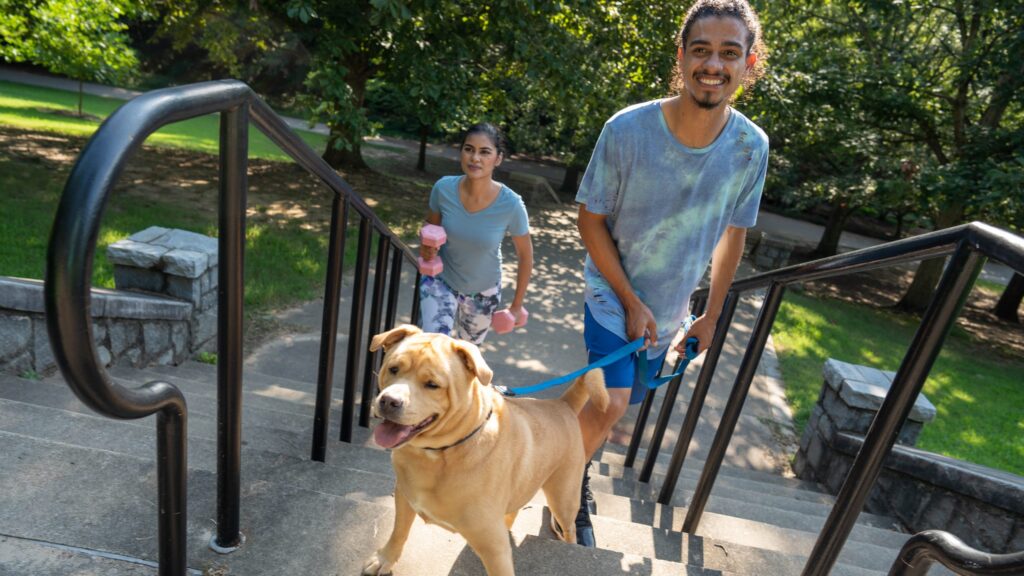
Scandinavians don’t need gym motivation—they have cultural practices of hiking, skiing, cycling, and walking that make movement automatic rather than something requiring willpower. This creates baseline activity levels that support weight management without formal “exercise.”
The Weight Loss Advantage: When movement is integrated into daily life rather than compartmentalized into gym sessions, total energy expenditure increases without feeling like effort. Someone walking 30 minutes to work, cycling to errands, and hiking on weekends burns significantly more calories than someone driving everywhere but doing one intense gym session.
Nordic fitness culture emphasizes body composition. Photo: EVO
Body Composition Overweight Loss
Nordic fitness culture emphasizes body composition—the ratio of muscle to fat—rather than just scale weight. This is where the FFMI Calculator becomes relevant.
Fat-Free Mass Index (FFMI) measures lean body mass relative to height, providing insight into muscle development independent of body fat. Two people at the same weight can have dramatically different body compositions—one with high muscle and low fat (high FFMI), the other with low muscle and high fat (low FFMI).
Why This Matters: Scandinavian trainers focus on building or maintaining muscle while losing fat, not just losing weight indiscriminately. This creates the lean, strong appearance characteristic of Nordic populations rather than the “skinny-fat” outcome common with extreme caloric restriction.
The FFMI approach also sets realistic expectations. Extremely low body fat with high muscle mass (bodybuilder physique) typically requires unsustainable practices. Nordic culture targets the middle ground—healthy body fat percentage with good muscle development, achievable and maintainable over the long term.
No Extreme Diet Culture
Walk into a Scandinavian grocery store, and you won’t find aisles of “diet” foods, meal replacement shakes, or extreme low-calorie products. The Nordic diet emphasizes whole foods—fish, whole grains, berries, root vegetables—prepared simply.
• Social eating is valued over eating alone. Photo: Strawberry hotels.
Cultural Food Approach:
Regular meals at consistent times (no skipping breakfast or intermittent fasting trends)
Social eating is valued over eating alone
Quality over quantity—good ingredients prepared well
Minimal processed foods without demonizing them
Coffee breaks (fika in Sweden) as social ritual, not guilty pleasure
This creates healthy eating patterns without the psychological damage of restrictive dieting, binge cycles, and food anxiety that plague diet culture.
Scandinavian fitness trainers are building international practices serving clients worldwide. Photo: PhotRoom.
Scandinavian Fitness Professionals Going Global
As remote work and digital business models expand, Scandinavian fitness trainers are building international practices serving clients worldwide—and bringing Nordic philosophy with them.
These trainers differentiate themselves through:
Sustainable Programming: No extreme transformations or 12-week challenges. Long-term coaching relationships focused on lifestyle change, not temporary motivation.
Work-Life Balance Modeling: Unlike American fitness culture glorifying hustle and constant availability, Nordic trainers maintain clear boundaries. They take summer holidays, they work reasonable hours, and they model the balance they preach.
Evidence-Based Practice: Scandinavian education systems’ emphasis on research literacy means Nordic trainers typically offer more scientifically grounded advice versus broscience and trends.
Professional Digital Infrastructure: To serve global clients, successful Scandinavian trainers use professional weight loss trainer link in bio platforms consolidating booking, programming, and client management. This allows them to maintain a Nordic work-life balance while serving an international clientele.
The Scandinavian training philosophy is moderate, consistent practices rather than alternating restriction and excess. Photo: EYDA.
The Mental Health Component
Nordic countries consistently rank highest in happiness and well-being indexes. Part of this reflects an approach to fitness and body image that avoids the shame, guilt, and obsession characterizing diet culture elsewhere.
Cultural Differences:
Body acceptance coexists with health goals—you can be content with your body while working to improve it
Exercise is for wellbeing, not punishment for eating
Food is fuel and pleasure, not a moral category
Rest and recovery are valued, not seen as laziness
This creates better mental health outcomes alongside physical health improvements—something extreme diet culture rarely achieves.
What the Rest of the World Can Learn
The Nordic approach won’t solve everyone’s weight challenges—genetics, socioeconomic factors, and medical conditions all play roles. But the philosophical framework offers a valuable alternative to extreme dieting:
Sustainability Over Speed: Slow weight loss (0.5-1% body weight per week) maintained over the long term outperforms rapid loss followed by regain.
Integration Over Compartmentalization: Building activity into daily life rather than separating “exercise” from normal living.
Balance Over Extremes: Moderate, consistent practices rather than alternating restriction and excess.
Composition Over Weight: Building muscle while losing fat, rather than just pursuing lower numbers on scales.
Wellbeing Over Aesthetics: Prioritizing how you feel and function over appearance alone.
The Business Model for Scandinavian Trainers
Scandinavian fitness professionals building international businesses face a unique challenge: maintaining the Nordic work-life balance while serving global markets across time zones.
Success requires a professional infrastructure—automated booking, asynchronous programming, and clear availability boundaries. The trainers thriving aren’t those working 80-hour weeks, but those with systems enabling them to serve more clients while working less.
This actually creates better client outcomes. Trainers who model sustainable practices deliver sustainable results for clients. The Nordic trainer, taking an August holiday and working 35-hour weeks, teaches clients that fitness doesn’t require sacrificing quality of life—it enhances it.
Why Scandinavian Methods Work Better Than Extreme Dieting – The Bottom Line
Scandinavian populations maintain lower obesity rates and higher fitness levels, not through extreme practices but through cultural integration of movement, balanced nutrition, and realistic body composition goals rather than weight obsession.
As Nordic fitness professionals build global practices, they offer an alternative to extreme diet culture: sustainable, balanced approaches that work long-term precisely because they don’t require perfection or extremism.
The lagom approach—just the right amount—applied to fitness creates results that last because they’re built on practices you can maintain for life, not just 12-week transformation programs.
For people exhausted by diet culture’s extremes, the Nordic model offers a refreshing alternative: health and fitness as a sustainable lifestyle, not temporary suffering.
Sikandar Hayat
Why Scandinavian Methods Work Better Than Extreme Dieting, written for Daily Scandinavian by Sikandar Hayat. Sikandar is a digital marketing and SEO professional with a strong interest in health, fitness, and evidence-based wellness trends. He works closely with international brands, publishers, and fitness professionals to create high-quality, research-driven content that connects modern lifestyle practices with sustainable health outcomes. Sikandar focuses on long-term approaches to fitness, nutrition, and online growth, avoiding hype-driven trends in favor of practical, realistic strategies that people can maintain over time.
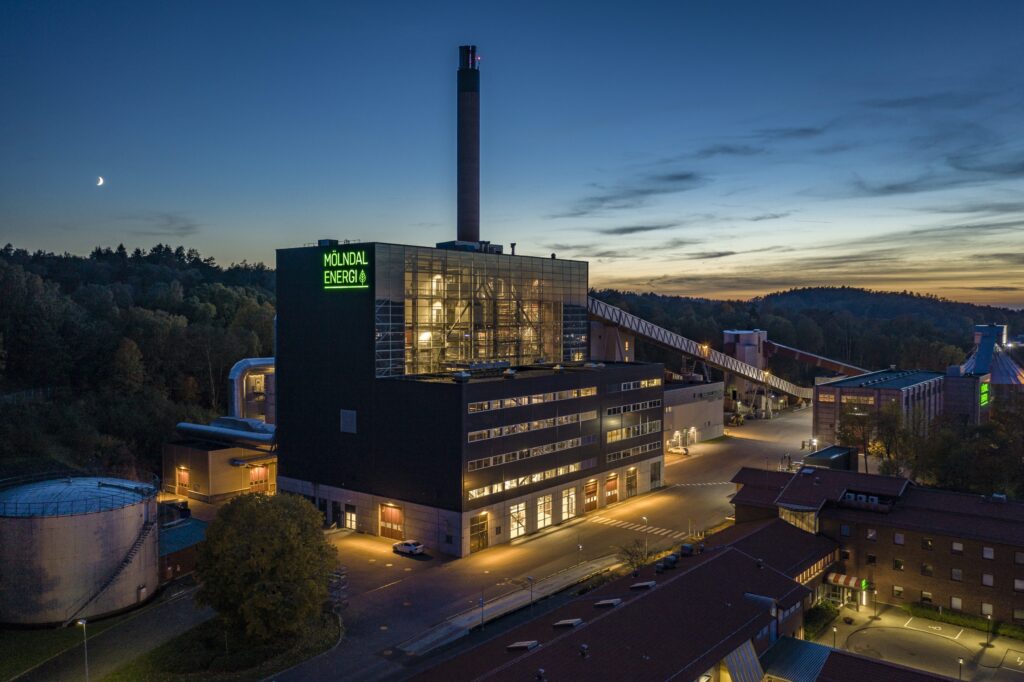
Scandinavia experiences frigid temperatures that can drop to −25°C to −30°C, posing significant health risks and disrupting daily life. Read on to learn how Sweden is upgrading home heating systems to meet emissions targets.
Frigid winter temperatures make an efficient heating system a non-negotiable for Swedish people, with Sweden having one of the highest heat pump sales per 1,000 households in Europe. Although the country relies primarily on heating oil to keep homes warm, the government has taken significant steps to reduce fossil fuel use and offer more environmentally friendly alternatives.
Sweden aims to achieve net-zero emissions by 2045 and is now addressing its heating challenges by focusing on green technology and energy efficiency. Here’s how Sweden is upgrading home heating systems to meet emission goals.
The country’s electricity surplus encouraged more homeowners to install heat pumps. Photo: Daikin.
Extensive Heat Pump Adoption
Older homes in Sweden typically had boilers to provide heat, and as of 2018, nearly 35,000 homeowners still used oil boilers regularly, with some keeping them on standby as needed. Although they’re now considered a minority heating source, boilers remain beneficial because they distribute heat evenly throughout rooms and shared indoor spaces. Unlike furnaces, these don’t blow dust or allergens into homes, making them ideal for those with respiratory conditions or allergies. Regular boiler maintenance and cleaning, ideally performed by a trained professional, can help keep boilers in good condition, ensuring safety and optimizing energy consumption. Eventually, however, expect boilers to be phased out in favor of more sustainable heating alternatives, such as electric heat pumps.
The transition from fossil-fuel to electricity-powered heating has been underway since the 90s, driven by Sweden’s carbon tax, which raised the price of heating oil. The country’s electricity surplus encouraged more homeowners to install heat pumps. Although heat pumps are about two to four times more expensive than gas or oil boilers, around 70 percent of Swedish houses now have a heat pump, which accounts for 30 percent of the country’s total building heat demand.
To make green heating more affordable, Stockholm-based clean energy company Aira has begun offering a subscription model to Swedish residents and homeowners in other parts of Europe. Since the unit typically costs €2,000 to €19,000, depending on the model, spreading the cost of the heat pumps over monthly repayments can make this heating system more accessible to the average homeowner.
Sweden has achieved district heating, now meeting 75 percent of the country’s energy demand. Illustration: Open DH Forum.
District Heating for a Lower Carbon Footprint
District heating is often thought to be only possible in science fiction movies, where entire utopian communities rely on a single sustainable heat source to keep their homes warm. However, Sweden has achieved this, with district heating now meeting 75 percent of the country’s energy demand. This system operates by heating water in large plants using eco-friendly fuels, such as waste, wood chips, and pellets, and by capturing residual heat from data centers and factories. The hot water is then pumped through a network of underground pipes to buildings, where it flows to radiators and out of hot water taps. The cooled water then returns to the central plant for reheating, and the cycle repeats.
This type of heating system is now supplying continuous, reliable heating in urban areas, particularly for multi-family homes and residential apartments. Because it’s a crucial driver of Sweden’s reduced carbon emissions, district heating is a major contributor to the nation’s 2040 fossil-free goals, as it lowers the country’s environmental impact.
To prevent warm air from escaping, more Swedish households are adopting holistic heating approaches. Photo: Petersson Sustainable Power Plant/Smart City Sweden.
Holistic Approach to Heating
Heat loss can increase heating system load, as heat pumps and district heating systems must operate more frequently and for longer periods to maintain healthy indoor temperatures. To prevent warm air from escaping, more Swedish households are adopting holistic heating approaches, such as installing triple-glazed windows, reinforcing walls with substantial insulation, such as mineral wool, and building houses with multi-layered walls. Some homeowners have also installed heat-exchanger ventilation systems in their homes to capture heat from outgoing air.
Holistic heating approaches can improve efficiency while keeping homes comfortable. It also reduces heating costs while supporting the transition to clean energy.
Sweden has set a remarkable example by using technology and renewable energy to keep homes warm year-round. By upgrading its heating systems, the nation is sure to meet its emissions targets while creating a pleasant indoor environment for locals and visitors.












 Bring your own earphones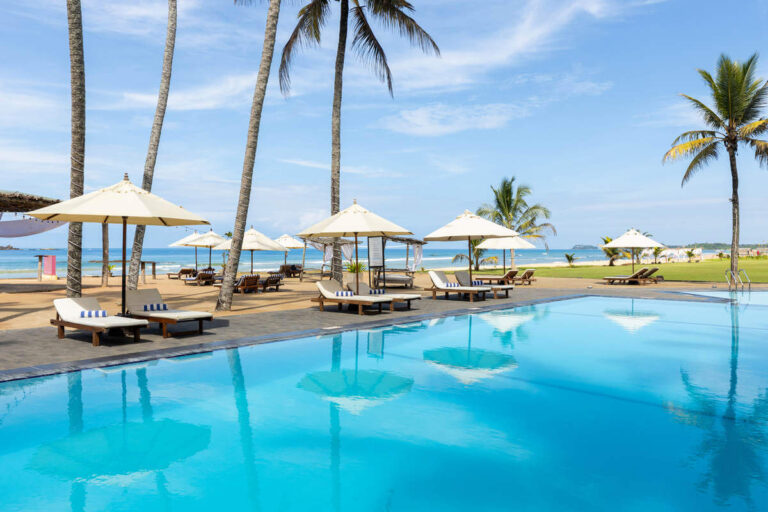











 Lagom: The Swedish Philosophy Applied to Fitness