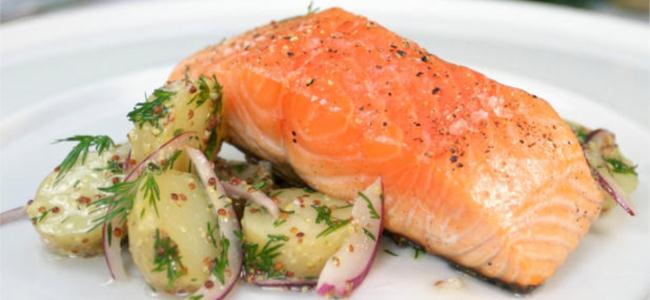


Wreck Diving In Norway

0

Narvik, in Arctic Norway, was an important harbor at the outbreak of World War II, and was the site of an intense battle between Norwegian, German and British forces.

Narvik is undoubtedly one of the best places in the world to dive and see wrecks from the Second World War. At the bottom of Ofotfjorden, it is possible to explore more than 10 historical wrecks, including the Norwegian costal defense ship PS Norge and Jager Z2 Georg Thiele.

Narvik burning after German bombing 2nd June, 1940

Narvik was a strategically very important location, being the only efficient port for shipping out iron ore from the Swedish mines in Kiruna. Consequently there were several battles over the city and its harbor, which littered the close by waters with the wrecks of cargo and war ships.

Narvik map of wrecks

The area around the harbor became a graveyard for ships, and while some have been salvaged there are still many left.

Germany’s newest destroyer Jager 72 Georg Thiele was to be used in the planned attack on Great Britain. It is also possible to dive and explore cargo ships and aircraft that were involved in the war.

Wreck of battleship Murmansk

M/S Stråssa, is a 121 meter long freight ship that got hit with a torpedo in 1940 and lies in rather shallow waters, well within OWD certification, full of visible marine life.

Uniquely, you can see three German warships on one dive – the destroyer Anton Schmitt, Dieter von Roeder and Wilhelm Heidkamp lie close together at just 12m-24m outside Framnesodden.

Norwegian Coastal Administration locates 15 more WW2 wrecks in Skagerak

The main attraction is the destroyer Wilhelm Heidkamp, which is standing upright in the bottom. You can see the fastening points to the torpedo launchers, the barrels of some 5cm guns the ship had and you can also take a peek through a hole in the side and see the washrooms of the ship.

Picturesque scuba diving at Gulen, Narvik

To commemorate the 70th anniversary of the Battles of Narvik, Visit NarvikNarvik War Museum and Expedia have created an interactive infographic about the history of what happened in the yown during several dramatic days in early April 1940. The piece provides historical material, including unique interviews and photos, highlighting why Narvik was so important for everyone involved in the Second World War, and why it is now a diving hotspot on many divers’ ‘to-do’ lists.


Narvik’s wrecks aren’t as well preserved as the 126m MS Frankemnwald, considered Norway’s single best wreck, which is among other WWII wrecks in the Sognefjord, north of Bergen.

Feature image (on top): Wreck diving in Sognefjord. Photo: Gulen Dive Resort

Wreck Diving In Norway, written by Tor Kjolberg
Coin Premiere in Sweden

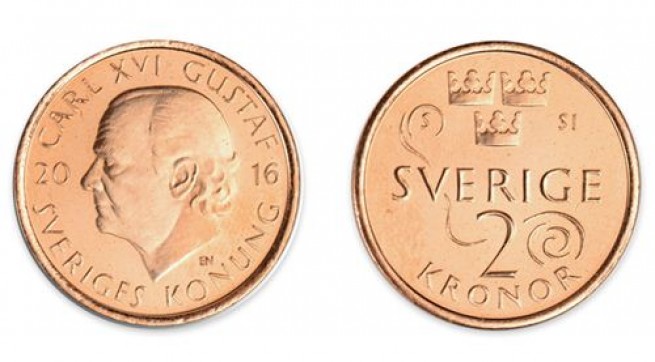
It is now possible to pay with the new 100 and 500 kronor banknotes, together with new 1, 2 and 5 kronor coins.

The second batch of Sweden’s new currency is now going into circulation as part of a huge project designed to replace hundreds of millions of banknotes and coins across the country.

071116-new-swedish-coins
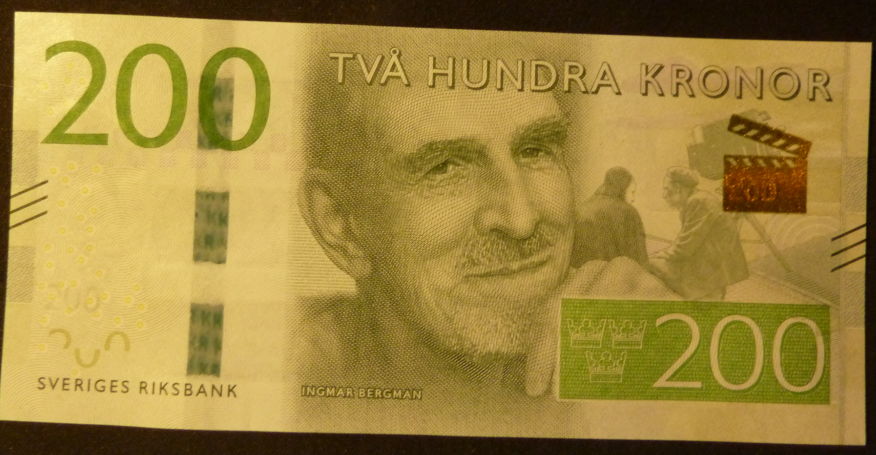
Sweden will also get a new denomination, a 200-krona banknote, and a familiar friend will also make a comeback as the Swedish Riksbank will begin to issue the 2-kronor coin again, some four decades after it was scrapped in the 1970s. The new banknotes will have new security features that provide better protection against counterfeiting, and the coins will be smaller and lighter.

Göran Österlund won the Riksbank’s design competition with his contribution “Kulturresan” (Cultural Journey), which provided the artistic starting point for the new banknotes.

Ingmar Bergman pictured on Swedish 200 krona banknote
Ingmar Bergman pictured on Swedish 200 kronor banknote

Ernst Nordin’s proposal “Sol, vind och vatten” (Sun, wind and water) forms the artistic basis for the new coins.

Swedish movie star Greta Garbo and opera legend Birgit Nilsson are depicted on the new 100-krona and 500-krona bills. The current banknotes as well as all older coins, with the exception of the ten-kronor coin, will become invalid after 30 June next year.

Ýsveç paralarýný deðiþtiriyor
According to the Riksbank, the banknotes will have new security features to make them harder to counterfeit. The coins will be smaller, fewer in number, lighter and made of more environmentally-friendly metals. The intention is that the coins will be easier to handle and have less impact on the environment. The aim is also to remove the risk of nickel allergies and for the coins to cost less to produce.

“It will be a huge challenge to collect all of the 2.5 billion kronor in coins that will become invalid next summer,” said the head of the Riksbank, Stefan Ingves, in a press statement.

071116-sweden-20-kronor-banknote
It was the Riksbank which took the decision for this change. The Riksdag, the Swedish parliament, approved the Riksbank’s request to issue a 200-kronor note and a new 2-krona coin by amending the Sveriges Riksbank Act. The General Council of the Riksbank decides on the design of banknotes and coins.

In August the Riksbank reported that around 82 percent of the old notes had been deposited, but tender to the tune of 1.3 billion kronor was still out there, expiring in piggy banks and pockets.

Printing of Swedish 1000 krona banknotes
Printing of Swedish 1000 kronor banknotes

Exactly what Swedes are doing with the missing cash is not clear, but there’s a good chance that much of it is hiding in drawers in the famously cash-averse country. Sweden is one of the countries that has come furthest towards becoming a cash-free society, with cash transactions accounting for just two percent of the value all payments.

Researchers from Oxford University discovered in 2013 that Sweden’s cash was among the filthiest in Europe, with bank notes containing more bacteria than all others across the continent.

Coin Premiere in Sweden, written by Tor Kjolberg

You may also like:

The World’s Coolest Passport?


Bust of Russian Cosmonaut Unveiled in Norway

2

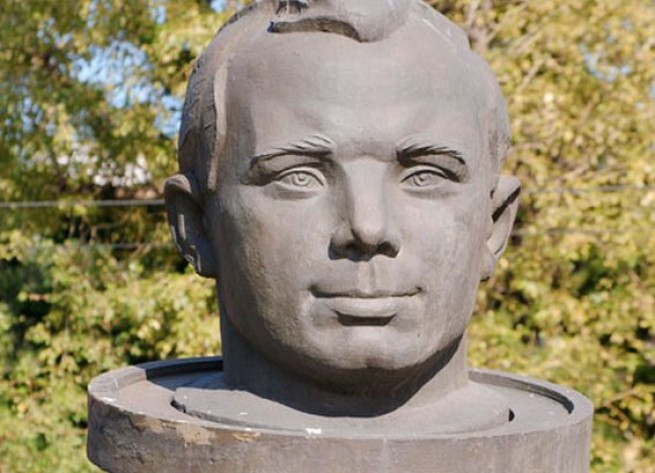
The Russian cosmonaut Yuri Gagarin, who was the first man in space, had his bust unveiled in Bergen, Norway, 14 September. Gagarin visited Bergen in March 1964.

He spent 8 days in Norway and visited Oslo, Trondheim and the Geophysical Institute of the University of Bergen as a part of the program. It was the 39th country he visited on his tour. The 50-kilogram bronze bust is a gift from the International Charitable Fund ‘Dialogue of Cultures – United World’ and will stand on a square lying among the University of Bergen buildings.

Yuro Gagarin portrait (Tass)

Students, ordinary Norwegians, Russian compatriots residing in Bergen and Russian embassy employees attended the ceremony. Russia’s Charge d’Affaires in Norway Svetlana Ozhegova and the University of Bergen Rector Dag Rune Olsen addressed those present with a speech. Russian and Norwegian music pieces were played.

Surprisingly, a resident of Bergen, chief editor Tatiana Dahle, who met Gagarin in 1964 turned out to be present at the ceremony.  According to her, the bust was handed over to Norway from Russia to mark the 55th anniversary of Gagarin’s historic journey in 1961. The idea of eternalizing Gagarin’s memory in Bergen has been initiated by head of “Regional Coordinating Council of compatriots of the Northern Europe and the Baltic Sea region”.

Tatiana Dahle with Olga Sarkisova

“This year will see the 55th anniversary of Gagarin’s flight. Not only did he open the door into outer space for humanity. His feat also united people around the globe,” Ozhegova told TASS. “The first cosmonaut is considered to be a hero in Russia and elsewhere in the world, where he is known and revered. It is symbolical that 52 years after his visit to Bergen, which gave Gagarin a very warm welcome, the cosmonaut returned to the Norwegian city in the form of a monument. Today’s event is vital for Russian-Norwegian relations,” Ozhegova said.

With the help of her Norwegian colleagues, Tatiana Dale got in touch with the city administration and with the leadership of the Institute of Geophysics of the University of Bergen, which Gagarin visited during his trip 52 years ago.

Yuri Gagarin bust unvailed in Bergen

“Gagarin is a person of the world and everyone knows him,” said Dahle, adding that Norwegians agreed to accept the bust with great enthusiasm, providing it with pedestal and paying the transportation costs.

“Until today Norway has had very few monuments honoring our famous people,” Dale told TASS earlier. “When I heard that the International Charitable Fund ‘Dialogue of Cultures – United World’ built such monuments (to outstanding Russians), including Gagarin’s busts, I immediately remembered that the legendary cosmonaut had been to Bergen. I once wrote about his visit in an issue of a bi-lingual journal “The Compatriot”, which was published in Norway then. Why not try? I thought. And we tried- and succeeded,” she concludes.

Yuro Gagarin stamp
Yuri Gagarin stamp

Newspapers wrote about a curious episode, which happened to Gagarin in Trondheim. A local car dealer, Kjell Ukkenhaug, persuaded Gagarin to travel around the city in a Volga car, which belonged to the Norwegian. Gagarin refused to have a driver and sat at the steering wheel himself. According to Ukkenhaug, Gagarin was a masterful driver. He approached the receiving side’s Mercedes, which was ahead of him, at a very close distance and joked which of the cars would endure a collision better.

Busts of the first man in space have been unveiled in the US, Germany, France, Italy, China and other countries.

Bust of Russian Cosmonaut Unveiled in Norway, compiled by Admin

Apple with big investments in Denmark

In February Apple announced the company’s plan to build and operate a data center in Denmark’s central Jutland. The center will then power Apple’s online services, including the iTunes Store, App Store, iMessage, Maps and Siri. Together with a similar center in County Galway, Ireland it will service customers across Europe.

They’ve come a long way, Photo, Ed Uthman

The total investment is €1.7 billion and Apple follows up on its promise last year to build a data center in Denmark with an ambitious agreement with the University of Aarhus on a new biogas research and development partnership.

Apple's planned facility in Aarhus
Apple’s planned facility in Aarhus

“We are grateful for Apple’s continued success in Europe and proud that our investment supports communities across the continent,” said Tim Cook, Apple’s CEO. “This significant new investment represents Apple’s biggest project in Europe to date. We’re thrilled to be expanding our operations, creating hundreds of local jobs and introducing some of our most advanced green building designs yet.”

Danish Foreign Minister, Kristian Jensen

“This is a clearly a benefit of Apple’s billion kroner investment in the data centre in Foulum,” said Danish Foreign Minister, Kristian Jensen. “The partnership is a good example of how our targeted efforts to attract foreign companies to Denmark are producing results,” he concluded.

Apple supports nearly 672,000 European jobs, including 530,000 jobs directly related to the development of iOS apps. Since the App Store’s debut in 2008, developers across Europe have earned more than €6.6 billion through the worldwide sale of apps.

Apple now directly employs 18,300 people across 19 European countries and has added over 2,000 jobs in the last 12 months alone. Last year, Apple spent more than €7.8 billion with European companies and suppliers helping build Apple products and support operations around the world.

Foulum is a small town outside of Viborg where Aarhus University’s agricultural research facilities are located.

Like all Apple data centers, the new facilities will run entirely on clean, renewable energy sources from day one. Apple will also work with local partners to develop additional renewable energy projects from wind or other sources to provide power in the future. These facilities will have the lowest environmental impact yet for an Apple data center.

Under the terms of the agreement, Apple will provide financial support to the university’s research into biogas and how usable energy can be extracted from agriculture, whether it is fertilizer or straw supplied by local farmers.

 “We’re excited to spur green industry growth in Ireland and Denmark," said Lisa Jackson, Apple’s vice president of Environmental Initiatives
“We’re excited to spur green industry growth in Ireland and Denmark,” said Lisa Jackson, Apple’s vice president of Environmental Initiatives

“We believe that innovation is about leaving the world better than we found it, and that the time for tackling climate change is now,” said Lisa Jackson, Apple’s vice president of Environmental Initiatives. “We’re excited to spur green industry growth in Ireland and Denmark and develop energy systems that take advantage of their strong wind resources. Our commitment to environmental responsibility is good for the planet, good for our business and good for the European economy.”

The research agreement comes in the wake of Apple’s announcement last year that it will build one of the world’s largest data centers in Foulum.

The data center in Denmark, measuring 166,000 square meters, is expected to begin operations in 2017 and include designs with additional benefits for its community.

Danish wind power
Danish wind power

In Viborg, Denmark, Apple will eliminate the need for additional generators by locating the data center adjacent to one of Denmark’s largest electrical substations. The facility is also designed to capture excess heat from equipment inside the facility and conduct it into the district heating system to help warm homes in the neighboring community.

At a cost of approximately 6.3 billion kroner, the data center is the largest foreign capital investment in Danish history.

Apple with big investments in Denmark, source: Apple, Ireland

Oscarhall Summer Palace in Oslo

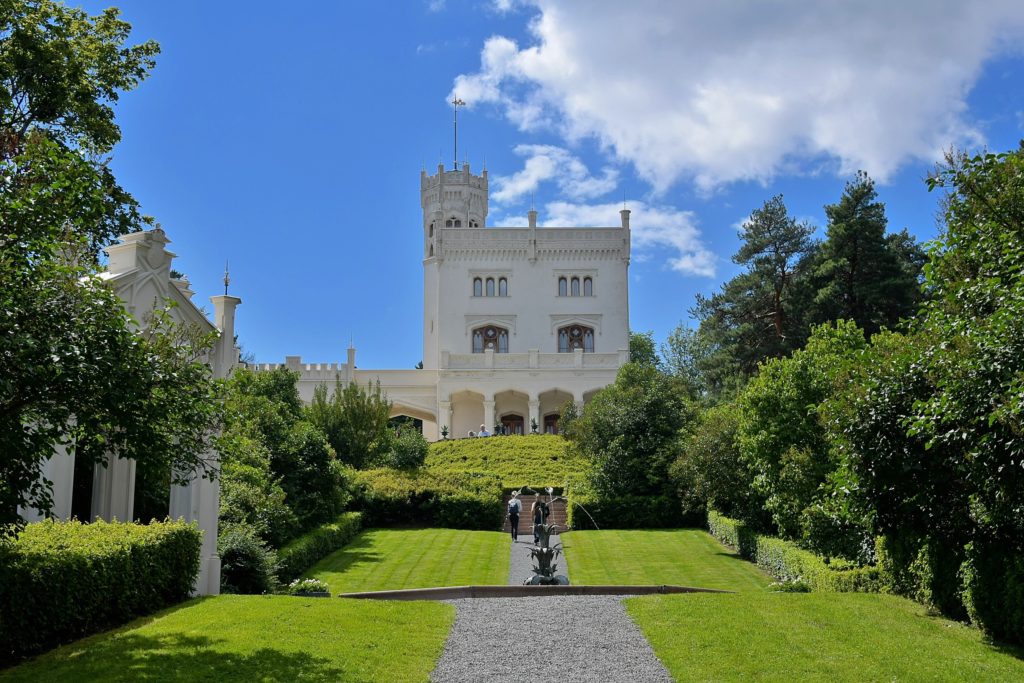
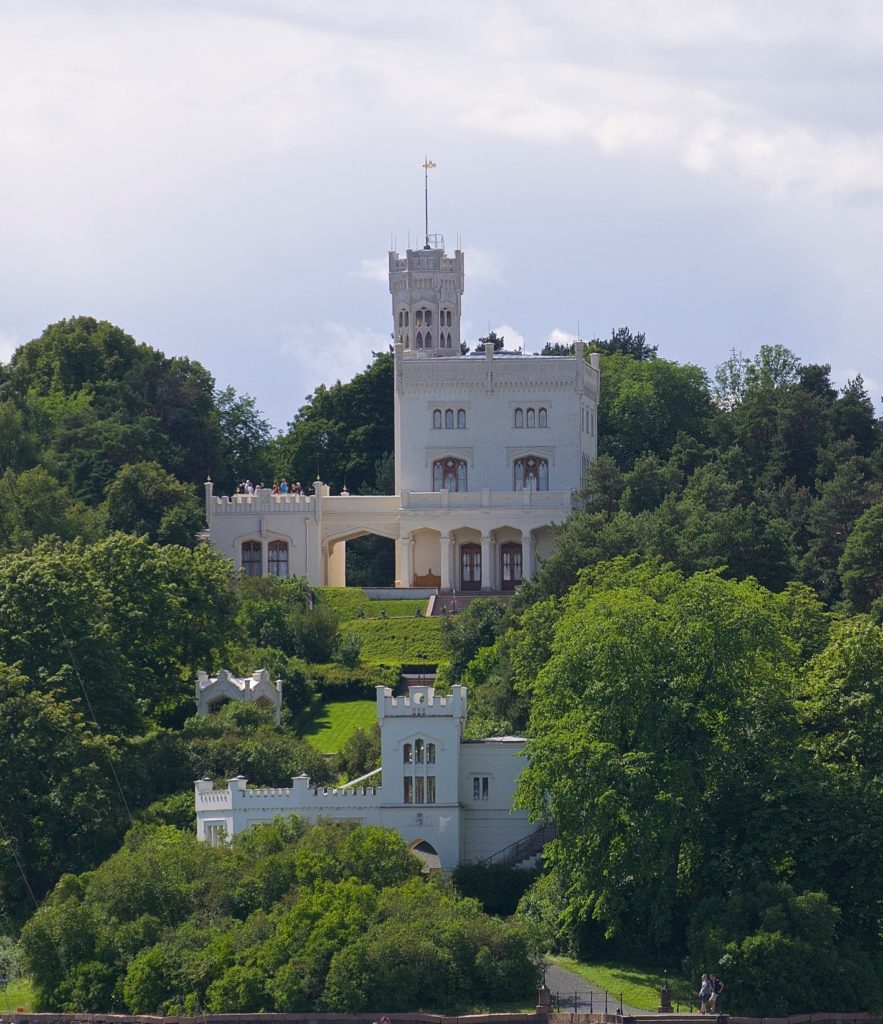
The beautiful Oscarhall summer palace at Bygdøy, Oslo, was built during the period 1847-1852, commissioned by King Oscar I. From Oscarshall there’s a view to Frognerkilen and the palace is placed in an idyllic setting, in what was once called Ladegaardsøen.

The building of Oscarshall was led by the Danish architect Johan Henrik Nebelong. Both King Oscar I himself and Queen Joséphine were deeply involved in the project. The architecture is English late Gothic, called Tudor. Frognerkilen and its surroundings, including Oscarshall, tell us a story about a romantic king and queen.

From the Oscarshall garden

King Oscar I and Queen Joséphine sought to promote Norwegian art and craftsmanship when they commissioned the building of the summer palace, and today it is a monument to Norwegian art and artisans from the mid-1800s.

Concert at Isacarshall. Photo: Jan Haug
Concert at Osacarshall. Photo: Jan Haug

The original thought for King Oscar and his queen Joséphine was to build a place where they could withdraw together with their guests when they visited the capital. However, history tells us that the beautiful summer house never was properly used. On the other hand, there are long traditions of receptions and parties connected to royal events at Oscarashall.

290916-interior-oscarshall-bygdoy-oslo-kongehuset
At that time, large parts of Ladegaardsøen, now known as the Bygdøy peninsula, belonged to the Royal Family. According to contemporary writers the site of the summer palace was chosen by Oscar I’s sons during a sailing trip in the summer of 1847. The dramatic location at the top of a steep slove overlooking the sea reflected the popular trends of the era.

Oscarshall 2 fra Skarpsnosiden
Although the palace seldom was occupied, it was a popular motif for painters and photographers during the late 1800s. Oscarshall is beautifully situated in the landscape, and it’s not surprising that “everybody” wanted to visit this small, but still great royal pearl.

290916-interior-oscarshall-oslo-kongehuset
The King and Queen used private funds for the construction work and were themselves the owners of the land. Architect Johan Henrik Nebelung worked closely with them, helping to turn their wishes into reality.

290916-oscarshall_3_foss
Poor maintenance and later restoration

Oacarshall was like many other buildings a victim of poor maintenance. Count Wedel Jarlsberg’s desire to save money may have been the detriment of Oscarshall. The desire to speed up the work led to demands that the workers continue throughout November and December 1850. As early as spring 1851 repair work had to be carried out because of damp and frost damage.

Oscarshall
Over the years the building has undergone extensive repairs and the quality of the work has varied.

Oscarshall against sunlight

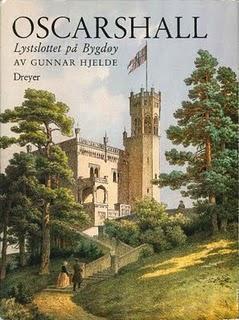
290916-oscarshall-book-coverHowever, the total renovation of Oscarshall from 2005 to 2009 included a complete restoration of the main building’s exteriors and interiors, as well as the ancillary buildings. The primary objective was to recreate Nebelong’s original as closely as possible.

Oscarshall and the surrounding park were officially opened for public in 2009. Nina E. Høye has written a beautiful and instructive book on Oscarshall and the events who lead to what can be experienced today.
More accessible
One of the main aims has been to make Oscarshall more accessible than before. The summer palace is now to a larger extent used as a venue for official events as well as entertainment and concerts. In addition the building is better equipped to accommodate the public, and guided tours are offered during the summer season. This will continue the tradition of King Oscar I, who himself opened Oscarshall to the public and made the summer palace a popular destination for the population of Christiania (now Oslo) as well as visitors.

Stairways at Oscarshall. Photo: Jan Haug

Oscarshall is situated in a park called “Benadotte’s Public Park”. Inside the castle you may experience several interesting items. The castle has in fact turned into a great museum for young and old, about “kings and queens” who have “come and gone”. It is an interesting and important part of Norwegian history.

290916-oscarshall-seen-from-frognerkilen-foss
Oscarhall Summer Palace in Oslo, written by Tor Kjolberg

All exterior photos by Jon Arne Foss
All interior photos by The Royal Court, Norway

Scandinavian Coffee-Making Champions

Espresso, cappuccino, caffe latte or macchiato – The World Barrista Championship has fostered several Scandinavian coffee-making champions.

Making really good coffee is an art; a good espresso, cappuccino, caffe latte or any other delicious variation based on coffee. There is a world championship in the art of making coffee, with those taking part called baristas. Not many people know that.
But that is perhaps not so strange barista championships first started in 2000!

211016-barrista-coffee
What is a little strange is that the Scandinavia countries have dominated the event right from the start. Robert Thorean of Norway won the first World Barista Championship in Monte Carlo involving 14 countries.

Espresso making in Scandinavia

We tend to think of Italy as the center of the coffee-making universe. Not surprising when the names of all the most common coffee drinks are Italian. Nevertheless, in 2001 Martin Hildebrand was the first Dane to be crowned the World Barista Champion in USA.

Related: What to Know About Scandinavian Coffee Culture

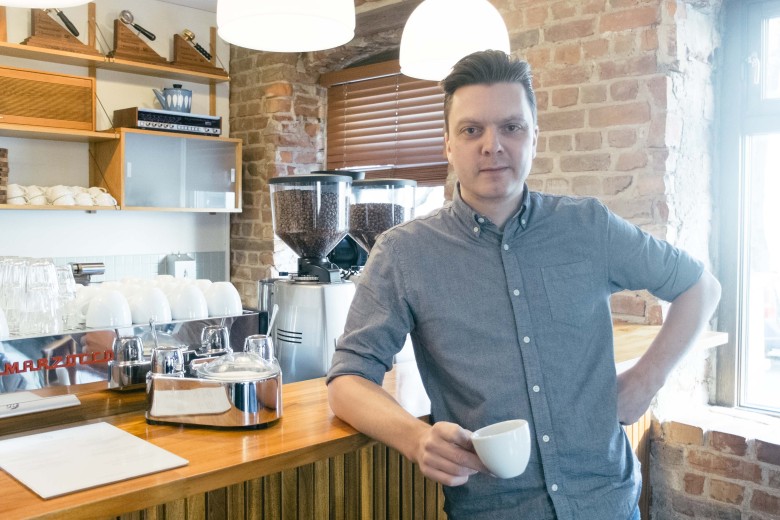
Tim Wendelboe from Norway

The third Annual WBC in Norway (2002) grew to 26 countries, and Fritz Storm secured the title for Denmark. In 2004 Tim Wendelboe beceam the second WBC Champion from Norway in Italy, and in 2005 Troels Overdal Paulsen triumphed for Denmark against 34 countries in Seattle, USA. Klaus Thomsen became the fourth Champion hailing from Denmark in Switzerland in 2006.

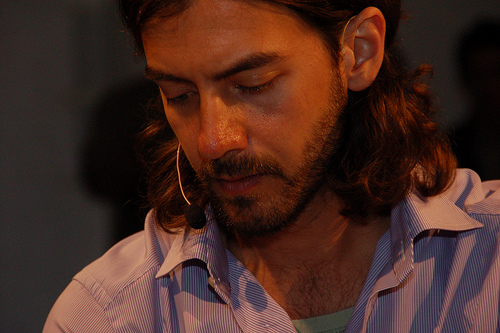
Troels Overdal Paulsen from Denmark

In 2008 Daniel Remheden from Sweden was no. 4 and Søren Stiller Markussen from Denmark was no. 6. In 20010 Søren Stiller Marskussen advanced to no. 4.

Daniel Remheden from Sweden

After-church coffee laid the foundation
One of the people behind the competition has an explanation. Tone Liavaag from the coffee company Solberg & Hansen in Oslo laid the ‘blame’ at the door of the church.

Related: Coffee Lovers, Look to Sweden

After church coffee
After church coffee

“A couple of hundred years ago, alcohol was a major social problem. The church’s solution was to introduce the habit of drinking coffee together after the Sunday service. That is how coffee drinking became a sociable affair in the Nordic region. Or so says the myth.”

And Italians are not sociable?

A Danish barista admits that Italians are super-sociable. However, espresso is used more as a pick-me-up between meals. They gulp it down and rush off. So it is not often that coffee forms the center of their sociability.

Café culture
But the after-church coffee habit may be a bit outdated?

My Swedish barrista friend claims there is no doubt that coffee bars are the social arenas of today. At our fika we take time to enjoy our coffee. And we certainly do enjoy it, even though the quality of the drink could sometimes have been better.

Related: Coffe Geeks From Norway

Fika: Coffee and cinammon bun

When I asked Tona Liavaag if she is the one who started the international competition, she said, “ That is not entirely wrong, but it was not only me. There was a small band of enthusiasts and extremely good baristas who entered the competition quite early on, and who are still going strong. After coffee bars became a trend phenomenon in the late 1990s, it has become more fashionable to work in a coffee bar. In the big cities being a barista is seen as a career path, not just something you do to make money while you’re in college. So the quality of the drinks served at coffee bars is improving all the time. I wish you could say the same about the coffee being drunk at home, but even there the quality is slowly getting better. But there it is not the coffee itself that is the problem, but the way it is prepared and how it is kept once it is made.”

Coffee consumption in Scandinavia

Norwegians drink around 160 liters if coffee annually per head, so the Scandinavian region, believe it or not, leads the world in coffee drinking, it I saying something when the Nordic region account for only 0.3 per cent of the world’s population and accounts for 5.5 per cent of the world’s annual coffee production.

Scandinavian Coffee-Making Champions, written by Tor Kjolberg

Related article:
Oslo – the best coffee city in Europe?

Modern Art – Or Just a Beach Day?

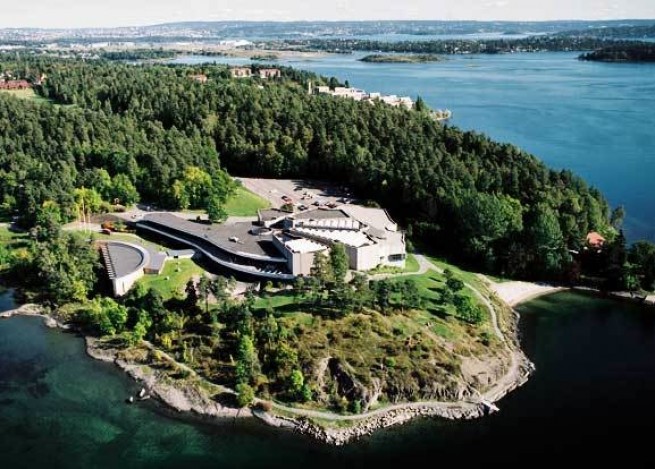
The Modern Art Center at Hovikodden in Oslo was founded in 1968 by World and Olympic champion figure skater Sonja Henie (1912-1969) and her husband, shipping magnate and art collector Niels Onstad (1909-1978). The couple’s private collection of contemporary art consisted of about 110 images.

Sonja Henie
Sonja Henie

In 1936, Henie signed a tour contract with the American manager Arthur M. Wirtz. In the early fall of that year, Henie and her family traveled to the United States where she gave a series of figure skating performances on the ice. Her family thereafter moved to Hollywood, where following tough negotiations with director Darryl Zanuck, Sonja Henie signed a 5 year contract with the film company 20th Century Fox.

By 1940, she was one of Hollywood’s best paid actors, on par with Clark Gable and the childhood star Shirley Temple.

Niels Onstad
Niels Onstad

Niels Onstad was an active football player, peaking during the Norwegian Championship in 1928 during which he played for the Lyn football club. However, he is best known for his prowess as ship owner and art collector. His interest in art was influenced by his mother, who was a painter, and he maintained several contacts in the Norwegian art community.

Henie Onsrad Museum of Modern Art
Henie Onstad Museum of Modern Art

Together with his brother, Haakon Onstad, he established the shipping company Niels Onstad Tankrederi A/S in 1935. In 1940, Onstad moved to the U.S. where he worked for Nortraship. During WWII, this company managed the large Norwegian merchant fleet outside of the German-controlled waterways and contributed decisively to the Allied efforts during the war.

Jon Eikvar, Nile Onstad, Ole Henrik Moe and Svein-Erik Engebretsen in 1967
Jon Eikvar, Niels Onstad, Ole Henrik Moe and Svein-Erik Engebretsen in 1967

Sonja Hernie met Niels Onstad in 1955. The couple married a year later and developed their art collection.

181016-henie-onstad-art-center-oslo-interior
Responding to a request from Kunstnernes Hus in Oslo in 1959, the couple  decided it was time to make the collection accessible to the public, sending it on an expansive exhibition tour for two years throughout many countries in Europe. As their collection only kept growing, the Sonja Henie and Niels Onstad trusts were formed in 1961 as two separate gifts, with its most important goal being the founding of a modern art museum; becoming the largest private art donation in the history of Norway.

From the art installation High Tadee

An Architectural competition was held in 1962, the winners would be awarded the opportunity to design the art center for the famous couple. The center was eventually designed by the two young Norwegian architects Jon Eikvar and Sven Erik Engebretsen. Sonja Henie died of leukemia one year after the inauguration of the Henie Onstad Kunstsenter. She was then 59 years old. All of her awards, photographs, films and private documentation were donated to the HOK. Having accumulated almost 600 items, the HOK provided its own award exhibition room.

Sonja Henie and Niels Onstad

In 1994, the building was extended, and a two-story wing with exhibition spaces and technical rooms was added. This project was designed by the same architects—the new wing abuts the main body of the building as an organic extension. In 2003, another extension was made, this time in the form of an annex that extends into the outdoor park, connected to the main building by a passage leading from the lower level. In addition to six exhibition halls, the Centre also has an auditorium and smaller meeting rooms. Today, the total building area is approximately 9,500 square meters, of which 3,500 are occupied by exhibition spaces.

181016-sonja-onstad-2
The HOK, placed organically within the landscape at the beach of Hovikodden has become one of Norway’s most iconic cultural buildings. It’s unique and sensitive architecture has given it its own distinctive character, using only Norwegian suppliers and materials, the selection rose a lot of attention. The combination of natural stone, concrete and copper with large glass panels created an architectural volume that just beautifully engaged the surrounding terrain.

Henie Onstad Kunstsenter organizes exhibitions and performances. The art center is visited by around 100,000 people each year. The center celebrated its 40th anniversary in 2008 with exhibitions, seminars, book, concert and movie titled Høvikodden LIVE.

After being identified in an exhibition catalogue in 2012 by the family of noted French-Jewish art dealer Paul Rosenberg it was demanded that the HOK return Profil bleu devant la cheminée (Woman in Blue in Front of Fireplace) (1937), a Matisse painting that was confiscated by the Nazis in 1941. Museum Director Tone Hansen said the museum did not know the painting was stolen by the Nazis, until it was notified by the Rosenberg family. The painting was returned to the heirs of Paul Rosenberg in March 2014

One art editor once said, “As we learned more about the collection, one thought kept coming back: This amazing material should be shared with the world, not only made available at the museum.”
Modern Art – Or Just a Beach Day?, edited by Tor Kjolberg
Read also:

In Search of Matisse in Copenhagen and Oslo

Swedish Stamp Competition

0

More than 20,000 images were sent to the Swedish-Danish Postnord’s competition through Instagram. Now the jury has cut them, down to 20 finalists.

The general public can still vote for their three favorites intil 20 October, where three images with the highest votes will be combined with the judges’ four picks to make up seven new stamps.

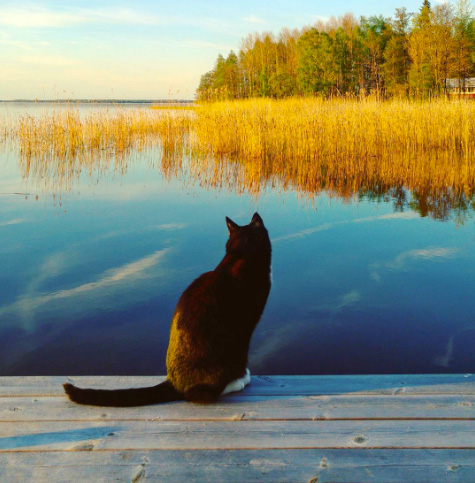
Cat on pier
Cat on pier

The winning stamps will be presented in November, and released in May 2017.

One of the images that made it to the final 20 was Fredrik Thomasson holding his sleeping son, Charlie.

Father and child by Fredrik Thomasson

“I was sitting watching TV and drinking my coffee when they were doing an interview with Postnord about the competition. That picture came to mind straight away because it means a lot for me. I sent it in for fun and apparently more people than just me like it,” he told The Local.

Dog fresh out of the bath by Jennifer Fredin

“Charlie has already decided that if we get to be on a stamp he wants to send the fee we’ll get to sick kids so they can be happy and perhaps healthy. So it’ll go to the Swedish Barncancerfonden (Child Cancer Fund),” he explained.

From Smoegen by Jeppe Gustafsson

The rest of the top 20 can be viewed on Postnord’s website for the competition.

Boat on still water by Orjan Jalava

This is the first time that the general public will compete to be on one of Sweden’s stamps, but the country has a history for getting creative with its postage.

Postboixes in a row by Laila Haggelund
Postboxes in a row by Laila Haggelund

In 2014, stamps featuring pictures of Zlatan Ibrahimovic’s famous bicycle kick goal against England were released.

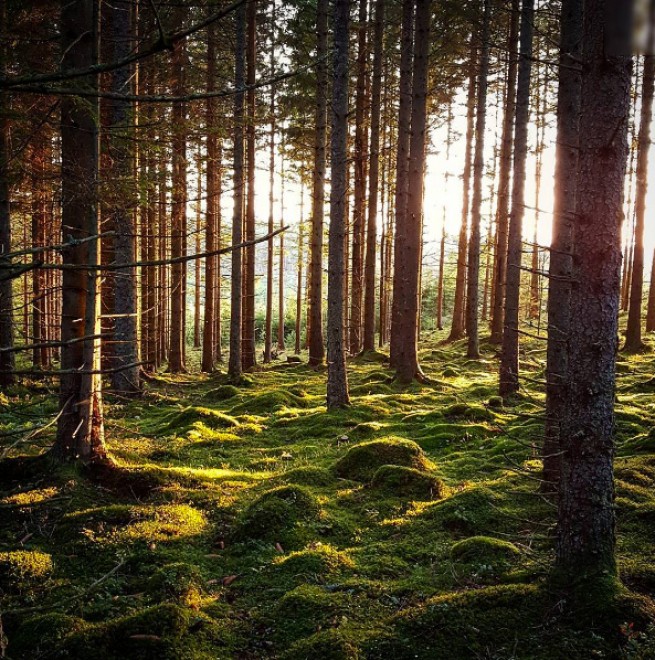
Feature image (on top) Evening promenade in the woods by Monica Thelin

Swedish Stamp Competition, source: The Local.se

Everything Smells of Apples in Hardanger

0

The art of fruit cultivation came to Hardanger with the monks in the 11th century, and has since become a long tradition in the Hardanger Fjord in Western Norway.

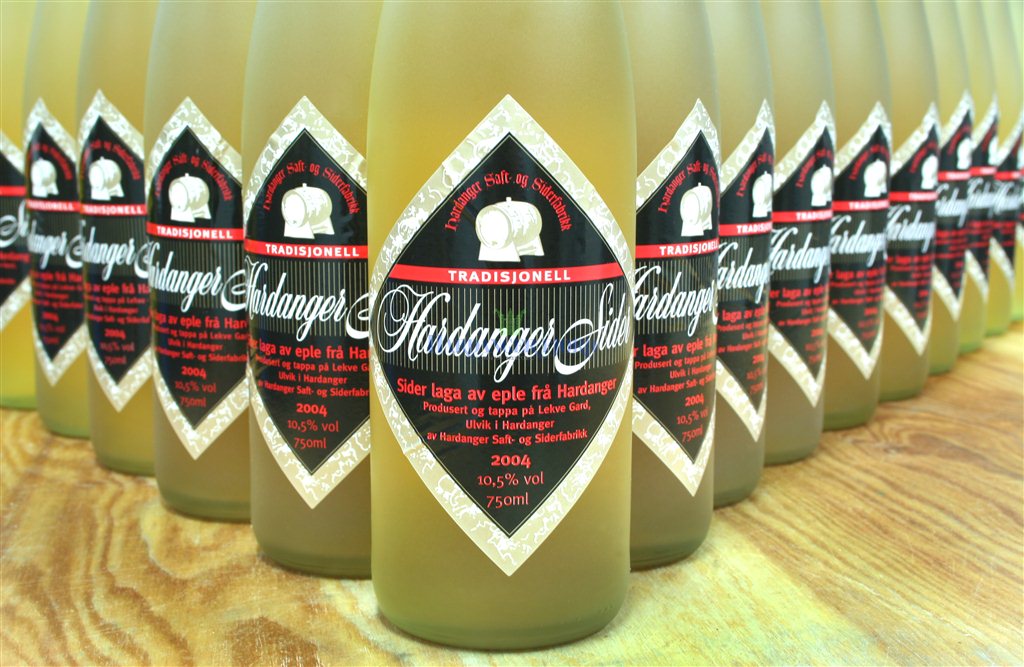
The world famous Hardanger cider is to be produced with natural fermentation from the apple and no yeast added. The juice is pressed out of the apples and fermented for months. It can gain an alcohol content of up to 8-10 per cent.

141016-hardanger-apple-cider
The cider is meant to be non-cloudy and have the taste and smell of good, fresh apples when the bottle is opened. The cider is slightly sparkling when poured into the glass.

141016-apple-cider-in-hardanger
Hardanger has the perfect growing conditions for apples. There is a special micro-climate surrounding the fjord that makes the area a few degrees warmer than just a few miles in either direction. The first apples were brought here by monks. The apple tree had a special religious significance, symbolizing paradise before the fall of man.

Apple cider production in Hardanger

In Europe they made cider in areas where the climate was too cold and wet for vineyards to grow. France is the greatest producer of cider in the world, and Hardanger in Norway is the cradle of this golden drink. The Hardanger apple cider was a trading product from the end of year 1800 and until the government declared alcohol forbiddingness in 1919. The situation today is that the Cider Producers Society in Hardanger (40 members) has been fronting the work of letting the cider back into the farmer’s items for consumption amongst with other culture aspects like travelling.

141016-hardanger-apples
The alcohol regulations were changed 1.april – 2003 and made it possible for producers of cider to get concession to brew and serve cider in their own approved premises. These producers are also entitled to sell cider to restaurants and liqueur stores.

A cider contest held during the Sweet Cherry Festival, has an aim to allure the cider producers up from their cellars so that they can present their own brewed cider. The competition is open for sweet cherry wine and other wines made of local fruit and berries.

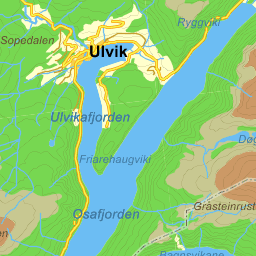
141016-hardanger-ulvik-map
Ekspedisjonen Skjenkestove is the coolest pub in Hardanger just across the fjord. They have concerts, pub-quiz and serve their own brew of both beer and apple cider.

Feature image (on top): Blooming in Hardanger

Everything Smells of Apples in Hardanger, written by Admin

Scandinavian Salmon

0

Salmo Salar. When I was a child in Norway, salmon was a luxury. Now it’s become cheap and tasteless, with a fatty acid content similar to that of conventionally farmed pigs.

Not the healthy meat you hope for. We pay for the low price in other and less transparent ways. If you want the real thing, which means not farmed, polluting, medicated or heavily colored, you must wait for the season, and pay what it costs to buy a line-caught, beautiful silver creature.
131016-norwegian-salmon
The reward is one of the most delicate, versatile and delicious fish you can possibly eat. The flesh is melting and sweet, and the color of pale apricot, the qualities that made it popular in the first place.

Notwegian salmon festival
Norwegian salmon festival

Wild salmon used to be so numerous in northern Scandinavia that it was written in Norwegian farm boys’ contracts, before Second World War, that they should not be served wild salmon more than twice a week.

Salmon fisherman - Wikipedia
Salmon fisherman – Wikipedia

Habitat
The coast of Norway is specked with marine fish farms raising thousands of tons of salmon. It’s a serous source og pollution, ruining the seabed, and the raised fish are generally of low quality; with a bland taste, dyed meat, higher-than-usual fat content, and full of medicine residues. Even though it has made salmon everyday fare, there is a raising awareness that this mass production is not sustainable, and there are new ways of raising salmon, even organically, which is higher priced and of wonderful quality.

Norwegian salmon steak

Appearance and taste
Salmon are silver and black, and soft-fleshed when raw. Wild salmon have pretty, pale apricot-colored flesh, not the bright orange flesh of farmed fish. Wild fish have tails and fins with sharp edges, while farmed fish live so close together that the fins and tails are bitten into shreds. Organically farmed salmon have similar characteristics to wild fish.

131016-norwegian-salmon-2
Buying and storing
Buy only organically farmed fish, or wild salmon, caught in sustainable ways. Eat it on the day it is bought, unless you are curing the fish.

Smoked organic Norwegian salmon

Health benefits
Wild salmon are full og healthy fatty acids and lots of minerals. Conventionally farmed fish, which are fed like conventional pigs, are not at all the same. The fats are different and they have dye and medication in their food. It is not advisable to eat conventionally farmed fish for health reasons, let alone because the taste is not comparable.
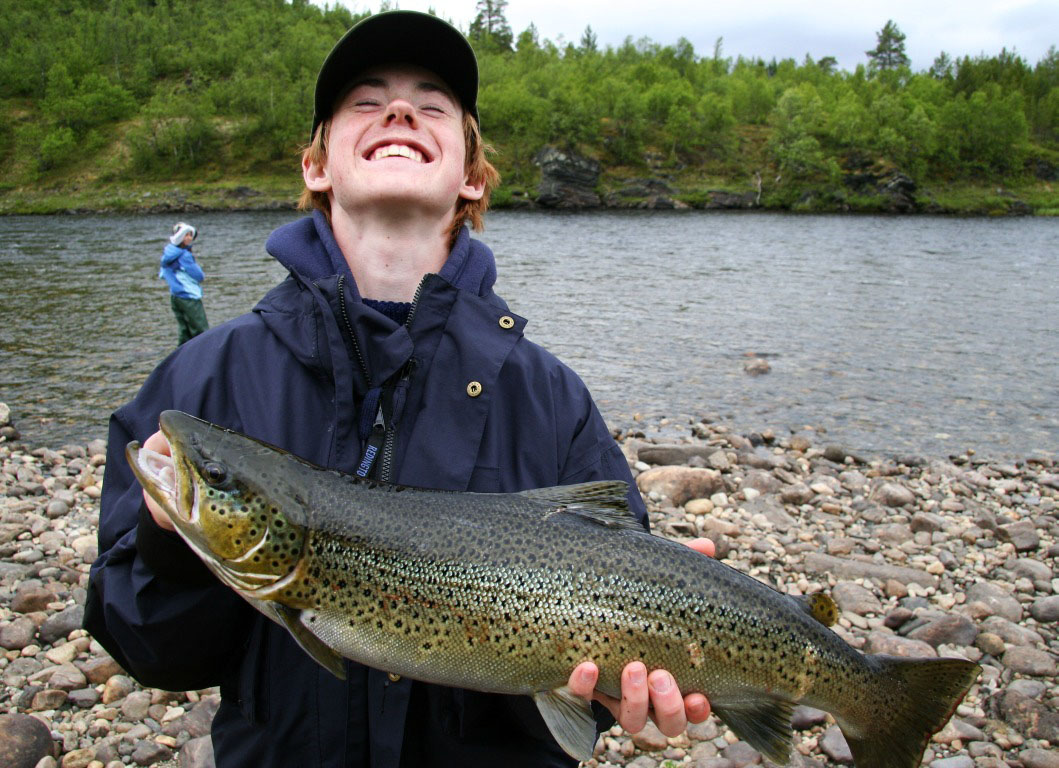
Norwegian seafood farm

Culinary uses
Like all fatty fish, salmon must not be overcooked, though traditionally it often was. We know better know, and bake or fry salmon only long enough for it to become just firm to the touch, and still a little opaque in the middle. Cooked for too long, salmon like other fatty fish, becomes very, very dry. There are several traditional ways of curing and smoking that will make the most of a perfect salmon.
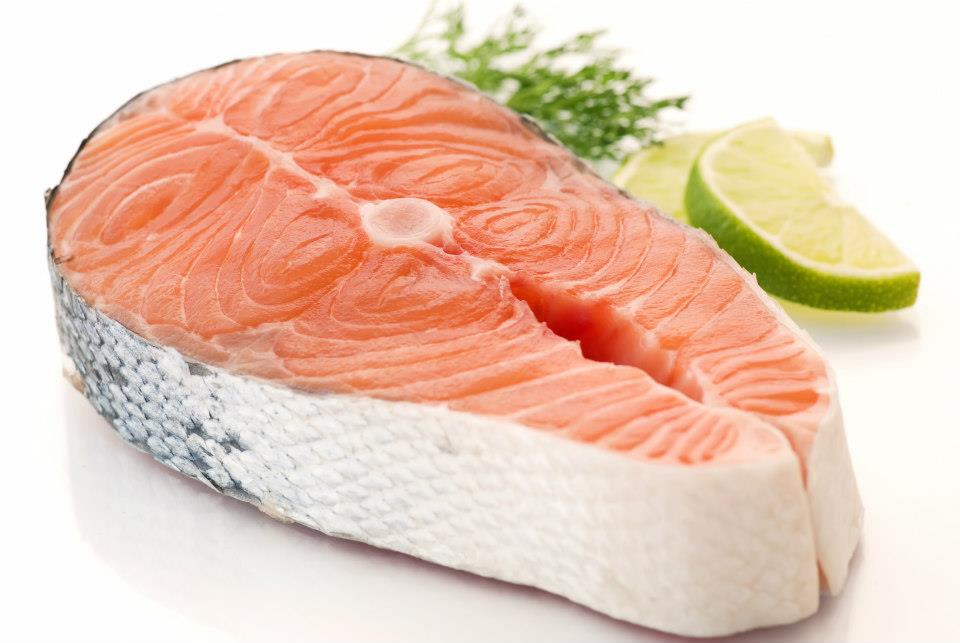
131016-salmon-pudding
Here is our receipt of

Salmon pudding

Laxpudding is a Swedish classic. Eat it with rye bread and a green salad, or cucumber salad with dill.

500 g salmon filet
2 teaspoons coarse sea salt
1.5kg waxy potatoes, thinly sliced
1 onion, chopped
2 bunches of fresh dill, chopped
4 eggs
300ml whipping cream
500ml full-fat milk
½ teaspoon coarsely ground black pepper
SERVES 4-5

Slice the fish as thinly as you can, then pre-salt with half the coarse sea salt. Let it rest for a couple of hours.

Preheat the oven to 180 ͦC/gas mark 4. Layer the potatoes, salmon, onion and dill in a deep ovenproof dish, beginning and ending with a layer of potatoes.

Whisk the eggs, cream, milk, pepper and remaining salt together in a bowl and pour over the top. Bake in the oven for about 25 minutes, or until the potatoes are done and the crust is nicely browned.

Feature image (on top): Nowegian fly-fishers with a 21.5kg Atlantic salmon at Gaula

Scandinavian Salmon, written by Tor Kjolberg