The Swedish Culture Canon initiative was launched by the Swedish government in 2023, as part of a broader effort to define, preserve, and promote Sweden’s cultural heritage. What is Swedish culture? The goal is to create a curated list of works and items that represent Sweden’s cultural identity and legacy.
The Swedish Culture Canon is a government-led initiative that originated in 2022 to compile a list of works deemed essential to Swedish cultural history. It aims to create a shared understanding of Swedish culture and foster a sense of national unity. The canon includes both “expert” and “people’s” canons, with experts identifying significant cultural works and the public contributing their selections. This initiative has been met with both support and criticism, with some viewing it as a celebration of Swedish culture and others fearing it as a form of cultural authoritarianism.
Swedishness. Illustration. ikea.cn
Two main streams
This effort is divided into two main streams: The Experts’ Canon (“Expertkulturkanon”) and the People’s Canon (“Folkets kulturkanon”). The first involves academics, journalists, historians, and other authorities who will select 100 works or other items of cultural significance that have played a pivotal role in shaping Swedish culture.
The second will be made up of suggestions submitted by the Swedish public to the Culture Canon website, which can be drawn from the arts or can include everyday activities like the Swedish fika ritual, coffee and cake break, or ideas like “Allemansrätten”, the Swedish right of public access.
From the popular Swedish TV series ‘Rederiet’ 1992-2002.
Examples of the expert part
One criterion the committee has set for the expert part of the canon is that it can only include entries that are at least 50 years old. These may come from various domains, such as literature, film, music, architecture, visual arts, performing arts, design, and crafts.
The selections are expected to emphasize long-term cultural value, artistic merit, historical significance, and their impact on national identity.
Swedish Maypole. Photo: Per Bifrost/Visit Sweden
Examples (likely candidates, based on public discourse):
Astrid Lindgren’s books, such as Pippi Långstrump (Pippi Longstocking), are central to Sweden’s literary and cultural fabric.
Ingmar Bergman’s films, like Fanny and Alexander, are internationally acclaimed and profoundly influential.
Carl Michael Bellman’s songs – 18th-century works that are considered foundational to Swedish music and poetry.
Carl Larsson’s paintings – iconic depictions of Swedish family life and interiors.
Sven Markelius and Gunnar Asplund’s architecture – examples of Swedish functionalism and modernism.
Examples based on public suggestions and media coverage
Running in parallel with the expert selection, the People’s Canon stream invites the general public to nominate and vote for works they believe represent Swedish culture. It reflects popular sentiment and cultural attachment, often including more contemporary or mainstream elements that resonate widely, even if they lack traditional critical acclaim.
ABBA’s music is a globally recognized symbol of Swedish pop culture.
The Millennium Trilogy by Stieg Larsson – gripping and widely read modern literature.
TV series like Så mycket bättre or Rederiet – influential in shaping media habits.
The Lucia tradition – including the songs and processions, central to Swedish identity and seasonal celebrations.
IKEA design elements, like the “Billy” bookcase, are symbols of Swedish design and practicality.
Azxalea, aquarel by Carl Larsson.
Context and Criticism
The initiative has sparked significant debate in Sweden. Supporters argue it will help consolidate and celebrate national cultural identity, especially for educational purposes. Critics worry about the politicization of culture, exclusion of minority voices, or the potential for a narrow, nostalgic view of “Swedishness”.
The project is still in progress, with final selections expected to be published in phases over the coming years.
What Is Swedish Culture? The Swedish Culture Canon initiative, reported by Tor Kjolberg
A Nordic heritage journey is personal. It isn’t about checking off landmarks. It’s about walking the same streets your ancestors once did, finding names in parish records, and standing in the landscapes that shaped family stories.In this article, you’ll findNordic heritage travel tips for Denmark, Norway, & Sweden.
Denmark, Norway, and Sweden each offer something distinct. Planning a trip that honors your lineage across all three can be deeply rewarding when approached with care.
Embracing the Geography
Scandinavian heritage sites aren’t always close to major cities. That’s part of their charm. A village tucked into a fjord in Nordland or a church archive in inland Småland tells a more intimate story than any capital. Reaching these places takes effort, especially if time is short or someone in the group has specific mobility needs. Regional airports across the Nordics are well-distributed, and private aviation can make it much easier to reach towns and heritage sites that commercial routes overlook.
From Småland in Sweden. Photo: Visit Sweden.
Do the Paperwork Before You Pack
Genealogy in Scandinavia is surprisingly accessible, but it takes time to navigate. Before you travel, contact local parishes, regional archives, or heritage organizations. Many towns have historical societies with records that aren’t digitized. The Danish National Archives can assist with accessing church book records spanning centuries in Denmark. Norway’s Digital Archives provide open access, but narrowing results to the proper county is a painstaking process. Sweden’s ArkivDigital requires a subscription, but includes color scans of church records and population books. This legwork is done for you in advance, meaning you’ll spend more time connecting and less time searching.
Map to Stories, Not Just Cities
Most travelers default to the capital triangle: Copenhagen, Oslo, and Stockholm. That makes sense on a first visit. However, if your history lies outside those cities, you will need to build your itinerary differently. Focus on locations with personal significance, even if they seem out of the way. A birth record from a parish in Jutland or a farmstead listed in a Swedish land registry might lead you far from the usual tourist paths. That’s precisely the point.
Hiring a local guide can help, especially when visiting small communities or searching archives in unfamiliar formats. However, not all heritage tours are built the same. Look for guides who have experience with genealogical research or regional archives, not just sightseeing. Retired librarians, teachers, or amateur historians offer private services in many areas and may provide more accurate help than larger agencies.
Built-in Breathing Room
These journeys don’t benefit from tight scheduling. Even with efficient travel, visiting a family church or walking through an ancestral village takes more than just a quick photo stop. You will want time to explore slowly, ask questions, and follow leads. Leave room for spontaneity. A quiet visit to the cemetery might lead to a conversation with a caretaker. A lunch stop could turn into an unexpected meeting with someone who remembers your family name. Let those moments happen.
Hiring a local guide can help, especially when visiting small communities or searching archives in unfamiliar formats.
Travel Between Countries With Precision
If your heritage spans all three countries, you will likely need to travel between regions that are not well connected by commercial airlines. For instance, flying from Aalborg to Ålesund or from Gothenburg to Tromsø using regular carriers often requires multiple legs through capital hubs. Choosing the ever-more-popular ‘charter private plane’ option for these legs can save hours, reduce fatigue, and offer direct access to regional airports near the places that matter to your story.
Choosing the ever-more-popular ‘charter private plane’ option can offer direct access to regional airports near the places that matter to your story.
Be Smart About the Seasons
Traveling through Scandinavia is seasonal in more ways than one. Many small-town churches, family archives, and cultural sites operate on limited hours outside of the summer months. From May to early September, you will find longer daylight hours, open roads, and more opportunities to connect with local experts. Winter travel is beautiful, but icy roads and short days complicate logistics. If your time is limited, choose the season that allows you to do more with less effort.
Look for guides who have experience with genealogical research or regional archives. Photo: Enoch Pratt free library.
Think Beyond Museums
Not every moment of heritage travel must be tied to a historical site. You can learn a lot from standing in a village square, shopping at the local market, or attending a Sunday service at a small-town church. These ordinary experiences often reflect traditions and rhythms that have remained essentially unchanged for generations. Take them seriously. They may end up being the most memorable part of the journey.
End Where It Began
If possible, conclude the trip in a place where the trail is quiet. That could be a farmhouse outside Bergen, a parish church in Skåne, or a fishing village along the Limfjord. Ending in the place that once sent your family into the world has weight. It makes the story whole, and it often leads to a new one.
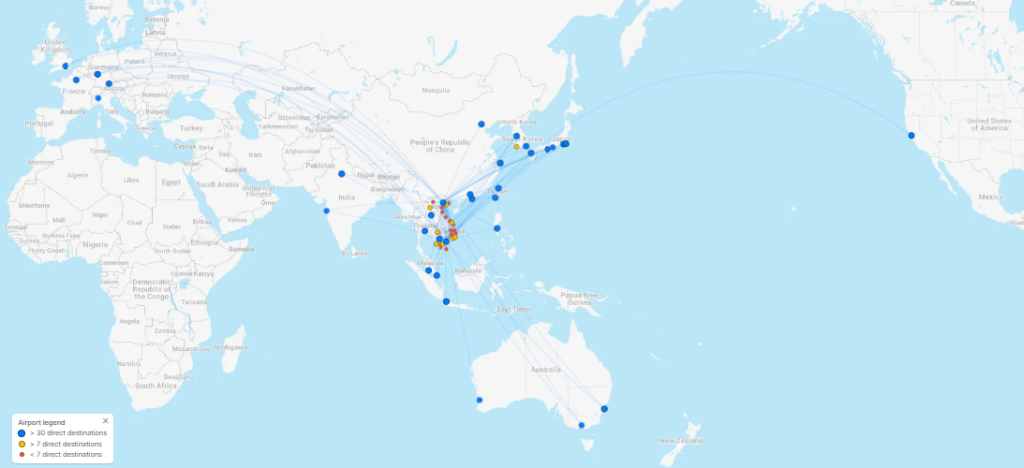
Vietnam Airlines launches First Direct Flights from Vietnam to Denmark.
In December 2025, Vietnam Airlines is connecting Vietnam and Denmark with nonstop flights between Copenhagen Airport and Ho Chi Minh City (HCMC), marking another step in the carrier’s European growth strategy.
Ho Chi Minh City is the country’s second-largest city, with a population of over 12 million. It is located in southern Vietnam.
According to Copenhagen Airport Kastrup, the route will be the first-ever direct air connection between the two countries. The offer commences with three flights per week, utilizing Boeing 787-9 aircraft, and will operate on a year-round basis.
Ho Chi Minh City is the country’s second-largest city.
With no previous direct air link between the two countries, all 74,800 passengers travelling between Vietnam and Denmark in 2024 did so via connecting flights, primarily through Doha, Paris Charles de Gaulle, and Istanbul, according to Sabre Market Intelligence. The new route will further strengthen tourism and business ties between the two countries.
Copenhagen Airport CCO Peter Krogsgaard. Photo:
“It’s fantastic news that we can welcome Vietnam Airlines to Copenhagen Airport and offer a direct route to Vietnam,” Copenhagen Airport CCO Peter Krogsgaard said in a statement.
The Copenhagen launch follows the airline’s rollout of regular service to Munich in October 2024 and its upcoming debut in Italy, with flights from Hanoi to Milan Malpensa set to begin on July 1. In May, the carrier also resumed service to Moscow Sheremetyevo after a three-year suspension following Russia’s invasion of Ukraine.
The route will be the first-ever direct air connection between the two countries.
Vietnam Airlines’ 787-9s feature a three-class configuration, comprising 28 1-2-1 lie-flat business class seats, 35 2-3-2 premium economy seats, and 211 3-3-3 economy class seats.
With the addition of Copenhagen, Vietnam Airlines’ European network will expand to seven destinations from the winter 2025-26 season: Copenhagen, Frankfurt, London Heathrow, Milan Malpensa, Moscow Sheremetyevo, Munich and Paris Charles de Gaulle.
“We sincerely thank Vietnam Airlines for their trust and collaboration in bringing this important new service to life, and we look forward to a strong and lasting partnership,” Copenhagen Airport said, adding, “This will provide even better connections for travelers flying out of Copenhagen and more options for tourists and business travelers heading to Denmark.”
Vietnam Airlines’ European network will expand to seven destinations from the winter 2025-26 season.
Vietnam Airlines has been part of SkyTeam since 2010, and its entry into Copenhagen adds to the alliance’s growing presence in Northern Europe. The move comes months after Scandinavian Airlines (SAS), the largest airline in Scandinavia and the leading operator at CPH, joined SkyTeam following its departure from Star Alliance. While Vietnam Airlines and SAS do not yet have a codeshare agreement, the new route lays the groundwork for potential cooperation.
First Direct Flights Vietnam – Denmark, Tor Kjolberg reporting.
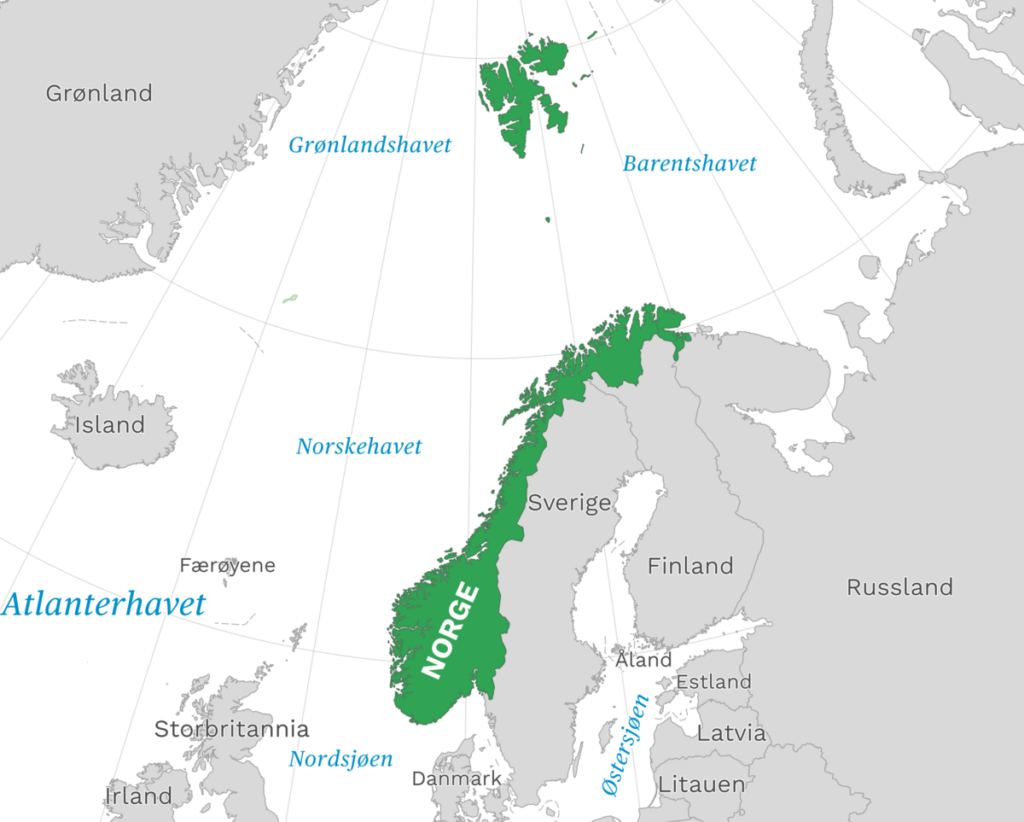
The Svalbard archipelago, governed by Norway under the Svalbard Treaty of 1920, has recently become a focal point of geopolitical tension and international conflicts.
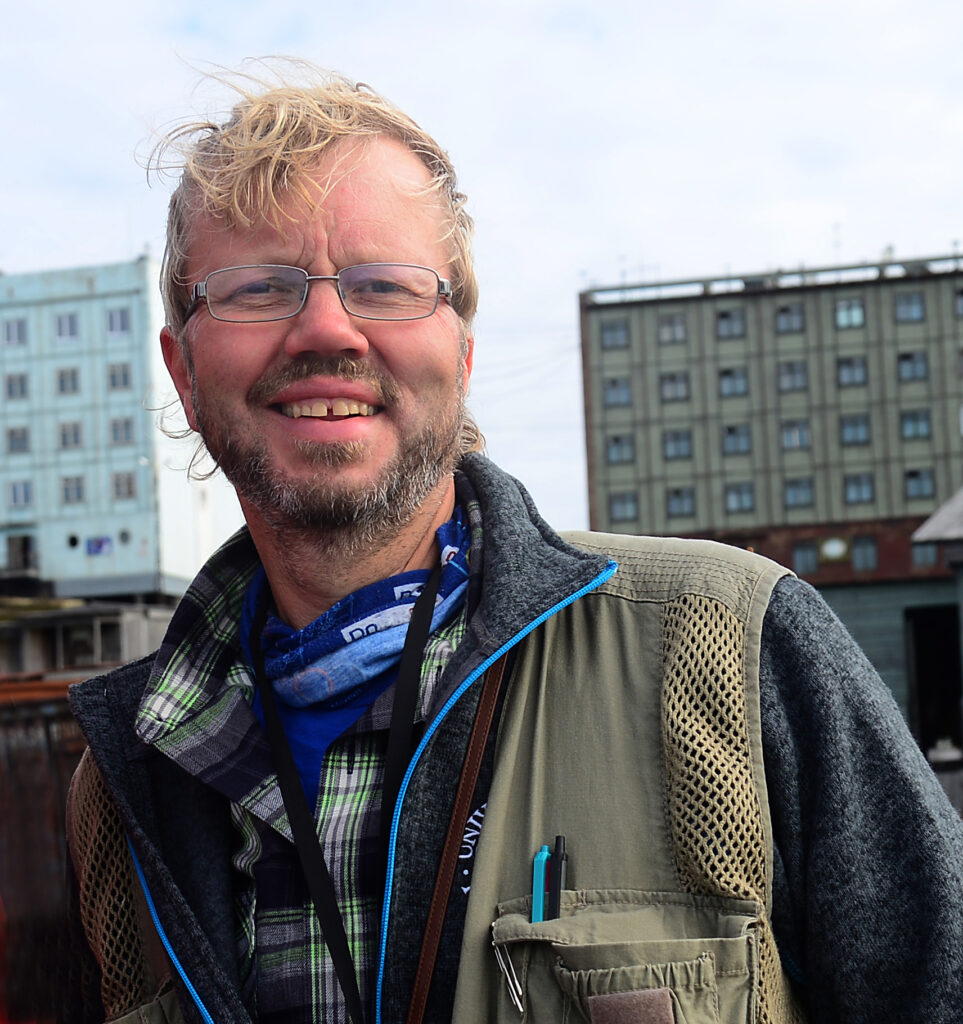
According to Øyvind Ravna, Faculty of Law, UiT The Arctic University of Norway, small states are perceived to be subject to the will of great powers in the international system. Yet, small states – such as Norway – also have interests they pursue through various means.
Øyvind Ravna, Faculty of Law, UiT The Arctic University of Norway.
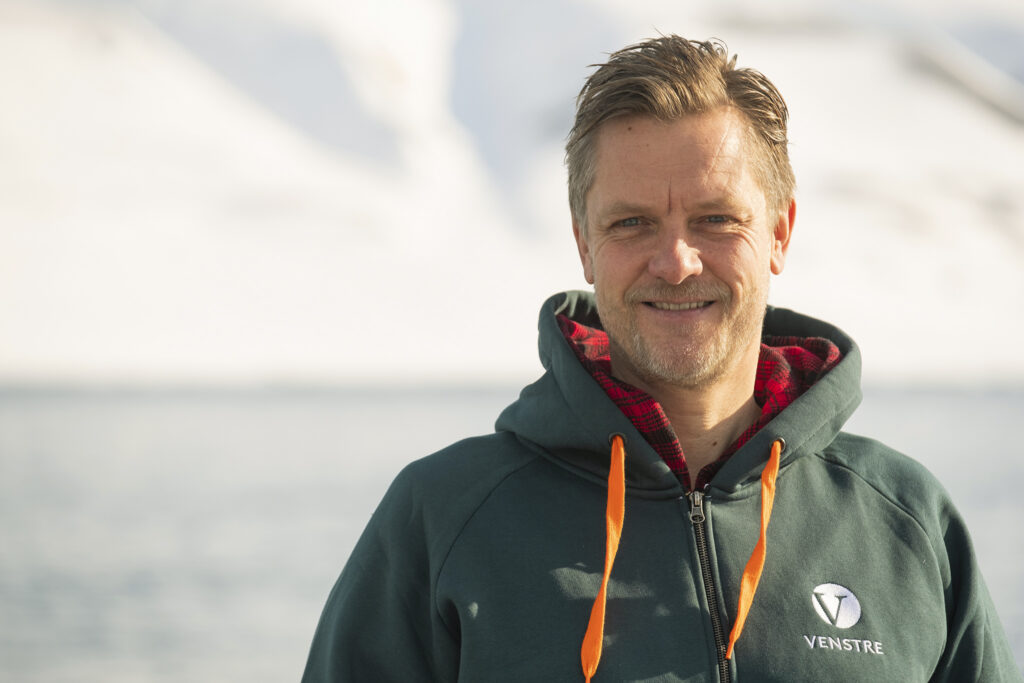
Local council chairman Terje Aunevik in Longyearbyen has received around 30 interview requests from around the world in the last six months alone, from publications such as The Washington Post, the BBC, The New York Times, and an Australian broadcasting company.
Local council chairman Terje Aunevik in Longyearbyen.
While Norway holds full sovereignty over the islands, the treaty allows citizens of signatory nations—including Russia—to engage in economic activity there. Russia maintains a presence in the form of a mining settlement in Barentsburg. It has grown more vocal in recent years about what it perceives as Norwegian overreach or restrictions on Russian activities.
“Located on NATO’s northern flank, Norway has a strong interest in keeping the High North peaceful, and the High North is “the most important peace project” for the government. As such, Norway is “far more than we generally realize, in a unique position internationally in terms of its dependence on a robust international legal order,” which is “a key objective of Norway’s interest-based policy.” Norway’s foreign policy has been described as a combination of small state realism, emphasizing the need for protection and the importance attributed to international law, and small state idealism, the belief that Norway can and should make a difference through engagement, such as peace diplomacy. This article gives a thorough overview of Norway’s Arctic policy priorities and interests, and asks: What is the rationale behind Norway’s Arctic policy, and does it contribute to strengthening Norway’s position internationally?
Svalbard-Norway map.
Previously, foreigners only discussed climate and polar bears, but now everything is about the security situation. This tension has escalated due to several factors:
Increased strategic importance of the Arctic due to climate change, opening new shipping lanes and access to resources. Russia’s military assertiveness and broader geopolitical rivalry with Western nations, especially following its war in Ukraine. Disputes over logistics and access, such as restrictions Norway places on supply routes to Russian settlements, and differing interpretations of the Svalbard Treaty in maritime zones around the archipelago.
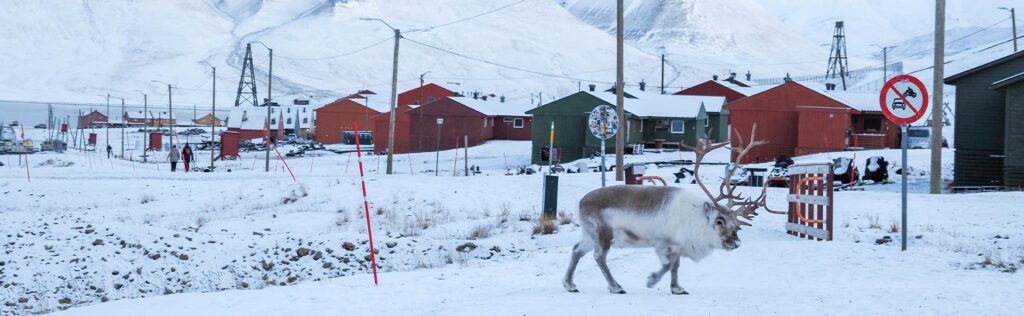
Reindeer on Svalbard. Photo: Visit Svalbard
And when Donald Trump announced earlier this year that the United States would buy Greenland, Aunevik’s phone immediately started ringing. Many asked: Will the same happen to Svalbard?
The Arctic Review article examines the extent to which Norway’s Arctic policy is shaped by great powers and influenced at the international system level.
In my opinion, Norwegian politicians should assert their sovereignty firmly and transparently. Norway should continue to uphold its sovereignty over Svalbard, based on international law, while communicating this position to both domestic and global audiences. This includes maintaining control over immigration, infrastructure, and environmental regulations, in line with the treaty.
Senior researcher Andreas Østhagen at the Frithjof Nansen Institute
Something is happening in the frozen region. “Trump is coming, and Russia is about to take over the Arctic”. That is the story that many media outlets bring to Svalbard. When they contact senior researcher Andreas Østhagen at the Frithjof Nansen Institute, he is forced to clarify and inform.
“That story is not wrong, but it is unvarnished, it confuses, and then it becomes my job to inform,” says the researcher who has received inquiries from everywhere, from Hong Kong to Poland.
Polar bear sign on Svalbard. Photo: Eveline Lunde/Hurtigruten
The Arctic Review article states, “The High North was defined as the most important strategic area for Norway, and became an important new foreign policy dimension for the Norwegian (Labor) government in 2006 when Jonas Gahr Støre – then foreign minister, now prime minister – launched The Norwegian Government’s Strategy for the High North. This strategy followed the 2005 white paper Opportunities and Challenges in the North, the aim of which was to pursue a more active High North policy in order to position Norway in the post-Cold War international arena, ensure political stability and sustainable development in the region, and safeguard Norwegian interests. This shift towards the north was driven by both internal and external forces. Internally, the economic opportunities in the region were becoming increasingly apparent, and externally, international conditions were changing following the more visible impacts of climate change, the potential for resource extraction, and Russia’s re-emergence as a central actor in the region.”
“The Norwegian authorities can partly thank themselves for the great interest. Over the past 20 years, they have traveled around the world, discussing opportunities and challenges in the Arctic, which has contributed to many countries seeking a presence and foothold in the North,” says Professor Torbjørn Pedersen at UiT The Arctic University of Norway.
Therefore, Norwegian politicians must now respect the treaty obligations to ensure that all Svalbard Treaty signatories, including Russia, can engage in lawful commercial activities without discrimination. Norway must also avoid giving grounds for accusations of treaty violations, thereby maintaining international legitimacy.
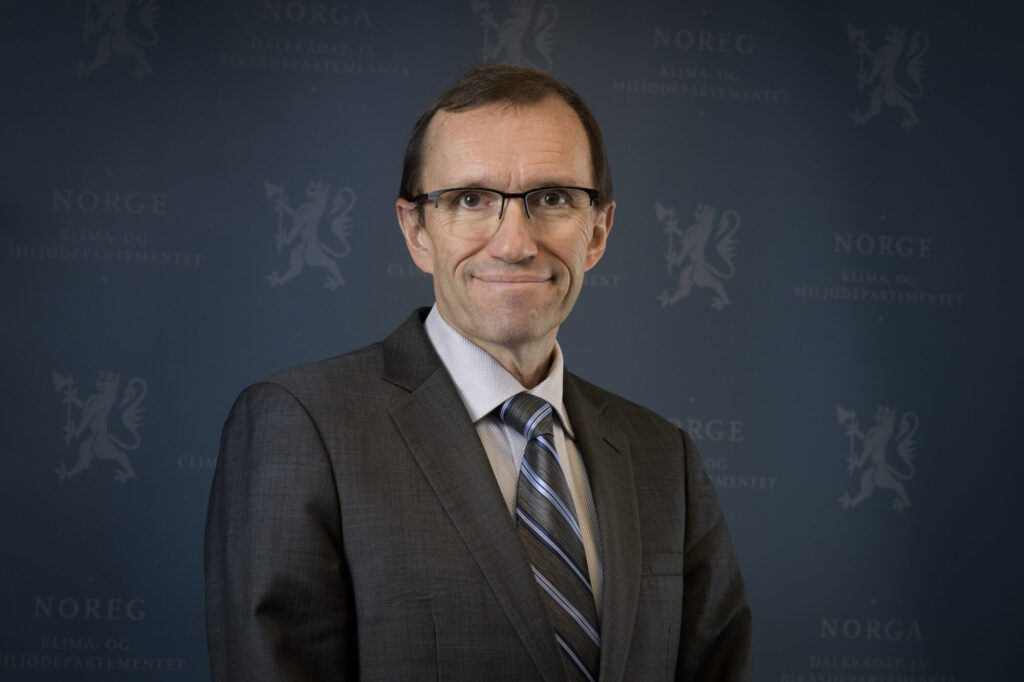
Norwegian Foreign Minister Espen Barth Eide
“In a geopolitical situation with tension between East and West, these are important strategic sea areas. We have been concerned about informing our allies about what is happening and what is not happening in the Arctic. That understanding is much greater now than it was 20 years ago,” says Norwegian Foreign Minister Espen Barth Eide.
“In 1987, Soviet president Gorbachev held his Murmansk speech, in which he outlined how tension in the Arctic could be reduced and cooperation advanced, and pointed to challenges that no Arctic state could address alone, e.g., environmental concerns such as the radioactive fallout from Chernobyl and oil spills at sea. In the years that followed, new forums and networks for regional cooperation emerged, reflecting the shifting political climate following the end of the Cold War. Norway is a member of these, which include the Arctic Council, the Barents Euro-Arctic Council and the Barents Regional Council, in addition to the Nordic Council and the Nordic Council of Ministers, which notably were established in a different, Cold War context.” (Arctic Review)
Today, Norwegian politicians must engage in strategic communication, which involves proactively informing the public and the international community about Norway’s legal position and actions in Svalbard. Not least, they must counter disinformation with facts and legal clarity.
Diplomatic channels should also be strengthened. Open communication with Russia should be maintained to mitigate the risk of misunderstandings escalating, and close coordination with allies in NATO and the Arctic Council should be ensured to promote regional stability and foster a shared understanding.
Lastly, but not least, investing in civilian presence and infrastructure should be a primary focus. This includes strengthening Longyearbyen and other Norwegian settlements through investment in research, environment, and tourism. Most visitors call the archipelago “fantastic Svalbard”. The Global Seed Vault, the world’s largest seed storage facility, is situated in the permafrost, approximately 1,300 kilometers north of the Arctic Circle. This bolsters Norway’s practical presence without militarizing the region.
TheSvalbard Treaty of 1920 and International Conflicts – In summary
Norway must strike a balance between assertiveness and restraint, protecting its sovereignty, fulfilling treaty obligations, and avoiding provocation. A calm, rules-based, and transparent approach is crucial for managing tensions in Svalbard amid shifting geopolitical dynamics.
The Svalbard Treaty of 1920 and International Conflicts, written by Tor Kjolberg based on an article in Aftenposten, June 15, and the Arctic Review Article, January 2024.
Understanding the intricacies of age-restricted purchases in Scandinavia is crucial for any visitor. The region’s distinct regulations can pose challenges, but knowing them ensures a smooth shopping experience. Navigating these rules allows you to enjoy unique products while respecting local customs. Learn these insider tips for buying specialty products in Scandinavia.
In Scandinavia, purchasing age-restricted items requires a clear understanding of local laws. This knowledge is essential for visitors who wish to explore and enjoy the diverse offerings available in Norway, Sweden, and Denmark. Among these offerings is the caffeine pouch, a popular alternative that exemplifies the kind of regulated products you may encounter. Knowing how to navigate the market for such items can significantly enhance your travel experience, enabling you to engage more deeply with the local culture.
Exploring unique products
Scandinavia offers a wide array of specialty products that captivate visitors with their uniqueness and quality. From innovative tobacco alternatives to intriguing caffeine-based solutions, these items reflect the region’s commitment to providing diverse consumer choices. Platforms like AtlanticPouches.com play a vital role in making these regulated goods accessible to travelers. They offer a seamless shopping experience for those seeking convenience without compromising on compliance.
The availability of such specialty items is not just about variety; it’s about meeting the evolving demands of consumers. As more people seek alternatives to traditional products, Scandinavian markets adapt by offering new and exciting options. Whether you’re looking for something familiar or an entirely new experience, understanding where and how to buy these products is key. This knowledge enhances your ability to make informed choices that align with local regulations.
Scandinavia offers a wide array of specialty products that captivate visitors with their uniqueness and quality.
For many travelers, discovering these unique items is part of the allure of visiting Scandinavia. The opportunity to explore culturally significant products adds depth to your journey, providing insights into regional lifestyles and preferences. By engaging with local markets through trusted platforms, you ensure that your purchases are not only enjoyable but also respectful of local laws.
Navigating regulations
Complying with age restrictions in Scandinavia requires awareness and preparation. Visitors must be prepared to present valid identification when purchasing age-restricted items, such as tobacco alternatives. These regulations are designed to protect consumers and maintain public health standards across the region.
Respecting these rules demonstrates cultural sensitivity and ensures a positive shopping experience. Understanding that each Scandinavian country may have slightly different regulations helps you approach purchases with confidence and respect. It also prevents potential legal issues that could arise from unintentional non-compliance.
Familiarizing yourself with these laws before traveling enables you to navigate the market more effectively. Knowing what is required for legal purchases empowers you as a consumer, allowing you to enjoy Scandinavian specialties without hassle or confusion. This proactive approach enriches your visit by allowing you to focus on enjoyment rather than logistics.
Familiarizing yourself with Scandinavian laws before traveling enables you to navigate the market more effectively.
The convenience factor
For those seeking convenience during their travels, solutions like the caffeine pouch offer an ideal option. These pouches provide a quick energy boost, fitting perfectly into the fast-paced lifestyle of modern travelers. As consumer preferences evolve towards portable and efficient products, such innovations become increasingly relevant.
The appeal of these convenient solutions lies in their ability to meet immediate needs without sacrificing quality or compliance. Travelers can benefit from these products without worrying about lengthy preparation or complex usage instructions. This ease of use makes them particularly attractive to those constantly on the move.
As you explore Scandinavia, embracing such practical options allows you to maximize your travel experience. By choosing items that align with both your needs and local regulations, you ensure a rewarding journey filled with discovery and satisfaction.
Insider tips for buying specialty products in Scandinavia, written explicitly for Daily Scandinavian by Sadie Smith.
Safety while traveling is not just about avoiding getting robbed; it also entails knowing whether the food and water are safe, which vaccinations you need, and what world events may impact your journey. But in this article, I will explain why I always carry a throwaway wallet.
Prioritizing health and safety on your vacation will not only keep you feeling better, but it will also help protect those around you during your travels.
Prioritizing health and safety on your vacation is important. Photo: Park Insurance.
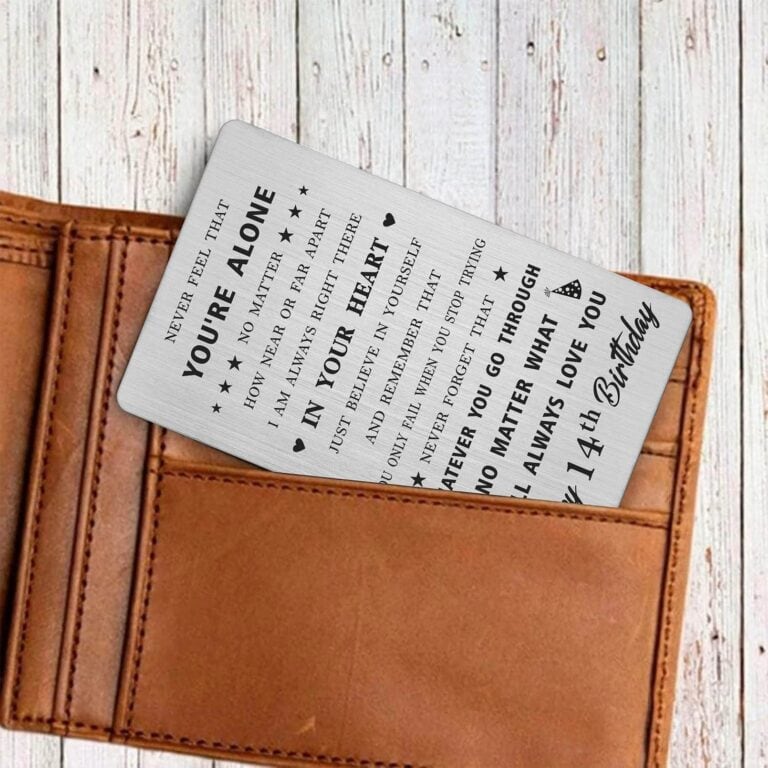
To date, I have never been robbed while traveling. That said, I never carry all my credit cards and cash at once in case such a situation arises. I typically have only one credit card at a time and a minimal amount of money. I always carry a throwaway wallet with me. I fill an old wallet with expired credit cards, library cards, and old membership cards – anything without too much personal information on it – to make the wallet look as authentic as possible.
I also include leftover foreign currency from my previous travels. You will inevitably have leftover currency that is not worth exchanging. Use that leftover currency for this purpose. If you do face the unfortunate situation of getting robbed, handing the thieves a throwaway wallet can reduce the chance of being searched further. And by the time they notice the content of the wallet is worthless, you will be well on your way to safety.
It is also essential to avoid digital pitfalls.
That said, it is also essential to avoid digital pitfalls when traveling through the Nordic countries.
Safety While Traveling: The Throwaway Wallet, written by Tor Kjolberg
Planning a summer escape? Add Scandinavian countries to your travel plans. Scandinavia shines in summer, offering long daylight hours, stunning natural wonders, and refreshing outdoor adventures. This is the ultimate Scandinavian explorer bucket list for summer.
From Norway’s majestic fjords to Sweden’s wild trails and Iceland’s volcanic beauty, every country promises a unique thrill. Whether you’re kayaking through Finland’s lakes or biking Denmark’s coast, there’s something for every explorer. The season brings mild weather, blooming landscapes, and endless opportunities to roam freely. So, let’s explore the top summer adventures across the region, helping you build the ultimate Scandinavian explorer bucket list for an unforgettable journey.
Cruise the Norwegian Fjords
Sailing through Norway’s fjords is a summer experience that feels almost unreal. Begin your journey in Bergen or Ålesund, then venture into iconic waterways like the Geirangerfjord and Nærøyfjord. Towering cliffs, deep blue waters, and cascading waterfalls create unforgettable views. Cruises often stop for hikes, so you can stretch your legs and breathe in the fresh mountain air.
For those who prefer flexibility and scenic detours, another great option is to explore Norwegian fjords by car, taking your time through charming villages and coastal roads. In June and July, the midnight sun adds an extra layer of magic to the journey, illuminating the water throughout the night.
Hiking the amazing Scandinavian trails is a great summer adventure. Photo: Karolina/Pexels
Hike Sweden’s Kungsleden Trail
Your Scandinavian explorer bucket list wouldn’t be complete without a summer trek along Sweden’s famous Kungsleden Trail. Stretching from Abisko to Hemavan, this route winds through peaceful valleys, alpine peaks, and endless birch forests. Spanning approximately 440 kilometers, the trail offers solitude, fresh air, and breathtaking Arctic scenery.
Mountain huts along the way make it easy to hike without needing to carry a tent. Wildflowers bloom in July and August, and the daylight lasts almost around the clock. Whether you’re an experienced hiker or just starting, this is one of Sweden’s top hiking routes and a perfect way to enjoy the quiet beauty of the far north.
Kayak Through Finland’s Lakeland
Finland’s Lakeland region is a peaceful paradise for summer kayaking. With over 180,000 lakes, it offers endless routes through calm waters and forested shores. Paddle across Saimaa or Päijänne to discover hidden coves, rocky islands, and floating saunas. You might even spot rare Saimaa ringed seals or ospreys overhead.
Another great idea is to camp on remote islets or stay in cozy lakeside cabins for an authentic Finnish experience. The stillness, clean water, and long summer days create the perfect setting for quiet exploration. Add this serene adventure to your Scandinavian explorer bucket list if you crave both nature and solitude on your travels. It’s an unforgettable way to see Finland.
Ensure you put Iceland’s volcanoes and waterfalls on your Scandinavian explorer bucket list. Photo: X1ntao Zhou/Pexels
Chase Waterfalls and Volcanoes in Iceland
Iceland is a land of raw, powerful nature, perfect for summer adventures. From the thundering Gullfoss to the misty Skógafoss and photogenic Seljalandsfoss, the waterfalls here are unforgettable. Pair them with a visit to active geothermal zones and volcanic fields in the Golden Circle for a whole sensory experience.
You can also hike through the colorful rhyolite mountains of Landmannalaugar, where steam rises from hot springs and lava flows shape the ground. Soak in natural thermal pools after a day of exploring. Iceland offers dramatic contrasts—fire, ice, and water—and, what’s more, they’re often in the same place. Summer brings long days and mild weather, making it an ideal time for outdoor exploration.
Discover the Faroe Islands by Foot and Ferry
The Faroe Islands are another quiet, rugged escape for summer explorers. Hike narrow trails to breathtaking spots like the Kallur Lighthouse on Kalsoy, where cliffs drop into the sea. Ferries connect the 18 main islands, making it easy to visit remote villages and scenic coastlines.
Expect green hills, sea birds, and expansive ocean views at every turn. Puffins nest along the cliffs in summer, adding charm to your walks. With few crowds and cool, fresh air, the islands feel untouched. As a result, it’s an ideal destination for those who enjoy slow travel, open spaces, and striking natural beauty far from busy cities.
Denmark’s coast has a lot to offer to summer adventurers. Photo: Sven Huls/Pexels
Bike Along Denmark’s Coastline
Denmark’s flat terrain and well-marked cycle routes make it perfect for a summer biking trip. Follow the Danish National Cycle Routes along the coast, where you’ll pass sandy beaches, quiet villages, and scenic cliffs. Ride through highlights like Møn’s white chalk cliffs or the island of Bornholm, known for its round churches and coastal paths.
Coastal winds keep temperatures cool, and frequent rest stops make the journey easy to enjoy. Whether you’re biking for a day or a week, the relaxed pace and seaside views make it a refreshing adventure. It’s a great way to explore Denmark outdoors, one pedal at a time.
Explore Lapland Under the Midnight Sun
Lapland in summer is a land of endless light and wild beauty. In June and July, the sun doesn’t set, giving you more time to explore. Visit the northern parts of Finland, Sweden, or Norway to experience this natural wonder. Hike through pine forests, paddle down clear rivers, or try husky trekking in the tundra.
Discover Sami culture and meet reindeer herders who live in close harmony with nature. Wilderness lodges offer comfort without taking you away from the peaceful surroundings. The midnight sun casts a golden glow over everything, turning simple moments into unforgettable memories in this remote northern region.
Savor Nordic Flavors at Summer Food Festivals
A Scandinavian explorer’s bucket list should always include a taste of local summer flavors. Food festivals across the region celebrate everything from fresh seafood to wild berries and classic open-faced sandwiches. In cities like Copenhagen, Stockholm, and Helsinki, you can sample both traditional dishes and modern Nordic cuisine.
These events often feature outdoor markets, live music, and cooking demonstrations. Enjoy smoked fish, rye bread, and foraged ingredients under long, golden evenings. Many festivals are also family-friendly and easily accessible. It’s a fun, flavorful way to experience culture through food, surrounded by locals and the warmth of the northern summer.
Plan Your Next Great Northern Adventure!
From dramatic fjords to tranquil lakes, wild trails, and coastal rides, Scandinavia is perfect for summer exploration. Each country offers something unique—whether it’s waterfalls in Iceland or fresh flavors at a Danish festival. Your Scandinavian explorer bucket list is more than a travel plan—it’s a collection of unforgettable experiences. Use this guide to map out your journey and start planning early. With long days and endless natural beauty, summer up north is waiting.
The Ultimate Scandinavian Explorer Bucket List for Summer, written explicitly for Daily Scandinavian by Suzanne Hart. Suzanne is a logistics manager at Van Express Movers NJ and an outdoor enthusiast who explores global destinations. She loves sharing practical travel tips and bucket list ideas inspired by her journeys through Scandinavia and beyond.
Thunes, the Smart Superhighway, facilitates global money transfers. Now,Thunes expands its direct global network into Scandinavia.
Thunes has announced the further expansion of its Direct Global Network with the launch of direct Pay-to-Bank services in Denmark, Norway, and Sweden. This broadens Thunes’ reach into the Nordic region, empowering Members of the Thunes Direct Global Network with faster cross-border payment solutions for both consumer and business transactions.
The expansion includes the opening of new direct corridors, supporting payouts in Danish Krone (DKK), Norwegian Krone (NOK), and Swedish Krona (SEK). Thunes’ proprietary Network expansion will give its members access to the Nordic region, whose export volumes amounted to over USD 600 billion in 2024, and inbound remittance accounted for over USD 5.4 billion in 2023, according to the World Bank.
Smart Superhighway Expands Its Direct Global Network into Scandinavia, article continues below image.
Thunes’ reach into the Nordic region enables faster cross-border payment solutions for both consumer and business transactions.
Built on a robust API integration, the service leverages Thunes SmartX Treasury system and Fortress Compliance platform to provide Members with enhanced speed, control, visibility, protection, and cost efficiency for their cross-border payments.
Aik Bon Tan, Chief Network Officer
Aik Boon Tan, Chief Network Officer at Thunes, said: “This expansion marks a significant development for Thunes and our Members, reinforcing our commitment to delivering seamless and reliable real-time cross-border payments globally. By extending our proprietary Direct Global Network into the Nordic region, we are offering a modern alternative to legacy systems, ensuring that payments to Denmark, Norway, and Sweden are executed with the highest levels of speed, security, and operational efficiency.”
Chloé Mayenobe, President and COO
“Launching direct bank payout capabilities in the Nordics supercharges our proprietary Network’s reach and unlocks unmatched value for all our Members. By establishing real-time payout corridors in Denmark, Norway, and Sweden, we’re empowering businesses and individuals with faster, more transparent, and cost-efficient transactions. This expansion represents a strategic milestone in our journey to connect every corner of the globe, reinforcing our promise to deliver cutting-edge, reliable global payment solutions,” said Chloé Mayenobe, President and COO at Thunes.
***********************************************
You may also be interested in reading ‘What Do You Know About BNPL?’
***********************************************
With this expansion, Thunes delivers an even more robust Direct Global Network, enabling seamless bank payouts across the Nordics and meeting the growing demand for real-time, cross-border payment solutions in a dynamically evolving region.
In a world where technology touches every aspect of our lives, Scandinavia stands out with its unique approach to engaging with digital means. The Scandinavian countries, renowned for their hygge and lagom lifestyle, take this to how they engage with technology. Read on and learn more about Scandinavian digital minimalism: How to implement it in life and business.
Inspired by the Scandinavian lifestyle, we delve deeper into the balance between the digital and real worlds and explore how these schools of thought can transform your business and way of life.
The Nordic Concept of Digital Balance Philosophy
Nordic culture is renowned for its ability to strike a balance in all aspects of life, from work processes to personal time. With the age of information overload and notifications galore, the Scandinavians resort to the lagom philosophy — enough — to digital life. It means employing technology for the right purpose, avoiding excesses, and keeping one’s focus on what matters most.
Unlike most countries, where technology devices can be stress-inducing, the Scandinavians view technology as a tool for improving life, rather than an end in itself. For example, most people strive for balanced digital use by limiting the time spent on social media and selecting apps that promote productivity and well-being.
Simple task management software, such as Todoist or Notion, has gained popularity because it can organize the day with minimal visual clutter. It’s similar to choosing plain but functional Scandinavian home décor — nothing more, just what is necessary.
Scandinavian Digital Minimalism: How to Implement It in Life and Business, article continues below image.
Photo: Jessica Gale/Unsplash
Decluttering Your Digital Spaces
One of the core principles of Scandinavian digital minimalism is “digital cleaning.” The Scandinavians keep their homes clean, and they also aim to be clean in life digitally. Some of the practical actions based on this principle are:
Photo: Albert Akva/Unsplash
Opt-out of spam mail: Regular inbox examination and opting out of unwanted newsletters that are no longer valuable leads to less noise in information.
App organization: Instead of keeping dozens of applications on the smartphone’s home screen, it is better to categorize them or keep only the essentials.
Setting digital boundaries: The practice of “digital detox,” where devices are turned off at specific hours to engage with family or nature, is widely practiced.
This approach also applies to business. For teams seeking effective digital presence, it’s crucial to choose advertising platforms like FatAds that align with moderation and mindfulness principles, avoiding excessive and intrusive advertising — a golden balance between efficiency and a thoughtful approach.
Scandinavians, too, surprisingly, like technologies that gracefully integrate themselves into their lives. Instead of fitness trackers with complex features, the majority opt for simple devices such as Fitbit, which provide only the essentials without any extraneous distractions. This is yet another expression of lagom in action — technology is meant to help humans, not distract them.
Scandinavian Digital Minimalism: How to Implement It in Life and Business, article continues below image.
Small simple changes can have a significant impact on your overall well-being. Photo: Zight.
Practical Tips for Embracing Scandinavian Digital Minimalism
If you are keen to incorporate the Scandinavian look into your life and enterprise, here are a couple of suggestions to begin with:
Review your screen use: Utilize your phone’s built-in features to track how much time you spend on apps and set limits for social media use.
Quality over quantity: Choose those services and apps that genuinely meet your needs. For example, rather than having a dozen messaging apps, keep at most one or two that are easiest to use.
Tech-free zones: Take a cue from Danish hygge and find areas in your house where technology is prohibited, such as the dinner table or bedroom.
These simple changes can have a significant impact on your overall well-being. Start small by keeping your phone behind when going for a walk, and rather than your default programs, utilize those that are forms of digital minimalism:
Tool
Purpose
Key Feature
Availability
Todoist
Task Management
Minimalist interface
iOS, Android, Web
Headspace
Meditation
Guided sessions for focus
iOS, Android, Web
Sleep Cycle
Sleep Tracking
Non-intrusive sleep analysis
iOS, Android
Freedom
Distraction Blocking
Block apps and websites
iOS, Android, Web
These programs help millions of individuals around the world, including those in Scandinavia, stay balanced in their online lives. Utilize them to discover how technology can work with you, rather than for you.
“The use of electronic devices before sleep is associated with delayed sleep onset, decreased sleep duration, and lower sleep quality” according to Association of Screen Time With Sleep Outcomes in Children and Adolescents. Photo: apa.org
Proven Benefits
The Scandinavian culture of digital minimalism not only looks aesthetically pleasing but also confers real benefits to both mental and physical health. According to the systematic review “Association of Screen Time With Sleep Outcomes in Children and Adolescents,” the use of electronic devices before sleep is associated with delayed sleep onset, decreased sleep duration, and lower sleep quality.
Additionally, in a study titled “Negative Online Content Exposure: A Form of Vicious Cycle Affecting Mental Health” by experts from University College London, it was determined that exposure to harmful online material worsens mood and contributes to a vicious cycle of poor mental health. Researchers emphasize how digital detox helps terminate this cycle.
Hence, Scandinavian digital minimalism guidelines are indeed positive towards improved quality of life and mental health, as verified by empirical evidence.
Final Thoughts: Adopt Digital Hygge
By creating an online world filled with the lagom and hygge spirit, we can strike a balance between our work and life, enriching both. Try to apply these principles today — start small, such as disabling unwanted notifications, and see how your mind frees itself from unnecessary stress while retaining its energy.
Taylor Reed
Scandinavian Digital Minimalism: How to Implement It in Life and Business, written for Daily Scandinavian by Taylor Reed. Taylor is a writer specializing in lifestyle, technology, and productivity topics, with a focus on how cultural philosophies influence modern living and business practices. Passionate about exploring mindful approaches to digital technology, the author aims to provide practical insights that help readers achieve balance and well-being in an increasingly connected world.
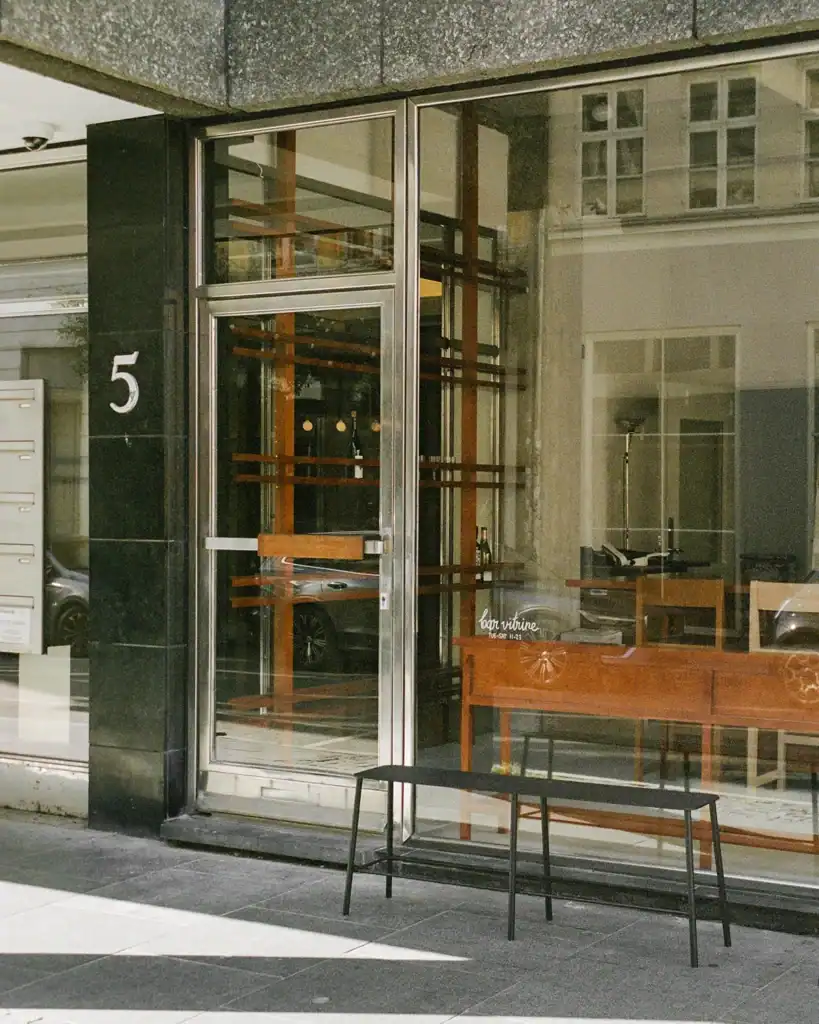
Bar Vitrine, situated in the heart of Copenhagen, is a project born of cultures and industries, located on the corner of Møntergade and Vognmagergade. According to the founder, “this bar in Copenhagen is like entering someone’s home or kitchen”.
The 16-seat contemporary wine bar and eatery is an organic development of three distinct visions: FRAMA founder Niels Strøyer Christophersen, restaurateur Riccardo Marcon, and chef Dhriti Arora—an “ensemble” coming together in a way that they might not have apart. The result is a space without pretense, much like any endeavor of FRAMA’s could be described, and an intimate experience.
Carefully selected wines meet at Bar Vitrine.
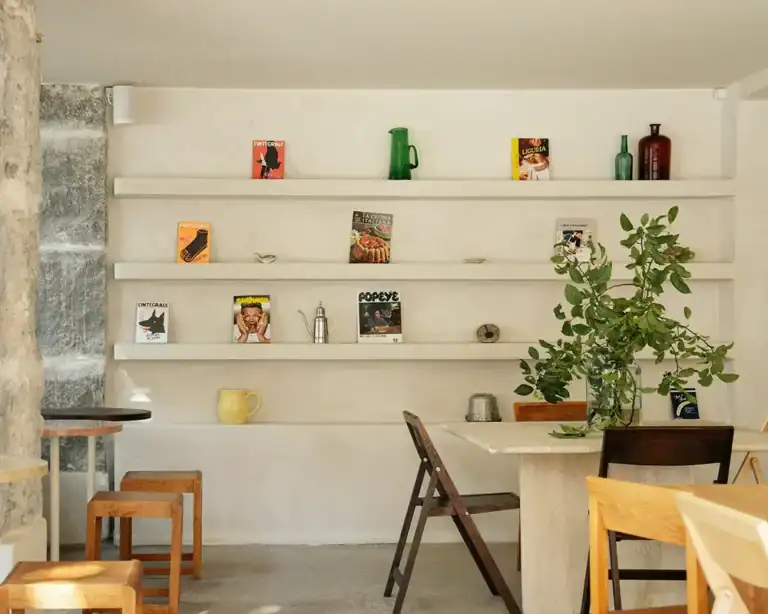
Creative gastronomy and carefully selected wines meet at Bar Vitrine, with a menu devised by a former Noma chef. The space suggests the feeling of finding yourself in someone’s kitchen for a generous, impromptu glass of wine and bite of food — hospitality in the truest sense. Its interior is designed to encourage gathering around honest food, wine, and conversation.
With a beautiful, minimalist interior, where lighting, furniture, and architecture merge into a whole that characterizes the bar’s vision of simplicity and quality, it’s easy to see how Frama’s aesthetic sense is reflected in the space.
Located on the corner of Møntergade and Vognmagergade.
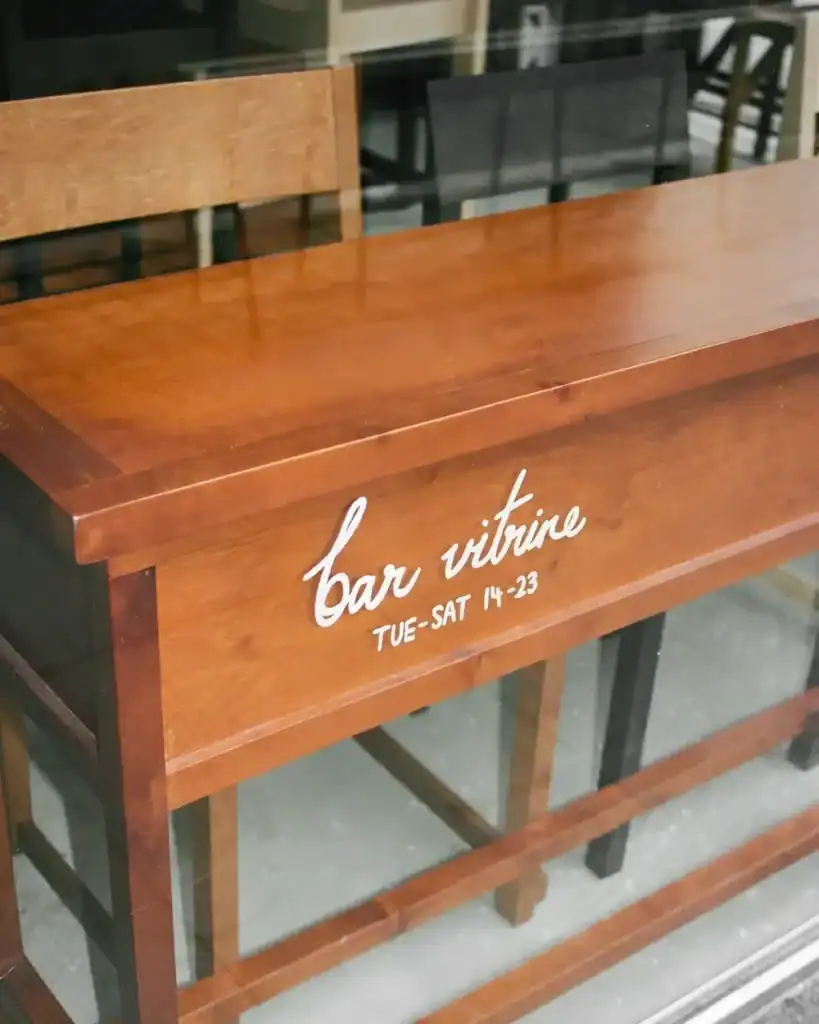
Bar Vitrine is situated in a 1960s-era brutalist building. Dark and light wood interiors balance the exterior’s metal and stone. A communal birch table is at the bar’s center, while Frama’s 01 chairs complement tables along the windows. Bar Vitrine is designed and run by furniture brand Frama.

















 Unlike most countries, where technology devices can be stress-inducing, the Scandinavians view technology as a tool for improving life, rather than an end in itself. For example, most people strive for balanced digital use by limiting the time spent on social media and selecting apps that promote productivity and well-being.