“New Nordic: Food, Aesthetics and Place” is a new exhibition at the National Museum in Oslo, on display through September 14.
A specially commissioned pavilion will be constructed for the exhibition on the square outside the museum. There will be an extensive program of events throughout the exhibition period, including design workshops, foraging trips, and meals prepared by celebrated chefs.
In the exhibition New Nordic. Cuisine, Aesthetics and Place, the National Museum shows how this food movement merged with other contemporary cultural trends.
The Manifesto for a New Nordic Cuisine (2004) was a rebellion against the global food industry, massive imports of food ingredients, and food culture that neglected local values. The manifesto encouraged people to use local seasonal produce, develop food traditions, emphasize welfare, and strive for aesthetic simplicity.
The movement was inspired by nouvelle cuisine and New Baque Cuisine. Nouvelle cuisine emerged in the 1960s in France as a response to the traditional, rigid cuisine of French restaurants. The ideals included improvisation and interpretations based on the finest produce of local food markets. The New Basque Cuisine emphasized that chefs had to learn regional culinary traditions, including the use of wild plants, seaweed, and sea urchins. In Norway, Arne Brimi was a pioneer. In the 1980s, he developed “nature’s cuisine” based on gathering, hunting, fishing, local agriculture, and cultural history.
Norwegian stamp: Crayfish on spruce bar. Chef Espen Holmboe Bang Maaemo restaurant. Design Kristin Granli. Photo: Mette Randem.
Claus Meyer and Jan Krag Jacobsen wrote the first draft of the Manifesto, which was signed by twelve male chefs from the Nordic countries. Over the years, it has generated heated debate, not just on account of the gender imbalance, but also because many people have considered it elitist, protectionist, and homogeneous. Nevertheless, the manifesto was highly influential and served as an inspiration for many regional cuisines worldwide.
Kettle by Marit Tingleff. Photo Annar Bjorgli.
In the exhibition New Nordic. Cuisine, Aesthetics and Place, the National Museum shows how this food movement merged with other contemporary cultural trends. Through architecture, modern art, design, and crafts from the museum’s collection, as well as objects loaned from various restaurants, the exhibition examines the “new Nordic” concept as a broad aesthetic development defined by the interaction between materials, people, and landscape.
A version of the exhibition will be on display at the National Nordic Museum in Seattle, USA, from 7 November 2025.
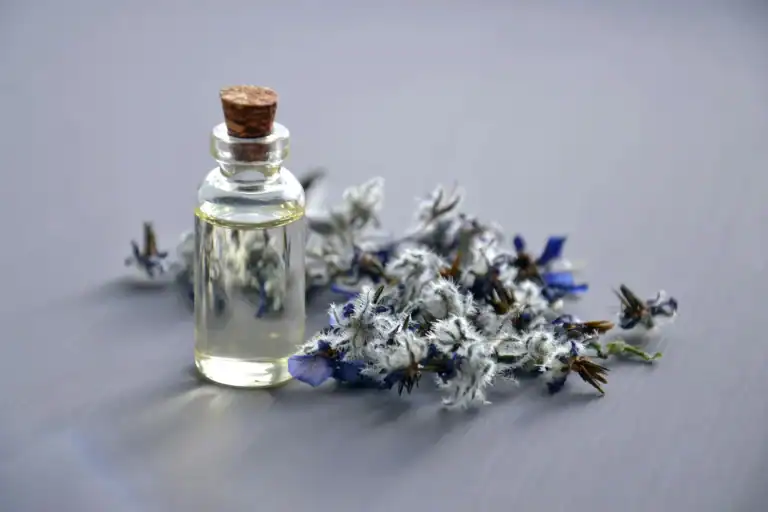
There is a growing demand for Scandinavian beauty and wellness products as more individuals seek luxurious yet eco-conscious options. Read more aboutsustainable scents: Scandinavian fragrance brands that are good for you and the planet.
According to Nordic beauty expert Johan Magnusson, the emphasis on clean and ethically made skincare, cosmetics, and fragrances in new Scandi beauty products aligns with the global clamor for sustainability. “Scandinavia is a leader in fields relevant to beauty in 2025,” Magnusson notes in a Forbes interview. “Consumers demand transparency, sustainability, and authenticity, which pushes brands to innovate.”
Scandinavian fragrances, in particular, are paving the way for more eco-friendly beauty brands to break into the US and Asian markets. With brands like Byredo appealing to those who love the ‘clean’ aesthetic, we can expect more Swedish, Danish, and Norwegian perfumes to occupy prime counter spaces in department stores and beauty retail shops worldwide. For clean and ethically produced perfumes, consider these sustainable Scandinavian fragrance brands, which are crafted with ingredients that are good for both you and the planet.
********************************************
Related: Nose for Scandinavian Perfumes
********************************************
Colekt Fragrances
When choosing sustainable perfumes, it’s essential to look for brands that support complete transparency, from the field to the bottle. Apart from using natural or organic ingredients, fragrance brands should also use eco-friendly packaging and be upfront about their supply chain, sourcing, and production practices. They also need to embed sustainability into their procurement policies, ensuring that suppliers adhere to fair labor practices.
If you’re looking for a new Scandinavian scent that meets the main criteria for sustainability, consider updating your fragrance wardrobe with new perfumes from Colekt Fragrances. This Stockholm-based brand is committed to slow sourcing of vegan ingredients and also champions responsible production by producing perfumes in small batches. They also use recyclable packaging and form partnerships with local suppliers who are committed to environmental and social consciousness.
Some of Colekt’s most popular fragrances include a cologne concentrate called Persona, which is inspired by Swedish summer nights. It has notes of bergamot, lilac, and guaiac wood, which makes it citrusy yet warm at the same time. For spring, try their Void cologne concentrate, which has a fresh blend of mint, rhubarb, tangerine, and basil notes.
Son Venin
Looking for an all-day, gender neutral, sustainable scent to share with a loved one? Spritz on a fragrance from Son Venin, an Oslo-based independent perfume brand. This niche perfume house is starting to gain buzz as a brand that produces high-quality products reflecting Nordic heritage. Not only do they create fragrances with no artificial colors or additives, but they also make a point to use less plastic and mixed materials during the production process. Son Venin is a cruelty-free company as they don’t test on animals, and all of their products are certified vegan.
For those who love floral and musky scents, try Son Venin’s Lo Voleur, which has top notes of pink berries and saffron, iris and muscade heart notes, and sandalwood and amber base notes. This fragrance smells smokey, yet bright and slightly sweet, making it perfect to wear on an evening date. For something a little different, try their newest scent, Pain Nouveau, which translates to ‘New Bread.’ It features notes of fig, black pepper, bergamot, cereal bread, mimosa, sandalwood, and golden vanilla bourbon, making it a warm and comforting scent that is sure to appeal to those who prefer this style.
Andrea Maack
If you’re interested in a sustainable fragrance with Nordic roots, look no further than Andrea Maack, a luxury fragrance brand located in Iceland. Founded by visual artist Andrea Maack, this niche fragrance house formulates scents composed of 88 to 89 percent natural ingredients, with the base of their fragrances consisting of 100 percent organic Icelandic alcohol and water. Apart from being vegan, all of their products are gluten-free, cruelty-free, ethically sourced, and gender neutral.
Among their top sellers is an eau de parfum called Coven, a green scent that evokes the smell of a forest after a rainstorm at dawn. It features notes of oak moss, cedarwood, whiskey, and labdanum, along with a hint of vanilla to add subtle sweetness to the earthy scent. Those who love gourmand scents with a twist will love Jest, an extrait de parfum with mouthwatering notes of chocolate, plum, apple, and rum. This intoxicating fragrance is both sweet and sophisticated, and fans adore it for its exceptional longevity and uniqueness.
Sustainable perfumes are on the rise. Consider these Scandinavian fragrance houses the next time you’re in the market for a new scent so you can elevate your perfume collection in an ethical and eco-conscious way.
Karoline Gore
Sustainable Scents: Scandinavian Fragrance Brands That Are Good For You And The Planet, written exclusively for Daily Scandinavian by Karoline Gore. Karoline is a freelance writer from Stoke-on-Trent in the UK who left the corporate grind when she started a family and has never looked back. She enjoys contributing to a range of online publications on the topics that are important to her.
Han Kjøbenhavn was founded in 2008 in Copenhagen by Jannik Wikkelsø Davidsen and remains the city’s most distinct alternative fashion voice. The Danish fashion house is embracing the dark side.
Han Kjøbenhavn has been known for its uncompromising creativity. The vision is to create innovative and spectacular designs that eliminate distance and become emotionally inclusive to people. The brand launched as an eyewear line and then expanded into apparel. The company’s first flagship store is located on Pilestræde 30 in central Copenhagen.
Han Kjøbenhavn has been known for its uncompromising creativity.
The roots of the brand are based in Danish design culture; after all, the name Kjøbenhavn is derived from Copenhagen. The brand aims to break free from the comfortably middle-class image in Denmark’s cultural discourse and reveal aspects of life in the Nordic nation that are seldom seen. Creativity, storytelling, and craftsmanship are the foundation of Han Kjøbenhavn, as Jannik aims to transport people through all their senses, senses that are heightened by his pieces.
Today, Han Kjøbenhavn offers a comprehensive range of men’s and women’s ready-to-wear clothing, as well as accessories, where the language and forms are sculptural, empowering the human form.
Creativity, storytelling, and craftsmanship are the foundation of Han Kjøbenhavn. Photo: Metal Magazine
The company’s AW12 fashion film received a Bronze Lion for its “AW Collection 2012” film at the Cannes Lions International Festival of Creativity. In 2013, Han Kjøbenhavn was included on Complex’s list of the 15 best Scandinavian menswear brands. In 2014, GQ listed Han Kjøbenhavn as one of eight must-know Scandinavian menswear brands. In 2022, Kjøbenhavn designed Julia Fox‘s Oscar ceremony dress, a black leather cocktail dress with a collar resembling a large hand choking her neck.
Julia Fox. Photo by Instyle/YouTube
“For me, the important thing is not that I am based in Copenhagen because Copenhagen or Denmark in general is not my only focus. I look worldwide while designing a collection. For me, my collections are a feeling that I want people to experience. No matter where they live,” says Jannik.
Danish Fashion House Embracing the Dark Side, reported by Tor Kjolberg
All images (Except Julia Fox) by Metal Magazine
Distribution rights for “Kraken” have already been secured for the entire American continent as well as Germany, France, and Spain.The world market is pouncing on the Norwegian monster movie
When the mythical “Kraken” rises from the depths of the Sognefjord, so do the sales figures. The Norwegian monster film is making headlines in the international press and is already topping the AFM Hot List after a massive buzz at the Berlinale. “Kraken” has now been sold to 38 countries before the film is finished being cut, probably the most significant international advance sales for a Norwegian genre film ever.
“It has been fantastic to see the enormous interest in “Kraken”, also in international waters! We have never experienced anything like it. The interest from the first pitch was enormous, and the rights disappeared quickly. People want to see “shark summer in the Sognefjord” – a classic monster film in spectacular Norwegian nature,” says producer John Einar Hagen.
The Norwegian monster film is making headlines in the international press and is already topping the AFM Hot List after a massive buzz at the Berlinale.
Samuel Goldwyn Films has acquired North American rights to Pal Oie’s monster film Kraken for TrustNordisk; Gussi has taken Latin American rights. The film is currently in pre-production, with a €5.3m (£4.5m) budget, and a 2025 theatrical release pencilled in for Norway.
Pal Øie has reunited with the producers of his 2019 action thriller, The Tunnel, to direct the new Norwegian monster movie.
“For us at TrustNordisk, “The Kraken” is already a huge success! We have hardly ever seen such great interest and such good sales for a Norwegian film so early. It stands out in the crowd with the combination of a classic “creature-feature” set in perhaps the world’s most beautiful landscape. Without a single shark in the cast!” says sales director Nicolai Korsgaard.
Kraken is about a marine biologist investigating strange occurrences in Norway’s deepest fjord. Sara Khorami stars with Mikkel Bratt Silset, Ingvild Holthe Bygdnes, Steinar Klouman Hallert, and Jenny Evensen.
When the mythical “Kraken” rises from the depths of the Sognefjord, so do the sales figures.
“At the bottom of Norway’s deepest fjord rests a mythical monster as large as a mountain, with a myriad of arms ready to crush and devour anything they can grab,” the film’s synopsis reads.
The film is currently in post-production and is scheduled for release in late 2025.
Danish singer and songwriter MØ released her fourth studio album, Plæygirl, in May. This album marks the rebirth of a Danish career.
MØ has released four studio albums, three extended plays, and twenty-four singles, plus six as a featured artist. The Danish artist was at the forefront of Scandinavia’s glacial synth-pop wave of the 2010s. Plæygirl marks her first album in three years, since Motordrome (2022).
***************************************
You may also like to read Fascinating Scandinavian Rappers
***************************************
On 14 January 2013, she released her debut single, “Glass”. On 15 March 2013, she released “Pilgrim” with the B-side “Maiden”. It peaked at number eleven on the Danish Singles Chart. On June 7, 2013, she released the single “Waste of Time.” MØ’s first extended play, Bikini Daze, was released on October 18, 2013; the track “XXX 88” from the EP was officially released as a single on October 20. The single “Don’t Wanna Dance” debuted on BBC Radio 1 on January 16, 2014, as Zane Lowe’s Hottest Record. MØ’s debut studio album, No Mythologies to Follow, was released on 7 March 2014.
Plæygirl marks her first album in three years.
******************************************
Related: Scandinavian Sound of Success
******************************************
Plæygirl is complete with Alice Cooper-style face paint and features expertly produced synths and big electro beats. The album is produced by Nick Sylvester and MØ’s longtime collaborator, Ronni Vindahl, and includes a collaboration with Irish singer and rapper, Biig Piig.
The album is not unlike Charli XCX’s Brat gone a bit goth.
The Rebirth of a Danish Career, reviewed by Tor Kjolberg
Tias Eckhoff’s design icon from 1964 is still popular in Norwegian kitchens. Read more about the coveted Norwegian coffee kettle.
The creators behind The Tias kettle wanted to make serving the best coffee to friends and family easier. In 1964, the coffee pot was made of aluminum but had some weaknesses. The plastic in the lid was not good enough.
“The coffee kettle ensures a successful coffee gathering. It should be easy to make perfect coffee every time,” says Ola Brattås, co-owner of Os Tableware, the manufacturer of the relaunched Tias kettle.
Ola Brattås foresaw a new coffee-boiling trend, and he and Tia’s daughter, Sigrid Eckhoff, decided to redesign the kettle in 2013. Brattås has extensive experience in the coffee industry, and currently works at Kaffebrenneriet as import and roasting manager. The new coffee kettle came to the market in the spring of 2017.
Sigrd Eckhoff. Photo Molo
Tias Eckhoff (1926–2016) from Valdres was known as one of Norway’s leading industrial designers for over six decades. Over the years, several of his products have become household items and design classics in Norway and abroad. Many know they have set the table with porcelain dinnerware or used steel cutlery that Eckhoff designed. Even more have probably held a key, touched a doorknob, or sat on a chair he designed. He created products for both homes and public spaces.
*****************************************
Related: Coffee Geeks From Norway
*****************************************
Ola Brattås Photo: Kafferenneriet.
The redesigned coffee kettle was the last product Tias approved before he died. “He followed the whole process and thought it was okay for us to change it a little,” says Sigrid Eckhoff. The Tias Kettle is made of stainless steel and is slightly larger than the original. It has a larger opening and a smooth interior, so it should be easy to keep clean.
Boiled coffee is a traditional brewing method in Norway. Photo: Kaffebrenneet.
Boiled coffee is a traditional brewing method that the electric coffee maker largely replaced in Norwegian homes in the 1960s. However, many young and old people appreciate boiled coffee in the great outdoors and find it to be some of the best coffee they can get. The fact that boiled coffee is served at the Michelin-starred restaurant Maaemo must be good proof of the excellence of this brewing method.
Coveted Norwegian Coffee Kettle, written by Tor Kjolberg
When Swedish fashion designer Elin Kling and her husband Karl Lindman launched their company Toteme in New York in 2014, they wanted to combine American sportswear, Southern European elegance, and Scandinavian minimalism. Their garments were supposed to hint at a European vacation on the French Riviera rather than the Canary Islands. Read on to learn more about the luxury holiday garments designed by a Swedish couple.
According to the company’s website, TOTEME is a fashion house rooted in Swedish sensibilities, modern aspirations, and the notion of style.
Born and raised in Sweden, Kling was heavily influenced by the Swedish affinity for design, combining expert craftsmanship and practicality with attention to detail. She began her fashion communication and publishing career, building a highly engaged following for her curated, editorial eye.
With an appreciation for women’s many roles and how pieces are worn in practice, Toteme creates emblematic designs emphasizing materiality and shape.
Kling has also been a guest designer for H&M and American Marciano Guess, among others, and founded the fashion network NowManifest while editing her fashion magazine, Styleby.
Lindman, who grew up in Bromma outside Stockholm, began his career as an art director, holding roles such as Senior Art Director at the New York advertising agency Baron & Baron and Design Director at Interview Magazine.
Elin Kling. Photo: Wikipedia
With an appreciation for women’s many roles and how pieces are worn in practice, Toteme creates emblematic designs emphasizing materiality and shape. Archetype pieces are examined through a female lens and realized with sumptuous fabrics, rich textures, and graphic silhouettes. Representing a direct and decisive way of dressing, the collections are contextualized in curated edits, visuals, and spaces.
In 2016, the couple moved the business to Stockholm, where they opened TOTEME’s first flagship store in 2019. Since then, the brand has continued its global expansion, opening flagship stores in New York (2022), London (2023), and Los Angeles (2024).
Representing a direct and decisive way of dressing, the collections are contextualized in curated edits, visuals, and spaces.
In 2024, Karl and Elin received the prestigious “Entrepreneurs of the Year” award from the Swedish business newspaper Dagens Industri. That same year, they were also included in Business of Fashion’s BoF500. In 2024, TOTEME debuted its first fashion show in Paris and its presentation at New York Fashion Week.
Luxury Holiday Garments Designed by a Swedish Couple, reported by Tor Kjolberg.
In recent years, medical spas—often referred to as medspas—have become increasingly popular as people seek more comprehensive and effective ways to care for their skin, body, and overall well-being.Come to Bulgaria and experience medspa at its best and at reasonable costs. Read on and learn more aboutthe benefits of medical spa treatments: A blend of wellness and aesthetics.
Combining the luxury of a traditional spa with advanced medical technology, medical spas offer a unique fusion of relaxation and clinical expertise. Whether you’re seeking anti-aging treatments, acne solutions, or simply a rejuvenating escape from daily stress, a visit to a medspa can deliver many physical and emotional benefits.
Unlike traditional spas, medical spas are supervised by licensed healthcare professionals, often including dermatologists or aesthetic physicians. This oversight ensures that treatments such as laser therapy, injectables (like Botox and dermal fillers), and chemical peels are performed safely and effectively. The presence of trained medical staff also allows for personalized treatment plans based on your skin type, health history, and cosmetic goals.
Comprehensive Skin Care and Anti-Aging Solutions
Medical spas specialize in addressing a wide range of skin concerns. From fine lines and wrinkles to sun damage and hyperpigmentation, medspa treatments are designed to enhance your skin’s appearance and slow the signs of aging. Popular options include:
Microneedling: Stimulates collagen production for firmer, smoother skin.
Laser resurfacing: Reduces wrinkles, scars, and age spots.
HydraFacials: Deeply cleanses and hydrates for an instant glow.
Injectables: Temporarily smooth out lines or add volume for a youthful look.
These procedures are often non-invasive or minimally invasive, requiring little to no downtime compared to surgical alternatives.
Robotized laser treatment at Poseidon VIP Residence Club Balneo & Spa Resort
3. Stress Relief and Mental Wellness
Although medical spas focus on results-driven treatments, many still maintain a traditional spa’s serene, calming atmosphere. This combination of clinical care with a tranquil environment allows clients to relax, reduce stress, and enjoy self-care as part of a broader wellness strategy. A medspa visit can offer rejuvenation and peace of mind for people juggling busy lives.
Poseidon VIP Residence Club Balneo & Spa Resort – elegant and aestethic.
4. Weight Loss and Body Contouring Options
Medical spas often offer advanced body treatments such as CoolSculpting, radiofrequency skin tightening, or lipotropic injections to assist with weight loss and body sculpting goals. These procedures appeal to individuals who want to target stubborn fat areas or enhance their physical shape without surgery.
Your physical condition is carefully examined at Poseidon VIP Residence Club.
5. Customized and Preventive Care
One of the significant advantages of a medical spa is the individualized approach to treatment. Professionals assess each client’s needs and design a long-term skincare or wellness plan. Early intervention with medical-grade skincare and procedures can help prevent future issues, such as deep wrinkles, sun damage, or skin laxity.
Magnetic stimulation at Poseidon VIP Medical Center
6. Boosted Confidence and Self-Esteem
The most profound benefit of medical spa treatments is improving self-image and confidence. When you look good, you feel good—and this emotional boost can have a ripple effect on other areas of life, from personal relationships to professional success.
Welcome to Poseidon VIP Residence Club Balneo & Spa Resort.
The Benefits of Medical Spa Treatments: A Blend of Wellness and Aesthetics:Conclusion
Medical spa treatments offer more than surface-level improvements—they promote holistic wellness, combining beauty, health, and mental rejuvenation in a single experience. Whether you aim to restore a youthful appearance, manage skin conditions, or indulge in self-care, a medspa’s personalized and advanced offerings can make a lasting difference.
The great moose treks across Sweden are pulling in millions of viewers looking for ‘Slow TV’.
Moose gather in clusters in the wooded areas around Kullberg, in northern Sweden. The Ångerman River poses a significant obstacle along their migration route, and here they gather at about the same time every year, just as they have for thousands of years. Some cross quickly, others take their time. Some choose to swim across, while others dip a hoof and turn back to find another route. A 24-hour live stream has given millions of viewers front-row seats to watch every unhurried step of the journey. The Great Moose Migration is a 24-hour livestream program categorized as “slow TV,” which is live, unedited, and hours-long coverage of some routine event, usually with a theme or journey in mind.
Some cross quickly, others take their time.
From late April to late May, most migratory moose move from winter to summer areas. Many people believe that moose migrate between the coast and the mountains, like many reindeer, but they don’t usually go that far.
Earlier this month, the seventh season of Den stora älgvandringen (The Great Moose Migration, also translated as The Great Elk Trek) ended after nearly three weeks of uninterrupted footage streamed via SVT Play, Sweden’s national broadcaster’s platform.
The coverage has switched camera shots between various wooded areas and the Ångerman River. Much of the footage is “mooseless” — birds, trees, and bears. But now and then, antlers peek above the water’s surface or through the trees, and their six-foot silhouettes emerge.
Most migratory moose in the north travel between 30 and 90 kilometers (the longest migration measured is 200 kilometers!). The few moose that migrate in southern Sweden move about 6 to 10 kilometers.
Busy times for Stefan Edlund, producer of Swedish Television’s The Great Moose Migration. Credit: SVT, Anton Kårén/Sveriges Radio
Since its debut in 2019, the series has grown from a niche public broadcasting experiment into a cultural phenomenon, attracting close to 9 million viewers in 2024. In a short documentary about the program, a rock musician performed a song about the moose, while a man gathered around the TV with children to watch.
“It is my equivalent of the Super Bowl,” one moose fan said. “It’s like rooting for a sports team. I don’t watch sports; I don’t like sports. I like moose.”
Since its debut in 2019, the series has grown from a niche public broadcasting experiment into a cultural phenomenon, attracting close to 9 million viewers in 2024. Photo: Jesper Stenmark/NRK
For female moose (cows), the spring migration tends to be pretty quick. After one to three weeks, the cow has reached the summer area where she’ll raise her calf.
“We are delighted,” said Johan Erhag, SVT’s project manager for the series. He confirmed the team has captured 478 hours of footage, with 26 remote cameras, seven night-vision ones, and a drone streaming uninterrupted footage since its launch on 15 April.
The team has captured 478 hours of footage, with 26 remote cameras, seven night-vision ones, and a drone streaming uninterrupted footage since its launch on 15 April.
The series idea started when Johan Erhag and Stefan Edlund worked together in 2016 on a nature program that included a segment about swimming moose.
Henriette Steenstrup’s comedic creation, middle-aged single mother Pernille, has become a Norwegian national treasure. The original Viaplay comedy hit, also known as Pørni, can now be watched on Netflix, as the company has recommissioned seasons 4-5.
Henriette Steenstrup’s series, now in its fifth season, serves up affable, down-to-earth chaos. It displays a rare ability to mix comedy with heartwarming drama without shying away from serious issues.
Steenstrup spent over 10 days in an ER in Oslo to bring maximum authenticity to her script and acting. “It was an incredible experience, and I’m so grateful to the wonderful professionals who helped me.”
Thematically, the show portrays various facets of Norwegian society. “It will be a ‘micro-Norway,’ mirroring people’s fears, dreams and main concerns, from aging to mental illness.”
In May, Netflix offers more tragicomedy from Henriette Steenstrup’s incomparable Pørni – but then it’s over! Unfortunately, the American streaming giant announces that the fifth season will be the last we will see of the incomparable Pørni & Co.
Henriette Steenstrup and Nils Ole Oftebro.
“Healthcare is one of the biggest problems in our society, and a true headache for politicians. You can pour in a lot of money, but there are always priorities to take,” says Steenstrup.
The upcoming season will consist of six episodes and is (once again) written by series creator Steenstrup. The main cast includes Henriette Steenstrup, Nils Ole Oftebro, Vivild Falk Berg, Ebba Bellarubin Jacobsen Öberg, Jon Ranes, Gunnar Eiriksson, Deniz Kaya, Henrik Mestad, Jan Gunnar Røise, Agnes Kittelsen, Ulrikke Døvigen.
Thematically, the show portrays various facets of Norwegian society.
With the decision to end the series, Netflix is reporting that “an era is over” for a series that has been an exceptional success both in its home market and with a global streaming audience.
***********************************************
Also on Netflix, The Unlikely Murderer
***********************************************
In May, Netflix offers more tragicomedy from Henriette Steenstrup’s incomparable Pørni.
A sad but proud Steenstrup states:
“It feels like saying goodbye to a loud, loving, beloved family member. I never thought that this series about a single mother who doesn’t suck on the candy of grief – would touch so many.”




 Colekt Fragrances
 Son Venin
 Andrea Maack














 1. Advanced Treatments with Medical Oversight