Oslo’s the Place to be next Summer

This year all it takes is one up-and-coming neighborhood to make a city feel reborn, but in booming, forward-thinking Oslo, two areas are alive with everything new in art, food and design according to Condé Nast June issue. Oslo’s the place to be!

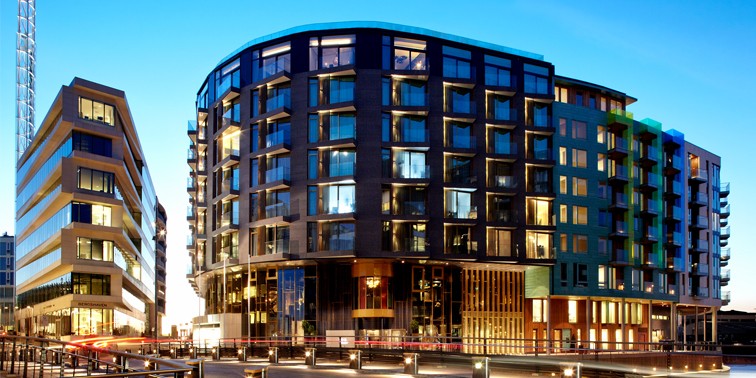
201113_The-Thief_Hotel_Oslo

The first is Thief Island, or Tjuvholmen, a former prison islet that’s now filled with glittering glass art galleries and restaurants – and the crown jewel, the Renzo Piano-designed Astrup Fearnley Museum of Modern Art, a beautifully mod vessel for works by contemporary all-stars including Jeff Koons and Olafur Eliasson. The Astrup has loaned some Richard Princes and Andy Warhols to The Thief, the sleek, granite- and-glass hotel next door that’s cozy inside thanks to its big fireplace and Marimekko-esque upholstery designed by young Norwegians.

201113_astrup-fearnley-Museum_oslo-norway

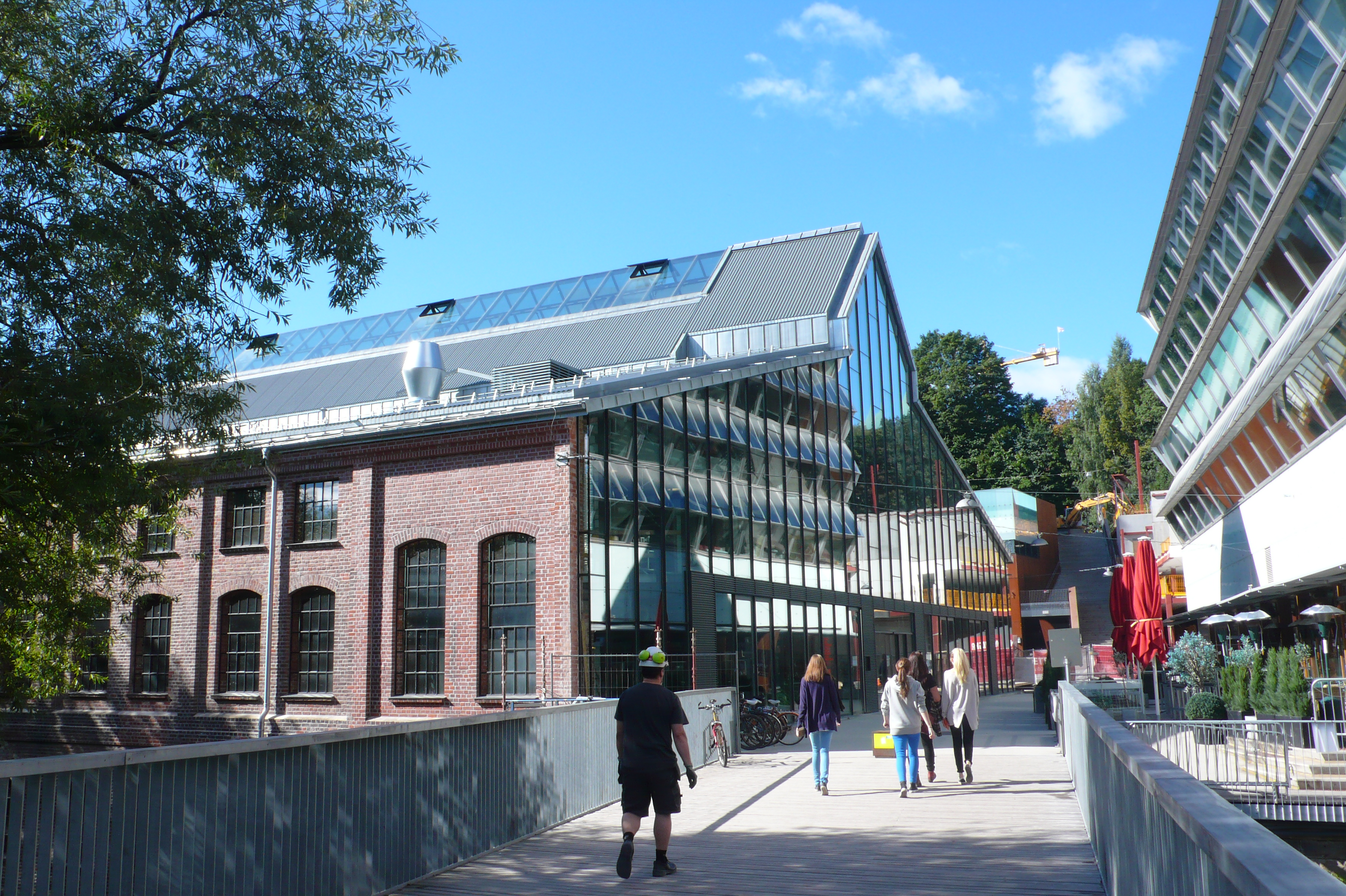
A 20 minuteswalk from Thief Island is the Vulkan neighborhood, whose industrial edge has made it the center of the city’s young creative scene. At its heart is Mathallen Oslo – a new food hall with stalls selling pies and fabulously fibrous Scandinavian bread.

201113_Vulkan_Oslo

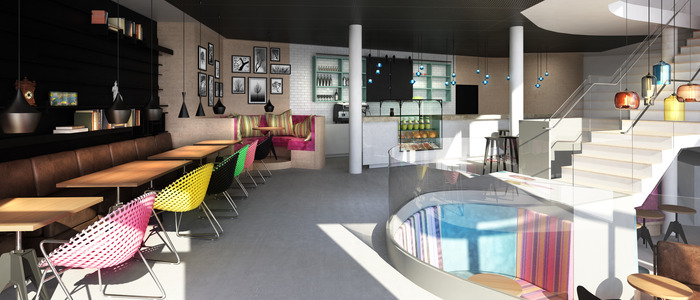
But the area’s flash factor started with the opening of Bar Vulkan, an indoor-outdoor restaurant/club where the stylish eat burgers and drink rosé. Today Vulkan is so loaded with snob-approved clothing stores that on weekends it’s swarming with locals – they’re all looking for a hit of the city’s new brand of cool. Oslo’s the place to be.

201113_Vulkan_Bar_Oslo

Come out and play!

Rural tourism is starting to catch on in Sweden, Norway and Denmark. Tourists vacationing in the Scandinavian countries will increasingly away from everyday stress. That is good news for rural tourism in the region. 

201113_Downhill_skiing_Norway

Small-scale tourism is the new big in Scandinavia. Jämtland Herjedalen in Sweden is the region with the highest density in terms of small-scale producers of rural tourism and honored craft.

People will simply return to the roots, and are willing to seek it out and not least pay for the experience.

201113_Morten_Wikner– Interest in our region is noticeably larger, especially among food writers and journalists, who allows us to showcase our mathåndverk (food craft) . Everything from hardcore “foodies” to foodies tourists find their way to our region, says Mårten Wikner, project manager for Gastronomy Jämtland Härjedalen.

World-class cross-country ski tracks
A warm layer of undergarments, a pair of trousers – not too wide and not too tight – a jacket generous enough to permit full action, helmet or beanie on the head and a pair of gloves, or even better, mittens. On your feet ski boots and underneath them, a pair of skis, appropriate for the day’s activities. In the rucksack, a thermos filled with hot drink, sandwiches of local character, a bar of chocolate and most importantly, an orange. You are ready for a day in the snow!

201113_Cross-country-skiing_Scandinavia

Hjämtland Härjedalen has facilities for cross-country skiing of the utmost standard.  Funäsfjällen has the largest ski track system in the world with 180 miles of sheer delight. The tracks are prepared on a daily basis and the next waffles’ café is rarely far away.

Östersund has 55 miles of connected tracks within walking distance from the city centre.

Ski touring
Should you prefer gliding along with somewhat wider skis in fabulous open landscapes with the fresh mountain air on your cheeks, we recommend the marked trails in, for example, Lofsdalen, Årefjällen, Funäsfjellen or Vemdalen.

Summit tours and sun drifts
March and April are wonderful months for everyone keen on skiing while enjoying the sun. Above the three border the plateaus invite gliding and the snowdrift invite digging sunning holes. Go uphill with skins or snowshoes before setting off downhill in great sweeping turns down the sundrenched sorbet-like snow.

More and more small-scale Norwegian operators are investing in rural tourism. The organization Seterlandet, brought together farm tourism in the North Eastern Valleys, and the Røros region is among many which sees a growing trend among Norwegians who seek the genuine. The big attractions is the journey back to the origin to see how brunost (brown goat cheese) is made, how goats are milked, and experience the general life of the mountain farming life.

201113_Jämtland_Härjedalen.

– Sure it’s nostalgia , but at the same time it’s a desire to preserve a culture that takes care of the best in us, as one of the players, Oddveig Østgård Gjelten at Brattåsrovollen above Dalsbygda describes it .

The geographical locations are also contributing to create something unique. The element of the Gulf Stream with warm, westerly winds and unique growth conditions is equally important.

www.seterlandet.com

Öland, Sweden’s Enchanting Island

One of Europe’s longest bridges (6,072 meters) stretches from Kalmar, on Sweden’s southeastern coast, to the island of Öland. For good reason, the 87-mile-long island is a favorite vacation spot for Swedes. Shallow waters, sandy beaches, yachting and sailing harbors, and long days of sunshine make it appealing to any visitor, including us.

181113_Borgholm_Sweden

Low stone walls crisscross the landscape, dividing tidy farms. Lilacs and wild apple trees bloom purple and white in spring along quiet roadsides, and outdoor markets sell incredibly luscious strawberries, along with local cheeses, handicrafts, and weavings.
181113_Eketorp_Castle_Sweden

Because we’re drawn to history, the further back the better, I was fascinated by Eketorp. This immense fortress, on Öland’s limestone plain, dates back 1700 years and up through the Middle Ages. Excavations have uncovered pottery, arrows, locks and keys, primitive ice skates, and hoards of gold and jewelry that were stashed under the floors and in the walls. The reed- and sod-covered homes and stables and the stone walls that encircle them have been reconstructed using Iron Age methods and materials. Pigs, chickens and geese mill about the grassy grounds and roosters strut on the roofs.

181113_Museum_Oeland_Sweden

We saw a more recent past at the open-air Himmelsberg Folk Museum, a collection of red-painted farms and cottages typical of the 18th and 19th centuries. All over Öland, windmills, some 400 of them, form striking outlines against the sky. The picturesque wooden mills, now protected monuments, are the symbol of Öland. Some have been turned into cafes that sell the ever-popular waffles with strawberry jam and cream.

Bird watchers come to the island to see millions of migrating birds make their yearly flights. A Swedish woman told us her favorites are the cranes, flying through in September on their way to Africa. She said that once when she saw wave after wave of them, she stopped counting at 950. “A flock flew just in front of the full moon,” she said. “It looked as if their feathers were of silver.”  The birds fly above an immense heath, the Stora Alvar, covered with thyme and wildflowers in spring and summer (32 species of orchids alone). It’s a beautiful expanse of color scattered among low junipers and ancient rune stones and graves.
Speglad fyr

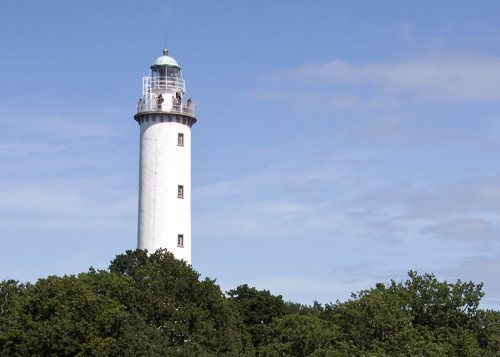
At the northern tip of the island you can climb to the top of the Långe Erik lighthouse for wide views of the land and sea, and then stop for coffee and pastries in the lighthouse cafe. Another lighthouse, the Långe Jan, is at the southern end by the Ottenby Nature Reserve. This is a great place for bird-watching. There’s more: On Öland you can camp, hike, fish, golf at any of 8 courses, take cooking classes, and ride bicycles. There are several bike rental shops.

181113_Oeland_windmills

The imposing ancient castle southwest of the main town, Borgholm, is open for tours, along with Solliden, the century-old manor house nearby. Solliden is the summer residence of Swedish royalty and is open to visitors on summer afternoons. It has a pretty garden and a small shop where you can buy products cultivated here. Solliden’s “Coffee Cottage serves hot dishes, sandwiches, Danish smorrebrod, beer and wine.

191113_Gastyronomy-Sweden

181113_Regional_Culinary_Heritage_SwedenIslanders take great pride in their cooking, which is based on local produce, meats, seafood and fruits. Every fall they hold a 3-day Harvest Festival, celebrating their traditions and culinary riches. There are cooking demonstrations, special menus at restaurants, art exhibitions, and a handicrafts market. A popular regional dish is kroppkakor, potato dumplings stuffed with pork and served with lingonberry jam. That jam is terrific, good with almost everything. To taste local specialties, look for the sign, Regional Matkultur Öland (Regional Culinary Heritage) on restaurants. It indicates that they follow the guidelines of the organization.

In our experience, the best food on the island is at Halltorps Gästgiveri, a country inn set back from the sea 9 kilometers from the main town of Borgholm. The menu features fresh fish from the Baltic, lambs that grazed on the heath, locally grown fruits and vegetables, and herbs from the inn’s garden. They bake their own bread and even spice their own aquavit. Our dinner consisting of salmon mousse, salad, lamb medallions, potatoes au gratin with rosemary, and strong dark coffee was truly exceptional.

The lodgings, too, were out of the ordinary. Halltorps Gästgiveri, among fields and trees full of nightingales, has 35 rooms, several furnished in the styles of different Swedish regions. Saunas, a jacuzzi, and spa treatments are all available. After a day of touring the island, we were happy just to relax on the terrace and admire the fabulous view of the sunset over Kalmar Sound.

This is indeed Sweden’s enchanting island!

Written by the Daily Scandinavian team

SeaDream boss quits

0

The chief executive of SeaDream Yacht Club, Pamela Conover, has announced she is stepping down from the role after less than a year at the helm.

141113_Pamela_Conover Conover’s departure follows the decision to consolidate the two-ship cruise company in Norway.

Atle Brynestad, chairman and owner of SeaDream, will once again assume the role of chief executive.

Conover will spend the next month working with Brynestad to ensure a smooth transition of duties.

Brynestad said he respected her decision to leave and thanked her for her contributions to the company.

SeaDream top rated by Berlitz 2013
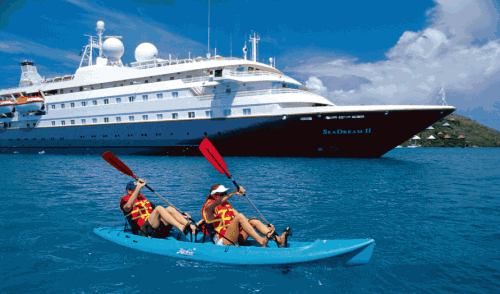
The 2013 Berlitz Guide to Cruising & Cruise Ships released last month, announced that the 112-guest mega yachts SeaDream I and SeaDream II have again achieved the top two ratings in the ‘Boutique Ships’ category (50 – 250 passengers). The Berlitz Guide, now in its 28th year, is researched and written by Douglas Ward, the world’s top authority on cruising and cruise ships. Having reviewed 284 cruise ships, Ward has named the top-rating ships for 2013, with the 10 most highly rated being officially ‘small’ or ‘boutique’. The SeaDream ships’ ratings out of a possible 2,000 points are: SeaDream II – 1,788 points and SeaDream I – 1,786 points.

141113_SeaDream


Copenhagen’s Culinary Scene Ushers in New Era

0

Scandinavia’s Gourmet Capital Continues to Influence the Global Culinary Landscape through New Restaurants and Star-Powered Chefs. 

151113_Alberto_K_Restaurant_Copenhagen

On the heels of San Pellegrino’s “World’s 50 Best Restaurants” list, Copenhagen continues to influence the global culinary scene, with Noma at number two and Geranium at number 45 on the list. While the ongoing influence of New Nordic cuisine has created waves of new interpretations from both former Noma chefs opening their own restaurants and foreign chefs coming to Denmark, Copenhagen’s culinary culture also embraces craft beer, rustic cooking, and designer-hotel cocktails.

New Nordic 2.0
Food fads come and go but New Nordic cuisine has a proven staying power. The opening of Noma in 2004 began a culinary movement that now inspires a new generation of chefs and a team of alumni who have branched out to create their own restaurants and are redefining the New Nordic philosophy.

151113_Bror_Copenhagen

The chefs behind Restaurant Bror, Victor Wågman from Sweden and Samuel Nutty of the United Kingdom, showcase their Noma roots through a clean menu full of fresh, seasonal vegetables and foraged edible flowers. Former Noma head chef, Matthew Orlando is starting his own venture with the opening of Amass in July this year offering a menu of New Nordic cuisine influenced by his international travels.

151113_Noma_Copenhagen

Other takes on the New Nordic movement include Höst, meaning harvest, a concept from Cofoco (Copenhagen Food Consulting) headed by Jonas Christensen. The young talent is taking the cuisine to the next level by making it more accessible for a broader audience. Kadeau, a newcomer to the Michelin star family, continues the New Nordic movement with a menu focused on produce from the Danish island of Bornholm, the ‘sunshine island’ in the Baltic Sea.

151113_MarvAndBen_Copenhagen

Copenhagen chefs have also developed concepts that are unpretentious and playup Danish humor such as Pony, serving rustic cuisine such as pig, sausage, and steak tartar. Other irreverent concepts include Congo, owned by Casper Christensen, a comedic actor and talk show host in Denmark who has put his energy and love of humor into the restaurant. Informal spots like Marv & Ben (meaning marrow & bone), located on the oldest street in Copenhagen, offer traditional Danish cuisine in a warm and modest atmosphere.

Beers and Bars
Drinking is as essential as eating in Copenhagen and the gourmet capital offers plenty of libations from micro brews to expertly crafted cocktails. Inconspicuous bars such as Lidkøb Bar located in an old half-timbered house in the back of an alley on Vesterbrogade Street, are packed with full-bearded men in lumber jack shirts and open fireplaces. Housed in a former pharmacy lab, the bar will soon feature a whiskey lounge on the top floor.

Mikkeller Copenhagen

Beer enthusiasts flock to taste the elixir of ‘the beer gypsy’ at Mikkeller, a brewery with locations in Vesterbro and Nørrebro and coming soon to San Francisco. Founder Mikkel Borg Bjergsø is known internationally as one of the most innovative and cutting-edge brewers and has made house brews for some of Denmark’s most prominent restaurants including Noma, Mielcke & Hurtigkarl and Kiin Kiin. The teacher turned brewer now runs the Copenhagen Beer Celebration 2013 which he started last year for beer geeks to celebrate extreme beer culture. More traditional Danish beer lovers are drawn to the Copenhagen Beer Festival, where guests are invited to celebrate the diversity of Danish beers, try rare foreign brews, and sample beer and food pairings.

Gourmet Hotels – Copenhagen’s New Trend
From fine dining to world-class brews, Denmark has a little of everything and Copenhagen’s top hotels are establishing themselves as destinations for both luxury accommodations and exceptional food experiences. Hotels are keeping the gastronomic-traveler in mind with award-winning chefs and chic bars including the recently renovated and über luxurious Hotel ‘DAngleterre, boasting the brand new restaurant Marchal from Michelin-starred Chef Ronny Emborg. The hotel also added Balthazar, Copenhagen’s first Champagne bar a few months ago.

Atop the Radisson Blu Royal, a uniquely designed hotel from Danish modern architect Arne Jacobsen, is the restaurant Alberto K. (image at top)  Also bearing the stamp of Jacobsen’s design, the restaurant has some of Copenhagen’s best views and will soon be helmed by Chef Jeppe Foldager, the winner of this year’s Bocuse d’Or Silver medal. Not far from there, The Nimb Bar at Copenhagen’s upscale Nimb Hotel, is a classic bar with an innovative and rotating cocktail list and was recently added to the eponymous “World’s Best Bars” list.

To get a taste of all that Copenhagen has to offer, travelers can indulge in social dining experiences such as: Copenhagen Food Tours, Dine with the Danes, CPH: Gastro Tours from CPH: Cool, Guerilla Dining by Silver Spoon, or with one of the city’s exciting food festivals.

This is indeed Copenhagen’s culinary scene!

Written by the Daily Scandinavian Team

Melody hotel, Stockholm, Sweden

0

Melody Hotel is one of Stockholm’s newest boutique hotels. Smart, relaxed and very minimalistic, with nothing particularly musical apart from a simple sound wave graphic etched onto a wall and a few records displayed at reception.

131113_Melodsy_Hotel_Stockholm

The unique new Melody hotel, Stockholm, Sweden, opened in May 2013 on the scenic island of Djurgården in Stockholm.

The hotel offers a calm, less-touristy base from which to explore the Swedish capital. The Abba museum can be entered directly from the hotel while the Gröna Lund amusement park, the Swedish Music Hall of Fame and Skansen, one of the world’s oldest museums, are also close by. The triangular-patterned Sergels torg, a centrally located public square, is a few minutes away by ferry or tram.

One part of the building contains the 50 rooms, each with a terrace and floor-to-ceiling sliding windows. The black-grey colour scheme is simple without being sterile and accented with purple or lime green touches. The three top floor suites feature a panoramic terrace. These mini-lofts are also large enough to host a private party of 20 to 30 guests.

Working out how to dial reception on the room’s quirky, but not particularly user-friendly, phone was tricky without instructions in English. Look out for the tiny note buried within the holder for your room key, which I discovered later, detailing breakfast/gym hours, how to access the free Wi-Fi and call reception.

The elegant restaurant offers a small but eclectic menu of artfully-presented American- and French-inspired dishes, from fennel and vodka-marinated cod to steak tartar and beef rib burgers.

The second part of the building contains ABBA the Museum and the Swedish Music Hall of Fame, which is the latest in Stockholm in terms of museums, musical experiences and lots more.

The happiest countries in the world

Countries in Scandinavia have topped the list of the 2013 World Happiness Report. Holidaymakers looking to cheer themselves up as the winter approaches should think about booking a trip to Denmark and Norway, after the two countries came first and second respectively in the report. 


131113_Happy_Scandinavia

Sweden ranked fifth and Finland seventh out of the 156 countries ranked. Britain however has dropped to 22nd place, below countries such as Costa Rica (12th), Panama (15th), Mexico (16th), the US (17th) and Venezuela (20th).

The second World Happiness Report is compiled between 2010 and 2012 by the United Nations Sustainable Development Solutions Network. It said the findings showed that the world had become a “slightly happier and more generous place over the past five years”. It said the biggest increase in happiness had been in Angola, Zimbabwe, Albania, Ecuador and Moldova.
131113_happies_countries

The research examines factors such as GDP, life expectancy, social support, perceptions of corruption, and the “freedom to make life choices” in order to assign countries a score.

In its introduction, the report states:  “The world is now in the midst of a major policy debate about the objectives of public policy. What should be the world’s Sustainable Development Goals for the period 2015-2030? The World Happiness Report 2013 is offered as a contribution to that crucial debate.”

The bottom ten countries largely comprises African countries, although Syria 148th. Last was Togo, followed by Benin, Central African Republic, Burundi and Rwanda. 131113_Unhappiest_countries
Egypt also ranked poorly, at 130th, while Sri Lanka was 137th.  Bulgaria was the lowest European country, at 114 in the list.

The three happiest countries in the world you find in Scandinavia.

Source: ttgdigital

Jumbo Stay in Stockholm

Welcome onboard the world’s first Boeing 747-200 Jumbo Jet converted into an up market unique stay for the discerning traveler! Jumbo Stay and Jumbo Bar & Restaurant is only a 6 minute ride with the free shuttle bus from the terminals at Arlanda airport.

 SONY DSC

Perfect for anyone catching an early flight and does not want to get out of bed before dawn to make it to the airport in time. Now you can easily book a night at Jumbo Stay prior to your departure for an extraordinary experience before beginning of your trip – as well as relaxation.

If you’re going to stay in Stockholm Jumbo Stay offers 29 comfortable rooms with single, two and three bed private rooms or two and four bed dormitories.

All together, the hostel offers 61 beds; the most luxurious is to be found on the planes upper deck which boasts an exclusive Cockpit suite with private shower and toilet. The rooms are approximately six square meters in size and measure nearly four meters from floor to ceiling.

121113_jumbo-hostel-interior

Each room has a flat screen TV. Everywhere in the jumbo jet you have access to wireless broadband. Jumbo Stay is also equipped and fitted with five modern bathroom and toilet facilities on the main deck, which are also accessible for handicapped guests.
Jumbo Stay is open and staffed 24 hours around the clock by one of the Jumbo crew members, to make it convenient for guests leaving and arriving at different times. Light snacks and beverages are served at Jumbo Bar & Restaurant. For those who have brought their own food there are two microwave ovens available for the guests’ convenience. Breakfast is served from three o’clock in the morning.

Jumbo Hostel is the world’s first hostel housed in a Boeing 747. Stockholm Arlanda is the first facility in Jumbo Hostel chain. 
Night and day visitors will experience the unique feeling of staying inside a jumbo jet, retired and converted into a hostel and museum. Jumbo Hostel opened in January 2009. It provides aviation history and meets people from all over the world.

Immersed in the Beauty of the Sognefjord

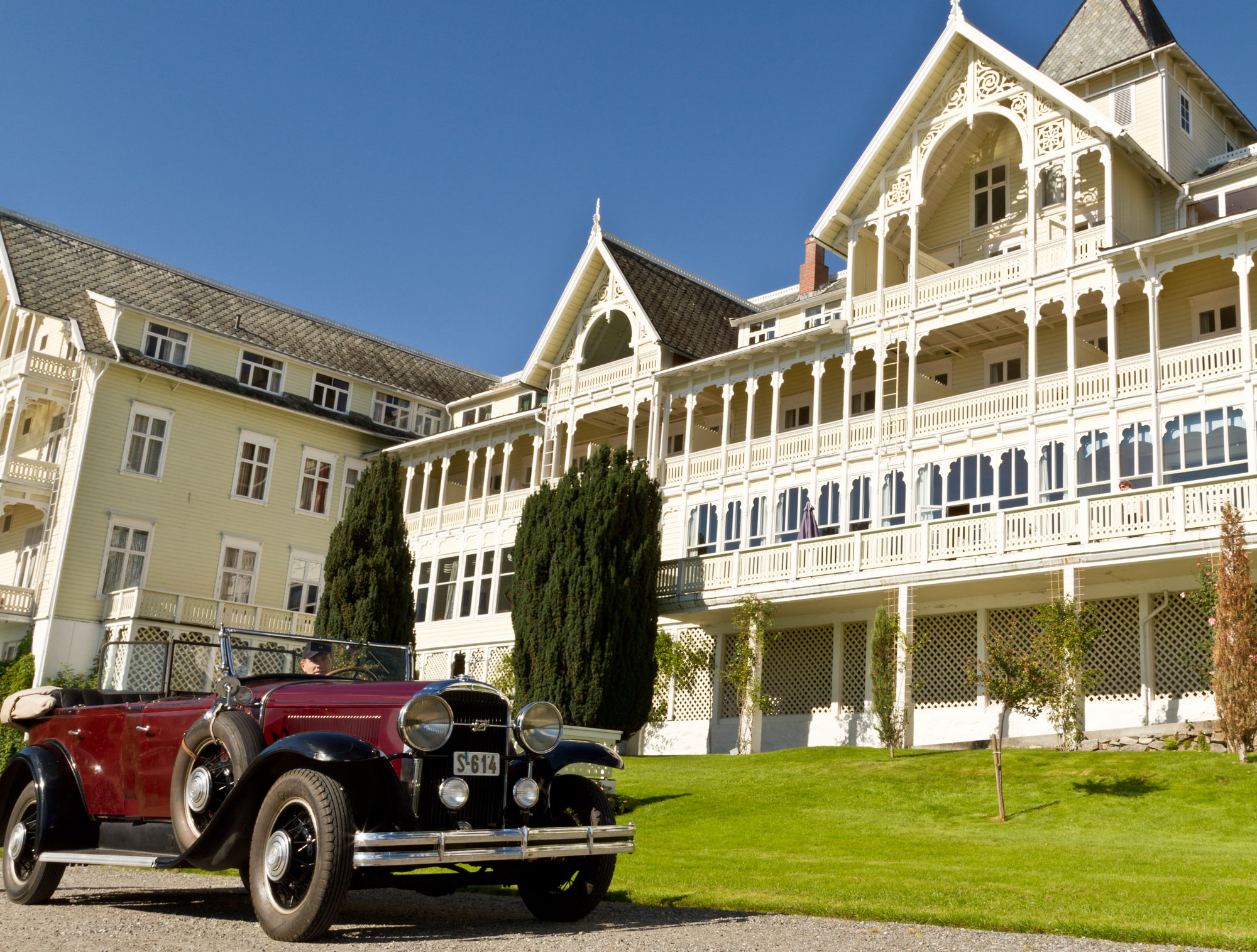
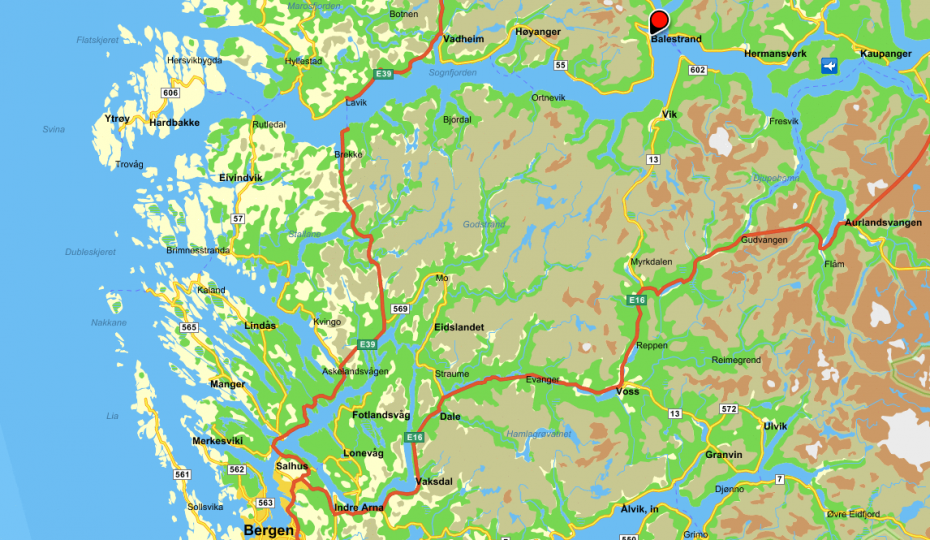
Norway’s unique beauty lies in the fjords, and the Sognefjord  is not only the longest and deepest, but also one of the most dramatic. After a four-hour sail from Bergen along a spectacular landscape, you’ll see the rambling Victorian carved-wood frame of Kvikne’s Hotel on a small peninsula jutting into the 127-mile long fjord.

 111113_Kviknes_Hotel

Dating back to 1752, the hotel has been the destination for poets and monarchs for the four generations that the Kvikne family has been at the helm. A modern wing has been added, but ask for a room in the original house, where some rooms have balconies and unforgettable fjord views.

111113_Kviknes_Hotel_Interior

Though it is full of day trippers and tourists, the hotel maintains a family-run base-camp ambience, encouraging treks and bike rides into the extravagantly beautiful countryside. A sail up the gorgeous little Fjaerlandsfjord north of Sognefjord to see the Jostedals Glacier is a wonderful day trip. This is the true beauty of the Sognefjord.

111113_Sognefjord_map

Balestrand on the Sognefjord, 4 hours steamer from Bergen, daily departures www.kviknes.com

Open early May – October.

Written by the Daily Scandinavian team.

The Versailles of the North

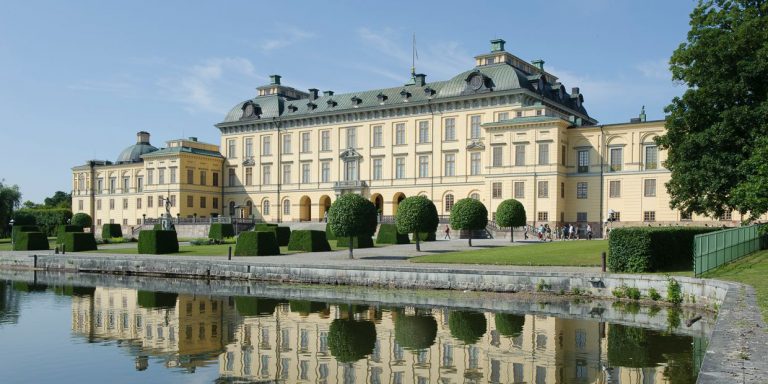
Clearly inspired by the style of Versailles, the official year-round home, Drottningholm Palace, of Sweden’s present-day King Carl Gustav XVI and Queen Silvia is widely held to be one of the most delightful European palaces.

Drottningholm Coirt Theatre

On its own tree-covered island (Drottningholm means “queen’s island) in Lake Mälaren, the many-windowed rococo palace is open to the public even when the royal family is in residence. Built in 1622 for Sweden’s Queen Eleonora, the interior still dazzles with its collection of opulent 17th- to 19th century art and furniture, gilt ceilings, and magnificent chandeliers. Fountains and formal gardens further encourage comparisons to the real Versailles.

Drottningholm Theatre

Visit the unforgettable Drottingholm Court Theatre, the world’s most perfectly preserved 18th-century theatre, where performances are still given using original sets and stage machinery. Originally lit by 400 candles, today it is illuminated by as many flickering flame-shaped electric bulbs.

The wooden theatre was built in 1766 at the request of Queen Lovisa Ulrika. The theatre is constructed of simple materials and the auditorium is playfully decorated using paint, stucco, and papier mâché. The wooden stage machinery is operated by hand. It includes wind, thunder and cloud machines, as well as traps ans moving waves. About 30 stage sets have been preserved, all decorated with themes from 18th century repertoire.The 18th-century operas and ballets performed today by some of Europe’s premier talents (and by an orchestra playing original period instruments) transport audiences back in time.

The first golden age of the theatre was initiated by King Gustaf III in 1777. Together with actors like Monvel, the composers Naumann and Kraus, the ballet master Gallodier and the architect Desprez Gustaf used Drotningholm to inject new life into Swedish theatre and opera. Up to his death in 1792, when the theatre was closed, the repertoire included Gluck’s latst works, péras comiques, French clkassical daramas and pantomime ballets.

When the literary historian Agne Beijer walked through the door in 1921 he discovered a sleeping beauty, untouched since the end of the 18th century. After replacing the ropes, thorough cleaning and the installation of electricity, the magnificent theatre was reopened. Now the machinery could once again perform changements à vie, i. e. open scene changes in front of the audience.

Today the yearly summer Opera Festival offers new productions of 17th and 18th century operas and attracts audiences from all over the world. Since 1979 the Drottningholm Theatre Orchestra has performed in period instruments, and the repertoire includes works by Haydn, Handel, Gluck and Mozart, as well as Rameau and Monteverdi.

In 1991 the World Heritage Committee of UNESCO designated the theatre, together with Drottningholm Palace, the Chinese Pavillion and the surrounding park, as being of cultural heritage significance.

You’ll find the Palace and Theatre seven miles (11 km) west of Stockholm. Frequent one hour steamboat service (with guided tour along the way) leaves from Stadshusbron in Stockholm. www.dtm.se

Written by the Daily Scanidnavian team