Thank you for smoking, Mr. Hansen

0

“Welcome to Hansen and Lydersen,” says owner Ole-Martin Hansen from Norway when arriving at a secluded brick building in a side street in Stoke Newington in North London. Here Hansen has built a small smokehouse – an upgraded copy of his old great-grandfather. Delicious salmon fillets hanging on long wooden sticks are dancing in the gentle breeze from a fan.
060116-hansen-&-lydersen
The traditional Norwegian Smokehouse in London, Hansen & Lydersen, has in a few years developed into a successful gastronomic enterprise with regular customers that include chefs and sheiks. The salmon is salted and traditionally hung and slowly cold-smoked.

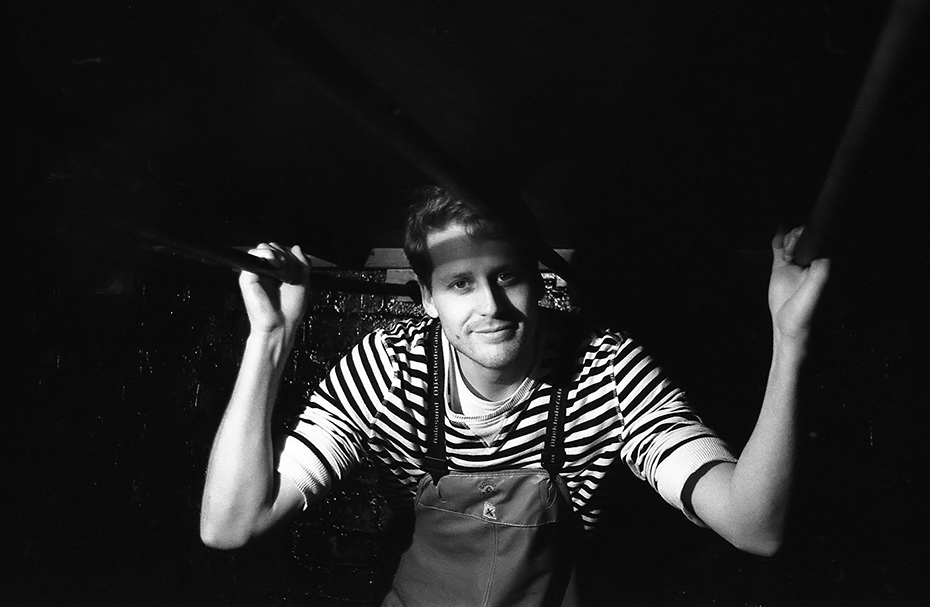
Ole-Martin uses the recipe that his great-grandfather, Lyder-Nilsen, devised back in 1923. A fishmonger by trade, he started the family business in Finnmark, Norway, and passed it on to his son Leif in the early 60s. He in turn passed his expertise on to his daughters, who chose not to continue the family business. But it was this family tradition that Ole-Martin brought to London after his musical studies in 2009.
060116-ole-martin-hansen-2
“My grandfather, a technical engineer, believed that the energy of the wind would transfer to the salmon,” Hansen-Lydersen says with utter sincerity. “Like linie aquavit, which crosses the equator twice in an oakwood barrel, he thought that salmon should keep moving. If it’s moving then there’s an energy which changes the characteristics of the taste.” He designed as smoking chamber using fans to create a high velocity loop of air which kept his salmon moving.


Lady Bramford, known for her philanthropy as well as her sustainable approach to food production, has invested in Ole-Martin’s company. “I think it is a brilliant idea to invest in a farm to show people the future of farming,” says Hansen enthusiastically.

Lady Carole Bramford-Daylesford

The salmon is sourced from his brother’s fish farm, between the Norwegian Sea and the North Atlantic. To secure the high quality it’s prepared less than 48 hours after it has been fished. After the salmon fillets have been salted using Fleur de Sel de Guérande salt from North West France they are left for 12 hours. Then beach wood is used to create the subtle, sweet smoke which infuses the salmon with its distinctive smoky flavor.

Ole-Martin explains that he get salt from this part of France since the Vikings used to get salt from there to cure their cod.

060116-smoked-salmon-from-hansen-lydersen
The beech used is delivered from  a sustainable farm in Germany processed by a Danish Artisan family business.

Using sketches of his grandfather’s Finnmark smokery, Ole Martin has recreated the family business in London, and added his own touches. He plays piano every time they close the smoking chamber. That’s what I would call chamber music.

People might think he is a little eccentric, but relentless research and experimentation are central to the business, and sticking to one product allows Hansen to painstakingly perfect his techniques.

Olke-Martin’s working days are long, and his methodology is labour intensive.


The salmon comes in early every morning at around 4am. It comes from the Faroe Islands by ferry, and then lorry.

Ole-Martin is using a technique that is very Japanese, since he for a while studied under the head chef at Nobu.

“It is very similar to the Scandinavian in how it focuses on heritage and respect for what you’re eating,” says Ole-Martin.

Ole-Martin supplies high-end restaurants with his produce, including Sake No Hana, The Albion, Nopi and Viajante, as well as local consumers.

But why London?

“There’s 12 million people living here, and I don’t want to go anywhere else. I have people coming from Italy, Spain and Japan. I even sell my salmon to a sheik in Kuwait who sends his private jet to buy it.”

Now he is still recovering from the two weeks before Christmas when he worked 214 hours. Hansen-Lydersen remains uncompromising in his approach and salts each salmon individually.

However, the superstar of his smoking chamber is a largely unseen, complex, fully automated and iPad-operated system of pipes, a feat of engineering that makes Hansen very proud and allows him to control every aspect of production.

“You might think it’s just pipes,” he explains, “but in fact it’s a delicate balance, and it’s about pushing the boundaries of design and engineering together.”

Ole-Martin’s dream is to go on tour. He is actually designing a shipping container, a glass cube, where people will be able to look into it from 360 degrees. It’s divided into three glass compartments: the salmon will be smoked in the middle with one end for filleting in and the other for packing. The idea is to travel around with it to show off the process.

“We might bring it to New York, or to Tokyo, or to a mountain up in Scotland, to show people the process. I think it’s grounding to watch people work. Maybe children will come and have a look through the windows, like I did when I was a child,” Ole-Martin smilkes.

The delicious smoked salmon from Hansen & Lydersen may be bought from their Stoke Newington Smokehouse, online at Hansen-lydersen or at London’s food markets: Broadway Market, Maltby Market and Lower Marsh Market.

Thank you for smoking, Mr. Hansen, written by Tor Kjolberg

Happy New Year from Scandinavia

0

New Year’s Eve in Scandinavia offers locals as well as visitors lots of parties, fireworks and celebrations. This is the festive time of year for everyone to enjoy, regardless of faith, nationality or background.

New Year’s Eve is also one of the largest global celebrations because it marks the last day of the year in the Gregorian calendar.

Danish new year, Wilhelm Larsen

Happy New Year in Denmark

Few days are so joyfully celebrated by Danish people than New Year’s Eve, with lots of excitement and jollity.

Parties usually start around 6pm, because this is when their appreciated creative and artistic Queen Margrethe’s New Year’s speech starts. They will listen to the Queen’s New Year’s Eve speech (no matter where they celebrate). In her speech, she always mentions the people of Greenland and the Faroe Islands and the many Danes at sea and always concludes her speech with a hearty “God save Denmark” (Gud bevare Danmark).

NYE Copenhagen
NYE Copenhagen

Special dishes are served, and fine and varied quality of champagne flow all night. Also, as soon as the clock rings twelve at midnight, marzipan ring cake is served to all those present. The traditional KRANSEKAKE is decorated with Danish flags. The tradition of serving this cake at New Year is about 100 years old, but the cake was invented in the end of the 1700 Century.

311215-nye-denmark
Apart from the modern day parties organized all around the country, Danish people do ensure to concord their celebrations with their traditions and customs, as they are seen as occasions to promote Danish cultures, traditions and rich heritage, as well as pass them on to future generations.

The list of traditional dishes served in these parties includes boiled cod, stewed kale, and pork. Serving them to guests during New Year’s Eve is considered to confer good luck, prosperity and happiness in the coming year.
Bursting firecrackers is also a very intact part of New Year’s celebration in Denmark. At the mark of twelve, preplanned shows of fireworks are carried out, which illuminates the entire sky and skylines of the towns. The noisy fireworks are most awaited and enjoyed by young children. It is done with an old belief in concern, that loud noises of fireworks sway away all the evil spirits and negative energies.

Another traditional event the majority of Denmark’s population is waiting for is the live broadcast of the Town Hall clock in Copenhagen turning twelve on midnight.

Many people attend private parties or spoil themselves in restaurants where multi-course menus are on offer. If you’re going out, restaurants might close around eleven to enable the staff the opportunity to celebrate as well! Cafes, bars and clubs, however, usually don’t follow this practice. It’s best to ask the maitre d’ about their opening hours when making your reservation.

If you want to join in on the fireworks at midnight, you should stick to large open squares and keep the fire hazard in mind.

311215-happy-new-year-norway
Happy New Year in Norway

New Year’s Eve in Norway is a big celebration. Many city people will travel to their holiday homes, often located in the mountains, so Oslo and other cities can be a bit quieter than normal.

Apart from being rich in economy and growth, Norway is considered equally rich in its heritage and tradition. New Year celebrations as made all around the Norway are an intact part of those traditions, followed by the inhabitants of Norway since centuries.

NYE Oslo
NYE Oslo

On New Year’s Eve (Nyttårsaften), Norwegians usually meet for dinner at someone’s home or invite guests over to theirs. Norwegians love to bring in the New Year in high spirits of joy and happiness. Many hotels and restaurants are also hosting New Year’s Eve parties. The most popular places in many of Norway’s ski resorts are fully booked for New Year’s Eve within the early autumn.

311215-godt-nytt-aar-norwayThe New Year celebrations as made in Norway are high on content and style, and are quite distinctive from the regular celebrations which usually go around the world.

It is common to see Norwegians dressed their best to bring in the New Year. There isn’t a traditional dinner on this evening. Some eat a version of Norwegian Christmas dinner while others have different meals. Wine is considered to be compulsory part with which celebrations truly boast off.

After dinner, some parents will let their younger children play with sparklers or set off small fireworks before they head off to bed. Some lucky older children get to stay up until midnight to watch the fireworks.

Norway is famous for the fireworks display, which starts promptly at 12, with a countdown. The toasting of the New Year starts the moment the clock turns 12 and wishing the family, friends and neighbors a happy new year (and that’s when the mobile network usually collapses).

At midnight everyone starts to wish their friends, family, loved ones, and neighbors Godt Nytt År, takk for det gamle (Happy New Year, thank you for the past year). There will be hugs, kisses, cheers, and calling over to other groups to wish them well in the streets.

Without drawing any distinction, everyone irrespective of their age and gender is encouraged to be a part of these celebrations, and inhabitants as well as tourists party all day and all night till the early hours of the first day of the New Year.

There is also a Halloween-like tradition in Norway, referred to as  ‘Nyttarsbukk’, when small children visit all the houses in the neighborhood, while singing special New Year songs. In turn, people give them candies.

With regards to private fireworks, rules and regulations tightened in 2008 prohibiting rocket type fireworks with stabilizers and fireworks looking like toys. From the 27th to the 31st of December, smaller fireworks will be available for sale to consumers. You will see these fireworks sold in stores such as Coop and Europris, among others. There will usually be big banners to let customers know that there are fireworks being sold in that store.

New Year’s Day is generally a quiet day spent resting from the festivities of the night before. Some Norwegians also make it a point to go to church on this day. The King will also give a speech on this day, which can be seen on TV.

311215-happy-new-year-sweden-2
Happy New Year in Sweden

New Year in Sweden is considered to be the perfect time for everyone to have some enthralling time, and thus everyone ensure to celebrate it with splendor and joy. They dress up in newly bought clothes and pretend the icy wind howling outside the door is not there.

Swedes like to celebrate New Year’s Eve with friends, and in spite of freezing temperatures, they often toast the New Year outdoors, the sky lit up by fireworks.

During dinner, they discuss both the past year and the year to come. They promise to become a much better person in future, and when the clocks strike midnight they make their New Year’s resolutions. Many promise to stop smoking, or to lose weight, or to start exercising at a gym or make more money. As a rule, these promises are kept − for a few weeks, at least.

NYE Stockholm
NYE Stockholm

During the time of the New Year, most of the Sweden, in particularly the northern part, goes through unconscionable cold climatic conditions. In such weather, people do tend to come out covered up all over from head to toe, and never miss a chance to let a few extra pegs of champagne down their throats. They love their New Year celebrations to be intensely prolific, modern, and flamboyant.

Many actually prefer the cold night air. Those who are not lucky enough to live in a town flat with a view, tend to seek out public places at midnight from where they can fire off rockets and sneak a look at other people’s firework displays.

311215-happy-new-year-sweden
It is easy to find many who are planning to be a part of New Year Eve parties, which reflect less of the local culture and are more of an evidence of the adopted continental lifestyle. New Year celebrations are also more about spending time with friends, rather than members of the family, which otherwise is outright reserved during the time of preceding Christmas time. New Year celebrations begin on New Year’s Eve and go on the whole night to conclude in the early hours of New Year’s Day.

With the arrival of the moment of New Year, people cheer out loud with whatever they have. Their natural senses, car horns, whistling talent, church bells, or drum beats, all live their vibrant moment as soon as clock turns twelve at midnight.

It is quite an endearing sight: people standing outside, shivering, teeth clattering, up to their knees in heavy snow – just to wish each other a happy new year, accompanied by the bang and sparkle of fireworks. It is also symptomatic of modern Sweden. In many respects, Swedes have begun to absorb the outdoorsy continental lifestyle, but somewhere along the way a collision always occurs, in this case, with the climate.

Swedes don’t mind Christmas celebrations being an old-fashioned family affair, but New Year is nowadays supposed to be lavish, ostentatious, international and modern. In city market halls and delicatessens, last-minute customers fight over the last lobsters and the last box of oysters.

Each year ends with a live broadcast from the Skansen open-air museum in Stockholm, where the bells chime and a New Year’s verse (interestingly enough a translation of a poem by the British poet Lord Alfred Tennyson) is solemnly declaimed by a famous Swede to the nation. There’s something nice and secure about rounding off the year in front of the TV in your living room.

Happy New Year from Scandinavia, written by Tor Kjolberg

You might also enjoy the following article from last New Year’s Eve:

How to Celebrate New Year’s Eve Twice in  Scandinavia

Sweden – Los Angeles Non-Stop

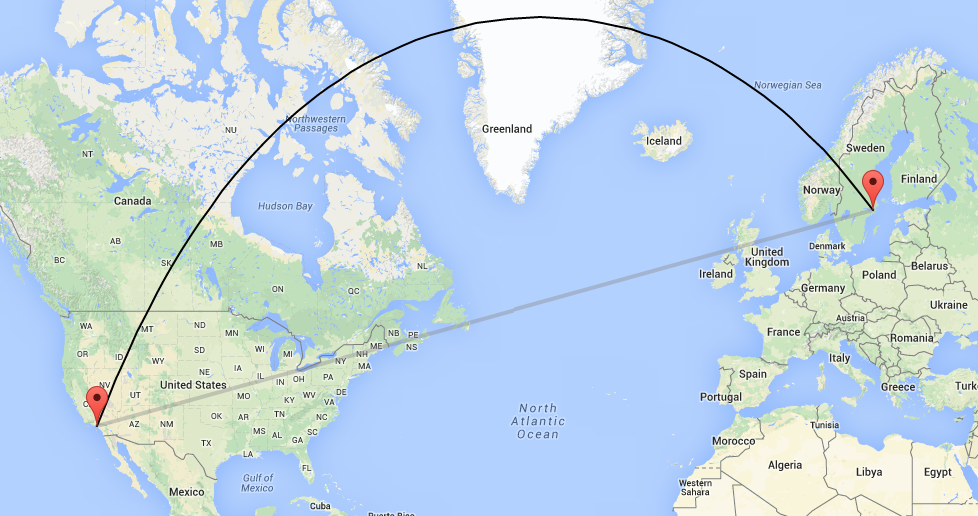
From March 14, 2016 travel to and from Sweden is about to get a boost from SAS (Scandinavian Airlines) when it inaugurates daily flights between Stockholm and Los Angeles.

This marks the first time in more than 20 years that SAS will operate non-stop, flights from Los Angeles to Stockholm, Sweden with connection to other stunning Scandinavian destinations.

040116-SAS-LogoUp to now, west coast travelers have had to book non-direct flights to Sweden, adding hours of travel time switching planes in one city hub or other to reach their final destination.

Compare this scenario with daily departures that will operate during the summer months and five to six weekly flights in winter.

SAS’ new service will streamline travelers’ way leaving them with a little less jet lag, glitches and more time to enjoy Sweden and/or Scandinavia.

Sweden’s natural beauty, island-rich archipelago, wilderness, aboriginal Sámi people in the north, and long tradition of Scandinavian folk-music-melodies form the back-story to this multi-faceted country that stands at the cusp of two major travel trends: cultural and culinary tourism.

040116-sas-map-los-angeles-stockholm
Appearing on many bucket lists, Sweden is a place that promises life-changing experiences: trekking or cross-country skiing through Lappland; cruising its archipelagos; touring Umea, 2014’s European Cultural Capital; or setting out on an expediton to catch, cook and dine on Sweden’s locally-sourced ingredients on a seafood safari.

A taste of Wallenbergare at Opera Bar in Stockholm

To celebrate– the NORTH-Nordic Food Festival, the world’s largest Nordic food festival outside Scandinavia – will feature A Taste of Stockholm for two days on November 16 and 17 in Los Angeles.

Stockholm
Stockholm

Recently awarded a Michelin star, Stockholm’s restaurant VOLT will work side by side with Rekorderlig Cider to prepare a gourmet multi-course dinner for two nights for a blogger tasting and to udate the travel trade on travel trends.

040116-losangelesinternationalairport-lax
The fifth busiest airport in the world and second in the U.S., Los Angeles International links Sweden with an untapped market with great potential. Likewise, Los Angeles is a popular destination for Scandinavian travelers wishing to visit Southern California or onwards to destinations such as Hawaii or even south of the border to Mexico and other destinations.

Los Angeles skyline
Los Angeles skyline

Frequent Flyers enrolled in the SAS EuroBonus Program can expect an enhanced in-flight experience with world-class cabins and seats converting into fully flat beds in Business Class; more comfort in Plus, the premium economy class as well as in Go, economy class.

Stockholm Airport
Stockholm Airport

Because SAS will increase its fleet from 12 to 16 aircraft in 2016, the carrier will also launch new routes between Miami and Oslo and Copenhagen and will increase the number of flights from Stockholm to New York and Chicago in 2016.

Sweden – Los Angeles Non-Stop, source: SAS press release

The Smiling Landscape of Southern Norway

0

Few places have so much rich nature to offer its visitors and residents as the Norwegian county of East Agder with Ulvøya as its southern and western most points on the coast, and Gjærstadtangen as the eastern most.

The county also has a large hinterland to its north and center where the borders meet Rogaland, Hordaland  and Hardangervidda.
050116-east-agder-map
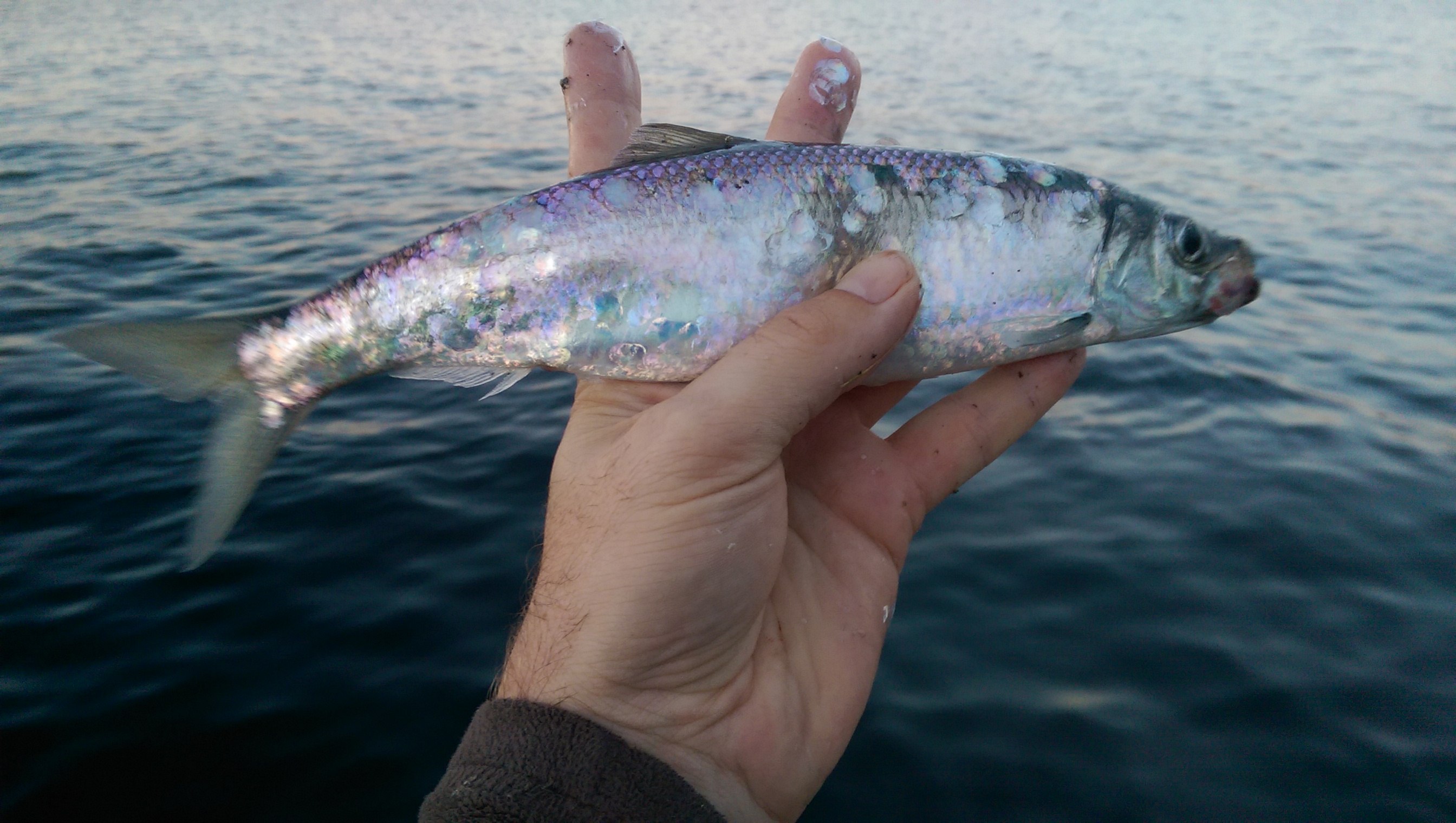
Aust-Agder has an exciting coastline, with many narrow straits between a myriad of islands, islets and reefs. There are good fishing opportunities, although little regular fishing takes place anymore in comparison to the rest of the Norwegian coast. Mackerel is still important, and it is mentioned as early as in the Saga Age,  when it was called “iolunn”.  Mackerel got its current name in the 1500s.

050116-mackerel-fishing
The coastal climate here is mild, as this is probably the part of Norway which gets the most sun during a normal summer.   Also, the southern coast, including East Agder, has beautiful and well protected harbors and a rich sailing tradition – making the environment particularly pleasant.  Tourists from far and wide come here to experience this charming coastline.

Knutshavnsund
Knutshavnsund

The hinterland in East Agder has rich forest resources which have formed the basis for trade in timber and timber products, both intended for export and domestic trade. The towns along the south coast have been influenced from abroad by diverse ship calls, thus learning about foreign lands, cultures and the eating habits of the outside world.

From Bratteland in Bykle

This outside influence has resulted in access to new products including different kinds of spices and salt.  Salt was not new, however, as local inhabitants had long evaporated seawater to extract salt, mainly used for food storage.

Lillesand
Lillesand

Locals here have an early knowledge of honey. There are no reliable sources stating that bee-keeping began in Norway in the Middle Ages, although the practice had been attempted on official farms and in convents.

Hardangervidda National Park. Photo Visit Norway

The county was in many ways a step ahead of the rest of the country in understanding and exploiting natural resources.

Folk Dance in Setesdal

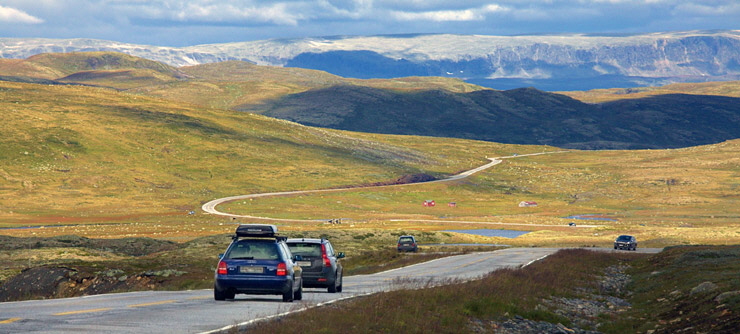
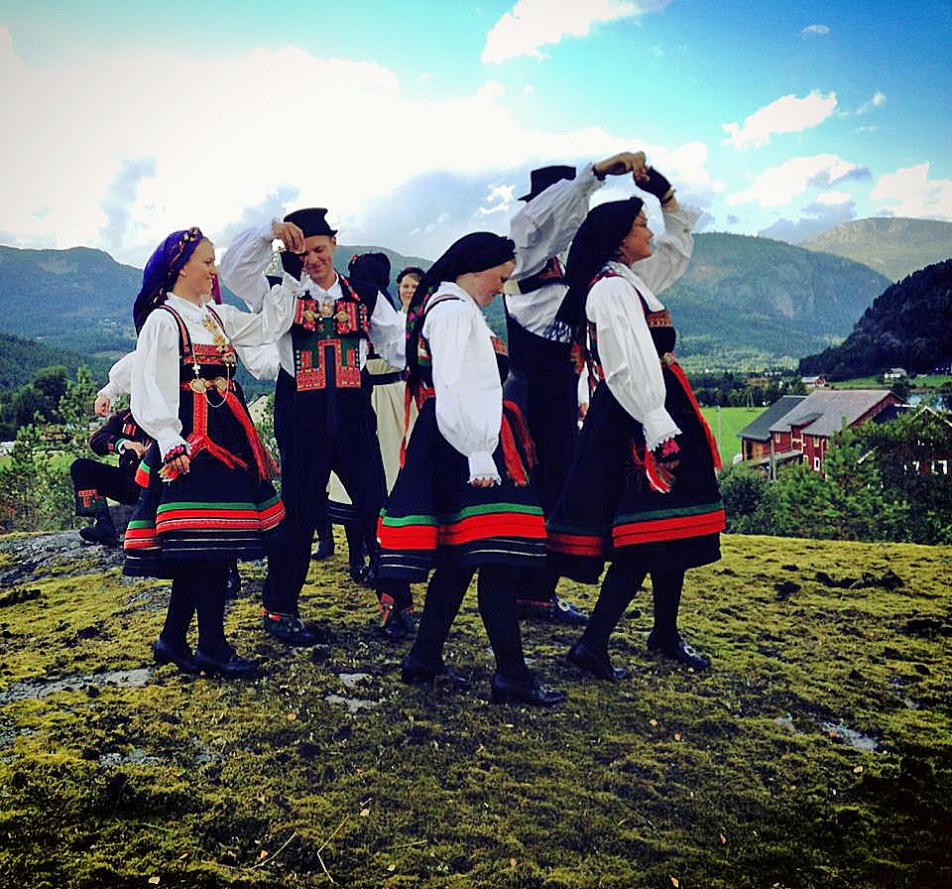
East Agder does not only consist of its coastline, but also goes inland with long valleys.  Setesdalen is unique, and has a long tradition in building methods, handicrafts, folk music and culinary traditions. People here have also been better at preserving their traditions than at many other places in Norway. Until the 1800s the inhabitants of Setesdalen lived their own lives and were not much concerned about what the new people along the coast were doing. Setesdalen consisted of relatively small farms where forests were an important source of income, producing a great deal of fruits, berries and vegetables both here and in the coastal district of Grimstad.

The poet Vilhelm Krag from Kristiansand

East Agder has so much to offer, and for those who are looking for Norwegian national dishes this area is an Eldorado.
The national character here is the same as on the rest of the southern coast – a smiling landscape and smiling people – if one can put it that way. The soft dialect reinforces this impression. The poet Vilhelm Krag from Kristiansand also reinforces this impression in his poems, in which he tells of this southern Norwegian smile.

050116-norwegian-mackerel-soup
There are many Norwegian national dishes to be discovered in this county; a tension between inland and coastal areas, between the old farmer and the fishing culture.  Here is our recipe for mackerel soup:

1 kilo salted mackerel
2 liters of water
80 grams whole grain
150 grams turnips
150 grams carrots
300 grams potatoes
100 grams cabbage
0,5 liter milk
fine chopped chives

Serves 4 – 5 persons

Place the mackerel in water for 24 hours. Let the grains soak in water equally long.

Let the grains boil for about one hour. Rinse and slice the cabbage,  the carrots and the potatoes into cubes or sticks.

Cut the mackerel into suitable pieces, if desired remove the fish-bones.  Add more water to the barley, and add the vegetables. Let it cook for 10-12 minutes. Add the fish and let it simmer for a further 10 minutes.

This soup is popular all over the South Coast. In some places it has gained a more modern form with different additions. Ask a southerner about traditional food, and he or she will mention “mackerel soup” with a smile on their faces – even if they remember that they might not like it as a child.

The Smiling Landscape of Southern Norway, written by Tor Kjolberg

Immigration Tensions in Scandinavia

0

Not only today, but from the 1950s onwards, Scandinavia began to receive its first immigrants –«Guest workers» from Turkey and the former Yugoslavia, and political refugees from Hungary and the former Czechoslovakia.

Initially immigrants received a warm welcome, but the growing number of foreigners, particularly from Muslim countries, led to a steady rise in the popularity of mainstream eight-wing, anti-immigration political parties across Scandinavia.

301215-muslim-in-scandinavia
The past 25 years have also seen an increase in activity by the extreme right wing, apprehensive over jobs and the perceived threat to traditional Nordic culture.

301215-muslims-in-denmark
The debate over Muslim immigration and integration reached a head when the Danish newspaper, Jyllands-Posten, published cartoons, some of them depicting the Prophet Muhammad, as a way of stimulating debate on the place of Islam within Western democracies. Their publication caused widespread offence across the Muslim world.

Early this year Sweden has made global headlines after unknown suspects torched three mosques in different parts of the country. Coupled with a growing anti-immigrant sentiment flowing from the increasingly popular nationalist Sweden Democrat party, the head of Sweden’s Islamic Association said things were getting worse.

Anna Lindh
Anna Lindh

Minister for Foreign affairs, Anna Lindh was killed on 11 September 2003.


22 July 2011, the far-right Norwegian terrorist Anders Breivik bombed Oslo, and the gunned down dozens of young people on the island of Utøya. His rationalization for the atrocity was to stop the “Islamisation” of Norway: that the Norwegian left had opened the country’s doors to Muslims and diluted its Christian heritage.

Norway’s response, however, was not retribution, revenge or clampdowns. “Our response is more democracy, more openness and more humanity,” said prime minister of that time, Jens Stoltenberg.

301215-mullah-krekar
Mullah Krekar is a notorious figure in Norway, having survived an assassination attempt, made a threat against Norwegian prime minister Erna Solberg and praised the January attack on Charlie Hebdo. (Photo : Twitter Photo Section)

301215-muslims-in-sweden
What has happened? Christianity is evidently diminishing, but the new faith that has arisen is multiculturalism. As you watch the morning commuter trains or buses unload, at least four out of every ten non-tourist passengers appear to be non-native. A significant number of the capitals’ bus- and train-drivers and other uniformed personnel appear to be Africans, many of Middle Eastern origin.

Immigration Tensions in Scandinavia, written by Tor Kjolberg

Swinging Christmas in Oslo

Last Sunday, Solveig Sings presented a perfect kick start to the festive period at Amsterdam Café in downtown Oslo. Vocalist Solveig Borgen, accompanied by Harald Galåen (piano) and Einar Bergem (bass), celebrated the season with Norwegian and international Christmas gems.

It’s no wonder why the almost three hours’ long Christmas show by the likeable Solveig Borgen received warm applause from the enthusiastic visitors. It was an evening with a sleigh full of swinging holiday hits, including Christmas standards as ‘The Christmas Song’, ‘Jingle Bells’ and ‘White Christmas’.


It was an evening of sublime, cool and swinging holiday mood interlaced with Solveig’s smooth-as-silk takes on the beloved songs with her acclaimed performers Harald Galåen and Einar Bergem on piano and bass, respectively.

Solveig Borgen was educated at the famous Liverpool Institute for Performing Arts, also known as the Paul McCartney School. She has lived in Amsterdam for the last eight years, before recently returning to Oslo with her husband and two kids.

First time guests Lisa Rygh and Carlos Silva enjoyed the Swinging Christmas Concert

Solveig Borgen was born in Northern Norway where, in her own words, she was surrounded by a fairytale landscape with steep mountains, deep green fjords and trolls hiding behind every three.

“My dream is to perform with big bands in Norway,” she says.

Sunday 20 December at Amsterdam Café turned out to be the jolliest sleigh ride in town.


From 14 Februart and the second Sunday every month Amsterdam Café invites you to join their Live Sunday Jazz Performances.

Every Saturday afternoon you may enjoy the Red Light Concerts.

Cafe manager Niels Smits (left) with owner Peter Romme

Amsterdam Café was the perfect venue for the Christmas kick-start. Owner, Dutch Peter Romme, opened his second Amsterdam Café in November last year. Peter opened his first Amsterdam Café just 100 meters away from the new one in 1993. It was closed after 14 years, when the lease contract terminated.

Facade painting, Two Pogeons, by Stefan Thelon

Today Amsterdam Café is a chic, modern meeting place where you can enjoy drinks and finger food, such as the famous Dutch ‘Bitterballs’. They have served almost 50,000 bitterballs during the first year, and you should definitively try them out if you’re visiting the café. It’s a Dutch specialty, and the only place you can enjoy them in Norway is at Amsterdam Café.

Bitterballen are a savoury Dutch meat-based snack, typically containing a mixture of horsemeat or veal. The ones served at Amsterdam Café are made of veal.

Before entering the place, take a look at the façade panting by the Dutch artist Stefan Thelon. It’s called “Two pigeons”, and according to the artist, “pigeons are symbols for peace, freedom and love as well as house owners’ worst nightmare. They show us the contradiction of urban living.”

Swinging Christmas in Oslo, text and photos: Tor Kjolberg

Copenhagen Connecting

0

Smart technology can help growing cities to meet coming challenges. Copenhagen is one of these evolving ‘smart cities’.

Copenhagen boosts innovative business and action across sectors through a game-changing data-approach. Last year Copenhagen claimed the prestigious World Smart Cities Award for its ”Copenhagen Connecting” plan. Thereby Copenhagen brings connectivity to a new level by playing a key role in city infrastructure.

291215-connecting-copenhagen-2
How can a city ensure its inhabitants city services, life quality and a stimulating business environment, while the population will be growing by 20% in the next decade? The integrated approach will not only improve city services, ensure quality of life but also create growth opportunities.

291215-copenhagen-connecting
However, opinions on how a ‘smart city’ should be are as many as the aspirants, though there is an end result which counts for them all. Modern technologies knitted together ensure a more sustainable society.

291215-digitalizing-copenhagen
Copenhagen’s new approach is a game-changing factor leading to socio-economic gains; fully implemented the Copenhagen Connecting plan will lead to a socio-economic gain of EUR 600 million annually.

Last year it was claimed that Copenhagen has the best plan in the world for collecting and using data to create both a greener city and a better business climate. An intelligent use of wireless data from cell phones, GPS’s in busses and sensors in sewers and garbage cans will assist the Copenhagen politicians in achieving the city’s objectives of reduced congestion, air pollution and CO2emissions.

WOCO - Danmarks Internationale Region
In Metropolitan areas the concept is a way to meet the pressures resulting from an increasing population. The EU is an enthusiastic promoter of the movement and is running its own “Smart Cities Initiative” in order to accelerate the transformation of cities into fossil-free and low-resource communities.

Lord Mayor Frank Jensen

Copenhagen aims to become the first CO2 neutral capital by 2025. ”Every day we strive to make Copenhagen a better city to live in and at the same time we create more jobs for the Copenhageners,” said Lord Mayor Frank Jensen.

‘Copenhagen Connecting’ allows for new, cross-cutting analyses and services that target end-user needs better or more timely – e.g. to contain risks from storms and cloudbursts, or to reap energy efficiency gains at scale and speed through bundled efforts and business investments.

North Harbor Copenhagen

Copenhagen has not only a ‘smart plan’ but is already well ahead with the investments to implement it. The City of Copenhagen has invested 34 million Euros in new streetlights and more than DKK 100 million (EUR 13 million) in new traffic lights and intelligent traffic management.

Soren Kvist
Soren Kvist

“It’s extremely important that you don’t embark on this kind of project for technology’s own sake,”  says Søren Kvist, spokesperson and Project Manager at Copenhagen Solutions Lab, the City of Copenhagens incubator for smart city initiatives.

Smart City Copenhagen

The plan is in cooperation  with private companies as Rambøll and the University of Copenhagen, the University of Aalborg, The Technical University of Denmark (DTU) and the IT University of Copenhagen.

Copenhagen Connecting, written by Tor Kjolberg

The World of Ski Photography

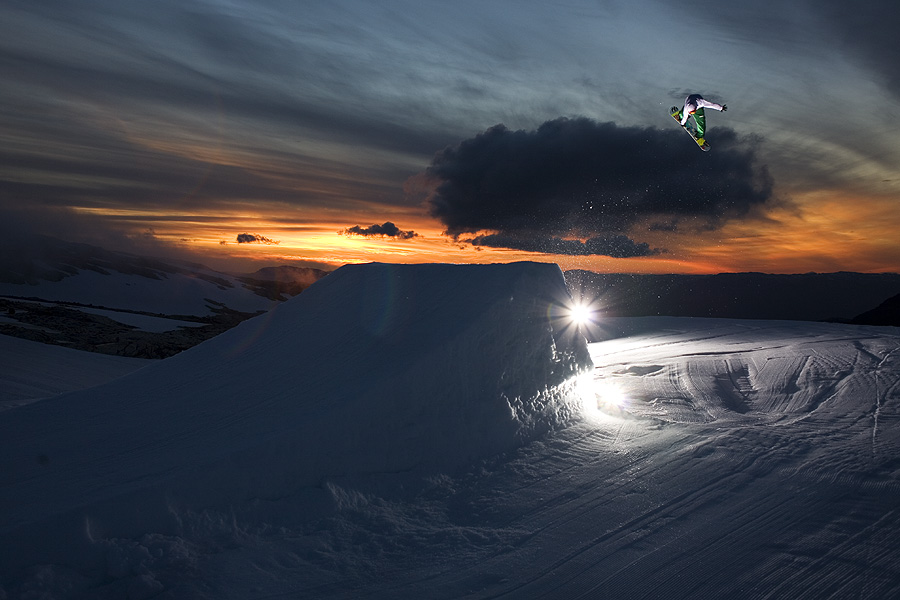
Norwegian ski and snowboard photographers are internationally acclaimed. Their photos have been printed in magazines from American Sports Illustrated to Japanese Transworld Magazine. Here we present the top six of the world of ski photography.

If you look at the top photographers in action sports, they got there through hard work, love of photography and love of the sport, all while making lifelong friends along the way.

231215-endre-lovaas-kreativt-forumEndre Løvaas

Age: 44
Living in Oslo, Norway

Career: Started photographing when he borrowed a photographer friend’s extra camera on a trip to the French Alps in 2002. After fifteen minutes of telephone instructions he made amazing photos on his first try.

Printed in: Sports Illustrated, Rolling Stone Magazine, Powder Magazine, Freeskier and others.

Camera: Nikon D3 and D3X

Photo: Endre Lovaas
Photo: Endre Lovaas

Frode Sandbech231215-frode-sandbech

Age: 38
Living in Oslo

Career: Had his first photo course when he attended sixth grade in school. He exchanged his electric guitar with a camera at 17.

Printed in: Transworld Snowboarding, Onboard, Method Mag, Playboard, Pleasure, Snowboard Magazine, Free Magazine, Monster Backside, Norrona Magazine, Whitelines, Planet Snow, Transworld Japan, Free and others.

Camera: Canon 5d MarkII


Folgefonna. Photo: Frode Sandbech

Vegard Breie231215-vegard-breie

Age: 30
Living in Trondheim

Career: Began photographing when attending the media course in high school in 2002with a Canon Powershot G3.

Printed in: Freeskier, Skier, Skiing, Skimbaja, Ski and Snow, Skieur, Transition, SAS Magazine and others

Camera: Nikon D3 and Nikon D3 100.

Photo: Vegard Breie
Photo: Vegard Breie

Espen Lystad231215-Espen-Lystad-Portrait

Age: 47
Living in Baerum, outside Oslo

Career: Borrowed a mirror reflex camera in 1993 and began taking snowboard images in 1998.

Printed in: Rollong Stone Magazine, Sports Illustrated, Snowboard Magazine, Transworld Magazine, Onboard, Pleasure, Monster Backside Magazine, Snow Planet, Slammer, Playboard, Transworld Japan and others.

Camera: Nikon D3, Hasselblad 205 PCC and Hasselblad.

Snowbo
Snowboarding. Photo: Espen Lystad

231215-johan-wildhagenJohan Wildhagen

Age: 48
Living in Baerum, outside Oslo

Career: Was given his first mirror reflex camera at age 15. Lived from photography since age 19.

Printed in: Skier and many others.

Camera: Nikon D3

From Jotunheimen. Photo: Johan Wildhagen

231215-thomas-kleivenThomas Kleiven

Age: 30
Living in Oslo

Career: Bought a Pentax MZ5n together with his brother at age 15. The brother insisted on purchasing the camera, but Thomas ended up using it.

Printed in: Powder Magazine, Freeskier, Skieur, Skiing, Onboard and others.

Camera: Canon 5d MarkII

Photo: Thomas Kleiven

Feature image (on top): From Lofoten by Frode Sandbech/Visit Norway

The World of Ski Photography, compiled by Admin

Top 5 Scenic Drives in Sweden

0

There’s plenty of scenic views that can be experienced from the road in Sweden, and picking out the top 5 drives is no easy task. It’s all about personal preference when it comes to enjoying the surrounding landscape, but Sweden definitely has something for everyone.

Here’s our 5 (+5) favorite routes in Sweden, in no particular order.

From Härjedalen
From Härjedalen
  1. The road over Flatruet (Flatruetvägen) and road 535The road over the mountain pass of Flatruet is the highest situated road in Sweden and connects the valleys of Funäsdalen and Ljungdalen in the province of Härjedalen. The drive could be associated with some difficulties as the road is sometimes closed during nighttime (at least in the winter) and when the weather is bad. But if you complete it on a nice day you’ll be handsomely rewarded; the view on top of the mountain is truly spectacular!

After Ljungdalen, road 535 takes you through a beautiful, isolated forests region out to highway 45.

221215-the-blue-road

  1. The Blue Road (Blå Vägen)

This stretch of road has its name from the blue Ume River (Ume älv) that runs beside it on its way through Sweden. The Blue Road actually starts in Mo i Rana in Norway and continues into Russia, with a short interruption of a ferry ride between Umeå and Vaasa in Finland.
In Sweden, the route crosses the country from west to east through a tranquil and not very populated forest landscape that is characteristic for the province of Västerbotten and the southern part of Lappland. The Blue Road is a scenic route in its true sense.

221215-high-coast-sweden-photo-visit-sweden

  1. Highway E4 through The High Coast of Sweden(Höga Kusten). A famous drive in Sweden that takes you through the UNESCO World Heritage Site of The High Coast in the province of Ångermanland. As part of the E4 highway, it’s very easy to take this route and no detour is needed if you’re already on your way along the coast. Read more about this fantastic area here.

221215-småland-sweden

  1. The Emigrants Path through Blekinge and Småland (Utvandrarnas Väg)
    A peaceful and beautiful drive through the rural countryside of southern Sweden. In addition to the scenic landscape, these areas offers a lot more in terms of culture and history than the routes situated further north. The name comes from the huge Swedish emigration to the United States that took place in the late 19th century when 1.3 million Swedes left their home in search of a better life. Many of them came from these areas of Sweden and the route tells their story with plenty of interesting stops along road.

The Emigrants Path ends up in The Kingdom of Crystal in Småland and there’s lots of other opportunities to take interesting detours; for example to the cities of Kalmar or Växjö, or even over the bridge to the island of Öland.

221215-lapporten-sweden

  1. The Cap of the North route (Nordkalottvägen)

The Cap of the North route consists of highway E10 between Kiruna and Narvik in Norway. It’s a fantastic drive that really lets you experience the stunning arctic landscape of northern Lapland, in the far northern parts of Sweden. The surroundings up here are very different from the other routes and it’s a much more rugged and serene landscape. The Cap of the North (or Nordkalotten) is a name sometimes used for the northern tip of the Scandinavian Peninsula. Nordkalotten is actually quite large and the region stretches from Norway all the way into the Kola Peninsula in Russia.

The Cap of the North route also passes through Abisko National Park and majestically displays the iconic view of Lapporten from the road; the u-shaped valley that is one of the most famous natural sights in Sweden.

A few bonus routes that shouldn’t be missed:

221215-norther-lights-route

  1. The Northern Lights Road (Norrskensvägen)– A stunning drive in the very northernmost part of Scandinavia. The route goes between Tornio-Haparanda, on the Swedish-Finnish border, and Tromsø in Norway on the E8 highway and road 99. The name comes from all the great opportunities to watch the northern lights you’ll find along the road. Find out more about this route here.
    Be aware of speed control (Fartskontroll)
    Be aware of speed control (Fartskontroll)


  2.   The Road of Times (Tidernas väg)– A drive between the cities of Uppsala and Ånge on road 272 and 83. The name comes from the long history of this transport route through the middle parts of Sweden, which is believed to date back at least 2000 years.221215-the-wilderness-road-sweden
  3. The Wilderness Road (Vildmarksvägen)– As the name suggests, this route takes you on an exciting journey through the wilderness of northern Sweden. It’s a round-trip drive through three different provinces of Sweden with plenty of outdoor activities and adventures along the road. Find out more about The Wilderness Road here.
    221215-stenshuvud-national-park-sweden
  4. The coastal route of Skåne in southern Sweden.221215-visby-gotland-sweden-wikipedia
  5. A round-trip of the island of Gotland.

Top 5 Scenic Drives in Sweden, source:  Sweden Roundtrip

Photos: Visit Sweden / Wikipedia

You may also like to read:

Norwegian National Tourist Route Geiranger – Trollstigen

The Edvard Munch Art Award

A new prize, the Edvard Munch Art Award, was for the first time presented last week, on Munch’s birthday, 12 December. The award is funded by Statoil.

Her Majesty The Queen of Norway presented the prize, which was awarded to the French artist Camille Henrot.

181215-edvard-munch-art-award-queen-sonia-of-norway-photo-statoil
The award ceremony took place at the Munch Museum in Oslo, and included musical performances and a showing of Ms Henrot’s video, “Le Songe de Poliphile – The Strife of Love in a Dream”. The jury chair read the statement explaining the award decision, after which Queen Sonja presented the prize itself.

Some critics of the new price claim that the museum has partnered with an unethical partner and that this largely colors the prize.

Stein Olav Henriksen

To the criticism Stein Olav Henriksen, director of the Munch Museum, replies: “To let oneself nominate to Edvard Munch Art Award is voluntary. Artists who do not wish to be considered, are free to abstain. Statoil has no influence over who gets nominated or who receives the award. We recognize the artist’s freedom of expression, and the price will be awarded on the basis of art and cultural/technical judgment”.

181215-Camille-Henrot

Camille Henrot

Camille Henrot lives and works in New York, and has a long list of projects and exhibitions to her name.

According to the jury, Ms Henrot has proven herself to be an exceptionally talented and original artist. She uses a wide array of mediums, including traditional artistic techniques as well as new technologies. Her artistic practice is particularly meaningful and relevant with regard to the fundamental epistemological questions of our time, where knowledge and information are continuously reproduced and spread via modern technology.

“Camille Henrot is an important voice, and in recent years has demonstrated an impressive capacity to renew herself and pose relevant contemporary questions,” says Director of the Munch Museum, Stein Olav Henrichsen.

181215-the-scream-by-edvard-munch
Edvard Munch Art Award

The international award was presented for the first time this year. It consists of a cash prize of NOK 500 000 and a solo exhibition of the recipient’s work at the Munch Museum. The award is given to an emerging visual artist under 40 who has demonstrated exceptional talent within the last five years.

The Edvard Munch Art Award is an acknowledgement of Edvard Munch’s historical significance and enduring relevance to contemporary culture. The award is intended to promote the development of outstanding international talents in the field of visual arts.

The Munch Museum is responsible for the award. The international jury consists of five highly acclaimed individuals with profound knowledge of contemporary art. This year’s jury was chaired by the French curator and former museum director, Alfred Pacquement.

The Edvard Munch Art Award, source: The Royal House of Norway /Statoil /Munchmuseet

Related articles:

Munch Through New Eyes
The Munch Trail