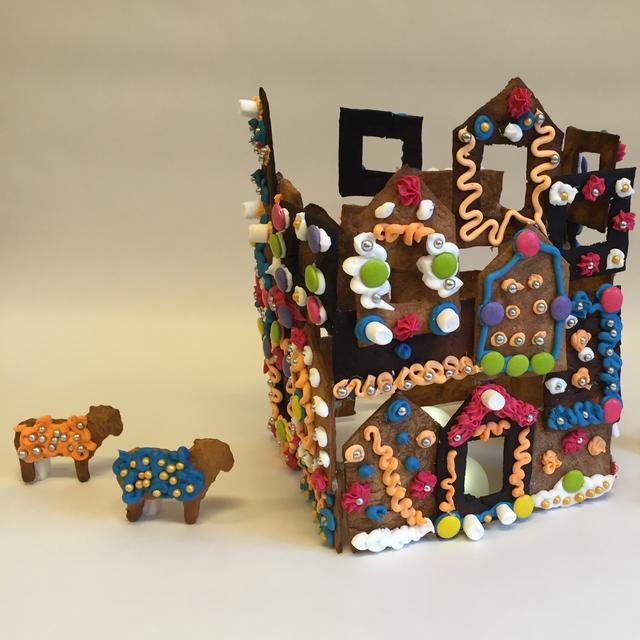
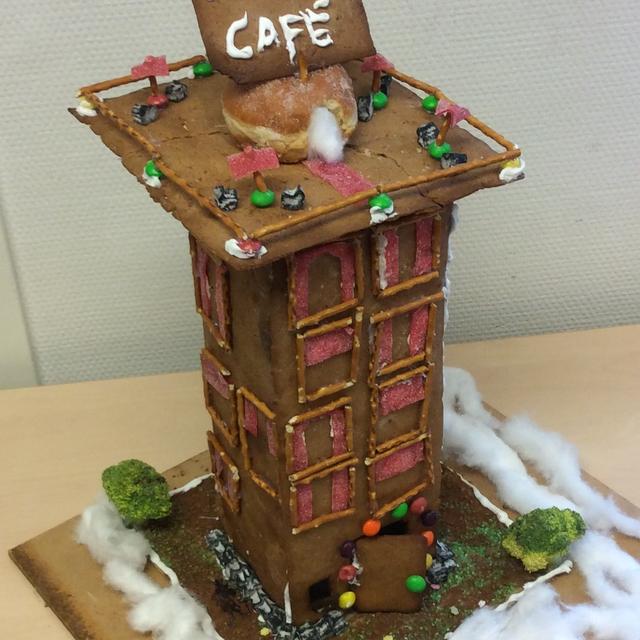
The annual Gingerbread house exhibition in Stockholm opened on December 2 and lasts through January 10. This year’s theme is “New lair – stay in new ways”. Big and small have contributed with their creations to this both different and fragrant architectural exhibition.
Collage, photo Matti Ostling
This year is the 25th anniversary of ArkDes gingerbread house exhibition at the Architecture and Design Centerof Skeppsholmen in Stockholm.
“New Lair – stay in new ways”
More and more people want to have somewhere to live in our cities, but it’s getting crowded. Therefore, we must build housing in new places and in new ways. The freedom to interpret the theme is always unlimited. Hundreds of children, young people and professionals have highlighted their creative desire and with the help of gingerbread designed new housing that previously felt impossible.
Sweden Baked
New this year is the web competition Sweden Baked where everyone in the country has participated and baked on the same theme.
“In a fragrant, playful yet serious manner, we have let all the bakers interpret on an important issue. Children, youth and adults’ creations are displayed side by side without a hierarchical division,” says Karin Åberg Wearn, Audience manager.
There is free admission to the exhibition and awards ceremony.
Christmas and Gingerbread Houses in Stockholm, source: Skanska
It was a long-standing dream, which had been ruined by countless bad weather forecasts or lack of a walking companion. But last July, that dream was going to come true.
After finishing work early one Friday, I had time for coffee and a bar of chocolate at Turtagrø Hotel, before setting off at nine o’clock in the evening. This was my first visit to the area, and I had almost no idea of what was in store for me – other than that I was heading for a high-rise cabin and that I would be walking through the wild Hurrungane mountains.
Turtagro hotel
Heading down the gravel path along the Helgedalen valley, the temperature dictated shorts and a t-shirt. After about three kilometers the path starts to climb, and I get a foretaste of the view that will be with me for the rest of the trip.
Helgedalen
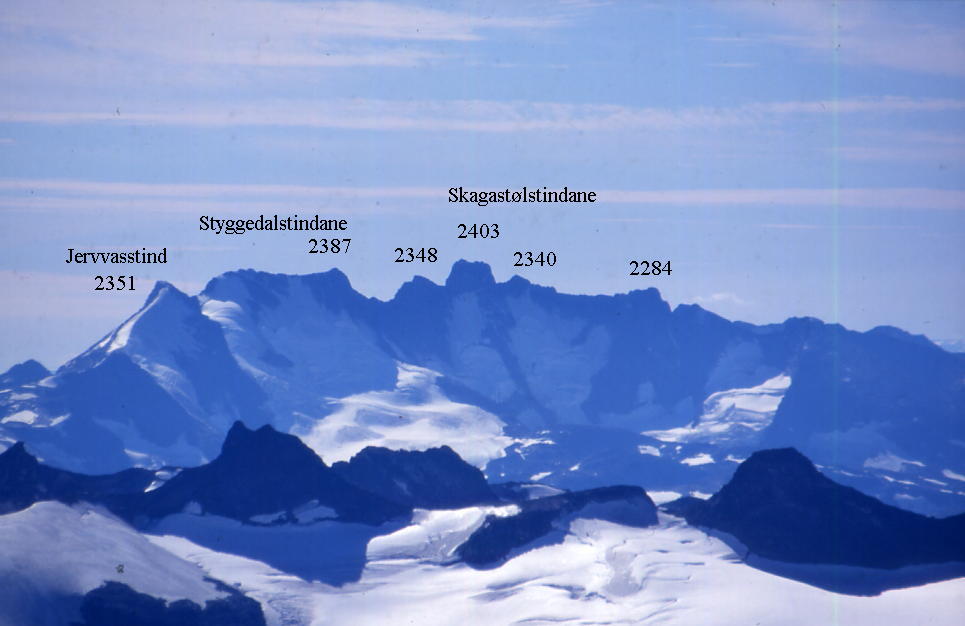
On the other side of Fannaråken I could see the peaks of Skagastølstindane and Styggedalsmassivet. The hanging glaciers cling to the mountainside at up to 2,300 meters above sea level, and I felt very small as I wound my way up the steep pathway. There was no sound to be heard. The wind had dropped, and the only sound breaking the silence was the crunch of my own boots on the gravel.
It was almost bedtime, and at one exposed point the path balanced on the cliff edge, giving me a better view of Jotunheimen. It almost made me jump to see the huge moon suspended over the distant peaks. It was almost full, and cast an enchanted glow over the patches of snow dotted all around me, which in the light summer night made the landscape look like the hide of a Friesian cow.
Jotunheimen mountains
The only occupants of the cabin were two photographers. They were trying to capture the moon with the help of long exposure times and a tripod they have brought with them. It was an incredible summer night on Norway’s roof. The panorama view stretched from Sognefjorden at Skjolden to Galdhøpiggen and the classic climbing peak “Store Skagastølstind”, the third highest in Norway.
Store Skagastolstind
Even for a night owl, it was not hard to motivate one’s self to get up in time for the dawn, which was just few hours away. It might be a long time until the next opportunity came along.
I slept like a log, but I was saved by the hinges of the cabin door, which squeaked infernally every time anyone went out for the same reason I did. Experiencing the first rays of the sun from up here was something that will stay with me forever and is impossible to put in words.
Sognefjell cabin
After a few hours sorely needed sleep in the cabin’s only available bed, it was time to enjoy the sunshine from the shelter of the cabin wall and watch the arrival of the day trippers. Some arrived roped together from the Sognefjell cabin, while others came up from Turtagrø.
Skogadalsboen cabin
The destination for my day’s hike was Skogadalsbøen in Utladalen. It was almost two o’clock before I sat off. I left the barren, stony desert of the flat Fannaråken, and fond some snowfields to slide down in the direction of Keisarpasset (Emperor’s Passage).
Emperor’s passage, Hurrungane
I was back to green summer which I had almost forgotten after a day at altitude. To begin with it was just grass and heather that colored the landscape. The hanging glaciers were still close by and provided a huge contrast to the warm afternoon light sown here.
Skogadalsboen
The streams beside the path were in full flow, and the mountain birch got steadily taller as I moved down towards Utladalen. I arrived at Skogadalsbøen just in time for dinner, and enjoyed a rather good three-course meal. After a day of hard physical effort, a beer went down vert nicely.
Utladalen, Jotunheimen
Day three saw me heading for the Sognefjell cabin. It was high summer and again it was the contrast between the spectacularly lush environment around Skogadalsbøen and the snow-covered mountain, rising up to 2,000 meters, that made an impression.
I felt like I was strolling about in a postcard that I wouldn’t mind sending to everyone I know.
When I arrived at the Sognefjell cabin I didn’t even have time to take off my backpack before some Germans in a camper van offered me a lift back to my car at Turtagrø.
Fanaraken
DNT’s Fannaråk cabin is situated just five meters below the Fannaråken peak at 2,069 meters above sea level. It is Norway’s highest altitude accommodation by a good margin. The view to Hurringane and the rest of Jotunheimen is fantastic. The cabin is a popular destination for one-day walking tours, but during the high season the 34 beds are often full, in which case it is a matter of putting mattresses on the floor.
The easiest summer walk to the Fannaråk cabin starts at the Turtagrø Hotel (884 m) and takes just four hours. From the Sognefjell cabin you have to traverse a glacier with guide, a service provided in July and August. The cabin is open from the end of June until the beginning of September.
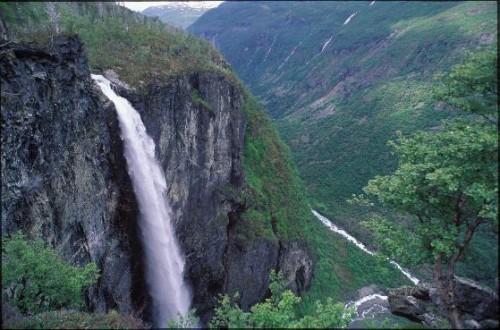
Vettisfossen, Skogadalsboen
Skogaladlsbøen (883 m) lies in the lush Utladalen valley, and can be reached in around four hours from Fannaråken. There are 87 beds available during the summer season.
Tyinholmen
The walking opportunities from here are plentiful. From both Øvre Årdal (Hjelle) and the Sognefjell cabin (both 5-6 hours) a bus goes to Turtagrø, if you have left your car there. Otherwise, you can walk to Tyinholmen for transport from there (7 hours).
Norwegian Mountain Sunrise, written by Hans Helmersen
All images DNT, except Turtagro hotel (hotel’s own photo)
Spirits fans in Canada are touting aquavit, calling it the Next Big Scandinavian Thing to influence our palates.
“In its simplest form, it’s a Nordic gin, but flavored with caraway instead of juniper,” explains Alex Black, bartender at the Vancouver Club, to The Globe and Mail. “Think of it like a whisky: Different countries have different styles, so dill is big in Denmark, the Swedes like it made with fennel while Norwegians mostly use caraway.”
The unifying factor is that it’s always a celebratory drink, and it’s drunk with food and friends, and is very well suited with heavy meals, like during Christmas time.
To try it in a cocktail, Black suggests switching in aquavit for any gin-based drink that’s not too sweet, such as corpse reviver or last word.
Danish brands tend to dominate in liquor stores, but Canadian distillers are getting in on the act, too, so look out for local expressions of this most Scandinavian spirit.
“I love to use aquavit in savoury drinks that pair with food,” says Montreal bartender Mélanie Aumai, of the restaurant Tripe and Caviar. “To me, it’s almost in between a flavoured vodka and gin.”
Here’s a recipe for the Scandinavian scandal, from Aumai’s current menu: Shake 1 oz aquavit, 1 oz fino sherry, 1/2 oz lime juice, 1/2 oz simple syrup and a dash of celery bitters over ice. Strain and serve up in a coupette. Garnish with a small piece of dill.
“Aquavit is terroir study in Scandinavian culture,” says bar manager Lauren Mote says Vancouver’s Uva Wine and Cocktail, which currently has two Canadian and three Scandinavian varieties on offer.
For those who want to explore different expressions of the spirit, bar
. “Canadians are using those same Nordic spices – caraway and dill – but using local botanicals, too. Trying it neat is the best way to taste the spirit, but it’s a great base for savoury cocktails, too,” she adds.
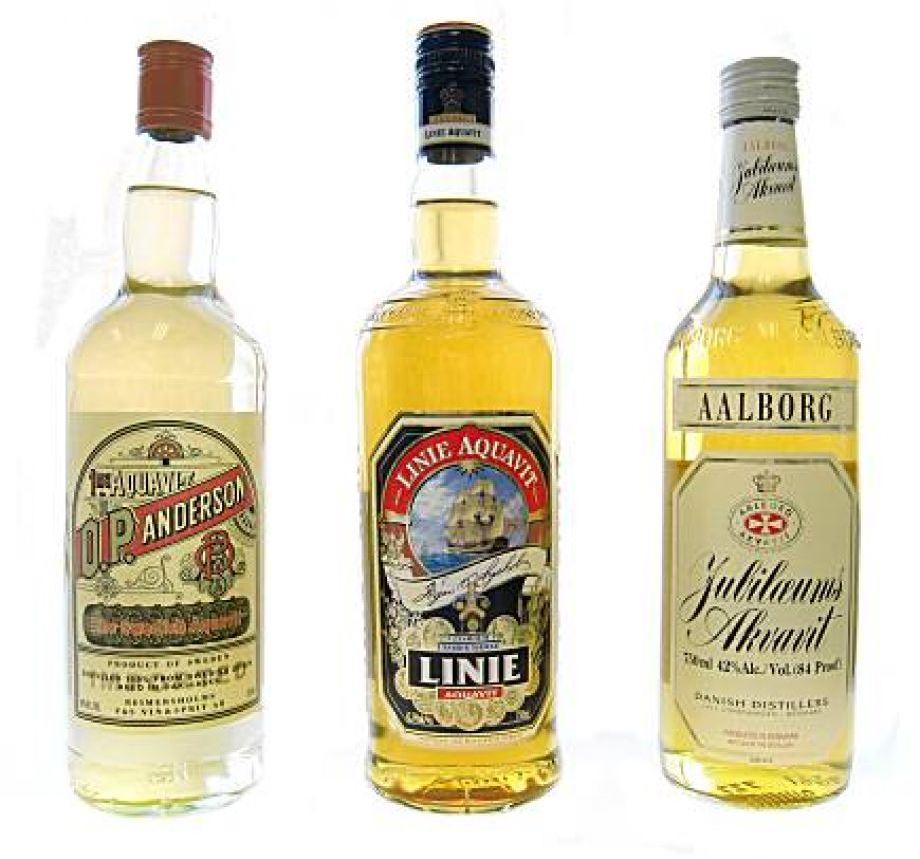
Aquavit is indeed the national spirit,” says Martin Bjelgaard, marketing director V&S Distillers, which produces 17 different aquavits, including Aalborg Taffel, Hoker Snaps, Harald Jensen and Aalborg Jubilaeums.
Swedish and Danish aquavits are similar in style and range of color, but Swedish aquavits can have forward fennel, anise and citrus flavors. Because Swedish aquavit is flavored with ingredients from specific regions, labels name the place of origin. Popular brands include Skane, O.P. Anderson, Brannvin Special and Gammal Norrlands Akvavit.
Aging aquavit in oak sherry barrels aboard ships that cross the equator twice is a production element unique to Norwegian aquavit. “Take Danish or Swedish aquavit, chuck it in your mouth and you get the alcohol,” says Ole Martin Alfsen, beverage consultant for the Culinary Institute of Norway. “It’s really two different worlds.” Norwegian aquavits range from clear to dark caramel and are flavored with a variety of botanicals including star anise, guinea pepper, cumin and citrus peel.
Thor Heyerdahl aqvavit is aged on French oak barrels by the Cognac distiller Camus and was launched last Christmas. It has a scent of citrus and vanilla. It’s an all-round aqvavit for Christmas.
The Next Big Scandinavian Thing, written by Tor Kjolberg
What drives three blokes to take themselves off on an adventurous wild-camping pilgrimage? The promise of sleeping outside in the pouring rain, or being under attack by possibly the smallest creatures in Norway?
In the winter of 2009, Joly Braime from the UK was visiting Trondheim Cathedral, when he spotted an information board about the St Olav Ways. The idea of setting out on a pilgrimage in Norway percolated in his mind for another five years, until in summer 2014, a break in-between jobs provided the perfect opportunity. He had a full month to hike from Oslo to Trondheim, with his British friend Dave flying out to walk with him for the middle two weeks. The rest of the time he’d planned to walk alone, but within the first few days he started bumping into a friendly American pilgrim from Michigan, also named Dave. After crossing paths enough times, they fell into step and ended up walking the rest of the way to Trondheim together. Joly talks about his journey with the two Daves and the wild stuff they experienced on their pilgrimage to Trondheim.
What was it that fascinated you about going on a pilgrimage in Norway? The idea of walking all that way and just camping up when you’d had enough for the day seemed like such an adventure. And I was really keen to make the most of the wild camping because it’s illegal in most of England.
Is there a difference between ordinary hiking and a pilgrimage? There are a lot of nice things about hiking, but I think it does feel different when you’re hiking a route where people know what you’re doing. All the people who live along the way are familiar with the trail, so everyone knew we were pilgrims and were often welcoming or interested. Perhaps it’s partly because as a hiker – particularly one with a massive backpack – you’re a very unthreatening creature. No one’s scared of you, when in other circumstances they might be. We were a bunch of blokes in our late 20s and early 30s, and we had frail little old ladies inviting us into their houses. That would never happen in another situation. The hospitality was really interesting. As a hiker in Britain you don’t tend to see that level of friendliness quite so frequently.
Do you think this is typical for Norway? Norway is such an outdoorsy country and a lot of people are hikers themselves. We often had people helping us out. There was one occasion when we were walking through a thunderstorm near Oppdal. The rain was pouring, we had our heads down and there was thunder and lightning overhead, but fortunately one of my friends looked up and saw a farmer waving to us from his porch. He invited us in and made a big pot of coffee, and we sat there chatting with him on his porch for ages. Eventually the rain eased up and we went on our way again.
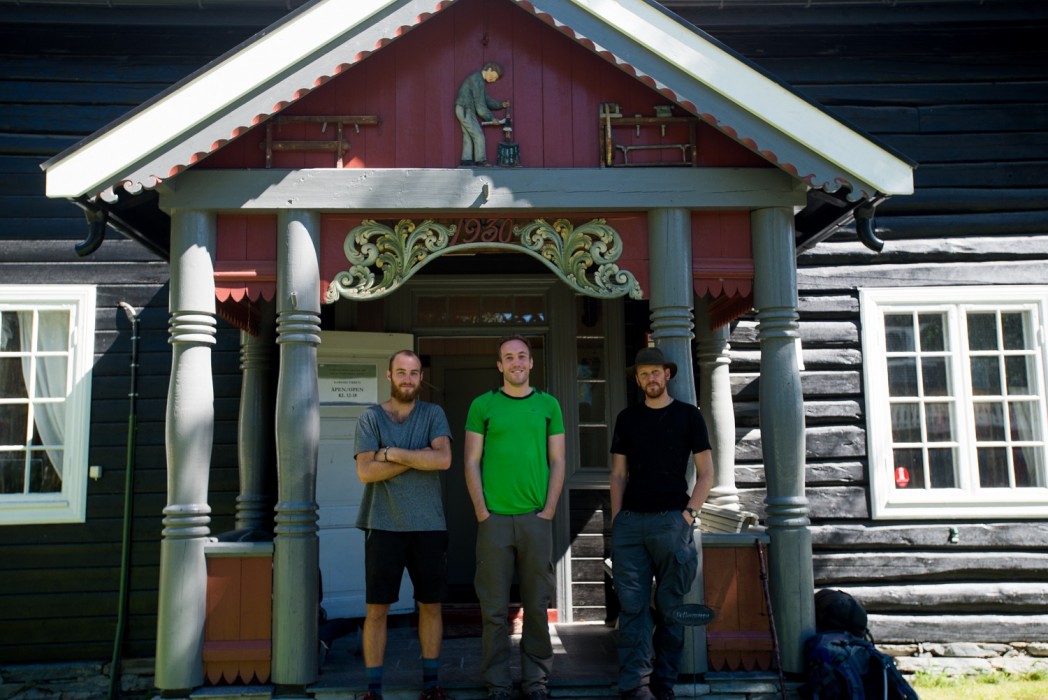
The three friends have arrived at Dale Gudbrand Gård… (Left to right: David Briceland (USA), David Tett (GB) and Joly) Photo: David Tett
Norwegians can have a reputation for being cold and distant. But obviously they weren’t in that setting? I haven’t found that at all. It was quite the reverse, actually. It was a really hot summer, and I remember one day I was slogging down the road in the baking hot sunshine and suddenly a lady came running out of her garden gate, waving a bottle of cold water for me. She ended up inviting me in to have a cup of coffee and a bit of lunch with her family. Those sorts of things happened from time to time.
Were there any interesting experiences that you felt you might not have had as an ordinary hiker? Actually the churches were an interesting experience along the way. None of us were particularly religious, but they were nice places to stop for a little bit of contemplation and a rest. When we got to a church that was open, we would go inside and sit there in silence for about ten or fifteen minutes, just to have a bit of a think. It was a sort of punctuation to the trip that wouldn’t exist on other adventures. They’re very spiritual and relaxing places and each one was so different from the last. You get wooden ones, stone ones, slate ones, some are very old, and some are very modern. In some churches people would give us tours or just chat to us about them. There are all kinds of interesting things about Norway that I’d never really appreciated before – really basic facts to do with history and culture – and that I discovered through people talking to me about their churches and explaining their history.
Break and contemplation in a churchyard Photo: David Tett
Do you think your mind is more open to such experiences on a pilgrimage than it would be in normal day-to-day life? Your life is reduced to the very simple questions of getting from A to B, finding somewhere to sleep at the end of the day and getting some food down from time to time. Apart from that there’s nothing else to worry about except enjoying yourself. It clears your mind and gives you a kind of perspective. You’re so instantly recognizable as a pilgrim.
Why is it that people start asking big and important questions on a trip like this? Well, there’s a lot of time to think, of course, but perhaps it’s also because it’s a route that was devised in the first place for people to stop and contemplate along the way. You almost can’t avoid it. You’re walking a route that people have waked for hundreds of years before you, at important junctures in their lives, and that adds a sort of spiritual aspect to the trip. And the way the people treat you is important too. You’re so instantly recognizable as a pilgrim. In quite an old-fashioned way you felt looked-after.
In what ways did people look after you? You feel like people along the route have been keeping an eye out for pilgrims and making sure they’re going the right way for a long time. I missed a turn once and I had a guy stopping his car saying: ‘your turn’s just back there’. Another time it was a lady calling to me from her porch to set me back on track, or a farmer hopping off his tractor to show us our way. We had people setting us back on the route when we got lost, people inviting us in, or campsites where the lady at the counter would give us free shower tokens or a little bit of milk… It was quite a special role to put yourself into.
Do you plan to go on a pilgrimage again? When you do a big trip like that, you always want to do it again. You think you’ll get it out of your system, but you don’t – you just end up wanting to have another adventure. And a great thing about the St Olav Ways is that the routes are adventurous but also accessible and safe. There are plenty of places to re-supply, the route is well-marked and you’re never too far from help if anything untoward happens. You don’t need to be massively equipped, highly experienced or heavily armed. In fact, my American friend Dave didn’t even take a tent.
That’s kind of risky. It’s mental. He decided he wanted to have a real back-to-nature sort of experience, so he just had a sleeping bag, a roll mat and a poncho.
It can start to snow in the mountains. That’s what I thought. But amazingly enough it didn’t. He was unbelievably lucky, especially when we went over Dovrefjell. We had three days of bright sunshine. We watched storms moving down the valley towards us and disappearing into another valley before they hit us, and we only had rain on the last day coming into Oppdal. He had just a couple of pretty horrible nights along the way where I would wake up in the morning to find him sheltering under a tree wearing his poncho and shivering. But he stuck to his guns and slept out under the stars for the better part of 29 days. He loved it, but then he was a lot tougher than me! On the other hand, he didn’t have to carry as much as I did. His bag was just a little 50-litre rucksack with a sleeping bag tied on top. He would be bouncing along up ahead and I’d be toiling behind him with all my food and my tent and stuff. Actually I brought far too much food – I didn’t realize how easy it would be to re-supply along the way.
Wild-camping at Dovrefjell Photo: David Tett
Photo: There are always some snow spots to find in the mountains, even in summer Photo: David Tett Talking about wild-camping, have you heard about the wild animals in Norway? Wolves and bears, for instance? I did some research beforehand to make sure the wolves and bears were in different parts of the country. The only wild animals that I had any trouble with were lemmings.
There are always some snow spots to find in the mountains, even in summer Photo: David Tett
You had trouble with lemmings, of all animals? At least I think they were lemmings – they were like little black and gold hamsters. They were incredibly aggressive. My tent must have been near one of their nests one night, and they started attacking me in the middle of the night. It was absolutely bizarre. They were up on their hind legs in the porch of my tent, squeaking and snarling, and they were running around under the groundsheet. It was mad. First I tried to sleep through it but it was so noisy that eventually I just gave up after the better part of an hour and moved my tent. It was the strangest experience ever. My mate could hear all the squeaking from his tent a few meters away.
They aren’t that big, are they? They’re tiny. I lost a battle with the smallest creatures in all of Norway. We saw them on the path sometimes during the days, and if they weren’t dead, they were standing up on their hind legs squeaking and waving their little paws at us. We thought, ‘This is why we’ve seen so many dead ones – they’ve clearly got no idea of what’s bigger than them.’
Missing the campfire? Photo: David Tett
You hear a lot of stories about people who have had life-changing experiences on their pilgrimage. Were you at points in your lives where you were asking yourselves big questions and making life-changing decisions? On one level all three of us spent a lot of the time building castles in the sky and mapping out our futures. We were all at interesting points in our lives. I’d just left London, where I’d lived for eleven years, and moved up north to go freelance. Dave, my friend from back home, was thinking about proposing to his girlfriend (not that he admitted it at the time, of course, but they got engaged soon afterwards, so it must have been on his mind). And the other Dave, my American friend, had been teaching English in Russia, and before that in Spain, so after a while as an English teacher travelling the world he was finally going back to Michigan to see what kind of life he could build there. We all had some big questions and were at some big junctures, and we spent a lot of the time talking about everything we were going to do when we got back.
How was it to reach your goal? It was lovely and the timing was perfect. When we got into Trondheim, there was this big festival with a medieval market going on. It felt like walking into the Middle Ages. Everything had been quiet and peaceful for such a long time and suddenly there was all the commotion of the city. Trondheim is such a pretty place to walk into. And the cathedral is beautiful. A pilgrim priest spotted us almost as soon as we got there. He was straight up to us and said: ‘Are you pilgrims? You’ve arrived, congratulations!’ It felt like a bit of a hero’s welcome. There’s that huge sense of achievement. They welcomed us really warmly in the pilgrims’ center as well. In fact, that was the case in the pilgrims’ centers all along the way. Everyone is so pleased to see you. You sit down, get coffee and swap some stories. We really loved that. In Voll in Rennebu they even gave us waffles, jam and cream. You feel a little bit like a celebrity when you get a welcome like that.
Was it hard to get back to normal life again? It was. We got into Trondheim, had our evening of celebration and the next day I flew back home. By mid-morning the day after that, everything was washed, my clothes were hung on the clothes line in the garden, my boots were clean and waxed and back on the rack, and I was thinking: ‘I’ve got nowhere to walk today’. When you get into that habit of covering ground every day and suddenly you stop it’s strange.
What did you like best about the trip? The freedom of having a tent is so glorious. You don’t have to plan where you’re going to sleep each night – you just start looking for a spot when you get tired. We didn’t know what day we’d arrive in Trondheim until about three days before we finished. And those northern summer days are so long, it really took the pressure off us. Sometimes at lunchtime we had a nap in a nice little churchyard, or read a book while the sun was really hot. There were lovely swimming spots and we stopped to swim several times along the route.
Finally arrived Photo: Joly Braime
The pictures were taken by David Tett, who works as a professional photographer in London. For more pictures about the trip check out his homepage
Joly and Dave have designed a small pilgrimage guide in English. Check out Joly’s homepage to read about his pilgrim experiences or download the guide.
Wild Stuff on a Pilgrimage in Norway, written by Tirza Meyer
This article was first published 14.04.2015 on Pilgrimsleden (St. Olavs Ways). We thank St. Olavs Ways for their kind permission to reprint the article.
Swedish and Danish architects received the great prizes for a football club in Stockholm and a twisted skyscraper, the Vancouver House in Canada, last month.
The two Scandinavian architect firms received the prizes at the World Architecture Festival in Singapore. DinellJohansson’s architecture, Lingövallen, was awarded the Small Project Prize for a football club in a Stockholm suburb, while the Danish firm Big won a price for their twisted skyscraper, Vancouver House, in the category Future Project of the Year.
Vancouver house in Vancouver, Canada, is currently one of the world’s most talked about real estate projects, including both high and low-rise structures.
The net result that BIG has arrived at is a unique typology that will certainly create a more interesting skyline in Vancouver and be the most advanced form of real estate.
The facility Lidingövallen, designed by Dinell Johansson for Lidingö football club has a roof that doubles as spectator seating and provides a gallery, café and office. The architects felt they could accommodate all of these spaces beneath the seating bleachers.
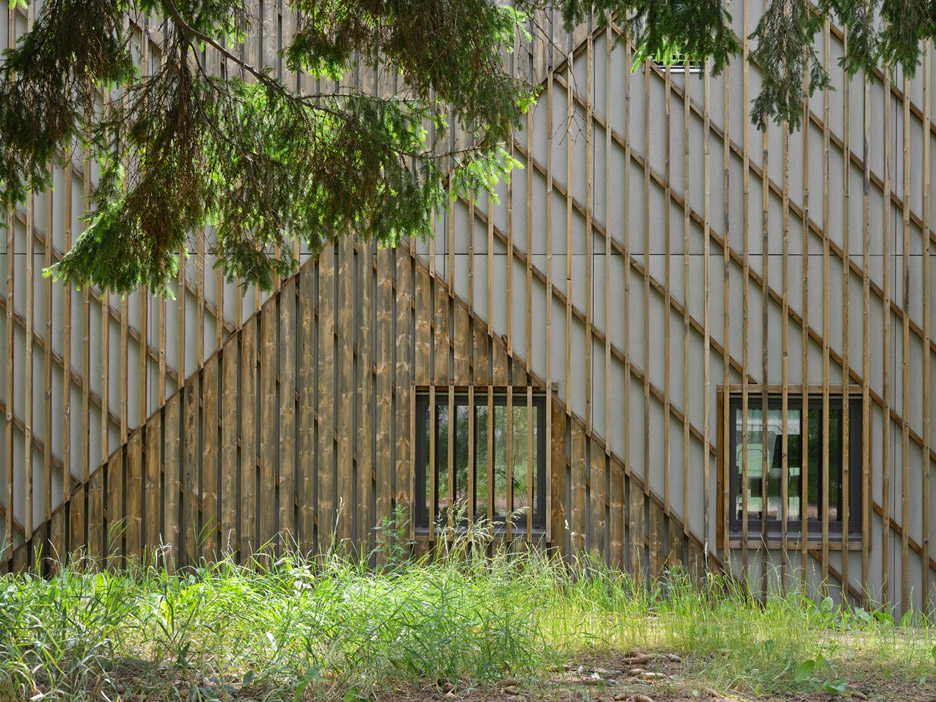
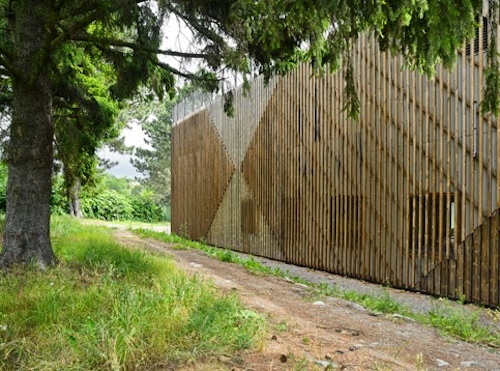
A combination of metal panels and wooden slats gives the structure a patterned surface. Triangular openings create routes through the pitch.
“Small project with a big impact” said the judges, who also praised its “efficient delivery”.
Scandinavian ‘Oscars of Architecture’’, written by Admin
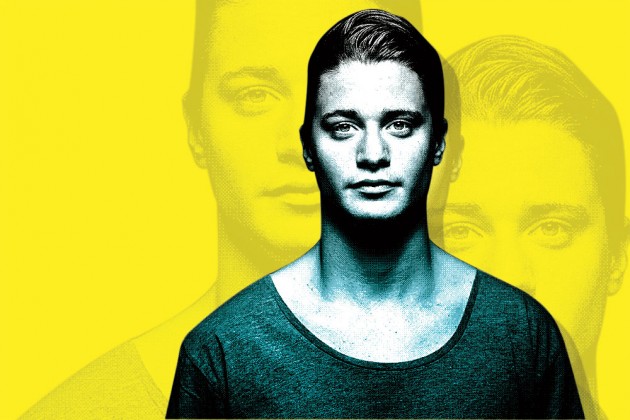
Tomorrow, on December 11, the 2015 Nobel Peace Prize Ceremony Concert will be held in Oslo. Countless of influencers from around the world gather to hand out humanity’s highest honors every year. Kyrre Gørvell-Dahll, best known to EDM fans as Kygo, the DJ and producer behind a trendy new wave of tropical house tunes, will become the first EDM DJ to perform at the Nobel Peace Prize Concert.
Recently Spotify announced that Kygo was their Top Breakout Artist of 2015, claiming he is “the first Spotlight artist to reach one billion streams,” on his tracks “Firestone” and “Stole The Show.”
He has a pretty extensive rap sheet for being so new to the dance music game, with performances at Ultra Miami, Coachella and the Greek Theater in Los Angeles to add to his accolades.
Kygo Tropical House
Therefore this ceremony is not only a big deal for the leaders receiving awards, but for the electric dance musician Kygo as well.
The concert will be held at Telenor Arena in Oslo, and will include Norwegian artists a-ha and Aurora. “I am proud to perform at the Nobel Peace Prize Concert, and even more so when I see the other artists participating in the concert,” said Kygo.
The Bergen native will also become the first ever artist to lead the National Dialogue Quartet at the end of the annual Torch Parade today.
Olav Njolstad
“This is about making the concert’s content available and spread the word of the Nobel Peace Prize and this year’s laureate. There is power in YouTube’s ability to reach out to a worldwide audience. Kygo’s journey to stardom is a good example of this,” said the newly appointed director of the Norwegian Nobel Peace Prize Committee, Olav Njølstad.
2015 Nobel Peace Prize Ceremony in Oslo, written by Tor Kjolberg
Christmas in Tivoli is a real Copenhagen tradition where authentic summer classics have been replaced by Scandinavian Christmas mood.
In November and December Tivoli in Copenhagen has been decorated with lightning, colors and Christmas trees, and music as well as entertainment create an sizzling Christmas mood for both children and adults.
Tivoli, Copenhagen in December
Here you can enjoy the whole day, or days, feeling you’re in a big Christmas wonderland.
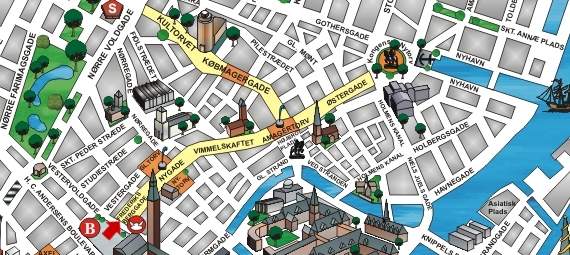
Christmas Shopping The area surrounding Strøget has a huge choice of specialty shops, ideal for shopping Christmas gifts.
In addition to chain stores like & Other Stories, Top Shop and Magasin, you should stroll into the small side streets, where you find Danish design, exciting shops, second hand shops and charming cafes. Explore Pilestrædet and Købmagergade.
Stroget, Copenhagen
Eateries and bars If you feel for real Danish open sandwiches, go to Sankt Anne and have them the Danish way – accompanied by a schnapps.
Sankt Anne restaurant
Do you want to experience Scandinavian gastronomy and cocktails, go to Geist. Personally we never forget to mention the fantastic service at No. 2.
No. 2 restaurant
Burger enthusiasts should visit Grillen Nørrebro or Halifax Burger.
The Scandinavian tradition is for salty, full-fat, firm or hard cheeses, often matured, some as long as two years.
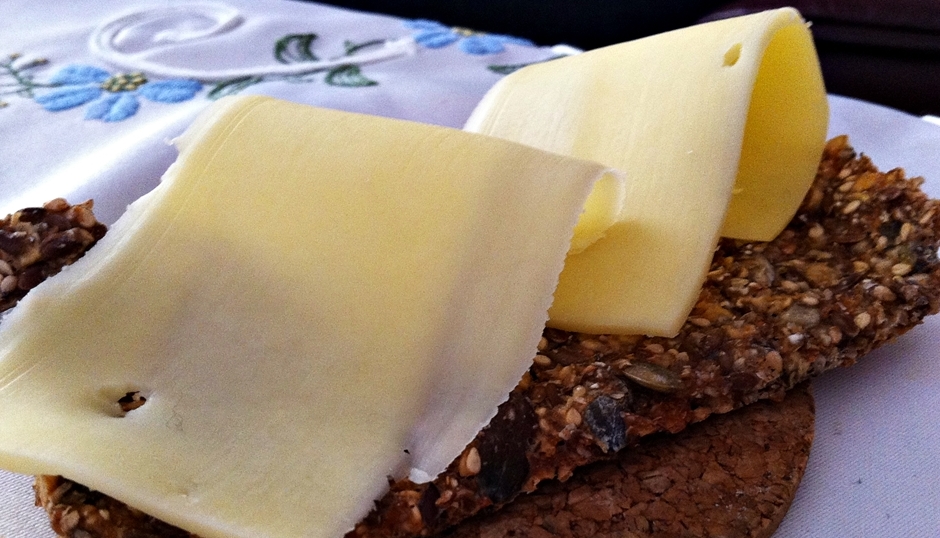
The last few decades have seen production of a vast number of new soft cheeses, inspired by southern Europe, but even these are eaten in the traditional way – namely thinly sliced on bread.
Most cheeses are made from cow’s milk as milking ewes and goats is rare in southern Scandinavia. In Norway, goats and cows used to be kept inside in the long snowy winters and driven to the high mountains in summer. The milk was treated and made into cheese on the spot, and brought back to the valleys in autumn.
Norwegian gammalost (old cheese)
Cow’s milk was skimmed and made into Gammalost (‘old cheese’), a grainy, slightly crumbling, matured cheese, with a strong blue-cheese flavor. This is still a favorite cheese in Norway but virtually unobtainable outside the country. It is not necessarily very old, but it has extremely good keeping qualities without refrigeration.
Sliced goats cheese
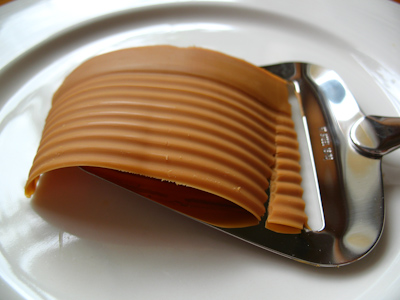
The whey from the summer milk was sweetened with cream and boiled in cauldrons for hours to evaporate. The resulting cheese is known as Geitost (‘Goat’s Cheese’), Mysost or Mesost after myse, meaning whey in Norwegian; even today, it makes up to 30 percent of the cheese eaten in Norway.
Brown cheese with marmalade
It is a true Scandinavian specialty, a brown, velvety, sweet cheese with a nutty, almost chocolate flavor as the milk sugars caramelize during cooking. It is somehow like peanut butter and tastes very good with jam. It’s eaten thinly sliced on crispbread, and used in cooking to add sweetness and body to sauce for game and venison. You can have a dark brown Mysost made solely from goat’s milk, and a lighter version made with both cow’s and goat’s milk. The pure goat’s milk version is much better, and much more expensive.
Norwegian Jarlsberg is a fine, full-fat, creamy type of Emmenthal, and rightly famous.
Västerbotten cheese
Sweden has a vast number of beautiful hard cheeses. The most spectacular is the Västerbottenost, the Scandinavian equivalent of Parmesan cheese, but quite Sweden’s own.
Västerbotten sandcich
Denmark has a great variety of both firm and blue cheeses, all worth a try, as well as specialty unique to Denmark, a smoked fresh cheese called Rygeost, made from drained junket.
Danish rygeost (smoked cheese)
Kaffeost (‘coffee cheese’), is a round flat, mild cow’s milk cheese and a specialty of Norrland in northern Sweden. The unusual name has resulted from the cheese being added in cubes to sweetened, hot coffee, and eaten after the coffee is drunk.
Danish Coffee cheese
Buying and storing With all these beautiful cheeses, you must choose a specialty cheese store to buy from, and a small producer rather than the huge dairy chains.
Crispbread with cheese
Culinary uses Scandinavians’ love for extremely old, matured cheeses is mostly incomprehensible to foreigners. Old cheese is eaten in very thin slices, on bread, often with meat jelly, sliced onion and a dripping of brown rum. Another sensational way with cheese is an open sandwich consisting of blue cheese topped with a raw egg yolk and onion rings.
Photo: Visit Sweden
Besides these specialties, we love open cheese sandwiches, which are eaten around the clock; on rye bread, which is best for matured cheeses; on white bread, preferred with yellow cheeses; or on crispbread, which is good for Mysost and hard cheeses.
Scandinavian soft cheeses
And we absolutely love to eat open sandwiches topped with jam – one with some nerve, e.e. blackcurrant, blackberry, rosehip, cloudberry or raspberry, or orange marmalade.
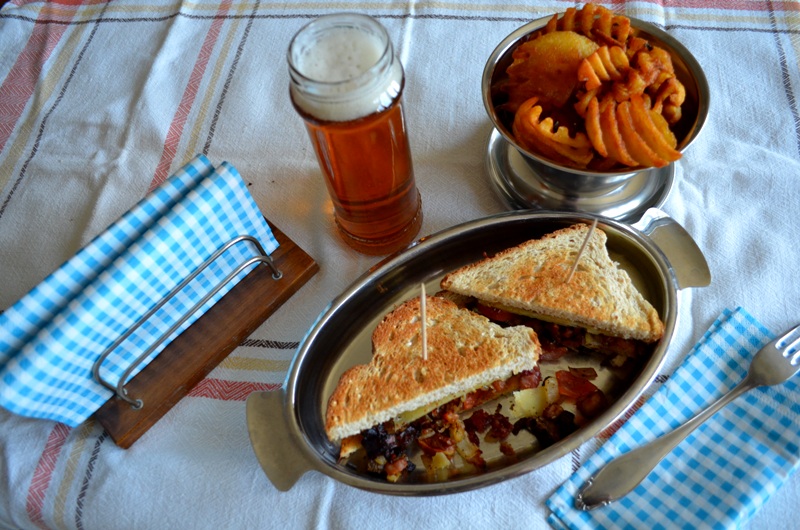
A Northern specialty is a sandwich made with Swedish Västerbottenost melted between slices of toast with cloudberry jam. It is absolutely delicious!
Potkäse with rum
Potkäse (‘pot cheese’) is an extremely old-fashioned but quie delicious way to use up odds and ends of cheese. The cheese is grated or cubed, then added to a clay pot with a dash of rum or schnapps. This is blended onto a potkäse. If it is too dry, you can add cream, and season with salt and even sugar. It’s long-lasting, pungent, but quite mellow if it’s made right. Eat it as a spread on rye bread, with beer and schnapps.
Norwegian painter and illustrator Vanessa Baird (52) has received the prestigious 2015 Lorck Schive Art Prize.
The Lorck Schive Art Prize (NOK 500,000/$60,000) is held biennially at Norway’s Trondheim Art Museum and is Norway’s biggest art prize. The artist won the prize for a series of large scale wall drawings, which she has titled “I don’t want to be anywhere, but here I am”.
This year’s international jury – Lithuanian curator Raimundas Malašauskas, Norwegian artist Eline Mugaas and Ikon Gallery director Jonathan Watkins – tapped Baird for the top prize, citing her unabashed frankness as a factor, although all the four finalists received a substantial stipend towards creating the work for the exhibition.
The aim of the Lorck Schive Art Prize is to generate debate and interest around contemporary art by honoring excellent artists.
Vanessa Baird exhibited at Gothenburg Art Museum, Sweden
Vanessa Baird’s drawings are intriguing and repulsive all at once with subject matter and scenery running the gamut of entrails and furniture to refugees lost at sea. One portion of the mural contains bears an uncanny resemblance to a widely circulated photograph of a drowned Syrian child. “Entirely coincidental”, Baird explains, “as the work was created before the tragic image went viral.” But poignant nonetheless.
The drawings decorate the walls in one of the rooms in the old Christiania Sparebank’s building, which will soon become Oslo’s new House of Art and Culture.
“For a long time I went early to bed”
At first sight, when looking at the artist’s watercolors, you might generate a sense of fairy tale charm of children’s illustrated books. But looking closer, you soon realize that her drawings are hardly suitable for young children. She has just finished illustrating the book “In Autumn” (Om høsten) by Karl Ove Knausgaard.
Her intensely detailed pastel drawings are a colorful eruption of chaos, and Vanessa Baird often works with watercolor and pastel, creating a mix of intimate and large scale works. A previous work (The light fades – if only we close our eyes) was taken down from the Ministry of Helath building in 2013, after associations were made with the bombings of 22 July in Oslo.
Baird’s watercolor tableaux are both sensual and grotesque at the same time.
“To everything there is a season”
The artist has at present an exhibition in Trondheim Art Museum, and will later exhibit in Artists’s House in Oslo and at The Munch Museum in Oslo.
When the magazine Wallpaper asked Baird if Norway inspired or lead her work in any way, she answered: “As I don’t have any other experience than being born and brought up in Norway I wouldn’t know”.
Norwegian Artist Wins Prestigious Award, written by Admin
The Happiness Institute in Copenhagen have recently published a research report, The Facebook Experiment, in which they question if social media affect the quality of our lives.
The conclusion is that we are influenced by social comparisons when we evaluate our lives. Can staying off Facebook make you happier? Apparently so.
Since social media is a constant flow of great news for people in general, the institute wanted to conduct an experiment with a randomized trial group of 1,095 daily Facebook users. They split the participants into two groups; one was allowed to access Facebook and use it as normal, while the other group was forced to quit cold turkey.
Participants, who were between the ages of 16 and 76, filled out a survey answering questions about the quality of their social lives, their ability to concentrate, and how often they compared themselves to others.
Researchers found that 88% of those who were forced to give up Facebook felt “happy,” compared with 81% of those who were still on the site.
The group not on Facebook enjoyed life more, was less angry, and more enthusiastic. The group also saw an increase in their social activity and their satisfaction with their social life. The group that still regularly used Facebook was 55% more likely to feel stressed.
While some participants found it a challenge to give up use of the site at first—citing anxiety about losing touch with the world and their friends—by the end of the week, a majority found that they experienced higher levels of productivity and concentration, as well as more satisfying experiences in their social lives.
However, the results are based on self-reported answers; while researchers found a link between happiness and quitting Facebook, it’s not a causal relationship. Researchers hope to further investigate whether the positive feeling participants felt after quitting Facebook could last more than a week.
Earlier this month, an Australian teenager with more than half a million followers on Instagram quit social media, describing it as “contrived perfection made to get attention”.
Danish Study on Facebook Dependency, written by Tor Kjolberg