
The Scandinavian Model

Nathan Heller took a closer look at the Scandinavian Model in The New Yorker Magazine February Issue this year, and asks if Scandinavians have it all figured out.

He begins by describing a Swedish couple; he a retired artist wearing fancy clothes and receiving his pension, his wife, a neurosurgeon who never have paid a krona in tuition. The government gives them, among other welfare benefits, a combined four hundred and eighty days of maternity and paternity leave for every child.

Swedish welfare
Swedish welfare

When it comes to design and innovation Heller mention Danish lamps and wind power, and IKEA, while Norway has been No. 1 on the Legatum Prosperity Index for years.

Gender equality in Norway

Sweden, once known for ABBA and dispiriting blue films has turned into the homeland of H&M and literary mysteries.

031215-swedish-blue-films
In 2012 Denmark took first place in the United Nations’ inaugural World Happiness Report, having topped similar surveys for decades. It prompted Michael Booth to write his book “The Almost Nearly Perfect People”. Daily Scandinavian interviewed him in Copenhagen just days after the American release of his book..
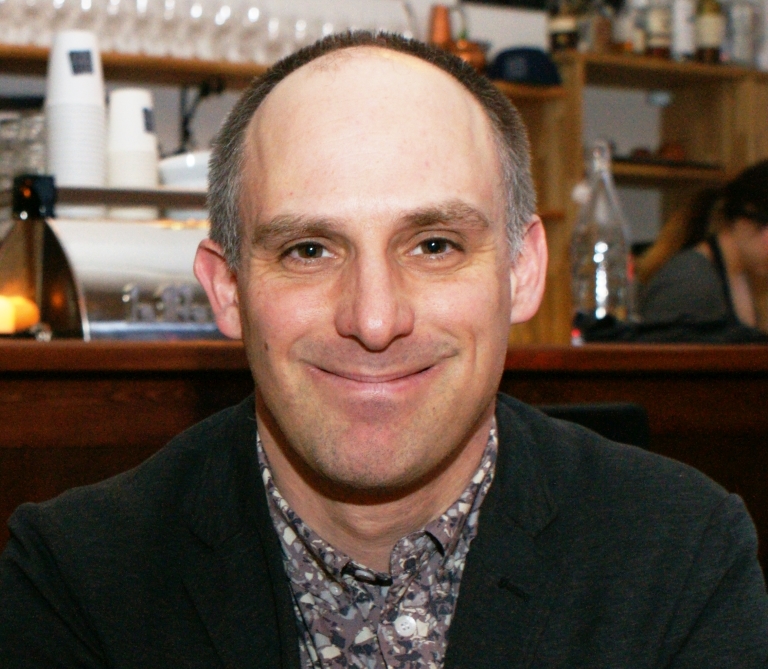
Michael Booth by Tor Kjolberg

Scandinavia’s current social model is new. Denmark began offering a state benefits program to old people only in 1891. Norway launched insurance for industrial accidents a few years later, and by the postwar years the modern Nordic welfare state had its distinctive form. The model, crucially, interprets “welfare” to mean not just financial capacity but well-being.

Gunnar Myrdal
Gunnar Myrdal

In his 1957 study “Economic Theory and Underdeveloped Regions” the Swedish Nobel laureate Gunnar Myrdal suggests that the Scandinavian-style model is not only good social policy but smart economics. Myrdal’s thinking was shaped by years he spent studying the plight of black people in the United States. His best-known work is “An American Dilemma” (1944).

The per-capita divorce rate in Scandinavia is notably high, which, depending on your notions about marriage, is either a healthy or an unhealthy sign. Gender equality in Denmark is so deeply rooted that it startles even some enlightened American women.

Rich vs poor test by activist group on city bus in Sweden

In recent years, however, a strange thing has been happening in Nordic countries: they’ve been getting more unequal. Inequality has risen in Sweden. Something has been leaking through a system that’s supposed to be the tightest in the world.

Of all the complaints that non-Scandinavians have about their northern cousins, perhaps the most persistent is the idea that they are beset by sameness, but much of Scandinavia has been getting less homogeneous in recent years, while its inequality has been increasing.
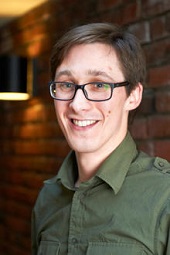
Henning Finseraas
Henning Finseraas

On paper, however, the model stands – so far. A recent study by the Norwegian political scientist Henning Finseraas tried to correlate immigration politics in Europe with stances on inequality policies and found no obvious relationship; some people resented immigrants, but they didn’t necessarily see that as cause to scale back welfare.

Christer Gerdes
Christer Gerdes


Eskil Wadensjö
Eskil Wadesjö

“Integration” has become a watchword in Scandinavian ethnic politics more generally. It underscores the social and economic pressures to join the Scandinavian pack, the common turf where its supportive, all-embracing system thrives.

Nathan Heller questions if the Nordic model is adaptable to the US conservative social ideals.

“Like many Enlightenment-born nations,” he writes, “we declared our principles at the start—liberty, equality, the pursuit of happiness—and trusted that any friction among these ideas would be sorted out, eventually, in the churn of civic life. The trust continues. Progress is slow. While Nordic people have made the best of what they have, Americans persist in gambling on something better, and yet settling for something worse”.

Nordic life falls short of the Americans’ most vaunted ideals, yet in the end draws very close. “It is almost nearly perfect,” to cite William Booth again, and perhaps that’s good enough.

The Scandinavian Model, condensed by Tor Kjolberg

Norway’s Countryside of Smiles

0

The two Norwegian counties of West and East Agder are often simply referred to as the Southland.  Although West and East Agder have much in common, they are in many ways two very different counties.

West Agder is not one of the larger counties in Norway. It borders on Rogaland and East Agder, but in the south there is only the sea. You find continental Norway’s most southerly point here – Lindesnes.

West Agder, Norway
West Agder, Norway

There are many interpretations of the name Agder, but most of them are related to the sea; the country by the “troubled sea”.  Heavy sea was in old Norwegian called “agi”. West Agder was probably one of the very first places in Norway where people settled. The glaciers there were the first to melt, leaving behind a landscape of cliffs, islets and reefs.

From West Agder
From West Agder

Within the shoreline there are valleys with coniferous and deciduous trees, heather and bare rock.  Our Norwegian forefathers came to this area and  lived from what nature could offer them. A rich flora grew up along the southern coast and later towns grew to become cities. In the Hollender period (1500’s and 1600’s), when southern Norway actively traded with Holland, the area experienced a powerful resurgence, and becoming quite wealthy through trade with the rest of Europe.

From Flekkefjord. Photo: Tor Kjolberg

Large scale export oriented enterprise with timber, stone, moss, salmon, trout, lobster and more was established. In the second half of the 18th century, Flekkefjord was the country’s main center for herring exports. Many benefited from this, as shipping companies were built up, along with shipyards and barrel factories.

Hollender Quarter in Flekkefjord
Hollender Quarter in Flekkefjord. Photo: Tor Kjolberg

Farsund was another town which grew considerably, largely due to the Lund family’s efforts. The Lunds were descendants of a Danish skipper who was stranded on the shore in the area.

Darsund. Photo: Fjordtours/Tore/Haus

Mandal was also a town well known by traders – and by pirates. By the 1500’s Mandal was prosperous with plenty of work possibilities and a lively trade. Salmon from Mandal was known and popular throughout Europe.

From Mandal. Photo: Wikipedia

Kristiansand (Photo on top) was founded by decree of  Kristian IV  in 1641, and was one of eight locations in Norway which had status as market town in the 1660s. Here, as in the other towns, it was the trade – exports and imports – which constituted the actual basis of existence,  timber being especially important.

Costumed guide at West Agder Museum

The area which today is known as West Agder was an important part of the Kingdom of Norway. As a result of the  extended contact with the rest of the world, it is of no surprise that many innovations came to be in the idyllic Southern Norway.

Food traditions have also had a cultural impact here too.  You’ll find dishes inspired from Southern Europe as well as Norwegian traditional specialties, recipes that  housewives could conjure up – using limited means. The people here are fond of fish, and many Norwegian poets from the region have honored the gold of the ocean.

Norwegian fish soup
Norwegian fish soup

Fish Soup from South Norway
(Serving 4 persons)

2 ½ tablespoons butter
2 ½ tablespoons plain flour
4-5 cups fish stock or 4 cups vegetable stock
1 medium carrot, finely chopped in strips
1-2 cup leek, finely chopped in strips
1-2 potato, peeled and cut into small cubes (optional)
1 (14 ounce) can chopped tomatoes (optional)
12 peeled raw shrimp (approx.)
12 mussels (approx.) or 12 small scallops (approx.)
4-6 ounces catfish (or fish of your own choice)
½ cup heavy cream
¼ cup chopped fresh parsley
salt and pepper
2 tablespoons sour cream (optional)
2 teaspoons lumpfish caviar (optional)

Melt 2 tablespoons of the butter, add the flour, stir for about 2 minutes without browning the flour.

Add the fish stock at intervals, stirring all the time, let it boil gently for 5-10 minutes.

Melt the rest of the butter and sauté the carrots and leek and potatoes, if using, for approx 10 minutes.

Add the tomatoes (if using) and simmer for another 5 minutes, then add the shrimps, mussels, fish and the cream.

Simmer for another 5 minutes, or until the fish and shellfish are tender.

Add the parsley and salt and pepper to taste.

Serve garnished with sour cream and the lumpfish caviar.

Norway’s Countryside of Smiles, written by Tor Kjolberg

Feature image (on top) Grom Kristiansand. Photo VisitNorway

A Plane Geek’s Dream Stay in Stockholm

If you’re a hard-core aviation fan, you should definitively try a stay in a converted Boeing 747 at Arlanda Airport in Stockholm.

True, the rooms are small, but they’re perfectly formed with all the facilities you’d expect from a modern hotel.

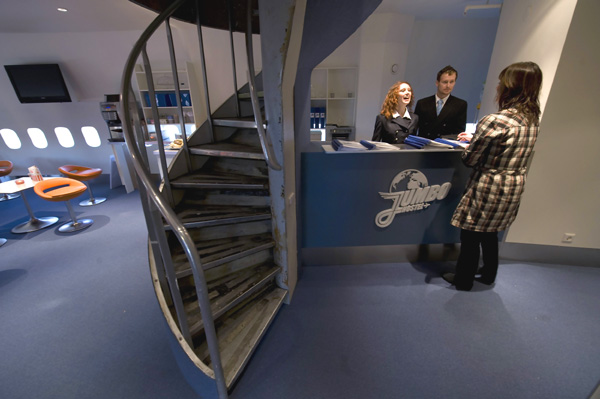
Reception in Jumbo Jet Hostel

You’re probably not thinking of an aeroplane when you’re looking for a good night’s rest but this jumbo jet-turned hostel is actually an aircraft you can sleep on.

JumboStay is located at Stockholm Arlanda Airport, and a night at this unique property gives you an idea of what it’s like to sleep at a one-of-a-kind airport hostel.
011215-Jumbo-jet-stay-stockholm-interior
One TripAdvisor reviewer summet it up perfectly: ‘Kitch, but great, if you are a plane geek’. And others agree that it’s a cool experience, but not a place for long stays.

The former airplane has swapped engines for bedrooms and offer visitors a unique stay they will never forget.

011215-Jumbo-Jet-Stay-Stockholm-Suite
In the summer, visitors can walk along the observation deck and stand right on top of a Jumbo Jet’s wing. It will certainly give you a different perspective from the one we normally get sitting inside the plane.

The Jumbo Jet underwent a complete overhaul after she was grounded at Stockholm Arlanda Airport in November 2002.

011215-Jumbo-Stay-Stockholm-Sweden
The brainchild of barmy businessman, Oscar Dios, the entrepreneur spent over USD 2.3million (€2million) over six months to transform the huge plane into the aptly named Jumbo Stay Hotel.

There is only one private suite (from $210/night), so be sure to book early. The suite is located in a converted cockpit and offers a panoramic view of the airport through all of the windows in the front of the plane. A few rooms have a private toilet and shower, while others have a shared bathroom with rates starting at around US $50 per night.

The Lounge in Jumbo Jet Hotesl

If spending the night is not for you, the plane has a chic cafe serving coffee, cookies and sandwiches. Stop in for a quick visit to see this unique hotel up close.

The Jumbo, which once was part of the Pan-Am airline fleet between 1984 and 1991, was towed and relocated to its new permanent location at the entrance to Stockholm Arlanda Airport, and has since become quite the landmark.

011215-Jumbo-stay-stockholm-sweden-room
JumboStay is offering several amazing packages that let you experience other unique places to stay in Sweden.

A Plane Geek’s Dream Stay in Stockholm, written by Tor Kjolberg

The New Oil-rich Scandinavians

0

During the late 1960s and early 70s, the economies of Norway and Denmark were given another welcome leg-up – they struck oil.

Denmark had become adept at exploiting niche markets (think Lego, Bang & Olufsen, Carlsberg, and selling streaky bacon to Britain), but this was the first time the country had enjoyed the luxury of natural resources since the 14th-century herring shoals.

Tyra field, Denmark
Tyra field, Denmark

According to OilGasDenmark, 48 billion DKK or 9 percent of Denmark’s export is the amount that Oil and gas contribute with yearly.

15.000 people are employed in the Danish oil and gas sector, including employees in the service and supplier sector.

8 billion m3 natural gas is annually brought ashore from the fields in the North Sea through the 200 km long high-pressure transmission lines.

Ironically, Denmark’s North Sea windfall arrived in the first middle of its first experiments with wind farms.

Measured against population the prize in Norway was much bigger and triggered lavish expenditure on road tunnels and other infrastructure investments. Norway is the world’s second biggest exporter of natural gas and the fifth biggest exporter of oil.

Barcode seen from Sorenga

By the 1990s Norway had paid off its entire foreign debt; and in 1995, it began to stash away the cash for a rainy day, creating a sovereign wealth fund with the surplus petroleum money.

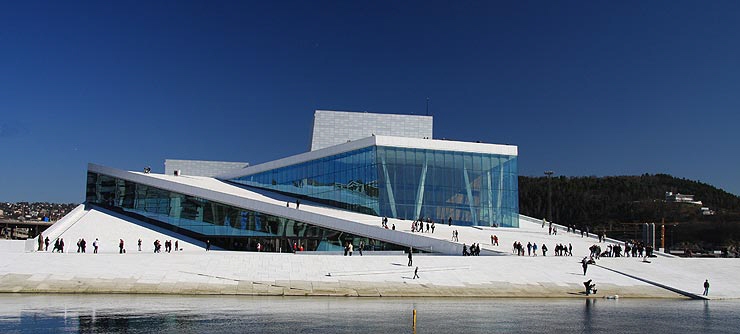
Oslo Opera House
Oslo Opera House

Oslo began its transformation from quiet town to Europe’s fastest-growing city: within 40 years, oil-money had created a futuristic harborside, new financial district and world class buildings like the Opera House.

The New Oil-rich Scandinavians, written by Tor Kjolberg

Norwegian action-adventure drama

A true tale set in civil wat-ravaged Norway, produced by Oscar-nominated director Nils Gaup, The Last King, is ready for the US market. Magnolia Pictures has acquired the North American rights.

“The Last King” is a tale set in 1206 when Norway was in the midst of brutal civil wat between the Norwegian king and the church. It follows the journey of two Norwegian warriors who escape across the mountains in order to take their dying king’s infant son to safety. It stars Jakob Oftebro (Kon-Tiki), Kristofer Hivju (Game of Thrones), Nikolaj Lie Kaas (The Keeper of Lost Causes) and Thorbjørn Harr (Vikings).

Niels Gaup
Niels Gaup

“Nils Gaup has crafted another sweeping adventure with ” The Last King,” said Magnolia president Eamonn Bowles to the Hollywood Reporter. “The thrilling performances and high-stakes of this incredible true story will really resonate with audiences everywhere.”

Nils Gaup credits include the Oscar-nominated Pathfinder (1987) and local box-office hit The Kautokeino Rebellion (2008).

The Last King was written by Ravn Laneskog and produced by Stein B. Kvae and Finn Gjerdrum for Paradox Film 3 AS, co-produced by Nordisk Film, Newgrange Pictures Ltd. and Proton Cinema+Theatre with support from Norwegian Film Institute, Irish Film Board and Eurimages. It was developed in collaboration with The Media Programme, Film3 and Midtnorsk filmsenter.

271115-birkebeinerne-poster
Norwegian title: Birkebeinerne (The Birchlegs).

271115-the-last-king-1
Previous announced deals include sales to Germany, Austria and Switzerland (Koch Media Deutchland), Italy (Minerva Pictures Group), Czech Republic (Film Europe Media Company) Middle East (Gulf Film), India (Pictureworks) and Estonia (Estinfilm).

Norwegian release is set for February 12th, 2016.

Feature image (on top) by Ian Brody

Norwegian action-adventure drama, written by Tor Kjolberg

Aarhus – The World’s Smallest Metropolis

The Danish town Aarhus may justifiably be called the world’s smallest metropolis. You can walk from one millennium to another in just one minute.

And if you want to go from cobbled streets and youthful exuberance to green woods and refreshing silence, it takes just five minutes.

Århus Midtbyen
In a town where more than 40,000 of the total population of 300,000 are students, there is inevitably a lot of youthful flirting and showing off – day and night. THAT gives a big-city feel to the place! The contrast can be found where pensioners, families and tourists enjoy the peace and quiet of a walk in the light, still beech woods and along the green banks of the slow-moving river a couple of stone throw from the city center beat.

The old town in Aarhus

Let us look at the contrasts between the historic and the modern. You must see the old town when you are in Aarhus. Houses from the 17yh, 18th and 19th centuries and from all over the country have been relocated and built up as a living community. Through the entire summer and in December the workshops and shops are open for business, and traditional crafts are brought to life.

Christmas shopping in Aarhus

The hypermodern is just fifty meters and a zebra crossing away, where the office block known as the ‘Prism’ rises black and glass-clad, like an architectural “Darth Vader”.

261115-the-prism-aarhus-denmark
Less controversial is the town’s modern town hall, opened in 1941 and designed by the world famous architect and designer Arne Jacobsen. He too emphasized harmonious contrasts.

Aarhus Concert Hall
Aarhus Concert Hall

The town hall fits into its surroundings’ proportions, but its clean lines and choice of materials make it stand out. Arne Jacobsen insisted on using Porsgrunn marble to clad the building’s exterior, an acknowledgement of its quality for which Norway can be justifiably proud.

ARoS-Aarhus Museum of Modern Art

The latest city attraction is the ARoS Aarhus Art Museum, which in just a few years has succeeded in creating a reputation for innovative, spectacular and controversial exhibitions. Not only that, but the architecture itself is exciting. And the contrast? Moesgaard Museum! Here you must switch your mind into historical mode.

Festival Week in Aarhus

In the city center you will find an exhibition about Aarhus in Viking times. You should also take a trip out of town and see Gravballsmanden, the body of a man that was buried in a bog for 2,000 years, and is therefore perfectly preserved.

Red hot-dogs have been the Danes’ ‘fast food’ for almost one hundred years. On festive occasions they are washed down with a beer. But if you want to really push the boat out you can also eat at the gourmet restaurant ‘Prins Ferdinand’.

Prins Ferdinand restauranr
Prins Ferdinand restaurant

Between these two extremes you will find a variety of cafes and restaurants in the Latin quarter, northwest of the cathedral, and in the clearly-set-out town center itself.

Latin quarter, Aarhus

Shopping is exciting in Aarhus. Here are small second-hand clothes shops, local designers in the Latin quarter, department stores Salling and Magasin, and international designer emporia with gleaming facades and strong lights, e. g. in Soendergade/Ryesgade.

The Aarhus cultural and music scene is extensive, ranging from the venerable Arhus Teater to the Concert Hall, with its clean lines and light, open aspect. And, of course, both popular music and modern serious music also have their own regular spots in town.

Festival Week in Aarhus brings life into the streets

But for more than 40 years the permanent cultural institutions have not been enough for Aarhus’s inhabitants – they need more. The town has out its youthful, creative surplus to good use. It has burst out. The town is home to one of northern Europe’s largest and most well-respected festivals of art and culture – with a Festival Week program that is as broad as the night is long. Most artistic forms are represented – from the popular to the high-brow.

From Festival Week in Aarhus

The Festival Week traditionally revolves around a specific theme, serving as a frame for the more than 1,000 different events. The main focus for the Festival Week August 26 – September 4, 2016 is urban space art and architecture, gastronomy and music events and concerts.

The Food Festival in Aarhus

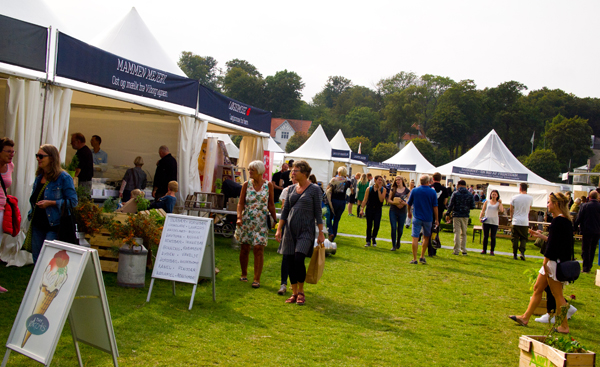
A special event takes place during Aarhus Festival: the annual Food Festival, beautifully located by the seaside. Like Aarhus Festival, the Food Festival is a highly esteemed international event, gathering about 30,000 visitors and 250 participants each year. If you choose to visit, you can enjoy some of the finest and most innovative of Scandinavian cooking.

The organizers are promising that the streets will be packed, for they are bringing entertainment and culture into the open air – onto the streets. There will be something to see and hear while you walk around the town, not just when you sit down in an auditorium.

The Aarhus harbor landmark

Many different art forms will be represented. There will be surprises in the urban space and spectacular overall impressions, impressions for all the senses.

And the weather gods usually smile kindly during Festival Week.

See you there?

Aarhus – The World’s Smallest Metropolis, written by Tor Kjolberg

You may also like to read:

Action film and the Bible

Kon-Tiki – Again

0

This month two replicas of Thor Heyerdahl’s ancient pre-Incan rafts Kon-Tiki, christened Rahiti Tane and Tupac Yupanqui, have set out to sail from South America to Eastern Island – and back! The expedition has been named Kon-Tiki 2.

On their official homepage expedition leader Håkon Wium Lie explains that Kon-Tiki 2 got its name because they seek to double-down on Thor Heyerdahl’s famous voyage by sailing two rafts from South America to Polynesia and then back. No one has done this in modern times.

251115-kon-tiki-2-measuring
“We will prove that it can be done. It’s an unparalleled voyage of survival, science and exploration,” he says.

251115-kon-tiki-2-we-are-leaving-today
Heyerdahl’s Kon-Tiki voyage showed that people from South America could have sailed westwards and populated islands in the Pacific. The balsa raft had for instance keel and a type of sail that made it possible to cross the wind. The new expedition that started from Lima on November 9, aims prove that the Polynesians also were able to sail back from South America.

251115-kon-tiki-2-mealThe two rafts will sail for about six weeks and 5,000 kilometers until they reach Rapa Nui. There they turn around and head back to South America. The expedition has chosen to use two rafts and two teams for safety reasons.

The rafts are fitted with transponders and beacons in the event that an emergency requires a search and rescue response.

“We have a number of activities during our voyage, and it is important for us to convey widest possible knowledge,” says expedition leader Thorgeir Higraff to the Norwegian newspaper Aftenposten. Higraff has a great sense of discovery and adventure. Throughout his life he has had Thor Heyerdahl as his great hero, and he siled in the same waters with the Tagora expedition in 2006.

When the two rafts of the Kon Tiki 2 Expedition sailed from Lima they were equipped for full-scale ocean and climate research. During the two legs – Peru to Easter Island before Christmas and Easter Island to Peru after Christmas – the rafts will make thousands of measurements in order to understand how changes in marine life relate to climate change and ocean pollution. The expedition takes place during the El Nino of 2015/2016, a fortunate fact which will deepen insights into the interactions between the marine ecosystem and the changing marine environment.

Higraff says they want to measure climate change and ocean acidification, marine litter pollution, El Nino and operational weather forecasting in addition to marine life.

Thorgeir Higraff
Thorgeir Higraff

The Polynesian population shows Caucasoid as well as Mongolian physical traits. Their origin is heavily disputed. The traditional and prevailing perception is that they originate from Southeast Asia.

The two rafts - Kon-Tiki-2
The two rafts – Kon-Tiki-2

Immigration from there to the central archipelagos Tonga and Tahiti is supposed to have begun about 3,000 years ago. Easter Island was first populated 200-300 years AD, Hawaii around 500 AD and New Zealand in the late 1100s.

One of the rafts leaving from Peru

Thor Heyerdahl argued, however, that the Polynesians came from the east and is of American Indian ancestry, and that immigration began considerably later: In his opinion, the first settlement came from Peru around 500 AD.

All images: Kon-Tiki 2

Kon-Tiki  – Again, written by Tor Kjolberg

You may also like to read about the Kon Tiki movie.

Freedom on Snow in Oslo

0

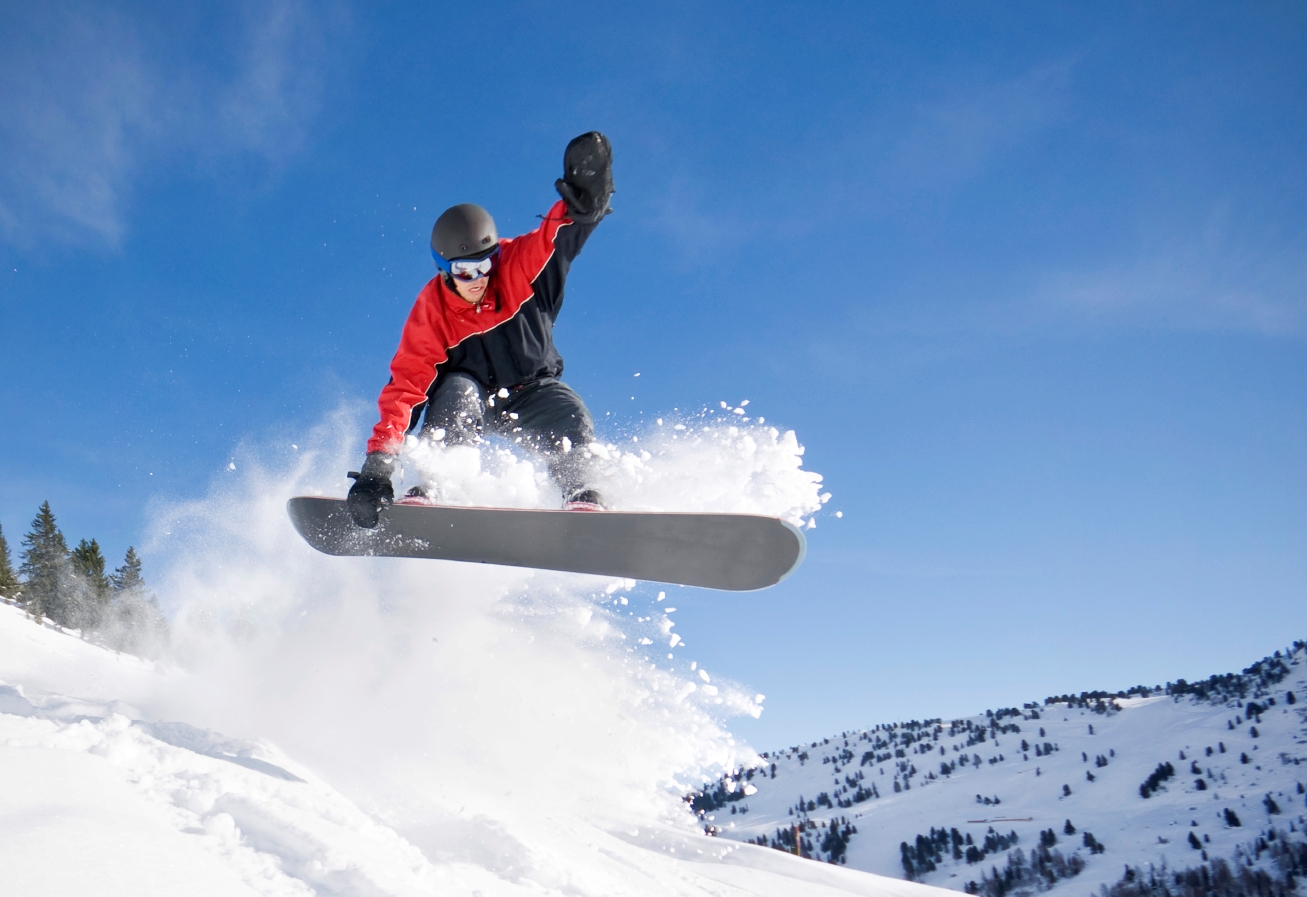
Winter sports have a unique position in Norway. The exhibition “Freedom on Snow” opened at the Holmenkollen Ski Museum in Oslo in November 2014 and is about snowboard and modern skiing.

The exhibition interprets freedom on snow as part of the same phenomenon characterized by individuality and the quest for unique experiences. Until the opening of this exhibition modern snowboard and ski history hasn’t been given the recognition it deserves as an important part of Norwegian winter-sports history.

241115-modern-skiing-exhibition-in-oslo-norway
Holmenkollen Ski Museum describes Freedom on Snow like this:

“Ski and snowboard is not just a sport and activity, it is a lifestyle. Thinking outside the box, pushing limits; the perhaps most central element in both is the playfulness and having fun.
This is reflected in the exhibition where you have several chances to play with our installations. Both cultures put more emphasis on the communal feeling than the results. The arena for competing is just as often social media channels and film. The exhibition is interactive with films, interviews, and clips from old snowboard and ski films.”
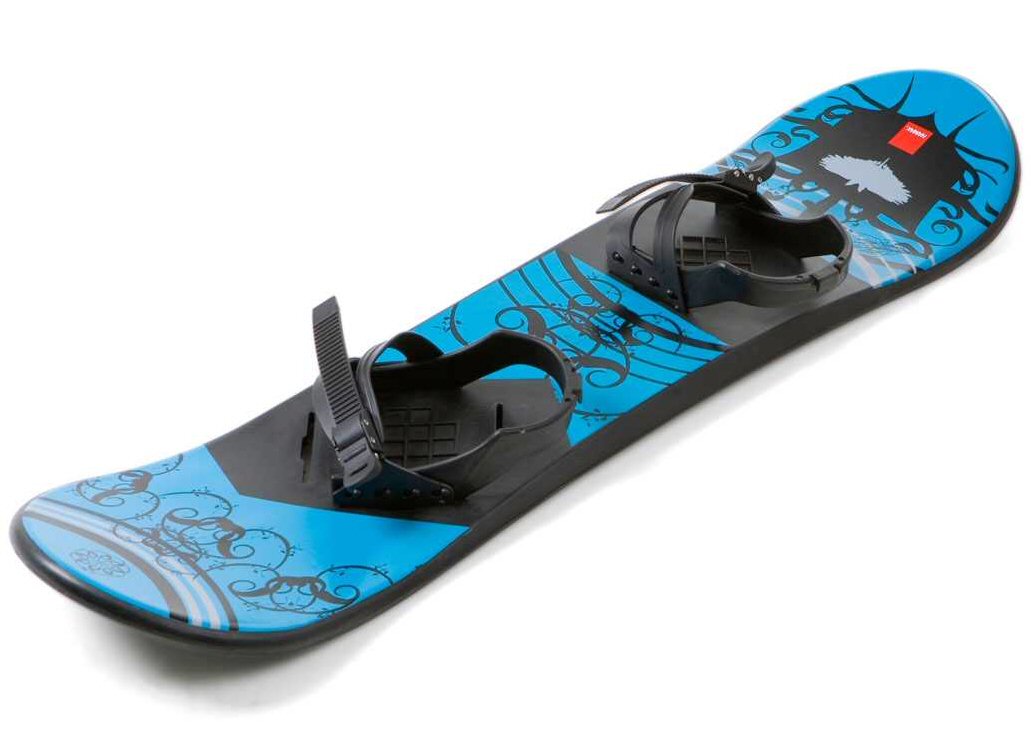
241115-snowboard-for-children In the exhibition you can see old snowboards, the development of modern skiing, film by Field Productions, photos by Frode Sandbeck, interviews of the best athletes in the world, historic film parts and ypu can even try to snowboard and ski yourself on the gyro boards.

241115-freedom-pn-snow-exhibition-oslo
It’s an exhibition about Norwegian culture, from mountain peaks to urban rails, and gives you a look at what makes it unique; the

togetherness, the focus on fun ahead of results and the freedom of making your own path. It is a great look back at where we came from.

“The development of modern skiing and snowboarding has been diverse,” says Lars-Kristian Haugen, who has served in an advisory group for the exhibition.
241115-holmenkollen-ski-jump-oslo
The Holmenkollen Ski Museum is located inside the famous Holmenkollen Ski Jump and the museum is the oldest of its kind in the world. The museum presents 4.000 years of skiing history as well as Norwegian polar exploration artifacts.

The observation deck on top of the jump tower offers panoramic views of Oslo.

Freedom on Snow in Oslo, written by Tor Kjolberg

Pop-Up Wedding in Copenhagen

0

A bright early autumn’s day in Copenhagen was the backdrop for the Pop Up wedding event held at the Museum of Copenhagen, organized and coordinated by Golden Days Festival.

I must admit, until my visit to Copenhagen to participate at the wedding, I didn’t even know what a pop-up wedding was. I realize now that not all pop-up weddings are the same, but they do have a common purpose: to make it easy for a couple to get married and to make it less expensive.


The day was filled with vendors bringing all of their talents together to celebrate Christine Finnie from Scotland and Sadik Baran from Turkey saying “I do” to each other, surrounded by their closest friends and paying visitors.


I was told that the bride didn’t even know that she was going to be wed for real this Saturday afternoon.


The venue at Vesterbrogade was properly styled and live music in the garden set the scene when the couple and guests arrived. The bride was spoiled with a gorgeous floral bouquet and her husband to be was dressed in Scottish national costume to honor her home country.


The couple was officially wed on the museum’s balcony by the museum’s director, handing over the wedding certificate after the ceremony.


After a toast, a professional photographer was making 3D photos and before dinner everybody could enjoy drinks from the bar or attend different attractions, like learning to dance the bridal waltz or having their nails and skin henna decorated.


The dinner was served in a separate room on the first floor, and the toastmaster Klaus Bondam addressed the newly-wed couple, saying: “I realize you have been together for a while, since you’re bringing your beautiful daughter to the party!”
And the party was going on into the wee small hours of the morning, while the couple and the guests were dancing to St. Tropez Live Band.


“We have found a cool venue, the hottest photographer, really creative stylists and florists and rocking celebrants together with 300 paying guests and put them all together for a dream wedding,” said festival organizer Josefine Albris.


Pop-Up Wedding in Copenhagen, text and photos: Tor Kjolberg

Interior Shopping in Oslo

0

Norwegians are home loving people. They are redecorating their homes for billions every year. Interior shops are therefore flourishing in the Norwegian capital. Here are our selected few.

Hay House
Josefinegt. 23, 0351 Oslo

Hay is owned by Rolf Hay and the Danish clothing company Bestseller. The company was established in 2003, and it soon became an ambassador for contemporary Danish furniture design. The company has two shops in Copenhagen and one in Aarhus. The shop in Oslo is a pleasant combination of gallery and outlet.

191115-Hay-House-Oslo
Ruth 66
Torshovgt. 3, 0476 Oslo

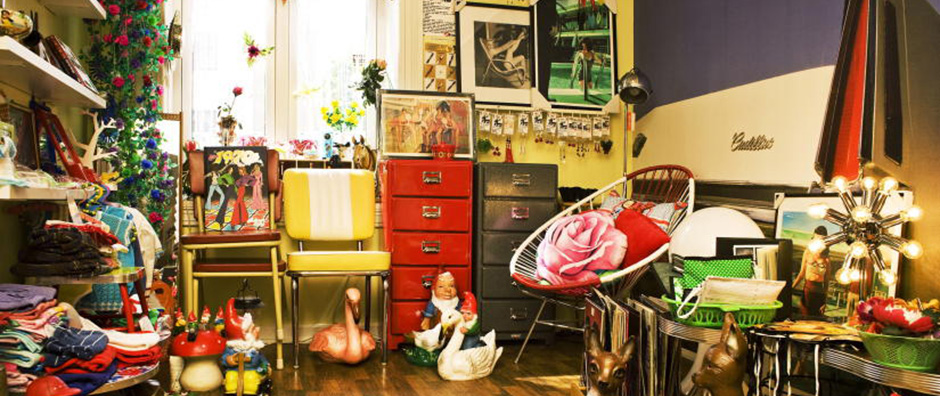
Ruth 66 is a different kind of shop, shouting out, «Welcome home to me!» Here you’ll find a combination of old and new items, however, emphasize is on retro.

191115-ruth-66-oslo-norway
Tante Guri (Aunt Guri)
Sonsgt. 7, 0654 Oslo

Experience Tante Guri at the Kampen area in Oslo. In this designer collective you’ll find a mixture of photo art, fashion clothes, funriture, lamps and much more.

191115-Tante-Guri-Oslo-Norway
Hole Design
Drammensvn. 130, 0277 Oslo

Materiality, playfulness and craftsmanship are the core values at Hole Design. The craftsmanship is expressed in the products made by Norwegian manufacturers, with a passion for furniture and a high knowledge about the materials. You may experience some of the furniture classics “live” side by side with inspiring art. The playfulness is shown through the unexpected and contrasting elements in the products.

191115-hole-design-bookshelf
Feature image (on top) Hole Design, shelving systems

Interior Shopping in Oslo, compiled by Admin