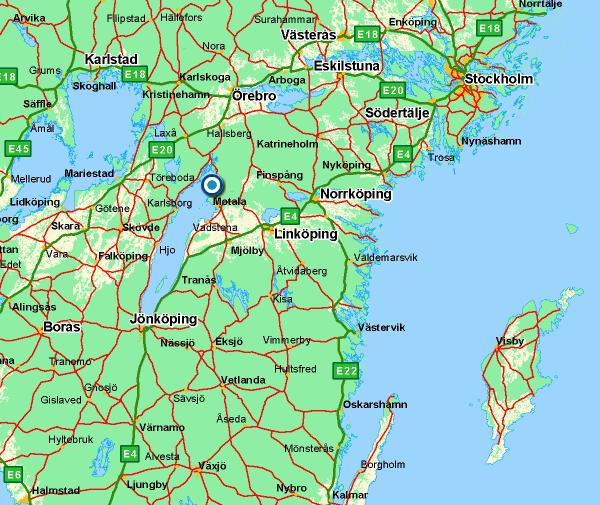
Sweden is by many considered to be a country inhabited by some of the most beautiful people in the world. The least attractive people in the country, however, come from the central town of Motala, according to a domestic dating website eDarling.
The survey, The least Attractive People in Sweden, has embarrassed the community to such an extent that the town’s business association now offers a way of reversing the decline in looks; free beauty treatments for its singletons. The offer includes discounts on clothing as well as free fitness and wellness programs for the town’s unlucky love inhabitants.
Lotta Eliasson from the Motala Centre Association admits that she did not realize the locals were considered unattractive but said looks always can be improved. The initiative is aimed to enable its inhabitants to ‘clean up their appearance’ and make them feel more confident.
Furthermore, the eDarling survey conveys that Sweden’s most attractive people live in its three biggest cities, Stockholm, Gothenburg and Malmo. The real beauties are located in the Stockholm suburbs of Lidingo and Taby. Planning a trip there during summertime.
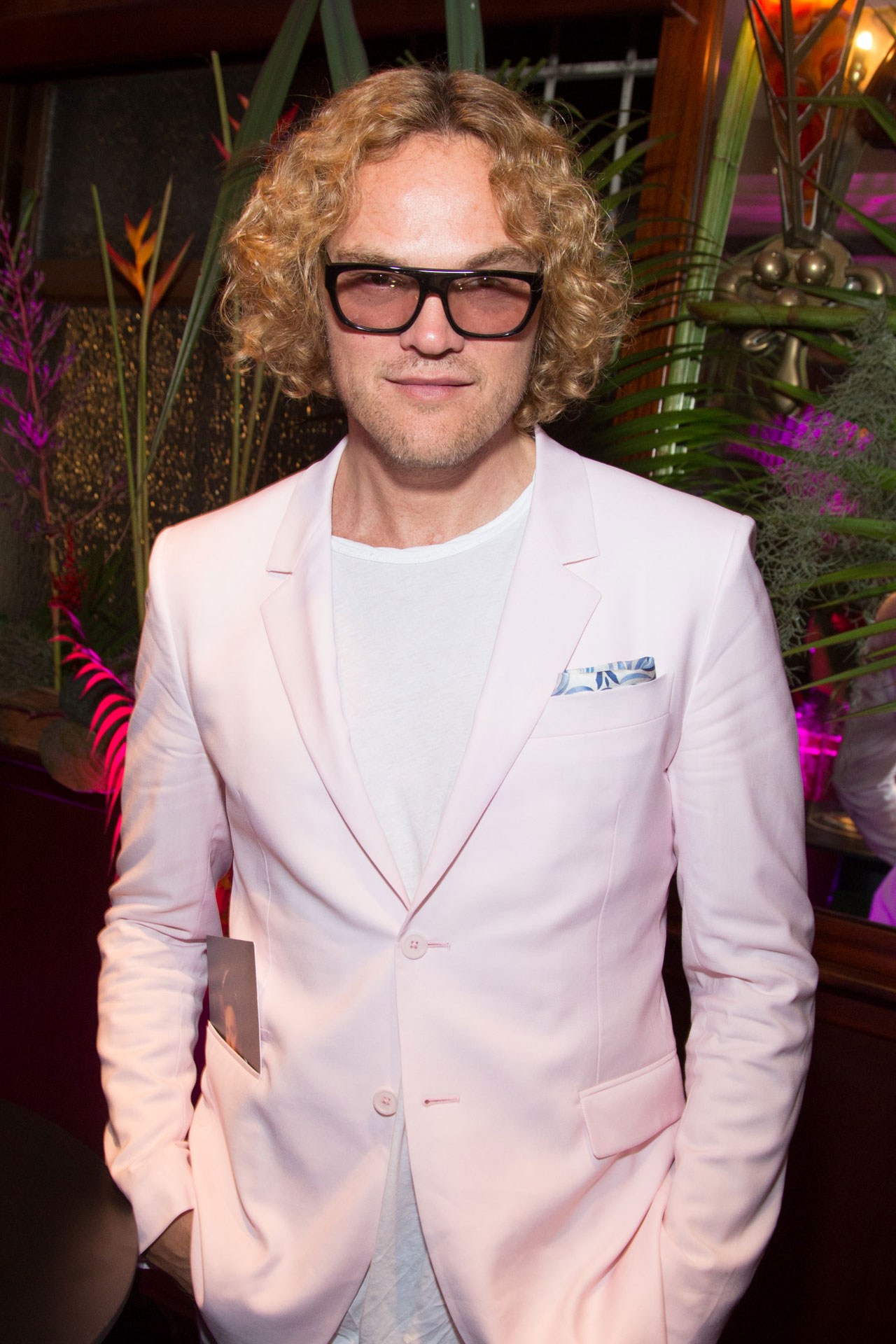
The Norwegian-American designer Peter Dundas (46) is appointed chief designer for the Italian luxury brand Roberto Cavalli.
“My aim was never to stay at Emilio Pucci forever,” says the champion of hot-and-sexy good-time clothes. “It’s a natural move to go on,” he continues, his face covered by dark sunglasses.
Last month Dundas presented his last collection for the fashion house Emilio Pucci at the marbled Palazzo Serbelloni in Milan. Norwegian-American Designer Peter Dundas Moves to Roberto Cavalli. Now he only needs to travel a few miles across Florence from the print house founded by Emilio Pucci to the fashion print shop set up by Roberto Cavalli, and he won’t be in need of an induction course.
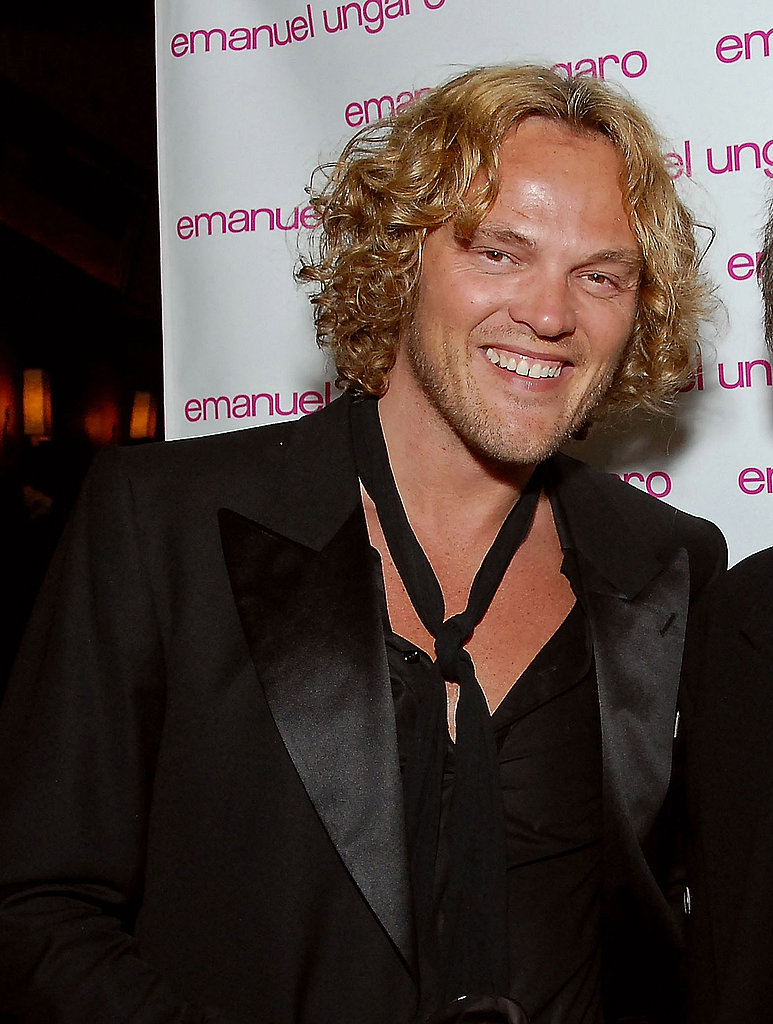
After an interlude at Emanuel Ungaro and a stint with Revillon, Peter Dundas signed on as creative director for Pucci in 2008 and improved the bottom line for the fashion company considerably. And now he moves on to Pucci’s biggest competitor.
https://youtube.com/watch?v=qQbg-d4sPY4?rel=0
Peter Dundas was raised at Vinderen in Oslo. His father was a physician and his mother an American violinist. Dundas was only four years old when she suddenly died from flu. Six years old he began to sew his own clothes. 14 years old he moved to his mother’s family in USA. He considered studying medicine, but he ended up studying fashion at Parsons School of Design in New York.
From there he went to Paris and worked as costume designer for the French state theatre Com\edie-Francaise, before he was appointed chief assistant to the designer Jean Paul Gaultier.
After eight years at Gaultier’s he had leading positions at fashion houses like Christian Lacroix, Roberto Cavalli and Emanuel Ungaro and Pucci.
Dundas has created stage dresses for artists like Beyoncé, Gwyneth Paltrow and Kylie Minogue as well as the IT-girl Poppy Delevigne and Norwegian crown princess Mette-Marit.
Carolus Linnaeus (also known as Carl von Linné), the Swedish naturalist who devised the modern classification system for plants and animals, was one of the great scientists of 18th-century Scandinavia.
Linnaeus, the Swedish plantsman, was born on May 23, 1707 in the southern Swedish province of Smaland. His father, Nils Linnaeus, was a Lutheran pastor with an interest in gardening. It was probably in his father’s garden that Carolus’ love and enthusiasm for plants began. He studied medicine at the University of Lund and botany at Uppsala. He traveled widely before returning to Stockholm, Sweden where he served as a physician for three years. Linnaeus, the Swedish plantsman, was a leading figure in the founding of the Swedish Academy of Science. He spent several years studying abroad in Europe
As chair of botany, dietetics and material medica at Uppsala, he pursued his research into nomenclature.
His publications included Systema Naturae (1735), Philisophia Botanica (1750) and Species Plantarum (1753). He has been famous for his quote “A herbarium is better than any illustration; every botanist should make one.”
In old age, Carolus began to suffer from what may have been a stroke. He was still interested in plants, but could no longer remember their names. Linnaeus died in 1778. His house and botanical garden can be visited at Uppsala.
The movie Captain Sabertooth and the Treasure of Lama Rama has according to IMDB so far brought in US$7m at the box office.
25 years have passed since author and songwriter Terje Formoe performed his first stage play about his fictional pirate Captain Sabertooth (Kaptein Sabeltann). Since then the character has been so popular it has turned into 13 stage plays, 16 books, 12 films, four video games, one 26-part television series, 15 CDs as well as lending his name to products ranging from ice-cream to liver pate.
https://youtube.com/watch?v=DZx1m5f8lIM?rel=0
The Norwegian movie about fictional pirate, Captain Sabertooth, now sold in more than 100 countries
Captain Sabertooth and the Treasure of Lama Rama contains stormy and magnificent adventures, in which children demonstrate courage, shrewdness and vigor in their battle against evil. The audience will follow the pirate vessel The Black Lady on an adventurous voyage from the pirate alleys in Abra Harbour to the colorful and exotic Lama Rama.
The movie company Storm Films and its two co-producers spent 50 million Norwegian kroner (US$6.2m) on the production, escalating it to the most expensive ever children’s movie in the history of Norwegian filmmaking.
Tre film is directed by John Andreas Andersen and Lisa Marie Gamlem.
Lisa Marie Gamlem (b. 1975) graduated as a director from the Norwegian Film School in June 2004. She has directed several award-winning shorts, documentaries and drama series’ for television. Her graduation film, Muhammed, received both national and international acclaim, and her TV mini-series Ping Pong was nominated for an International Emmy in the Children & Young category in 2008. Her short film Cold (2011) has been screened at numerous international film festivals, and was nominated for the Palme d’Or for Best Short Film.
The World Health Organization (WHO) reports that almost one in five babies born in Denmark is delivered via Caesarian.
Denmark has the Highest Rate of Caesarian Births in Scandinavia. Norway and Sweden have slightly lower C-section birth rates.
Head of the midwife association in Denmark (Jordmoderforeningen), Lillian Bondo, regrets that Denmark is in first place, as there has been a myth that Caedarian births are less dangerous than natural births, which is not correct.
The opposite is in fact true, since C-section heighten the chances of the child developing obesity, diabetes, allergies and other health issues.
Still Denmark performs much better than other nations in Europe, with particular high rates in southern Europe. In Cyprus the rate is a staggering 52 percent.
Two exhibitions in Oslo lately, have focused on presenting Norwegian painters and their images of the World Wars. One was in Kunstnernes Hus (Artists’ House) named ‘Shadows of War’, and more recently the exhibition ‘Scenes from the Second World War’ by painter Vebjørn Sand at Aker Brygge.
This year, 70 years after the invasion of Norway, the established art centers have nothing to contribute with from the Second World War. Some explained it as “the non-figurative language of form did not invite to painted documentation of a world war many prefer to leave behind.”
Norwegian painter Vebjørn Sand’s exhibition at Aker Brygge seems to be an exception. The often abused Sand was now, for the first time, met by great critical acclaim when he exhibits scenes from the Second World War.
The American art critic and professor Donald Kuspit says, “Sand’s paintings are tours de force of history painting, and unique by reason of the unique events they deal with, as well unique in themselves. They stand on their own as masterpieces of painting. The subtle irony of his work breaks new ground in modern history painting.
I regard Sand as one of the leaders in what I have called the New Old Master movement, more broadly, in the New Figuration developing in American and European painting.”
In the Faith Middleton Show in National Public Radio, Faith Middleton stated, “It is one of the most remarkable series of paintings I have seen in a long time. These are gauzy patina meant to fool: there is an intelligence about them striking enough to start a novel length discussion. They are remarkable.”
In Museum Beat Roberta Graff wrote: “Every so often we have a good fortune to find a book, a movie or an exhibition so powerful that it stays with us long after the page is turned and the final credits have been shown. These are happenings we look for in the arts, those rare experiences that make a difference in the way we look at life.
‘Scenes from the Second World War’ paintings from 2010-2013 is like no other exhibition I have ever seen.”
The exhibition in Oslo showed six new compositions from World War II in addition to several other works.
“There are no angels in this world…. We hear a lot about terrible crimes committed by Germans during World War II, but we hear very little about crimes against Germans,” writes Giles MacDonogh in his book After the Reich. In his current show, Sand is dealing with the brutal history of the allied occupation, as well as three other themes; the Wannsee Conference, Janusz Korczak, and the Nuremberg trials.
The underlying theme of this series is the individual choice, and the individual responsibility. This was emphasized so powerfully through the Nuremberg trials and its chief prosecutor Robert Jackson. We are all responsible for what we do.
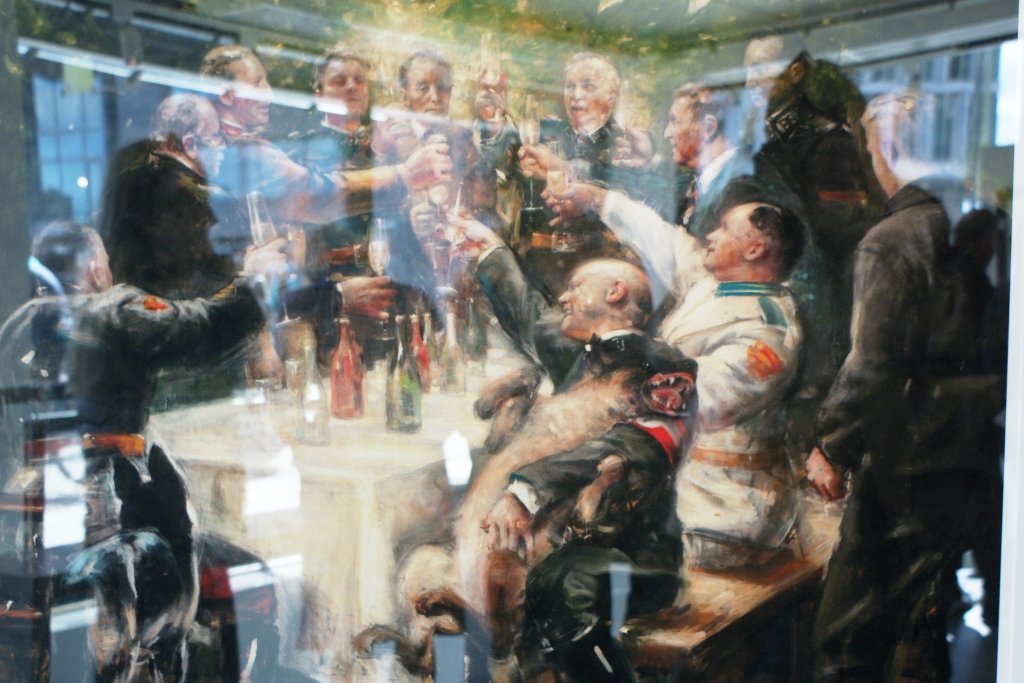
In one large composition, Ich bin Der Zweite, we see some of the major Nazi players in one of the most absurd and surprising moments of the trial.
Vebjørn Sand (born March 11, 1966 in Bærum is known for his paintings as well as his public arts projects, such as the Da Vinci Project, and the Kepler star monument (Norwegian Peace Star) at Oslo Airport, Gardermoen. Sand attended a Steiner (Waldorf) school.
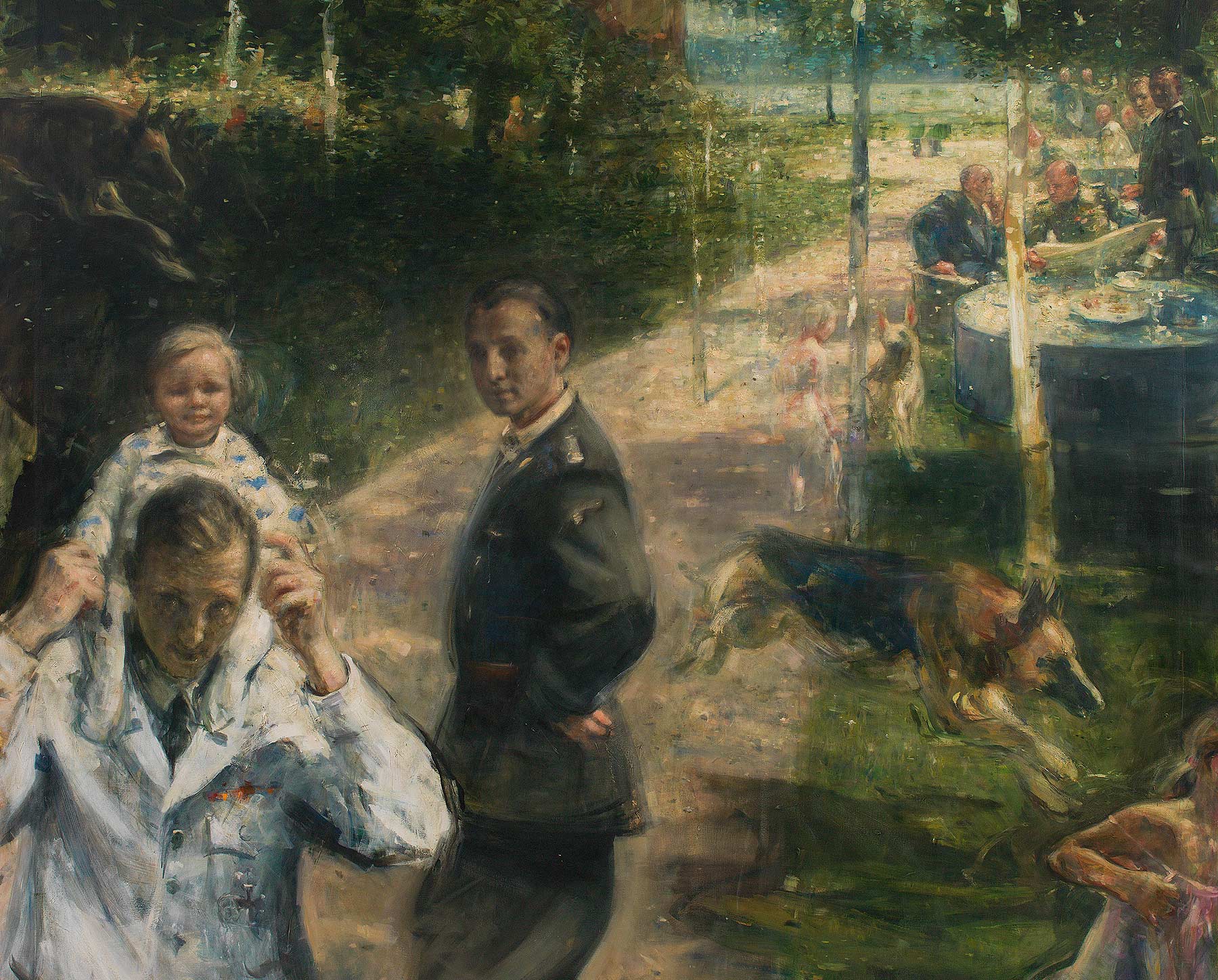
The above image is Breakfast from the series The Banality of Evil.
Senior officials of the Nazi regime met in the Berlin suburb of Wannsee, where the so-called Final Solution of the Jewish problem was determined. (The Banality of Evil , titled after Hannah Arendt’s study of Adolf Eichmann, the ruthlessly efficient SS specialist on the emigration and evacuation of Jews to extermination camps.)
The art of French-American sculptor Louise Bourgeois (1911–2010) is exhibited at Moderna Museet in Stockholm until May 17. I Have Been to Hell and Back is a major survey of Bourgeois’ oeuvre and, with more than 100 works, it is the largest exhibition in Sweden to date.
Louise Bourgeois, is one of the most important 20th and 21st-century sculptors. Her art serves as a bridge from Modernism and continues to exert its influence on contemporary artistic practices today. One-third of the pieces in the exhibition have never before been shown publicly.
Louise Bourgeois 1998. Photo Mathias Johansson
Before entering the exhibition, visitors will encounter her monumental work Maman, a gigantic spider sculpture, which is standing outside the museum. The art of Louise Bourgeois is complex, radical and full of subversive humor, danger and fear. She succeeds in formulating that which is hard to find words for, and her creative urge was intimately linked with her need to understand, imbuing her oeuvre with a compelling psychological dimension.
Sculpture Maman
The Louise Bourgeois exhibition in Stockholm at Moderna Museet includes forty-seven sculptures, one cell, one painting, and fifty-four works on paper and fabric, stretching over seven decades. The selection aims to show the range of Bourgeois’s work, and highlights her experiments in different materials, techniques and scale. Nearly one-third of the exhibits have never been shown in public before. This alone is sensational. The exhibition itself is divided into nine rooms, each highlighting a theme central to Louise Bourgeois’s work. The rooms do not follow any chronological order. Instead, the exhibition explores how themes were taken up by the artist and developed during various phases of her artistic career.
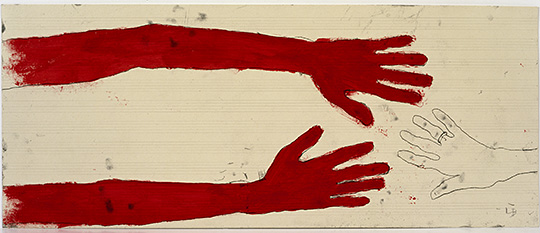
Detail from painting 10 AM is when you come to me
Louise Bourgeois was born in France, where she studied art for a number of artists, including Othon Friesz, André Lhote and Fernand Léger. She moved to New York in 1938, where she began her career as an artist.
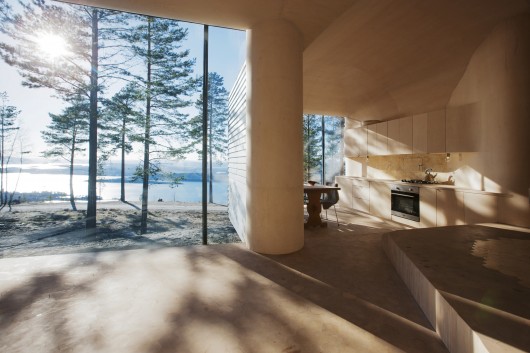
In Krokskogen, just outside the town of Hønefoss, on a steep slow with fantastic view over the lake Steinsfjorden, you’ll find Cabin Norderhov designed by Atelier Oslo.
Cabin Norderhov from Atelier Oslo is located in Krokskogen forests, outside the town of Hønefoss, half an hour’s drive from Norway’s capital Oslo. Its location on a steep slope gives a fantastic view over the lake Steinsfjorden.
The site is often exposed to strong winds, so the cabin is organized around several outdoors spaces that provide shelter from the wind and receives the sun at different times of the day.
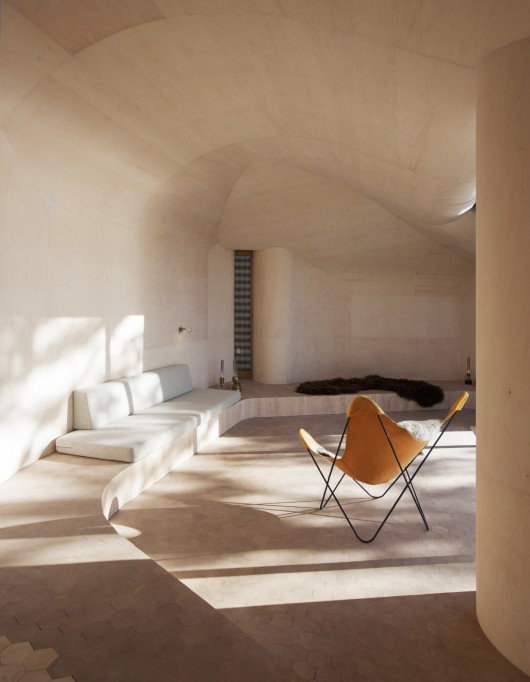
The interior is a shaped as a continuous space. The curved walls and ceilings form continuous surfaces clad with 4mm birch plywood. The floor follows the terrain and divides the plan into several levels that also defines the different functional zones of the cabin. The transitions between these levels create steps that provide varies places for sitting and lying down.
The fireplace is located at the center of the cabin, set down in the floor of the main access level. This provides the feeling of a campfire in the landscape. Seen from all levels in the cabin, you can enjoy the fireplace from far away or lying down next to it.
Large glass walls are located in the living and dining areas. The frames of the glass are detailed carefully to avoid seeing it from the inside. This creates a more direct relationship with the nature outside.
Outside, the cottage has a more rectangular geometry and the walls and roofs are covered with 20mm basalt stone slabs laid in a pattern similar the ones often used for traditional wooden claddings in Norway.
The lodge consists mainly of prefabricated elements. The main structure is laminated timber completed with a substructure of Kerto construction plywood. The Kerto boards are CNC milled and defines the geometry both externally and internally. The cabin is supported by steel rods drilled directly into the rock, supplemented with a small concrete foundation under the fireplace for stabilization.
Today we offer tips on hot spots in Stockholm for antique lovers.
Johan Sjöström Antik Johan Sjöström is an atique deaker who mixes ‘real’ antiques with contemporary design. There is something here for everyone. A fresh, personal mix of Baroque chests of drawers and mass-produced brass lamps from the 70s. You have to visit the store, since the website is practically never updated.
Sibyllegatan 39.
Antique chairs from America at Johan Sjöström Antik
Nordlings Antik As a 23-year-old, Alexander Nordling took over his aunt’s well-established antique shop in today’s hip SoFo. Together with his good friend Isaac Ström, Nordling sells cool silver, jewelry and constructivist art and design classics.
Skånegatan 86
Item at Nordlings Antik
Modernity The world’s nicest Scot has collected the best designs from the breakthrough of modernism to the present day. International design by Ron Arad is housed together with Scandinavian icons by Alvar, Aalto and Finn Juhl.
Sibyllegatan 6
From Modernity
Thunér Antikhandel In Richard Thunér’s newly reonovated showroom you will find Swedish antiques of the highest quality. Ask him about Gustavian carpenters or why the Empire period is so exciting; We promiose it will be a fruitful chat.
Karlavägen 15 A
Brandstationen
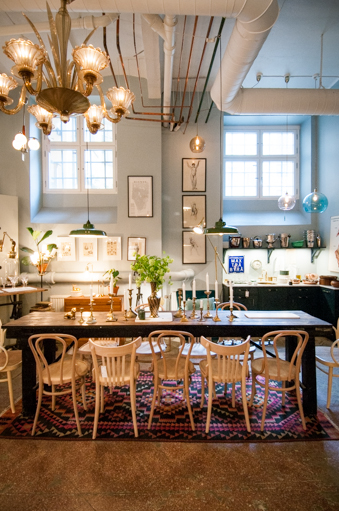
Brandstationen is an interior-decorating universe from vintage dealer Christian Quaglia & co. This is Stockholm’d most fun shop. Everything is mixed here with style. Semi-antique and bran-new in a sexy blend that evokes greed.
Hornsgatan 64
Fride Vullum-Breuer and her team at NTNU in Trondheim hope so. Together with SINTEF they work on creating a better battery with industry partners like Elkem, Rana Gruber AS, Sydvaranger Gruver AS and Norwegian Crystallities.
Will the world’s next-generation rechargeable batteries come from Norway? Norwegian scientists want to develop greener and more vigorous batteries, using inexpensive raw materials that are plentiful in Norway.
The Rechargeable Zinc-air batteries have more than twice as much energy than conventional Li-ion batteries could store. They cost less to manufacture, are safer to use, and environmentally friendly.
Norway has knowledge and, not least, clean energy and water power, which are important to produce a new type of lithium-ion batteries.
In a zinc-air battery, oxygen from room air is used to generate current. The air is used as an electrode and the battery contains an electrolyte and a zinc electrode in a casing that is porous and allows air inside. The zinc-air battery is much safer than lithium-ion batteries because there are no volatile materials inside the battery that could possibly catch fire.
Lithium-ion (Li-ion) batteries are today found in mobile phones, e-readers and laptops, and supply power to currently available electric cars.
SINTEF scientist Tommy Mokkelbost withdraws freshly baked cathode material out of a laboratory furnace. Photo: SINTEF / Gry Karin Stimo
As an initial step before entering into other segments, it is expected that the product’s technical aspect stand up to more than hundred times of recharging before showing any significant degradation on the batteries.
In Trondheim there are several disciplines and institutions working together on the project. But research programs all over the world are simultaneously racing to develop these kinds of batteries.
So, the question is, will the world’s next-generation rechargeable batteries come from Norway?
Written by Admin
Feature image (on top): Research scientists Tommy Mokkelbost and Fride Vullum-Bruer in the laboratory with powder-based materials that will be ingredients in rechargeable batteries. Photo: SINTEF / Gry Karin Stimo
Both images published by kind permission of SINTEF.