Sweden Together With Switzerland and the United Kingdom Topped This Year’s Global Innovation Index

The report is published by Cornell University, INSEAD and the World Intellectual Property Organization.

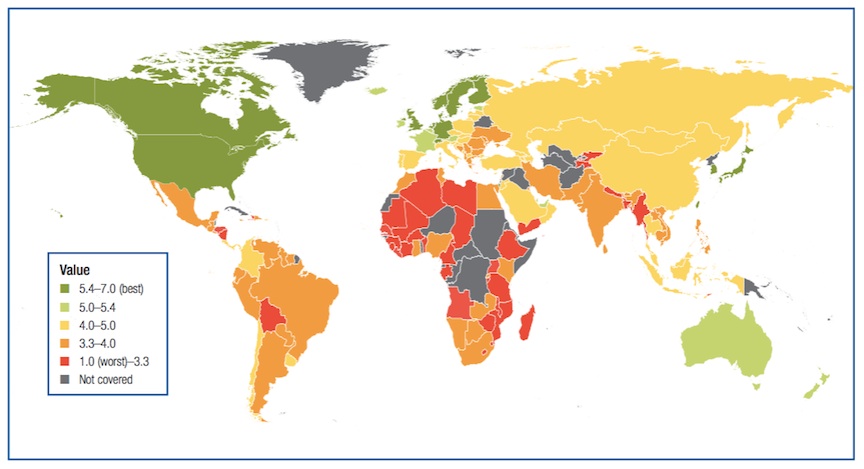
The GII 2014 surveys 143 economies around the world, using 81 indicators — to gauge both their innovation capabilities and measurable results. Published annually since 2007, the GII is now a leading benchmarking tool for business executives, policy makers and others, seeking insight into the state of innovation around the world. This year’s study benefits from the experience of its Knowledge Partners: the Confederation of Indian Industry, du and Huawei, as well as of an Advisory Board of 14 international experts.

Top Rankings

For the GII 2014, Switzerland remains the leader for the fourth consecutive year. The United Kingdom moves up a rank to second place, followed by Sweden. A new entry into the top 10 this year is Luxembourg (9th).

Top Ten 2014 ranking


1

Switzerland (Number 1 in 2013)

6

United States of America (5)

2

United Kingdom (3)

7

Singapore (8)

3

Sweden (2)

8

Denmark (9)

4

Finland (6)

9

Luxembourg (12)

5

Netherlands (4)

10

Hong Kong (China) (7)

Norway was ranked number 14, after Germany and above Israel.
020914_World_Innovation_2014

These GII leaders have created well-linked innovation ecosystems, where investments in human capital combined with strong innovation infrastructures contribute to high levels of creativity. In particular, the top 25 countries in the GII consistently score high in most indicators and have strengths in areas such as innovation infrastructure, including information and communication technologies; business sophistication such as knowledge workers, innovation linkages, and knowledge absorption; and innovation outputs such as creative goods and services and online creativity.

The quality of innovation is assessed as well. In terms of innovation quality — as measured by university performance, the reach of scholarly articles and the international dimension of patent applications — the United States of America (USA) holds the top place within the high-income group, followed by Japan, Germany and Switzerland.  Top-scoring middle-income economies are narrowing the gap on innovation quality with China in the lead, followed by Brazil and India.

The GII 2014 confirms the persistence of global innovation divides. Among the top 10 and top 25, rankings have changed but the list of economies remains unaltered. A difficult-to-bridge divide exists where less-innovative economies have difficulty keeping up with the rate of progress of higher-ranking economies, even when making notable gains themselves. This can be partially explained by their difficulties to grow and retain the human resources necessary for sustained innovation, which is the focus of this year’s report.

Bruno Lanvin, Executive Director for Global Indices at INSEAD, and co-author of the report, stresses that “As innovation becomes a global game, a growing number of emerging economies are confronted with complex issues whereby ‘brain gain’ can only be generated through a delicate balance between talents outflows (e.g. citizens seeking an education abroad) and inflows (whereby high performers return home to innovate and create local jobs, and diasporas contribute to national competitiveness). Around the world, we see encouraging signs that this is happening.”

020914_World_Innovation_Index_2014

Various Groups Score Differently on Innovation

Viewing economies among their regional or income-group peers can illustrate important relative competitive advantages and help decision-makers glean important lessons for improved performance that are applicable on the ground.

The Human Factor: The Essential Spark to Innovation

This year’s report, both through its sub-indicators and through the chapters provided by the UNESCO Institute for Statistics, the OECD and reports on India, Russia, the United Arab Emirates, South Africa and Moroccohighlights how the human factor of innovation partly explains which innovation champions remain at the top, and why some of the large emerging economies offer divergent innovation performances.

In terms of education as a subset of human capital formation the top performers within the high income group are the Republic of Korea, Finland and the UK. China, Argentina and Hungary take the top positions among the middle-income countries. All of these countries have made visible efforts to maintain or enhance the quality of their human resources through education and life-long learning.

The GII shows that better educated citizens are more successful in higher-income economies in leveraging the favorable contexts for driving innovation. As countries move up the scale of innovation sophistication, the quality of its talents in science, engineering, but also in business and management for example become even more critical.

Global R&D Spending: Strong Post-Crisis Recovery; Growth Slowing Since 

A fall in the growth of public R&D support coupled with the continued hesitancy of company R&D expenditures seems to be leading to slower overall growth of total R&D expenditures worldwide; this is the case especially in high-income countries. In many advanced countries, fiscal consolidation also seems to have negatively affected public spending on education since 2010.

Second, although governments have effectively included a significant number of future innovation-related growth projects in stimulus packages in 2009, support for such efforts seems to have lost momentum in some countries. To be sure, the majority of countries for which data are available continue to show positive R&D expenditure growth in 2013 and 2014. Yet strong R&D spending growth in 2013 and 2014 is expected to take place mostly in Asia, in particular in China, the Republic of Korea, and India.

About the Global Innovation Index

The Global Innovation Index 2014 (GII), in its 7th edition this year, is co-published by Cornell University, INSEAD, and the World Intellectual Property Organization (WIPO, a specialized agency of the United Nations).

The core of the GII Report consists of a ranking of world economies’ innovation capabilities and results. Recognizing the key role of innovation as a driver of economic growth and prosperity, and the need for a broad horizontal vision of innovation applicable to developed and emerging economies, the GII includes indicators that go beyond the traditional measures of innovation such as the level of research and development.

In just 7 years, the GII has established itself as the premier reference among innovation indices, and has evolved into a valuable benchmarking tool to facilitate public-private dialogue, whereby policymakers, business leaders and other stakeholders can evaluate progress on a continual basis.

To support the global innovation debate, to guide polices and to highlight good practices, metrics are required to assess innovation and related policy performance. The Global Innovation Index (GII) creates an environment in which innovation factors are under continual evaluation, including the following features:

  • 143 country profiles, including data, ranks and strengths and weaknesses on 81 indicators
  • 81 data tables for indicators from over 30 international public and private sources, of which 56 are hard data, 20 composite indicators, and 5 survey questions
  • A transparent and replicable computation methodology including 90% confidence interval for each index ranking (GII, output and input sub-indices) and an analysis of factors affecting year-on-year changes in rankings

The GII 2014 is calculated as the average of two sub-indices. The Innovation Input Sub-Index gauges elements of the national economy which embody innovative activities grouped in five pillars: (1) Institutions, (2) Human capital and research, (3) Infrastructure, (4) Market sophistication, and (5) Business sophistication. The Innovation Output Sub-Index captures actual evidence of innovation results, divided in two pillars: (6) Knowledge and technology outputs and (7) Creative outputs.

The index is submitted to an independent statistical audit by the Joint Research Centre of the European Commission. To download the full report visit: www.globalinnovationindex.org.

Art, Music and Architecture in the Polar Landscape of Norway

SALT is an ambitious and conceptual “leave-no-trace” event inspired by a small number of archaeological artifacts found in the polar regions pointing to traces of cultural civilization. At the focus of the event is the future of the polar region, which is undeniably melting in front of our eyes.

260814_Fish_drying-equipment_norway
From August 29 through September 1 of next year, the music, art and architecture destination SALT will reverently situate itself in Norway’s polar landscape. Like a vibrant mirage, it will manifest in this barren terrain, and then, as the last concert notes fade away, it will disappear into the ether, as if it had never been… Perhaps leaving just an addendum to time’s undocumented chronicles of man and nature.

We asked the organizational team: Why the title of “SALT”? “Salt is a requirement of life. The salty sea surrounds the Arctic and is a supplier of food and resources. Until recent times, the main way for people to travel was by sea. Salt was, and is, used to preserve food, so that the people in the North could survive the long and cold winters. Salt is also a metaphor for wisdom. Salt is a word shared by many languages, and in ancient times, it was so valuable that it was used as currency; ‘salt’ is actually the root of the word ‘salary’.”

Lasting a whole year in length, SALT will give its visitors and audience the opportunity to experience its offerings both indoors and out – from exhibitions and experimental performances, to concerts of classical and modern music, campfire readings, and child-friendly events.

SALT will cover the art, culture and environments found in various corners of the region within the Arctic Circle. The first festival series will take place on the beach of the cliff-edged island of Sandhornøya, which lies south of the town of Bodø, in northern Norway. For one week in June, a group of architects – Sami Rintala (Finland), Joar Nango (Norway) and Roger Mullin (Canada) – held an architecture seminar during which the participants began building the physical constructs for SALT. Construction will continue throughout the summer, at the end of which the grand opening of SALT will then be held.

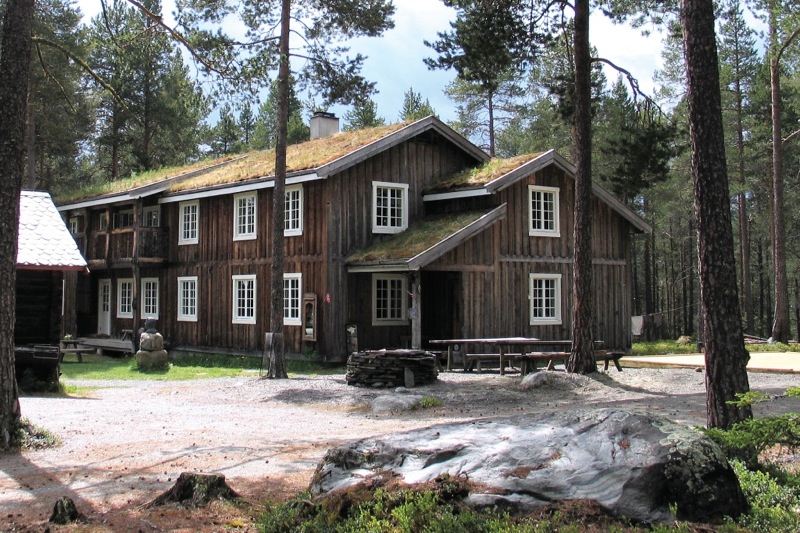
The backbone and central symbol of SALT is the architecture project “Fiske hjelle” – a traditional Norwegian structure for the drying of fish – which was developed by the Finnish architect and artist, Sami Rintala.

At the core of SALT are two central artworks: “SALT Night” for the dark part of the year, and “SALT Day”, for the light-filled summer season.

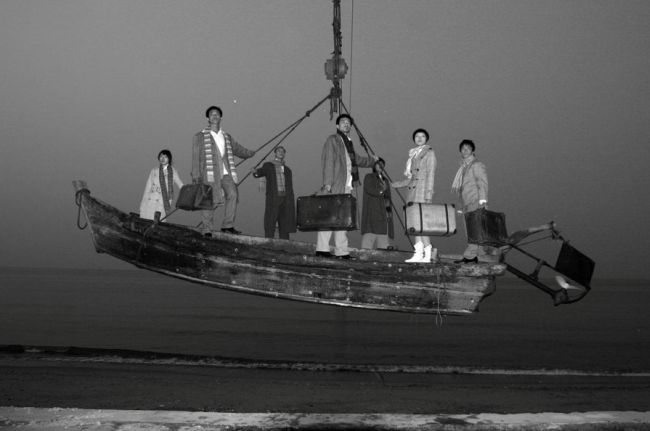
Site-specific installations – reflecting modern-day existence in a poetic and very delicate manner – have been specially made for the event by internationally renown artists. Yang Fudong (Beijing), currently one of China’s most well-known filmmakers, has created an open-air video installation.

Fudong’s films are mostly black and white, plot-less and fragmented, but at the same time – hypnotic and expressive. His work is inspired by ancient Eastern traditions that claim that the true meaning of things cannot be expressed with words, which is why the silence that is understood by the heart plays a major part in his works. Fudong’s video material for the project was filmed in both China and Norway.

In the SALT restaurant, guests will be served seasonal, authentically prepared local foods – fish, game and edibles gathered from the forest.

The architects have also designed modest, yet comfortable, lodging on site at SALT. Inspired by the the simple, yet functional, construction methods employed by the nomadic peoples of the Arctic, the architects have created a brilliant mobile tent suitable for the harsh northern climate “Njalla”.

Visitors to the event will also be able to overnight in the SALT “Siida” shelter, which can be set up anywhere – even right on the Atlantic coast if that seems comfortable to you.

This is definitely a wonderful opportunity to experience the polar landscape of Norway, combining summer festival plans with soul-enriching eco-tourism in the sublime natural environment of remote Northern Norway, and to do it all through the prism of culture and art.

In the upcoming years, SALT will travel to neighboring countries and create new festival camps in Greenland, Iceland, the Faroe Islands, Ireland, Scotland, Spitsbergen and Alaska.

These plans led us to ask SALT’s creative team the following question: In future years, will the SALT concept continue with the same philosophy as this year’s event, or will it be celebrating other aspects of each particular region? To which we received the following reply: “Yes, the philosophy will follow us where we go. It is inspired by the shared history, culture and present situation in the Arctic and across the different countries that we travel to. However, every destination has its own uniqueness and SALT will try to capture and communicate this as favorably, and as interestingly, as possible.”

We also asked the creative team to sketch out their vision of what a visitor could gain from SALT: Just for a brief second, imagine that person X  lives in the SALT resort of Sandhornøy for one whole year, with all of the SALT-offered goods and events at his or her disposal. In your opinion, how would this unique adventure – a whole year of SALT – change person X? And what can visitor Y, who spends just one day at SALT, gain?

“That is a very imaginative question, but also a difficult one to answer. I believe that even just one visit can have a profound impact on people. The beach itself and the surrounding landscapes are mind-blowing, even without SALT. It made a deep impression on me the first time I visited. Our hope is that one or several SALT experiences will fill people with respect, love and engagement for the planet we live on, and that they will take the urgent challenges that we face seriously.”

260814_Yang Fudong_Seven_ Intellectuals_in_ Bamboo_Forest
Photo above: Seven Intellectuals in Bamboo Forest, Part 4, 2007. Deutsche Bank Collection. © Yang Fudong Courtesy Yang Fudong and ShanghArt Gallery, Shanghai

260814_Salt_Festival_Norway
Opening weekend programme:

– On 29 August 2014, at 6pm, SALT’s journey will begin on the beach at Sandhornøy, with a unique experience: Chinese artist Yang Fudong’s film installation, The Light that I Feel.


– During 29 – 30 August, SALT will present an exciting combination of international, national and local visual and performing artists.

– Following the opening of Yang Fudong’s specially commissioned, site-specific installation, Friday 29 August will see an array of exciting and unique music performances, including American artist and musician Lonnie Holley.

The night will also feature performances by musicians from the Arctic Symphonic Orchestra, the world’s most northerly orchestral institution; plus DJ Are Mokkelbost and Ensemble Ylajali, a 20-piece all-female choir.

– Following the launch night, Saturday 30 August will see a second night of music and visuals, including performances by Biosphere, Wardruna, Slagr and Elle Marja Eira.

Written by: Elīna Čivle Üye Featured image (on top): Matti Aikio

Source: www.salted.no

Norwegian Cultural Landscapes

0

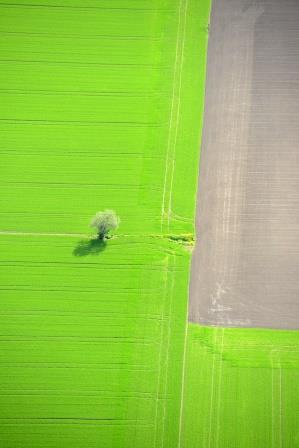
Winding rivers through green fields of lush vegetation;  patches of fields with straight lines made by agricultural equipment;  main roads passing through exciting farmland;  farmer’s crops creating incredible patterns – these are the stunning images we see in our areal photographer Lasse Tur’s book, “Norwegian Cultural Landscapes”.

????????
Professional photographer Lasse Tur’s academic agricultural background often comes into play when he is in the air on behalf of a customer or while creating images for one of his books, during which time he often sees and captures exciting Norwegian cultural landscapes.

250814_Norwegian_Cultural_Landscape_1_Photo_Lasse_Tur

250814_Norwegian_Cultural_Landscapes_CoverAfter more than 6,000 hours  in the air, Tur had accumulated collection of cultural landscape motives, enough for a book.  The only problem he had was what the title of such a book should be:

Should the book be titled “Agricultural landscapes”? No, agriculture is producing crops like wheat, potatoes and corn. Perhaps “Norwegian Horticulture”?  No, such a title was too limited.

After searching for the title, among other sources in Wikipedia, he decided on “Cultural Landscapes”, which by definition is a landscape created by human activity, not a virgin landscape.

“Sometimes it was difficult to catch the particular landscapes because of background and light,” says Lasse. “The cover photo of the book illustrates one of the more successful challenges. When I returned over that field later that day the light had disappeared and it would hardly have been a motif worth capturing.”

See other books by photographer Lasse Tur here.

250814_Norwegian_Cultural_Landscape_3_Photo_Lasse_Tur
The book has become as much a photo book as a book with a collection of photographs of cultural landscapes.

250814_Norwegian_Cultutal_Landscape_4_Photo_Lasse_Tur
“My images are design oriented. By minimizing the object in the motif I have in many cases reinforced them,” explains Lasse. “I have also concerned on what people like best, by among other things following different Facebook communities. It is quite obvious that spectacular images, bright colors and few objects belong to their favorites.”

250814_Norwegian_Cultural_Landscape_5_Photo_Lasse_Tur
An image from Enebakk, outside Oslo, on page 2, is a good illustration. On page 11 you may see a combination of simplicity in form with several nuances. On page 18 two power pylons is a part of the composition. On page 24 the Laerdal mountains give enormous dimensions to the landscape. On page 28 and 29 is a picture showing two agricultural vessels in a huge field. “A very popular image,” Lasse points out.

“There is no message in my book,” says Lasse Tur. “It is just a collection of my pictures.”

All photos: Lasse Tur, except portrait of Tur by Tor Kjolberg


Oslo’s Summer Street Charm & Waterfront Pearls

Whether a visitor for the 1st time or returning to Oslo, this city has its own unique and irresistible charm. Another noticeable fact is Norwegians love enjoying life to its fullest.

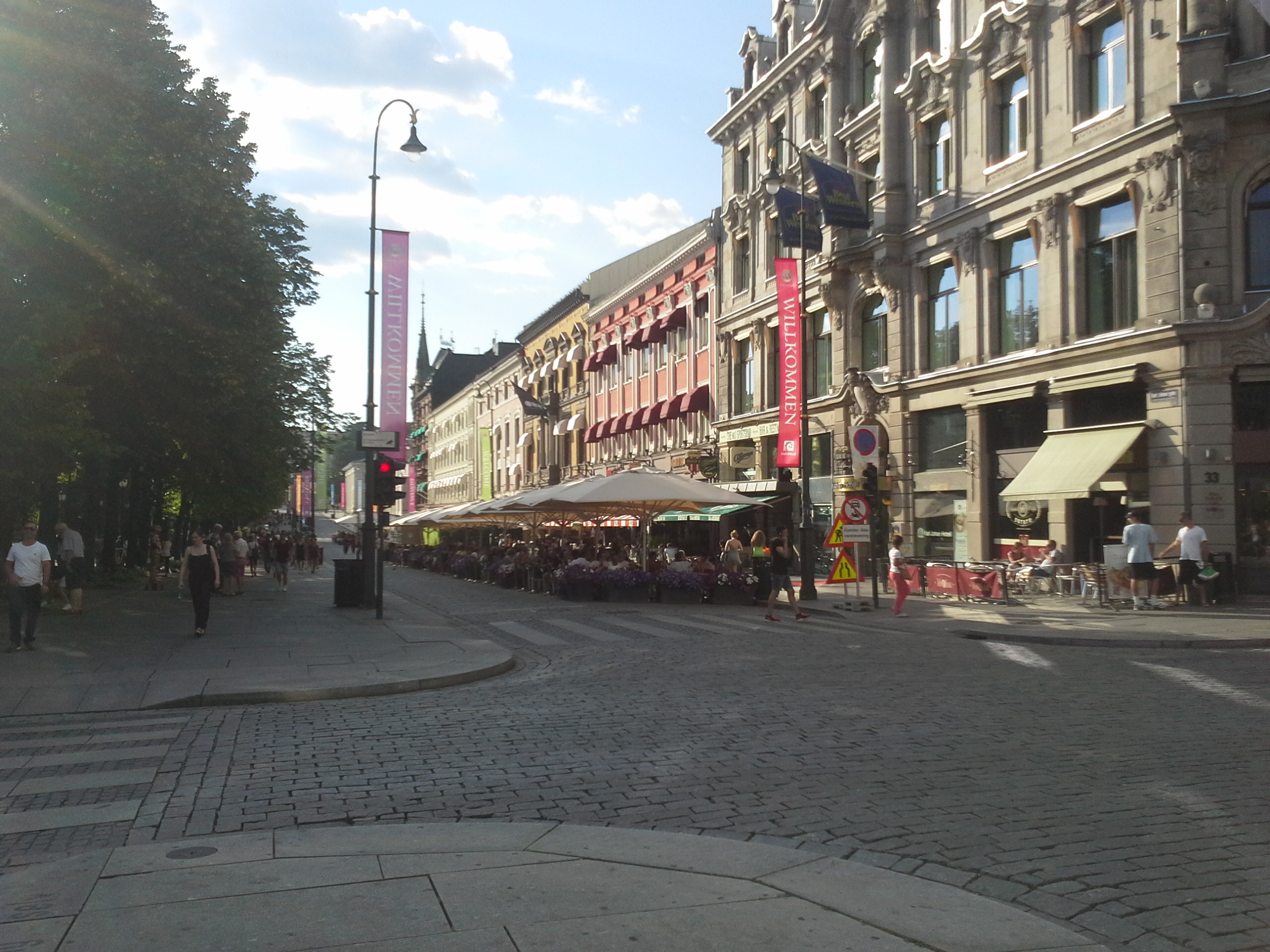
From Karl Johan, the street of human charmers, down to the mesmerizing waterfronts in Oslo will enrich your memories for the rest of your lives. Experience Oslo’s summer street charm.

220814_Oslo_Summer_Charm_1

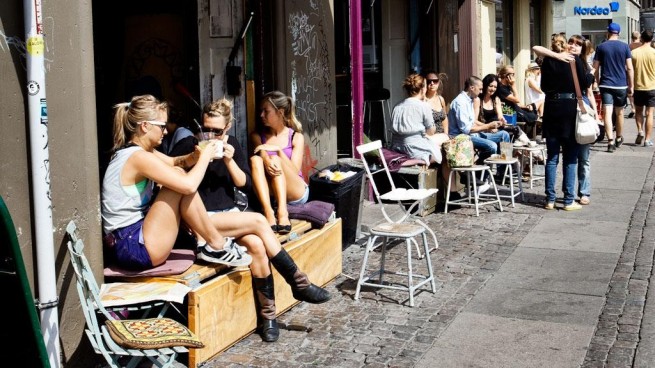
One of the best recreations Norwegians love most is to “relax” at one of many outdoor cafes  on Karl Johan on a sunny afternoon.

220814_Oslo_Summer_Charm_2
Enjoy the view of yachts and Tall Ships from Aker Festning (Fortress). Even take ferries and cruise on the Oslo Fjord.

220814_Oslo_Summer_Charm_3
Shop, eat and enjoy many of the yachts along the marina of Aker Brygge

220814_Oslo_Summer_Charm_4
Walk the channels and side streets and find hidden treasures in the many small shops of Aker Brygge.

220814_Oslo_Summer_Charm_5

220814_Oslo_Summer_Charm_6
Refresh the family and kids with a dip on a hot sunny day in Astrup Fearnley own lagoon (see picture on top).

Writer and Photos: Lars T Tanskanen

A Stockholm Portrait

0

I was expecting the capital city of one of the world’s richest, cleanest and happiest countries to be another concrete jungle of towering skyscrapers and postmodern architectural monstrosities.

Yet the only entities breaking Stockholm’s skyline are intricate church steeples and stunning monumental towers. My first thoughts when doing this Stockholm portrait were “Where are all the skyscrapers?”

210814_Stockholm_Harbour_Daily_Scandinavian

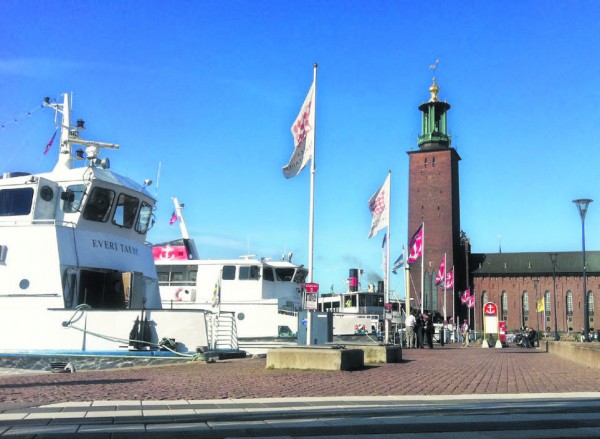
Beautiful Stockholm is a medieval city of sea, lake and land built on 14 islands. In the heart of the city, ferries and yachts dock in the Norrström Channel — where one can even fish or swim in — waiting to fetch tourists for a breathtaking peek at The Archipelago, comprising an astounding 30,000 islets, stretching 80 km to the east.

Numerous historical buildings dot the city. The most famous of them is the massive city hall, Stadshuset, and its 106m square tower topped with three crowns, the symbol of Stockholm. Located just out of the main city area, this was one of Sweden’s biggest architectural projects of the 20th century and is today the venue for major events like the Nobel Prize festivities.

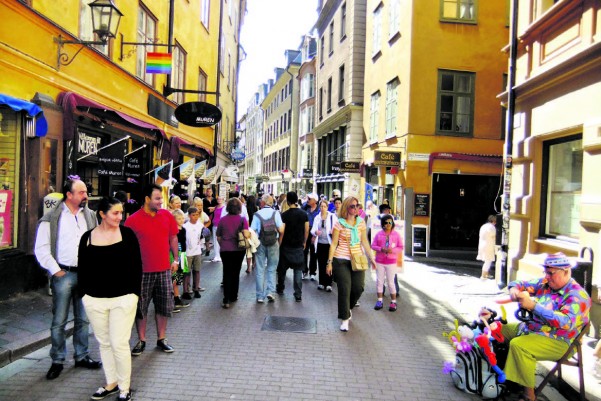
Most historical buildings are concentrated within Gamla Stan, Stockholm’s old town. A walk along its cobblestone paths and narrow alleys — the narrowest is at 3 ft wide — with yellow-plastered townhouses lining their sides, reveals buildings and monuments of heritage that tell stories dating back 700 years.

210814_Old_Town_Stockholm
210814_Amusement_Park_Grona_Lund_Stockholm

Looking on from a slight distance away, Riddarholmskyrkan with its unique latticed spire is the resting place of many royal figures, whose sarcophagi and graves lie within the church’s compounds.

With 100 or so museums here, this is one of the most museum-endowed cities in the world.

Even if you’re a museum enthusiast and bought the value-for-money Stockholm Card which allows entry to most popular museums and attractions, it’s impossible to see even half of them.

A relic in itself, the af Chapman, a 1888 freight ship permanently berthed off the island of Skeppsholmen since 1949, is a budget hostel where I stayed. The divine salmon and sausage dishes from the on-deck restaurant make this a worthy place to visit.

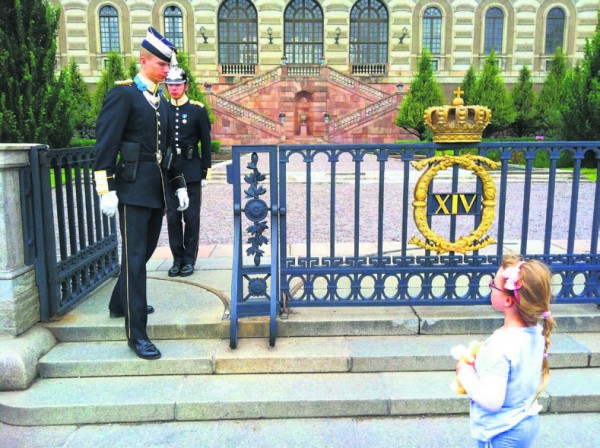
210814_Stockholm_Castle_Guards
Stockholm is also visibly artistic, and the city comes alive in a kaleidoscope of arts related events during summer. During my visit, there were nightly jazz concerts by the harbourside, art fairs and free activities at various art museums, as well as at Kulturhuset, the city’s cultural centre identifiable by a tall obelisk, which was hosting a three-day performance art event as part of the Stockholm Fringe Festival.

Taking in the Swedish arts scene, enjoying concerts in the park, sidewalk magic shows and even nude performances live in the middle of a public square are the highlights. These attracted not only a huge inquisitive crowd but also a couple of policemen who drove their police cars right up to the venue just to be part of the audience.

Written by guest contributor

Copenhagen Liveability

“Copenhagen Liveability” is a holiday concept containing three experience routes with a point of departure in the certain Copenhagen liveability combining the old and the new, castles and cutting-edge architecture and culture. Cosmopolitan yet with a small-scale and provincial, green lifestyle, Copenhagen offers the best of all worlds.

200814_Copenhagentivoli_Photo_Ty_Stange

The three suggested experience routes each have separate target groups, but can be combined according to taste and time…

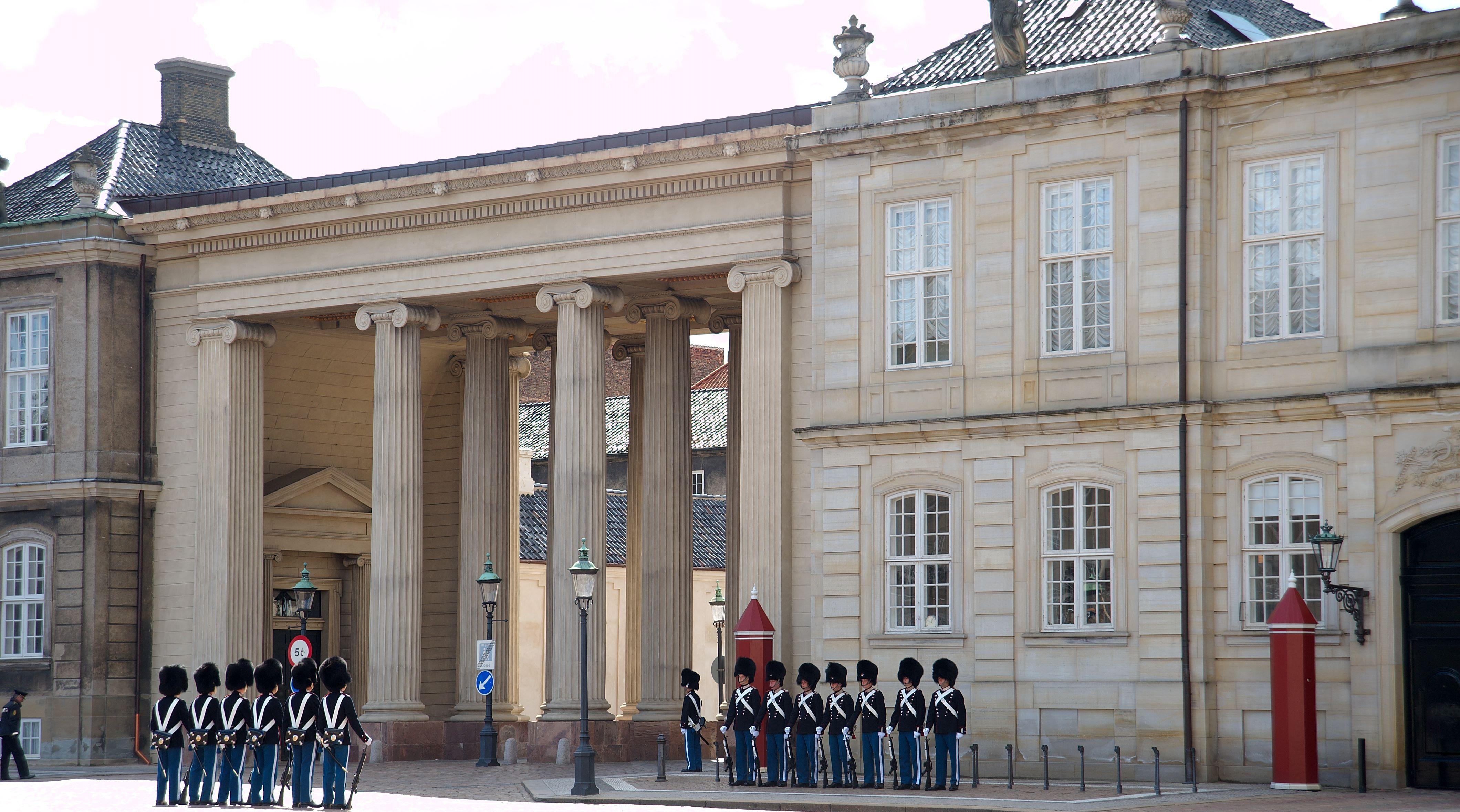
200814_Amalienborg_Castle_Copenhagen
1. A Royal Experience
 – Captures the very heart of Danish royal history and culture from the past to the present. From Hamlet’s Kronborg castle to royal shopping.

24 hours program

48 hours program

72 hours program

200814_Canal-Boat_Copenhagen_at_Nyhavn
2. Maritime Copenhagen
 – Focuses on the unique experiences from harbour baths to castles and art museums all interacting with the water – always a ever present element in the capital region.

24 hours program

48 hours program

72 hours program


200814_Royal_Cafe_Copenhagen_Daily_Scandinavian
3. New Nordic
 – The route features highlights and must-sees within the certain Nordic way of life, from architecture and design to gastronomy and art.

24 hours program

48 hours program

72 hours program

Read Cultural Evening Suggestions here
See a list of hotel recommendations here

Download the Ebook “Copenhagen – A City For Life Holiday Concept” here

Seasons, weather and climate in Northern Norway

0

The Arctic Circle marks the starting point for the midnight sun and totally dark winters lit up by the magical northern lights.

190814_north_norway_Daily_Scandinavian
Northern Norway shares the same latitude as Alaska, Greenland and Siberia, but compared to these areas Northern Norway has a milder climate. Find out what clothes to pack when planning your holiday in Northern Norway, check out recent snow reports for your destination or go to weather forecast for Northern Norway to find out about sasons, weather and climate in Northern Norway.

190814_northernlights-Harstad-Norway

Summer
In Northern Norway you can experience the midnight sun from the middle of May to the end of July. Late June to early August is when the weather is warmest with temperatures sometimes reaching as high as 25°C – 30°C.

190814_lofoten_norway_Daily_ScandinavianAutumn
Then the autumn darkness comes gradually. From late August, every new day sees the sun setting earlier and earlier. However, on bright autumn days you can enjoy nature’s sparkling colours of red, orange and yellow.

Winter
From the middle of November until the end of January, the sun does not rise at all. October, February and March are the best months for seeing the spectacular show of the northern lights.

The interior areas of Northern Norway have an Arctic type of climate in winter with snow, strong winds and severe frosts. Temperatures can reach below -40 °C in the inner areas of Finnmark and Troms, but if this does not happen every winter.

By contrast, the coastal areas have comparatively mild winters. However, gales, rain and clouds are frequent and heavy. Thanks to the Gulf Stream and warm air currents caused by the coriolis effect, the harbours along the coast of Northern Norway are free of ice throughout the year.

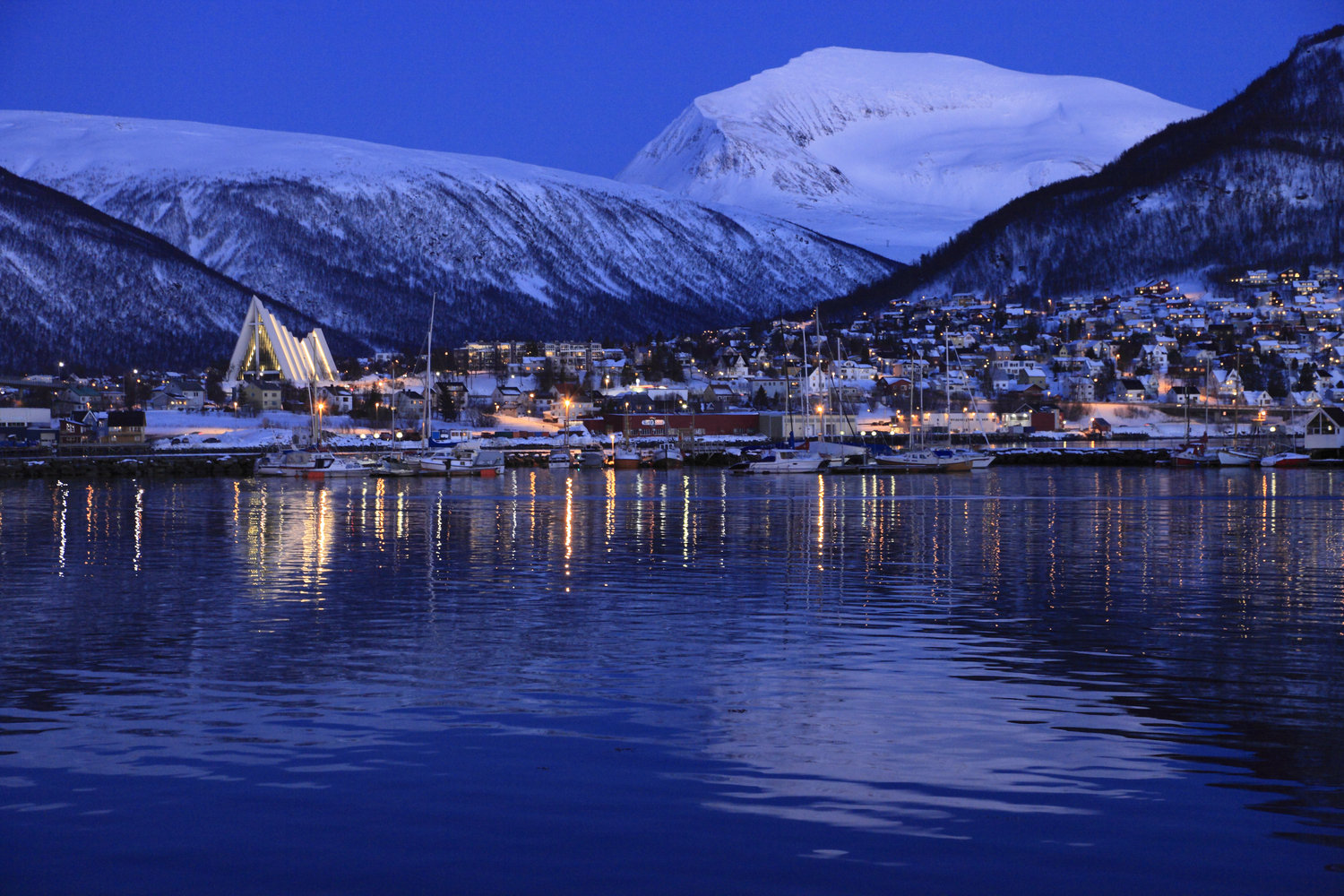
190814_Daily_Scandinavian_Tromsoe_Norway

Spring
Spring can arrive as late as the end of May, but this varies from year to year.

The interior areas of Northern Norway have an Arctic type of climate in winter with snow, strong winds and severe frosts. Temperatures can reach below -40 °C in the inner areas of Finnmark and Troms, but if this does not happen every winter.

Remember that the weather and temperatures can change quicklythroughout the entire region. So whether summer or winter, autumn or spring – bring good footwear and warm clothes.

Average daytime temperatures

Kirkenes Alta Bodø Tromsø
January -7.4°C -8.7°C -2.2°C -4.4°C
February -8.3°C -7.9°C -2.0°C -4.2°C
March -9.9°C -5.2°C -0.6°C -2.7°C
April -0.9°C -0.6°C 2.5°C 0.3°C
May 7.5°C 4.8°C 7.2°C 4.8°C
June 9.4°C 10.0°C 10.4°C 9.1°C
July 13.9°C 13.4°C 12.5°C 11.8°C
August 10.1°C 12.0°C 12.3°C 10.8°C
September 7.2°C 7.2°C 9.0°C 6.7°C
October 1.7°C 1.6°C 5.3°C 2.7°C
November -2.9°C -3.6°C 1.2°C -1.1°C
December -12.2°C -7.0°C -1.2°C -3.3°C

Source: Meteorologisk institutt and yr.no

Ida – The Oldest Complete Primate Skeleton In The World

0

Ida is the world’s oldest complete primate skeleton, and the most valuable object exhibited at The Natural History Museum of Oslo. She was bought by the museum in 2007, and presented to the world in 2009.

180814_Ida
Ida fascinates us in several ways.

How old was Ida when she died?
The teeth of fossils can tell us a lot. They can tell us which species the fossilized animal was, whether it was an herbivore or a carnivore, and they can often tell us a good deal about the animal’s age.

Mammals have milk teeth – i.e., teeth which fall out (exfoliate) when young animals grow up. The milk teeth are replaced by teeth which should last for life.

Since these permanent teeth are present inside the jaw from birth, we can see them in X-ray images. Below we see what the teeth of a seven-year old human child look like, compared with an X-ray of Ida’s teeth. In both, we see some teeth which have other teeth below and behind them. These are milk teeth which will be pushed out. We can also see that both Ida and the child have molars which have not emerged yet.

By comparing Ida with other primates, we can determine that she had reached the age when tooth exfoliation had started.

Where did Ida live?
Ida was found in 1983 in the Messel Pit, a disused oil-shale quarry near the German city of Frankfurt. At the time, the pit was about to become a garbage dump. It was widely known that it contained a great number of unique fossils, and both professionals and amateurs were involved in an intense fossil hunt, endeavouring to unearth the goodies before opportunity was lost.

In 1995 the plans for a garbage dump were finally abandoned, and The Messel Pit was declared a UNESCO World Heritage Site. However, the German authorities now faced a new problem: What were they to do about all the fossils which had wound up in private hands?

180814_Messel_today
Privately owned fossils are not available for research. In order to draw conclusions and allow other researchers to validate them, the fossils must be available in public museums for researchers to study. With all these fossils in private hands, there was a risk that valuable knowledge would be lost because the owners feared prosecution for illegal fossil hunting.

German authorities therefore decided to declare a general amnesty for fossils unearthed before 1995. Thus the owner of Ida could now legally sell her, if she or he wished to.

What did the world look like when Ida lived?
50 million years ago, the continents had begun to find their present shape. But we can see that Europe was not one continuous land mass, the way it is today. It was rather a cluster of islands, not unlike today’s Indonesia.

The ninth primate fossil – Ida

Adapted excerpts from an article by professor Jens L. Franzen, The Senckenberg Museum in Frankfurt, in Natur und museum # 1 2010. See also: Who were Ida’s relatives?

We were hugely surprised when a complete primate fossil turned up at the mineral and fossil fair in Hamburg in December 2006. The fossil was even surrounded by fossilized soft tissue, preserved all the way to the tips of its hair! Only the fur of the tail was incomplete. Comparisons with the sixth primate find from Messel revealed that these two finds were each other’s counterparts.

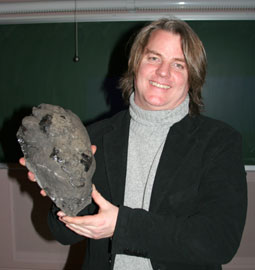
“Personally, I was made aware of the find through an e-mail from Jørn Hurum, a colleague from The Natural History Museum of The University of Oslo. I received the news about the fossil and got the opportunity to see the pictures on my 70th birthday, and I could not have wished for a better present. It was simply incredible!”

180814_Dr-jorn_hurum

The only complete fossil primate
To begin with, Ida, Darwinius masillae, is the only complete fossil primate of any age that has ever been discovered.
Until now, scientists studying early primate evolution in the Middle Eocene Period have only had fragments of fossils to study.
They are trying to understand how early primates split into the prosimian and anthropoid groups.

Miraculous condition
Now they have a fossil that is not only extraordinarily old, but also preserved in astonishing detail. For a creature of any age, she is in a miraculous condition. Ida is the oldest complete primate skeleton in the world.

Her skeleton is almost 100% complete. Around the skeleton is a shadow of the fur, and among the bones, where the intestines would have been, are the fossilized remains of her last meal.

Studying all these features allows us to reconstruct her life history, the way she moved and her diet. There is no primate fossil from the Eocene from which we can learn so much – in fact, there is no primate so well preserved before human burials.

Evidence for evolution
Charles Darwin first proposed and gathered evidence for the theory of evolution by natural selection.
He proposed the idea that species change over time, gradually evolving into new species. But when he published his groundbreaking theory in On the Origin of Species in 1859, there were major gaps in the fossil record.

Just two years later, in 1861, the famous transitional fossil Archaeopteryx was discovered. This beautifully illustrated an intermediate form between dinosaurs and birds, supporting Darwin’s ideas.
significance of Ida and where she fits into the story of early primate evolution.

Until January 4 2015, the real Ida has been lent out to the Munch Museum in Oslo for an exhibition called Through Nature.

The Natural History Museum at the University of Oslo is Norway’s most comprehensive natural history collection. For almost 200 years, preserved plant specimens, animal specimens, rocks, minerals and fossils have been collected, studied and preserved here.

A selection of specimens are on display for the general public, in the Geological Museum and the Zoological Museum. Both are to be found in the beautiful Botanical Garden. Located at Tøyen in the east of Oslo city centre, the garden is not only popular for recreation, but is a scientific collection in itself.

Norway’s Leading Hotel

Grand Hotel Oslo was named “Norway’s Leading Hotel”, and received the award “Norway’s Leading Suite” at the World Travel Awards in Athens earlier this month.

140814_grand_hotel_facade

World Travel Awards is regarded as the tourism industry’s Oscar, and was this year held for the 21st time. The prizes are a result of more than 500,000 individual votes among business and leisure travelers.

In addition to the two prices the hotel was nominated “Norway’s Leading Business Hotel” and “Norway’s Leading Spa Hotel”.

Grand Hotel won these categories in 2013 and 2012, respectively.

– The two prizes are an important confirmation that the work we put into the hotel being noticed and appreciated, says a proud executive director of the Grand Hotel, Frederikke Næss.

Grand Hotel has undergone a major renovation during the last years to meet today’s individual needs. Each of the hotel’s deluxe rooms and junior suites are renovated.

– The award is a big victory for the hotel and a recognition of the long-term and good work being done every day by all who work here, says the CEO of the mother company, Scandic Norway, Svein Arild Steen-Mevold.

Svein Arild Steen-Mevold
Grand Hotel was founded 140 years ago by Julius Fritzner, on August 15. In spite of the modernization, the hotel has retained its classic style, and is still the epitome of a dignified world class. The hotel is full of tradition and history, with Henrik Ibsen and Fridtjof Nansen among former regulars, and Nobel Prize winners, rock stars and state leaders preferred accommodation in Oslo.

– It is important for us to maintain the history. It is the soul of the Grand Hotel. At the same time we have in the course of more than 140 years developed and renewed the hotel in step with the times, which makes the hotel stand out as modern, functional and luxurious, says Næss.

Other Norwegian prize winners were:

Norway’s Leading Boutique Hotel – Herangtunet Boutique Hotel

140814_Herangtunet-boutique-hotel-norway

Norway’s Leading Business Hotel – Comfort Hotel Grand Central

140814_Grand_Central_hotel_Oslo_Norway

Norway’s Leading Resort – Radisson Blu Resort, Trysil

140814-Radisson-blu-resort-trysil-prestige-norway

Norway’s Leading Spa Resort – Farris Bad, Larvik

140814_Farrisbad_hotel_norway

Axor Shower Products by Front

0

Front Design Group was inspired by Water pathways in their most original form. It wanted to draw attention to the hidden aesthetics of technology in a particularly elegant way, turning pipes, joints, valves and funnels into a new shower set.  150814_Daily_Scandinavian_Overhead_Shower_Wall_by Front_Grohe

The Stockholm based design group Front consists of Sofia Lagerkvist, Charlotte von der Lancken and Anna Lindgren. The products are sold as Axor Shower Products.
150814_Daily_Scandinavian_Front_Design_Group_Stockholm

Their works are based on common discussions, explorations and experiments and they are all involved in the projects from initial ideas to the final product. Front’s design objects often communicate a story to the observer about the design process, about the material it is made of or about conventions within the design field. In their work they have assigned part of the making of design to animals, computers or machines. Front has made a constantly changing interior, created objects with explosions, robotic furniture and a range of furniture inspired by their fascination with magic. You may watch other products by Front here.