
Best-selling Norwegian Author Maja Lunde

0

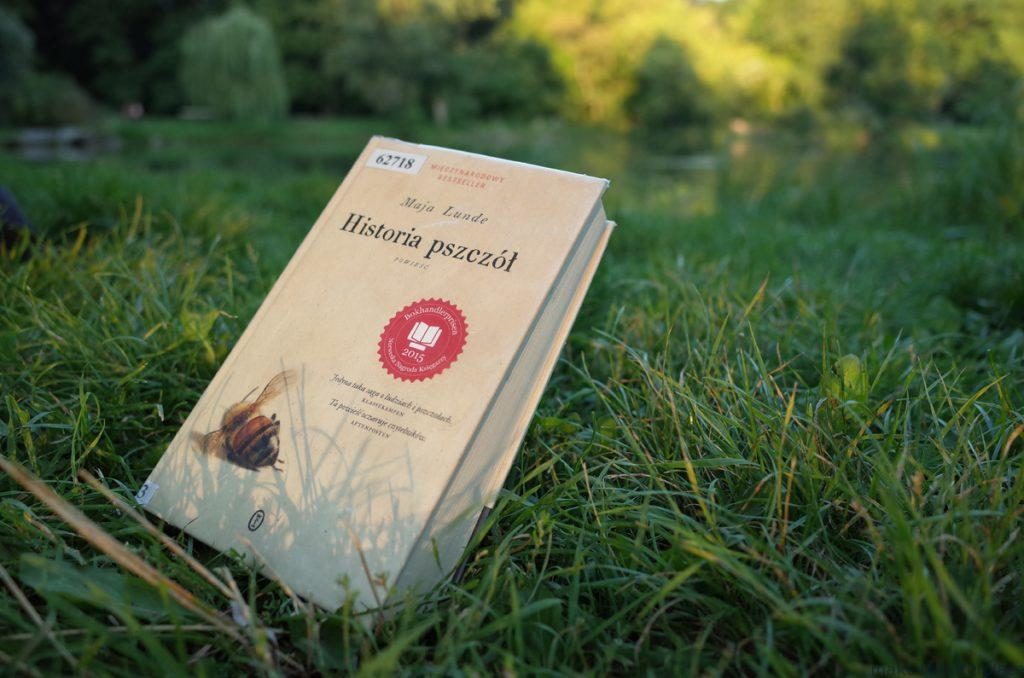
Best-selling Norwegian Author Maja Lunde created Harry Potter circumstances in the bookstores before Christmas last year. In Germany, she was the author selling the highest number of books in 2018. Best-selling Norwegian author Maja Lunde’s book The History of Bees has been sold to 32 territories.

Previously Lunde has been focused on writing for children and television. In 2015, however, she wrote The History of Bees, which was no. 1 on Der Spiegel’s bestseller-list in May 2017, and the book has been on the list for more than 100 weeks.

Best-selling Norwegian Author Maja Lunde
The book may feel a bit sticky-sweet in places, and the humans-as-bees metaphor that provides the struts for the story is at times less than subtle

Her first novel feels uncomfortably close to non-fiction that hasn’t quite happened yet. Pesticides kill the bees. Crops die. We die. Maja Lunde creates the strong sense of already being halfway down an apocalyptic path and she provides a lot of possible answers about environmentalism.

Related: Love – New Norwegian Novel

The History of Bees
The History of Bees follows three generations of beekeepers from the past, present, and future, weaving a spellbinding story of their relationship to the bees—and to their children and one another—against the backdrop of an urgent, global crisis.
Best-selling Norwegian Author Maja Lunde
The History of Bees, was no. 1 on Der Spiegel’s bestseller-list in May 2017, and the book has been on the list for more than 100 weeks

The story begins in England in 1852, where William shutters his seed shop and takes to bed, unable to buck up even as his family comes close to starvation. Cross to Ohio 155 years later, another father, George, has spent his life keeping bees the old-fashioned way, and he expects his only child, Tom, to do the same.

In 2098 China, Tao hand paints pollen onto the fruit trees now that the bees have long since disappeared. When Tao’s young son is taken away by the authorities after a tragic accident, she sets out on a grueling journey to find out what happened to him.

“I start out with just trying to imagine how things can be and can look — but it is fiction,” says Maja Lunde

Related: Waffle Hearts – A Brilliant and Big Hearted New Book from Norway

The book may feel a bit sticky-sweet in places, and the humans-as-bees metaphor that provides the struts for the story is at times less than subtle.

Best-selling Norwegian Author Maja Lunde
“I think you need to ask an expert on weather and water and endangered species. They know the numbers. What I do is I try to imagine how it can be. The lack of water is also a main issue in my book, Blue (1917), which takes place in 2041 and the bees have started to disappear already. So, I start out with just trying to imagine how things can be and can look — but it is fiction,” said Maja Lunde in an interview with The Talks.

Maja Lunde is one of Norway’s most successful authors on the international stage. She is an educated media specialist with a master’s degree from the University of Oslo and works as an author and screenwriter. She has written nine children’s and young adult books, including “Battle”, “Across the Border” and the series “The Coolest Gang in the World”.
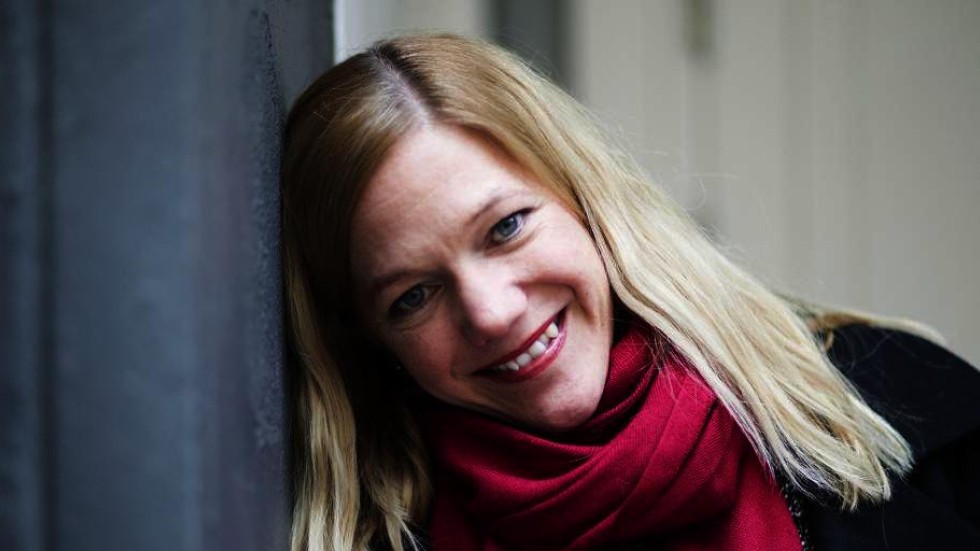
Best-selling Norwegian Author Maja Lunde
Maja Lunde is one of Norway’s most successful authors on the international stage

She has also written the script for the TV series “Children’s Supershow”, the drama series “Home” and the humor series “Side by Side”, among others. All of these were huge successes.

“The History of Bees” (2015) was her first novel for adults. So far, publication rights have been sold in 32 countries and received several prizes, including the prestigious Bokhandlerprisen (Norwegian Booksellers’ Prize). It was the best-selling book in any genre in Germany in 2017. Her second novel “Blue”, was published in October 2017 and is so far sold to 15 territories.

Related: Two Sisters from Norway

Best-selling Norwegian Author Maja Lunde, written by Tor Kjolberg

New York’s Most Popular Ice Warrior – Norwegian Mats Zuccarello

0

Mats Zuccarello is one of New York Rangers’ most popular players. In a radio podcast interview with Norwegian reporter Roy Kvatningen last month, Zuccarello expressed his feelings as the final year of his contract is set to expire at the end of this season. New York’s Most Popular Ice Warrior – Norwegian Mats Zuccarello – is it time to leave the Rangers?

He is described as a player who goes “above and beyond the call of duty” on the team, and has lead the team in points 4 of the last 5 seasons. In his native Norway he is even more popular where he has a rock-star status.

New York’s Most Popular Ice Warrior – Norwegian Mats Zuccarello
Zuccarello is described as a player who goes “above and beyond the call of duty” on the team

Related: Scandinavian Sports Heroes

“A trade appears to be most likely, I guess I’m prepared for it, I’m just waiting for it to happen. It’s a tough spot to be in, if I’m being honest,” said Zuccarello in the podcast. And it seems he doesn’t fit the same way he did in the past.

Zuccarello is the most successful N.H.L. player to come out of Norway, a country of less than six million people. The 31-year-old has been a fan-favorite, a New York Rangers employee since the 2010 season. For nine seasons he has dazzled the fans with impossible passes, big-time goals and a love for New York City and its Rangers fans.

New York’s Most Popular Ice Warrior – Norwegian Mats Zuccarello
Zuccarello has lead the team in points 4 of the last 5 seasons

New York’s Most Popular Ice Warrior – Norwegian Mats Zuccarello
No one has been working as hard or is as smart as Zuc. His freezeout-shootout-style, his playmaking (unselfish often enough to the detriment of the play when he doesn’t shoot), and his grit should make him quite a valuable asset. However, entering the last year of his contract, it’s unlikely he’ll fetch a something at the moment, but teams will be calling about him in the coming months.

Related: Norway’s Flashing Curling Pants Are Back

Zuccarello, a 5-foot 7-inch forward from the Oslo suburb of Loren, has been beating the odds his entire career. He was one of only two Norwegians to play in the N.H.L. last season. He has excelled at every stop and gave his blood and almost his career away in a game 5 playoff match against the Pittsburgh Penguins when a Ryan McDonagh slapshot hit him in the head, the results left him unable to speak for a few days. As always, he battled to get healthy and back in the lineup.

New York’s Most Popular Ice Warrior – Norwegian Mats Zuccarello
In his native Norway Zuccrello is even more popular where he has a rock-star status

The Rangers in a rebuilding mode
However, his career with the Rangers may soon be over since the team at the moment is very much in a rebuild mode. The Rangers are also playing in a much different, upstart environment – one that Zuc probably isn’t accustomed to. The Rangers will probably let Zuccarello go.

Related: 30 Steps in Five Leaps

They did the same thing in 1994 trading fan-favorite Mike Gartner at the trade deadline and the Rangers went on to Stanley Cup glory.

New York’s Most Popular Ice Warrior – Norwegian Mats Zuccarello, written by Tor Kjolberg
Castle Island, Copenhagen

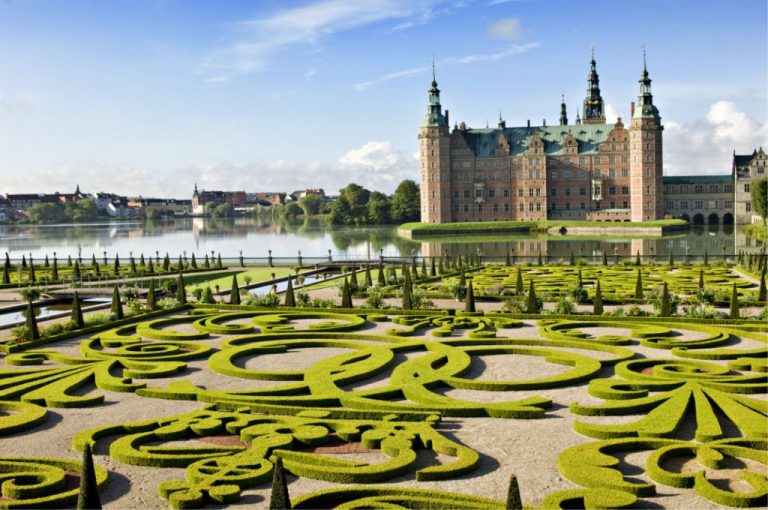
To the southeast of Strøget, the main shopping area in the capital of Denmark, lies Slotsholmen (Castle Island). Surrounded by canals, the island is the seat of the Danish Parliament and government ministries. Din’t miss a visit to Castle Island in Copenhagen.

Bishop Abasalon built a fortress on the islet in 1167. The fortress was replaced by a new castle in 1367 and from 1416 it was the home of the Danish king. In the 1730s King Kristian VI ordered a new palace. This one, a magnificent Baroque building, burned in 1794 and was replaced with another new palace which ill-fated as it was, burned down in 1884.

Castle Island, Copenhagen
Christiansborg Castle from Royal Riding Grounds

Castle Island, Copenhagen
The present version of Christianborg Palace is around 100 years old and contains Parliament, the prime minister’s office, the Supreme Court and the Royal Reception Chambers. The granite façade of this imposing building was made from stones gathered in every parish in the country. The equestrian statue, erected on the Palace Square, depicts King Frederik VII (1843-63).

Related: Scandinavian Royal Line

Royal reception chambers. Photo: Mikkel Granlund

House of Parliament
The public may join conducted tours of the House of Parliament in English, year-round. The stately Royal Reception Chambers, still used by the royal family, are richly decorated and contain 11 modern gobelin tapestries commissioned for the Queen’s 50th birthday.

The Ruins of Absalon’s Old Fortress and the medieval castle are accessible to visitors and make an interesting “underground” visit.

Castle Island, Copenhagen
Copenhagen Supreme Court

The Palace Chapel
The Palace Chapel, inaugurated in 1826, is located to the north of Christiansborg. Behind the chapel is Thorvaldens Museum, which contains the works of Denmark’s great sculptor, Bertel Thorvaldsen (1770-1844), who lived and worked in Rome for 40 years.

Related: Botanical Gardens and Rosenborg Castle in Copenhagen

In front of Christianborg is the Ridebanen, the royal riding grounds, from the 1740s bordered by the only surviving buildings from the first Christianborg. The royal horses are still exercised here, and their stables can be visited on the southeast side of the square – the Museum of Royal Stables and Coaches (Kongelige Stalde og Kareter).

Castle Island, Copenhagen
From the Theatre Museum, Copenhagen

The Theatre Museum
Adjacent to the stables, the Teatermuseet is one of the oldest court-theatres in the world, designed in 1766 by the French architect Nicolas-Henri Jardin. The equestrian statue on the riding grounds depicts King Kristian IX, who died in 1906.

Castle Island, Copenhagen
Copenhagen Stock Exchange. Photo: Thomas Hyrup Christensen

The Stock Exchange
East of Christianborg is another of Copenhagen’s best-known buildings, the Stock Exchange, built in 1619 in Dutch-Renaissance style by Kristian IV. Its prominent spire is formed by the entwined tails of four dragons said to protect the building from fire. On the southeast side of the island is the Royal Library (Det Kongelige Bibliotek) and its “Brick Diamond” – an architectural wonder of old and new.

Castle Island, Copenhagen
Royal Library, Copenhagen. Photo: Wikipedia

The Royal Library
Det Kongelige Bibliotek dates back to 1482 and is the largest library in Scandinavia, with more than 2 ½ million volumes. The Black Diamond, completed in 1999, is a modern extension in black polished granite perched on the water’s edge.

Castle Island, Copenhagen, written by Tor Kjolberg
Portrait of Two Norwegian Geniuses

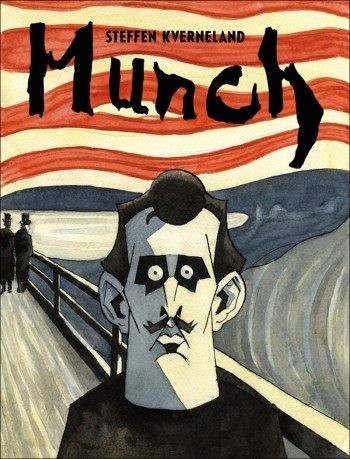
The Norwegian graphic novelist Steffen Kverneland’s biography of artist Edvard Munch is a digressive delight. His biography of Edvard Munch is the first and only comic that has received the Brageprisen for best non-fiction, Norway’s most prestigious literary award. Read more about the portrait of two Norwegian geniuses.

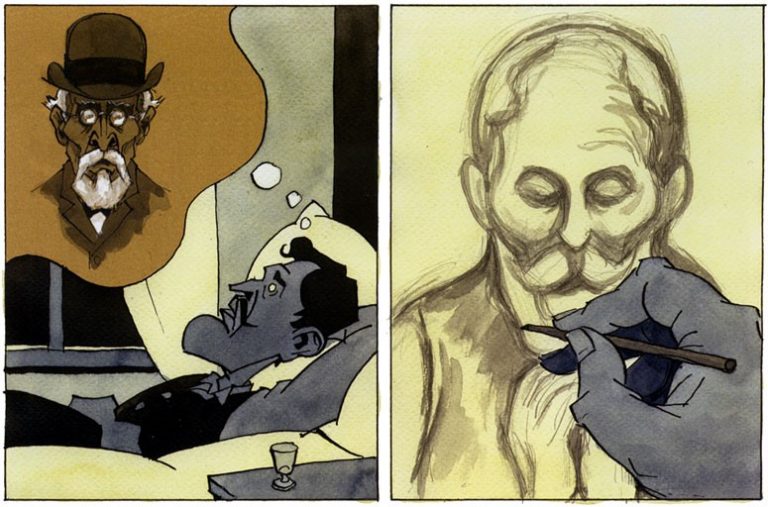
Munch’s “The Scream” is one of modern art’s landmarks. Its skull-shaped, foetus-like visage with the anguished gaze made its Norwegian creator infamous until he died. Steffen Kverneland’s graphic biography of Edvard Munch (translated into English by Francesca M Nichols) begins in 2005 at the museum devoted to the Norwegian artist in Tøyen, Oslo.

Portrait of a Norwegian Genius
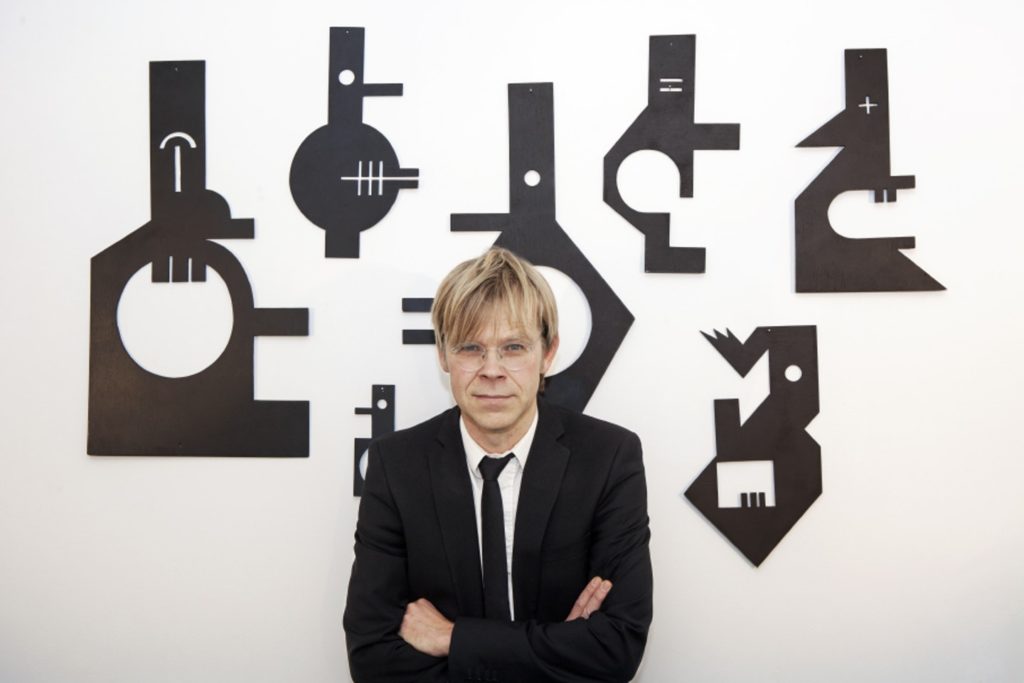
Steffen Kverneland selfportrait

The book features Kverneland and fellow artist Lars Fiske. There is hardly any domestic award Kverneland and Fiske have not received for their comics, either together or separately. To this day, however, pundits still debate what it shows. Is “The Scream” an existential howl? A tortured self-depiction? Or just the marketing of misery by a talented victim?

Related: World-famous Contemporary Artist Interprets Edvard Munch in Oslo

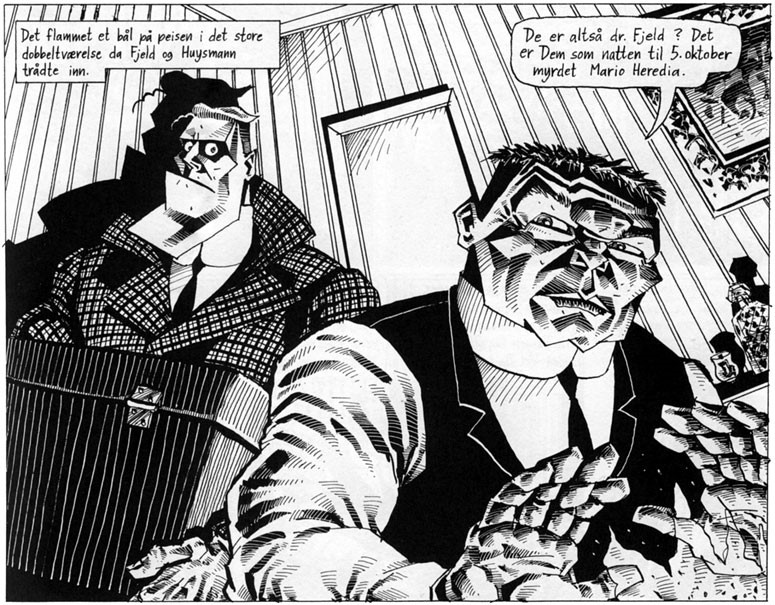
Wandering its galleries at Tøyen in Oslo with his friend and collaborator, Lars Fiske, the pair work themselves up into quite a frenzy. Kverneland and Fiske have made their mark in Norwegian comics since the mid-1990s. Kverneland (b. 1963) with crime adaptation De knyttede never (The clenched fists) in 1993. It was named Norway’s comic of the year. Kverneland has made portraits his specialty, while Fiske is doing various newspaper assignments, collected in the book My Style (2014).

Kverneland bought his first serious book on Munch at age fifteen. This was a year before he started to create comics, initially publishing strips in the humor magazine KOnk.  The artist has put himself into the story.

Portrait of a Norwegian Genius
Amputated Classics, by Steffen Kverneland

In an interview with the Norwegian literary journal Bokvennen, Kverneland said, “I’m looking for innovative, different things. I’m not so much looking for the reading experience, I’m more after new ways to perceive comics. Honestly, I’m most concerned with form. To me comics reading is curricular activity. This probably sounds terribly boring, but I do think it’s fascinating. I get a real kick out of reading something that is innovative, almost more so than a good story.”

Related: Black Metal Meets Edvard Munch in Oslo

Kverneland’s style is brassy and bold – distinguished by taut lines and boisterous, gonzo graphics. But the artist, who is also a wonderful portraitist, has engaged in several projects that make great lives accessible. Previously he has worked on the likes of Edgar Allan Poe and Henrik Ibsen. Yet, over the years, he slowly inched closer to Edvard Munch.

Portrait of a Norwegian Genius
There is hardly any domestic award Kverneland and Fiske have not received for their comics, either together or separately

The book, tracking back and forth through key events in Munch’s life, has become more a scrapbook than conventional biography. On Lars Fiske’s particular qualities, Kværneland says he has many strong qualities. “While I have no strict framework, Lars is quite the opposite. He is minimalist and very strict. In this book, Lars kept the total view. He took care of the main threads of the story, and made sure all the important bits were included. Together we also managed to shave off unnecessary drivel.”

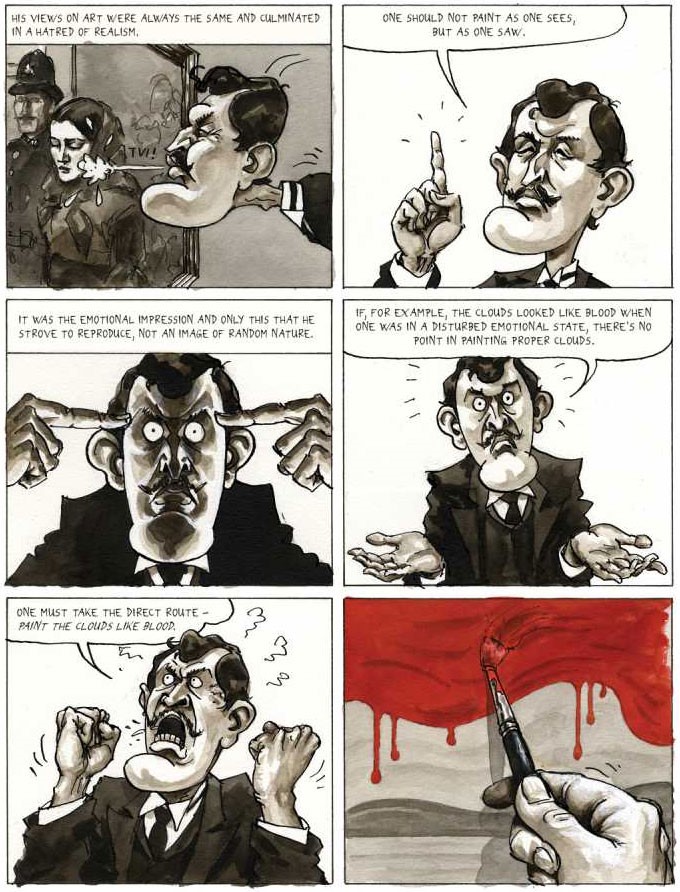
Although there have been countless Munch biographies, Kværneland felt the comic-book format held new possibilities. To up the ante, Kverneland made a central, radical choice: in place of reported speech, Munch would tell his story. The artist would be heard only in his actual voice.

Related: Edvard Minch Trough the Eyes of Andy Warhol

Portrait of a Norwegian Genius
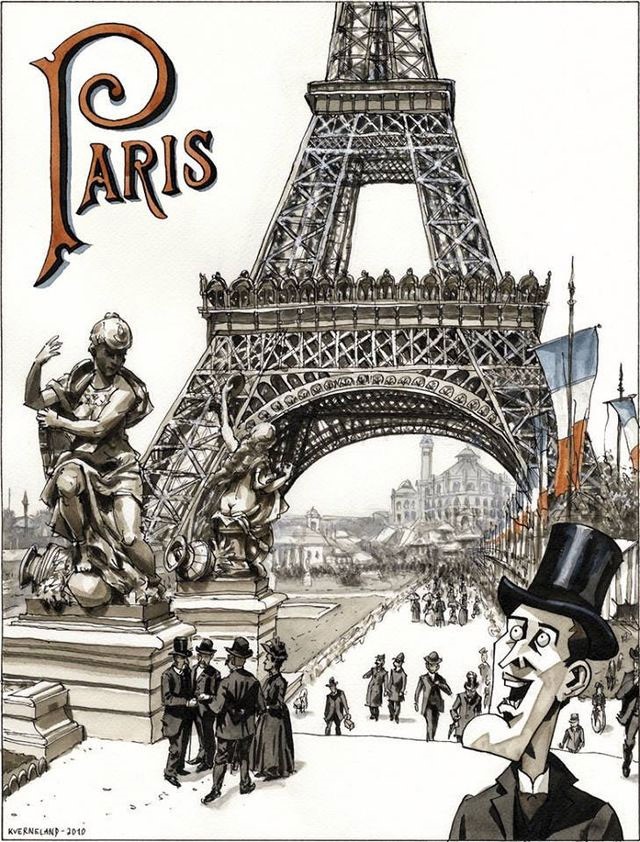
Kverneland on Edvard Munch in Paris

However, many facts are missed out altogether. About Munch’s most famous painting, “The Scream”, Fiske says, “It’s like the sickest self-portrait ever, like Ben Kingsley with planets for eyes.”

Nevertheless, it’s a mesmerizing read, taking the eternally impoverished (because he was famously reluctant to sell his work) and periodically unstable Munch from Christiania (now Oslo) to Paris and Berlin and back again.

Portrait of a Norwegian Genius
The book on Edvard Munch features Kverneland and fellow artist Lars Fiske

“In our Munch biography, the thematic context was more important than the chronological,” says Kværneland.

Stubborn and frequently arrogant, Munch is rarely a sympathetic figure in this version of his life; there’s a reason why Kverneland makes him look, as a younger man, all chin and waxed moustache.

Portrait of a Norwegian Genius
Edvard Munch, Lverneland’s book-cover

“The idea was to make the paintings as identical to the originals as possible, but in watercolor. I’ve always liked to copy,” says Kværneland. “It’s like meditation, only using your craft. Painting in oil and watercolour, as I did use, are very different techniques. I had to distil every stroke of his brush. This took a lot of thinking, and I learned very much about Munch’s way of painting. It was almost a physical analysis of each stroke he had done, which made me see the pictures in a more slow and thorough manner,” he concludes.

But his originality and commitment to his art is never in doubt and it’s this that gives the book its singular energy. Funny and irreverent, it makes Munch seem very human, even as it places his genius beyond doubt.

Portrait of a Norwegian Genius
Lars Fiske

For those who love art, comics or just great storytelling, there’s much more to relish inside Munch. Not only is its visual presentation a tour-de-force. The big surprise is how Kverneland subtly shows us something ineffable. His book captures art’s essential, accretive genesis – how, over time, many separate moments and events can cohere into something original. The Scream’s long evolution takes up more than fifty pages. Yet, at the same time, it’s the book’s true story.

Portrait of Two Norwegian Geniuses, written by Tor Kjolberg
Northern Lights and Midnight Sun Skiing in Norway

0

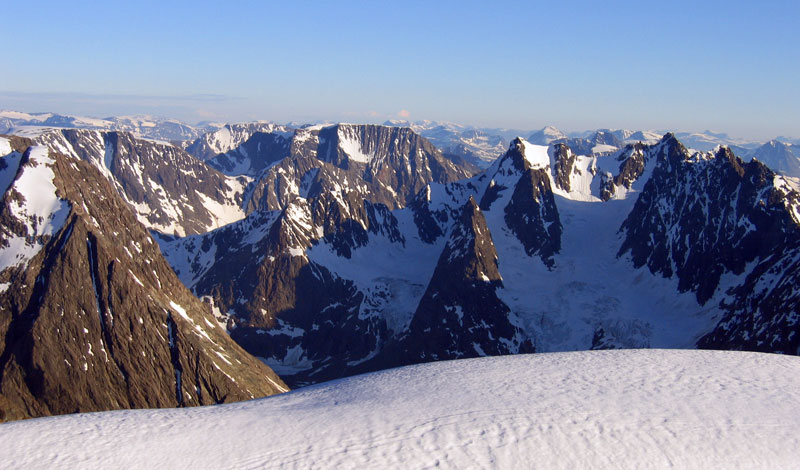
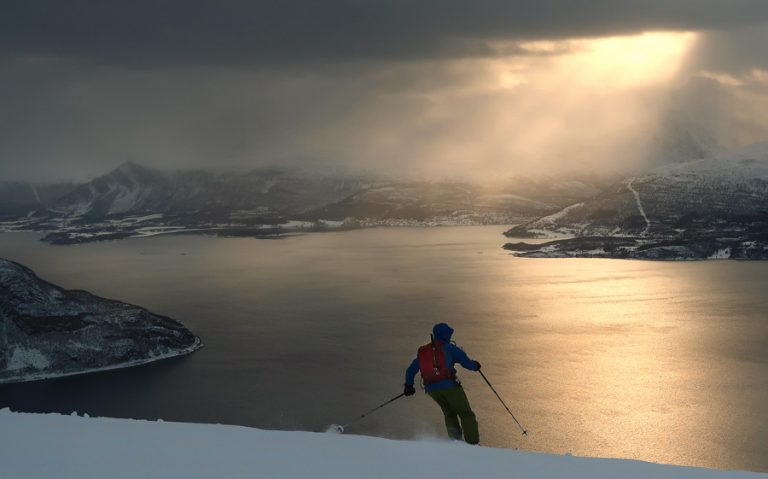
In Norway, the land of the midnight sun, you may experience a secret land where jagged peaks rise out of shimmering peaks and skiing is epic. With up to 2,000 m of free-skiing straight down to the blue sea, the adventurous ski tourer may skin from beach to summit under the midnight sun. Whatever you chose, Northern Lights skiing or Midnight Sun skiing in Norway, it’s a breathtaking experience.

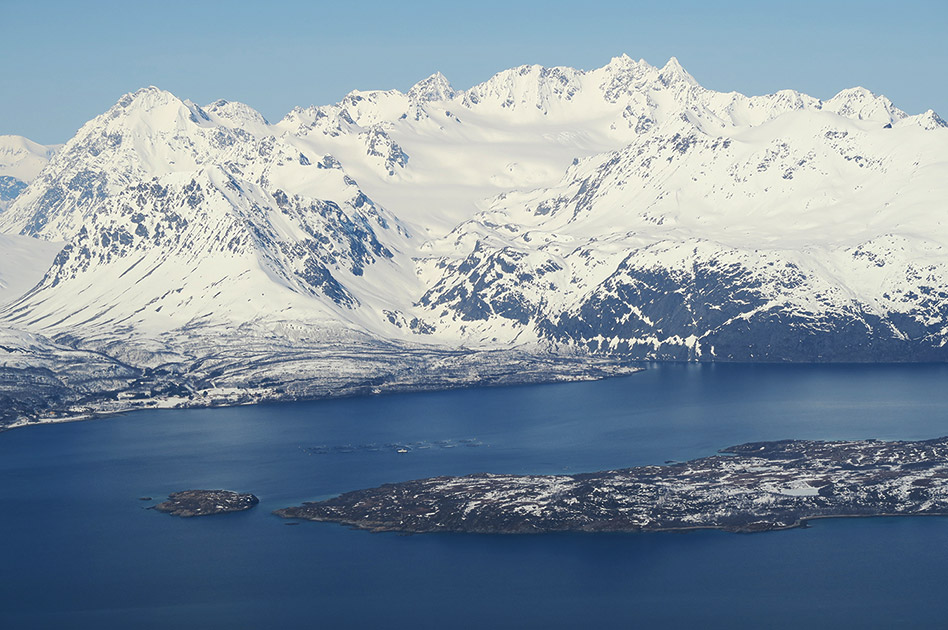
The Lyngen Alps in Northern Norway are world famous for its magnificent scenery, northern lights and midnight sun. The skiing from mountain to the fjords in Lyngen is a once in a lifetime experience and a must for ski tour enthusiasts from all over the world. Intrepid skiers land on black-sand beaches.

Northern Lights and Midnight Sun Skiing in Norway
The Lyngen Alps in Northern Norway are world famous for its magnificent scenery

Dramatically different from the European Alps
Norwegian costal skiing dramatically differs from its counterpart in the European Alps. Not to mention snowpack stability. The Lyngen peninsula is situated in northern part of Troms county. It is the largest alpine mountain area in Norway, and do also probably have the highest density of steep alpine peaks. It is situated at 69 degrees north.

Related: Ski Touring in Northern Norway

The shape and style of the mountains is like the top 1500m of the main continental European alps, but with it being 3000m lower there’s more oxygen to breath.  You can feel like a superman whilst charging up slopes which would knacker you at 4000m.

Northern Lights and Midnight Sun Skiing in Norway
Norwegian costal skiing dramatically differs from its counterpart in the European Alps

Northern Lights and Midnight Sun Skiing in Norway
You can start skiing at the shoreline during parts of the spring season, and climb summits with stunning views of the surrounding mountains. Dining on fjord-fresh seafood or reindeer steaks in a cozy cabin or luxury yacht rounds off a perfect day.

Then there’s the light, haunting and majestic. From November until the end of January, the sun doesn’t rise, and the land is bathed in blue and violet before the northern lights put on their shape-shifting show. After May 16 the sun never sets. Ski touring season runs from March until late May, when it’s possible to ski under the midnight sun.

Northern Lights and Midnight Sun Skiing in Norway
The Lyngen peninsula is situated in northern part of Troms county

Related: Accessible Mountaineering in Norway

A multitude of options
The higher parts of Lyngen are covered with glaciers, there are good skiing conditions on these. The highest peak in Lyngen are Jiekkevarri (1833m), which is covered by an ice cap. The region also includes the mountains on the east side of the Lyngen fjord, in Kåfjord, as well as the islands to the northeast and north west. In the south the mountains are still big, but the valleys are wider and the summits are not so steep.

It’s pure wilderness. Lyngen is an amazing, largely undiscovered (by the masses), beautiful skiing wilderness with challenging ascents and descents, scenery like nowhere else on earth, no ski lifts, and very few tourists.  The shore lines of the many fiords and the most perfect ski lines anywhere.  There are no lifts or resort infrastructure, and ski touring is the name of the game – an endless playground that is famous for late spring skiing with top snow conditions, peaks towering high above.

Northern Lights and Midnight Sun Skiing in Norway
Lyngen Alps are the largest alpine mountain area in Norway

Related: A Mountain Bike Paradise

Skiing by charter yacht
When you set off for the day it’s quite likely you won’t see another soul until you get back to the road. Some of the peaks, particularly in the northern Lyngen Alps, are reachable only by boat.

You can join a multiday charter yacht outfitted for ski trips, where participants will explore myriad mountains, fjords and islands, such as Stjerneoya (Star Island), with its cockscomb of deep bays and stunning peaks.

Accomodation
In Lyngen area there are several rental cabins, hotels and boats. The local hub is Lyngseidet, which has several shops, a few restaurants, a few hotels and cabin rentals. If you want to organize your own accommodation, you need to book well in advance, as the most popular places get booked early. We recommend you to stay as close as possible to the attendance point to get the most out of the day.

On the banks of the Lyngenfjord, near the village of Djupvik two-and-a-half hours’ drive from Tromso, sits Lyngen Lodge, a boutique hotel in the middle of this winter wonderland.

Lofoten Ski Lodge sits right above the water on an inlet on the south side of the islands near Svolvær.

Northern Lights and Midnight Sun Skiing in Norway
Lyngen Alps do also probably have the highest density of steep alpine peaks. Photo: Wikipedia

The ski touring options south of Lyngen is also great, and recently the island Senja has risen to fame. It is situated south of the county capital of Tromsø. It resembles Lyngen by having steep and very alpine peaks, but they are somewhat smaller.

If you already have been to Lyngen and want to explore new areas, the area around Tromsø offer some good skiing, such as the island Kvaløya, with the peaks of Hollenderan, Skittentind and Storstolpan, which is part of the skyline when looking westward from Tromsø Airport.

Northern Lights and Midnight Sun Skiing in Norway
Northern lights in Lyngen

Guidebook
Ski Touring in Troms is Espen Nordahl’s masterpiece guide-book for the Troms area of Arctic Norway. Covering 116 peaks the zones of Malangen, Kvaloya, Ringvassoya, Mainland Tromso, Balsfjord, Tamokdalen, the Lyngen Alps, the Kafjord Alps and Uloya. The new and updated edition of Ski Touring in Troms also features routes on the island of Senja.

If you are looking for guided tours, just Google “ski touring in Lyngen” and you’ll quickly find several operators offering guided tours in Lyngen.

Northern Lights and Midnight Sun Skiing in Norway
The shape and style of the mountains is like the top 1500m of the main continental European alps

Getting there
It is easy to get to Tromsø city by air from cities such as Bergen and Oslo (Gardermoen). However, it is an advantage having a car to reach the mountains. All the big car rental companies have offices in Tromsø.

Northern Lights and Midnight Sun Skiing in Norway, compiled by Tor Kjolberg


Danish Happiness Explained

Denmark has consistently been rated the happiest country in the world. Daily Scandinavian has repeatedly written articles about Danish Hygge. Here we are giving you six reasons why Denmark is one of the world’s happiest countries.

The 2018 World Happiness Report ranks Denmark among the three happiest of 155 nations – a qualification that the nation has earned for seven continuous years. The term ‘hygge’ could be one of the secrets as to why Danish people are so happy.

Danish Happiness Explained
Hygge is the near-religious Danish belief in living simply and “cozily” surrounded by family and friends.

Its stereotype is that of a semi-socialist paradise where healthcare is free, students are paid by the government to go to college, and the national pastime is cuddling in front of a roaring fire with a glass of red wine and a good book.

Secret 1 – Hygge
Secret 1 lies possibly in the country’s old-age belief in Hygge, which  secret possibly lies in the country’s age-old belief in Hygge, which emphasizes cozy contentment.

The Oxford dictionary added the word in June 2017, and it refers to high-quality social interactions. Hygge can be used as a noun, adjective or verb (to hygge oneself), and events and places can also be hyggelige (hygge-like). it’s the near-religious Danish belief in living simply and “cozily” surrounded by family and friends.

Danish Happiness Explained
Hygge is more than just crackling wood fires and full-body pajamas, it’s anything that brings you deep, soul-warming pleasure

Hygge is more than just crackling wood fires and full-body pajamas, it’s anything that brings you deep, soul-warming pleasure. That could be sharing a meal with friends, reading the Sunday paper, or yes, playing with LEGOs.

Danes are “staggered and bemused” that hygge has become a trendy self-help fad. A quick search on Amazon shows more than a dozen hygge-themed books promising to reveal the Danish secret to happiness. Sounds like the perfect read for that roaring fire.

Meik Wiking, the CEO of the Happiness Research Institute in Copenhagen, said the lifestyle is defining part of Denmark’s DNA. Denmark’s place among the world’s happiest countries is consistent with many other national surveys of happiness (or, as psychologists call it, “subjective well-being”).

Danish Happiness Explained
Trust is taught in schools and learned through everyday interactions with trustworthy and responsive institutions. Photo: Visit Denmark

2 – Danes Trust Each Other
“In surveys, 79 percent of Danes say they trust most people. Where does this sense of trust come from? Denmark’s small population (fewer than 6 million) and cultural homogeneity have something to do with it, but the Danish sense of trust is far-reaching, from neighbors to government. Trust isn’t an innate Danish trait. It’s taught in schools and learned through everyday interactions with trustworthy and responsive institutions.

Trust comes in different forms. Most people trust their friends and family, but Denmark also benefits from what anthropologists call a general societal trust, which is the ability to trust people you have never met before. In Denmark, people are assumed to be honest and reliable unless they somehow show that they are not.

This societal trust extends to a trust in Danish institutions like the government, police, judiciary, and health services. People who hold power in these positions are trusted to act in the best interest of society, and there is very little corruption. Trust is also an important part of doing business in Denmark: a Danish company can be expected to deliver a high-quality product on schedule, or be honest about the reason it cannot.  (Denmark.dk)

Related: Are Scandinavians the Happiest People in the World?

Danish Happiness Explained
every Dane gets free health care, free K-college education (students are actually paid $900 a month), highly subsidized child care and generous unemployment benefits

3 – Stable Welfare State
Danes have a stable government, low levels of public corruption, and access to high-quality education and health care.

Danes pay some of the highest income tax rates in the world — 45 percent for an average Danish annual income of $43,000 and 52 percent for those who earn more than $67,000. But in exchange for forking over half their earnings, every Dane gets free health care, free K-college education (students are actually paid $900 a month), highly subsidized child care and generous unemployment benefits. In surveys, nine out of 10 Danes say they gladly pay their exorbitant taxes.

“The reason behind the high level of support for the welfare state in Denmark is the awareness of the fact that the welfare model turns our collective wealth into well-being,” writes Meik Wiking, chief executive officer of Denmark’s Happiness Research Institute. “We are not paying taxes. We are investing in our society. We are purchasing quality of life.”

Related: The Nearly Almost Perfect People

Danish Happiness Explained
From a Lego store. Credit: Lego

4 – Working Less and Spending More Time with Their Families
The Danish family unit is extremely important within Danish society. This is reflected in many ways. Danes expect to pay more than $1000 for a baby carriage, and will without question purchase expensive clothing and accessories for their children. Danes will also take great care with the maintenance and decoration of their homes as this is considered to reflect on the “success” of the family (Danishnet).

On the topic of parental leave, Denmark again has one of the most generous policies in the world. The government requires all employers to offer up to 52 weeks of leave — for either mother or father — and the state provides monetary support for up to 32 weeks.

5 – Danes Don’t Boast
The Law of Jante (Danish: Janteloven) is a code of conduct known in Nordic countries, that portrays doing things out of the ordinary, being overtly personally ambitious, or not conforming, as unworthy and inappropriate.

The attitudes were first formulated in the form of the ten rules of Jante Law by the Danish-Norwegian author Aksel Sandemose, in his satirical novel A Fugitive Crosses His Tracks (En flyktning krysser sitt spor, 1933), but the actual attitudes themselves would be older. His novel portrays the fictional small Danish town Jante, which he modelled upon his native town Nykøbing Mors in the 1930s, which was typical of all small towns and communities, where nobody was anonymous. (Wikipedia)

Although Janteloven has lost some of its grip in cosmopolitan Copenhagen, it’s still very much lived by average Danes (you might even argue that being “average” is the goal).

Danish Happiness Explained
Because Danes are afforded such a strong safety net, there isn’t as much financial risk in failure, so people feel free to try new things

6 – Feeling of safety
Because Danes are afforded such a strong safety net, there isn’t as much financial risk in failure, so people feel free to try new things. If it doesn’t work out, no big loss. Perhaps that’s why the Danes was number five on the lesser known Global Creativity Index 2015.  in which Scandinavia once again stands strong.

Danish Happiness Explained, compiled by Tor Kjolberg

IKEA’s Head of Design Starts His Own Design Consultancy

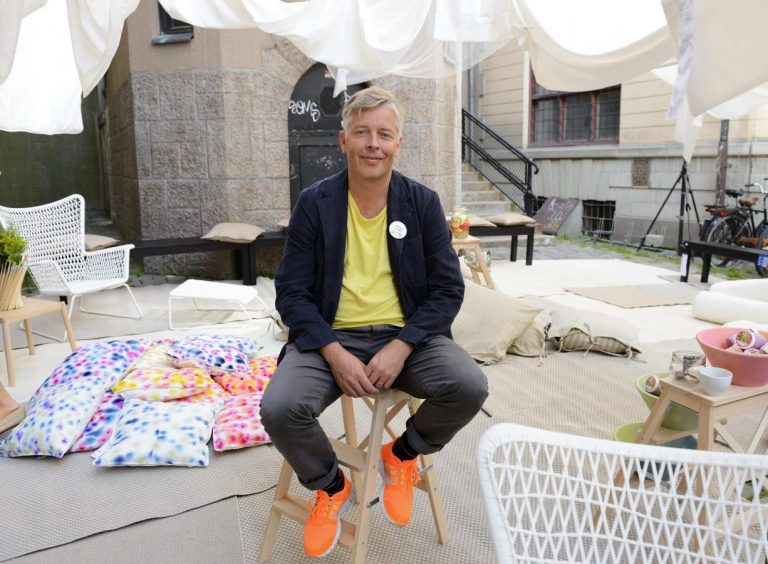
IKEA’s head of design for the past six years, Marcus Engman, has been credited with giving the brand a major design jolt. September last year, he left the company to set up his own consultancy.

Martin Engman’s history with the company runs deeper than his years as head of design since 2012. Born in 1966 and raised in Älmhult, Sweden – where the multinational company was founded – Engman spent his high school breaks back in the 1980s working at an IKEA store.

IKEA’s Head of Design Starts His Own Design Consultancy
Virgil Abloh holding an IKEA chair

Related: Sweden’s IKEA Conquered the World With Innovation and Design

Design has always been important to IKEA
Design has always been in the forefront at IKEA. Some of the first employees founder Ingvar Kamprad brought to the company were actually designers. As head of design, Engman has been responsible for overhauling the Swedish flat-pack giant, moving it away from its reputation of “doing cheap stuff”.

“Every day we challenge the status quo and the boundaries of what is possible. I also build a strong network of creatives outside IKEA because there’s a lot we don’t know and want to learn,” he once explained. “We have come into working with our own design ethos – what we call democratic design, which is like a common language around design,” he added.

IKEA’s Head of Design Starts His Own Design Consultancy
Chair by Marcus Engman and Piet Heineek

Related: The Swedish Furniture Giant

“I came back to IKEA in a time when we decided to become more transparent and open up for more and bigger collaborations, which has been very inspiring and I hope this has contributed to that even more people have found IKEA interesting and vital,” said Engman in a statement.

IKEA’s Head of Design Starts His Own Design Consultancy
Marcus Engman

IKEA’s Head of Design Starts His Own Design Consultancy
On leaving his position, Engman explains that he is the guy who likes to start up things, but not the typical maintainer. Now he wanted to be able to create things himself again.

Related: IKEA Donates Millions to Ebola Fight

“IKEA will continue to be explorative and curious but the exact organization and setup is something that will be defined in the coming period,” said Peter van der Poel, manager of IKEA Range & Supply, in a statement.

Feature image (on top): IKEA design chief Marcus Engman poses for a picture in Stockholm August 14, 2012. REUTERS/Henrik Montgomery/TT News Agency

IKEA’s Head of Design Starts His Own Design Consultancy, written by Tor Kjolberg
Norwegian Architects Have Turned an Old House Into a Zero Emissions Building

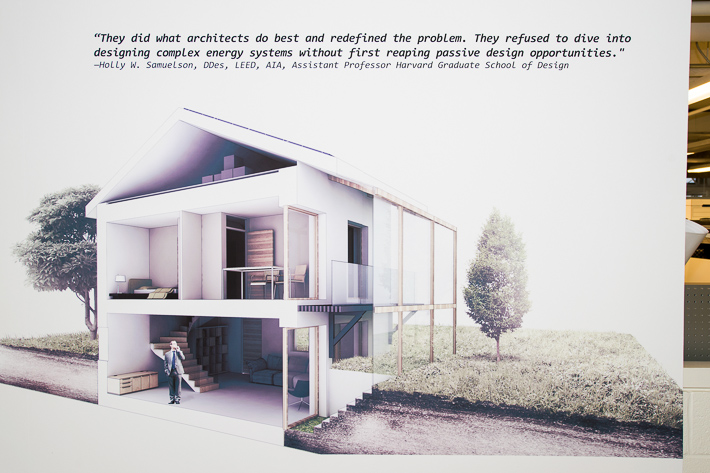
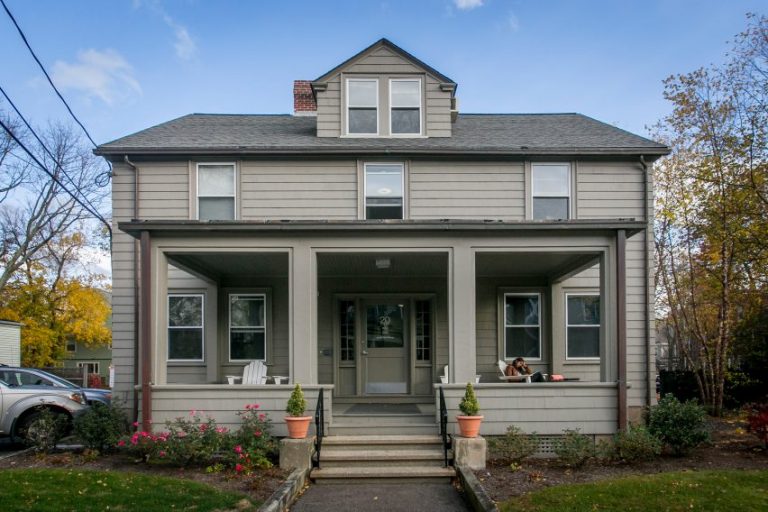
The Norwegian Architects company Snøhetta, Skanska Teknikk Norway and university researchers teamed up to retrofit an old house at Harvard, demonstrating how existing buildings can be made more energy efficient to help address climate change. The Norwegian architect team has turned an old house into a zero emissions building, and phase one is now completed.

“Paving the way for ultra-efficient retrofit strategies, HouseZero creates a blueprint for reducing energy demands and increasing cost savings for property owners,” the team said in a project statement.

Norwegian Architects Have Turned and Old House Into a Zero Emissions Building
The renovated 4,600-square-foot (427 square metres) building is meant to serve as both a comfortable workspace and a living laboratory.

Rooftop photovoltaics and windows that automatically open and close are among the sustainable features in the small Harvard building.

Related: Campus for Astronomy Fans to be Built in Norway

Norwegian Architects Have Turned and Old House Into a Zero Emissions Building
Harvard House Zero by Snøhetta/Skanska Technology

Norwegian Architects Have Turned and Old House Into a Zero Emissions Building
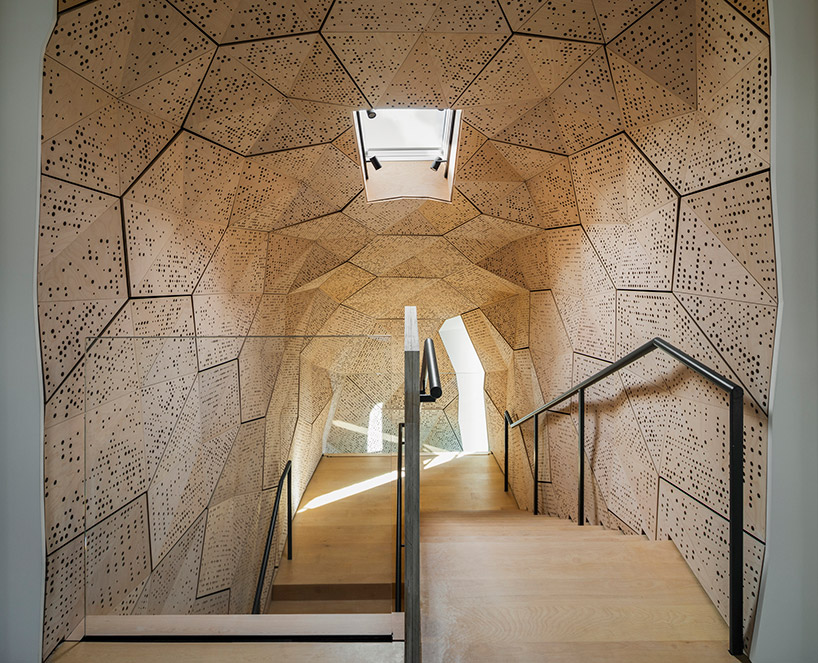
The modest headquarters of the Harvard Center for Green Buildings and Cities (CGBC) (founded in 2014 by the university’s Graduate School of Design (GSD) has been used as a guinea pig. The HouseZero project, designed by Snøhetta, has revamped the 1924 stick-built old house to run without an HVAC system, without daytime electric lighting, and produce zero carbon emissions, among other efficiencies.

The renovated 4,600-square-foot (427 square metres) building is meant to serve as both a comfortable workspace and a living laboratory. The project is the brainchild of Ali Malkawi, professor of architectural technology at the GSD and the center’s founding director.

Related: The Most Environmentally Friendly Luxury Hotel To Be Built in Norway

Norwegian Architects Have Turned and Old House Into a Zero Emissions Building
Harvard Center for green buildings and cities
Norwegian Architects Have Turned and Old House Into a Zero Emissions Building
Rooftop photovoltaics and windows that automatically open and close are among the sustainable features in the small Harvard building

House Zero
“HouseZero attempts to address the global environmental challenge of climate change by focusing on existing buildings, which account for energy inefficiency and carbon emissions on a vast scale worldwide,” said the team. A primary goal of the project was to create a “highly configurable, data-driven infrastructure” that will allow the center to conduct research and demonstrate what is possible, according to the center’s website.

Related: The Stunning Opera House in Oslo

Tracking the building’s performance is a key aspect of the project. Hundreds of sensors were embedded within the facility, allowing for continual monitoring by researchers.

Norwegian Architects Have Turned an Old House Into a Zero Emissions Building, written by Tor Kjolberg
Sustainable shipping in Norway

A maritime nation like Norway is almost forced to ask itself the question, “How can we make the maritime industry greener?” Sustainable shipping in Norway is indeed on the agenda.

The global shipping industry is under pressure to cut climate-altering greenhouse gases and find sustainable shipping solutions, and Norway wants to be frontrunner in developments of green technology and low-emission solutions.

Sustainable shipping in Norway
Norway wants to be frontrunner in developments of green technology and low-emission solutions

Sustainable shipping in Norway
“We have a long and proud traditions in shipping and maritime industry in Norway. The maritime sector is currently among our most global, innovative and forward-looking industries. And the Norwegian maritime cluster is a significant international player on the global arena,” said state secretary Daniel Bjarman Simonsen at the Battery Forum’s conference Watts Up, March last year.

Related: A Green Revolution in the Norwegian Fjords

Sustainable shipping in Norway
The Norwegian government has on several occasions reiterated how green solutions within shipping and the maritime industry are of high importance

The Norwegian government has on several occasions reiterated how green solutions within shipping and the maritime industry are of high importance and its ambition that Norway should stand out in a crowd.

We must reduce emissions
Ships belch out nearly one billion tons of carbon dioxide a year, accounting for only 2-3 percent of global greenhouse gases. But they’re projected to grow between 50 to 250 percent by 2050 if no action is taken.

Sustainable shipping in Norway
The Norwegian Maritime Authority has been a key player in developing regulations for new technology

“Shipping has contributed significantly to increased world trade,” said Lasse Kristoffersen, CEO of shipowners Klaveness in a report, Maritime Outlook 2018. “Now we must reduce emissions and become more energy efficient. This is the greatest challenge of our time. And the one who finds the best solution, wins.”

Related: Norwegian Zero Emissions Ship Without a Crew

Sustainable shipping in Norway
The Norwegian Maritime Authority has been a key player in developing regulations for new technology.

Infograph Source: A-1 Auto Transport 

Several support schemes to finance new projects
The Norwegian Maritime Authority has been a key player in developing regulations for new technology. They do this in close collaboration with the industry and initiate processes for the development of global regulations.

Considering the intensive capital requirements of going “green”, the availability of governmental-supported funding will constitute an important contribution towards the maritime industry becoming a ­front-runner in this respect. In order to support the innovation and implementation of new operational measures and technology, the Norwegian Government has established support schemes to enhance the necessary financing of new projects.

Related: Norway’s Top Oil Company Will Provide New York With Renewable Energy

Sustainable shipping in Norway
Governmental¬supported funding will constitute an important contribution towards the maritime industry becoming a ¬front-runner

Slashing emissions by 50 percent by 2050
Transport’s contribution to earth-warming emissions were one of the topics in focus as negotiators in Katowice, Poland gathered for U.N. climate talks last month. However, shipping, like aviation, isn’t covered by the Paris agreement because of the difficulty to attribute their emissions to individual nations.

Therefore, the International Maritime Organization (IMO), the U.N.’s maritime agency, has reached an agreement to slash emissions by 50 percent by 2050.

Last December, Nel Hydrogen Electrolyser, a division of Nel ASA (Nel, OSE:NEL) was awarded a grant under the PILOT-E scheme for the development and realization of a green fertilizer project together with Yara International ASA (Yara, OSE:YARA). The ambition of the project is to realize zero-emission fertilizer production using innovative solutions and cost-efficient hydrogen production from electrolysis based on renewable energy.

By continuing to provide long term financial support to the maritime sector through several support schemes, the Norwegian Government adopts a collaborative approach ­seeking to enhance the development of new technology and operational changes so that the maritime industry in turn may become capable of achieving the goal of shipping sustainability.

Sustainable shipping in Norway, written by Tor Kjolberg
A Copenhagen Furniture Making Collective
The Copenhagen-based KBH Københavns Møbelsnedkeri is a company committed to the craft of making handmade furniture. Established in 2006, KBH Københavns Møbelsnedkeri, is a Danish furniture and design shop, devoted to making the beauty of treasures, good materials and classic design. The Copenhagen Furniture Making Collective is known for its unmistakably Nordic style.

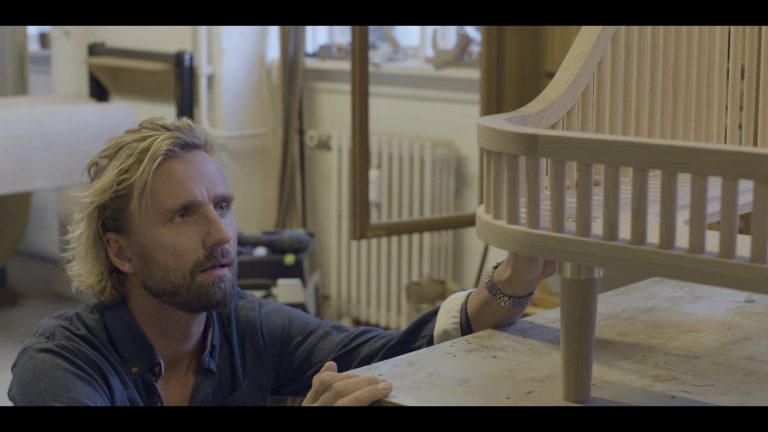
KBH was originally brought together by ex-rocker and guitar-maker, Kim Dolva. Now with a team of 18 master craftspeople, all working together from their industrial-age Copenhagen workshop, the collective is renowned through Denmark for making furniture and interiors that are beautifully detailed, exceptionally elegant and highly functional.

A Copenhagen Furniture Making Collective
Domus les trois cochons by KBH Snedkeri. Photo Rmedium

Related: Danish Furniture Made For Hygge

Unmistakingly Nordic style
Based in Denmark, the company has an unmistakably Nordic style, with Japanese and American industrial influences. “We are led by the vision of creating high quality design furniture and known for our unmistakable world of Nordic-ness, ideas and excitement,” says Dolva.

A Copenhagen Furniture Making Collective
The KBH collective is renowned through Denmark for making furniture and interiors that are beautifully detailed

Since its modest beginning more than 10 years ago, the collective has designed several collections of new classics and left a strong fingerprint on private homes, shops, offices and restaurants around the world. Occasionally whimsical, but never gimmicky, the pieces have a clearly definable style, a celebration of craftsmanship in which the materials are manipulated with the utmost respect, and all the construction joints are proudly exposed.

A Copenhagen Furniture Making Collective
From the KBH workshop

Related: Supreme Danish Furniture Design

A Copenhagen Furniture Making Collective
KBH Københavns Møbelsnedkeri’s focus is on expert craftsmanship and they insist on carrying out the entire building process themselves, from the initial design stage, to sourcing and fuming their own wood, to making each final piece by hand. It’s very skilled and dedicated cabinet makers and designers are constantly looking to combine the tradition of well-crafted design with new, innovative projects.

A Copenhagen Furniture Making Collective
KBH was originally brought together by ex-rocker and guitar-maker, Kim Dolva

Related: A Danish Furniture Icon 

“Our design is somewhere between classic Danish, Japanese and we also have vintage American industrialism in a lot of what we do,” says Kim Dolva.

A Copenhagen Furniture Making Collective, written by Tor Kjolberg