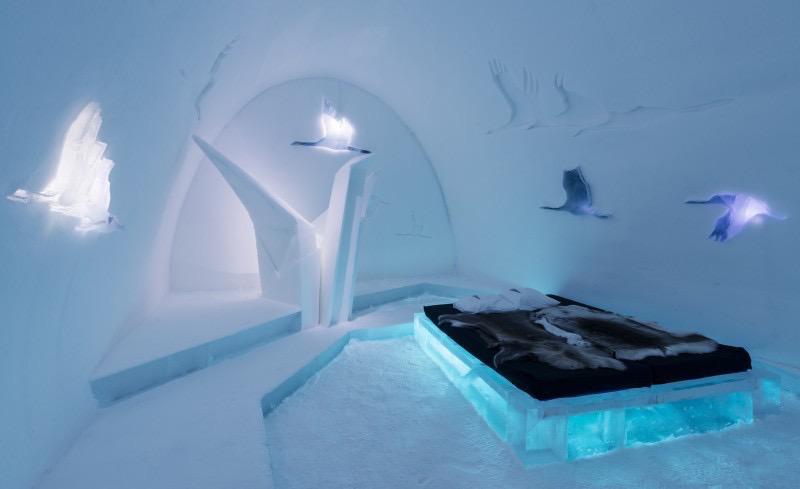
Icehotel in Jukkasjärvi, Sweden was the first and largest hotel built of snow and ice from the free-flowing arctic river Torne. It all melts away and trickles back to the nearby river in springtime. The Icehotel opened for a new season on December 14th.
The 29th edition of the hotel comprises 15 uniquely designed suites, one ice ceremony hall for weddings and ceremonies and the main hall. Upon arrival, an ICEHOTEL guide holds a ‘survival course’ for guests staying the night in the hotel. The introduction includes information on dressing appropriately and making the bed with the arctic sleeping bags. These sleeping bags are more than sufficient as they are intended for temperatures as low as -13° Farenh (-25° Celsius).
Ecohotel
Icehotel, 200 km north of the Arctic Circle, has been certified an eco-hotel by the Nordic Swan Ecolabel, Scandinavia’s most comprehensive eco labelling program. With a substantial portion of rooms melting away and being re-built out of ice and snow every year, it has proven a unique challenge for the certification team and the Icehotel itself.
Icehotel, Sweden. Art suite: Dancers in the dark
The construction process
The annual building of the hotel begins in march when 2,500 tons of ice is harvested. The ice is then stored until ICEHOTEL’s construction in October. 33 artists from 13 different countries arrive in Jukkasjärvi to sculpt the 15 unique suites of ice and snow, as well as the ceremony and main halls which feature the columns and chandeliers for which the hotel is famous.
Sweden’s Ice Hotel Reopens for a New Season “The Torne River is the mother of our product and our business. She has provided our guests with life enriching experiences for over thirty years. We were the European pioneers of guided river rafting tours and we were the first in the world to build a hotel and art exhibition using only frozen water,” says Kerstin Nilsson, Senior Quality Advisor at ICEHOTEL.
Icehotel, 200 km north of the Arctic Circle, has been certified an eco-hotel by the Nordic Swan Ecolabel
Annika Fredriksson, CEO of Swedish Lapland Visitors Board points out that ICEHOTEL has been an engine for attracting international visitors to the region from the very start.
Feature image (on top): New Year’s Eve at the ICEHOTEL
Sweden’s Ice Hotel Reopens for a New Season, written by Tor Kjolberg
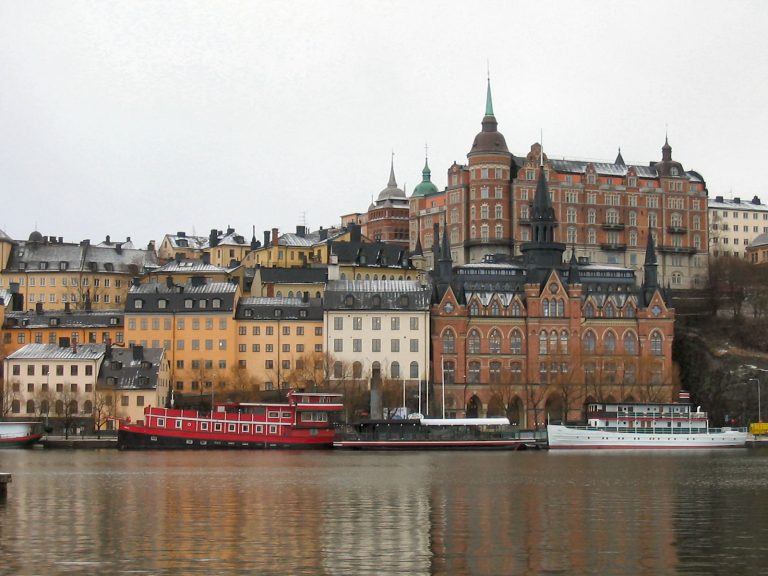
If you take the Tunnelbanan (underground railway) from Gamla Stan in Stockholm, a five-minute journey south to Slussen station in Södermalm, commonly referred to as “Söder”, you arrive in what once was the great working-class area of the city. Don’t miss the Södermalm Artistic Center in Stockholm
Södermalm Artistic Center in Stockholm
Today, however, this has become the coolest, most bohemian part of Stockholm, popular with local artists and bursting with new cafés, restaurants, boutiques and design shops. There is a concentration of galleries on the steep slope of Hornsgatan, a popular street on which to buy locally made art, glass and ceramics. The inner circle of cool, though, is the “SoFo” area (south of Folkungsgatan), the place to head for cafés and nightlife.
City museum Stockholm
The City Museum
Right next to the Slussen underground is the City Museum (Stadsmuseet), voted Stockholm’s best museum in 2007. While Stockholm received virtually no mention until the 13th century, the museum makes it clear that this strategic spot had been inhabited for many centuries.
Södermalm forms the backdrop for much of the action in Stieg Larson’s best-selling The Girl with the Dragon Tattoo and its follow-ups. Stadsmuseet runs walking tours that point out pertinent landmarks from the books and film.
Kristinahisse, Strockholm
Kristinahissen
After the museum, it would be a pity not to make a quick trip up Katarinahissen, a 19th century lift rebuilt in 1935 that carries you to the heights of Södermalm.
Fotografiska Stockholm
Fotografiska
Opened in May 2010, the fabulous Fotografiska exhibition space is currently wowing visitors (if not ABBA fans, whose shelved museum was due to open here!) Fotografiske, housed within the impressive Art-Nouveau Customs House (1906), puts on four major photographic exhibitions per year, and around 20 smaller shows and video installations. Previous exhibitions hosted within its superb spaces have included everything from the images of award-winning photographer Åsa Sjöström and images by fashion photographer Herb Ritts, to contemporary reportage on innocent war victims by photographer Magnus Wennman.
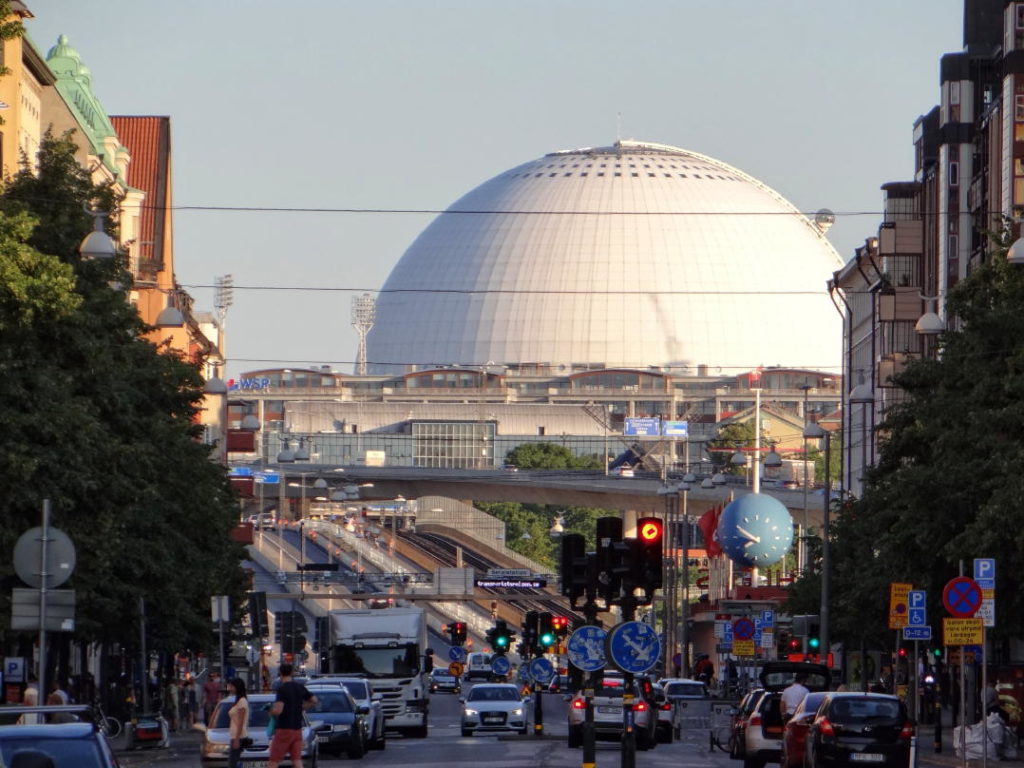
Globe Skyview Arena
The Globe and Skyview
Just west of Södermalm, the former prison island Långholmen is now a lush green space with its own little beaches. And sitting off to the south, like a giant golf-ball on Stockholm’s skyline, the Ericsson Globe is the world’s largest spherical building. Since its inauguration in 1989, it has mainly been used as the national ice-hockey arena and a concert venue, but in February 2010, the new Skyview attraction added another dimension. This highly unusual funicular railway takes visitors up the curving sides of the 130-meter (426ft) high Globe in two glass-sided gondolas.
Södermalm Artistic Center in Stockholm, written by Tor Kjolberg
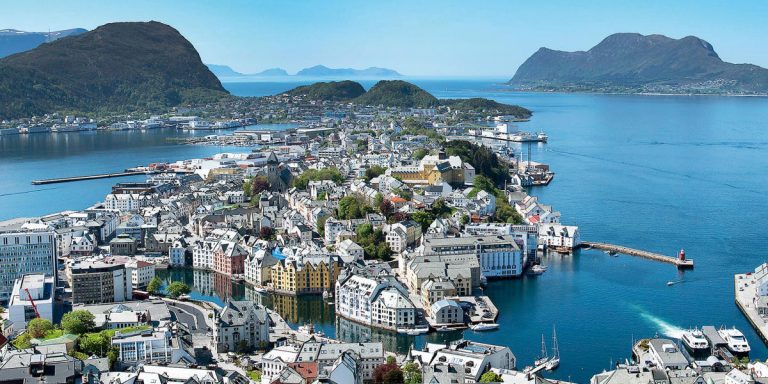
Exploring the Western side of Norway, Møre og Romsdal, and the beautiful Art Nouveau architecture in Ålesund, you soon realize why this charming town has been put on the map. Ålesund, Norway- the fairytale town with Jugendstil architecture is worth a visit.
In stark contrast to other small Norwegian towns that are filled with white, dark red, and mustard yellow wooden houses, I will claim that central Ålesund has more in common with Prague and Brussels than it does Oslo or Bergen.
Hotel Brosundet, Ålseund
Ålesund, Norway- a fairytale town with Jugendstil architecture
Where the mountains meet the sea, Ålesund is actually made up of five smaller islands. The town is known for being a popular sea port and one of the best fishing harbors in Norway. This makes for beautiful views of the town and ocean–the best view being found with just a short hike up the hill.
When fire destroyed most of the town in 1904, the entire nation pitched in to help. With German money and employing the best and brightest young Norwegian architects, the town was rebuilt in the then-contemporary Jugenstil with a distinctly Nordic flare. The Jugenstil Museum has a nice summary of the rebuilding, as well as a nicely-restored Art Nouveau home, and is worth a visit.
With German money and employing the best and brightest young Norwegian architects, the town was rebuilt in the then-contemporary Jugenstil
Famous for Art Nouveau architecture
Most of the buildings standing in the town today were built between 1904-1907, making Ålesund famous for its “art nouveau” architecture. By just walking around the streets, you are surrounded by beautiful buildings and sights in a lovely little town amidst the fresh sea air – and the lack of crowds make it easy to explore the town as well as its surroundings.
Mount Aksla
Mount Aksla
Don’t miss to climb the steps up Mount Aksla, the town’s very own (albeit small!) mountain that offers a terrific view from its summit. There’s more than 400 steps though, so only consider this if you have a reasonable level of fitness.
Ålseund museum
Ålesund Museum
To find out even more about the city, Aalesund Museum has artefacts, photographs and paintings from the reconstruction, World War II and other important periods.
The town is delicately balanced on a collection of islands of all shapes and sizes, helping to create beautiful vistas from almost anywhere in the town. Sunsets at the end of summer can be truly spectacular.
Ålseund aquarium
Ålesund Aquarium
If time is short, simply take a walk around the waterfront to admire the unique architecture that sets Ålesund apart from other Norwegian towns.
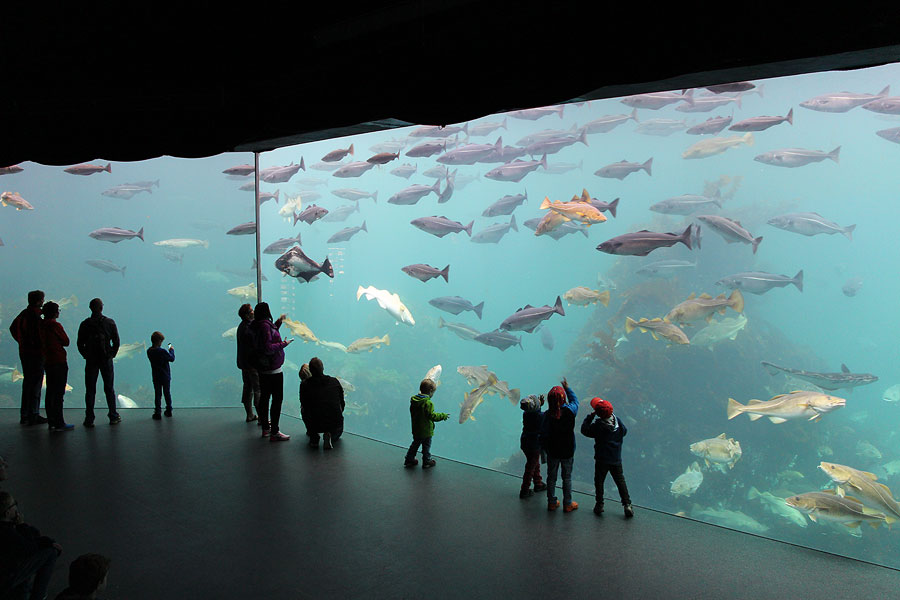
Spend some time at the Atlanterhavsparken (Ålesund Aquarium). While not large by Sea World standards, it has exhibits accessible to even very young children, a fantastic large outdoor sandbox/water play and plenty of nice walking trails with views of the coast.
Varde mountain, Valldal, Norway
Beyond Ålsesund Closer to the town, the Giske archipelago (home to the airport) is full of nature trails, hiking opportunities, beaches and a 12th century marble church.
Take a ferry ride to Langevåg to visit the Devold Sweather Museum and learn the history of the world-famous brand.
Stranda
Two ferries and a short drive from Ålesund, you will find Stranda, a village at the base of a ski mountain with a population of around 5000 people. From town, you can take a gondola up to 1000 meters above sea level to enjoy the amazing views. Then, it’s just 100 vertical meters to the top. Take a round trip to Stranda and Storfjord with Fram.
Valldal
Valldal is a gorgeous, natural valley with a river running through it. Most of the valley is composed of small farms. The region is well known for its strawberries, but the farms also grow other produce, such as raspberries, carrots, plums, cherries, and cucumbers.
Where to stay Hotel Brosundet is a quaint, family-owned hotel carries a rich architectural history too. You may find that the floor is slanted toward the sea (or river) – this is because the original building used to be an old fish warehouse. The hotel features an underground tunnel that connects the old building to the new one.
Related: Ten Hours With the Trolls in Norway
Where to eat There are many small cafes and restaurants in Ålesund that make eating a pleasure. Try Nomaden which is housed in a historic building and serves good sandwiches, cakes, coffees and calzones. At Hummer & Kanari they serve nice diners of reasonably-priced and excellently-prepared fish.
Driving from Trondheim to Ålesund takes around 5-6 hours, while driving from Oslo can easily absorb an entire day.
Feature image (on top): Photo: Visit Norway
Ålesund, Norway- a fairytale town with Jugendstil architecture, written by Tor Kjolberg
Smoked fish in the Nordic countries is an exceptionally well-loved part of the Scandinavian heritage, from the luxurious, thinly cut, cold-smoked wild salmon to more unassuming treats such as newly hot-smoked herrings for a summer lunch. Smoked fish from Scandinavia is a delicacy you should try when being in the Nordic region.
I must admit I love the gastronomic virtue inherent in the simple alliance of smoked fish and all things Nordic – potatoes, rye bread, my favorite herbs, and fresh spring vegetables and greens.
From Norwegian Smokery, London
Smoked fish from Scandinavia
Smoking fish is no longer a necessity. In the past, however. fresh fish were first salted and then hung up to smoke until bone dry in the chimneys – an easy but essential means of preservation. Nowadays, we smoke fish for the sheer joy of it and, of course, for the deliciousness. While vast quantities of fish are smoked on an industrial scale, Scandinavians love to smoke their own fish at home. This is mostly done in primitive fashion – using a battered old pot, a small smoking box and a bonfire. All it takes is heat, sawdust and a closed container.
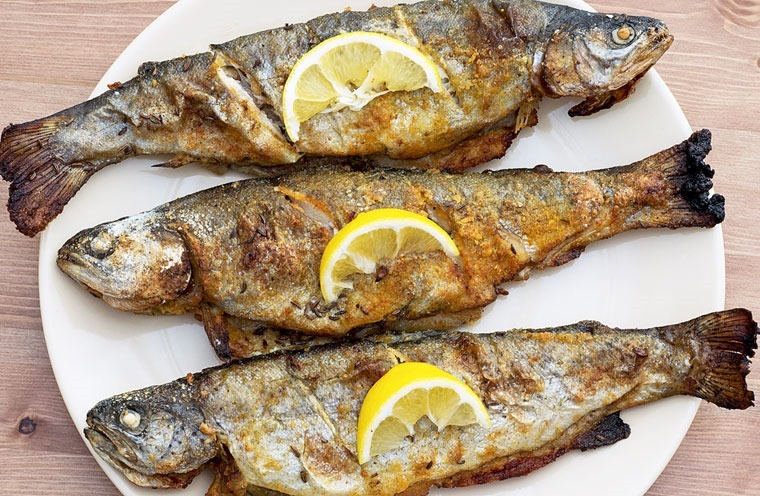
Hot-smoked fish This method is easy to do at home without much fuss. It’s simply a means of cooking, in which you smoke the fish while baking it, imbibing it with a discreet smokiness at the same time. In the process, the flesh become meltingly tender, foamy and aromatic, with a sweet and salty juiciness.
This style of smoking, however, does not dramatically prolong the fish’s keeping qualities. The traditional fish for hot smoking vary from place to place, but herrings, mackerel, eels, trout and large sea trout are all smoked in great quantities; as is the lumpsucker, or lumpfish, an unfortunately ugly fish which provides wonderful pink fish roe in winter but with otherwise no obvious virtues. Its jelly-like, flabby, fatty flesh is inedible, when fresh, but hot smoked it takes on a beauty you would not imagine.
Cold-smoked fish Cold smoking is the more demanding of the two methods, in terms of both the equipment and the process, and is not nearly as easy to replicate at home; for one thing you need to build a special smoking cabinet or even a dedicated smokehouse. As with hot smoking, the fish must be lightly salted first. Then it is transferred to the smokehouse, where the temperature never goes above 27 Celsius.
The smoke generated by the burning wood (deciduous wood of various kinds is used) is cooled on its journey through long pipes before coming into contact with the fish. For obvious practical reasons, cold smoking is often done on an industrial scale, but has its keen followers who produce some amazing smoked fish in their homemade smokehouses. The Sami people have traditional smoking huts for the meat and fish.
Smoked fish in oven
The process of cold smoking leaves the flesh opaque as in a raw fish, but firm enough that it can be easily cut into thin slices. Salmon and halibut are usually cold smoked. Nordic smoked salmon is less salty and smoked for shorter time than its European equivalent.
Buying and storing There is no comparison between freshly smoked and bought smoked fish with an expiry date. Buy or make your own, just before you are going to need it.
All smoked fish must look wonderfully oily and fatty. If cold smoked, the fish must be firm-fleshed and smell intoxicatingly of sea, tar and wood smoke. Hot-smoked fish is soft-fleshed and must be absolutely freshly smoked. Steer clear of dry and skinny-looking fish, and avoid eating smoked fish that’s obviously been lying around too long as it can develop severe quantities of histamine over time.
Smoked salmon
A properly cold-smoked fish will keep for a week or two in the fridge. Hot-smoked fish is not really preserved, and will keep for just a day or two.
Culinary uses Smoked salmon must be eaten as simply as possible. Its delicate taste must not be overwhelmed, and comes into its own when eaten on sigtebrød, a bread made from both rye and wheat, or toasted rye bread. Give it a dusting of ground black pepper, lots of dill and chervil cream, but absolutely no lemon. Smoked salmon and horseradish cream is another match made in heaven; the cream can be simply spread directly on to a plate, and covered with thin slices of salmon; otherwise, combine as a topping for an open sandwich.
Smoked mackerel
The best alternative accompaniment is creamy scrambled egg, perhaps with chervil cream and fresh dill, too. For a more elegant dish, simply slice the fish and serve with delicate vegetables such as asparagus, pointed spring cabbage, fresh peas or creamed spinach. Smoked halibut and other smoked species from the salmon family can all be eaten in the same way.
Hot-smoked fish is eaten as simply as possible, mostly on buttered rye bread or crispbread, with chives or dill. It tastes heavenly with new potatoes, dill and butter; in a green salad sharp with vinegar and mustard and with abundant herbs, or on rye bread with scrambled eggs and chives.
Smoked wild mackelerl
The sweetness of baked beetroot is perfect with smoked fish, if balanced with lemon and horseradish and a dusting of coarsely ground black pepper. For the more adventurous, a Nordic pesto made with lovage and chervil is delicious.
Smoked eel is best bought on the bone with the skin on. It’s easy to peel off the rubbery skin from the eel, then slice off the two fat fillets on either side of the central bone. Eat it on buttered rye bread with a topping of scrambled eggs, chives and black pepper.
Feature image (on top): Smoked salmon on rye bread
Smoked Fish from Scandinavia, written by Tor Kjolberg
The Danish architect and designer Finn Juhl (1912-89) wanted initially to become an art historian.However, his father wouldn’t allow a career in the arts. Instead Finn Juhl enrolled at the Department of architecture at the Royal Academy of Arts in Copenhagen.The rest is history. Finn Juhl represents the Golden Age of Danish Design.
While he was still a student, Finn Juhl started working with the prominent Danish architect Vilhelm Lauritzen in 1934. At his studio, he worked on major projects such as the Danish Broadcasting House and Copenhagen Airport. Finn Juhl was kept so busy, that he never finished his studies. Despite this, he received the honor of becoming a member of the Academic Architect Society in 1942. It was his architectural practice that led him to developing furniture. In fact, Juhl would start his work by articulating the interiors and then move on to developing the outside.
Since 1945 Juhl teaches at the Copenhagen School of Interior Design and also opens his own office for furniture and interior design. An article in the journal ‘Interiors’ of 1948, in which the American architect and author Edgar Kaufmann exclusively presents Juhl’s works, marks his breakthrough in the United States.
1945 chair by Finn Juhl
Three years later he designs two dozen pieces of furniture for an exhibition in Chicago. Finn Juhl receives multiple awards at the Triennale in Milan in 1954 and 1957. In the 1950s and 1960s, Juhl designs numerous interiors, for the Danish Embassy in Washington DC, as well as offices and the interior of an SAS aircraft. His style influences not only Scandinavian design, but the global success of Danish interior design.
One of the international highlights of Juhl’s career was designing the complete interior of the Trusteeship Council Chamber at the UN headquarters in New York between 1951 and 52.
Finn Juhl – The Golden Age of Danish Design
Later in life, he became a visiting professor at the Institute of Design in Chicago. At the time when he had made himself a name as a furniture designer, he would always speak of himself as being a self-taught although he belongs to “the golden age of Danish design”. His furniture, decorations and exhibition designs were early on internationally acknowledged.
Though a number of years, especially in the 1950s, Juhl was the most central figure in creating the term ’Danish Design’
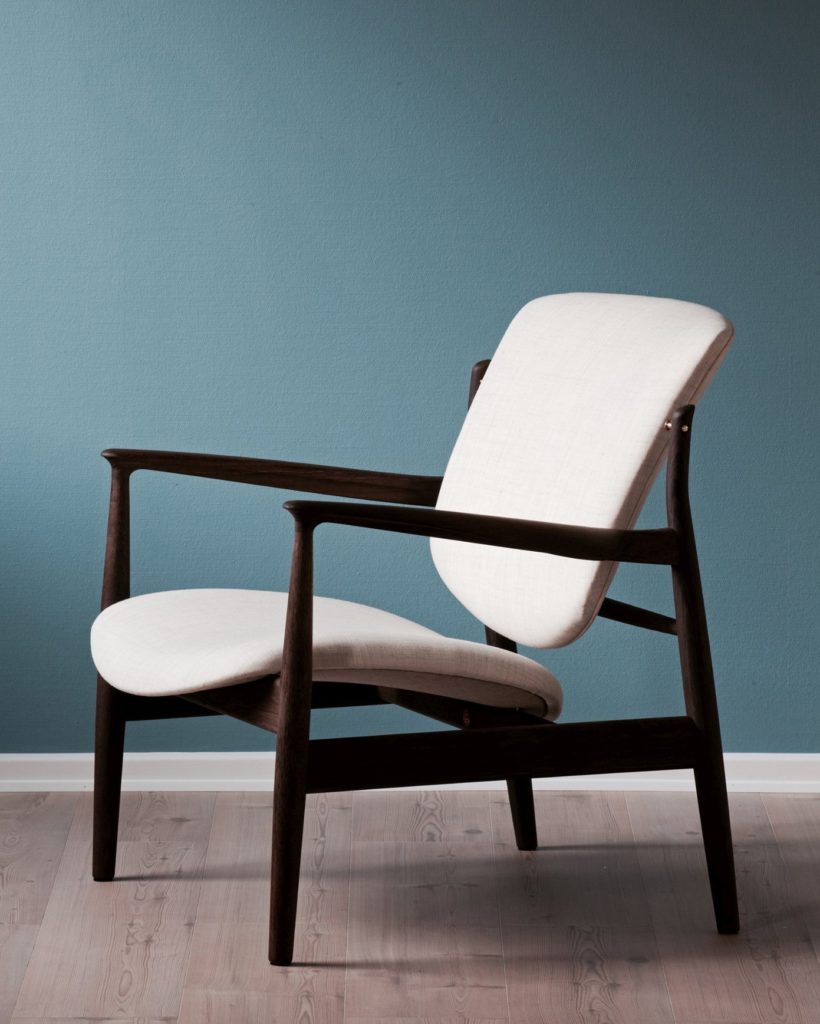
Model 45 Chair However, the Model 45 chair, along with the 1949 Chieftain chair (Høvdigestol), is one of Danish master Finn Juhl’s most recognizable designs. Shortly before Finn Juhl became a world-renowned name, he debuted the Model 45 chair, made in collaboration with master cabinetmaker Niels Vodder, at the 1945 Cabinetmakers’ Guild exhibition.
The chair was immediately held up for its break from traditional styles — by freeing the upholstered areas of the chair from its wood frame (and for its incredible curves). Juhl, apparently, had been working on the perfect easy chair for many years, and for the easy, sculptural elegance of this design, there may be few rivals. It helps that the chair is also disarmingly comfortable.
Though a number of years, especially in the 1950s, Juhl was the most central figure in creating the term ’Danish Design’. This term marked the export success as well as the unique version of modernism in the field of architecture, design and art, which became trademarks of Scandinavian welfare societies.
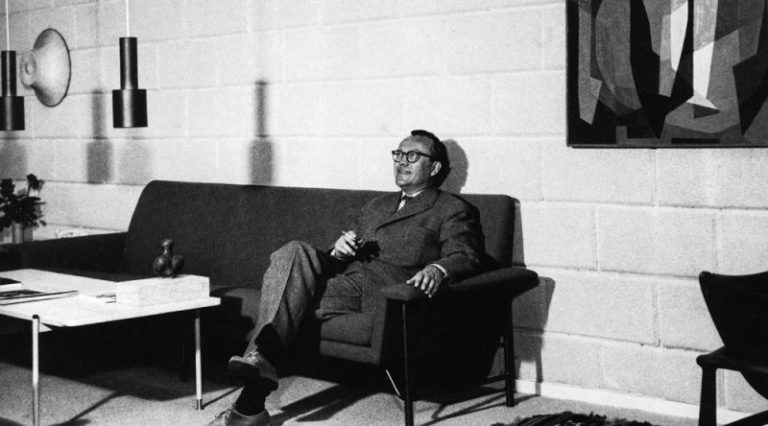
From Finn Juhl’s house
Working with two elements
In creating his furniture, Finn Juhl worked with two elements: The carrying element, and the carried. He eventually became known for his special ability to separate the bearing parts from the borne. This is one of many examples of how he broke free from conventional working methods and found his inspiration in art.
Finn Juhl may be overshadowed by designers like Arne Jacobsen, but he remains a central figure in the narrative of Danish modernism.
Classic Museum Furniture Items
Today the furniture of Finn Juhl is considered to be classics and they are to be found in museums all over the world. The “Høvdingestol” (the Chieftain Armchair) and the sofa “Poeten” (the Poet Sofa) are famous as a symbol of the union between the useful, the beautiful and concise simplicity. Today, his own private home in Ordrup, north of Copenhagen, is a museum that displays his significant sense of unity between function, space and object, color, light and atmosphere.
Finn Juhl – The Golden Age of Danish Design, is edited by Tor Kjolberg, partly from
the book Finn Juhl – Life Work World, published by Strandberg publishing.
Posting Christmas cards has been all about networking and nurturing friendship, with smooth, multi-colored motifs. The cards have been central in spreading the “real image” on how a real Christmas will look, with pictures of green, sparkling trees. Even though tradition is not completely dying, Christmas cards are at least in a downturn compared to its glamor in the 20th century. Read the Scandinavian Christmas Card History.
Advances in digital photography and printing have provided the technology for many people to design and print their own cards, using their original graphic designs or photos, or those available with many computer programs or online as clip art, as well as a great range of typefaces. Read more about the Scandinavian Christmas card history.
The Scandinavian Christmas Card History
In Scandinavia Christmas cards became popular in the late 1800s and the tradition is still very much alive, although electronic messages today are dominating. Christmas cards are usually exchanged during the weeks preceding Christmas Day by many people (including some non-Christians) in Western society and in Asia. The traditional greeting reads “Wishing you a Merry Christmas and a Happy New Year”.
Modern Scandinavian Christmas card
The custom of sending Christmas greetings in this way spread from England to the USA and via Germany and Denmark to Sweden and Norway. The first Norwegian Christmas card is said to have been mailed in 1870, produced by a printer in Bergen by the name of Beyer. It was not until 1880 that mass production of cards got started. Some cards were imported from Denmark or Germany.
A time consuming task
Many people sent cards to both close friends and distant acquaintances, potentially making the sending of cards a multi-hour chore in addressing dozens or even hundreds of envelopes. The greeting in the card was normally personalized but brief, or could include a summary of the year’s news. Because cards were usually exchanged year after year, the phrase “to be off someone’s Christmas card list” was used to indicate a falling out between friends or public figures.
Santa feeding a goat
The custom did not really take hold in Scandinavia until the early 1900s – but then it became customary for people to send each other Christmas cards. The custom was encouraged by the postal service for reasons that are not hard to understand. By 1871 it was “permitted” to send private cards in Denmark, followed by Norway in 1883. In both countries there was a great deal of skepticism about sending private messages on postcards that could so easily be read by others.
Scandinavian Christmas card tradition
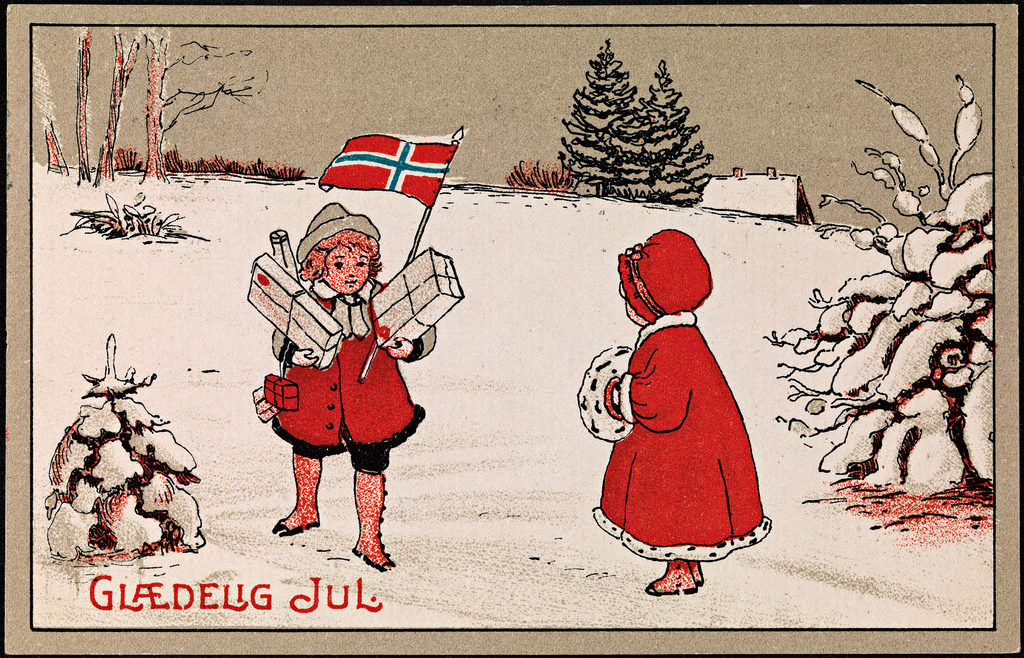
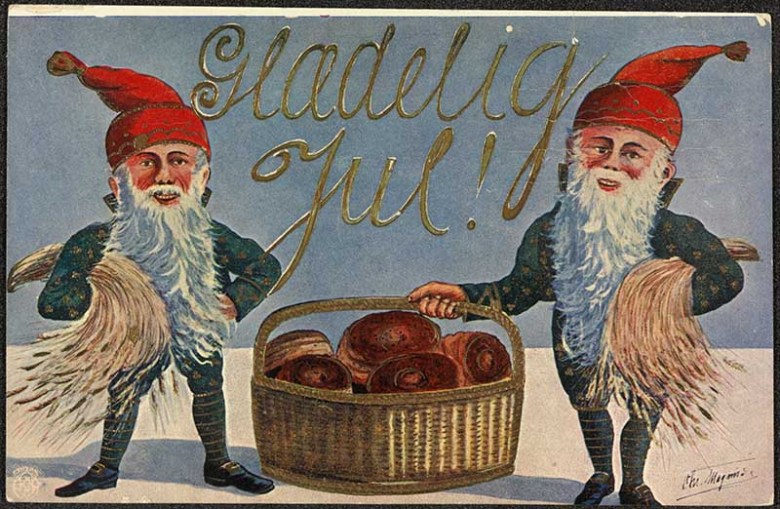
Postcards, which were a new concept at that time, were an important prerequisite for the tradition of sending Christmas cards. In 1882, people could buy the first preprinted cards with Christmas greetings produced in Denmark. Furthermore, the Danish and Nordic Christmas card tradition is characterized by a somewhat humorous content, such as elves playing in snow, getting into trouble etc., whereas religious motifs were somewhat rarer.
In the beginning Sweden’s Christmas cards were imported from Germany and England. Gradually the typical Scandinavian motives became more prevalent. The tomte or nisse was at first dressed like an old-fashioned farmer. The Swedish tomten had its origin in the legends of the hustomten.
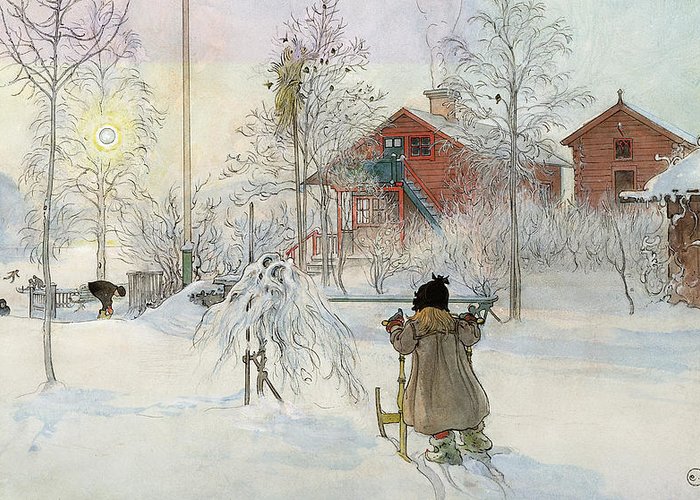
The ‘Yard and Wash-house” by Swedish Carl Larsson
The Daily Scandinavian team wishes all our international readers a Merry Christmas and a Happy New Year. Here’s a list of the greeting in most international languages:
Albanian: Gëzuar Krishtlindjet dhe Vitin e Ri
Basque: Gabon Zoriontsuak eta urte berri on
Breton: Nedeleg laouen na bloavezh mat
Bulgarian: Весела Коледа и Честита Нова Година
Catalan: Bon Nadal i Feliç Any Nou
Chinese Simplified (China, except Hong Kong): 圣诞快乐,新年进步
Chinese Traditional (Hong Kong & Taiwan): 聖誔快樂,新年進步
Cornish: Nadelik Lowen, Bledhen Nowyth Da.
Croatian – Hrvatski: Čestit Božić i sretna Nova godina
Czech: Veselé vánoce a šťastný nový rok.[30] But mostly used is secular ‘P.F.’ standing for French ‘Pour féliciter’ (literally ‘For happiness in the year…’).
Danish: Glædelig jul og godt nytår! or simply God jul
Dutch: Prettige kerstdagen en een gelukkig nieuwjaar
Estonian: Häid jõule ja head uut aastat
Esperanto: Gajan kristnaskon kaj feliĉan novan jaron
Filipino: Maligayang Pasko at Manigong Bagong Taon
Finnish: Hyvää joulua ja onnellista uutta vuotta
French: Joyeux Noël et Bonne Année
Galician: Bo Nadal e Feliz Aninovo
Georgian: გილოცავთ შობა-ახალ წელს
German: Fröhliche Weihnachten und ein glückliches/gutes Neues Jahr
Greek: Καλά Χριστούγεννα και ευτυχισμένος ο Καινούριος Χρόνος
Hungarian: Kellemes karácsonyi ünnepeket és boldog új évet or simply B. ú. é. k.
Icelandic: Gleðileg jól og farsælt nýtt ár
Indonesian: Selamat Hari Natal dan Tahun Baru
Irish: Nollaig Shona Duit
Italian: Buon Natale e Felice Anno Nuovo
Kashubian: Wiesołëch Gòdów i szczestlewégò Nowégò Rokù
Korean : 메리 크리스마스
Japanese: メリー・クリスマス
Latvian: Priecīgus Ziemassvētkus un laimīgu Jauno gadu
Lithuanian: Linksmų šventų Kalėdų ir laimingų Naujųjų metų
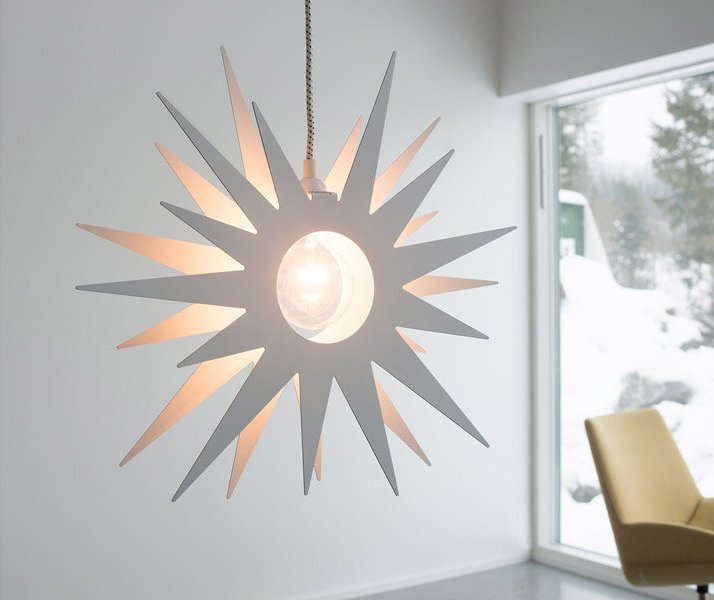
There are many positive emotions related to Advent and Christmas. When the Norwegian designer team Torsteinsen Design released its Advent Star in 2011, it immediately became a popular decoration object. Hanging an advent star is a kind of ritual for many, just like decorating a Christmas tree.
“A hands-on approach combined with many years of experience, lets us design innovative, functional, and cost effective solutions for our clients,” says the designers.
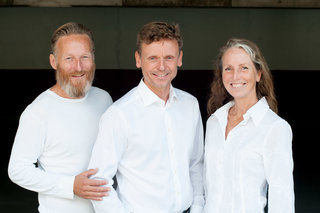
The Torsteinsen Design team consists of husband and wife, Fredrik Torsteinsen and Solveig Torsteinsen, and Ivar Øverby.
From left: Ivar Øverby, Fredrikt Torsteinsen and Solveig Torsteinsen
Solveig Torsteinsen has worked as a designer for over 28 years, creating items ranging from the design of office chairs to various exhibitions for among others the Norwegian Ministry of Foreign Affairs and the Norwegian National Museum.
Torsteinsen Design has received numerous notable awards, among them 8 Awards for Design Excellence from the Norwegian Design Council. Torsteinsen Design has exhibited extensively abroad, served as board and jury members for various Norwegian design institutions and worked with a wide range of furniture manufacturers.
The number of stars sold has increased annually.
A Norwegian Christmas Star, written by Tor Kjolberg
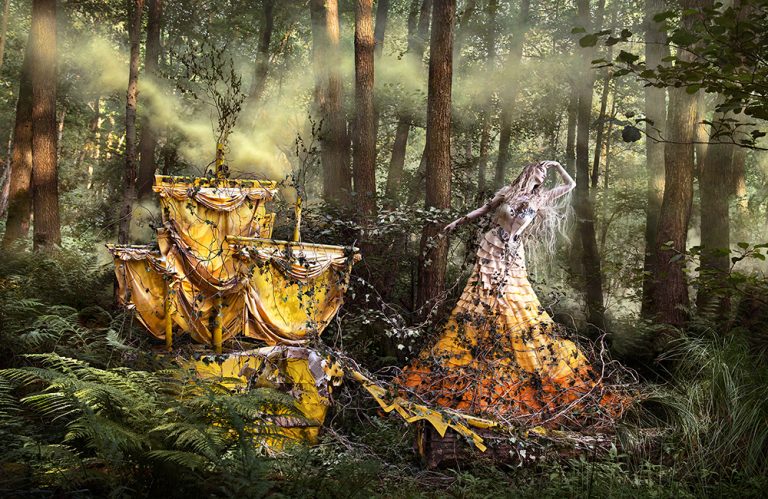
Fotografiska in Stockholm has opened its gates to Kirsty Mitchell’s Wonderland – probably one of the greatest photographic exhibitions in Scandinavia this winter. The photo exhibition Wonderland is a dream that lets you be totally enchanted. It’s simply impossible to stop watching Kirsty Mitchell’s great photographic storytelling. Don’t miss this opportunity to experience Wonderland in Stockholm.
The self-proclaimed “artist with a camera” gives us a glimpse of the amount of work that goes into each of her pieces. Since 2009 the gifted artist has been working on releasing everything as a photo book in memory of her late mother, the woman who inspired the series to begin with. In 2015 her project was finished, complete with 74 photos.
The self-proclaimed “artist with a camera” gives us a glimpse of the amount of work that goes into each of her pieces
“My mother was an English teacher and literature was her passion. Of course, there is too much to write here, but following her death, I suffered severe depression and found myself retreating to an alternative existence through the portal of my camera,” she wrote in 2005.
Since 2009 gifted Kitty Mitchell has been working on releasing everything as a photo book in memory of her late mother
Wonderland’s magical creations and forest scenes touch as well as fascinate. Her work became an escape from a painful reality as she was reliving the adventure world her mother and she had shared during her upbringing.
In 2015 Mitchell’s project was finished, complete with 74 photos
“After I lost her, I struggled greatly, I was unable to remember her without being haunted by the memories of the hospital. So, I found myself regressing to the happier times of us sharing the unusual books she constantly collected for myself, and the generations of children who passed through her classroom doors,” she adds. “This escapism grew into the concept of creating an unexplained storybook without words, dedicated to her, that would echo the fragments of the fairytales she read to me constantly as a child.”
The characters are not a recreation of anything that already existed; this is her own personal Wonderland. The story about Kirsty Mitchell and the Wonderland project is like an adventure. An adventure with many interpretations, in many different ways.
Wonderland’s magical creations and forest scenes touch as well as fascinate
Making the book felt like the perfect way to celebrate who she was as a person and the legacy she left behind. It was the faded fragments of the book’s illustrations, mixed up with her dreams and experiences through grief that eventually formed the narrative of the series. Ultimately it became a strange and beautiful place to remember and forget, both in the same bittersweet moment.
The characters are not a recreation of anything that already existed; this is her own personal Wonderland
Mitchell wanted to create pictures that people would project their own ideas on to, and lose themselves in, each being a visual fable within their own right.
The story about Kirsty Mitchell and the Wonderland project is like an adventure
The amazing images captured the world’s attention, and Mitchell quickly developed an enormous following. All the photos show real staged scenes that feature costumes and sets that Mitchell created by hand. Each scene is assembled in front of the camera like small film sets, placed in the middle of landscapes that surround Mitchell’s Surrey, UK, home.
“Wonderland” is on view at Fotografiske in Stockholm until March 3rd 2019.
. An adventure with many interpretations, in many different ways
“The exhibition will be a fairy tale experience – a colorful fireworks where magic and reality meet on the road we call life,” says exhibition producer Lisa Hydén at Fotografiske.
If you stand at a vantage point in Oslo, Norway and look south down the fjord, almost everything in view is in Akershus county. Here’s what you can experience outwards and southwards from Oslo, Norway.
Further south, the fjord is flanked on the east by Østfold county and on the west by Vestfold county. Aside from being home to one of three residents of the country, this area plays a key role in contemporary events and history.
Map of Østfold, Norway
Outwards and Southwards from Oslo, Norway
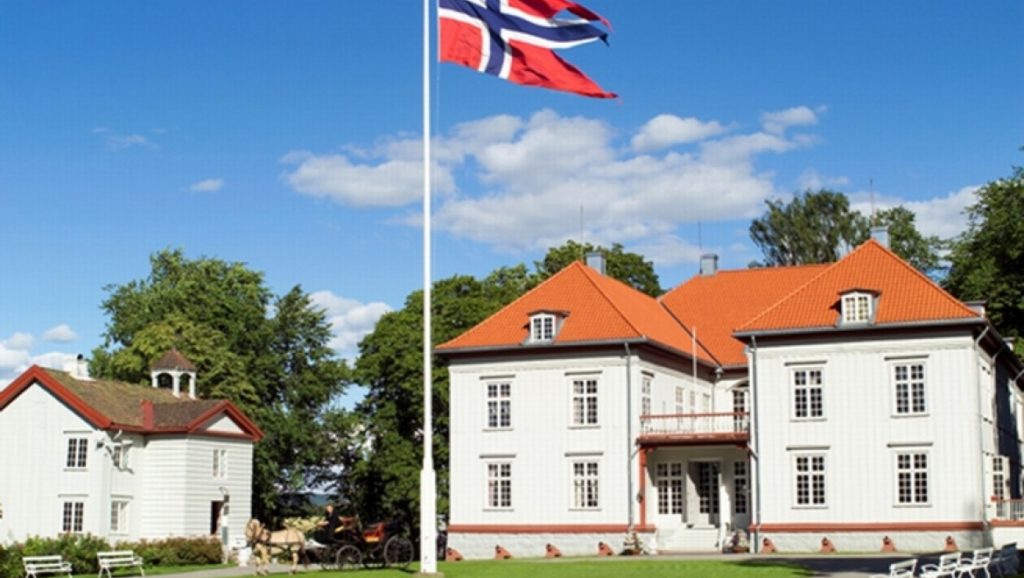
In Akershus county, some 67km (42mi) north of Oslo lies Eidsvoll, a town that grew around the ironworks built in 1624, and closed in 1825. Eidsvoll might have been just another postindustrial town save for the happenings of the spring 1814. Following the dissolution of the union with Denmark, 112 representatives convened at the headquarters of the ironworks, then the only convenient large building, to draw up the Norwegian Constitution, Eidsvoll 1814.
The Eidsvoll Manor, Norway
The Norwegian Constitution Building
Eidsvoll Manor is now one of Norway’s most important cultural monuments and is today a museum to the Constitution and includes the room where the document was signed on 17 May 1814.
The country’s first railway, built in 1845, connected Oslo and Eidsvoll, and it’s now on the E6 highway, the major north-south artery.
Drøbak harbor with seamaids
Christmas all year round
Historic provincial cities and towns are scattered throughout Østfold and Vestfold counties. The best way to explore the counties, whether you travel by bus, car or boat, is via Drøbak, which has become the Norwegian residence of Santa Claus – there is a shop in the center. Julehuset, with a permanent Christmas exhibition and Santa’s own post office.
By road you will pass Vinterbro, at the junction of the E6 and E18 higways, the location if Tusenfryd, one of the country’s major amusement parks.
Oscarsborg Fort / Photo: Einar Ingvaldsen
Picturesque Drøbak grew out of a fishermen’s settlement and fishing vessel still dock to sell fresh catch on the quayside. Places of interest include the open-air Heritage Museum in Belsjøveien, the Drøbak Aquarium and Oscarsborg Fort. Another point of pride is the cross-timbered Drøbak Church built in 1776, with an elaborately carved model for a ship inside, a common church decoration in seafaring towns.
Two forts worth a visit
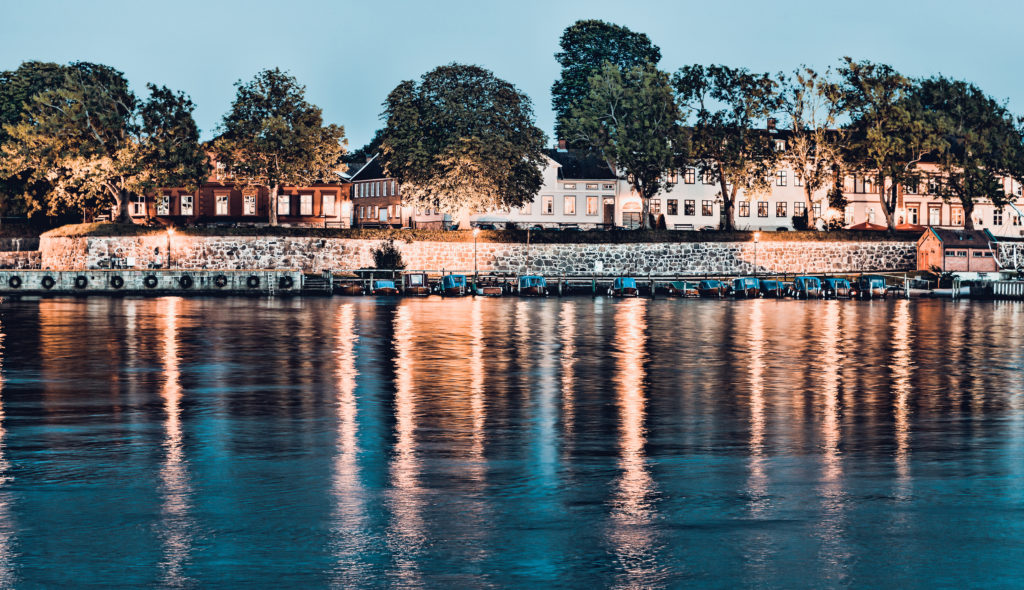
Further south, Fredrikstad is a gem among Østfold towns, and Scandinavia’s only complete preserved fortress town, dating from 1567. The Oldtidsveien (Highway of the Ancients), the 18km (11mi) stretch of National Highway 140, between Fredrikstad and Skjeberg has three rock wall carving areas with Bronze Age pictographs.
Halden, south of Skjeberg and close to the Swedish border, is dominated by Fredriksten Fort, a largely intact ruin with many of its buildings swerving as small theme museums. In summer, passenger launches travel the Halden canal that runs through several sets of massive locks.
The world’s oldest propeller-driven steamship in service, Engebret Soot / Photo: Steinar Fundingsrud
Art and history in Østfold
Museum at the locks at Ørje displays the implements of canal operations. It also arranges charter tours on the Engebret Soot, named after the designer of the canal and now the world’s oldest propeller-driven steamship in service.
Fredrikstad is a gem among Østfold towns, and Scandinavia’s only complete preserved fortress town, dating from 1567
Throughout Østfold, Olsok (St. Olav’s Day, 29 July) is celebrated with a great show of folk costume, music and dance. One of the best displays is at the Borgarsyssel Museum in Saprsborg, north of Skjeberg.
Gallery F15 is a contemporary art museum in a 19-th century manor house
Drive back to the E6 which takes you northwest to Moss (where you can take the car ferry to Horten and the Vestfold), then follow the local road through Moss to reach the small island if Jeløy. Visit Gallery F15, a contemporary art museum in a 19-th century manor house.
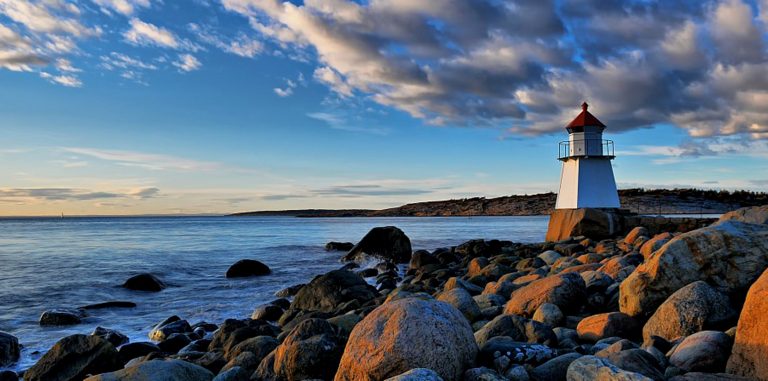
Feature image (on top): Walter Lighthouse / Photo Visit Østfold
Outwards and Southwards from Oslo, Norway, written by Tor Kjolberg
The world relates the Nobel Peace Prize with Norway. This year the Nobel Peace Prize has been awarded to the Congolese gynecologist Denis Mukwege and Nadia Murad for their efforts to end the use of sexual violence as a weapon of war and armed conflict.
However, Norway does not only award the Nobel peace Prize, the government of Norway annually awards the Holberg Prize ( Ludwig Holberg 1684-1754) to outstanding scholars for work in the arts, humanities, social sciences, law and theology.
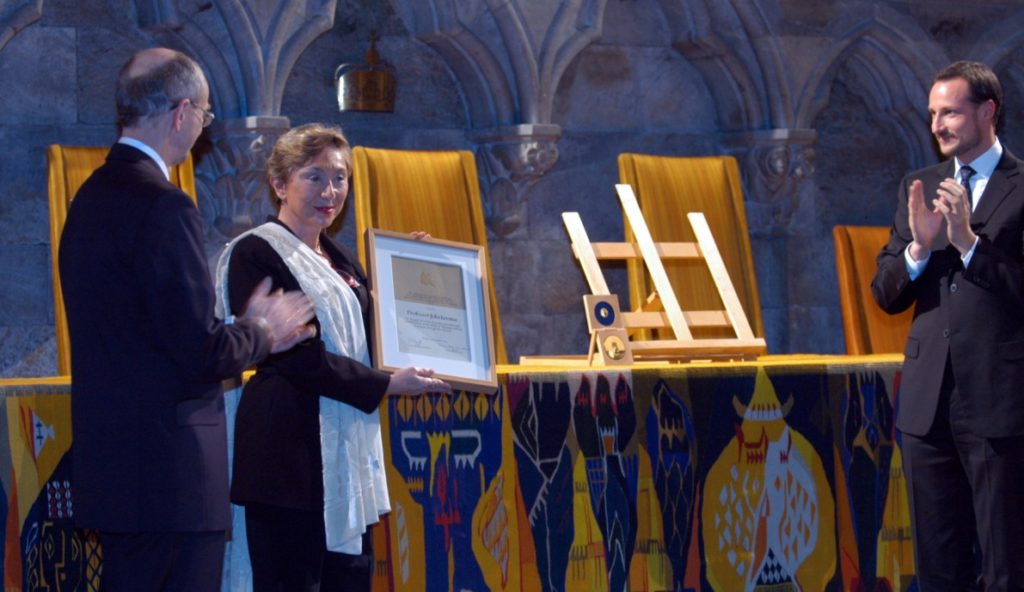
Julia Kristeva receives the Holberg Prize in 2004
The Holberg Prize
In 2004 Julia Kristeva (1941-), the Bulgarian-French philosopher, literary critic, psychoanalyst, feminist, and novelist, author of more than 30 books and now a professor emeritus at the University Paris Diderot, received the Holberg Prize “for innovative explorations of questions on the intersection of language, culture and literature which inspired research across the humanities and the social sciences throughout the world and have also had a significant impact on feminist theory”.[1]
Julia Kristeva is a professor emeritus at the Université Paris Diderot and author of many acclaimed works and novels, including Murder in Byzantium, Strangers to Ourselves, New Maladies of the Soul, Time and Sense, Hannah Arendt, Melanie Klein, and This Incredible Need to Believe.
Kristeva is also the recipient of the Hannah Arendt Prize for Political Thought and the Vision 97 Foundation Prize, awarded by the Havel Foundation. She is the founder of the Simone de Beauvoir Prize committee.
Philosopher Julia Kristeva – Honorary Guest Speaker in Oslo
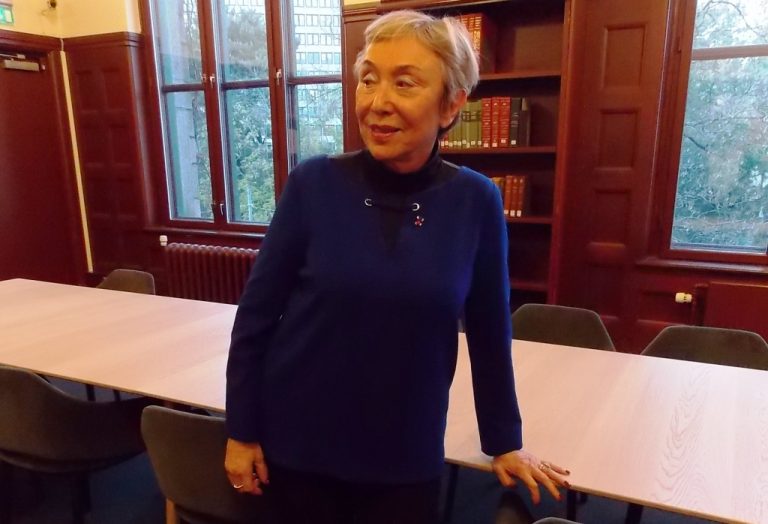
Last October Kristeva was the honorary guest speaker at the conference “Cultural Crossings of Care – an Appeal to the Medicine Humanities” at the University of Oslo. During her stay in Oslo she met the Norwegian psychiatrist and author Finn Skåderud (1956-) for a public conversation to discuss questions of identity at the National Library in Oslo, questions that come up in facing the cultural dimensions of health and well-being.
Finn Skårderud and Julia Kristeva
Oslo is a good place for discussing urgent problems because it still provides a peaceful surrounding. What, then, are urgent problems? For Kristeva an urgent problem is that we are confronted with a process of automatization, also called robotization or transhumanism. Why should this be a problem? Well, because our whole concept of what it means to be a person is challenged with new technologies and our hyperlink in social media.
Singularity of the person
What then, is her answer to this problem? Well, she tries to defend the European heritage by re-thinking some of its key notions. For instance, do we think of the person as a free and unique individual and the respect we have for the “singularity of the person”. What can this mean today? She exemplifies this re-thinking of the notion of freedom and respect for the unique individual by referring to two examples: first the disadvantaged, disabled persons, second the adolescents in the banlieues of Paris. who in 2015 turned violent either against the world outside or inwards against themselves.
Julia Kristeva is a professor emeritus at the Université Paris Diderot and author of many acclaimed works and novels.Photo: Daniel Tchetchik
First, we are used to think of disabled people as human beings who lack something, be it an eye, an arm etc.; but in order to develop respect for the unique individual we cannot think of the other being lacking something. Instead, what she suggests is transforming this paradigm of lacking and focusing on the respect of singularities. Second, we remember the images of burning cars in the banlieues of Paris where young adolescents turned violent in their neighborhood.
Humanism failed
Kristeva considers herself a humanist, but thinks that humanism failed, for instance with national identity or in connection with migration but also in recognition of adolescence complexity. Therefore, she thinks, we must tirelessly continue to rebuild humanism, a humanism that enlightens and develops philosophy.
“Puberty will always be a challenging time,” she told her audience, “the youth is challenging in any historical era”, however today we are facing some additional challenges such as weak institutions, be it on a public political level such as the European Union and European democracies or our educational institutions, be it on a more private level as for instance the family. The latter is often characterized by a weakened authority of the adults. True, society offers certain help to respond to the adolescents needs. However, in Kristeva’s opinion the social response often is not adequate, and this reason is partly the failure in recognizing the complexity of adolescence.
Adolescent is a strong believer
In order to meet the needs of adolescence in a more adequate way Kristeva suggests that adults have to understand the need to believe. Particular the adolescent is a strong believer: he wants to reinvent the world; he wants an ideal world, to leave his parents, to build another society. This is also something essential to other cultures, the believe of an ideal world. We find this in the notion of the paradise; Adam and Eva believe in paradise, we find it in fiction, in Dante’s Beatrice, or in Shakespeare’s Romeo and Juliette.
In Kristeva’s view – she is not only a philosopher but also a psychoanalyst – the adolescent believes that there is an absolute satisfaction. But when reality poses frustrations and so the ideal appears not to be possible, then this impossibility is reversed as vengeance towards either the bad object outside that prevents me from the realization of this ideal and I become vandal, enter in battles or as turned inside, that is I reverse this aggression towards myself, as for instance in anorexia etc. Those are the maladies of the soul.
Kristeva considers herself a humanist, but thinks that humanism failed, for instance with national identity or in connection with migration but also in recognition of adolescence complexity
A narrative of values
How, then, can adults respond more adequately to the challenges the adolescents are facing today? Kristeva suggests that they need to accompany the adolescent with a) a better understanding of their needs and b) to accompany them in a personal way, one to one – and also to give to them a knowledge about humanism, about the history of religion. In other words, adults have to give the young generation not only abstract ideas such as liberté, égalité, fraternité instead they have to give a narrative of values related to historical figures, to battles that our ancestors fought. Or to put the same in different words, narratives that give life, a sort of flesh to these values, are needed.
We may be surprised; we may disagree, but one thing is certain: Julia Kristeva inspired her audience and encouraged to rethink key notions of our European heritage hoping that this will contribute to a better understanding of the young generation and its needs and thus responding more adequately to the crisis of identity which occurs not only in Europe, but all over our globalized world.
Feature image (on top): Photo: Helgard Mahrdt
Philosopher Julia Kristeva – Honorary Guest Speaker in Oslo, written by Helgard Mahrdt