
The County of Oppland, Norway

0

Oppland extends from Sør-Trøndelag in the north, and has seven counties which neighbor it to the north, south, east and west.  The main road E6 connecting Oslo to Trondheim runs across the county.  Travelers on this road have historically varied from the meanest peasants and peddlers,  pilgrims, soldiers at war to future kings on their way to coronations in Nidaros, the medieval name for Trondheim, the capital of Norway’s first Christian kings.
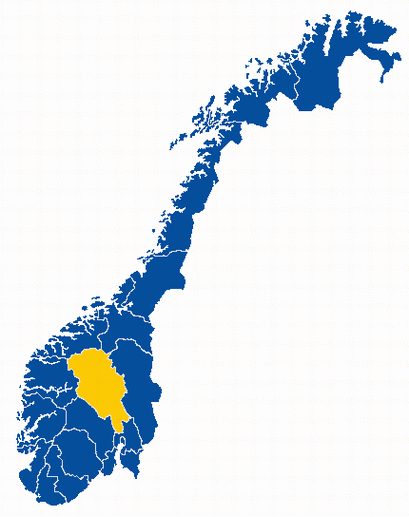
040816-oppland-map
The climate is typical for the inland part of Norway, hot in summer and cold in winter. There is an impressive collection of high mountains located within the boundaries of Oppland, despite the fact that half the county is very high – much is above the tree line.  Oppland has some of the country’s largest agricultural and forestry areas. With so much good soil, it is not surprising that we find early traces of human settlement here.

Petroglyphs
Petroglyphs

Petroglyphs indicate that people stayed here about the same time as Isaac and Jacob went to the land of Canaan.  Later, kings and princes cast their eyes on this district, and subjugated large areas.
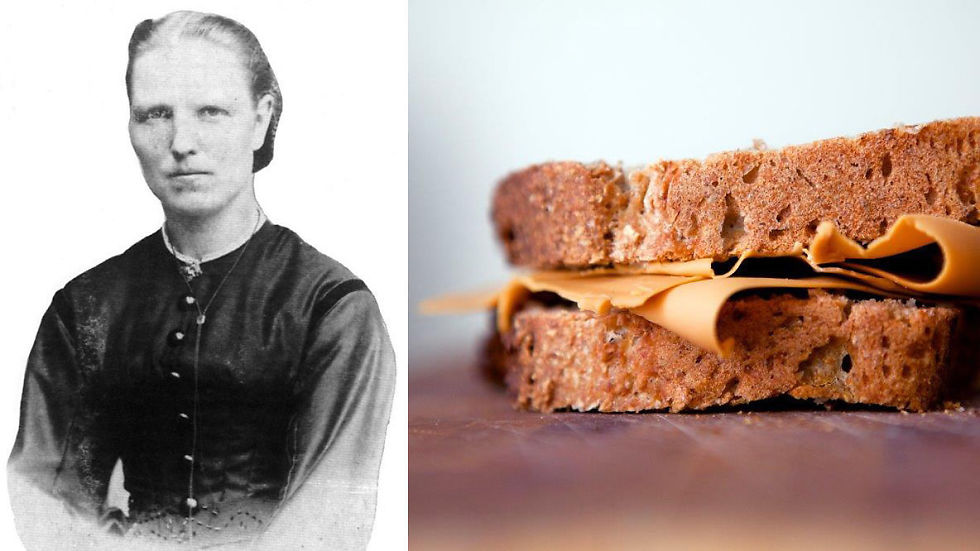
Anne Haav, inventor of the Gudbrandsdalen cheese

Oppland County has traditionally been one of quickest to adopt the latest agricultural technology. The people started to grow early potatoes, and by the 1800s this became a major industry, leading to increased moonshining until it was banned by law in 1848.  Potatoes were still a staple at the dinner table though, saving on other things, such as for example turnips.

Salt-boiled new potatoes

Potatoes were also used for milk food of various kinds, and of course with meat and freshwater fish. Raw grated potatoes were mixed with barley flour and a little salt and boiled in lightly salted water. Bits of bacon added to the mixture resulted in cheap and good food. The boiled water was then used as a soup, usually with added turnips, onions and thyme – making it rich and flavorful.

Mountain pasture Nordangsdalen

Mountain pastures have centuries-long traditions in Oppland. Many farms had several mountain pastures and it was not uncommon for the housewife to bring the children with them to stay there in the summer, both for variety, and of course, to work alongside the servants. On the mountain farms there was always good food of many kinds; butter and soft, sweet, brown whey-cheese, porridge and fresh fish – as these small mountain pastures were often located near lakes.

High mountain farm near freshwater

Gudbrandsdalen (the valley) has for many people been a symbol of Norwegian national dishes. Gudbrandsdal cheese is familiar to many, both at home and abroad. This famous cheese was invented by Anne Håv, who received the King’s Medal of Merit in 1933 for what the cheese has meant to Gudbrandsdalen’s economy. Its secret lies in the combination of new thinking, looking to the future and at the same time taking care of the old. This must be the right way to go – taking care of traditional Norwegian national dishes, but also to let these be the basis for innovative dishes.

Seremony at winter olympic games in Lillehammer 1994

Oppland County has experienced a significant development from a unilateral operation in the traditional industries to what is now happening. Olympics at Lillehammer in 1994 were a grand experience, putting Norway on the world map in more ways than one. Tourism experienced a flowering increase: carpentry and rose painting took a leap from being a domestic industry to becoming a very lucrative multimillion-dollar business. Still the inhabitants do not feel that they are selling their heritage – it is so deeply rooted in the people that generations to come will be able to enjoy national treasures in the same way as does the current population.
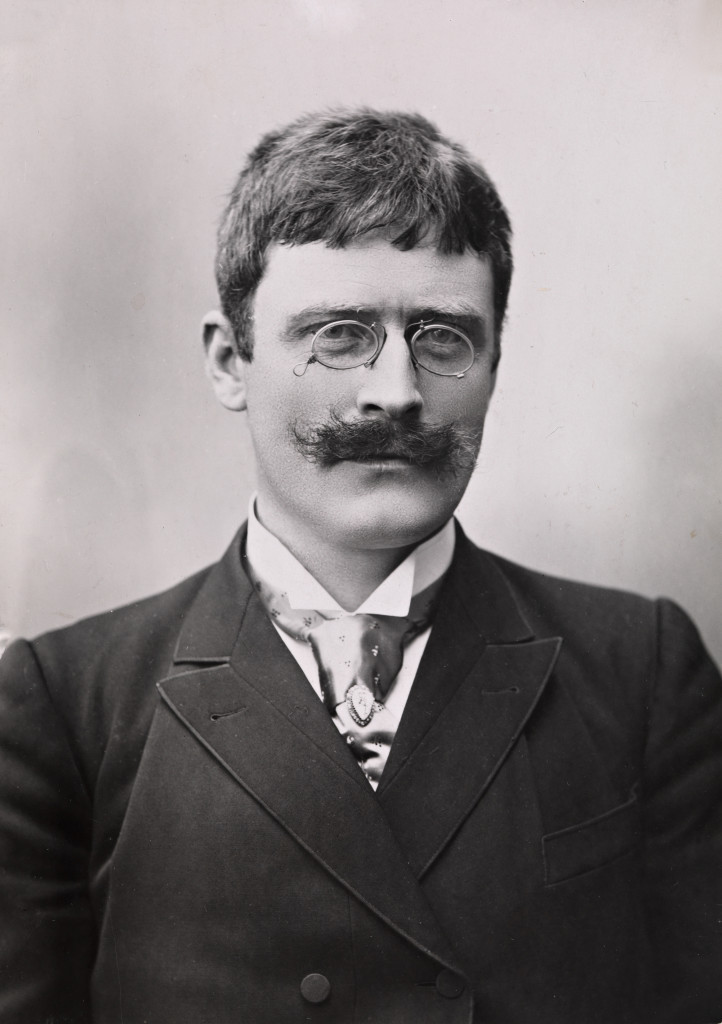
Knut Hamsun
Knut Hamsun

Artists and cultural people also have a strong foothold in Oppland, and many have their roots here. Bjørnstjerne Bjørnson lived for a time in Gausdal, and Knut Hamsun was born on the farm Garmo in Lom. Hans Aanrud from Gausdal is a well-known author and the man behind “Sidsel Sidserk” (Sidsel Longskirt -a Norwegian children classic), also having written the joyful story of the farmer’s son from Evenstad, a son who was so spoiled that he only wanted to eat “lefsklining” (flatbread with butter).

Sigrid Undset 1928
Sigrid Undset 1928

Sigrid Undset was from Lillehammer. We can still find many of the big farms from “Kristin Lavransdatter” and other novels – such as Formo, Romundsgård and Sandbu in Vågå.

Norwegian folk tale collectors Asbjørnsen and Moe

The folk tale writers Asbjørnsen and Moe collected much of their material from this area and were inspired by the German folktale collectors  the Brothers Grimm In “Rensdyrjagt at Rondane” (Reindeer Hunt at Rondane) – one of the more unknown fairy tales – in which we find Peer Gynt, who later is better known as one of Henrik Ibsen’s figures.

Heritage and tradition is strong in Oppland.

The County of Oppland, Norway, written by Tor Kjolberg

Related article
The Inland Counties in Eastern Norway


Fresh Fish in Scandinavia

0

Northern waters are still teeming with fish, even if it’s not as it used to be. Overfishing of certain species is a threat to the sustainability of marine life, with the cold waters being more fragile than warm seas, and restrictions are being made on the most popular fish, such as cod, herring and salmon.

This brings in new species to try, and for the adventurous it’s a thrill to eat strange-looking creatures from the deep with eyes like huge silver coins, dressed in spikes and thorns.

Strange looking fish in Scandinavia

These days, Scandinavian fish lovers are beginning to eat more humble fish, as the most popular types become more expensive. Chefs are doing their best to introduce new fish, showing Scandinavians how to cook them, because even if people in the north eat lots of fish, most of them stubbornly cling to the well-known ones, despite other fish being just as delicious.

White pollock - pollack (Pollachios pollachius)
White pollock – pollack (Pollachios pollachius)

Garfish, shark, Norwegian haddock, whiting, ling, forkbeard, smelt, witch, dab and Pollack are slowly becoming household names. Even die-hard traditions are challenged – new fatty fish are being cured, smoked and pickled, which is a solace to people in other parts of the world who want to try Nordic ways of preparing fish, using their local varieties.

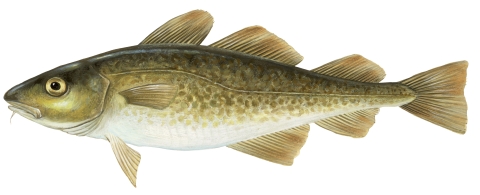
Cod
Cod

As long as you replace them with a similar species: fatty or lean meat, dense flesh or flaky, the result will be successful. And it’s also a necessary challenge to find new ways with fish. Even if there are fine tradition of fish cookery in the north, the people there need to reinvent: crisper skin, less overcooking and more spice.

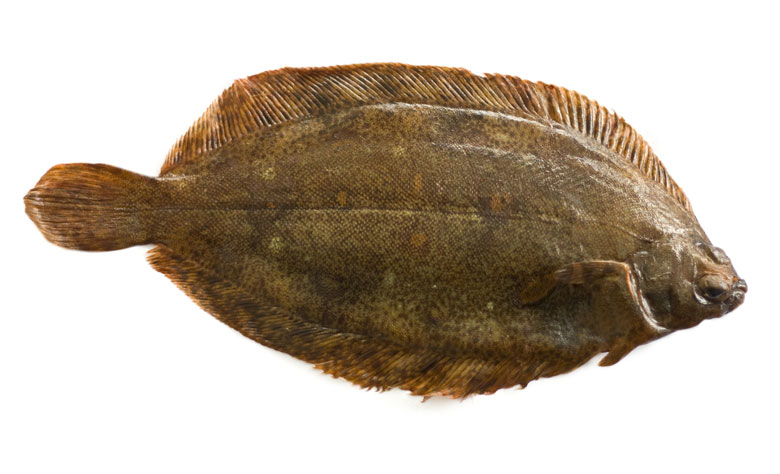
Dab
Dab
Forkbeard
Forkbeard
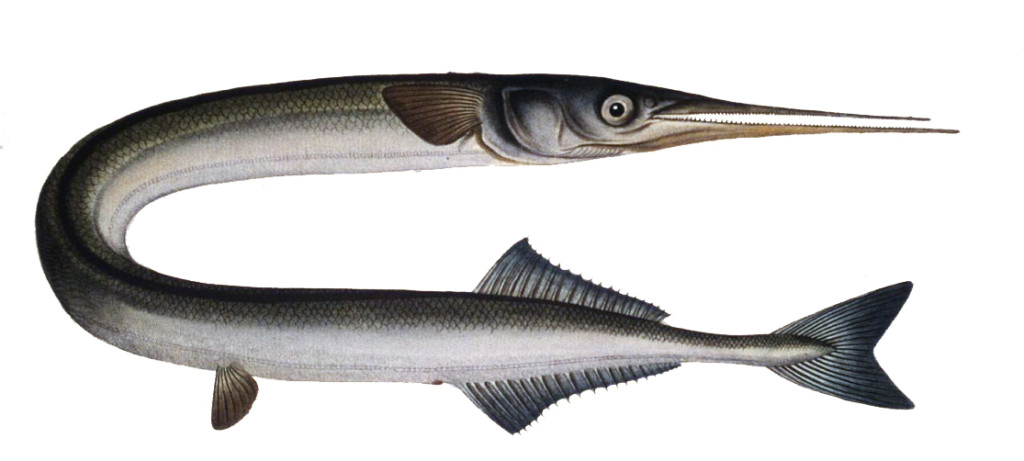
Garfish
Garfish
haddock (melanogrammus-aeglefinus)
Ling
Ling
Rainbow smelt
Rainbow smelt
Whiting
Whiting
Witch
Witch

Fresh Fish in Scandinavia, written by Tor Kjolberg

The Hamsun Center in Northern Norway

Knut Hamsun is Norway’s most innovative and controversial writer through all times. With the publication of Hunger in 1890, and the Nobel Prize in Literature in 1920, Hamsun gained a position as Norway’s greatest author. His pro-German sympathies during WWII represented a major fall. The debates about Knut Hamsun’s literary and political legacy continue to this day.

Knut Hamsun
Knut Hamsun

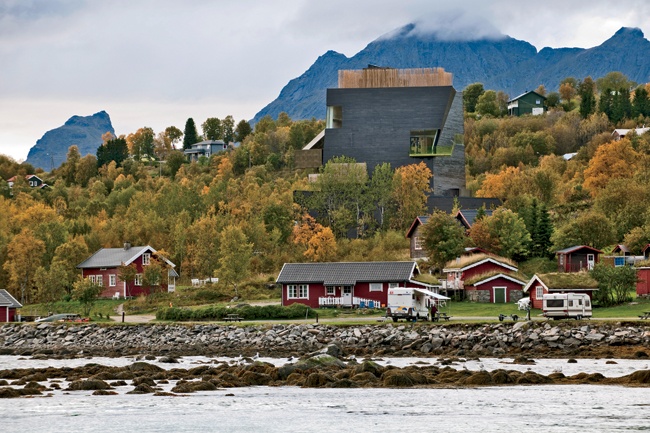
The Knut Hamsun Center is located by the vicarage ruins on the banks of the Glimma River in Presteid in Hamarøy Municipality in Northern Norway. The center is situated in a beautiful cultural landscape surrounded by nature that remains virtually as untouched as it was in Hamsun’s time. The center’s tower offers an impressive view over the realm of Hamsun, the area that inspired the author to write such world renowned books as Pan, Growth of the Soil and Wayfarers.

260716-hamsun-center-north-norway
Architecture
The Hamsun Center was designed by the American architect Steven Holl. The center comprises two buildings – a six-floor main building (known as the tower) and a single floor auditorium.

Steven Holl
Steven Holl

These buildings are connected by an underground passage and have a surface area of 837 m² and 524 m² respectively. The buildings collectively form an entrance area which may be used for outdoor events. The main tower houses exhibition areas, reception, café, library, shop, cloakrooms/toilets and the administration.

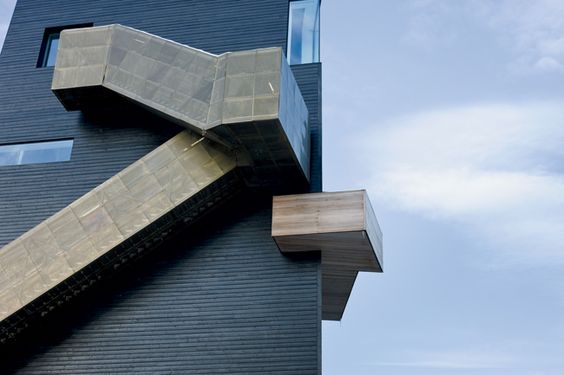
Stairway
Stairway

The auditorium features a flexible stage with a telescopic amphi theatre with a seating capacity of 219, which may be used for school presentations, as a theatre, cinema, for concerts, lectures, conferences and more.

The tower
The spine of the main building is a central elevator shaft of perforated brass and you can move in a spiral movement down the building, alternating through a large open room which rises five floors and several smaller, more intimate exhibition rooms.

260716-hamsun-center-hamarøy-norway
The ground floor houses the reception, shop and café. On this floor, you can get information about the exhibition, events at the Knut Hamsun Center and other Hamsun-related activities.

260716-hamaroy_hamsun-center
The basement houses the administration’s offices, cloakrooms, public toilet facilities and the passage connecting the main building with the cultural auditorium.

The exhibition areas are located on floors 1-4 and are designed to provide a varied and flexible exhibition. The natural light enters the building in dramatic “light columns”, which strike important places in the building on special days of the year. The building features a roof-top terrace, several balconies and windows from where visitors can admire the surrounding cultural landscape.

Exhibition
Exhibition

Auditorium
The auditorium comprises a large room divided into an amphitheatre for the public and a stage floor. The rear of the building features a vestibule, toilets and a control room.

The auditorium
The auditorium

The passage from the stage floor connects the auditorium with the basement of the tower building, which features cloakrooms and toilets. The technical room is located below the amphitheatre. The stage floor is large and is ideal for dances, concerts and the like. The auditorium accommodates 219 people, including the amphitheatre which seats 142.

The exhibition
represents a journey through the life and works of Knut Hamsun. It explores the breadth and ambiguities of this celebrated and condemned writer; his modernist narrative and his criticism of modernity, his restless, wandering characters, his idealization of agricultural life, his tales of love, of the North Norwegian nature and the shifting moods of the human soul.

Hamsun’s political sympathies are central elements in the exhibition, which is interwoven with quotations illustrating Hamsun’s remarkable powers of articulation. The exhibition has been produced by Hybris Produksjon AS.

260716-hamsun-center-norway-detail
The exhibition is structured into different themes, allowing you to begin wherever you like. Take the elevator up to the 4th floor and start with the debates about Hamsun’s political and literary legacy – or begin on the 1st floor by exploring the author’s childhood and years of adolescence in Nordland. On each floor you can further immerse yourself in the various themes of the exhibition via Hamsunweb.

4th floor – The Wanderer
Knut Hamsun was constantly on the road, and the figure of the wanderer is central to his works. His travels to America, throughout Europe and to the Orient, impacted both his life and his literary style.

The novel about Isak Sellanraas’ settlement in the wilderness of the northern Norwegian mountains was perceived as a message of peace and self-sufficiency upon its publication in 1917. Today, Growth of the Soil is seen as a novel expressing ambivalence toward modern life and the idea of progress. In 1920, Hamsun received the Nobel Prize in Literature for this book.

Knut Hamsun 1909
Knut Hamsun 1909

3rd floor – Flowers and blood
Knut Hamsun is considered one of the world’s greatest writers on the subject of love. Who were the women in his life and his writings?


During the 1890s, Hamsun wrote some of the most influential novels in the history of literature. He wanted to craft a new type of psychological literature – an exploration of “the whispering of the blood and the prayer of the bone.” HungerMysteries and Pan are today regarded as highlights of literary modernism.


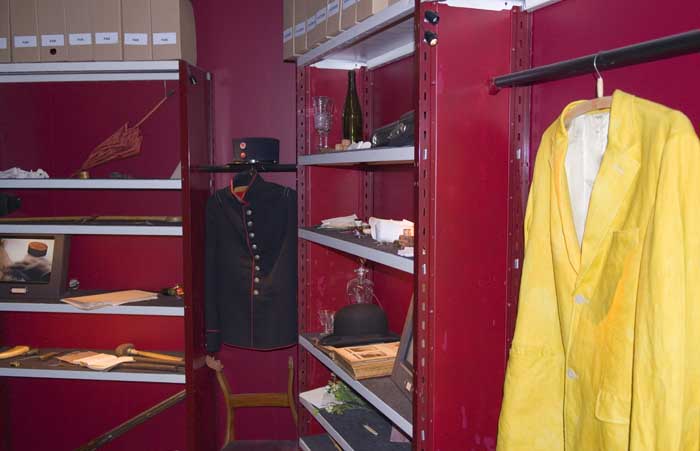
The walls of “the Archive” building allow you to explore Hamsun’s creative process – handwritten notes, restlessness, writer’s block and euphoric outbursts of inspiration. Here you may experience articles and objects from some of Hamsun’s books – Ylajali’s veil, Nagel’s yellow suit and Glahn’s Lieutenant’s uniform.

Hamsun-land
Hamsun-land

1st floor – Childhood
Knut Hamsun was born as Knud Pedersen in Gudbrandsdalen on 4 august 1859. Three years later, the family moved to the farm property Hamsund in Nordland. How did Hamsun’s childhood memories and impressions affect his writings?

More than half of Hamsun’s roughly forty titles are in some way associated with Nordland. Life along the fjords inspired Hamsun to write many humorous stories, as well as harsh criticisms of the modernization taking place in society.

“Modern life has influenced and changed and refined human beings,” Hamsun said in 1891. Throughout his writings, he was attentive to all things modern – and critical to the hectic and superficial aspects of the new age.

Hamsun was interested in politics throughout his life.

260716-hamsun-growrh-of-the-soil-book-cover
History
It has been a long and eventful process from the conception of the idea about a Hamsun Center in the mid 1980s until the completion of the building on August 4, 2009 – the 150th anniversary of the birth of Knut Hamsun.

The idea about an international museum or center for Knut Hamsun arose from the environment around the Hamsun Days festival in Hamarøy in 1986. In 1994 the Nordland County Council and Hamarøy Municipal Council set up a limited liability company to lead the work. Later that same year the American architect Steven Holl was engaged to design the Hamsun Centre.

260716-hamsun-shallow-soil-book-cover
Holl spent considerable time gaining an insight into Knut Hamsun’s life and works and immersing himself in Hamsun’s literature. The novels Hunger, Mysteries, Pan and Victoria and Hamsun’s contrasting literary characters were of particular importance to Holl. He travelled to Hamarøy and started to draw. When he presented his characteristic watercolor sketches for the first time in 1996, they showed a strange tower, a building that was an interpretation of Hamsun’s literature and which the architect himself described as a Hamsun character.

“Building as a Body: Battleground of Invisible Forces… The building is conceived as an archetypal and intensified compression of spirit in space and light, concretizing a Hamsun character in architectonic terms. Peculiar and phenomenal experiences in space perspective and light create an inspirational frame for the exhibition.”

The building’s design generated considerable attention and debate in Hamarøy, Nordland, Norway and abroad. In 1996, MoMA in New York purchased the model of the building and in 1997 Holl received an award at the Progressive Architecture Awards in USA.

260716-hamsun-tales-of-love-and-loss-book-cover
In 1997, the decision was made to locate the center in Presteid and the auditorium was added. In 2000, the Nordland county parliament decided the Nordland County Council would act as owner of the Hamsun Center. The center was jointly financed by the Nordland County Council, Hamarøy Municipal Council, the state and a host of private sponsors and collaboration partners. The final state allocations were received in 2007 and in 2008 the foundation stone was finally laid. Steven Holl was the guest of honor and there were major festivities in Hamarøy. In 2009, Salten Museum took over operational responsibility of the Hamsun Centre.

260716-hunger-by-Hamsun-book-cover
The building was completed in 2009 and formally opened by the Crown Princess Mette-Marit at a major opening ceremony, which was the highlight of the 150th anniversary of the birth of Knut Hamsun on August 4. The Hamsun Centre opened to the public on 13 June, 2010.

Part of this article is written by by Nina Frang Høyum. English translation: Thilo Reinhard.

The Hamsun Center in Northern Norway, source: Hamsun Center, Hamarøy

Nightlife in Copenhagen

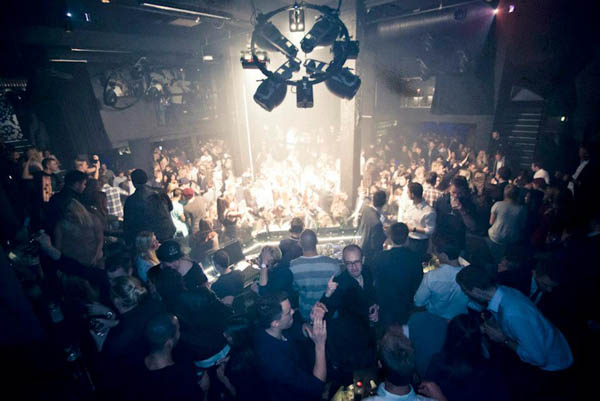
Wonder where to spend your night in Copenhagen? Here is an overview of our favorite places in the Danish capital.

Rust
Guldbergsgade 8 – Nørrebro

Rust in Nørrebro experienced a tragic fire in 2008, but reopened soon after with its classic club feel on three floors. In the Basement music varies depending on who is running the night.

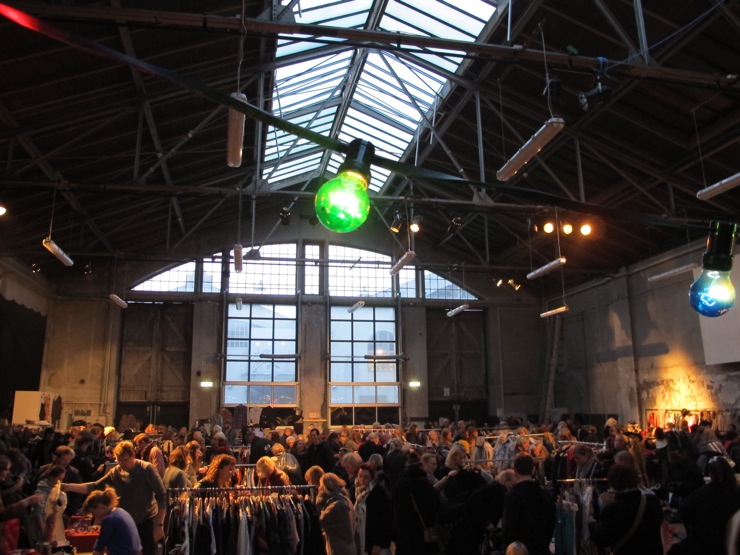
050816-rust-nightclub-copenhagen
The Main Floor is also dominated by various music styles, except on Saturdays. The top floor is the lounge-area where you are allowed to smoke without being sent outside.

Moderate priced beers in the Basement.

Culture Box
Kronprinsessegade 54 st. – 1306 København K

050816-Copenhagen-Culture-Box
Culture Box is Denmark’s regional venue for electronic music and one of the country’s most prominent nightclubs.

On weekends and holidays, the nightclub always has a solid line-up of international and local artists from the underground.

Culture Box is divided into three compartments. White Box is the pre-clubbing bar, Red Box is the intimate lower floor, and Black Box where the biggest names play on the massive sound system.

The music ranges from electronica, through bass music, to house and techno.

Mesteren & Lærlingen
Flæsketorvet 86 – 1711 København V

050816-mesteren-og-lærlingen-copenhagen
Mesteren & Lærlingen (The Master & the Apprentice) is one of the oldest bodegas in the Meatpacking District, aiming a cheap bar and a cozy and informal atmosphere with good music.

At Mesteren & Lærlingen, there’s guests in all ages. There are the old butchers dropping by the bar for a beer, there are the students and then there are the locals.

Mesteren & Lærlingen cherish the old pub atmosphere, so it is allowed to smoke both inside and outside.

Four DJs arrange the music, which makes the atmosphere relaxed and cozy.

Simons
Store Strandgade 14 – 1255 Copenhagen K

050816-simons-copenhagen
Two party pioneers, Simon Lennet and Simon Frank, created this place in the summer of 2010. Som call Simons posh, other say snobby, but who cares?

Many international bookings are made at Simons, so you can expect a wide variety of music-genres, though the club’s main staple is electronica.

This is a huge place, more than 950 square meters located in an old gallery. Two floors high and a yard for smokers make Simon’s one of the places to visit in Copenhagen.

Note: Simon will be closed for renovation from Saturday Oct 12 until November


Bakken
Flæsketorvet 19-21 – 1712 København V

050816-bakken-copenhagen
Bakken is located on the ground floor in the Meatpacking District, where a patio and colored lights are making the atmosphere nice and cozy.

Bakken ensures a great party, and in most of the weekends, there are organized events which include live music. The Thursday club, THRST is particularly popular in the Copenhagen nightlife.

At Bakken, the atmosphere is relaxed and people are open-minded and cheerful, so go enjoy a beer in the old slaughtering halls or in the patio and make some new acquaintances.

Jolene
Flæsketorvet 81-85 – 1711 København V

050816-jolene-copenhagen
Jolene opened in 2007 and instantly became a boisterous success. So boisterous it was shut down after only 4 months due to incessant neighbor complaints.

In 2008, Jolene relocated to chic new digs in White Meat City, Vesterbro. This is also where you’ll find the hip Karriere and Kødboderne 18, featuring a restaurant, café, and bar, a former slaughterhouse turned serious all-night party venue!

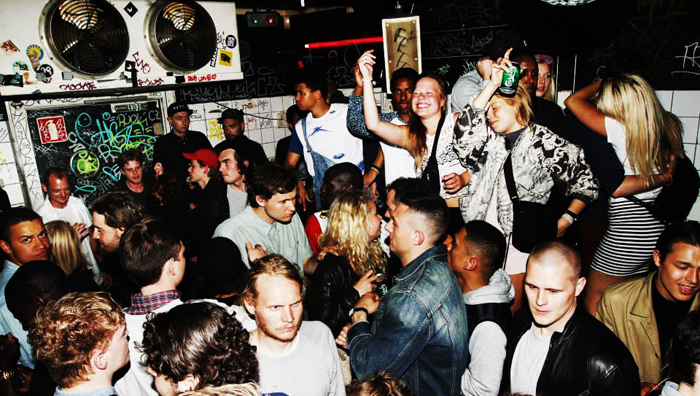
Jolene is a bar. Not a cocktail venue. At Jolene’s you drink your beer from the bottle. Period. Shabby furniture and tattered lamps all contribute to the relaxed, industrial-chic atmosphere in which vibe-thrusting DJs spin their way through the night. Now and then live rock bands take over.

Jolene is a real find!! And you can be as noisy as you like.

Zefside
Frederikholms kanal 4 – 1220 – Copenhagen K

050816-zefside-copenhagen
Do you want to get the best drinks in town for a decent price? Then Zefside is the place for you. Placed in the old town of Copenhagen, you can see businessmen drinking a Friday-beer and later the young and fresh Copenhageners arrive. It’s not the biggest place in town, but the bartenders are always on their toes and do indeed participate in the party with swinging light balls and bass arms in the air.

The music usually starts out with light Electronica and later during the night the classic Dance chart tracks will be taking over.

Bremen Teater
Nyropsgade 39-41 – 1602 København V

050816-bremen-teater-copenhagen
Applause, people calling for “encore” and the smell of cigar are a few of the things that comes to mind when you enter Bremen Theatre’s proud foyer. During the week, the historical stages are to this day still used to present music events, comedy and plays.

Every Friday and Saturday, the chandeliers and champagne cabinets are tucked away, and the grand foyer is turned into a tremendous Nightbar, with a vibrant atmosphere and a DJ playing all the right music hits until people go home in the wee hours.

Bremen Theatre on Nyropsgade is among other things known for being owned by “Denmark’s travel King” Simon Spies, who was best known for starting the charter airline Spies Rejser, today owned by MyTravel.The theatre was originally called The Merkur Theatre, and worked as a cinema for the prosperous citizens in Copenhagen.

The theatre’s scenes and halls are kept in the same style as when Simon Spies owned it and has kept its old charm and patina. If the walls could talk, they could tell many mysterious and chocking tales that has found place in this theatre.

KB18
Kødboderne 18 – 1714 København V

050816-kb18-copenhagen
KB18 is Copenhagen’s underground music destination. The club and concert venue presents artists within genres such as electronica, techno, punk rock, alternative rock and garage rock.

The interior of KB18 is both intimate and unconventional, with low ceilings, unfinished floors and graffiti. The prices are cheap and the nights long, with opening hours until late morning.

Hive
Skindergade 45-47 – 1159 København K

050816-hive-copenhagen
The nightclub HIVE is located in the heart of Copenhagen close to Gammeltorv. HIVE is part of Copenhagen’s more exclusive clubs as Zen and Sunday, which also appears in the club’s decor.

The style is simple, and by all the tables you will find chargers for iPhones. Besides, the tables in the great hall, you will find two lounges and a secret table, which is stored behind a large thick curtain.

On Fridays, HIVE is called XII, 12, and is for the more energetic audience, where several DJ’s ensure that you get a fun evening with lots of good music.

On Saturdays, HIVE is transformed to a universe with a mix from the 1300s and 2013 with 3-d visual walls, different levels, first floors, secret table areas and a dungeon from 1300 where only the visionaries from the other world can go.

The Jane
Gråbrødretorv 8 – 1154 København K

050816-the-jane-copenhagen
The nightclub and cocktail bar, The Jane is located in the heart of Copenhagen on Gråbrødre Square. Here you are invited into rooms in best ‘Mad Men’-style.

When you walk down the stairs to the 340 square meters nightclub, you will see a fireplace and a large bar where the bartenders are ready to make your favorite drink.

You can enjoy your cocktail at the bar or in an adjacent room, where you can sit in Chesterfields and plush chairs.

In some of the rooms there are old bookshelves, which during the evening open and reveal hidden doors. Behind these doors there are several other bars.

If you like to dance, a DJ will play around midnight.

KB3
Kødboderne 3 – 1714 København V

050816-kb3-copenhagen
KB3 is not called a giant nightclub for nothing. The place is 850 m2 with a 13 meter long bar. In addition, there are seven meters to the ceiling, an outside smoking area and a special ‘friend toilet’ (with two toilet bowls next to each other!).

The club has room for 800 people and is open every Friday and Saturday night.

Ideal Bar
Enghavevej 40 – 1674 København V

050816-Ideal-Bar-Copenhagen
Ideal Bar is the music venue VEGA’s concert hall and bar located in the Vesterbro district of Copenhagen. Ideal Bar is an integral part of VEGA, but the intimate bar lives a life of its own every weekend as a popular nightclub.

Several times a month, Ideal Bar hosts intimate concerts, and sometimes it will be open before concerts at big brother VEGA. On weekends Ideal Bar turns into a popular nightclub with drinks, DJs and a dance floor.

When there are live concerts on, Ideal Bar opens one hour before the concert starts. Check out VEGA’s website for Ideal Bar’s concert calendar. You must be over 18 years old to enter the nightclub on weekends, but there is no age restriction for the concerts.

Nightlife in Copenhagen, compiled by Admin

Norwegian Massacre

0

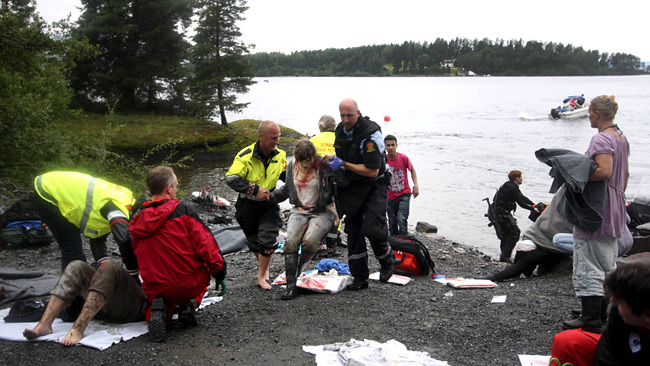
Nothing could have prepared the Scandinavian countries for what happened in Norway five years ago on 22 July 2011, when Anders Behring Breivik exploded a car bomb near government building in Oslo, killing eight people, then travelled to the nearby island of Utøya and gunned down 68 young people attending a Labor Party youth rally.
220716-anders-bhering-breivik
The 2011 Norway attacks conducted by a lone wolf terrorist on 22 July 2011 claimed a total of 77 lives.

In his 1,500-page manifesto, “2083 – A European Declaration pf Independence”, Breivik claimed he had carried out the killings to precipitate a revolution against Islam and multiculturalism.

Utøya youth camp massacre

The massacre led to much soul-searching across the region, shaking as they did the traditional image of the Scandinavian countries as places of tolerance, liberalism and hospitality.

Prime minister Jens Stoltenberg after the Oslo bomb blast

In Norway, hundreds of thousands of people expressed their revulsion at the killings by demonstrating their support for democracy and unity.

As the prime minister Jens Stoltenberg, put it, “If one man can show so much hate, think how much love we could show standing together.”

Norwegian Massacre, written by Tor Kjolberg

Related article:
Egoiste from Norway
Europe’s Longest and Fastest Roller Coaster

0

Djurs Sommerland in Denmark has invested DKK 90 million in a new roller coaster with a top speed of 85 km/h, a length of 825 meters and a height of 30 meters. The new attraction will open in May 2017.

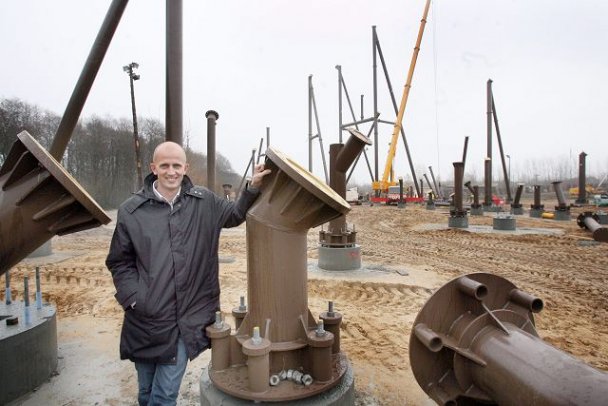
The new attraction will thus be Europe’s longest and fastest Family Suspended Coater (carts located on the underside of the rails), and the roller coaster is so large that it takes a whole year to build it. It is the largest single investment in a Danish amusement park ever.

https://youtu.be/a2B5jwr3YiY

When it is finished, the roller coaster is able to give a full blown adrenaline and 4G experience to approximately 750 people an hour, with a running time of two minutes. The new attraction will be a part pf a new and extensive theme area.

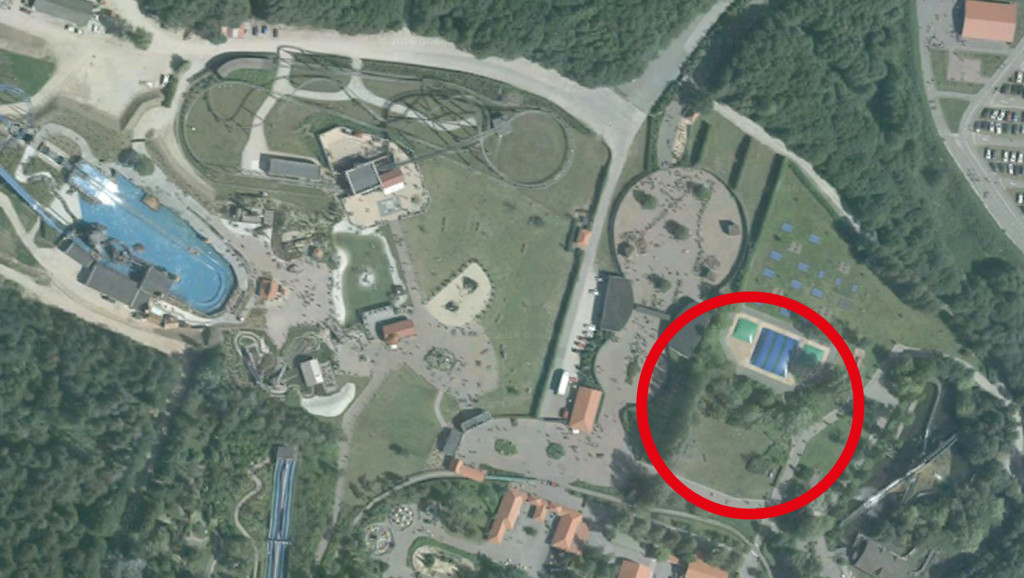
010816-djurs-sommerland-2017-area
Djurs Sommerland
s latest investment is an extension of the park’s ambitious investment strategy, which also includes the Pirate (2008) and Jewel (2013).

CEO Henrik B., Nielsen (Photo: Flemming Højer)

When the new attraction is in place it will be the 27th park launch since 2008, a period in which Djurs Sommerland has invested over DKK 400 million in development. It has apparently paid off, since the number of visitors has increased from over 487,000 guests in 2007 to 801,000 in 2015, according to a press release from the amusement park.

Related article:
International Interest in Denmark’s Longest Roller Coaster

Europe’s Longest and Fastest Roller Coaster, written by Tor Kjolberg

Pictures of Longing

The photographic culture of Norwegian US immigrants

Lengselens bilder (Pictures of Longing) by Sigrid Lien is a photographic image of America – as seen through the eyes of Norwegian immigrants. Many have been interested in and much has been written about the Norwegian US emigration, but few have focused on the images as historical sources like Sigrid Lien. Between 1870 and 1930 around 700,000 Norwegians immigrated to the United States.

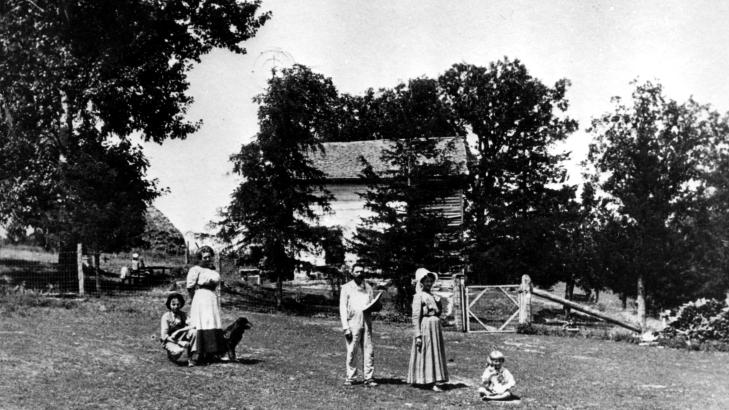
Forde home, Winneshick County, Iowa

There was a fierce competition for work at home and plenty of jobs “across the pond”. Due to the demand and relatively inexpensive equipment some started their career as photographers after they had moved. Also women were well represented. However, the photographic profession was one of the few that could provide a good decent livelihood at the time.

High Seas (from Sigrid Lien's book)
High Seas (from Sigrid Lien’s book)

In spite of that, many traveled around and photographed, for example, Indians and railway construction. Some even commuted between the United States and Norway to sell their pictures.
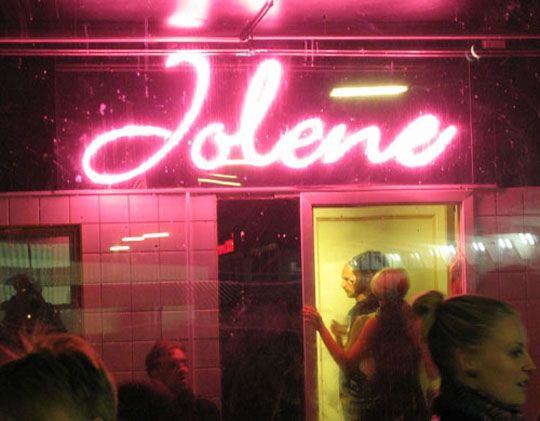
Image from the American dream

Such photographs have documented the modernization of the American continent and also participated in helping to create our notion of America. They also helped to maintain the ties between those who moved and those who remained behind.

lengselens-bilder-omslag.indd
Although there were strong forces at work to stop people from moving, there were many who were lured by the letters and pictures from “over there.” Photographs of America and American living may thus have been a contributing factor to the massive exodus.

220716-lengselens-bilder-2
In Sigrid Lien’s book Lengselens bilder (Pictures of Longing) letters and images complement each other. One letter may tell that a little child has passed away, while the picture shows a desperate father with a dead child in his arms. This powerful story and many others are visualized in the book.

Sigrid Lien
Sigrid Lien

About the author
Sigrid Lien is professor in art history at Department of Linguistic, Literary and Aestetic Studies at the University of Bergen. She has written several books on photographic history and the art of reading images.
Pictures of Longing, written by Tor Kjolberg

Feature image (on top): Not from the book, courtesy Lars Andersen, private collection.

Related article:
The Great Scandinavian Exodus

The Norwegian West Country

0

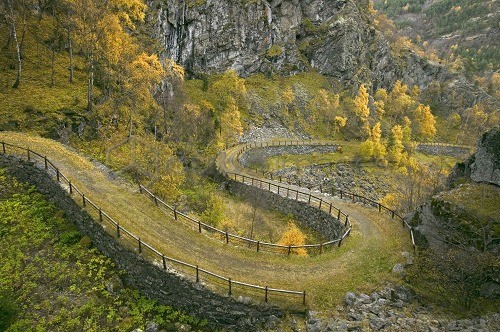
The landscape of Norway’s western coast, with its snow-capped mountains, deep fjords and narrow inlets, is full of contrasts – both majestic and mild at the same time.

Roughly paraphrased, that is how the Norwegian poet Tore Ørjasæter (1886-1968) opens his hymn to the west country. He puts into words what so many people are struck by when they come here: it is wild and beautiful, but also gentle and hospitable.

Norway, Sogn og Fjordane, Leardal, Vindhella, curves,Europe, Scandinavia, west Norway, Lv¶rdal, Vindhella-Stravüe,
Norway, Sogn og Fjordane, Leardal, Vindhella, curves,Europe, Scandinavia, west Norway, Laerdal, Vindhella-Stravüe,

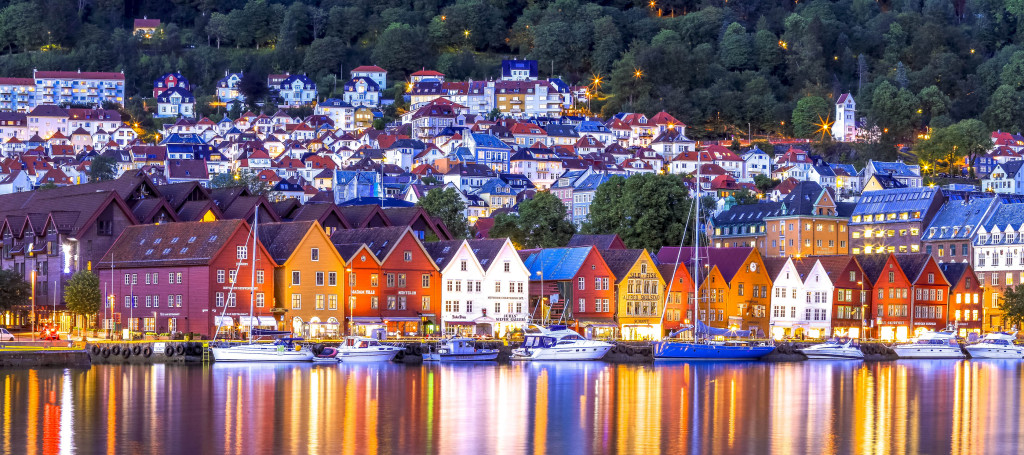
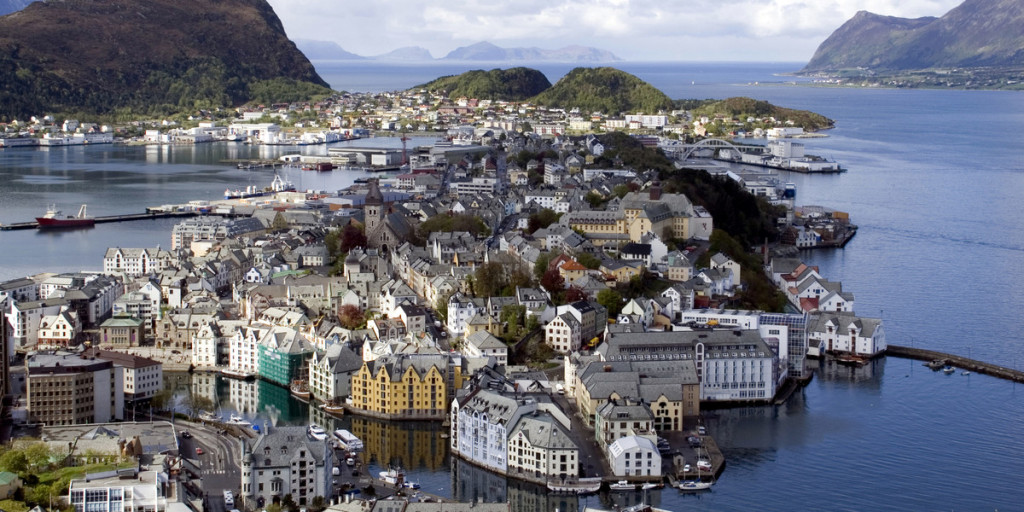
The west country us probably the part of Norway that offers the greatest contrasts. Here you can climb up the mountains surrounding the busy city of Bergen, or take a boat from Ålesund to the islands dotted like stepping stones to the open sea.

Old quay, Bergen
Old Quay, Bergen

You can wander in shady forests or rest in a quiet inlet. The west country can be described as the distillation of everything that is typical of Norwegian nature – the fjords, the sea, the mountains, wide open spaces and deep forests. All this must have left its mark on the people living here through the generations?

Aalesund, Norway
Aalesund, Norway

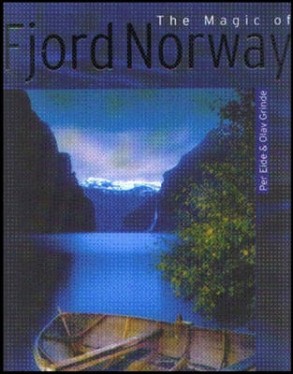
“Yes, I think so,” says Olav Grinde, who together with photographer Per Eide has written a richly illustrated guide to the region: “The Magic of Fjord Norway”. This is not a typical travel book which shows the surface of towns and villages, and tells you how to get there. “We did that too,” he goes on. “But first and foremost we wanted to paint a colorful and diverse picture. We also wanted to tell the story of the west country, about how the mountains were created, how the landscape has influenced the west country character, and how the people and culture have gone hand in hand for generations.”
210716-magic-of-fjord-norway-book-cover
Olav Grinde talks enthusiastically about his roots and his love of the west-country. He is, like most west-countrymen, a fierce local patriot, but one that does not let it tip into maudlin sentimentality. That is certainly not part of the west-country character.

Geiranger fjord, Photo: Per Eide

“I think west-country people aee rather taciturn and unsentimental, frugal and temperate,” says Grinde. “I think that is to do with how they have learned to live with the elements and made a living from the land and the sea.”

Geiranger fjord with cruise ship

The power of nature
That is precisely what the first part of the book is about – the sea, the fjords, the mountains, woods and glaciers. Here the reader learns how the fjords were created through a series of ice ages, but is also tempted by the prospects in store for them if they decide to explore themselves on foot or by bike.

Huerigruten in Hjorundfjord. Photo by Erika Tiren
Hurigruten in Hjorundfjord. Photo by Erika Tiren

The second part of the book does not go as far back as the ice age, but the reader gains a deeper and more nuanced understanding of the Vikings and their way of life.

Norwegian stave church

The book is also about religion. For it is in this part of the country that Christianity was introduced in the 11th century, and it is here that strict Protestantism, Puritanism and temperance still hold sway in some local communities.

Surrounded by history
Character, local culture and customs are one thing. Just as exciting is to get an introduction into local architectural and craft traditions. And this book provides it.

Travel by traiun in Flåm

“You just have to look around you,” says Grinde enthusiastically. “Much of the architecture we see today is built in ancient wisdom. And today’s wooden fishing boats resemble the old Viking ships in their design and construction. The book is a result of countless hours of research and I have spoken to a great many people with knowledge I didn’t even know existed. I learned, for example, that people had waterproofs long before Helly Hansen. But they used garments made of oil-impregnated hides or birch bark. However, I don’t mean that we should focus only on history and get all romantic,” he adds.

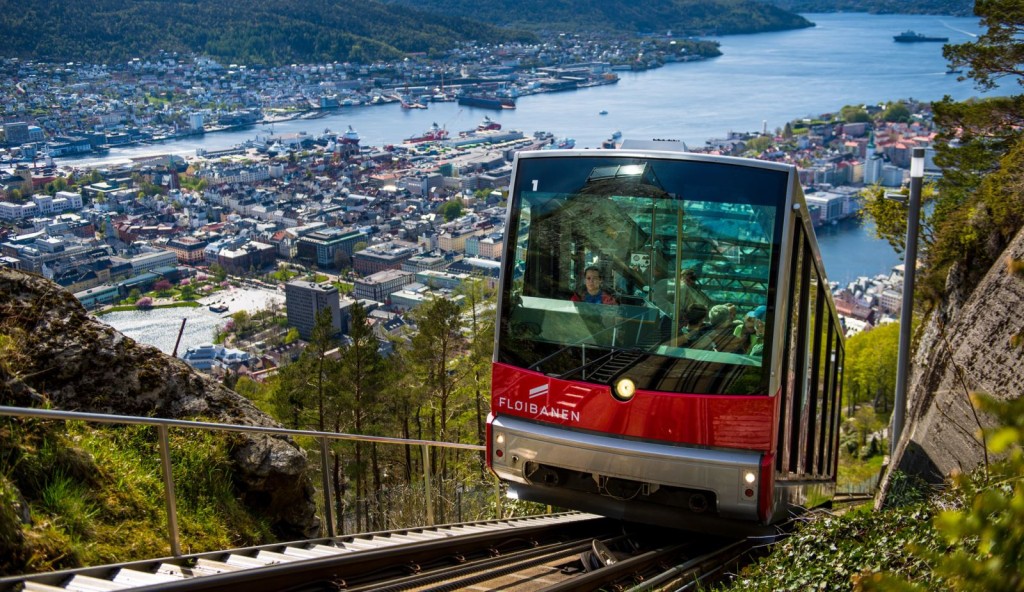
Trancar to Fløyen in Bergen. Photo: Sverre Gjørnevik, Visit Bergen
Tramcar to Fløyen in Bergen. Photo: Sverre Gjørnevik, Visit Bergen

“The west-country is also a modern region. That is why we have devoted a lot of space to presenting and describing our thriving towns and villages. Today. Road building, shipbuilding and oil production are important economic drivers. And the fishing industry. You could say that most of the raw materials exported from this country are produced here – oil and fish, the backbone of the Norwegian economy,” says Grinde, who emphasizes that the book is also published in English. You can also buy a paperback edition with the text in Norwegian, English and German.

Norwegian fjord
Norwegian fjord

Yes, we will allow him that much advertising space. The glossy hardback edition is certainly a joy to behold.

The Norwegian West Country, written by Admin.

National Parks in Scandinavia

The Scandinavian region has many national parks, each with its own claim to unique native flora and fauna.

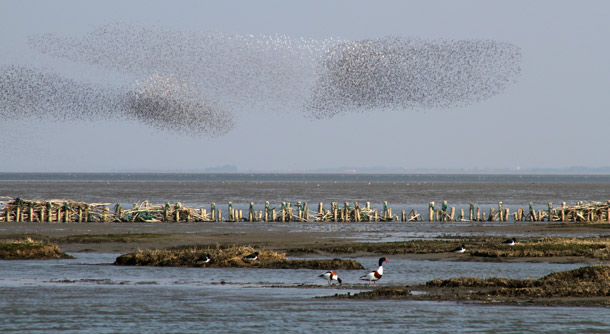
Denmark’s parks are very new – the first opened in 2008 – and contain small but unique environments such as the tidal flats of the Wadden Sea.

Parks in the other Scandinavian countries tend to be much bigger, with marked trails. In the more remote parks, you’ll often find a chain of mountain stations set a day’s walk from one another along waymarked footpaths, providing shelter for walkers. Most are equipped with cooking facilities, a shop and comfortable beds. Some have a self-service restaurant and a sauna.

Wadden Sea National Park, Denmark

They are not hotels, but simple accommodation designed to provide a haven at the end of the day for tired walkers.

Åmotdal Cabin, Norway

Large areas of Norway have been designated as national parks to protect special habitats and support biodiversity.

Jostedals Glacier, Norway

Sweden’s 28 national parks cover everything from low-lying marshland to Sarek’s trackless mountains and glaciers.

Sarek National Park, Sweden

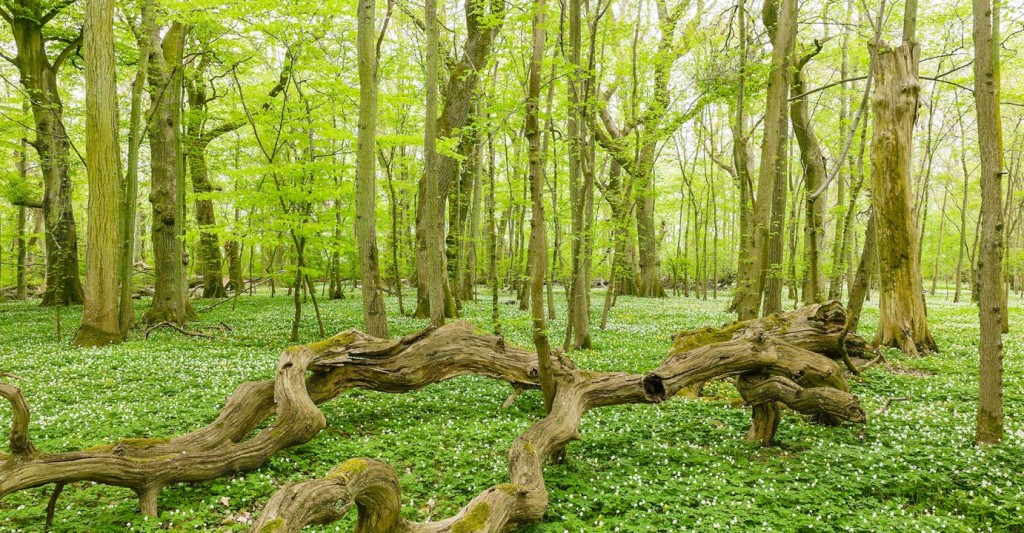
For spring flowers and birdsong, head to Dalby Söderskog in Skåne.

Dalby Söderskog, Sweden

Store Mosse in Småland is worth a detour for birdwatchers interested in whooper swans, marsh harriers and cranes.

Whooper Swans, Photo: David Fyles

In Sweden and Norway, the extensive networks of walking and hiking trails are marked by a red “T”.

020816-hiking-in-norway
National Parks in Scandinavia, written by Tor Kjolberg

Feature image (on top) Huldrefossen (Wood Nymph Waterfall)

Norway’s Views

0
200716-trolltunga-troll's-tongue-norway
Troll’s tongue

From precipices overlooking fjords to architectural lookouts, could Norway be the world capital of the spectacular view?

If you want to hang out over a terrifying precipice, Norway is your country. Spots like Trolltunga (Troll’s Tongue) in Skjeggedal, are left as close as possible to how nature intended. So don’t expect protective fences on the four-hour hike to the precarious rock hanging out 700m above the lake Ringedalsvatnet.

Pulpit Rock
Pulpit Rock

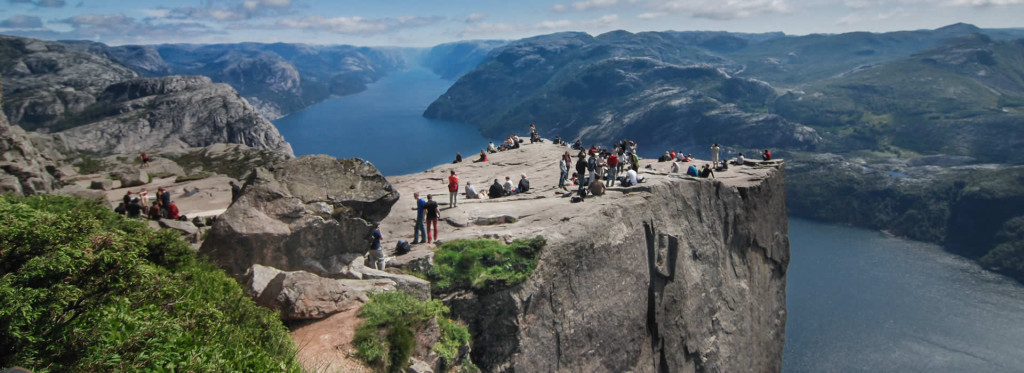
Slightly easier to get to is Prekestolen (the Pulpit Rock) in Forsand, which now attracts over 200,000 hikers a year for the 3.8km trek to its 25, by 25m flat top, perched 604m above the Lysefjord and the Ryfylke valley.

Kjeragbolt
Kjeragbolt

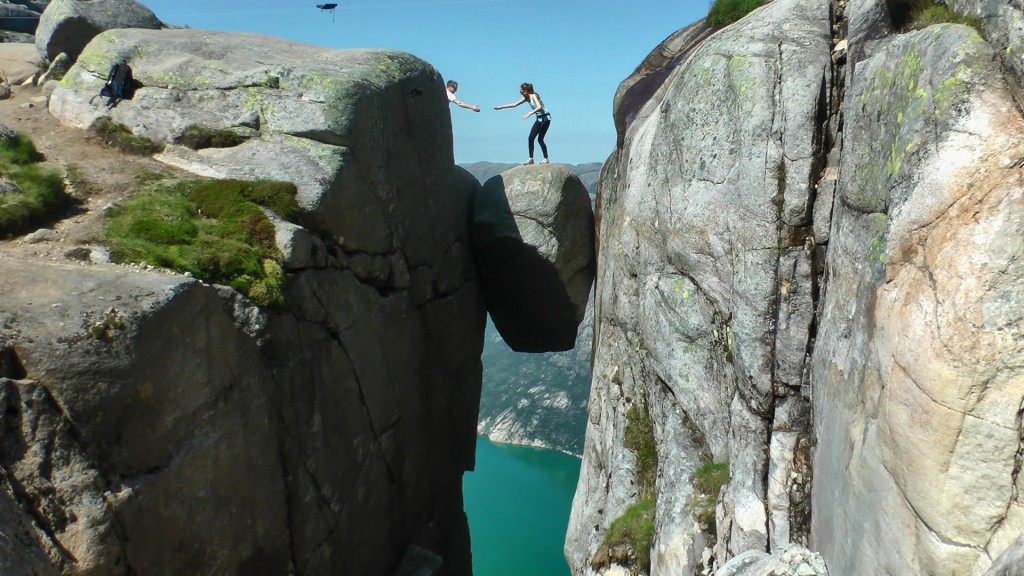
Nearby is the Kjeragbolt, a 5 square meter boulder lodged in a 984m-deep crevasse in the 1,100 in the 1,100m Kjerag mountain, which is popular with hikers and BASE jumpers.

From Andøya, Norway's national tourist routes
From Andøya, Norway’s national tourist routes

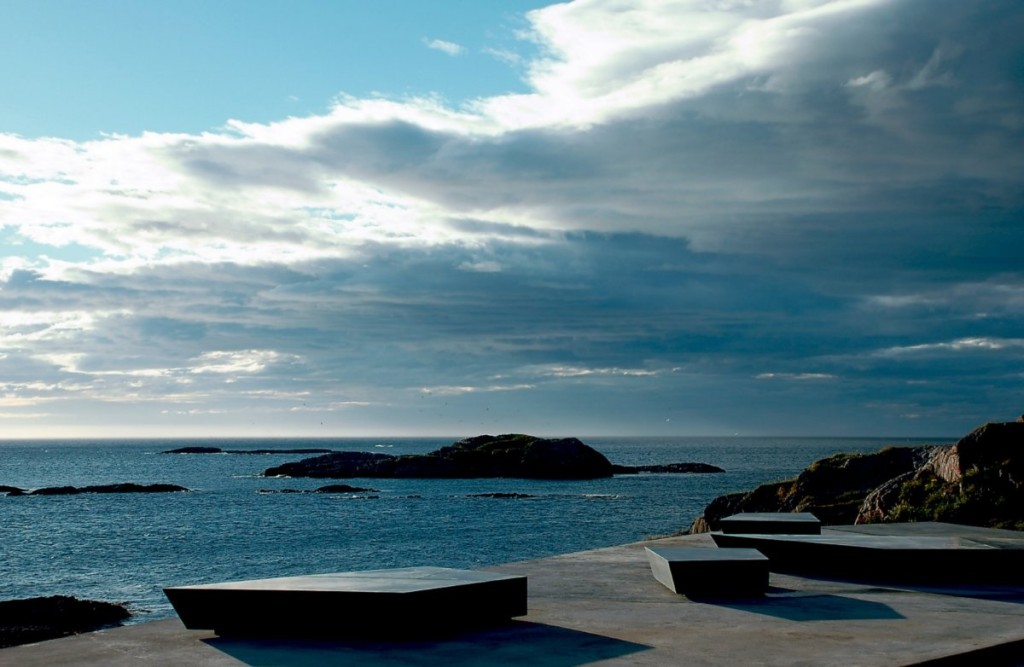
Norway has developed 18 National Tourist Routes to take the country’s landscape and many of these drives have been augmented with spectacular viewing points. Beautiful installations on the Andøya, Lofoten (above, designed by Snøhetta) and Trollstigen routes, for example. You will find protecting platforms at Gaularfjell, Ørnesingen and Aurlandsfjellet (by architect Todd Saunders and Tommie Wilhelmesen). These don’t just showcase Norway’s stunning outdoors, but innovative design too.

Feature image (on top) Eagle’s Bend, Geiranger, Norway. Photo: Statens Vegvesen

Norway’s Views, source: Visit Norway and Nasjonale Turistveier.