Controversial Nobel Peace Prize Winners

0

Since the Nobel Peace prizes are awarded to people and accomplishments that even laymen have opinions about, they are creating more controversies than most other prizes.

The Nobel Peace Prize is one of the most impressive awards around. When the Swedish chemist and engineer Alfred Nobel, who invented dynamite, died in 1986 he bequeathed about USD260 million to create prizes to reward various scientific and cultural advances produced by people or organizations around the world.

270616-Nobel-Peace-Prize-medal
The Nobel Prizes are chosen in five categories: Physics, Chemistry, Physiology or Medicine, Literature and Peace.

According to Alfred Nobel’s will “the Peace Prize is to be awarded to individuals and institutions that “have done the most or the best work for fraternity between nations, for the abolition or reduction of standing armies and for the holding and promotion of peace congresses.”

Alfred Nobel
Alfred Nobel

Since the late 1800s the Nobel Peace Prize has been awarded to scientists, writers and peace and political activists. Not everyone has agreed on who is or isn’t worthy of the $1.2 million prize.

Alfred Nobel stated in his will that the recipients of the Nobel Peace Price should be selected by the Norwegian Nobel Committee, a five member committee appointed by the Parliament of Norway.

Nobel Peace Prize ceremony in Oslo

Since 1990, the prize has been awarded on 10 December in Oslo City Hall each year. Formerly the prize was awarded in the Parliament (1901-04), the Norwegian Nobel Institute (1905-46) and the Atrium of the University of Oslo Faculty of Law (1947-89).

On rare occasions the committee’s choices may have been short-sighted or naïve, and a number of poor decisions have been made. Here are some of them.

260616-carl-von-ossietzky
Carl von Ossietzky (1936)
The journalist, anti-Nazi and camp prisoner Carl von Ossietzky was awarded the Peace Prize in 1936, when he revealed that the German authorities were secretly engagement in rearmament contrary to the Versailles Treaty. For this he was found guilty and imprisoned. After the seizure of power by the Nazis in 1933 he was arrested again and sent to a concentration camp.

An international campaign was organized to have Ossietzky released. As one step in this campaign, he was nominated for the Peace Prize. It attracted attention that the Norwegian Royal Family stayed away from the award ceremony in December 1936, probably prompted by the Government, which feared German reactions.

Hitler reacted to the news of Ossietzky’s Peace Prize with fury, and prohibited all Germans for ever from receiving Nobel prizes. The seriously ill Laureate was refused permission to leave for Norway to accept the distinction. He died in a prison hospital in May 1938.

260616-cordell-hull
Cordell Hull (1945)
Cordell Hull was given the prize for his role in establishing the United Nations. He is considered a controversial winner due to an incident in 1939 when he was President Roosevelt’s Secretary of State.

The President was amenable to helping 950 Jewish refugees aboard a ship called the SS St Louis settle in America. But Hull and a group of Democrats from the American South voiced “strong opposition”, threatening to withdraw support for Roosevelt if he let the ship dock.
The president buckled, the SS St Louis was turned around and many of its passengers became victims of the Holocaust.

Henry A. Kissinger, author of his new book World Order.
Henry A Kissinger (1973)
The former US Secretary of State was awarded the prize together with Vietnamese leader Le Duc Tho for their efforts in bringing peace. The latter did not want to share the prize with Kissinger and rejected the award as he did not feel peace had been achieved.

Kissinger was also accused of playing a role in America’s secret bombing of Cambodia in 1969 and 1975.

Nobel Peace Prize winner Menchu attends a meeting of indigenous communities in Caracas
Rigoberta Menchú (1992)

Rigoberta Menchú won the Nobel Peace Prize in 1992 for her autobiography  I, Rigoberta Menchú, first published in 1982. The book was translated into 12 different languages, making people aware of the genocide of the indigenous Guatemalan people in the late ’70s and early ’80s.

Later the American anthropologist David Stoll discovered that Menchú had stretched the truth to make her story more emotionally persuasive. She did not witness the torture and murder of her brother, and her historical portrayals were not accurate.

260616-yassar-arafat
Yasser Arafat (1994)
Palestinian leader Yasser Arafat shared the prize with Israeli Prime Minister Yitzhak Rabin and Israeli Foreign Minister Shimon Peres for their work on the Oslo Peace Accord, a document meant to create “opportunities for a new development toward fraternity in the Middle East.”

The committee has been criticized not only because of the failure of the Oslo accords, but for giving the prize to Arafat, who has been called “the worst man to ever win the Nobel Peace Prize”. The author Jay Nordlinger described Arafat in The Times of Israel as an “unrepentant terrorist with a long legacy of promoting violence” for terrorist campaigns against Israel.

The long list of Arafat’s numerous crimes has spurned many to call the Palestinian leader “the father of modern terrorism”.
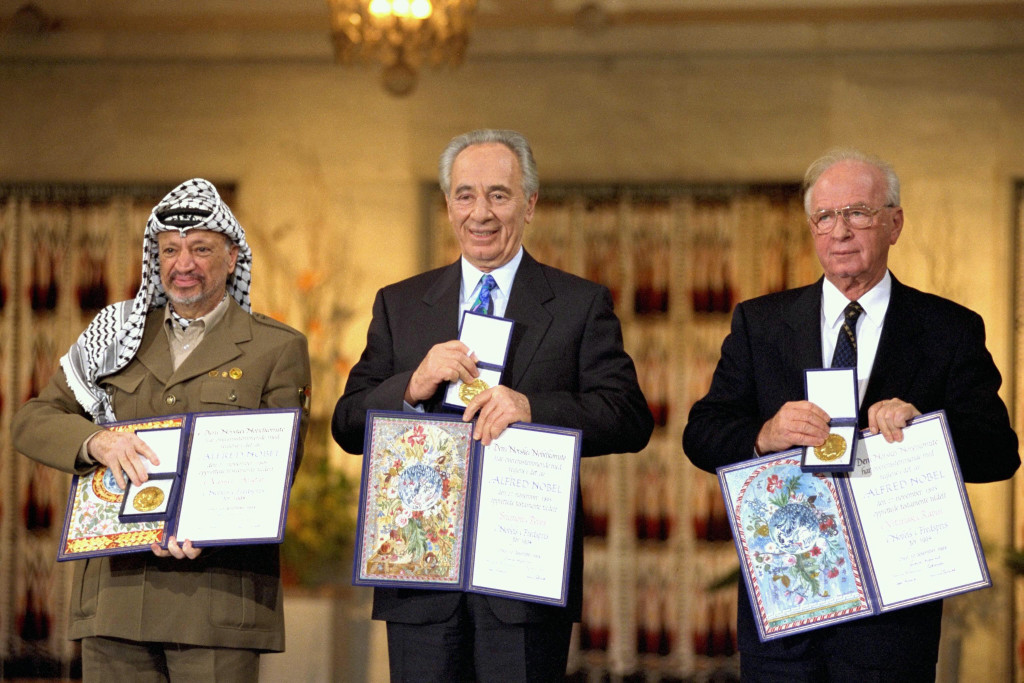
THE NOBEL PEACE PRIZE LAUREATES FOR 1994 IN OSLO. (FROM RIGHT TO LEFT): PRIME MINISTER YITZHAK RABIN, FOREIGN MINISTER SHIMON PERES AND PLO CHAIRMAN YASSER ARAFAT שלושת חתני פרס נובל לשלום לשנת 1994 באוסלו שבנורבגיה. (מימין לשמאל): ראש הממשלה יצחק רבין, שר החוץ שמעון פרס ויו"ר אש"ף יאסר עראפת.
From right to left: Prime minister Yitzhak Rabin, Foreign minister Shimon Peres and PLO Chairman Yasser Arafat

One member of the Nobel Commission, Kaare Kristiansen, also resigned to show his opposition to this award, also calling Arafat a terrorist. In 2002, several members of the Committee suggested Peres’ award should be withdrawn after the Israeli politician was named Foreign Minister of Ariel Sharon’s government.

260616-jimmy-carter
Jimmy Carter (2002)
Jimmy Carter was awarded the Peace Prize “for his decades of untiring effort to find peaceful solutions to international conflicts, to advance democracy and human rights, and to promote economic and social development”.

It was very controversial because it was awarded right after the US senate authorized use of military force against Iraq to enforce UN resolutions.

260616-Wangari-Maathai
Wangari Maathai (2004)

The first African woman to win a Nobel Peace prize died in 2011 at the age of 71. The New York Times has described her as an  “environmentalist, feminist, politician, professor, rabble-rouser and human rights advocate” who created jobs for women and an organization that planted trees across Kenya in a bid to fight erosion.

The day before she was due to collect the peace prize in Oslo an African newspaper claimed she had likened Aids to a “biological weapon” and told participants in an Aids workshop that the disease was “a tool” to control Africans “designed by some evil-minded scientists.”

Maathai confronted the storm of controversy by insisting her comments had been taken out of context. “I neither say nor believe that the virus was developed by white people or white powers in order to destroy the African people,” she said in a statement released by the Nobel Peace committee. “Such views are wicked and destructive.”

Al Gore
Al Gore (2007)
The committee claimed that “Al Gore is probably the single individual who has done most to create greater worldwide understanding of the measures that need to be adopted” regarding climate change and global warming.

Many felt, however, that Gore was undeserving of the award since he hardly practiced what he preached.  Shocking electric and gas bills from the Gore household in 2006 showed that his 20-room home and “pool house” were eating up over 20 times the national average electricity usage.

260616-barack-obama-awarded-nobel-peace-prize
Barack Obama (2009)
Barack Obama received the prestigious Norwegian award the same year he became president of the United States for “his extraordinary efforts to strengthen international diplomacy and cooperation between peoples” and, especially for his “vision of a world with no nuclear weapons.”

The award was heavily criticized as undeserved, premature and politically motivated. Obama himself said that he felt “surprised” to receive the prize and did not consider himself worthy of it. Nonetheless he accepted it.

Even if many consider Obama as an anti-war president, he has increased the US military presence in Afghanistan, ordered the military involvement in Libya in opposition to Muammar Gaddafi, and also ordered military intervention in Iraq in response to gains made by the Islamic State after the 2011 withdrawal from that country.

260616-nobel-prize-received-by-eu
European Union (2012)
The Peace committee claimed EU deserved the award “for over six decades contributed to the advancement of peace and reconciliation, democracy and human rights in Europe.”

The award was widely criticized because it came at a time when social rights were suffering greatly due to discord between member states resulting from economic crisis.
260616-mahatma-gandhi
The prize never awarded
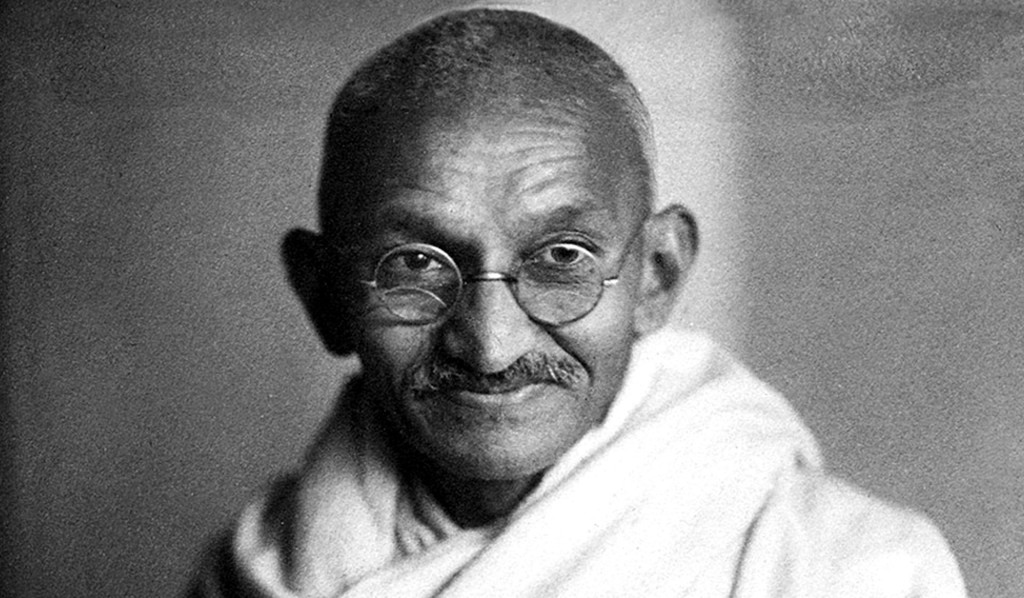
The fact that Mahatma Gandhi never got the Nobel Peace Prize is considered one of the great blunders in the history of the Nobel Peace Prizes.

It’s hard to think of anyone in modern history who symbolizes non-violent struggle better than the Indian independence leader.

Gandhi was nominated five times but never won.

260616-Dalai_Lama
The Nobel committee later admitted that this was an omission, and in 1989 the chairman of the Nobel committee paid tribute to Gandhi as he presented that year’s award to the Dalai Lama.

270616-trump-peace-prize
The prize never to be awarded
The list of official nominees for the 2016 Nobel Peace Prize is a tightly guarded secret, the award required to be posted to Nobel Institute in Norway by February 1.

The director of the Peace Research Institute of Oslo, Kristian Berg Harpviken, reveals however that U.S. presidential candidate Donald Trump has been nominated for the prestigious prize.

Harpviken said he had received a copy of a nomination letter for Trump – whose proposal to ban Muslim immigration to the United States has attracted international condemnation – that claims he deserves the Nobel prize for “his vigorous peace through strength ideology, used as a threat weapon of deterrence against radical Islam, ISIS, nuclear Iran and Communist China.”
Controversial Nobel Peace Prize Winners, compiled by Tor Kjolberg

A Hidden Gem in Sweden

On the Swedish Westcoast, in the little town of Lysekil, we recently paid a visit to the Strandflickorna (“Beachgirls” in English) Coastal Hotel and had a conversation with the two owners, Bettina and Åsa. This is their story.

Good friends Asa and Bettina attended to the same school after which Bettina worked at a large conference hotel in Uddevalla, not far from Lysekil, while Asa worked at the tourist office in her little coastal hometown. Hostels did not exist in the area at that time, but the two noted that many visitors inquired about them.

SONY DSC

One summer Åsa asked Bettina if they should start a hostel together, Bettina was at first reluctant, but was ultimately persuaded to go into business with Asa.

Starirway down to the beach sauna. Photo: Helgard Mahrdt

“The hostel was fully booked and guests arrived and paid for their stay,” says Åsa, who was quite nervous. “But it was fun. We had rented the second and third floor. An art dealer had rented the ground floor for the summer. He was a bit eccentric.”

The art dealer did not like the fact that a hostel existed on the floors above his business.  Suddenly Åsa heard pounding on the stairs and their door flew open, in storming the art dealer. “What are you doing?” he screamed, “Water is flowing all over in my premises. I have artwork worth millions! ”

The girls had made a temporary bathroom where guests could shower, but the room was not really designed for that. “We had put in a wash basin and a small tub,” says Åsa. “It was approved by authorities. I ran into the room, but everything was dry and nice there,” she continued.

She ran down into the cellar, seeing lots of water. All the drains were clogged up, and water floated around. It was a complete disaster. Åsa says she went back upstairs again with tears in her eyes. Suddenly Bettina called from her brother’s wedding in Gothenburg, asking if everything was ok. “It is going to hell!” cried Åsa tearfully.

The two girls rented an old house in central Lysekil, gathered together some beds and bedding and started Toppensnäckan 1.  It turned into a total disaster the very first day, that midsummer evening in 1990.

Åsa Nilsson (left) and Bettina Salesjö

In the end Åsa had to tell all the guests that the toilets were closed and that the guests would have to use the public toilet in the town square. Åsa called her boyfriend and told him about the clogged drains.  On that Midsummer’s Eve he put on his rubber boots and tried to help, but did not succeed. Bettina asked her father – in the middle of the wedding dinner, who had some contacts in the waste water industry, for help. He called his contact just in time before he would join a midsummer night party table. It proved to be a huge clog in the drains in the old house along with broken pipes.

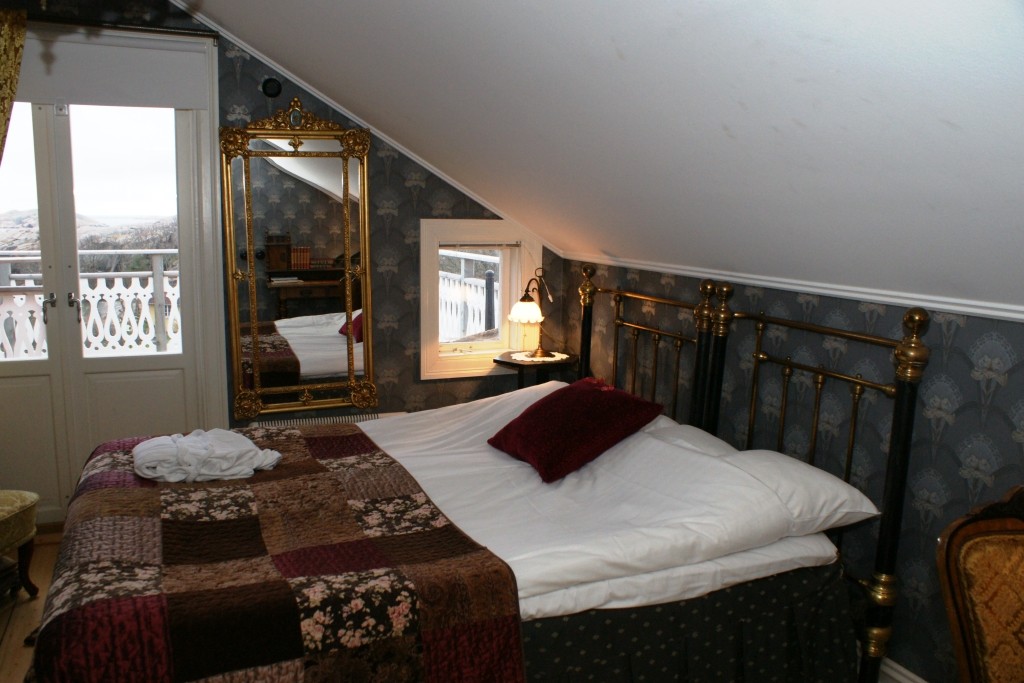
Romantic bed in Strandflickorna Coastal Hotel. Photo: Helgard Mahrdt

“We close tomorrow,” the two girls said to themselves although they had bookings for the whole summer. In the end, everything worked out. The price was SEK 80 per person, and people were happy. It was actually fun, as the girls recall.

Since then the two have remained partners and friends. “Of course there have been ups and downs,” they admit, but they have stayed together on amicable terms. “We’re two very different people who complement each other,” they say. “Bettina is hardware and I am software, “says Åsa.

The next summer they had other jobs alongside their studies. The summer of 1992, however, they tried again with Toppsnäckan 2 in another larger and more spacious old house, which was later torn down.

“That summer we worked ourselves nearly to death and thought that enough is enough,” they say. “We had other jobs in addition to the hostel, but this was our summer vacation. It was absolutely hysterical. We felt that we did nothing but to clean. Later I hated to hear that it had been good weather that summer, with plenty of sunshine. But we were never out. We were pale. We would never do this again. ”

After operating their first hostel they were actually able to afford their own laptops. None of their friends could afford so at that time. They used what they had earned and were quite proud of themselves. After the second hostel they were also better acquainted with the municipality.

In the summer of 1993 two old beach hotels were renovated by the municipality, and were advertised for rent. Åsa and Bettina submitted tenders and won the contract.

Beach houses in Lysekil

The girls started their whole year open hostel and hotel in 1993 . “We called it Strand Hostel and Coastal Hotel,” they say.

Idyllic coastline near the hotel

Åsa, the economist, was responsible for marketing management, while Bettina, the non-economist, was in charge of finance and accounting.

Detail from room
Detail from room

“In 1994 Swedish Television was filming the Christmas Calendar in our hotel, so we were fully booked for a month and a half during low season,” says Åsa. “One of their requirements was that there should be television in in every room, and the company invested in the connections. We had to buy the television sets.”

Strandflickorna Coastal Hotel. Photo: Helgard Mahrdt

In 1995-96 Bettina and Asa began to consider buying a hotel nearby. It had been purchased by a couple from Stockholm, who ran it and stayed in the house as well. However, they were not used to staying in the country, so it was a bit too much for them. Åsa and Bettina heard rumors that they considered selling the house, but when they approached the couple, they denied everything.

Morning at Lysekil beach

After three weeks, however, they contacted the girls and asked if they were still interested. Just then Bettina had booked a vacation to Central America together with a friend. On the way to the airport she stopped at an office in Gothenburg, which supplied her with the forms for purchase contracts, completing one and sending it to Asa just before her departure.

Cabin near Strandflickorna Coastal Hotel

Åsa was now left alone to run the business for almost seven weeks. The loan application to the bank was denied by the credit officer. Asa called the bank manager and told him that the credit manager had refused their application and wondered if she could have a meeting with him to present their ideas.

Detail from the sauna area

It ended up that Bettina and Asa were granted the loan on one condition; they had to amortize 300.000 kronor the first year. In 1998, they bought the hotel. All friends and family helped out – and took decisions. “It was a hell for six weeks”, Åsa recalls.

Dining room at Strandflickorna

“When I came home after six weeks I was informed that also I could decide,” says Bettina with a smile.

Beach motif
Beach motif

They fulfilled all the bank’s requirements in the first year, the hotel consisting of 15 rooms. Now they were in charge of two hotels, and the municipality called them Strandflickorna (The Beach Girls). “We thought it was a fun name and wanted to name the hotel just that. We submitted the name to the company registry more or less for fun. We did not for a moment believe that it would be accepted. However, accepted it was, and the name has given us both fun and benefits. It was good PR.  However, it was misunderstood once when a person called in middle of the night and wondered if we were doing escort service. ”

From old town, Lysekil

Then they started to renovate the rooms. “We wanted to turn time back to the turn of the century,” they say. “We started reading old gossip newspapers, released in summers of the period 1895-1920. There we found lots of ideas on how to furnish the rooms. We read about prominent people who had stayed there. The house was actually originally built by King Oscar II, who was fond of girls, and always had a swarm of young ladies around him. The building was raised as a home for weary nurses. Frida Aaron’s room is one of several that is inspired from this time. She was a very beautiful woman from Marstrand. One of the pictures is hanging on the wall in the room shows her photographed together with King Oscar.”

King Oscar II of Sweden and Norway (1829-1907). Painting in stairway at the hotel

Many prominent people have stayed at the new Beach Girls Coastal Hotel. Scandinavians will recognize names like Fredrik and Jørn Skavland, Arja Saijonmaa, Thomas Ledin, Jan Guillou and Ulf Lundell, to name a few.

Room at Lysekil
Room at Lysekil

“It has been wonderful to work here these years,” says Asa. “We have satisfied and happy guests. It has been a privilege to furnish the rooms as we wanted. We’ve had the opportunity to work with great people aged 16-65, real beach girls, who we thrive wonderfully well together with.”

Ohoto from the old sardine factory at Lysekil
Photo from the old sardine factory at Lysekil

Week-end guests visit the hotel year round, and many conferences take place with guests and participants very pleased with the facilities. “When we took over the hotel we closed on weekends, since no one came here. But that changed after we renovated and built the beach pavilion right at the water’s edge, “says Bettina.

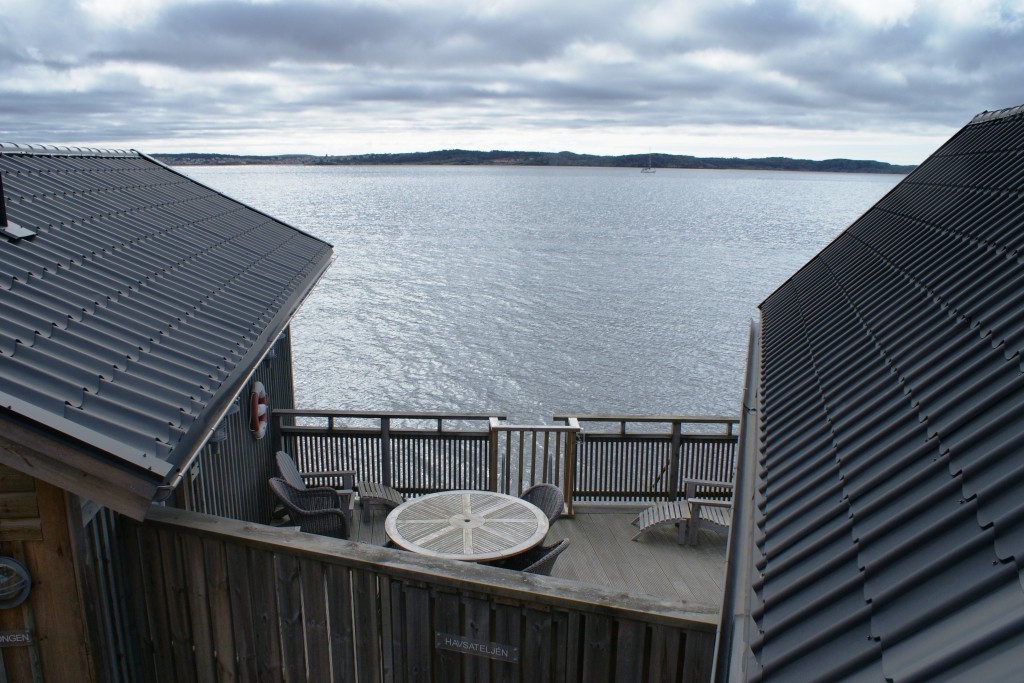
From the neach studio with jaccuzzi and sauna
From the beach studio with jaccuzzi and sauna

The bathing pavilion is an experience in itself. Guests are advised to book the facility in advance, since it is extremely popular, and intended for guests traveling together.

King Oscar II Room
King Oscar II Room

When we ask Bettina and Asa what has been the most difficult, they say in unison that it was to find time for private life. “It’s wonderful to be home, and it is wonderful to be at work. Finding the balance is perhaps one of the biggest problems, “they say.

Seafood at Strandflickorna

The menu at the hotel is short and simple, but homemade. “We do not want a complicated kitchen with a lot of staff,” they say. “Still we have dinner guests not staying at the hotel. With us, the environment is more important than the food. But we cooperate with unique eateries in town, and we can guarantee guests who want to combine environment and activities with food experiences a unique stay with us,” Bettina and Asa assures us.

Walking path near the hotel

There is a staff of 15 working full time at the Strandflickorna Hotel today.  In 2013 the girls invested six million kronor in six new double rooms and the so-called orangery, and do not intend to end their story there. Over the next two years there will probably be room for more guests, and new experiences are already on the drawing board.

Strandflickorna hotel with Lysekil chirch in background. Photo: Helgard Mahrdt

Going to Lysekil? Here you can read more about what Lysekil has to offer.

One of the many charming pictures in the rooms at Strandflickorna hotel

All images by Tor Kjolberg, except when noted.

Feature image (on top): Helgard Mahrdt.

More images below.

Hidden Gem in Sweden: Stranflickorna were interviewed by Tor Kjolberg

Viewpoint
Viewpoint
From beach studio
From beach studio

SONY DSC

SONY DSC

SONY DSC

Detail from a room
Detail from a room


Detail from a room

Best Cocktail Bar in Copenhagen

0

In Salon 39, Fredriksberg in Copenhagen, the bartenders have specialized themselves on classic cocktails. If Sazerac or Red Snapper mean something to you, you know what we’re talking about. But you may also taste some of their own mixes, like Hemingway Punch, Jackie Brown or Mona Lisa.

280616-Salon-39_Exterior
The classy cocktail bar, established in 2005 by Michelin-trained chef Kasper Georg Jensen and bartender Thomas Raae Rasmussen from Hotel Vier Jahrzeiten in Hamburg, combines the sleek old-timey charm of the classic cocktail bar with a tempting dinner menu in an intimate setting.

Food at Salon 39
Food at Salon 39

It is a small place near the lakes with an amazing ability to mix a few ingredients together to create outstanding flavors in both food and drinks.

We defy anyone not to have a memorable evening at Salon 39. First-class drinks, delicious food, shabby chic decor and an excellent atmosphere make it the place to go for the Danish smart set. You can try cocktails you will not find any other place, as well as the classics.

280616-salon-39-copenhagen-fredriksberg
The two friends wanted to create a great cocktail-bar while serving a few simple dishes and snacks so people would hang around instead of leaving to go get food elsewhere.

Burger at Salon 39
Burger at Salon 39

The bartenders and staff here really know how to mix the liquor to perfection and how to treat all guests with smiles and true hospitality. And by the way, the chef here makes one of the best burgers in town. Food is prepared with lots of love and great ingredients.

280616-cocktail-at-salon-39
The best liquors are imported from around the world; Pisco from Chile and Peru, Bourbon from small American distilleries and homemade infused vodka and cognacs.

280616-salon-39-copenhagen
The ambience in the dimly lit Salon 39 is cool, relaxed and perfect for a romantic date as well as a night out on the town. The music is mostly jazz, soul and blues to complete the experience.

A cafe by day, bistro in the evening and a cocktail bar after dark; what Salon 39 doesn’t know about cocktails frankly isn’t worth knowing.

Why not let the bartender surprise you with new concoctions?

All images, couresy of Salon 39

Best Cocktail Bar in Copenhagen, written by Tor Kjolberg

Oslo – on a budget

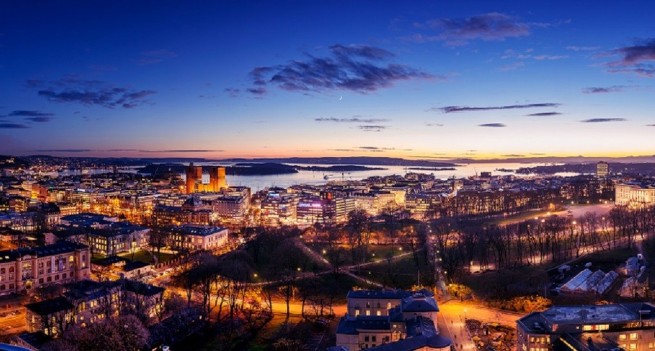
Oslo is the smallest and quietest of the Scandinavian capitals and also a familiar name on Europe’s top 10 most expensive cities. However, thanks to a recent oil price collapse, the Norwegian capital is again within reach to travelers. And Oslo is bustling, bohemian and beautiful. Read the article and experience Oslo – on a budget.

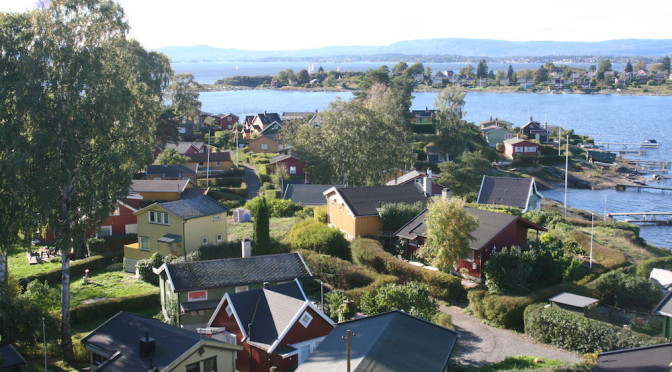
If you glide in to Oslo by train after a flight with low-cost airline Norwegian to Oslo Airport, you’ll glimpse an array of tiny islands apparently bobbing about in the Oslo fjord. They’re an enchanting sight with their miniature beaches, diminutive woods and brightly colored little cabins, all just a short ferry trip from the city.

050716-oslo-fjord-cabins
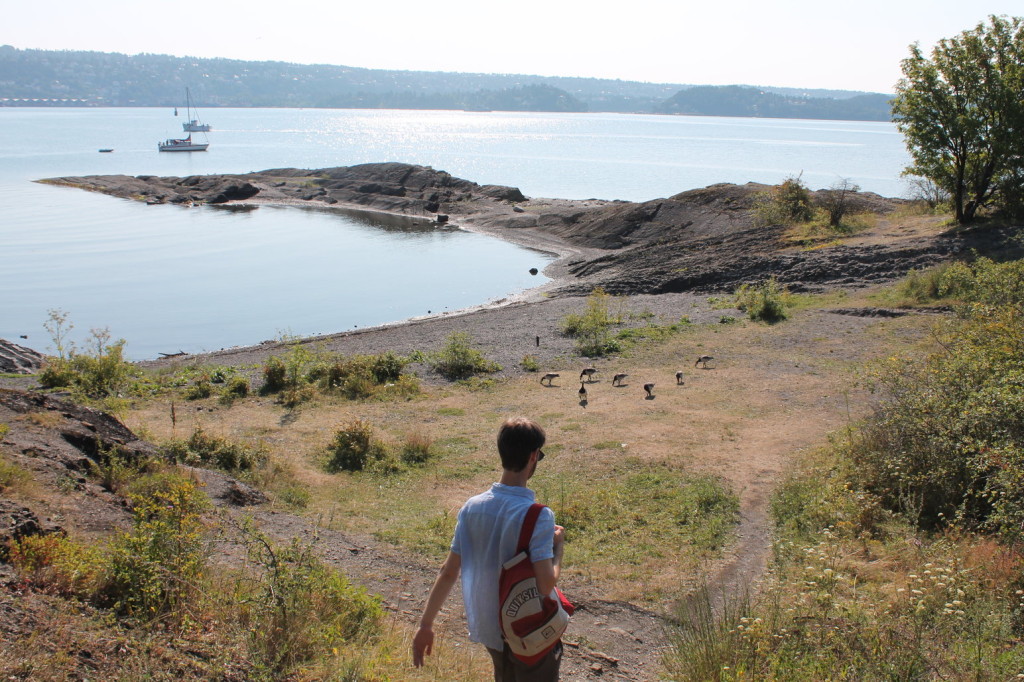
A trip to Langøyene from the Town Hall pier takes only 15 minutes. Langøyene means “long islands” and is actually two narrow isles that were joined together by a rubbish tip which was grassed over and landscaped. The island is now dedicated to summertime fun.

Barcode, Oslo
Barcode, Oslo

What’s more, there’s a frequent ferry service to Langøyene during the summer that takes about 15 minutes, making it eminently feasible to stay on the island and visit the city every day. (Read also: Freedom to Roam in Scandinavia).

However Langøyene is only one of half a dozen islands at the city end of the Oslo fjord. The remaining five are served by two ferries that spend all day doing little circuits of them, so we recommend you to do some island-hopping.

From Langoyene
From Langoyene

Ferry no 93 first calls at diminutive Bleikøya. It’s worth jumping off here for a wander around the exquisite wooden cabins where wealthier Osloites spend their summers.

From Bleikoya
From Bleikoya

But greater treasures await you at Gressholmen. Very sparsely populated and mainly given over to a nature reserve, this is a place where you can flop on to a beach or lose yourself among the woods and wild pansies with no inkling whatsoever that Oslo city center is just two miles away. A cafe is open from noon until late.

From Gressholmen
From Gressholmen

Next stop is Lindøya, where the 93 will drop you off at its eastern end, leaving you to saunter on footpaths and tracks across the car-free island (again served by a cafe). Here you can marvel at the numerous hamlets of cabins and their proud owners tending their tiny gardens, before arriving at the western end to pick up the 92.

From Lindoya
From Lindoya

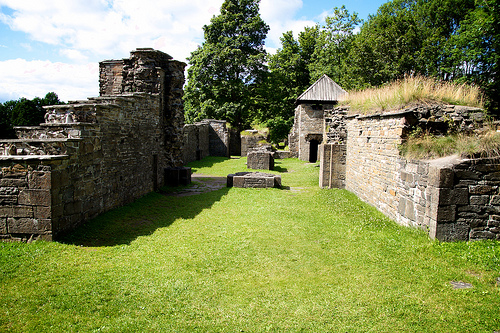
Those eager to see everything will want to stop off at Nakholmen, a smaller version of Lindøya. Otherwise, stay on the boat to Hovedøya (“main island”), a popular picnicking and bathing destination and possessor of a historical gem: the remains of a 12th-century Cistercian monastery founded by Lincolnshire monks. The beautiful barn of a cafe right next door makes for a perfect final watering hole before you head back to the hubbub of the city.

Nakholmen
Nakholmen
From Hovedoya
From Hovedoya

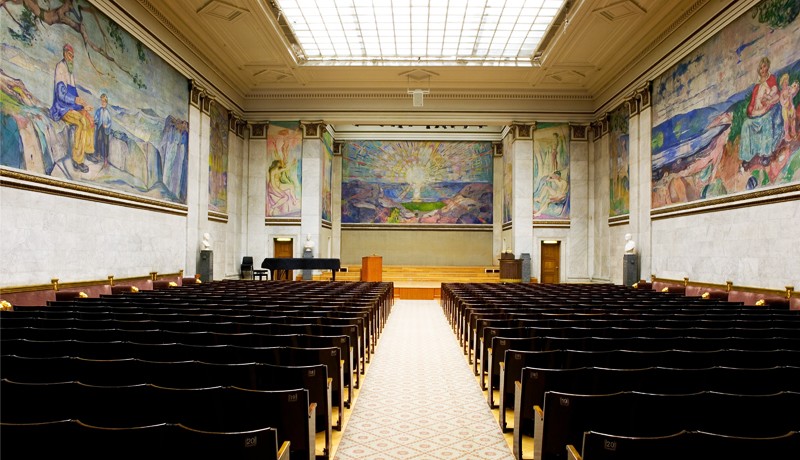
Today Oslo is a diverse, bustling city with a growing immigrant population. Art lovers should visit the Edvard Munch museum. You may also see some of the troubled artist’s best painting for free at the old University Aula on Karl Johans gate. Visitors interested in old Norse tradition should swing by the Viking Ship Museum.

From the Oslo University Aula

In summertime, with nearly 14 hours of sunlight, it’s best, however, to stay outdoors.

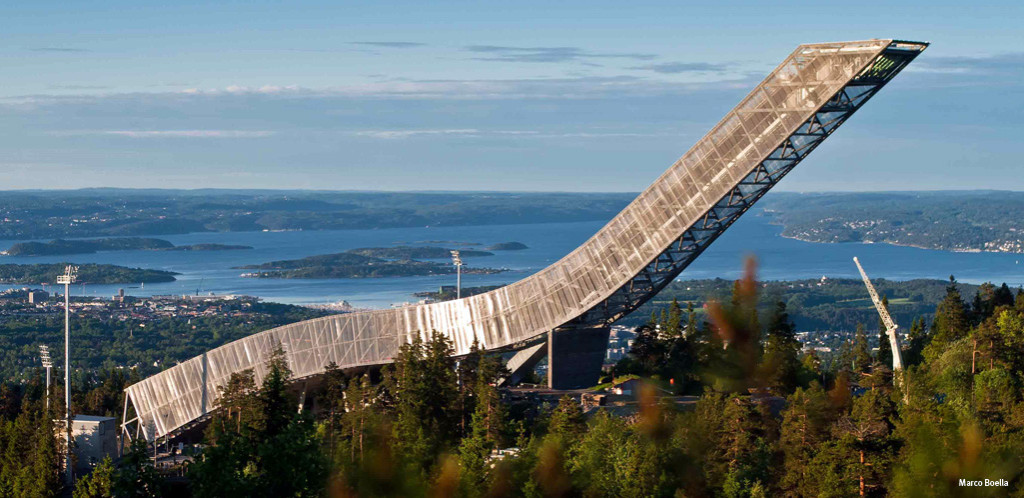
Holmenkollen ski jump

North of the center, but well connected by tramcar service, is Holmenkollen, which is a source of national pride for Norwegians. This ski jump has been hosting ski festivals since 1892, and has been home to many prestigious international competitions, including the Winter Olympics. The jump itself is an impressive sight, while a ski museum and a display of polar artefacts will also be of interest to snow-ophiles. Don’t miss out on visiting the observation deck on top of the jump tower and seeing unparalleled 360 degree views of Oslo any time of year.

Summertime in Nordmarka

Winter is perhaps the perfect time to visit Oslo – it’s the only place in the world where city break and ski break collide so happily. Get yourself a pair of skis, take them on the metro (everyone does), and within 20 minutes you’ll reach Nordmarka forest complete with miles upon miles of cross-country ski trails in peaceful and idyllic surrounds. You can keep going until late, as they’re lit up past 10pm – if you’ve never skied in the dark, believe us you should.

If slope skiing or boarding is more your thing, Oslo Winterpark, similarly close to the center, is another option. This comes with the added bonus of cozy winter cabins where you can sip mulled wine by an open fire – but be warned that drinks here are unsurprisingly pricey. Mulled wine aside, it’s completely kid friendly, too.

There are more than 50 museums and galleries in central Oslo, including those dedicated to magic, music, medicine and the military, but don’t try to do too many. The two mentioned above should however be on your list.

If you have special interests, pick up the Visit Oslo’s pocket guide for full details of the capital’s free attractions, Akershus Fortress, the Oslo City Museum and DogA, the Norwegian Centre for Design and Architecture.

Vigeland park
Vigeland park

The free Vigelandsparken (also known as Frogner Park) is a popular destination. You have probably never seen an art installation quite like it. Staggering 212 of the Norwegian sculptor Gustav Vigeland’s human naked creations, including a towering 50-foot monolith carved from a single stone are on display there. It’s most famous piece is a statue of a young boy having a tantrum in his birthday suit.

Tantrum boy in the Vigeland park

While the Frogner Park remains Oslo’s best-known repository of open-air art, it now has a rival on a hillside overlooking the harbor, the 63-acre Ekebergparken. The park was a gift to the city from a local beer magnate and displays works by internationally renowned artists such as Dalí, Rodin and Bourgeois. Not to be missed is a disorientating piece by James Turrell (Sundays only, 12pm-6pm) in which visitors enter a tunnel beneath a reservoir to look into what is apparently infinite space. The park is just a few minutes’ climb from the city center on tram no 18 or 19, so grab a picnic basket and spend the afternoon there.

Oslo Opera House
Oslo Opera House

A trip to the ultra-modern opera house is a must. It is also designed for scampering up the building’s sloping walls.

Where to stay?
The 60-room Oslo Hostel Central has been rated the second-best hostel in the world by Hostelling International backpackers. Housed in an elegant red-brick end-of-terrace building and located in the heart of Oslo between the city’s main drag and the Akershus Fortress, it offers private rooms as well as dorms, friendly multilingual staff on reception, and a decent breakfast to fill up on. The rooms are informed more by a stylish minimalism than any attempt to thrill, but are finished to such a high standard that the “s” in “hostel” becomes all but silent.

Oslo Hotel Central
Oslo Hotel Central

Comfort Hotel Xpress, just a short walk from Oslo’s main station, is designed to prioritize the things young travelers care about (clean and comfortable, free wifi, free coffee, some communal kitchen space) and save on things they don’t (your sheets won’t be changed unless you request it, space is limited, there’s no room service).

Comfort Hotel Xpress

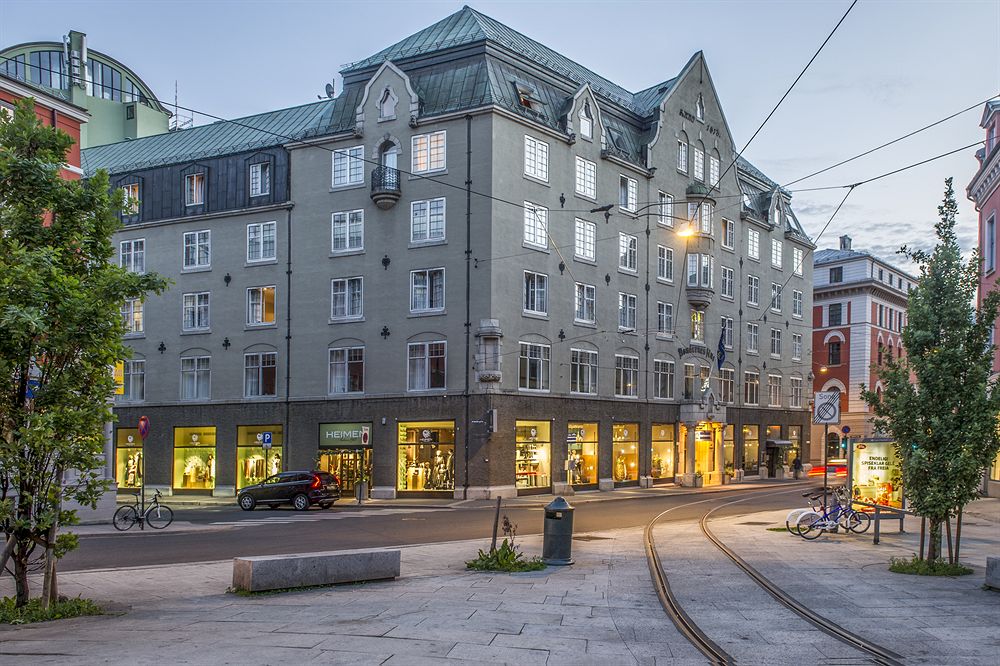
We also recommend the moderately-priced and historic Hotell Bondeheimen, which offers not only a very central location close to the main square, royal palace and plenty of sights, but a complimentary and delicious breakfast.

Hotel Bondeheimen
Hotel Bondeheimen

Getting around
Sold in 24-, 48- and 72-hour form, the Oslo Pass not only offers free travel on all public transport (including ferries), it also gets you into more than 30 attractions, outdoor swimming pools and walking tours, and offers discounts at restaurants, shops and on concert tickets. Highlights include the harbor-front Astrup Fearnley Museum of Modern Art the Holmenkollen ski jump (see above) and the Popsenteret, the surprisingly brilliant interactive museum of Norwegian pop (more than just A-ha, it turns out). The pass is available from tourist information centers, hotels, hostels, campsites, and some museums.

Astrup Fearnley Museum of Modern Art

If you don’t want to buy an Oslo Pass, grab a Zone 1 season ticket, valid on all buses, trams, trains, metro and ferries (except to Bygdøy). They’re available from kiosks and shops, ticket machines and bus terminals.

Eating and drinking out
Oslo’s dining scene has really upped its game over the last few years. The result is that you can eat very well indeed without going to the city’s most expensive spots.

Shop at Grunerlokka
Shop at Grunerlokka

Oslo is not a city that’s short of hipsters, with its Grünerløkka district to the east of the center, boasting a vibe a lot like eastern parts of London, New York or Berlin. Once an industrial wasteland and the city’s poorest area, it’s now home to coffee shops, microbreweries, bars and restaurants galore.

Park at Grunerlokka
Park at Grunerlokka

Be sure to check out great spots like coffee legend Tim Wendelboes eponymous shop in the Grünerløkka negighborhood. “Our goal is to be among the best coffee roasters and espresso bars in the world and to be a preferred source for quality coffee, knowledge and innovation,” says Wendelboe.

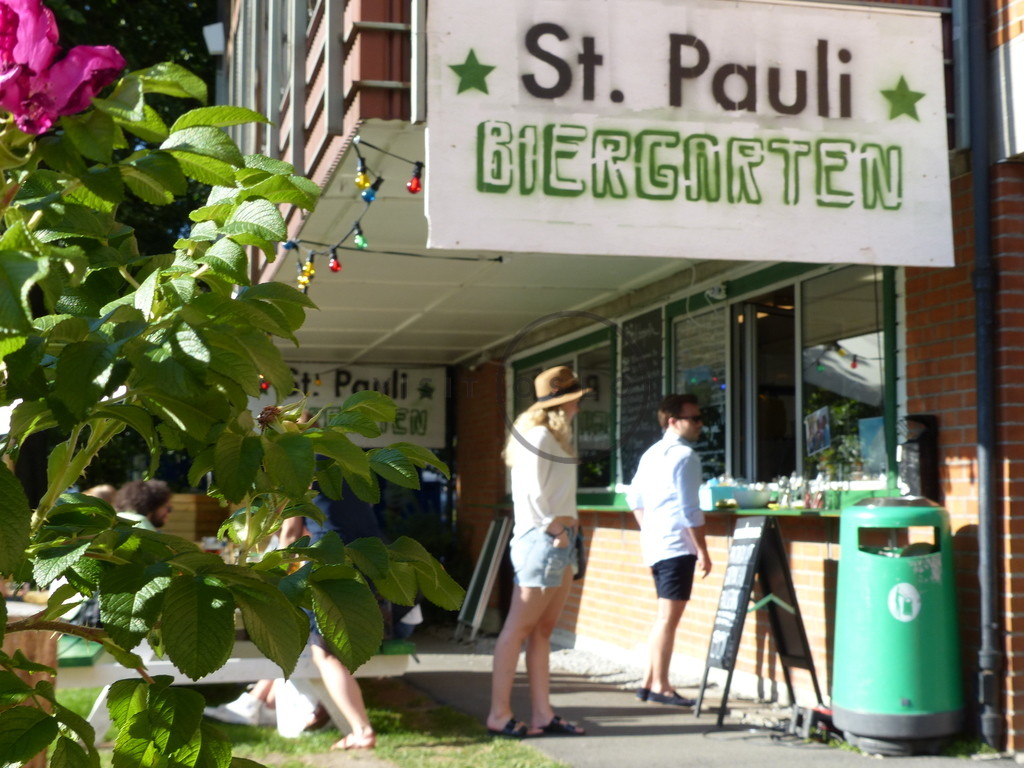
050716-st-pauli-biergarten-oslo-norway
Also try St. Pauli – if just for novelty value. This waterside beer garden serves German beers, Norwegian and German food and shows old football matches. Bustling gastropub Grünerløkka Brygghouse, which comes complete with its own microbrewery, is also a good shout.

Akerselva
Akerselva

While in the area, consider a cycle down the fast-flowing Akerselva river (there’s no shortage of places to hire bikes), a spot of shopping at the many vintage markets and boutiques, or a graffiti-spotting stroll.

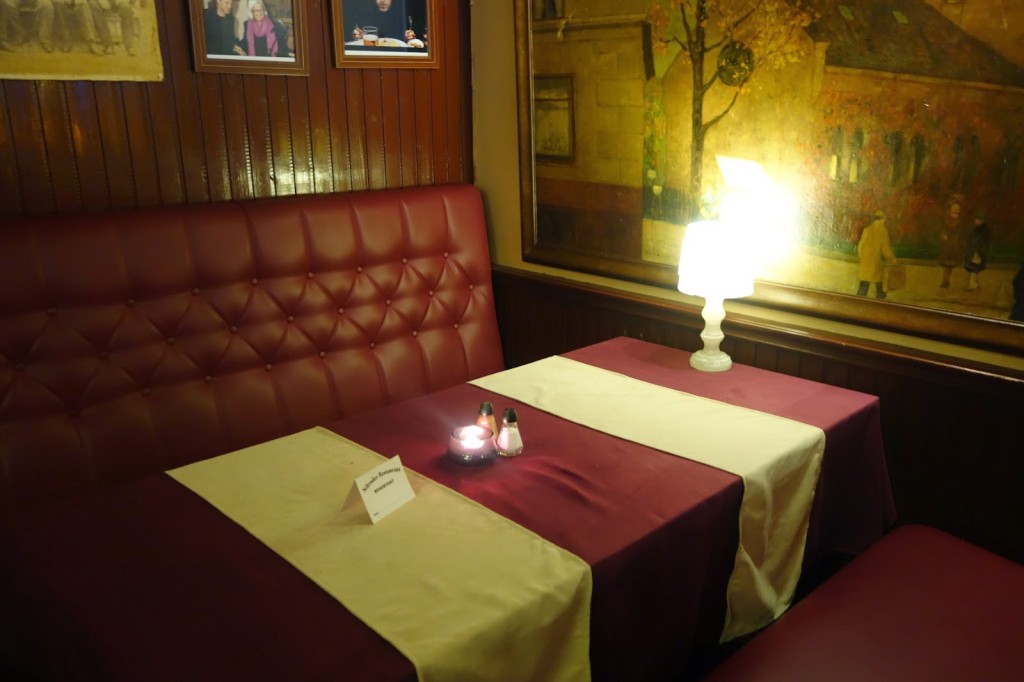
Schroeder restaurant

Lurking in the less-than-trendy St Hanshaugen district, Restaurant Schrøder may be off the tourist trail but the eatery boasts a devoted local following drawn to its traditional Norwegian menu and, in particular, its cod and mackerel dishes (when in season). Grey lino, red-check tablecloths and huge sepia paintings of old Oslo give the place a stuck-in-the-1950s feel. The prices are moderate.  If you’re lucky, the diner at the next table might be crime writer Jo Nesbø, who likes the place so much he’s also made it the favorite hangout of his fictional detective, Harry Hole, who has become so popular that Hollywood has turned the crime novel The Snowman into a film, starring German-Irish actor Michael Fassbender.
If you’re looking for genuine Norwegian cooking, head to a place like Elias mat & sånt. If you like Chinese, Thai og kebabs, there are several possibilities in the capital.

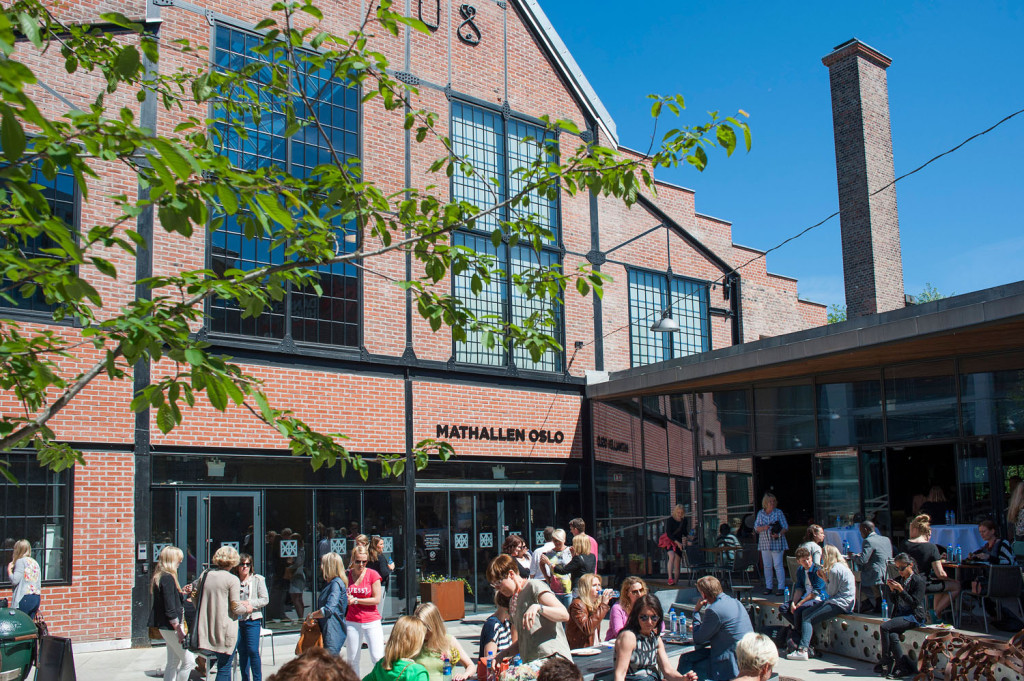
Mathallen
Mathallen

Try hip Lokk (information in Norwegian only), which specializes in soups (and more recently some stews) and does them very well indeed. A must visit is Mathallen (literally ‘food hall’) which is an indoor food market in the Grünerløkka area, with more than 30 stalls, bars and restaurants. It could be described as the beating heart of Oslo’s new food movement, and is a reliably atmospheric and affordable place to get your fill. Make sure you try some pickled herring – pretty much Norway’s national dish – at some point.

Entertainment

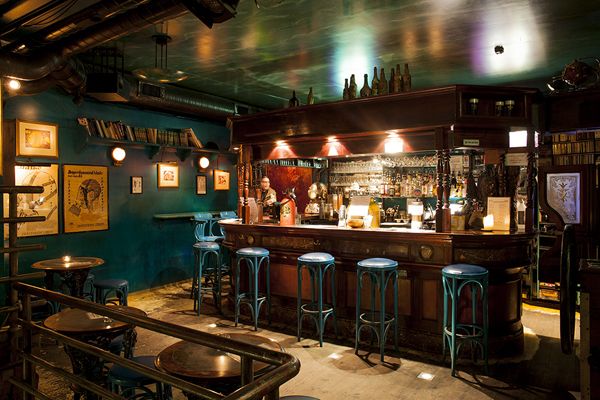
The Underwater Pub may not actually be underwater (it owes its name to its sub-aqua decor) but it does allow you to bring in your own food. Alternatively, you can ask the bar staff to get one of three local takeaway joints to deliver a meal to your table. For a truly joyous experience, go on a Tuesday or Thursday and nurse your half liter of the local Ringnes beer while professional opera singers perform choice excerpts for your listening pleasure. Most of the action takes place at the top of the stairs of this split-level pub, so get there in the early evening to secure a table with a good view.

Underwater pub
Underwater pub

At Amsterdam Café you may enjoy opera as well as jazz.

Jazz friends should have a look at what’s happening when they’re staying in the capital of Norway. Jazz in Oslo may be a helpful resource.

At Herr Nilsen pub there are live performances almost every night

Oslo, of course, isn’t East European cheap, but it’s not so expensive that you’ll end up calling your embassy to get back home. Our advice is this: If you’re willing to spend money on a trip to New York City, Tokyo, Moscow, or London, you can definitely afford a trip to Oslo.

Oslo – on a budget, compiled by Tor Kjolberg

Related article:
The secret to Exploring Oslo on the Cheap  

Freedom to Roam in Scandinavia

The freedom to explore nature is considered a birthright of most Scandinavians, and the politicians have seen fit to put that inheritance into law.

Since 1957 Norway has had a Lov om friliftslivet (Outdoor Recreation Act), which states succinctly: “At any time of the year, outlying property may be crossed on foot, with consideration and due caution.” In Norway the terms utmark and innmark divide areas where the right to roam is valid (utmark, “land outside”) and where it is invalid or restricted (innmark, “land inside”).

300616-hiking
In later years the right has come under pressure particularly around the Oslo Fjord and in popular areas of Southern Norway. These areas are popular sites for holiday homes and many owners of coastal land want to restrict public access to their property. As a general rule, building and partitioning of property is prohibited in a 100-meter zone closest to the sea, but local authorities in many areas have made liberal use of their ability to grant exemptions from this rule. However, even if a land owner has been permitted to build closer to the shore, he may not restrict people from walking along the shore. Fences and other barriers to prevent public access are not permitted (but yet sometimes erected, resulting in heavy fines).

From Sweden
From Sweden

In Sweden, the freedom to roam is called Allemansrätten (Everyman’s Right).

From Öland, Sweden
From Öland, Sweden

Everyone is permitted to camp anywhere for a night, or walk, ski or paddle a canoe anywhere, as long as the area is not fenced in or in close proximity to a private home, but all visitors are expected to show consideration for farmers and landowners.

Private property
Private property

Since 1994 the Instrument of Government says that notwithstanding the right to own property “everyone shall have access to nature in accordance with allemansrätten“. What this means is not further explicated on in the constitution, and only sparsely in other legislation, but the Swedish right to roam comes with an emphasis being placed upon the responsibility to look after the countryside; the maxim is “do not disturb, do not destroy”.

From Funen, Denmark
From Funen, Denmark

Due to the compact size and dense populations, Danes and visitors do not enjoy the right to access in the same way as in the two other Scandinavian countries. This means that it is generally illegal to pitch a tent outside the organized commercial camping grounds.

Geiranger fjord, Norway

Feature image (on top): From Sweden

Freedom to Roam in Scandinavia, compiled by Admin

Edvard Munch through the Eyes of Andy Warhol

Edvard Munch (1863-1944) and Andy Warhol (1928-1987): An Unlikely Pair. While Andy Warhol was detached and impenetrably cool, Edvard Munch was tortured and brooding.

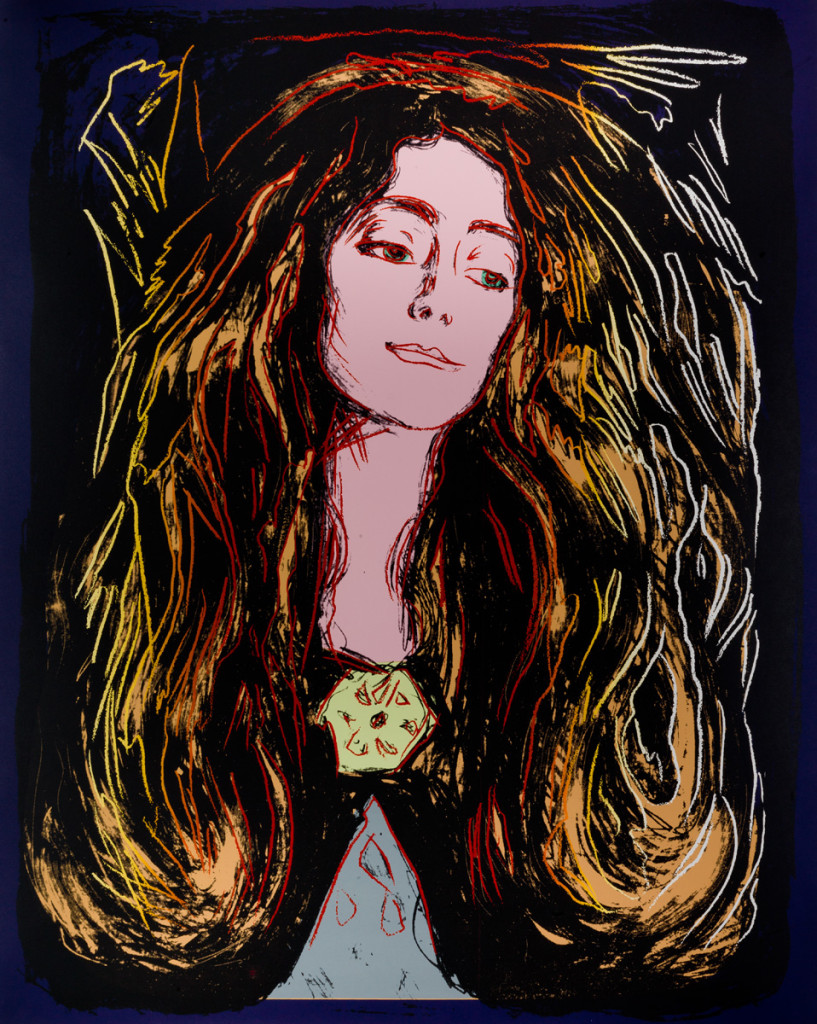
After an Edvard Munch exhibition at Galleri Bellman in New York In 1982, the gallery approached Andy Warhol to put his spin on Munch’s images. Warhol visited Oslo to see Munch’s dark lithographs in person, and in 1984, together with his master printer Rupert Jasen Smith, he created his trial proofs on a series based on four of his Norwegian predecessor’s works, “The Scream”, “Madonna”, The Brooch, Eva Mudocci” and “Self-Portrait”.

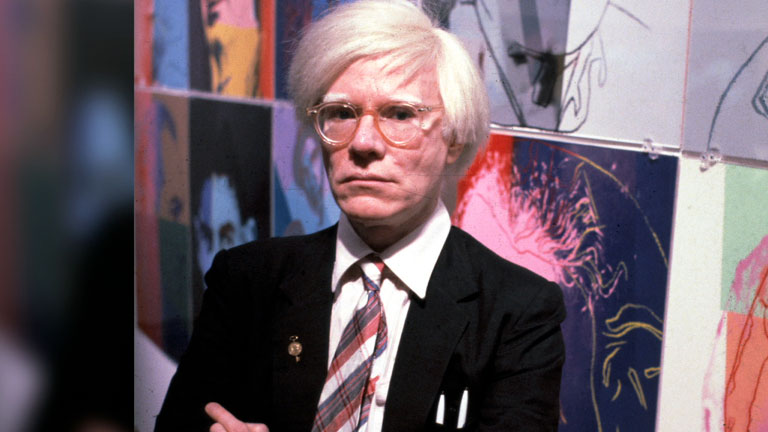
Andy Warhol
Andy Warhol

Warhol’s interpretations showed a surprising link between the two artists, which has led to several exhibitions of works by the two artists up to this day.

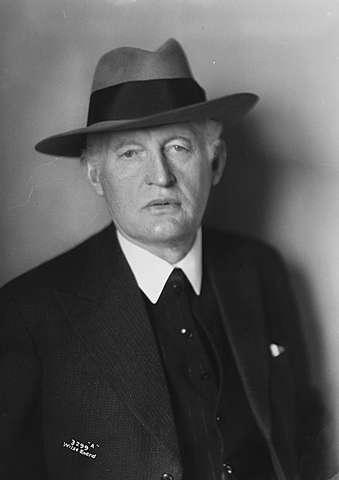
Edvard Munch 1933
Edvard Munch 1933

A more fascinating and successful fusion of Scandinavian and American art might be difficult to conjure up. Warhol has also appropriated works by artists such as Leonardo da Vinci, Sandro Botticelli and Giorgio de Chirico, but while he has distorted most of these, his prints after Edvard Munch have left tracing intact.

230616-munch-warhol-catalogue
Munch was different. In her 2013 catalogue essay Patricia G. Berman, Professor of art history at Wellesley College and the University of Oslo, as well as the New York exhibition’s co-curator, writes, “If Warhol offered himself up as surface, Munch was all impenetrable depth.”

Munch was perhaps as internal and problematic as an artist can get, while Andy Warhol on the contrary made no attempt to conceal that he was all about surface. One time he even stated, “I love plastic. I want to be plastic.”

Eva Mudocci, by Andy Warhol

Still there are considerable similarities in the two artists’ life and art. Munch made multiple of his prints and distributed them throughout Europe, and consumerism was also at the core of Warhol’s work. Both Munch’s “Scream” and Warhol’s “Soup Cans” have been tapped by consumerism.

As Berman rightly points out, “the resulting prints and paintings have impact precisely because the works of both artists are so well known.”

Munch-Warhol at Christiania Museum of Modern Art, Copenhagen

“Munch and Warhol were both prolific and experimental printmakers. They were both masters of self-invention, and they were both savvy businessmen. Their images find many similarities in the ways in which the two artists built their careers by carefully controlling their public personas and artistic production.”

Both artists used the alterations of color to create different moods in each edition, and the repeating prints show how firmly both grasped the power of the image.

We may ask ourselves: “What is original? What is copy? And does it really matter?” In some of Munch’s works, you can see his own delicate hand-tinting (he used washi, or Japan paper for color) and if we shift our gaze, we will see the more modern silkscreen techniques used by Warhol.

Feature image (on top) Madonna and Self Portrait ny Andy Warhol

Edvard Munch through the Eyes of Andy Warhol, written by Tor Kjolberg

Stumbling Stones in Norway

0

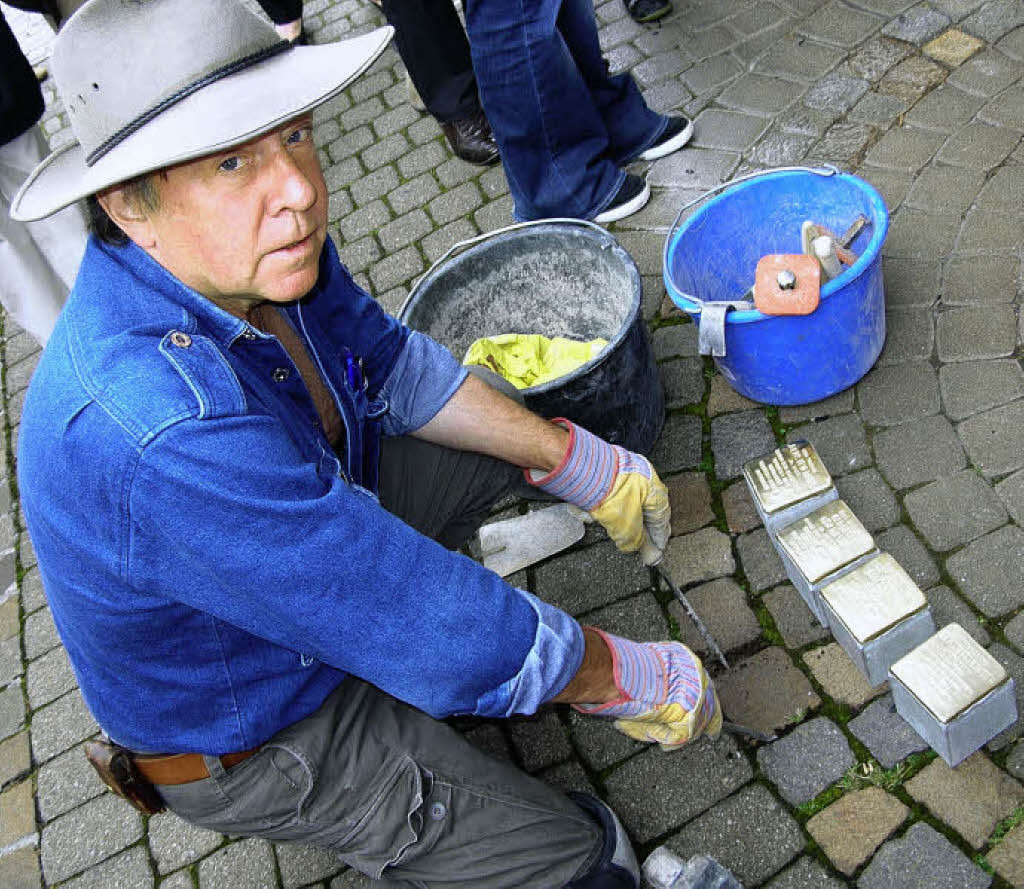
In 1990 the Berlin-born artist Gunther Deming marked in chalk the route taken by Cologne’s gypsies when they were deported in 1940. Three years later an older woman gave him an idea, leading to his stumbling stone project.

At first he placed the stones for Jewish WWII victims without official permission, but Germany made it legal in 2000, and by now he has personally placed almost 38,000 stumbling stones in over 650 German towns and cities, nearly 5000 in Berlin alone.

290616-Gunter-Deming
He has also been invited to place stones in over hundred places in countries surrounding Germany, including Norway, where more than 70 stones will be placed in the course of 2016.

The German city Munich, however, implemented a ban on the stones 12 years ago, when Charlotte Knobloch, leader of the city’s Jewish community and former president of the Central Council of Jews in Germany, claimed they were not respectful of the victims they intend to honor.

290616-norwegian-stumbling-stone
But brick by brick Deming’s “stumbling stones” or Stolpersteine are changing how the Holocaust is publicly remembered in Europe.

In Norway, the Jewish Museum in Oslo is responsible for researching the history of the victims and laying the stones inscribed with their names. A stumbling stone is a cobblestone-size (10 by 10 cm or 3.9 x 3.9 in) concrete cube bearing a brass plate inscribed with the name and life dates of individual victims of German Nazism. They aim at commemorating individual persons at exactly the last place of residency – or sometimes work. “Here lived” (Norwegian, “Her bodde”) begins the inscriptions engraved on every one.

Jewish museum, Oslo, Norway

“This is my life’s work. I will continue for as long as I’m able,” says Demnig. “Giving names back to the dead is a way of keeping them alive.”

Stumbling Stones in Norway, written by Tor Kjolberg

Zealand Coast Around Copenhagen

Heading north along the east coast from the Danish capital, Copenhagen, at the town of Helsingør you can be excused for thinking you’ve travelled back in time. Here an impressive fairy tale castle stands sentinel over the Øresund (the sound between Sweden and Denmark), which at that point is only four kilometers wide. Called Kronborg, it is perhaps better known as Elsinore in Shakespeare’s Hamlet.

Kastrup Sea Bath, Copenhagen

Denmark is made up of more than 400 islands, and Zealand is the largest of them. Since 2000, Zealand has permanently connected to the Swedish mainland by the very impressive Øresund bridge, which is almost eight kilometers long. Many people now use it to commute, crossing the sound every day to work in Malmö (at the Swedish end).

Land of Legends, Sagnlandet, Leire

Wherever your adventures on the island take you, it will never be far from a beach. Even around Copenhagen there are great opportunities for a dip and in the Øresund, not far from the center of the capital, are three very special saltwater swimming baths. Camp just outside the city within the ramparts of a 19th-century fortress and start your urban explorations with a refreshing swim after following a traffic-free cycle path into town.

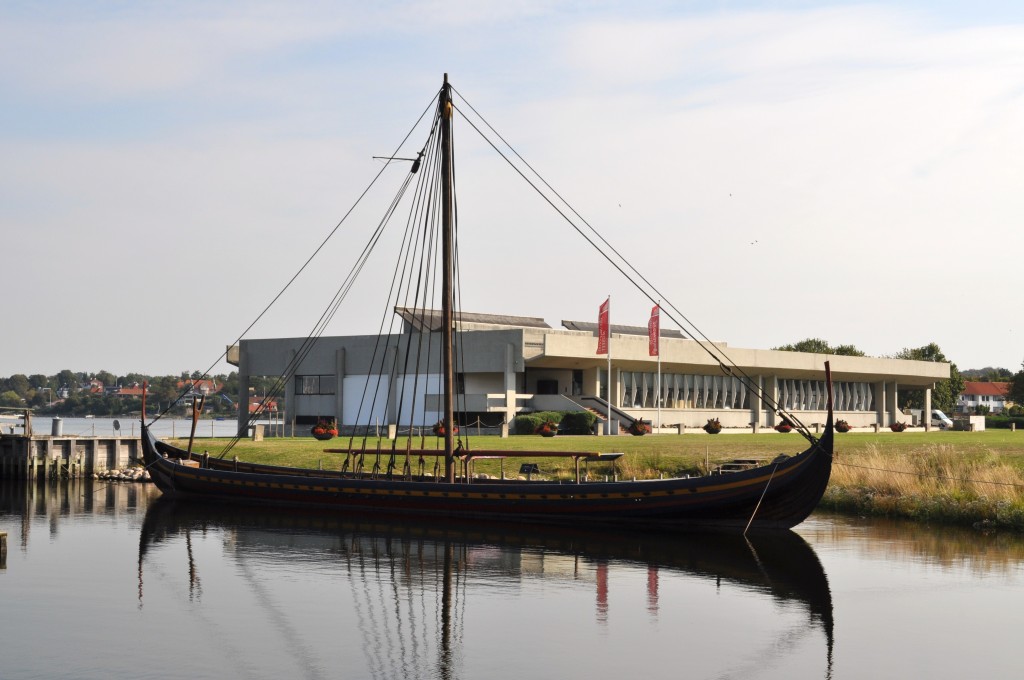
Viking Ship Museum, Roskilde

Everywhere you go in Denmark you will discover evidence of the Viking period. The Viking ship museum at Roskilde is well worth a visit and has some particularly fascinating archeological finds on display. These include an excavated Viking ship that was one of several sunk in the adjacent fjord as ‘block’ ships to act as an underwater barricade in the 11th century. One of the most direct links to this period, though, is not a museum exhibit but a living person. Margrethe II, the current queen, is the 53rd in an unbroken line of Danish monarchs that goes right back to 980.

From Fugleberggaard Farm

According to an old Norse legend, the island of Zealand was carved out of Sweden by the goddess Gefjun. Take a look at a map of Sweden and find Lake Vänern (the largest lake). It is indeed a very similar shape to Zealand.

We thank Ben Love for permission to publish this chapter from his book Wild Guide Scandinavia. Here are some of his suggestions for places to visit in Zealand.

250616-gudmindrup-beach-denmark
Gudmindrup Beach
Classic sandy Danish beach fringed with grassy dunes. Great for children – the bottom shelves very gentle and there are no dangerous currents. Windsurfing and kitesurfing are popular here and you can rent boards and kit. During the summer months there’s a manned lifeguard tower. Located on the west coast of Zealand only a couple of hours from Copenhagen.

Kastrup Sea Bath
Beautifully designed seawater baths constructed from azobe, and African hardwood that doesn’t rot. Illuminated at night, the sea bath features platforms and diving towers and great views of the Øresund Bridge. Close to central Copenhagen.

Roskilde Viking Ship Museum
Excellent museum documenting the history of seafaring, boatbuilding and ships in Denmark during the medieval and prehistoric periods. Among the exhibits are remains of several ships that were deliberately sunk in the Roskilde Fjord in the 11th century to form an underwater barrier against attack. Also on display is the longest Viking ship ever discovered – a colossal 36m. Floating on the fjortd itself you’ll see a 29.4 m reconstructed Viking longship called the ‘Sea Stallion’; in 2007 it sailed from Roskilde to Dublin. For the ultimate Viking experience contact the museum to find out when it would be possible to try crewing it.

250616-røsnes-nature-school
Røsnes peninsula

Very rugged and beautiful peninsula where cliffs and woodland drop down to rocks and a narrow strip of white-sand beach. The trees and shrubs have been shaped by the wind, and from the cliffs there are amazing sea views. At the small nature school here they keep farm animals and run a variety of educational activities. There’s a fine pit and outdoor tables, making it ideal for picnic.

250616-Fuglebjerggard-denmark
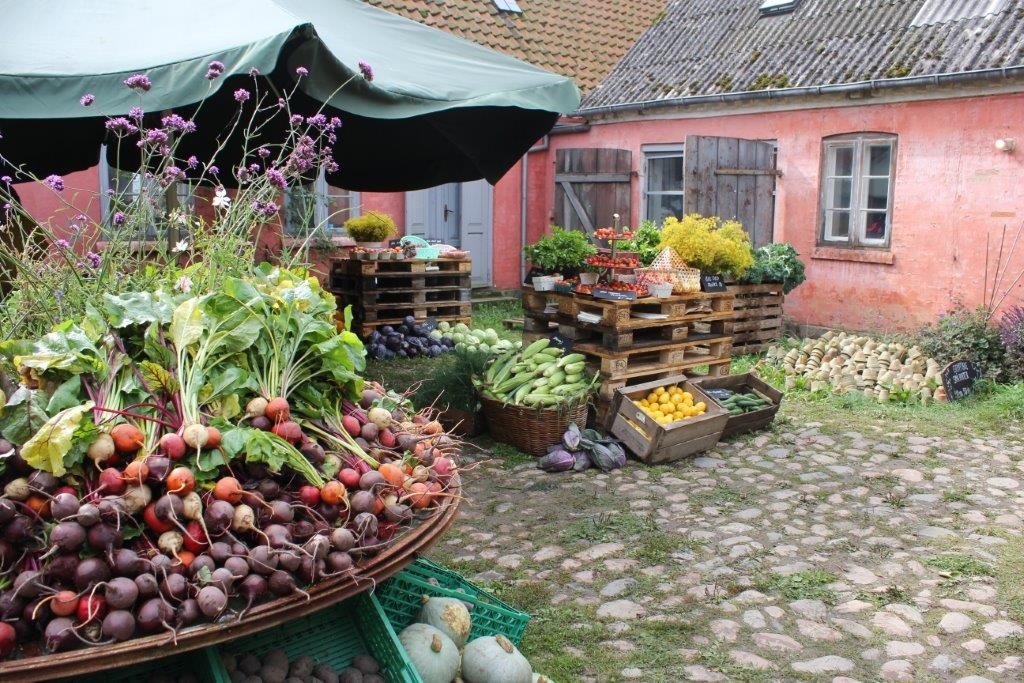
Fuglebjerggaard organic farm
Fascinating and diverse organic farm with a shop selling a range of produce. There is also a fantastic café, restaurant and cookery school – a great opportunity for tasting Scandinavian organic gastronomy at its best.

250616-Central-Hotel-Cafe-Copenhagen
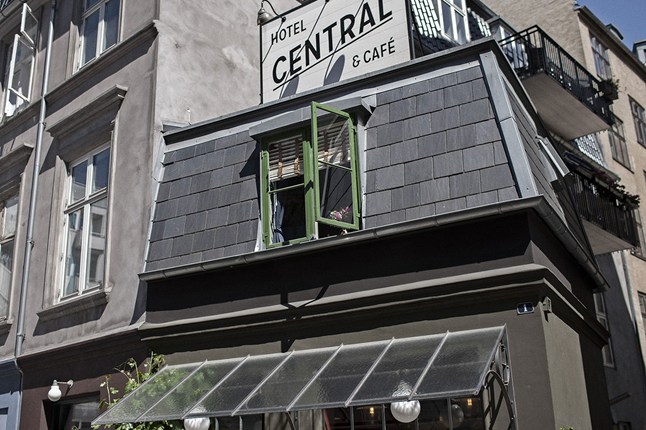
Central Hotel & Café
Quirky and very small hotel in downtown Copenhagen that has only one room. Located above a tine coffee shop that has seating for only five. Book well in advance if you’d like to stay here.

Feature image (on top): Kastrup Sea Bath, Copenhagen

Zealand Coast Around Copenhagen, was an excerpt from the book below.

Ben Love offers insight into more places to experience in his book Wild Guide Scandinavia.

Norwegian Mountain Hikes

Snøhetta (the Snow Cap) is the highest mountain on Dovrefjell – a mountain region southwest of Trondheim and northwest of Lillehammer. Dovrefjell is known for its beautiful nature, its wildlife (a. o. reindeer and musk), and the (former) weapon range and training area.

200616-snoheim-area-map
Loceted just below Snøhetta, Reinheim Turisthytte was built by The Norwegian Trekking Association (DNT) in 1952. In 1959 the Army took it over related to the development of the Hjerkinn shooting field. The lodge then changed name to Snøheim (Home of Snow). In the autumn of 2007 DNT Oslo it was given back to DNT, and today Snøheim is a DNT lodge with 80 bunks, in rooms with two and four bunks.

Arriving Snoheim
Arriving Snoheim

Snøheim is open between June 27th and October 9th 2016.

The lodge is easlily accessible with train to Hjerkinn, and a shuttlebus to Snøheim from there.

Snøhetta mountain massiv

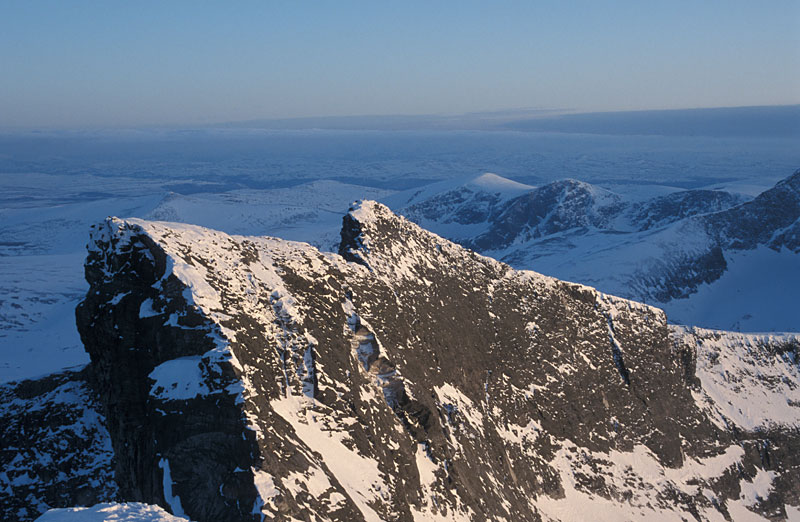
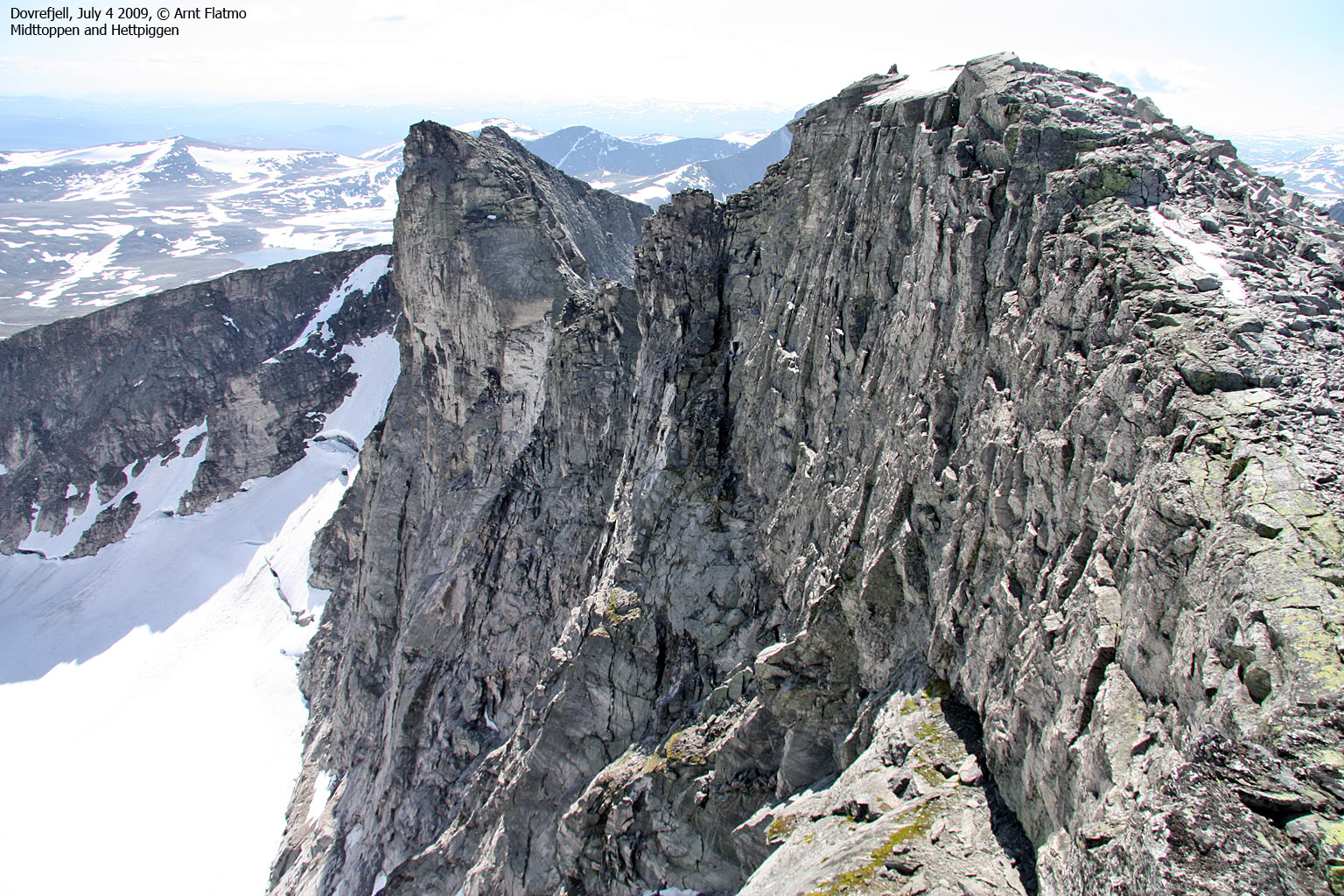
The Snøhetta massif has 4 distinct tops – Stortoppen, Midttoppen, Hettpiggen and Vesttoppen. All of these tops exceed 2000m, and Stortoppen is the highest Norwegian mainland mountain outside the Jotunheimen/Sognefjellet mountain range.

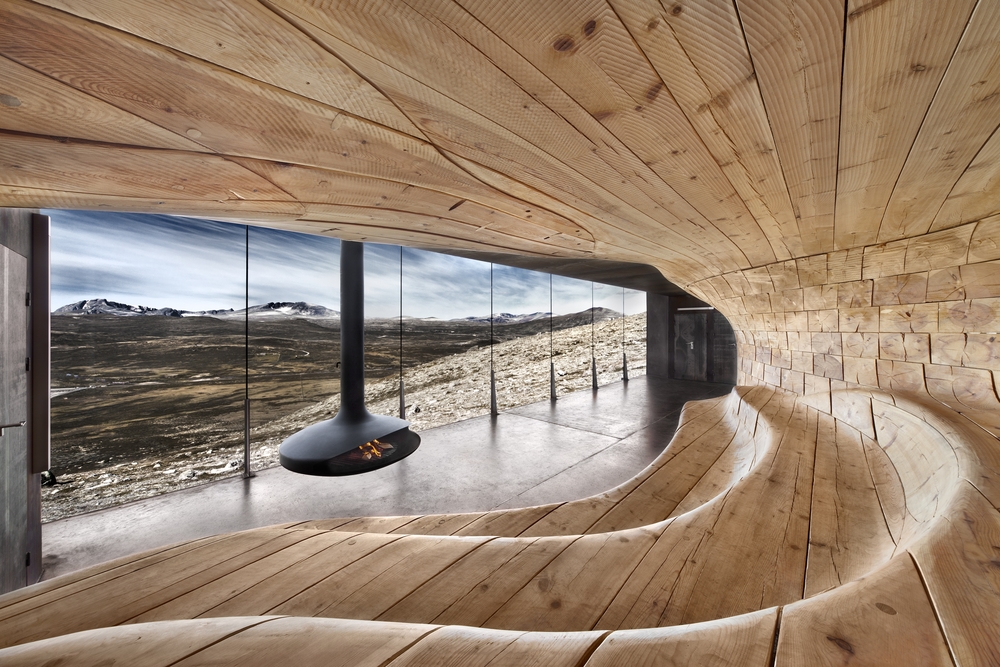
Viewpoint by Snøhetta architects

Of these 4 tops – it is only Hettpiggen that isn’t easily reached, and requires exposed scrambling or climbing in order to reach the top. The Snøhetta traverse is a “classic” – in summer as well as in winter. Close to Snøhetta, you will also find a handful of other tops exceeding “the magic” 2000m elevation. Larstinden, Svånåtinden and Skredahøin are the main ones – including a number of satellite tops that also exceed 2000m.

Heltpiggen and Vesttopp

The normal starting point for Snøhetta is Snøheim.  Snøhetta is only a 7km walk from the Snøheim parking, while the route from Kongsvollen Fjellstue by E6 (via Reinheim) is more than 20km.

200616-hiking-to-snoheim
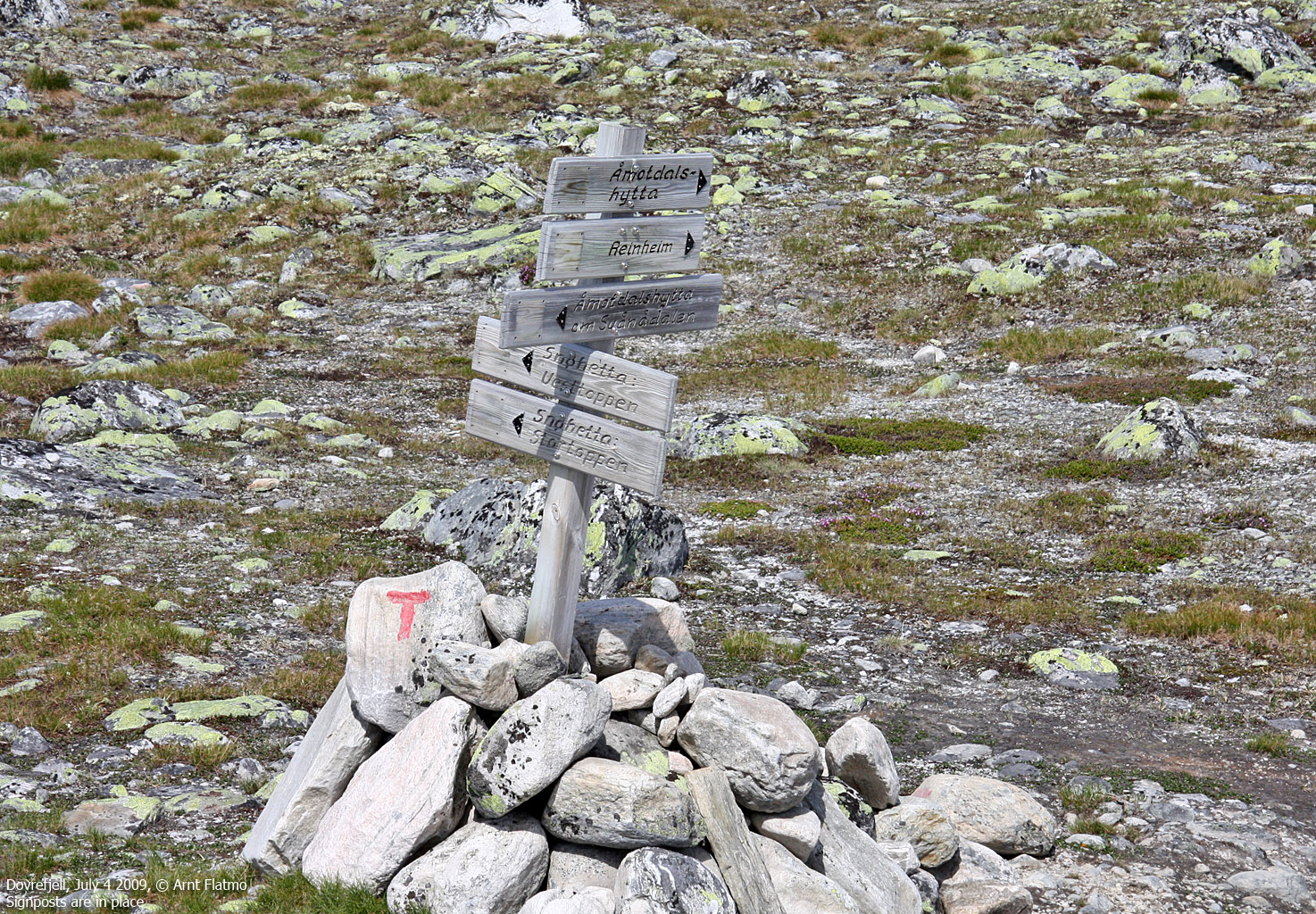
DNT’s recommended hiking trails

Suggested route: Snøheim – Snøhetta (summer/autumn)

Difficulty : YDS Class 2
Exposure : No
Distance : Approx. 7km to Stortoppen (2D distance)
Time : Approx. 3-4 hours to Stortoppen
Starting Elev.: Approx. 1450m
Vertical Gain : Approx. 840m

Access

(all distances are approx. distances)

The nearest bigger villages are Oppdal (north of Dovrefjell) and Dombås (south of). The starting point for the Snøheim road is by the E6/RV29 (Folldal) junction at Hjerkinn. Close to this junction, get on the road west towards the train station, but after just 30m, turn right and follow a road up to the Snøheim signpost. You can also reach this road from two other unmarked junctions along E6.

200616-route-mark-by-dnt
From this signpost, follow the Snøheim road 12,3km to the public parking.

200616-driving-to-snoheim
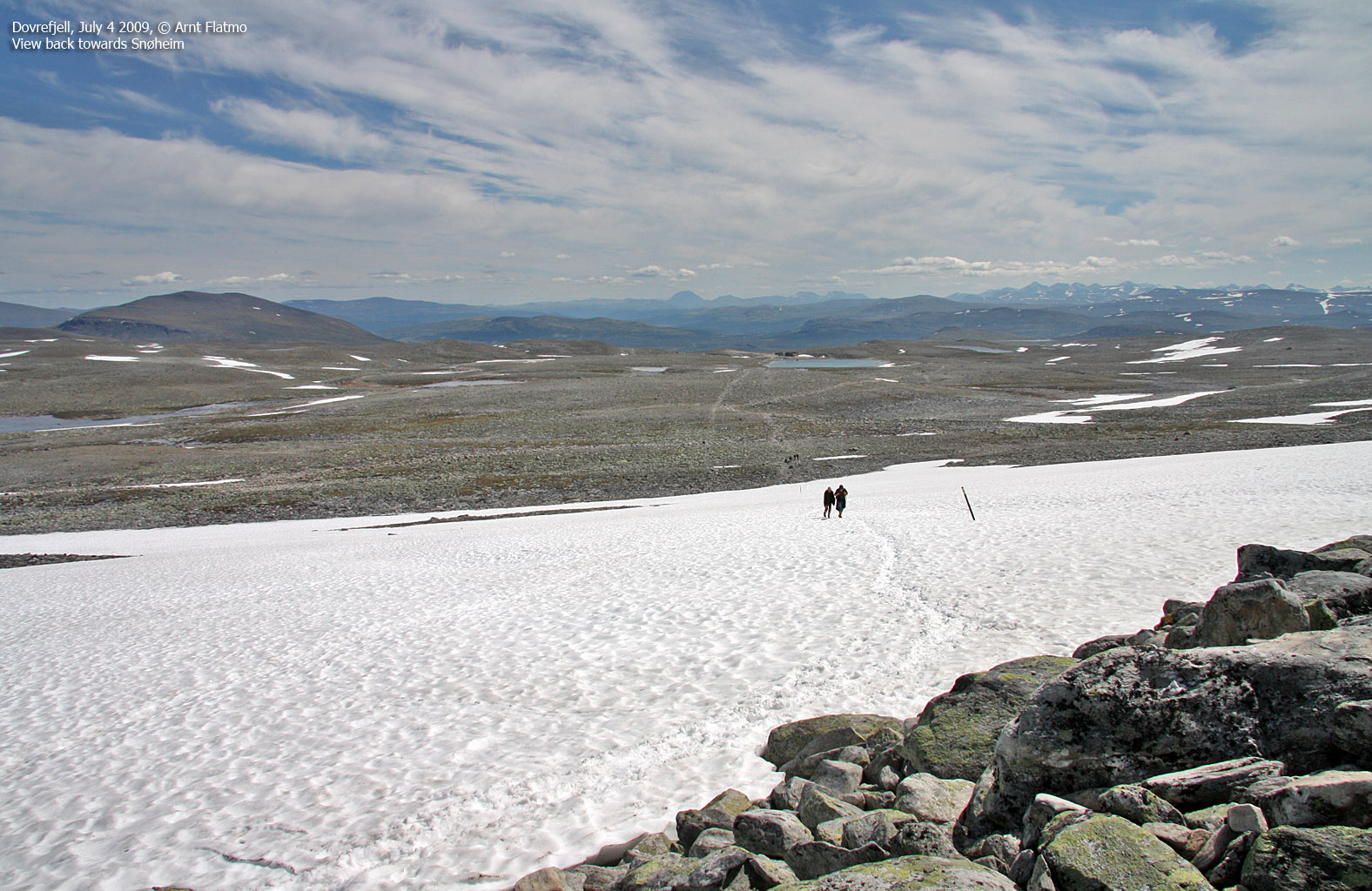
From the parking, follow the road to Snøheim (1,2km). At the first signpost, you can make a right turn and head towards Snøhetta on the east side of the lake. After rain and snowmelt, the river draining into this lake is wide, and you will have to look for a place to cross. It is therefore easier to follow the marked path on the west side of the lake.

Snoheim
Snoheim

Both these trails meet at approx. 1500m, and run towards the Gamle Reinheim cabin. You will have to cross the drain from Lake Istjørni, and if there is too much water in the river, seek towards the lake (go left) to find an easier place to cross.

From Dovre national park

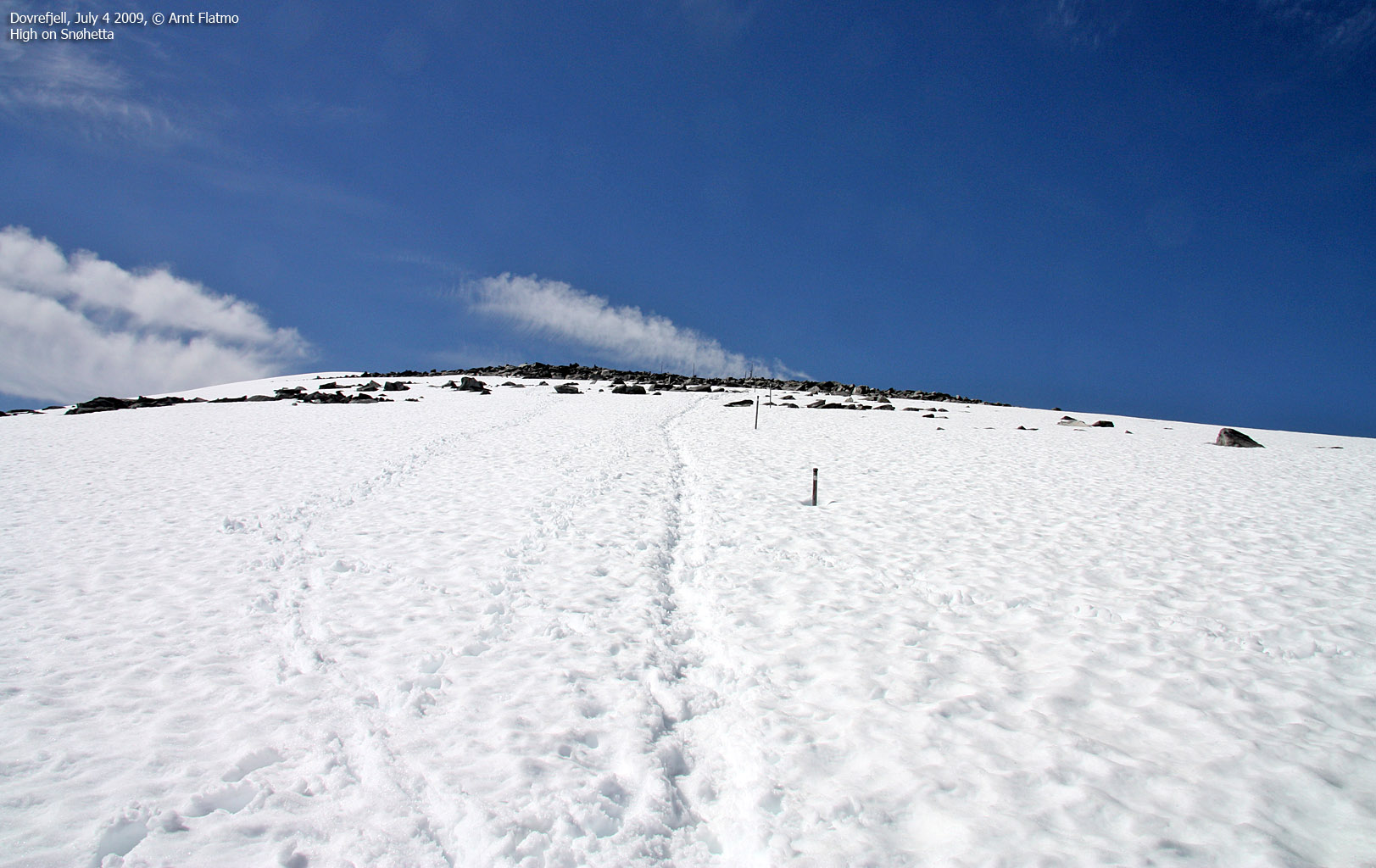
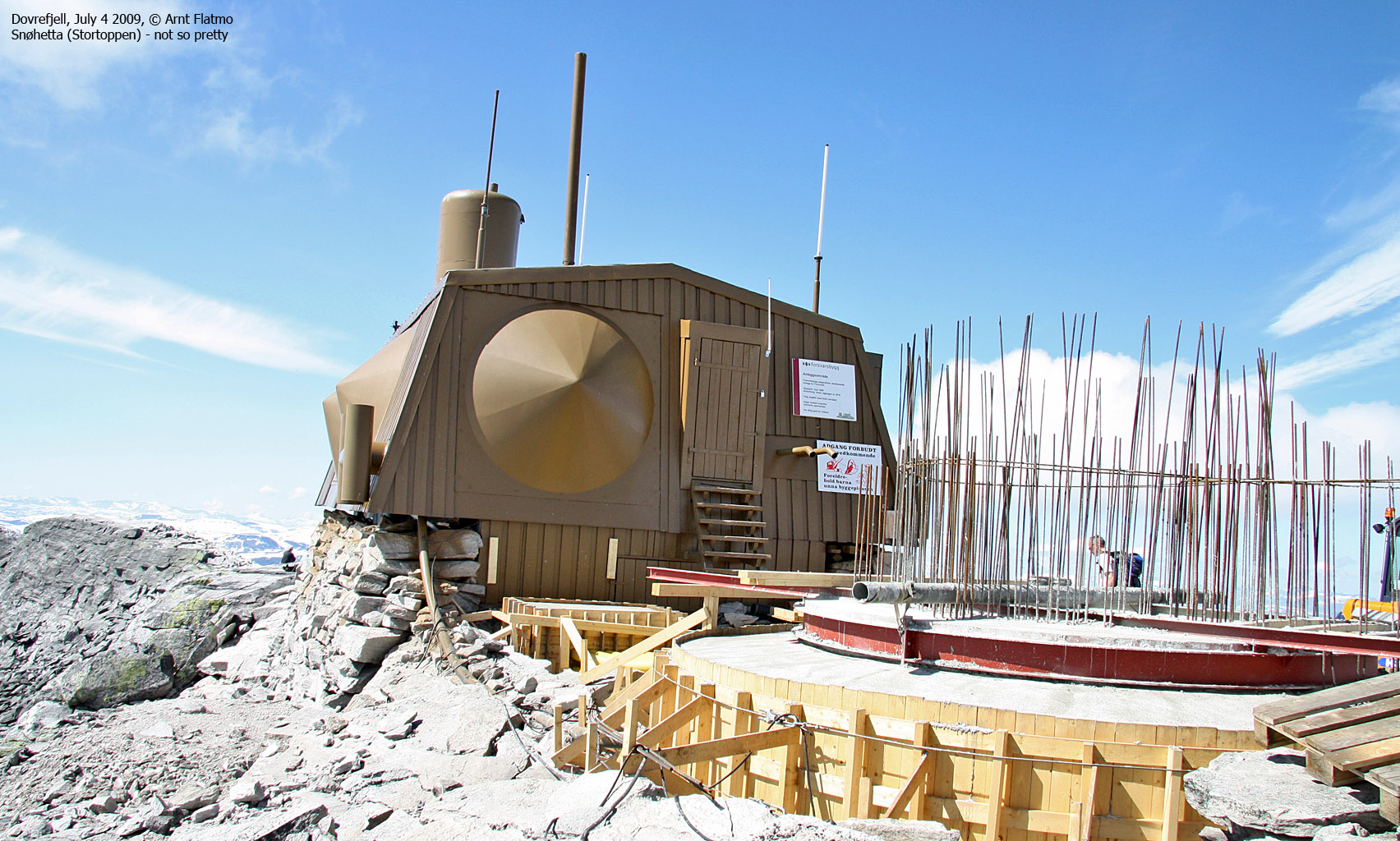
From Gamle Reinheim, follow the marked trail up the mountain and along Snøhetta’s west ridge. The ridge is fairly easy to walk. Expect some snow fields near the top. Snøhetta summit is “dominated” by a military building. You will find a proper cairn on the east side of this building.

From Dovre national park

Midttoppen

If you want to include Midttoppen on your hike, continue 400m along the ridge, then descend (along the “T” trail) into the col between Midttoppen and Stortoppen. Continue directly up to Midttoppen – or even 200m further, until you get to a viewpoint cairn, with a better view towards the other tops in this region.

Norwegian Mountain Hikes, compiled by Admin

The Capital of Fika

0

What is fika? It’s a Swedish custom where people gather to drink coffee, munch sweet treats and chat. It is as much part of the working day in Sweden as people are going to the pub in other countries.

As a Norwegian I consider it as the backbone of daily life for a Swede. It is a social event that could even be described as giving the Swedes a sense of place and who they are. Many Swedish companies have mandatory fika breaks and empliyees are given free hot drinks.

From Alingsaas
From Alingsaas

Derived from the word “kafi” (coffee), fika is a time to sit down, relax, take a break from what you are doing and socialize.

The little town of Alingsås, 45 kilometers north-east of Gothenburg, on the west coast of Sweden, has appointed itself as the “Capital of Fika”. It may not be the first place an international reader think about when searching for a Swedish tourist hotspot.

240616-swedish-fika
However, Alingsås is a picturesque town, with the most cafés per capita in the country, and its flourishing fika culture is known for its authentic history dating back as fas as the 1700s.

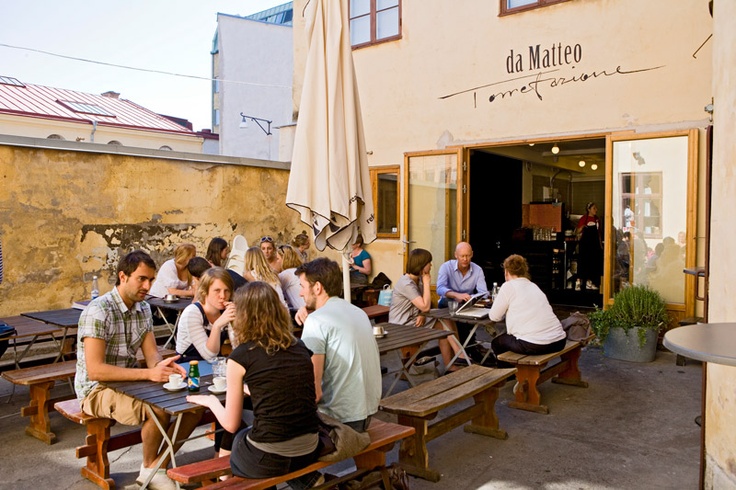
Da Matteo Dafé, Gothenburg
da Matteo Café, Gothenburg
Matts Johansson, founder of Da Matteo coffee chain in Gothenburg says, “Most Swedes have fika several times a day, whether it’s at the weekend or during the week. It’s about spending time with people, eating lovely homemade baked goods and drinking great coffee. It’s like going to the pub in other countries. It’s deeply ingrained in our culture.”

The tourism industry and café owners now hope that “the Capital of Fika” will help attracting foreign visitors to the municipality of around 39,000 inhabitants.

240616-swedish-fika-2
Does fika affect a country’s productivity?
A 2014 productivity research document analyzing 398 countries reveals that Sweden comes in at a respectable number 11. Sweden’s coffee-quaffing neighbor, Norway, is however the second most productive nation, behind Luxembourg. The workforce of the US is fourth, while long-lunching France is seventh.

Take a fika guided tour
Now you can experience Alingsås’café center, with around 30 cafes, three of which are listed in the prestigious White Guide Café Guide, on a fascinating 1.5 hours guided tour.

240616-swedish-fika-3
The tour includes visits to two cafés which are members of the White guide: Ekstedts bakery & Café and Nygrens Café. Guests will also get to taste cinnamon buns, truffles, pastries and cookies. Guests also get a little goodie bag of samples to take away with them.

The tour costs 330 SEK per person and is available every Saturday at 11.00 until 29 October.

Nygrens Café, Alingsaas

“Our fika tradition in Alingsås dates back until a time when we had a lot of industries in the town and workers didn’t have time to bake themselves, so they ate out at cafés,” Sandra Grönkvist, co-owner of Nygrens Café in Alingsås, told The Local of the three-centuries-old tradition.

Gunbritt Reiteke
Gunbritt Reiteke

Head of Tourism, Gunbritt Reteike, one of the people behind the ‘Capital of Fika’ campaign, told the regional GT tabloid that she is already fielding questions from global media about the hype. “I’ve had visits by journalists from the US, Germany, England and Norway booked in this spring,” she said.

Fika at IKEA
Fika at IKEA

Coffee breaks are so important to the Swedes that even the country’s mega-brand, IKEA, has a paragraph about it on its corporate website: “More than a coffee break, fika is a time to share, connect and relax with colleagues. Some of the best ideas and decisions happen at fika.”

The Capital of Fika, written by Tor Kjolberg