
Swedish Photographer on Innocent War Victims

0

Where the Children Sleep” is a present photo exhibition at Fotografiske, Stockholm, where Swedish photographer Magnus Wennman shows his heart-rending photographs of child victims from the war in Syria.

Fotografiska and Aftonbladet aim to recognize the vulnerable situation of these children who have been displaced by war in order to support the UN Refugee Agency UNHCR.

Click here to help UNCHR help fleeing children.

121115-Magnus-WennmanMagnus Wennman, winner of two World Press Photo Awards and fourfold winner of Sweden’s Photographer of the Year Award, has met refugees in countless refugee camps and on their journeys through Europe this year. The story of when the night comes is a living narrative with no given ending.

Nothing should be more peaceful than a sleeping child. This series of photographs by Swedish photographer Magnus Wennman shows that nothing could be further from the truth than these children from Syria.

The war in Syria has continued for almost five years and more than two million children are fleeing the war, within and outside of the country borders. They have left their friends, their homes, and their beds behind. A few of these children offered to show where they sleep now, when everything that once was no longer exists.

In his photo essay “Where The Children Sleep”, Wennman has captured the suffering endured by hundreds of thousands of youngsters scarred physically and psychologically by the country’s civil war. Even for those who have escaped the conflict zone to an unknown future beyond Syria, Wennman finds there is little peace for a generation of innocents who should, like all children, be tucked up in their beds without a care in the world.

Here, Karim, 17, sleeping in Omonoia Square in Athens, Greece. Picture: Magnus Wennman/REX Shutterstock/australscope

121115-Karim-17

AHMAD, AGED 7

Even sleep is not a free zone; it is then that the terror replays. Ahmad was home when the bomb hit his family’s house in Idlib, Syria. Shrapnel hit him in the head, but he survived. His younger brother did not. The family had lived with war as their nearest neighbour for several years, but without a home they had no choice. They were forced to flee. Now Ahmad lays among thousands of other refugees on the asphalt along the highway leading to Hungary’s closed border. This is day 16 of their flight. The family has slept in bus shelters, on the road, and in the forest, explains Ahmad’s father.

121115-Ahmad-7
Ahmad, aged 7, sleeps on his backpack in Horgos, Hungary. Picture: Magnus Wennman/REX Shutterstock/australscopeSource:australscope

WALAA, AGED 5

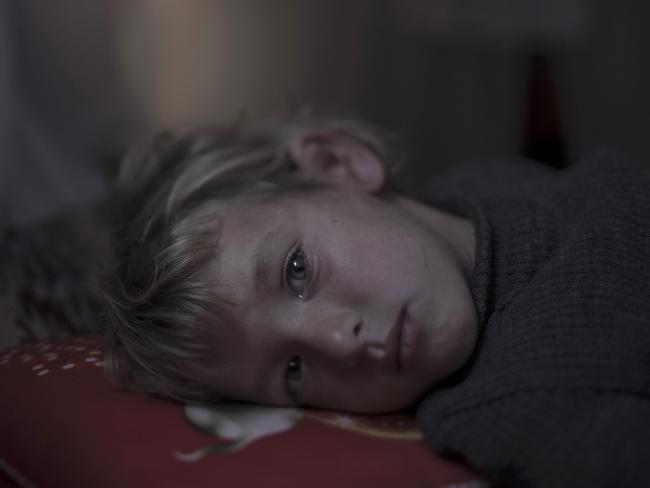
Walaa, 5, is currently in Dar-El-Ias, Lebanon. She wants to go home. She had her own room in Aleppo, she tells us. There, she never used to cry at bedtime. Here, in the refugee camp, she cries every night. Resting her head on the pillow is horrible, she says, because night-time is horrible. That was when the attacks happened. By day, Walaa’s mother often builds a little house out of pillows, to teach her that they are nothing to be afraid of.
121115-Walaa-5
Walaa, 5, sleeps with tears in her eyes. Picture: Magnus Wennman/Aftonbladet/australscopeSource:australscope

SHIRAZ, AGED 9

Shiraz, 9, was three months old when she was stricken with a severe fever. Currently taking refuge in Suruc, Turkey, the doctor diagnosed polio and advised her parents to not spend too much money on medicine for the girl who didn’t have a chance. Then the war came. Her mother, Leila, starts crying when she describes how she wrapped the girl in a blanket and carried her over the border from Kobane to Turkey. Shiraz, who can’t talk, received a wooden cradle in the refugee camp. She lies there. Day and night.

121115-Shiraz-9
Shiraz, 9, suffers from polio and is immobile. Picture: Magnus Wennman/Aftonbladet/australscopeSource:australscope

ABDULLAH, 5, sleeping outside a railway station in Belgrade, Serbia.

Abdullah has a blood disease. For the last two days he has been sleeping outside of the central station in Belgrade. He saw the killing of his sister in their home in Daraa. He is still in shock and has nightmares every night, says his mother. Abdullah is tired and is not healthy, but his mother does not have any money to buy medicine for him.IMAGE: MAGNUS WENNMAN/AFTONBLADET/REX USA
AHMED, 6, sleeping on the ground in Horgos, Serbia.

It is after midnight when Ahmed falls asleep in the grass. The adults are still sitting around, formulating plans for how they are going to get out of Hungary without registering themselves with the authorities. Ahmed is six years old and carries his own bag over the long stretches that his family walks by foot. “He is brave and only cries sometimes in the evenings,” says his uncle, who has taken care of Ahmed since his father was killed in their hometown Deir ez-Zor in northern Syria.IMAGE: MAGNUS WENNMAN/AFTONBLADET/REX USA
FARA, 2, asleep in Azraq, Jordan.

Fara loves soccer. Her dad tries to make balls for her by crumpling up anything he can find, but they don’t last long. Every night he says goodnight to Fara and her big sister Tisam, 9, in the hope that tomorrow will bring them a proper ball to play with. All other dreams seem to be beyond his reach, but he is not giving up on this one.IMAGE: MAGNUS WENNMAN/AFTONBLADET/REX USA

IMAN, 2, in a hospital bed in Azraq, Jordan.

Iman has pneumonia and a chest infection. This is her third day in this hospital bed. “She sleeps most of the time now. Normally she’s a happy little girl, but now she’s tired. She runs everywhere when she’s well. She loves playing in the sand”, says her mother Olah, 19.IMAGE: MAGNUS WENNMAN/AFTONBLADET/REX USA

MAHDI, 1, asleep on the ground in Horgos, Serbia.

Mahdi is one and one half years old. He has only experienced war and flight. He sleeps deeply despite the hundreds of refugees climbing around him. They are protesting against not being able to travel further through Hungary. On the other side of the border hundreds of police are standing. They have orders from the Primary Minister Viktor Orban to protect the border at every cost. The situation is becoming more desperate and the day after the photo is taken, the police use tear gas and water cannons on the refugees.IMAGE: MAGNUS WENNMAN/AFTONBLADET/REX USA
MARAM, 8, in Amman, Jordan.

Maram had just come home from school when the rocket hit her house. A piece of the roof landed right on top of her. Her mother took her to a field hospital, and from there she was airlifted across the border to Jordan. Head trauma caused a brain hemorrhage. For the first 11 days, Maram was in a coma. She is now conscious, but has a broken jaw and can’t speak.IMAGE: MAGNUS WENNMAN/AFTONBLADET/REX USA

MOHAMMED, 13, in hospital in Nizip, Turkey.

Mohammed loves houses. Back home in Aleppo he used to enjoy walking around the city looking at them. Now many of his favorite buildings are gone, blown to pieces. Lying in his hospital bed he wonders whether he will ever fulfill his dream of becoming an architect. “The strangest thing about war is that you get used to feeling scared. I wouldn’t have believed that”, says Mohammed.IMAGE: MAGNUS WENNMAN/AFTONBLADET/REX USA
RALIA, 7 and RAHAF, 13, sleeping on the street in Beirut, Lebanon.

Ralia and Rahaf are from Damascus, where a grenade killed their mother and brother. Along with their father they have been sleeping rough for a year. They huddle close together on their cardboard boxes. Rahaf says she is scared of ‘bad boys’ at which Ralia starts crying.IMAGE: MAGNUS WENNMAN/AFTONBLADET/REX USA

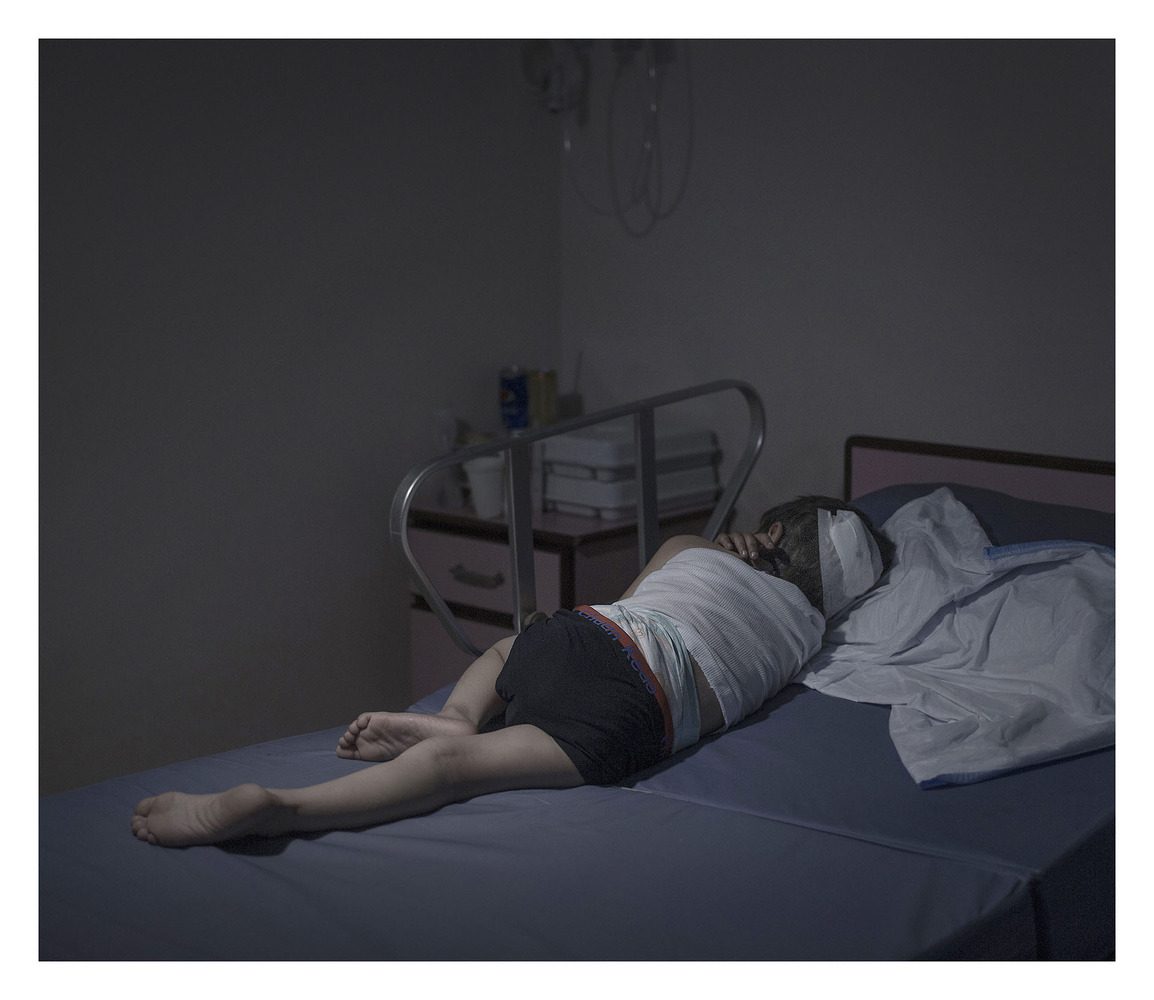
MOYAD, 5, in hospital in Amman, Jordan.

Moyad and his mother needed to buy flour to make a spinach pie. Hand in hand they were on their way to the market. They walked past a taxi in which someone had placed a bomb. Moyad’s mother died instantly. The boy, who has been airlifted to Jordan, has shrapnel lodged in his head, back and pelvis.IMAGE: MAGNUS WENNMAN/AFTONBLADET/REX USA
TAMAM, 5, in Azraq, Jordan.

Tamam is scared of her pillow. She cries every night at bedtime. The air raids on her hometown of Homs usually took place at night, and although she has been sleeping away from home for nearly two years now, she still doesn’t realize that her pillow is not the source of danger.IMAGE: MAGNUS WENNMAN/AFTONBLADET/REX USA

SHAM, 1, in Horgos, Serbia.

In the very front, just alongside the border between Serbia and Hungary by the 4-meter-high iron gate, Sham is laying in his mother’s arms. Just a few decimeters behind them is the Europe they so desperately are trying to reach. Only one day before the last refugees were allowed through and taken by train to Austria. But Sham and his mother arrived too late, along with thousands of other refugees who now wait outside the closed Hungarian border.IMAGE: MAGNUS WENNMAN/AFTONBLADET/REX USA


Feature image (on top): LAMAR, 5, sleeping on the ground in Horgos, Serbia.

Back home in Baghdad the dolls, the toy train, and the ball are left; Lamar often talks about these items when home is mentioned. The bomb changed everything. The family was on its way to buy food when it was dropped close to their house. It was not possible to live there anymore, says Lamar’s grandmother, Sara. After two attempts to cross the sea from Turkey in a small, rubber boat they succeeded in coming here to Hungary’s closed border. Now Lamar sleeps on a blanket in the forest, scared, frozen, and sad.

Swedish Photographer on Innocent War Victims, compiled by Admin

All photos Magnus Wennman/Aftonbladet

The Dimple of Norway

Norway’s smallest town, Stavern, was home to many of the country’s most well-known and celebrated artists. The town is located outside Larvik in the county of Vestfold. It was not given town status until the year of 1942. There are Easter, summer, autumn and Christmas exhibitions in about 20 locations around the town.

From the year 1677 until 2002, the town was the home of an important naval base for Norway. The area has likely been a harbor since ancient times. The name Stavern has been found in several written sources that date back to the 11th and 12th centuries. In these documents the area is referred to as being a good harbor for fishing. Aside from being an important harbor for the military, Stavern was also an important port for civil ship traffic to Sweden and Denmark during the 17th and 18th centuries. 

Maritim History Storehouse

A meteorological phenomenon blesses Stavern with 200 sunny days every year.  Stavern has kept its special charm with its narrow streets and old houses.

Stavern Guest Harbor

In summer Stavern boils like a southern stew, the population doubles times over and the town has on offer a plethora of summer activities with galleries and exhibitions on every street corner.

Stavern Harbor
Stavern Harbor

One of Norway’s most beloved poet, Herman Wildenvey (1886–1959), is eternally and undeniably linked with Stavern. After a turbulent youth, Herman and his wife Gisken found peace in Stavern, although many years were spent in personal trials and tribulations.

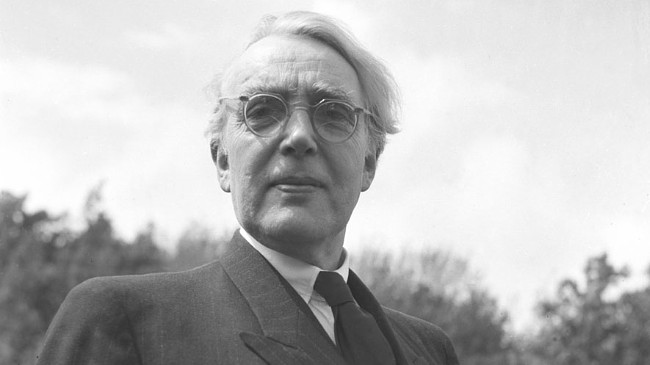
Herman Wildenvey
Herman Wildenvey

Author Jonas Lie (1833–1908) was a naval cadet in Stavern and lived in the naval barracks. This setting became the basis of his famous novel “The Commander’s Daughters”, which immortalized him in Norway. In his later years, Jonas Lie and his wife Thomasine retired to Stavern, to their house “Elisenfryd”. In memory, a copy of their portrait was etched onto a tombstone that was erected in 1908 – this is located at the entrance to Stavern Church.

Jonas Lie
Jonas Lie

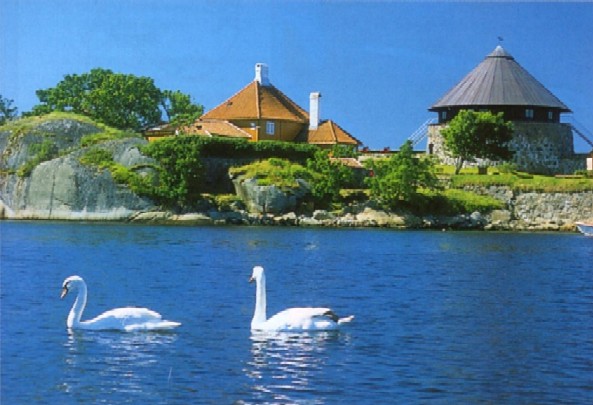
The first main construction in Stavern can be traced to Count Ulrik Fredrik Gyldenløve who built Citadellet on the island of Karlsøy among the idyllic skerries of Stavern in the 1680’s. Karlsøy was later renamed Citadell Isle after the fort. During the Nordic war (1709–1720) the fort became of great importance as the only naval base for the Danish/Norwegian fleet as well as for the ships that continued to sail between Norway and Denmark with mail and provisions.

Citadel Island
Citadel Island

The decision to build the Fredriksvern Dockyard was made in 1750 by Frederick V, King of Denmark and Norway. Most of the buildings and fortifications were already completed by 1754 with the surrounding ramparts and moats. A garrison church, cemetery and houses were built outside the ramparts. Fredriksvern became a center for naval activities in Norway, with a high level of competence in all skills required for ship-building, seamanship and operative naval duties.

Fredriksvern Dockyard

In 1814 the yard became the main base for the Norwegian Navy. The Naval Cadet Institute was relocated to Karljohansvern in 1864, and Fredriksvern Dockyard was abandoned in 1896 when the Norwegian Parliament decided to turn it into an exercise center for the Military Academy. In later times the Dockyard was also home to the Anti-Aircraft Regiment. This means that through its more than 250 years of active service, Fredriksvern has acted as a garrison for all branches of the military defence.  Guided tours of Fredriksvern all year round for small and large groups.

Cadets' Barracks
Cadets’ Barracks

It was during the early 1700s that naval hero Peter Wessel Tordenskiold (1690-1720) made his mark in Stavern. History tells us that he fell in love with a girl from Stavern and legend has it that her ghost now wanders along the ramparts of Citadellet. Gustav Vigeland (sculptor) created a bronze statue of Tordenskiold that stands on a rock in the port overlooking his old berth. Citadell Isle is now an idyllic recreational area. In the early 1900’s , the old Commander’s Residence on the Isle became a holiday retreat and was much favoured by national artists such as Hans Gude, Christian Krogh and Odd Nerdrum who have said that thhe Citadell Isle later inspired their work

Peter Wessel Tordenskiold

“Kadettbrakka”, built in 1773, is one of the largest wooden structures in Norway. It was originally built as a navy ware house to store provisions for 1000 men, including the staff on Fredriksvern Verft, for 6 months. The building is an impressive construction, 70m long, 11m wide and 4 storeys high.

The most outstanding building on Fredriksvern is Fredriksvern Church. Completed in 1756, it is a beautiful blend of renaissance and baroque architecture.

Fredriksvern Church
Fredriksvern Church

In front of Fredriksvern Church stands a fountain designed by Ørnulf Bast and built after World War II. Inscribed on the fountain are names of 13 men who gave their lives during the war. The fountain is made of a light coloured granite, common to this part of Norway.

Ornulf Bast Fountain

Dating back to 1777, the oldest water pumps in North Europe are to be found here. They are located in the vicinity of Stavern City Hall, surrounded by old garrison buildings. In old times people came here to fetch water, wash clothes and gossip. It is still today a gathering place for the inhabitants of Stavern, but they are no longer accompanied by their dirty laundry! It is a picturesque spot much favored by wedding photographers.

Captain Ohlsen’s version of the optical telegraph can be found at Signalen. The optical telegraph, first used in Norway in 1801, was used as a military warning system and a means of communication along the coast of Norway, from Trondheim to Hvaler, until peace returned in 1814. Needless to say, the view from Signalen is spectacular.

Svenner Lighthouse
Svenner Lighthouse

Trips and excursions to “Svenner” are popular with everyone. People usually make their way here by boat. This rocky piece of coastline with its many nooks and crannies has a spot for everyone. An ideal place for barbecues and relaxing. There is a lighthouse to be found here. Tours are available daily throughout the summer from 17pm 19pm. On a clear day you can see across the Oslofjord to Sweden. The Tourist Information Centre arranges excursions to “Svenner”.

Brunla Gravfelt
Brunla Gravfelt

The largest historical site in the county of Vestfold is “Brunla gravfelt” with its graves, wells and hollows dating back to the Stone Age, Bronze Age and late Iron Age. The area is over 120ha. There is an information board in the area.

The longest marked pathway to be found in Norway starts in Stavern. This 35km pathway will take you past 17 campsites, 3000 summer cabins and a totally unspoilt stretch of coast line. Experience the exhilarating sea air as you explore this truly unique area.

On your walk you will pass through Brunlanes, an area of historical interest. Archeological finds tell us that this area was inhabitated thousands of years ago. Finds at Austein farm prove that people settled in this area at the end of the ice age, approx. 10 000 years ago. Few places in Norway can boast of finds dating back to the stone and iron ages.

The coastal path passes small fishing villages such as Nevlunghavn and Helgeroa. You will  find impressive rock formations dating back to the iron age in this area. The botanical and geographical features around here are sights to behold. Other places of interest include a stone church and an old mill, both built in the 1700’s. The latter has been restored and now houses a village museum.

Places of interest

Fredriksvern Dockyard
Ferdriksvern Fortress is located in Stavern, outside Larvik in Vestfold. There are guided tours all year and several art exhibitions to choose from.

Hotel Wasilioff
Hotel Wasilioff

Entrance to the dockyard from Tollbodgaten street, next to Hotel Wassilioff.

Galleries and museums
There are several permanent galleries and museums at Fredriksvern Dockyard:

From Atelier Forberg

Atelier Forberg
Jan Olav Forberg of Atelier Forberg works with a special technique called flame painting, which he has developed himself. Jan Olav Forberg employs a wide variety of other techniques, such as painting and various print techniques besides his own flame painting technique. His gallery at Fredriksvern Dockyard is located in the old ‘Plankekokeriet’ in the red house to the left before the bridge.

Laila Leknes
Laila Leknes is a potter who moved from Trondheim to Stavern in 1988. She runs her own gallery called Galleri Laila, and contributes to the Stavern Kunst exhibitions in the Stone Barracks. Laila Leknes is a graduate of Trondheim School of Art, Oslo National Academy of the Arts, and has also studied architecture.  Her many works and public commissions include a gift to HM King Olav from the Directorate of National Heritage, the Norwegian Broadcasting Corporation’s canteen in Oslo, and coats of arms for various cities.

Painting by Kjell Raugland

Kjell Raugland
Kjell Raugland has his own gallery, studio and workshop for silkscreen printing in Stavern town. He also exhibits his work in the Stone Barracks at Fredriksvern Dockyard together with other members of Stavern Kunst art association. Kjell Raugland works with different techniques in drawings, paintings and prints. He has participated in several joint and solo exhibitions in Norway and abroad, such as the national Autumn Exhibition.

Painting by Fritz Helge Nyegaard

Fritz Helge Nyegaard
Fritz Helge Nyegaard exhibits his pictures in Galleri Kringla, in addition to participating in Stavern Kunst’s joint exhibitions in the Stone Barracks at Fredriksvern Dockyard. Nyegaard has participated in the national Autumn Exhibition and has had solo and joint exhibitions since 1974. He is educated at Oslo National Academy of the Arts and the workshops of the Directorate of National Heritage in Oslo.

From Designjern
From Designjern

Designjern
Designjern (design iron) is run by Camilla and Jan Warholm who exhibit their works in the Stone Barracks with the other members of Stavern Kunst. The exhibition includes candlesticks, sculptures, furniture and ornaments. They mainly work in iron and acid-proof steel with inlays of glass, stone, wood and mirrors.

From Gallery Winther

Galleri Winther
Galleri Winther displays thematic exhibitions in the Stone Barracks, based on photographs on canvas
Øyunn Winther employs different techniques and expressions in pictures and other elements, often exposed in a new and different setting. Claude Monet’s water reflections is one source of inspiration, as is notable in her decorations for Berg church.

Kari Hoffstad, from Gallery Glasshytta

Galleri Glasshytta
The old Stone Barracks also house glass artist Kai Hoffstad and his abstract and vibrantly colourful works of art in glass. He works with warm glass and fusing, in sculptures and artware. Kai Hoffstad has had commissions for glass artware to the Norwegian and Danish Courts. His works have also been bought by the Prime Minister’s Office, the National Museum of Decorative Arts in Trondheim, and by private collectors in Norway and abroad.

Historical reenactment of the Battle of Dynekilen (July 2009)

Sjøhistorisk Magasin
The Maritime History Storehouse is a fascinating mixture of gallery and museum; a place for experiences and in-depth studies.  Galley Shed 12 dates back to 1765 and is a veritable treasure chest from Norway’s ocean-faring past. Norway’s past 1,000 years as a sea-faring nation is documented in art and photographs, sculptures and objects. The maritime exhibition in Galley Shed 12 contains fragments of Norway’s maritime cultural history. On exhibit are old documents, objects and remains of wreckages. For Norwegian forebears, the sea represented a route to a different world. The ships brought back unfamiliar scents and spices, rhythms, colours, and new ways of thinking.

The Galley Museum 
This museum exhibits miniature models of all vessels built by the dockyard.  On display is also a model of the dockyard as it used to look in 1814, built to the scale of 1:100. The Galley Museum is housed in Galley Shed 16 (nearest to the Corntin bay) and records the dockyard’s three epochs, when the Navy, Army and Air Defence were active here. In other words, the museum deals with the Defence activities at the Dockyards from 1750 until 2002.

The Tordenskiold’s Soldiers Association in Stavern
The association was established in the autumn of 1991 with the purpose of organising an annual  re-enactment of the
Battle of Dynekil – to entertain the audience as well as themselves. The association is located in the Cadet Barracks and is open to the public in the high season. Every July, the Battle of Dynekil is re-enacted in the harbour basin off Fredriksvern by a group of happy amateurs from Tordenskiold’s Soldiers and a handful of smaller vessels.

Naval Brig Fredriksvaern

Orlogsbriggen Fredriksværn
The Naval Brig Fredriksværn is a foundation aiming to increase awareness of a critical period in Scandinavian history by building a true replica of the naval brig ”Friderichsværn” from 1814. Fredriksvern Dockyard was Norway’s first site of formal education for marine architects and shipbuilders, making the old dockyards the perfect setting for this project.

The Friends of Old Stavern (VGS)
Is an association dedicated to preserving the history of Stavern and Fredriksvern and the surrounding areas. The association has mounted a permanent photo exhibition in the Cadet Barracks, which is open to the public during the high season.

How to get to Stavern?
Take the E18 Highway to Larvik (either from Kristiansand in the south or Oslo in the north), then take the RV 301 Road to Stavern. Parking in the Stavern town centre.

Feature image (on top): Nevlunghavn, Stavern

The Dimple of Norway, compiled by Admin

Cultural Achievements in Denmark

Denmark’s rich intellectual heritage contributes to the cultural achievements of the modern world.

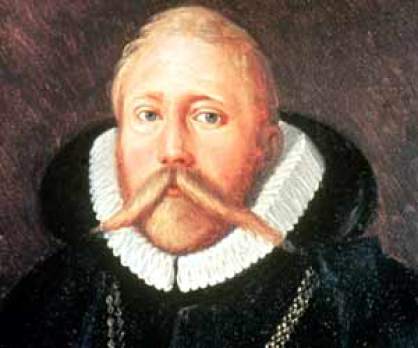
The astronomical discoveries of Tycho Brahe (1546-1601) and the brilliant contributions to atomic physics of Niels Bohr (1885-1962) indicate the range of Danish scientific achievement.

Tycho Brahe
Tycho Brahe

The fairy tales of Hans Christian Andersen (1805-75) the philosophical essays of Soren Kierkegaard (1813-55) and the short stories of Karen Blixen (penname Isak Dinesen 1885-1962) have earned international recognition as have the symphonies of Carl Nielsen (1865-1931).

Soren Kierkegaard
Soren Kierkegaard

Danish applied art and industrial design have won awards for excellence. The name of Georg Jensen (1866-1935) is known worldwide for outstanding modern design in silver and “Royal Copenhagen” is among the finest porcelains.

Georg Jensen
Georg Jensen

Visitors to Denmark will discover a wealth of cultural activity. The Royal Danish Ballet, an exceptional company, specializes in the work of the great Danish choreographer August Bournonville (1805-79). Danes have distinguished themselves as jazz musicians and the Copenhagen Jazz Festival has acquired an international reputation.

August Bournonville
August Bournonville

International collections of modern art enjoy unusually attractive settings at the Louisiana Museum north of Copenhagen and at the North Jutland Art Museum in Aalborg. The State Museum of Art and the Glyptotek both in Copenhagen contain treasures of Danish and international art.

The Glyptotek in Copenhagen

The Museum of Applied Art and Industrial Design in Copenhagen exhibits the best in Danish design. The Royal Danish Porcelain Factory and Bing & Grondahl renowned for the quality of their porcelain and ceramics export their products worldwide. Ceramic designs by Bjorn Wiinblad also are well known and popular.

Art by Bjoern Wiinblad

Among today’s Danish writers probably the most well-known to American readers is Peter Hoeg (Smilla’s Sense of Snow; Borderliners) and the most prolific is Klaus Rifbjerg – poet novelist, playwright and screenwriter. Benny Andersen writes poems short stories and music. Poems by both writers have been translated into English by the Curbstone Press.

Peter Hoeg. Photo: Poul Rasmussen

Kirsten Thorup’s Baby, winner of the 1980 Pegasus Prize is printed in English by the University of Louisiana Press. The psychological thrillers of Anders Bodelsen also appear in English.

Kirsten Thorup
Kirsten Thorup

Suzanne Brogger and Vita Andersen focus largely on the changing roles of women in society. In music Hans Abrahamsen and Per Norgaard are the two most famous living composers. Hans Abrahamsen’s works have been performed by the National Symphony Orchestra in Washington DC.

Hans Abrahamsen
Hans Abrahamsen

Cultural Achievements in Denmark, compiled by Admin

Norway at War

0

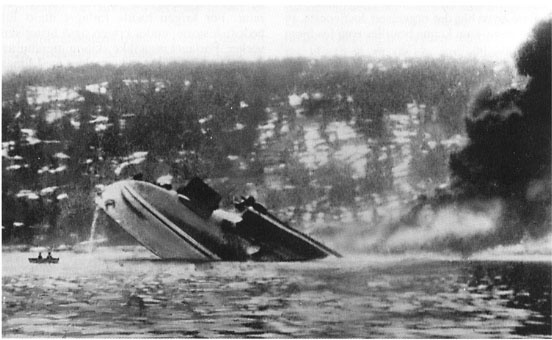
On World War II’s first day of invasion of Norway gunners in an old fortress on Oslo Fjord had the satisfaction of sinking the German Cruiser Blücher, killing around 830 of those on board.

While Hitler’s local stooge, Vidkun Quisling, the leader of the Fascist National Unity Party, proclaimed himself prime minister, King Haakon and most members of the government escaped to Tromsoe in northern Norway and remained there while a combined force of British, French, Polish and Norwegian units recaptured the iron-ore port of Narvik.

Blücher sinking
Blücher sinking

The sudden collapse of France, however, created a greater demand for the expeditionary force elsewhere. The Allies withdrew, and the king and his entourage were evacuated to England.

301015-Vidkun-Quisling-and-Heinrich-Himmler
Vidkun Quisling and Heinrich Himmler

Neutral throughout the war, Sweden took in 300,000 refugees. The Swedish Red Cross, led by Count Folke Bernadotte, a nephew of the king, secured the release of 30,000 prisoners of various nationalities from German concentration camps, and the diplomat Raoul Wallenberg played “Schindler” to Jews in Hungary.

Swedish SJ Railway is accused of collaborating with the Nazis during the war

But it was also the case that German troops and materials were given permission to cross Sweden, on their way to Norway in 1940 and thereafter when they went on leave. Moreover, Sweden supplied iron ore critical to the German war machine. These are matters which Norwegians to this day cannot easily forget.

King Haakon and family waving to welcoming crowds from HMS Norfolk at the end of WWII
King Haakon with family waving to welcoming crowds from HMS Norfolk at the end of WWII


Feature image (on top): Luftwaffe JI-52 flies over a damaged Messersmith NF-110 in Norway

Norway at War, written by Tor Kjolberg

Scandinavian Dairy

0

Dairy products are the backbone of rural self.-esteem and farming traditions in Scandinavia. The cooperative movement itself is an extremely important part of Scandinavian democracy and self-understanding.

It was originally invented to professionalize and upgrade the milk and milk products in Denmark, Sweden and Norway. In fact, it was a very early form of self-organized fair trade. The cooperative movement later became a grand affair, concerning and affecting the way all foodstuffs are traded and handled, but at the beginning it was all about milk. The movement founded 2,000 local diaries in Denmark alone, the idea rapidly spreading to all of Scandinavia.

101115-Dairy-Products-in-scandinavia
These dairies developed to an enormous variety of cheeses, in a friendly ongoing competition, often influenced by foreign cheeses, but also building traditional local farm cheeses, and almost every dairy had its own methods, and its own special cheeses.

Twenty to thirty years ago, most dairies were bought by the big ones, and most were immediately closed down. They aimed for uniformity, mass production and equality, and this is what we got, instead of the local, interesting cheeses.

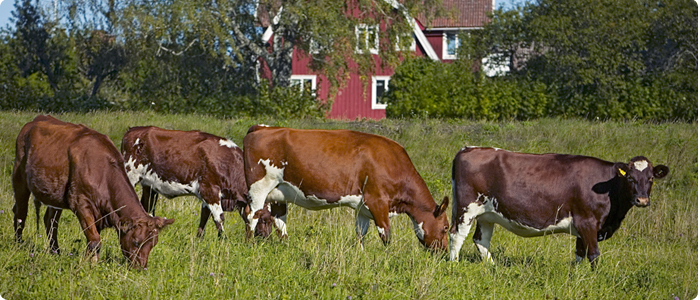
Cows in Sweden
Cows in Sweden

Then again, this left a room in the market for many new, small, very often organic dairies producing beautiful, local, handmade cheeses with much more spirit than the factory-made, humdrum versions.

Nowadays, it is very difficult to buy the real old matured cheeses, and you must work at tracking them down.

But give it a try here:

Denmark          Norway          Sweden 

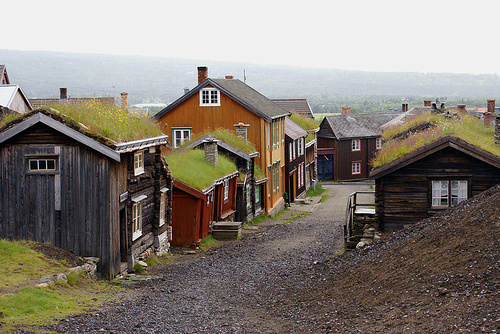
Tjukkmjølk  (literal translation: thick milk) is a traditional milk dish from the area of Røros  with over 150 years of history.  Røros is a town in the county of Sør-Trøndelag.  Røros is known for being a mining town due to its historical copper mining business, and is one of two towns in Norway  that have been historically designated as mining towns (Kongsberg being the other).

Røros, Norway
Røros, Norway

The excess of milk in Scandinavia has led to a varied use of milk in cooking; there is almost no dish without milk, butter and lavish amounts of cream. A hundred years ago, and it’s still so in rural areas, the main meal was served at noon, always starting with a ‘milk dish’.

101115-milk-in-scandinavia
There was an endless repertoire of these, often sweet dishes, soups, porridges and rice puddings, intended to fill up hungry stomachs before the expensive meat was served.

Thick milk from Røros

Today, a sour milk product is eaten in the morning and as snacks during the day, and almost all children, and far too many adults, drink enormous amounts of fresh milk.

Feature image (on top) Mountain shepardess, painting by Hans Dahl

Scandinavian Dairy, written by Tor Kjolberg

World Music from Norway

0

Nino & Vinz tour the world, telling that they’re Afro-Norwegians, which is very exotic for most audiences. On stage they use African dance steps which they’ve been taught by their parents.

The international music sensation Nico & Vinc, made up of Vincent Dery (b. 1990) and Kahouly Nicolay Sereba (b. 1990) both from Oslo. Sereba was a promising football player but chose music as his career.

291015-nico-and-vinz
Nico Sereba’s debut was the solo mix tape “Blinded by the Lights” in 2010.

Nico & Vinz formed their duo Envy in 2009 and released the mixtape “Dreamworks: Why Not Me” (2010) and the album “The Magic Soup and the Bittersweet Faces” (2012).

Since their debut in 2010 at the Emengeza Festival where they won first place for new, emerging artists, Nico & Vinz have topped Scandinavian charts thanks to their extraordinary storytelling, electrifying performances and riveting videos.

In June 2011 they released their debut single, “One Song” which peaked at #19 on the Norwegian Single Chart and earned them a Spelleman Award (Norwegian equivalent to a Grammy) for the song’s video.

291015-Nico-and-Vinz-3
The duo petformed “Am I Wrong” at the Nobel Peace Prize Concert in Oslo at the end of 2013. When the song made its American radio debut in April of 2014, it was the #1most added record at the Top 40/mainstream format with 90 adds, a rarity in first-week airplay for a new artist. The song saw remixes from artists like T.I. and Maino, to name a few.

In early 2014, Nico & Vinz received the European Boarder Breakers Award (EBBA) at Eurosonic Festival, performed at the Spellemann Awards, and completed their Scandanavian tour.

“Am I Wrong” has already crossed 50 million global streams on Spotify. The single has won an NRJ Award for “Song of the Year,” and another Spelleman Award nomination for “Hit of the Year.” To date, “Am I Wrong” has a 20x-platinum combined certification in Scandinavia. Nico & Vinz’s second Scandinavian single “In Your Arms” charted in Norway, Denmark and Sweden. In America, the video already has over 9 million views.

The singing/songwriting duo signed up with Warner Bros September 2013 and changed their name to Nico & Vinz in 2014 when they moved to Los Angeles to conquer the US market.

The album “Black Star Elephant”, produced by William Wiik Larsen, Stargate and Thomas Eriksen was released same year.

Since then they have set the world’s entertainment scenes on fire. The duo has tapped into the heart of global culture by writing and performing songs that joyfully speak of life, love and identity.

Nico & Vinz with Taylor Swift, 1989 Tour

On her massive North American tour earlier this year, Taylor Swift brought out a different famous friend for a song at every show. At her concert in Vancouver on August 1 her guests were Nico & Vinz, with whom she performed their infectious hit “Am I wrong”.

291015-taylor-swift-nico-and-viz-duet
“I’m obsessed with Nico & Vinz,” she wrote on Facebook after the concert. “And so was the Vancouver crowd; such dynamic performers and SO down to earth.”

“Am I wrong”, which managed to reach the #4 position on the US Billboard Hot 100, is off the Nico & Vinz sophomore studio album “Black Star Elephant”.

https://youtu.be/bg1sT4ILG0w

In their video “My Melody” Nico & Vinz use their art to carry a message by highlighting stories of those living with HIV and AIDS intertwined with contemplative rhythms of the track from “Black Star Elephant”.

Nico & Vinz have honed a unique sound, born of their eclectic backgrounds as both Africans and Norwegians. Their vision for the future is boundless. “We try to be 100% us. That mixture and that balance is what creates us,” says Vinz. That creative combination is what has made the group so popular.

Norwegian Billboard-hits

1. A-ha: “Take On Me”, #1 – 1985
2. Nico & Vinz: “Am I Wrong”, #4 – 2014
3. Ylvis: “The Fox”, #6 – 2013
4. Aqua: “Barbie Girl” (the singer is Norwegian), #7 – 1997
5. A-ha: “The Sun Always Shines in TV”, #20 – 1985
6. M2M: “Don’t Say You Love Me”, #21 – 2000
7. Aqua: “Lollipop (Candyman)”, #23 – 1997
8. One 2 Many: “Downtown”, #37 – 1989
9. Stage Dolls: “Love Cries”, #46 – 1989
10. A-ha: “Cry Wolf”, #50 – 1986
11. The Tuesdays: “It’s Up To You”, “55 – 1998
12. M2M: “Mirror Mirror”, #62 – 2000
13. Maria Mena: “You’re the Only One”, #86 – 2004
14. Madcon: “Beggin’”, #89 – 2009

World Music from Norway, compiled by Tor Kjolberg

Magic Art in Stockholm

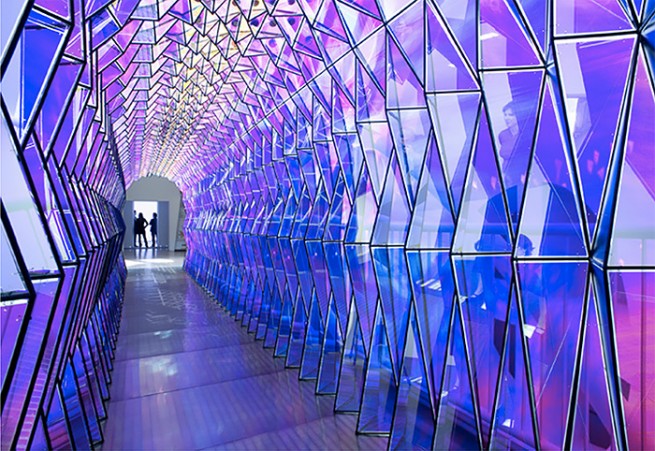
The Danish-Icelandic artist Olafur Eliasson (48) is one of the world’s most acclaimed international contemporary artists. His exhibition “Reality Machines” is now on display in Moderna Museet, Stockholm through 17 January.

A fan circles in an irregular orbit above our heads, water squirts up in cascades, and in another room we can walk in a labyrinthine architecture of coloured space. These works are part of the exhibition Olafur Eliasson “Reality machines”, organized by Moderna Museet in association with ArkDes (the Swedish Centre for Architecture and Design).

Beauty 1993
Beauty 1993

Many objects revolve around in which way we look at them and from where we look. Between two of the rooms at this exhibition spherical glass balls are wiggling both light and space. Everything is turned upside down and moves around in the glass mirror as one moves around it.

Since the early 1990s, Olafur Eliasson’s works have been presented in countless exhibitions all over the world. Eliasson uses a variety of media, including sculpture, photography, film and installation, but he also creates architectural projects and site-specific pieces for public spaces. Light, wind and water in every conceivable form feature prominently. And yet, nature is present in the works as material rather than as subject matter.

I only see 2004
I only see 2004

Eliassen is a good magician. Visitors are staring wide-eyed and fascinated while the miracle is unfolding. A little magic is not to be despised, but afterwards not so much is remembered. As magicians most, Eliasson is more concerned with the performance of the trick itself than the magical extension of it. It is a designed and groomed nature Eliasson conjures up for us. The wild has disappeared.

Room for One 1997
Room for One 1997

In the encounter with Eliasson’s installation, it is not always obvious where the art object ends and the viewer begins. The focus shifts from the art object itself to the actual experience of seeing. Eliasson’s works also give rise to situations that challenge, renegotiate and reinterpret our perception of reality.

Seu corpo
Seu corpo

Olafur Eliasson (b.1967) has exhibited in most great museum institutions and contributed his art to a number of construction projects, among them the roof on AaroS in Aarhus, Denmark and the Oslo Opera House.

All images: Moderna Museet, Stockholm, except Feature image (on top) Olafur Eliasson.

Featyre image (on top) Passageway
Magic Art in Stockholm, compiled by Admin.

Watch a Norwegian Mountain Lake…

0

… or rather bring it with you in your own watch. Ladies’ watch Lady Fjord is designed by a former Norwegian physiotherapist, Rune Bruvik. It consists of a chamber filled with water from Norwegian mountain lakes. While the mantra of the industry has been to keep water out, Bruvik incorporates the floating element in the very watch.

231015-fjord-watc-with-water
These steep, water filled valleys carved out by ancient glaciers are spectacularly beautiful. Still, water is water, some might say, but isn’t there something special about a drop of water traveling down a small river in the western Norwegian mountains, about to rush over the edge of the 612 meter drop of the mighty Langefoss waterfall, down into the beautiful Aakrafjord? Isn’t that a fortunate drop of water? We would argue that it is, and that it is, in fact, water at its most beautiful.

231015-Rune-Bruvik “The idea is to always carry a piece of Norwegian nature,” says Bruvik.

It’s that water you’ll find in the case back of your BRUVIK Fjord timepiece. Taken from a river on the very edge of the northern fjords, out of circulation, this will always be water which has seen the fjord, and nearly made it in. Like a brief moment, taken out of the flow of time, this drop represents a change of pace; a moment’s relief from the relentless ever forward flow of time. Look at your watch as you carry it through the concrete jungles that make up our urban lives. You’ll know when it’s time to see the fjords again.

Bruvik left his own physiotherapy practice to pursue his passion and hobby. For years he had collected watches with special design touches. Suddenly he was designing watches himself. He is unskilled as a designer.

231015-lady-fjord-watch-back
“Some says it is almost an advantage,” smiles Bruvik. “You dare bend the rules.”

231015-rune-bruvik-at-European_Watch_Of_The_Year_competition_2014
Bruvik watches contain clockwork parts from some of Europes most renowned manufacturers.

231015-bruvik-lady-fjord-watch
Today Bruvik Time has several designs in its collection.

Watch a Norwegian Mountain Lake…, source: Bruvik time


Swedish Master Chef

0

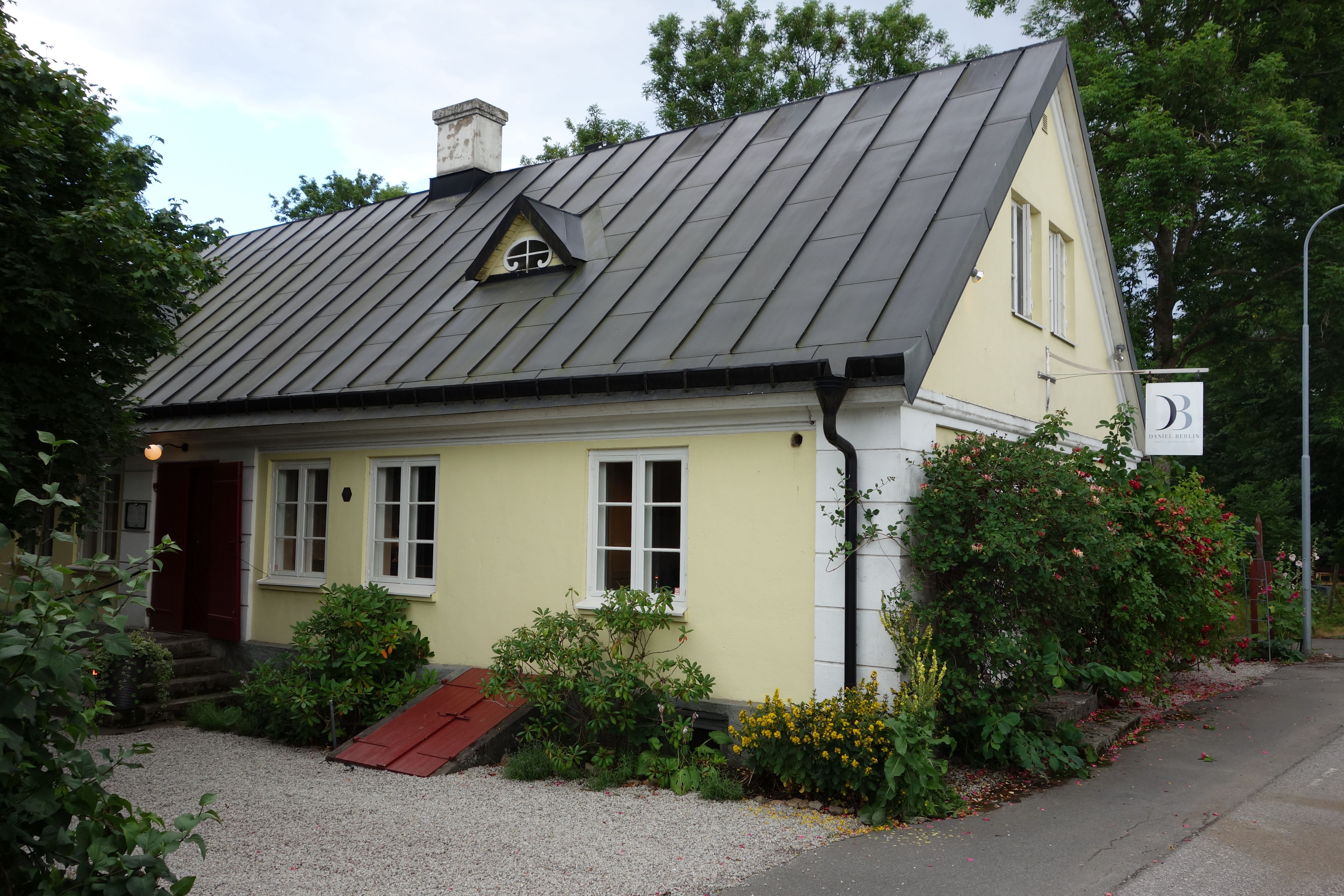
If you happen to be in South Sweden or are planning to visit Skåne-Tranås, don’t miss Daniel Berlin Krog, ranked as “Restaurant of the Year” by Swedish White Guides in 2013.

You need to book far in advance to reserve a table at Daniel Berlin Krog – there is only room for about 25 persons at each seating in the cozy small dining room.

If you stay in Stockholm, we advise you to take the train to the little village of Tomelilla and stay overnight in the middle of the cornfields at Logi Gamlegaard (homepage in Swedish only).

041115-daniel-berlin-with-a-hen-from-bokeslundsgaarden

In Daniel Berlin’s restaurant you’ll experience an unique world of flavors. Everything from elegant appetizers, through the day’s “catch” or Berlin’s signature dish, the eight-hour beechwood-grilled celeriac, to the desserts, all accompanied by the very best wines seem as thoughtful as they are flavorful.

041115-daniel-berlin-krog-skaane-sweden
The house favorite fish is cod. If you like dessert, don’t miss the iced buttermilk from goat in salty egg whites with candied rosemary.

041115-daniel-berlin-krog-skaane-sweden-interior
Daniel’s intimacy with his ingredients translates into beautiful dishes, his father is the sommelier and his mother is garden manager and also serves in the restaurant.

Berlin says, “I wanted to say something with my cooking that no one else could.”

We certainly agree. He has succeeded.

Daniel Berlin
Working experience
from Petri Pumpa, Torso Twisted, Operakällaren and Bagatelle.
Prizes: Gold medal from Gastronomic Academy 2012, Young Cook of the Year, 2011, from S. Pellegrino & Aqua Panna and Restaurant of the Year, 2013 by Swedish White Guides.

Swedish Master Chef, written by Tor Kjolberg

Ten Enlightening Years in Norway

0

In 2005, three economists and an award-winning chef got a bright idea.  They wanted to create a Norwegian lamp brand. Despite the long, dark winters, there were very few lamp manufacturers in Norway and so, the Northern Lighting Company was born.

“I was tired of my job as a business advisor with much traveling, and where my tasks largely consisted of downsizing. However, one of my clients was a lighting company, and I became interested in lamps and lighting,”  says founder and CEO Ove Rogne.

Ove Rogne with the Big Mama lamp. Photo: Tor Kjolberg

2015 will be a landmark year for the Northern Lighting Company, a design-driven hub that makes the lighting landscape a brighter place.

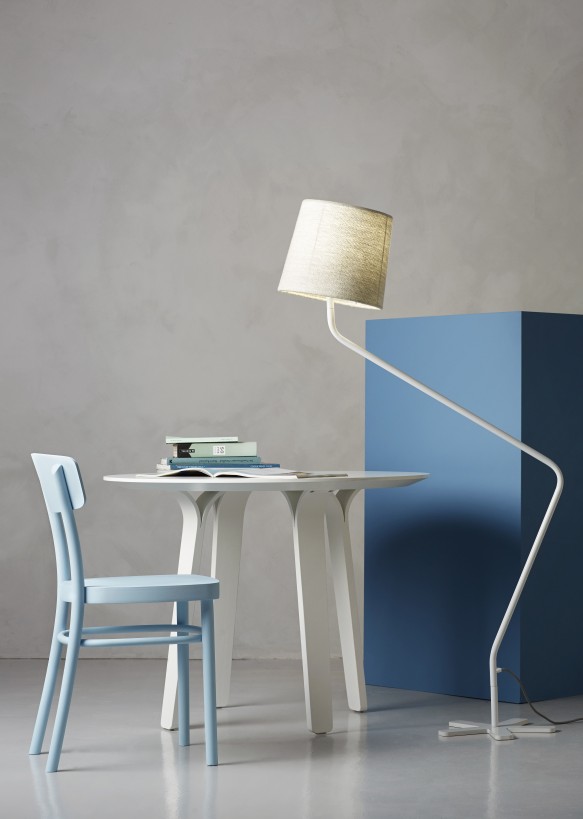
The lighting fixtures from Northern Lighting are dedicated to creating mood light for all occasions. Each one of Northern’s models tells a story about Nordic tradition, nature and culture, inspired as they are by  the northern lights, snow, ice crystals, mountains, sea, wood and stone, and the unique natural light, which is a stylish interior object itself.

Big Mama. Photo: Damian Heinisch

After World War II there was a strong wave of Scandinavian lamp design. There was modernism, organic design, new materials and new manufacturing processes. Then came a long period of poor  lamp selection in the stores.  Many interior design shops, however, had begun to take in Scandinavian designs in general. “Why not a similar range of products around light?” thought the four friends who presented the idea and convinced the retail owners to incorporate lighting in their assortments. Today, all furniture stores sell lighting.

Photo: Tor Kjolberg
Photo: Tor Kjolberg

According to Northern Lighting, there are all too many well-educated and talented designers, whose wonderful ideas unfortunately never see the light of day. Northern Lighting has therefore opened its doors to all designers who have  good ideas. Every year the company receives more than 1,000 product ideas for consideration.

Groggy. Photo: Colin Eick

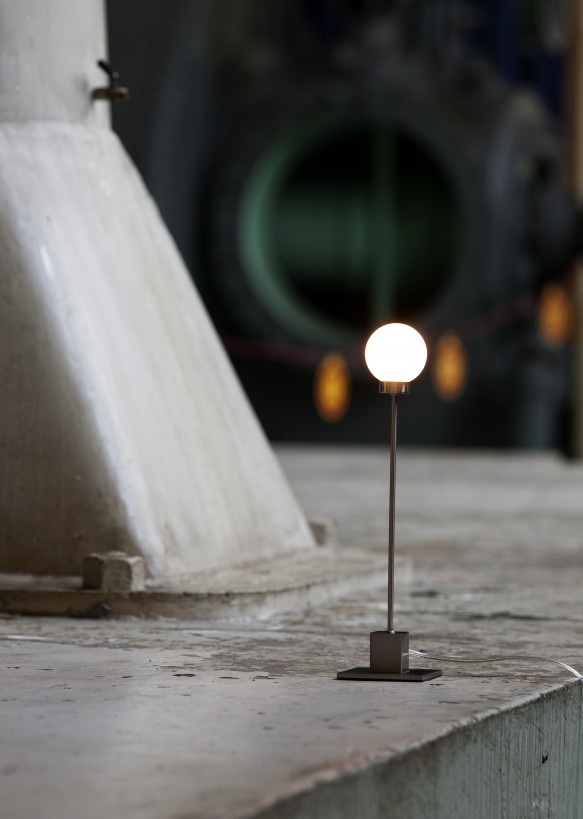
Although Northern Lighting would become known for its innovative, cutting-edge designs, the company began making the clean lines and classic shapes of the past relevant to the present day. The brand was launched with a spectacular “Snowball” lamp, a redesign of a classic Bauhaus shape for the twenty-first century.  The collection then grew to include more than 45 products distributed to an ever-widening base of architects, interior designers and retailers in more than 50 countries.

Snowball. Photo: Tom Gustavsen

“Developing a lamp takes from two to three years,” says Rogne. “It includes research, design, material approval, facilitation of production and marketing.”

Photo: Tor Kjolberg
Photo: Tor Kjolberg

The brand pays homage to Norway’s own design history by reintroducing classic Norwegian lamps from the 1950s and 1960s, which prove to be as contemporary today as they were when first designed. Other products have broken away from lighting convention and a few have sparked new approaches to the way we light up spaces we live and work in.

Today the company consists of 32 designers, including young talent as well as renowned designers. Despite different levels of experience, the designers have some important things in common; they create good and lasting products, and they are all enthusiasts who love to experiment with innovative and exploratory lighting concepts.

Diva. Photo: Colin Eick

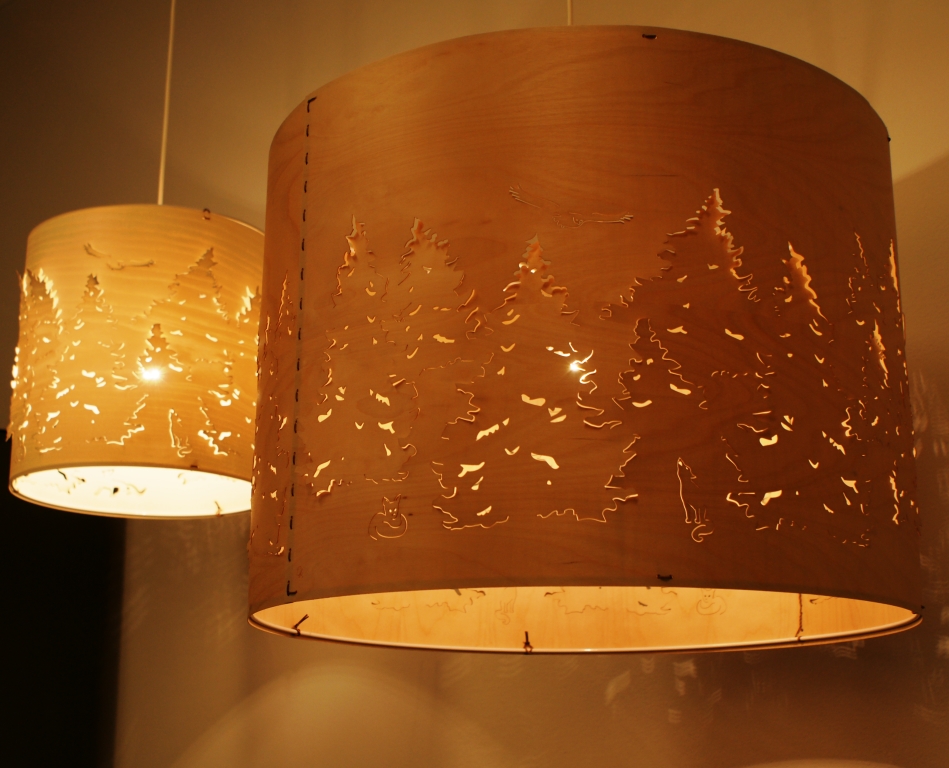
In connection with the 10 year anniversary Northern Lighting has launched the “Oslo” lamp, designed by Ove Rogne, in two different anniversary models. ”Oslo Wood” is a studio lamp with a tripod base. The screen reflects the light, providing a warm and diffuse light, and includes a rotatable shadow part providing opportunities for exciting angles of light in the room, reminding us of the woods that surround the Norwegian capital.

With ten enlightening years behind them, Ove and the team are determined to make the decade ahead just as bright.

“As we move into the future, we’ll continue to innovate, illuminate and inspire,” concludes Ove.

Norwegian Lighting was the only Norwegian exhibitor with its own booth  at the London Design Festival last month.

Feature Image (on top) Moo. Photo: Tor Kjolberg

Ten Enlightening Years in Norway, written by Tor Kjolberg