One of the first things I research on a trip is the best way to get from the airport to the city center. Read on and get valuable tips on how I travel from airports to city centers.
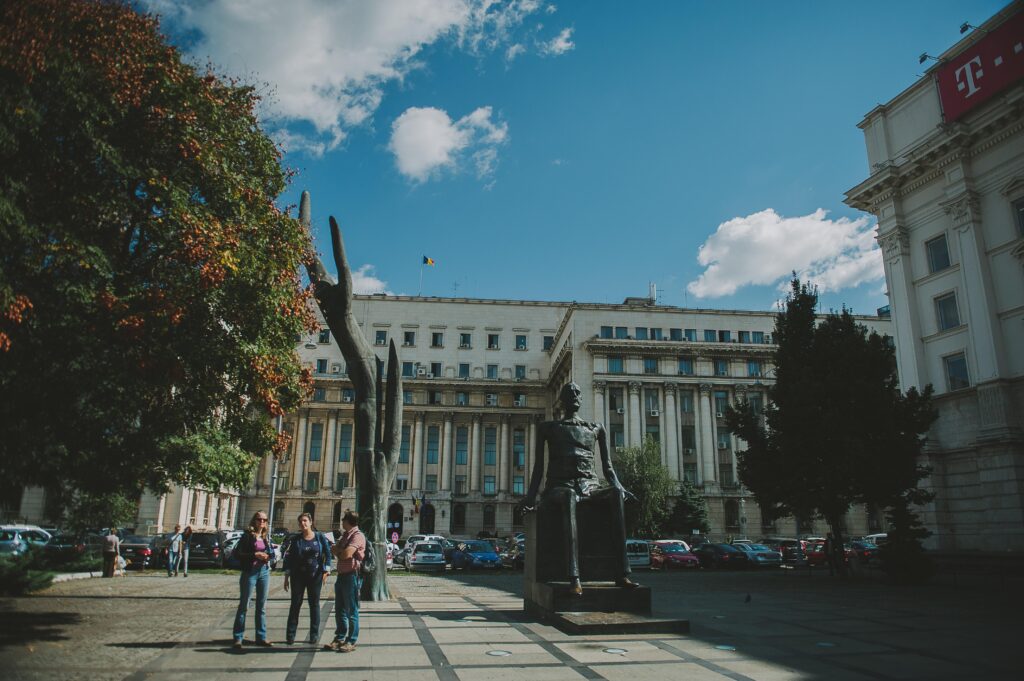
Actually, it’s as easy as searching Google for “best way to get from Bucharest airport to the city center”. You will find a combination of results, ranging from buses to taxis to trains. While all options work, I prefer Uber, and luckily, the number of countries that offer Uber is growing every day.
From Bucharest
*******************************************
Related: Hotel Booking Secrets – Part 1
*******************************************
Uber always takes stored credit cards. Dealing with cash can be cumbersome as you have to consider the exchange rate and pay exorbitant ATM fees or currency exchange fees. The drivers are more trustworthy than traditional taxi drivers in many locations.
I can rest assured that the driver is taking the direct route
*******************************************
Related: Hotel Booking Secrets – Part 2
*******************************************
The number of countries that offer Uber is growing every day.
I can also rest assured that the driver is taking the direct route, and I can follow said route on the Uber app right on my phone to make sure the driver is taking us where he is supposed to take us.
This article is not a paid advertisement from Uber, but written from my personal experience.
What’s life like when everything you need is just a stroll away? The Danish 15-minute city concept involves creating an urban environment where residents have access to all necessary services and amenities within a 15-minute walk or a short cycle or public transport ride from their home.
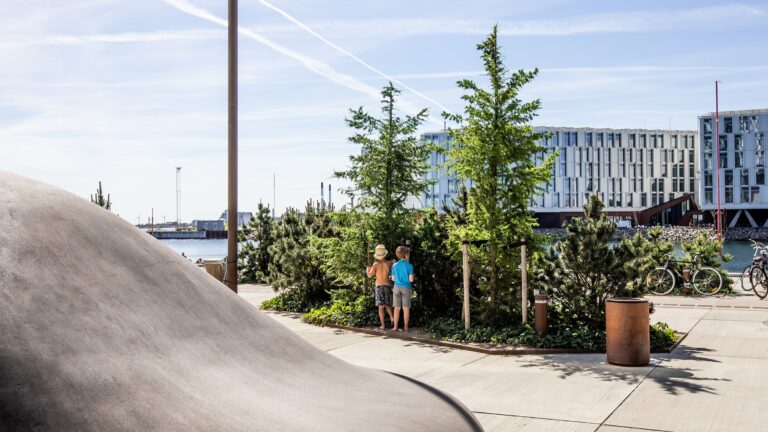
Nordhavn, Copenhagen’s once-industrial port, has been planned to make everything – from schools and play areas to businesses and recreational spaces – accessible, not in 15 minutes but five.
While ambitious urban planners try to make 15-minute cities a reality, the Nordhavn district of Copenhagen has gone one better. The basic idea is to organize compact and mixed zones that promote more efficient use of urban infrastructure and reduce dependence on cars, thus contributing to a more sustainable and comfortable life for city dwellers.
Nordhavn, Copenhagen’s once-industrial port, has been planned to make everything.
The core of the new development in Copenhagen is Århusgadekvarteret, with gleaming apartment buildings, high-end office spaces and a cafe-lined boardwalk along the previously industrial harbor. This will be the world’s first five-minute city. When the project is complete, everything you need will be within a 400m walk.
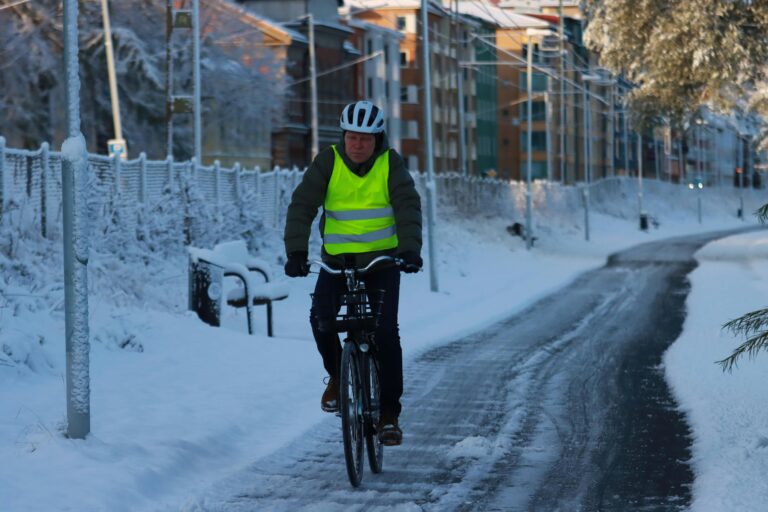
It does feel pretty quiet in Århusgadekvarteret, but that’s not because there are no people; it’s because there are hardly any cars – and those that do glide by are electric. The 15-minute city concept assumes that walking and cycling will become more attractive than driving a car, so in practice local authorities introduce policies discouraging car use, such as fines for driving on some residential streets.
Sandkaj. Photo: Wikipedia
Commuting is one of the biggest challenges of modern life as it adds so much time into the daily routine. Nordhavn (officially a district of Copenhagen, but described as a city due to its scale and scope) has been designed to make everything – from schools and play areas to businesses and recreational spaces – accessible within five minutes. It is setting a blueprint for a world where residents can fit in a morning workout before strolling to the office, grab lunch at a cute cafe, have a quick swim at the harbor and still make it home in time to take your kids to the playground – all before enjoying a cozy candlelit dinner at home.
The planners have drawn circles of 400 meters radius (that’s what you can walk in five minutes Within a circle like that, you would have a mix of residential areas and office buildings, social infrastructure such as schools and kindergartens, retail, cafes – everything that you would need in your daily life.
The concept means reduced transport problems, less need for long journeys and increased use of walking and cycling will reduce congestion and pollution. Ultimately, it’s improving the city’s transport accessibility. In addition, it’s promoting healthy lifestyles: development of pedestrian and bicycle environment in the city promotes an active lifestyle—citizens remain mobile, which is very important for physical and mental health.
Portland Towers. Photo: Martin Heiberg/Visit Copenhagen
Copenhagen is currently the Unesco World’s Architecture Capital (until 2026) and innovative solutions for smart living have been brewing across the Danish capital: from Paper Island, designed to focus on public spaces and housing for all income groups; to Carlsberg City District that’s built on four pillars of beer production: science, innovation, art and culture.
********************************************
Related: Copenhagen’s New Recreational Hub
********************************************
But it’s not just about environmental sustainability. It’s also about social sustainability. It’s nice to meet your neighbor – that is part of the design in Nordhavn. A five-minute city creates the conditions for greater social activity and interaction between residents, fostering community building and strengthening ties between neighbors.
“We are creating a neighborhood that meets everyday needs and special occasions,” explains Peter Bur Andersen, an architect from BRIQ Studios that played a crucial role in zoning Nordhavn. “Everything is within walking or biking distance, minimizing the need for commuting. The area also promotes a mostly car-free lifestyle, connected by cycle paths and the metro.”
It does feel pretty quiet in Århusgadekvarteret, but that’s not because there are no people; it’s because there are hardly any cars
A more social neighborhood is also a safer one. The Nordhavn district in Copenhagen, one of the largest and most ambitious urban development projects in Scandinavia, is an example of how this concept can work in practice.
Although the entire Nordhavn project won’t be finished until 2060, it is being developed in islets (small islands), with key areas such as Nordø and Århusgadekvarteret, already complete and full of life, brimming with locals and tourists. A metro extension to Nordhavn and Orientkaj opened in 2020, providing easy access from the city center.
The Danish 15-Minute City Concept, Tor Kjolberg reporting
Come with us to Masai Mari and Serea Camp in Kenya and experience the wild animals, the proud Maasai people and beautiful, photogenic landscapes. We have invited the founders of the camp to a presentation in Oslo on January 30 where you can learn more about how you can live the dream of Africa in authentic and safe surroundings.
Serea Camp is privately run by two Norwegian photographers Øyvind Løkka and Erik Hagen together with native ranger Serea Ntuala.
Masai Mara is home to the lions.
Nestled in the heart of Masai Mari surrounded by rolling hills, sprawling savannahs, dramatic river crossings and most importantly – more wildlife and adventure than any movie could ever portray. Masai Mara is home to the lions, and other wild animals (1.5 million wildebeests are spread over these sprawling savannahs).
Descendants of mighty Maasai warriors take care of you and create unforgettable experiences and lifelong memories.
Camp manager andranger Serea Ntuta.
Serea Camp was created by Øyvind Løkka and Erik Hagen together with camp manager Masai Serea Ntuala. Experience the unique wilderness camp with fantastic excursions in the heart of the Masai Mara. The two Norwegian photographers have also established a foundation that helps to engage the local community and preserve the Masai culture, while providing visitors with authentic and meaningful nature experiences.
Serea Camp was born from a combination of a sense of adventure, a passion for nature, and a deep respect for local traditions. Løkka and Hagen, shared dream of Africa, and realized this dream on a trip to the Masai Mara in 2019. They wanted to create a place that not only offers unique wilderness camping experiences but also builds bridges between guests and the local culture. Together with Serea Ntuala, they established Serea Camp as a window into the rich wildlife and majestic landscapes that the Masai Mara has to offer, all while maintaining a deep commitment to sustainability and community support.
From left to right: Øyvind Løkka, Serea Ntuala and Erik Hagen.
Through collaboration with Serea Ntuala, a native Maasai and the camp’s future manager, they created a sanctuary that reflects their adventurous spirit and deep love for the wild African nature.
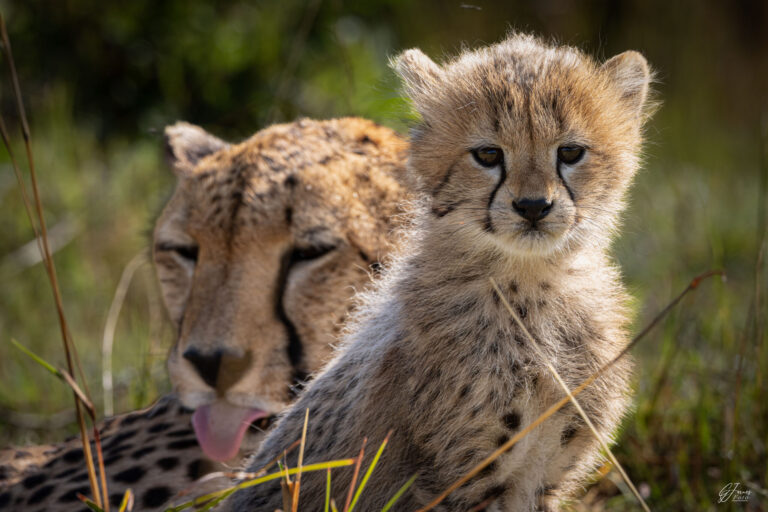
Experience rich and varied wildlife, with everything from majestic lions to elegant giraffes right outside the camp. Discover the joy of the wilderness camp, where you feel the presence of nature without giving up comfort. Exceptional safari experiences take you through the heart of the wild and beautiful landscape.
Exceptional safari experiences take you through the heart of the wild and beautiful landscape.
Meet the two photographers and Serea Ntuala during a short presentation of the camp at
Lynx Communications, Wilses gate 6, 0178 Oslo on Thursday 30 January 2025 at 6pm.
African finger food and drinks are served. Entrance is free, but due to limited seating capacity, we ask you kindly to reserve your seat by contacting
TAKs verden on torarne@taksverden.no or telephone 977 58 562.
The Serea Camp presentation is arranged in collaboration with Serea Camp, TAKs verden, Daily Scandinavian, Lynx Communications AS and Nye Reiselivsavisen.
“The rules regarding highly qualified workers must be improved. Sweden must be an attractive country for highly qualified workers, and employers in highly qualified professional sectors must be sure that they can get the workers they need in time. This is an important part of the Government’s efforts to strengthen Sweden’s competitiveness,” says Minister for Migration Johan Forssell in a press release.
Sweden will lower the minimum salary requirement to be eligible for the document.
********************************************
Related: Moving to Sweden
********************************************
If the new law on the EU Blue Card gets approved, Sweden will lower the minimum salary requirement to be eligible for the document. Under the new proposed rules, the salary requirement will be lowered from the current 1.5 times the gross average salary (€5,165) to 1.25 times (€4,304) the gross average salary.
“The rules regarding highly qualified workers must be improved,” says Minister for Migration Johan Forssell. Photo: Utrikesdepartementet
In addition, the new rules aim to halve the required length of the employment contract from the current one year to six months and to permit EU Blue Card holders to switch from one job to another without having to apply for a new document.
Schengen.News reports that this change means that foreign highly qualified workers now are able to obtain Sweden’s EU Blue Card under more simplified rules and on more favorable conditions.
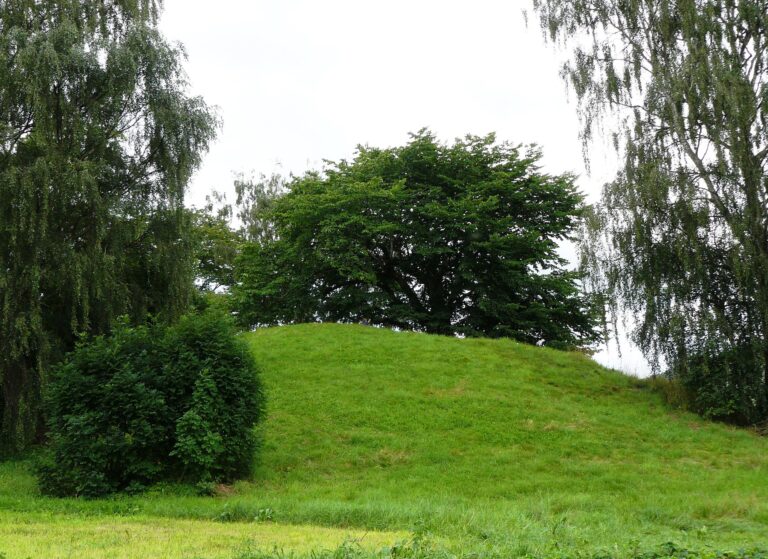
A mysterious hill in Western Norway have been proved by Archeologists using ground-penetrating radar to be an Ancient Burial Mound from the Iron Age. What it contains remains a mystery.
In the tranquil seaside town of Gloppen, with sweeping views of the fjords, archaeologists now announce that the largest man-made burial mound in Western Norway, and one of the largest in the Nordic countries, has been turned from theory to fact. The announcement sheds new light on the region’s ancient history and cultural significance.
The area’s geography is defined by two fjords branching off the main waterway: Hyefjorden and Gloppefjorden. The latter lends its name to the municipality, with “Gloppi” likely deriving from an Old Norse word meaning “narrow opening” or “mountain gorge.”
With sweeping views of the fjords, archaeologists now announce that the largest man-made burial mound in Western Norway. Photo: Wikipedia
**************************************
Yoy might also like to read Visit Norway’s Oldest Ice
**************************************
Something about the hill caught the attention of archaeologists, prompting a theory that it was actually an ancient structure. But no one knew for sure — until now. Actually, the large mound, called Karnilshaugen, is a man-made burial mound from the period before the Viking Age, according to a press release from the Norwegian Directorate for Cultural Heritage on December 20, 2024.
Looking at the scans, researchers saw clear traces of man-made layers, not natural soil deposits. officials said. The mound measures about 23 feet tall by 160 feet wide but was probably much larger centuries ago. Christian Løchsen Rødsrud, an archaeologist with the agency, described Karnilshaugen as deeply fascinating and the only ancient burial mound linked to a solar phenomenon.
“This is the largest man-made burial mound in Western Norway and among the largest in the Nordic countries,” says archeologist Christian Løchsen Rødsrud. Photo: LinkedIn
“This is the largest man-made burial mound in Western Norway and among the largest in the Nordic countries,” he says. “At the winter and summer solstices, the sun shines on the mound through a crevice in the mountain at a specific time. There is a lot of mystery and superstition drawn into the landscape there, and the placement of the monument is deliberate,” Rødsrud elaborates.
According to Rødsrud, the mound has never been excavated, and there are no plans to do so now. “The prevailing practice in archaeology is to leave it undisturbed. The mound is well-preserved in the soil. But of course, we can learn more about the contents of the mound with more modern ground-penetrating radar technology in the future,” he says.
Mysterious Hill in Western Norway Proved to be an Ancient Burial Mound, Tor Kjolberg reporting.
Nordic cooking has gained international acclaim for its emphasis on simplicity, sustainability, and a deep connection to nature. Read on and be served tradition, simplicity and nature on a plate.
The Nordic Cuisine is in fact earthy and refined, ancient and modern, playful and deeply serious. It is a result of a culinary movement in recent years. However, the Nordic Cuisine is not just about food – it’s a journey through history and culture. Traditional Nordic food is deeply rooted in the region’s history. The harsh climate and limited agricultural resources in Denmark, Sweden, Norway, Finland and Iceland have shaped the culinary traditions over centuries.
Today this cuisine celebrates fresh, local and often seasonal ingredients. At the heart of Nordic cooking is the principle of ‘New Nordic Cuisine,’ a movement popularized by chefs such as René Redzepi of Noma in Copenhagen. This culinary philosophy emphasizes local sourcing, minimal waste, and showcasing the natural flavors of ingredients. Wild berries, root vegetables, fish, game, and rye bread are staples of the Nordic pantry.
Today Nordic cuisine cuisine celebrates fresh, local and often seasonal ingredients. Photo: Wikipedia
In 2004, six of Scandinavia’s finest chefs came together to devise the New Nordic Kitchen manifesto, emphasizing slow food, local organic produce and foraged ingredients such as birch juice and Arctic bramble.
The Nordic Cuisine depends greatly on ingredients that come from the sea, the forest and the earth. For centuries, people of the north consumed the same ingredients that have eventually shaped the distinct Nordic Cuisine; ingredients such as fish (mostly salmon, cod and herring), oyster, mussels, wild birds, deer, elk, berries, cheese, butter, cabbage, onions, potatoes, beets, apples, cucumber, dill, horseradish, and also meat from domesticated animals such as chicken, beef, mutton and pork.
From the Viking era to the modern day, this cuisine has evolved while maintaining its authenticity. Preservation techniques, such as smoking, pickling, and fermenting, also play a crucial role in Nordic cuisine, a nod to the region’s long, harsh winters. Dishes like gravlax (cured salmon), pickled herring, and fermented dairy products reflect this historical necessity.
Winter continues to be the one inescapable fact of life in the North, and throughout the centuries it has determined the character of the food and the cooking techniques used to prepare or preserve this food. If many of the foods of the area have a salty or smoky taste, or are cured, pickled or dried, it’s largely because of winter.
In 2004, six of Scandinavia’s finest chefs came together to devise the New Nordic Kitchen manifesto, . Photo: Visit Copenhagen. Foodphotography, Copenhagen, Formel B, Martin Bek, Kristian Arpe-Møller,
Nordic cuisine has experienced an extraordinary rise in popularity, not only within the Nordic countries but also on the international culinary stage. This culinary movement has been driven by a unique combination of factors, from a deep respect for the region’s natural ingredients to innovation and creativity in the kitchen. Nordic cooking isn’t just about flavors—it’s also about aesthetics. The presentation is often minimalist, with clean lines and natural elements, mirroring the Scandinavian design ethos.
Beyond the Michelin-starred restaurants, Nordic home cooking emphasizes hearty and comforting meals. Dishes like Swedish meatballs, Danish smørrebrød (open-faced sandwiches), and Finnish salmon soup reflect a culture of warmth and hospitality.
During the late Medieval time in Sweden, the upper class served “schnapps” table (brännvinsbord), a small buffet presented on a side table that was not part of the formal dinner that followed. The schnapps table, which was often held in separate rooms for men and women before the dinner was served, offered a variety of hors d’oeuvres such as bread, butter, cheese, herring and several types of liqueurs, but smoked salmon, sausages and cold cuts were also served.
Drying stockfish cod in Nusfjord authentic traditional fishing village with traditional red rorbu houses in winter in Norwegian fjord. Lofoten islands, Norway. Photo: f9 photos/iStock
One cannot discuss Nordic cuisine without mentioning globally renowned restaurants like Geranium and NOMA and many other Michelin-starred restaurants throughout the Nordic countries. Many of them have achieved coveted Michelin stars and have been listed among the world’s best restaurants.
In essence, Nordic cooking is more than just food—it’s a reflection of a way of life deeply connected to nature, sustainability, and a respect for the land. Whether enjoyed in a fine dining restaurant or a cozy home kitchen, it continues to inspire food lovers around the world.
Nordic Cooking – Tradition, Simplicity and Nature on a Plate, written by Tor Kjolberg
Habits like vaping, sedentary lifestyles, and overreliance on technology are creating new health challenges, from chronic illnesses to mental health concerns. Read on and gain insights into modern habits and health: Scandinavian insights on managing risks.
While these issues are widespread, Scandinavian countries have taken a proactive stance, implementing forward-thinking policies and wellness practices to mitigate risks. This focused approach to public health offers valuable insights for addressing new-age health challenges effectively.
Identifying Modern Health Challenges
Modern habits are reshaping our health in ways we might not fully realize. The rise of e-cigarettes, for example, initially came about as a marketing tool to promote a “safer” alternative to smoking. However, vaping has brought its own set of dangers — and maybe not in the way you think. Reports of severe lung injuries and even exploding devices highlight how poorly regulated products can jeopardize public safety. For young people, the colorful packaging and candy-like flavors often mask the serious risks, creating a false sense of security about their long-term health.
Scandinavian countries have tackled the risks of smoking head-on. (Smoking kills)
Scandinavian countries have tackled these risks head-on, implementing strict regulations on e-cigarette advertising and limiting the availability of flavored products to reduce their appeal to youth. In Sweden, for instance, public health campaigns have highlighted the dangers of vaping-related lung diseases, aiming to educate both teens and parents about the long-term health consequences.
Another growing concern is the sedentary lifestyle that has become almost synonymous with today’s world. Hours spent sitting — whether in front of computers, televisions, or gaming consoles — can lead to a range of health issues, from obesity to cardiovascular problems. This lack of movement is, of course, bad for physical health, but it can also impact mental well-being by contributing to anxiety and depression.
Technological reliance adds to the challenge. While devices keep us connected, they also fuel unhealthy habits like endless scrolling, poor posture, and disrupted sleep cycles due to screen exposure.
These habits aren’t easy to change, but recognizing their impact is the first step toward improvement. Strong regulations, better education, and lifestyle adjustments are essential to combat the negative effects of these modern challenges and promote healthier living for everyone.
Scandinavian Strategies for Risk Management
Scandinavian countries are often praised for their forward-thinking policies that prioritize public health and safety. By focusing on prevention and education, they’ve created systems that address common health challenges and build long-term well-being.
Prevention lies at the heart of Scandinavian public health strategies. Photo: Mynewsdesk
Preventive Policies and Their Impact
Prevention lies at the heart of Scandinavian public health strategies. Policies promoting healthier lifestyles, such as widespread bike lanes, affordable access to fitness facilities, and strong anti-smoking campaigns, aim to reduce the prevalence of chronic diseases like obesity and cardiovascular problems. These measures can also ease the burden on healthcare systems, ensuring resources are available for those in need.
Education as a Tool for Change
Educational initiatives are another cornerstone of Scandinavian risk management. Targeted programs in schools teach children about nutrition, the dangers of vaping, and the importance of regular physical activity. By reaching kids early, these campaigns establish lifelong habits that promote wellness. Broader public campaigns, often backed by government funding, ensure that adults stay informed on health risks and solutions, creating a society that values informed decision-making regarding health and longevity.
Balanced Regulations
Scandinavia also excels in creating regulatory frameworks that balance innovation with safety. For example, strict oversight of e-cigarettes ensures that these products are not glamorized or easily accessible to youth. At the same time, the culture encourages innovation in safer alternatives, like nicotine patches.
Modern Habits and Health: Scandinavian Insights on Managing Risks, article continues below image.
One key element of the Scandinavian approach is promoting physical activity in everyday life. Photo: goodnet.org
Holistic Approaches To Well-Being
Scandinavian countries take a well-rounded approach to health that focuses on treating illnesses and promoting overall wellness. Their emphasis on preventative care and lifestyle choices has inspired global admiration. This integration of wellness practices extends beyond exercise and diet to encompass physical, mental, and even social well-being.
One key element of their approach is promoting physical activity in everyday life. With an infrastructure that supports biking, walking, and outdoor recreation, Scandinavians naturally incorporate movement into their daily routines. This additional activity supports necessary bodily functions, including circulation. Circulation is key to optimal health, as it ensures that oxygen and nutrients are effectively delivered throughout the body, aiding in energy, recovery, and overall vitality.
Another Scandinavian wellness practice is the widespread use of saunas, known for improving cardiovascular health, reducing stress, and boosting circulation. Combined with their love for outdoor activities, such as hiking and skiing, these habits contribute to a lifestyle that prioritizes balance and holistic health.
Public health campaigns and community initiatives support this focus on circulation and wellness. These programs emphasize small, easy-to-make changes, like taking the stairs or practicing mindfulness, to improve health outcomes. By embracing these practices, Scandinavians demonstrate that proactive, everyday habits are the foundation of long-term well-being.
Taking a Page from Scandinavia: Healthier Habits for a Better Future
The Nordic healthcare system’s focus on prevention, education, and balanced regulation offers valuable lessons for improving public health. By promoting physical activity, circulation-boosting practices, and informed health decision-making, they’ve built a culture of wellness that acts as a prime example for countries around the world. Other nations can adopt these strategies to address modern challenges and create healthier communities.
Ainsley Lawrence
Modern Habits and Health: Scandinavian Insights on Managing Risks, written dedicatedly for Daily Scandinavian by Ainsley Lawrence. Ainsley is one of our regular contributors. She is a freelance writer from the Pacific Northwest. Ainsley is interested in better living. through technology and education. She is frequently lost in a good book.
It’s the classic story. When Danish theater designer Lilla Bang Jørgensen had children, she had an idea. She took a course for start-ups and wanted to create clothes that not only made parents happy, but also motivated children to play, do theater and transform themselves. She established the UBANG universe in 2006. Learn more about the Danish designer – from theater to kids wear.
From conception, UBANG has consistently stood by the belief to create designs that promote the imaginations of children and allowing them the possibilities for further play.
Danish kids’ wear brand UBANG is a tribute to free and unrestrained play because clothes are about more than just keeping warm!
“The playful concept has proven to be exceedingly sustainable. When I founded UBANG, children’s wear with built in sensory play details was very unusual, but thankfully it is much more accepted and an attractive part of kids’ fashion today,” says Ulla Bang Jørgensen, designer and owner of UBANG.
Danish kids’ wear brand UBANG is a tribute to free and unrestrained play because clothes are about more than just keeping warm!
***************************************
You may also like to read Danish Happiness Explained
***************************************
Bang Jørgensen makes clothes that ‘talk’. A sweater arm is an elephant’s trunk, an arm is a monkey’s tail, or the socks are small, cute snakes that children can use as hand puppets. All in bright, strong colors. Of course, with organic made label.
Bang Jørgensen makes clothes that ‘talk’.
She was born in Copenhagen (1969) from an artistic family. Her father was a sculptor and her mother a teacher and jewelry designer. Lilla trained for 3 years as set designer at Wimbledon School of Art in London and graduated with a BA in set design in 1996. With a background in theater design and a lot of experience from puppet theatre, she found it natural to design products that tell a story and stimulate the imagination.
“We’re adults for most of our lives, but children for only a few years – which is why they should be cherished”. This is the philosophy Ulla Bang Jørgensen taps into as her driving force when creating a new collection.
“We’re adults for most of our lives, but children for only a few years”
Many people probably think that her clothes are very educationally correct, but Bang Jørgensen seems not to care at all.
Today, UBANG is an international success with shop presence in 12 countries all over the world, including Germany, Japan, South Korea, Saudi Arabia, and France.
Danish Designer – From Theater to Kids Wear, Tor Kjolberg reporting
On February 8th 2025, Daily Scandinavian in collaboration with travel partner TAKs verden set out on a 10 days’ journey to explore some of the greatest gems of India. Come with us and experience the tigers in Bandhavgarh National Park.
In our opinion, this is the best time of the year with ideal weather and cool temperatures (10–25°C) when wildlife, including tigers, is active, and the lush greenery adds to the beauty of the park.
The National Park is named after the legendary Bandhavgarh Fort.
The National Park is named after the legendary Bandhavgarh Fort, which is situated on a hillock of the Vindhya range in Umaria. The Bandhavgarh fort is a convincing evidence of human activity and architectural techniques. You can see several man-made caves with inscriptions and rock paintings at the fort as well.
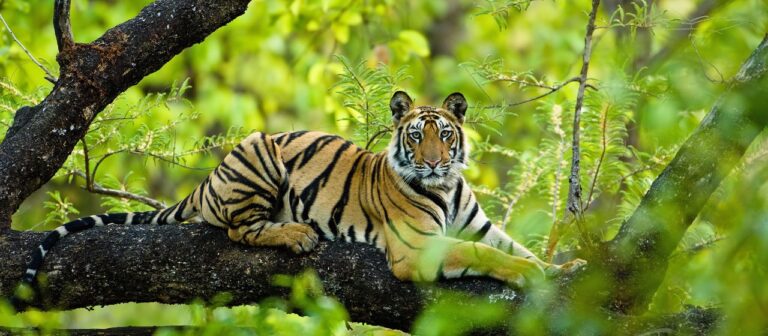
If seeing a tiger is at the very top of your bucket list, Bandhavgarh National Park is the place for you. There are between 60 and 70 Bengal tigers living there, and while they’re not contractually obliged to appear for every visitor who passes through the park gates, their high density means you have a great chance of spotting one. In fact, it’s often said that you’re lucky if you spot a tiger in India’s other national parks, and really unlucky if you don’t spot a tiger in Bandhavgarh.
Come Weith Us and Experience the Tigers in Bandhavgarh National Park, article continues below image.
If seeing a tiger is at the very top of your bucket list, Bandhavgarh National Park is the place for you. Photo: Sourabh-Bharti/iStock
Bandhavgarh is one of the best places in India to spot the Royal Bengal Tiger. The park has one of the highest tiger densities in the world. You may also spot leopards, Indian bison (gaur), sambar deer, barking deer, langurs, and a variety of bird species. The park boasts a mix of sal forests, grasslands, and bamboo stretches, offering a scenic safari experience.
Today, the national park encompasses a core area of 694 sq km and a buffer area of 437 sq km. With over 250 bird species, Bandhavgarh is also a paradise for bird enthusiasts.
Come Weith Us and Experience the Tigers in Bandhavgarh National Park, article continues below image.
With over 250 bird species, Bandhavgarh is also a paradise for bird enthusiasts. Photo: Bandhavgarh Kings Lodge.
We’re visiting Bandhavgarth after our exploration of the UNESCO world heritage site Khajuraho, the second most visited monument in India after Taj Mahal (one of our first stops).
Come with us and Experience the Tigers in Bandhavgarh National Park, Secure your place in our small group under supervision by our Editor-in-Chief Tor Kjolberg here.
It’s often said that you’re lucky if you spot a tiger in India’s other national parks, and really unlucky if you don’t spot a tiger in Bandhavgarh.
A trip to Scandinavia to see the Northern Lights is undoubtedly on the bucket lists of holidaymakers worldwide in 2025, and for good reason. There you maycapture the wonders of the Arctic – the best photography tours and Aurora watching in Tromsø.
Not only is this a spectacular natural light display, but it’s also often a once in a lifetime chance for many to experience unrivalled, outstanding beauty.
While the views have been spectacular for 30,000 years and can be seen in multiple destinations now, such as the UK, astronomers and meteorologists are predicting a significant peak in solar activity in the coming year that is going to be more frequent, vibrant and intense in Scandinavian destinations than anywhere else in the world. This year is truly the time to see the Northern Lights in all its ethereal glory – and there’s no better way to do just that than with an Aurora Borealis tour.
Choose Tromsø to witness the Northern Lights in 2025
Tromsø, Norway, is famed for being both the Arctic capital and the ‘Gateway to the Arctic’ and offers the perfect balance between state-of-the-art modern amenities and swaths of untouched natural beauty. Visitors will be able to do so much more than look at the night sky; you can enjoy fantastic local architecture and culture, visit art exhibitions and festivals, take part in winter sports, go for a hike, or stop by plenty of attractions. That’s not to mention dining on fantastic cuisine and getting lost in the diverse and buzzing nightlife for a truly unique, full-scale holiday experience.
Tromsø, Norway, is famed for being both the Arctic capital and the ‘Gateway to the Arctic’ Photo: Mantaphoto/iStock
Of course, the Northern Lights are the jewel in Tromsø’s crown when capturing the wonders of the Arctic, as it has the perfect geographical vantage point, set directly below the Northern Lights oval. Couple this with the fact that it lies far above the Arctic Circle, so the chances of capturing aurora activity are higher, and its coastal positioning brings warmer temperatures than similar locations.
Why take a tour to see the Northern Lights?
Plenty of people visit Scandinavia in peak months and hope to experience the Northern Lights with little effort. However, many don’t realize that there is a science to determining the best times, locations, weather conditions and more. This makes phenomena challenging to find, so expert help can be imperative. As storytelling is a significant part of building truly special adventures, having a local guide by your side can help bring myths and legends to life.
A dedicated tour is not to be missed for a myriad of reasons, as operators will be able to curate your trip down to the finest detail and ensure that you don’t miss a single opportunity while making every minute magical. The best northern lights tour will undoubtedly be one that focuses on the exhilarating event, supported by local knowledge and expertise for top encounters.
It’s no secret that Auroratour brings a special touch to Tromso trips Northern Lights experiences with dedicated tours like no other. For example, the 5-7 hour Northern Lights Chase has been designed by this local expert tour company with a core ethos for building outstanding picture-perfect getaways.
Lofoten Islands Northern Lights Aurora Borealis. Photo: Norway taken in 2016. Photo: Lukas Bischoff/iStock
What to expect from the Aurora Chase tour
When booking the Aurora Chase, you can expect a small group tour that avoids tourist hotspots by adventuring in a four-wheel-drive van that can safely take you to the most phenomenal hidden vistas. A local guide will regale you with facts about the Aurora Borealis while weaving stunning tales throughout your journey. Once the best spot is selected, you will set up camp by a bonfire with a complementary warm meal and hot drinks, get a masterclass in Northern Light photography and forget that the world exists in the heart of Nordic nature.
The services continue; you can also book other Tromso tours with Auroratour, such as cross-country skiing, yacht trips and even dog sledding.
Book your Northern Lights trip for 2025 now
Seeing the Northern Lights is such a special event that simply driving around and finding a visible spot isn’t going to do the experience justice, especially when considering that many areas will be full of tourists just like you who are hoping to capture some unique magic, so book your Northern Lights tour with a reputable operator for an outstanding getaway today!
Capture the Wonders of the Arctic – the Best Photography Tours and Aurora Watching in Tromsø, written for Daily Scandinavian by Lisa Thomas. Lisa is a passionate writer and blogger who creates engaging and informative articles for her own blog and various websites. With a knack for storytelling and a love for sharing knowledge, Lisa covers a wide range of topics, from lifestyle and travel to technology and personal growth. Her writing aims to inspire, inform, and connect with readers across diverse platforms.









 The Serea Camp presentation is arranged in collaboration with Serea Camp, TAKs verden, Daily Scandinavian, Lynx Communications AS and Nye Reiselivsavisen.


 The Dream of Africa, written by Tor Kjolberg