The Philippines and Denmark are preparing a new Memorandum of Understanding (MOU) in which Denmark intends to develop the education of Filipino healthcare workers aspiring them to work in Denmark.
The Joint Declaration of Intent (JDI) signed by Secretary Hans Leo J. Cacdac and Danish Ambassador to the Philippines Franz Michael Skjold Mellbin on Dec. 9 will paves the way to the negotiation for a Memorandum of Understanding (MOU) that will solidify the partnership and facilitate future collaborations in healthcare training and recruitment.
DMW announced that the MOU will focus on providing upskilling programs for Filipino nurses and healthcare assistants, ensuring they meet Denmark’s rigorous standards in medical and elderly care.
Both countries have agreed to provide resources, legal remedies, and social benefits to promote workers’ well-being and safeguard their rights during their employment.
Manila and Copenhagen have yet to finalize the details of the potential new program for Filipino healthcare workers seeking to work in the Danish Kingdom, but “there is strong agreement that what we need is to develop a sustainable model, which allows benefits for both sides,” Danish Ambassador to the Philippines said in a separate interview.
Denmark is also keen to find ways on how returning Filipinos can “actually be reintegrated back into the Filipino healthcare system,” the ambassador added.
The agreement of intent is just a step forward to deepen our bilateral labor relations, Photo: OECD
“This partnership aims to strengthen bilateral relations while addressing the global demand for healthcare professionals. By promoting fair, ethical, and sustainable recruitment practices, the JDI seeks to protect the rights and welfare of Filipino workers, aligning with best international practices outlined by the International Organization for Migration (IOM) and the World Health Organization’s Global Code of Practice,” the DMW statement read.
The agreement also ensures protection for these workers upon arrival in Denmark, including support for employment rights and social security, in accordance with Danish labor standards.
Denmark Intends to Develop the Education of Filipino Healthcare Workers, Tor Kjolberg reporting.
Feature image (on top): HEALTH PARTNERSHIP. Migrant Workers Secretary Hans Leo Cacdac (right) and Danish Ambassador to the Philippines Franz Michael Skjold Mellbin (left) sign a Joint Declaration of Intent (JDI) in Makati City on Monday (Dec. 9, 2024). The JDI seeks to improve healthcare education and training opportunities for Filipino nurses and healthcare assistants. Courtesy of DMW
Oslo, the capital of Norway, is a vibrant city that beautifully combines culture, nature, and urban life. Nestled between the fjords and forests, Oslo is not only the political and economic center of Norway but also a hub of art, history, and outdoor activities.In this article we’re exploring Oslo:Culture, Nature, and Urban Life
This article will take you on a journey through Oslo, highlighting its rich cultural heritage, stunning natural landscapes, and dynamic urban environment.
A Brief Introduction to Oslo
Founded in the year 1040, Oslo has evolved significantly from its humble beginnings as a small trading post. Over the centuries, it has grown into a bustling metropolis known for its green spaces, museums, and innovative architecture. Oslo is recognized for its commitment to sustainability, making it a pioneer in environmental initiatives. The city’s unique blend of history and modernity provides visitors with a plethora of experiences to explore.
The Oslo Opera House is a striking architectural marvel. Photo: Visit Norway
The Cultural Landscape of Oslo
Oslo is a cultural powerhouse, home to world-class museums, galleries, and theaters. The Oslo Opera House, a striking architectural marvel, is a must-visit. Its design, resembling a glacier, allows visitors to walk on its roof and enjoy panoramic views of the city and fjord. The opera house hosts a range of performances, from opera to ballet, making it a cultural hub for both locals and tourists.
The Munch Museum, dedicated to the works of Edvard Munch, showcases an extensive collection of the artist’s pieces, including his iconic painting, “The Scream.” This museum not only highlights Munch’s contributions to art but also delves into his personal life and the emotional themes present in his work.
Another cultural highlight is the Vigeland Park, part of the larger Frogner Park. This unique sculpture park features over 200 sculptures by artist Gustav Vigeland, representing the human experience in various forms. The park is a serene space for visitors to explore art amidst nature, making it a perfect blend of culture and tranquility.
Kayaks as Bygdøynes Island, Photo: Visit Oslo
Nature’s Embrace in Oslo
Oslo is known for its stunning natural surroundings, which offer endless opportunities for outdoor activities. The Oslofjord, with its beautiful islands, is a popular destination for boating, kayaking, and swimming during the summer months. Ferries operate regularly, allowing visitors to explore the charming islands like Hovedøya and Langøyene, where you can enjoy picnics, beaches, and hiking trails.
The Nordmarka forest lies just a short distance from the city center, providing an escape into nature. This vast wilderness is crisscrossed with hiking and biking trails, making it a paradise for outdoor enthusiasts. In the winter, the area transforms into a snowy wonderland, perfect for cross-country skiing and snowshoeing. The combination of Oslo’s urban life with easy access to nature creates a unique lifestyle that residents cherish.
Barcode. Photo: Visit Oslo.
Urban Life and Architecture
Oslo’s urban landscape is characterized by a blend of historic buildings and modern architecture. The Aker Brygge waterfront area is a prime example of this juxtaposition. Once an industrial shipyard, it has been revitalized into a lively hub filled with restaurants, shops, and entertainment options. The area is perfect for a leisurely stroll along the waterfront, offering stunning views of the fjord and city skyline.
In contrast, the Barcode Project, a series of unique skyscrapers in the Bjørvika neighborhood, showcases modern architectural design. The buildings, with their distinct shapes and innovative designs, symbolize Oslo’s growth and modernization. This area is also home to the Astrup Fearnley Museum of Modern Art, which features contemporary art exhibitions in a stunning building designed by architect Renzo Piano.
Oslo’s commitment to sustainability is evident in its urban planning. The city has invested in green spaces, bike lanes, and public transport, making it easy for residents and visitors to navigate without relying heavily on cars. This focus on sustainability enhances the quality of life in the city and attracts environmentally conscious travelers. Exploring Oslo: Culture, Nature, and Urban Life, article continues below image.
Mathallen, Oslo
Culinary Delights of Oslo
Oslo’s culinary scene is diverse, reflecting its multicultural population and access to fresh, local ingredients. From traditional Norwegian dishes to international cuisine, there’s something for every palate.
Start your culinary journey by trying rakfisk, a fermented fish dish that is a staple in Norwegian cuisine. For seafood lovers, the Fish Market in the city center is a must-visit. Here, you can sample fresh fish, shellfish, and local delicacies while enjoying the vibrant atmosphere.
For those looking for a unique dining experience, consider visiting Mathallen, a food hall that features a variety of vendors offering gourmet food and drinks. It’s a great place to taste local specialties, artisanal cheeses, and craft beers while mingling with locals.
Oslo Christmas market. Photo: Visit Oslo
Events and Festivals in Oslo
Oslo hosts a variety of events and festivals throughout the year, celebrating its culture and community spirit. One of the most significant events is the Oslo Jazz Festival, which attracts musicians and jazz enthusiasts from around the world. Held in August, the festival features performances in various venues across the city, offering a vibrant atmosphere for music lovers.
Another popular event is the Oslo Christmas Market, held in December. This festive market transforms the city into a winter wonderland, with stalls selling traditional crafts, food, and holiday treats. The market is a wonderful place to experience Norwegian Christmas traditions and enjoy the cozy atmosphere.
For those planning their trip, there are various Oslo packages holidays available that can include accommodations, tours, and transportation, making it easier to explore all that this vibrant city has to offer.
Oslo airport Gardermoen. Photo: Wikipedia
Getting to Oslo
Reaching Oslo is convenient, thanks to several Oslo airlines offering direct flights from major cities worldwide. The main airport, Oslo Gardermoen Airport, is located approximately 35 kilometers from the city center and is well connected by public transport. The Flytoget Airport Express Train provides a quick and efficient transfer to the city, making it easy for travelers to begin their Oslo adventure.
Once in Oslo, public transportation is reliable and efficient, with options including trams, buses, and the metro. Exploring the city is a breeze, and visitors can purchase an Oslo Pass, which provides unlimited travel on public transport and access to many museums and attractions.
Exploring Oslo: Culture, Nature, and Urban Life – Conclusion: A City of Endless Possibilities
Oslo is a city that offers a rich tapestry of culture, nature, and urban life. Its commitment to sustainability, combined with its vibrant cultural scene and stunning natural landscapes, makes it an ideal destination for travelers seeking a diverse experience. Whether you’re exploring museums, hiking in the surrounding forests, or savoring local cuisine, Oslo has something for everyone.
Nick Norton
Exploring Oslo: Culture, Nature, and Urban Life, written for Daily Scandinavian by Nick Norton.Nick is a versatile writer with a passion for storytelling and a knack for exploring diverse topics. With a keen eye for detail and a creative flair, Nick enjoys crafting engaging content that resonates with readers.
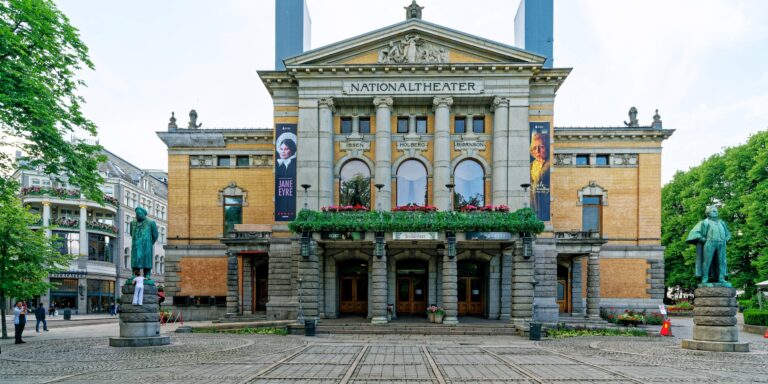
Feature image (on top): National Theatre, Oslo. Photo: Wikipedia
Many people view sauna bathing as a relaxing, social activity that increases well-being. A new study, “Sauna Bathing in Northern Sweden”, shows that those who take a sauna regularly, one to four times a month, are significantly better off than those who do not take a sauna at all.
Frequent sauna bathing has been associated with a reduced risk of cardiovascular disease and proposed as a mediator for improved health. Therefore, the aim of this study has been to describe and compare sauna bathers with non-sauna bathers in northern Sweden based on their demographics, health and life attitudes, and to describe sauna bathers’ sauna habits.
Luleå University of Technology
The study from Luleå University of Technology is based on data from the 2022 MONICA survey, where 1180 participants aged 25-74 years were randomly selected from the population register and answered questions about their lifestyle and health. 66% reported taking a sauna at least once a month, and these people showed consistently better health outcomes compared to those who did not.
The study has been published in International Journal of Circumpolar Health and concludes that there were no major differences in physical well-being between the groups in the study, but the majority of participants experienced better sleep one to two nights after taking a sauna.
Åsa Engström, Professor in Nursing
Of the 1180 participants in MONICA 2022, 971 (82%) answered the question about sauna bathing. Of these, 641 (66%) were defined as sauna bathers. Sauna bathers reported less hypertension diagnosis and self-reported pain.
Sauna bathing has a long tradition in northern Sweden, and this study is one of the few that has examined how sauna bathing affects health in this region. Research has shown that sauna bathing can reduce the risk of high blood pressure and improve quality of life by reducing pain and improving sleep quality.
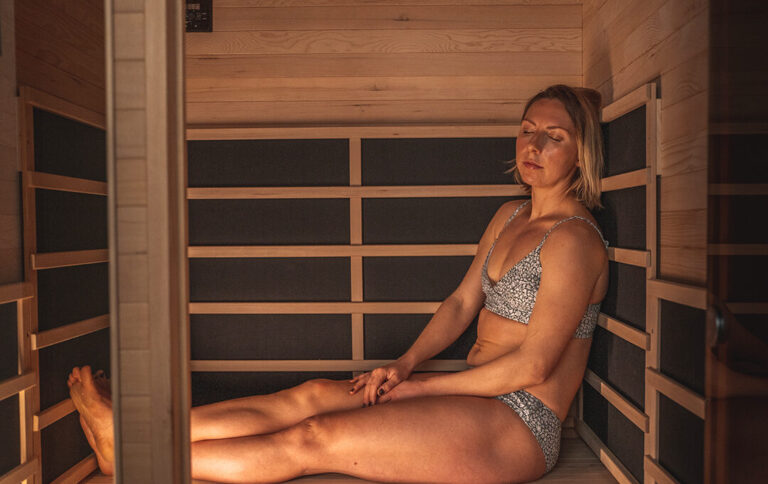
Sauna bathing has a long tradition in northern Sweden. Photo: iStock
“For those who want to test the health effects of a sauna, try it for 15–20 minutes. That is the time span used in the Swedish study and also in many Finnish studies. Start with a comfortable temperature, create an environment that suits your needs, whether alone or in the company of others,” says Åsa Engström, Professor in Nursing.
Sauna Bathing in Northern Sweden, reported by Tor Kjolberg
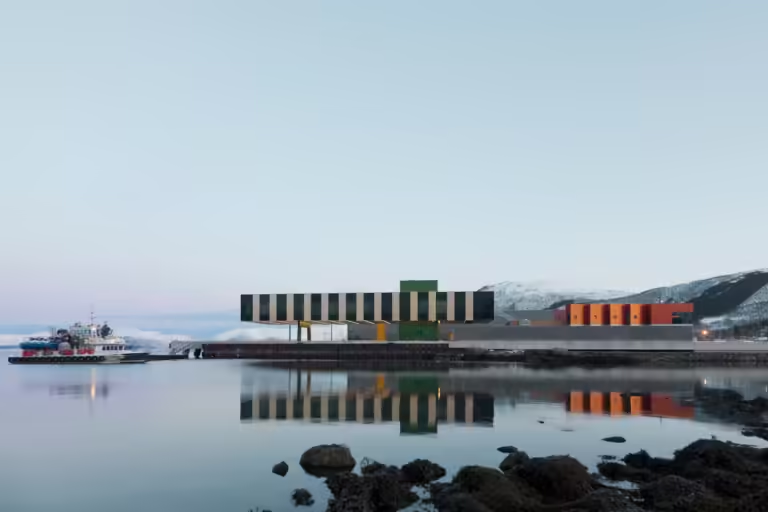
On behalf of shipowner Holmøy Maritime, Norwegian architect studio Snøhetta has designed Holmen Industrial Area, a highly sophisticated and colorful 6,000 square meter fishing facility situated on the eastern side of Sortlandssundet in the archipelago of Vesterålen in Northern Norway. It has resulted in colorful headquarters for the Norwegian fishing industry business.
Founded in 1973 in Norway’s High North, seafood group Holmøy Maritime prides itself not only on sustainable wild fishing but also great architecture. “The world needs more clean, healthy and climate-friendly food and fish is our passion” is the company’s mission statement.
Founded in 1973 in Norway’s High North, seafood group Holmøy Maritime prides itself not only on sustainable wild fishing but also great architecture.
The company’s new facility intelligently blurs the distinction between the rawness of the fishing industry with a more polished corporate allure by subtly merging Holmøy Maritime’s trawling, fish farming and fish processing business and the company’s headquarters into four, distinctive buildings.
In 2014 Holmøy Maritime partnered with celebrated architecture studio Snøhetta to develop its headquarters in Vesterålen. A decade later, Snøhetta has delivered a 16,000 sq.m. facility at the fishery’s neighboring Liland site, which will process 150 tons of salmon a day.
F.t. Holmøy. Photo: Einar Lindbæk.
Vesterålen is a district and archipelago in Nordland county. It is located just north of Lofoten and west of Harstad. It is the northernmost part of Nordland county. Sortland is the largest town, situated near the center of the archipelago.
By assembling all employees and top-notch facilities on the same site, this bold new facility ensures the region’s continued international success within Norway’s second largest industry – an industry worth over one billion dollars annually.
225 million seafood meals are produced each year,
Through local ownership, Holmøy Maritime has built one of Norway’s largest seafood groups. The company’s main activity is the capture of wild fish and aquaculture. Through four modern fishing vessels and aquaculture permits, approximately 350 employees ensure that 225 million meals are produced each year, in total Holmøy produces 45,000 tons of seafood.
CEO Knut Holmøy
CEO Knut R. Holmøy says that it was important to invest in good architecture. It helps to capture attention, attract expertise, and create comfort and safety for those working in the company. “We offer the kinds of facilities that you might find in a city, but with better views of Norway’s northern landscape,” he says.
The buildings also include a guest house that functions as a home away from home for employees that need to rest their eyes between shifts at sea or on land.
We’re on the threshold of a brand-new year. The world around us is changing faster than ever before So, let us take a pause, reflect, and most importantly, look forward with purpose and optimism. Cheers to a New Year!
“I hope that in this year to come, you make mistakes. Because if you are making mistakes, then you are making new things, trying new things, learning, living, pushing yourself, changing yourself, and changing your world. You’re doing things you’ve never done before, and more importantly, you’re doing something,” said Neil Gaiman.
Markets shift, technologies evolve, and challenges emerge where we least expect them. But with every challenge comes an opportunity—an opportunity to adapt, to innovate, and to grow.
Uncertainty may feel like a storm cloud hanging over our plans, but history has shown us that some of the greatest successes arise from the most turbulent times. The businesses and professionals who thrive are not always the ones with the perfect plan but the ones with the courage to act, the resilience to endure, and the vision to see beyond immediate obstacles.
“Let our New Year’s resolution be this: We will be there for one another as fellow members of humanity, in the finest sense of the word,” said Göran Persson.
This year, let us commit to three guiding principles: agility, collaboration, and purpose.
First, agility—in a world of rapid change, the ability to pivot, to embrace new strategies, and to let go of outdated practices is more valuable than ever. Let us remain nimble in our approach, open to change, and proactive in our decisions.
Second, collaboration—no great success is achieved in isolation. Whether in business or our professional lives, our connections, partnerships, and shared visions will be the key to unlocking untapped potential. Let’s foster teamwork, share knowledge, and build bridges where walls once stood.
And finally, purpose—beyond profits, beyond quarterly targets, lies a deeper reason why we do what we do. Purpose fuels perseverance. It gives meaning to our long hours, our bold decisions, and our tireless efforts. This year let’s align our goals with our values and pursue success that truly matters.
“In the New Year, never forget to thank your past years, because they enabled you to reach today. Without the stairs of the past, you cannot arrive at the future!” said Mehmet Murat Ildan
Remember, the path ahead may not always be clear, but every step forward counts. Every small effort contributes to a bigger picture. Let us face this new year not with fear of the unknown, but with excitement for the possibilities that lie ahead.
A new year is a fresh start for a new day in life. Allow this New Year to bring you more opportunities for a more fruitful and happy life. Have a beautiful new year! Cheers to a New Year!
Nordic neighbors release new advice on surviving war. Millions of Swedes have received copies of a pamphlet advising the population how to prepare and cope in the event of war or another unexpected crisis. A worsening security situation has encouraged Nordic governments to advise their citizens on how to behave in case of crisis or war in the Nordics.
Residents of Sweden have received a handy new guide that details how to prepare for various types of crisis situations or wartime should geopolitical events threaten the country. Denmark, Finland and Norway have also released new guidelines for citizens on preparing for potential conflicts and emergencies, reflecting heightened security concerns due to the war in Ukraine. Sweden‘s updated pamphlet, “If Crisis or War Comes,” emphasizes self-sufficiency and emergency readiness, while Finland provides online resources detailing military responses.
Residents of Sweden have receive a handy new guide that details how to prepare for various types of crisis situations or wartime should geopolitical events threaten the country.
“In case of crisis or war” has been updated from six years ago because of what the government in Stockholm calls the worsening security situation, by which it means Russia’s full-scale invasion of Ukraine. The booklet is twice the size of the previous version.
Citing factors such as war, terrorism, cyberattacks, and increasingly extreme weather events, the 32-page guide was commissioned by the government and calls for unity to secure the country’s independence.
Map of the Nordics
Norway encourages residents to be prepared for a week without assistance. During the summer, Denmark’s emergency management agency emailed Danish adults details on the supplies they would need to get through a crisis for three days. These initiatives mark a shift from previous neutrality, particularly after Sweden and Finland joined NATO amid escalating tensions with Russia.
In a detailed section on military conflict, the Finnish digital brochure explains how the government and president would respond in the event of an armed attack, stressing that Finland’s authorities are “well prepared for self-defense”.
The 32-page guide was commissioned by the government and calls for unity to secure the country’s independence.
The Swedish brochure says, “We build resilience every day, together with our loved ones, colleagues, friends, and neighbors. In this brochure, you learn how to prepare for, and act, in case of crisis or war. You are part of Sweden’s overall emergency preparedness.”
In Case of Crisis or War in the Nordics, reported by Tor Kjolberg
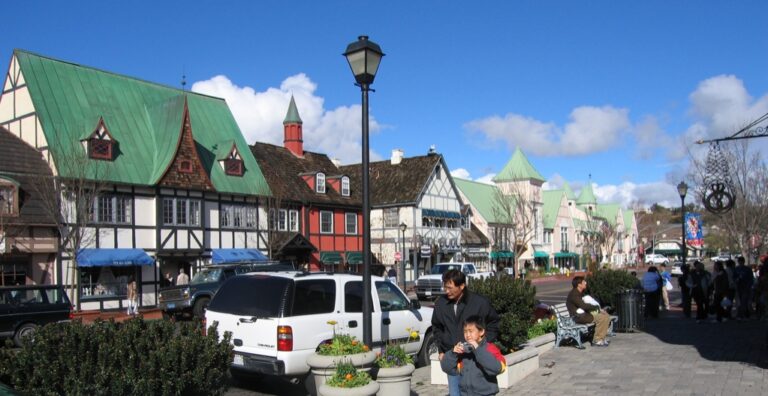
The charming town of Solvang is located in the Santa Ynez Valley of Santa Barbara County in California. It is often referred to as the “Danish Capital of America”. With its traditional architecture and replicas of monuments in Denmark, it feels like being transported to Europe.
Danish Founders
Solvang was founded in 1911 by Danish immigrants, Solvang was established to create a Danish community far from the harsh Midwestern winters. The town’s name, “Solvang,” means “sunny field” in Danish, reflecting its picturesque setting. The Danish-Americans were seeking a place with fertile land and a warmer climate than the harsh Midwestern winters many Danes had settled in.
Tivoli Square in Solvang. Photo: Wikipedia
Danish-Themed Architecture
Solvang is renowned for its Danish-style buildings, including windmills, thatched roofs, and half-timbered houses. Notable landmarks include the Mission Santa Inés, a historic mission dating back to 1804, and the Bethania Lutheran Church, which resembles a 14th-century Danish church. Solvang pays tribute to the country’s history with its own windmills. You’ll find four within four blocks of each other, and they make for popular photo opportunities for tourists.
Solvang is renowned for its Danish-style buildings. Photo: Visit California
There are also half-timbered buildings, and replicas of iconic Danish landmarks like Copenhagen’s Rundetårn (Round Tower), a re-creation of the 17th-century tower that still stands in Copenhagen, and the Little Mermaid statue, which pays tribute to the Danish author Hans Christian Andersen’s fairy tale of the same name..
You’ll find four windmills within four blocks of each other. Photo: Tripadvisor
Everything from the restaurants and shops to the public restrooms and bus stops has Denmark’s distinct bindingsvaerk architecture, making you feel like you’re in a different era — or at least outside of the US.
Five authentic Danish bakeries are within five blocks of each other, making it extremely easy (and tempting) to indulge in the many incredible pastries on offer.
Solvang is a walkable town, making it easy for visitors to explore its charming streets and attractions on foot. The town is also a short drive from Santa Barbara, making it a convenient destination for a day trip or a weekend getaway.
Solvang Danish Days. Photo: Learn California.
All of these factors combine to make Solvang a unique cultural hub and the most prominent representation of Danish culture in the United States.
The Danish Capital of America, written by Tor Kjolberg
Scandinavian Christmas is a colorful mixture of old pagan rituals and imports from all over Europe and Christianity. Read on and get in the Scandinavian Christmas mood.
The past is very much present in all the yuletide traditions that flourish under a veneer of Christian lore. This hotchpotch nevertheless represents a real Scandinavian Christmas.
You don’t need to have lived in Norway very long to come across the word julebord. The julebord is as Norwegian as other holiday favorites such as gløgg, pinnekjøtt and long, dark nights.
The buzzword is the untranslatable hygge, meaning coziness, only much more. The important point of all the gatherings and traditions is that there is hygge, an amiable spirit of warmth, tradition, relaxation and well-being, all put together in a single word that every Scadinavian understands.
The past is very much present in all the yuletide traditions in Scandinavia. Photo: Norsk tipping.
Naturally, everybody is aware that Christmas celebrate the birthday of Christ, and an extraordinary number of Scandinavians fill the churches during this time. However, in reality, the Christian aspect is just another tradition among others. The early Christians cleverly placed the birth of Christ on top of the ancient yuletide festivities, to make sure that the population would celebrate His birthday. Yule was originally a pagan festival celebrating the longest night of the year by lighting as many candles and oil lamps as you could afford, and eating, drinking and warding off the evil spirits by keeping watch during the night.
The tradition was all about eating, drinking and warding off the evil spirits by keeping watch during the longest night of the year. Photo: Thon hotels.
Yuletide was not for the faint-hearted, and this is why Christmas is still about for the majority of adult Scandinavians. Every workplace, institution, school, association and society – which Scandinavians are so fond of – has its own Christmas lunch; this often involved substantial orgies of food, but is more about drinking and having a good time. Special trains and buses carry the victims safely home, and for most people December is a month of extremely busy weekends.
China has expanded its visa-free transit policy to include citizens from Norway. When Norway joins China’s visa-free list, tourists in Beijing can now navigate the city’s massive subway network with greater ease.
9th September, Prime Minister Jonas Gahr Støre met with President Xi Jinping of China. During the meeting the Chinese President announced that Norwegians will be permitted to travel to China without needing to apply for a visa.
********************************
You might also like to read The Norwegian China-Man
********************************
Already from 13 September, international credit cards such as Visa and MasterCard have been accepted at subway turnstiles, allowing travelers to simply “tap and go” without the need for purchasing ticket from vending machines. This new feature was made possible through the upgrading of over 20,000 facilities across 490 stations on Beijing’s 27 subway lines.
Tourists in Beijing can now navigate the city’s massive subway network with greater ease.
On 17 November, the official announcement of the Chinese National Immigration Administration, stated that China has expanded its visa-free transit policy to include citizens from Norway for a 72/144-hour stay.
Norway’s Prime Minister Jonas Gahr Støre. Photo: Wikipedia
‘It was a very constructive, candid and detailed meeting. This year marks 70 years since diplomatic relations were established between our two countries. We talked both about areas where there is good cooperation between Norway and China, and about issues where our views diverge,’ said Prime Minister Støre.
International travelers are allowed to transit in 20 cities.
Dennis Chang, MasterCard’s executive vice president for Greater China, praised the initiative, noting how its streamlines travel for visitors eliminates cumbersome steps. This move also aligns with Beijing’s broader strategy to position itself as an international exchange center.
International travelers are allowed to transit in 20 cities, including Beijing, Tianjin, Shijiazhuang, Qinhuangdao, Shanghai, Nanjing, Hangzhou, Ningbo, Guangzhou, Shenzhen, Jieyang, Shenyang, Dalian, Qingdao, Chongqing, Chengdu, Xi’an, Xiamen, Wuhan and Kunming, up to 144 hours visa-free. Norwegian citizens holding valid international travel documents will be able to enjoy a 72/144-hour stay in the above-mentioned cities without a visa, provided they hold an connecting ticket with the confirmed departure date and seat number leaving for a third country or region within the time limit. During the stay, they are allowed to engage in short-term activities such as travel and business visits.
Beijing is the first city in mainland China to adopt the ‘tap and go’ system, making it more accessible for foreign tourists. Norway is one of the latest countries added to the list, along with Poland and Australia. This has significantly boosted tourism, with inbound trips by foreigners reaching 17.3 million between January and July 2024—a 183% increase from the previous year.
Beijing subway. Photo: Wikipedia
The new visa-free travel option for Norwegian citizens, combined with the more convenient public transport system, makes China even more accessible. As China continues to open up to international visitors, improvements like these enhance the overall travel experience for millions of tourists.
The Chinese Embassy in Norway will, as always, provide convenience and assistance for visa applications to China. You can log on to the official website of the National Immigration Administration for more details. https://en.nia.gov.cn/
Norway Joins China’s Visa-Free List, reported by Tor Kjolberg
Nessebar, often called the “Pearl of the Black Sea”, is a must-visit destination in Bulgaria for its unique combination of history, culture and scenic beauty. Learn more about the 13 reasons why you shout visit Nessebar in Bulgaria.
Located on a rocky peninsula on the Black Sea, the more than 3,000-year-old site of Nessebar was originally a Thracian settlement (Menembria). At the beginning of 6th century BC, the city became a Greek colony. The city’s remains, which date mostly from the Hellenistic period, include the acropolis, a temple of Apollo, an agora and a wall from the Thracian fortifications. This was one of the most important Byzantine towns of the west coast of the Black Sea.
Read on and learn about the nine reasons why you should visit Nessebar in Bulgaria.
Located on a rocky peninsula on the Black Sea, the more than 3,000-year-old site of Nessebar was originally a Thracian settlement.Nessebar is one of the oldest towns in Europe, with over 3,000 years of history.
1. Rich History and Ancient Architecture
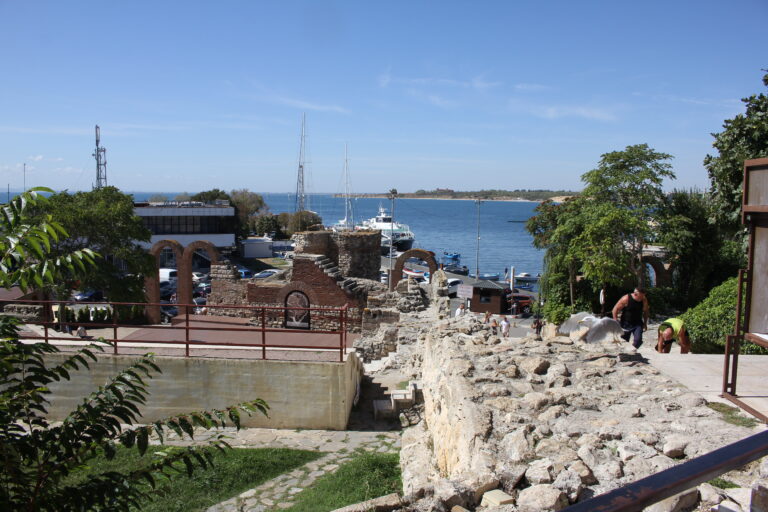
Nessebar is one of the oldest towns in Europe, with over 3,000 years of history. It has been inhabited by Thracians, Greeks, Romans, Byzantines, and Ottomans. The Old Town is a UNESCO World Heritage Site, featuring well-preserved ruins from various eras, including ancient Greek and Roman walls and Byzantine-era churches. In the old town, you can experience the Stara Mitropolia Basilicas and the fortress dating from the Middle Ages.
The Old Town is a UNESCO World Heritage Site.One of the well precerved ruins in the middel of a recidential area.
2. Iconic Churches
During the Middle Ages, the city of Menembria on Bulgaria’s Black Sea coast had more than 40 churches. Quite impressive for such a tiny place. (Our guide claimed it’s the town with the highest number of churches per capita anywhere). Many of the churches are now in partial ruins, but to be fair some of them do not look bad for being around 1500 years old.
During the Middle Ages, the city of Menembria on Bulgaria’s Black Sea coast had more than 40 churches.Our guide claimed it’s the town with the highest number of churches per capita anywhere.
Highlights include:
* Church of Christ Pantocrator: A stunning example of Byzantine architecture.
* Church of Saint Sophia: A partially preserved basilica from the early Christian period.
* Church of St. John Aliturgetos: Known for its intricate brickwork.
The cobblestone streets, traditional wooden houses, and picturesque seaside views make the Old Town a delight to explore.
Quaint shops and local artisans sell handmade crafts, jewelry, and souvenirs, offering a taste of Bulgarian culture:
3. Charming Old Town
The cobblestone streets, traditional wooden houses, and picturesque seaside views make the Old Town a delight to explore. Quaint shops and local artisans sell handmade crafts, jewelry, and souvenirs, offering a taste of Bulgarian culture.
This Old Town is situated on a peninsula (previously an island) connected to the mainland by a narrow man-made strip of land and is a UNESCO World Heritage Site with a fascinating ancient history dating back 3,000 years. It was originally a Greek colony and being very close to the Greek border it has a lot of Greek influences – especially the food with lots of fresh fish, seafood, and salads.
There are several restaurants and cafes in Old Nessebar.Choose a restaurant with balcony overlooking the sea,
There are several restaurants and cafes in Old Nessebar. Choose one with balcony overlooking the sea, like Restaurant Zornitza (see below) or the Old Nessebar Restaurant, both have fresh grilled bream and Greek salad as well as other delicious dishes and great Bulgarian wine.
Do take time to take in the sights and the atmosphere of this wonderful ancient city.
4. Beautiful Beaches
Nessebar offers access to pristine beaches with golden sands and clear waters, ideal for sunbathing, swimming, or water sports. Nearby Sunny Beach is a lively resort area perfect for a mix of relaxation and entertainment.
Enjoy the beautiful beaches that surround Nessebar.From the entrance to the Old Town.
Walking the Promenade that surrounds Nessebar is a pleasant experience, especially in the early evening as the sun is setting.
5. Local Cuisine
Nessebar is an excellent place to enjoy traditional Bulgarian dishes, fresh seafood, and local wines. Many restaurants offer scenic views of the Black Sea (see above).
Plakamoto restaurant. Photo: Tripadvisor
There are plenty of places with coastal views in Nessebar, but Plakamoto is probably one of the best. The location is ideal for taking your seating options between the shade and the sunshine, while the menu offers everything from steak and chips to sophisticated fish dishes.
At Dionis, you can enjoy Greek dishes like moussaka and mezzes. Join a roster of fish dishes in the warm glow of a sublime ambience. Adding to the appeal, the beers here are crisp, cool and remarkably cheap, so feel free to complement your meal with a pint or two of the good stuff.
At Zornitsa (see above) you can enjoy amazing pound plateau of local fish at a fairly reasonable price. In addition, following the reviews of visitors to the restaurant, we advise you not to miss your chance to try the dish with the intriguing name “Mermaid’s Legs”.
It is not difficult to find a relatively inexpensive restaurant with good food in Nessebar. For example, in the ethno-restaurant Aquamarine, located at the very beginning of the Old Town you will be served wonderful tarator (Bulgarian cold soup) and unbelievably delicious sach (a dish from different kinds of meat and vegetables). It is quite possible to leave the restaurant having had enough and leaving a relatively small amount of money. However, remember that it’s customary to leave the waiters at least 10% tip.
A recidential building in the Old Town
In January, I will explore how living in Nessebar is like during a winter month. I will explore more restaurants in New Nessebar, a plush area where admistrative life is concentrated. This part of the town is characterized by modern architecture. The hotels, guest houses and private lodgings are also modern and correspond to the latest trends in tourism (see below). To the north and south of the town are wide beaches and natural sand dunes, whose crests form a fabulous natural phenomenon. Some of the leisure activities available are boat or yacht trips, fishing, rental bikes, water sports, etc.
New Nessebar is a plush area where admistrative life is concentrated. This part of the town is characterized by modern architecture.
The South Park is located in the Southeastern part of the town on a territory of over 27 decares. During the creation of the park, four ancient tombs from 4th-3th century BC were discovered and exhibited. All plant species have been labeled with their Bulgarian and Latin name.
Taste great Bulgarian wine.
6. Bulgarian wine
Visit a winery – there are lots of wineries in the area and easy assessable for a day trip. Try some Bulgarian wine in a beautiful setting and experience true Bulgarian hospitality.
7. Cultural Festivals and Events
Throughout the year, Nessebar hosts cultural festivals, music concerts, and folklore performances, showcasing Bulgaria’s rich traditions.
Pop in to this small but excellent museum that shows you the history of Nessebardating back to the origin of this ancient city. There is a collection of artefacts spanning thousands of years giving you a real feel and appreciation of Nessebar.
9. Take a boat tour
Catch a boat from the harbor that takes you along the stunning Black Sea coast while exploring Nessebar, Ravda, and Pomoriebays, a wonderful way to spend a few hours.
10. A day at Aqua Paradise
Is there a better and more fun way of cooling off than a day at an aqua park? Aqua Paradise, which is on the main road into Nessebar, has loads of swimming pools, including a wave pool and would you believe 38 water slides including the longest water slide in Europe, the space shuttle! It’s a fun day out for all the family.
11. Poseidon VIP Residence Club Balneo & Spa Resort
Poseidon VIP Residence Club has an exceptional location and state-of-the-art facilities. Its Medical Center is ISO certified and holds a Certificate of Registration for an Outpatient Medical Facility.
Refined and stylish complex, located 350 meters from the beach, Poseidon is one of the most attractive Black Sea resorts,Poseidon VIP Residence Club has an exceptional location and state-of-the-art facilities.
Refined and stylish complex, located 350 meters from the beach, it is one of the most attractive Black Sea resorts, where you can buy or rent an apartment – and have professional medical spa treatments like therapeutic massage, water treatments, mud and lye treatments, physiotherapy and kinesitherapy. Each apartment in the recidential area has an individual interior design.
State-of-the-art medical spa treatment at Poseidon
Our travel partner, TAKs verden, will help you with your flight bookings.
“Doctors and other medical professionals are truly experts in their field. They took their time and listened to me. All therapies were explained to me in an accessible and understandable way,” wrote one of the patients at the medical spa.
General Manager Denis Papinov with two of his therapists.
Did you know that Bulgaria is second in Europe, after Iceland, in natural mineral water and natural-source spring water resources? Its chemical composition, temperature, and properties are known to have healing powers and the first to discover this were the ancient Thracians, and they built their settlements around such springs. After the conquest of Romans, many Roman baths were built for the treatment of a variety of diseases and for fitness. Nowadays, you can enjoy the healing power and restorative properties of mineral water in modern SPA resorts and sanatoriums like Poseidon where a variety of procedures are included. That’s how Bulgaria became one of the leading SPA destinations in Europe.
Did you know that Bulgaria is second in Europe, after Iceland, in natural mineral water and natural-source spring water resources?From the Poseidon recidential areaPool in the garden of PoseidonResident reception at Poseidon.Quality interior is everywherre at Poseidon.Sculpture in the garden at Poseido.
Daily Scandinavian will visit Poseidon VIP Residence and SPA in January and publish a comprehensive report.
12. Four golf courses in the area
There are three 18 holes golf courses on the Bulgarian Black Sea coast, located some 150 km to the North from Sunny Beach. If you’re staying at the Poseidon VIP, the management there offer transfers.
There is also another 18 holes – Sliven Golf Course – 145 km to the west from Sunny Beach. This is a golden opportunity for golf enthusiasts.
13. Easy Accessibility
Nessebar is located close to Burgas and Varna and is easily accessible by car, bus, or even boat, making it a convenient stop on a Bulgarian coastal tour.
Visiting Nessebar provides an immersive experience of Bulgaria’s history, culture, and natural beauty, making it a highlight for any traveler.
13 Reasons Why You Should Visit Nessebar in Bulgaria, written by Tor Kjolberg











 Markets shift, technologies evolve, and challenges emerge where we least expect them. But with every challenge comes an opportunity—an opportunity to adapt, to innovate, and to grow.
 Second, collaboration—no great success is achieved in isolation. Whether in business or our professional lives, our connections, partnerships, and shared visions will be the key to unlocking untapped potential. Let’s foster teamwork, share knowledge, and build bridges where walls once stood.
 Remember, the path ahead may not always be clear, but every step forward counts. Every small effort contributes to a bigger picture. Let us face this new year not with fear of the unknown, but with excitement for the possibilities that lie ahead.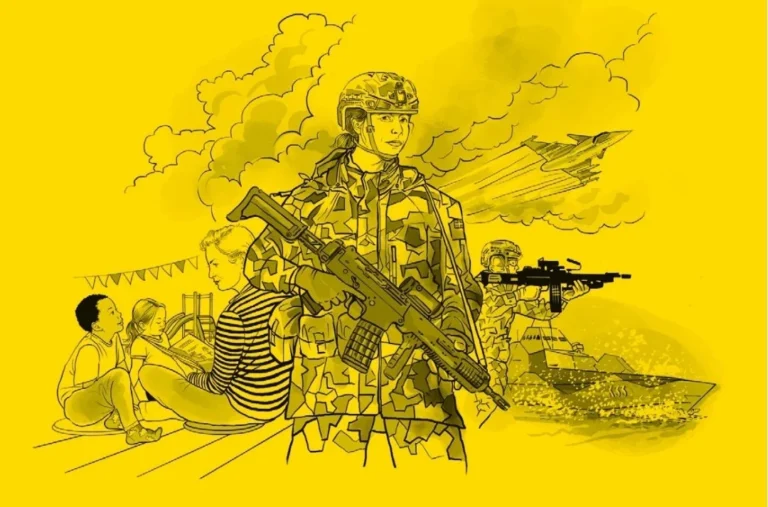











 3. Charming Old Town


 Our travel partner,


