



There is something about the start of a new school year that feels a little like a second New Year. Summer schedules fade, alarm clocks are reset, backpacks return to their hooks, and families settle back into the rhythm of school, work, activities, meals, and homework. Continue reading to learn more about new school-year wellness routine ideas for 2026.
For parents, however, that rhythm can quickly turn into a race.
Rather than trying to overhaul family life overnight, the start of the school year can be an opportunity to return to simple routines that support physical and emotional well-being and allow the nervous system to slow down for children and parents alike.
Begin With Rhythm, Not Perfection
Children and teenagers often thrive on predictability. After the freedom and long days of summer, gradually returning to consistent morning routines, scheduled mealtimes, and a good nighttime routine can ease the transition back to school.
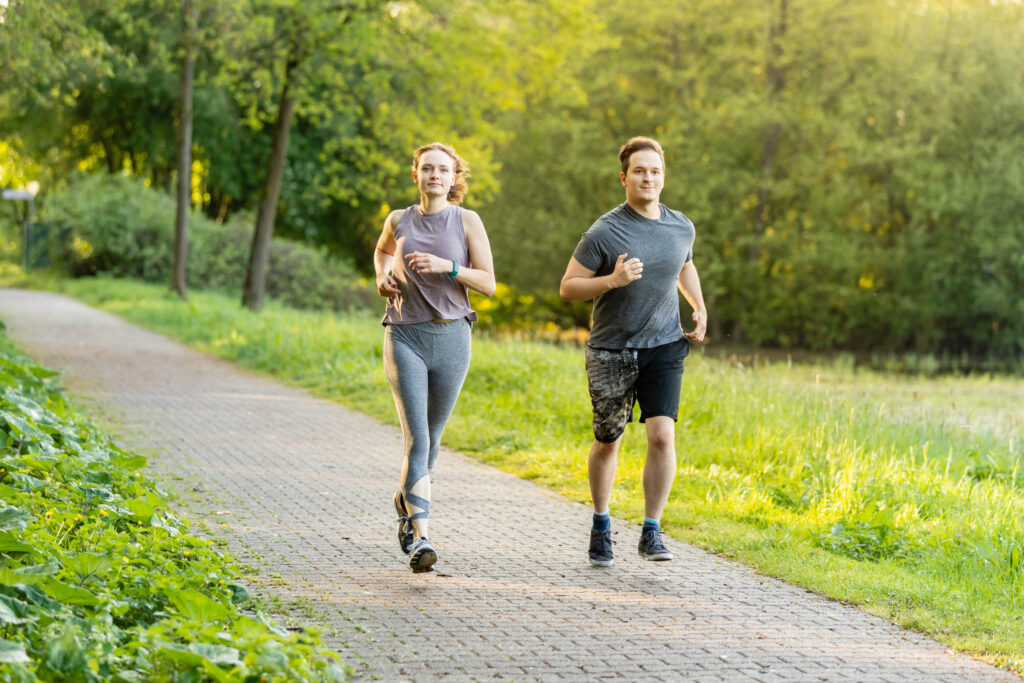
Get Outside and Move
Let’s start with something Scandinavians do notoriously well: getting outside regardless of the weather. One of the healthiest aspects of this philosophy is also one of the simplest. Incorporating walking, outdoor play, cycling, and simply spending time in nature or with a pet into the daily routine can help expend excess energy, provide a mental break, and improve focus.
Make Mealtime a Time to Reconnect
Sitting down together can be hard with busy family schedules, yet the simple act of sharing food remains one of the easiest ways to reconnect. Breakfast can be quick, such as a bowl of oatmeal with fruit, nuts, and seeds, or rye toast with an egg. School lunches can be prepared and packed the night before. Even dinner need not be elaborate to be nourishing. Soup and bread, open-faced sandwiches, roasted vegetables and potatoes, a grain bowl, or leftovers from the night before can all do the job. What matters just as much is what happens around the table. This is a time for the family to relax, put phones aside if possible, reconnect, and talk about the day. Some fun dinner conversation ideas include asking each person to share a favorite part of the day, playing a little trivia, or learning a new vocabulary word together. The options are endless.
Have a Healthy After-School Snack Ready
A favorite healthy snack of mine is loaded hummus. It is colorful, satisfying, easy to prepare, and simple enough to keep in the refrigerator for when everyone gets home.
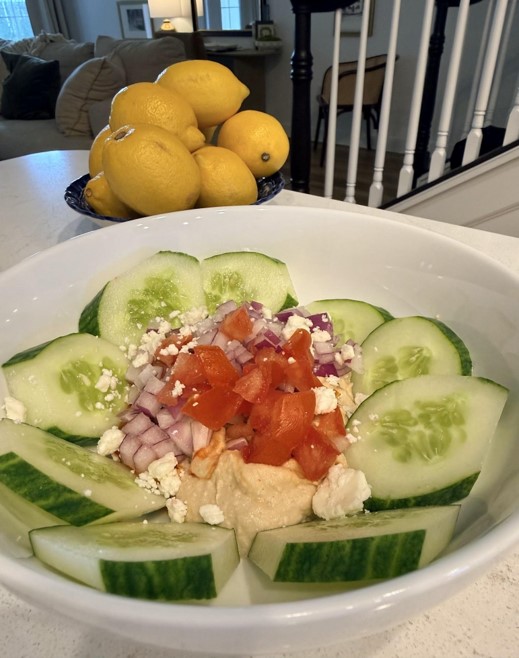
Use whatever you have on hand, but I love to layer diced tomatoes, red onion, and feta cheese over hummus and serve it with cucumbers, carrots, or any favorite vegetable for dipping. It is an easy way to add a variety of colorful vegetables to an afternoon snack.
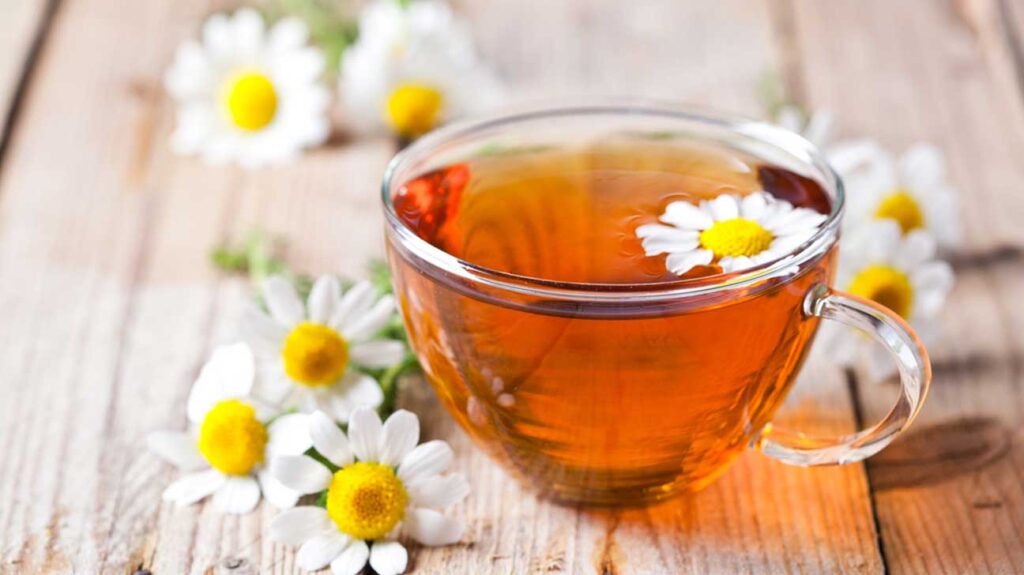
Create a Calming Sleep Routine
Dim the lights, put away devices, take a warm shower, read, talk, or simply let the house settle. Sleep deserves special attention during the transition back to school. Adequate sleep supports learning, memory, emotional regulation, immune function, and overall health. Rather than imposing a much earlier bedtime the night before school begins, families can gradually shift sleep and wake times, allowing evenings to grow quieter as the first day approaches. A warm, caffeine-free drink can also be part of a calming nighttime ritual. Depending on a child’s age and individual health needs, parents may want to ask their pediatrician which herbal teas are appropriate for children.
Give Children Room to Do Things for Themselves
Another healthy habit worth protecting as the school year begins is independence. Children can participate in their own wellness routines in age-appropriate ways. A younger child might fill a water bottle or choose fruit for tomorrow’s lunch. An older child might prepare an after-school snack, help with dinner, walk or bike to an appropriate place, or take responsibility for part of the morning routine. Healthy habits become more meaningful when children participate in them rather than simply having them managed by adults. And perhaps parents benefit from this too, as we do not have to do everything for everyone.
 A Message to Parents, Children, and Anyone Getting Back Into a Routine
Maybe the best back-to-school advice has nothing to do with what goes into a lunchbox. It is remembering that things are rarely perfect. Not every meal will be perfectly balanced. Some mornings will be rushed. Children will occasionally stay up too late. We will, too. There will be forgotten assignments, takeout dinners, missed activities, and weeks when the family calendar feels overwhelming. It is okay; we do the best we can.
Another important reminder is that health is neither built nor lost in a single day. It develops through patterns repeated over time: sleeping well most nights, eating nourishing foods often, moving regularly, spending time outdoors, connecting with others, and giving the mind and body opportunities to rest.
As another school year begins, perhaps the question is not how to fit everything in, but how to do our best while knowing when enough is enough. Enough activity to keep children engaged, but enough free time to let them breathe. Enough structure to provide security, but enough flexibility to enjoy life. After all, a healthy routine does not have to be perfect. Sometimes it simply needs to be one that works for you and your family.
New School Year Wellness Routine Ideas 2026, written explicitly for Daily Scandinavian by Nicole Hammond. Nicole is a health educator, coach, and wellness writer with a Master of Science in Health and Human Performance and a Bachelor of Science in Health Science. She also holds certifications in stress management, coaching, and feng shui design. She enjoys writing, researching, creating, and facilitating in the areas of health and creating balance in mind, body, and the home. In her spare time, Nicole enjoys reading, cooking, traveling, exercising, and spending time with her family, including her two golden retrievers and cocker spaniel.
Feature image (top): © The Lindsley School.
More articles by Nicole Hammond:
Nutrition is a Key Player in Battling Stress
A Look Into Crushing Fear, Stress, and Anxiety
Spring Blossoms and Well-Being: Enjoying the Renewal in Nature, Light, and Simplicity
The Art of Being Human: How Creativity Supports Well-Being Throughout Life
Ancient Wisdom, Modern Wellness