


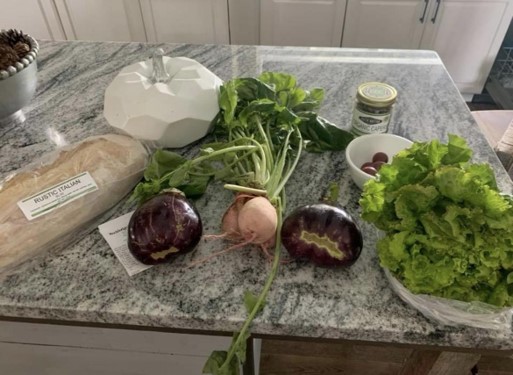
Beets hardly need an introduction. Whether pickled, roasted, boiled, grated into salads, or served alongside familiar dishes, this colorful root vegetable has long held a place in Nordic kitchens. Not just for taste. Eat for Nitric Oxide: The Powerful Health Benefits of Beets. Read on to find out more…
There may be more reason to appreciate the humble beet than tradition and taste alone. Behind its deep red color and earthy flavor lies some interesting human physiology. Beets are naturally rich in dietary nitrate, which the body can convert into nitric oxide, an important molecule involved in blood flow, blood vessel function, and cardiovascular health. Nitric oxide also plays roles in muscle function and physical performance. When Hippocrates said, “Let Food be Thy Medicine, and Medicine be Thy Food,” beets may have been one of the best examples.
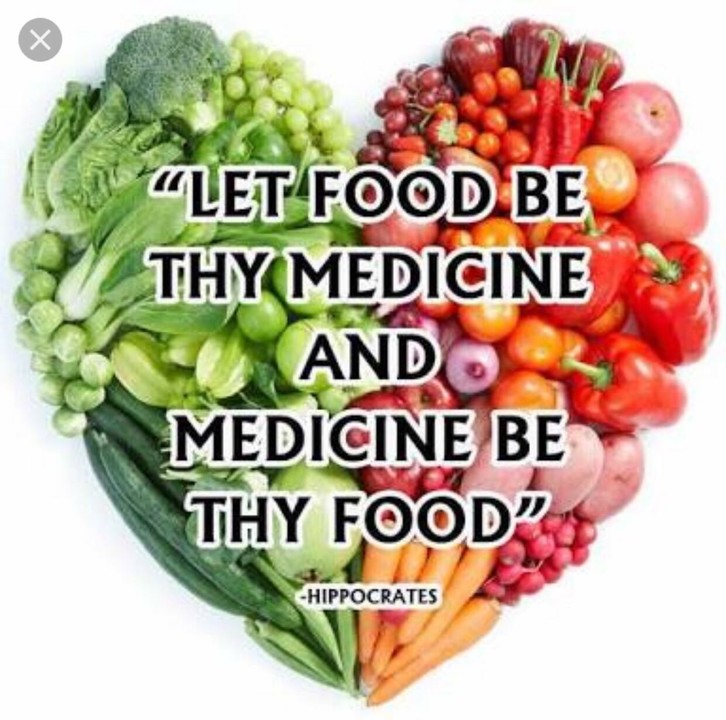 What exactly happens when we eat beets, and why does nitric oxide matter so much to our health?
Nitric oxide, often abbreviated as NO, is produced naturally by the body and performs a number of important biological functions. One of its best-known roles is helping regulate blood vessel function. The inner lining of our blood vessels, called the endothelium, helps control whether vessels constrict or relax. Nitric oxide acts as a signaling molecule, telling the smooth muscle surrounding blood vessels to relax and widen (a process known as vasodilation).
When blood vessels relax, blood flows more easily, helping deliver oxygen and nutrients throughout the body. Nitric oxide also helps regulate blood pressure, supports circulation, and supports muscle function. When we eat nitrate-rich foods such as beets, the body can convert dietary nitrate into nitrite and eventually into nitric oxide.
*Naturally occurring dietary nitrates in beets and other vegetables and fruits should not be confused with additives such as sodium nitrate, found in many fast foods, deli meats, and junk foods, which should be limited or avoided.

Beets to Support Blood Pressure and Physical Performance
Because nitric oxide promotes vasodilation, researchers have investigated whether increasing dietary nitrate intake through beetroot and beetroot juice may affect blood pressure and vascular health. The findings are promising, though they should not be overstated. Research reviews have reported reductions in blood pressure after nitrate-rich beetroot juice supplementation in some populations, including people with hypertension. Results are inconsistent across blood-pressure measures and populations, and research continues.
Beets should not be considered a treatment for hypertension, yet beets and other nitrate-rich vegetables can certainly be part of an overall dietary pattern that supports cardiovascular health. Nitric oxide has also attracted attention in the exercise world for its role in blood flow, oxygen delivery, and skeletal muscle function.
Studies of beetroot juice and dietary nitrate have examined potential improvements in exercise efficiency, endurance, and tolerance, with results varying by activity, nitrate dose, training status, and individual. For most of us, this doesn’t need to be about improving a race time. Supporting healthy circulation and muscle function matters whether we are cycling, hiking, walking, gardening, or simply trying to remain active throughout life.
Nitrate may be the star of the conversation, yet it is not the only reason to put beets on the menu.
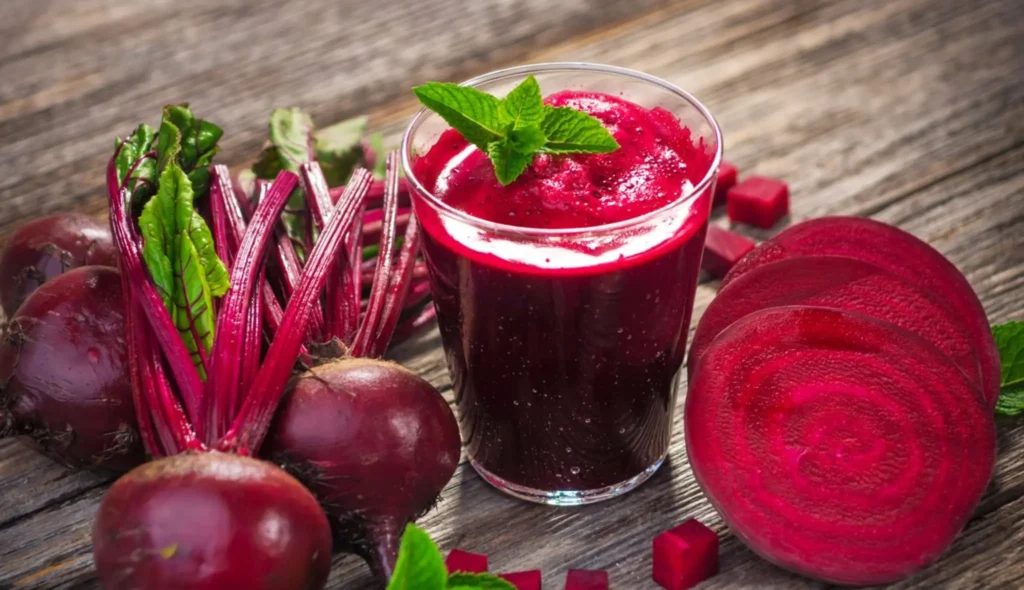
Beets provide folate, potassium, fiber, and numerous plant compounds. Their distinctive red-purple color comes from pigments called betalains, including betanin. These compounds show antioxidant activity and are another area of research into beetroot’s potential health benefits.
Beets also help lower homocysteine levels, supporting brain health and reducing inflammation. A scientific review published in Food Science & Nutrition examined beetroot’s nitrates, betalains and other bioactive compounds and described its potential as a functional food, while also emphasizing that not every proposed health benefit has been confirmed in clinical trials. That’s an important distinction. There is rarely one vegetable, nutrient, or supplement that transforms health on its own. What matters more is how foods such as beets contribute to an overall dietary pattern rich in vegetables and other whole foods.
As stated in the opening paragraph, you can roast, boil, pickle, or grate beets raw into salads, and they pair well with potatoes, apples, cabbage, dill, and other familiar Nordic ingredients. Even the leafy tops are edible and can be prepared like spinach or Swiss chard instead of being discarded. Other foods may also support nitric oxide through different mechanisms. Leafy vegetables such as arugula, spinach, lettuce, and Swiss chard can also be rich sources, as can watermelon, which contains an amino acid that helps support nitric oxide production.
Bringing It Back to the Plate
Perhaps the most interesting thing about beets isn’t any single vitamin, antioxidant, or potential cardiovascular benefit. It is the remarkable chain of events that can begin with an ordinary yet extraordinary vegetable. Good nutrition doesn’t necessarily require searching for the latest supplement or exotic superfood. Sometimes it means returning to foods that have been on our tables for generations and understanding a little more about why they deserve to stay there. With beets, there are plenty of delicious ways to explore.
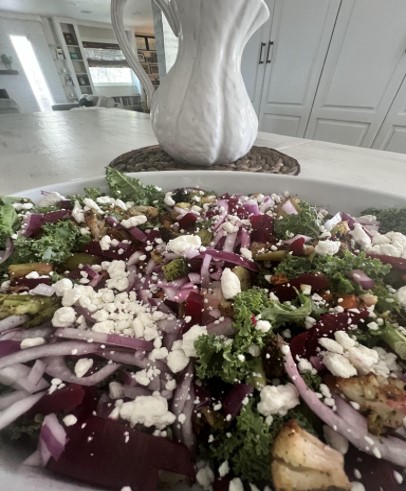
Hammond Beet Salad (serves 4-6)
2 beets, peeled and boiled, then sliced
6 cups kale and mixed greens
4 ounces goat cheese
1 red onion, sliced
½ cup mix of dried edamame and pumpkin seeds
Top with 4 grilled chicken breasts
Dressing: ½ cup olive oil, half cup lemon juice, 2 tbs honey, 2 tbs mustard, sea salt, pepper, any herbs (seasonal or dried)

Eat for Nitric Oxide: The Powerful Health Benefits of Beets, written explicitly for Daily Scandinavian by Nicole Hammond. Nicole is a health educator, coach, and wellness writer with a Master of Science in Health and Human Performance and a Bachelor of Science in Health Science. She also holds certifications in stress management, coaching, and feng shui design. She enjoys writing, researching, creating, and facilitating in health and balance for mind, body, and home. In her spare time, Nicole enjoys reading, cooking, traveling, exercising, and spending time with her family, including her two golden retrievers and cocker spaniel.
Feature image (top): © Nicole Hammond.
More articles by Nicole Hammond:
A Look Into Crushing Fear, Stress, and Anxiety
Spring Blossoms and Well-Being: Enjoying the Renewal in Nature, Light, and Simplicity
The Art of Being Human: How Creativity Supports Well-Being Throughout Life
Ancient Wisdom, Modern Wellness
New School Year Wellness Routine Ideas For 2026