


 is Freya Stark's most famous and important travel book. It also showcases the author’s signature literary style. It is the Historical Travel Books series, no. 12.)
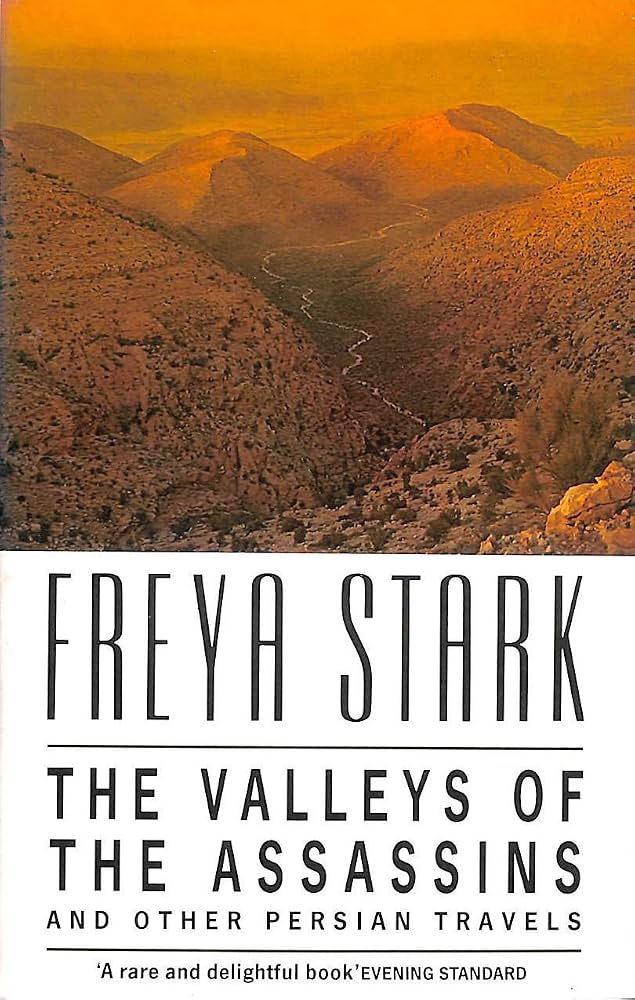
The Valleys of the Assassins and Other Persian Travels (1934) is Freya Stark’s most famous and important travel book. It also showcases the author’s signature literary style. It is the Historical Travel Books series, no. 12.
Freya Stark developed a fascination with the Middle East as a child after reading Arabian Nights. Published in 1934, it was her first major book and established her signature style, blending rugged exploration with rich observations of local history, culture, and geography.
A tale of adventure and archaeology
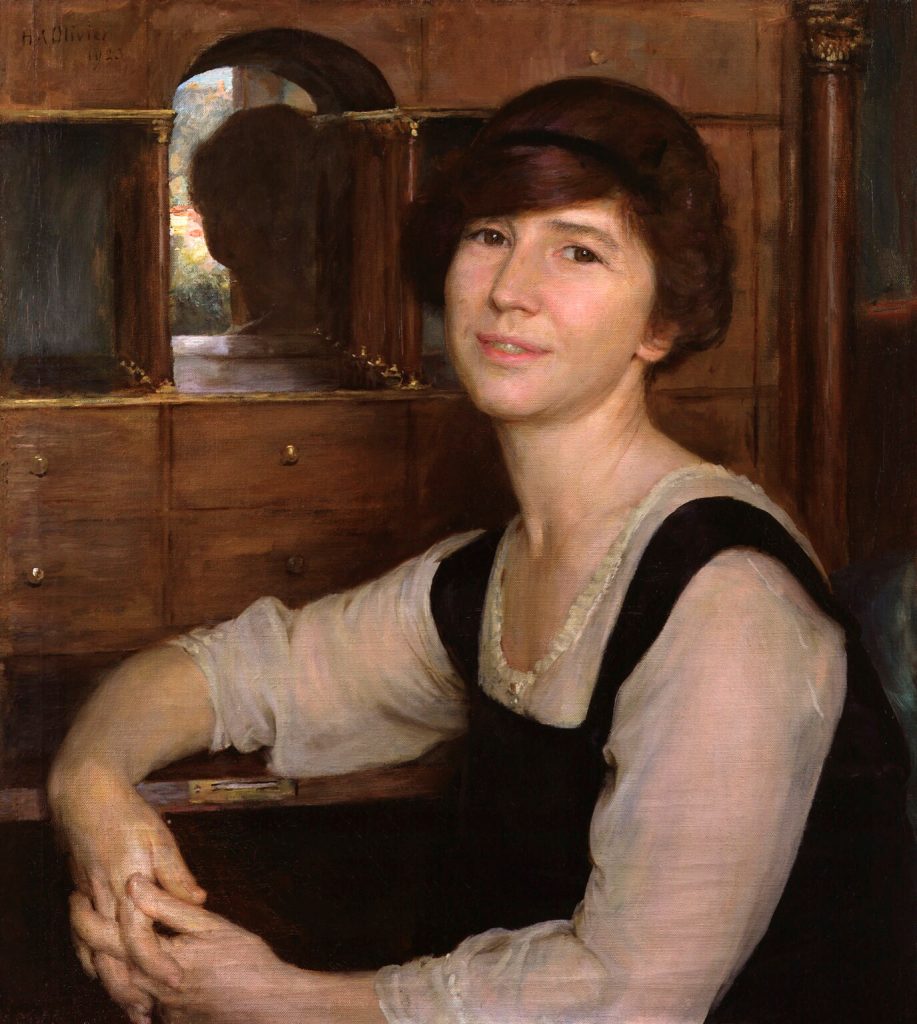
The Valleys of the Assassins is a tale of adventure, archaeology, and sheer bloody-minded gumption. Freya Stark moved to Baghdad, learned Arabic, and began exploring modern-day Iran and Iraq in the late 1920s and 1930s, mapping and searching for archaeological finds – and bona fide buried treasure. This book contains five short pieces detailing her adventures.
Growing up in near-poverty and denied a formal education, she didn’t leave Europe until her thirties. In 1927, she boarded a cargo ship to Beirut and went on to become one of her generation’s most intrepid explorers – her adventures would take her to remote areas in Turkey, the Middle East, and Asia.
Hailed as a classic
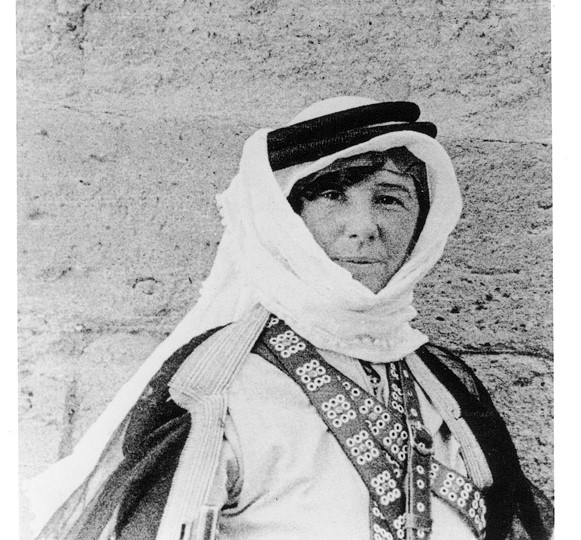
The book recounts her solo and semi-independent journeys to remote and dangerous regions of western Persia (modern-day Iran), including the mountain castles of the Nizari Isma’ilis (the “Assassins”) in Alamut and treasure-hunting trips in Luristan.
Stark was a woman of indefatigable energy who often traveled with only a single guide and on a shoestring budget, undeterred by discomfort and danger. Hailed as a classic upon its first publication in 1934, The Valleys of the Assassins is an absorbing account of people and places. Full of wit and rich in detail – and humanity – her writing brings vividly to life the stories of the ancient kingdoms of the Middle East.
Awarded by the Royal Geographical Society
Although she has a great deal of humanity, Stark seems rather detached from the emotional intensity of her adventures. If you believe her calm, composed writing, she drifted through everything fairly easily, and it all worked out in the end. She sets down her interactions with the police, the tribesmen, and her guides in a matter-of-fact way, even though on her travels she seems to have faced many setbacks, dangers, and complications. And yet she just pressed on.
The Royal Geographical Society awarded her the Back Award for her Luristan mapping and travels, and the book was reprinted multiple times within months of its release.
Historical Travel Books #12: The Signature Literary Style by Freya Stark, compiled by Tor Kjolberg.
Previous articles in our series of historic travel books:
Travels with a Donkey in the Cévennes
Frigate “Pallada” – A Tour Around the World
Historical Travel Books #9: Journey Without Maps
One of the Most Influential Travel Books of the 1930s: The Road to Oxiana
One of the Most Neglected Masterpieces of 20th-Century Travel Writing