Bergen – Norway – An Appealing Mix of the Cosmopolitan and the Outdoors

0

With its relaxed atmosphere, stunning setting and vibrant cultural life, Bergen in Norway is an appealing mix of the cosmopolitan and the outdoors, with easy access to the western fjords.

Standing on a peninsula surrounded by seven mountains, beautiful Bergen is Norway’s western capital and gateway to the fjords. Its relaxed atmosphere, stunning setting and vibrant cultural life make it an ideal base for a fjord holiday.

The Golf Stream blesses Bergen with a benign climate and a harbor that is ice-free year-round. But it also brings rain, some 2,250mm (89 inches), making Bergen the country’s wettest city, so be sure to pack an umbrella.

Bergen - Norway – An Appealing Mix of the Cosmopolitan and the Outdoors
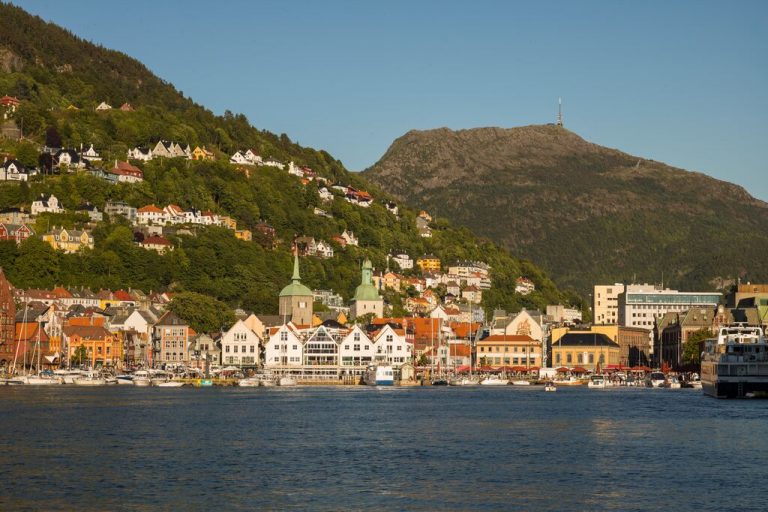
A walk through the atmospheric medieval quarter of Bryggen is a step back in time.P Photo: Foap/Visit Norway

Maritime traditions
With a population of 85,600 (2021), Bergen is a major port, with 10km (6 miles) of dockside. Until the railway eastwards over the high mountains to Oslo opened in 1909 Bergen was isolated from the rest of Norway. Scotland by ship was closer than Oslo, England less distant than Copenhagen. As the westernmost city in Scandinavia, Bergen soon became a crossroad of the north, and in the 13th century the capital of a united Norway. Its favorable location with respect to the other ports of Europe drew Hanseatic tradesmen (merchants from medieval German cities), who established a commercial community at the harbor. Fullriggers plied the port, with peak traffic in 1644, when more than 400 ships docked from Scotland alone.

In July 2014, Bergen was the stage host city for the Tall Ships’ Races for the fourth time, a spectacular event with more than 75 large sailing ships from 20 countries participating.
Bergen - Norway – An Appealing Mix of the Cosmopolitan and the Outdoors
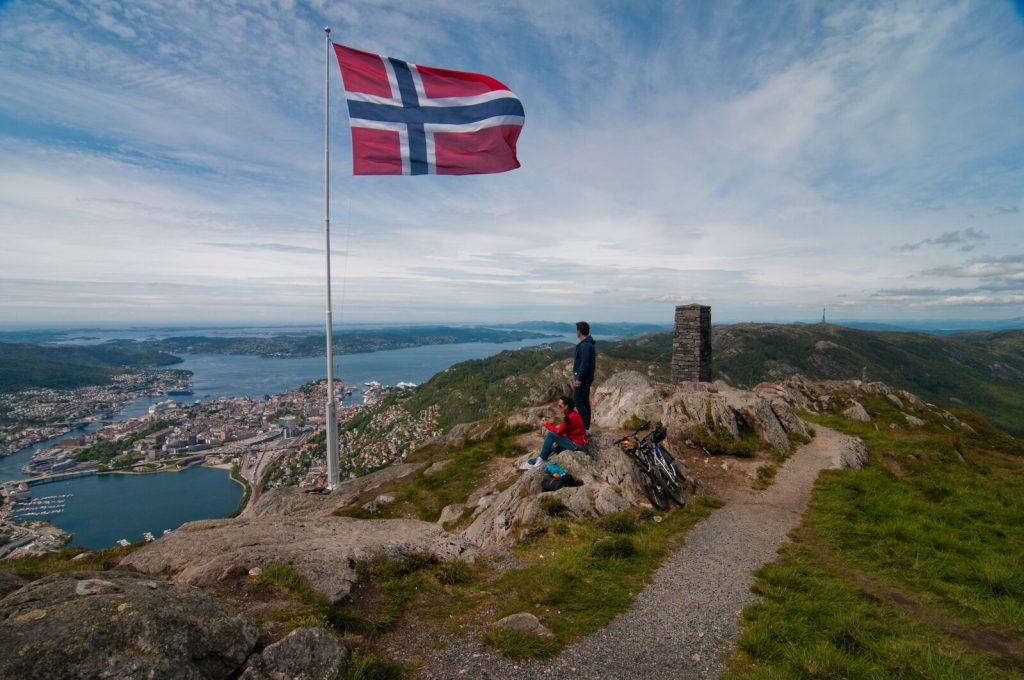
Magnificent biew from Mount Ulriken. Photo: CH/Visit Norway

A view from the top
The best place to go to get a feel for the city and take in its amazing natural setting is on the Fløibanen funicular that climbs more than 300 meters (1,000 feet) in just eight minutes from the city center to the top of Fløyen mountain, high above Bergen. At the summit there is a restaurant, gift shop, and a fantastic network of walking paths. Strike out alone or join the 1 ½ hour “Walk like a Norwegian” guided hike through the forests, past lakes and breathtaking views, learning about history, traditions and legend on the way. Children can go on a free treasure hunt.

For more breathtaking views of the city, fjords and islands, the Ulriksbanen cable car goes to the top of Mount Ulriken – at 643 meters (2,109 ft), the highest of the seven peaks that surround the city. You can walk for hours on marked trails, while enjoying panoramic views of the city and surrounding sea.

Related: Climbing Norwegian Mountains – Step by Step

Bergen - Norway – An Appealing Mix of the Cosmopolitan and the Outdoors
Fløibanen funicular climbs more than 300 meters (1,000 feet) in just eight minutes from the city center to the top of Fløyen mountain, high above Bergen. Photo: Fløibanen

Bryggen
A walk through the atmospheric medieval quarter of Bryggen is a step back in time, to before the Reformation. Many of the Hanseatic buildings remain – a film set in themselves, meticulously preserved and listed as a Unesco World Heritage site. Here, too, are museums, galleries, craft shops, fashion boutiques and eating places, interspersed with sailmakers, a freight company and a scrap metal dealer.

The earliest archaeological remains are in Bryggen Museum Guides from the museum conduct tours through the rows of Hansa houses and warehouses that line Bryggen. These were built after the great fire of 1702, which destroyed many buildings. A key to understanding the Hanseatic merchants’ way of life is to visit the Hanseatic museum housed in a 1704 trade house complete with original interiors.
Bergen - Norway – An Appealing Mix of the Cosmopolitan and the Outdoors
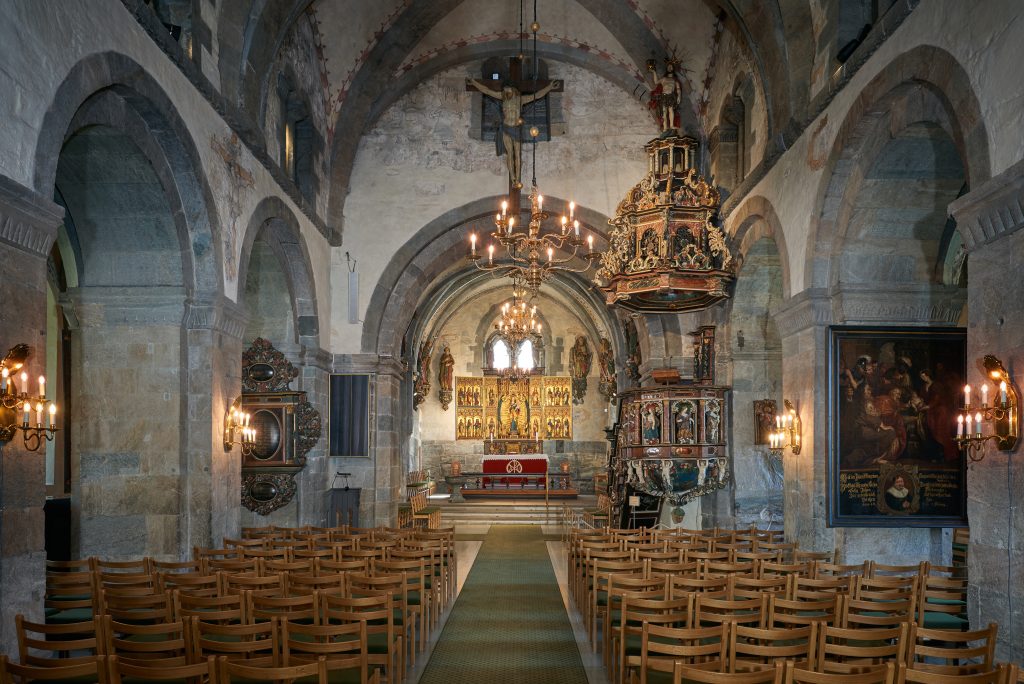
The oldest building still in use in the city, St. Mary’s Church (Mariakirken), built in the early 12th century. PHOTO: Den norske kirke

Nearby is the oldest building still in use in the city, St. Mary’s Church (Mariakirken), built in the early 12th century and justly proud of its rich Baroque pulpit. The other medieval churches to survive the periodic fires are Bergen Cathedral (Domkirken) and Church of the Holy Cross (Korskirken) both merit a visit.

Bergen – Norway – An Appealing Mix of the Cosmopolitan and the Outdoors, written by Tor Kjolberg

Feature image (on top): Photo by Berge Knoff/Visit Norway

Domestic Fossil Fuel Free Flights in Denmark

0

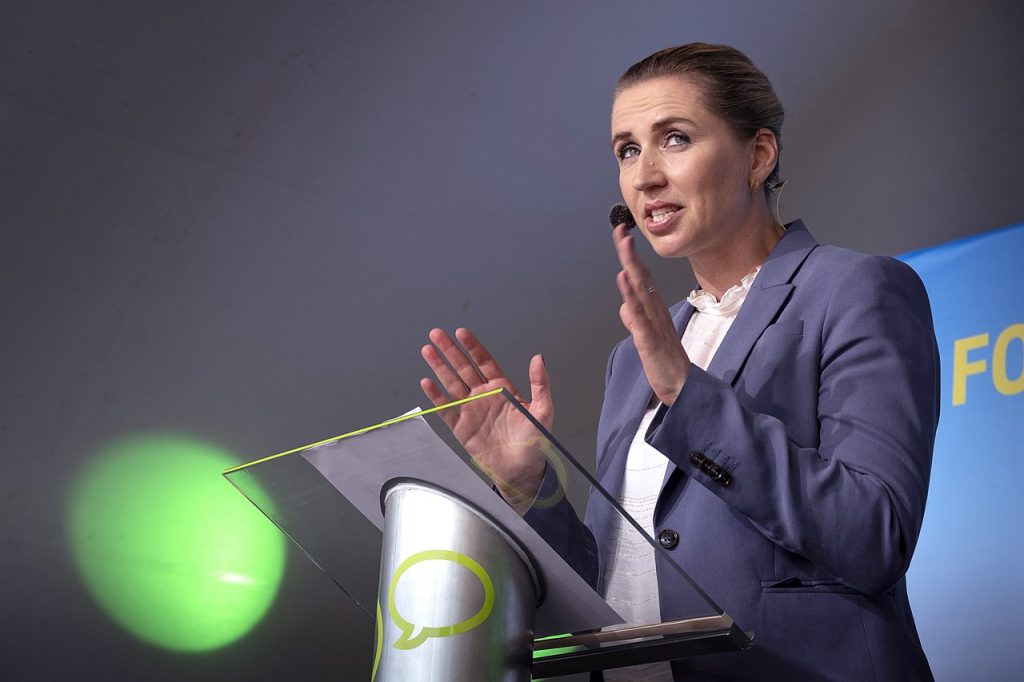
Denmark’s Prime Minister Mette Fredriksen says she wants to accomplish flying green and domestic fossil fuel free flights in Denmark by 2030.

The Danish government has announced its intention to make all domestic flights free of fossil fuels by 2030. By 2025 at the latest, the first domestic flights in Denmark are to start using “green” fuel. It was during the prime minister’s New Year’s address she said that Denmark is looking to cut its carbon emissions by 70% against 1990 figures by the time 2030 arrives. Nonetheless, she concedes that the solutions to reach this goal have not yet been implemented.

Domestic Fossil Fuel Free Flights in Denmark
ZERO concept aircraft Patrol Flight. Photo: Electrec

To travel is to live
“To travel is to live and therefore we fly,” said the Prime Minister, announcing her plan. “If other countries in the world are too slow, Denmark must take the lead and raise the bar even higher,” Frederiksen is quoted as saying. She added that achieving green domestic flights would be difficult but researchers and companies were working on solutions.

The Danish prime minister did not yet specify a concrete technology – synthetic paraffin, but also battery-electric or fuel cell-electric aircraft are in the running. Despite the strategy needing to be finalized, there are already ambitious initiatives in place across the aviation spectrum. For instance, Airbus shared last year that it seeks to have all its aircraft 100% sustainable aviation fuel (SAF) compatible by 2030, the same year that Denmark chose to reach its goal.

Domestic Fossil Fuel Free Flights in Denmark
“To travel is to live and therefore we fly,” said the Prime Minister, announcing her plan.
Photo: News Øresund – Johan Wessman.

Related: Will Norway Be The First Market For Electric Commercial Flights?

Renewable energy
If the hydrogen used to fuel them is generated using renewable energy, this could be a way for Denmark to reach its goals. However, it remains to be seen whether battery-electric aircraft with a corresponding range and passenger capacity will be available by 2030. The same applies to fuel cells, which require hydrogen from renewable energies. The high energy demand for synthetic fuels is also a point of criticism, and it is still unclear by when plants will be built that can produce synthetic fuels on a larger scale – and at what cost.

Notably, Scandinavian Airlines (SAS), which is the flag carrier of Denmark, along with being the national carrier of Norway and Sweden, has been showing its commitment to fly more sustainably. The carrier recently partnered with Airbus to deliver green aircraft and explore sustainable sources of biofuel.

Domestic Fossil Fuel Free Flights in Denmark
Fuelling bioenergy. Photo: Bioenergy International

Related: Norwegian Air Carrier’s World Premiere of New Generation Aircrafts

Numerous companies are developing zero-emission aircraft
Sweden has also announced plans to make its domestic flights fossil fuel-free by 2030. It is also hoping to make international flights green by 2045. SAS wants all its domestic flights within Scandinavia to be powered by biofuel by 2030, fitting in line with Denmark’s target.

Related: Climate-Smart Airports in Sweden

The Danish government has also announced plans to introduce increased airport fees for high-polluting planes. Currently, numerous companies are developing zero-emission aircraft – including larger passenger planes. The US start-up Wright Electric wants to convert a 100-seat aircraft, ZeroAvia and Mitsubishi are currently developing an H2 engine for a regional jet – to name just two examples. About a year ago, Airbus presented an aircraft study with six detachable fuel cell propeller drive systems – but the company is not aiming for an emission-free commercial aircraft until 2035.

The Nordics at the forefront
“We are actively working on reducing onboard weight and on improving and reviewing all onboard consumables, but the biggest investments are in new, modern and more energy efficient aircraft. In addition, in 2019 SAS and Airbus signed a declaration of intent to research around the development of electric aircraft,” SAS stated in a press release.

Meanwhile, France is moving to ban domestic flights where the same journey could be made by train in under two-and-a-half hours. However, the Danish Prime Minister does not want to give up flights – and domestic flights – altogether. “Travelling is life and that’s why we fly. But at the same time, it harms our climate. We want to make flying green,” she said in the New Year’s address.

Domestic Fossil Fuel Free Flights in Denmark
Scandinavian Airlines (SAS), which is the flag carrier of Denmark, along with being the national carrier of Norway and Sweden, has been showing its commitment to fly more sustainably. Photo: Electrek

The Nordics have generally been at the forefront of biofuel technology in recent years. For instance, Finland-based Neste has been collaborating with several key aviation powerhouses to introduce SAF across the industry. The company has developed MY Sustainable Aviation Fuel, which is a drop-in solution that is readily available and already being utilized commercially.

Sweden is also reportedly aiming to make domestic air travel fossil fuel-free by 2030. In Norway, all short-haul flights are to be purely electric by 2040.

Domestic Fossil Fuel Free Flights in Denmark, written by Tor Kjolberg

Feature image (on top) Photo by Biofuels International.

What’s It Like Being a Digital Nomad in Sweden

0

Stockholm is one of the most technologically advanced and naturally charming cities in the world. Once moving to the city, you can change your life greatly. There are more than enough possibilities to create and develop your personal business. Moreover, you can easily join the impressive number of Swedish nomads and start working on your terms. With the top offers from leading innovative firms, you can take your chances in any related niche. It is also highly beneficial to create your business in the city. Learn more about what’s it like being a digital nomad in Sweden.

You can easily launch your business and implement your effective business strategies. What is more, the city offers a chance to change your habits drastically. You can come up with the top ideas to make your daily regime more scheduled. Many digital innovations that ease your workdays allow keeping your health and emotional state up. Besides, Stockholm is a very safe city with low criminal activity. You can leave your expensive vehicle on the street without worrying it could be stolen. Many big cities in the world cannot assure such advanced safety for sure.

What’s It Like Being a Digital Nomad in Sweden
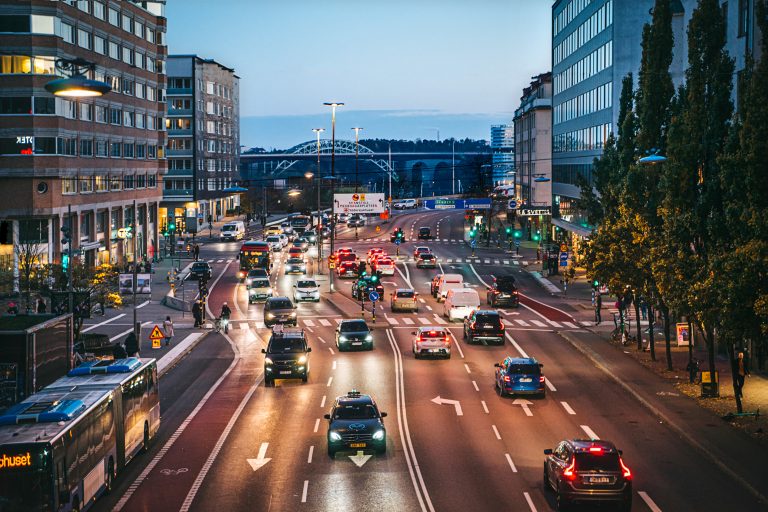
Stockholm is a very safe city with low criminal activity. Photo: Melker Dahlstrand

Related: Doing Business in Sweden

Starting Your Business in Stockholm
Stockholm hosts lots of innovative digital agencies, marketing firms, and other companies that hire employees from all corners of the world. It means the employment trends in Stockholm are quite progressive. There is no need to stay in the same city to join big modern companies. Besides, modern start-ups and advanced companies bring all the benefits for their employees. The modern workers at digital firms have all the rights and guarantees any standard office worker gets. It includes medical insurance and retirement benefits as well. Thus, becoming digital nomads in Sweden in Sweden is highly beneficial. You can still travel the world or stay in any far place on the Earth. Modern digital technologies assure flawless employment plans and an effective working regime.

Besides, many studies prove that a comfortable working atmosphere assures better creativity. Thus, office routine is no longer necessary. Moreover, it is rather a disadvantage. In such cities as Stockholm, you can visit lots of comfy co-working places or work from home. You can easily stay in Sweden for good. You will surely decide on the idea once you learn what is Sweden like.

What’s It Like Being a Digital Nomad in Sweden
Stockholm is the perfect place to live and work. Photo: Jesper Landscape/IKEA Foundation

Related: Sweden – The Best Start-Up Country in the World

Sweden is the perfect country for people who like a challenge and easily adapt to modern innovative solutions. This is the perfect place to live and work. The socio-economical qualities are excellent. You can always earn a decent salary, enjoy fair prices and utility bills, and live in safe neighborhoods. What is more, you can connect with a bunch of influential people in your niche in the city.

Pros and Cons of Living in Stockholm, Sweden
There are many advantages of living in Stockholm, Sweden. To be honest, people rarely care about living in Sweden pros and cons. If they have chosen Sweden already, there are more than enough reasons for that. Firstly, Sweden is one of the most highly developed countries in the world. It means this is a first-world country with all its advantages. The impressive digital development and innovative solutions in business are always assured. Secondly, Sweden hosts over 700 profitable start-ups. And it is a number at this current moment. Surely, there will be more successful businesses launched in Sweden shortly. Finally, Sweden allows you to manage the best possible work/personal life balance.

The recent reports on the happiest countries in the world had ranked Sweden 7th. Besides, the quality of the Internet connection is super-fast and flawless. Thus, you can implement any of your business ideas without any digital troubles. Sweden is hugely invested in digital solutions and modern innovative software and devices. In general, the country is ultra-modern. Therefore, there is no real question is Sweden a good place to live.

What’s It Like Being a Digital Nomad in Sweden
In cities like Stockholm, you can visit lots of comfy co-working places or work from home. Photo: Ulf Grunbaum

Related: Michael Booth on Sweden

Because Sweden is probably one of the best places to live in the world. The most tolerant society and a low criminal activity make it even better to start building your life and business in Sweden. It can be a little hard to adapt to rough winter weather or the alcohol regulations that assure it can be sold only in bars and restaurants. Still, the overall number of benefits surely make these issues completely unnoticed.

What’s It Like Being a Digital Nomad in Sweden – Final Thoughts

When you know what’s it like to live in Sweden, you understand why lots of business owners and developers launch their start-ups in Stockholm. The ultra-modern digital solutions, the fastest Wi-Fi connection, high socio-economic qualities, and exceptional nature make Sweden one of the best places to live. Moreover, it also makes Sweden the best place to launch your business in the world. For digital nomads who tend to become successful, Sweden is an exceptional place to develop your successful business and boost your creativity.

What’s It Like Being a Digital Nomad in Sweden
Aston Rhodes

What’s It Like Being a Digital Nomad in Sweden, written exclusively for Daily Scandinavian by Aston Rhodes. Aston is an experienced content creator and marketing expert from JatApp application development company. Aston has been helping authors improve their blogs for over 5 years and turn this hobby into a business. She does research and discussion on tech-related topics. She enjoys sharing her experiences with a like-minded audience and writes about software development, digital marketing, business, career, and more.

All images © Image Bank Sweden

Feature image (on top): Photo by Lieselotte van der Meijs

Your Beach Hotel in Kristiansand – Norway

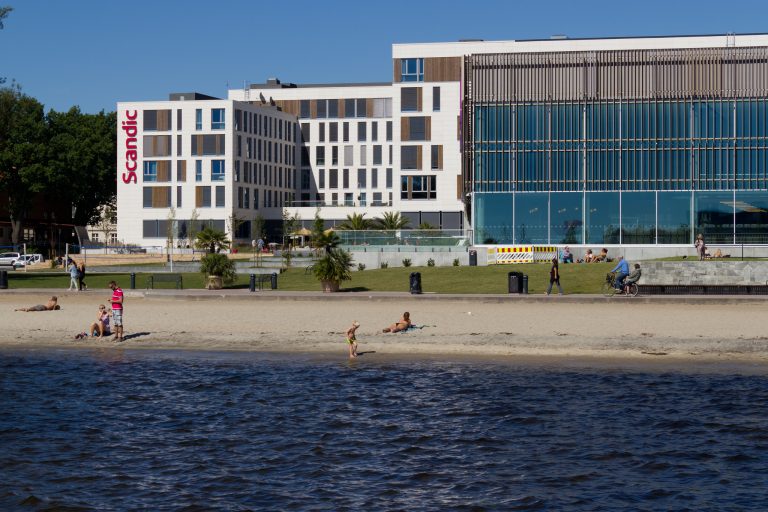
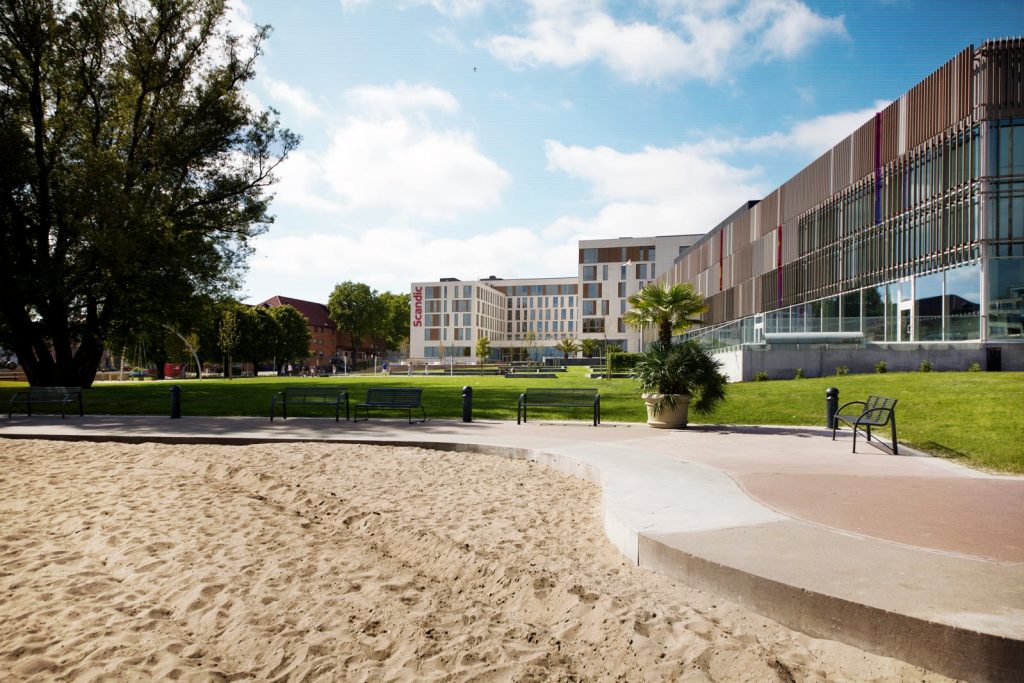
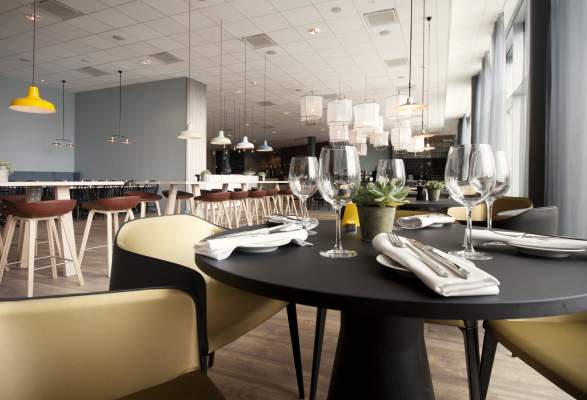
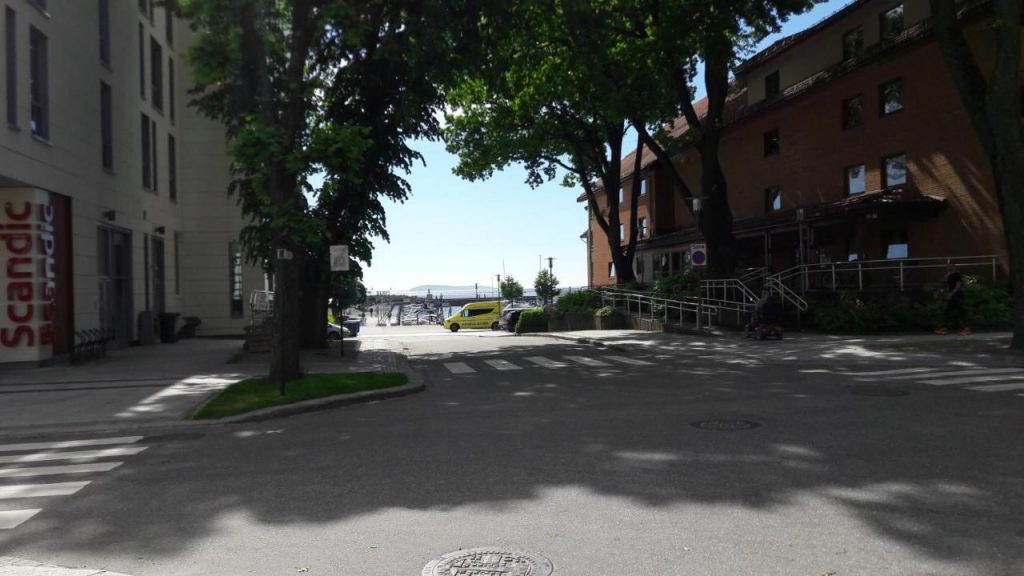
Just 8 minutes’ walk from the shopping street Markensgate in downtown Kristiansand, you’ll find Hotel Scandic Kristiansand Bystranda (City Beach). It opened in February 2013 and has become one of Southern Norway’s most popular hotels. It’s an obvious choice – your beach hotel in Kristiansand – Norway.

The hotel is located next door to the Swimming-hall Aquarama Center, which includes a water park, gym and a spa. Guests can use the gym for free and can get discounts on the waterpark tickets.

Your Beach Hotel in Kristiansand – Norway
Hotel Scandic Bystranda is located by the beach in Norway’s fifth largest city

Related: Holiday Heartland

Located by the beach
Located by the beach in Norway’s fifth largest city, the location is certainly ideal. The hotel has also a restaurant taking advantage of being right next to the beach offering the finest local delicacies from the sea in tasteful dishes. While Hotel Scandic Kristiansand Bystranda is looking to attract tourists and business people from around Norway and abroad, the restaurant has been popular among local customers on a regular basis. Spectacular views of the sea can be enjoyed from the hotel terrace.

Your Beach Hotel in Kristiansand – Norway
The restaurant located right next to the beach is offering the finest local delicacies from the sea in tasteful dishes

You can also satisfy your appetite between meals with a hearty snack in the hotel’s adorable bistro-café.

Related: The Norwegian Riviera

Your Beach Hotel in Kristiansand – Norway
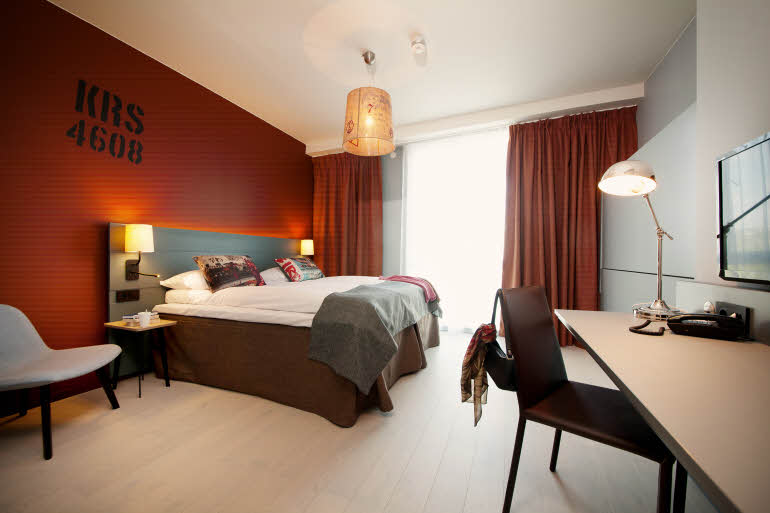
There are four types of rooms at Scandic Bystranda.

Rooms
There are four types of rooms available at Hotel Scandic Kristiansand Bystranda; Standard, Standard Family Four, Superior and Superior Plus.

For couples, pets and business people

According to booking sites, couples particularly like the location. Pets are permitted in this cozy hotel. During the summer most of the guests are tourists. During the rest of the year the hotel attracts business clients visiting Kristiansand’s vibrant industry. The hotel also offers facilities for meetings and conferences.

Your Beach Hotel in Kristiansand – Norway
According to booking sites, couples particularly like the location

Easily accessible
There is ample parking available for the visitors, so parking is no problem. The train station is within 1.5km of the hotel, and Kristiansand Kjevik Airport is a 20-minute drive away. Kristiansand zoo and amusement park is 15 minutes’ drive away.

Related: Business and Pleasure in Kristiansand – Norway

Thanks to international direct flights starting up again to Kristiansand, the city and the region are accessible from the rest of Europe too.

Your Beach Hotel in Kristiansand – Norway, written by Tor Kjolberg

All images © Scandic Hotels

Royal Mail is Testing Norwegian Electric Parcel Delivery Vehicle

0

It looks like a golf cart, but has become a workhorse and quite a Norwegian industrial adventure. Royal Mail is now testing the Norwegian Electric Parcel Delivery Vehicle Paxter.

Digitalization and eCommerce have changed the make-up of what is being delivered. The volume of parcels is growing rapidly. The number of small parcels with individual delivery addresses is increasing the most in the delivery mix. Last mile logistics are so complicated that the final leg often accounts for about half the cost of a package’s entire journey.

English Royal Mail is Testing Norwegian Electric Parcel Delivery Vehicle
The small Norwegian electric vehicle Paxster EDV for delivery of mail and parcels is now used by a number of companies, including the Norwegian Postal Service.

Related: The Postman Pat Vehicle From Norway

Paxter is produced by Loyd’s factories in Sarpsborg, which originally produced compartments for utility vans for the automotive industry. It produced ompartments for brands such as VW, Toyota and Renault. In 2013 the first version of the Paxter was launched, and so far, more than 3,000 vehicles have been produced.

Time-consuming process
It was time-consuming, not least in the first development phase, to change from a parts supplier to a car manufacturer. A lot of new knowledge was required to develop, test, approve and produce a vehicle, particular in the context of functional electronics.

English Royal Mail is Testing Norwegian Electric Parcel Delivery Vehicle
Paxter is produced by Loyd’s factories in Sarpsborg

By 2030, almost 60 per cent of the world’s population will live in urban areas. Traffic congestion, noise and air pollution are pressing problems, calling for safer, greener, more efficient solutions for delivery of post and goods.

Related: Norway: Country of Electric Vehicles

Norwegian Mail’s test lab
Loyd has long been Norwegian Mail’s test lab. For a number of years, the factory has worked to adapt cars, mopeds and bicycles to mail-distribution in harsh environments. Paxster is specifically designed for last-mile distribution of goods – that is, delivery from a transportation hub to a final destination in the home. Produced in Norway, the vehicle can withstand rough road and weather conditions. The small size of the vehicle makes it efficient in traffic and easy to park. Its small environmental footprint makes it an ideal delivery vehicle for cities.

Related: World’s Largest Electric Ferry Now Operational In Norway

English Royal Mail is Testing Norwegian Electric Parcel Delivery Vehicle
“It’s really exciting to see these micro electric vehicles making their way into our daily deliveries”, says Simon Thompson, CEO at Royal Mail

Royal Mail committed to reduce environmental impact
Simon Thompson, CEO at Royal Mail, said, “It’s really exciting to see these micro electric vehicles making their way into our daily deliveries. At Royal Mail, we’re committed to keeping on reducing our environmental impact and we intend to leave no stone unturned in trialing new technologies and new ways of delivering to help us do that. As our fantastic posties make most deliveries on foot, this already means we have the lowest reported CO2 per parcel of major UK delivery companies. From drones to electric vehicles, fuel-efficient tires to bio-CNG trucks, we’ll keep on innovating to reduce our environmental impact even further.”

Once the trial period has ended, Royal Mail will make a decision on whether to roll out this category of vehicles more widely across its fleet to complement more conventional vehicles.

Royal Mail is Testing Norwegian Electric Parcel Delivery Vehicle, written by Tor Kjolberg

8 Top Places to Eat Gluten-free in Stockholm

0

The gluten-free diet is gaining more and more popularity around the world. Fortunately, there is no problem with enjoying delicious and healthy gluten-free food when traveling. Stockholm, for example, offers a wide range of cafes and pastry shops where you can enjoy delicious and even gourmet dishes that will help you forget about gluten intolerance. Which cafes are worth visiting? Below you will find the 8 top gluten-free places to eat gluten-free in Stockholm.

Stockholm is a great choice for travelers. This is a city with an aristocratic touch that impresses with its elegance and well-established traditions. You can feel this atmosphere at every corner of the city, and modern cafes do not lag in this issue. At the same time, they are guided by the latest trends. That’s why there are cafes that offer a gluten-free menu as well.

Related: Alternative Dining Options in Scandinavia

Stockholm is ready to delight its residents and visitors with gluten-free diet places. Here you can forget about all the restrictions and not ask the waiter about the ingredients of each dish. Feel free to choose a cafe from this list and satisfy your gastronomic preferences. Also, don’t forget about medical insurance plans for safe trips.

8 Top Places to Eat Gluten-free in Stockholm
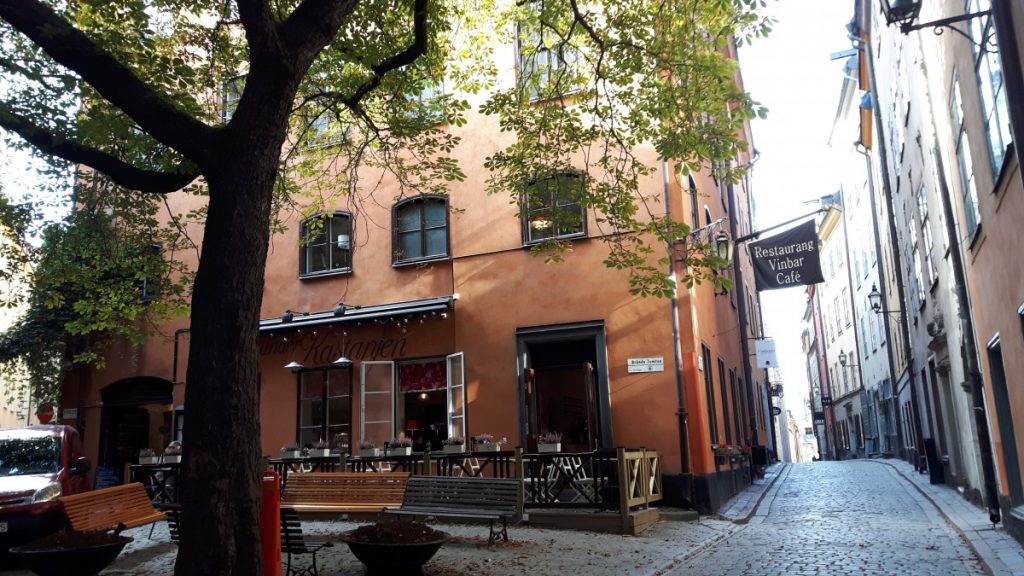
If you walk in Stockholm’s Old Town, this cafe is hidden behind a large chestnut tree in the square. Photo: Wikipedia Commons

Under Kastanjen
If you walk in the Old Town, this cafe is hidden behind a large chestnut tree in the square. This is a baking paradise for those who know what allergies are or are trying to avoid gluten. All food, bread, and desserts are made in a specialized bakery with an emphasis on a gluten-free diet.

There are options here for vegans and for those who love less-than-standard healthy food choices. Therefore, this place will become universal for all people with any food preferences. Well, there are gourmet options here that will undoubtedly change your opinion on gluten-free food.

Related: Veggie Mania in Scandinavia

8 Top Places to Eat Gluten-free in Stockholm
There is not only gluten but also refined sugar-free dishes at Eat Your Garden. Photo: Thatsup

Eat Your Garden
This is another place to look for if you’re searching for a gluten-free spot. There are a variety of dishes here, including but not limited to cakes and pastries. At the same time, there is not only gluten but also refined sugar-free dishes. This cafe’s menu offers vegan dishes made with organic and local ingredients. There is also gluten-free bread here if you want to find a place to shop for baked goods.

8 Top Places to Eat Gluten-free in Stockholm
In Dirty Coco, you can satisfy all your needs for delicious and sweet desserts without worrying about gluten. Photo: Thatsup

Dirty Coco
If you are a real sweet tooth, then a gluten-free diet is not a sentence for your addiction. In this place, you can satisfy all your needs for delicious and sweet desserts without worrying about gluten. By the way, this place has a very interesting interior, which creates an atmosphere of chic and flirtatiousness. This is a real fairy tale for those who love sweets and gluten-free food. It is also recommended to pay attention to the assortment of drinks, among which there is an interesting selection of coffee. You will also love the eco-design of the cafe Dirty Coco

Related: Why More People Should Eat the Nordic Diet

Cafe Så Gott
Are you looking for a place where you can forget about your special nutritional needs? Here you can enjoy a healthy breakfast, lunch, and dinner. If you are having a party, this is not a problem, this place is great even for those with no diet restrictions or special preferences.

It also has a great range of delicious pastries and desserts. This cafe is very cozy and will undoubtedly become a favorite of those who want to eat healthy food in a great atmosphere.

8 Top Places to Eat Gluten-free in Stockholm
Mahalo prioritizes organic ingredients taking care of both the health of the visitors and the environment. Here from S¨dermalm. Photo: Mahalo.

Mahalo
Food allergies are not a reason to skip dining out, and this place is proof of that. This establishment prioritizes organic ingredients taking care of both the health of the visitors and the environment. The restaurant’s menu includes salads served in modern acai bowls.

There is also a good assortment of vegan treats such as cheesecakes, nutballs, and so on. All of these desserts are free of refined sugar and are made with safe ingredients. At the same time, you can take food with you, which is very convenient if you want to eat something tasty during lunch at work.

8 Top Places to Eat Gluten-free in Stockholm
Healthy street food is a rarity these days, but The Green Queen breaks those stereotypes. Photo: Thatsup

The Green Queen
If you are one of those who like to have a snack on the go, then this is the place for you. Healthy street food is a rarity these days, but The Green Queen breaks those stereotypes. The only drawback is that you can only taste the food there during the summer season. But in summer, you can enjoy organic food that doesn’t contain refined sugar or gluten. There are amazing quinoa salads, grilled quesadillas, wine, and much more to brighten up your summer days without worrying about the quality of the food.

8 Top Places to Eat Gluten-free in Stockholm
Enjoy various salads, raw cakes, pastries, and smoothies at BodyBuddy. Photo: Thatsup

BodyBuddy
Delicious food can bring not only pleasure but also benefit. Think differently? BodyBuddy will change that mind forever. There are various salads, raw cakes, pastries, and smoothies. At the same time, this place focuses not only on those who suffer from gluten intolerance but also on vegetarians, who suffer from lactose intolerance or allergies.

Here, there is an opportunity to enjoy food for everyone who cares about their health or has any restrictions. This place can become a favorite choice for those who are worried about not only “spiritual food”.

8 Top Places to Eat Gluten-free in Stockholm
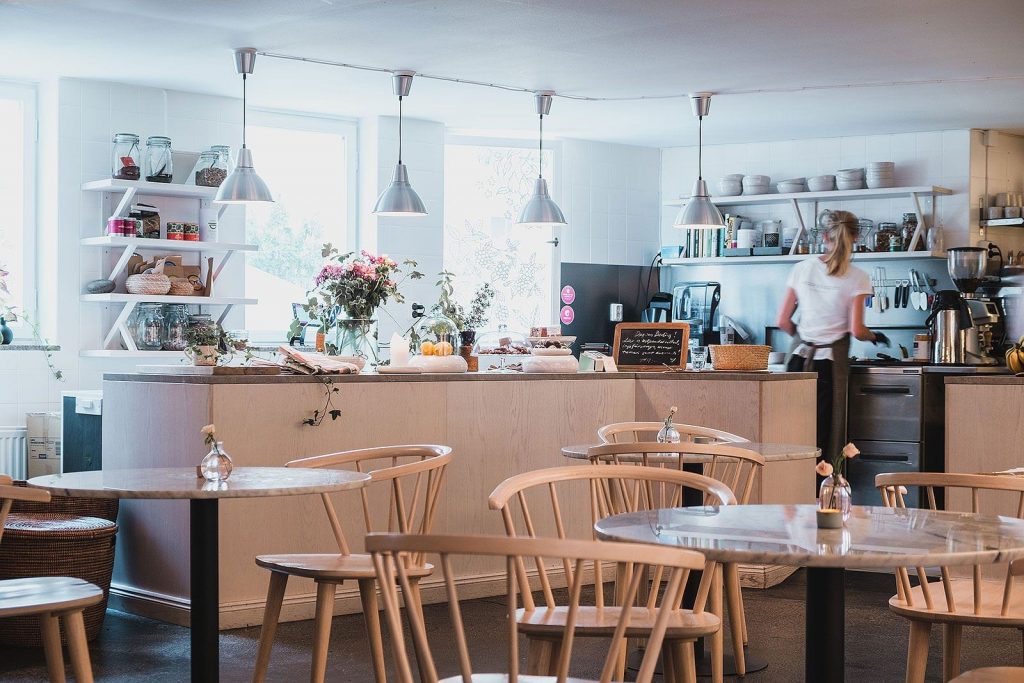
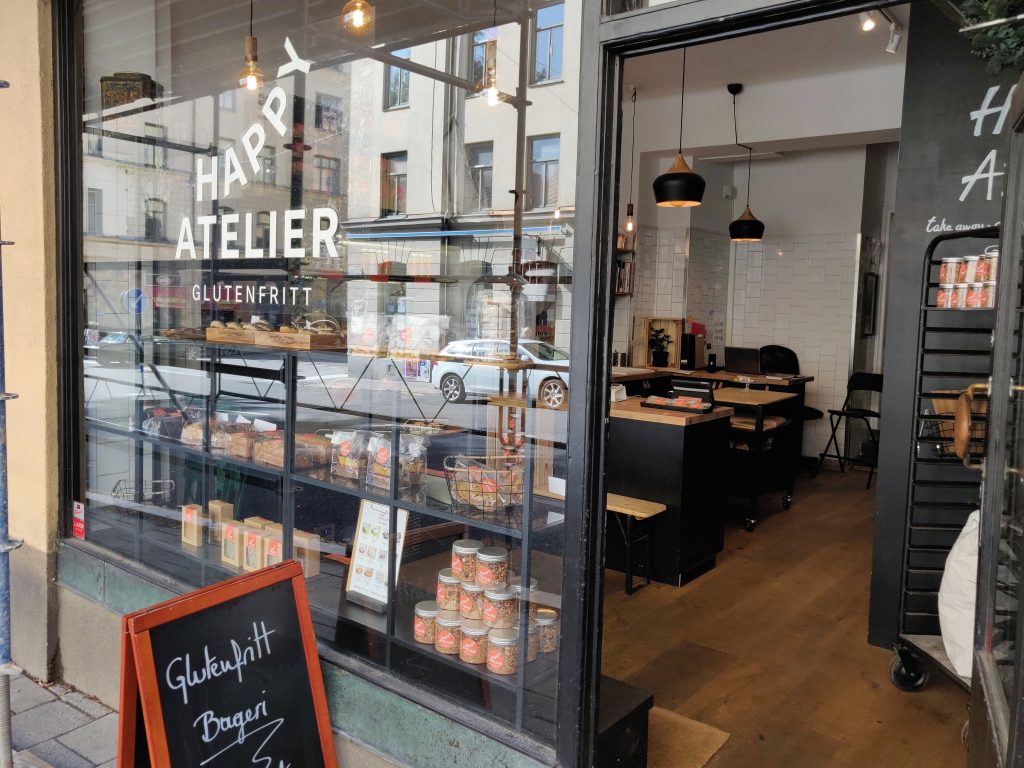
Freshly baked bread and other pastries are sold at Happy Atelier. Photo: Happy Atelier

Happy Atelier
Bakery and desserts are the pain point for those with gluten intolerance. But, this place solves the problem of such people and allows you to enjoy pastries and desserts without fear for your health. Freshly baked bread and other pastries are sold here.

You can either buy bread and other products here or stay for a while with a cup of coffee. Therefore, in this cafe, gluten intolerance is not a problem for those who love pastries and other desserts.

8 Top Places to Eat Gluten-free in Stockholm – Final Words
Stockholm is a great choice to travel and live in. This city has learned to be warm from the inside despite its northern geographic location. Even the presence of food allergies or gluten intolerance can be solved in this city easily. There are many cafes open for you that offer amazing food for those who are on a gluten free diet.

8 Top Places to Eat Gluten-free in Stockholm
Isabelle Jordan

8 Top Places to Eat Gluten-free in Stockholm, written dedicatedly for Daily Scandinavian by Isabelle Jordan. Isabelle is a business and marketing journalist at Ekta insurance company. She writes for different news portals and thematic blogs that helps her stay at the heart of the travel and insurance news. Such work gives her the opportunity to write articles on the most relevant topics of today.

Feature image (on top): Photo by Happy Atelier

A Moderately Happy Norwegian Boy

0

The Norwegian illustrator, graphic designer and writer Kari Stai (47) was awarded the Brage Prize in1912 for children’s literature with her Jakob og Neikob. Tjuven slår tilbake. Her recent book “Passe Happy” (Moderately Happy) seems to have an international appeal. It will be published in Danish next month. Read more about the fascinating story about a moderately happy Norwegian boy.

The book Passe Happy is about Juri who is 12 years old and feels insecure about absolutely everything. By himself he tries to figure out love, football and how far his tongue should go into a kiss before one cannot breathe. Because, Sofi is so nice that Juri loses his breath. Juri, however, does of course not want to die. He just wishes that everything was as before. That Dad did not have to leave. That best friend Evy did not become so weird.

A Moderately Happy Norwegian Boy
The book Passe Happy is about Juri who is 12 years old and feels insecure about absolutely everything.

Why does he have so many feelings? Now, the globe is spinning too fast. If only it could stand a little bit more still.

Related: The World of Astrid Lindgren

Good reviews
The book has received good reviews. Klassekampen’s Jonas Bals writes, “Stai writes about feelings I had almost forgotten” and adds, «Kari Stai writes with warmth and humor, in short sentences that make some of the pages reminiscent of a long poem, many of them beautifully illustrated by the author herself. In a surprisingly short time, she manages to establish a credible and real universe».

A Moderately Happy Norwegian Boy
“Stai writes about feelings I had almost forgotten” wrote Jonas Bals in the Norwegian newspaper Klassekampen

The book will be published by the Danish publisher Straarup & co. next month, titled «Fint nok» (Nice enough).

Related: The Coolest Library in the World for Kids – in Norway

Published in Denmark in February
“Fint nok” is a present and nice story about what it is like to be 12 years old and completely confused about life. The book is written with lots of humor and empathy by Kari Stai and is especially aimed at children from 10-13 years.

Related: Do You Know Peter No Tail From Sweden?

A Moderately Happy Norwegian Boy
Kari Stai comes from Inderøy municipality in Nord-Trøndelag

About Kari Stai
Kari Stai comes from Inderøy municipality in Nord-Trøndelag. She has studied at Telemark University College (1996-1999), Oslo School of Drawing and Painting (1993-1996) and Oslo Academy of the Arts (2000-2005) where she majored in visual communication.

A Moderately Happy Norwegian Boy
The book is written with lots of humor and empathy by Kari Stai and is especially aimed at children from 10-13 years.

Kari has since worked especially with illustration in magazines and books. In 2008, she debuted as an author with the picture book Jakob og Neikob, “a humorous and surrealistic tale about friendship, unfriendliness and foreign countries”. In 2010, came Blodrik and Blodfabrikken. Both books are written in New Norwegian and published by Det Norske Samlaget.

The illustrations are characterized by clear lines, smooth surfaces in a few, coordinated colors, stylized figures, geometric shapes and a graphic expression.

A Moderately Happy Norwegian Boy, compiled by Tor Kjolberg

Scandinavian Horseradish

Horseradish is to the Scandinavian kitchen what chili is to the south and east. Its hot flavor, high vitamin content and very potent anti-inflammatory effect have probably done more to keep us alive than any other food in the north during cold or wet winter months when there are few other greens to choose from. Learn more about Scandinavian horseradish below.

How it grows
Horseradish is a perennial that grows wild all over the northern hemisphere in fertile soil. It’s a handsome, big-leaved plant to cultivate in a wild corner of the garden. It spreads vigorously by seed, but young plants are easy to remove – and eat.

Both the fragrant, white flowers and the roots are edible. The only problem when growing it is harvesting the roots if you want them whole. The taproots are up to 60cm long, and you may have to settle for smaller bits of it, unless you grow it as the professionals do: at a sharp angle, almost lying down, in extremely loose soil. But less will do – a short piece of horseradish root is enough for paper-thin shavings for a whole family. There are no cultivars available, but even wild plants show huge variation.

Scandinavian Horseradish
Horseradish is a perennial that grows wild all over the northern hemisphere in fertile soil. Photo: Asmund Asdal/Nibio

Related: Scandinavian Herbs

Appearance and taste
Horseradish, as a spice, is primarily a huge root, and the fresher it is, the more powerful the flavor. Grating horseradish can make you weep as the volatile oils are very pungent. The one growing in your garden or gathered from the wild is bound to be more flavorsome than industrially grown horseradish. The outer layers of the root are generally milder, the core more pungent.

Health benefits
This hot and spicy vegetable contains lots of vitamins and a very potent anti-inflammatory. In fact, it kills gems so effectively that it’s always included in pickles, doing the job perfectly while adding pungency and flavor.

Scandinavian Horseradish
Celery soup with horseradish and chives. Photo: Kiwi

Related: Scandinavian Lovage

Buying and storing
Fresh horseradish can be very difficult to find in shops, but beware of the convenient, ready-grated kind. This has absolutely no flavor, which is not so convenient after all. Fresh roots will keep for weeks in a plastic bag in the fridge.

Culinary uses
Horseradish is either grated very finely to go in a cream or sauce, or shaved extremely thinly to top sandwiches, fish or meats, or to make a relish. The shavings tend to be sweeter and mor flavorsome the finer the root is grated. As with chili, you have to wait a while after adding it to a dish to taste the full effect, especially in cold sauces such as the classic horseradish cream for smoked fish. It may be mild to start with, but given half an hour the flavor will develop.

Scandinavian Horseradish
Rye bread with egg, caviar and horseradish. Photo: Mills

Horseradish is cherished as an accompaniment for plain baked or boiled lean fish with butter sauce. It is served with all kinds of cold cuts, with smoked meat and fish, for steak tartare and for the lovely traditional sweet-sour horseradish sauce eaten with the boiled meats from the festive soup, hønsekødsuppe.

Related: Scandinavian Poor Man’s Asparagus

Horseradish is also the classic dance partner for all kinds of beetroot preparations; in salads, relishes and with pickled beetroot, the earthy sweetness of the beet is perfectly balanced by spiky horseradish.

Horseradish has only one flaw, its taste and effects do not stand up to high temperatures. Therefore, it should be added at the very last moment to a sauce or dish, or simply shaved on top – otherwise the taste will vanish, leaving drenched and bitter wood-like shavings.

Scandinavian Horseradish
Smoked salmon with horseradish. Photo: Norwegian Information Office for Bread and Grains

Smoked salmon with horseradish cream

200ml crème fraiche
4 tablespoons finely grated horseradish
A pinch of sea salt
A pinch of sugar
8 slices cold-smoked salmon (preferably wild)
1 bunch of fresh dill
4 slices sourdough bread

SERVES 4

Mix together the crème fraiche, grated horseradish, salt and sugar. Ideally, let the sauce sit for half an hour to bring out the flavor.

You can serve the dish in two ways. Either spread the horseradish cream directly on to four plates, put the slices of salmon on top and decorate with dill, serving the bread on the side. Or spread some of the cream on the bread, arrange the salmon on top and put another blob of the horseradish cream on top, followed by a sprinkling of dill.

Scandinavian Horseradish, written by Tor Kjolberg

Feature image (on top): Photo by Bama

Norwegian New York-Based Author, Feminist and Philosopher About Art and Gender

0

Siri Hustvedt was 13 when she got the writing bug. Her father, a professor of Norwegian, had taken his wife and four daughters with him to Reykjavík, where he was studying the Icelandic sagas. Hustveit is best known for her book ‘What I Loved (2002) which became an international bestseller. Here, the
Norwegian New York-based author, feminist and philosopher talks about art and gender.

Siri Hustveit was born in Northfield, Minnesota in 1955. She has written 17 books, among them “What I Loved” (2003) and “The Summer Without Men” (2011). “The Blazing World (2014) was longlisted for the Man Booker Award and won the 2015 Los Angeles Book Prize for Fiction.

Norwegian New York-Based Author, Feminist and Philosopher About Art and Gender
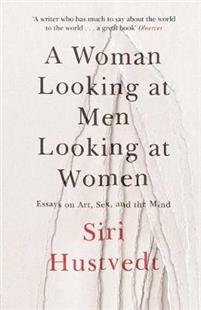
Her essays on art, sex and the mind “A Woman Looking at Men” were published in 2016 and bridge the gap between the disciplines

Related: 5 Best Contemporary Scandinavian Writers You Should Read

A woman looking at men
Her essays on art, gender and the mind “A Woman Looking at Men” were published in 2016 and bridge the gap between the disciplines, inviting us to look at the world anew. This is her fourth collection of essays, and the same theme is often repeated in her novels, of which she has written seven and which are read by a large audience all over the world. One of the central themes in the collection of essays is which prejudices affect how we perceive art and the world as such. And especially prejudice and discrimination based on gender.

Mothers, fathers and others
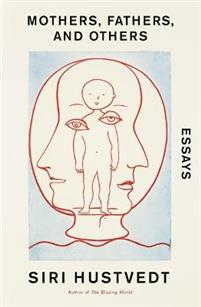
Among her best essays are the ones in which Hustvedt skillfully weaves her personal stories (about her mother, her daughter and her own childhood) with the state of the world, academia and technology. Her collection of essays, “Mothers, Fathers, and Others”, is described as “a 21st-century Virginia Woolf” in the Literary Review (UK). Hustvedt displays her expansive intellect and interdisciplinary knowledge in this collection that moves effortlessly between stories from her own family background to artistic mothers, Jane Austen, Emily Brontë, and Lousie Bourgeois, to the broader meanings of maternal in a culture shaped by misogyny and fantasies of paternal authority. Mothers, Fathers, and Others is a polymath’s journey into urgent questions about familial love and hate, human prejudice and cruelty, and the transformative power of art.

Norwegian New York-Based Author, Feminist and Philosopher About Art and Gender
“Mothers, Fathers, and Others”, is described as “a 21st-century Virginia Woolf” in the Literary Review (UK).

Related: 10 Modern Scandinavian Novels & Essays You Should Read

An elegy for Louise Bourgeois
One of the female artists Siri Hustveit values the most is Louise Bourgeois. When Hustveit arrived in New York, no one was interested in Bourgeois at all. The men on the board of the Museum of Modern Art only looked at her as a little girl from Paris, who on top of that carried the burden of three children. This despite the fact that she was in her 30s and had already created works that surpassed most of her contemporaries.  She eventually broke through as a 70-year-old. About 80 percent of the artists who have had solo exhibitions in New York in the last ten years are men, Hustveit writes in “A Woman Looking at Men Looking at Women”

The essays range from the personal to the critical, and they often encompass the clinical. Hustvedt brings a surprisingly scientific approach to her artistic and literary subjects. In “What Does a Man Want?,” on the origins of misogyny, she argues that a fixation on DNA and the genome (and the stance that life begins at conception) overlooks the essential influence of gestation. “By assigning a godlike role to genes,” she writes, “the ‘right-to-life’ forces have adopted science in their service and effectively denied the reality that a female body is crucial to fetal development.”

Norwegian New York-Based Author, Feminist and Philosopher About Art and Gender
Siri and her husband Auster have been married for 40 years

Related: Best-selling Norwegian Author Maja Lunde

The placenta is the least understood of all human organs
She illustrates the erasure of the female body through the example of the placenta. “How can a human organ go missing in plain sight?” she wonders as hers is whisked away after the birth of her daughter. “The placenta is the least understood of all human organs. It has been called forgotten, ignored, overlooked, mysterious, underappreciated, and even the ‘Rodney Dangerfield of organs.’” Not to mention that birth itself is a “subject missing from the canon of Western art.” Here is Hustvedt’s unique contribution and genius: By bringing a placenta into a fight about misogyny, she fortifies her argument with physical evidence.

“Men and women are connected from the start,” says Siri Hustveit. «We all come out of a woman’s body.»

Norwegian New York-Based Author, Feminist and Philosopher About Art and Gender
New York, 2008. Siri Hustvedt photographed outside her home in Park slope, Brooklyn i New York. Photo: Sveinung U. Ystad/ Aftensposten/Store norske leksikon

An early bird
Siri Hustveit is a passionate reader and therein lies the secret of her books – in the act of reading, rethinking and reconnecting. She has spent her life carving out a career as a writer of intellect in a world still dominated by men.

Her days start early, at 5.30am with some meditation; she is at her desk by 7am. “Morning brain is the best brain,” she says cheerfully. “I can feel my sharpness declining after six or seven hours.” Hustvedt spends the afternoons reading, mostly academic papers that form the basis of her many lectures on neurology and psychology. She and her husband Auster have been married for 40 years, and still read aloud to each other. They are great lovers of fairytales, as is their 33-year-old daughter, Sophie, a singer of slinky, soulful pop songs. There are other writer couples, of course, but few that have stayed together so long.

Norwegian New York-Based Author, Feminist and Philosopher About Art and Gender, written by Tor Kjolberg

Feature image (on top): Photo Wikipedia

Home Renovations: Norwegians Still Hold a European Record

0

In 2019, Norwegians spent NOK 85 million on renovating their homes. Most of these were used to renovate kitchens and bathrooms. How have we ended up at the top of this list? And what do you do if you want to renovate, but can’t afford it? Read the article Home Renovations: Norwegians Still Hold a European Record and find out more about how to find a proper loan here.

The fact that Norwegians in general have a better economy, doesn’t mean that everyone feels like they can afford to renovate their homes in the way they want to. For some it can take a long time to save money for the changes you dream of in your home. If you don’t want to wait until you’ve saved up, some people take out a loan instead. If this is something that you’re considering, you can find a loan for renovation here. There are several ways to take out a loan, when you want to renovate.

Home Renovations: Norwegians Still Hold a European Record
There are several ways to take out a loan, when you want to renovate.

Related: Easy Breezy Scandinavian Home Decor Tips

Different types of loans for renovations
If you’re taking out a loan for smaller projects, then a small loan is probably the best solution for you. When it comes to such small projects, it perhaps doesn’t make sense to take out the loan in your house but is maybe better to take out a loan on your credit card or in an online money institute.

If you’re taking out a bigger loan, for example, if you want to renovate your bathroom, kitchen, or another big project, it can be a good solution to simply take out a loan in your house. It is always very important to consider which type of loans suits the type of projects that you’re loaning money for.

Related: Eco-Friendly Ways To Heat Your Scandinavian Home

Home Renovations: Norwegians Still Hold a European Record
Since 1991 Norway has been at the top of the European statistics counting how much money is annually spent on renovating private homes.

Consider these factors when borrowing money
Since 1991 Norway has been at the top of the European statistics counting how much money is annually spent on renovating private homes. You easily become a bit curious about which factors are causing Norwegians to spend this much on renovations. The reason for this is primarily that Norway has a very high number of privately owned homes. When you own your own home, you’re more likely to spend money on your house as an investment.

Most people who rent, don’t throw money in their home probably because they feel like it is a waste of money. Also, Norway has seen a significant economic growth, which means most people in Norway have more money than they used to. This extra money can be spent on things like renovating their homes.

Related: Practical Swedish Aquarium for Small Homes

No matter which type of loan you choose, it is important to consider whether or not you can afford this type of loan. It is also really important to read the terms and conditions as to make sure you choose the loan that fits your renovation project and your budget.

Home Renovations: Norwegians Still Hold a European Record
Extra money i9n private households in Norway is often spent on things like renovating their homes.

To take out a loan should never be a hasty decision. It is always a good idea to take some time to consider whether or not this type of loan is the right one for you. When you take your time deciding, the chances of choosing the right loan now and in the future is highly increased.

Home Renovations: Norwegians Still Hold a European Record, written exclusively for Daily Scandinavian by loanscouter.com.