
Scandinavian Beef and Veal

Beautiful, grass-fed, tender, fat-marbled beef is much sought after in Scandinavia and is the reason for all the lovely, rich stews that are a cherished part of the Scandinavian cultural heritage. But you can only buy this beef at markets, on farms and special dedicated butchers as good beef is not easy to get.

So at the moment, Scandinavians eat beef mostly as steaks and minced meat, and the long-simmered stews are not so popular as they should be. When you do find good beef, however, the potential for these lovely dishes is evident.
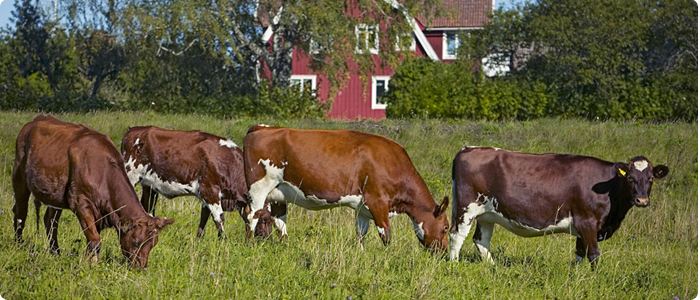
Cows in Sweden
Cows in Sweden

We have to be truthful about the reasons for the decline in beef eating in Scandinavia. Perhaps this is partly due to the fact that Scandinavians don’t take the science of hanging meat very seriously; most Scandinavian beef is hung for 10 days, which is much less than is usual in the rest of Europe, and is not enough time to allow enzymes and lactic acid in the meat to work their magic.

Another reason is that people who are concerned with organic issues, and animal welfare, rarely eat meat, and even if they do, it’s not beef; so there is not a large body of people campaigning for better treatment for cows, more access to grazing, and so on, which surprisingly are not issues that most Scandinavians are much concerned about. As a result, the demand for high-quality beef remains small.
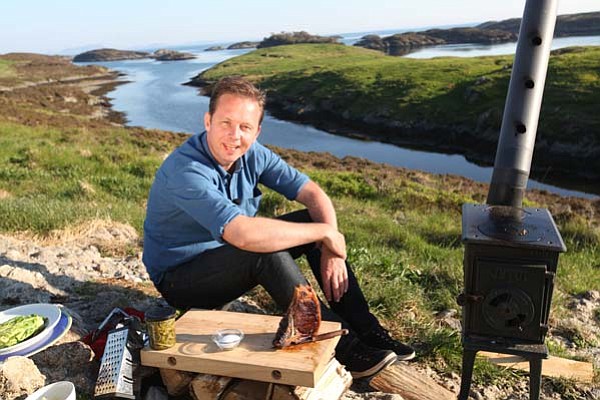
Host Andreas Viestad fries a piece of Arctic beef outdoors

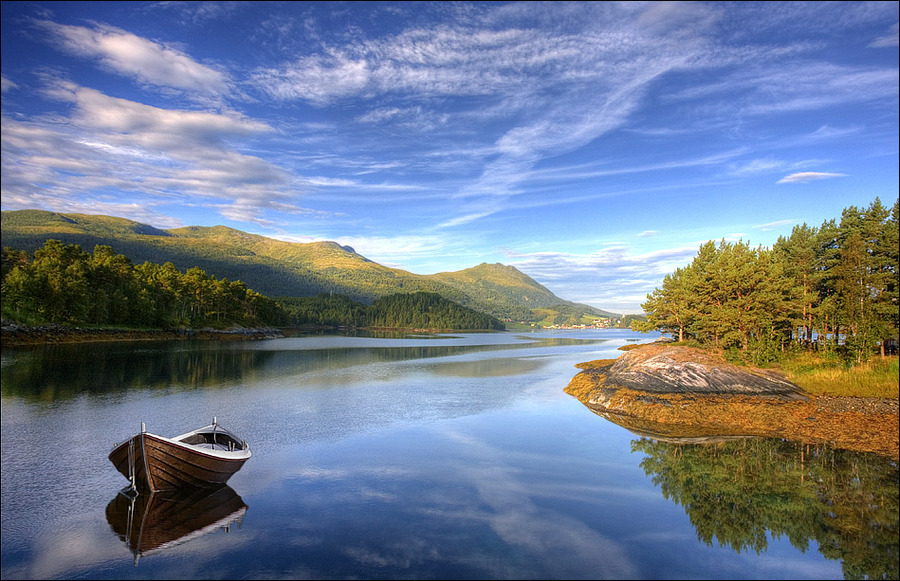
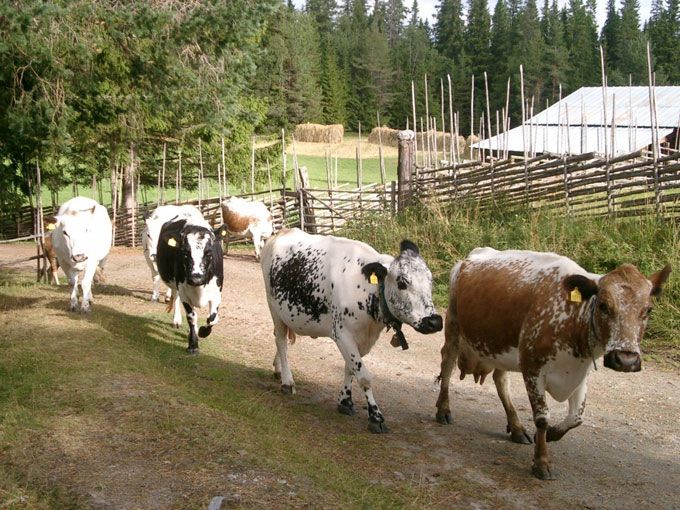
Large parts of Norway and Sweden are too difficult to farm, and cattle are still kept in semi-wild areas, giving beautiful, richly marbled and tasty meat. Southern Scandinavia is a dairy country, and here the quality of the beef is not so interesting. This may very well be because somehow Scandinavians never go round to producing really prime-quality beef in their milk-producing regions.

Most of the beef is from milking cows or young steers, which are too old to be used for veal, and far too young to have the rich, deep mineral flavor of beef.

Norwegian mountain farm

However, there is small-scale production of beef cattle where the land is suited to permanent grass, and their meat is prized by people who know what they can expect from really good beef.

Veal used to be a much sought-after meat; the very young calves were always tender, and the meat a lovely pale color, with a milk and grass flavor. True, good-quality veal is very difficult to find nowadays, mainly because we are not willing to pay the price for it.

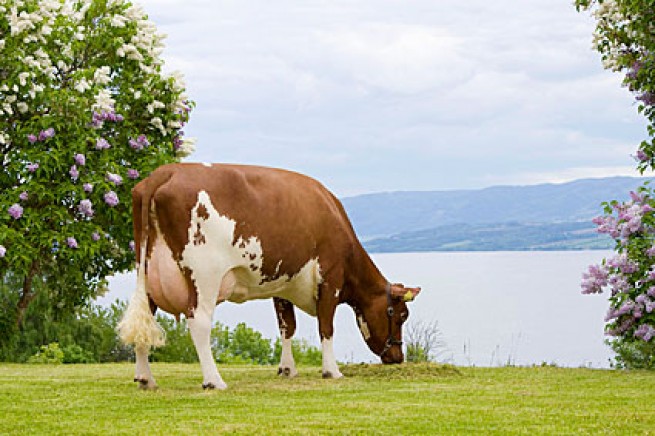
Norwegian red cow
Norwegian red cow

History
Cattle have been very important to the Scandinavian economy since the early Middle Ages, when the population was dramatically decimated by the plague. There were so few hands left to farm that wheat and other grains became extremely expensive. Whereas cattle herding was relatively easy to manage, most herding was done by children, which left the surviving men free to work at other tasks. For a century or more the population ate more beef than at any other time in history.

Before effective refrigeration, cattle were slaughtered only in winter, when they could safely hang in cool conditions. With the invention of cooling, butchers could slaughter animals all year round, and tenderize the meat by hanging it for several weeks, making big roasts a possibility. Even so, most of the meat was tough, and suited only for salting, stews and soups. As a result, Scandinavians have a large and very old tradition of these dishes, which is well worth preserving.
090616-scandinavian-beef-farming
Habitat
The cow has played a major role in creating what we now see as typical and unique Scandinavian landscapes. The high pastures in northern Scandinavia are kept lush and green by grazing cattle, and in the past grazing was the only way to prevent large areas being taken over by trees. In centuries gone by, it was common to keep the cattle in woods, where their grazing would keep down trees, thereby creating beautiful low-grown meadows both around and in the woods.

Lovely hay fields, studded with deciduous trees, provided winter fodder, and later the cattle were let loose to graze both the grass and the trees.

090616-steak-hanger
Buying and storing
You will have to trust your butcher, who should know about meat, and ask him which cuts he finds suitable for the dish you are going to make. The meat will have to be hung for at least three weeks to have the taste you are after, and it will be worth eating only if its grass fed and has access to year-round exercise.

Cuts of meat vary too much around the world to be precise, but as a general rule you will need dark, fat-marbled cuts from the front part of the animal, breast and neck, for stews. These take time to cook, and are comfortably cheap compared to the back cuts that are more tender, and much more expensive. The marbling will ensure that the meat will be amazingly tender and juicy, after long hours of simmering in the pot.

If it’s veal you’re after, you will also have to know and trust your butcher. You must buy proper veal, which comes from young calves, that are no more than 10 months old, slaughtered just before their meat develops into a nondescript beefy flavor, and has been hung for two weeks. Choose organic veal that will have the right, slightly acidic taste from wind-blown sun, warmed grass and milk, and nothing else. What you don’t want is veal raised under cruel conditions, fed on milk only, and slaughtered just before the animals’ legs collapse. The flesh may seem nice and pale, but it will leave a foul taste in your mouth.

Culinary uses
Scandinavian traditional beef dishes tend to be spicy and tender stews that need long, slow simmering. The slowness of the cooking means that these recipes are not particular popular at the moment, but the tide appears to be turning; young people are starting to realize the beauty of food that takes more care to cook, but is richly awarding and cheaper – much cheaper – than the steaks and roasts that are easy to make, but cost a fortune if you want proper meat.

Scandinavian Beef and Veal, written by Tor Kjolberg

090616-lapskaus
Norwegian Beef Stew (Lapskaus)

Serving 12, Units US

Ingredients
2lbs beef
5cups beef broth
1lb carrot
1small rutabaga
3cups potatoes
1onion, finely chopped
salt
pepper

Directions

Dice the beef, cover with water, and simmer for one hour.

Separately, wash and peel the vegetables and potatoes, and cut them into bite-size cubes.

Bring the beef broth to a boil. Add the carrots and the rutabaga, and cook for 15 minutes.

Then add potatoes, and cook another 15 minutes.

Add the meat and onion, and season to taster with salt and pepper.

Continue to cook until the stew thickens and the meat, vegetables and potatoes ae all tender (but not mushy).

Stir occasionally while cooking, being careful not to let them burn.

Wild Scandinavia

Photographer, translator and writer Ben Love, originator of the popular Wild Guide books, has traveled to Scandinavia to explore its incredible hidden places. Over 800 adventures and wild experiences are covered in this spectacular photography guide with maps.

Follow Ben sea kayaking around Norway’s stunning Lofoten islands, or hiking to Sweden’s coziest mountain lodges and feasting on locally sourced regional specialties.
310516-Wild-Scandinavia-book-cover
This book, published by WildThingsPublishing,is recommended for family explorers as well as romantic adventurers and includes informative descriptions and 24 detailed maps. Don’t miss it if you want to discover the best of Denmark’s golden sandy beaches.

Ben Love has been travelling from high above the Arctic Circle to the very south of Sweden and Denmark. He says, “The landscapes you will discover are as varied as they are idyllic.”

Gnesta Sodermanland, Sweden

Although not in Scandinavia, the book includes adventures on Iceland as well.

If you are an adventurous person, you are about to discover fantastic hikes and canoe trips as well as mountain train and boat adventures. You will also be able to find special and unusual accommodation, and Ben advises you on local food and foraging.

Vingelen mountain range, Roros, Norway. Photo: Ingrid Eide

This book is incredibly wild!

About Ben Love
Ben studied Scandinavian languages at university in London and Stockholm, spending his summers working as a river and canoe guide in Iceland and Sweden. He is a photographer, translator and writer, specializing in Scandinavia and the outdoors. Currently researching theSwedish right to roam, he is passionate about having wild adventures with his family and embracing the concept of friluftsliv (roughly translating as ‘open air life) – the Scandinavian philosophy of having a true connectedness with the outdoor environment.

Feature image (on top) Lofoten Islands by Kristin Folsland-Olsen

Wild Scandinavia, written by Tor Kjolberg

Award Winning Norwegian Designer

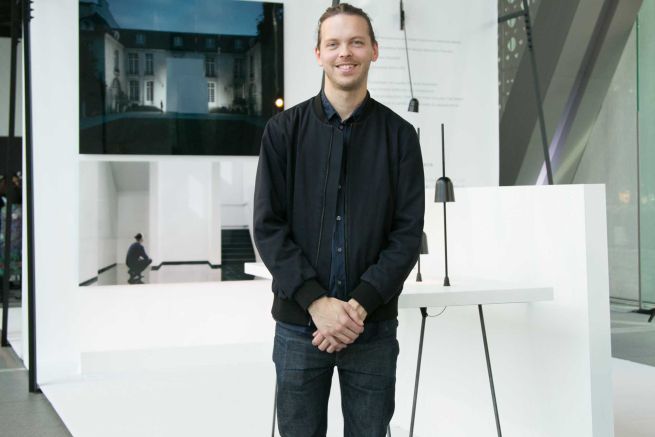
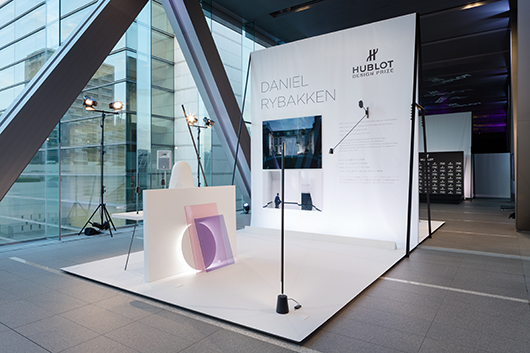
The Norwegian designer Daniel Rybakken (b.1984) has received numerous awards, including the ‘Best of the Best’ Red Dot Award in Singapore, 2007; the Anders Jahre’s Cultural Prize for Young Artists in Oslo, 2008; the Design Report Award for best designer at Salone Satellite in Milan, 2009; the Bruno Mathsson Award in 2011 and the XXIII Compasso d’Oro ADI in 2014. This year he and the Italian lamp company Luceplan received the prestigious design award from the Norwegian Center for Design and Architecture (DOGA).

180516-daniel-rybakken-2
“It is important for us to highlight Norwegian designers who really succeed abroad,” said Thea Mehl, project manager for the design awards at DOGA. “Daniel Rybakken is one of our foremost designers of his generation, and he deserves more attention in Norway.”

Daniel Rybakken studied at the Oslo School of Architecture and the School of Arts & Crafts in Gothenburg, Sweden. After graduating with a Master of Fine Arts in 2008, he started his own practice in both Oslo and Gothenburg.

180516-daniel-rybakken-hublot
The work of Daniel Rybakken occupies the area between art and design, forming limited editions, art installations and prototypes for serial production. His main focus has been to work with daylight and how to artificially recreate its appearance and subconscious effect.

The collaboration between Daniel Rybakken and the iconic Italian lighting manufacturer Luceplan has created lighting innovations as well as solid sales figures.

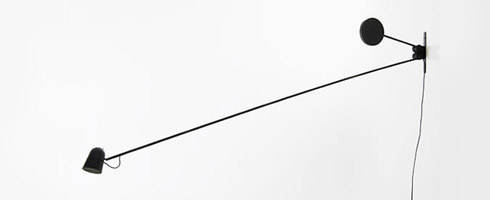
Counterbalance by Daniel Rybakken, produced by Luceplan

The wall-mounted lamp, Counterbalance, has since its launch in 2012 become one of the design icons of Luceplan, an object that seems to defy the laws of physics. The led lamp evokes the dynamic equilibrium of a sculptural mobile equipped with a fluid balancing system, making it possible to adjust the heavy lamp head with the little finger.

180516-DANIEL-RYBAKKEN-counterbalance
The lamp also earned him the London Design Medal in the category of Emerging Talent in 2013. “Once in a while a designer comes along who takes into account not just form and function but light and dark, graphics and mechanics, positive and negative space – the whole shebang,” said the jury.

“It is something completely different from what I have designed before,” says Rybakken.

Award Winning Norwegian Designer, written by Tor Kjolberg

A Forgotten Swedish Star

0

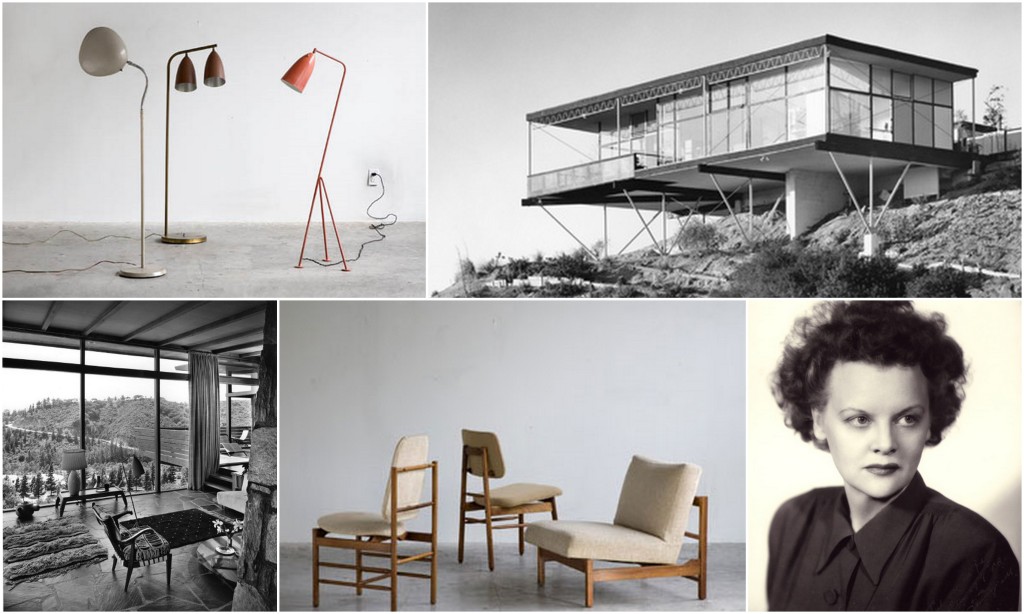
Born and raised in Helsingborg, Sweden in 1906, Greta Magnusson Grossman represents a literal link between European design and California modernism. Grossman remained in her hometown until the late 1920s upon finishing a woodworking apprenticeship.

Awarded a scholarship, she attended Högre Konstindustriella Skolan (Konstfack) where she reportedly focused on furniture, textiles and ceramics. In 1933, having successfully completed her fellowship at the renowned Stockholm arts institution, she and classmate Erik Ullrich opened Studio, a combined store and workshop. The same year Grossman married jazz bandleader Billy Grossman. Here she took numerous commissions, including a crib for Sweden’s Princess Birgitta.

260516-greta-magnusson-grossman
In 1934 she became the first woman to receive a prize for furniture design from the Swedish Society of Industrial Design. She traveled throughout Europe and filed reports of her observations on interior design and architecture for the “Women and Home” section of the Swedish paper Nya Dagligt Allehanda.

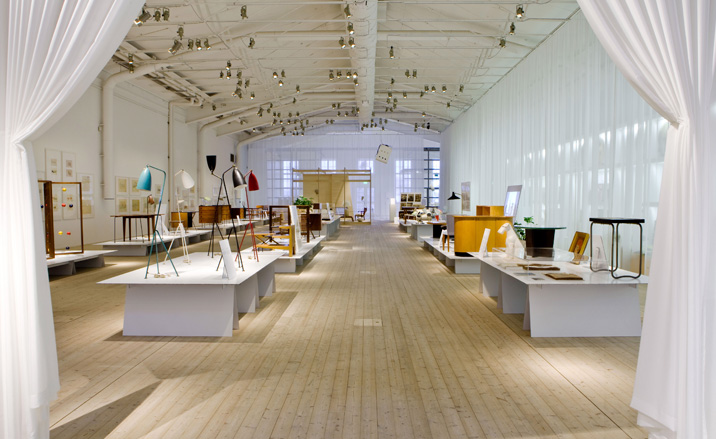
The Greta Magnusson Grossman exhibition in Stockholm

She rose to a level of prominence in her native Sweden, and In 1940 she and her husband, immigrated to Los Angeles, where she opened her second shop, Magnusson-Grossman Studio, on Rodeo Drive, which was popular with clients like Greta Garbo, Joan Fontaine and Gracie Allen. There she sold her designs as well as imports from her native Sweden.

Bel Air Mic Century by Greta Magnusson Grossman
Bel Air Mid Century by Greta Magnusson Grossman

Greta began designing furniture and fixtures for Glenn of California, Sherman Bertram, Martin Brattrud, Cal-Mode and Modern Line Inc. When Barker Brothers’ Modern Shop launched in 1947, Grossman began designing exclusive pieces and taking interior design commissions.

Table Lamp by Greta Magnusson Grossman
Table Lamp by Greta Magnusson Grossma

Grossman’s compact, functional and visually lightweight modern aesthetic appealed to a previously ignored, but ever-growing demographic: single, savvy, career-minded women. Some of her pieces, like the Cobra floor and table Lamps, designed in 1950 for Ralph O. Smith (and recently brought back into production by Gubi) and her 1952 Desk with Storage for Glen of California, have become icons of California modern. In 1950, the Cobra lamp won the Good Design Award and was subsequently exhibited at the Good Design Show at the Museum of Modern Art.
260516-greta-magnusson-grossman-collage
Her achievements were many and encompassed industrial design, interior design and architecture. Through the 40’s and 50’s Grossman exhibited her designs at museums worldwide, including MoMA in New York and The National Museum in Stockholm.

Architectural design by Greta Magnusson Grossman

In an era where too few women garnered public acclaim for their design and architectural talents, Greta Grossman enjoyed the spotlight in a number of articles in publications that ranged from daily newspapers to sophisticated magazines and journals focused on her homes, furniture designs and her savvy. Her work was photographed by Julius Shulman, she appeared frequently in John Entenza’s Art & Architecture magazine and she received two prestigious Good Design Awards from MoMA.

Greta Magnusson Grossmans Mid-Century Masterpiece in the Hills hitting the market for the first time

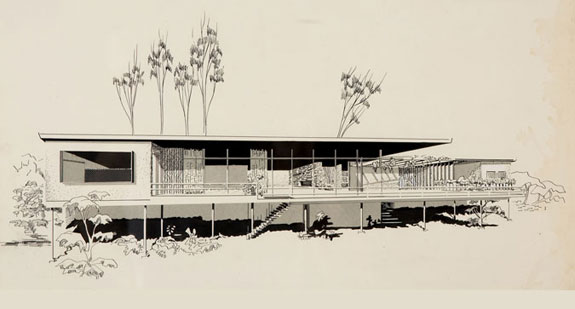
Grossman’s creativity and brilliance were also evident in at least fourteen homes she designed between 1949 and 1959. Often building them on spec and then living in them until she found a buyer, her residences were defined by their diminutive scale and lightness of form, frequently balanced perfectly on the edge of a hillside. Crafted of classic modern materials like steel and stone, Grossman also incorporated rich woods and natural light to create warmth. Unfortunately, many of these homes have since been demolished, though several do remain.

Rare occasional table by Greta Magnusson Grossman

In 2013 the Pasadena Museum of California Art (PMCA) arranged an exclusive behind the scenes tour of the Greta Grossman Exhibit, followed by a tour of homes by this talented designer.

Grossman was highly influenced by European Modernism, which had been imported to the US by influential architects, such as Walter Gropius (founder of the Bauhaus) and Ludwig Mies van der Rohe. Grossman, in turn, played a significant role in defining the aesthetic of mid-century Californian Modernism.

The Backus House by Greta Magnusson Grossman

In 1951, Grossman is quoted as saying that California design “is not a superimposed style, but an answer to present conditions. It has developed out of our own preference for living in a modern way.”

In the late 1960s she dropped out of site in moving to Leucadia. She ended up largely unknown and almost forgotten. Recently, renewed interest in this pioneering modernist has resulted in some of her pieces being brought back into production.

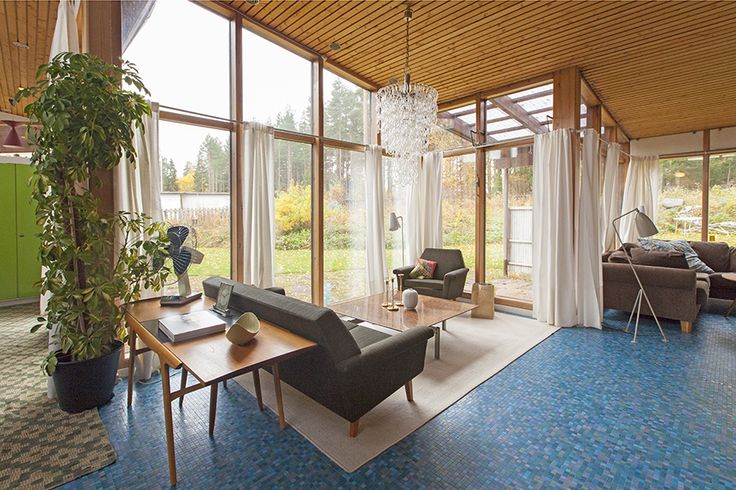
Interior design (Sweden) by Greta Magnusson Grossman

Today, Grossman’s product designs are highly collectible and are sold at auctions all around the world. Grossman’s products are unique, modern classic designs.

A Forgotten Swedish Star, written by Tor Kjolberg

Mood of Doom in Oslo

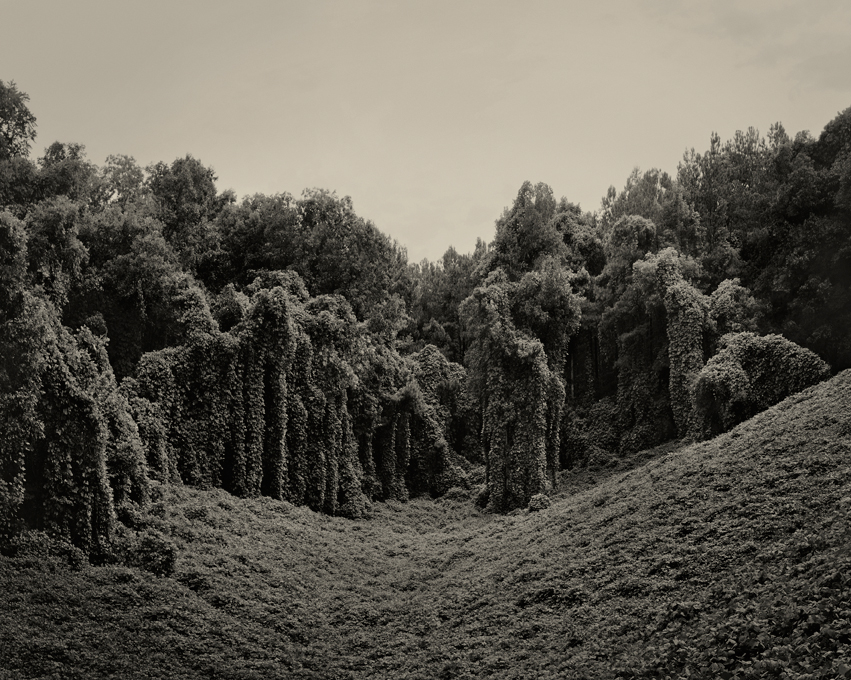
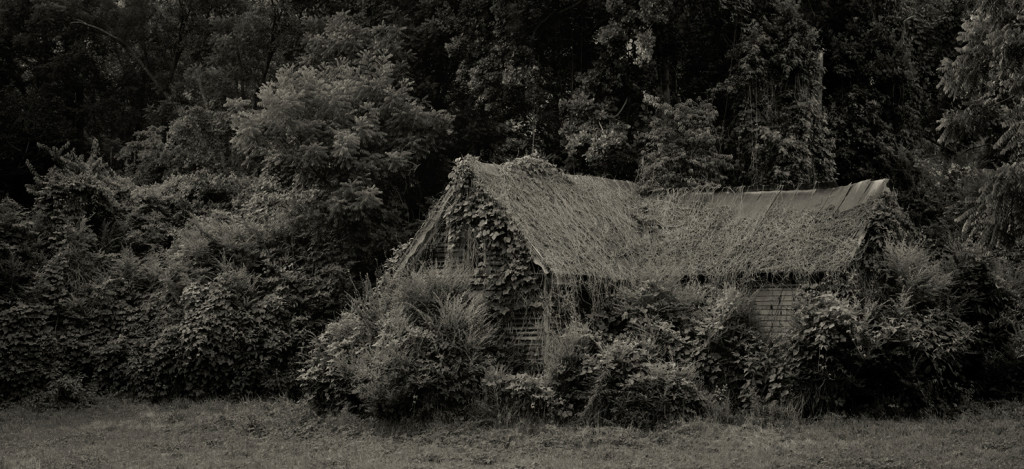
Stockholm-born photographer Helene Schmitz spent more than ten years exploring how nature is described and represented in science, art and literature. The mysterious Chinese killer climbing plant Kudzu has engulfed parts of southern USA, and there’s no way to stop it. Schmitz exhibition in Oslo runs through 11 June.

300516-Helene-Schmitz
“Biological Invasion” is the correct term for the spread of a species in an area where it is not native, and it can have immense effects on the ecosystem of an entire region.

Kudzu (pueraria lobate) is the worlds most aggressive and invasive plant species. Helene Schmitz strives through her photographs to illustrate the contradictions and complexities within the concepts of nature.

Alabama Fields by Helene Schmitz

With her “Kudzu Project” the Swedish photographer has documented such a so-called invasive plant in its new habitat in the United States. She spent the summer of 2012 traveling through the American south with her assistant Felix Bridell to capture the plant.

Georgian Backyard by Helene Schmitz

The natural circulation area of the Kudzu extends over Asia until North Australia. In the late 19th century Kudzu was introduced to the U. S. where it established itself as an ornamental and as a crop plant. But in the early 20th century botanists raised concerns regarding the invasiveness of the species. Schmitz was interested in the idea that a plant could be ‘invasive’ which is usually a term used to describe an act of war. Nowadays it is considered as one of the worst invasive species in the world.

Southern Landscape by Helene Schmitz

In Schmitz’ images there are a wonderful, mystical darkness. The viewer experiences a landscape, its history, and its character, almost as a mystical experience of nature. The created wondrous forms in their immense size rise majestically in their new environment. The dark vitality of this invasive plant implies downright a mood of doom.

The Garden by Helene Schmitz

The exhibition at Willas Contemporary in Oslo runs through 11 June.

Mood of Doom in Oslo, written by Tor Kjolberg

Stockholm My Love

The Swedish jazz singer Neneh Cherry is starring in the Mark Cousins-directed film “Stockholm My Love”, in which she also provides voice overs and five songs in the film’s soundtrack.

The film portraits the Swedish capital and Neneh Cherry plays a 47-year-old architect who loves buildings and the way they influence people’s lives.

230516-Neneh-Cherry
In 1996 she released her album “Man”, which featured hits with the likes of Youssou N’Dour, and after that she stopped making solo alkbums, but got frustrated at the idea that she had suddenly “disappeared”.

230516-nenehcherry-man
Neneh Cherry isn’t necessarily making a “come back” since she has been here all the time. But in an interview in The Guardian last year, she was asked: “Where did you go for 18 years?”

“I knew my kids were growing up fast and I decided to catch those years. That’s an option, isn’t it?” she answered.

230516-neneh-cherry-2
Neneh Cherry is 52 years old now and living in Stockholm, where she was born to a Sierra Leonean father and a Swedish mother. She is still making music and now also acting. Her breakthrough came with the hits “Buffalo Stance” and “7 Seconds”.

Some ad company bought a lot of air time during March Madness this year and filled it with a commercial featuring some generically pretty blonde woman,  supermodel Natasha Poly, expressing her fun, sexy style with some of the hottest looks from a Spring 2016 collection, dancing around to “Buffalo Stance”.

230516-Neneh-Cherry-Buffalo-Stance
Neneh’s daughter Mabel McVey is also a talented musician. “Cities have their own personalities,” she says. “They get into your head and influence your relationships. The city you live in can make you the happiest or the saddest person in the world.” Mabel, born in Malaga, Spain and raised in Stockholm, truly found her home in London after moving to England a couple of years back. “It’s quite straight and conformist in Sweden,” explains McVey, who studied music production in Scandinavia. “I felt as though I wasn’t able to admit to liking all the music I really love, like Destiny’s Child and Justin Timberlake. There’s more freedom in London.”

Mabel McVey
Mabel McVey

About “Stockholm My Love” says the Irish film maker Mark Couisins, who’s best known for the 15-part “The Story of Film: An Odyssey” documentary series 4 years ago. “Stockholm My Love” is his first feature-length fiction film, “We wanted to make a city symphony. Cities are noisy, messy, but teeming with life. Our story tries to capture this.”

Shooting "Stockholm My Love" in Stockholm
Shooting “Stockholm My Love” in Stockholm

The story sees the architect (Cherry) still in shock after a traffic accident, and taking long early-morning walks through the city she loves.

Mark Cousins
Mark Cousins

It reads like a filmed love letter of sorts to the city – Stockholm – one of those seemingly plotless, quiet films that’s more about individual moments experienced by lead characters, however unrelated, with an entire city as a starring character.

Stockholm My Love, written by Tor Kjolberg

The Swedish Invasion of Norway

Karl XII is a highly debated figure in Swedish history. One the one hand, he is seen as a national hero: courageous, faithful, and tolerant. On the other hand, he is criticized for being pigheaded and stubborn; a man who didn’t use diplomatic resources or listen to the advice of his councils and generals.

Karl XII coin
Karl XII coin

In 1716 the Swedish king, Karl XII, raised an army of 20,000 men to meet a planned invasion by Denmark. However, Denmark abondoned the offensive plans and Karl seized the initiative and invaded instead Norway in March 1717 with 8,000 troops. He thought probably he could win an easy victory and use Norway as a bargaining chip with his enemies.

Akershus fortress today

The Swedish king approached the Norwegian capital, then named Kristiania, and occupied the city. When it was clear that the city could not be held, the garrison of Akershus was reinforced and the rest of the Norwegian army withdrew to Lier, southwest of the capital. However, it did not come to a battle since the Norvegians were well prepaired to stop the Swedish army at Gjellebekk, so they turned back before the battle became a large tragedy. Only 39 people lost their life at Gjellebekk.

Norway was at this time in union with Denmark, so invading Norway was political also an attack on Denmark.

Karl concentrated his efforts on breaking through to the the west, but Akershus fortress was too strong to capture, and every road was stoutly held, the people rising en masse to defend their country and cautiously taking the offensive in several small actions. He began his return march to Sweden on 29 April and turned to the equally important task of capturing Fredriksten. This fortress, guarding the southeastern border, was a constant threat to any invader of Norway, and besides, the neighboring city Fredrikshald (now Halden) had a splendid harbor.

Fredriksten fortress with view of Halden beneath

After violent fighting Karl captured the city by a surprise attack but had to retreat because the people evacuated it, burning their homes, while the fortress opened fire on the city. He had slight hopes that he might still capture the fortress if his transport fleet lying in Dynekilen, a little inlet a few miles to the south, could reach him with supplies.

Peter Wessel Tordenskjold

The final nail in the invasion coffin was delivered by Norwegian Admiral Peter Wessel Tordenskjold, who on 8 July captured the Swedish supply fleet at the Battle of Dynekil. When the news reached Karl, he broke camp and two days later the last Swedish soldier left Norwegian soil.

Karl XII's skull (from opening of the grave in 1917)
Karl XII’s skull (from opening of the grave in 1917)

In the Autumn of 1718 Karl again attacked Norway. While on an inspection visit to the forward trenches on 30 November, the king was hit in the head by a Norwegian sharpshooter’s round fired from the fortress and was immediately killed.

The Durants write that “he died as he had lived, stupefied with bravery. He was a great general, and won unbelievable victories against great odds; but he loved wars to intoxication, never had victories enough…”

Oslo: Town hall to the left and Akershus fortress to the right

This precipitated an immediate retreat of his war-weary forces back to Sweden, effectively terminating the Norwegian campaigns.

Norway was at this time in union with Denmark, so invading Norway was politically also an attack on Denmark.

Sources: Karen Larsen: A History of Norway (Princeton Legacy Library)
Martina Sprague: Sweden – An Illustrated History (Hippocrene Books, Inc. New York)

We wish to thank Tor Elling Halvorsen for additional details.

The Swedish Invasion of Norway, written by Admin

Record Number of Cruise Passengers to Stockholm

Half a million cruise passengers are expected to visit Stockholm this summer season and spend a combined total of around SEK 0.5 billion during their stay. 240 cruise ships will call in before the season closes.

Each year, Stockholm sees more than 40 cruise shipping companies docking at its ports. This year the season opened when MSC Musica called at Stadsgården last Tuesday.  Cruise passengers come primarily from Germany, the USA, England and Italy.

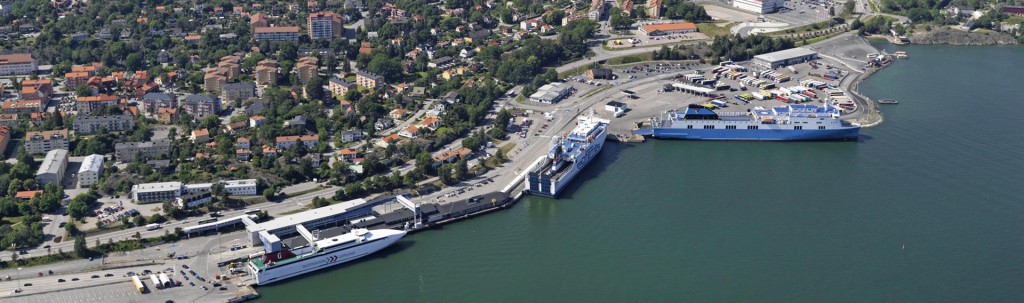
Nynäshamn
Nynäshamn

It is anticipated that 240 cruise liners will call at Ports of Stockholm before the season closes on 13 October with the departure of the cruise ship Aidamar. The shipping company Viking Ocean Cruises will continue its turnarounds in Stockholm and will increase its presence with an additional vessel, the Viking Sea.

Marco Polo arriving at Nynäshamn 21 October 2015

The work to develop the city as an international cruise destination is a joint effort shared between Ports of Stockholm and the Stockholm Visitors Board.

180516-cruiseship-stockholm
Vessels are becoming bigger and can accommodate more passengers. In time for the start of this cruise season, Ports of Stockholm says it “substantially improved service” at Nynäshamn port with a 260-metre extendible pier that can connect directly to the vessel.

The port of Nynäshamn is the most southern port of Stockholm and is located approximately six kilometers south of Stockholm.

Karin Wanngård
Karin Wanngård

“Cruise tourism contributes enormously to visitor revenue and is significant for the entire Stockholm region. The number of vessels seeking overnight berths at Ports of Stockholm continues to rise, which is positive as those passengers remain in the region for longer, visit more attractions and therefore spend more on sightseeing, hotels, restaurants and shopping in Stockholm,” says Karin Wanngård, City of Stockholm Commissioner of Finance.

Johan Castwall
Johan Castwall

“This year’s cruise season is expected to be almost as good as the record-breaking previous year. We are however concerned about the proposed increase in the fairway dues to be paid to the government, as this could have major consequences for cruise traffic,” says Johan Castwall, Ports of Stockholm Managing Director.

Record Number of Cruise Passengers to Stockholm, compiled by Admin.

Feature image (on top) Visit Stockholm

Stairway to the Sky

Stokke Sculpture Park in the county of Vestfold, Norway, is a two kilometer long trail set among crags and ridges amid the oak forest south of Oslo, just a little more than an hour’s drive by car from the capital.

The sculpture park, named ‘Trail for the Eye’ was instigated in 2001 and opened to the public in the autumn of 2009. 12 works have been installed by Scandinavian artists, or artists living in Norway. Lighting along the trail has been designed by Erik Selmer.

130516-stairway-to-the-sky-by-todd-saunders
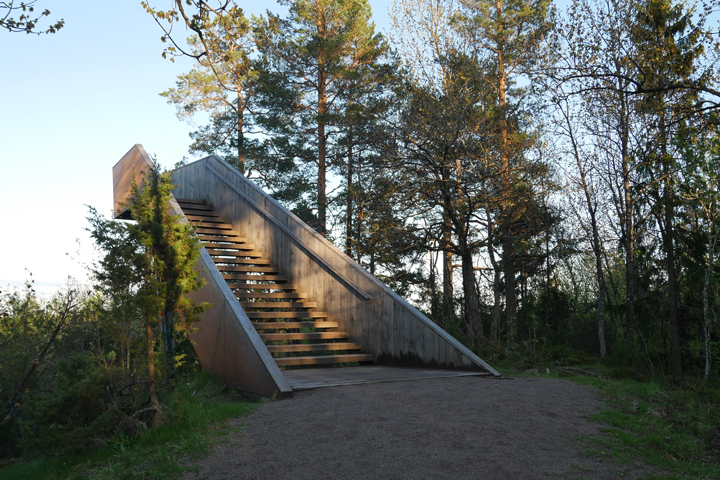
As you enjoy the woodland walk throughout the park, you will reach the highest point of the site. There, a steel and wooden installation is waiting for you to enter, climb the stairs and reach the platform to enjoy the eastern views of a castle and creating an optical illusion for the entire space.

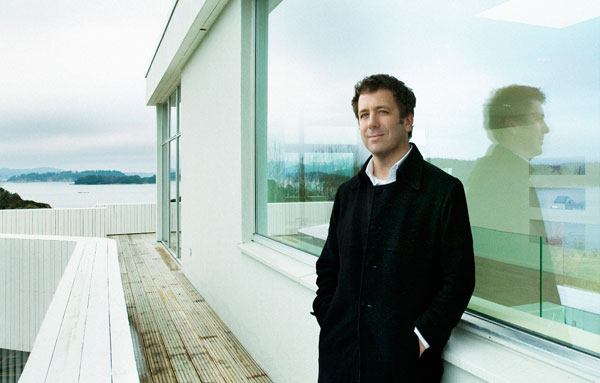
Todd Saunders
Todd Saunders

Canadian architect Todd Saunders has designed the stair in the middle of the remote Norwegian forest. It stands there alone, like a surrealist memory of a long lost ruin.

Saunders moved to Norway in 1996 and set up his practice in Bergen. He has since then embraced the quality of nature in this part of the world with projects that interact beautifully with the different surroundings. He is internationally known for his award-winning architecture.

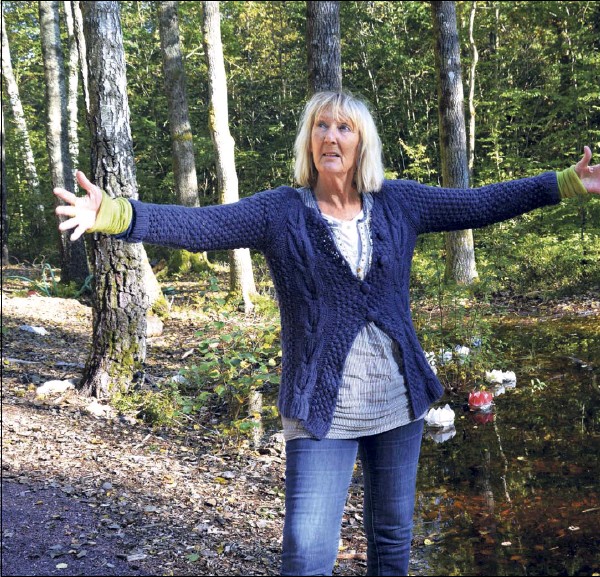
Grethe Meyer Iversen

It was Grethe Meyer Iversen who had the idea to transform a pathway in the forest to a sculpture park. She was inspired by the Aurland Lookout, which Saunders designed with Tommie Wilhelmesen in 2006. In Aurland an abrupt bridge leaps out from a cliff into the open air, giving an extraordinary view over the dramatic mountainous scenery. Meyer Iversen invited Saunders to create an architectural sculpture at the highest point of the path that would function as a final destination for the visitors.

Blueberries
Blueberries

Saunders calls the stair a “one-liner in the landscape,” a stairway to nowhere that works through the simple act of raising the viewpoint a few feet in the air.

Two dogs. Photo: Raymond Eigilson Jakobsen. The real dog belongs to Thorger Tvetene

Entering the stair, the visitor is embraced with this warm environment that reflects the forest. The glass-balustrade emphasizes the thinness of the structure and its aesthetic side.

Dog on Blueberry
Dog on Blueberry

As with all Saunders’ landscape-based projects, be they residential, sculptural, or commercial, the site was intensely and thoroughly surveyed, resulting in a contour map accurate to 25 cm.

Danish Joern Ronnau created seven granite houses made from larvikite stone

“It’s an absurd thing to place a staircase in a forest, but in a flat landscape you need some verticality,” says Saunders, “so it’s important that the object reads well in the landscape.

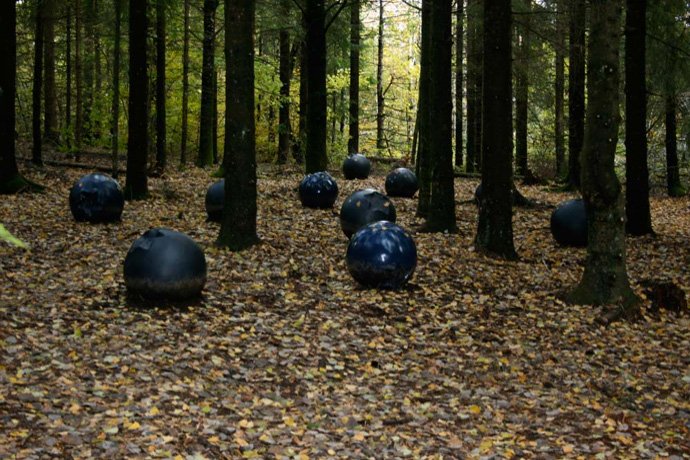
Hilde Eirin, Play with balls

The final structure was flown in by helicopter. The careful surveying ensured that not a single tree had to be cut to accommodate the new stairway to the sky.

Salamander pond
Salamander pond

It turned out that the trail Meyer Iversen had learned to love was covered with rhomb porphyry, which is known to exist in only three rift areas in the world — in East Africa and Antarctica — besides Stokke. The forest on both sides of the trail also has the richest deposit of deciduous trees in Norway.

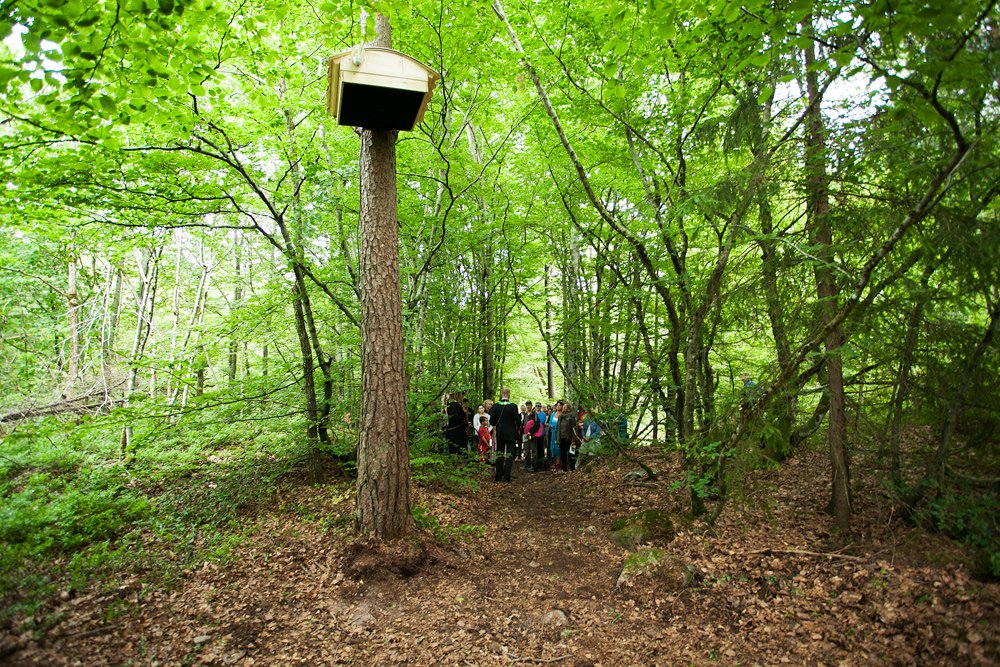
Soundbeam
Soundbeam

Stairway to the Sky, written by Tor Kjolberg

Related article:

Artistic Architecture in Norway and Newfoundland


Active Life in Scandinavia

Scandinavians are passionate about nature and the outdoors. Unfazed by the weather, they hike, ski, skate, sail, cycle, fish and climb.

The people of the Scandinavian countries are so at home in their natural surroundings that they seldom pause to consider how intertwined their daily lives are with the climate, the seasons, and the amazing and diverse beauty if the Scandinavian landscape.

Hiking in Sweden
Hiking in Sweden

In spring and summer, the mountains beckon backpackers to scale their heights, the Swedish archipelago is dotted with thousands of sailing boats, and serious hikers and day-trippers wend their way through the Scandinavian forests.

From Loekken, Denmark

Danes head for their magnificent beaches while Swedes and Norwegians celebrate the cool refreshing plunge of the thousands of lakes that dot the landscape. In recent years, hordes of Scandinavian ski enthusiasts have taken to the open roads and mountain trails.

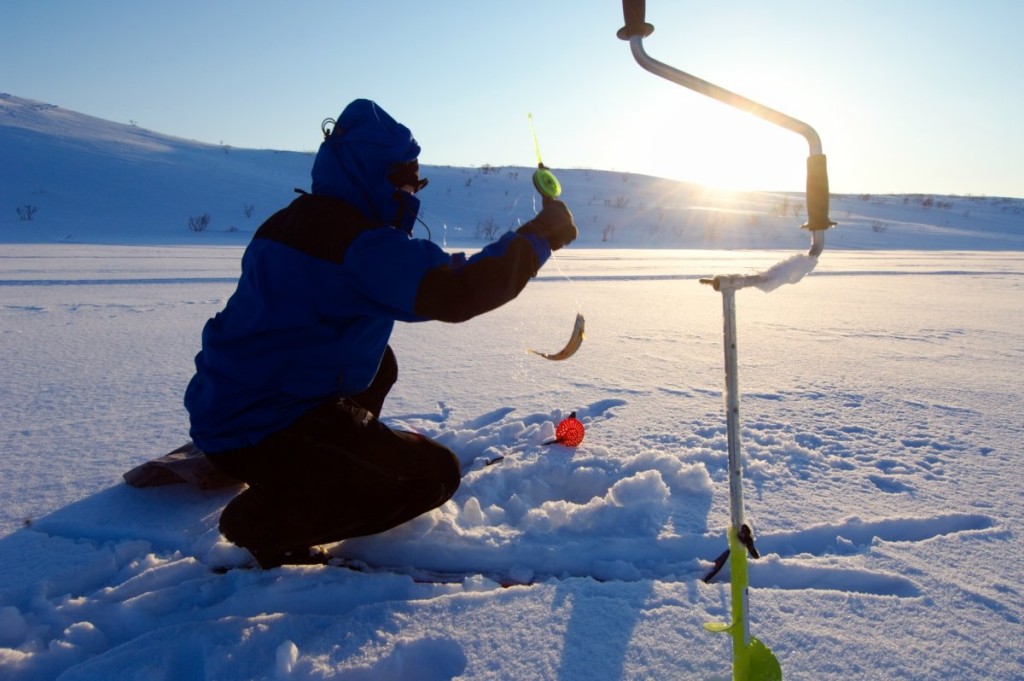
Ice fishing in Lungenfjord, Norway
Ice fishing in Lyngenfjord, Norway

Winter poses no obstacle to the hardy Scandinavian. They take to their skis to traverse fields and forests, pull on skates to blaze paths across icy lakes, fish through the ice and climb frozen waterfalls just for fun.

Scandinavian etude, by Viktor Nunin

Scandinavians often manage to combine a practical outlook with a sense of adventure and sporting spirit – where better to exercise all three than in the great outdoors?

Active Life in Scandinavia, written by Tor Kjolberg

Feature image (on top): Biking in Vesteraalen, Norway. Photo: Øyvind Wold