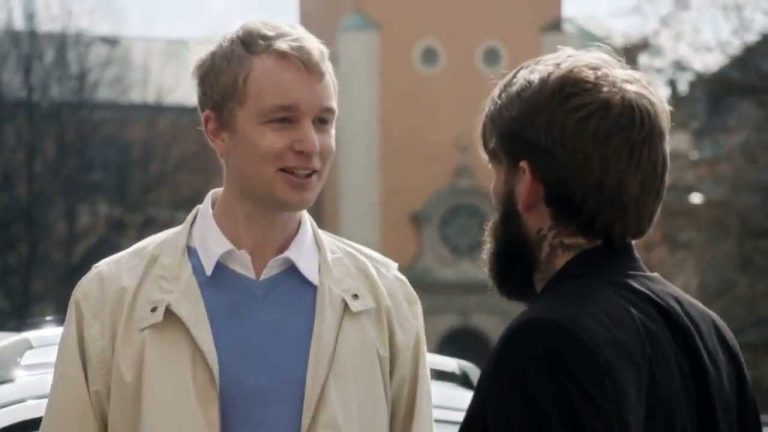
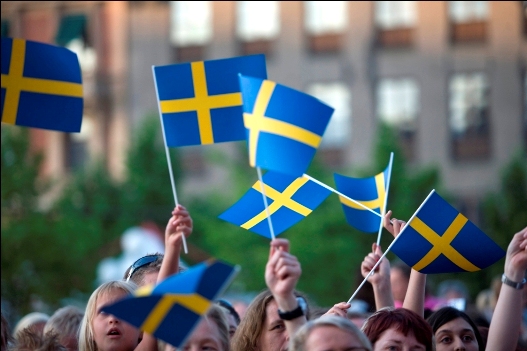
Umea University has tried to describe the typically Swede. You will probably discover that some of the things are closer to reality than others. How do you pronounce Umea, by the way?
Are all Swedes blond and tall with blue eyes? You have probably already noticed that this is not the case at all. On this page we attempt to cover some basic preconceptions and areas where our culture might be different from your own.
Time
Swedes are usually very punctual. If you want to be like a Swede, it is better to arrive five minutes early than five minutes late. In informal situations, being late is normally not a big problem, but if you have a professional meeting of some sort, being late will be considered quite rude and in need of an explanation. If you do not have a good reason you will appear to be very nonchalant.
The exception from the rule is the akademisk kvart (academic quarter) that only exists in the university sphere. Lectures that are said to start on the hour (10 am) actually start fifteen minutes later (10:15 am), unless it is an exam or if the time is stated as 10 am sharp.
Social Life in Sweden
The saying is that Swedes are reserved and difficult to get to know. This is true to some extent, but foreigners do make comments about the Umea population being both friendly and eager to help if you take the first step and approach them. Student activities, the Buddy Programme and the people in your corridor will hopefully provide you with plenty of opportunities to break the ice and to make new friends. If you find it difficult to get to know Swedes, one trick can be to propose things to do. Swedish people normally get to know each other by engaging in social activities. This can involve anything from preparing dinner together to going on a ski trip.
Changing with Seasons
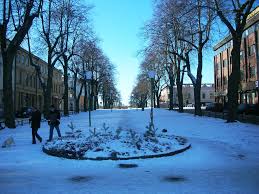
In the northern parts of Sweden where the winters are dark and the summer brings long days, the mood and behavior of the people can often change. During the winter season, you may see wrapped-up people hurrying from point A to point B, with no intention to stop and talk. It might seem that Swedes are not very social, but they do in fact socialise – indoors. Because of the cold Swedes spend time together at someone’s home so the trick is to get invited or start inviting people to your own home. You can also go to a hockey game, a ski slope or a pub in order to see the Swedes come out of their winter shell and become more accessible.
In contrast, as the light returns and the days become warmer you will see many more people out and about, having barbeques in their backyard, enjoying picnics in the parks or eating and drinking at a beer garden or restaurant in town. When the warmth of the sun does return, the Swedes seem to thaw out and become more open and social. They stroll about, stop and talk to acquaintances and, like sunflowers, often turn their faces to the sun to try and soak up as many of its rays as they possibly can.
Religion Even though Sweden is officially a Lutheran (Protestant/Christian) country, the Swedish people are generally not very religious. It is not very common for Swedes to regularly attend church services or take an active part in a congregation. However, Swedes have not left the church altogether. Weddings and funerals are still commonly held in church and many people still baptize their children.
According to an article Eurobarometer Poll Religion Survey in Sweden, just three out of ten Swedes states that they have confidence in Church.
Dining out and Picking up the Tab Dining out has become an increasingly common practice in Umea. The number of restaurants, pubs and cafés has increased rapidly over the past ten years or so. Restaurants used to have to struggle to fill their tables, but today you will most probably have to book in advance or wait for your turn even on a weekday. “After Work” with special offers on food and drink on Friday evenings has really taken hold in Umea, and on Fridays at 5 pm every restaurant in town is bursting at the seams. The concept of picking up the tab is an unknown phenomenon in Sweden. The bill is divided ‘precisely’ after what and how much you ate or drank. Tips are included, but it is always welcome if you leave some.
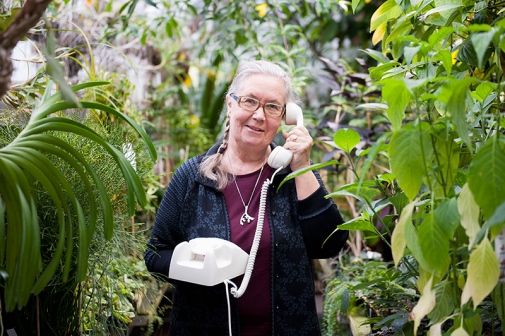
Answering the Telephone If you usually just answer the telephone with “Hello,” you risk being considered impolite in Sweden. The common way to answer the telephone in Sweden is by stating your name.
Queues/Lines Swedes are known to be law abiding and fairly fond of standing in lines. Whenever waiting is involved, at cinemas, paying in a shop, in the library and so on, you will be expected to wait in line. If you push your way into the line, no excuse is good enough.
The modern version or solution to the line system is tickets: you have to take a piece of paper with a number on it from the ‘number-dispenser.’ The number on this ticket indicates when it is your turn. The advantage of this system is that you can move around freely while you are waiting. Therefore, do not forget to take a ticket, to locate the whereabouts of the number display and to check it regularly so that you do not miss your turn.
“Excuse me” Swedes sometimes express themselves or behave in a way that might be perceived as rude by foreigners. One example is the phrase “Excuse me.” If someone bumps into you, it is more likely that you will hear oj/oops than ursäkta mig (excuse me). When you are talking to a Swedish person and they do not hear what you have said, you will most likely hear a Va?/What?, not excuse me. This does not mean that Swedes are an extremely rude people, it just means that the phrase ursäkta mig/excuse me is not so widely used in Sweden.
Have They no Shame? Swedes are rather direct people. They get straight to the point and tend to tell you exactly what they are up to. If you are having a coffee with a group of people and one of them is a Swede, do not be surprised if the Swede suddenly stands up and announces that he is going to the toilet so that the whole group can hear. It is not that he thinks you will all want to know, but that he thinks that it would be rude to just get up and leave. Furthermore, if you are going to say something, tell the truth.
Taking a Compliment Swedes are notoriously bad at accepting a compliment. For example, the response to the words, “That was great! You are so good at this,” will seldom be “Thanks, I was rather pleased with it myself,” but rather “It was nothing, I messed up in the middle,” or perhaps just an embarrassed blush. However, do not let it bother you, they are actually happy to hear you say it.
Only One Chance If a Swede asks you if you want to join him on a skiing trip, or if you want another cookie, make sure you know what you want before you answer. Unlike many other cultures, Swedish people will not coax or insist. They will ask you once and then accept your first answer. Therefore, if you want another cookie, you had better take the chance and accept the offer the first time around.
More than 600 students from more than 100 colleges and universities participate in the yearly competition College Photographer of the Year. This year, for the 69th time, Scandinavian students were awarded 21 prizes.
The winners of 2014 were selected from 11,024 still images, 82 portfolios, 456 picture stories and 169 multimedia stories and projects entered by 545 students.
Here are the Scandinavian prize winners:
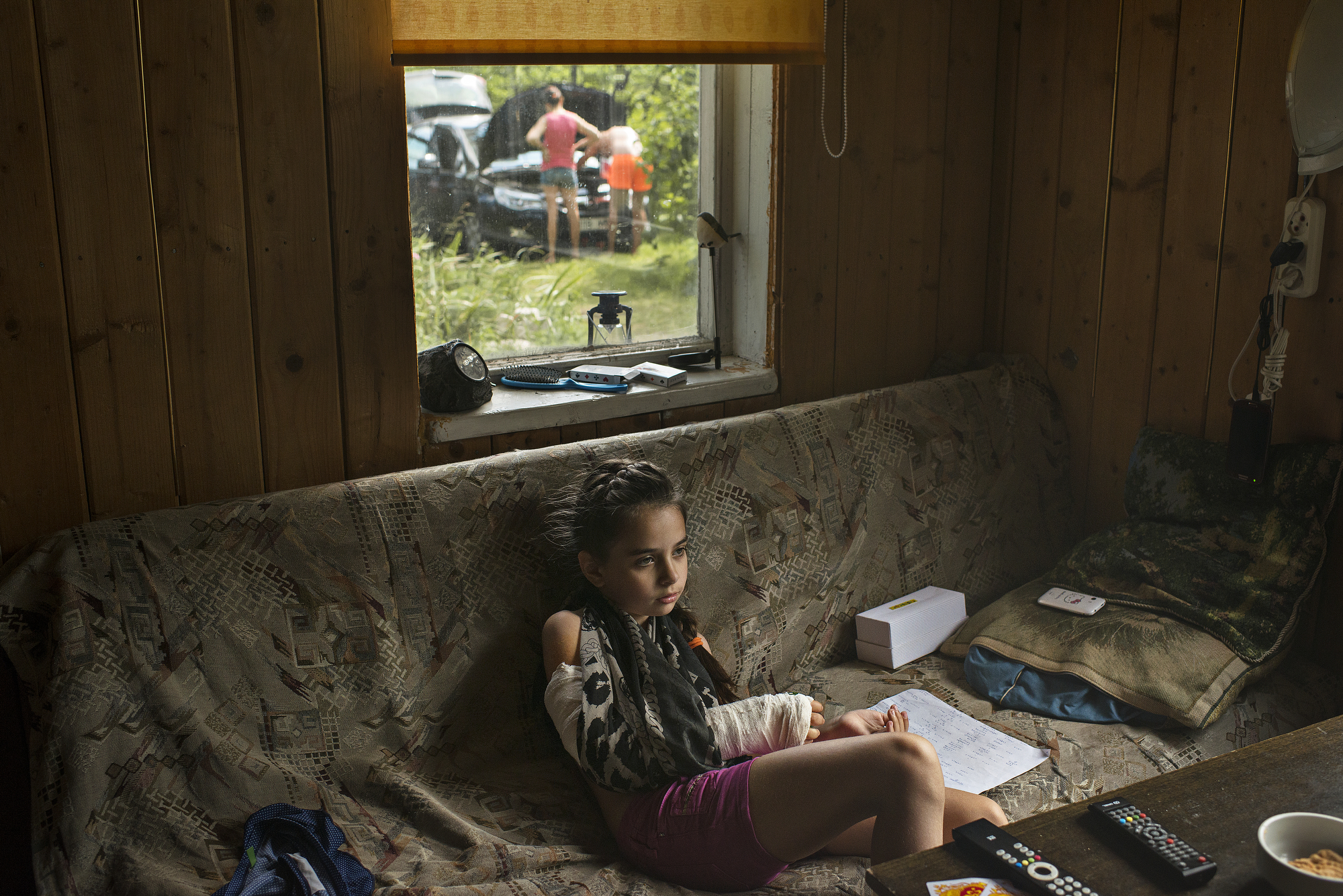
Spot News Bronze – Katinka Hustad – Høgskolgen i Oslo og Akershus
After the annexing of Crimea, NATO is concerned about Russia’s agenda regarding Balticum. Narva in Estonia is situated at the Russian border and 90 percent of the inhabitants speak Russian. The Petrov family has some quite days in their summer cabin. Their daughter, Aline Petrov (9), is inside with a broken arm, watching Russian child television.
The photo was taken on a travel through the three Baltic EU- and NATO- member countries with Russian minorities, thus causing concern about Russian attempts of destabilizing, like the ones which have been experienced in Ukraine.
General News Bronze – Daniel Ekbladh – Danish School of Journalism Award of Excellence – Kasper Palsnov – Danish School of Journalism
Award of Excellence – Asger Ladefoged – Danish School of Journalism
Kasper Palsnov is a freelance photo journalist living in Copenhagen. He studied photo journalism at the Danish School of Media and Journalism in Aarhus and is a founding member of the photo collective MINT as well as the editor of the web magazine Atlas.
His Award of Excellence photograph appearing in the Danish Newspaper Berlingske Tidende‘s general news section (children and football) shows the young football player Marcus (feature image on top). It is January and it’s freezing but Marcus Jørgensen, age 10, carries out the soccer balls for another training. Together with his teammates he practices two hours three times a week and is one of the most talented players of his age in Denmark.
“The paper wanted me to shoot an image from football practice,” says Palsnov, “so I began my photo session in the dressing room, searching for special situations ahead of the practice match. I am proud of this photo, especially since the judges said, ‘A photograph is not only about pressing the shutter button at the right time, but also finding the mood and the thoughts behind a motif’. My mission had turned into success.”
Kasper Palsnov also won the Gold prize in the section “Sports Feature” and Award of Excellence in the section “Interpretive Project” (see below).
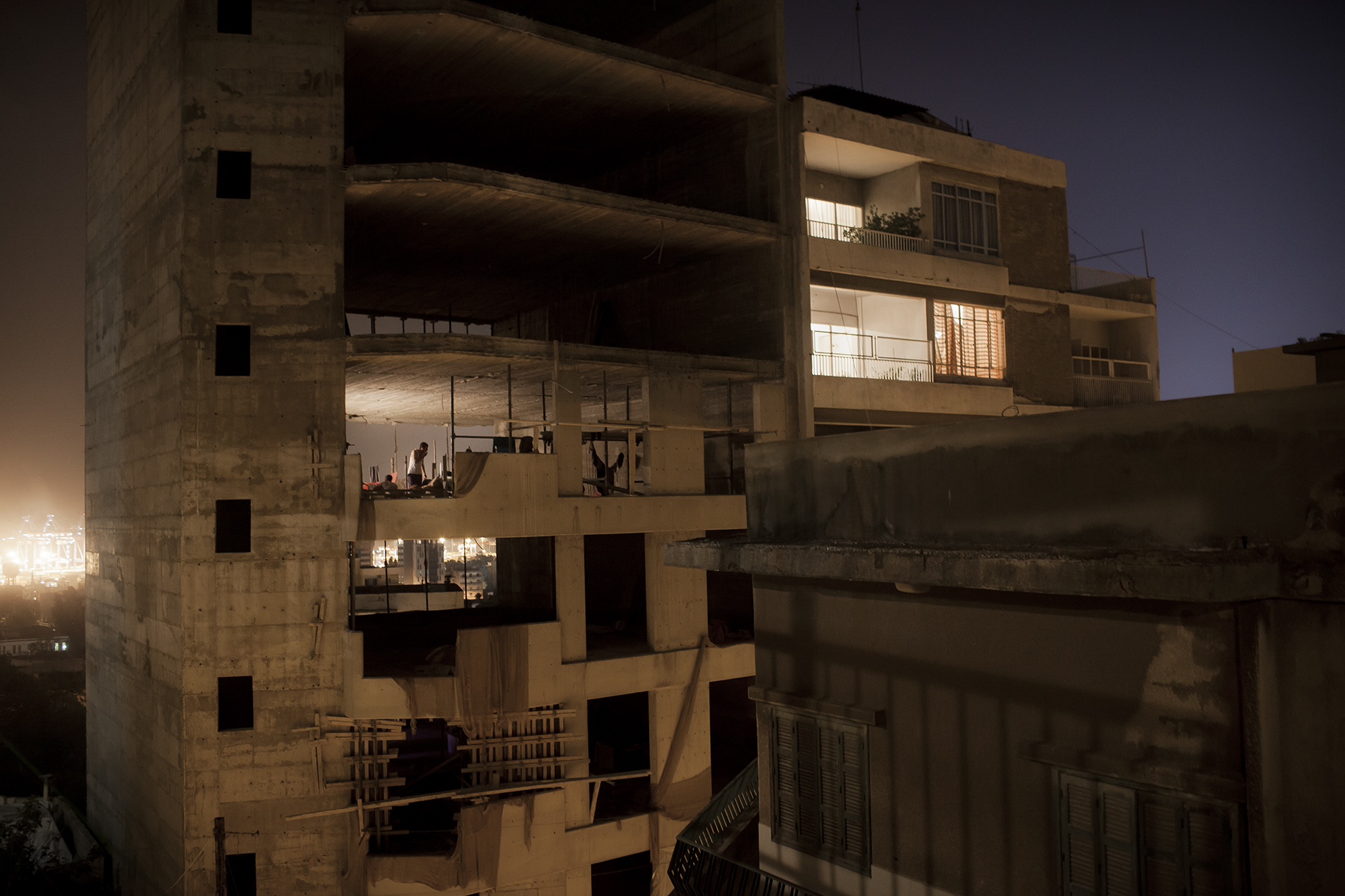
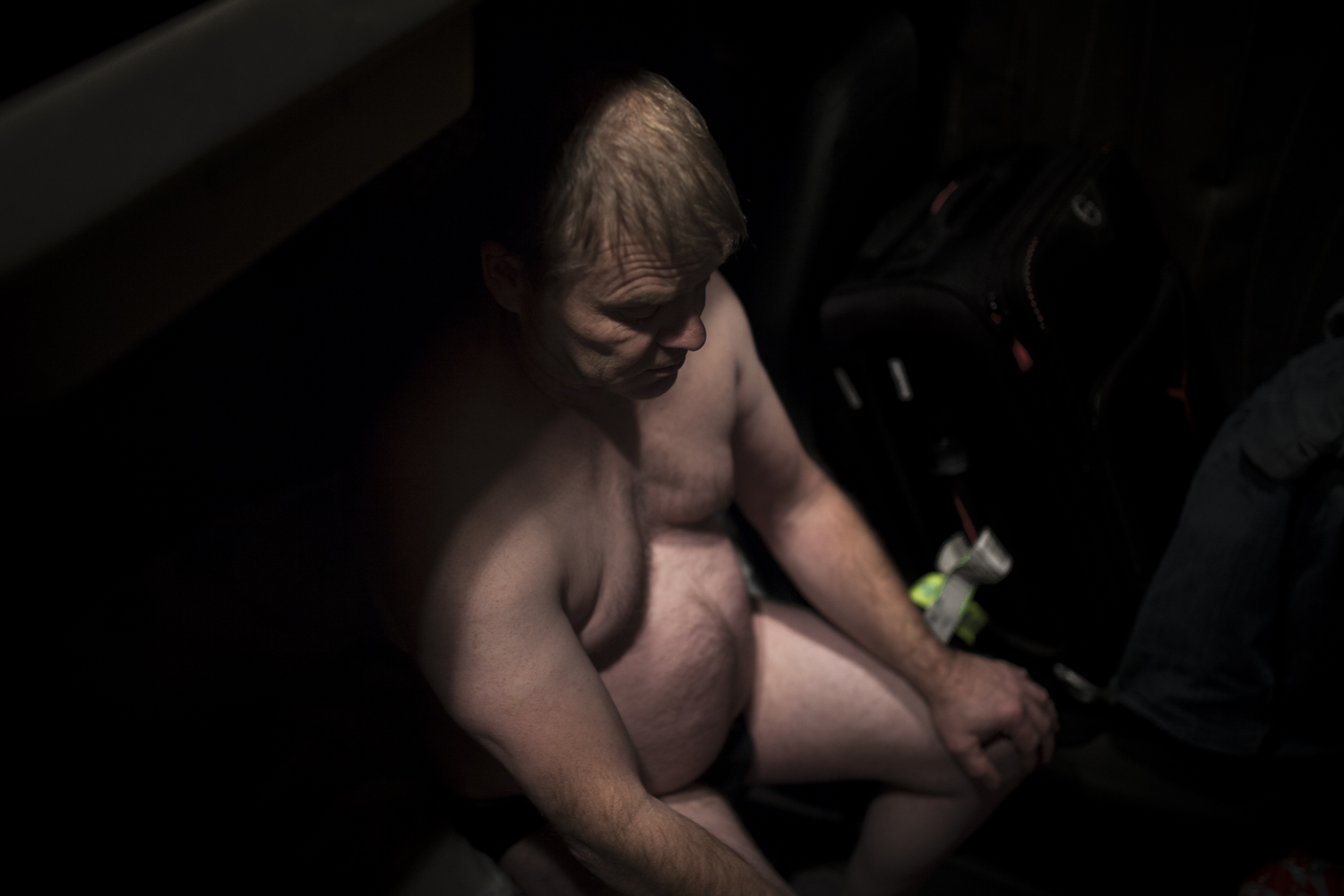
The photo by Asker Ladefoged (below) shows a grup Syrian men preparing for the night. They love and work in the unfinished building in the MarMichael district in Beirut. About two million people live in the capital and its suburbs, about 320,000 of these are refugees.
Feature
Bronze – Peter Klint – Danish School of Journalism Award of Excellence – Betina N. Garcia – Danish School of Journalism
Sports Feature Gold – Kasper Palsnov – Danish School of Journalism
Portrait: Silver – Trondur Dalsgard – Danish School of Journalism Award of Excellence – Mohammadreza Soltani – Danish School of Journalism Award of Excellence – Katinka Hustad – Høgskolgen i Oslo og Akershus
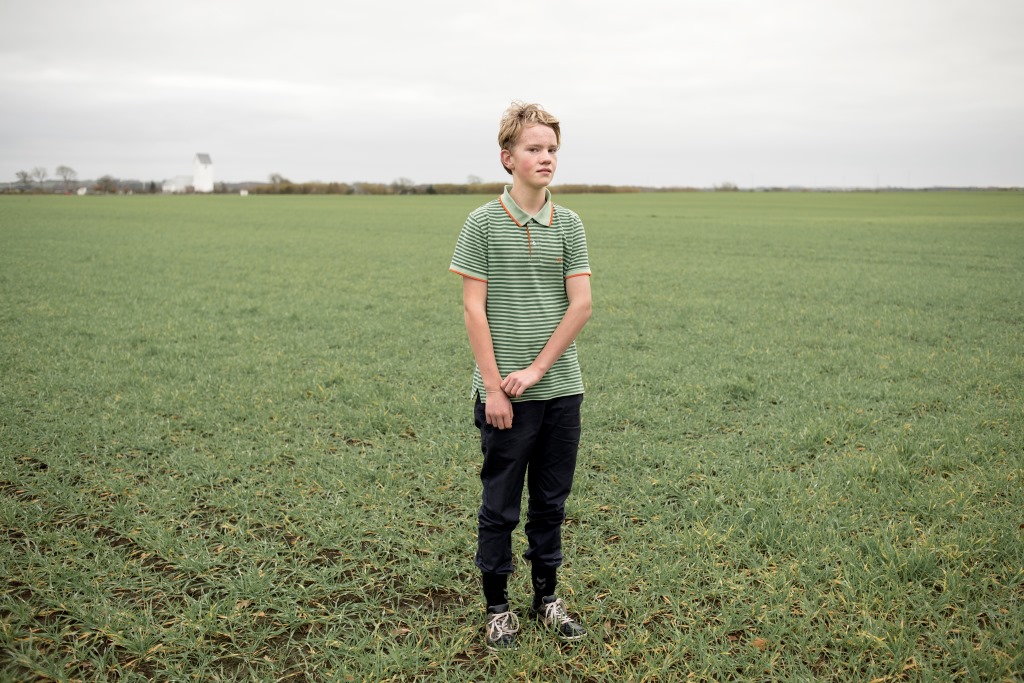
Trondur Dalsgard’s picture “Boys from Fur”.
Fur is a 22 square kilometers island in the Limfjord, Denmark with only 825 inhabitants. Niels Lykke-Sørensen is in sixth grade at the local school. “We’re a boys-only class. There were girls in our class a couple of years ago, but they all left the island, but I still like it here and I would like to live here when I grow up, maybe get a job on the mainland and have a house here – hopefully an exciting job, as a real estate agent perhaps.”
Interpretive Project Award of Excellence – Kasper Palsnov – Danish School of Journalism
Domestic Picture Story Gold – Mathias Svold – Danish School of Journalism Award of Excellence – Erik Pettersson – Nordens Fotoskola, Sweden
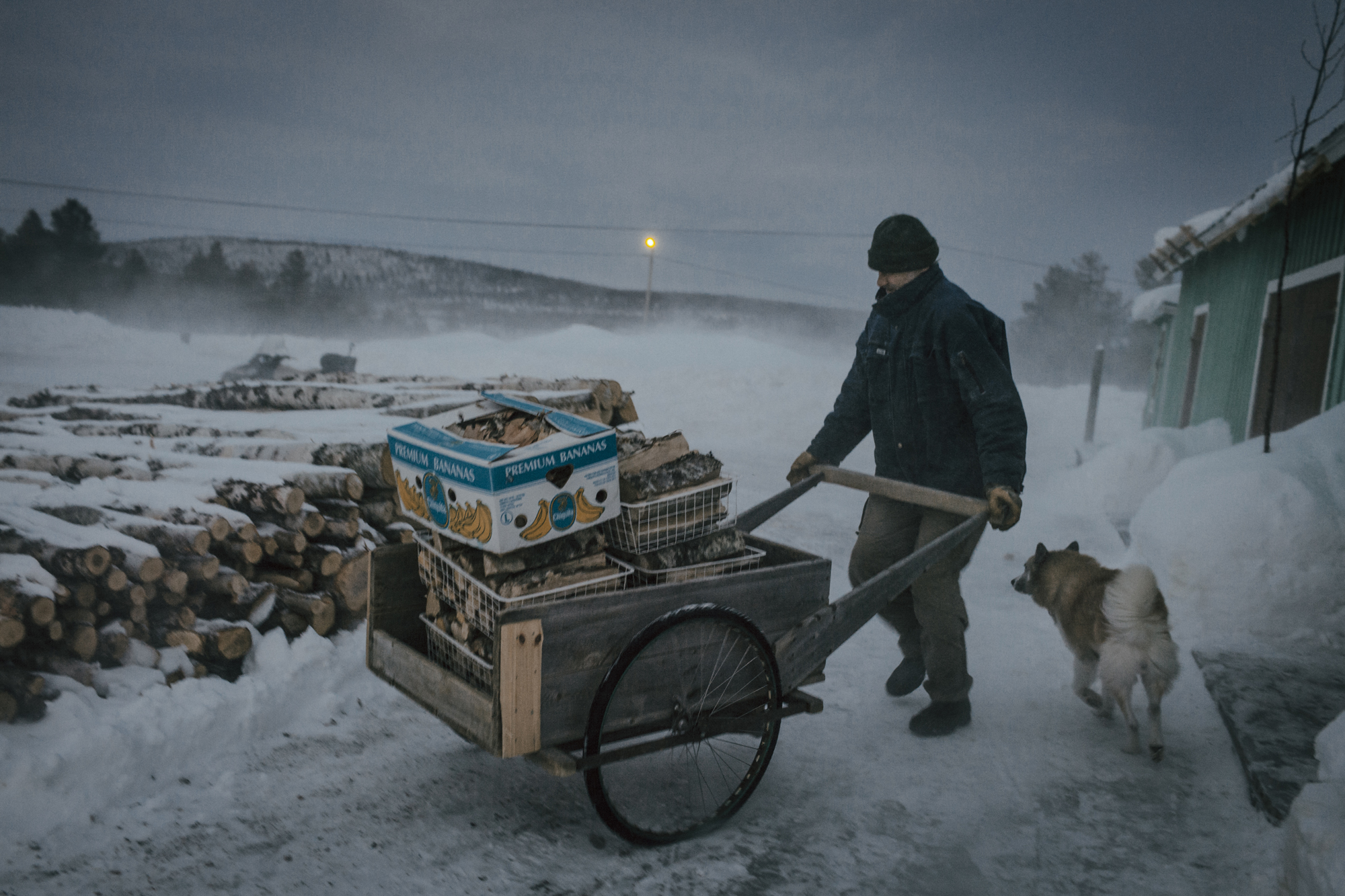
Erik Petterson tells Daily Scandinavian, “I approached the man, Tomas, portrayed in the picture after having seen a report on him in the local news. He had moved from southern Sweden to Paittasjärvi in 2009 with his dog and they are the only permanent inhabitants in the community. Paittasjärvi was considered a ghost area before Tomas moved there.
In the above image he has just collected wood from his wood pile. Winters up north in Paittasjärvi can be extremely cold with temperatures down to minus 40 C (-104F), so one need lots of firewood to keep the temperature pleasant. The image contains many different elements depicting the scanty surroundings and the brutal climate. In addition all the images in this series portray a relationship between the man and his dog.
International Picture Story Gold – Vancon Laetitia – Danish School of Journalism Silver – Michael Drost-Hansen – Danish School of Journalism Bronze – Simon Hastegård – Mid Sweden University Award of Excellence – Matthew Busch – Danish School of Journalism
Documentary Silver – Lars Just – Danish School of Journalism
I’ve been in love with infant and child products from the Norwegian-based Stokke for a long time,” says Shana Omanson.
“In fact, I was drooling over Stokke nearly 11 years ago before my first child was born. My love affair with their sleek designs continued, but as a college student myself and later the wife of a graduate student, we had trouble swallowing the price tag that came with the products my Norwegian husband, Ole, and I lusted after.”
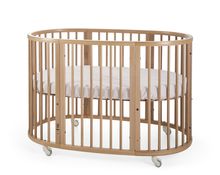
1. Solid construction. The first thing we noticed while setting up the bed was how solid the unit was as a whole. In four kids, we’ve been through two different toddler beds, and the one my four-year-old is transitioning out of at the moment was not sturdy enough to make it through another child. The Stokke Sleepi is completely reinforced with metal and wood construction and is so sturdy that even my husband can sit on the bed without the slightest bit of give.
2. Convertible. We’ve used a variety of sleeping areas moving through four kids depending on which home we were living in and what the room situation was including a bassinet, a Moses’ basket, multiple cribs and toddler beds, eventually graduating to twin beds. The Stokke Sleepi functions as a bassinet, crib, toddler bed up to age 10 and as two side chairs after the child has completely outgrown the bed functionality.
3. Size.As a basinet, the Stokke Sleepi is small and compact, perfect for that newborn baby. With the wheels on, the bed is just under 34 inches high, which makes for easy access to your child, even for someone like me. At 5’2″, I often have trouble reaching into standard cribs, but the Stokke is a great height for me to reach my child comfortably.
Converted to the Junior model, the bed is about 67 inches long, which means even my 11-year-old can sleep in it. It’s also large enough for both my husband (at 6’4″) and myself to get in to read a bedtime story with our son. Plus, it’s the perfect height for my two-year-old to climb in and out of, where a twin bed would be quite tall for him to manage, especially with our wood floors underneath should he slip and fall.
There are, however, downfalls: 1. High price tag 2. Odd size. Because the bed is oval-shaped, you’ll have to buy sheets specifically made for the Stokke.
“I have seen some patterns if you’d like to make your own, as well. This isn’t a huge deterrent for me, however, as you run into the same issue if you buy a crib or toddler bed from Ikea,” says Shana and adds,“Overall, we’ve been completely thrilled with the Stokke Sleepi Junior unit, as have the rest of the kids. Magnus now has the coolest bed in the house, and Kjell, Lene and Kiera are all jealous. I’d suggest purchasing it from the outset and using it as a bassinet, crib, toddler bed and then as chairs. In fact, I’m already planning for the reading nook they’ll have once the Junior bed transforms into chairs.”
The Norwegian furniture maker, Stokke, is probably most known for its Tripp-Trapp high chair.
A recent study by Polaris Nordic shows that almost eight million music fans from the Scandinavian countries are using streaming sites like Spotify or Wimp on a regular basis.
Just on its own, Spotify is thought to have almost seven million regular users in Sweden, Denmark and Norway, which is a considerable portion of the site’s 40 million active global monthly users.
The study showed that 78 per cent of internet users between 15 and 65 years are digital music consumers who have used services including Spotify, iTunes, YouTube or Wimp at some point during the past year to access music content, which proves that streaming music is booming in Scandinavia.
While the majority of these services have a free option, some 20 per cent of those surveyed have paid to access digital music during the past 12 months.
Consumers from all three countries surveyed said the amount of local music on offer was one reason why streaming was so popular, while a third said finding local music on the digital music services was easy.
More than half of the respondents said they would consider it difficult or impossible to stop listening to music as it was such an important part of their lives.
The Polaris Nordic Digital Music Survey was carried out in June this year. The online questionnaire targeted 1,000 users in each of the countries between the ages 15 and 65.
The Nobel Prize in Physiology or Medicine 2014 was divided, one half awarded to John O’Keefe from New York, the other half jointly to the Norwegian researchers May-Britt and Edvard Moser“for their discoveries of cells that constitute a positioning system in the brain”. How do we know where we are? How can we find the way from one place to another? And how can we store this information in such a way that we can immediately find the way the next time we trace the same path? This year’s Nobel Laureates have discovered a positioning system, an “inner GPS” in the brain that makes it possible to orient ourselves in space, demonstrating a cellular basis for higher cognitive function.
In 1971, John O’Keefe discovered the first component of this positioning system. He found that a type of nerve cell in an area of the brain called the hippocampus that was always activated when a rat was at a certain place in a room. Other nerve cells were activated when the rat was at other places. O’Keefe concluded that these “place cells” formed a map of the room.
More than three decades later, in 2005, May-Britt and Edvard Moser discovered another key component of the brain’s positioning system. They identified another type of nerve cell, which they called “grid cells”, that generate a coordinate system and allow for precise positioning and pathfinding. Their subsequent research showed how place and grid cells make it possible to determine position and to navigate.
The discoveries of John O’Keefe, May-Britt Moser and Edvard Moser have solved a problem that has occupied philosophers and scientists for centuries – how does the brain create a map of the space surrounding us and how can we navigate our way through a complex environment?
How do we experience our environment? The sense of place and the ability to navigate are fundamental to our existence. The sense of place gives a perception of position in the environment. During navigation, it is interlinked with a sense of distance that is based on motion and knowledge of previous positions.
Questions about place and navigation have engaged philosophers and scientists for a long time. More than 200 years ago, the German philosopher Immanuel Kant argued that some mental abilities exist as a priori knowledge, independent of experience. He considered the concept of space as an inbuilt principle of the mind, one through which the world is and must be perceived. With the advent of behavioural psychology in the mid-20th century, these questions could be addressed experimentally. When Edward Tolman examined rats moving through labyrinths, he found that they could learn how to navigate, and proposed that a “cognitive map” formed in the brain allowed them to find their way. But questions still lingered – how would such a map be represented in the brain?
John O’Keefe and the place in space John O’Keefe was fascinated by the problem of how the brain controls behaviour and decided, in the late 1960s, to attack this question with neurophysiological methods. When recording signals from individual nerve cells in a part of the brain called the hippocampus, in rats moving freely in a room, O’Keefe discovered that certain nerve cells were activated when the animal assumed a particular place in the environment (Figure 1). He could demonstrate that these “place cells” were not merely registering visual input, but were building up an inner map of the environment. O’Keefe concluded that the hippocampus generates numerous maps, represented by the collective activity of place cells that are activated in different environments. Therefore, the memory of an environment can be stored as a specific combination of place cell activities in the hippocampus.
May-Britt and Edvard Moser find the coordinates
The Norwegian Nobel Prize Winners in Medicine 2014, May-Britt and Edvard Moser, were mapping the connections to the hippocampus in rats moving in a room when they discovered an astonishing pattern of activity in a nearby part of the brain called the entorhinal cortex. Here, certain cells were activated when the rat passed multiple locations arranged in a hexagonal grid (Figure 2). Each of these cells was activated in a unique spatial pattern and collectively these “grid cells” constitute a coordinate system that allows for spatial navigation. Together with other cells of the entorhinal cortex that recognize the direction of the head and the border of the room, they form circuits with the place cells in the hippocampus. This circuitry constitutes a comprehensive positioning system, an inner GPS, in the brain (Figure 3).
A place for maps in the human brain Recent investigations with brain imaging techniques, as well as studies of patients undergoing neurosurgery, have provided evidence that place and grid cells exist also in humans. In patients with Alzheimer’s disease, the hippocampus and entorhinal cortex are frequently affected at an early stage, and these individuals often lose their way and cannot recognize the environment. Knowledge about the brain’s positioning system may, therefore, help us understand the mechanism underpinning the devastating spatial memory loss that affects people with this disease.
The discovery of the brain’s positioning system represents a paradigm shift in our understanding of how ensembles of specialized cells work together to execute higher cognitive functions. It has opened new avenues for understanding other cognitive processes, such as memory, thinking and planning.
Alfred Nobel had an active interest in medical research. Through Karolinska Institutet, he came into contact with Swedish physiologist Jöns Johansson around 1890. Johansson worked in Nobel’s laboratory in Sevran, France during a brief period the same year. Physiology or medicine was the third prize area Nobel mentioned in his will.
Do you want an overdose of Christmas feeling? Scandinavia is for sure the right place. Experience the true X-mas mood in the perfect settings.
Christmas is perhaps the only time in the year when people can obey their natural impulses and express their true sentiments without feeling self-conscious and, perhaps, foolish. But Leave it to the Scandinavians to know best how to brighten the darkest time of the year – after all, they’re pros!
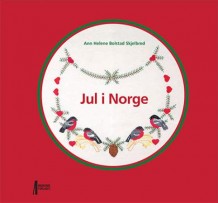
In this article we report from our visits at some of the most beloved Christmas markets throughout Scandinavia. Ann Helene Bolstad Skjelbred has written a new book “Jul I Norge” (Christmas in Norway). She says, “We travel with friends or bring our families to enjoy the Advent and Christmas season. It’s all about having fun, and we want to share it.”
Christmas in Denmark
Tivoli Copenhagen
Every Christmas Tivoli in Copenhagen presents a brand new Christmas theme. This year Tivoli presents an Alp country, where skis and sledges are placed against snow-covered wooden houses with smoke coming out of the chimneys. Along with the Alp Express and Tyrol merry-go-round, the scene is set for a perfect Alp Christmas. (Photo: Tivoli, Copenhagen)
Tivoli is the largest amusement park in the Nordic countries with 4.5 million visiting guests annually. The Christmas market consists of nearly 50 boots filled with cakes, sweets and crafts. This year you may also learn more about Norwegian and Swedish Christmas traditions and enjoy 26 attractions for the whole family.
Christmas markets in Copenhagen
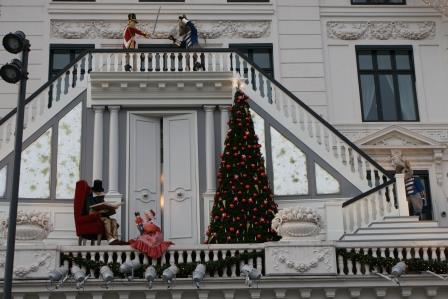
There are several Christmas markets in Copenhagen in December. The best hotel in Copenhagen (in our view) d’Angleterre, has an interesting façade this year, showing H. C. Andersen reading his fairy tales. And the Christmas-beer has arrived. Look out for the carriers. (All photos: Tor Kjolberg)
Christmas in Norway
Christmas market in Røros
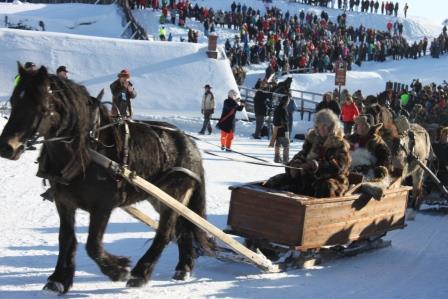
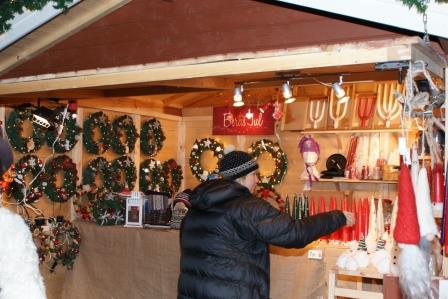
You find one of Norway’s most famous Christmas markets at Røros, a town listed on Unesco’s World Heritage List. Here really feel the pre-Christmas joy with a huge Christmas market in the shopping street the second week-end in Advent.
There are boots, selling local food and craft for Christmas presents. Let the children enjoy sleigh riding, dog sleigh riding or kicksledge. (All photos: Ulf Sundeman)
The Røros Museum has four sites to visit, all of which are open to the public: “Smetlhytta” (The Smeltery), “Olavsgruva” (Olav’s Mine), “Doktortjønna” (Femundsmarka National Park Centre and outdoor recreation area) and “Sleggveien” (Slag Street).
Do visit the church, the mining towns pride, (Bergstaden Ziir) and join a walking tour through the town. And when you’re there, allow some time to visit the other cultural monuments in the area; take a trip to the mining field at Storwartz, visit Nordgruvene and the home of Johan Falkberg at Ratvolden. More information is available from the pages of Røros Reiselivslag.
The Annual Christmas Fair at Folkemuseet, Oslo The Christmas market has more than 100 old-fashioned stalls where you can purchase homemade crafts, Christmas decorations, cakes and other treats. The museum’s cafés are decorated for the holidays and serve coffee, gingerbread cookies and other Norwegian Christmas specialities. Image (on top) Folkemuseet, Oslo.
Christmas Decoration in the shopping streets of Oslo
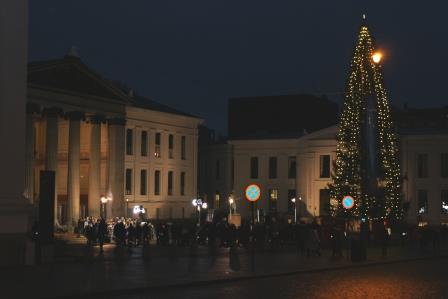
Downtown in Oslo every shopping street is decorated for Christmas. At main street Karl Johan there is also a Christmas market with boots selling everything from food and clothing to crafts and souvenirs. (All photos: Tor Kjolberg)
Christmas in Sweden
Liseberg Entertainment Park
Liseberg is divided into a succession of Christmas areas, so you can travel through time and space while you are here. Be transported by flames, snow and Sami folk music (Joik) in Lapland, or take a tour to Rabbit Land and discover how the slightly wacky rabbits celebrate Christmas. In the Old-Fashioned Christmas district the park take you back in time, where carriages roll along cobbled streets, choirs sing on the street corners and you can buy paper cones filled with sweets. You can even journey further back – right to the Middle Ages, and watch preparations being made for the big midwinter festival in the King’s camp. (Photo: Liseberg Amusement Park, Gothenburg)
You can go ice skating or take a sleigh ride with reindeers.
Five million Christmas lights illuminate the more than three kilometer long street in front of the amusement park the weeks before Christmas. This Christmas market is the biggest in Sweden.
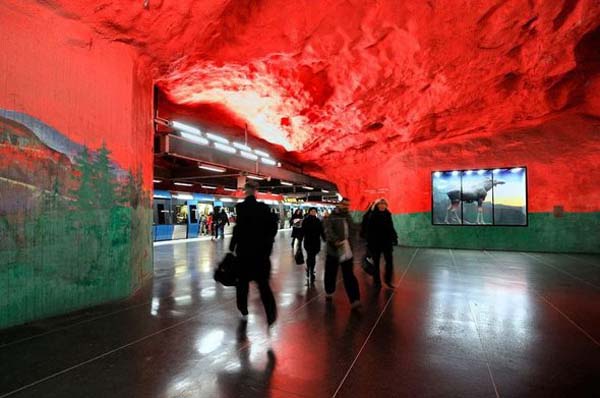
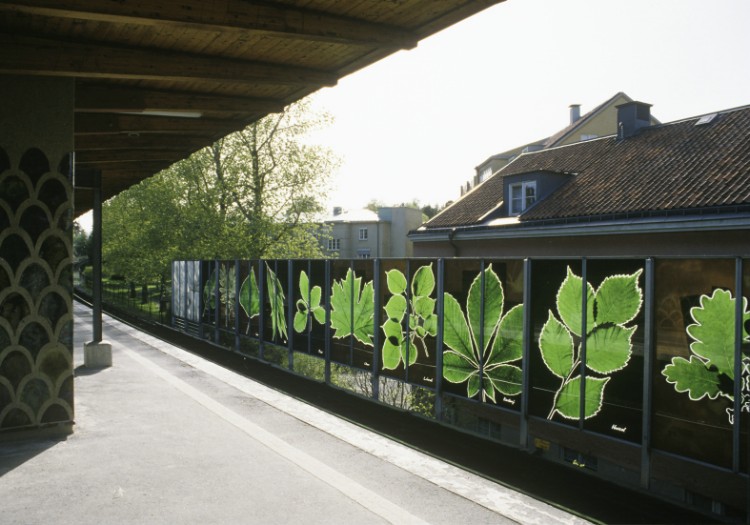
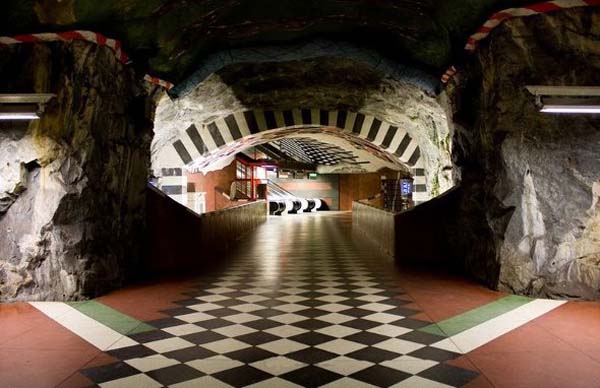
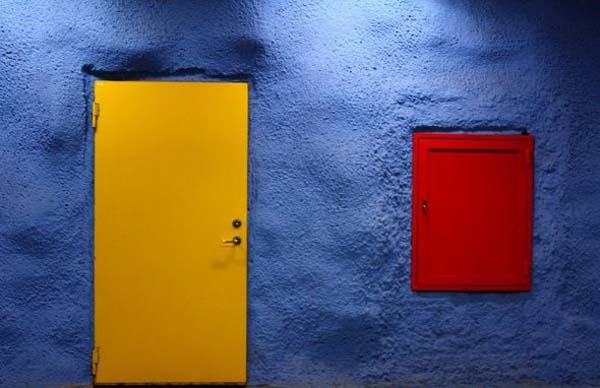
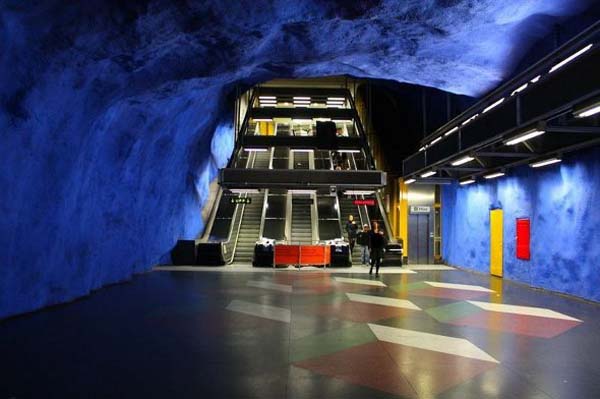
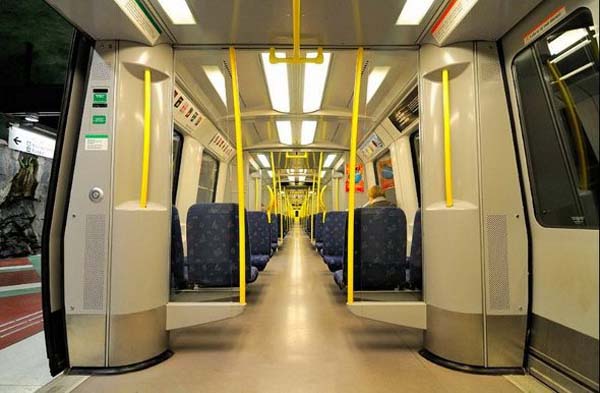
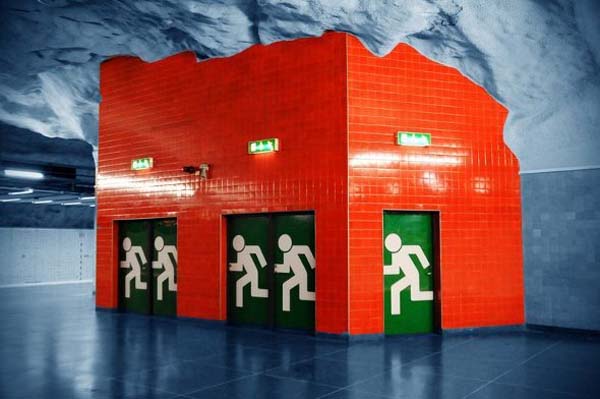
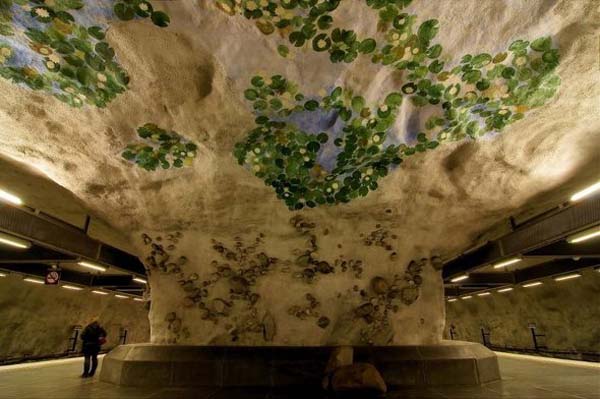
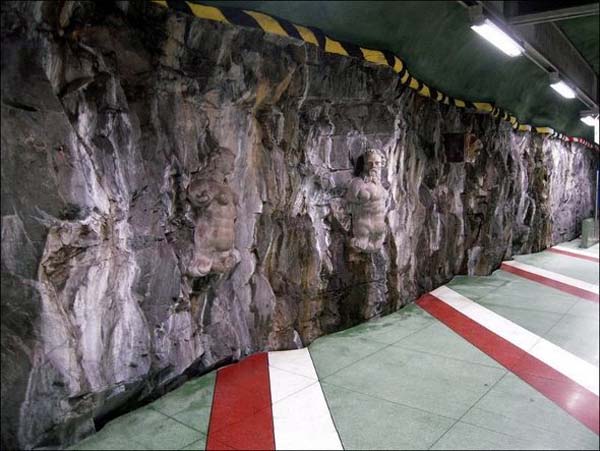
We have previously described the Stockholm metro system as the world’s longest art exhibition. Today we present the art in a visual form – an image story.
“The world’s longest art exhibition” is 110 km long. Out of 100 stations, 94 are emblazoned with paintings, mosaics and installations. For the price of a subway ticket tourists can take a free hour-long tour of four to five stations from June to August.
SL has supported subway art by 150 artists since the 1950s. You should add an extra day to your Stockholm visit just to travel the metro.
As you can see, art goes underground in Stockholm. Doors are closing. Have a nice trip and enjoy a selection of the art pieces.
Nobel Peace Prize Winner 2014, Malala Yousafzai, exhibits in Oslo for the first time the school uniform she wore when she was shot.
Honoring Malala Yousafzai’s own wish, the school uniform she wore when she was shot in the head by a Taliban gunman in October 2012, becomes part of the Nobel Peace Prize exhibition 2014 – Malala and Kailash at the Nobel Peace Center in Oslo, Norway.
“My school uniform is very important to me because when I was going to school I would wear it. The day I was attacked I was wearing this uniform. I was fighting for my right to go to school, I was fighting for my right to get education. Wearing a uniform made me feel that yes, I am a student, I am doing it, practically. It is an important part of my life, now I want to show it to children, to people all around the world. This is my right, it is the right of every child, to go to school. This should not be neglected,” says Nobel Peace Prize laureate Malala Yousafzai in an interview made for the exhibition.
The exhibition is a part of the Nobel Peace Prize 2014 ceremony in Oslo.
“Malala’s blood-stained uniform is a strong and heartbreaking symbol of the forces many girls are fighting for the right to go to school”, says Bente Erichsen, Executive Director of the Nobel Peace Center. “The uniform has been kept by the family since the attempted murder in October 2012, and we are grateful that Malala has chosen to show it to the public in our exhibition.”
The making of the official Nobel Peace Prize Exhibition is an annual production that spans a mere eight weeks, from the announcement in October to the Nobel Days in December. This is the tenth consecutive Nobel Peace Prize Exhibition, filling the entire first level of the museum in Oslo, Norway.
Kailash Satyarthi and Malala Yousafzai are awarded the the 2014 Nobel Peace Prize, for their struggle against the suppression of children and young people and for the right of all children to education.
The two Nobel Peace Prize laureates open the exhibition Thursday 11 December. It opens to the public the next day, Friday 12 December at noon. The Nobel Peace Center then continues the celebrations, and offer free entry for all throughout the year.
Facts about the Nobel Peace Center
one of the most visited museums in Norway with 225.000 visitors in 2013
presents the story of Alfred Nobel, the Nobel Peace Prize laureates and their work
is internationally recognized for its use of documentary photography and interactive technology
has a wide educational programme, receiving 970 school groups in 2013
is situated on the City Hall Square in Oslo
is an independendt foundation, lead by Executive Director Bente Erichsen
its board is appointed by the Norwegian Nobel Committee and Chairman is Geir Lundestad
People are traveling great distances only for food. We like to call them ‘Flight Foodies’. It’s the ‘next big thing’. Scandinavian food today is well worth the flight.
Traditional Danish Food Culture Danish food culture and culinary heritage – has been cultivated and improved for many generations – and is mainly rooted from the old country kitchen – with ancient food recipes from all over the Danish kingdom – created first and foremost – as a shield to protect the Danes against the cold weather conditions in Denmark.
That’s why the Danes for centuries have eaten a lot of meat – especially loads of pork – but also beeftogether with plenty of potatoes and vegetables.Poultry and fishproducts are the Danes second choice. The cold and often wet climate in Denmark requires a lot of food with high nutritional valuesthat contains many vitamins – minerals and proteins to mobilize a great potion of energy – which is a vital source – needed for work – at school– for sports and other form of daily activities – when living in a dynamic and modernsociety like Denmark that demands plenty of individual energy and human recourses every day.
Preserved Danish food
The natural content and ingredients in Danish food culture has been built up for centuries and flavored to match the taste of the traditional eating habitsof the Danish people from region to region and up to this century. To preserve food in olden days – the items of meat – fish and fruit was either salted– smoked or brine-pickledand could be stored for a very long time. The modern Danish kitchen uses many old recipes from the non-refrigeration period – and is still highly preferred and enjoyed at the dinner tables in Denmark.
Traditional and ConservativeFood Culture Rye breadand beer has for thousands of years been a basic part of the daily food consumption and later potatoesand heavy gravy was the main supplement to fishand meat dishes. The present Danish food culture is still very traditional and conservative– and is nevertheless based on deep-rooted recipes prepared during generations and centuries – in spite of influence from foreign countries and cultures.
Danish “Smørrebrød”
Almost every Danish restaurant in Copenhagen serve the traditional“open faced sandwich”called“smørrebrød” – with many different potions of food items as cold cuts – pieces of meat or fish – various paste – salad dressings and cheese on buttered rye breadand decorated with all types of toppings that gives the creation a great visual appeal – and is surely a piece of genuine art – when presented on a well laid table with cold Danish beer and snaps. “Smørrebrød” is normally served together with the famous Danish beer and snaps.
How much food is it physically possible to heap on top of a slice of rye bread? At Copenhagen’s smørrebrød restaurants you’ll find out! Smørrebrød comes in hundreds of varieties including veggie options, fish, pate or meat. And just for reference, you don’t fill a smørrebrød open sandwich, you decorate it!
Restaurant Ida Davidsen is probably the most famous place in inner Copenhagen to taste Danish smørrebrød also called open-faced sandwiches.
If you think Danish Crown Prince Frederik, footballer Michael Laudrup, or entertainer Victor Borge are dishy, Restaurant Ida Davidsen may be the place for you.
Danish Food Quotes:
“The impracticality of eating cold duck is that it has to be roasted first!”
(Det upraktiske ved kold and er – at den skal steges først!) Robert Storm Petersen – Danish Cartoonist – Writer – Animator – Humorist – 1882-1949
How to boil a three-minute egg? “Bring a piano into the kitchen – and play the Minute Waltz* three times!”
(“Hvordan koger man et blødkogt æg på tre minutter? – Anbring et klaver i køkkenet og spil minutvalsen tre gange”!) Victor Borge – Famous Danish Entertainer – Comedian – Conductor and Pianist – 1909-2000
Norway’s traditional dishes are being modernized for a new generation of visitors seeking choice local ingredients and delicate flavor combinations.
Smoked sheep-head
International media interest in Scandinavian culture has exploded in the last couple of years and a growing appreciation of Norwegian cuisine has been a part of that. With an emphasis on fresh local fish, meat and game served with sweet and sour flavours, the Norwegian kitchen today is a mix of traditional and global influences.
Fish can be prepared using almost every known cooking method; frying, dry-curing, brining, grilling and smoking. Meat dishes tend to be roasted, braised, stewed or fried, depending on the cut and recipe. Vegetables are usually boiled or braised. Root vegetable, fish and meat soups and stews are a link to Norway´s agricultural past but remain popular today.
Norwegian and Swedish chefs have long been exported to some of the world´s leading restaurants, but now many internationally trained Norwegian chefs have returned to open successful restaurants and cafes in their home market.
Three Norwegian restaurants now have a total of six Michelin stars awarded in 2014. Five restaurants have one star whilst Maaemo, the innovative Oslo restaurant has retained its two stars. Statholdergaarden, Ylajali and Fauna have single stars.
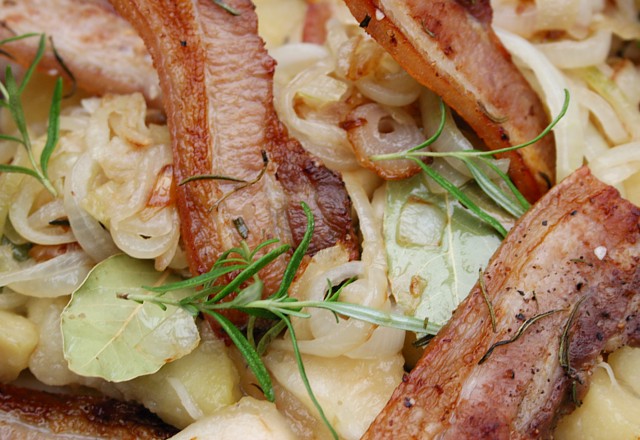
Norwegian cuisine is all about fantastic local ingredients such as king crab from the Barents Sea, excellent fish such as cod or halibut, organic Lofoten lamb or the tasty cloudberry for example. Norway also has chefs to rival the best in Europe; a vast array of local specialities; and traditional dishes for all seasons. Some local dishes may test your resolve as well as your tastebuds (‘smalahove’, salted and smoked head of sheep, is considered a delicacy, but only few foreign visitors dare try), but curious foodies will find plenty of unexpected, pleasant surprises awaiting everywhere.
Famous café on the ground floor of the Grand Hotel on Oslo’s main street, Karl Johan. Grand Café is steeped in tradition and one of the city’s great meeting places since the time of Henrik Ibsen and Edvard Munch. Ibsen himself ate here daily.
Norwegian waffles
Norwegian Quotes on Food
“I am sure my music has a taste of codfish in it.” Edvard Grieg, Norwegian composer (1843-1907)
“A rich and varied menu is for people who have no work to do.” Roald Amundsen, Norwegian explorer (1872-1928)
What you should know about Sweedish Food
Lingonberries go with anything
Just like ketchup and mustard, lingonberry jam is widely used to accompany a variety of dishes, from meatballs and pancakes to porridge and black pudding (blodpudding). But despite its sweetness, it is rarely used on bread. Thanks to the Right of Public Access (Allemansrätten), which gives everyone the freedom to roam and enjoy nature, many Swedes grow up picking lingonberries in the forest, and using these tiny tart red fruits to make a jam-like preserve.
Pickled herring – centre of the smorgasbord
You might swap meatballs (köttbullar) for mini sausages (prinskorvar) or pick cured salmon (gravad lax) rather than smoked, but your smorgasbord wouldn’t be complete without pickled herring (sill). This fishy favourite remains the basis of every typical Swedish buffet. With an abundance of herring in both the North and Baltic Seas, Swedes have been pickling since the Middle Ages, mainly as a way of preserving the fish for storage and transportation. Pickled herring comes in a variety of flavours – mustard, onion, garlic and dill, to name a few – and is often eaten with boiled potatoes, sour cream, chopped chives, sharp hard cheese, sometimes boiled eggs and, of course, crispbread.
Crispbread – what’s your favourite topping?
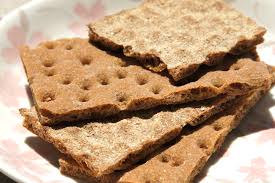
In addition to bread and butter, you’ll often find a type of crispbread (knäckebröd) served alongside your main meal. This is what the Swedes tend to reach for. Once considered poor man’s food, crispbread has been baked in Sweden for over 500 years, can last for at least a year if stored properly, and remains among the most versatile edible products. The Swedish National Board of Health and Welfare (Socialstyrelsen) ran a campaign in the 1970s suggesting Swedes should eat six to eight slices of bread a day, including crispbread. This comes in various shapes, thicknesses and flavours, with entire store shelves devoted to it. Crispbread can be topped with anything from sliced boiled eggs and caviar squeezed from a tube for breakfast; to ham, cheese and cucumber slices for lunch; to just plain butter along with your dinner.
The right of public access Allemansrätten – the right of public access – gives everyone the right to enjoy Sweden’s outdoors. It allows the public to roam freely, even on private land, to camp overnight and to pick mushrooms and berries. The right also brings responsibilities – to treat flora and fauna and other people’s property with care. It can be summed up in the phrase ‘don’t disturb, don’t destroy’. The right of public access is written into the Swedish constitution. But it is not a law as such, rather a custom or part of the cultural heritage that has evolved and become accepted over the years.
Stockholm is a great city for foodies. However, rooting out places that serve traditional swedish (“husmanskost”) food can sometimes be difficult. Which is a shame, really, as there are some really interesting and unique dishes to sample in the city.
Tranan is a nice restaurant close to Odenplan tube. Traditional but not stuffy, with excellent service and atmosphere. Crowded most nights of the week – go early or book ahead. The fried herring (stekt strömming), meatballs (köttbullar), cured salmon (rimmad lax) and isterband (coarsely ground sausage) are all excellent and well worth a try. Also – try the biff rydberg, which is diced beef served with fried potatoes, horseradish and egg.
Räksmörgås and other open sandwiches
When you order a sandwich, don’t be surprised if it involves just a single slice of bread, the typical Swedish smörgås. The Swedish concept of open sandwiches dates back to the 1400s when thick slabs of bread were used as plates. In Sweden, the shrimp sandwich (räksmörgås or räkmacka) remains the option fit for a king. Piled high with a mix of boiled egg slices, lettuce, tomato and cucumber, this seafood snack is often topped with creamyromsås – crème fraîche blended with dill sprigs and roe. Shrimp sandwiches are such an integral part of Swedish culture, they have inspired a popular saying: ‘glida in på en räkmacka’ (literally ‘glide in on a shrimp sandwich,’ but roughly corresponding to the expression ‘get a free ride’), meaning to get an advantage without having done anything to deserve it.
Pea soup and pancakes
Many Swedes grow up eating pea soup and pancakes (ärtsoppa och pannkakor) every Thursday. This tradition has been upheld by the Swedish Armed Forces since World War II. While its true origins are widely debated – from Catholics not eating meat on Fridays, thus filling up on pea soup on Thursdays, to pea soup being very easy to prepare by maid servants who would work half-days on Thursdays – the tradition has well and truly stuck. Most traditional lunch restaurants serve pea soup and pancakes with lingonberry jam or any kind of jam (sylt) on Thursdays.
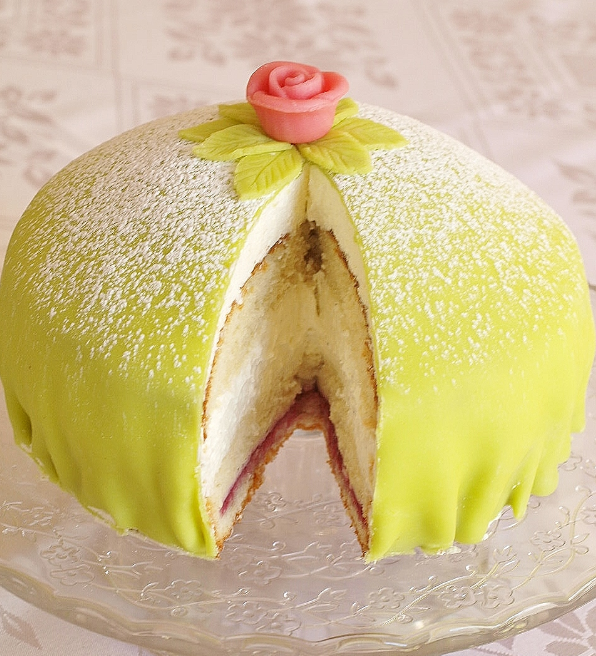
A princess cake is not only for royals. Swedes eat it all year round to celebrate important events.
Prinsesstårta – a royal indulgence Colouring the window displays of bakeries throughout Sweden is the all-time favourite green princess cake (prinsesstårta), topped with a bright pink sugar rose. Comprising layers of yellow sponge cake lined with jam and vanilla custard, and then finished off with a heavy topping of whipped cream, the cake is carefully sealed with a thin layer of sugary sweet green marzipan. A relatively recent addition to Sweden’s culinary history, princess cake debuted in the 1920s, courtesy of Jenny Åkerström. She was a teacher to King Gustav V’s brother Prince Carl Bernadotte’s daughters – Princesses Margaretha, Märtha and Astrid – who loved it so much that they inspired its name.
While the third week of September is officially princess cake week, this popular cake is now eaten during special festivals and is used to mark many milestones in people’s lives. Today, it comes in a variety of colours – from the classic green to yellow for Easter, red at Christmas, orange for Halloween and white for weddings.
The calendar of sweet delights In Sweden, people can always find a good excuse to tuck into something sweet – so much so that specific calendar days are designated to the celebration of particular sugary specialties. Cinnamon Bun Day (Kanelbullens dag) is celebrated on 4 October. Buns filled with cream and almond paste known as semlor are eaten on Shrove Tuesday or ‘Fat Tuesday’ (fettisdagen) as the Swedes call it – the day before Ash Wednesday (askonsdagen), the first day of Lent. Waffles (våfflor) are consumed on 25 March, and creamy sponge cakes decorated with chocolate or marzipan silhouettes of King Gustav II Adolf (Gustav Adolfs-bakelse) on 6 November in memory of the Swedish monarch who was killed on this day in 1632 at the Battle of Lützen.
Swedes & their sweet tooth The average Swede eats cakes and pastry equivalent to 316 cinnamon buns per year (2010). Even though the majority if 16 to 84-year-old exercise at least twice a week, it’s not quite enough to compensate for the calories gained.
148,766,006 kilos is the total weight of cinnamon buns consumed by Swedes a year – or around 350,000 moose. (Source: The Swedish Board of Agriculture and Statistics, Sweden)
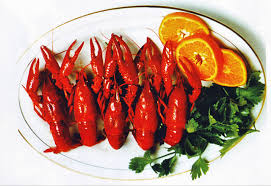
Crazy for crayfish Crayfish parties (kräftskivor) are popular in August, when warm summer evenings are spent feasting on these red bite-sized freshwater shellfish – or saltwater shellfish (then called langoustine or, funnily enough, Norway lobster) – in gardens and on balconies all over Sweden. Eaten only by Sweden’s upper-class citizens and aristocracy in the 1500s, crayfish have become a national delicacy enjoyed by all, with mass importation having significantly brought down the price over the centuries.
There’s something fishy about Surströmming
Every culture has at least one culinary speciality that makes both locals and visitors cringe. From late August to early September, a stinky tradition is upheld in Sweden, particularly in the northern part of the country. This is when cans of fermented sour Baltic herring (surströmming) are opened – a tradition dating back to the 1800s. The custom preferably takes place outdoors owing to the overpowering, unpleasant smell, which many compare with rotten eggs and raw sewage.
Lördagsgodis (Saturday sweets)
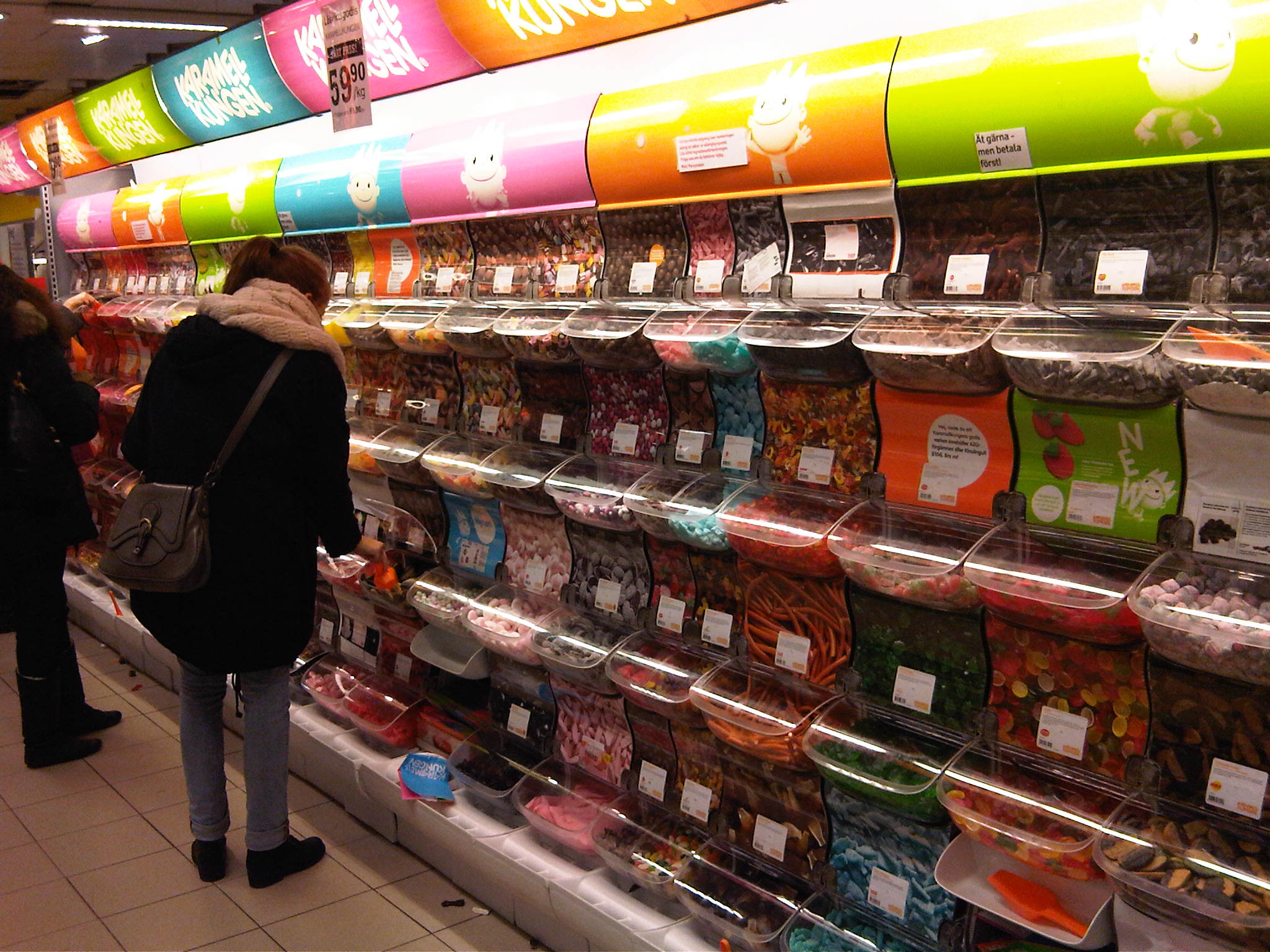
The average Swedish family, with two adults and two children, eats 1.2 kilos of sweets per week – most of it on Saturday, sweets day. Upheld mostly to protect people’s teeth and prevent dental cavities, the once-a-week tradition is historically linked to dubious medical practices. In the 1940s and 1950s, at Vipeholm Mental Hospital in Lund patients were fed large amounts of sweets to intentionally cause tooth decay, as part of a series of human experiments for research purposes. Based on findings from 1957 of the direct relationship between sweets and tooth decay, the Medical Board suggested Swedes eat sweets only once a week – an unwritten rule that many families still stick to.
Perhaps you now better understand why many travelers come to Scandinavia just as flight foodies?
Rock star Neil Young wants to revolutionize the music industry with his new music download device Pono, which looks like a box of Toblerone chocolate. Norwegian enthusiast Haakon Olsen from Drammen, Norway, supports him.
Eamonn Forde in the British paper Guardian is one of the first who has listened to it. He says, “It delivers on its promises. I listened to tracks from Elton John’s Madman Across the Water, Led Zeppelin II and Beck’s Morning Phase as well as Heart of Gold by Neil Young (of course), Contact by Daft Punk and Take Five by Dave Brubeck.”
Haakon Olsen, taking part in an exclusive ‘prototype’ dinner at a luxury hotel in New York agrees. So far only 30 Ponos, or Omnifone as it probably will be named, have been produced.
The audience is a niche (people who pay for music) within a niche (people who want digital music) within a niche (people who care about the sound quality), so it’s not going to be for the mass market, at least not for some time.
In the middle of November there were more than 1,7 million songs available. According to Pono World Times the library increases by one new song every second second.
Canadian rock legend Neil Young wants to challenge Apple, Sony and everybody else using the file format mp3 to play digital sound. Mp3 is easy to use and take up little space, but the sound suffers, according to music enthusiasts.
The educator Haakon Olsen from Drammen has been a fan of Neil Young since 1990 and followed him around the world, seen the artist perform 23 times in 11 countries. His description of Pono?
“It might be compared to watching a film with or without high-resolution,” he says.
Feature image (on top) from left to right: Neil’s manager Elliot Roberts, Haakon Olsen and Neil Young. (Copyright Haakon Olsen).