The world’s most illuminating experiences

Northern Norway has been selected one of the world’s ten top regions in Lonely Planet’s new publication  “Best in Travel 2015”. 

2015 is the UN Year of Light – so make a beeline for these brilliantly bright, bedazzling places.
031214-Lonely-planet-best-in-travel-2015-b
Aurora, Abisko, Sweden
The northern lights shimmer right across the polar regions – if solar activity is particularly exuberant you might even glimpse the lights as far south as Scotland. But, really, to maximise your chances of seeing aurora action, head for Abisko’s Aurora Skystation, nearly 200km north of the Arctic Circle and a long way from pretty much anything else. The surrounding mountains keep the skies almost always clear – light pollution is zero – and long winter nights provide the perfect black canvas for the heavenly glow.

031214-Aurora_sweden

Abisko’s Aurora Sky Station (auroraskystation.com) is 100km west of Kiruna. The best time to visit is September to March.

Midnight sun, Svalbard, Norway
Wish there were more hours in the day? No problem, plan a summer trip to Svalbard. Nudging the North Pole, this Arctic archipelago has long, dark, gloomy winters but makes up for it come spring: in the capital Longyearbyen the midnight sun lasts from 15 April to 26 August. That’s more than four months of relentless rays, the sun never dipping below the horizon. Make the most of all this light – once the seas are accessible (usually from June), board an expedition cruise and spend the wee hours on deck watching calving glaciers, grunting walruses and polar bears patrolling the pack ice. Wild nights indeed.

031214-polar-bear-in-svalbard
There is no ferry service between Svalbard and
 Norway; Longyearbyen is served by flights from Oslo.

One of the best places to get a ‘yes’ is Trolltunga (See video). Why not together with illuminating experiences?

This is what Lonely Planet journalist Kerry Christian says after her visit to the region: : ‘ I was blown away by the region’s wildlife, kind-hearted people and out of this world beauty. There’s no place like it for adventure, either. Where else can you meet Sami reindeer herders, dart past the world’s strongest tidal current on a RIB, cross the Arctic Circle, and watch the Northern Lights come out to play all in the space of a day? Cities like Bodø and Harstad reveal surprises, too, with rich culture, terrific restaurants and party-loving people. I lost my heart to Northern Norway, so much so that I’ve never found it harder to catch a plane home.’

The Swedish Connection to Mardi Gras

Mummery in America is as unique to Philadelphia as Mardi Gras is to New Orleans.  The Swedes were Philadelphia’s first settlers, with settlements starting as early as 1639. When they arrived in Tinicum Township, just outside Philadelphia, the Swedes brought with them their custom of visiting friends and neighbors on “Second Day Christmas”, December 26.

Later they extended this period of merriment to include New Year’s Day, and welcomed the New Year with masquerades and the parading of noisy revelers. One can see the similarities to be found in Philadelphia’s mummers’ festivities compared to that what occurred with the Cowbellions in Mobile in 1830.

These New Year’s traditions then travelled to New Orleans where they were incorporated into the European Mardi Gras.

The Mardi Gras parade tradition began in 1856, when the “Mistick Krewe of Comus” — a group of Anglo-Americans from Alabama — rolled two floats through New Orleans’ streets at night. In subsequent years the krewe became renowned for its dream-like wood and papier-mâché floats inspired by classical themes.

Romances of Wales by Bror Anders Wickstrom

Comus is the Greek god of revelry, merrymaking and festivity. He was the son and cup-bearer of the god Dionysus.

Matholwich - King of Ireland by Bror Anders Wickstrom
Matholwich – King of Ireland by Bror Anders Wickstrom


Krew
 is an organization that puts on a parade or ball for the Carnival season (New Orleans Mardi Gras and some other carnival sites in the US).

Prior to Mistick Krewe of Comus, Carnival celebrations in New Orleans were mostly confined to the Roman Catholic Creole community, and parades were organized informally.

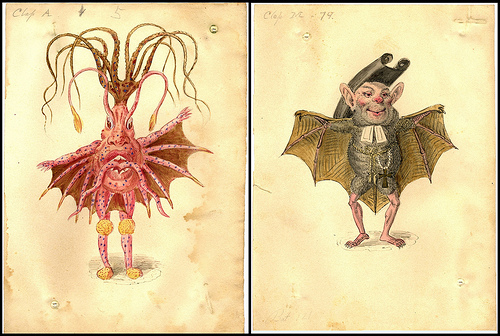
Alligator and Zebra by Charles Briton

New Orleans parade design reached its pinnacle in the late 1800s through the work of two cosmopolitan Swedish artist-emigres — Charles Briton and Bror Anders Wikstrom, which documents the swedish connection to Mardi Gras. Their fantastical creations — with titles like ‘The Prince of Darkness is a Gentleman” (a quote from King Lear) and “Sunset Dance of the Mosquito” — were whimsical confections bedecked with follies, flowers and grottos glittering with giant jewels. Comus ended its parade in 1992, in protest of a city ordinance that banned discrimination in Mardi Gras groups.

Sea-nettle and bat by Charles Briton

Comus was an outgrowth of the Cowbellion de Rakin Society, a group of Mobile revelers first celebrating New Year’s Eve a quarter of a century earlier and whose leader, Michael Krafft, was likely influenced by his Pennsylvania mummer traditions. The noisy group celebrated the coming of the New Year in a parade manned with cowbells, rakes and hoes. These mummer-oriented festivities would eventually make their way to New Orleans.

Charles Briton, a native of Gothenburg, Sweden arrived in New Orleans in 1865.  The young Swede, was soon employed by lithographer Emile Boehler, and resided with the Boehler family for ten years at 456 Bienville St.  Briton fell ill with yellow fever in 1688 and nearly died, but he was nursed back to health by the Boehlers. The following year brought Briton’s earliest known Carnival design, the ensemble tableau for the Comus Ball of 1870, “Louisiana: her founders and defenders”.

Throughout Carnival’s Golden Age, everything connected with the design, housing or construction of the pagents was sacred and hidden.  To the krewe captains and design committees, the anonymous Briton became quite well known, for all the early carnival societies turned to him to design every aspect of their production – floats, costumes, tableau, ball settings and invitations.

Charles Briton died at the age of 44 on July 1, 1884 while working in his studio on Exchange Alley.  His young neighbor and fellow Swede, Bror Anders Wikström, had helped him to finish the designs for Rex.  Wikström succeeded Briton and continued to design for Rex, and later for Proteus. He designed the carnival parades of the Krewe of Proteus from 1900 to 1910.

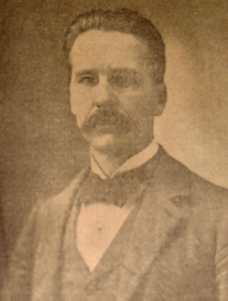
021214-bror-anders-wickstroem
Bror Anders Wikström, born on April 14, 1854, came to New Orleans already in 1883, but his entrée to the world of carnival came when he began to work with Charles Briton. He was known for his marine paintings as a sailor, and also for his Louisiana landscapes, as well as portraits and historical subjects.   Wikström ran away to sea at a young age and spent a dozen years as a sailor.

When he returned to Sweden, he studied at the Royal Academy of Art in Stockholm and later in Paris before setting out to make his fortune in America.  Bror Anders Wikström died in New York City on April 27, 1909, while working on a design for a parade for the Hudson-Fulton Celebration.

021214-bror-anders-wickstrom-mangrove-swamp
Today many of Wikström’s paintings, such as Mangrove Swamp (1902), along with some of his etchings, Carnival sketches, and even some of his tools, can be found at the Louisiana State Museum in New Orleans.

Fature image (on top) Krew de vieux

Kindly submitted by Cecilia Kjellgren, New Orleans

Sources:
http://www.neworleanspubliclibrary.org/~nopl/exhibits/mg2002/prointr.htm

http://www.neworleansbar.org/uploads/files/Rambos%20Role%202-6.pdf


Queen of Skis

0

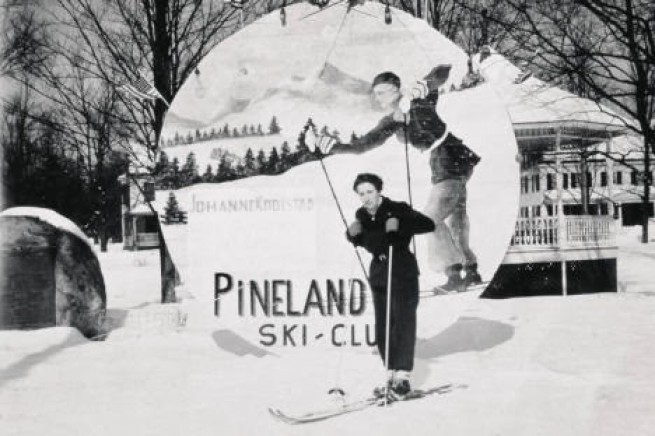
On March 6, 1938, 24 year old Johanne Kolstad from Dokka, Norway, set her latest world ski jump record of 72 meters in New Hampshire, USA, a record that would stand for 35 years.

Such a young woman should not be forgotten. In a ski jumping world dominated by men, she and other women struggled to gain respect as athletes.  It would take many years before their goal would be achieved at Holmenkollen with the advent of the women’s jumping competition.Until then Johanne had mostly done test jumps and entertainment performances during intermissions. But this she did so well that she got a good skijumping name –  worthily reminded at the exhibition “Queen of Skis”  at HolmenkollenSkiMuseum. The exhibition lasts through September this year.

011214_johanne_kolstad_queen_of_skis
Kolstad’s years in America were a sporting success, flooded with offers across the country, she was a topic of conversation in all US ski communities.

“The Queen of Skis” received invitations from Norwegian American ski clubs across the United States: Detroit, Salt Lake City, Auburn, Greenfield, New Boston and Portland. Johanne Kolstad was the young ski champion that everyone wanted to see and meet.

011214_Johanne-Kolstad_Daily_Scandinavian
In December 1937 she was the main attraction at an indoor winter event at Madison Square Garden in New York, performing single and triple jumps. Her homespun trousers were then replaced by red silk.

Two months later, Kolstad was a guest in Montreal, Canada. In an Alaskan dog sled, the popular ski champion was taken to the city hall where she was received by the Mayor of Montreal.

A newspaper reported that she was “starting to get Americanized, so the outlook is promising.  Miss. Kolstad, who last winter conversed with her American admirers by answering in her local Norwegian dialect, now has the American language in her power.”

The Norwegian press was curious about the new life of Johanne.  Mrs. Bruun, wife of the president of the Norway Club, Fred Bruun, reveals: “Johanne has never smoked, does not drink coffee, eats almost no meat, does not know what gin is, but drink milk and eat seven bananas a day.”

011214_Jump_Girls_JuSki historian Karin Berg is perhaps the person in Norway who knows most about ski jumping for women. In 1998 she published the book “Hopp jenter – hopp!” (Jump Girls – Jump !) in which Johanne was thoroughly portrayed. Berg wrote the book in cooperation with Johanna’s daughter, Anne Marie Aastad Braten. Karen Berg is at present director of the Holmenkollen Ski Museum, and participated also in a program about Johanne in the NRK (Norwegian Radio Cooperation) series “Forgotten heroes”.

Written by Tor Kjolberg
Feature image (on top): Skiforeningen, Norge

The Viking Silk Route

0

Birka was founded towards the end of the 8th century, and archeological excavations have revealed trade networks stretching east to Byzantium and as far as China.

281114-silk-for-the vikingsThe finds, which include silks from the Far East, Arabic coins and glass beads from the Arabic Caliphate, have challenged the belief that the Viking Age was all murder and mayhem. They point instead to a burgeoning, prosperous society made up of merchants, traders and farmers.

Birka was the first town in Sweden to come into contact with Christianity. But the town was never evangelized, and in some graves Thor’s hammer was found alongside a crucifix.

The Viking silk routes are described in the book “Silk for the Vikings” by Marianne Vedeler. It takes a closer look at the organization of production, trade and consumption of silk during the Viking Age. Beginning with a presentation of the silk finds in the Oseberg burial, the richest Viking burial find ever discovered, the other silk finds from high status graves in Scandinavia are discussed along with an introduction to the techniques used to produce raw silk and fabrics.

281114-Kilwa-coins
Later chapters concentrate on trade and exchange, considering the role of silk items both as trade objects and precious gifts, and in the light of coin finds. The main trade routes of silk to Scandinavia along the Russian rivers, and comparable Russian finds are described and the production and regulation of silk in Persia, early Islamic production areas and the Byzantine Empire discussed. The final chapter considers silk as a social actor in various contexts in Viking societies compared to the Christian west.

The museum at Birka is open between May and mid-September. Boats leave from outside Stockholm City Hall, at Stadshusbron.

281114_Birka-sweden

Related articles
Birka- the Swedish Viking Trading Center
The Vikings – Medieval Thugs or Merchant Traders?
Vikings’ Trade with Byzantium

This Robot Can Transform Norwegian fishing industry

0

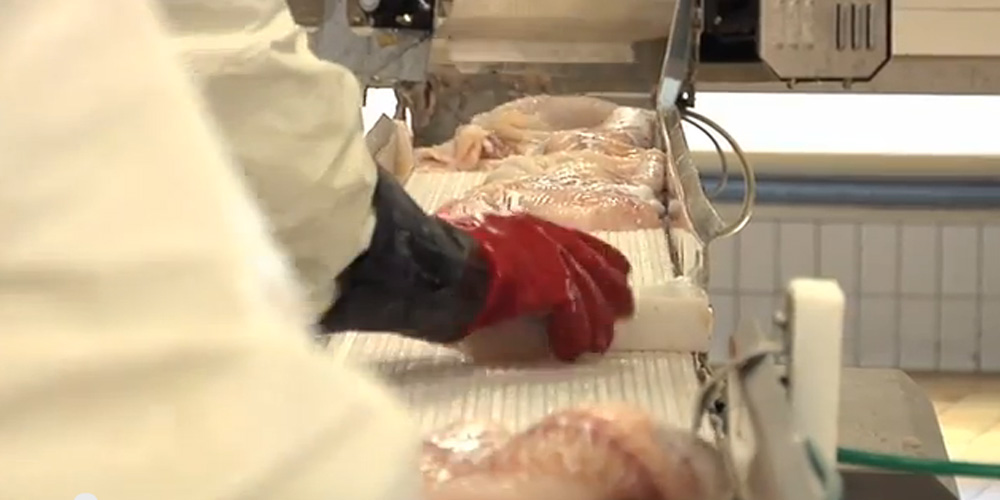
There is now a machine that locates the fish bones using X-ray technology, and fillets the fish quickly and precisely with a powerful jet of water.

Unlike farmed salmon, white fish varies greatly in size and weight. This means that until now, no one has been able to develop a machine that can fillet these fish.

271114-fileting-robot
The new filleting machine can, however, result in a positive upturn in the Norwegian fishing industry. The machine is a result of a development project run by Nordic Innovation, in which Sintef, Marel, Faroe Origin and Norway Seafoods have been working together.

Getting the bones out
White fish is complicated and time-consuming to fillet, because the bones are difficult to find and remove.

As a result, three to seven per cent of the most valuable part of the fish is currently cut away unnecessarily.

Researchers at SINTEF ICT have conducted X-ray tests in the laboratory, and have used CP scanners at Oslo University Hospital to learn more about where fish bones are located.

The technology focuses on image analysis and recognition. The new machine locates the fish bones using X-ray technology, and fillets the fish quickly and precisely with a powerful jet of water. This means that the fish is guaranteed to be boneless, with considerably less wastage than with manual filleting.

Processing in Norway
“Norway only exports 10 to25 per cent of processed products – depending on whether it is white fish or farmed fish”, says Marit Aursand, Research Director of SINTEF Fisheries and Aquaculture.

271114-Marit Aursand-SINTEF“Most of our most important seafood products – such as salmon, cod and herring – receive only minimal processing or treatment before they are sent abroad. In other words, the potential for carrying out more processing in Norway is huge, and this robot could provide a breakthrough, giving us a much-needed competitive advantage over low-cost countries in Asia, Eastern Europe and Russia”, says Aursand.

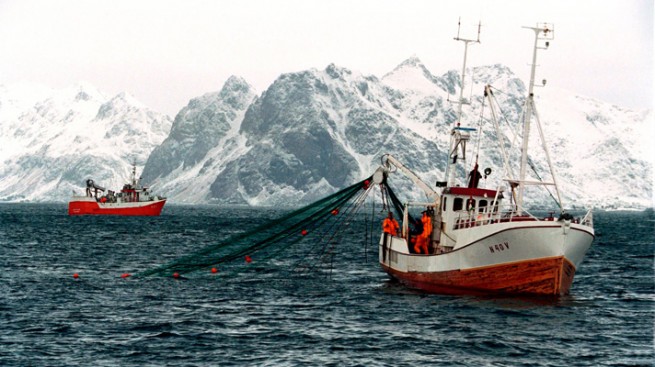
Currently, fish caught in Lofoten may travel through two other countries for filleting and packing before it returns to Norway. But this new invention would make it possible to send fresh fish direct to the shops from Norwegian facilities.

“Fish processing in Norway will soon become a thing of the past if the filleting process is not automated and made efficient and profitable. This is why this new invention is so important. It means that we can improve the quality and selection of fresh fish products, and keep the industry on Norwegian soil”, says Aursand.

Culinary Attractions in Gothenburg, Sweden

0

There are several interesting landmarks for the foodie to explore in Gothenburg. The two things that Sweden does exceptionally well are wild game and seafood, and for seafood, locals head straight to Gothenburg, Sweden’s second-largest city.

The cold clean waters of the North Atlantic Ocean blesses this city with the freshest fish and shellfish in the country, which has solidified Gothenburg its gastronomic reputation.

Here are some of the most famous market halls and culinary attractions in Gothenburg, Sweden you should not miss.

261114-fiskekyrka-fishchurch-gothenburg-sweden
Gothenburg has an iconic food market — dedicated to all things fish. A scenic walk along Rosenlund’s Canal, which surrounds the city’s core like a moat, takes you to the instantly recognisable Feskekörka, or  ‘fish church’ in Swedish, as it quickly became known, is an indoor fish and seafood market where you can buy all kinds of seafood delicacies caught on the day.

Feskekorka was built in 1874 and was an architectural experiment by Victor von Gegerfelt, a military man and architect and one of the two most influential architects from the mid-19th century. He was inspired by the wooden Norwegian stave churches and stone Gothic churches. The idea was to have a room without pillars.

???????????????????????????????
This reverence for fish and shellfish continues within the cathedral-style building of the iconic Sjömagasinet. Sjömagasinet is a flagship for Swedish gastronomy and offers excellent service in a rustic setting. The restaurant has a picturesque location by the waterfront in Klippan.

Sjömagasinet has one star in Guide Michelin and is run by owner Ulf Wagner and head chef Gustav Trägårdh (Chef of the year 2010). The restaurant building dates back to 1775 and was previously used as a warehouse for the East India Company. World-famous stars like Bruce Springsteen and U2 have dined at Sjömagasinet.

261114-kometen-restaurant-gothenburg-sweden
Kometen (The Comet) is a popular eatery with both locals and celebrities. Kometen has always been an entertaining place to visit. Countless are the authors, artists and musicians who made their mark on the atmosphere. Here customers have enjoyed well-known Swedish dishes of high quality ingredients since ages. Their renowned wiener schnitzel is really out of the ordinary. Today, the restaurant is under the direction of the famous star chef Leif Mannerström.

261114-Thörnströms-kok-gothenburg-sweden
A culinary experience beyond the ordinary is promised at Thörnströms Kök, You will find eight to 10 different types of sourdough bread alongside your meal, featuring flavours of fennel and sea salt, lemon and dill, walnut, onion, rosemary and cumin among others, which chef Håkan Thörnström has baked every day for the last 15 years. Modern Swedish cuisine using carefully selected regional products, served in an elegant restaurant setting. Thörnströms kök has one star in the prestigious Guide Michelin.

261114-restaurant-familjen-gothenburg-sweden
If you would rather eat meat over seafood, locals nod in consensus whenever restaurant Familjen (The Family) is mentioned. Familjen is a contemporary West Swedish brasserie with a warm and friendly atmosphere. The chefs have high ambitions and use locally produced ingredients after season.

From the menu you can either choose from a wide range of small dishes with classic Swedish flavours or a set three-course menu. In the summer you can enjoy the sunset at Familjen’s outdoor terrace.

261114-norda-bar-grill_gothenburg-sweden
Navigating Gothenburg’s culinary scene would be incomplete without a nod to native son-turned-celebrity chef, Marcus Samuelsson of Red Rooster fame in New York City’s Harlem neighbourhood, who is now one of the creative forces behind Norda Bar and Grill.

“If it’s difficult to get a seat at the bar, getting a table at the Norda Restaurant isn’t exactly easy either. Reservations are a must. The popularity of the restaurant is turbo charged by local celebrity chef hero Marcus Samuelsson adding his name and face to the concept, but the kitchen is headed up by the talented Jimmy Lappalainen on a daily basis. I’m always a skeptic when celebrity chefs attach their names to hotel restaurants on the other side of the globe from where they actually live, so my expectations were honestly not that high,” wrote Huffington Post.

Compiled by Daily Scandinavian

Prestigeous Prize to Norwegian Film Director

0

Norwegian film director Morten Tyldum won the Hollywood Director Award at the 18th annual Hollywood Film Awards earlier this month.

251114_The-imitation-game-posterRobert Pattinson, who won the New Hollywood Award at the 2008 awards, presented the Hollywood Director Award to The Imitation Game director Morten Tyldum, who thanked the crowd, saying, “I’m new to Hollywood and this is the warmest welcome I could imagine.”

Keira Knightley was honored with the Hollywood Supporting Actress Award for her role as Joan Clarke, a cryptanalyst who was part of Alan Turing’s code-breaking team, in The Imitation Game.  The film also picked up the award for best male actor (Benedict Cumberbatch) and best composer (Alexandre Desplat).

The Imitation Game is a film about a group of British experts selected to work in a covert operation in 1939 to crack the Nazi’s Enigma code.

Norwegian film director Morten Tyldum

The film is expected to receive several Oscar prizes as well.

Showing at selected theatres in USA now.

Eight Delicious Reasons Why You’ll Love Scandinavian Food

It’s only in the last couple of years that Scandinavian food has risen in popularity, but now it is getting global acclaim – especially after Rene Redzepi’s Copenhagen restaurant Noma was named the best in the world.

Sweden, Denmark and Norway are famous for their fresh flavours and foraged produce. From sweet berries to wild game and cured fish, Scandinavian cuisine relies heavily on wild, natural ingredients. Most Scandinavians are great foragers, bakers and preservers, making for a wonderful array of dishes and delicacies. As Scandinavian food writer Signe Johansen says: “There is so much more to our little corner of the world than herrings and meatballs – excellent though they are.”

Daily Scandinavian rounds-up eight delicious reasons why you’ll love Scandinavian food.

Fish
The cool waters of the Norwegian, Baltic and North Seas supply an abundance of sweet-tasting fish and shellfish; according to Camilla Plum, author of The Scandinavian Kitchen, these fish are the cornerstones of Scandinavian cooking.

241114-norwegian-fish-dish

Salted fish (known as clipfish/klippfisk) is a popular Scandinavian delicacy. It is usually made with cod that are gutted and salted as soon as they are caught at sea, then dried when the boats come back to shore. Salted fish is reconstituted by drawing out the salt in a few changes of water – the resulting taste is still quite salty, however.

Gravadlax is a well-known Scandinavian dish consisting of raw salmon cured with salt, sugar and dill. It is traditionally eaten with mustard sauce, rye bread and lots of fresh dill.

241114-graved-salmon

Cured fish, particularly herring, is another delicacy strongly associated with Scandinavia, in particular Sweden and Denmark. It is traditionally eaten with rye bread, crisp bread or potatoes, and flavoured with onion, sherry, mustard and dill.

Fermented herring (surströmming), sold in cans, is also popular. Known as Scandinavian rotten fish, due to the strong smell, it’s fermented for 1-2 months before canning, and is banned on some commercial flights as it is believed the pressurised containers could be dangerous.

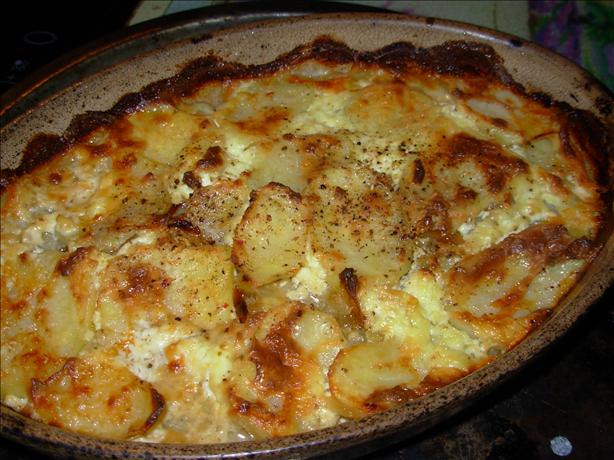
Jansson’s Temptation is a popular Scandinavian dish that epitomises the cuisine: potatoes, cream and cured fish. Traditionally made with pickled sprats, the dish is now made with anchovies.
241114-Janssons-temptation 
Meat

Hunting is a popular sport in Scandinavia, and game such as venison, deer and wild boar is popular.

241114_scandinavian-game-dish

The traditional way of serving game and reindeer is with a creamy sauce, potatoes and a berry conserve or jelly such as lingonberry jam.
241114-scandinavian-meatballs
Meatballs
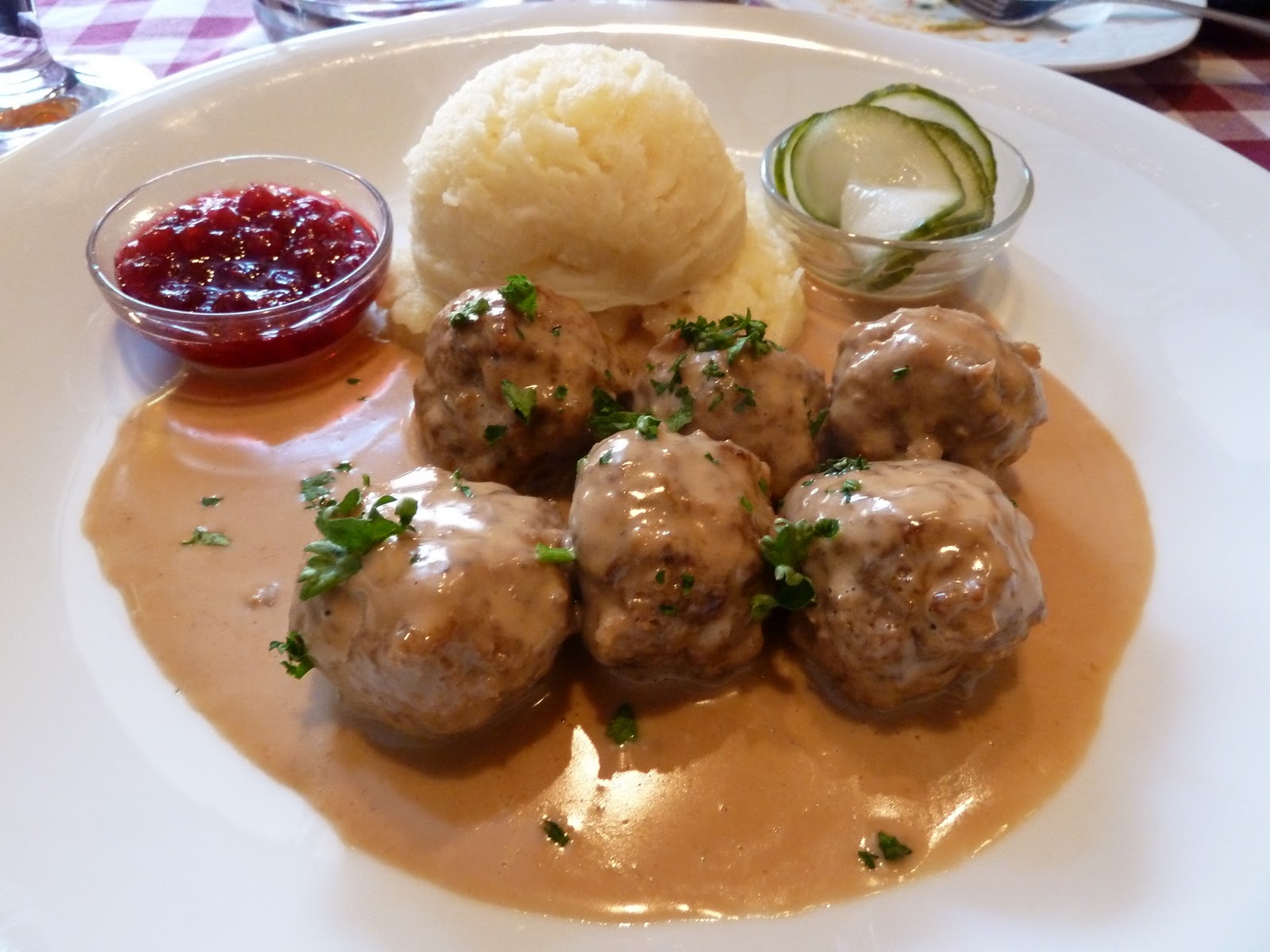
 are, of course, the dish everyone associates with Scandinavia – again, Ikea is known for its Swedish meatballs. According to Camilla Plum, this is the ultimate Scandinavian dish, eaten everywhere, every day. The shape and size of meatballs differ across Scandinavia, although most tend to be made from pork and veal. In Sweden, meatballs are usually served with mashed potato and lingonberry jam, whereas in Denmark they are served with pickled red cabbage in winter and creamed kale, potatoes and beetroot.

241114-scandinavian-strawberries
Berries

These feature heavily in sweet or savoury dishes. Although wild blueberries, strawberries and raspberries are popular, there are two berries that Scandinavia is known for. The lingonberry (known as the cowberry in the UK) is perhaps the most well-known and a cornerstone of Scandinavian cooking. They are a staple food in Sweden and are enjoyed with porridge and on toast as a jam, as well as forming the basis of many sauces for meats and other dishes. Similar to cranberries, and quite bitter, these berries need sugar, hence they are mostly eaten in jam form.

241114_Cloudberries
The cloudberry is another popular berry, but it’s extremely hard to find (and therefore expensive) due to the conditions it grows in. Found in acidic ground in damp areas such as bogs and marshes, they are almost impossible to grow industrially. Cloudberries have a striking golden appearance and are similar in shape to the raspberry, their cousin. They are mostly bought frozen or as a jam or juice.

Other delicacies
Scandinavians have a great tradition of baking – everything from rye bread and crisp breads to cinnamon buns and Danish pastries.

241114-scandinavian-bread
Rye bread is dark, rich bread made with rye, which used to be the staple grain in Scandinavia. It is often used as the basis for open sandwiches (pictured), known as smørrebrød, smørbrød, smörgås, another famed Scandinavian dish. One slice of rye bread is topped with anything ranging from herring to gravadlax to beef. Scandinavian Kitchen, a deli/café based in London, is well known for its beautiful and authentic open sandwiches.

Crispbreads are mainly thought of as a diet snack in the UK, but are a real favourite in Scandinavia and are often used as a base for pickled fish or cheese. Peter’s Yard crispbreads are said to be popular with Scandinavians in the UK, and are made to a Swedish recipe.

241114-Swedish-cinnamon-bun
Cinnamon buns
 (also known as cinnamon swirls or rolls) are very popular and in Sweden there is even a Cinnamon Roll Day (kanelbullens dag, on 4 October) dedicated to this sweet treat.


Legendary Mathieu Matêgot Flirting with Danish Interior Designers

0

Mathieu Matêgot’s Organic Forms Presented by the Danish Interior Design Company Gubi.  

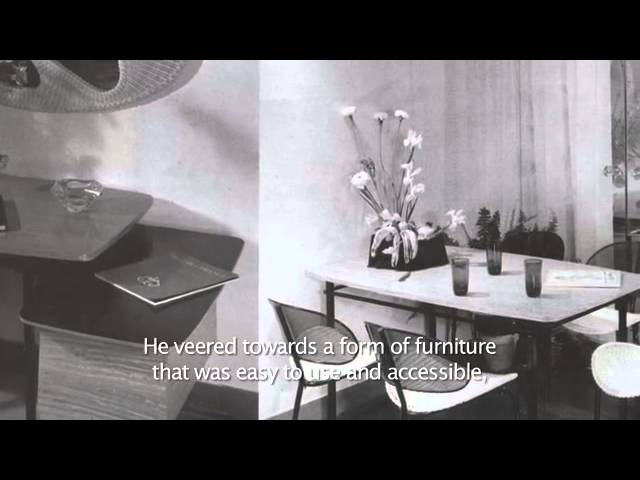
Mathieu Matégot’s lightness of touch created a sense of joy and was the ground breaking and innovative techniques that resulted in unique aesthetics and, above all, contemporary designs.

Today, Matégot’s designs are equally fit for the purpose as when they were originally conceived, and his legendary designs are both timeless and classic.211114_Mathieu Matégot

Like many of his peers Mategot travelled the world in search of inspiration, techniques and upon return transformed these impressions into his own unique designs and interpretations. Whether it was industrial processes or aesthetics, he always collected and interpreted – he even patented and set up his own production to apply these new technologies into his designs, He was a true innovator of his time!

From the spring of 2014 Gubi’s collection of original Mategot designs will include: The Nagasaki Chair & Stool, The Dedal Shelf, The Mategot Coatrack and the Kangourou Table plus four new pieces; The Mategot Trolley, The Demon Shelf and the Copacabana chair and tables.

It was presented this year at IMM Cologne, at Maison & Object Paris and at Stockholm Furniture & Light Fair. The new designs are now available at selected retailers, so the legendary Mathieu Mategot is now flirting with Danish interior designers.

Mathieu Matégot (1910 – 2001) was a Hungarian designer and architect. After studying at Budapest’s school of art and architecture, he settled in France

Norwegian Designer Makes Traditionally Knitted Reading Lamps

0

Cosy Concept is all about going back in time, use old handicraft techniques and old patterns to give them a modern look. With traditional patterns the Norwegian designer Turid Lindeland creates handicrafts of high quality.

201114_garnglede_i_rosendal-lindeland_turidTurid has written the book Garnglede i Rosendal (Joy with Yarn in Rosendal), inspired by an old sock pattern and an old hotel from 1887 in Rosendal. She has given traditional patterns a modern look both when it comes to color and choice of models. Her vision is to preserve the ancient handicraft techniques shown here in knitting and crocheting and making tangible products as counterpart to today’s disposable.

Together with the Norwegian design company Northern Lighting, the Norwegian designer Turid Lindeland has created a fusion between old and new. The result is a tribute to the Norwegian folk tradition and design – a real Norwegian icon. They have created the Cosy Concept hand knitted Seed-lamp. The limited edition is made in three different colors: light blue, green and gray.

Seed is a wall mounted nightlight designed to create a unique reading environment. Through a filtered LED light source, Seed creates a soft beam that makes it possible to read in bed while your partner sleeps. The rotatable arm of light enables different angles and can easily be attached to the wall at any desired position.

201114-Turid-Lindeland
Norwegian designer, Turid Lineland, now also makes traditionally knitted reading lamps.

Northern Lighting was founded in 2005, and has since established itself as a small dynamic Nordic company specializing in design and manufacture of lights. Northern Lighting creates designer lights for different moods inspired by the unique Nordic nature, culture and society and the very special natural light.

201114_Seed
The company delivers its creations to commercial projects and retailers in more than 30 countries, always following the same basic values. Northern Lighting reflects the fact that it is a young, fun, playful and mood-oriented lighting company, which uses its light portfolio to represent and promote the joy of creative design and the Nordic geographical and cultural heritage within the international design scene. The place of origin explains the choice of the name, Northern Lighting – inspired by the company’s positioning on top of the world in the Kingdom of Norway.

201114_Seed-blue
Northern Lighting
 is a commercial hub for designers. The people responsible for the generation of these designer lamps include both young up-and-coming talents and recognized designers. Despite their different levels of experience, the designers have one thing in common; they are fiery souls who are fascinated by the mood-creating possibilities of light.