Star photographer visits Oslo Kameraklubb

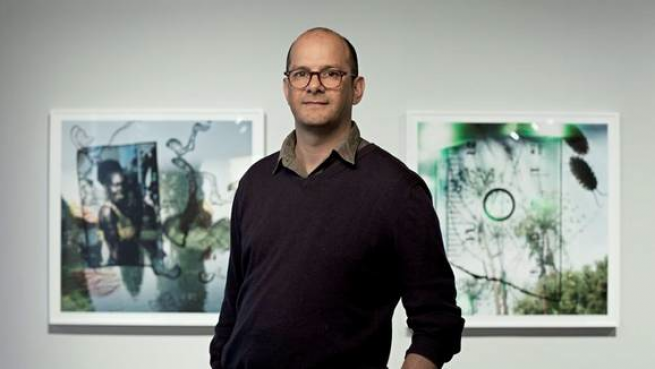
You might have seen the work of Ashley Cameron and not have even known it. He has worked with an array of magazines and advertising agencies. London-based Cameron has over the past 15 years built a reputation as a studio with a flexible, problem solving approach.  

031014-Ashlery-Cameron-2
Cameras have always intrigued Cameron. “Photography is the seventh most popular job in the worId,” said Watermann when he visited Oslo Kameraklubb (Oslo Camera Club) in Oslo last week, but added it is very few who really succeed. “You must keep going and never give in,” he said. He started out with wedding photos and developing photos in an Apple computer shop, always scanning and experimenting. He loves taking pictures but perhaps even more so, manipulating with elements. He collects backgrounds into which he can place elements like people, cars, buildings or whatever. He showed photographs and asked members of the club which photos were manipulated, using his puzzle- and airbrush-technique, and which were not. With his almost mathematical precision and excellent retouch it was nearly impossible to distinguish them.

081014_Asheley_Cameron-and-model-in-Norway
When he works for advertising agencies he uses his problem solving approach. “My studio combines production and retouching to deliver an art director’s vision,” he said. “Clients come to us, confident that we can solve a broad range of visual problems. Our diverse output covers everything from still life to lavish locations all over the world.”

081014-Ashely_Cameron-with-model-in-Norway
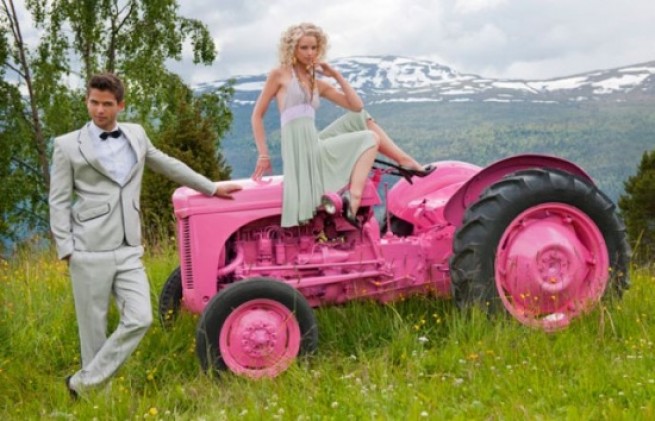
He loves to photograph in Norway. “I am literally always pushing borders to keep my enthusiasm going,” he said. “I am photographing normal things and making them special.”

081014_Ashely-Cameron-and-modelmayhem
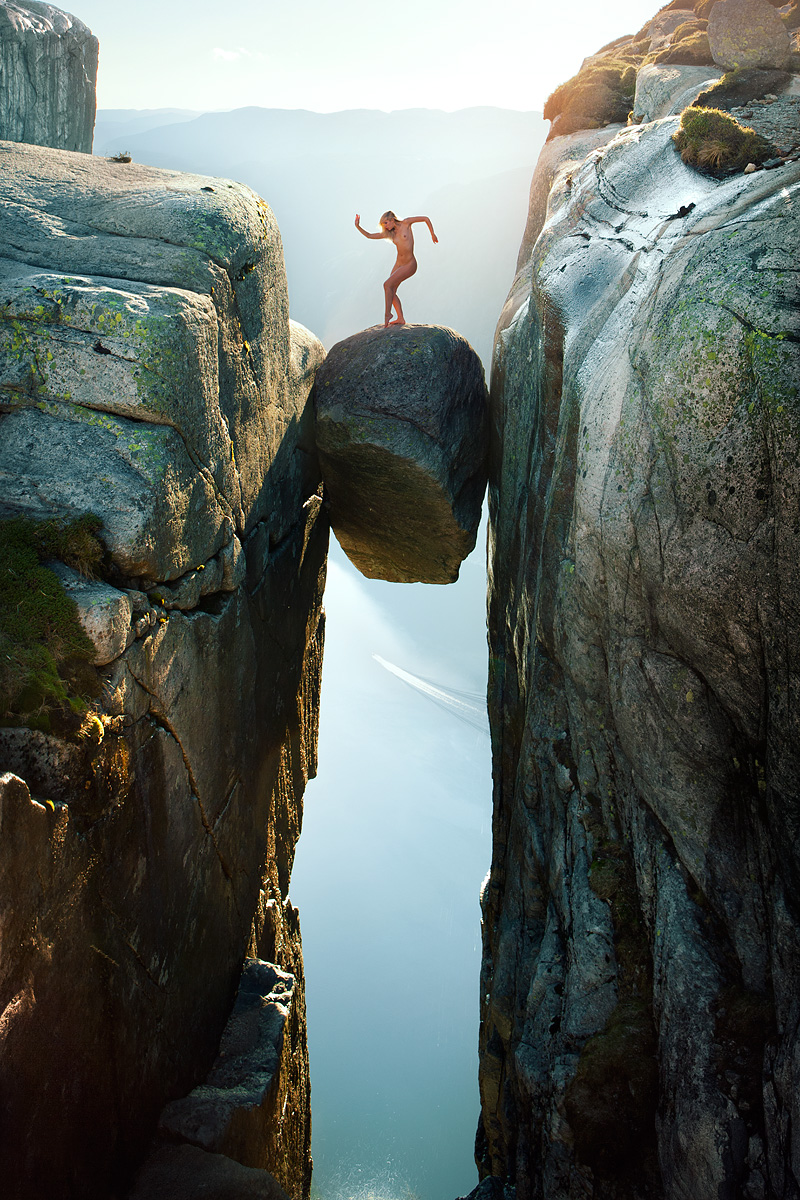
So he did when he brought a model to Trolltunga in Norway, a huge piece of rock that extends to a height of 0.8 kilometers off the ground. You need 8 to 10 hours to get there, but the view is spectacular. We are sure you never have seen “Language of the Trolls” photographed like this before.

Here is a proof that the background is genuine. Cameron photographing in Northern Norway.

081014-Cameron proving that this is a genuine backround
“I am not a fantastic photographer,” concluded a humble Cameron, “I just shoot in front of fantastic things. I am constantly looking for stuff.”

Text: Tor Kjolberg
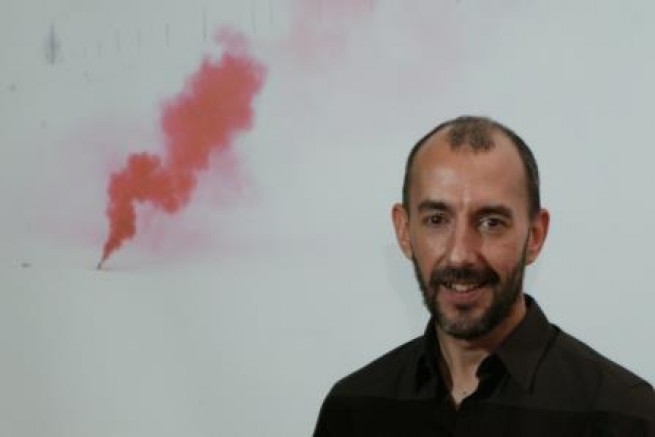
All photos Ashley Cameron, except feature image on top, showing Cameron in front of one of his images from Geilo, Norway.

Oslo Kameraklubb
was established March 21, 1921 and is a meeting point for photo enthusiasts. All are welcome, novices as well as experienced amateurs.

Related articles:
Photographs and memory
A Night with Garbo

How Danish are you?

We’ve all heard about how happy the Danes are, and the many great things about living in Denmark such as a healthy approach to work/life balance. While you can’t generalise about all 5.5 million people in this small Scandinavian country, there is an undeniable Danish mentality which has put Denmark on the map. Take this short and fun quiz to see how you rank in comparison to the world’s happiest people!

071014-bikig-on-snow-denmark

Let’s find out – How Danish are you?

1. Do you enjoy a cold Carlsberg on a summer day?

071014-Enjoy-Carlsberg
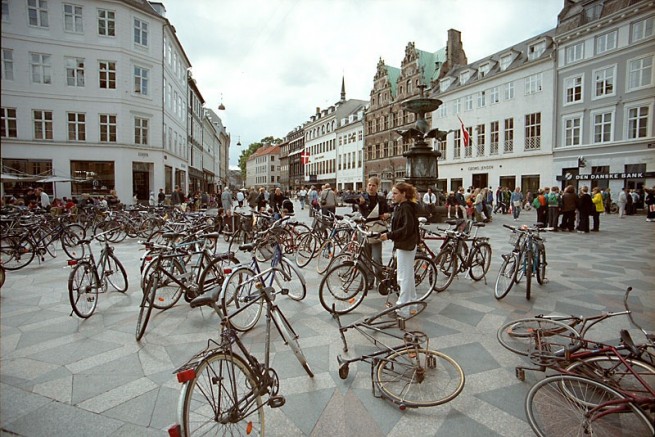
2. Do you see the snow on the ground and still think it’s a good idea to bike to work?

3. Are you able to navigate the snowy streets on your bike with the greatest of ease?

If you answered yes to any of these questions, you might have the spirit of a true Dane — but how Danish are you really?

Take this short and fun quiz with our friends at PineTribe to see how you rank in comparison to the world’s happiest people!

Take the quiz

Festivals & Events In Stockholm

Choose from a smörgåsbord of festivals, from Nobel Day to Pride Week

Swedes hold hard to traditions and the calendar is dotted with beloved, quintessentially Swedish events such as Valborgsmässoafton (Walpurgis Night) and Luciadagen (Lucia Day); both great opportunities for visitors to dabble in Swedishness.

The calendar isn’t all age-old tradition, though; there are plenty of events with a more contemporary flavour – for example the Pride celebrations and Re: Orientfestivalen – and the festivals & events scene in Stockholm continues to diversify each year.

071014-Celebrating-National-Day-Sweden
Nationaldag (National Day)

When: 6 June
Sweden’s National Day became a bank holiday in 2005. It celebrates Gustav Vasa’s election as King of Sweden on 6 June 1523 and the adoption of a new constitution on the same date in 1809. If you want a glimpse of the royal family in their traditional blue-and-yellow folk costumes, visit the open-air Skansen museum, where, since 1916, the King of Sweden has presented flags on this day to representatives of various organizations and charities.
071014_Midsummer-eve-sweden
Midsommarafton (Midsummer Eve)

When: Friday closest to 24 June
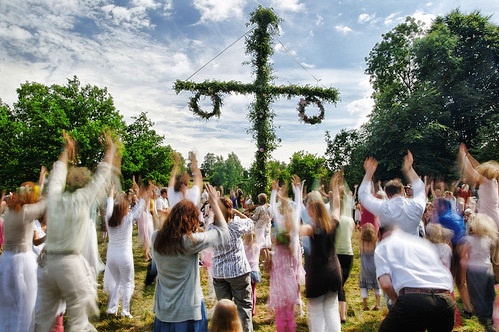
The longest day of the year has been revered in Scandinavia since the days of pagan ritual. Modern Swedes flock to summer cottages and Stockholmers set sail for quiet coves in the archipelago to commemorate this festive feast to fertility. Women and men in traditional dress dance around the flower-decorated maypole. After the dancing and family games a meal of marinated herring is washed down with spiced aquavit. It’s said that if an unmarried girl picks seven different flower types and puts them under her pillow on Midsummer Eve, she will dream of her future husband.
071014-Stockholm-Pride-Week-Photo-Andre-Landeros
Stockholm Pride Week

Where: Tantolunden, Södermalm
When: 1wk in July/Aug
Website: www.stockholmpride.org
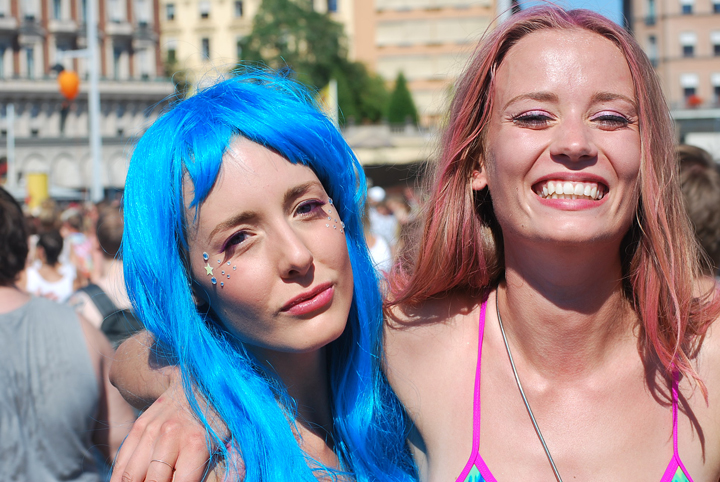
Since its birth in 1998, Stockholm Pride Week has grown into one of the city’s largest festivals, and the biggest gay Pride celebration in Scandinavia, with five days of partying, plus debates and entertainment. The heart of the action is the large open space of Tantolunden park on the island of Södermalm. The festival includes art exhibitions, debates, films, parties and, on the Saturday, the big parade.
071014-christmas-market-stockholm
Christmas markets

Where: Skansen
When:
 early-end Dec
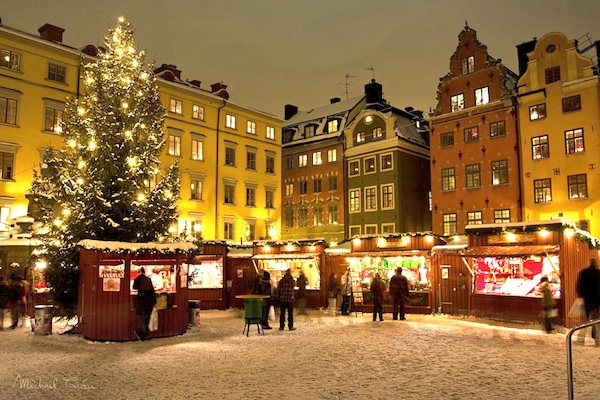
Skansen’s Christmas market – one of the biggest in Sweden and dating back to 1903 – is held at weekends throughout December until Christmas Eve (the only day Skansen is closed). Look out for Swedish craft products, traditional Christmas ornaments made of straw, hand-dipped candles, sweets (including polkagris, oversized red and white striped peppermint sticks) and Christmas fare such as smoked sausage, eel, salmon, pepparkakor (gingersnaps), glögg (mulled wine) and saffron buns.
071014-Celebrating_Saint_Lucia-stockholm
Luciadagen (Lucia Day)

Where: around Stcokholm
When:
 13 Dec
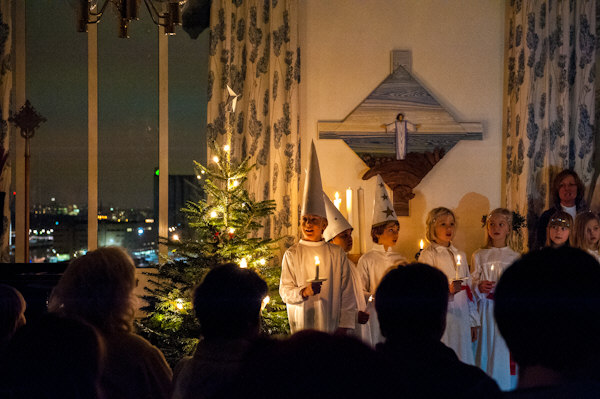
Among the best-known of Sweden’s festivals, Lucia is celebrated in mid-December, in the heart of the winter darkness. The Lutheran Swedes adopted the Sicilian St Lucia because Lucia is connected with lux, the Latin for light. All over Sweden, a procession of singers, dressed in white, full-length chemises with red ribbons around their waists, are led by a woman dressed as Lucia, with a crown of lit candles on her head.

Spring

071014_EasterPåsk (Easter)

When: Mar/Apr
For many Swedes, Easter’s greatest significance is getting a four-day weekend, well timed to polish up the boat, shake the cobwebs off the summer cottage or tidy up the garden. Still, the painting and eating of eggs is a hallowed tradition at the Easter smörgåsbord, along with salmon and pickled herring prepared in endlessly creative ways. On Maundy Thursday or Easter Saturday, young girls dress up and paint themselves as Easter witches, and then go around begging sweets from generous neighbours, giving hand-drawn Easter cards in exchange. This custom recalls an old northern European superstition that witches flew off to dance with the devil on the Blåkulla (Blue Mountain) at this time of year.
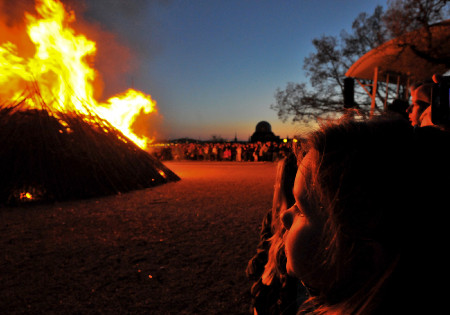
071014-Walpurgis-Night-Sweden
Valborgsmässoafton (Walpurgis Night)

Where: throughout the city
When: 30 Apr
Ancient pagan custom dictates that Swedes light bonfires on the last night of April to protect themselves against witches gathering to worship the devil. Today the celebration marks the end of winter and the coming of spring, and the bonfire is usually accompanied by choral singing. Walpurgis Night is celebrated all over Sweden, but for visitors to Stockholm the place to be is either the open-air Skansen museum, where fireworks add extra sparkle to the evening’s festivities, or Evert Taubes Terras on Riddarholmen.
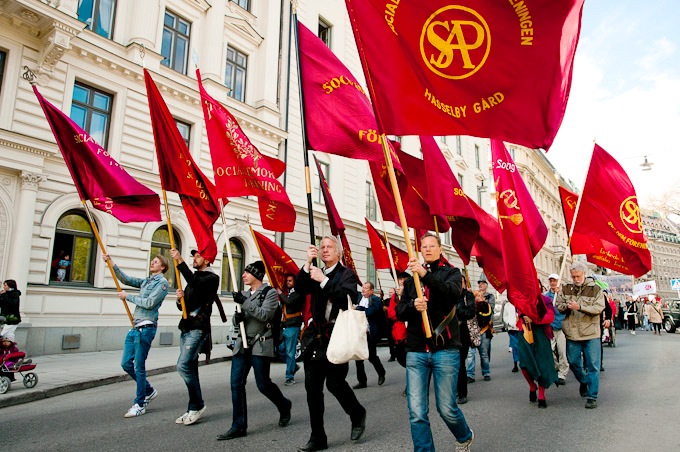
071014-MayDay-sweden
Första Maj (May Day)

Where: throughout the city
When: 1 May
If you happen to be in Stockholm on May Day, you’ll probably run into marchers waving banners in Sergels Torg and other large squares throughout the city. The first of May has been celebrated in various ways since 1890. In the early 19th century, May Day was a hugely popular festival in Djurgården park and featured a royal procession. By the late 19th century, though, it had turned into a rally of industrial workers. It’s a lot more low-key these days, but it’s still an important event for left-wing Stockholmers. Due to the cold weather, there’s no maypole dancing – that’s saved for Midsummer.

071014-tjeiloppet-sweden
Tjejtrampet

Where: location varies, check website for details
When: May
Tel & website: 450 2610/www.tjejtrampet.com
Given that Stockholm is such a bicycle-friendly city, it makes sense that it should host the world’s largest women-only bicycle race. Since the first race in 1990, some 80,000 women have cycled the 42km (26-mile) course. It is open to cyclists of all levels. Teenage girls and grandmothers pedal side-by-side in a show of female unity and a spirit of friendly competition.

Summer
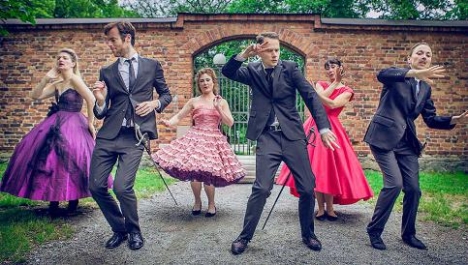
071014_Park-theatre-stockholm
Parkteatern (Park Theatre)

Where: parks throughout the city
When: June-Aug daily
Tel & website: 506 20 284/www.stadsteatern.stockholm.se
There’s been free outdoor theatre in Stockholm’s parks since 1942, and many performances can be enjoyed by non-Swedish speakers, such as circus shows, music concerts, modern and classical dance. There are workshops on everything from playing steel drums to klezmer or Swedish folk dance.
071014_Stockholm-early-music-festivalStockholm Early Music Festival

Where: Tyska Brinken 13, Gamla Stan
When: early June
Tel & website: 070 460 03 90/www.semf.se
This four-day event attracts an impressive roster of established and new artistic talent from Sweden and Europe performing a programme of music from the Middle Ages, Renaissance and baroque periods. The festival takes place in Gamla Stan.
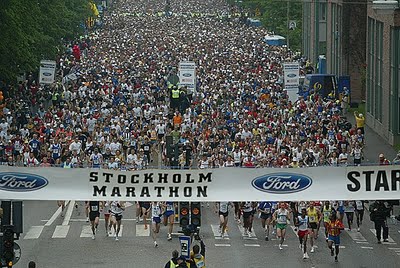
071014-stockholm-marathon
Stockholm Marathon

Where: start point: Lidingövägen, Hjorthagen
When: Sat in early June
Tel & website: 54 56 64 40/www.marathon.se
Few cities can match the beauty of this marathon route, which takes runners along waterside Strandvägen, Norrmälarstränd and Skeppsbron. Head for Lidingövägen to watch the runners take off, or if you want to be ready to glimpse the winner at the finish line, position yourself at Stockholms Stadion on Vallhallavägen.

071014-Archipelago-Boat-Day-Stockholm
Skärgårdsbåtens Dag (Archipelago Boat Day)

Where: Strömkajen, Norrmalm
When: 1st Wed in June
Tel: 662 89 02
If the idea of travelling on one of Stockholm’s old-fashioned steamboats appeals, there’s no better day to do it than Archipelago Boat Day. A parade of steam-driven vessels make their way from Strömkajen to Vaxholm in the early evening. For those who don’t catch a ride, good places to view the boats are Strömkajen, Skeppsholmen, Kastellholmen and Fåfängen. The boats arriving in Vaxholm are greeted by live music and an outdoor market; visitors have a couple of hours to explore Vaxholm before returning to Stockholm.

Nationaldag (National Day)

When: 6 June
Sweden’s National Day became a bank holiday in 2005. It celebrates Gustav Vasa’s election as King of Sweden on 6 June 1523 and the adoption of a new constitution on the same date in 1809. If you want a glimpse of the royal family in their traditional blue-and-yellow folk costumes, visit the open-airSkansen museum, where, since 1916, the King of Sweden has presented flags on this day to representatives of various organisations and charities.

Midsommarafton (Midsummer Eve)

When: Friday closest to 24 June
The longest day of the year has been revered in Scandinavia since the days of pagan ritual. Modern Swedes flock to summer cottages and Stockholmers set sail for quiet coves in the archipelago to commemorate this festive feast to fertility. Women and men in traditional dress dance around the flower-decorated maypole. After the dancing and family games a meal of marinated herring is washed down with spiced aquavit. It’s said that if an unmarried girl picks seven different flower types and puts them under her pillow on Midsummer Eve, she will dream of her future husband.
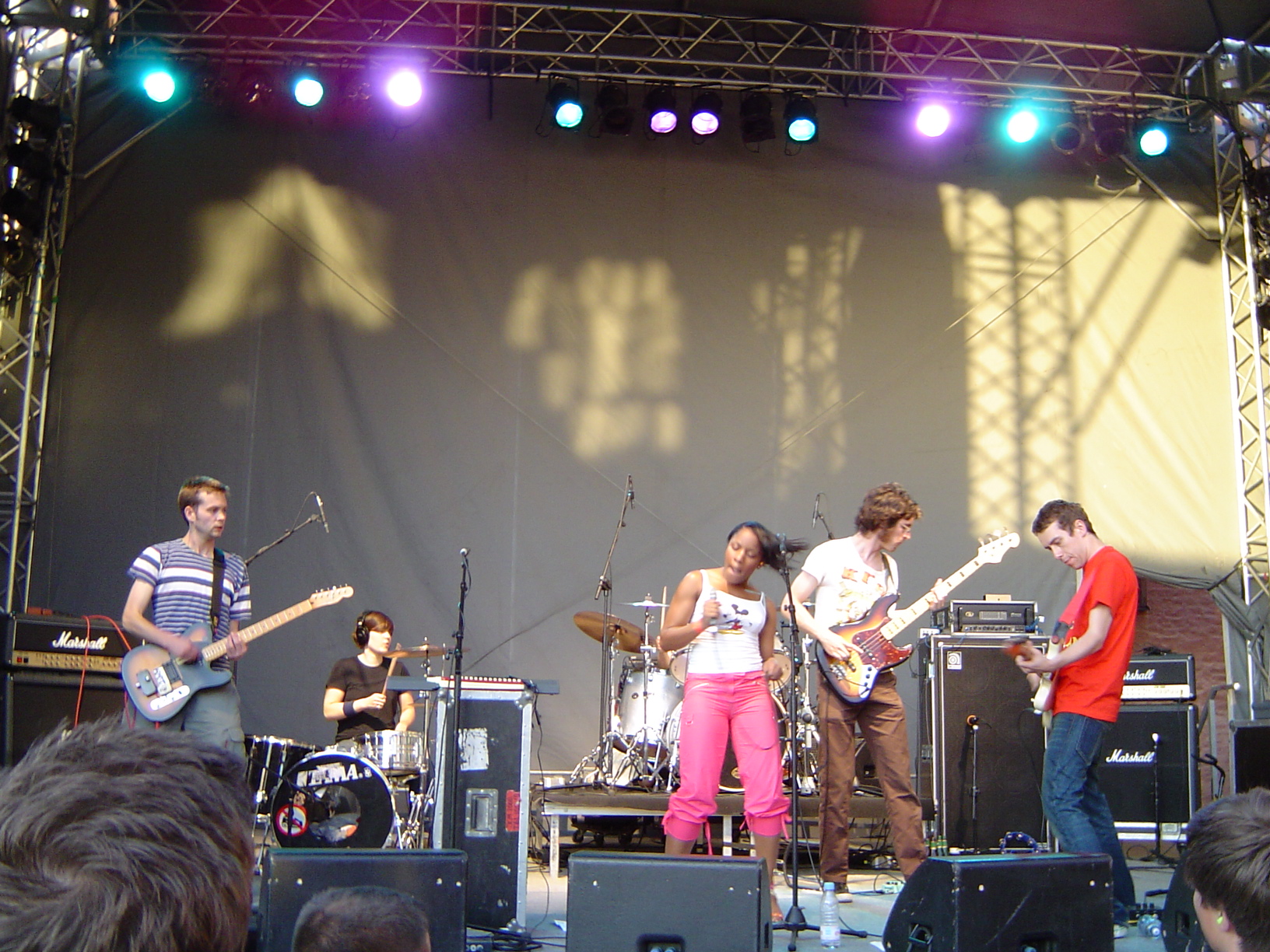
071014-accellerator-stockholm
Accelerator

Where: Stockholm University, Frescati
When: end of June
Website: www.acceleratorfestivalen.se
The end of the month brings another Frescati festival, the two-day event featuring bands from as far afield as the US and Brazil, plus several UK acts.

Re:Orientfestivalen

Where: Södra Teatern, Mosebacketorg 1-3, Södermalm
When: 2nd wk in Aug
Tel & website: 702 15 99/www.reorient.se
Stockholm takes on a multicultural flavour during this annual festival, bringing together artists from the Middle East, northern Africa, India and Europe to perform at Södra Teatern on Södermalm. During the four-day festival, there’s a bazaar selling crafts, clothes and food and, in the evenings, festival-goers can sit back and smoke a Turkish water pipe at the Oum bar or dance at the Re:Orient Club. A lecture series adds some intellectual weight to this laid-back festival.

Mayo Boules Festival 071014_stockholm-Mayo-Boules-Festival

Where: Rålambshovsparken, Kungsholmen
When: mid June
Tel & website: 714 04 20/www.mayo.se
Boules, or pétanques as aficionados call it, has a long history in Sweden, particularly with upper-class seniors, but a group of boules-crazy folk breathed new life into the sport by launching northern Europe’s largest boules festival in 1994. The name, La Mayonnaise (or Mayo for short), is a jibe at the world’s largest boules festival, La Marseillaise, in France. But there’s nothing stuffy about this crowd-pleasing festival, which organises friendly competitions for work colleagues, seniors and rookies, as well as more serious contests between the official international teams.
071014-Stockholm_Jazz_FestivalStockholm Jazz Festival

Where: Skeppsholmen
When: 1wk mid July
Tel & website: 55 61 45 64/55 69 24 40/tickets 07 71 70 70 70/www.stockholmjazz.com
The Stockholm Jazz Festival in July is one of Sweden’s premier live music festivals, pulling in some top-rate international artists (Steely Dan in 2007). The main site on the island of Skeppsholmen couldn’t be more picturesque; other venues include Konserthus, and stages in Kungsträdgården,Mosebacke Etablissement and Fasching. Some 30,000 spectators come to listen to more than 40 concerts featuring jazz, soul, blues and more.

Stockholm Pride Week

Where: Tantolunden, Södermalm
When: 1wk in July/Aug
Website: www.stockholmpride.org
Since its birth in 1998, Stockholm Pride Week has grown into one of the city’s largest festivals, and the biggest gay Pride celebration in Scandinavia, with five days of partying, plus debates and entertainment. The heart of the action is the large open space of Tantolunden park on the island of Södermalm. The festival includes art exhibitions, debates, films, parties and, on the Saturday, the big parade.

Uppsala Reggae Festival071014-Uppsala-Reggae-Festival
Where: Uppsala
When: 1st wk Aug
Website: www.uppsalareggaefestival.se
Reggae is a Swedish summer favourite, and this festival just north of Stockholm in the first week of August, is the largest reggae festival in Scandinavia. It has featured artists such as legendary Bob Marley sideman Bunny Wailer and dancehall star Beenie Man. It’s as close as you’ll get to the Notting Hill Carnival this near the Arctic Circle.

071014-Midnight-Race-Stockholm
Midnattsloppet (Midnight Race)

Where: start: Ringvägen
When:

mid Aug
Tel & website: 649 71 71/www.midnattsloppet.com
This popular night-time race, which has been going for over 23 years, could only be possible in the land of the midnight sun. More than 16,000 runners of all ages navigate a 10km (six-mile) course around Södermalm. But it’s much more than a race – and some 200,000 spectators get in on the act with loud cheering, asphalt-pounding enthusiasm, music and partying. To catch the starting gun, position yourself at Ringvägen, just south of the Zinkensdamm athletics field, at 10pm and then wait for the first runners to cross the finish line at Hornsgatan, not far from the starting point.

Autumn

071014-dans-dakar-stockholmPop Dakar

Where: Stockholm University, Frescati
When: Sept
Website: www.popdakar.nu
Small, intimate and free, Pop Dakar is held at Frescati and marks the end of the festival season.
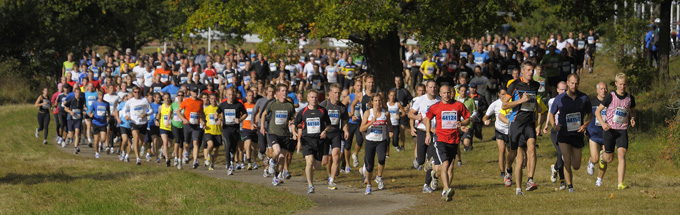
071014_lidingoloppet-stockholm
Lidingöloppet

Where: around Lidingö
When: weekend in late Sept-early Oct
Tel & website: 765 26 15/www.lidingoloppet.se
The world’s biggest cross-country race has become a tradition for Swedes and runners from all over the world, drawn to the beautiful scenery and the challenging course. The first Lidingöloppet was held in 1965, and every year thousands of runners from some 30 different countries pass the finish line on Grönsta Gärde.

071014-stockholm-open
Stockholm Open

Where: Kungliga Tennishallen, Lidingövägen 75, Norra Djurgården
When: Oct
Tel & website: 450 26 25/www.stockholmopen.se
This prestigious tennis tournament was the brain-child of veteran tennis star Sven Davidson. In 1969 he received a letter from American colleagues asking him to arrange a competition in Sweden with tennis pros and amateurs from all over the world. The event was televised from the start, thus drawing a huge worldwide audience, along with 40,000 spectators each year, and has earned accolades as one of the most well-organised tournaments in Europe.

Stockholm International Film Festival071014-stockholm_film_festival

Where: various venues around Stockholm
When: mid Nov
Tel & website: 677 50 00/www.filmfestivalen.se
As the leading competitive film festival in northern Europe, the ten-day Stockholm Film Festival is aimed at launching young filmmakers and broadening the forum for innovative high-quality films in Scandinavia. It might not be Cannes, but the festival attracts some big names: past guests have included Dennis Hopper, Quentin Tarantino, the Coen brothers and Lars von Trier.

Winter

Advent

When: Dec
You can tell Christmas is approaching when you start to spot the Advent candles or Advent stars (made of straw, wood or metal) hanging in the windows of homes, shops and offices. Nearly every home has an Advent candlestick, usually a little box with four candle-holders nestled in moss and lingonberry sprigs. The first candle is lit on the First Sunday of Advent and allowed to burn down only one quarter, so that it won’t burn out before the fourth candle is lit.

Christmas markets

Where: Skansen
When:
 early-end Dec
Skansen’s Christmas market – one of the biggest in Sweden and dating back to 1903 – is held at weekends throughout December until Christmas Eve (the only day Skansen is closed). Look out for Swedish craft products, traditional Christmas ornaments made of straw, hand-dipped candles, sweets (including polkagris, oversized red and white striped peppermint sticks) and Christmas fare such as smoked sausage, eel, salmon, pepparkakor (gingersnaps), glögg (mulled wine) and saffron buns.

071014-nobel-day-stockholm
Nobeldagen (Nobel Day)

Where: Konserthuset, Hötorget, Norrmalm & Stadshuset, Hantverkargatan 1, Kungsholmen
When: 10 Dec
Tel & website: Nobel Foundation 663 09 20/www.nobel.se
The year’s Nobel Prize laureates are honoured in a ceremony at Konserthuset (Concert Hall). In the evening, the royal family attends a banquet at Stadshuset (City Hall). Tickets for this glittering affair are coveted by Stockholmers, but they are usually only granted to the privileged few, though 250 of the 1,300 seats are reserved for lucky students. The rest have to be content with watching the proceedings on television and sighing over the fabulous menu, prepared by a top Stockholm chef.

Luciadagen (Lucia Day)

Where: around Stcokholm
When:
 13 Dec
Among the best-known of Sweden’s festivals, Lucia is celebrated in mid-December, in the heart of the winter darkness. The Lutheran Swedes adopted the Sicilian St Lucia because Lucia is connected with lux, the Latin for light. All over Sweden, a procession of singers, dressed in white, full-length chemises with red ribbons around their waists, are led by a woman dressed as Lucia, with a crown of lit candles on her head.

Jul (Christmas Day)

Where: around Stcokholm
When: 24-26 Dec
The main celebration is at home, held on Christmas Eve (though restaurants all over the city offer the traditional, overflowing Julbord or smörgåsbord for most of December). A traditional Julbord (‘Christmas table’) is typically eaten in three stages. You start with various types of herring and salmon, then move on to the meats (meatballs, sausages and ham), accompanied by ‘Jansson’s Temptation’ – an anchovy, potato and cream casserole. You polish it all off with a sweet berry-filled pastry. Later in the evening, rice porridge is eaten. Tradition has it that finding the hidden almond in the porridge means you’re destined to marry within the year. Christmas Day itself is usually a quiet day.

Nyårsafton (New Year’s Eve)

Where: around Stcokholm
When:
 31 Dec
The New Year’s Eve celebration in Sweden is a public and raucous contrast to the quiet and private Christmas festivities. Visitors can join the crowds atSkansen, where New Year’s Eve has been celebrated every year since 1895. At the stroke of midnight, a well-known Swede reads Tennyson’s ‘Ring Out, Wild Bells’. Throughout the city, crowds fill the streets, feasting on seafood at various restaurants and moving from one club or bar to another. At the stroke of midnight, streamers and party trumpets accompany the sound of fireworks.
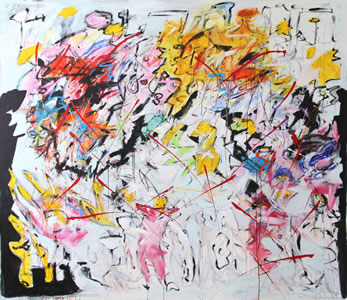
071014-stockholm-art-fairStockholm Art Fair

Where: Sollentunamässan, Sollentuna
When: 4 days in early Apr
Website: www.sollentunaexpo.com/eng
At the beginning of April, the Swedish art industry gets together for four intense days. Everyone’s there – art students, artists, gallery owners, dealers, curators, critics and visitors – and events include seminars, talks and meetings, as well as the opportunity just to enjoy the art.

Public holidays

On public holidays, virtually all shops, banks and offices, and many restaurants and bars, are closed. Banks are also closed the day before a public holiday. Public transport runs a limited service on Christmas and New Year’s Day.

New Year’s Day (Nyårsdagen) 1 January
Eve of Epiphany (Trettondedagsafton) 5 January
Epiphany (Trettondedag Jul) 6 January
Maundy Thursday (Skärtorsdagen) 20 March 2008
Good Friday (Långfredagen) 21 March 2008
Easter Sunday (Påskdagen) 23 March 2008
Easter Monday (Annandag Påsk) 24 March 2008
Walpurgis Night (Valborgsmässoafton) 30 April
May Day (Första Maj) 1 May
Ascension Krist (Himmelfärds Dag) early May
National Day (Nationaldagen) 6 June
Midsummer’s Eve (Midsommarafton) mid June
Midsummer’s Day (Midsommardagen) mid June
All Saints’ Day (Alla Helgons Dag) 1 November
Christmas Eve (Julafton) 24 December
Christmas Day (Juldagen) 25 December
Boxing Day (Annandag) Jul 26 December

Our listings

While every effort and care has been made to ensure the accuracy of the information contained in this guide, the publisher cannot accept responsibility for any errors it may contain. Before you go out of your way, we strongly advise you to phone ahead and check the particulars.

Source: Time Out Stockholm

Related articles:
10 Top Attractions in Oslo
Tivoli Gardens invites to Christmas party – and New Year’s eve celebration


Ikea donates millions to Ebola fight

Swedish retailer Ikea has donated 45m kronor (US$6.2m) to aid group Doctors Without Borders in France to help fight Ebola in West Africa. The figure becomes the largest amount ever donated to the French-founded group, which has around 2,000 workers deployed in West Africa.

031014_Ebola-victim

The donation is likely to go towards funding Doctors Without Borders’ work until the end of 2015.

According to figures from the World Health Organization (WHO), more than 3,000 people have died from Ebola since the virus first broke out in March.
Around 80 per cent of the aid organization’s funding comes from private donors, but Ikea has urged more global names to play their part. Per Heggenes, the CEO of the Ikea Foundation, the company’s corporate social responsibility arm, said they hope that now more private donors will follow suit.

031014-Per Heggenes-Ikea-Foundation-CEO
He went on to say that the crisis is not going to disappear quickly nor will the pain people have suffered from losing their loved ones, which is why groups such as Doctors Without Borders must receive long-term help from partners such as the Ikea Foundation.

031014_Ebola-workers
WHO states that the fatality rate of Ebola is as high as 90 per cent, but figures recorded during this outbreak show that 47 per cent of sufferers have survived. The virus is passed on by direct contact with body fluids and blood.

About IKEA Foundation
The IKEA Foundation aims to improve opportunities for children and youth in the world’s poorest communities by funding holistic, long-term programs that can create substantial, lasting change. The Foundation works with strong strategic partners applying innovative approaches to achieve large-scale results in four fundamental areas of a child’s life: a place to call home; a healthy start in life; a quality education; and sustainable family income. Currently-funded programs benefit an estimated 100 million children. Learn more at www.ikeafoundation.org, or find out about how we respond to emergencies here.
About Médecins Sans Frontières
MSF is an international, independent, medical humanitarian organisation that delivers emergency aid to people affected by armed conflict, epidemics, exclusion from health care and natural disasters. MSF offers assistance to people based on need and irrespective of race, religion, gender or political affiliation. In West Africa, the organisation operates five Ebola management centres providing a total of 502 hospital beds in isolation. More than 435 tonnes of supplies have been shipped to the affected countries since March. Learn more at www.msf.org

What Makes Scandinavians So Happy?

In many countries, authoritarian governments speak only of prosperity in terms of economic wealth. 

If they are the governments of oil-rich countries, they speak of how the country is becoming wealthier as exports increase. And they reject any notion that citizens have the right to be unhappy with autocratic rule because, the officials claim, restiveness just slows economic development.

071014_Happy_Scandinavians
For regimes ruling resource-poor countries, the logic remains the same. Only a strong guiding hand, they say, can construct a better future. So, stop complaining.

But if that argument is commonly heard from Moscow to Baku to Central Asia, there is a growing body of evidence that only the authoritarians themselves believe it. In countries around the world, polls show, people define prosperity and happiness in much broader terms than simply economic growth.  

A group of economists and sociologists gathered near London to discuss how to better understand what makes people consider their own countries as successful and their own lives as happy.

The host of the conference was the London-based Legatum Institute, which annually publishes a Prosperity Index that ranks 110 countries according to what the countries’ own citizens tell pollsters. The polling data itself comes largely from surveys conducted by the Gallup Organization, which each year interviews 1,000 people in every country of the world on a host of subjects.

One of the things that intrigued the social scientists is the way Scandinavian countries have consistently topped the Prosperity Index since it began four years ago. That suggests that the Scandinavian countries — which indisputably have large GDPs — might hold the key to understanding what conditions in addition to wealth must be present for people to report a high sense of well-being.

What makes Scandinavians so Happy? Some of the conditions might seem obvious. For example: good health care, good education, and good safety and security. So, too, might economic opportunity and the freedom to start one’s own business in an environment free from predatory officials and corruption.

But other conditions that lead people to report they feel their life is worthwhile might be less self-evident. And those are often the very same ones that authoritarian regimes claim are unimportant or which they themselves undermine.

Those things include enjoying the personal freedom to speak, read, vote, and worship as you want. And they include enjoying a sense of social trust — that is, a sense that those around you trust in the society and are themselves trustworthy.

The Importance Of  Trust
The sense of trust is so high in Scandinavia that to some researchers it seems to be the most mysterious and potentially important factor of all for explaining why Scandinavians lead the world in considering themselves prosperous.

The Prosperity Index, published in 2010, showed 74 percent of Norwegians believe other people can be trusted, the highest such rate in the world. Last year Norway maintained the top position. Denmark came in second in 2010, with 64 percent finding others trustworthy (number 6 in 2013) and Sweden sixth in 2010, with 56 percent (number 4 in 2013).

Economist Andreas Bergh: “The honest answer is we don’t know where trust comes from.”

071014_Andreas__Bergh
Andreas Bergh, an economist with Lund University and the Research Institute for Industrial Economics, explains just what Scandinavians mean when they say they trust others and what advantages — both economic and psychological — that gives their societies.

“By that, I mean the widespread belief in the population that most people can be trusted,” Bergh says. “And the fact that most people can be trusted refers to things like obeying agreements, trading as they say they are trading, behaving in an honest way and, of course, behaving in a trustworthy way, so that you trust people and they are trustworthy in return.”

The benefits, he says, run all the way through society, from speeding business deals to reducing the need for official regulations and oversight, to enabling people to agree on social benefit programs.

In Sweden, which is famous as a welfare state, the high level of trust even means people are willing to pay high taxes to support government social services because they believe their fellow citizens will not abuse the system.

“There are several benefits,” Bergh says. “One of the most obvious is the fact that when two people trust each other they can more easily engage in trade that benefits them both. They don’t have to worry that the other one will cheat or run away from the agreement and they don’t have to, perhaps, write contracts and spend resources to enforce the agreement, because they basically trust each other. So, all trade agreements go much more smoothly with trust and trustworthiness.

“The second big benefit is that you can also trust government to behave in a non-corrupt way, which means that you are able to create social insurance schemes that benefit everybody and they can be trusted not to take unfair advantages or to misuse these benefits schemes. So it makes it easier to have a big government sector, and it probably decreases the negative impact that taxes have on the economy.”

How Did It Happen?
But how did Scandinavians develop such a high level of trust in their institutions and in each other?

That, Bergh says, is a much more difficult question to answer.

“Well, that is indeed a difficult question and there are many theories,” he says. “Some say that [the high level of trust] comes from the fact that Sweden used to be a homogenous country. That is no longer true and yet we are still highly trusting. Others say it comes from the fact that the climate was cold so you needed to cooperate with others to survive in a cold climate. But then again there are countries with high trust that are very warm, so that might not be a good explanation.

“Others say that trade causes trust. When you meet other people and you decide to trade with them rather than engage in violent conflicts, this might foster a mutual attitude that we might actually achieve something together if we both trust each other, and that might also be true. But the honest answer is we don’t know where trust comes from.”

One reason it may be so hard to know where trust in other people and in institutions comes from is that the two clearly reinforce each other, but nobody knows which comes first.

Do trustworthy institutions create a trusting citizenry? Or does a trusting citizenry create trustworthy institutions?

The answer for Sweden no longer matters. The country already has a trusting population that enjoys the fruits of having an efficient government elected to look after the society’s interests and not its own.

But for other countries struggling under authoritarian regimes, the question of how to foster social trust remains an important part of finding the way to both material wealth and a high sense of personal well-being.

Social scientists who gather information about what makes people consider their lives most worthwhile are still only at the point of exploring these difficult questions. But already they can conclude and — as the recent conference showed – prove that economic growth alone is not enough. And that can only encourage the millions of people who still struggle under autocratic regimes to keep fighting to make governmental institutions honest, to curb corruption, and to win greater personal freedom.

Source: Radio Free Europe

Related articles:
Happy ever after
Thank you for the music, ABBA
10 years younger in 1o weeks

Don’t miss Dawid: Ex

Until October 25, Oslo’s first private gallery devoted entirely to Fine Art Photography, Shoot Gallery, presents the exhibition ”Dawid: Ex.” Dawid (Björn Dawidsson) is one of Sweden’s most respected and well known photo based artists.

0110_Sculpture
The exhibition ”Dawid: Ex.” gives a broad presentation of Dawids work all the way back to the early 80`s. The main body of work are rare Vintage Silver Gelatin Prints but he also shows us recent work where he has utilised the possibilities of digitalisation proving his continous experimentation with both ancient and modern techniques and equipment. Dawid does all the framing himself with self designed frames as he regards the whole piece as an object.

011014_from_ROSTDawid has been called Sweden´s first post-modern artist and has for over thirty years been making series of photographically based artworks examining the nature of the medium and exploring issues of perception.

He began photographing in the late sixties, documenting incongruous moments with a wry sense of humour, until he established his signature style of stark graphic illustration, initiated by the seminal Rost series. His work often balances on a tight rope between the graphic and the photographic and reflects, criticises and parallels the chequered history and changing status of photography.

A photographic alchemist, intellectual and scientist with a long list of solo exhibitions, group exhibitions, more than 30 personal photobooks and a collectors choice with his work in prestigeous collections like The National Museum of Art Oslo, Moderna Museet Stockholm and the Hasselblad Collection to mention a few (Please find lists in the press section) as well as a wide range of private collections.

At Eye Level
About Dawid
Dawid was born in 1949. He lives and works in Stockholm, Sweden. 

With the exhibition ”Nobody loved me” at Liljevalchs in Stockholm in 1973, Dawid claimed – in opposition to the prevailing documentary ideals – photography as an artistic medium. He experimented early with large negative format and the exhibition RUST on the Photographic Museum of Modern Art in 1983 shook the Swedish photographic scene.

Through a constantly challenging and an important element in Dawid oeuvre is experimentation with photography done without a camera in the form of photograms and others often proprietary methods.

Dawid has since the 1970s been exhibited at leading galleries and institutions in Sweden and internationally, including the Museum of Modern Art and Thiel Gallery in Stockholm, Galleri Riis Oslo, Folkwang Museum in Essen and Galerie Priska Pasquer in Cologne, Germany. He has published numerous books and catalogs, and in 2001 appeared in Beautiful Frames on Steidl with lyrics by Michael Mack. He is at the moment working on a large format retrospective book, published by Art and Theory Publishing, which will be released in 2015.

Year 2009 awarded Dawid the Swedish Arts Grants Committee’s Grand Prize for ”His artistic achievements and significance in the present”.

For more information visit : http://www.dawid.nu.

You find Shoot Gallery in Uranienborgveien 5

More articles about Scandinavian photography:

Pictures from above
Nordic Light International Festival of Photography
Nocturnal Norwegian Ice Climbing

Viking Ship Design

A Viking’s ticket to foreign parts was the latest evolution of the ship design first shown in Bronze Age rock carvings.

VIKING LONGSHIP - ILLUSTRATION
The drakkar

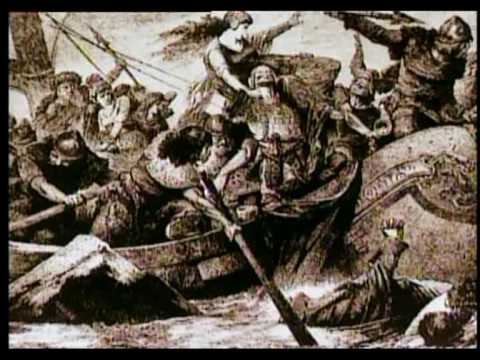
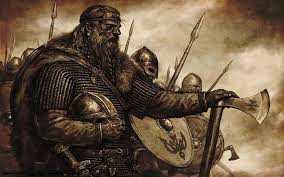
was called a dragon ship by its enemies. The drakkar was a warship designed to carry fearless Viking warriors on their raids across Europe over a millennium ago.

300914_viking-ship
The prows at either end were the extremities of a keel made out of a single oak. It could twist like a tree in the wind, hence its immense strength.

300914_Viking_Age
The prow, or bow, was sometimes tipped with a very ornate carving of a snake or dragonhead, thus earning it the nickname “dragon ship”. The prow ornament was removed while the ship was at sea. Replacing such a finely carved piece would be expensive and losing it might be a bad omen.

The Vikings named their longships according to the number of pairs of oars they carried and the purpose the ship served.

300914_viking-raiding-party
The most common drakkar had thirty rowers and were the pride of Vikings earls and kings. These were the best built in the Viking fleet. These appeared only in the biggest wars during the last years of the Viking age.

300914_Gokstad_Viking_longship
A fighting ship of the type found in Gokstad in Norway was 25 meters (82ft) long, 6 meters (19ft) wide, and carried a crew of 70, Clinker-built, caulked with tarred animal hair or wool.

The clinker  Viking ship design used two-centimeter thick oak boards, which were overlapped slightly and then nailed together with iron nails. The spaces in-between the boards were caulked with tarred wool or animal fur to make the ship watertight. The planks were also nailed to support ribbing that ran from the gunwale to the keel.

The keel, which ran the full length of the ship, was made of one solid piece of oak. It added stability and made the ship travel straight through the water

The average length of a longship was 28 meters. The largest ever excavated was seventy meters long.

The drakkar could hold around 400 warriors, and there were about 300 longships in a Viking fleet
which were owned by a king who could afford to build it.The ships could also travel inland via rivers.

300914_model-of-drakkar
It had a hinged steering oar that swung out of the way so the ships could be aimed at a beach at full speed. An important innovation was the use of sail.

The sail was very expensive, costing more than the ship itself. It was made of wool from sheep or linen from the flax plant. Viking women made the sails

First, small diamond-shaped pieces were woven and then trimmed with leather. The leather helped the wool or linen pieces to keep their shape, especially when wet. All of these diamond pieces were then carefully sewn together to make one large square sail, the leather strips giving them the crosshatched pattern. Red dye was added to the leather trim to give the sail the vivid crosshatched pattern. Sometimes the whole sail was dyed a solid red color. The color was supposed to strike fear in their enemies.

The sails of Viking ships were usually as wide as half the ship’s length. The sail was held on the center mast with ropes likely made from walrus hide. Once it caught a steady breeze the sail could move the ship at a steady 12 knots.

If the winds were calm twenty or thirty oarsmen could move the ships briskly through the sea at around 5 knots. Viking ships could cross the North Sea to England in 72 hours.

Read more about Viking ships here.

Oktoberfest in Scandinavia

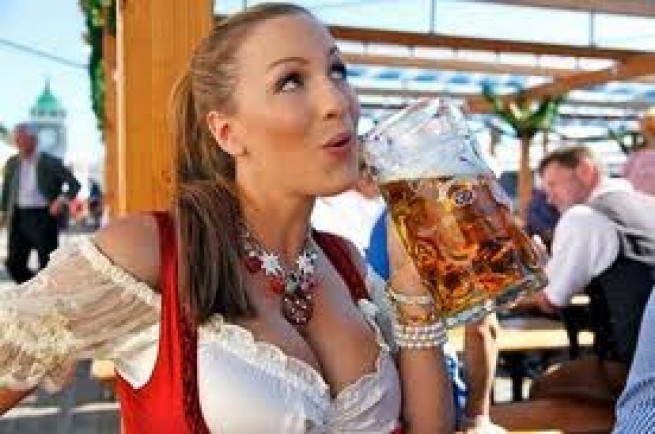
The Oktoberfest events in Scandinavia are very popular, and not only among local beer lovers! A Scandinavian Octoberfest is a great way to celebrate the annual beer event in the dwindling mild weather in September and October.

Let’s find out where these German-style Octoberfests in Scandinavia take place. You’ll be surprised how popular they are here…

290914-norwegian-beer
Oktoberfest in Norway:
Despite the name “Oktoberfest”, most Oktoberfest events start in September. The Oktoberfests in Norway are no exception, and there are several Norwegian locations for the annual “beer mania”, e. g. Oslo and Lillestrom.

290914-swedish-beerOktoberfest in Sweden:
The last two weekends in September are when Oktoberfest-Fans visit Stockholm, Sweden. Officially named the Beer & Whisky Festival (but known as the Stockholm Oktoberfest), this Oktoberfest-event can definitely hold its own amongst the international Oktoberfests! Takes place in the Congress Center in Stockholm.

290914-copenhagen_beer_carlsberg
Oktoberfest in Denmark:
There are two! Each mid-September, the old Carlsberg site at Valby in Copenhagen will be the venue for Europe’s largest beer festival, appropriately named the “European Beer Festival”!

Tuborg J-dag
A different kind of Oktoberfest, the Copenhagen Beer Days (Københavnske Øldage) are Denmark’s biggest beer festival. Unfortunately, this annual event is the only one that takes place in spring. But don’t despair, a good alternative is the Christmas brew. The Copenhagen Beer Days are renowned to have more different beers available for tasting than any other beer festival.

Enjoy Oktoberfest in Scandinavia!

Related posts:
The Bridge between Copenhagen and Oslo

Brondums Hotel in Skagen – A Living Museum

Brondums Hotel is deeply embedded in the history of Skagen, Denmark’s northernmost settlement.

The Danish painter Anna Ancher (1859-1935), associated with the Skagen painters, was born at the inn, which was then owned by her father, Erik Andersen Brondum, a merchant and landlord, who started running it around 1840.

????????
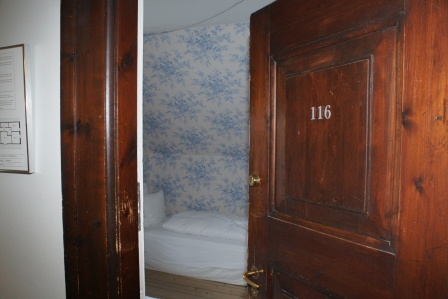
Prominent guests through the years included Hans Christian Andersen and Karen Blixen. Blixen stayed for several months in 1936 in room 116, where she wrote part of her book Out of Africa.

????????

????????
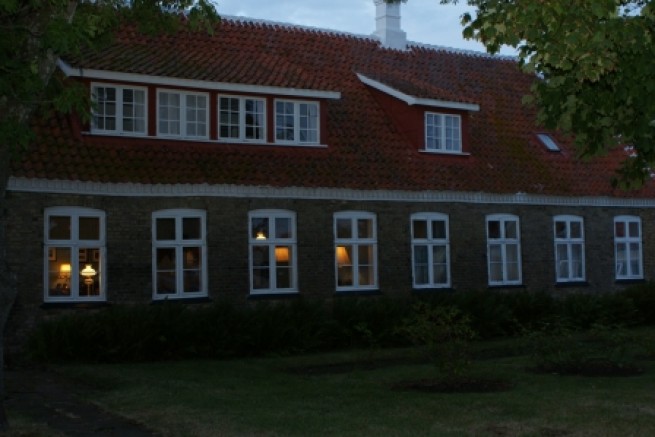
After the inn burned down in 1874, a new building was erected with a long low wing of grey bricks. This wing is the oldest part of the hotel.  Around 1890 the famous Danish architect Ulrich Plesner came to Skagen to inspect the lighthouse at Hojen.  At that time it was felt that  the inn needed to be enlarged,  so the son of Erik Brondum, Degn Brondum, seized the opportunity to commission Ulrik Plesner to supervise the construction of an extension to the inn which was then completed in 1892.  More space was needed, so Ulrik Plesner designed and built considerable extensions in his favorite red brick style.

As a result of Plesner’s extensions the inn became a hotel and remained as such until parts of it burned down in 1954 and 1959.

????????
Perhaps most significant, Brondums was a regular hangout for members of the Skagen school of painters from 1880s to the turn of the century. Many of their works are displayed in the hotel’s public rooms and were literally payment for the artists’ food and lodging, a fair trade for pleasurable living on the edge of two seas. The artists met in the blue room, and declared, “here is where we’ll meet.” (painting above)

????????
The famous dining room, adorned with paintings of the artists, was moved from the hotel to the Skagen Museum in 1940. The museum was built in 1928.

????????
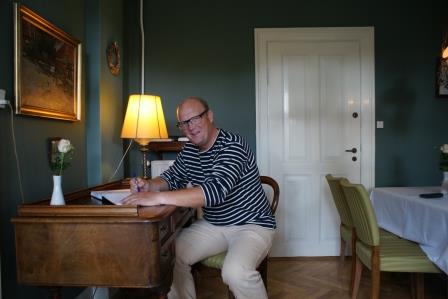
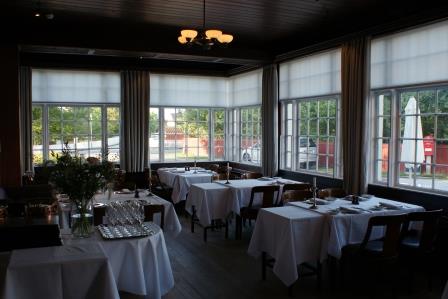
Maître d’hôtel, Kresten Skeel Langvold (55) informs us that people visiting the hotel today are seeking originality, which no longer can be bought for money. (Photo above at Degn Brondum’s desk). “Everyone from Skagen knows of the artists and their paintings, and all Danes are familiar with and love them. This has helped to spread the word about how fantastic it is here. Tourists have been coming for more than a hundred years,” says Langvold and continues, “Comfort or coziness is the motto of the Brøndums Hotel. From the moment you enter until you walk out the door again, you are surrounded by ‘hygge’, the Danish word for coziness”.

The professional staff does its utmost to ensure that everyone has a pleasant time here; the furnishings are elegant yet informal and candles are always burning on the tables, regardless of the time of day or year. “Our philosophy is that one should feel at home even when not at home.”

????????
Yes, you feel at home at Brondums hotel. Some guests may be surprised that when they enter their rooms, they find neither toilet nor shower. The truth is that Erik Brondum wanted rooms without water at all (there are sinks with hot and cold water in all the rooms and shower and toilets on every floor). His view was that there was enough water in the sea nearby, so that guests could just go there and bathe.

????????
We enjoyed an excellent dinner at Brondums hotel, with a selection of delicatessen accompanied by Grand reserve champagne André Cloet as starter and Skagen sole as main dish.

????????
The staff was very friendly, but not quite as professional as one might expect at a place like this.

????????

They served for instance two big pieces of fish on the plates – not very elegant. And since the serving pantry was next to our table, there was disturbing traffic passing our table during our meal.

Text and photos: Tor Kjolberg

Decisive Dates In Scandinavia

During the most recent glacial period the entire Scandinavian peninsula was under a sheet of ice. As the ice cap began to withdraw, about 12,000 years ago, hunter-gatherers moved north in pursuit of reindeer. Here are some decisive dates in Scandinavian history.

Early history:
10,000 BC – AD 800

Hunter-gatherer tribes follow the melting ice northwards, establishing settlements in Southern Scandinavia.

110814_Scandinavian_Early_History
1500 BC
Trade routes are forged through the rivers of Eastern Europe to the Danube.

500 BC – AD 800
Iron Age Grauballe Man and Trollund Man are buried in peat bogs in Denmark.

110814_Grauballe_Man
AD 100
The historian Tacitus mentions the Fenni (The Sami) in his Germania and describes the Sveas who inhabit what is now called central Sweden.

110814_Tacitus
AD 400
Sweden’s influence over its “eastern province” begins.

The Viking Age
800 – 1060
Vikings earn a reputation as sea warriors. Swedish Vikings (Varangians) soon control trade routes to Byzantium.

110814_Vikings
830
A Bebedictine monk, Ansgar (801-65), lands on Björklö in Sweden and founds a church.

110814_Bendixen_Ansgar
861
Vikings sack Paris

866
Vikings raid and plunder, eventually controlling most of England and Normandy.

940-95
Harald Bluetooth brings Christianity to Denmark; Olav Trygvason uses force in his attempt to convert the Norwegian Vikings.

110814_Olav_Trygvasaon_Statue_Troindheim_Norway_Daily_Scandinavian
1001
Leifur Eriksson discovers Vinland (America).

110814_leifur-eriksson_Statue_Daily_Scandinavian
1050
Harald Hardrada of Norway found Oslo.

110814_Harald_Hardrada_window_in_Kirkwall_Cathedral
1066
Defeat in England brings the Viking Age to an end.

Middle Ages , 1100 – 1500
1070
Building of Nidaros Cathedral begins in Norway

SONY DSC
1155
King Erik of Sweden launches a crusade into Finland: further Swedish invasions take place in 1239 and 1293.

110814_King_Erik_of_Sweden
1319-43
Inter-Scandinavian royal marriages produce a joint Norwegian-Swedish monarchy.

1362
Finland becomes a province of Sweden.

1397
The Kalmar Union unites the kingdoms of Norway, Denmark and Sweden.

1417
Eric VII of Denmark makes Copenhagen his capital and builds a palace at Helingoer.

110814_Kronborg_Slot_Helsingor

Wars and reformation
1520
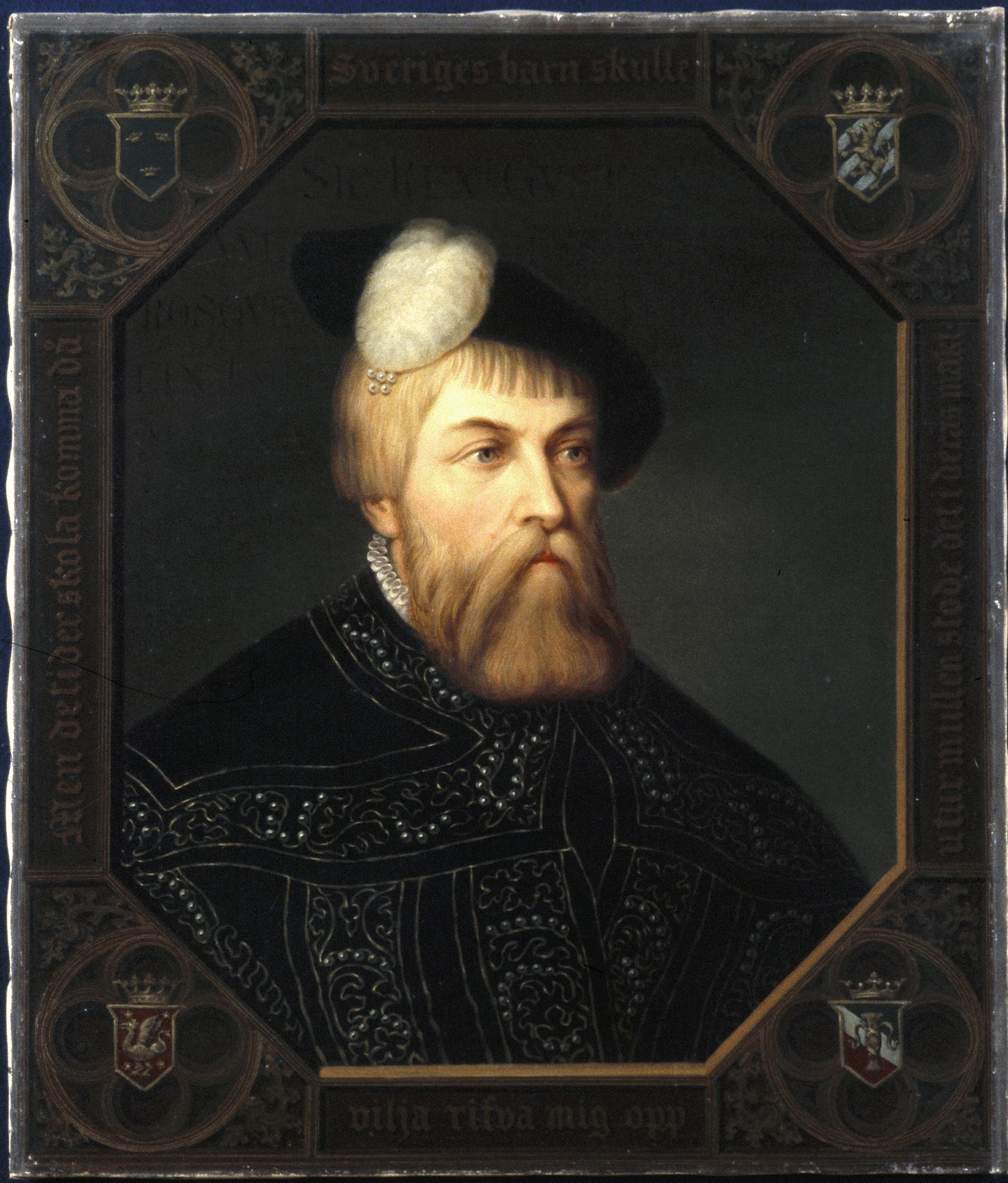
Kristian II of Denmark invades Sweden and massacres the nobility in the “Stockholm Bloodbath”. Gustav Vasa drives him out and the Kalmar Union is disbanded.

1523
In Sweden, Gustav Vasa ascends the throne, marking the start of the Vasa dynasty (1523-1720), which also holds power in Finland.

110814_GustavVasa
1530
The Reformation; the Lutheran faith is introduced.

1536
Norway ceases to be an independent kingdom as the Danes take control.

1588-1648
Denmark flourishes under Kristian IV (1577-1648)

110814_Kristian_IV_aof_Denmark,_painted_by_Pieter_Isaacsz_1611-1616
1625-57
The Thirty Years War launched by the Danish king, Kristian IV, to check Swedish expansion ends in defeat for Denmark.

1714-41
Russia and Sweden battle over Finland. Under the Treaty of Turku (1743) Russia moves its border westwards.

Nineteenth Century
1801-14
During the Napoleonic Wars, English fleets twice bombard Copenhagen. Denmark sides with Napoleon and suffers defeat. Norway is ceded to Sweden.

1814
The Constitution of Norway was signed at Eidsvoll on May 17 this year. The constitution declared Norway to be an independent kingdom in an attempt to avoid being ceded to Sweden after Denmark–Norway‘s devastating defeat in the Napoleonic Wars.

1815-1907
In Sweden, Jean-Baptiste Bernadotte, French marshal of Napoleon, succeeds to the throne as Karl XIV Johan (1818-44). The great exodus to the United States takes place.

110814_King_Karl_Johan_of_Sweden_Norway
1864
Denmark and Prussia at war. Denmark loses Schlesvig-Holstein.

Modern Times
1905
Referendum in Norway leads to the end of the union with Sweden. The Danish prince Haakon VII is King of Norway.

110814_norway-haakon7
1930s
Denmark and Sweden establish welfare states.

1939-48
Sweden remains neutral in World Wars I and II. Norway proclaims neutrality in World War II, but is attacked by the Germans, who also occupy Denmark.

1949
Denmark becomes a founding member of NATO.

1960s
Norway begins oil exploration.

110814_Oil_platform
1973
Denmark joins the EEC (EU).

1986
Olof Palme, Swedish prime minister and international peacemaker, is assassinated.

110814_Olof-Palme
1995
Sweden join the EU. Norway votes against joining (1972 and 1994).

2000
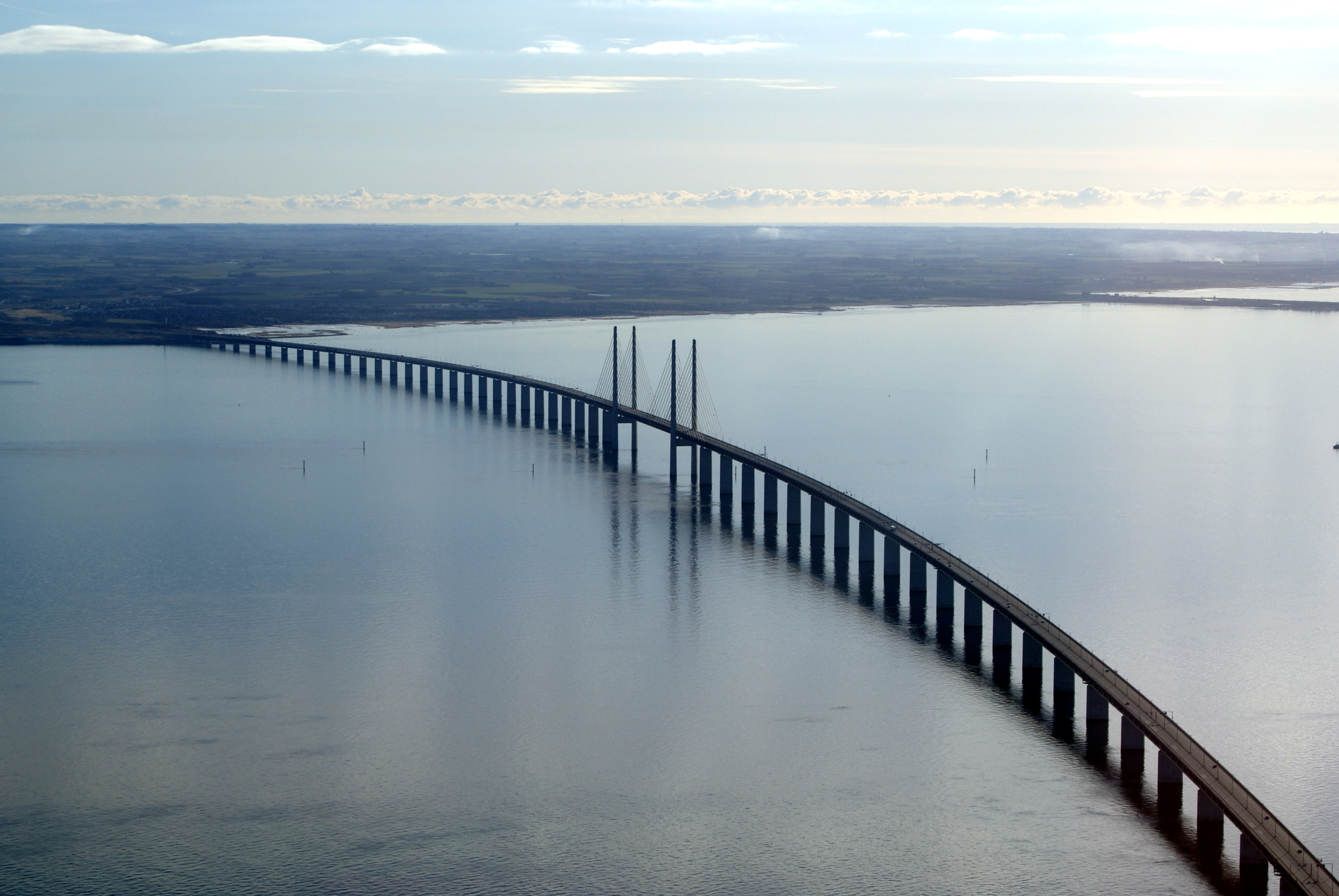
Oeresund bridge opens between Denmark and Sweden.

SONY DSC
2009
UN climate change conference held in Copenhagen.

2011
A bomb in Oslo and shooting on Utoya island kill 76 people. The gunman, a right-wing Christian extremist, accuses Norway’s Labour government of failing on immigration.

2013
September 24, first article in Daily Scandinavian  published.

The dates above are our selected decisive dates in Scandinavia.