Daily Scandinavian’s choice of the month. Here is a list compiled by the editor showing what he considers some of the best festivals in Scandinavia. Everything from sports, classical music and rock to history. You’ll find something for young and old. Enjoy!
Midsummer
Celebrated with bonfires, parties and great gusto across Scandinavia on the nearest weekend to 23 June.
Holmenkollen Ski Festival. Norway Oslo’s Holmenkollen ski jump is the focus of this traditional sports event, held annually in March.
Horsens Middle Ages Festival. Denmark Medieval history is brought to life in late August at this lively festival, with music, dancing and traditional performances.
Dalhalla Summer Music. Sweden There’s something to appeal to everyone at this cavernous open-air arena, set in the depths of an abandoned limestone quarry near Rättvik. Its summer-long music programme encompasses opera, jazz, pop and rock.
Roskilde Festival. Denmark Northern Europe’s largest annual music festival, held over four days in early July, features world-famous rock and pop bands.
Bergen International Festival. Norway Norway’s answer to the Edinburgh festival; from late May to early June artists and musicians flock to Bergen from all over the world to perform in this, the loveliest of Norway’s cities. Ibsen and Grieg are, of course, focal points.
The upside of high gasoline prices in Sweden is that it encourages people to bike to school, work or shops. And since southernmost Sweden, the region known as Skane, has so many cyclists, it has developed an extensive system of bike lanes and trails, including converted rail lines, to accommodate them. That plus terrain ranging from level ground to rolling hills makes Sweden an unusually bike-friendly country. Another plus for travelers — English is almost a second language there.
Krankessjoen, Skane, Sweden
My husband and I have taken up cycling in our retirement, and since we have friends in Lund we decided to make a bike tour of Skane.
When we were planning our adventure, we had a hard time getting tourist information in English via the Web, but now Daily Scandinavian offers information in several interesting subhects, including cycling all over Scandinavia. The site mapmyride suggests biking routes on Skane and you may rent a bicycle here. The site Bopalantgard lists farmstay accommodations.
Using the Web to locate the tourist bureaus for some of the towns we planned to visit, we ordered a cycling map of Skane and a brochure from Osterlen, the southeast corner of Skane.
We used the Web and the Lonely Planet Guide “Sweden” to locate lodgings along our route and booked via the Web.
We arrived at Copenhagen by plane and took the train across the Øresund Bridge/tunnel, which lasted for 20 minutes and deposited us in Malmö. Our friends from Lund picked us up at the train station and stored our baggage while we went on our week-long ride, cycling in Sweden.
Our route took us south from Lund, through Malmö and down to the port town of Trelleborg. The next day, we biked mainly along the coast to Ystad, and from there, again skirting the coast or passing quiet pastureland, we biked on to Brantevik, a small village on the coast just south of Simrishamn.
Brantevik, Sweden
We stayed two nights there so we could spend a day biking around some of the old farm villages and visiting a 16th-century fortress, Glimmingehus, as well as touring the postcard-pretty town of Simrishamn.
Glimmingehus castle
We then headed north along the coast to Yngsjö and inland to the village of Everod. The next day, our only rainy day, we made directly for Horby, where we stayed on a small sheep farm. The route for our last day took us south through the nature preserve at Krankesjon and then over to Sandby, where the bike path follows an old rail line into Lund. We celebrated the completion of our trip with coffee and pastry in the old square in central Lund before picking up the bike trail back to our friends’ subdivision south of town.
Windmill in Skane
Food and services were never a problem on our trip. Breakfasts at our lodgings were more than ample. Lunch consisted of fruit, bread and cheese purchased from stores along the way. Local restaurants provided ample, reasonably priced, well-prepared evening meals. At the sheep farm, the owner prepared us lamb stew in the evening, which was a real treat.
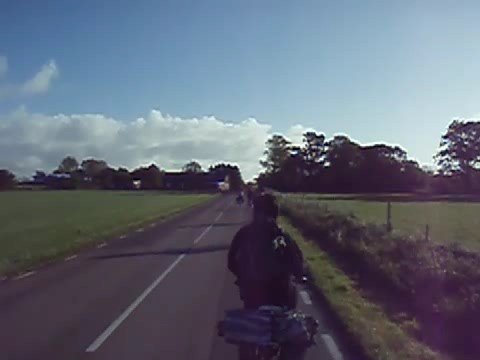
Skane is characterized by small fishing villages, farms, windmills, castles and neat old towns. For the most part, our route tended to follow marked bike routes or paths, so we were “off the beaten path” and avoided road traffic. We had to use some roads to make connections and found that most had shoulders, plus the drivers were used to seeing cyclists.
The prevailing wind blows west to east in the summer, which made the first legs of our adventure a “breeze,” though the trip back was a challenge. We generally covered about 35 miles a day, which made for easy rides with time for touring. We had rain one day, but otherwise the weather was cool and sunny.
Considering what a pleasant bicycling area Skane is, we were surprised at how few touring cyclists were there. We met only a few other folks, mostly Germans, who were making a similar circuit.
We felt our Scandinavian adventure was unhurried and relaxing and worked out well. We hope to try a repeat in the near future.
Tidens Krav is an artist run enterprise located in the last down town block of scruffiness; the final frontier of Oslo low-life, in the middle of Oslo high life. The name, Tidens Krav, is a language specific expression that translates into “Time’s Demand”, or more loosely into “Whatever required by the now”.
Not limited to tendencies, fads, or flings, nor by faith or karma, the requirement of the now, could be you exhibiting yourself in your own gallery, your friends exhibiting themselves in their gallery, or us exhibiting each other in our galleries – the requirement of the now could be whatever – whatever given the connotation: “ok, that’s happening…”
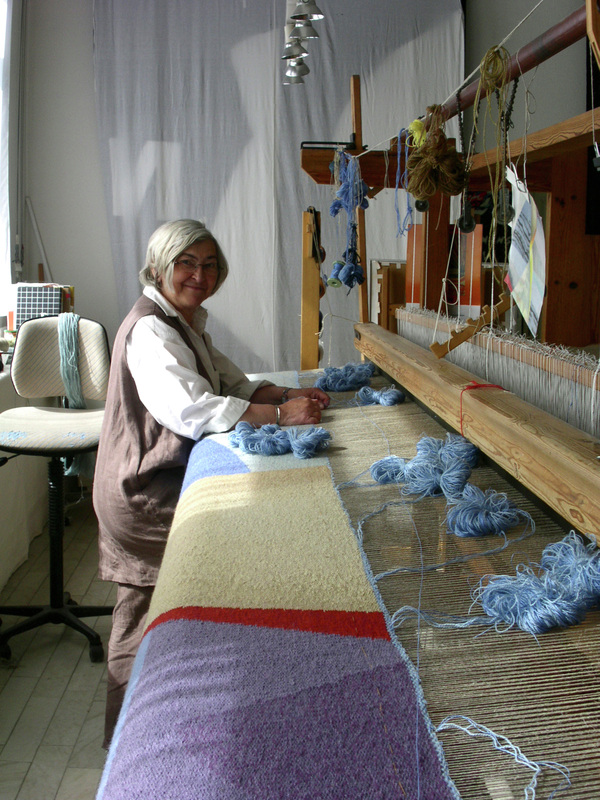
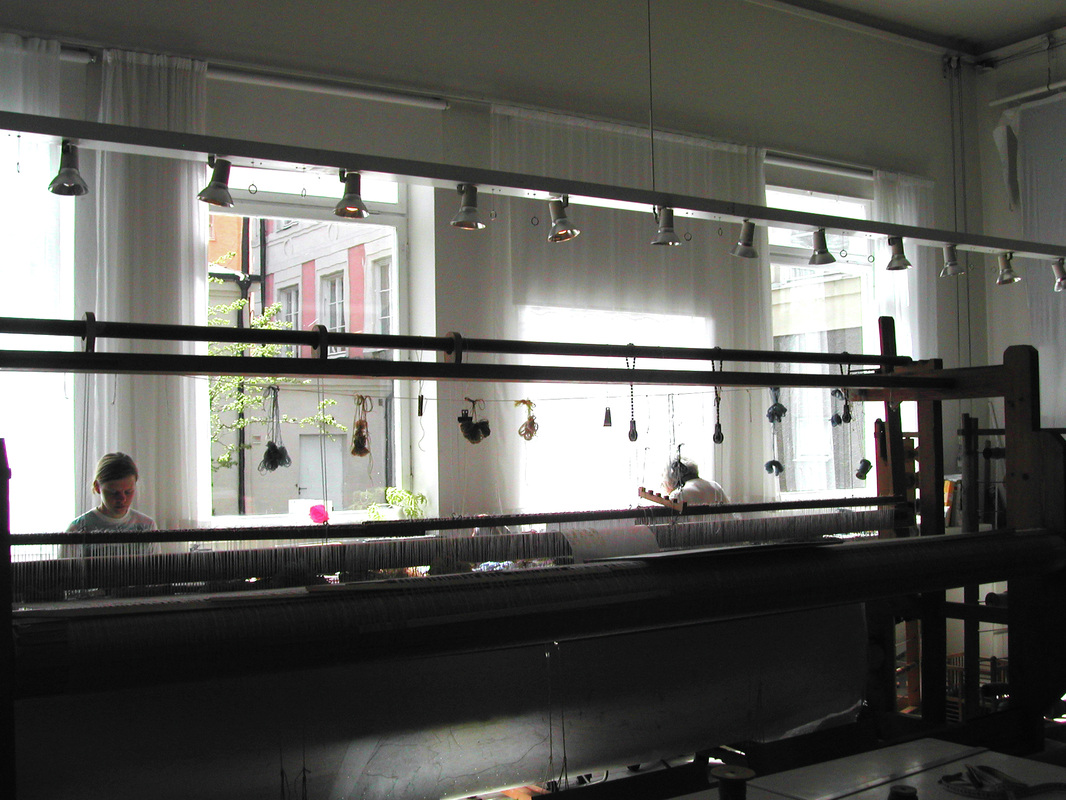
The next exhibition presents works by artist Sissel Blystad from May 6 – 25.
Finished with Bergen Arts and Crafts school in 1970 Sissel Blystad began to weave tapestries with stripes. The tapestries were so careful they appeared very daring. To weave tapestries where the composition consisted of horizontal bands of blue, red, yellow, purple, green and pink, what could this then mean? Of course the weaved stripes in tapestries do have reference to other, folk art, traditions, especially those on the Norwegian west coast, but this was something else, something different. Even if the tool was an ordinary flat loom, the weaving was a matter of picture-making: space, horizons, at home within our modern art concept.
Some critics have claimed that in large format her works are a form of monumental decor. I do see essentially more in them; even if the compositions are built up on the repetition of small basic elements they are supported by an underlying experience, such as the horizon of a landscape, a space, or a condition in an inner sphere, perhaps signals of tension or excitement, an uneasiness, a sway of emotion or an expression of great happiness, fun, celebration! The tapestry is a picture of something – maybe beautiful, but too active to be pretty.
Visit Oslo’s non-profit art gallery.
(From the catalogue of an exhibition in 1996 written by Peter Anker)
Sissel Blystads tapestries are alive, they continue to disturb.
Bike enthusiast and freelance journalist Oyvind Wold has just released the latest versions of his books “Cycling in the mountains” and “Bicycling in Oslo“. Here you will be inspired to try various bicycle routes both in town, in the woods and day trips in a variety of attractive mountainous areas in southern Norway.
– I have focused on selecting diverse walks in nice surroundings and not more demanding than most can hold for them, says Oivind. – There is an emphasis on family-friendly hikes of between 15 and 50 km in length. There are also suggestions for little more challenging trail bike tours for those who want to experience the wilder side of the forests around Oslo.
Wold says that the idea to make the Oslo book came when he discovered that quite a few of those who live in the city really do not know the possibilities for biking very well. He wanted to show unknown and exciting aspects of the city, different viewpoints, somewhat secluded swimming spots and beautiful but little used trails. For example, a chapter on trails along five of the city’s rivers, hiking trails which the author believes many in Oslo do not know.
We asked him to come with a tip for biking in Oslo, and a walk in the mountains.
Tour tip Oslo
Along the Alna river from Lillomarka to Svartdalen
Starting at Ammerud subway station. Ending at Galgeberg Crossing, Old Town
Distance: 9 km
Surface : asphalt , gravel and fine trail
Difficulty: easy
Season : about 1 April – 1 November
Suitable for: eclectic trip with little traffic; also suitable for children as young as 6-7 years of age
Description: One of the city’s secret trails! From Ammerudveien follow the river on the marked trail down through wooded areas , blocks of flats and eventually industrial areas, floodplains and finally the narrow exciting Svartdalen south of Bryn station . Along the way there are both swimming areas, picnic areas, one suspension bridge and several waterfalls.
Much of the way we see only the river and the dense green foliage, it is sometimes impossible to know that you are in the middle of a big city, especially when you’re in what is called the Alna park, south of Grorud station.
Oivind Wold is our contributor on biking in Norway.
All photos: Oivind Wold
Between the Oslofjord and the forests lies the Norwegian capital. As a gateway to all of Norway, and as an inspiration for Disney’s Frozen, Oslo offers a unique combination of city life and easy access to great outdoors. Experience unknown Oslo by the means of four new maps, Oslo Escape Routes.
Oslo escape routes
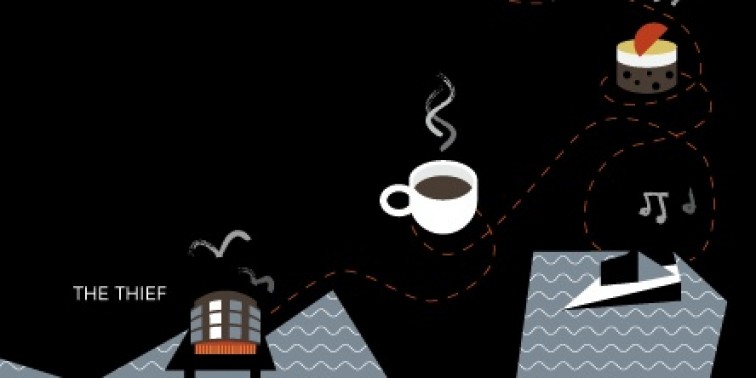
Explore four captivating walks through Oslo – between the new harbor district Tjuvholmen and the post-industrial riverside area alongside the Akerselva river. Oslo escape routes are four caredully selected routes through the city centre of Oslo. The routes will guide the individual visitor through design, architecture, art and alternative culture in Oslo. All you need is a map and a comfortable pair of shoes. The map is available at the Tourist Information Centre at “The Thief” hotel, at the “DogA” – Norwegian Centre for Design and Architecture and at “Vulkan”, former industrial district at the Akerselva river, with hotels and Mathallen food court.
The new Oslo is shaped by ground-breaking architecture, a nrw food culture and urban development of old industrial areas. The Oslo Escape Routes range of maps lead you through a new and different Oslo on foot, from Tjuvholmen in the west to Vulkan in the east.
Forget Holmenkollen, the Vigelandspark and Karl Johan. Today Oslo’s most exciting treasures are in new urban areas. “When it comes to architecture, design and population figures the biggest urban development in Europe in recent years has been taking place in Oslo. Many discerning guests are looking for new perspectives, and we welcome both the map and the initiative,” Tor Sannerud, head of tourism in Oslo, said when the range of maps was released at DogA – the Norwegian center for Design and Architecture earlier this year.
Urban energy Oslo Escape Routes consist of four different routes with different themes: Architecture, design, art and alternative experiences, and is a partnership between DogA, Aspelin Ramm, the company behind Vulkan, and The Thief. All four tours run between Tjuvholmen and Vulkan next to the Akerselva river, two new urban areas which were formerly shaped by industry.
Now both of them showcase architecture, art, food and urban energy, bit both have their own distinctive identities. Tjuvholmen consists of several signal buildings on the waterfront and has the city’s highest building-plot prices, while the environment at Vulkan is more diverse.
Along the banks of Akerselve there is a fascinating mixture of industrial buildings transformed to house cultural institutions such as DogA, the Oslo National Academy of the Arts and Dansens Hus (House of Dance), Norway’s national dance theatre. Oslo city center is right in the middle.
Unknown pearls “With Oslo Escape Routes we want to show that it is possible to walk through the city and encounter nrw pearls in every quarter you pass through. Oslo is so much more than the main street Karl Johan. The maps provide inspiration to experience Oslo’s many contrasts in a simple and easy-to-follow way,” says Anna Hammer, general manager of DogA.
The highlights of the architectural route are of course the two new prides of Oslo, Snöhetta’s opera building at Björvika and Renzo Piano’s Astrup Fearnley Museum on Tjuvholmen. The latter is also a stop on the art route, while the design toute leads you to less known perals such as Anti Bradstore and Fuglen (The Bird).
The route for alternative experiences crosses Våre Frelsers gravlund, visits DogA and passes Hausmania. Each route features goodies for the hungry and thirsty and those who want to shop.
Oslo Escape Routes are handed out for free in the reception at The Thief.
Scandinavia is a family-friendly region. The Daily Scandinavian editor has selected some of the best attractions for families in Denmark, Norway and Sweden. Enjoy!
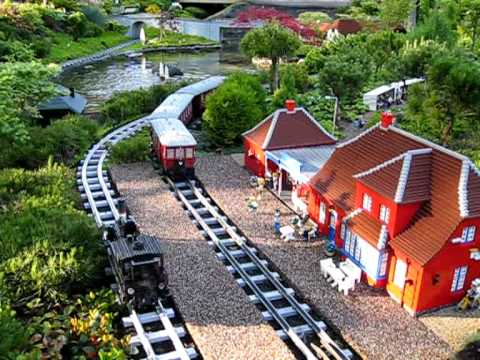
Legoland. Billund, Denmark Win eternal admiration by taking your children to Legoland, with bwaterpark, rides and the marvelous Miniland, created from 20 million bricks. Related article.
Tivoli. Copenhagen, Denmark Utterly delightful theme park and gardens, right in the heart of the capital city. Fountains and fairground as well as jugglers and acrobats make this a fun family day out for everyone. Related article.
Glasriket. Smaaland, Sweden For something a little different, let your children paint, engrave and even blow their own glass at a traditional glassworks.
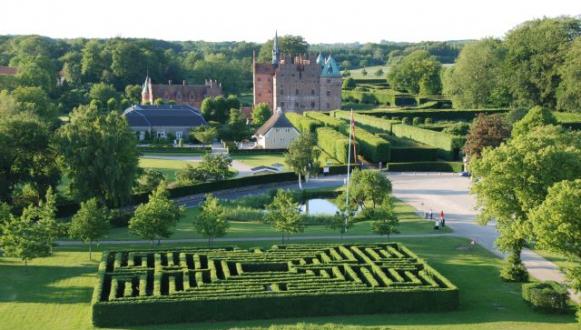
Egeskov Slot. Funen, Denmark One of Denmark’s most famous historic sights. This well-preserved fairytale castle has a gardenful of endearing attractions, including one of the world’s biggest permanent mazes. Related article. Norwegian Museum of Cultural History. Oslo, Norway The Folk Museum in Bygdoey peninsula offers something for children of all ages. Horse and wagon rides, livestock, folk dancing and music and a playground all in na charming historic setting.
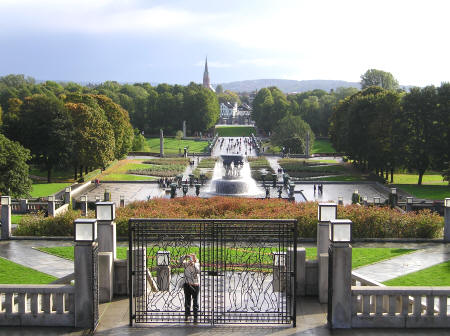
Frogner (Vigeland) Park. Oslo, Norway Oslo is a very family-friendly city, with outdoor pools, an adventure playground and the Vigeland sculpture park.
Oslo following many cities worldwide over the past two decades is redeveloping its waterfront, and rethinking the way it approaches the water, now that these areas are required less and less for industrial use.
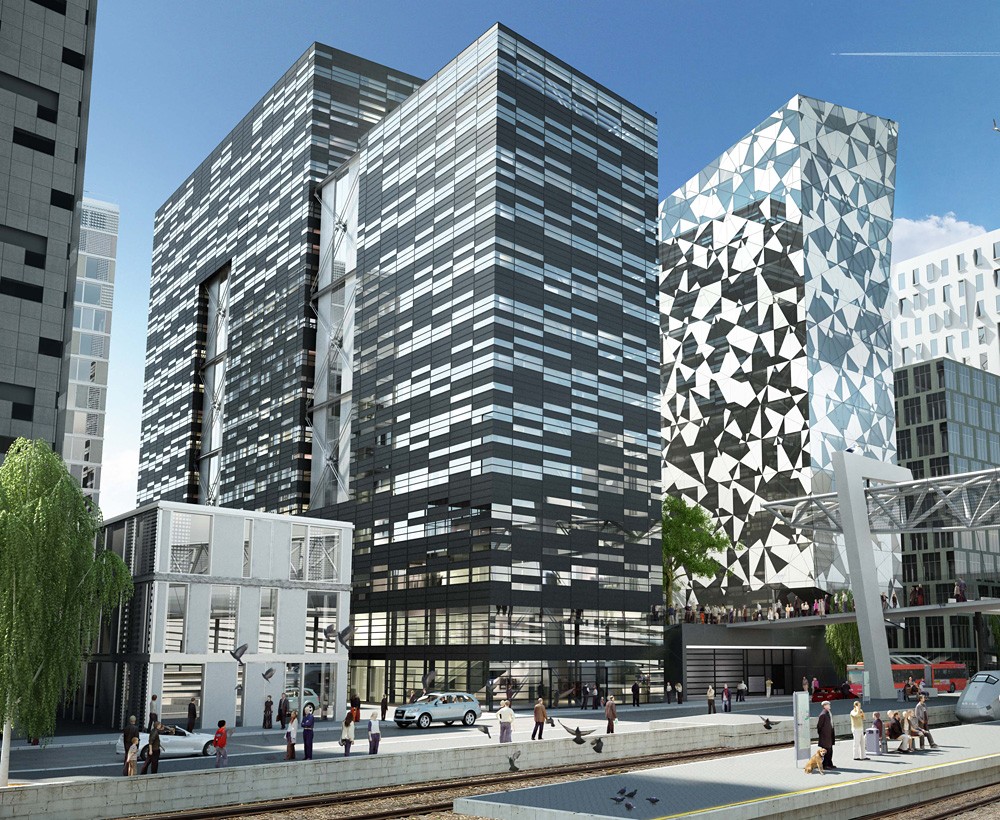
The area of Bjørvika, a no man’s land behind Oslo’s Central station is being redeveloped into a new city district. Barcode is the name of this small area of mainly office redevelopment, part of a greater regeneration of Oslo waterfront. It’s a tight space for offices with Oslo’s planning limitations deliberately changed for the area. Higher buildings are allowed, the tallest in Norway, and the planning law was aesthetically subverted too.
‘This is the first plan in Norway where rules are not drawn up regarding each plot, but instead there are rules for how plots within a particular area should be designed in relation to each other. If we design a house with a flat roof, then the next house may not have a flat roof. If we design a glass building, the next house must use a different material.
The Barcode masterplan was conceived by MVRD in partnership with a-lab and Dark. It’s interesting because the master plan imposes change between each new building without defining a particular style, only that it be different from the last. It also uses a modern ‘valueless’ iconography of the barcode to impose some order instead of an architectural aesthetic, a classic reworking of a MVRDV theme. I like that it reverses the normal planning rules and imposes non conformity with the neighbouring buildings to try to create a sense of urban life.
Hans Christian Andersen – you know the name and love many of his timeless characters, such as The Little Mermaid and The Ugly Duckling. But what about the man himself?
As the father of fairy tales, Hans Christian Andersen was a famous man in his time, courted by royalty and recognized for his greatness whilst living. Follow in the footsteps of Hans Christian Andersen and dwelve deeper into Hans Christian Andersen’s Denmark at these fascinating sites.
The Little Mermaid
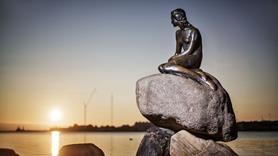
What better place to start a fairy-tale tour of Denmark than The Little Mermaid statue in Copenhagen Harbour. For over 100 years, she’s impressed visitors on her rock and is the most photographed statue in Denmark. You will find one of Copenhagen’s most famous tourist attractions at Langelinje Pier. 23 August 2013 she turned 100 years old.
Unveiled on 23 August 1913, The Little Mermaid was a gift from Danish brewer Carl Jacobsen to the City of Copenhagen.
The sculpture is made of bronze and granite and was inspired by Hans Christian Andersen’s fairy tale about a mermaid who gives up everything to be united with a young, handsome prince on land. Every morning and evening she swims to the surface from the bottom of the sea and, perched on her rock in the water, she stares longingly towards the shore hoping to catch a glimpse of her beloved prince.
Fell in love Carl Jacobsen fell in love with the character after watching a ballet performance based on the fairy tale at the Royal Danish Theatre in Copenhagen.
The brewer was so captivated by both the fairy tale and the ballet that he commissioned the sculptor Edvard Eriksen to create a sculpture of the mermaid.
Inspired by a ballerina
The sculpture was inspired by ballerina Ellen Price, who in 1909 danced the lead role in the ballet The Little Mermaid at the Royal Theatre. However, Ellen Price would not model in the nude for sculptor Edvard Eriksen. Thus Eriksen’s wife, Eline Eriksen, posed for the sculpture of The Little Mermaid.
The headless mermaid The little mermaid has several times been the victim of vandalism. Twice she has lost her head, once the arm was sawn off, and several times she has had paint poured on her.
But every time she is rescued and restored, so she can stay in her place by the water and bid travellers welcome to Copenhagen harbour. Nyhavn
Colourful Nyhavn is a must-see on any visit to Denmark. Hans Christian Andersen spent most of his life living in three different houses here and wrote many famous tales overlooking the harbour in Copenhagen’s centre.
Especially during summer Nyhavn is the perfect place to end a long day. Have dinner at one of the cozy restaurants or do like the locals and buy a beer from a nearby store and rest your feet at the quayside.
Nyhavn was originally a busy commercial port where ships from all over the world would dock. The area was packed with sailors, ladies of pleasure, pubs and alehouses.
Today the beautiful old houses have been renovated and classy restaurants dominate the old port. Nyhavn is filled with people enjoying the relaxed atmosphere by the canal, jazz music and great food.
Hans Christian Andersen’s Nyhavn
No. 9, Nyhavn, is the oldest house in the area dating back to 1681. The design of the house has not been altered since that time.
Many of the houses lining the quays of Nyhavn have been the homes of prominent artists.
Hans Christian Andersen used to live in no. 20. This is where he wrote the fairy-tales ‘the Tinder-Box’, ‘Little Claus and Big Claus’, and ‘the Princess and the Pea’. He also lived twenty years in no. 67 and two years in no. 18.
Hans Christian Andersen Fairy-Tale House The Fairy-tale House in Copenhagen guides the audience through a series of brilliant tableaux depicting the universally known fairy-tales by Danish writer Hans Christian Andersen.
The “live” exhibit boasts state-of-the-art lighting effects and a three-lingual sound system in Danish, English, and German.
In addition to the fairy-tale exhibits, you can visit Hans Christian Andersen’s study and listen to the great poet giving an account of his life and many travels abroad.
The museum also features a hand-written manuscript and a collection of props and appliances that were important to him during his lifetime.
Hans Christian Andersen arrived in Copenhagen in 1819 and several of the places that were the center of his life can still be visited today. Among these The Royal Danish Theatre, which played a huge role in his life as well as some of the cafés and homes he frequented. On HC Andersens Boulevard you can see one of the two statues of the writer in Copenhagen. The other one you will find in The King’s Garden. HC Andersen died in 1875 and is buried in Assistens Kirkegård in Nørrebro. The cemetery is beautiful, and the locals often use it as a park.
Scandinavia is a gastronomic treat, with fresh seafood in abundance. Here you can read about the finest food traditions in this part of the world.
Crayfish and shrimps parties
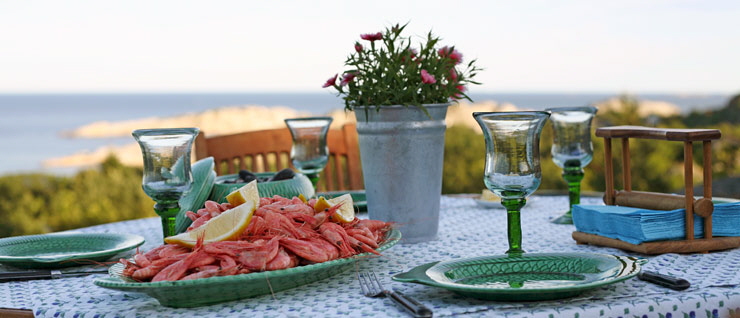
In July and August, crayfish and shrimp parties are the speciality to celebrate the long days in Norway and Sweden.
Artistic sandwiches Smørrebrød in Denmark and smorgasbord in Sweden – all wonderfully pretty hot-and-cold buffet dishes.
Pickled herring An acquired taste, but one that will always bring back fond memories of Scandinavia.
Cloudberries Picked and devoured in Norwegian and Swedish forests and mountains in late summer and early autumn.
New Nordic cuisine The rise of this type of food, led by Copenhagen’s pioneering restaurant Norma, has put Scandinavian’s capitals firmly on the culinary map.
Plan to experience the finest food traditions in Scandinavia now!
Jazz brings together communities, schools, artists, historians, academics, and jazz enthusiasts from all over the world to celebrate and learn about jazz and its roots, future and impact; raises awareness of the need for intercultural dialogue and mutual understanding; and reinforces international cooperation and communication.
This international art form is recognized for promoting peace, dialogue among cultures, diversity, and respect for human rights and human dignity; eradicating discrimination; promoting freedom of expression; fostering gender equality; and reinforcing the role of youth in enacting social change. Is this the reason why the Scandinavian jazz scene has been internationally acclaimed?
In 1987 American jazz pianist Armen Donelian wrote the following:
“For a musician coming to Norway from the United States, such as myself, it’s very refreshing to play with Scandinavian musicians who are familiar with the methodology of improvisation but have a different tradition. I have a different experience playing with Norwegians than I do with musicians in New York, where I live.
The Norwegians’ sense of rhythm is freer, and there is a darker, more introspective quality to their music. I don’t want to say American Jazz musicians are burdened, but we have a tradition, a tradition from the’40s through the ’60 of using Broadway show tunes and pip music (as springboard for improvisation). And a tradition is at once beautiful and limiting. We may not be able to conceive of playing certain things in certain ways because we conceive of playing them in other ways.
The same holds true for Norwegians. Although jazz has been played in Norway at least since the ‘20s, they don’t have the tradition that goes back top black slaves coming out of the Mississippi Delta. They have their own pop tunes and their own folk tradition.
Norwegian (read Scandinavian) jazz musicians are knowledgeable about the American tradition, but because they grew up outside of it, they have a certain freedom to take whatever they want from that tradition and incorporate it into their own.”
Copenhagen Jazz Festival
Copenhagen Jazz Festival July 4 – 13 Every single summer since 1979 Copenhagen Jazz Festival has been taking over Copenhagen as one of Europe’s most important international music events based on eminent artistic quality and a sharp focus on new departures in both Danish and international jazz. Lasting 10 days, the festival envelops the Danish capital, offering a sumptuous musical feast to the 250,000 guests who join us year after year. Enjoying live jazz on the city’s streets, in its clubs cafés and concert halls, and at open-air night venues – all in the very heart of historical Copenhagen.
Copenhagen’s legendary status as one of the jazz capitals of Europe grew in the 1950s and 1960s, when a whole host of leading American jazz icons had their creative base in the city. Among those who have called Copenhagen home are Dexter Gordon, Stan Getz, Ben Webster, Stuff Smith, Ed Thigpen, Thad Jones and Kenny Drew. Each and every one of them has drawn inspiration from Denmark’s jazz scene and the era’s most important jazz club: Jazzhus Montmartre. This was also the time when some of Denmark’s best musicians had their international breakthrough, musicians like Alex Riel, Niels-Henning Ørsted Pedersen and Palle Mikkelborg.
Copenhagen’s unique jazz history is a key factor in the exceptionally high level of the Copenhagen Jazz Festival, something that can be experienced at the many free open-air stages strategically located throughout the historical city centre. Together with Copenhagen’s record number of cafés and music venues, these stagers create a unique atmosphere, bringing the city alive with jazz from early morning to late at night. As Signe Lopdrup, director of Copenhagen Jazz Festival, says: “People don’t only come for a fantastic musical experience, but for the unique atmosphere throughout Copenhagen when jazz takes over the city.”
The festival audience can listen to top international jazz names at the stunning Royal Theatre, Copenhagen’s Opera House and Jean Nouvel’s architectural world-class Koncerthus – as well as along the harbour front, where they can take a dip in the clear waters to the sounds of Danish and international jazz. Copenhagen Jazz Festival also proudly presents music at the border of jazz and other genres as part of the programme ‘Something Else’. And everyone’s welcome to take their kids to the beautiful parks to the east of the city where thousands of children and their parents flock every summer to enjoy a packed programme of live jazz, circus, painting workshops and singing – all part of the ‘Jazz for Kids’ festival programme.
Copenhagen Jazz Festival takes a pride in reaching many – and new – audiences, with tailor-made programmes for pensioners and teenagers, kids and their families, as well as catering for jazz aficionados and enthusiasts. Visitors can look forward to Copenhagen as a friendly and creative city where it’s safe to wander around accompanied by jazz night and day. A modern and open-minded metropolis that can be experienced at its very best during Copenhagen Jazz Festival.
Oslo Jazz Festival
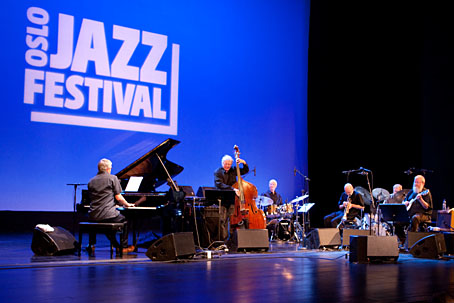
Oslo Jazz Festival August 11 – 16 For jazz lovers, this annual event in Oslo is the ultimate festival. The Oslo Jazz Festival takes place every year in mid-August and attracts thousands of music-lovers during the Norwegian capital’s festival.
The Oslo Jazz Festival offers visitors a variety of performances and concerts – not only jazz, but also entertainment in similar musical styles like blues and soul. Among the big names are Bebel Gilberto and John Hammond, and there are countless other well-known jazz performers.
The jazz festival’s main venues are the Grand Hotel, the Oslo Domkirke (Oslo Cathedral), and the Oslo Konserthus (Concert House) in Norway’s capital Oslo.
Stockholm Jazz Festival October 10 – 19 Stockholm Jazz Festival is one of Sweden’s oldest festivals and Stockholm’s biggest jazz events. Stockholm Jazz Festival is a festival with a solid reputation in the music world and is considered one of the most well kept and friendly festivals that long had it’s home on the island of Skeppsholmen. With the move to Skansen in 2011 we began the journey into the future.
Stockholm Jazz Festival
In 2012 the festival landed indoors, on the best venues in Stockholm. The festival moved to the Concert Hall (Konserthusert), House of Culture ( Kulturhuset), and, of course, to the jazz club Fasching. But it didn’t stop there! 2012 was also the year when the festival spread out over nearly 20 “satellite venues” around Stockholm and many more all over the country!
It’s now 2014 and we’re looking forward to another great festival. It will be a real jazz manifestation. Ten days, with over twenty venues, filled with the best jazz!
There are several other jazz concerts in the three Scandinavian countries during the summer months:






 The next exhibition presents works by artist Sissel Blystad from May 6 – 25.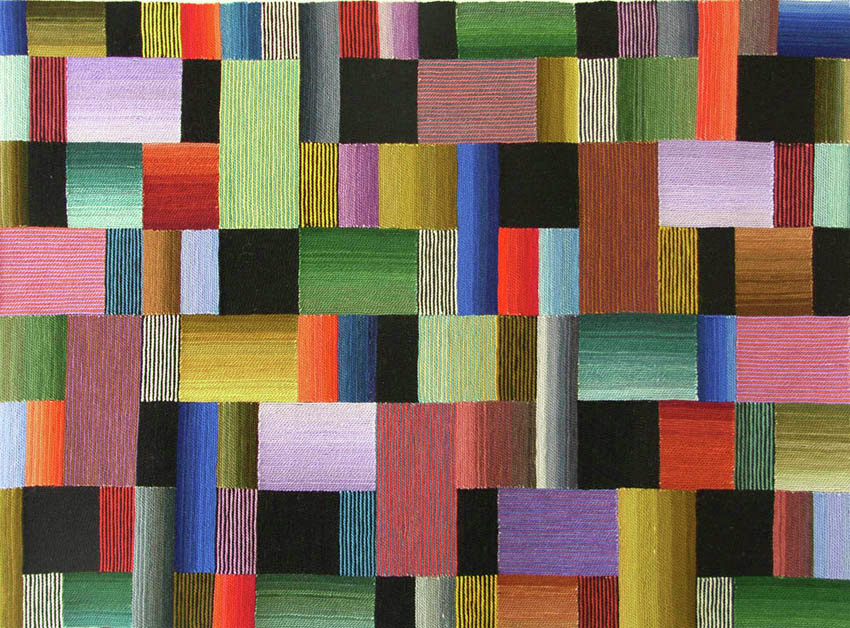

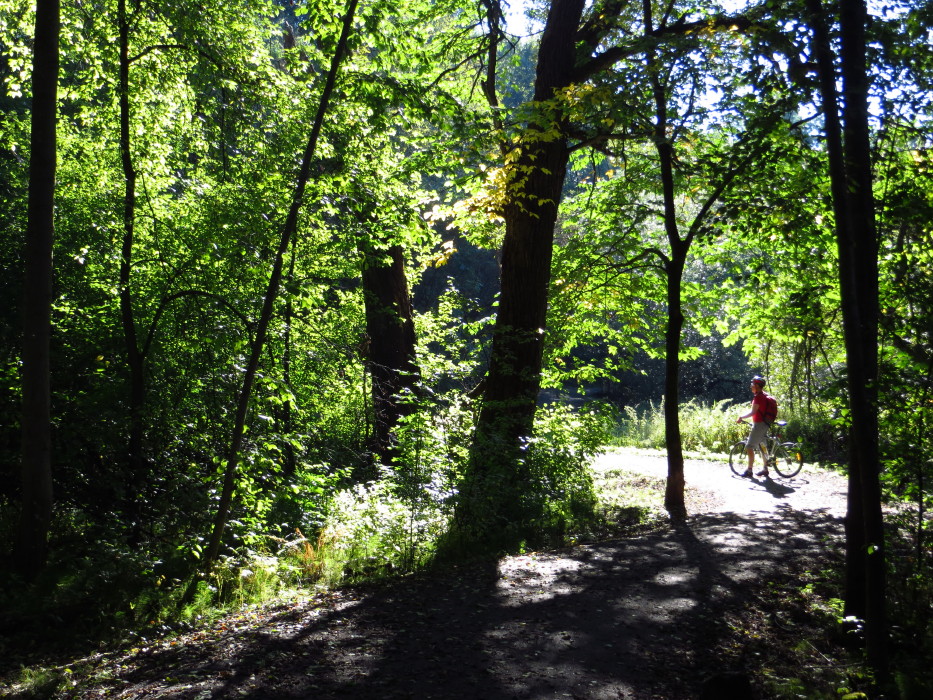
 – I have focused on selecting diverse walks in nice surroundings and not more demanding than most can hold for them, says Oivind. – There is an emphasis on family-friendly hikes of between 15 and 50 km in length. There are also suggestions for little more challenging trail bike tours for those who want to experience the wilder side of the forests around Oslo.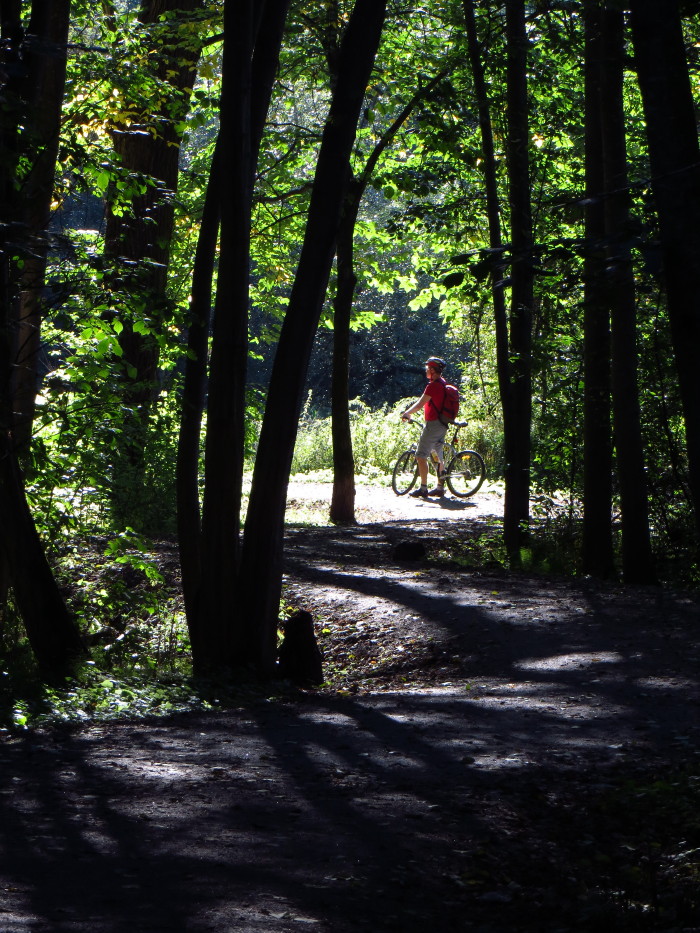
 Much of the way we see only the river and the dense green foliage, it is sometimes impossible to know that you are in the middle of a big city, especially when you’re in what is called the Alna park, south of Grorud station.