Best Scandinavian Outdoor Adventure

The team of Daily Scandinavian has voted the top outdooradventures in Scandinavia. We want to point you in the right direction, so you may enjoy your visit to this part of the world even better.

Here’s your chance to experience the sheer beauty of Scandinavia. Enjoy the best Scandinavian outdoor adventure.

Husky safaris and reindeer-sledging
Explore Lapland’s icy wastes in classic fashion, driven along by a team of huskies or reindeer.

200314_Huskysafari_in_Lapland

Cycling in Denmark
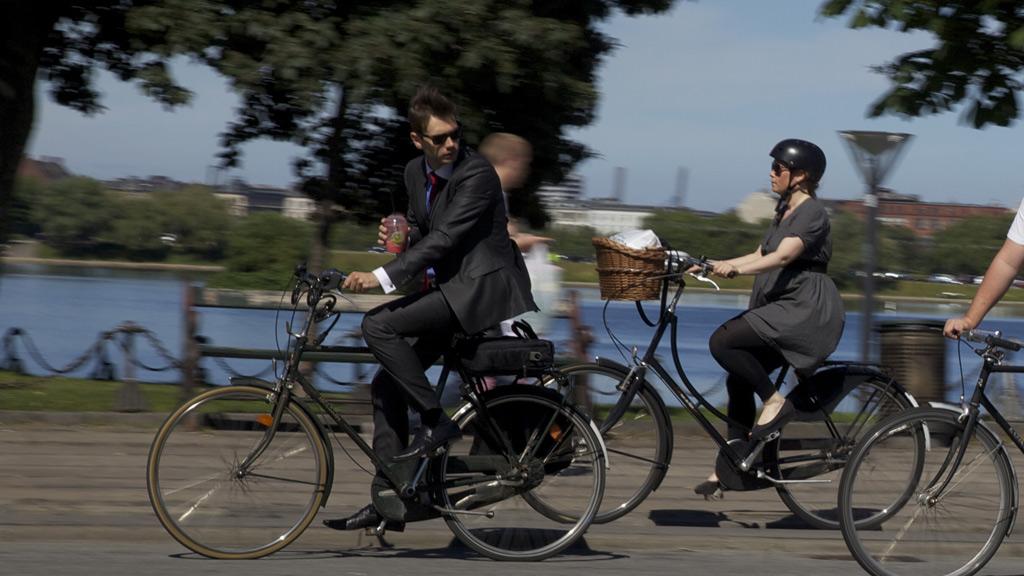
Flat countryside and fabulous bike paths make Denmark a cycling dream. Try Bornholm island for a taste of two-wheeled freedom.

200314_Cycling_in_Denmark

Cross-country skiing in the capital of Norway
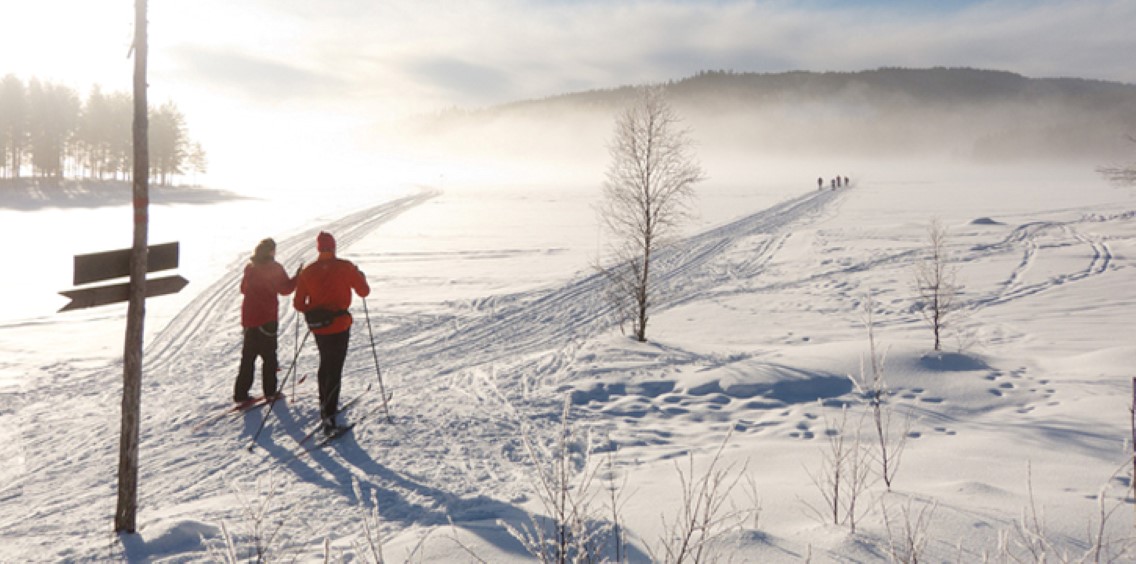
The Oslomarka area has an incredible 2,500 km (1500 miles) of cross-country skiing trails.

200314_Cross_country_skiing_in_Oslo

Sailing in Stockholm
Experience the joy of sailing the Stockholm archipelago on a full-day sailing adventure in a historic schooner or a modern luxury yacht. (See feature image on top)

Hiking in Norway
Scandinavia offers plenty of exceptional hiking, but there’s something magical about the Jotunheimen National Park.

200314_Jotunheimen_Norway


Pictures from above

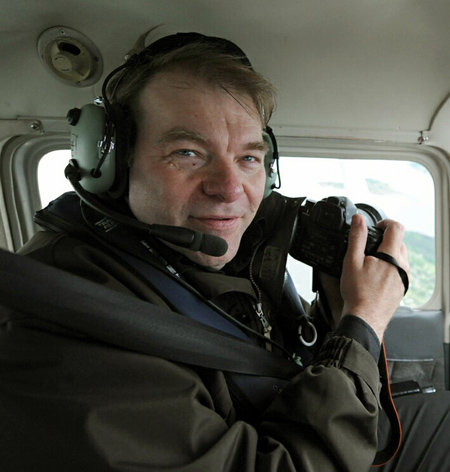
Our photographer Lasse Tur has spent more than 6,000 thousand hours of air time taking pictures of cities, towns, landscapes and sceneries for three decades. He has authored and published more than 20 coffee table books with exciting photographs – and much more to come.

Oslo seen from above, Photo: Lasse Tur

Originally educated in agriculture, but with a father as a photographer and a mother who ran the print shop he was destined to become a photographer. Even as a child he jumped between the wet paper copies drying on the floor at home, jumping from one spot to the other. Throughout his childhood and schooling, he worked for his father at the photo lab.

170314_lasse-turHis own photo career began by photographing children in kindergartens in southern Norway. Group pictures were extremely popular and Lasse produced about 40,000 portrait series a year, so no doubt he’s had many fantastic memories of smiling children. He could be in Stavanger one week and in Lillehammer the next. This was Lasse’s main business until 1988, when the world experienced the stock market crash. The competition was intensified when local photographers discovered a new source of income.

Lasse soon realized that he now needed to find a new niche. He chose to photograph participants in marathons all across the country. It was all about photographing objects in motion, and they had to be two persons to do the job.  This was still in the age of the analog world of photography, and both film rolls and batteries needed to be replaced periodically. Battery changes required a special technique; batteries needed a quick on the move change without hands being burned by the sizzling hot old ones. To get perfect pictures they had made a mark on the road, aimed at the runner with one eye while the other concentrated on the camera and lens. Photo series were usually 36 shots in less than 30 seconds.

This phase of analog photography lasted for almost four years. Postage and shipping costs for prints became so high that revenue was insufficient. More than 10,000 runners were photographed during this period.

Oslo seen from above. Photo: Lasse Tur

Then Lasse Tur hit on the idea to take pictures of real estate from the air. He started in the neighborhood of Boeler Highland in the town of Skien, where rumors of aerial photographs of people’s homes were sold at the doors soon began to spread. After selling aerial shots of two residences, neighbors nearly lined up to place orders. It didn’t take long before the authorities heard about the aerial residential pictures and realized it would be a good thing to compare images before and after property construction applications.

Then the digital world of photography entered the scene and with it a new era for the photo industry. Working with chemicals and processing, as well as masking images and producing albums were now redundant. Additionally property borders of all buildings and residences needed coordinates, thus the first aerial photo assignment at Southern Nesoya Society . Later, test projects in Oslo, Hvaler and Fredrikstad. All aerial photos were equipped with coordinates to property borders.

Eventually larger survey firms took notice of property border demands and developed expensive three-dimensional systems which overloaded operating results. Costs increased and delivery was slow. Lasse could, however, with simpler systems deliver quickly and at favorable prices. This time he was not knocked out by competitors. Now he could deliver high resolution images on CDs.

Oslo seen from above. Photo: Lasse Tur

Back then, however, the CD player was not as widespread. Communities and their city halls were simply not up to date with the technology. A large community Lasse once visited had only one CD player at their disposal in their city hall.

In 1999 came the innovative breakthrough which became known as “carpet photography”. Now could images of all housing properties in the community be used as documentation for construction projects. However, some politicians did not embrace the innovative idea, because it might conflict with their personal points of view.

In 2010 his first book “Oslo seen from above”, one of a series of aerial photo books brightened his career even further. New books were steadily being delivered fresh off the press with “Asker and Baerum seen from Above”, “Drammen seen from above”, “Laerdal seen from above” and “Aardal seen from above”, and several exciting new projects are underway. Many major newspapers also use Lasse’s aerial photos when they have articles about rural areas, for example, during the recent mass fire in Laerdal.

Lasse Tur is one of the Daily Scandinavians’ excellent photographers, and we look forward to present more of Lasse’s exciting images and work in coming feature stories.

Where Nature, Commerce and Culture Collide

Founded in 1070 and the capital of the Kingdom of Norway, during the Middle Ages, Bergen was an outpost of the powerful Hanseatic League of Baltic merchant communities in the 12th century. 

190314_The Quay_Bryggen_in_Bergen
At that time the wharfside district of Bergen (the Quay or Bryggen in Norwegian) was its bustling trading center.  It is still a remarkable collection of timbered warehouses and hostelries that today are home to artisan workshops, cafés, and the interesting Hanseatic Museum.

Although most were destroyed by a series of devastating fires over the centuries (the museum building is one of the few that survived), many of the structures were painstakingly (and repeatedly) re-created until the league was phased out in the 18th century.

The beautiful St. Mary’s Church (Mariakirken) is an original 12th-century gem, which served as the spiritual hub of the Hanseatic merchants for three centuries. Bryggen is the only surviving neighborhood of these gabled wooden buildings. Their distinctive red-brick and ocher color scheme appeared all over northern Europe during the era of Hanseatic influence, and they are much of the reason behind Bergen’s tourist moniker – the Wooden City.

190314_St_Mary's_Chruch_Bergen

Just south of Bergen is Troldhaugen (Troll’s Hill), the 19th-century summer villa of musician and composer Edvard Grieg (1843-1907), born in Bergen and buried at Troldhaugen with his wife. Try to catch a concert here in summer or fall – visit in early summer for the acclaimed Bergen International Festival, which features a wide variety of music and performing arts but is always dominated by the work of the native maestro performed by Bergen’s Philharmonic Orchestra.

190314_Troldhaugen_Bergen_interior
Bergen is surrounded by mountains, and the funicular to Floyen climbs 1,000 feet to the steepest of them for gorgeous views, making it not only a naturally picturesque base but also the most practical gateway to Norway’s unique fjord lands.

A day trip from Bergen encapsulates the best of this breathtakingly beautiful corner of the country. Start with a bus trip through steep switchback roads to Stalheim for a view of the valley below. At Gudvangen, you board a boat to sail through the Naerøyfjord (the narrowest in Norway) and the Aurlands Fjord, some of the loveliest branches of the dramatic Sognefjord.

Norway Fjord Scenic

After that astounding panorama of natural beauty comes the train ride from the town of Flam 2,850 feet up and over the side of a gorge to Myrdal. For 12 miles and forty-five harrowing minutes, your train darts in and out of twenty tunnels maneuvering twenty-one hairpin turns past countless waterfalls. The conductor’s reassurance that the train is fitted with five sets of standby brake systems – plus a shot (or two) of aquavit back at Bergen café after the twelve-hour round-trip – should calm any jangled nerves.

Bergen is Norway’s second largest ciry, where nature, commerce and culture collide.

190314_Flamsbanen_norway
Read also related article

Copenhagen – the Gateway to Scandinavia

As the gateway to Scandinavia, Copenhagen has a business culture that is laid-back but efficient. Is Copenhagen the world’s most likable city? It could well be.

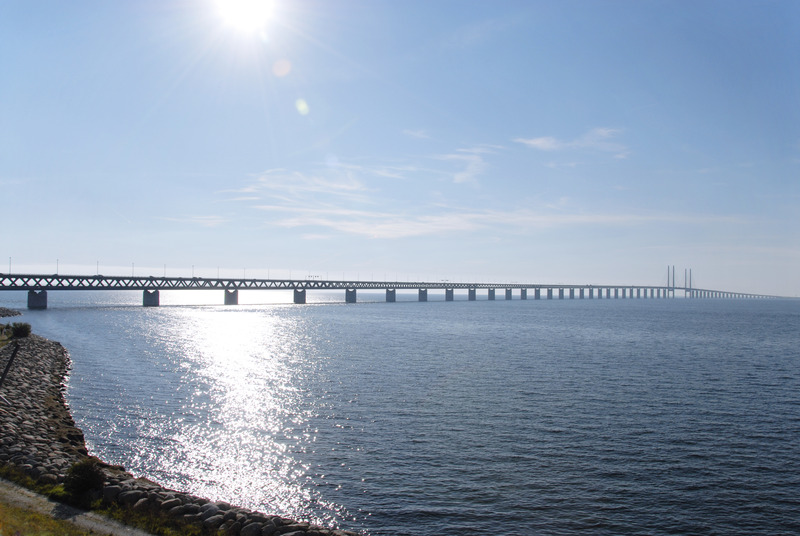
Granted, there are no dramatic high-rise skylines and few buzzy, bustling streets. But there’s plenty of easygoing charm: Bicycles sail past, little cobbled lanes are packed with quirky stores and cafés, and the waterfront and abundant parks offer ample opportunities to stroll or watch the world go by. Oprah praised the Danes for their simple lifestyle and strong social system, and both are in evidence in their relaxed yet efficient capital. The only downside? Copenhagen is among the world’s most expensive cities. And for those addicted to a high-stress lifestyle, the slower pace might take some getting used to. Laid-back, however, does not mean lazy. “The work-life balance is highly valued here,” says Stephen Brugger, executive director of the American Chamber of Commerce in Denmark. “Danes have one of Europe’s shortest working weeks, yet they are highly productive.” Managers used to the U.S. are often initially dismayed at the short hours worked, he adds, but pleasantly surprised when they realize how effective those hours can be. And for American companies, there is no doubt that Copenhagen—or København, as the locals call it—is a strategic location. It’s a gateway to Scandinavia, with Sweden just across the busy Øresund waterway, which has been bridged since 2000, bringing the nations even closer together.

Öresundsbron

Denmark was one of the first nations to acknowledge U.S. independence, and the two countries have been trading partners ever since. Some 400 U.S. companies have already set up shop here, and there’s a clutch of multinationals quartered in Copenhagen, including Dell and Nokia. Denmark boasts some multinationals of its own—think Maersk and Carlsberg (both of which are based in Copenhagen). Other big names include Lego, Novozymes, Bang & Olufsen, Vestas Wind and Novo Nordisk. But it’s fair to say that Copenhagen’s real strength is in midsize niche companies. “Life sciences, pharma, ICT, creative entertainment, clean tech and logistics and shipping are particularly well represented,” says Brugger. “Production here has a high level of specialization.” Danish design goods—from, for example, silversmith Georg Jensen and furniture makers Bo Concept and Søren Lund—testify to the country’s extraordinary (and very marketable) modern design heritage.

Danish history has conspired to give the country its egalitarian bent. “Business here is much flatter, less hierarchical, than we’re used to in the U.S.A.,” says Greg Nagan, a native New Yorker who is now a manager in a big Danish company. “Senior management fraternize with subordinates more than they do in the U.S. It’s an inclusive culture here.” Nagan now enjoys the “refreshingly relaxed” attitude to work in Copenhagen, although he admits it took some getting used to: “My boss had to nudge me to take my 10 weeks of paternity leave when my first child was born,” he says. “I was afraid I’d be replaced!

180314_Copenhagen-Cyclists

Family life comes first, and even senior managers leave early to pick up their kids or attend a school play. I found it very alien at first.” Working overtime is apt to be seen by Danes not as enthusiasm for the job, but as a sign of bad time management.

One thing that is more familiar is the language—not Danish, but English, which 86 percent of Danes can speak to a high standard. But even that can have pitfalls, says Claus Adam Jarløv, the founder of the company Global Denmark, which specializes in cross-cultural communications. “It’s easy for native English speakers to assume that Danes understand more than they really do,” he cautions. “It’s worth spending some time checking that you’re properly understood. And learning at least some Danish goes a long way, too.” He notes that “Americans can find it especially surprising when employees question and comment on the approach of their bosses, but in Denmark it’s normal for the CEO’s strategy to be analyzed by his own secretary.” Critical thinking is a Danish strength, he says, which U.S. businesses can take advantage of.

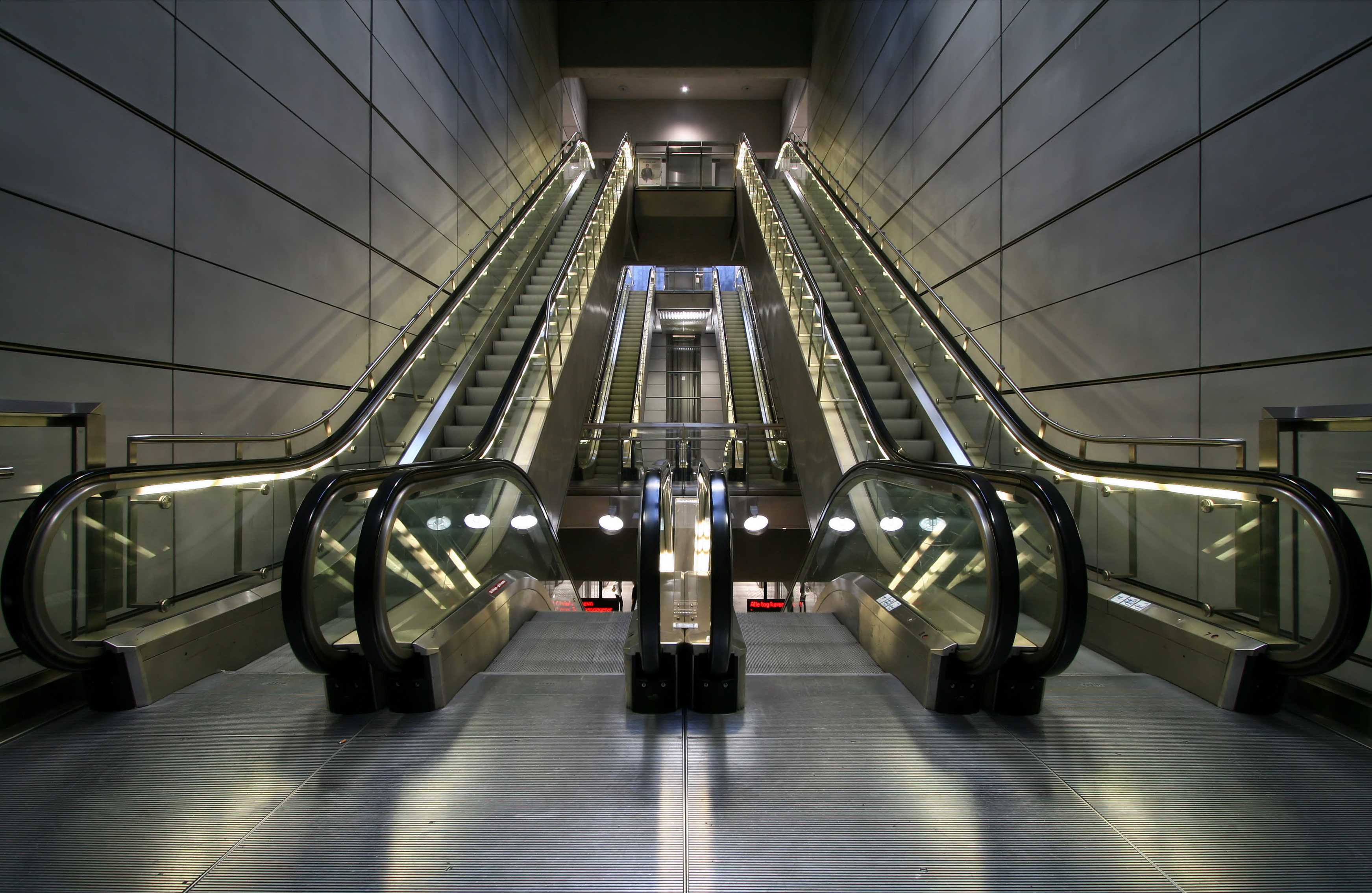
271213_Copenhagen_Metro_escalators
It follows that Danish workers don’t respond to an authoritarian approach. “But the upside is that you get employees who are committed, capable of working independently and of managing their own time,” says Brugger. And then there’s hygge: “It’s impossible to translate, but hygge can be approximated as ‘cozy’ or ‘snuggly,’” says Nagan. “For me, it’s Denmark’s greatest contribution to life.” That intimate atmosphere enriches any stay in the city—for all but the most die-hard workaholics anyway. While Copenhagen is full of things to do—from theater and museums to parks, including everyone’s favorite, Tivoli—it’s such a small, family-friendly place that you often feel you’re in a village rather than a capital. “There just can’t be a better place to combine kids and career,” says Nagan.

After Hours

Nørrebro BryghusBeer is the local specialty, but there’s much more to it than Carlsberg or Tuborg. Head to Nørrebro Bryghus, one of Copenhagen’s most popular brewpubs. It boasts Denmark’s first carbon-neutral beer, which you can of course sample while also touring the brewery to see how it’s made.

Hamlet Country
Take in Hamlet country (he was Prince of Denmark, remember). First get the train (45 minutes) to Helsingoer (Shakespeare’s Elsinore), then cross to Helsinborg (Sweden) by ferry (20 minutes) for fantastic views of Kronborg Castle—Hamlet’s home—across the sea. Denmark’s most imposing castle, Kronborg is a 10-minute walk from Helsingoer.

151013_Kronborg_Castle_Helsingborg

Royal Library
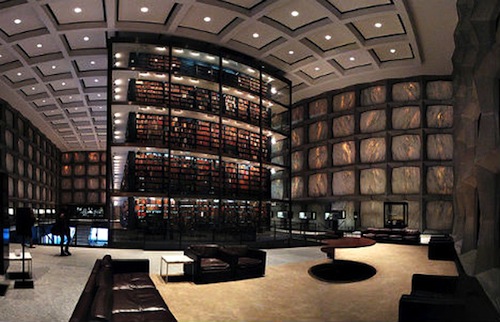
Visit not for books, but for the superb modern architecture, secluded gardens and great restaurant (see below).  You’ll see at once why this waterfront landmark is known as the Black Diamond—its façade is entirely covered in Zimbabwean granite. Take bus 1, 6 or 10.

151013_Royal-library-copenhagen

Where to Eat

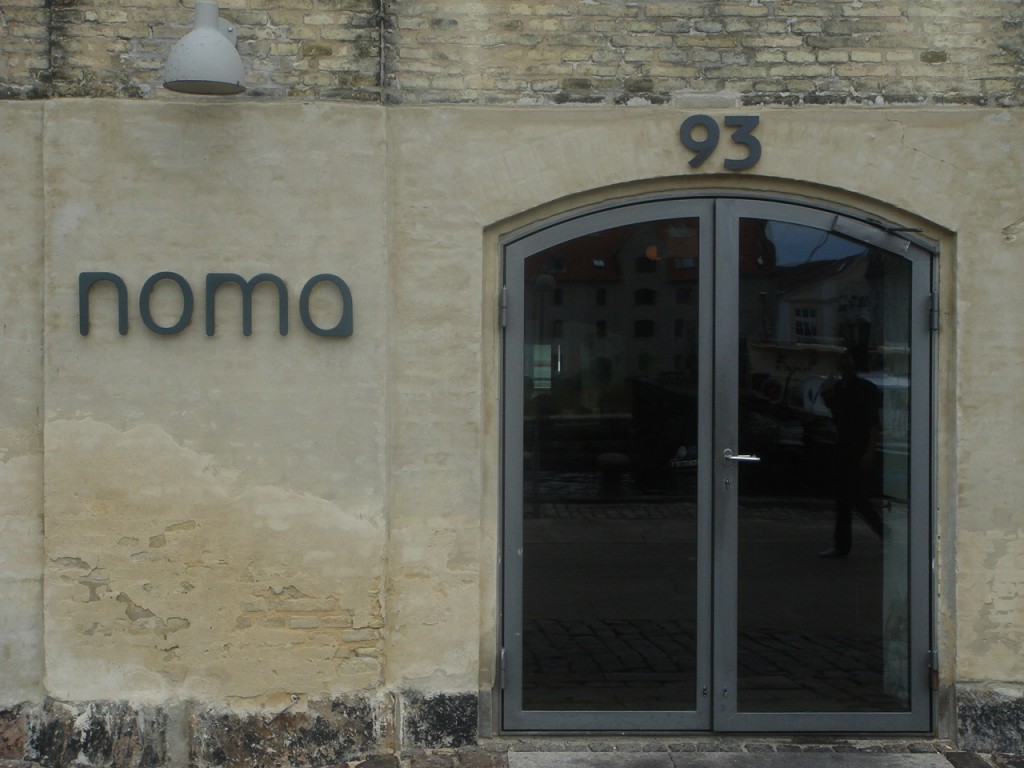
Noma
If you can get a table, try Noma—voted the world’s best restaurant for two years running. The food is new Nordic, featuring fine local ingredients and fresh, clean flavors. The location in Copenhagen harbor is superb, too.

4013_Noma_Copenhagen

Søren K
Royal Danish Library Modern and minimalist, with great harbor views and a contemporary Scandinavian menu, this eatery is a great reason to visit the Royal Library.

Stay

Copenhagen Marriott Hotel
Efficient but stylish business hotel near Copenhagen Central Station, with great canal and harbor views. Good conference and business facilities, wireless throughout.

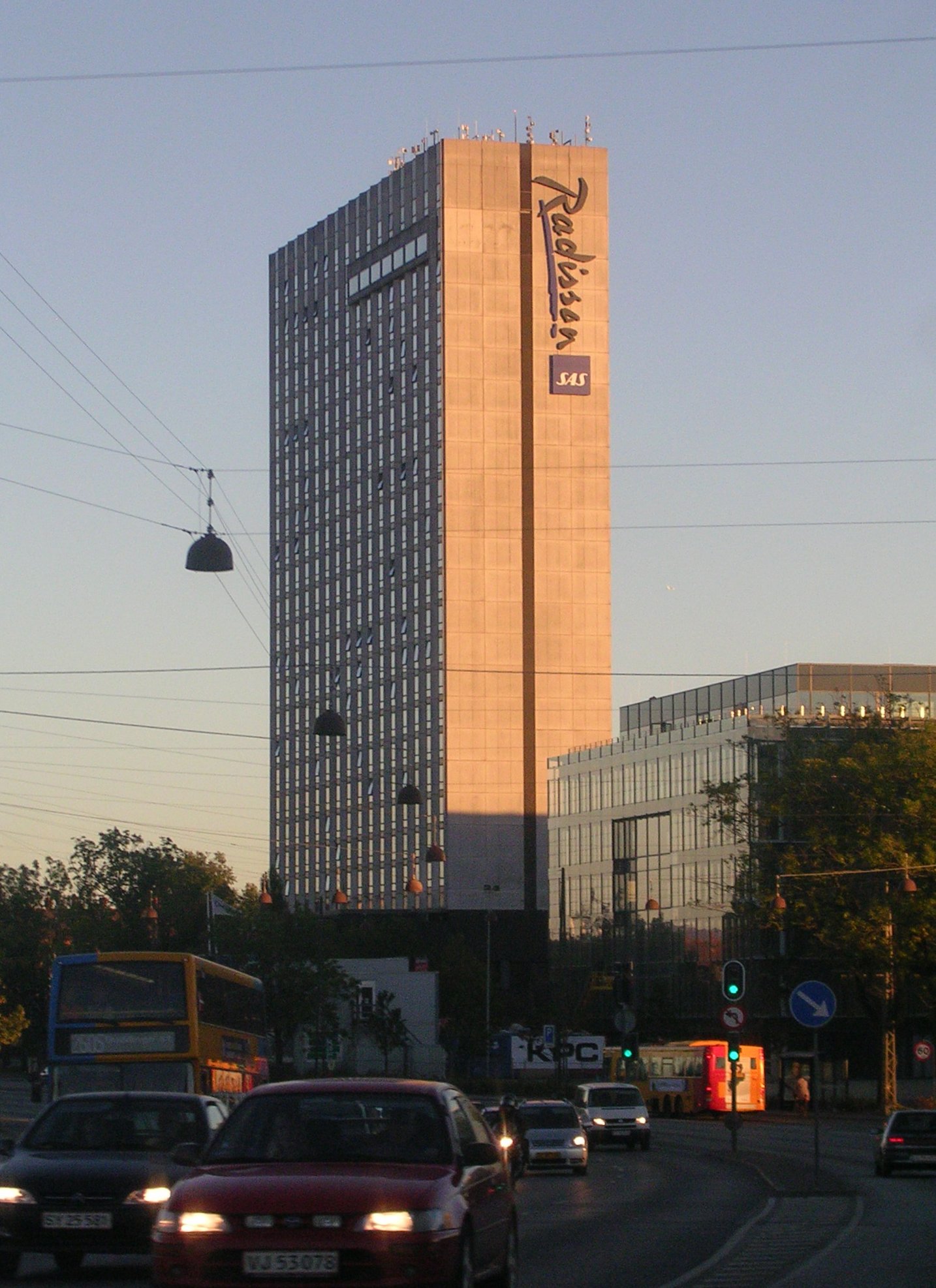
Radisson Blu SAS Royal
Designed by Arne Jacobsen in 1960, the SAS has been gracefully restored as a showcase of the great designer’s work. Close to the Tivoli Gardens. Good business facilities, close to metro, free broadband.

180314_Radisson_Blu_hotel_in_Copenhagen

Phoenix Hotel
Located in the financial district, this elegant 17th-century hotel is a beautiful location for a conference or business meeting—or just to stay in. Wireless throughout, five minutes from the metro.

Airport 

180314_Copenhagen_Airport

Kastrup, Copenhagen’s airport
offers that rare thing—an enjoyable airport experience. Shops and facilities are excellent, and everything in the three-terminal complex benefits from the Danish design touch. There are plenty of quiet places to work, too (free wireless). The easiest way to get into town is with the metro (15 minutes). Ticket machines are everywhere but take only chip cards (not U.S. credit cards), or you can buy a ticket at the DSB sales counter in terminal 3.

Photographs and Memory

0

I have been all over the world. I have been in front of the most awe-inspiring and spirit-elevating views. As a Norwegian I have always enjoyed the climate in the Caribbean, but travelling in Scandinavia is just as fun.

Everywhere I go I’ve willed myself to take in the views with everything that I have, with every cell and nerve, as if I by intent could make a particular place a part of me.Don’t ever forget this, I tell myself. Take a good long look. Bring it home.

SONY DSC

Back home, some weeks later, I remember almost nothing about it. There is knowledge — that was amazing — but not ownership.

And yet, I still remember specific turns that I made 20 years ago. I still remember skiing with my girlfriend in Trysil in 1987. I still remember the consistency of snow in Hemsedal with friends in 1997. But I don’t remember, exactly, what I saw as I stood looking at the view of the town of Aalesund from the view point Aksla. SONY DSC

The reason is simple, I think — action lays down stronger impressions in our memory than passivity. Watching isn’t as powerful as doing. Viewing, no matter how much you will yourself, isn’t an act. It’s just being.

Maybe this isn’t important. One of the biggest reasons we take photographs is memory insurance, after all. But I want my memories engaged with the world. I don’t want to wait until my life flashes before my eyes to revisit all these trips of a lifetime.

So, now I’m doing something different. Instead of trying to force myself to absorb a scene, I try to become an actor in it — I take in the view as I’m skinning to it, I lift my eyes from the snow to take in the sea of clouds as I’m dropping in, I break bread with a friend while sitting on a rock taking it all in.

SONY DSC

Afterwards it’s easier to do my storytelling.

It seems to be working. But just in case, I take pictures, too.

SONY DSC

If you ever visit Scandinavia, try to be a part of the culture, the scenery and the people. It will for certain bring forward memories for life. And your pictures will just be photographs and memory insurance.

Text and photos: Tor Kjolberg

What Does The Fox Say?

‘The Fox (What Does the Fox Say)’ the funny, silly novelty song by the Norwegian comedy duo Ylvis racked up millions of YouTube views and has the power to make us laugh. In order to assess the lyrics of ‘The Fox’ and decipher what it means, you must approach the track with a sense of humor. If you don’t, you’re an idiot. It sounds like a freaking nursery rhyme!
Do you agree?

“Dog goes woof / Cat goes meow / Bird goes tweet and mouse goes squeek / Cow goes moo / Frog goes croak / And the elephant goes toot /Ducks say quack / And fish go blub / And the seal goes ow ow ow ow ow”

Those are not exactly grand observations on life or the animal kingdom, right? But then again, they are not supposed to be. The song sounds like a children’s book set to song and the lyrics are a statement of the obvious. If you want to teach kids the sounds animals make, then this song allows you to do that.

And actually it has turned into a book as well.

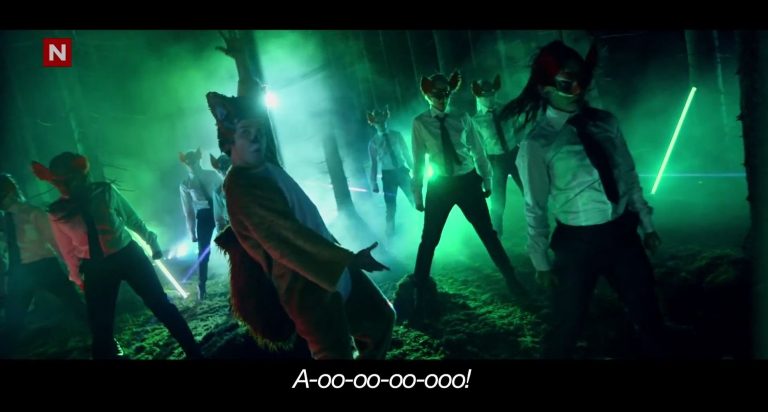
After all, the Fox video was YouTube’s top trending clip of 2013, with nearly 290 million hits. The amusingly frenetic video features an old man in a rocking chair, reading to a little boy, as brothers Bård and Vegard Ylvisåker sing and dance around in a forest dressed in bear and squirrel costumes, imagining what kind of sound a fox might make.

The book, called What Does the Fox Say?, is no last-minute marketing tie-in. In fact, when Ylvis (they go by a shortened form of their last name, Ylvisåker, pronounced “Ill-veh-soker”) made their nonsensical song and video last spring as a promo for their Norwegian talk show, I Kveld Med Ylvis (Tonight With Ylvis), it occurred to them that the inane concept might make a cute kids’ book.

140314_The_Fox_Book“We thought it would be funny to have a really well-done book as merchandise for a tanked project,” explains Vegard (pronounced “Vay-gard”), 34, who never imagined the intentionally “bad” song and video would be a global phenom. “It’s just so stupid. But stupid dollars are the same as smart dollars.”

Bård (pronounced “Board”), 31, even had an artist in mind, pitching the idea to his favorite illustrator, Svein Nyhus, a famous children’s book author and illustrator in Norway. “He refused at first, mainly because the deadline was too early for him. But as the video started to accumulate hits on YouTube, he got back to me, and all of a sudden we were in business.”

There were no plans to publish the book in the USA until last November, when Ylvis inked a deal with publisher Simon & Schuster, which then set a land-speed record getting the book into print in time for a Dec. 10 release.

“We designed it in one day,” recalls Simon & Schuster art director Laurent Linn, as he watches Bård and Vegard signing copies of his work at Books of Wonder in Chelsea. “We have never designed a book in one day before.”

What Does the Fox Say? went to No. 1 on Barnes & Noble’s website and sold out on Amazon. It’s in its sixth printing.

Norwegian illustrator Svein Nyhus was handpicked by Ylvis to visualize utterances such as “ring-ding-ding-ding-dingeringeding!” and “Wa-pa-pa-pa-pa-pa-pow!”(Photo: Illustration by Svein Nyhus/Simon & Schuster)

10 Top Attractions In Oslo

If you feel like checking out the highlights, here are Oslo’s ten most visited attractions. Experience sculpture parks, amusement parks, museums, botanical gardens, opera and ballet and more.

Here are the 10 top attractions in Oslo.

130314_Vigeland_Park_Oslo

Vigeland Park
Vigelandsparken is one of Norway’s most visited attractions with more than 1 million visitors every year. The unique sculpture park is the life work of the sculptor Gustav Vigeland (1869-1943) with more than 200 sculptures in bronze, granite and cast iron. Vigeland was also responsible for the design and architectural outline of the park. A monumental artistic creation with a human message that is well worth seeing. The park is open all year at all times and is a popular recreation area.

130314_Fram_Museum

Fram Museum
Fram is the strongest wooden ship ever built and still holds the records for sailing farthest north and farthest south. At the Fram Museum you can come on board the ship and see how the crew and their dogs lived and managed to survive in the coldest and most dangerous places on earth – the Arctic and the Antarctic.

In 2013 the new Gjøa building opened with new exhibitions on the Arctic, and the Northwest Passage – from the first trials four hundred years ago to find a northern route to the East until Roald Amundsen’s journey through the passage in 1903-06.

The exhibitions are illustrated with the help of modern design, photographs, film, an interactive map, special lighting effects, an model of the Fram frozen in the ice – and the ship itself. In the polar simulatorlets you experience both the cold and the dangers of polar expeditions over a hundred years ago.

The exhibition is translated into ten languages: English, French, German, Italian, Spanish, Russian, Japanese, Chinese, Korean and Norwegian.

Exclusive polar merchandise is available in the museum shop.

130314_Holmenkollen-Ski_Museum

The Holmenkollen Ski Museum
A historic landmark in the Norwegian consciousness, Holmenkollen embodies more than a century of skiing competitions.

Inside the ski jump is the Holmenkollen Ski Museum, the oldest of its kind in the world. The museum presents over 4,000 years of skiing history, as well as Norwegian polar exploration artifacts.

The observation deck on top of the jump tower offers panoramic views of Oslo.

Open 365 days a year!

130314_Tusenfryd_Amusement_Park_Oslo_Norway

Tusenfryd Amusement Park

One park – a thousand opportunities! TusenFryd is Norway’s largest amusement park, with over 30 fun attractions and great games, shops and places to eat.

TusenFryd’s newest attraction is Thors Hammer, which opens in June. The indoor 3D adventure is packed with the latest in park technology.

The park features attractions for all ages, including large and small rollercoasters, carousels, a log ride, a 5D haunted house and much more.

Barnas Fryd and Frydskogen are packed with rides and activities for small kids. In summer you can enjoy BadeFryd, a water park with a swimming pool, a swimming river, a huge slide and beach volleyball courts.

The TusenFryd Package at visitoslo.com includes hotel accommodation, Oslo Pass and entry to the park.

130414_Norwegian_Museum_of_Scienceand_Technology

The Norwegian Museum of Science and Technology
(Norsk Teknisk Museum) is the national museum for technology, industry, science and medicine. The museum has over 20 permanent and temporary exhibitions about energy, oil, industry, medicine, airplanes, cars and trains.

The Science Centre is a place for curious minds. Explore natural science and technological principles in the areas of energy, physical phenomena, the body, mathematics and the universe. The Robot Centre and The Planetarium are both found here.

The National Museum of Medicine explains how people’s lives have changed over the last 150 years through improvements in public health, medicine and healthcare. The museum is integrated in the Museum of Science and Technology.

The museum café serves Italian and Greek food, hot dogs, coffee, ice cream and cakes.

CLOSED: Mondays (winter), 1 January, 1 May, 17 May, 24-26 December, 31 December.

Norwegian name: Norsk Teknisk Museum

130314_Viking_Ship_Museum_Oslo_Norway

 The Viking Ship Museum

presents great Viking ship discoveries from Gokstad, Oseberg and Tune as well as other finds from Viking tombs around the Oslo Fjord.

The museum displays the world’s two best-preserved wooden Viking ships built in the 9th century, as well as small boats, sledges, a cart with exceptional ornamentation, implements, tools, harness, textiles and household utensils.

Norwegian name: Vikingskipshuset

130314_Natural_History_Museum_Oslo_Norway

The Natural History Museum

includes several museums as well as the Botanical Garden and greenhouses. The Zoological Museum shows animals from all over the world, and the Mineralogical-Geological Museum building includes the Paleontological Museum and Norway’s only dinosaur museum.

The opening hours and prices below apply to the greenhouses and the museums. They are closed on Mondays, 1 January, 17 May, 23-26 December and 31 December.
130314_Botanisk_hage_oslo

Botanical Garden
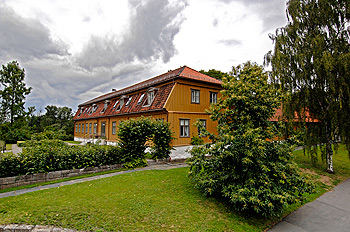
The botanical variety and diversity in the Botanical Garden makes it an ideal place to relax from the stress of city life. Most of the area is designed as an Arboretum. Entrance to the garden is free. The Botanical Garden is open longer than the museums.

Norwegian name: Naturhistorisk Museum

130314_Akershus_Fortress_Oslo_Norway

Akershus Fortress,

located in the city centre by the Oslo Fjord, is a great place to discover Oslo’s history and a beautiful place to enjoy a summer day.

History
The building of Akershus Castle and Fortress was commenced in 1299 under king Håkon V. The medieval castle, which was completed in the 1300s, had a strategical location at the very end of the he

adland, and withstood a number of sieges throughout the ages. King Christian IV (1588-1648) had the castle modernised and converted into a Renaisssance castle and royal residence. During the 17th and 18th century the castle fell into decay, and restoration work only started in 1899.

Guided tours
Guided tours of the Fortress are available to the public in summer, starting at the Visitor Centre.
May: Saturday-Sunday at 12.00 (Norwegian) and 14.00 (English)
June: Daily at 12.00 (Norwegian) and 14.00 (English)
1 July-12 August: Daily at 11.00, 13.00 and 14.00 (Norwegian/English), 15.00 (Norwegian, jail only) and 16.00 (Norwegian/English)
13 August-31 August: Saturdays and Sundays 13.00 (Norwegian) and 15.00 (English)
Free with the Oslo Pass.
Guided tours for groups are also available.

Events
The Fortress area is used for a number of big events, including concerts, holiday celebrations and ceremonies. Changing of the guards (HM The King’s Guards) takes place every day at 1.30 pm.

Norwegian name: Akershus Festning

130314_National_Gallery_Oslo_Norway

The National Gallery
Norway’s largest public collection of paintings, drawings and sculptures. The National Gallery’s central attractions include Edvard Munch’s The Scream and Madonna and paintings by Cézanne og Manet.

The museum’s exhibitions present older art, with principal emphasis on art from Norway. The permanent exhibition shows highlights from the collection and national icons from the romantic period until the mid-1900s. Also on display are works by international painters and sculptors, including the French impressionists.

Free entry on Sundays.

The National Gallery is part of the National Museum of Art, Architecture and Design.

Norwegian name: Nasjonalgalleriet

The Norwegian National Opera & Ballet (See featured image above)
is Norway’s largest performing arts institution, with over 600 employees working in about 50 professions and trades.

After the opening in 2008, the Opera House in the old harbour area of Bjørvika soon became a landmark in Oslo. Designed by the Norwegian architects Snøhetta, it is the first opera house in the world to let visitors walk on the roof.

The new opera house offers a rich and varied programme from three stages: The Main House (1369 seats), Second House (400 seats) and the Studio (200 seats). The Opera Roof and Foyer are also used for concerts.

Norwegian name: Den Norske Opera & Ballett

The Norwegian National Opera & Ballet is Norway’s largest performing arts institution, with over 600 employees working in about 50 professions and trades.

After the opening in 2008, the Opera House in the old harbour area of Bjørvika soon became a landmark in Oslo. Designed by the Norwegian architects Snøhetta, it is the first opera house in the world to let visitors walk on the roof.

The new opera house offers a rich and varied programme from three stages: The Main House (1369 seats), Second House (400 seats) and the Studio (200 seats). The Opera Roof and Foyer are also used for concerts.

Norwegian name: Den Norske Opera & Ballett

The Norwegian National Opera & Ballet is Norway’s largest performing arts institution, with over 600 employees working in about 50 professions and trades.

After the opening in 2008, the Opera House in the old harbour area of Bjørvika soon became a landmark in Oslo. Designed by the Norwegian architects Snøhetta, it is the first opera house in the world to let visitors walk on the roof.

The new opera house offers a rich and varied programme from three stages: The Main House (1369 seats), Second House (400 seats) and the Studio (200 seats). The Opera Roof and Foyer are also used for concerts.

Norwegian name: Den Norske Opera & Ballett

Source: Visit Oslo

Pastry Days at Nimb Terrasse

For the past two years Nimb in the Copenhagen Tivoli has organized a series of special pastry days in the exclusive setting of Nimb Bar. The event has been so popular that it was necessary to put up a waiting list.

220114_Nimb-Terrace_Copenhagen_Tivoli_Gardens

Now the establishment is pleased  to introduce a fixed weekly event at Nimb Terrasse every Saturday and Sunday.

Every weekend, their pastry chef offers a large pastry table consisting of 4-5 assorted pastries, cakes, macaroons and a wealth of classics such as roulade, fruit tart and scones. Several of the cakes are based on season produce.

250 DKK per person for the pastry table ad libitum incl. hot chocolate, coffee or tea.

175 DKK for children under eight years.

Bookings can be made for the following seatings: 13:30 , 13:45 and 14:00, but it is also possible to drop by, off the street . Entrance is through Nimb Bernstorffsgade 5, during the periods in which Tivoli is closed – providing a unique opportunity to see Tivoli off season . In Tivoli season, entry is through the Tivoli official entrances .

120314_Nimb_Restaurant_Copenhagen_Tivoli

Nimb Terrasse is located in the middle of the old Gardens down by the Tivoli Lake. It’s in fact a part of the Moorish-styled palace with a striking Venetian marble façade facing the Tivoli Gardens revealing an intimate boutique hotel with just 14 sophisticated rooms and suites. With four diverse dining options including the gourmet restaurant, along with a cellar wine bar and a classic hotel bar, Nimb Hotel is a spectacular place to stay in the heart of the city, conveniently close to the central station and 14 km from Copenhagen Airport.

Enjoy simple seasonal cuisine – fresh from the sea, fresh from the field and fresh from nature. Enjoy the pastry days at nimb terrasse.

Book a table

Best Scandinavian Attractions

The team of Daily Scandinavian has voted the top attractions in Scandinavia. We want to point you in the right direction, so you may enjoy your visit to this part of the world even better.

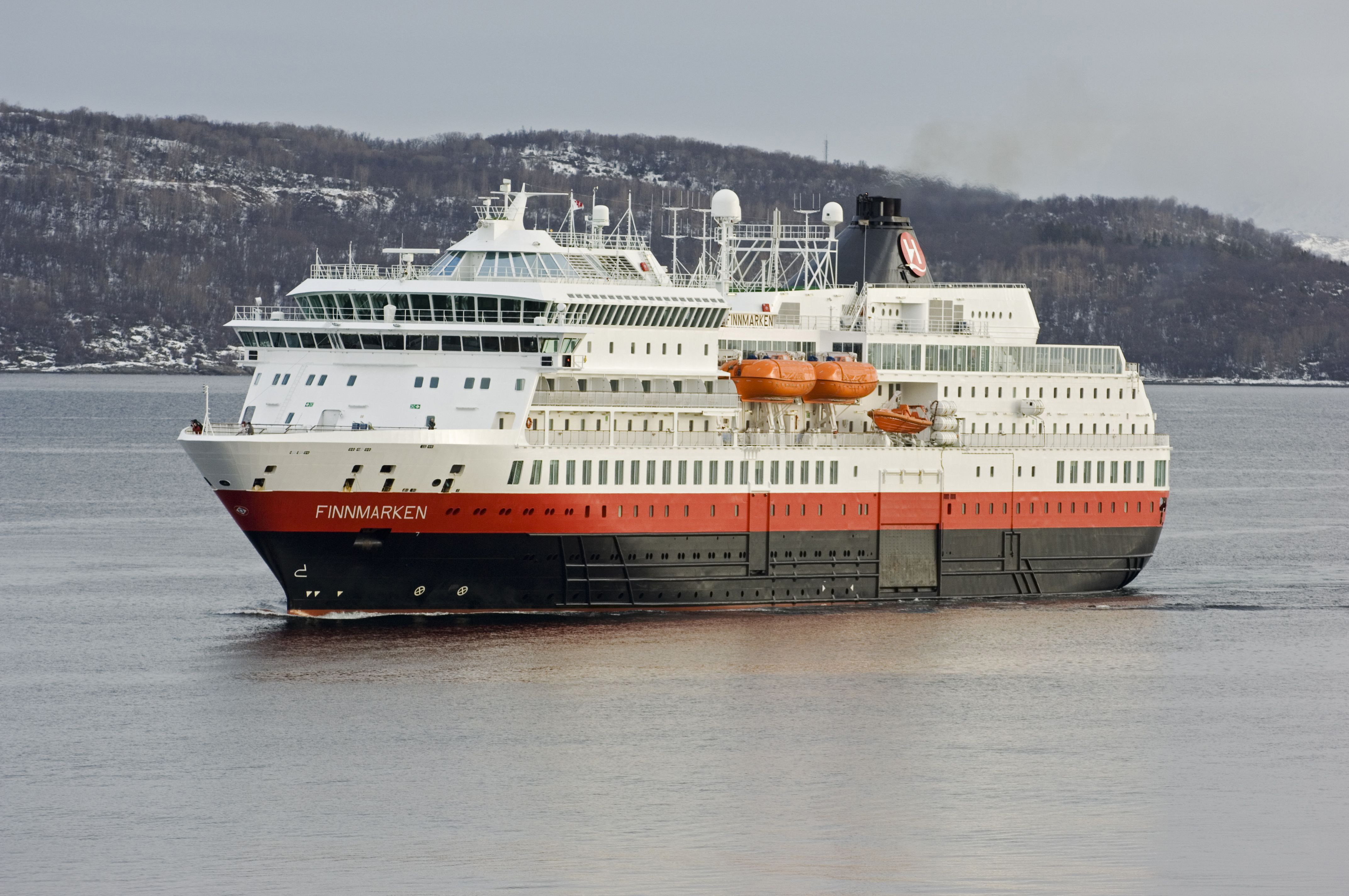
Norway’s breathtaking fjords are an experience not to be missed. The Hurtigruten coastal steamships make 34 ports of call, heading way up north from Bergen to the North Cape and Kirkenes. Related post.

Harstad

Experience northern light in Tromsoe in Norway’s far north. The eerie aurora borealis billows like smoke and streaks like silent fireworks across the winter skies in Arctic Scandinavia.

170114_Northern_lights_Ersfjord_Tromso_Norway

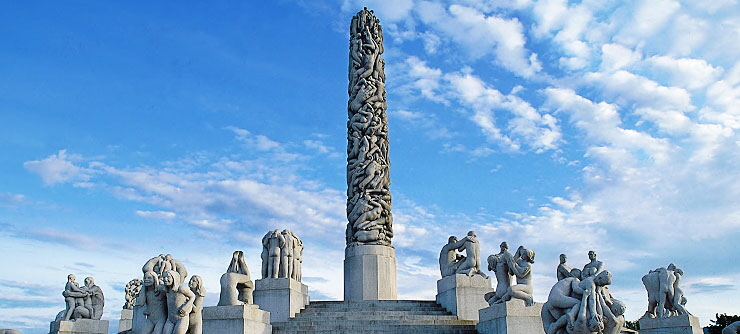
Vigeland Sculture Park in Oslo is an open-air sculpture park filled with huge arresting figures, many writhing and tumbling, in Vigeland’s fantastic vision of humanity. A favorite with Oslo inhabitants.

040314_The-Monolith-Vigelandsparken-Norway

Norway’s perhaps most beautiful city, Bergen, sits on a craggy shoreline surrounded by hills, and makes an ideal base for a fjord holiday. A highlight of any visit is a summer concert at Trollhaugen, a former villa of composer Edvard Grieg.

 270114_norway-bergen-edvard-grieg-troldhaugen-livingroom

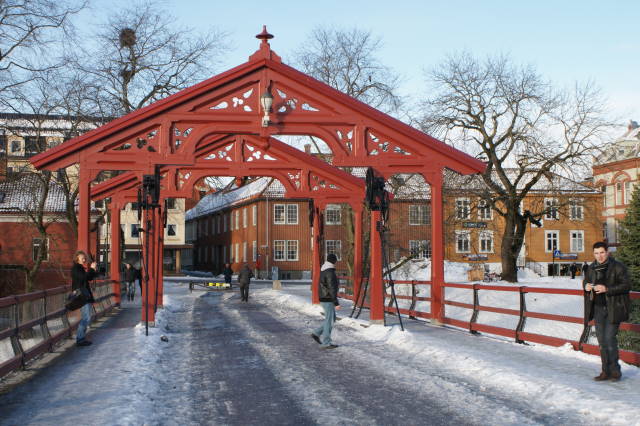
Norway’s ancient capital and its third-largest city, Trondheim, is steeped in history and athmosphere.

SONY DSC

Europe’s first Green Capital, Stockholm, floats on 14 islands. Visit Gamla Stan, a medieval maze of alleyways and enchanting architecture, and Södermalm’s bohemian shops and bars.

040314_Gamla_stan_Stockholm

Sun-worshippers flock to the sandy beaches of Bohuslän in summer, or take to sailing boats and kayaks to explore thousands of offshore islands.

040314_Bohuslan_sweden

Old honeypaws, the King of the Forest, is a shy creature in the wild. Orsa Björnpark, Sweden, offers a great chance to see brown bear and their cubs up close.

040314_from_Orsa_Bjornpark_sweden

Scandinavia’s largest Renaissance castle, Fredriksborg Slot, Hilleroed, Denmark, was built across three islands in the middle if a lake, and comes straight from the pages of a children’s storybook.

040314_Fredriksborg_castle_denmark

Countless icebergs calve from Greenland’s most productive glacier and float out to sea in a glinting parade at this Unesco  World Heritage site, near Ilulissat. Don’t miss Icefjord, Sico Bay, Greenland.

040314_Ilullisat_Icefjord_Greenland

A well kept Danish secret is Bornholm, the sunniest island in Scandinavia. Hire a bicycle and explore its rugged coastline and unique medieval round churches.

040314_Bornholm_Denmark

The historic railway, Inlandsbanan, rund from Sweden’s heartland right into the Arctic Circle, stopping at tiny stations for meals, and to shoo reindeer off the tracks.

040314_Inlandsbanan_sweden

Jutland, Denmark’s peaty soil has preserved some of Europe’s most remarkable archeological finds, like the 2,000-year-old bodies of Tollund Man and Grauballe Man, now in Silkeborg and Moesgaard museums.

040314_Nykoebing_Horse

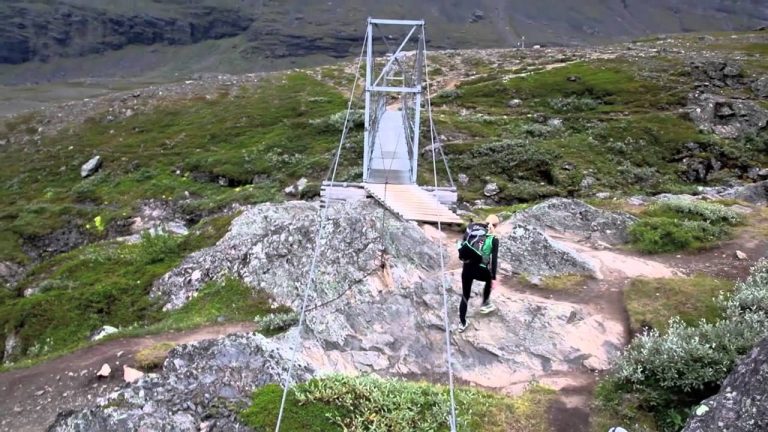
Sweden’s most famous long-distance walking path, Kungsleden Trail, wends its way through the mountains of Lapland, through dark forests and broad green valleys scattered with Alpine flowers.

Turreted walls encircle Visby in Gotland, the medieval Hanseatic trading town, full of crooked houses, cobbled streets and rose-covered ruins. In August troubadours and jousting knights bring the past to life during the Medeltidsveckan festival. (Featured image on top is from Gotland).

Enjoy the best Scandinavian attractions.

171013_Medieval_week_Visby_Gotland_Sweden

Where is this?

Known as the largest public Evangelical Lutheran church in Scandinavia, Grundtvig’s Church (Grundtvigskirken in Danish) was built as a national monument for N.F.S. Grundtvig (1783-1872), a Danish philosopher and social reformer.  The Church is located in the Bispebjerg district of Copenhagen. Building commenced in 1921, but main architect Peder Vilhelm Jensen-Klint died in 1930. He was succeeded by his son Kaare Klint and later his grandson Esben Klint, who completed the church in 1940. 100314_Nikolaj_Frederik_Severin_Grundtvig

Its design is a combination between a cathedral and the style of old Danish country houses. The yellow brickwork church stands 50 meters high, which makes it a landmark that can be seen from afar.

Nikolai Frederik Severin Grundtvig, 1783-1872, was a Danish author for almost 75 years. Most of his many works have not been read by great numbers either in his own day or subsequently. His ideas and attitudes are more important than the individual titles.
In his many original and translated hymns, which were mainly published in his Sang-Værk, 1-5 (1837-81), he brought renewal to the National Church of Denmark by imparting a living, homely character to the great Christian festivals.

Even today, his hymns dominate the authorised hymn book, so much so that even non-churchgoing Danes can scarcely imagine Christmas, Easter and Whitsuntide, weddings or funerals without the inclusion of some verses by Grundtvig.

Grundtvig’s work as a theologian, scholar, poet and popular educator was epoch-making. In Nordens Mytologi (1808, The Mythology of the North), he was the first to see an inner cohesion in the pagan myths, and in a greatly expanded, revised edition in 1832 he was able to turn them into the paradigm of a modern Nordic view of life. In practice, his theology concentrated on the experience of baptism and holy communion, both proclaimed by words from the lips of Christ.

From the 1830s, on the background of a Christian faith brought to life in this way, he placed increasing emphasis on conditions of life on earth, keeping a suitable pace with the slow political developments in Denmark towards democracy.

He saw every form of compulsion in intellectual and spiritual life as being perverse. His great argument was for choice cutting through congealed institutions and lifeless writing. He advocated oral formulation, whether spoken or sung, and he made conversation with a lively exchange of views between the parties into his main educational tool.

He stressed the significance of a native language that had been handed down in its purest form by women and unlearned peasants.

As a poet he often combined content and form in potent images, the intent and meaning of which were prophetically obscure, and at other times he was able as no one else in his day to speak simply and comprehensibly on the most elevated subjects.

As a politician he could be extremely realistic, always giving voice to an anti-authoritarian attitude; he supported peaceful change rather than revolution. With Grundtvig, compromise became a way of life in Danish politics and society. He left behind him religious and popular movements which in the folk high schools, the church, the parliament and in the public at large are still influential in Danish society.

100314_Grundtvig_Church_Copenhagen_2

Grundtvig must have taken to heart the exhortation in Psalms to “make a joyful noise unto the Lord”; he wrote 1,500 hymns, many of which are sung to this day. With Grundtvig’s musical gifts in mind, the church was designed to resemble a pipe organ.

Could you answer the question where is this? before reading?