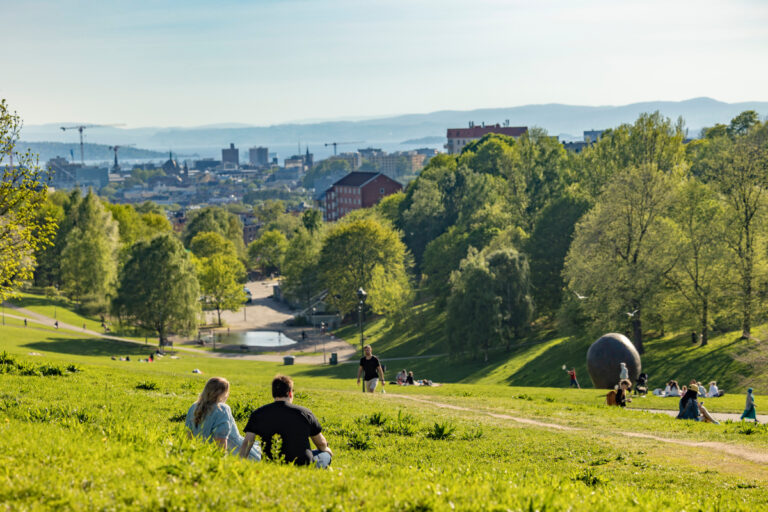
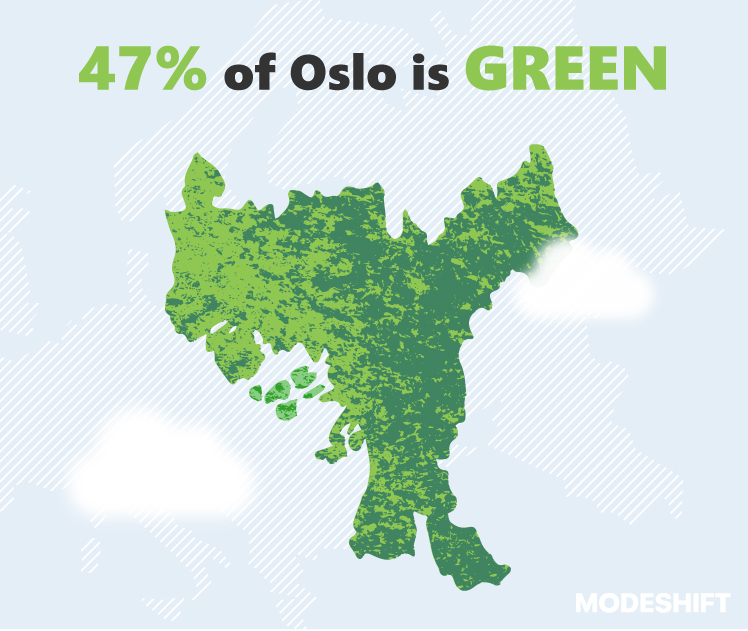
There is no shortage of ratings of the qualities of various cities. Now, Oslo tops an international list of the world’s greenest cities. And it puts nature first. Oslo, Norway, has been named the world’s greenest city.
Oslo has been placed at the top of the list due to its extensive green spaces and sustainability efforts. It is closely followed by Medellín, Colombia, and Sydney, Australia. Other top eco-friendly cities include Singapore for its “City in a Garden” approach, Copenhagen for cycling infrastructure, and Tokyo for its high density of urban green areas.
The prestigious magazine Time Out conducted its own research into which cities offer the best for green space by quizzing thousands of urbanites. The actual selection is made by Iglu Cruise, one of the world’s largest cruise agents. They have over 400 travel experts who advise customers on interesting travel destinations.
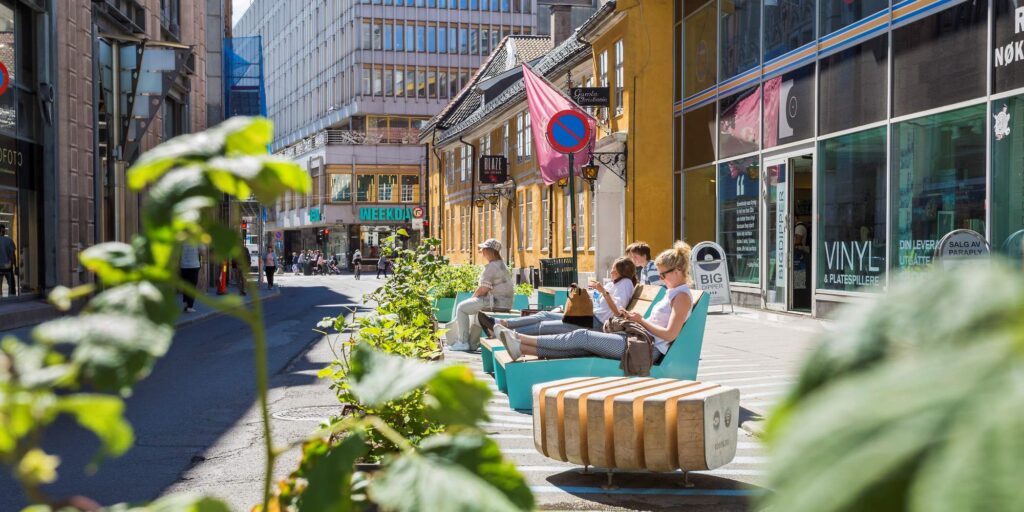
Oslo has been placed at the top of the list due to its extensive green spaces and sustainability efforts. Photo: Visit Oslo.
Greece has its postcard-perfect places. The little town of Drama is not one of them. Here, in northern Greece, life is lived without scenery. The town, the vineyards, and the mountains form the framework for a region that still works for those who live here. Now, we invite you to join us to explore Greece off the common trail, the authentic Greece.
Greece reached new tourism heights in 2025, recording record visitor arrivals and revenue in a year that Minister for Tourism, Olga Kefalogianni, has described as the “best ever.” No doubt, Greece is a popular destination. However, that attracts more tourists, leads to longer queues, higher prices, and, very often, less charm.
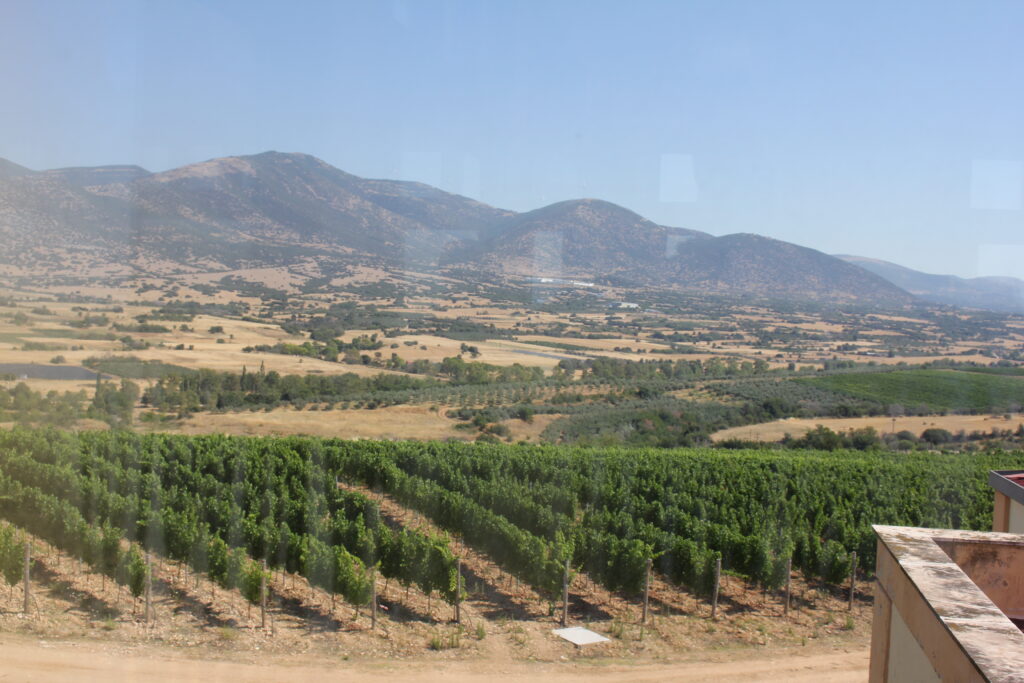
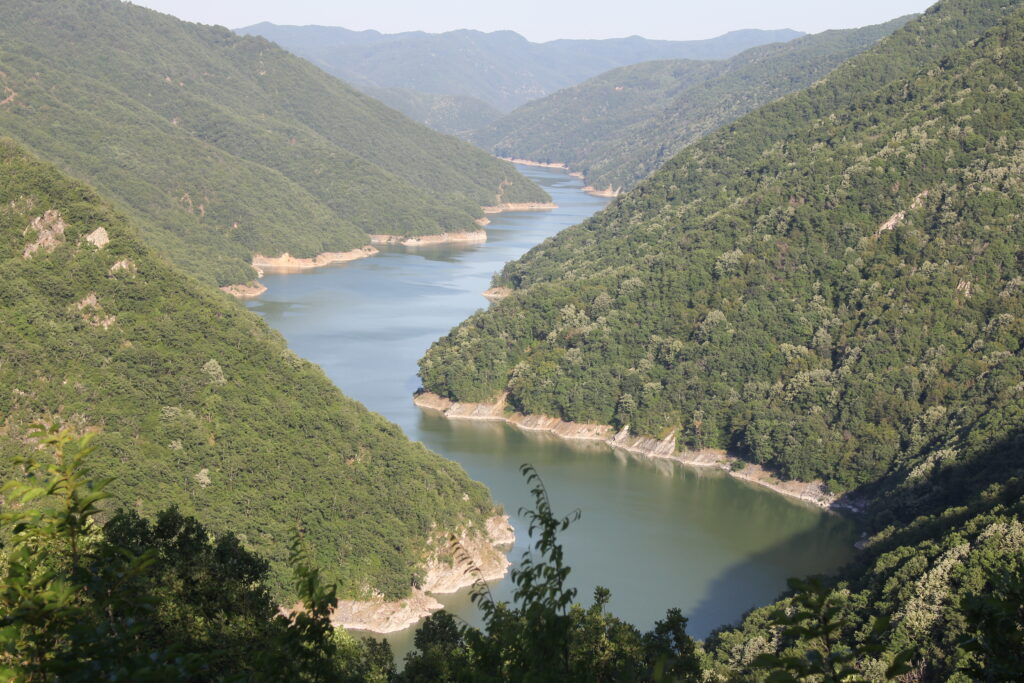
Drama is located close to the border with Bulgaria, surrounded by mountains, vineyards, and the untouched Fraktos Forest, part of the UNESCO World Heritage Site.
Drama is located close to the border with Bulgaria, surrounded by mountains, vineyards, and the untouched Fraktos Forest, part of the UNESCO World Heritage Site. Within short distances, you will find a concentration of both large and small quality vineyards, as well as the Nestos Valley and the Aegean coast.
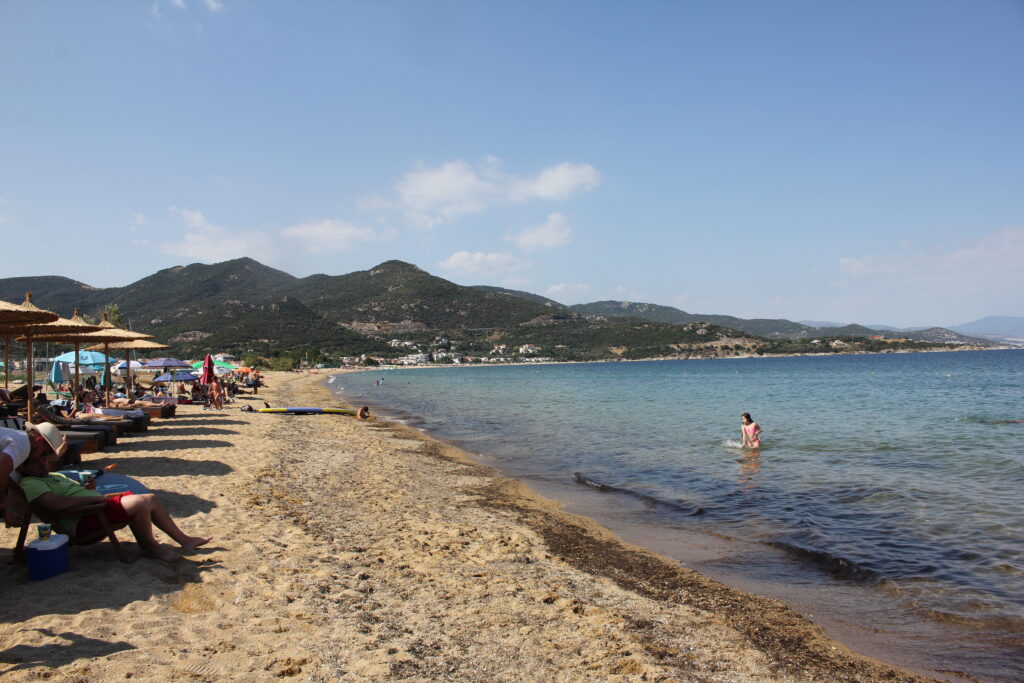
We’ll also enjoy a day at the beach.
The valley has warm days and cool nights, combined with altitude differences and varied soils, which provide ideal conditions for winegrowing. The area is not developed as a tourist machine. Life here is lived for those who live here. That is precisely why it feels authentic, more real than staged.
Looking forward to 2026, Kefalogianni saw a bright future for the Greek sector, saying: “The first data for 2026 create optimistic prospects, as another positive year for the sector is looming.”
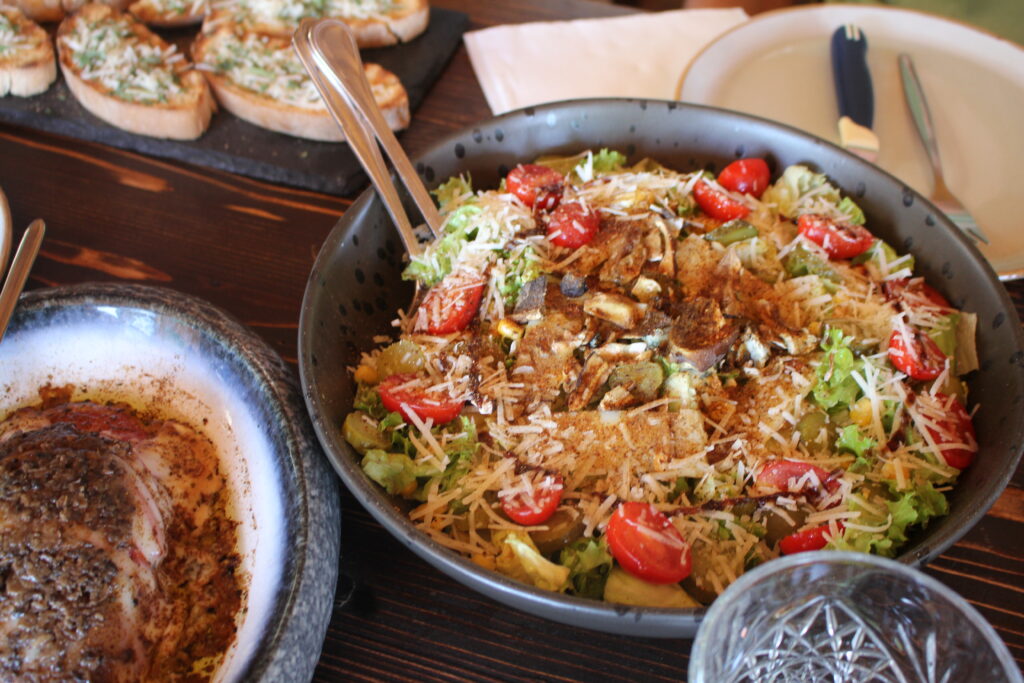
Taste food you will remember.
City life, culture, and evenings that last
Let’s slow down. Drama is a town where life is lived outdoors. Cafés are filled from morning until late at night, families gather in the squares, and conversations last longer than planned. Food, music, and people mingle in the streets, and you become a natural part of the rhythm instead of standing on the outside looking in.
Drama is located close to the border with Bulgaria, surrounded by mountains, vineyards, and the untouched Fraktos Forest, part of the UNESCO World Heritage Site.
You are not met as a spectator, but as a participant. Not as a tourist, but as a guest.
The valley has warm days and cool nights, combined with altitude differences and varied soils.
However, we’re just in the planning stages. The Drama Wine Festival takes place in May. If we’re lucky, our visit will coincide with the festival, but not necessarily. Exact dates and prices will be announced shortly on our travel partner’s site, TAKs Verden.
Come With Us to the Authentic Greece, written in collaboration with Raymond O. Sebergsen, HoHoy.
Driven by strong bilateral ties, tourism promotion in Oslo, and interest in coastal and hill-country areas, approximately 15,000 Norwegian citizens visit Sri Lanka annually, and Norwegians’ interest in the island is growing.
According to the Sri Lanka Tourism Development Authority, the total number of visitors in January 2026 was 277,327, up 16.1 per cent from 2018. Visitors from India and Great Britain are the largest groups.
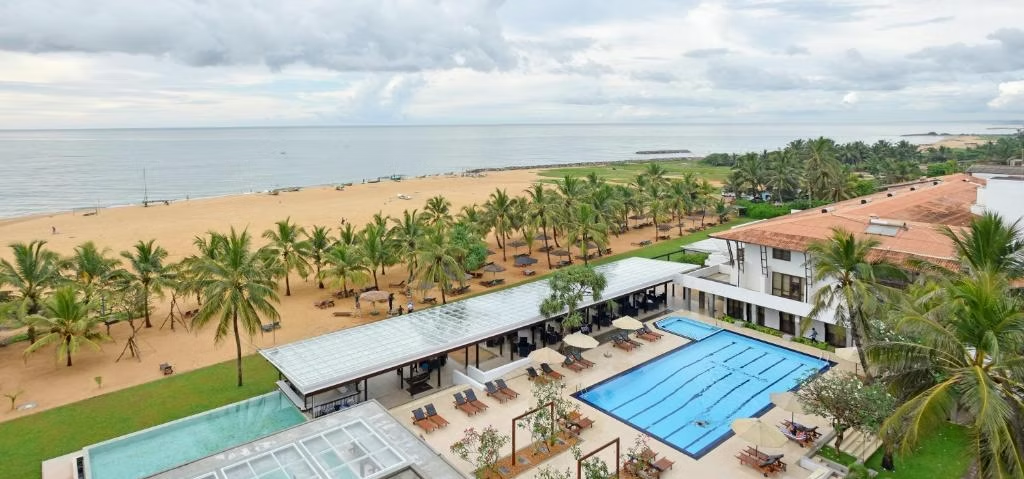
As a tourist, you can visit the country for many activities. Photo: Visit Sri Lanka.
More Norwegians are now seeking alternatives when planning their holidays and have discovered a new holiday gem – Sri Lanka. The classic destinations are still popular, but many are looking for places that offer more for their money.
There are several places that offer this, but Sri Lanka in particular has had a significant increase in popularity recently. Price, travel time, and experiences weigh heavily when booking flights.
The travelers are attracted to the island’s culture, wildlife, and beaches, with safety, affordable luxury, and direct, familiar, and friendly hospitality being key drivers. One tourism official told me, “Sri Lanka is a little like India, only smaller, less expensive, and friendlier.”
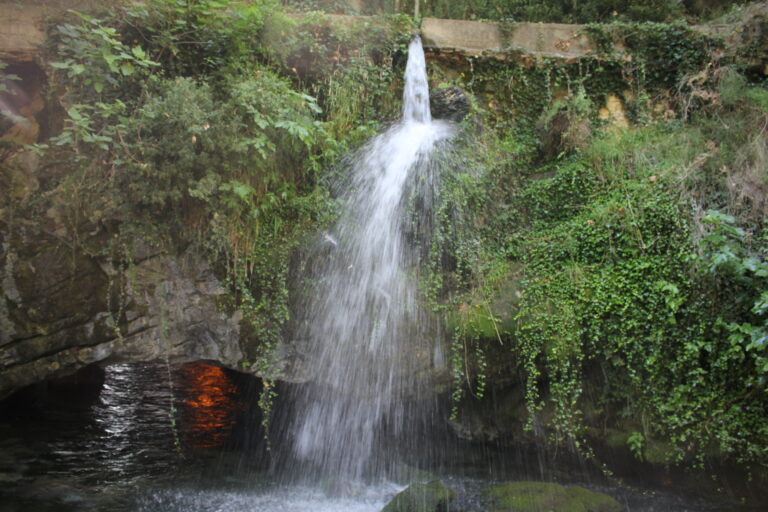
Now, there is growing interest among Scandinavian tourists in exploring sights such as Ella, Nine Arch Bridge, Horton Plains National Park, Lipton Seat, and Diyaluma Waterfall, as well as in shopping in Colombo, the capital.
Promotion at the TravelExpo Fair in Oslo has probably played a major role in increased interest from Norwegians, alongside improved safety conditions and positive travel experiences shared on social media.
As a tourist, you can visit the country for many activities, like sightseeing, holidaying, and honeymoons. Medical treatments, including Ayurvedic and yoga, are also on the rise, as are participation in sporting events, competitions, and cultural performance activities.
“Sri Lanka offers an enormous diversity of experiences,” says Roshan Dayananda, general manager of the agency Explore Sri Lanka.
“Sri Lanka currently offers a rare combination of lower prices and shorter flight times than Thailand, while the country offers an enormous diversity of experiences,” says Roshan Dayananda, general manager of the agency Explore Sri Lanka, the only travel agency in Norway solely offering travel to the island. He continues:
“Here you can combine beach, nature, culture, and activities with a focus on body and well-being. Since the country is relatively small, you also have time to experience a lot in one trip.”
Sri Lanka is only about 1.5 times the size of Denmark, making it a clear, easily accessible country to travel around.
About Explore Sri Lanka
Established in 2020, Explore Sri Lanka is a Norwegian travel agency offering carefully crafted, unique adventure tours in Sri Lanka. Backed by the Norwegian Travel Guarantee Fund, the agency offers a wide range of pre-packaged trips as well as the opportunity to tailor your dream trip in collaboration with one of its experts. With a well-established network and access to Sri Lanka’s best hotels and excursions, Explore Sri Lanka creates authentic experiences that give you deeper insight into the country’s culture, nature, and history.
Norwegians’ Interest in Visiting Sri Lanka is Growing, written by Tor Kjolberg.
A good story simplifies complex information and improves understanding. That’s a good reason to incorporate storytelling in your marketing campaigns. We remember a good story.
In the vast sea of information we are exposed to daily, it’s easy to see how certain details fade from memory while others remain firmly rooted. Have you ever found yourself forgetting a statistic but recalling a personal anecdote someone shared with you?
The link between memory and stories is tightly woven.
Or perhaps you remember the plot of a novel you read years ago more clearly than the specifics of a textbook from last month. The link between memory and stories is tightly woven. You can’t understand the story without understanding memory. Our evolution has given us some interesting memory quirks, including a natural preference for a complete story over one with essential parts missing.
Anyone who’s cried at a movie or who has stayed up way too late reading because they just had to find out what happened next could testify to the power of storytelling. This phenomenon isn’t accidental — it’s deeply rooted in the way our brains are wired. While facts speak to our logic, stories speak to our emotions, and emotion is the glue that binds information to memory.
Perhaps you remember the plot of a novel you read years ago more clearly than the specifics of a textbook from last month.
If it seems as though you’re seeing more customer stories than ever, you are. And not just the age-old customer testimonial, but actual stories of how a product, service, or organization solved a problem. Pick up just about any magazine, turn on the TV, sort through your mail, or surf online, and you’ll see examples of organizations of every type telling the stories of their happiest, most-satisfied customers, members, or other beneficiaries. Increasingly, they find that true stories not only communicate credibility and results but also increase sales, shorten the sales cycle, help sell more to existing customers, land media coverage, and grow support for causes and ideas.
In sales, experience shows that the best way to share information with prospects is through storytelling.
In sales, experience shows that the best way to share information with prospects is through storytelling. We can guess anecdotally why that is, or we can look to science! Numerous studies have shown that conveying information through stories keeps people more engaged and improves their retention and memory.
Secure a free copy of my new book on Storytelling.
I have survived as a storyteller for over 50 years. In my recent book, I tell you how. Since I assume you have finished reading this article, you are among the people interested in this topic. I’m offering you a free digital copy of my book. Order it for free here. Just write your name and e-mail address, and write “book” in the subject line.
Or perhaps not? Photographer and GP Regin Hjertholm’s 2011 photo project “Sleep” began with a doctor’s interest in what we actually do when we sleep. The project shows real sleep. However, studies show that no one has a poorer sleep quality than Norwegians.Sleep like a Norwegian.
Regin Hjertolm’s art project “Sleep” is a series of photographs and videos in which 112 sleeping people were photographed over 66 nights in a studio in Bergen. Over four years, an automatic camera captured more than 4,500 photos of models on a large mattress, focusing on sleep-related body language, unique positions, and the unconscious movements that occur during the night.
Over four years, an automatic camera captured more than 4,500 photos of models on a large mattress.
Sleep is a huge part of our lives, and every night we enter this state. Yet, no one who sleeps can see themselves, and what we see of others’ sleep is also limited. The project provides access to images of real sleep and allows us to study and experience this partly hidden commonality.
The average Norwegian takes seven minutes to fall asleep. For him or her, the night is a refuge from the battlefield. For many, however, the night is the battlefield. One in ten Norwegians has serious sleep problems that should be treated, according to the Norwegian Institute of Public Health. Doctor Per Egil Hesla at the Colosseum Clinic in Oslo has noticed that insomnia is spreading like an epidemic.
Sleep is a huge part of our lives, and every night we enter this state.
“The current level of activity has extended the day far into the night and cut our sleeping time by twenty percent in a few decades,” he told D2 magazine in 2011. “A tougher working life has nevertheless maintained the expectation that we are morning larks the next morning. This also makes us more vulnerable to poor sleep,” he adds.
All photos in Hjertholm’s project were taken with a fixed camera mounted on the ceiling, focusing on classic white bedding to highlight the body’s shapes and shadows. The sleep images have a quiet, pure visual expression that draws attention to the body language of sleep and to how we interact with each other at night. What happens in sleep is beyond our control. During sleep, one sometimes loses muscle tone completely, so that the body adopts peculiar poses that one never sees during the day.
The average Norwegian takes seven minutes to fall asleep.
Studies show that no one has a poorer sleep quality than Norwegians. The Internet and coffee habits keep us awake longer. The aging population and increased obesity also have a major impact on sleep statistics. A third of Norwegians report that psychological or physical reasons create problems falling asleep – or staying asleep – even when everything is in place for sweet dreams. According to Hesla, Norwegian children have the poorest sleep quality in the world.
According to the 2025 IKEA Sleep report, mainland China is the only place with a regular average of over 7 hours of sleep. But for the rest of us, adequate sleep is something we can only dream about. It’s no surprise, then, that 65% of us take naps. The IKEA sleep report is one of the world’s largest surveys on sleep habits and sleep differences. The research was conducted online with Globescan, using national consumer research panels to recruit respondents in 57 markets where IKEA is present.
All photos in Hjertholm’s project were taken with a fixed camera mounted on the ceiling, focusing on classic white bedding to highlight the body’s shapes and shadows.
In Hjertholm’s project, the sleepers sleep alone, with friends, parents, children, lovers, or their animals. They went to bed as they wished, and their movements were allowed to develop freely from then until they got up.
From the nights, single images have been extracted that work on their own, as well as series that show development. In the videos, a sleep dance is created by all the night’s images in chronological order.
Sleep has gone from being a blip on the health radar to becoming a critical health issue – and a lucrative market – on par with fitness and diet. The latest sleep cure is offered on tabloid front pages and from the nearest store window. Sleep specialists discuss the benefits of sleep on the radio and television.
In the process, it was important to learn from what the recordings revealed, as he could not know this in advance. The final visual expression and the decision to also use animated video were strongly influenced by this exploration.
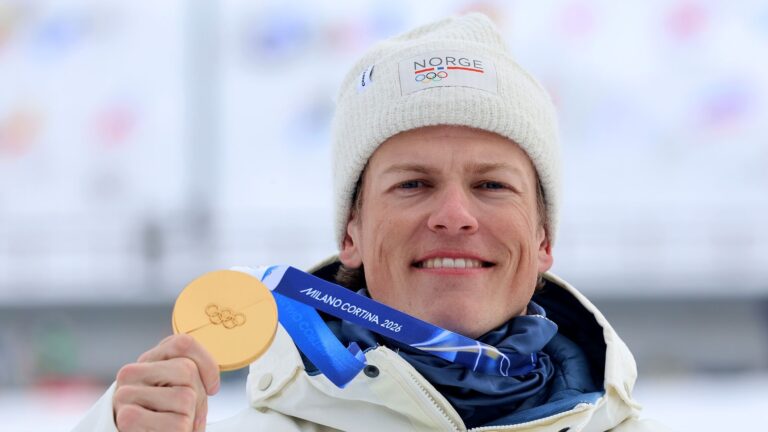
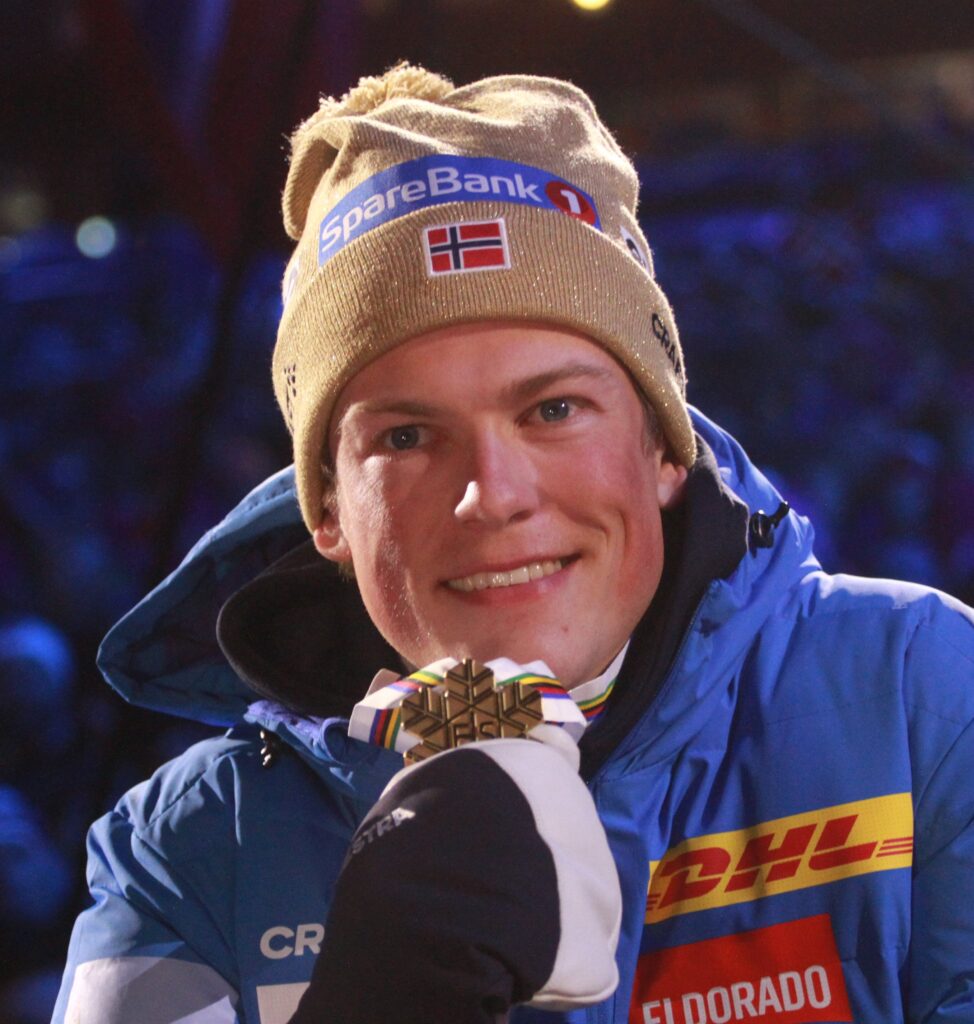
Norwegian cross-country skiing champion Johannes Høsflot Klæbo became the most decorated Winter Olympian at the 2026 Winter Olympics in Italy. He deserved his new nickname, King Klæbo of Norway.
“I imagined becoming like Petter Northug, perhaps becoming Petter Northug himself, with his steel muscles, his square jaw, and the medals hanging around his neck,” Johannes Hoesflot Klæborecalled of his boyhood dreams.
With his ninth Olympic gold, he joined three other legendary Norwegian athletes. The win marked his fourth gold medal at Milan Cortina 2026, as he targets history by surpassing the Winter Games gold medal record in his next three events.
The Norwegian’s latest triumph, gold in the men’s cross-country skiing, his fourth at Milano Cortina 2026, means Klæbo has now won nine gold medals in the Winter Olympics, more than any other athlete in history. But that was not enough! The total gold medals for Klæbo during the Milano Cortina 2026 was six gold medals!
Klæbo has scooped up almost every title available. 15 world titles, 107 World Cup wins – more than double those of the second-place finishers – already make him the most decorated cross-country skier on the planet. He won all six cross-country events at the FIS Nordic World Ski Championships in 2025.
With his ninth Olympic gold, he joins three other legendary Norwegian athletes. Photo: Wikipedia.
“This is the first time I have won a 10k skating (freestyle technique) interval start (including the FIS Cross-Country World Cup or at a championship),” Klaebo said. “So, being able to do that here at the Olympics, it’s just amazing, and with the weather and the atmosphere, to kind of have my best day here at the Olympics, it’s special.”
The 29-year-old matched Norwegian compatriots Bjørn Dæhlie, Marit Bjørgen, and Ole Einar Bjørndalen when he won his eighth gold medal on Friday, 13 February, in the men’s 10km interval start free.
He won three golds from PyeongChang 2018 and two at Beijing 2022
With ruthless elegance, Klaebo’s stride seems to consume the snow. His “hops” have been honed through pronounced hip and knee flexion during the ‘leg-swing’ phase and through a superhuman anaerobic capacity.
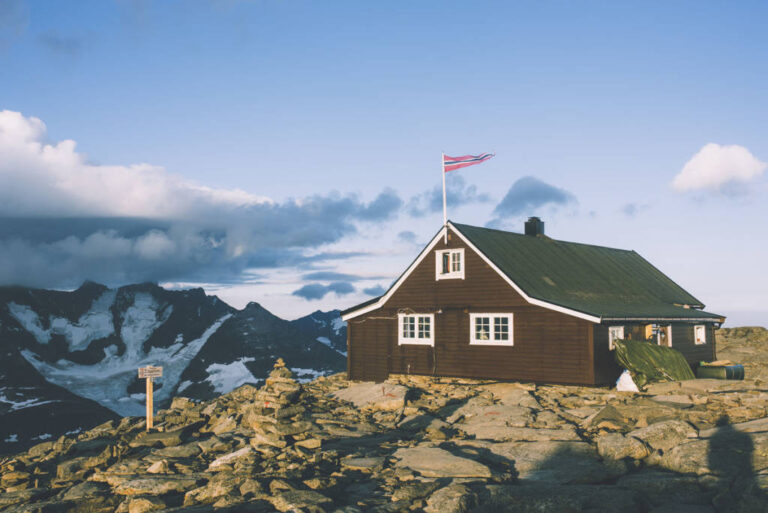
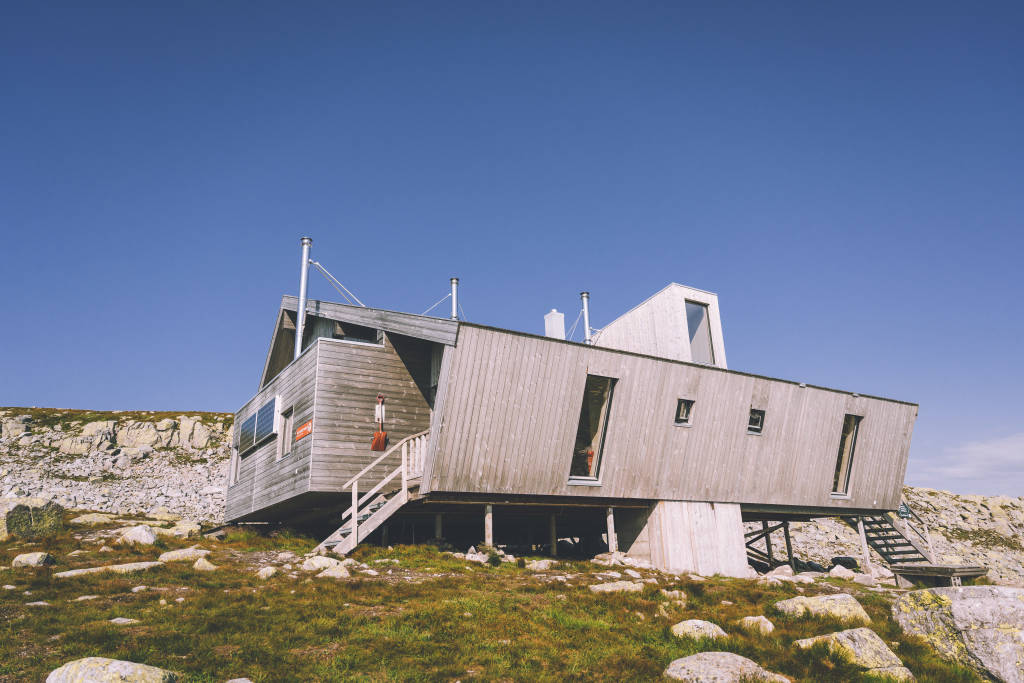
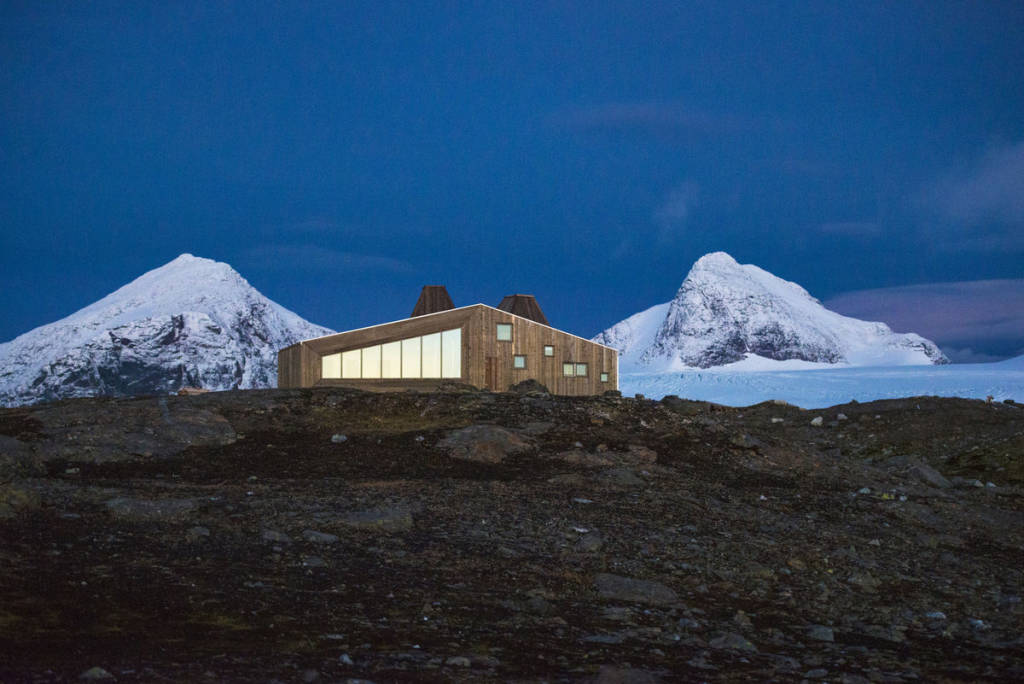
The word hytte, pronounced “hutta”, describes a simple cabin in a tranquil, preferably remote setting in the wilds of nature. Read on and learn more about the Norwegian hytte.
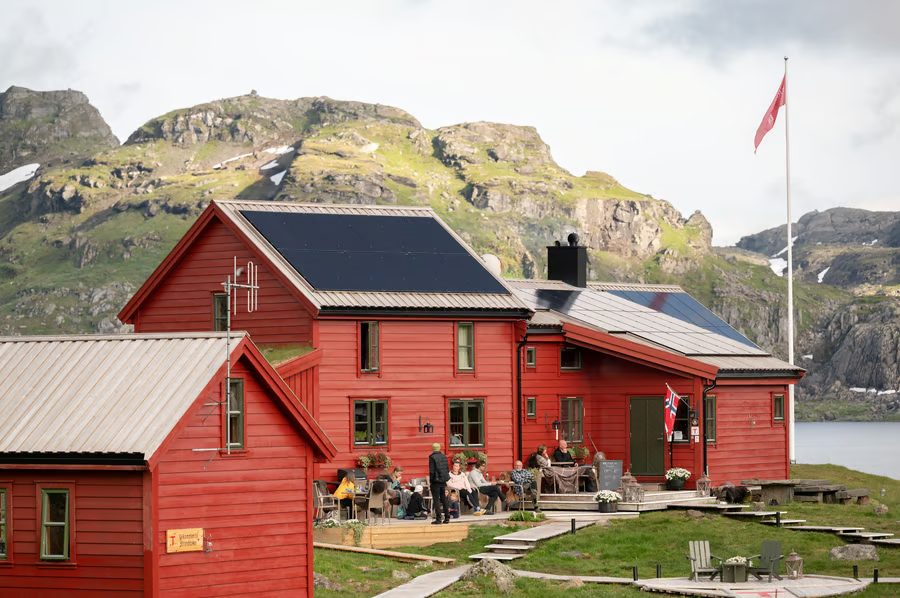
The Norwegian Trekking Association (DNT) manages a network of over 600 hytter (cabins) across Norway, offering accessible, affordable accommodation in the mountains, forests, and coast. Ranging from staffed lodges to self-service cabins, this network enables cabin-to-cabin hiking and promotes outdoor life, with members receiving discounts and access to a universal key for entry.
The Norwegian Trekking Association (DNT) manages a network of over 600 hytter (cabins) across Norway.
In this area, the hytte is a mountain lodge with comfortable bunk beds (you need only bring a sleeping bag), which usually provides meals for hungry, weary hikers.
Types of DNT Cabins
Staffed Lodges (Betjente hytter): Offers full-service meals, beds, and sometimes electricity/showers.
Self-Service Cabins (Selvbetjente hytter): Equipped with kitchen facilities and food storage (a “trust shop”) for purchase.
No-Service Cabins (Ubetjente hytter): Smaller cabins with basic equipment but no food supply.
The hytte selection spans from exclusive to very modest.
You need not be a member to stay in a DNT hytte, but membership is a good investment, as the price is soon offset by the accumulated discounts on accommodation. At the tourist cottage Snøheim (Snowhome), for example, you can wander on Norway’s roof and gather strength in authentic 1950s interiors.
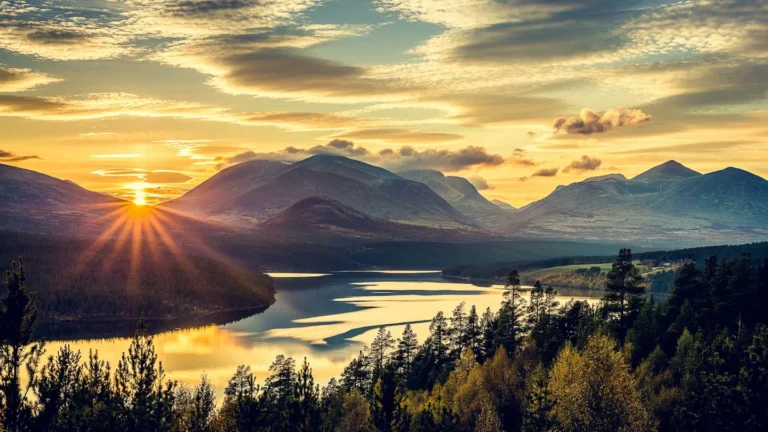
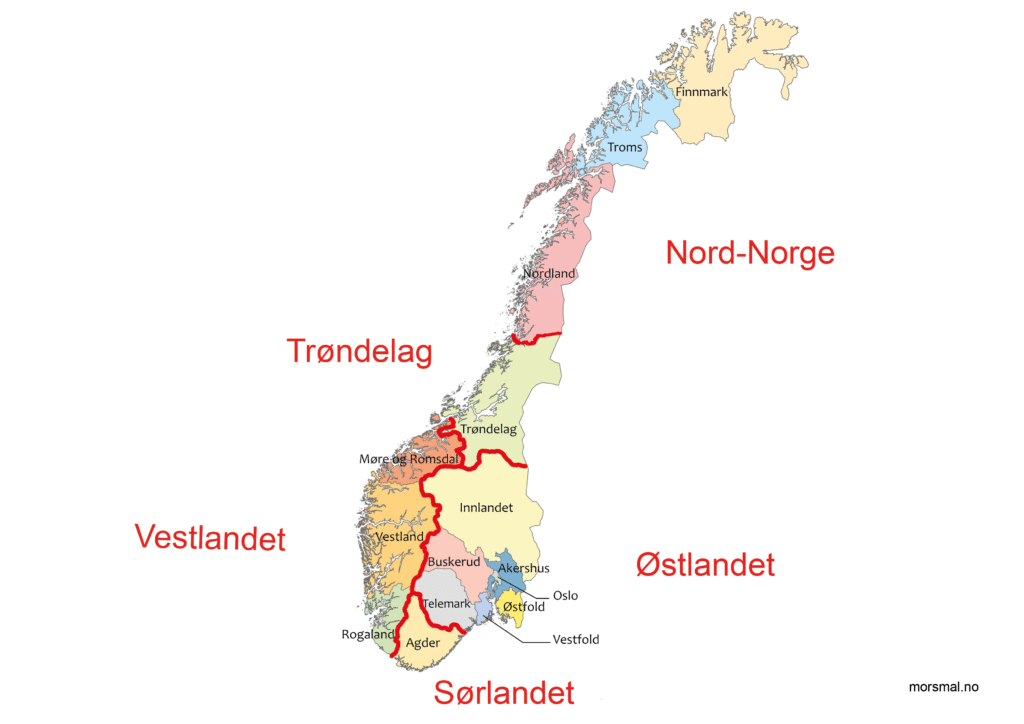
Central Norway encompasses a remarkable landscape, from the shimmering fjords of the west across the peaks, plateau and valleys that have inspired great writers and composers. This is the heart of Norway.
The heartland of Norway is the upper part of the country’s southern bulge, extending from just north of Oslo and Bergen to just south of Trondheim.
Map of Norway
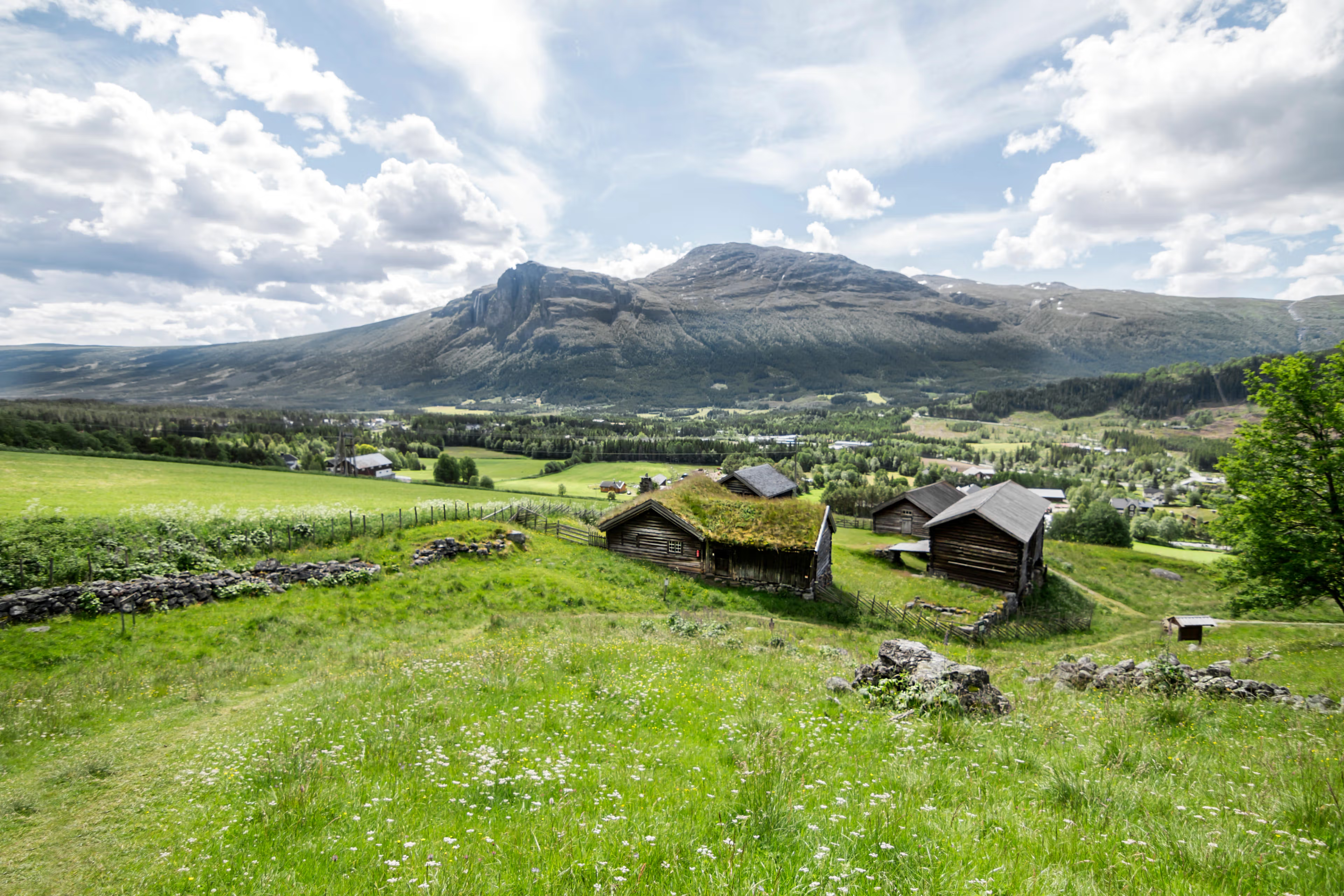
The area encompasses the highest mountains in Scandinavia, and freshwater lakes and watercourses abound. To the east, there are two long valleys, Østerdalen (literally “Easterly Valley”) and Gudbrandsdalen, orientated roughly parallel to the border with Sweden and knifing through the high interior cordillera to provide the major north-south transport arteries.
The area encompasses the highest mountains in Scandinavia, and freshwater lakes and watercourses abound. Photo: Visit Norway.
In the middle, there are the lofty peaks and high plateaus of the Rondane and Jotunheimen ranges, and to the west lies the coast with its fjords archipelago in waters plied by boats since the land was first settled.
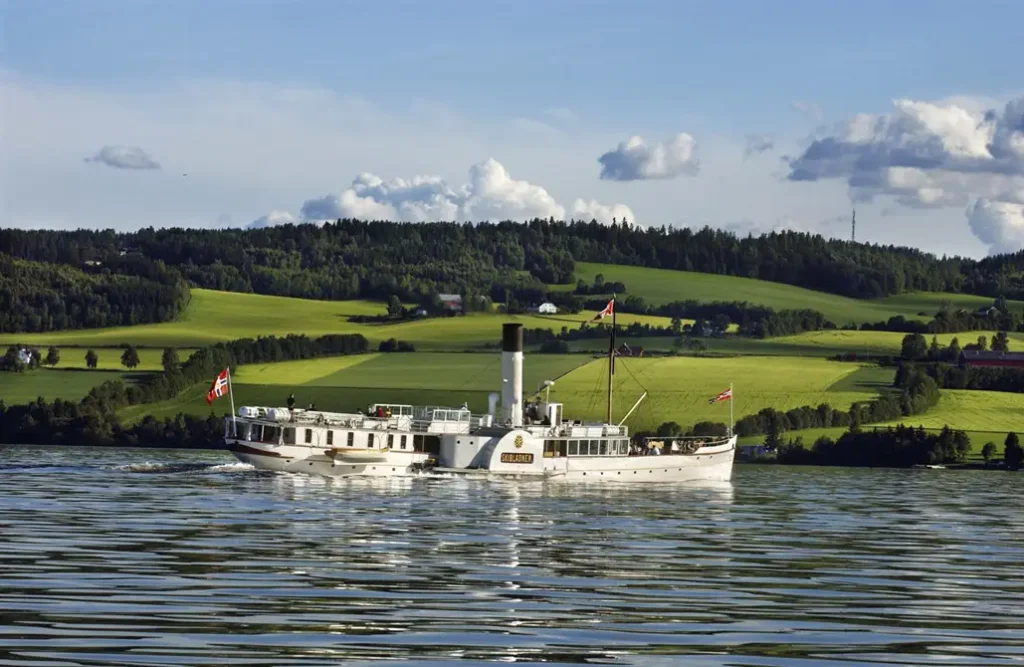
Lake Mjøsa is the largest lake in the country, and the best way to enjoy the lake is on a trip with Skibladner, the world’s oldest paddle-wheel steamer.
Skibladner, the world’s oldest paddle-wheel steamer.
To the east of Lake Mjøsa lies Østerdalen, carved through the mountains by the country’s longest river, Glomma. To the west of Østerdalen lies Gudbrandsdalen, the country’s second-longest valley.
Scandinavia is experiencing significant demand for skilled workers, driven by an aging population, green energy transitions, and rapid digitalization. The highest demand is in engineering, healthcare, IT, and specialized skilled trades. Read more about the demand for skilled workers in Scandinavia.
Denmark’s latest list, effective January 1, 2026, includes the Positive Lists for both graduates and skilled workers. The new Positive List for People with a Higher Education includes 180 job titles (down from 187), while the Positive List for Skilled Work includes 54 job titles (down from 65). Notable additions to the Higher Education Positive List include Business Intelligence Manager, Movie, TV and Animation Designer, and Communication Officer.
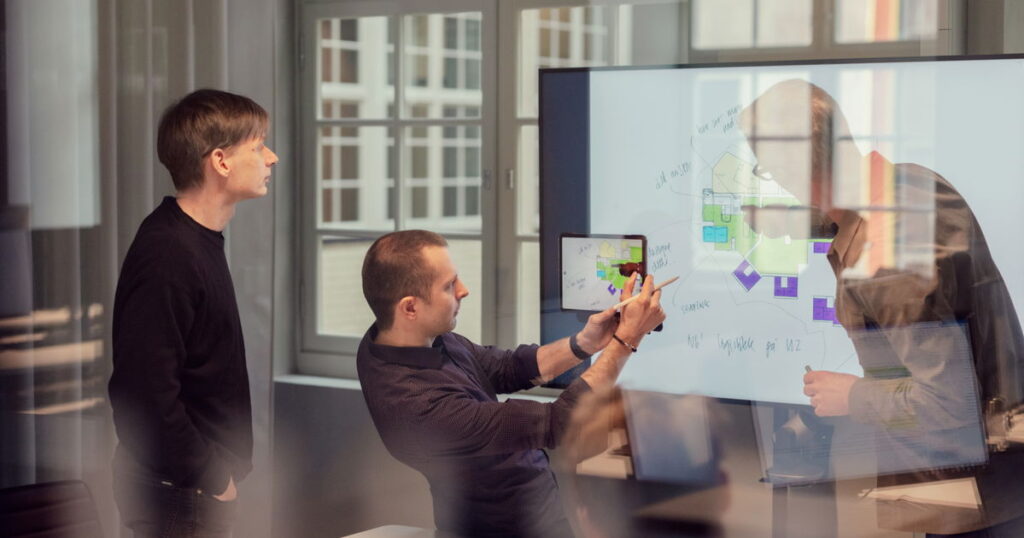
Photo: Nordic Office of Architecture.
The Positive Lists – which are updated twice a year – designate shortage occupations eligible for a Positive List Program residence and work authorization in Denmark. These changes do not affect current Positive List permit holders, who can renew their permits provided they continue to meet general renewal conditions, even if their job title was removed from the Positive List.
Sweden is facing a total shortage of approximately 70,000 people across various sectors.
IT & Tech: AI/ML specialists, software developers, cloud, and cybersecurity professionals.
Engineering: Chemical, electrical, mechanical, mining, and building construction engineers.
Healthcare: Specialized doctors, nurses, and geriatric/elderly care workers.
Skilled Trades: HVAC technicians, electricians, plumbers, and carpenters.
Other: Educators (especially in STEM), finance controllers, and transportation staff (truck drivers).
Required language skills
While English is widely used in IT and private engineering firms, proficiency in the local language (Norwegian/Danish/Swedish) is generally required for healthcare and public sector roles.
Green Transition
Massive investments in battery manufacturing, sustainable transport, and renewable energy are driving demand for specialized, highly skilled workers.
Visa & Immigration
Non-EU/EEA nationals usually require a job offer to obtain a work permit. In Norway, the “Positive List” outlines specific roles in shortage areas, while Sweden often seeks high-level specialized skills.
Skilled Workers Needed in Scandinavia, compiled by Tor Kjolberg
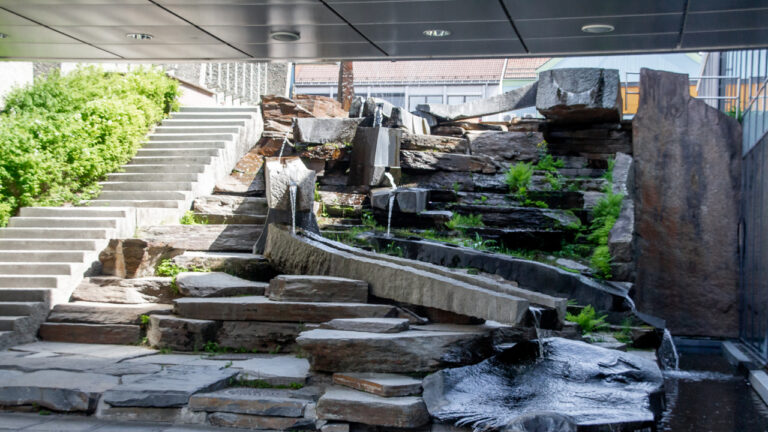
At the Lillehammer Art Museum in Lillehammer, a cascade of stone and water
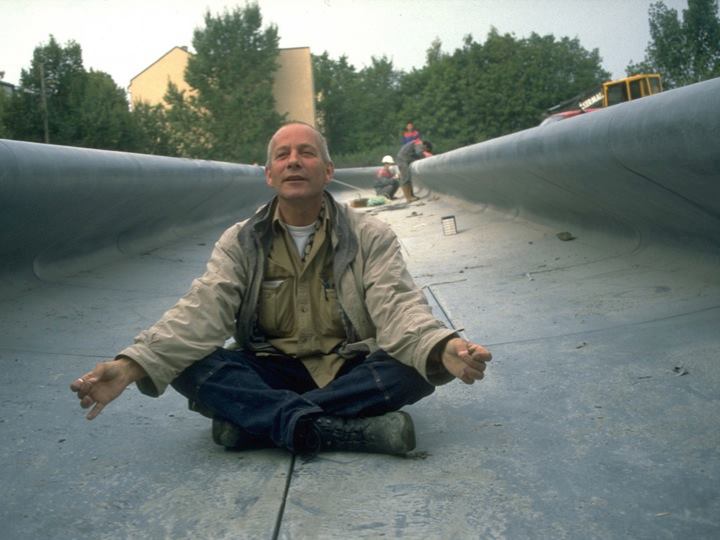
connects the museum’s buildings. The Art Garden was created by artist Bård Breivik (1948–2016).
Stone and water are Art Garden’s principal elements. In connection with Bård Breivik’s exhibition in 1992-93, Breivik stated the following:
The watercourse begins by spill from a granite monolith into a long, stone trough.
Water has its own life; a river never flows in a straight line. Wherever it can, water tries to wind its way through the terrain, and in a flat landscape, rivers meander where they will. The eddies that are formed in the river’s course remove foreign elements from the water and infuse it with new oxygen and clarity.
In the spring of 2016, the Museum’s new building, designed by the architectural firm Snøhetta, was completed. Bård Breivik designed the building’s façade, which complements the Art Garden.
Art Garden begins serenely on flat ground at the height of the space. There, a screen of vertical granite slabs encloses a dry courtyard; a green lawn is bisected by a flagstone path, and the watercourse begins by spilling from a granite monolith into a long, stone trough. The water descends in multiple streams through a series of channels to a reflecting pool at the bottom of a steep rockery. Breivik’s sculptured garden is a good example of art that interprets nature without imitating it.
Bård Breivik (1948 – 2016) was a Norwegian sculptor and art instructor.
About the sculptor
Bård Breivik (1948 – 2016) was a Norwegian sculptor and art instructor. He was educated at the Bergen Academy of Art and Design (Bergen Kunsthåndverkskole and Vestlandets Kunstakademi) and St. Martin’s School of Art in London. Breivik held a professorship at the Royal Institute of Art in Stockholm from 1982 to 1985 and worked actively as an artist throughout his life.
A cascade of Stone and Water in Lillehammer, Tor Kjolberg reporting.


 **********************************************
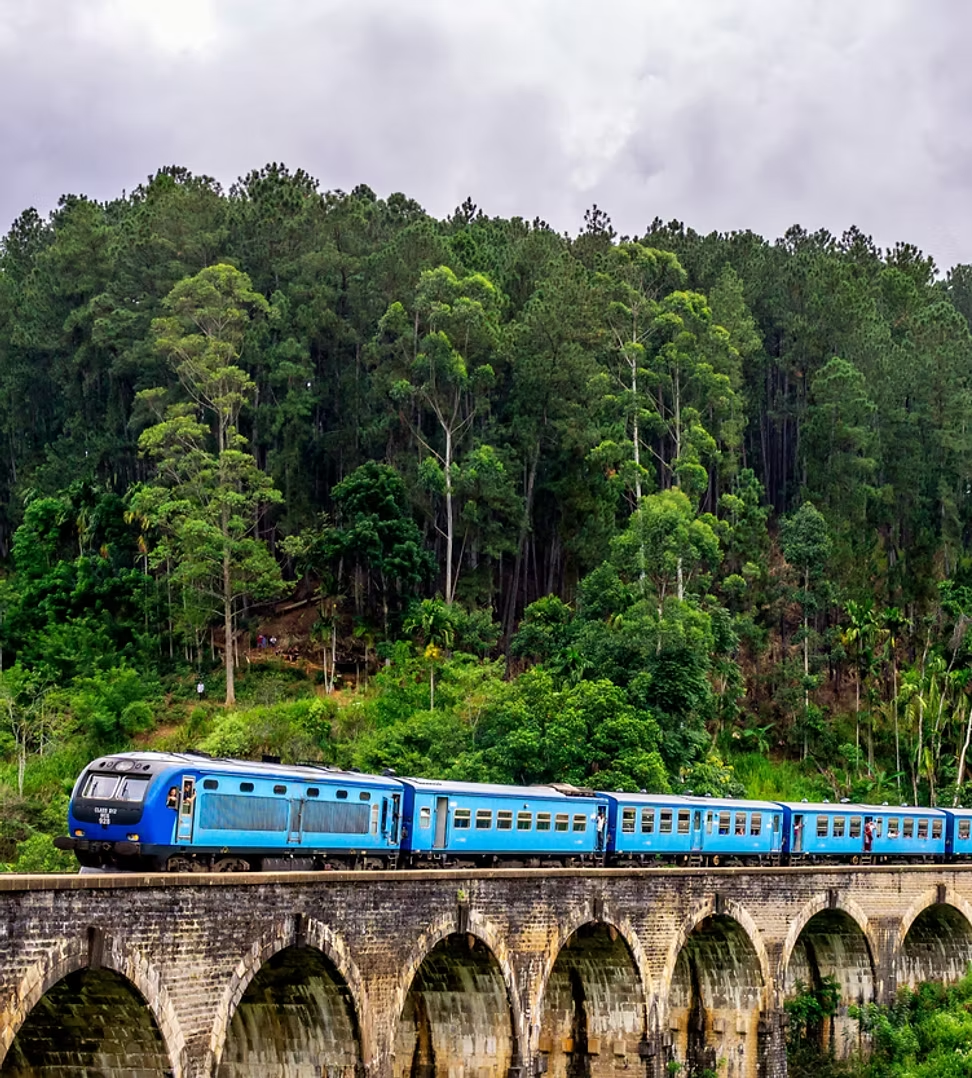
 Now, there is growing interest among Scandinavian tourists in exploring sights such as Ella, Nine Arch Bridge, Horton Plains National Park, Lipton Seat, and Diyaluma Waterfall, as well as in