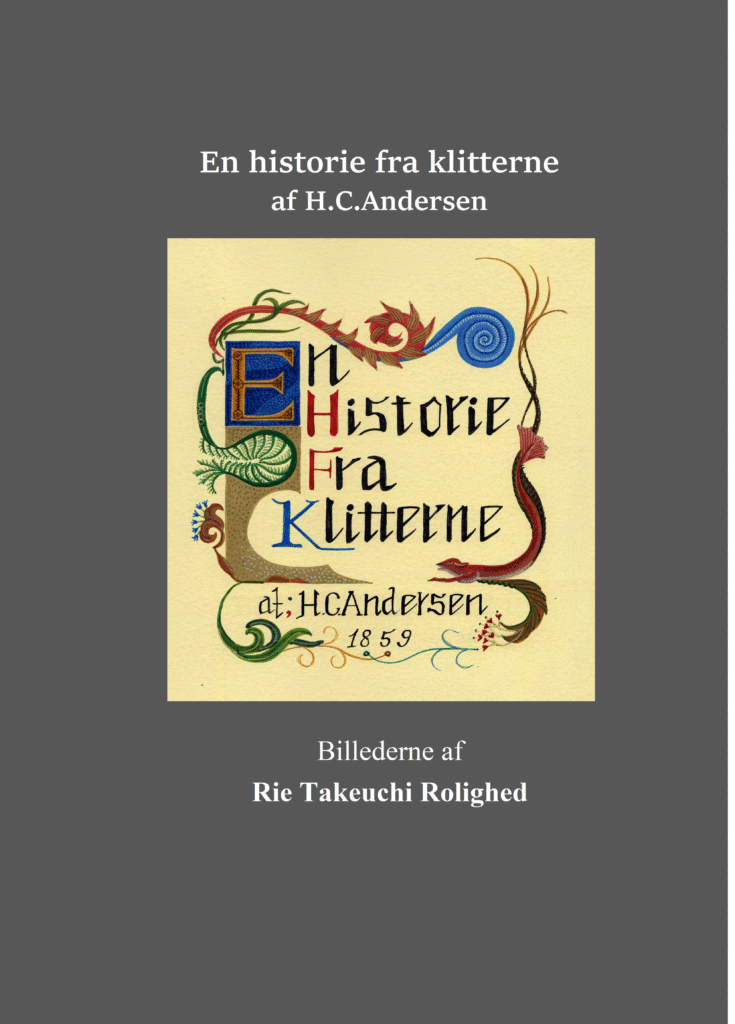
A Story from the Sand Dunes (Danish: En historie fra Klitterne) is one of the Danish fairytale writer H. C. Andersen’s “adult” or realistic stories. It was written in 1859 when he stayed at Nørre Vosborg mansion for 14 days.
“(…) once there shall come from the west a man cloaked in blue, who shall bring the tower to tilt and fall.” Such was a cryptic prophecy about the original Vosborg’s demise. The prophecy was allegedly given to one of the first known owners, Niels Bugge, in the 14th century and concerned the castle he built in 1341. And indeed, in 1593, a massive storm surge swept over the estate, smashing it to pieces.
The novella reflects Andersen’s deeper, often darker, storytelling style.
Reflecting Andersen’s deeper, often darker, storytelling style
The original manor was located near Nissum Fjord but was moved to its current, more secure location around 1530-1532 after a major storm surge. The 1860 novella by Hans Christian Andersen, set in the desolate dunes of Jutland, Denmark, follows the life of Jørgen, a child born of a shipwreck involving a Spanish couple, who grows up in poverty in Denmark, leading to a tragic, predetermined path of misfortune.
The 1860 novella by Hans Christian Andersen, set in the desolate dunes of Jutland, Denmark.
The novella is often considered a mature, realistic work rather than a typical fairy tale, reflecting Andersen’s deeper, often darker, storytelling style. Jørgen is accused of murder and faces execution in a desolate, cold, and dark setting, reflecting a feeling of hopelessness.
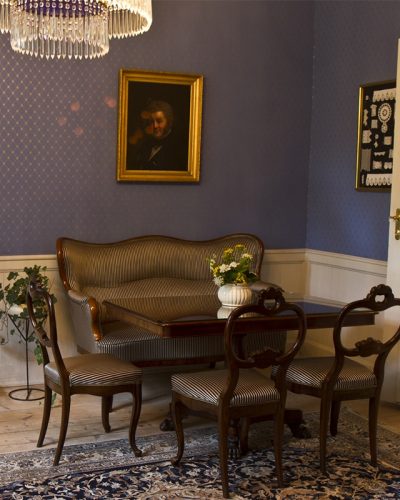
Several prominent guests visited the magnificent manor in the 19th century. H.C. Andersen stayed here for the summer in 1859, where he had time to write, make paper cuts, and fantasize about the many ghosts of the place.
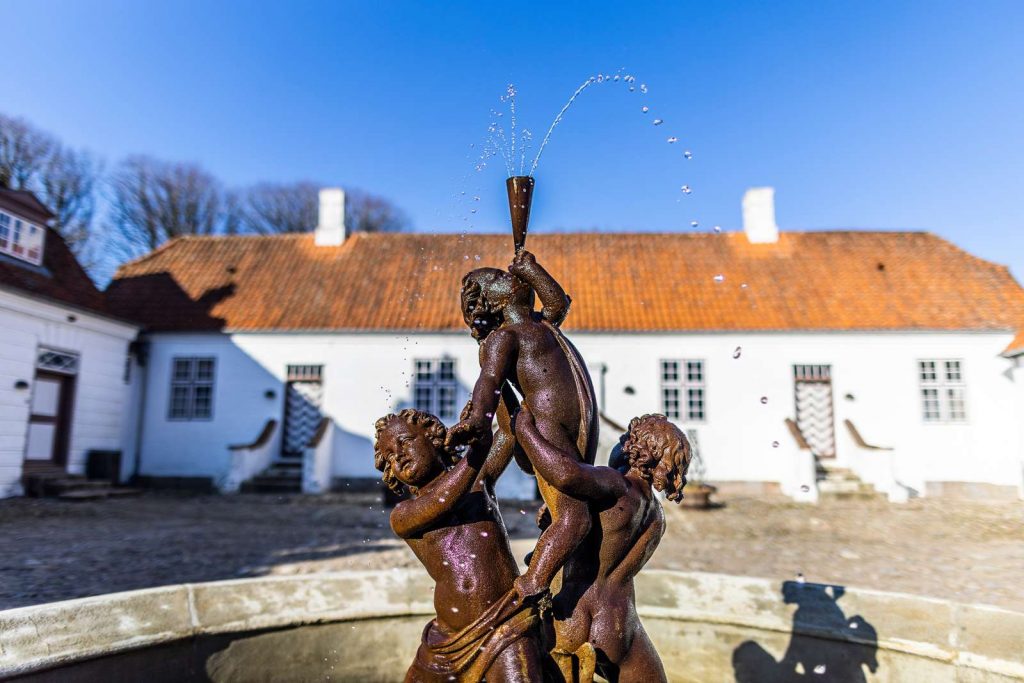
Nørre Vosborg, located near Vemb in West Jutland, Denmark, is a historic 700-year-old manor house turned hotel, cultural center, and restaurant.
Located near Vemb in West Jutland
Nørre Vosborg is one of the most researched manor houses in the country. We can recommend the impressive two-volume work on the manor’s more than 800-year history. The Danish newspaper Politiken wrote, “Outstanding manor work sets new standards for cultural dissemination,” and awarded the work 6 hearts.
Nørre Vosborg, located near Vemb in West Jutland, Denmark, is a historic 700-year-old manor house turned hotel, cultural center, and restaurant, with records dating back to 1299. Following a major restoration completed by Realdania in 2008, the estate blends 16th-century architecture with modern hotel facilities, including a new wing designed by Architizer Arkitema.
the estate blends 16th-century architecture with modern hotel facilities.
The site features four distinct wings from different centuries, showcasing Renaissance, Baroque, Classicism, and Gothic Revival styles.
The manor was owned by the Tang family for over 200 years and is known for its deep roots in Danish history. Restored between 1946 and 2008, it now operates as a high-end hotel with rooms, a restaurant, and conference facilities, featuring a new, distinct wooden-clad hotel wing.
The manor is considered a significant cultural landmark in West Jutland, combining historical preservation with contemporary hospitality.
A Story from the Sand Dunes, written by Tor Kjolberg
Securing a secondary citizenship can be a matter of making the right investments or donations. But securing residency rights in a foreign country without living there is tricky. Programs that offer citizenship for sale have financial integrity risks that must be managed.
During the first two decades of this century, many people in the West came to take easy mobility for granted. The 2020s have pulled the rug out from under their feet. Income-based visas, such as retirement and digital nomad permits, require you to live in the country. After all, that’s why countries offer such visas: They want your money and your taxes.
As countries closed their borders to slow the spread of COVID-19, a second passport became an ever-more-desirable commodity for those who could afford it. While not a new phenomenon—several countries have adopted “golden passport” programs over the years—the pandemic generated renewed interest.
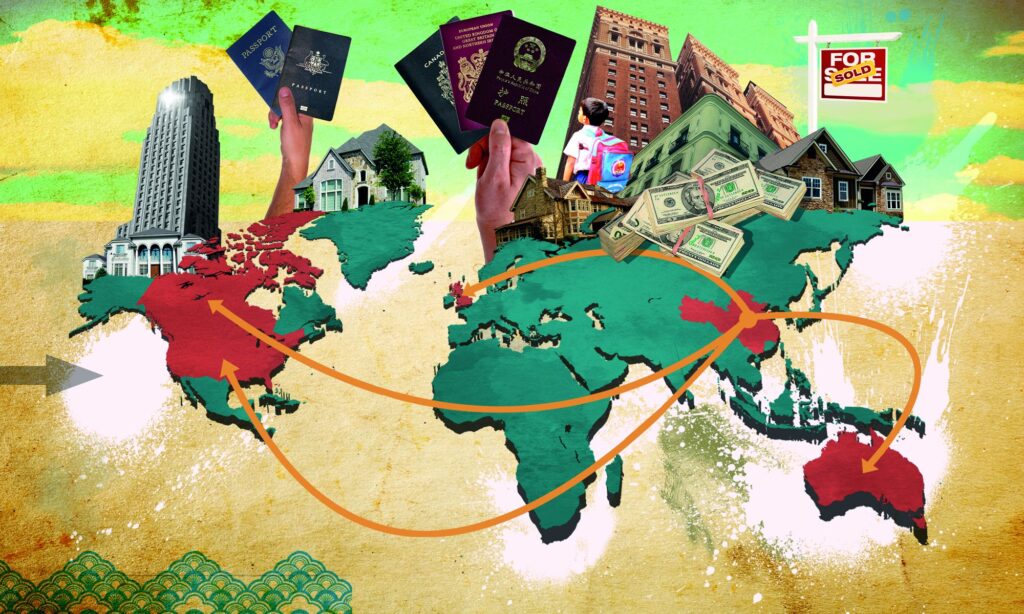
The most popular way to get optional residency rights is a golden visa, an investment-based residency permit.
In Europe, 17 countries that are party to the Schengen Agreement reintroduced internal border controls. Australian citizens were banned from leaving the country for 19 months unless they could demonstrate strong ties elsewhere.
The most popular way to get optional residency rights is a golden visa, an investment-based residency permit. Like retirement and digital nomad visas, the point is to have you bring your money to the country. But if you bring a lot up front, many countries will give you residency rights without requiring you to use them very much.
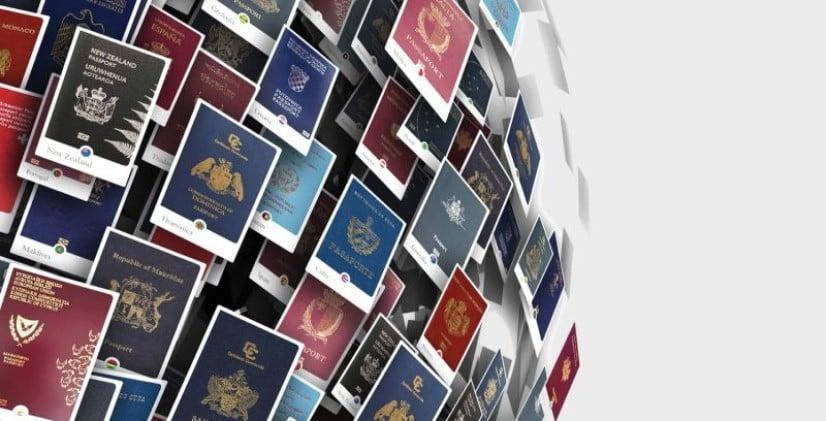
Price tags for a second citizenship—sometimes in only 30 days—range from $100,000 to $2.5 million. Antigua and Barbuda, Cyprus, Grenada, Jordan, Malta, St Kitts and Nevis, and Vanuatu are among the many countries that have offered such deals.
The Ukraine war and the unpredictable actions of the second Trump administration and other destabilizing developments have driven record numbers of Westerners to seek alternative papers.
If freedom of movement and asset protection are important to you, having only one citizenship is as reckless as storing your entire net worth in a single place.
Citizenship by investment is known as CBI
This is known as citizenship by investment, or CBI. In 1984, the Caribbean nation of St. Kitts and Nevis launched the world’s first formal CBI program. It allowed foreign nationals to acquire citizenship through the purchase of real estate or through government donations.
In the 1990s and early 2000s, other Caribbean nations, including Dominica, Grenada, Antigua and Barbuda, and St. Lucia, launched their own CBI schemes. Like St. Kitts, these countries saw CBI as a way to raise revenue without raising taxes on their tiny populations. Qualifying investments included a government donation, real estate purchase, or business investment. There are few figures about the trade in passports, given the overall opacity of these programs.
If freedom of movement and asset protection are important to you, having only one citizenship is as reckless as storing your entire net worth in a single place. By holding multiple, you diversify your exposure to geopolitical risks.
CBI remained under the radar until the 2010s. But after the global financial crisis, two European island nations joined the CBI market. Cyprus (2013) and Malta (2014) offered citizenship that included EU citizenship. These attracted high-net-worth individuals, primarily from Russia, the Middle East, and China. Other island nations, such as Vanuatu in the Pacific, soon followed suit.
About 75 per cent of countries now permit the holding of multiple passports (up from about 30 per cent in 1990).
A second passport has many benefits, such as the ability to travel freely without visas and flee political persecution, conflict, or civil unrest. It can also offer attractive tax and wealth management benefits. Usually, citizens from autocratic countries, where the rule of law is weak, are the most anxious to obtain a golden passport.
There are several ways of acquiring citizenship, and about 75 per cent of countries now permit the holding of multiple passports (up from about 30 per cent in 1990).
It didn’t take long for politicians and regulators in Europe and North America to realize the risk of CBI. Investigators soon found that money launderers, tax evaders, spies, international criminals, and other miscreants were obtaining second passports that allowed them to enter the EU and the US—something they couldn’t do if they’d applied for a visa using their native passports.
That led to diplomatic pressure on CBI countries— especially Cyprus and Malta, which were part of the EU and whose citizens could legally live and work anywhere in the bloc. Cyprus closed its program in 2020 after multiple scandals. Malta was forced to end its CBI program after losing a court case to the EU earlier this year. Dominica and Vanuatu both lost visa-free access to the EU because of irregularities in their own programs.
The OECD (the Organization for Economic Co-operation and Development) publishes a list of high-risk programs it suspects allow people to hide their taxable assets abroad. Foreign banks can react to these negative risk perceptions, putting pressure on correspondent banking relationships. This can have far-reaching implications for financial stability.
A method of obtaining a second citizenship that is growing more popular worldwide is citizenship by investment or donation, which falls under the umbrella term “investment migration”.
The key difference between CBI and Investment Migration is that CBI programs, in most cases, offer investors citizenship without requiring a period of residence and, in a few months, if the requirements have been met. Meanwhile, IM programs only offer residence to investors, namely the right to live (and sometimes work) in a country. RBI programs often impose mandatory physical presence requirements for specific periods to maintain residence rights. Another major difference between the two is the ability to add dependents to an application. Many CBI programs, especially in the Caribbean, allow the main applicant to include their immediate family members, such as a spouse and children, and extended family members, such as parents, grandparents, and siblings. IM or golden visa programs can be more limiting, generally restricting dependants to immediate family members such as spouses and minor children. One exception is Portugal, which also allows dependent adult children, parents, siblings, and the spouse’s family.
The IMF is working with members to provide policy advice that highlights the risks of these arrangements.
Evaluating programs
The IMF is working with members to provide policy advice that highlights the risks of these arrangements, with an eye to balancing risks and benefits and avoiding long-term negative economic impacts. For example, the IMF has advised members on the financial integrity risks of such current and past programs in Article IV consultations for Comoros, Cyprus, Dominica, Grenada, Malta, St. Kitts and Nevis, and St. Lucia. More broadly, countries should clearly understand the risks.
Investment migration will continue to grow as countries introduce programs and more people seek to take advantage of them.
Investment Migration
Currently, there are 15 countries operating official programs that grant citizenship to foreigners in exchange for a set donation or investment: Turkey, Cambodia, El Salvador, São Tomé and Principe, Sierra Leone, Nauru, Vanuatu, Dominica, Antigua and Barbuda, Grenada, Saint Lucia, St. Kitts and Nevis, Egypt, Jordan, and Pakistan. The required amounts range from $18,000 for Pakistan to $1m for El Salvador. Processing times for such programs range from a few months to a year.
Investment migration will continue to grow as countries introduce programs and more people seek to take advantage of them. Over the next few decades, having multiple citizenships will become commonplace – a huge social shift that will fundamentally alter the notions of nationhood and citizenship.
The small island community of Fedje on the west coast of Norway has only 530 permanent residents. However, there is a distillery – and plans for a new hotel.
The island is accessible only by small boat or ferry. It’s only a couple of hours’ beautiful journey from Bergen, but nevertheless off the beaten track. The population has halved since the 1950s. As jobs in fishing and fish processing disappeared, people lost their livelihoods.
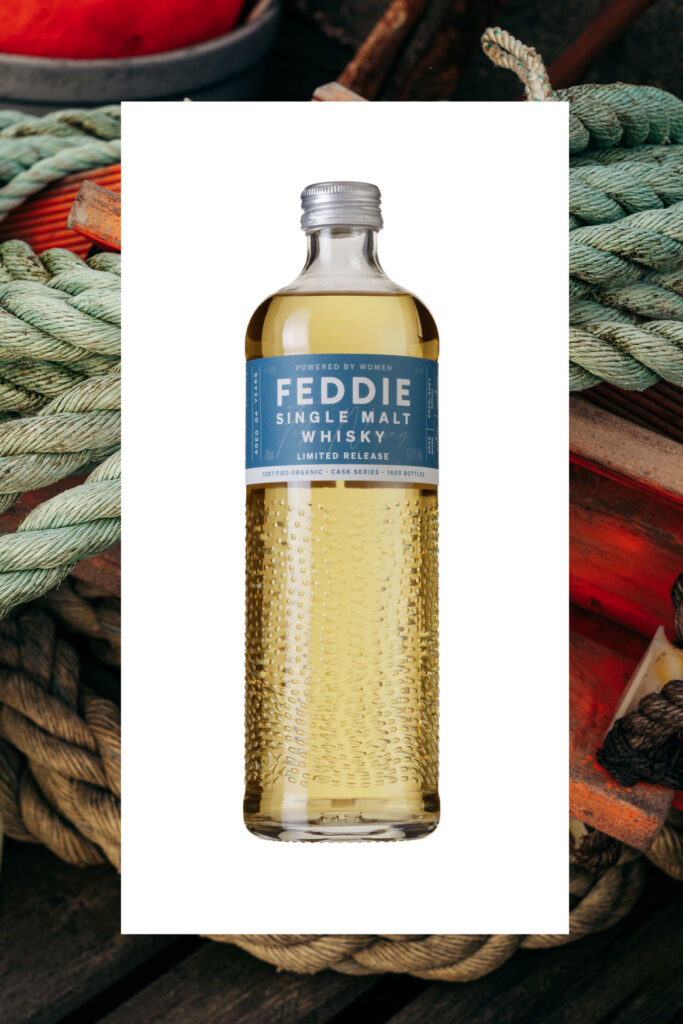
A spectacular hotel, designed by Saunders Architecture is on its way.Feddie single malt whisky.
Younger people left Fedje, leaving an aging population. But now the distillery, a group of nine women investors, and plans for the new hotel have blown a new wind of optimism across the island.
*****************************
Related: The Islands Off Bergen
*****************************
An island community threatened by depopulation can now have the confidence to face a future on the island they love. Feddie Ocean Distillery and the people of Fedje are embarking on a new adventure. They have the sea and their gorgeous surroundings as a playground, a spectacular hotel, designed by Saunders Architecture, on its way, climate-positive ambitions, and good values.
The island is accessible only by small boat or ferry.
A Small Norwegian Island with a Distillery and a Hotel – Credits: Todd Saunders with Ryan Jorgensen and Éva Baráth. Visualization: Mir.
I first heard the sentence in a clinic waiting room, spoken quietly, almost casually: “We’re not leaving because we want to. We’re leaving because we can’t stay.” It wasn’t a dramatic moment. No sirens. No soldiers. No border. Just plastic chairs, a flickering fluorescent light, and a mother trying to keep her child calm while waiting for a doctor who would never arrive. This is my take on when staying becomes a risk.
Over time, I heard versions of that sentence everywhere. In taxi rides. In kitchens. On cracked phone screens during late-night calls across time zones. Different countries. Different languages. The same logic.
Migration, as it’s usually discussed, is framed as a decision — a choice between places, a preference for opportunity, a desire for something better. But for most people who move, it isn’t a choice in the way the word suggests. It’s a calculation. A risk assessment. A comparison between two forms of danger.
Migration is a calculation. A risk assessment. A comparison between two forms of danger. Illustration: OECD
Staying, for many, becomes the riskier option
People rarely leave for a single reason. Not one war, one election, one drought, one lost job. They leave because pressures accumulate. Wages fall while food prices rise. Clinics close while pollution spreads. Schools deteriorate while political rhetoric hardens. The future shrinks, slowly, quietly, until daily life itself becomes a form of exposure.
One woman described it as living inside a narrowing corridor. Every year, the walls moved closer. The cost of living. The cost of medicine. The cost of safety. The cost of dignity. Nothing dramatic happened — and that was the problem. Nothing changed, and everything worsened.
Policy language refers to this as “economic migration” or “voluntary movement.” But there is nothing voluntary about systems that steadily remove the conditions necessary for a stable life. When institutions fail gradually, they don’t look like a collapse. They look like inconvenience, then stress, then exhaustion, then inevitability.
The moment of decision rarely arrives with spectacle. It comes during ordinary routines: when a school fee can’t be paid, when a clinic visit becomes unaffordable, when a bus route disappears, when work becomes informal, when safety becomes conditional. The question stops being “Can I make this work?” and becomes “How much damage does staying cause?”
That’s when migration begins — not at the border, not at the airport, not at the checkpoint, but in the mind, when the future no longer feels viable.
The dominant narrative imagines migration as movement toward something: opportunity, freedom, prosperity. But for many, it is a movement away from collapse. Away from systems that no longer protect, no longer provide, no longer stabilize. Away from environments where risk accumulates faster than resilience.
Leaving is not liberation. It is displacement. It fractures families. It dissolves professions. It erases social capital. Teachers become cleaners. Engineers become drivers. Credentials vanish at borders. Language becomes a barrier. Identity becomes paperwork.
Governments tend to treat migration as an external shock rather than an internal consequence.
Migration does not produce mobility; it produces controlled instability
People move into legal uncertainty, economic precarity, and social invisibility. They exchange one form of insecurity for another — often safer, but still fragile. This is why the romanticization of migration is as misleading as its criminalization. It is neither adventure nor invasion. It is an adaptation under constraint.
Governments tend to treat migration as an external shock rather than an internal consequence. Borders are hardened. Patrols expanded. Deterrence policies implemented. But these approaches misunderstand the problem. Migration is not the disease. It is the symptom.
When healthcare systems fail, people move.
When labor markets collapse, people move.
When climate pressure rises, people move.
When governance erodes, people move.
Movement is what humans do when stability disappears
What’s missing from most political debates is causality. Borders are managed, but root conditions are ignored. Labor is demanded, but workers are criminalized. Economies benefit from migrant labor while denying migrant legitimacy. States externalize responsibility for displacement while profiting from the structures that produce it.
The categories themselves are broken. “Refugee.” “Economic migrant.” “Asylum seeker.” “Illegal.” These labels suggest clear moral and legal boundaries. Real lives don’t follow those lines. A person fleeing economic collapse caused by political corruption and climate stress does not fit neatly into bureaucratic definitions. But their need to move is no less real.
“Refugee.” “Economic migrant.” “Asylum seeker.” “Illegal.” These labels suggest clear moral and legal boundaries. Photo: Georgios Giannopoulos/Wikipedia 2015
The question we keep asking — “Who deserves to migrate?” — is the wrong one. It assumes movement is a privilege to be granted rather than a response to harm. The real question is: What conditions are making staying unlivable?
Until that question becomes central, migration policy will remain reactive rather than preventive. Punitive, not protective. Symbolic, not structural.
In every story I’ve heard, the logic is the same: people are not chasing dreams — they are managing risk. They are trying to protect children, preserve health, secure food, maintain dignity, and keep a future possible. Migration is not an aspiration. It is triage.
This reframes how responsibility should be understood. Displacement is not a failure of individuals to stay rooted. It is a failure of systems to keep the world livable.
The mother at the clinic did not speak in political terms. She didn’t use words like “policy failure” or “structural inequality.” She just said: “There’s nothing left to hold on to here.”
That sentence contains an entire theory of migration.
Decision making factors.
People do not cross borders to start new lives. They cross them because the old ones stop working.
And until societies confront why so many lives are becoming unworkable, movement will continue — not as a crisis, but as a pattern. Not as chaos, but as logic. Not as a threat, but as evidence.
Migration is not a border problem. It is a systems problem.
Undeniably, Scandinavians are known for some of the world’s greatest home design and décor principles. Much of the rest of the globe tends to follow this concept: its simplicity, sophistication, and neutral palette, paired with soft lighting that envelops you and invites you to sit down with a book, enjoy a cup of tea, gather around a table with friends, or even take a restorative nap. This article is aboutfinding peace and calm in the home through hygge and Feng Shui.
What lies behind this aesthetic, however, is something deeper, and the Nordic countries truly have this figured out. A large part of this is hygge; many have heard of it, and many more may already be living it, perhaps without even realizing.
This way of life embodies and embraces slowing down through spending time in nature, gathering with people you love and value, eating in a way that truly nourishes the body, honoring coffee or tea rituals, reading by candlelight, and curling up by a fire. Interestingly, this is where an East meets West concept emerges, as ancient principles of Feng Shui naturally complement the hygge way of life. Feng shui emphasizes intentional design, balance, and the smooth flow of energy within a space; removing clutter, optimizing layout, and creating environments that feel grounding rather than draining. When a home supports ease of movement, natural light, comfort, and purpose, it becomes more than a place to land at the end of the day; it becomes a sanctuary that calms the nervous system and restores the body and mind.
This way of life embodies and embraces slowing down through spending time reading and honoring coffee or tea rituals.
A Deeper Look at Both Hygge and Feng Shui
Hygge (pronounced hoo-ga for those not familiar) captures a deep sense of coziness, comfort, and quiet contentment, rooted in the appreciation of simple, meaningful moments. Derived from a 16th-century Norwegian word meaning “comfort,” combined with the English word for “hug.” More than a design trend or lifestyle aesthetic, hygge reflects warmth, presence, and connection. It can be felt in the soft glow of candlelight on a winter evening, the comfort of a shared meal with loved ones, or the calm of curling up with a warm drink and a good book.
Hygge encourages slowing down, creating inviting spaces, and savoring everyday pleasures without pretension or excess. At its core is mindfulness: being fully present and finding joy in what is already here. become a cultural cornerstone often associated with well-being, emotional safety, and togetherness. These qualities often contribute to the high levels of happiness reported in Scandinavian countries.
Feng Shui is both a philosophy and a way of life that views the home as a living, energetic system. This principle directly influences our physical health, emotional well-being, relationships, and sense of balance. Rooted in the idea that our surroundings shape how energy, or chi, flows through our lives, Feng Shui emphasizes intentional placement, harmony, and simplicity to create spaces that feel supportive rather than draining. A Feng Shui-aligned home prioritizes clarity over clutter, natural light, thoughtful color choices, and furniture arrangements that promote ease, safety, and connection; inviting nature indoors through plants, natural materials, and airflow. It is not about rigid rules or perfection, but about awareness. Designing your home in Feng Shui helps you and your home feel grounded, calm, and alive, with daily routines becoming more mindful and restful, and life flowing with greater ease and intention.
A Feng Shui-aligned home prioritizes clarity over clutter, inviting nature indoors through plants, natural materials, and airflow.
In a blended Feng Shui and hygge approach, each room in the home can embody both energetic flow and emotional comfort, creating spaces that feel intentional and restorative. For example, the home entryway or hall sets the tone for the entire home and life within it. Feng Shui emphasizes keeping this space clear, well-lit, and welcoming to allow energy to enter smoothly, while hygge invites warmth through soft lighting, natural textures, and a sense of arrival that immediately feels grounding. The living room is a place of connection, where Feng Shui encourages furniture arranged to promote conversation and ease. Hygge softens the space with cozy textiles, layered lighting, candles, and an invitation to linger with loved ones, a book, or a quiet moment.
The Feng Shui kitchen is the heart of nourishment and abundance, benefiting from cleanliness, organization, and the mindful placement of appliances to support balance and vitality. Hygge complements this by turning everyday cooking into a comforting ritual. This includes warm lighting, shared meals, simple, nourishing foods, and a sense of presence rather than haste. The bedroom in both Feng Shui and Hygee prioritizes rest and emotional serenity through symmetrical layouts, grounding colors, supportive bed placement, minimal technology, soft linens, and textures that encourage deep rest and restoration.
Feng Shui and hygge create a home that not only looks beautiful but also feels supportive.
Together, Feng Shui and hygge create a home that not only looks beautiful but also feels supportive. Your home becomes a space that calms the nervous system, invites meaningful connection, and gently guides daily life toward balance, nourishment, and well-being. This blended philosophy reminds us that home is not just where we live, but where we restore, reset, and reconnect with what matters most.
Nicole Hammond
Finding Peace and Calm in the Home Through Hygge and Feng Shui, written exclusively for Daily Scandinavian by Nicole Hammond. Nicole is a health educator, coach, and wellness writer with a Master of Science in Health and Human Performance and a Bachelor of Science in Health Science. She also holds certifications in stress management, coaching, and feng shui design. She enjoys writing, researching, creating, and facilitating in the areas of health and creating balance in mind, body, and the home. In her spare time, Nicole enjoys reading, cooking, traveling, exercising, and spending time with her family, including her two golden retrievers and cocker spaniel.
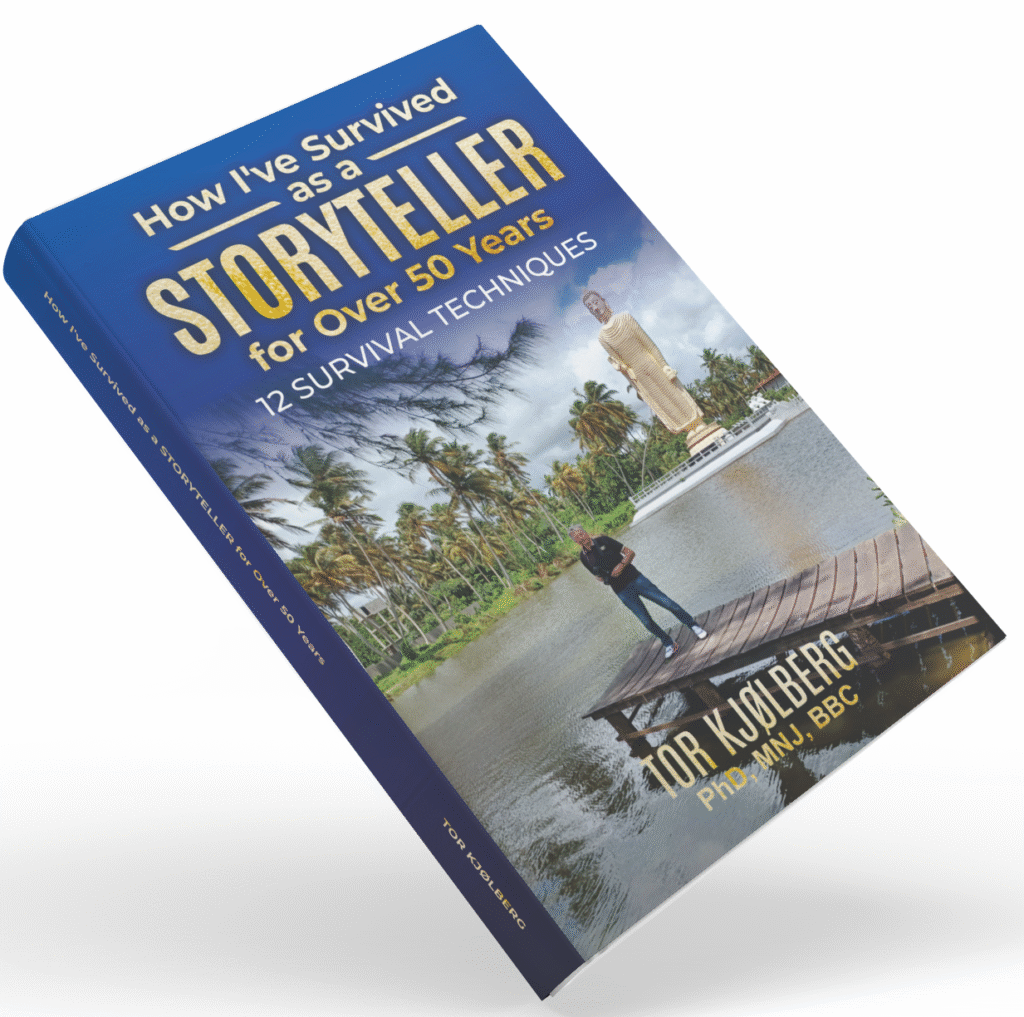
In my opinion, too many professional marketers forget the element of storytelling in activating enthusiasm and turning campaigns from messages to experiences. That’s one of the reasons I wrote the book “How I’ve Survived as a STORYTELLER for Over 50 Years: 12 Survival Techniques”. It is my story of storytelling in marketing.
Storytelling in marketing has evolved from simple product advertising to a strategic, emotional connection, moving beyond facts to narrate brand values and purpose. Championed by thinkers like Claude Hopkins (1923) and Seth Godin in the mid-2000s, this approach fosters deep customer loyalty by creating relatable, authentic narratives.
In today’s fast-paced digital world, it has become increasingly important for businesses to capture and maintain their target audience’s attention. Traditional marketing techniques can be limited in their targeting, reducing effectiveness.
During my career, I have had the privilege of working on several successful storytelling campaigns. I have worked in several businesses, from fashion and cosmetics to construction and tourism.
If you want a free copy of my new book, just contact me.
If you want a free copy of my new book, just contact me. The only thing you have to do is to write your name, your email address, and Storytelling in the subject line.
I have experienced the power of definition and purpose where a narrative arc (characters, conflict, resolution) conveys brand message and values rather than just listing features, making the brand more memorable.
Modern storytelling acts as a strategic pillar, aiming to build trust, differentiate in crowded markets, and foster emotional connections. Data from LinkedIn shows 2012 as a pivotal year for the rise of storytelling, with campaigns like Chipotle’s “Back to the Start” and Coca-Cola’s “Content 2020” prioritizing narrative to engage consumers.
Storytelling can also simplify complex ideas and make them easier to comprehend. For example, a brand’s story could illustrate how to use a product/service or highlight its benefits, helping to break down information barriers and making information more accessible to customers. When information is easily accessible, it can help attract new customers who may have been hesitant to engage with the brand because of its complexity.
At its core, storytelling in marketing involves crafting a narrative that resonates with your audience on an emotional level. It goes beyond promoting products or services; it’s about creating a connection that fosters trust and loyalty. In an age where consumers are bombarded with information, a compelling story can cut through the noise and leave a lasting impression.
Effective storytelling often highlights customer experiences, company culture, or the brand’s mission. It focuses on “why” a brand exists rather than just “what” it sells. Authentic stories help consumers empathize, boosting brand loyalty and allowing for higher value perception.
Authentic storytelling portrays real-life challenges and enables consumers to empathize and immerse themselves in these scenarios, helping them to connect with the brand on a deeper level. Tapping into customers’ emotions helps inspire, motivate, and drive action aligned with the brand’s objectives. This benefits both parties, whereby customers receive value from the brand’s products/services while the brand achieves its objective and continues to deliver value to its customers.
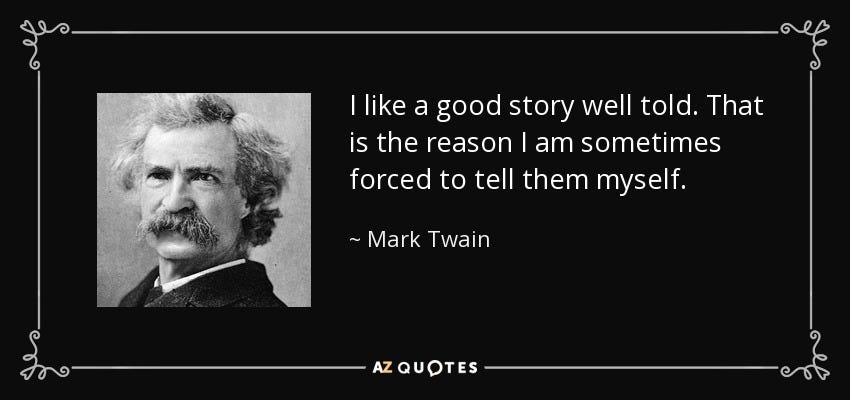
Stories are also more memorable than mere facts or statistics. A well-told story can stick with consumers, making them more likely to remember the brand and its message. Particularly in a crowded market, storytelling can set a brand apart. By sharing unique narratives, brands can highlight their values, mission, and the people behind the products, creating a distinct identity.
Key Examples:
Nike: Focuses on the story of athletes overcoming obstacles (“Just Do It”).
Chipotle: Used storytelling to emphasize sustainability (See above).
IKEA: Creates relatable, emotional scenarios in ads.
Storytelling in marketing evolved from simple product feature lists to emotional narratives that place the customer at the center of the experience. This shift allows brands to cut through the noise of thousands of daily advertisements by building trust and humanizing their identity.
Core Frameworks:
The 5 C’s: Character, Context, Conflict, Climax, and Closure.
The 4 P’s: People, Places, Purpose, and Plot.
The 5 P’s Alternative: People, Place, Pictures, Personalization, and Peril.
If you want to discuss a future campaign for your product with me, without obligation, please contact me at editor@dailyscandinavian.com.
The Story of Storytelling in Marketing, written by Tor Kjolberg
Denmark is currently exploring whether gastronomy could be officially recognized as an art form. The announcement was made by Minister of Culture Jakob Engel-Schmidt at the international gastronomy symposium Convergence in Copenhagen last month. Food is thus considered a cultural positioning in Denmark.
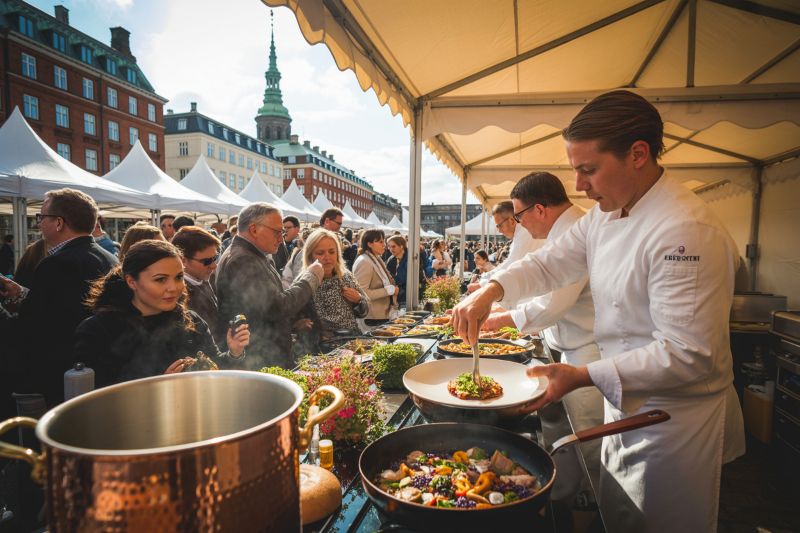
More than 60 chefs from 26 countries gathered in Copenhagen from January 29 to February 2. From immersive dinners at “Alchemist” to visionary talks on the future of food, Convergence transformed Copenhagen into a global meeting point for gastronomy.
Denmark has long been regarded as a global reference point for culinary innovation, shaped by the New Nordic Kitchen Manifesto and a strong fine-dining scene. Leading voices such as chef Rasmus Munk of Alchemist see the discussion as a potential shift toward greater creative freedom and public recognition.
“To pull that many chefs together at one time, for five days straight, is sort of mind-blowing,” said Kyle Connaughton, chef and co-owner of SingleThread.
Conceived by Rasmus Munk as a response to a divided world, the new symposium celebrated collaboration, creativity, and the universal language of cooking—across continents, cultures, and cuisines.
Convergence offered a rare glimpse into how some of the world’s most thoughtful chefs are rethinking their craft. Photo: Søren Gammelmakr/Visit Denmark.
Food is becoming part of cultural positioning, where he described high-end cuisine as a form of cultural expression rather than pure craftsmanship. For those who were not in the room, Convergence offered a rare glimpse into how some of the world’s most thoughtful chefs are rethinking their craft, from what they value and question to what they intend to carry forward into 2026 and beyond.
“I dreamed of a place where we could communicate through the craft we all share,” Munk said. “Where food becomes a way of connecting, not dividing.”
The initiative reflects a broader trend: food is increasingly positioned as a cultural experience, not just a service. For tourism, this strengthens the role of gastronomy as a carrier of place, values, and storytelling.
The Convergence symposium, held at DR Koncerthus and hosted by journalist Rafael Tonon, unfolded as a series of panels and presentations featuring chefs, academics, and cultural voices from around the world.
, Convergence transformed Copenhagen into a global meeting point for gastronomy.
Each of thefive evenings saw 12 to 14 international chefs cooking side by side at Alchemist, presenting their signature dishes in collaborative dinners unlike anything previously staged in Copenhagen.
For tour operators and buyers, culinary experiences are increasingly relevant across city breaks, premium travel, and experience-led itineraries. Recognizing gastronomy as a cultural product reinforces its value as a strategic element, not merely an add-on.
Food as a Cultural Positioning in Denmark, Tor Kjolberg reporting
The boycott of American wines by Swedes is increasing. Last year’s decline was 23 percent, according to Systembolaget’s statistics. “It will continue,” says Ulf Sjödin, assortment manager. Sweden’s boycott of other US products is also growing.
According to a new study from Lund University in Sweden, approximately one in five BoycottSwedes is already choosing not to buy American brands. The majority would consider boycotting American products such as Coca-Cola in favor of European or Swedish alternatives.
The majority of those questioned are open to replacing these with alternatives. Almost 20 per cent say that they have already boycotted an American brand.
Canada is a critical market and the top importer of U.S. wine.
U.S. President Donald Trump has not been the best friend of American wine producers. Since he started talking about tariffs last spring, sales at Systembolaget have plummeted. Swedes largely abandoned U.S.-made wines in a sort of boycott. In the first half of 2025, the decline was 17 percent.
The Lund University study asked four questions of 1,000 Swedes aged 18 to 74 to assess their attitudes toward boycotting American goods.
“Made in America” has become an unsavory term as sour sentiments around President Trump’s trade war grow.
Coca-Cola is the best-selling soft drink in Sweden, and 61 per cent of all Swedes between the ages of 18 and 74 have purchased Coca-Cola at least once in the past year.
“The newly imposed U.S. trade tariffs on European products are causing European consumers to think twice about what’s in their shopping cart,” the European Central Bank wrote. The current proposed tariffs on most goods imported from Europe are 50%, and they will take effect on July 9 (though talks are underway).
For the full year 2025, the decline of US wine and spirits in Sweden was 23 percent compared with 2024, according to Ulf Sjödin.
Coca-Cola is the best-selling soft drink in Sweden, and 61 per cent of all Swedes between the ages of 18 and 74 have purchased Coca-Cola at least once in the past year. Of those who bought the brand at least once, 69 per cent can envisage switching out Coca-Cola for an alternative, according to the Lund findings.
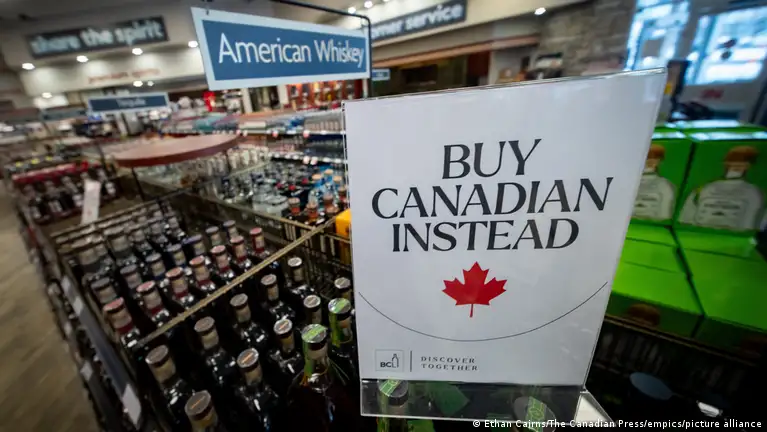
Canada is a critical market and the top importer of U.S. wine. Canada is the single most important export market for U.S. wines, with retail sales exceeding $1.1 billion annually. “The tariffs are creating a fiercely pro-Canadian movement,” says Shane Munn, winemaker at Martin’s Lane in British Columbia’s Okanagan Valley. “You see it in the grocery store—people pick up products, check where it’s from, make a face and switch to something labelled ‘Grown in Canada.’”
Before last year’s decline, American wines accounted for around 6 percent of Swedes’ total wine purchases. This has fallen significantly, and Swedes are instead looking more toward European wine sellers, among others.
Some governments have purged American products.
Boycotts are difficult – but not impossible
Historically, consumer power has been an important driving force for change. When French wines were boycotted in the 1990s, as a protest against the country’s nuclear weapon tests in French Polynesia, the impact on exports was significant.
In France and Denmark, Boycott USA Facebook pages have grown. In Canada, apps like Maple Scan have emerged to help shoppers make homegrown swaps for American goods.
Even some governments have purged American products. Several Canadian provinces pulled American alcoholic beverages off shelves. Three months in, no American wine has been sold in Ontario or Quebec.
“The U.S. was a bit of a pioneer in craft beer. Now much of that role has been taken over by Swedish breweries,” says Ulf Sjödin.
Sweden’s Boycott of US Products is Growing, Tor Kjolberg reporting
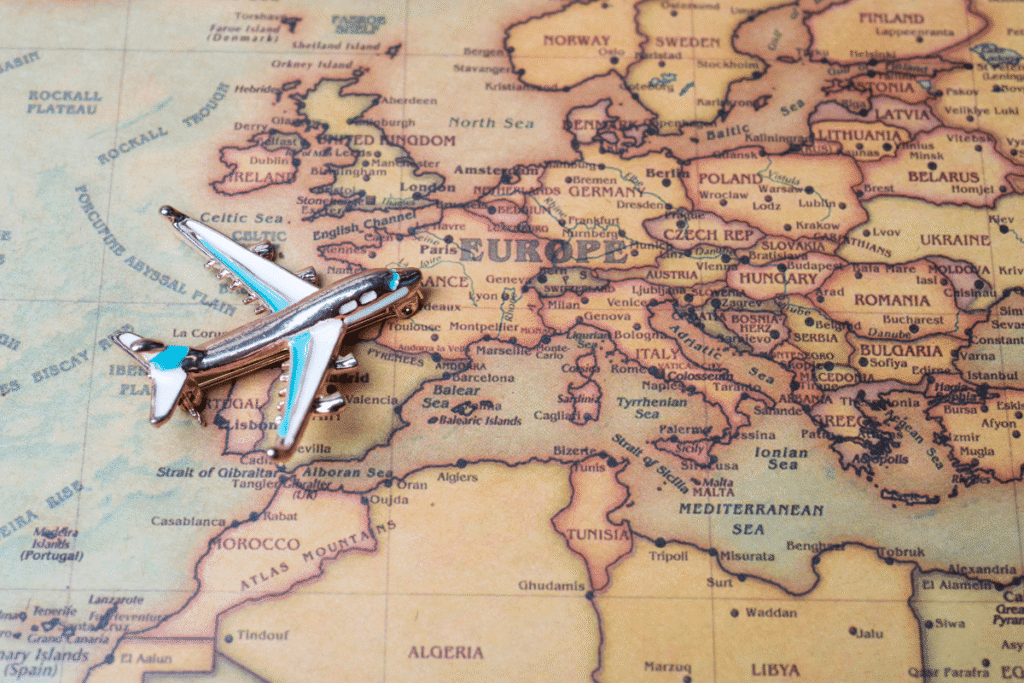
Almost every airport recommends arriving three hours before your international flight. But is it necessary?
It’s fine if you want to wait around for two and a half hours before you depart. However, airports vary, so I routinely arrive at OSL (Oslo International Airport, Norway) an hour and a half to two hours before an international flight, and I have never missed a flight from that airport.
Typically, it takes five to fifteen minutes to drop off bags at OSL if I have checked in online prior to arriving. The lines to drop off bags are much longer the earlier you arrive, since most people arrive so early before their flights. Therefore, arriving a bit later in the cycle will not require you to wait as long to drop off your bags.
Since I rarely spend over €400 on international flights, I’ll spend those extra few hours at home, thank you.
Some will trade a few extra hours of their time waiting at the airport for peace of mind. That’s OK for people who spend €1,800 round trip. Since I rarely spend over €400 on international flights, I’ll spend those extra few hours at home, thank you.
Arriving Three Hours Before Your Flight? written by Tor Kjolberg.
Feature image (top): (c) Viator.
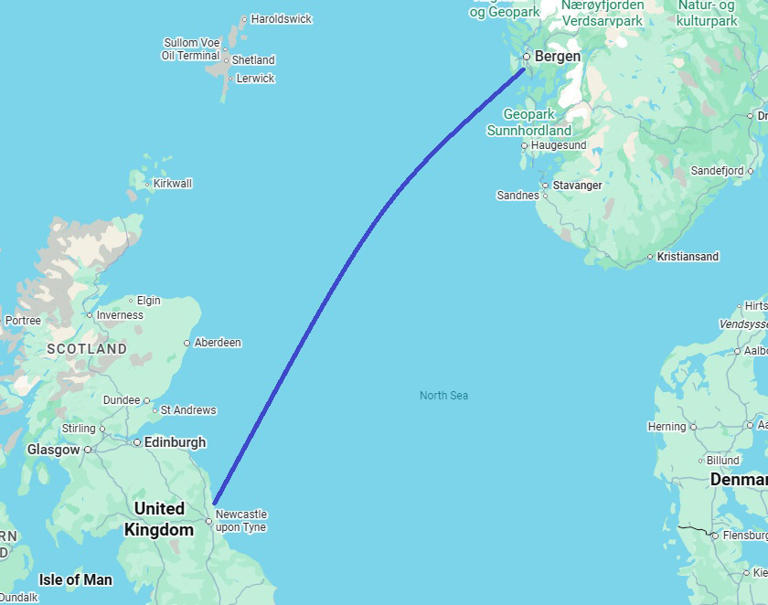
The direct ferry route between Newcastle, UK, and Bergen, Norway was cancelled 18 years ago.Is it time to restore the ferry connection between Norway and the UK?
Yes, that is what the Newcastle City Council is discussing right now. The Council has recently revealed that it will explore ways to bring the route back into service.
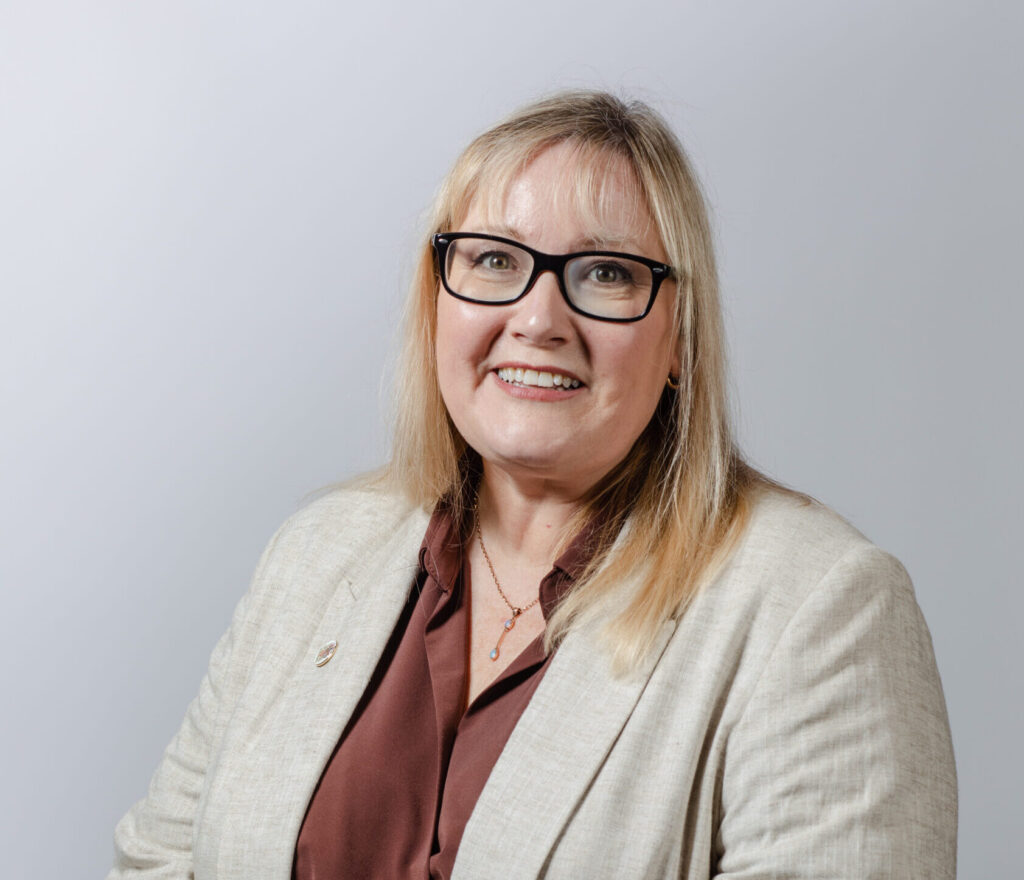
Norway’s glacial fjords, snowy ski slopes, and breathtaking northern lights may soon get just that bit easier for Brits to access. Newcastle council leader Karen Kilgour said they would “explore all ways” to restore the popular journey in a meeting on 21 January.
Newcastle council leader Karen Kilgour.
For over 140 years, passengers could hop aboard a boat in Newcastle and be transported tranquilly across the North Sea, directly to Bergen. The route was closed by its operator (DFDS) in 2008 due to rising oil costs.
For over 140 years, passengers could be transported tranquilly across the North Sea, from Newvastle directly to Bergen.
However, nothing is confirmed yet, with local officials still needing to find an operator for the potential voyage.
Nilliennum Bridge in Newcastle. Photo: Stena Line.
Kilgour said, “We’d love to see the return of the ferry. We know that many people in both cities have fond memories of travelling by sea to visit Newcastle and Bergen.
Is it Time to Restore the Ferry Connection Between Norway and the UK? Tor Kjolberg reporting. Feature image (top): Bryggen in Bergen. Photo: Visit Norway.
















 Stories are also more memorable than mere facts or statistics. A well-told story can stick with consumers, making them more likely to remember the brand and its message. Particularly in a crowded market, storytelling can set a brand apart. By sharing unique narratives, brands can highlight their values, mission, and the people behind the products, creating a distinct identity.