
What It’s Like Living as an Expat in Stockholm

0

Living as an expat in Stockholm offers both excitement and adjustment. Sweden’s capital blends modern design, efficient systems, and natural beauty. For newcomers, the city feels safe, organized, and forward-thinking. In this article, you can learn more about what it’s like living as an expat in Stockholm.

Work opportunities attract professionals, while cultural traditions add depth to everyday life.
However, settling in means adapting to new routines and expectations. From housing challenges to building a social circle, expat life brings unique rewards and lessons. This guide explores what daily living truly feels like.

Stockholm’s First Impression for Expats

Arriving in Stockholm, many expats immediately notice the city’s balance between order and creativity. Streets are clean, transportation is smooth, and people value structure in their daily lives. The city combines natural landscapes with urban bustle, creating a unique environment where forests and lakes sit alongside offices and cafés.

This mix surprises newcomers who expect a cold, distant atmosphere but find warmth in design, culture, and outdoor life. Architecture blends historic charm with modern minimalism, offering a strong visual appeal. Though locals may appear reserved at first, they are often kind and helpful once approached, leaving expats with a positive initial impression.
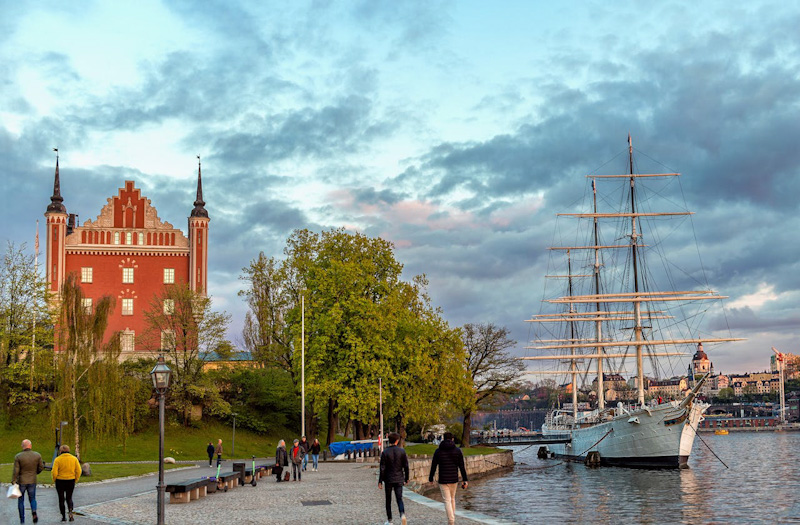
people walking near the body of water in Stockholm
Living as an expat in Stockholm is a unique experience. Photo: Pexels/Vicente Viana Martinez

Finding a Home in Stockholm

Securing housing in Stockholm is often the first hurdle for newcomers. Demand is high, and rental apartments are in short supply, making early planning crucial. Many expats rely on short-term rentals before securing a more permanent arrangement. Popular areas include Södermalm, known for its creative vibe, Vasastan, with its quiet streets, and Kungsholmen, offering waterfront living.

Living as an expat in Stockholm can feel challenging during the search, especially with long waiting lists for rent-controlled flats. Still, furnished sublets and company housing make the process easier. Understanding rental rules, deposit expectations, and contract details helps avoid setbacks. With patience and research, finding a suitable home becomes manageable.

Work Life and Career Opportunities

Stockholm offers strong career opportunities, especially in technology, design, finance, and green industries. Many companies use English at the workplace, which eases the transition for foreign professionals. Swedish work culture emphasizes balance, equality, and respect for personal time. Meetings are often direct, and hierarchies are flat, encouraging open discussion.

Generous perks, such as paid parental leave, flexible hours, and extended vacations, make employment highly appealing. Punctuality is highly valued, and teamwork plays a central role in most jobs. While competition for roles can be intense, motivated expats find rewarding opportunities. Networking events and industry meetups help newcomers establish critical professional contacts.

The Challenges of International Moves

Relocating to Stockholm is exciting, but it also brings unavoidable challenges. Paperwork, visas, and residence permits require careful preparation and meticulous attention to detail. Many expats struggle with the strict processes around registration, banking, and healthcare access. However, with reliable support, newcomers avoid many common mistakes.

To alleviate this stress, it is helpful to understand the qualities of a trusted international moving company.  It is essential to choose the proper assistance for shipping belongings, organizing customs, and planning arrival. Without guidance, the experience can feel overwhelming. However, once the essentials are in place, expats can focus on enjoying their new city and establishing a daily routine.

a family moving in, ready for living as an expat in Stockholm
Organizing a smooth move is essential for a good start. Photo: Mart Production/Pexels

Daily Life and Transportation

Stockholm makes daily living convenient thanks to its reliable and efficient public transport. The SL system covers metro lines, buses, trams, and ferries, allowing easy movement across the city. Cycling is also popular, with safe bike lanes and accessible routes. Winters, however, bring shorter days and colder conditions.

Many expats need time to adjust to Swedish weather, especially when learning to navigate icy sidewalks and long periods of darkness. Despite this, locals embrace outdoor activities year-round, from skiing in winter to swimming in summer. Weekend trips to nearby islands or forests also offer peaceful escapes and add variety to daily routines.

Cost of Living in Stockholm

Living in Stockholm can feel expensive, especially for housing and dining out. Rent consumes a significant portion of many expats’ budgets, while dining at restaurants and cafes is also costly. However, healthcare, education, and childcare are publicly supported, easing some financial pressure. Groceries are priced higher than in many European countries; however, affordable options are available in larger supermarkets and discount chains.

Public transportation is often more cost-effective than owning a car. Careful planning helps expats strike a balance between spending and saving. Cooking at home, shopping at second-hand stores, and taking advantage of free outdoor activities make daily expenses more manageable while still enjoying what the city has to offer.
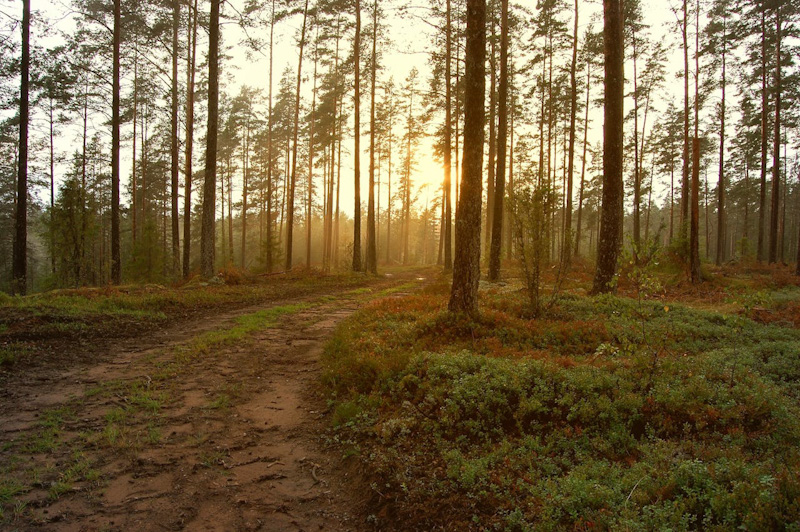
a forest path
The city boasts beautiful nature, providing opportunities for numerous outdoor activities. Photo: Jonathan Petersson/Pexels

Building a Social Life

Making friends in a new country can take time, but Stockholm offers many opportunities. Living as an expat in Stockholm becomes easier when you join communities and attend social events. Locals may seem reserved, but once connections form, relationships are strong and lasting. Fika, the Swedish coffee break, often opens doors to conversations and friendships.

To meet people and feel included, expats can explore:

  • Expat clubs and cultural associations
  • Networking events for professionals
  • Language exchange meetups
  • Sports groups and hobby classes
  • Online communities for international residents.

Family and Education for Expats

Stockholm is often described as a family-friendly city, offering safe neighborhoods, clean parks, and strong community values. Schools include both international and bilingual options, making it easier for children to adapt. Healthcare and childcare services are reliable, accessible, and supported by public funding. Sweden is among the best countries for raising kids, thanks to generous parental leave and supportive policies.

Families benefit from affordable extracurricular programs, sports clubs, and outdoor activities year-round. With an emphasis on equality, children grow up in an environment that encourages independence. For expat parents, this combination of safety, education, and support makes family life in Stockholm a rewarding experience.

Culture, Food, and Entertainment

Stockholm offers a rich cultural life that appeals to both locals and expats. Museums, theaters, and music venues showcase history, innovation, and creativity. Seasonal traditions, such as Midsummer and Lucia, give newcomers insight into Swedish heritage. Food plays a central role in daily life, with classics such as meatballs, pickled herring, and cinnamon buns enjoyed during fika. International cuisine is also readily available, reflecting the city’s diverse population.

Entertainment ranges from lively festivals to a dynamic nightlife, especially in Södermalm and Östermalm. Outdoor concerts and markets add to the atmosphere. With so many choices, expats can enjoy both Swedish culture and global influences.

From Challenges to Rewards: Life in Sweden’s Capital

Living as an expat in Stockholm presents both challenges and numerous rewards. From housing and careers to culture and family life, the city offers growth and connection. With patience, preparation, and an open mind, expats discover a place that feels both practical and inspiring for long-term living.

What It’s Like Living as an Expat in Stockholm, written for Daily Scandinavian by Rachel Nichols. Rachel is a travel writer and cultural enthusiast with a passion for exploring life abroad. Having lived in several European cities, she shares practical insights for expats adjusting to new environments. Her writing focuses on daily life, culture, and personal growth through international experiences.

Feature image (top) Pexels/Nadine Wuchenauer.
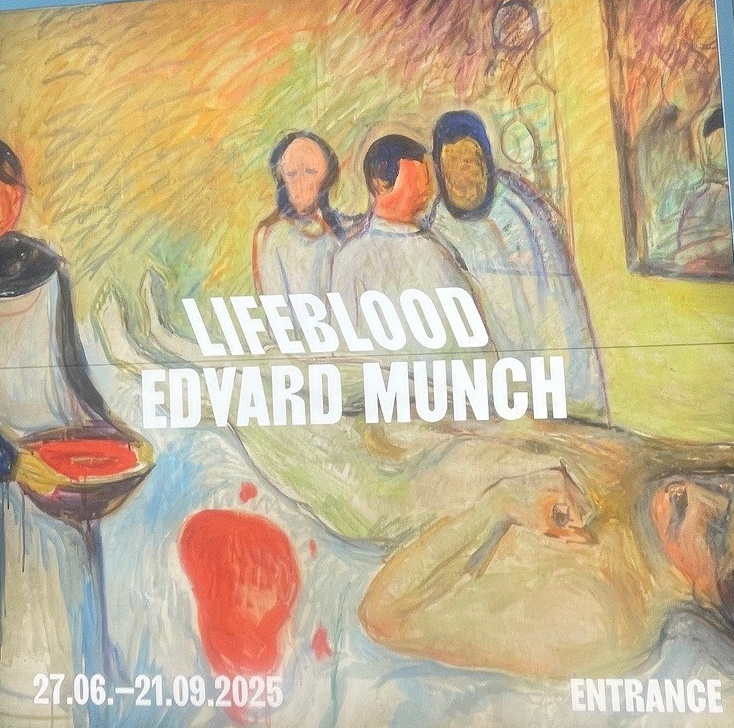
Unique Munch Exhibition – Focus on Health and Medical Advances

Lifeblood” is a profound and thought-provoking exhibition that connects Edvard Munchs artistic universe to the evolution of medical practice, inviting the public to reflect on the body, care, and health from both historical and personal perspectives. This is a unique Munch exhibition that focuses on health and medical advances.

The exhibition at the Munch Museum in Oslo offers a unique perspective by placing Munch’s art—featuring themes such as illness, death, and vulnerability—in direct dialogue with historical medical objects, including respirators and other medical equipment. The illnesses experienced by Munch and his family are central themes in the paintings selected for this context. His mother died of tuberculosis at the age of 31 when Munch was a child. He himself suffered from various illnesses throughout his life, including the Spanish flu in 1919.

Unique Munch Exhibition – Focus on Health and Medical Advances
Curator, Profesor Allison Morehead, attending the opening. Photo: Anne Marit Muri.

Illness followed me throughout my childhood and youth – the tuberculosis bacillus planted its blood-red flag so victoriously on the white handkerchief… One Christmas Eve, I lie there, 13 years old – and the blood pours from my mouth – the fever raged in my veins – fear screamed within me.”

Unique Munch Exhibition – Focus on Health and Medical Advances
Curator Dr. Allison Morehead. Photo: Munch

The quote above appears in the Lifeblood catalogue, published in connection with the exhibition. It features contributions from 27 writers from various disciplines, offering insights into Munch’s relationship with the body and illness, and showing how profoundly he was affected by sickness from an early age.

Unique Munch Exhibition – Focus on Health and Medical Advances
From the exhibition. Photo: Tove Kravik/Munch Museum.

Munch considered his illnesses as pets—he nurtured all his ailments like cherished creatures, explains curator Allison Morehead during the exhibition’s press preview in July 2025.

*************************************
Related: A Travel Guide to All the Places Edvard Munch Lived and Loved
*************************************

Unique Munch Exhibition – Focus on Health and Medical Advances
Sick hild, by Edvard Munch. Photo: Børre Hostland/National Museum, Oslo.

For the first time, the public gains insight into Edvard Munch’s life, including his struggles with illness and his encounters with the modern medical system. His artworks are placed in direct conversation with historical medical objects such as infant incubators and vaccination certificates. This connection aims to shed light on our modern experiences of health, disease, birth, death, and care. Munch’s art is powerful and visceral—it conveys the vulnerability of the human body and the healing promise of medicine.

When Edvard Munch was born in 1863, few people in Norway—or elsewhere—were born or died in hospitals. By the time he died in 1944, births and deaths in hospitals had become standard practice in many parts of the world.

Unique Munch Exhibition – Focus on Health and Medical Advances
rom exhibition Lifeblood. Photo Anne Marit Muri.

Visitors are invited to reflect on their own experiences of illness, disability, and health. The exhibition features items on loan from various institutions, including the Norwegian Museum of Science and Technology (Oslo), the Welcome Collection (London), the Deutsches Hygiene-Museum (Dresden), the Musée des Moulages (Paris), and others.

“Lifeblood” is a remarkable exhibition that merges medical history with Munch’s art. It deeply touches viewers by highlighting vulnerability, human care, and medical progress through an artistic lens.

Facts:

Lifeblood opened on June 27, 2025, and ran through September 21, 2025. The exhibition included 150 works by Munch and 150 historical medical objects loaned from collections in Norway, Denmark, France, Germany, and the UK.

Works from the MUNCH collection depict hospitals, asylums, sanatoriums, doctors, patients, and nurses. Among the featured works are the original version of The Sick Child (1885–1886), Munch’s monumental Self-Portrait with the Spanish Flu (1919), and his atmospheric Night in Saint-Cloud (1890).

The exhibition “Lifeblood – Edvard Munch (English title: Lifeblood) is curated by Allison Morehead, professor of art history and cultural studies at Queen’s University in Kingston, Canada, who also leads the exhibition’s research theme. She initiated the exhibition with a focus on Munch’s health and medical developments. Art historian Signe Marie Endresen, who earned her PhD from the University of Oslo in 2015, collaborated with Morehead through MUNCH to bring the exhibition to life.

A catalogue titled “Lifeblood,” published in connection with the exhibition, is a hardcover book in Norwegian, edited by Heidi Bale Amundsen, and published by MUNCH Publishing. Released on July 10, 2025, it includes texts by curator Allison Morehead and a wide range of contributors—27 in total—including art and medical historians, healthcare professionals, activists, artists, and authors—who reflect on the themes of the body, health, and care through Munch’s artworks and related medical objects.

Unique Munch Exhibition – Focus on Health and Medical Advances
Anne Marit Muri

Unique Munch Exhibition – Focus on Health and Medical Advances, written exclusively for Daily Scandinavian by Anne Marit Muri. Muri is a former editor of, among others, Magasinet Kunst, and has written reports on art and culture for several years.

She is the author and initiator of the book Kunstnerliv, Portraits of 19 Contemporary Artists, which was published in 2018 and voted the year’s most beautiful art book in 2019 by Grafill. She is also the author of the book, Det gåtefulle lyset, Svalbard, which was published in autumn 2022 by the publisher Utenfor Allfarvei in Harstad.

Muri is educated at the University of Oslo and the University of Bergen. She is currently pursuing a master’s degree in media development at Oslo Met, in addition to developing new book projects, and is a writer for several magazines. She is a regular contributor to Daily Scandinavian, writing about fine arts, culture, and lifestyle.

Editor’s remarks: Unfortunately, this article has been published after its closing date due to technical problems.

Finland’s Top Lift Maker is Elevating

KONE lift engineering focuses on designing, manufacturing, installing, and maintaining innovative and eco-efficient elevators, escalators, and automatic doors to improve urban life and building flow. Now, Finland’s top lift maker is elevating.

Kone has been making people’s journeys safe and seamless since 1910. Over the years, KONE has consistently demonstrated its ability to adapt to the challenges of a rapidly changing world. Its offerings have ranged from industrial cranes to emergency room patient monitors, ice-skate blades, and nylon socks. But the elevator and escalator business has always been its primary focus.

Finland’s Top Lift Maker is Elevating
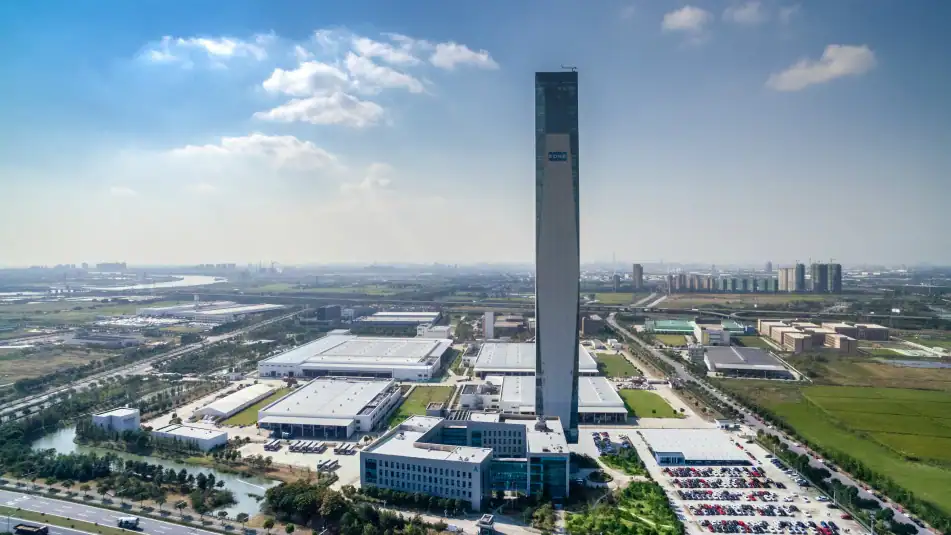
Kunshan test tower in China is the Asian twin of KONE’s high-rise laboratory in Finland. Towering 235 meters above land, this is where cutting-edge high-rise innovations undergo rigorous testing.

Kone now operates in nearly 70 countries and employs over 60,000 staff. Its products move a staggering two billion people every day. The company leverages its extensive engineering expertise and advanced technology, including 3D design tools, IoT solutions, and AI-powered monitoring, to create connected, sustainable, and user-friendly people flow systems that meet the demands of modern urban environments. KONE also provides comprehensive technical data and design resources for elevator consultants and offers training programs to develop skilled lift engineers.

***********************************************
Related: Finnish Company Named One of the World’s 50 Most Innovative Companies
***********************************************

Breakthrough technologies, including the machine-room-less elevator and a superlight hoisting rope that enables elevator travel of up to 1 kilometer, have earned KONE a reputation as a global innovator.

Finland’s Top Lift Maker is Elevating
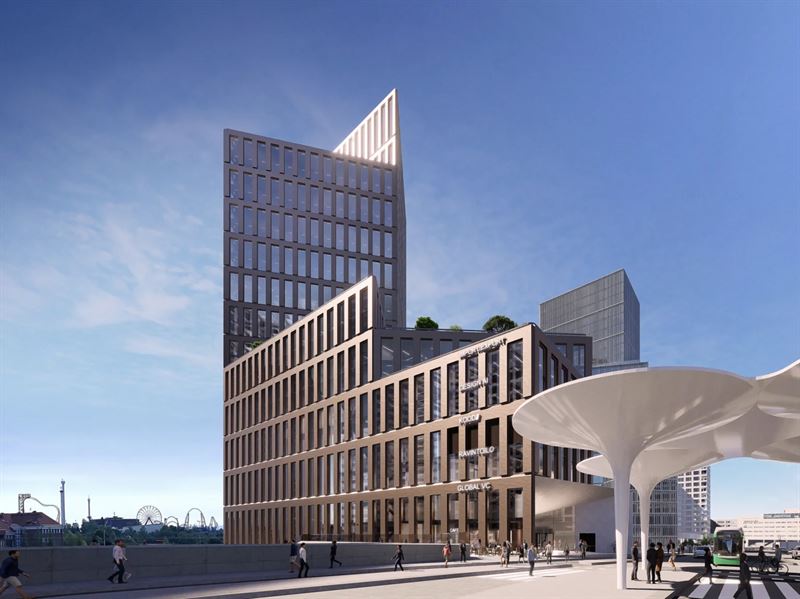
KONE provides a suite of People Flow® solutions for The Node – a 130-meter-high, 32-storey office building in the Pasila neighborhood of Helsinki, Finland.

The increasing digitization of how buildings operate is Kone’s next frontier, and the firm is hoping to rise to the challenge. Its elevators now connect to the cloud and communicate in real-time with building systems, maintenance teams, and, increasingly, with users themselves, to help anticipate maintenance needs, shorten wait times, or even turn on the air-conditioning in your office as you enter the building.

KONE is a leader in elevator technology, holding over 3,000 patents. Engineering efforts prioritize energy efficiency and sustainability, creating solutions that contribute to smarter, greener cities.

Stable ownership by four generations of the Herlin family has created a strong and supportive environment for development, enabling KONE to continue responding to the people flow challenges of an increasingly urban future.

**********************************************
You may also like to read Nordic Architecture in High Demand in China
**********************************************

Finland’s Top Lift Maker is Elevating
Kone now operates in nearly 70 countries and employs over 60,000 staff.

As cities become more vertical and digital, the way that people move within them is becoming increasingly important and complex. Kone’s answer is to build tools that are elegant, intuitive, and all but invincible. Its products seek to make movement feel seamless, whether you’re stepping into a metro station, navigating an airport, or returning home at the end of the day.

The core mission of KONE’s engineering is to enhance the flow of urban life, making cities more accessible and efficient for large and growing populations.

Finland’s Top Lift Maker is Elevating, Tor Kjolberg reporting.

All images © KONE Corporation

Norwegian Air Shuttle Launches New Routes for the Summer Season 2026

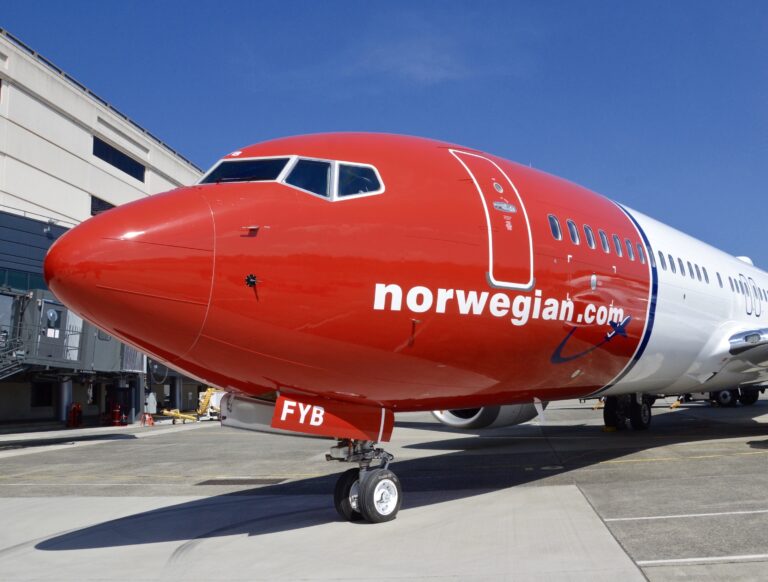
Norwegian Air Shuttle launches eight new routes from Norway, Sweden, and Denmark for the summer season 2026.

The new routes offer travelers even more opportunities to combine big-city culture and beach life during the summer season of 2026.

Direct flights will start from Oslo to Tangier in Morocco and Palermo in Sicily. Direct routes will open from Bergen to Riga, Latvia, and Palanga, Lithuania. In total, Norwegian will fly to over 120 destinations in the summer of 2026.

“For the summer of 2026, we are opening two new routes from Bergen and two from Oslo. We continually assess how to develop our route network and offer customers more attractive destinations. The route to Tangier is our third to Morocco, and comes in addition to the routes to Marrakech and Agadir, which have been popular especially in the winter months,” says Magnus Thome Maursund, Commercial Director at Norwegian.

*********************************************
Related: Norwegian Delay Compensation: Getting What You Deserve
*********************************************

New routes from Norway in the summer season 2026

Norwegian Air Shuttle Launches New Routes for the Summer Season 2026
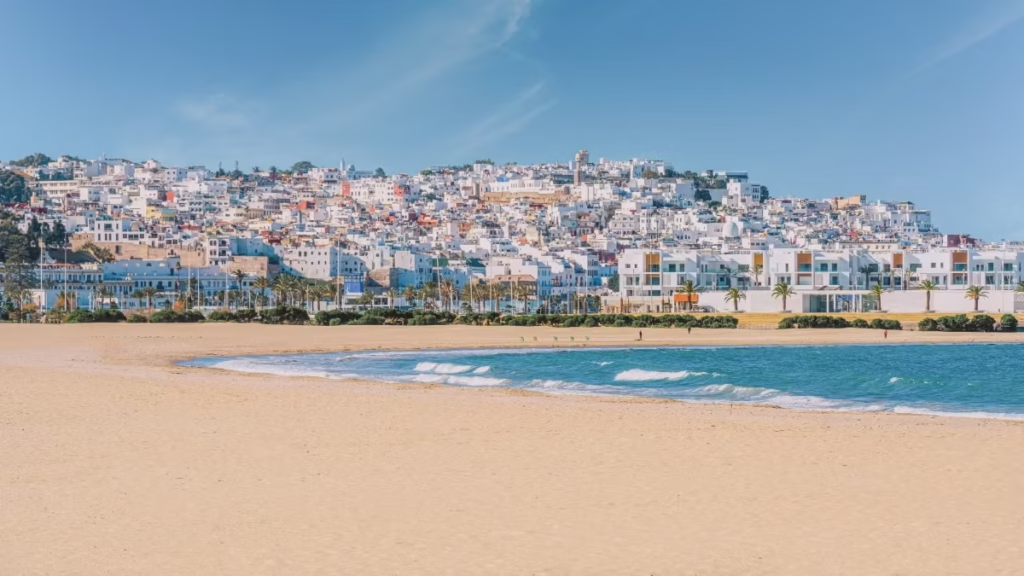
Tangier offers an exciting mix of African, Arabic, and European cultures. Photo: Norwegian

Oslo – Tangier

Tangier offers an exciting mix of African, Arabic, and European cultures. Here you can wander through the lively medina with its markets and narrow streets, visit the historic kasbah, or enjoy the view over the Strait of Gibraltar. The city also boasts beautiful beaches and serves as a good starting point for day trips to the mountains or the famous blue town of Chefchaouen.

The route will be flown once a week, on Mondays, from June 22.

Norwegian Air Shuttle Launches New Routes for the Summer Season 2026
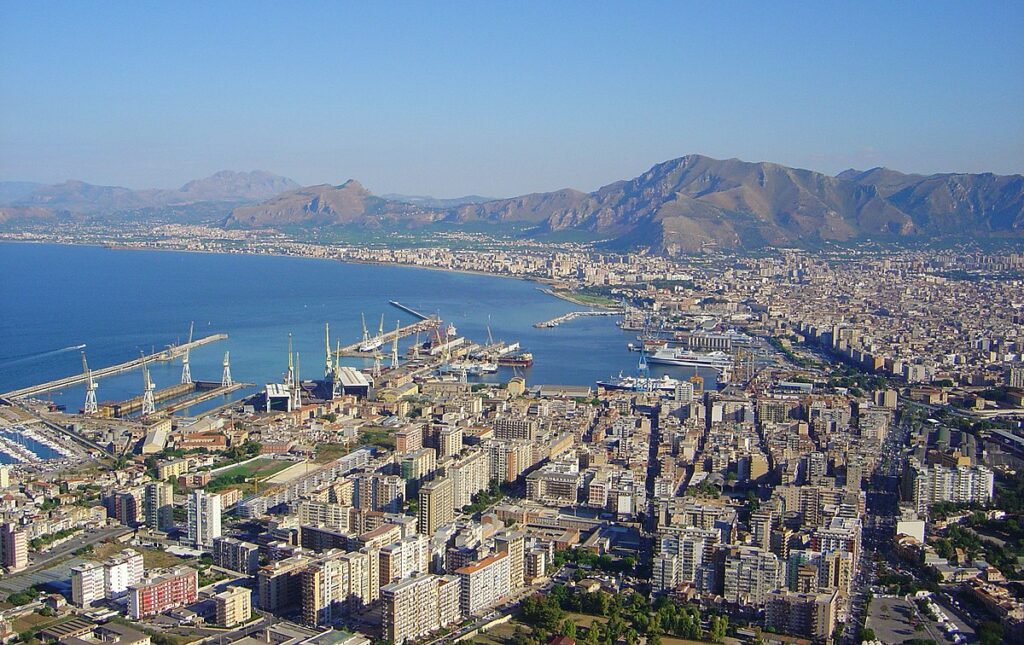
Palermo, in Sicily, offers a unique blend of Sicilian and Arabic culture. Photo: Wikipedia.

Oslo – Palermo

Palermo, in Sicily, offers a unique blend of Sicilian and Arabic culture. The city’s cathedrals, palaces, and markets provide a historical setting for the visit, while beaches and nearby mountains offer opportunities for sunbathing, swimming, and hiking.

The route will be flown on Wednesdays and Saturdays from June 20, 2026, in high season.

Norwegian Air Shuttle Launches New Routes for the Summer Season 2026
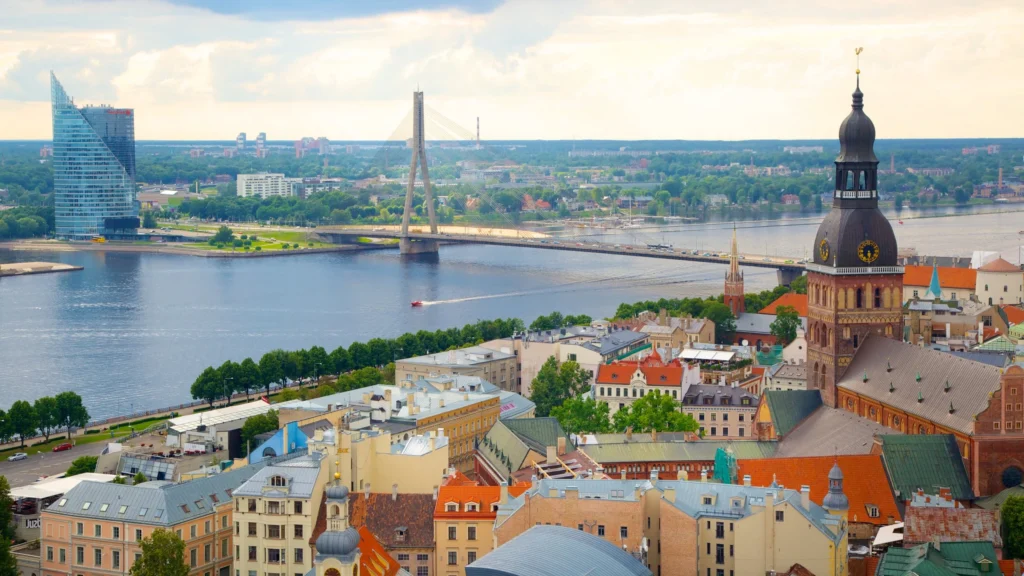
Riga is a popular metropolitan destination with a rich cultural offering, including the Riga Bourse art museum, a lively market, and a vibrant nightlife. Photo: Expedia.

Bergen – Riga

Riga is a popular metropolitan destination with a rich cultural offering, including the Riga Bourse art museum, a lively market, and a vibrant nightlife. The old town is a UNESCO World Heritage Site, and the city is known for offering great value for money in terms of both restaurants and hotels.

The route will be operated on Tuesdays and Saturdays from March 31, 2026, until the end of October.

Norwegian Air Shuttle Launches New Routes for the Summer Season 2026
Palanga is Lithuania’s most famous seaside resort on the Baltic Sea. Photo: Lithuania Travel.

Bergen – Palanga

Palanga is Lithuania’s most famous seaside resort on the Baltic Sea, known for its lively atmosphere and summery vibe. Highlights include the botanical garden and the amber museum in the Tyszkiewicz Palace. The city offers a wide range of cafes, bars, an active nightlife, and several music festivals during the summer season.

The route will be operated on Tuesdays and Saturdays from March 31, 2026, until the end of October.

Norwegian Air Shuttle Launches New Routes for the Summer Season 2026
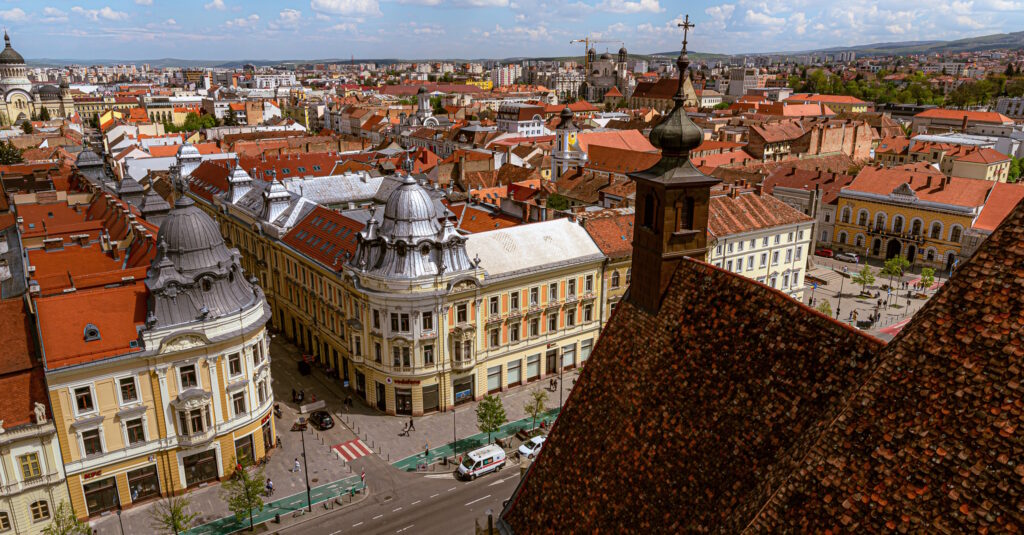
A new direct route will commence from Copenhagen to Cluj, Romania. Photo: Wikipedia.

Several new direct routes from the Nordics

In addition, Norwegian is opening three new routes from Sweden, between Arlanda and Milan Malpensa as well as Hamburg, and between Gothenburg and Tirana. From Denmark, a new direct route will commence from Copenhagen to Cluj, Romania.

Norwegian Air Shuttle Launches New Routes for the Summer Season 2026, a press release from Norwegian.

Organic Vineyard in Rural Sweden

It seemed like an eccentric choice when members of the Carlsson family in southwest Sweden planted an organic vineyard in rural Sweden.

In 1946, the Carlsson family took over a small farm at Ästad, Halland, which featured a variety of crops and animals. In 1985, it was time for their son Rolf, together with his wife Ann-Catrine, to inherit the premises. Unfortunately, the profitability of small-scale agriculture had begun to decline at this time, making farming a challenging endeavor.

Ästad Vineyard and its Sinnenas Spa are located about half an hour inland from Varberg. It is a truly rural location, where there is not much else but forest, meadows, and a few farms. This part of the country has become a highly popular destination in recent years, featuring a winery, hotel, spa, and two restaurants. The finer of these, restaurant Äng, has been awarded a star in the Michelin Guide.

Organic Vineyard in Rural Sweden
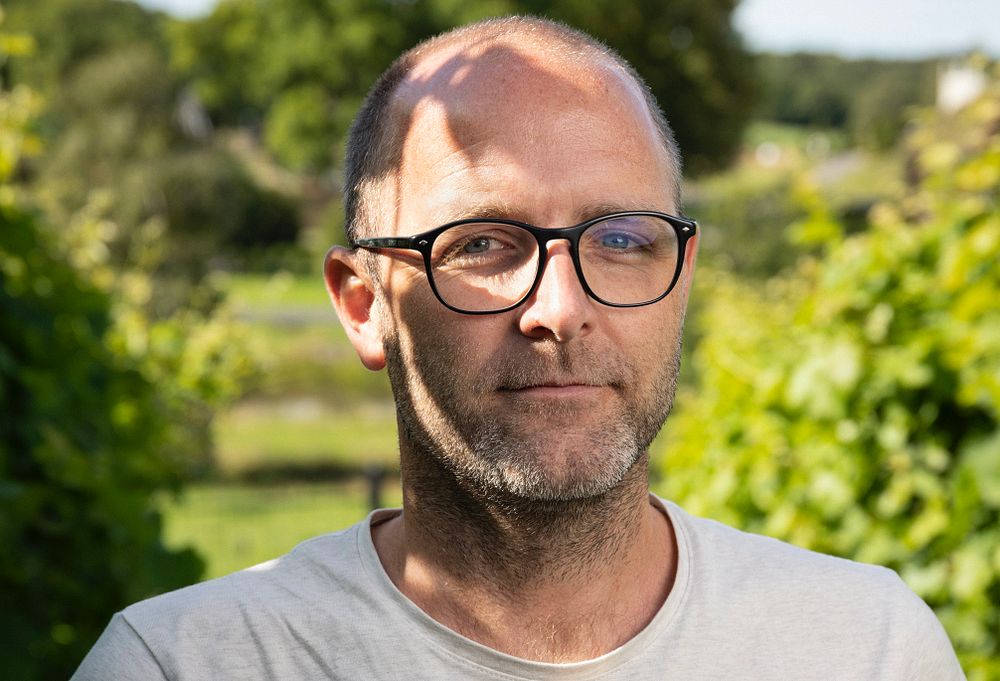
“This is the kind of place that I love to visit when I’m travelling,” says Daniel, CEO and partner. “I wanted to build that right here in my family home.”

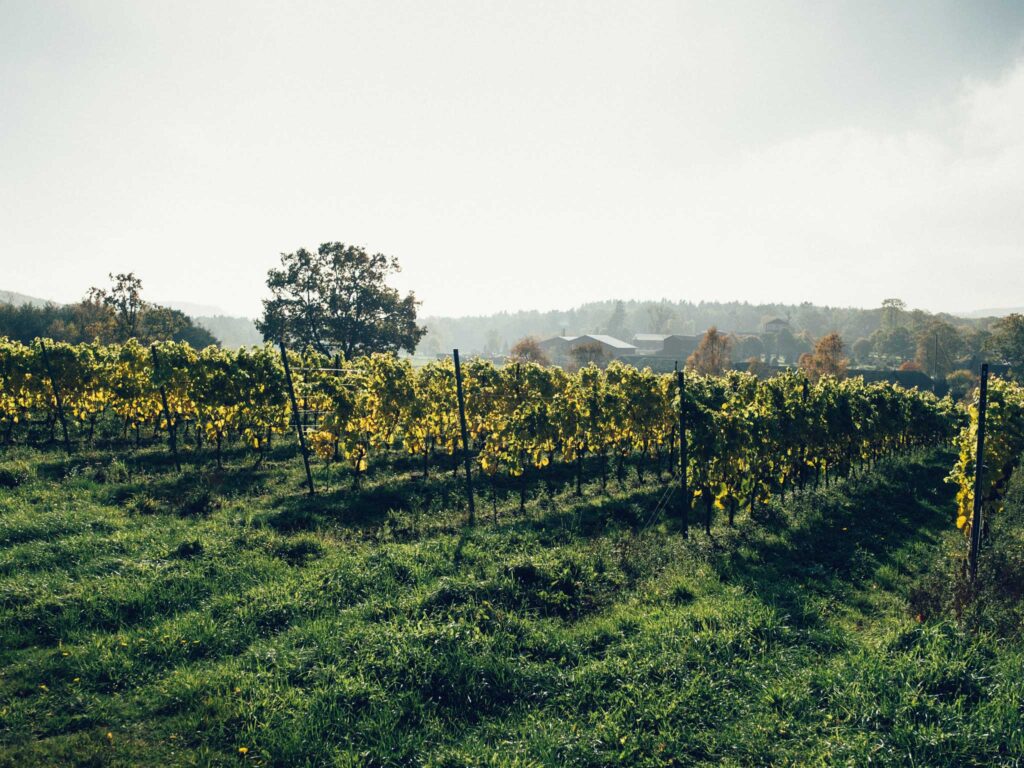
After working on the farm since childhood, the grandchildren Linda, Mattias, and Daniel took over Ästad Gård in 2010. Soon after that, Ästad returned to its roots as a place for agriculture once again. However, it has since been proven that grandson Daniel Carlsson was right when he acted on his dream of creating something unexpected in the countryside of southwest Sweden. About 30,000 vines of the Solaris grape are now grown on the premises.

Organic Vineyard in Rural Sweden
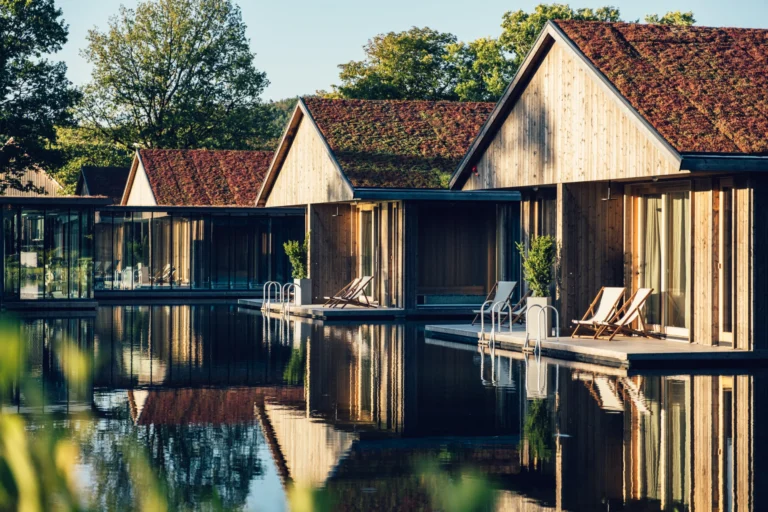
The Carlsson family tapped Copenhagen’s Norm Architects to design their hotel, Sjöparken.

We have made two visits to Ästad Vingård. One in a simpler room with a simpler dinner package, and the other in a superior room with a sauna and dinner at the Äng restaurant. The Sinnenas spa is truly an experience beyond the ordinary. It is likely one of the best spas to visit in Sweden.

Organic Vineyard in Rural Sweden
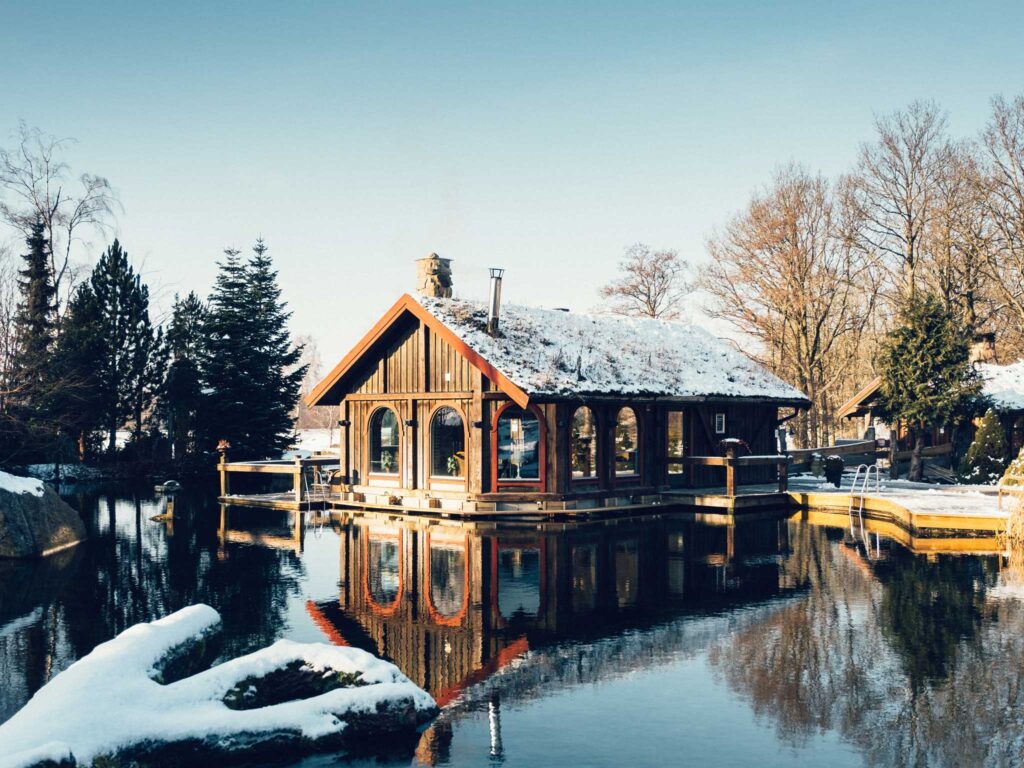
Ästad Vineyard in winter.

With his siblings Linda and Mattias, Daniel has transformed his grandparents’ organic milk farm (which was among the first in the country) into Ästad Vingård, a spa and hotel with an organic certified vineyard and a Michelin-starred restaurant.

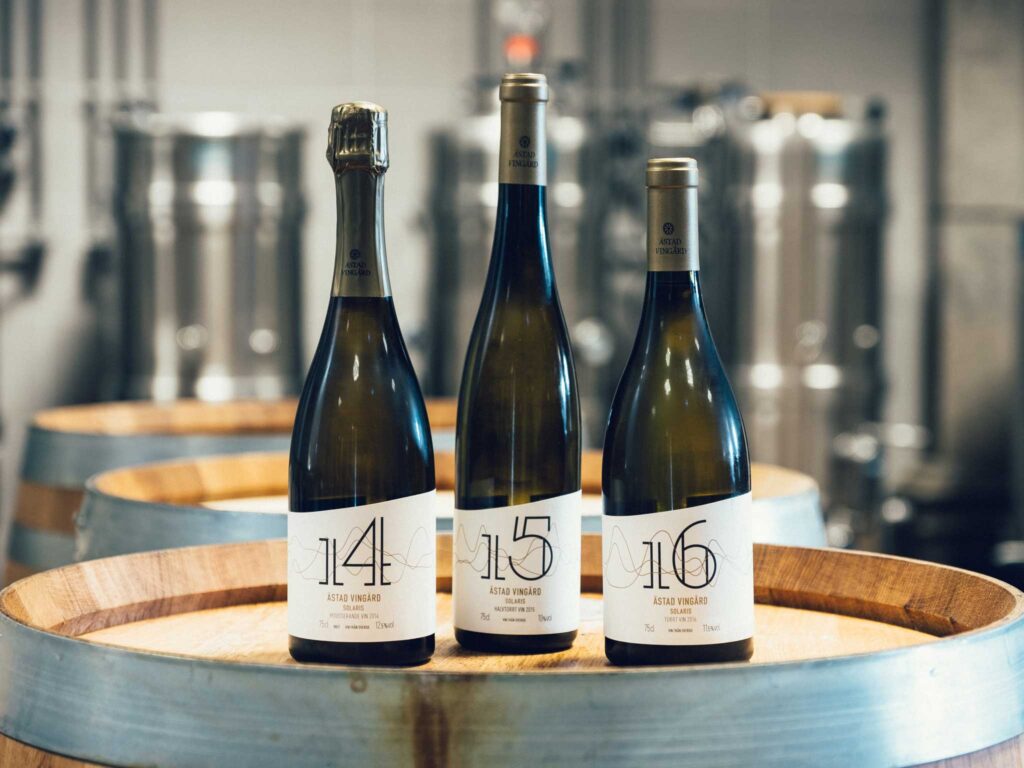
“We also have about a hundred vines of Chardonnay and Pinot Noir. We are convinced that Solaris excels as a sparkling wine, and therefore, every step is tailored to create the best sparkling wine possible. The cultivation is organic, and our wines are sold only at Ästad Vingård,” says Daniel.

Organic Vineyard in Rural Sweden
“We also have about a hundred vines of Chardonnay and Pinot Noir,” says Daniel.

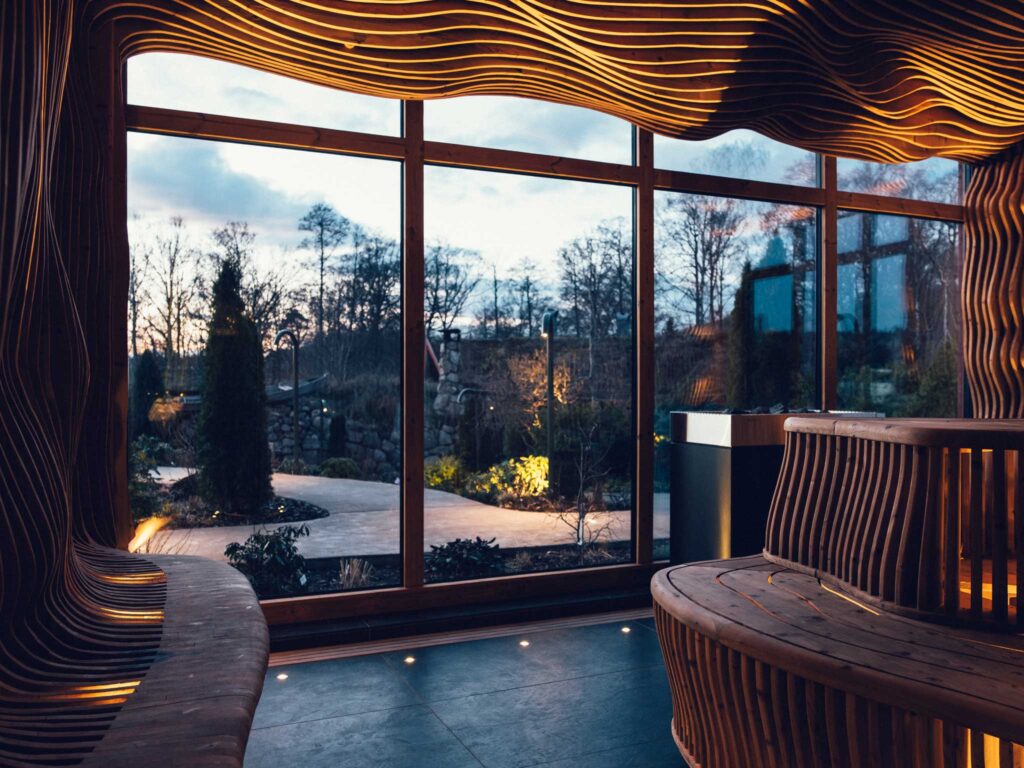
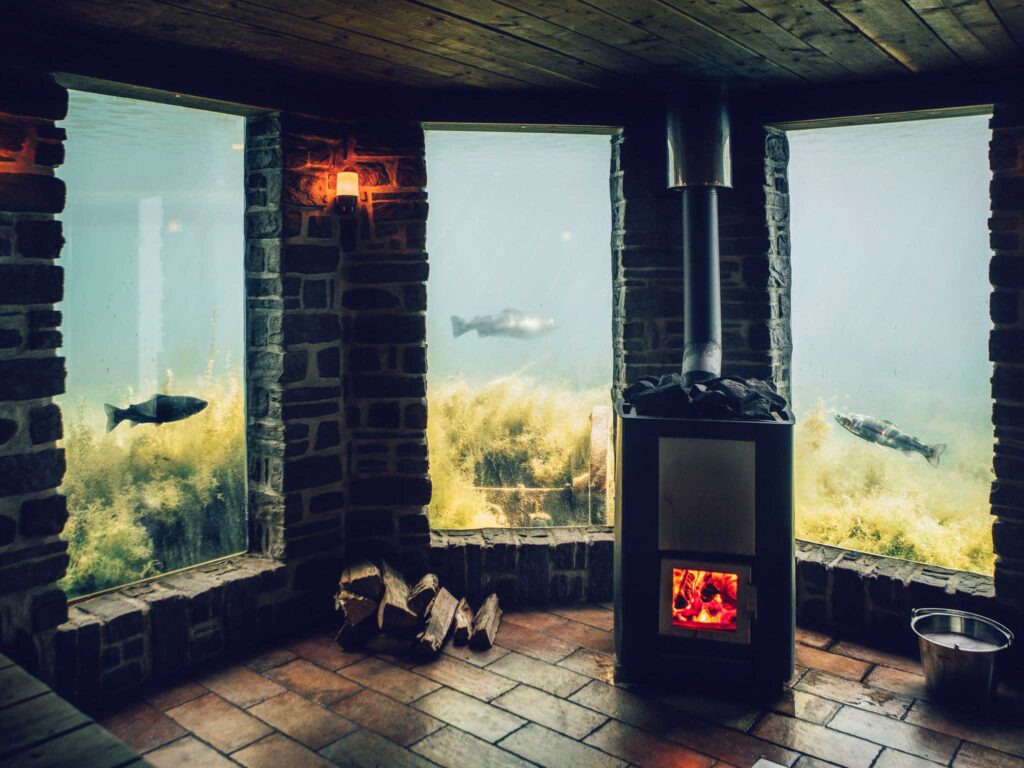
The best part of the experience at Sinnenas Spa is undoubtedly the outdoor sauna environment. This opportunity is only available until 6:00 PM, so please ensure you check in on time to participate in the experience. There is, for example, an underwater sauna, a sauna in a rapids, and several opportunities to take a cold bath in the various ponds. Compared to all other spas in Sweden, Ästad Vingård offers no equivalent outdoor experience, making it a great reason to visit.

Organic Vineyard in Rural Sweden
Wine-tasting at Ästad Vineyard

“This is the kind of place that I love to visit when I’m travelling,” says Daniel. “I wanted to build that right here in my family home.”

The spa is a place for relaxation and new impressions. “We went to the neighboring nature reserve Åkulla Bokskogar, located around the vineyard, and brought home some nature. Authentic sounds have been recorded in the forests, and the unique scents, created together with fragrance experts, are inspired by nature reserves.”

Organic Vineyard in Rural Sweden
From Sirenas Spa.

The experience showers at Sinnenas Spa are also a very valuable experience. You lie down on your stomach and then choose between four different treatments, where water of varying temperatures and intensities sprays over your body. It is akin to a form of massage or tactile stimulation that is soothing and encourages continued use. Our last visit to Ästad included at least five times in the experience shower.

The Carlsson family tapped Copenhagen’s Norm Architects to design their hotel, Sjöparken, and Äng restaurant, both of which are understatedly Scandinavian delights. They planted their first grapes in 2011 and only reaped a good harvest seven years later.

“There are three restaurants at Ästad Vingård—the Smakbaren at Sinnenas Spa, Restaurant Logen, and our creative Restaurant ÄNG. We strive to always work with local ingredients and flavors from the region.”

It’s hard to find anything but less great about Sinnenas Spa. If you really try, the decor is not our favorite style. It has a distinctly French farmhouse feel, which we don’t think really aligns with the spa concept. On top of that, it’s a spa with a bar, and some people can definitely get over-invigorated when sitting at the bar with a few too many units of bubbly.

*************************************************
Related: Swedish Spa Hotel Combining Art and Wellness
*************************************************

“We live in hectic times,” says Daniel. “It felt special to work on something that can’t be rushed.”

Organic Vineyard in Rural Sweden
Fine dining at Restaurant Logen.

Ästad Vingård is a Nordic Eco-labelled destination (the Svanen label). “Our vineyard cultivation is organic. Restaurant ÄNG (and its vegetable cultivation) holds a two-star KRAV label. The KRAV label signifies food produced without artificial chemical pesticides, ensuring good animal welfare, a reduced climate impact, increased biodiversity, and improved working conditions. We only buy green electricity. If you drive an electric vehicle, you can charge it at our charging stations.”

Sinnenas Spa is a complete spa experience that you really must visit at least once if you are interested in spas in Sweden. We thoroughly recommend the experience.

Organic Vineyard in Rural Sweden, Tor Kjolberg reporting.
All images © Ästad Vingård.

Sweden’s Ryder Cup Pedigree

0

As the 45th Ryder Cup tees off in New York, the spotlight is not just on the players but also on where they come from. Stewart Golf has analyzed the birthplaces of every Ryder Cup player, comparing them with population and golf course numbers, to uncover which regions punch above their weight. Read on and learn more about Sweden’s Ryder Cup pedigree.

While giants like the United Kingdom and the United States dominate the raw totals, Sweden has emerged as one of Europe’s most efficient producers of Ryder Cup stars.

Sweden’s Ryder Cup Pedigree
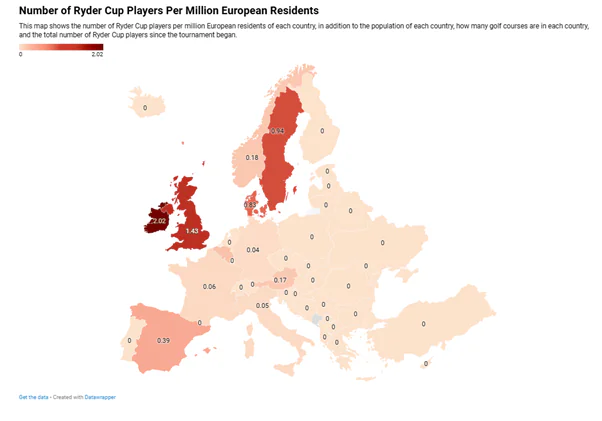
Sweden has produced 10 Ryder Cup players, an impressive figure given its population of just over 10 million and 653 golf courses.

Sweden has produced 10 Ryder Cup players, an impressive figure given its population of just over 10 million and 653 golf courses. This translates to 0.94 Ryder Cup players per million residents, placing Sweden inside the global top 10 for efficiency and ahead of many larger nations. By comparison, powerhouse states like California and Texas produce more players overall but fall behind on a per capita basis.

Sweden’s Ryder Cup Pedigree
Robert S. Karlsson. Photo: Facebook.

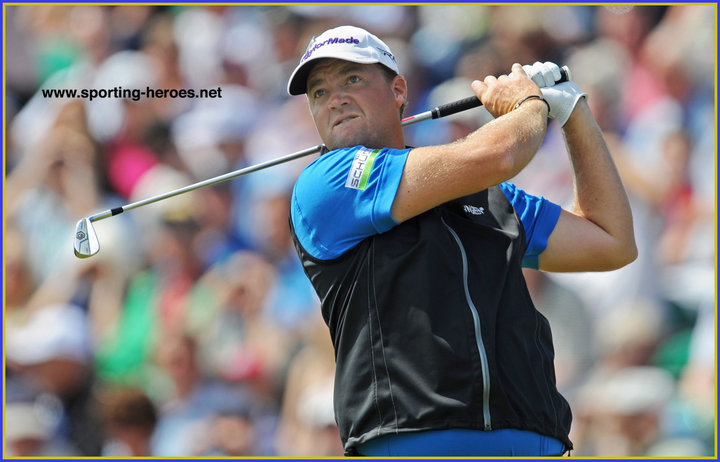
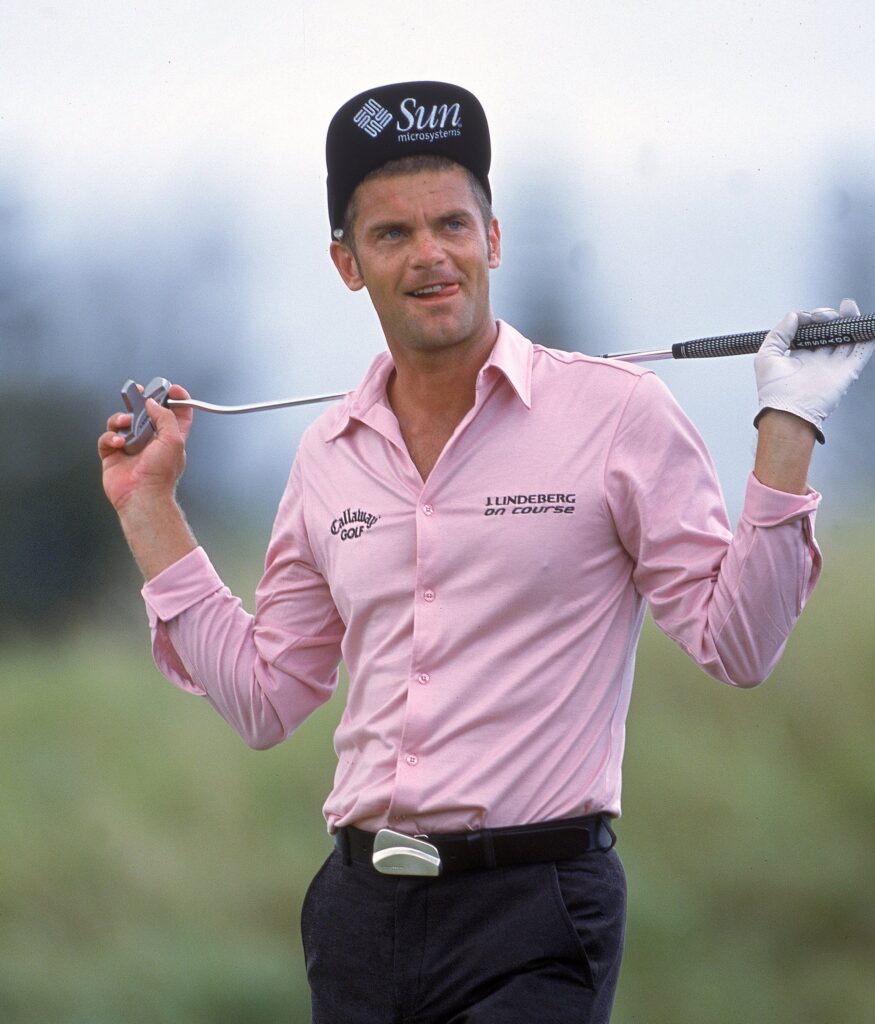
Notable names include Henrik Stenson, who memorably sank the winning putt at The K Club in 2006, and Jesper Parnevik, one of the most flamboyant and recognizable European players of the 1990s. Robert Karlsson and Peter Hanson have also been stalwarts of Team Europe, proving that Sweden consistently delivers talent capable of performing on golf’s biggest stage.

Punching above its weight

Sweden’s ratio of players to population places it ahead of countries such as Denmark (0.83 players per million, with a total of five players) and even central US states like Texas (0.75 players per million, with a total of 24 players) and California (0.71 players per million, with a total of 28 players). This efficiency highlights the remarkable strength of Sweden’s golfing infrastructure relative to its size.

Sweden’s Ryder Cup Pedigree
Per Hansson. Photo: George Herringshaw.

The country’s 653 golf courses provide a solid foundation, and with golf being one of Sweden’s most popular summer sports, participation rates are consistently high. This culture of accessibility and widespread interest in the game has created a pipeline of elite players far outstripping what might be expected from a nation of its size.

************************************************
Related: Teeing off in the midnight sun: Exploring golfing opportunities in Scandinavia
*********************************************************

Why Sweden thrives in golf

There are several reasons why Sweden continues to excel in producing Ryder Cup talent. First, the country has invested heavily in junior golf programs, with organizations like the Swedish Golf Federation nurturing talent from a young age. Second, Sweden’s golfers benefit from intense international competition, with many young players encouraged to test their skills abroad early in their careers.

Climate has also played a surprising role. With a short golfing season at home, Swedish players often spend winters training overseas, which exposes them to diverse playing conditions. This adaptability has proved invaluable in the Ryder Cup, where versatility and resilience are tested to the limit.

Sweden’s Ryder Cup Pedigree
Jesper Parnevik. Photo: X

How Sweden compares with the giants

The United Kingdom remains the undisputed leader in Europe with 96 Ryder Cup players, while Ireland has the highest per capita rate at 2.02 players per million. Yet Sweden’s 10 players put it firmly in the second tier of European contributors, standing shoulder to shoulder with golfing nations that have longer traditions and larger populations.

***********************************************
Related: An Expat’s Guide to the Best Golf Courses in Scandinavia
***********************************************

Sweden’s ratio also places it ahead of golf-rich Germany, which, with more than 700 courses, has produced far fewer Ryder Cup representatives. This reinforces Sweden’s status as a model for how effective development structures can outperform raw population or infrastructure numbers.

Sweden’s Ryder Cup Pedigree
Henrik Stenson

Looking to the future

With a proven track record and a system that continues to produce world-class players, Sweden is well-positioned to add to its Ryder Cup legacy. Rising talents nurtured at home and abroad could soon follow in the footsteps of Stenson and Parnevik, ensuring Sweden remains a key player in European golf’s collective strength.

Pride for Sweden

As Europe looks to defend its crown in New York, Swedish fans can take pride in the knowledge that their country has already punched well above its weight in Ryder Cup history. With 10 representatives to date and one of the best per capita records in the world, Sweden has proven that it does not need the size of California or the tradition of the UK to leave its mark on golf’s most fantastic team competition.

Sweden’s Ryder Cup Pedigree
Sikandar Hayat

Sweden’s Ryder Cup pedigree, written for Daily Scandinavian by Sikandar Hayat. Sikandar is an SEO and digital marketing specialist with a strong focus on white-hat link building and content strategy. He helps founders, agencies, and brands expand their online presence through high-quality backlinks and authority-driven content, leveraging years of experience across multiple niches, including health and lifestyle, business, and technology. Sikandar is passionate about creating sustainable strategies that deliver real, measurable results.

Feature image: Ryder Cup 2025. Photo © golfstore.no

Why Nordic Cities Are Leading the World in Green Innovation

Nordic cities demonstrate that growth doesn’t always harm the environment. In this article, we explore why Nordic cities are at the forefront of global green innovation.

Copenhagen gets mentioned a lot. Stockholm too. Oslo, Malmö, and even the smaller ones like Växjö. People bring them up because they’ve made choices other cities only talk about. More bikes, fewer cars. Heating systems that operate without relying on fossil fuels. Parks and open areas that people actually use, not just in the summer, but throughout the year. That’s what people mean when they say green innovation in Nordic cities.

In this region, it feels different. It isn’t just a project the government launches and then forgets. It’s part of how people live, how they plan streets, how they even think about comfort at home. You notice it when you walk through these places. That’s why they get pointed to again as examples.

How Green Culture Started in the Nordics

Nordic countries didn’t just flip a switch and go green. It comes from the way people here have always lived. Cold winters meant saving heat. Forests meant people valued trees. Small towns made walking and cycling a regular part of daily life. These things shaped daily life long before anyone talked about climate goals.

And then came the support. Local leaders built trains and buses that people could use. Recycling wasn’t optional; it was just what everyone did. Later, renewable energy targets were added. So, when the rest of the world started pushing green plans, these cities were already ahead of the curve. They weren’t inventing something new. They were building on what was already part of life.

Why Nordic Cities Are Leading the World in Green Innovation
Copenhill, Copenhagen. Photo: Astrid Maria Rasmussen/Wonderful Copenhagen

How is Copenhagen considered a Model for Green Living?

When discussing green cities around the world, Copenhagen cannot be overlooked.  And you see why the moment you walk around. Bikes are everywhere. Parents carry kids in front baskets; office workers ride to meetings, and even older people take the bike instead of the bus. Streets are built for them, not only for cars. It feels part of life, not something new.

  • Safe bike lanes run through almost every street
  • Buses and trains that people use every day
  • Wind power mixed with waste-to-energy plants keeps the lights on
  • Parks where people hang out, not just green space on paper

Then there’s CopenHill. A power plant on the inside, a ski slope on the outside. It’s strange the first time you see it, but it works. It generates energy, reduces waste, and still provides people with a place to go. That mix of practical and fun is what makes Copenhagen stand out. The city also has a significant goal: to achieve carbon neutrality soon, and from the way things look, people believe it.

Copenhagen already produces over 44% of its electricity from wind power and aims to reach complete carbon neutrality by 2025 (Danish Energy Agency).

Why Nordic Cities Are Leading the World in Green Innovation, article continyes below image.

Why Nordic Cities Are Leading the World in Green Innovation
From Stockholm. Photo: Nordic Innovation.

How Stockholm Is Pushing Green Innovation

Stockholm appears to be a clean city, but it’s the work behind it that truly matters. Heating systems run across districts, not from single homes. Some neighborhoods even use underground pipes to pull waste away.

Other steps include:

  • Electric buses are added every year
  • Plans for whole new districts like Stockholm Wood City, built with timber
  • Water management that keeps the air and streets fresh

It’s not about one big project. It’s the steady mix of small and large changes that makes Stockholm stand out.

District heating now covers 90% of buildings in Stockholm, resulting in a nearly 25% reduction in emissions since 1990, despite the city’s population continuing to grow (Stockholm Exergi, EEA).

Why Nordic Cities Are Leading the World in Green Innovation
From Oslo. Photo: Nordic Innovation

Why Oslo’s Transport Shift Shows Green Innovation in Action

Oslo made transport its big move in green innovation. Instead of just talking about cutting emissions, the city focused on how people travel every day. Cars, buses, trams — all started changing.

  • Most new cars sold are now electric, not petrol
  • EV owners get perks like cheaper parking and toll-free driving
    Public chargers are spread across neighborhoods and highways
  • Electric buses and trams run through main routes across the city

This shift makes Oslo stand out. By changing how people move, the city cuts pollution while keeping life easy for residents. It proves that green innovation is not only about energy plants or parks, but it can also come from rethinking daily transport.

In 2022, more than 79% of new cars sold in Oslo were electric, making it the world leader in EV adoption (Norwegian Road Federation).

Why Nordic Cities Are Leading the World in Green Innovation, article continyes below image.

Why Nordic Cities Are Leading the World in Green Innovation
Glasvasan in Malmö. Photo: Mynewsdesk/Tenjin Visual

Malmö Proves Green Innovation Works Beyond Capitals

Malmö is smaller than Copenhagen or Stockholm, but it still makes its way into discussions about green cities. Old industrial land is now transformed into housing, parks, bike routes, and energy systems that operate cleaner than before. The change isn’t just for looks. People use these spaces every day, which makes them feel lived-in, not just planned on paper.

The point Malmö makes is simple. You don’t need to be a capital city to push change. By working on small, daily tasks — such as housing, transportation, and recycling — the town built something worth taking notice of. And that’s why others often hold it up as an example.

As of 2020, Western Harbour’s energy mix comprised approximately 43% renewable sources, contributing to Malmö’s goal of achieving 100% renewable energy by 2030. This demonstrates that Malmö’s approach to green innovation is integrated into entire districts, not just individual projects.

Why Nordic Cities Are Leading the World in Green Innovation
From Växjö. Photo: UNM Development.

How Växjö Became Known as Europe’s Greenest City

Växjö isn’t a capital, but it has built a strong name by aiming to be fossil-free. The city started early, cutting carbon emissions while other places were only beginning to discuss it.

The focus has been on wood-based construction, renewable energy, and maintaining clean lakes for residents. Växjö shows that even small cities can lead, proving size is no limit for green innovation.

Since 1993, Växjö has reduced its carbon emissions per person by 58%, demonstrating how even a smaller Nordic city can translate ambitious green innovation into real and lasting progress.

Why Nordic Cities Are Leading the World in Green Innovation, article continyes below image.

Why Nordic Cities Are Leading the World in Green Innovation
Paiva Esplanadi, Helsinki. Photo: valo.fi

The Use of Technology in Helsinki with Green Innovation

Helsinki’s approach to sustainability often mixes digital tools with daily life. The city utilizes modern and intelligent systems for transportation, heating, and waste management. This is what makes it easier for citizens to maintain the place to standards instead of adding extra steps.

Plans include carbon-neutral goals, energy-efficient housing projects, and open data platforms that enable citizens to track their own progress. By combining technology with environmental planning, Helsinki transforms green innovation into a practical reality that people experience every day.

Helsinki has committed to achieving carbon neutrality by 2030, a target far earlier than most European capitals, demonstrating the central role green innovation plays in its city planning.

Why Nordic Cities Are Leading the World in Green Innovation
Northern lights over Reykjavik. Photo: Visit Reykjavik.

The Reykjavík Uses Natural Energy for a Green City

Reykjavík is not like the other Nordic capitals. Most of its heat and power comes straight from the ground: Geothermal and hydro shape homes, transport, and even daily routines.

  • Nearly every home is warmed with geothermal water
  • Public pools stay hot from underground heat, part of daily culture
  • Hydro and geothermal power the city’s lights and buses
  • The goal is complete carbon neutrality built on these resources

The lesson here is simple. Reykjavík doesn’t copy others — it leans on what it has. By utilizing natural energy, it avoids reliance on fossil fuels and offers an alternative path.

Why Nordic Cities Are Leading the World in Green Innovation
Espoo, Finland – September 11, 2020: Aerial view of the brand new Aalto university campus. Modern nordic architecture. The solar panels mounted on the roof. Photo: Nordic Energy Research

The System Behind Nordic Green Innovation

The success of Nordic cities doesn’t stand alone. Behind every bike lane, district heating system, or renewable energy project lies a larger network that supports these choices. Governments across the region collaborate, setting clear climate targets and sharing policies that align cities in the same direction.

It’s not only politics. Universities, startups, and clean-tech hubs form innovation clusters that foster the flow of new ideas. A project tested in one city often scales quickly across borders. Financial support also matters — institutions like the Nordic Green Bank help turn ideas into working systems. This mix of policy, research, and collaboration makes Nordic innovation different. It is steady, practical, and designed to last.

Why Nordic Cities Are Leading the World in Green Innovation
Photo: greenroof.org

Why Culture and Well-being Keep Green Efforts Strong

Policies and technology don’t explain everything. What really matters is how people see daily life. In the Nordics, trust in government is high. So, when new rules arrive, they usually follow.

Health and comfort also play a role. Clean air, safe cycling, and easy access to nature are considered the norm. A warm bus stop in winter, a bike path that feels safe — these details make people accept change today, not just someday. That link between comfort and sustainability is what keeps progress moving.

Why Nordic Cities Are Leading the World in Green Innovation – Conclusion

When people say Nordic regions lead in green living, it isn’t only about projects or plans. It’s how daily life works — cycling, recycling, clean energy, even heating homes differently. That’s what makes them stand out.

And it’s not only the big capitals. Small parts of the Nordic region, such as Växjö or even Malmö, show that change doesn’t need size, just good choices. The mix of habits, leadership, and natural resources keeps the Nordics ahead while others are still catching up.

Why Nordic Cities Are Leading the World in Green Innovation,
Mark Chapman

Why Nordic Cities Are Leading the World in Green Innovation, written for Daily Scandinavian by Mark Chapman. Mark is a seasoned Writer with 8+ years of experience, specializing in crafting engaging essays and in-depth academic content tailored for students and professionals.

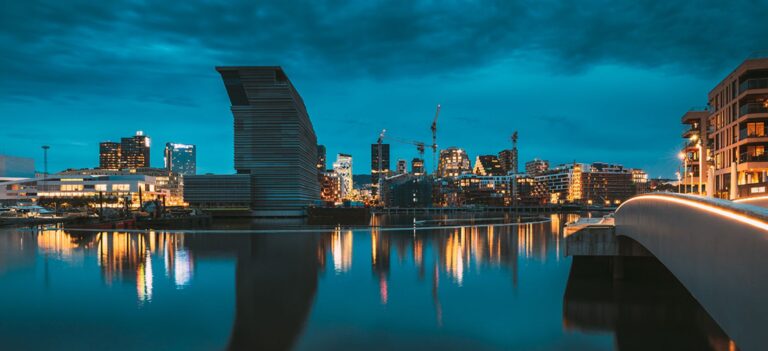
Feature image (top): Bjørvika, Oslo by night. © Nordic Innovation.

Popular Vilnius is Now More Populated than Tallinn

As of mid-2025, Vilnius has a larger population than Tallinn, with an estimated population of around 611,000 in Vilnius and 456,000 in Tallinn. Popular Vilnius is now more populated than Tallinn.

Scandinavians love Vilnius for its blend of historic charm and bohemian vibrancy, affordable prices, accessible nature, and unique blend of Baltic and Nordic cultures, all within a relatively short travel distance from Scandinavia. The city boasts a UNESCO-listed Old Town, a vibrant café and restaurant scene, and numerous opportunities for outdoor adventures, making it an appealing destination for both culture enthusiasts and nature lovers.

Popular Vilnius is Now More Populated than Tallinn
Norwegians in particular will recognize brand names like Rimi and Narvesen (below).
Popular Vilnius is Now More Populated than Tallinn
Narvesen kiosk in Vilnius.

***********************************
Scandinavians also love to explore Dubai.
***********************************

Vilnius is now officially the most populous city in the Baltic States, a status it achieved through significant population growth, while other Baltic capitals, such as Riga and Tallinn, have experienced different demographic trends.

Popular Vilnius is Now More Populated than Tallinn
From the old city.
Popular Vilnius is Now More Populated than Tallinn
PWining and dining in Vilnius

Despite being friendly neighbors, the Baltic nations work hard to outdo each other in their efforts to become the most attractive proposition for businesses and talent – and Lithuania is emerging as the leader. Not only has its capital, Vilnius, just overtaken Riga to become the most populous city in the Baltics, but it is also the wealthiest. Its GDP per capita is above the EU average, outpacing Estonia’s Tallinn, a long-standing landing pad for many technology start-ups.

***********************************
Scandinavians also love to explore Bordeaux
***********************************

Popular Vilnius is Now More Populated than Tallinn
The Cathedral in Vilnius.
Popular Vilnius is Now More Populated than Tallinn
The strikingly high density of Baroque churches in Vilnius is no coincidence.

The strikingly high density of Baroque churches in Vilnius is no coincidence. It is the result of a complex history in which religion, politics, and culture were closely intertwined. Lithuania was the last pagan country in Europe to convert to Christianity in 1387 officially. By European standards, this was quite late.

Popular Vilnius is Now More Populated than Tallinn
Vilnius’ mayor, Valdas Benkunskas. Photo: Augustas Didzgalvis/Wikipedia

To attract both local and international workers, Vilnius has invested in green spaces and public transportation, earning the European Green Capital accolade for 2025. Meanwhile, its dining and drinking scenes are also booming. “This city is experiencing remarkable momentum and thriving like never before,” says its mayor, Valdas Benkunskas. “Founded more than 700 years ago, it remains vibrant and youthful in spirit – a shining example of reinvention,” he adds.

Vilnius is Now More Populated than Tallinn, as reported by Tor Kjolberg.
All images © Tor Kjolberg/Daily Scandinavian, except where otherwise stated.
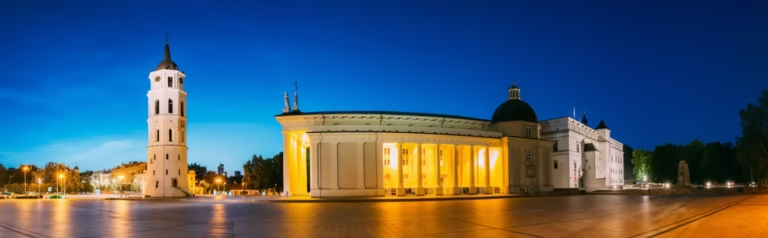
Feature image (top) © Stena Line

The Future Role of Nordic Cooperation

The Nordic nations have been working together for more than 60 years, but current crises, wars, and climate change raise the question: What is the future role of Nordic cooperation if it is to remain a collective strength?

The focus was on the future of Nordic co-operation when ministers and other representatives of the eight Nordic countries met in Åland for a seminar. Civil preparedness, trust, tangible results, and the role of Greenland, the Faroe Islands, and Åland in official Nordic cooperation were among the main themes. Despite broad agreement that collaboration is essential, a desire has also been identified to clarify the role of the Nordic Council of Ministers so that co-operation remains relevant in a changing world.

The Future Role of Nordic Cooperation
The focus was on the future of Nordic co-operation when ministers and other representatives of the eight Nordic countries met in Åland for a seminar.

The new Helsinki Treaty

Nordic cooperation is based on the Helsinki Treaty, signed in 1962. The treaty has been amended several times, but the last update was back in 1996, and it no longer provides an adequate framework for addressing the challenges we face today.

Working more closely together could also have a greater impact than official Nordic co-operation has had over the past 20 years, especially if we step up collaboration on issues such as emergency preparedness, competitiveness, digitalization, and a more integrated Nordic labor market, to name a few.

As straightforward as that may sound, a consensus has still to be reached on what to add to the treaty and what to remove from it. In his introduction to Challenges and Opportunities for Future Co-operation, Professor Johan Strang pointed out that members often create new challenges by talking past each other. Not everyone necessarily sees the same opportunities. The eight countries do not all have the same status, even though Åland, the Faroe Islands, and Greenland handle certain matters independently and have their own role in official cooperation.

The Future Role of Nordic Cooperation
Bentiaraq Ottosen, Minister for Social Affairs, Labour, Domestic Affairs, and the Environment, Greenland.

How Greenland and the Faroe Islands view membership

The Faroe Islands have a clear desire for full and self-financing membership, according to Gunvør Balle, the Faroese member of the Nordic Council of Ministers (NSK). The situation is more complex for Greenland, where the government must prioritize its political resources in response to a new geopolitical reality and the crises facing the country. Government Minister Bentiaraq Ottosen told the seminar that his country aims to collaborate with the Nordic Council of Ministers in the future, but that its neighbors in the Arctic are equally important partners.

The world situation is highly dynamic, and Greenland has undergone significant changes. We must address the consequences of climate change, conflicts, and wars. For us, co-operation is not just about the official Nordic version. We also have other interests in the Arctic region and look to our neighbors, such as Iceland and Canada, as well as Finland and Norway, said Bentiaraq Ottosen, Minister for Social Affairs, Labour, Domestic Affairs, and the Environment, Greenland.

Civil preparedness: We already do a great deal together

Its long border with Russia and large land areas in the Arctic make the Nordic Region a focal point in Europe’s security landscape, which means a broad focus on security and resilience is a necessity at all levels of society. Johan Schalin, Head of Analysis and Research at Hybrid CoE, emphasized that the Nordic countries can achieve far more together in this policy area, including in areas such as food safety and health. Alexander Zilliacus from the National Emergency Supply Agency in Finland reminded the seminar that COVID-19 was “the world’s largest emergency response exercise”. They showed that cooperation – including with the business community – is crucial.

Katrin Sjögren, the Åland Premier, emphasized that her island country works very well with Finland when it comes to preparedness, a co-operation stress-tested by the pandemic and storm Alfrida in 2019. She pointed out Åland’s special strength – ‘The best food preparedness in the Nordic Region’ – with enough potatoes, apples, and onions for its people to manage 72 hours on their own.

The Future Role of Nordic Cooperation
The Ministers for Nordic Co-operation and representatives from the eight countries and the Secretary General met in Åland for a ministerial meeting and seminar on the future of Nordic co-operation.

“When you are enjoying the company of good friends, you can also discuss difficult questions,” said Elina Pirjatanniemi, Professor, Åbo Akademi University.

A force for democracy in uncertain times

The seminar showed that the eight countries do not all agree on everything – not on the future of the Helsinki Treaty, the role of foreign policy, or full membership for Åland, the Faroe Islands, and Greenland – but that closer Nordic cooperation can be a democratic response to an uncertain world situation. If we were able to agree on a framework for co-operation in the past, we can do it again. It will call for analysis, research, and dialogue – and why not involve the people? It’s all about the citizens of the Nordic Region. It is democracy’s strength that there is room for different points of view and respect for each other’s voices – for a stronger Nordic Region.

“The Nordic Council of Ministers has an unequivocal mandate. We are part of an extensive network and can leverage our collective strength now and in the future. Emergency preparedness is undoubtedly one of the most highly relevant areas to us all,” said Karen Ellemann, Secretary General, Nordic Council of Ministers.

The Future Role of Nordic Cooperation, a press release from the Nordic Council of Ministers.

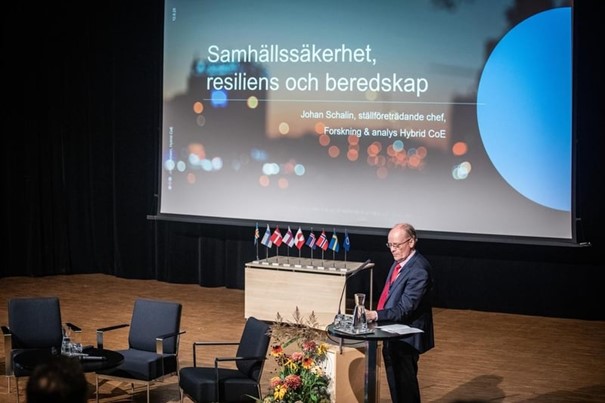
Feature image (top): Johan Schalin presents thoughts on the role played by the Nordic Council of Ministers in preparedness and societal security—all photos by Hülya Ehres.

From Fjords to the Danube: Why Scandinavians are Falling in Love with Budapest

For many Nordic travelers, a long weekend abroad is a cherished tradition. While Paris and Rome remain perennial favorites, an increasing number of Scandinavians are turning their gaze southeast toward the Hungarian capital. From Fjords to the Danube: We ask why Scandinavians are falling in love with Budapest.

With direct flights from major hubs like Copenhagen, Stockholm, and Oslo, Budapest is only a few hours away yet offers an entirely different atmosphere filled with warmth, history, and surprises.

From Fjords to the Danube: Why Scandinavians are Falling in Love with Budapest
Fishermen’s Castle. Photo: Stephen Jones.

To truly grasp the city’s character, it helps to explore with knowledgeable local guides. Professionally curated tours of Budapest introduce visitors to centuries of history, hidden courtyards, and lively ruin pubs that even seasoned independent travelers might overlook. These guided experiences are ideal for Scandinavians who value well-planned itineraries and authentic encounters without the stress of sorting through countless travel apps.

A capital of contrasts

Budapest is a city of dual identities. Buda’s hilly side charms visitors with its medieval cobblestone streets and panoramic views from Fisherman’s Bastion. Across the Danube, Pest buzzes with Art Nouveau cafés, grand boulevards, and late-night energy. For travelers from the quieter fjordlands, this vibrant rhythm feels both exotic and welcoming.

The city’s rich history is visible at every turn. Gothic spires stand beside Ottoman baths, while 19th-century coffee houses whisper tales of poets and revolutionaries. For culture lovers accustomed to Scandinavian minimalism, Budapest’s ornate architecture is a visual feast. Many visitors compare strolling along Andrássy Avenue to wandering through a living museum where every façade reveals a different chapter of Central European history.

Budapest ranked among the top ten destinations from Norway last year.

From Fjords to the Danube: Why Scandinavians are Falling in Love with Budapest
Heated water at Gellért. Photo: Visit Budapest.

Thermal waters and café culture

One of Budapest’s most distinctive pleasures is its network of thermal baths. Whether it is the grandeur of Széchenyi or the moody elegance of Gellért, soaking in naturally heated mineral water is a ritual as restorative as a Nordic sauna. After a morning in the baths, visitors can linger in classic coffeehouses like New York Café or Gerbeaud, where chandeliers and marble tables recall a glamorous turn-of-the-century Europe.

Food is an adventure in itself. Hearty goulash, paprika-laden stews, and modern takes on Hungarian cuisine provide a welcome contrast to lighter Scandinavian dishes. Pair these meals with a glass of Tokaji wine or locally brewed craft beer for a perfect evening. For dessert lovers, the flaky layers of a warm strudel or a rich Dobos torte are worth every calorie.

Easy access and year-round appeal

Another reason Budapest suits Scandinavian travelers is practicality. Flights are frequent and affordable, and the city’s compact size means you can explore much of it on foot or by its excellent public transport. Spring and autumn bring mild weather and fewer crowds, while December’s Christmas markets sparkle with festive lights and mulled wine, creating a magical escape from the long northern winter. Even in high summer, the city’s leafy Margaret Island and riverside promenades provide shady retreats.

From Fjords to the Danube: Why Scandinavians are Falling in Love with Budapest
Budapest offers a blend of Old World grandeur and youthful energy that resonates with Nordic visitors. Photo: Budapest info.

See more with guided experiences

Even repeat visitors discover something new each time. Evening cruises on the Danube showcase illuminated bridges and the Parliament Building glowing gold against the night sky. Specialty walks delve into the city’s Jewish heritage, Art Nouveau architecture, or its vibrant street art scene. With expert guides handling logistics, travelers can focus on absorbing stories and taking photos rather than checking maps.

************************************************
Related: How to Make a Cheap Weekend Getaway Trip
************************************************

A Central European gateway

Budapest also serves as a springboard to the rest of Central Europe. A quick train ride connects travelers to Vienna, Bratislava, or Prague, making it easy to craft a multi-city journey rich in art, music, and history. For Scandinavians seeking variety without long flights, it serves as a gateway to an entire region, offering an efficient and inspiring way to experience multiple cultures in one trip.

From its steamy thermal baths to its glittering bridges at night, Budapest offers a blend of Old World grandeur and youthful energy that resonates with Nordic visitors. For those craving something different yet accessible, this Danube jewel delivers culture, warmth, and a touch of adventure without the need for fjords.

From Fjords to the Danube: Why Scandinavians are falling in love with Budapest
Vital Shpakouski

From Fjords to the Danube: Why Scandinavians are falling in love with Budapest, written for Daily Scandinavian by Vital Shpakouski. Vital is a highly educated hilologist, a professional translator, a former volunteer and teacher, an entrepreneur, and a salesperson with 15 years of experience. Now he is a copywriter in Internet marketing, writing about everything that helps businesses grow and develop. “In my free time, I create music and songs that no one hears and take photos and videos that no one sees,” he adds.