From Fjords to the Danube: Why Scandinavians are Falling in Love with Budapest

For many Nordic travelers, a long weekend abroad is a cherished tradition. While Paris and Rome remain perennial favorites, an increasing number of Scandinavians are turning their gaze southeast toward the Hungarian capital. From Fjords to the Danube: We ask why Scandinavians are falling in love with Budapest.

With direct flights from major hubs like Copenhagen, Stockholm, and Oslo, Budapest is only a few hours away yet offers an entirely different atmosphere filled with warmth, history, and surprises.

From Fjords to the Danube: Why Scandinavians are Falling in Love with Budapest
Fishermen’s Castle. Photo: Stephen Jones.

To truly grasp the city’s character, it helps to explore with knowledgeable local guides. Professionally curated tours of Budapest introduce visitors to centuries of history, hidden courtyards, and lively ruin pubs that even seasoned independent travelers might overlook. These guided experiences are ideal for Scandinavians who value well-planned itineraries and authentic encounters without the stress of sorting through countless travel apps.

A capital of contrasts

Budapest is a city of dual identities. Buda’s hilly side charms visitors with its medieval cobblestone streets and panoramic views from Fisherman’s Bastion. Across the Danube, Pest buzzes with Art Nouveau cafés, grand boulevards, and late-night energy. For travelers from the quieter fjordlands, this vibrant rhythm feels both exotic and welcoming.

The city’s rich history is visible at every turn. Gothic spires stand beside Ottoman baths, while 19th-century coffee houses whisper tales of poets and revolutionaries. For culture lovers accustomed to Scandinavian minimalism, Budapest’s ornate architecture is a visual feast. Many visitors compare strolling along Andrássy Avenue to wandering through a living museum where every façade reveals a different chapter of Central European history.

Budapest ranked among the top ten destinations from Norway last year.

From Fjords to the Danube: Why Scandinavians are Falling in Love with Budapest
Heated water at Gellért. Photo: Visit Budapest.

Thermal waters and café culture

One of Budapest’s most distinctive pleasures is its network of thermal baths. Whether it is the grandeur of Széchenyi or the moody elegance of Gellért, soaking in naturally heated mineral water is a ritual as restorative as a Nordic sauna. After a morning in the baths, visitors can linger in classic coffeehouses like New York Café or Gerbeaud, where chandeliers and marble tables recall a glamorous turn-of-the-century Europe.

Food is an adventure in itself. Hearty goulash, paprika-laden stews, and modern takes on Hungarian cuisine provide a welcome contrast to lighter Scandinavian dishes. Pair these meals with a glass of Tokaji wine or locally brewed craft beer for a perfect evening. For dessert lovers, the flaky layers of a warm strudel or a rich Dobos torte are worth every calorie.

Easy access and year-round appeal

Another reason Budapest suits Scandinavian travelers is practicality. Flights are frequent and affordable, and the city’s compact size means you can explore much of it on foot or by its excellent public transport. Spring and autumn bring mild weather and fewer crowds, while December’s Christmas markets sparkle with festive lights and mulled wine, creating a magical escape from the long northern winter. Even in high summer, the city’s leafy Margaret Island and riverside promenades provide shady retreats.

From Fjords to the Danube: Why Scandinavians are Falling in Love with Budapest
Budapest offers a blend of Old World grandeur and youthful energy that resonates with Nordic visitors. Photo: Budapest info.

See more with guided experiences

Even repeat visitors discover something new each time. Evening cruises on the Danube showcase illuminated bridges and the Parliament Building glowing gold against the night sky. Specialty walks delve into the city’s Jewish heritage, Art Nouveau architecture, or its vibrant street art scene. With expert guides handling logistics, travelers can focus on absorbing stories and taking photos rather than checking maps.

************************************************
Related: How to Make a Cheap Weekend Getaway Trip
************************************************

A Central European gateway

Budapest also serves as a springboard to the rest of Central Europe. A quick train ride connects travelers to Vienna, Bratislava, or Prague, making it easy to craft a multi-city journey rich in art, music, and history. For Scandinavians seeking variety without long flights, it serves as a gateway to an entire region, offering an efficient and inspiring way to experience multiple cultures in one trip.

From its steamy thermal baths to its glittering bridges at night, Budapest offers a blend of Old World grandeur and youthful energy that resonates with Nordic visitors. For those craving something different yet accessible, this Danube jewel delivers culture, warmth, and a touch of adventure without the need for fjords.

From Fjords to the Danube: Why Scandinavians are falling in love with Budapest
Vital Shpakouski

From Fjords to the Danube: Why Scandinavians are falling in love with Budapest, written for Daily Scandinavian by Vital Shpakouski. Vital is a highly educated hilologist, a professional translator, a former volunteer and teacher, an entrepreneur, and a salesperson with 15 years of experience. Now he is a copywriter in Internet marketing, writing about everything that helps businesses grow and develop. “In my free time, I create music and songs that no one hears and take photos and videos that no one sees,” he adds.

Modern Scandinavian Workplaces

Interior designers no longer need analysts. They “brand” and “screen” and are supposed to make the office as efficient and comfortable as possible for Scandinavian employees. Learn more about modern Scandinavian workplaces.

Clean lines, natural materials, and thoughtful simplicity of Scandinavian design are transforming today’s offices into more productive and inspiring environments. Drawing from Nordic traditions that value both beauty and functionality, these design principles create workspaces where employees thrive, collaboration flourishes, and well-being becomes an integral part of the daily experience.

Walking into an office that is simple yet refreshing, with plenty of natural light, and everything around serving a purpose can be motivating. Scandinavian office designs are a style that serves practicality along with a modern touch. Let’s explore ways to incorporate Scandinavian office design into your workspace and create a space you’ll love coming to every day.

Modern Scandinavian Workplaces
SEB Bank’s new Stockholm headquarters. Photo: Vibia

The advertising boom of the nineties led to ballrooms and playful solutions intended to generate creative ideas. Today, there is still room for play, but it has become professionally integrated.

Modern Scandinavian Workplaces
Round tables eliminate power positions and encourage equal participation, while open, flexible working spaces facilitate spontaneous collaboration. Photo: Vibia

Statistics show that a good psychosocial work environment, which includes well-being, is strongly linked to lower sick leave, higher productivity, and increased job mastery among employees, according to reports from the Norwegian Institute of Occupational Safety and Health (STAMI) and research from BI Norwegian Business School. Studies show that job demands, emotional strain, and the need for autonomy are key factors that affect employee well-being and engagement, which, in turn, impact the organization’s results. Well-being is considered just as important as salary. Many employees are saying they would consider leaving a company that fails to prioritize employee well-being.

Scandinavian office designs depend highly on natural and airy spaces. They always have an open feel. You can place your table near a large window to take full advantage of the natural light, or open the blinds or curtains and let the sunlight pour in. This is not done just for the look but for the energy that natural light boosts, keeping you focused throughout the day.

Modern Scandinavian Workplaces
Black and white photos complement the Scandinavian office’s aesthetic.

Other trends in today’s office architecture include customized solutions, the incorporation of domestic elements, and the use of modern art as identity markers.

In response to these challenges, businesses are turning to Scandinavian design philosophy, an approach rooted in simplicity, functionality, and human-centered thinking that originated in Nordic countries such as Denmark, Sweden, Norway, Finland, and Iceland.

Modern Scandinavian Workplaces
When you think of flooring, consider wooden flooring or a light laminate, which can give your space a Scandinavian feel. Photo: Stealtho

If you want to bring life and warmth to your office space, consider a Scandinavian style by incorporating plants and greenery. Low-maintenance indoor plants, such as the Snake plant, Pothos, or a Stately Monstera, will bring a touch of nature to your interiors. The idea is to add a touch of color to your interiors, not turn them into a jungle, so keep it subtle and minimal. A little bit of greenery can be highly uplifting for your mood.

In the future, it will be essential to bring comfort into the office. Employees can easily get a good sofa to lie on when they make a phone call to their wives. According to design furniture manufacturer Vitra, the knowledge worker is the company’s most important resource, and the boundaries of what constitutes an office and where it is located are being eroded.

*************************************************
Related: 2020 Export Award to Norwegian Furniture Manufacturer
*************************************************

At its core, Scandinavian interior design follows the principle that “less is more.” This doesn’t mean creating stark, emotionless spaces. Instead, it’s about intentional minimalism that:

  • Reduces visual clutter that can distract and overwhelm employees
  • Creates clean lines and open spaces that promote mental clarity
  • Emphasizes quality over quantity in office furniture and décor choices
  • Eliminates unnecessary elements to highlight what truly matters

Scandinavian office style utilizes organizers to create a clean, organized look in your space, rather than a cluttered one. You can use clever storage ideas and keep necessities like notebooks, pens, and other stationery out of sight. You can choose furniture with built-in storage or use organizer trays to achieve a neat look. This gives your desk a tidy appearance, allowing you to focus more on your work and less on visual clutter.

Modern Scandinavian Workplaces
Scandinavian office designs depend highly on natural and airy spaces. Photo: Bakken Baeck/Kvistad

In the 1970s, everyone was in cubicles, and no one was supposed to talk to each other. Today, it’s the exact opposite, and we need more points of concentration, from quiet workplaces to playgrounds that are intended to divert your attention to something else.

Every element must serve a clear purpose and enhance the user experience:

  • Adjustable desks and supportive chairs that prioritize ergonomics and user comfort
  • Multi-functional office furniture pieces that adapt to different activities and work styles
  • Thoughtful storage solutions that maintain clutter-free environments
  • Space optimization that maximizes efficiency without sacrificing aesthetics

When you think of flooring, consider wooden flooring or a light laminate, which can give your space a Scandinavian feel. Light floors make your room appear larger and reflect light as well. If you opt for a carpeted area, it’s best to choose a light color to give your room a brighter feel.

Art in an office shows what the company stands for as soon as you walk in the door, as aesthetics and sound design have become an increasingly competitive advantage. Renovating an old building’s interior and incorporating modern art also demonstrates that the company is both preserving the past and looking to the future.

Black and white photos complement the Scandinavian office’s aesthetic. They are timeless and minimalistic. Hang a few pieces that inspire you. Black and white images will not clash with the colors you have picked out. They are simple and elegant, adding to the Scandinavian touch you are going for.

The Scandinavian concept of “hygge,” which roughly translates to coziness, comfort, and contentment, plays a vital role in office interior design.

Modern Scandinavian Workplaces
If you want to bring life and warmth to your office space, consider a Scandinavian style by incorporating plants and greenery. Photo: Wagstaff Office Furniture.

By incorporating elements that promote hygge, companies create spaces where employees feel both physically comfortable and emotionally supported. When companies invest in employee wellbeing through thoughtfully designed spaces, we see improved collaboration, increased employee satisfaction, and a more energized workforce. It’s about creating an environment where wellness becomes an integral part of the workday rather than an afterthought.

Both public and private enterprises have gained a deeper understanding of the importance of aesthetics and design in brand building and recognition.

Scandinavian office designs typically feature less hierarchical structures and more open communication, a philosophy reflected in their physical design. Round tables eliminate power positions and encourage equal participation, while open, flexible working spaces facilitate spontaneous collaboration. These designs also incorporate comfortable breakout areas for informal discussions and office acoustic solutions that balance openness with privacy needs.

Modern Scandinavian Workplaces, written by Tor Kjolberg

Feature image (top) © Stealtho

The Most Popular Online Scams in Sweden

0

Sweden is a tech-savvy country where Swish and BankID make online life easy. But scammers are finding ways to take advantage, using fake stores, investment schemes, and payment scams. Here’s a look at the most common online scams in Sweden, along with tips on how to protect yourself. Read more about Digital Technology and the most popular online scams in Sweden.

Digital technology has made online scams more common and sophisticated in Sweden, especially as the country has moved toward a cashless society. Apps like BankID and Swish made transactions fast and easy, but they’ve also opened the door for fraud. Scammers impersonate bank representatives and use urgent messages to trick people into sharing their credentials or sending money.

Fake websites, phishing emails, and misleading ads are used to steal personal and financial information. At the same time, new Swish scams emerge unexpectedly, leaving users at high risk. As a result, digital technologies have created a constant cat-and-mouse game between scammers and authorities, making awareness a crucial factor.​

The Most Popular Online Scams in Sweden
Digital fraud in Sweden has been on the rise for several reasons. Ilustration by Canisius University.

Why Online Scams Are Rising?

Digital fraud in Sweden has been on the rise for several reasons. One is the high level of trust people have in digital services. Swedes are used to secure, professional systems, which makes it easier for scammers to create a message or request that seems legitimate. Almost everyone uses a smartphone, so it’s hard to avoid fraudulent emails or ads.

 Instant payment services like Swish are very convenient, but once money is sent, it’s usually impossible to get it back, leaving victims exposed. Additionally, scammers are becoming increasingly skilled at manipulating people, employing various pressure tactics to persuade them to share personal information or approve payments. This combination of convenience and clever scams has turned digital fraud into a growing concern.

Common Online Scams in Sweden

Online criminals in Sweden target people of all ages through digital platforms. Understanding the most common types of scams can help you stay alert and protect yourself from falling victim.

1.     Swish Fraud and APP Scams – One of the most dangerous scams is APP fraud. Instead of stealing directly, fraudsters convince victims to send money themselves via Swish. They often pose as bank staff, police officers, or even relatives in distress.

2.     Fake Online Stores – Scammers set up fake e-commerce websites offering branded products or electronics at bargain prices. Victims pay but either receive nothing or cheap items.

3.     Crypto and Investment Scams – Social media ads often promote crypto scams in Sweden or fake investment platforms. Victims see guaranteed profits, but the money disappears once transferred.

4.     Phishing Emails and Fake SMS in Sweden – Known as bluffmejl and bluff-SMS, these fake messages appear to come from banks, PostNord, or the Swedish Tax Agency. They ask you to click a link or use your bank ID, giving scammers access to your accounts.

5.     Phone Scams and Caller ID Spoofing – Scammers use caller ID spoofing to make it look like calls are coming from your bank or the police. They urge you to reveal details or authorise a payment request.

6.     Romance and Dating Scams Online – Romance scammers pretend to build a relationship and claim to face a financial emergency, such as medical bills, travel issues, or being stranded abroad, asking for money.

7.     Loan Scams and False Lenders – Fraudulent lenders advertise easy loans without credit checks. Victims are asked to pay an upfront fee, but the promised loan never arrives.

The Most Popular Online Scams in Sweden
While anyone in Sweden can fall victim to digital fraud, certain groups are more susceptible to it than others. Image by Retail Banker International.

 Who Is Most at Risk from Digital Fraud?

While anyone in Sweden can fall victim to digital fraud, certain groups are more susceptible to it than others. Elderly people are targeted through phone calls and messages that appear to come from official organisations, taking advantage of their trust or limited familiarity with digital security.

 *********************************************
Related: Scandinavia Among the Most Cyber-Secure Countries in the World
**********************************************

Individuals experiencing financial difficulties are also at a higher risk, as scammers often offer fake loans or investment opportunities that promise quick money but ultimately steal their funds. Online shoppers, especially during significant sales or holidays, can be tricked by fake websites, counterfeit products, or fraudulent payment requests.

 Social media users are another group at risk, as hackers use fake investment schemes and misleading ads to steal personal information. Overall, while digital fraud can affect anyone, those who are less cautious, financially vulnerable, or very active online face the greatest danger.

 Staying Safe in Sweden’s Digital World

Online scams are becoming more creative, relying on social engineering rather than just technical tricks. By understanding the most popular scams in Sweden and avoiding digital pitfalls, you can protect yourself and your loved ones. The key is simple: stay alert, question anything that feels urgent or too good to be true, and always verify before acting.

The Most Popular Online Scams in Sweden, written for Daily Scandinavian by Shoaib Ansar. Shoaib is a digital marketing professional specializing in SEO and link building. With years of experience helping global brands grow their online presence, he’s passionate about building meaningful collaborations and creating strategies that drive results.

Feature image (top) © Jonathan Hammond/Pixabay


Bacalao: Portuguese Chefs Have Long Been Skilled in Crafting a Delicacy from Norwegian Salted Cod

0

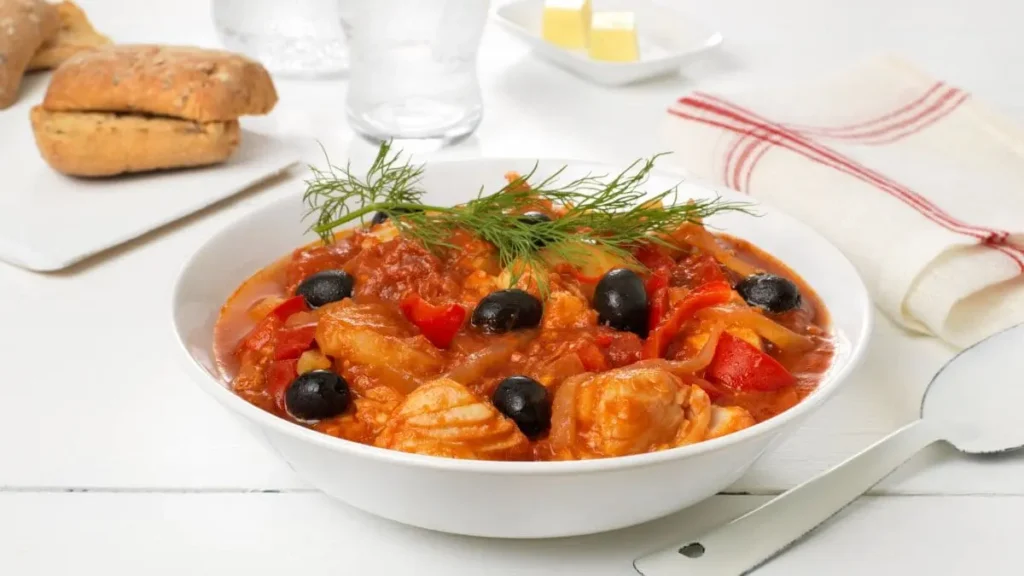
The clipfish casserole with tomato, called Bacalao, is a favorite in Northern Norway. However, Portuguese chefs have long been skilled in crafting a delicacy from Norwegian salted cod.

The “Bacalao from Norway” story is an exchange where Norway provided the salted, dried cod (known as klippfisk) to Iberian countries, such as Spain and Portugal, who then introduced the flavorful, Mediterranean-style stew, also called bacalao, back to Norway.

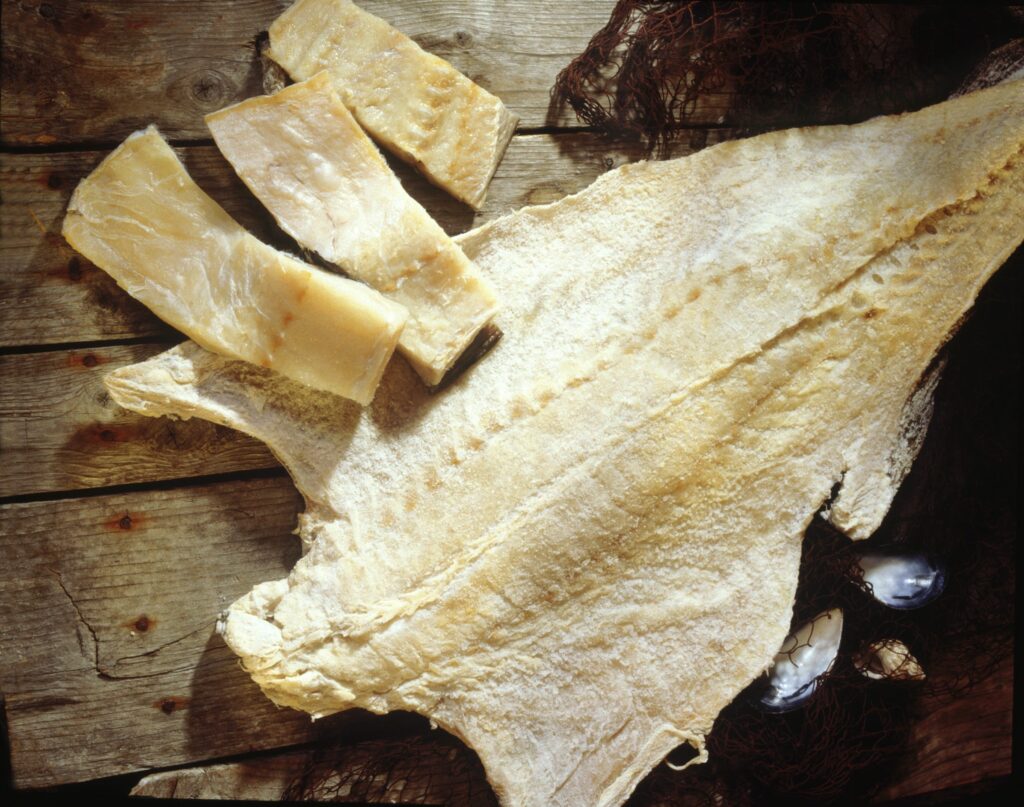
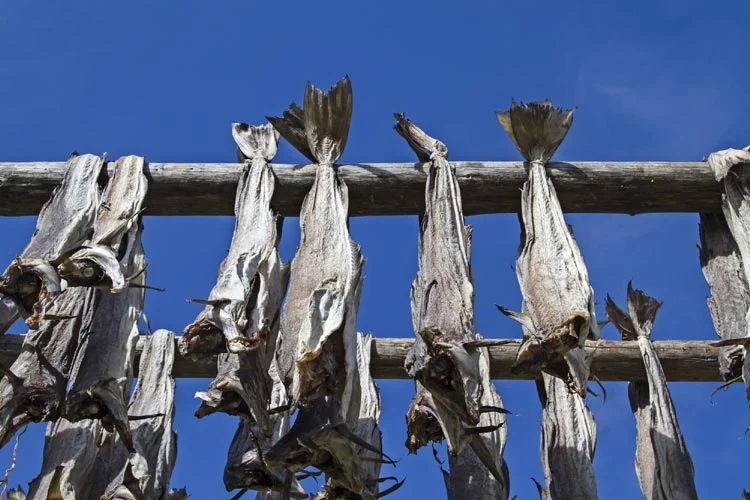
The tradition of preserving cod dates back to the Vikings, who referred to it as “stockfish” and took it on long voyages due to its high protein content and durability. Viking sailors and later Norwegian traders exported this durable, high-protein cod to southern Europe, where it became a staple due to Catholic traditions of meat abstinence during specific periods. The Norwegians eventually adopted and adapted the hearty stew to their own cuisine, making the Spanish-named dish a beloved part of Norwegian culinary tradition.

Bacalao: Portuguese Chefs Have Long Been Skilled in Crafting a Delicacy from Salted Cod from Norway
The tradition of preserving cod dates back to the Vikings, who referred to it as “stockfish”. Photo: Dybvik

The Portuguese distinguish between meat, fish, and bacalao. The word means cod, but what they are referring to is dried and salted clipfish. In the book “My Codfish Recipes”, Portuguese chef Vítor Sobral presents 500 ways to cook cod. This Codfish Confitado in Olive Oil and Garlic is one of them and one that will shine on any occasion.

Bacalao: Portuguese Chefs Have Long Been Skilled in Crafting a Delicacy from Salted Cod from Norway
Portuguese chef Vítor Sobral presents 500 ways to cook cod in his book “My Codfish Recipes”.

The word bacalao evokes images of salsa and samba rhythms, of the sun in southern climes, of white sandy beaches, Mediterranean cuisine, and dinner in sultry summer temperatures under a crow-black sky. But why? The clipfish that the bacalao is made of is Norwegian after all, and Northern Norwegian at that. Perhaps it’s just that it has been on a timeout in several Latin countries for a while?

However, the numbers don’t lie. Over 70 percent of all clipfish produced in Norway is shipped to Portugal, and Norway has just over 40 percent of the Portuguese market, but is working to increase its share. In recent years, tens of millions of Norwegian kroner have been spent on marketing Norwegian clipfish in Portugal.

Clipfish was once daily fare in Norway. It is said that many had nothing else to eat but dried herring and clipfish during the war. So, when the war ended in 1945, if two things were dropped from the menu, if one could afford to do so, it was the dried fish. Statistics on Norwegian eating habits seem to support this theory.

Bacalao: Portuguese Chefs Have Long Been Skilled in Crafting a Delicacy from Salted Cod from Norway
The drying process.

Bacalao is no longer the affordable food it once was in Portugal, but the Portuguese seem to care little about it. They consume an average of over 90 meals each per year, equivalent to approximately 60 kilograms of clean fish per person. And believe it or not, they also enjoy cod with their coffee in the form of pasteis de bacalhau, small cookies filled with cod.

At last, after several attempts to convince Norwegians of the attributes of clipfish without success, something twigged suddenly in the 90s. All of a sudden, clipfish was relaunched in the guise of bacalao in a series of exotic restaurants that were springing up across the country. Finally, we could say the word ‘clipfish’ without so many people wrinkling their noses.

The trade in clipfish became a vibrant cultural exchange, with Norwegians receiving spices and cultural traditions in return, including the now-famous dish. Vitor Sobral is a pioneer of Portuguese cuisine. He paved the way for a younger generation of innovative, world-class chefs and is known for experimenting with and evolving traditional Portuguese dishes.
When the term bacalao was coined, there was no established practice for delivering fresh cod to southern European countries. To export it, it therefore had to be thoroughly salted. It is only in modern times that it has become possible to supply southern Europe with frozen and, subsequently, fresh cod. This variety is known as bacalao fresco – fresh cod – whilst the thoroughly salted fish is still called bacalao.

Bacalao is often described as Norway’s most foreign dish because of its Spanish/Portuguese roots.

Bacalao is also a traditional Portuguese Christmas dish. One reason the dish became so popular is that the Catholic faith forbade people from eating meat on certain days. In several areas, especially in the north, the fish has been given the same status as meat.

It is said that dried fish was Norway’s very first export item. When clipfish was ‘invented’, it quickly became a threat to the Norwegian dried fish export industry. Southern Europe had had a taste of something that, after having been soaked, was far more versatile than fish that had been dried. What’s more, it had been preserved no less than three times; thoroughly salted, dried, and cured. This meant that the Spanish and the Portuguese could take it with them on their conquests of Latin America. This is how the new culinary tradition took root in these countries.

Bacalao: Portuguese Chefs Have Long Been Skilled in Crafting a Delicacy from Salted Cod from Norway
Bacalao is also a traditional Portuguese Christmas dish. Photo: Tine

Over time, the Norwegians adopted the dish, adapting it to their own palate and making it a traditional and popular meal, especially in coastal areas. Today, bacalao remains a significant part of Norwegian cuisine, with many recipes featuring tomatoes and other ingredients that create a hearty and flavorful stew.

“I never liked bacalao before I tasted aquavit,” says Kaja Moreite Nørholm Tinderholt, owner and manager of Restaurant Fyret in Oslo. “Now I enjoy both bacalao and the many new tastes of the spirit.” Her heart desires to get more people to open their eyes to aquavit. There are a variety of brands and flavors available, and many distilleries focus on flavors suitable for summer and women.

Bacalao: Portuguese Chefs Have Long Been Skilled in Crafting a Delicacy from Salted Norwegian Cod, written by Tor Kjolberg.

Feature image (top) © Godfisk.no

Swedish Military Recruitment Ad Without a Single Soldier, Weapon, or Battlefield

0

Recent military recruitment campaigns in Sweden, such as the 2024 “You have what it takes” campaign by Nord DDB, focus on inclusivity and highlight everyday teamwork rather than traditional combat imagery to attract a diverse range of recruits, particularly young women. So, the Swedish military recruitment ad was created without featuring a single soldier, weapon, or battlefield.

Without featuring a single soldier, weapon, or battlefield, the ad shows a woman giving a friend a piggyback across a bridge. Up flash the words, “Marching with a heavy bag….You have what it takes.”

The agency’s goal has been to provide a realistic view of military life, moving away from exaggerated or fictional portrayals. This campaign utilized a smartphone app with 35 assignments to simulate military jobs, allowing potential recruits to experience the true nature of the armed forces.

***********************************************
Related: Historical Swedish Military Rearmament Plan
***********************************************

Enlisting in the military is obligatory in Sweden; however, according to the regulations, “free will and motivation” must be given strong consideration in recruitment. At the same time, as many as a third of 18-year-olds answer “I don’t know” when asked if they are interested in military service. With conscription partially based on voluntary enlistment and an increasing need for recruits, this presents a clear challenge.

At a time when Sweden is rapidly rearming, this campaign is specifically targeting young women, who make up less than 20 percent of recruits.

Recent campaigns, such as one during Stockholm Pride, according to Sveriges Radio, used the slogan “come as you are,” emphasizing that the military is an inclusive organization regardless of gender, background, or sexual orientation.

The purpose of the communications campaign was partly to inform people about conscription and partly to motivate more people to enlist. As young people from non-Nordic backgrounds are generally particularly difficult to reach with official communications, this was a target group that was important to reach and influence.

****************************************
Related: In Case of Crises or War in the Nordics
****************************************

The goal of the Swedish Armed Forces is to have 30 percent of its recruits be women by 2030. “You have what it takes” was conceived with this plan in mind.

Some recruitment efforts highlight that skills needed in the military, like responsibility and teamwork, are also valuable in civilian life, as seen in a campaign by McDonald’s that drew parallels between military service and “Donkey” duty.

In 2024, women made up 19 percent of the Swedish armed forces, down from 24 percent in 2023; however, the numbers are heading in the right direction.

Swedish Military Recruitment Ad Without a Single Soldier, Weapon, or Battlefield, Tor Kjolberg reporting.

Scandinavian Heritage Walks: Lesser-Known Historic Trails

Walking old paths across Scandinavia reveals history in a way museums never can. Trails connect people directly to stories shaped by landscapes, traditions, and cultural practices. Read on and learn more about Scandinavian Heritage Walks: Lesser-Known Historic Trails.

In fact, walking these routes highlights how history is deeply ingrained in forests, coastlines, and villages. Local legends, Viking paths, and sacred sites still mark the ground where past generations traveled. Exploring these routes is more than just exercise—it’s a cultural discovery. On the other hand, skipping such trails means missing knowledge that only footsteps can unlock. This article explores lesser-known paths, presenting history where it first unfolded. Readers will find insight into trails shaped by heritage, strategies for responsible exploration, and practical tips for experiencing Scandinavian heritage walks.

Why Choose Lesser-Known Trails?

Walking lesser-known trails reveals history in ways crowded routes never provide. Travelers gain cultural insight without distractions from heavy tourism. Local traditions remain intact, shared directly by communities that still practice them. These paths highlight customs often overlooked in popular destinations. Smaller routes create space for reflection, providing walkers with a stronger connection to heritage. In contrast, busy trails reduce opportunities for meaningful connection with landscapes and stories. Then again, exploring hidden paths creates memorable moments shaped by silence, nature, and history. Local voices, folklore, and rituals naturally emerge along these routes. Travelers choosing them experience authentic heritage while supporting preservation. For this reason, hidden trails strengthen cultural respect while offering tranquil discovery.

Mountain behind a brown house
Smaller, less popular routes are great for peaceful walks and self-reflection. Photo: Lucas Kloeppel/Pexels

Scandinavian Heritage Walks – Exploring Hidden History

Scandinavian heritage walks offer insight into stories that shaped local identity for centuries. These trails highlight forgotten paths connecting villages, coastlines, and sacred grounds. Similarly, each route recounts daily life, trade, and migration. Walking them provides historical knowledge beyond textbooks. On the other hand, ignoring them risks losing cultural memory tied to these landscapes. Travelers encounter carvings, old markers, and ruins that narrate past livelihoods. Community guides often share legends that have been passed down through generations orally. These walks provide an insight into the history of where it first occurred. They link modern walkers with ancestors who once walked the same ground, ensuring stories remain alive in direct connection with place.

Trails Through Historic Villages and Settlements

Historic villages preserve architecture that shows how people lived across centuries. Walking trails connecting these villages provide open-air museums without walls. Then again, unlike crowded sites, these walks invite slower, more deliberate exploration. Visitors may see wooden churches, centuries-old houses, or stone-built farms. Locals often share food, craft traditions, and personal stories with travelers. Not to mention, trails between settlements reveal how communities grew near rivers, forests, farmlands, and other places you shouldn’t miss in Scandinavia.  Must-see places in Denmark for new residents include villages such as Ribe, the country’s oldest town, where medieval streets and Viking heritage remain visible.  Sweden and Norway maintain open villages that showcase farming traditions still alive today. Walking them reveals continuity between past and present.

A village nexct to sea.
Scandinavian heritage walks through villages are rich with history and culture. Phopto: op23/Pexels

Ancient Viking Pathways and Legends

Across Scandinavia, Viking trails still cross forests, coasts, and inland valleys. These pathways connected settlements for trade and defense. In contrast, modern roads cover distance quickly, but walking old Viking routes offers cultural immersion. Local stories describe warriors, voyages, and rituals associated with specific locations. Carved stones, burial sites, and ship outlines remain visible along particular trails. Then again, walking them brings a tangible link to the Viking past. For travelers, these routes combine exercise with history lessons under open skies. Villages nearby preserve artifacts that reinforce what the paths reveal. Exploring Viking trails supports heritage while introducing history in a living landscape.

Sacred Routes and Pilgrim Trails

Pilgrimage routes across Norway, Denmark, and Sweden shaped cultural and spiritual practices. Walking these trails links travelers with centuries of faith and community effort. Routes often pass historic churches, chapels, and quiet rest spots. Nevertheless, they provide more than just religious meaning, carrying stories of agriculture and trade as well. Modern walkers discover peace in the landscapes once traveled for devotion. Traditional markers guide visitors, some of which have been restored by local organizations. Each trail reflects resilience, as people once walked great distances in search of blessings or in pursuit of trade. For this reason, walking pilgrim trails today means honoring both devotion and cultural endurance in Scandinavia.

Church in a field
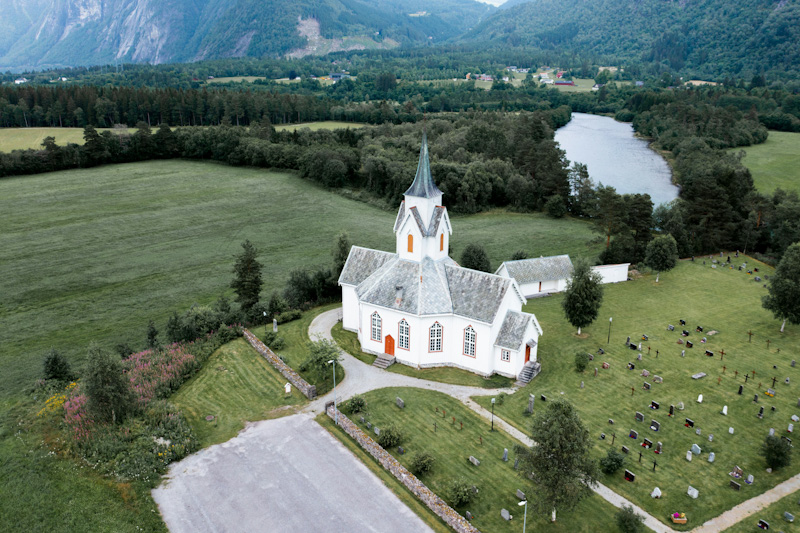
Beautiful historic churches and chapels will make you visit these landscapes again. Photo: Till Daling/Pexels

Nature as a Cultural Storyteller

Scandinavian landscapes hold stories within forests, coastlines, and mountains. Terrain shaped livelihoods by defining fishing, farming, and trade practices. Walking through wild areas reveals how geography influenced survival. Some trails use interpretive signs that explain human connections with the land. In contrast, other routes depend on local guides sharing oral history. Travelers may hear about harvest rituals tied to forests, or myths about sea creatures along coastal walks. Mountain paths tell of migration and seasonal livestock movement. On the other hand, without walking these landscapes, such connections remain hidden. Nature communicates history directly to those who choose to explore it carefully.

Preserving History Through Walking Tourism

Heritage trails survive through responsible walking tourism. Visitors are encouraged to support conservation by respecting local routes and communities. Careless exploration harms fragile sites and erases historic traces. To protect trails, organizations create programs encouraging sustainable tourism. Volunteers often restore signs, clear paths, or share local stories. Similarly, guides educate visitors on the importance of respecting both culture and the environment. Walkers can practice preservation by following simple steps:

  • Stay on marked trails
  • Respect sacred sites
  • Support local services
  • Share knowledge responsibly

With this in mind, every traveler contributes to maintaining trails for future generations. Then again, neglect could leave heritage forgotten. Responsible walking ensures that cultural stories remain part of the Scandinavian landscape.

Walking Into Living History

Walking historic paths in Scandinavia connects travelers with stories carved into landscapes, villages, and traditions. In fact, choosing lesser-known trails provides deeper cultural insight and helps preserve heritage. In short, every step uncovers history still alive in local communities. Travelers gain authentic experiences while supporting preservation efforts that protect these routes. Exploring these trails is more than travel—it is participation in living history. Scandinavian heritage walks remain gateways to understanding the culture, nature, and traditions that have evolved. For this reason, they are journeys worth taking for anyone seeking meaningful discovery.

Scandinavian Heritage Walks: Lesser-Known Historic Trails
Rebecca Anderson

Scandinavian Heritage Walks: Lesser-Known Historic Trails, written dedicatedly for Daily Scandinavian by Rebecca Anderson. Rebecca is a cultural travel writer who focuses on history, walking tourism, and authentic heritage experiences. She highlights overlooked traditions and meaningful destinations across Europe. Rebecca’s work inspires readers to explore with respect, curiosity, and a connection to local stories that shape the landscapes and communities of today.

Feature image (top)© Nextvoyage/Pexels


Global Tourist Destinations Are Adopting Copenhagen’s Praised Initiative to Promote More Conscious Travel

0

Several tourist destinations are now planning to adopt a local version of the Copenhagen initiative, CopenPay, which enables tourists to “pay” for local experiences with conscious actions and give back to the destinations they visit. Now, global tourist destinations are adopting Copenhagen’s praised initiative to promote more conscious travel. 

Massive popular resistance, water guns, and locals demonstrating are the reality in many big cities and popular tourist destinations around the world, where tourism faces issues with overcrowding and visitor behavior. In clear contrast to these negative scenarios, Copenhagen has taken a forward-thinking initiative by engaging and rewarding tourists for their behavior. CopenPay aims to inspire and nudge travelers about the choices they make while traveling.

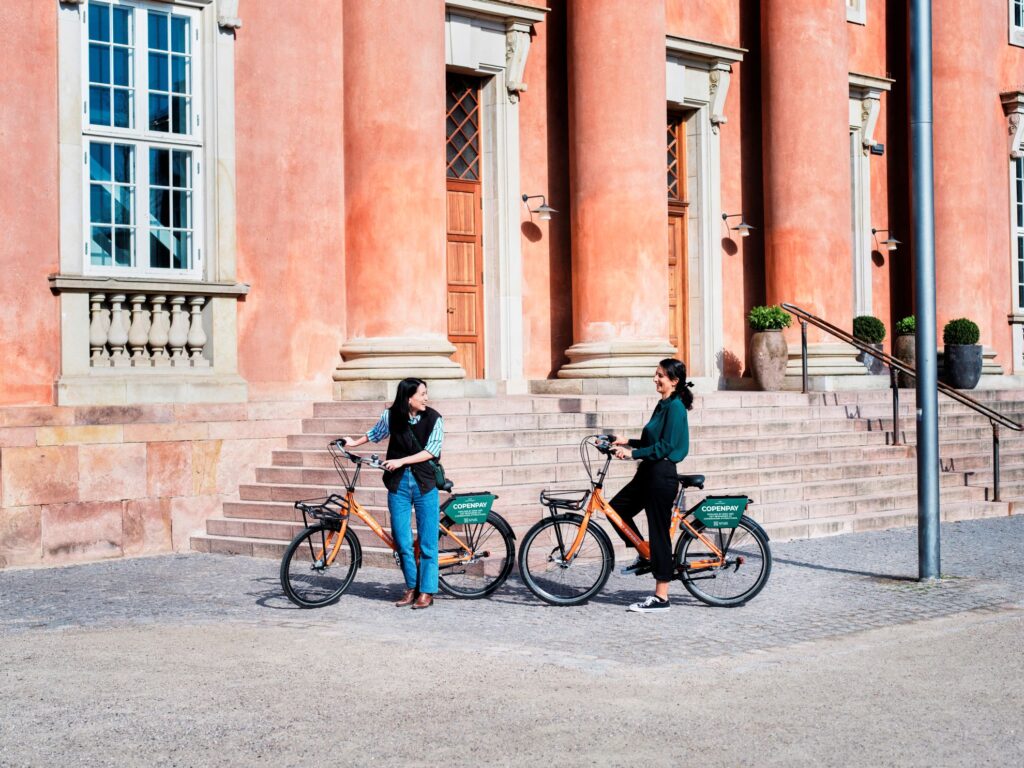
Copenhagen offers free boat tours, bike rentals, and even a free lunch to tourists who collect litter, choose public transportation, or help out in a communal garden. Last summer, the Danish Capital launched a new positive approach to tourism – CopenPay, rewarding tourists for making more conscious choices. For its second run this summer, Copenhagen now also rewards tourists who arrive by train and is further encouraging tourists to travel less by offering more extended stays.

And now the positive Copenhagen approach is spreading internationally, as several cities and tourist destinations plan to create their own local incentive schemes inspired by ‘CopenPay’.

Global Tourist Destinations Are Adopting Copenhagen’s Praised Initiative to Promote More Conscious Travel
Last summer, the Danish Capital launched a new positive approach to tourism – CopenPay, rewarding tourists for making more conscious choices.

Berlin, Bremen, and Helsinki

Since launching the CopenPay initiative, Wonderful Copenhagen, the tourist board of Copenhagen, has been in contact with a wide range of other cities and tourist destinations, all of which are interested in adopting a local version of CopenPay.

“Since launching CopenPay last summer, we’ve been met by an enormous interest from cities and tourist boards from Europe, Asia, and North America, all wanting to know more about CopenPay and our learnings. So far, we have shared insights on CopenPay with more than 100 interested parties. As we aim to contribute to a positive change globally, we are happy to share,” says Søren Tegen Petersen, CEO at Wonderful Copenhagen.

Global Tourist Destinations Are Adopting Copenhagen’s Praised Initiative to Promote More Conscious Travel
Søren Tegen Petersen, CEO at Wonderful Copenhagen.

One of those cities considering its own version, inspired by Copenhagen, is Berlin.

”CopenPay stands out as an inspiring example of how creative measures can effectively raise awareness for more sustainable travel. In Berlin, we share this ambition and are currently considering setting up a similar concept tailored to Berlin, in close collaboration with our partners from the visitor economy,” says Sabine Wendt, CEO of VisitBerlin.

Also, the capital of Finland is considering local initiatives, inspired by CopenPay:

“CopenPay is a great initiative, and we would be delighted to build upon that spirit in collaboration with other destinations — aiming even higher, together. As a city situated by the sea, Helsinki is eager to collaborate across the Nordics and the Baltics to promote regenerative tourism and to launch a shared initiative focused on the restoration of the Baltic Sea”, says Tourism Director Nina Vesterinen, City of Helsinki.

In the German city of Bremen, they’ve launched a cooperative campaign with Deutsche Bahn, now developed further, inspired by CopenPay:

“This year, Bremen Tourism once again launched a cooperative campaign with Deutsche Bahn to put the spotlight on sustainable travel. CopenPay served as a major inspiration, guiding us to develop new, creative ways to reward climate-friendly travel behavior actively. Overnight guests arriving in Bremen by train received a surprise bag filled with vouchers and small gifts from various local tourism businesses. Our visitors received the campaign very well and have encouraged us to expand the concept further, thereby strengthening Bremen as a sustainable destination. For 2026, we are planning an even larger initiative,” says Oliver Rau, Managing Director of Bremen Marketing and Tourism, Wirtschaftsförderung Bremen GmbH.

Global Tourist Destinations Are Adopting Copenhagen’s Praised Initiative to Promote More Conscious Travel
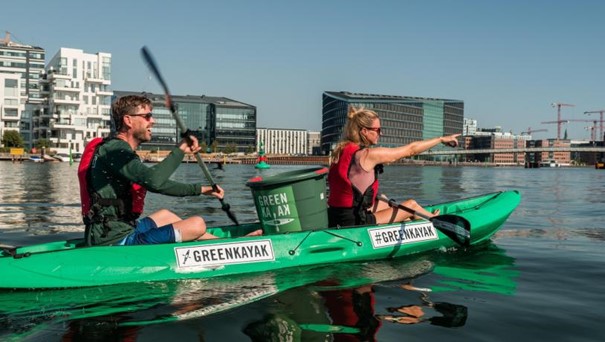
Copenhagen offers free boat tours, bike rentals, and even a free lunch to tourists who collect litter or choose public transportation. Photo: Visit Copenhagen.

Global potential says expert

The UN projects a steep increase in global travel, with the number of arrivals expected to rise globally from 1.4 billion in 2019 to 1.8 billion in 2030 – underscoring the need to reconsider how we travel. And CopenPay is all about raising awareness about the choices we all make as tourists.

The potential for developing local versions inspired by the Copenhagen initiative extends to destinations around the globe, says Rodney Payne, CEO of Destination Think, a Canada-based consulting agency specializing in forward-thinking development in the global tourism industry.

“With CopenPay, Copenhagen proves that bold ideas can inspire global change. This innovative model shows other destinations how to engage visitors in ways that are both sustainable and deeply connected to local life, where travelers become active participants rather than passive consumers. So CopenPay holds huge potential for destinations around the world to adopt into their own local version,” says Rodney Payne.

Global tourist destinations are adopting Copenhagen’s praised initiative to promote more conscious travel, based on a press release from Visit Copenhagen.
Feature image (top) © Daniel Rasmussen.

Mega Cruise Ship Built in Finland

At 365 meters long and 20 decks high, the scale of the Star of the Seas is more in keeping with a moveable skyscraper than a boat. The mega cruise ship is built in Finland.

The Star of the Seas is a new, large cruise ship from Royal Caribbean International and the second in its Icon Class of ships, having begun service in August 2025. Built in Finland, the boat features the largest waterpark at sea, with six waterslides, the largest ice-skating arena in the fleet (Absolute Zero), and seven pools, including a suspended pool, as well as diverse dining and entertainment options. It is powered by liquefied natural gas (LNG) and sails from Port Canaveral, Florida.

Mega Cruise Ship Built in Finland
Sister ship Icon of the Seas.

She was built by Meyer Turku in Finland. At 248,663 gross tonnage (GT), Star of the Seas shares the title of the largest cruise ship in the world with her sister ship, Icon of the Seas.

**********************************************
Related: Romantic Port for Giant Cruise Ships in Norway
**********************************************

At its handing-over ceremony at Meyer shipyard in Turku, the owners confirmed it was the largest cruise ship ever built – an honor that it shares with its less-than-humbly-named sister vessel Icon of the Seas.

Steel cutting for the ship began on 15 February 2023. The name was announced on 5 October 2023, the keel was laid on 15 December 2023, and the ship was floated out on 25 September 2024. The sea trials took place in spring 2025and the vessel was delivered in July. Service started on 16 August 2025.

Mega Cruise Ship Built in Finland
Star of the Seas shares the title of the largest cruise ship in the world with her sister ship, Icon of the Seas (above).

************************************************
Related: The Benefits of Taking a Scandinavian Cruise
************************************************

Shipbuilding is a significant force in Finland. It employs 30,000 people and contributes €12bn to the economy every year. In Turku, that strength is matched by momentum. Four more vessels of the same class are in the works, ensuring that shipbuilding – and, as brands see it, world-building – remains a modern point of pride for Finland’s oldest city.

Mega Cruise Ship Built in Finland, edited by Tor Khjolberg

Seaborne Adventure Between Two Capitals, Two Cultures, and Countless Stories

0

The Oslo–Copenhagen route is notable as the world’s oldest continuously operating passenger ferry route, operated by DFDS A/S. Operated since 1867 and sold to Swedish operator Gotlandsbolaget last year, we wanted to find out if or how the Swedes have upgraded the two ships. Read on and learn more about the seaborne adventure between two capitals, two cultures, and countless stories.

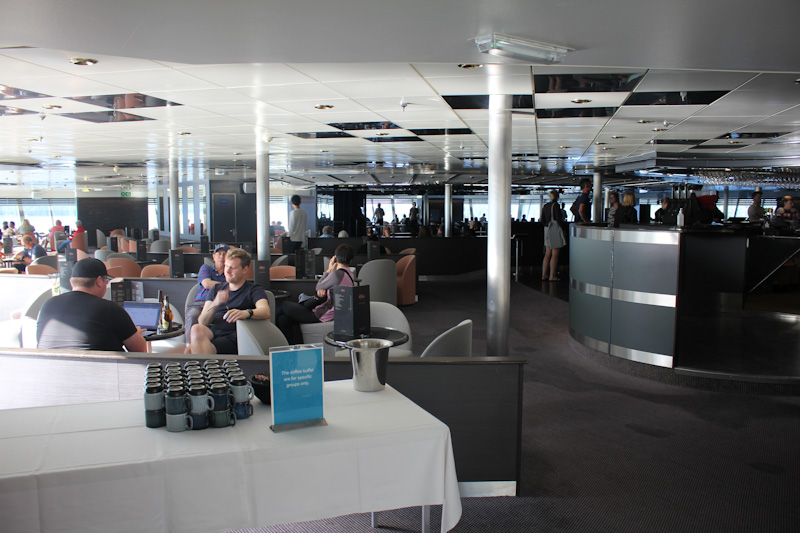
As part of our mission, we have visited Copenhagen countless times to write about the capital’s attractions and soul, as well as its history and business life. Most of the time, we have sailed on the two ships, Crown of Scandinavia and Pearl of Scandinavia.

We must admit that on our last trips, the boats seemed run-down, the cabins smelled of stale tobacco, and even the crew seemed tired.

Seaborne Adventure Between Two Capitals, Two Cultures, and Countless Stories
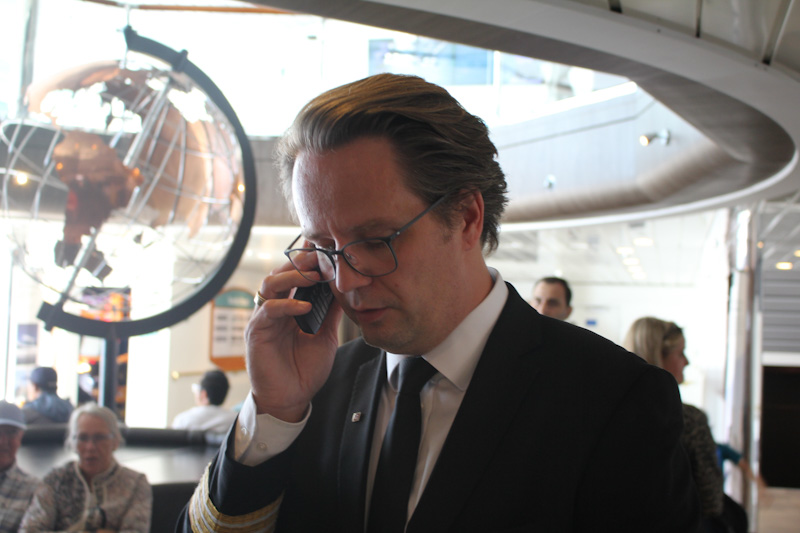
The purser on board the Nordic Pearl shared his experiences with us regarding the renovation of the ships.
Seaborne Adventure Between Two Capitals, Two Cultures, and Countless Stories
Commodore de luxe cabin.

During our recent voyage, the purser on board the Nordic Pearl shared his experiences with us regarding the process. Asking what he experiences as the most important change, he says, “To me, it is the upgrading of the cabins. It is obviously the best thing that has happened.”

Seaborne Adventure Between Two Capitals, Two Cultures, and Countless Stories
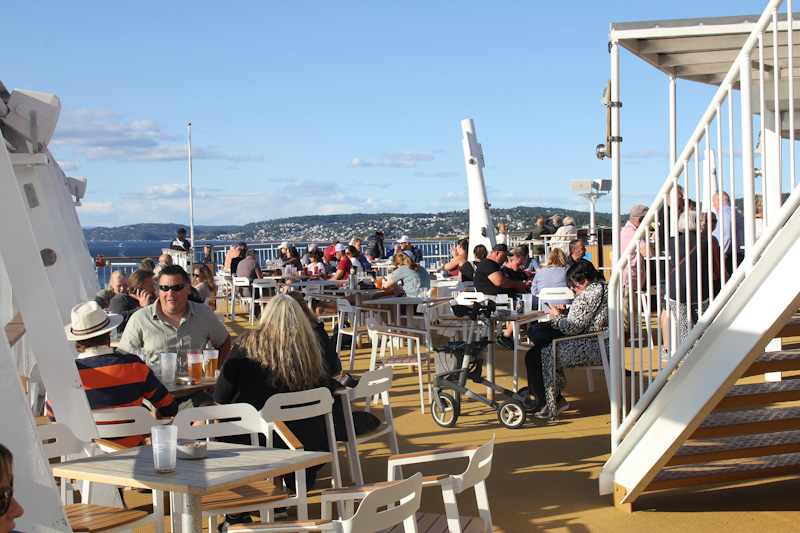
Passengers enjoying the sundeck on board.

Nordic Pearl (and Crown) isn’t one of those giant floating cities – more like a cozy hotel drifting on the sea. On the first day, we stood on the deck, watching the coast along the Oslo Fjord with its charming small houses, lush vegetation, and gentle valleys, and sailboats and small motorboats playing in the waves from the ship. You can enjoy watching the shore for more than three hours!

Seaborne Adventure Between Two Capitals, Two Cultures, and Countless Stories
You can enjoy watching the shore for more than three hours!

Conferences on board

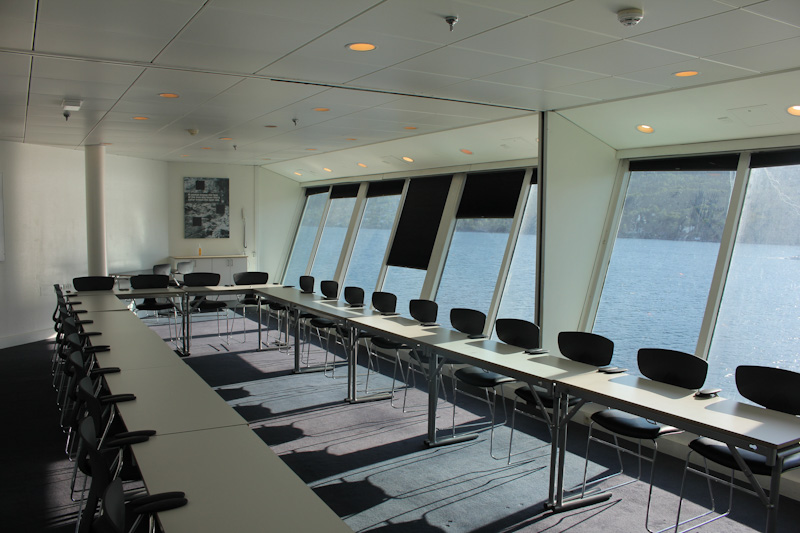
Companies and organizations can combine business and leisure by utilizing the ship’s professional Conference center. Nordic Pearl (and its sister ship) offer a unique and inspiring setting equipped with advanced multimedia and AV technology, catering, and dedicated conference services, creating a seamless blend of work, relaxation, and exploration.

Seaborne Adventure Between Two Capitals, Two Cultures, and Countless Stories
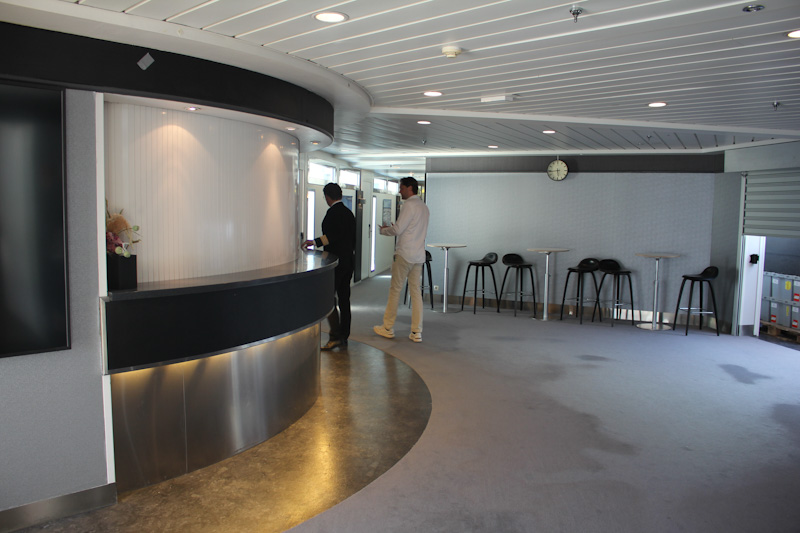
Companies and organizations can combine business and leisure by utilizing the ship’s professional Conference center.
Seaborne Adventure Between Two Capitals, Two Cultures, and Countless Stories
One of the conference rooms on board.

More time in Copenhagen

In the summer of 2020, DFDS reintroduced a stop at Frederikshavn on the route after a 46-year hiatus, creating a Copenhagen–Frederikshavn–Oslo connection. For passengers with return tickets, this reduced the available time in Copenhagen by two hours. The new shipowners have dropped the Fredrikshavn stop, and passengers can once again enjoy more time in the Danish capital.

Seaborne Adventure Between Two Capitals, Two Cultures, and Countless Stories
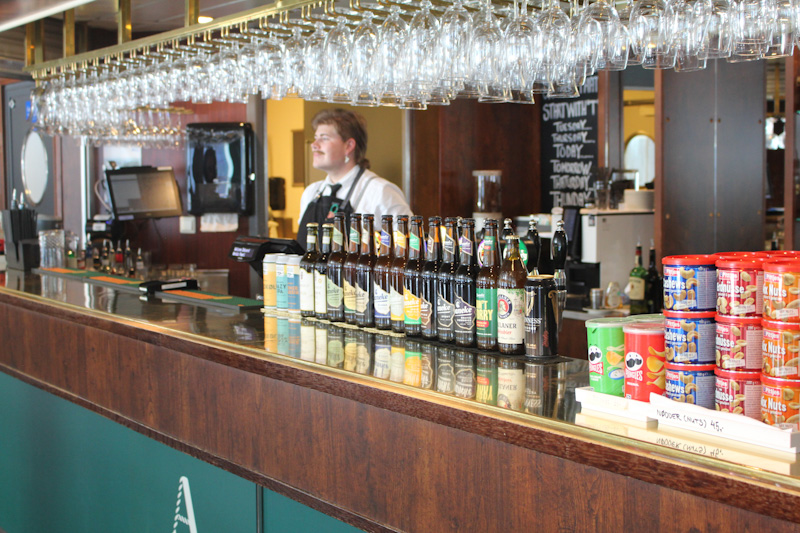
From one of the bars on board.

New Name – Same Harbor

A guitar man played softly in a nearby bar, while strangers clinked glasses under strings of light. My photographer and I felt suspended between places and times, as if the ship was carrying us into a new version of itself.

Seaborne Adventure Between Two Capitals, Two Cultures, and Countless Stories
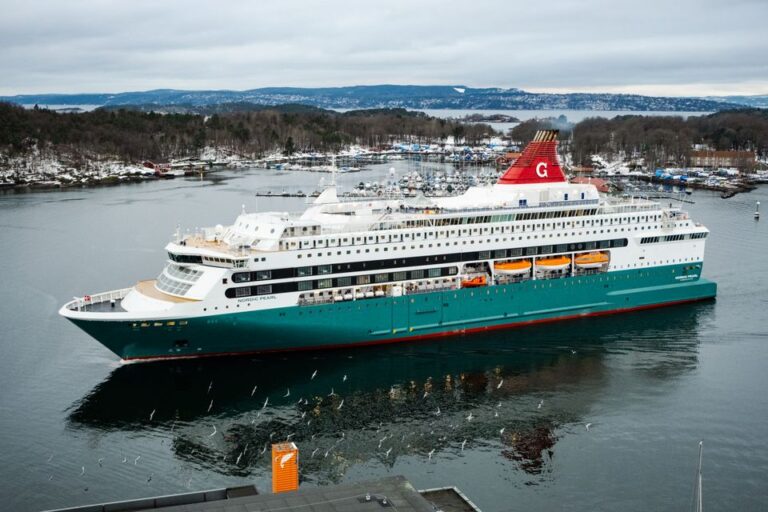
Pool area of Nordic Pearl in Oslo harbor.

A tour of the cabins showed that they were upgraded and inviting, even the smallest ones without a view. The company slogan is now “Nytt navn, samme havn” (New name, same harbor). DFDS has become “Go Nordic Cruise Lines”. The Nordic spirit is part of every step of the journey. From the aqua-green hulls of the ships, Nordic Crown and Nordic Pearl, inspired by local seas, to the subtle Nordic flavors in the onboard restaurants, every detail reflects the Nordic roots.

Seaborne Adventure Between Two Capitals, Two Cultures, and Countless Stories
Preparing our food.

Excellent Restaurants

Nordic Pearl has four excellent restaurants. I must admit that our meal was a step up in quality compared to my last voyage to Copenhagen (*), and the service was of superior standard.

We were offered a harmonious combination of fresh, seasonal ingredients prepared with respect and balanced with the chef’s distinctive personal touch to create a memorable experience. I would say that the food on board has undergone an extraordinary improvement.

Seaborne Adventure Between Two Capitals, Two Cultures, and Countless Stories
The young sommelier offering us an aperitif based on Njord Gin Small Batch Mystery.
Seaborne Adventure Between Two Capitals, Two Cultures, and Countless Stories
Our Njord Gin Cocktail.

At the Explorer a la carte Restaurant, it all started with the young sommelier offering us an aperitif based on Njord Gin Small Batch Mystery.

Seaborne Adventure Between Two Capitals, Two Cultures, and Countless Stories
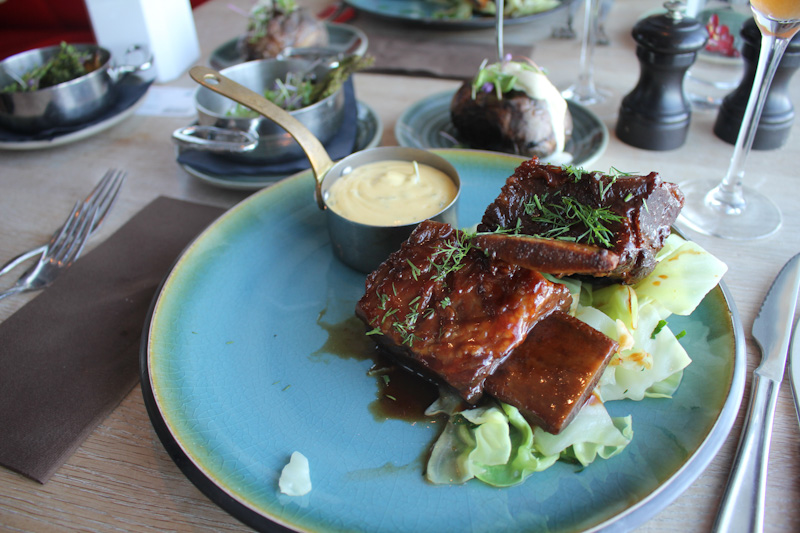
Black angus ribeye steak

Then we had a black Angus ribeye steak with homemade béarnaise sauce and a baked potato. It was bursting with robust beef flavor and juicy, with generous marbling. It was one of the most tender beef cuts I’ve ever been served. The main dish was accompanied by a 2022 Chateau de Vieux Guinot Saint-Émilion.

Seaborne Adventure Between Two Capitals, Two Cultures, and Countless Stories
Our waiter Felix serving wine.

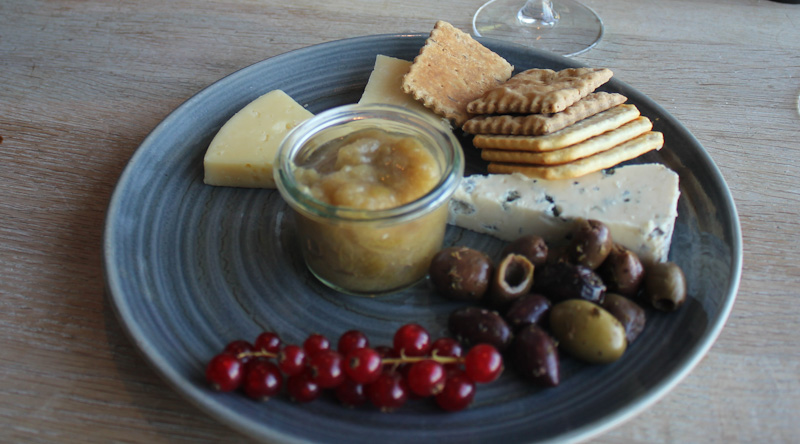
For dessert, we had a cheese platter accompanied by the sommelier’s choice, a Rojal Tokaij 2018.

Seaborne Adventure Between Two Capitals, Two Cultures, and Countless Stories
For dessert we had a cheese platter.

On our return, we chose the Nord a la carte restaurant, where we enjoyed Nordic and international delicacies of the highest quality.

A Route Steeped in History

The route, carrying over 700,000 passengers annually, has been a treasured service in the region. The ferry between Oslo and Copenhagen isn’t just a way to get from A to B—it’s a floating cultural icon. Known affectionately in Norway as the “Danskebåten” (“the Danish boat”), it has long been both a practical link and a playground for generations of Scandinavians.

Historically, passengers were amazed at the luxury compared to land travel. Freshly made beds, hot meals, and the chance to socialize at sea made the trip glamorous. For many Norwegians, it was their first taste of “continental Europe.”

Seaborne Adventure Between Two Capitals, Two Cultures, and Countless Stories
For Norwegians, the Danskebåten often symbolized freedom—a chance to drink cheaper beer, buy Danish pastries, or enjoy continental fashion and culture.

For Norwegians, the Danskebåten often symbolized freedom—a chance to drink cheaper beer, buy Danish pastries, or enjoy continental fashion and culture. For Danes, it was a bridge to Norway’s fjords and mountains, adding a touch of adventure. Countless stories exist of romances blossoming onboard, bachelor parties that became legendary, and families who made the cruise an annual tradition.

Even with new owners and names, the spirit of the journey remains unchanged.

(*) The link from 2014 is from one of my many crossings, not my last voyage with DFDS.

Seaborne Adventure Between Two Capitals, Two Cultures, and Countless Stories, written and photographed by Tor Kjolberg in collaboration with Thomas Øgård.
Feature image (top) © Hans Kristian Riise/Oslo Havn.


Sweden and Its Relationship with NATO – an Overview

0

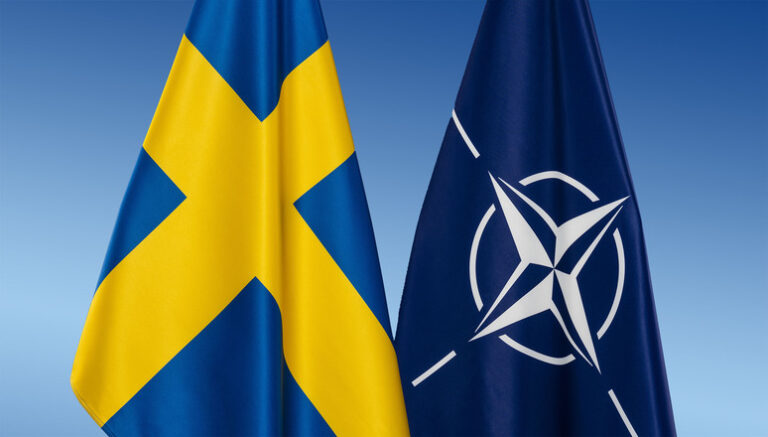
After 30 years of close partnership with NATO, Sweden joined the Alliance on 7 March 2024. Sweden’s cooperation with NATO was historically based on its policy of military non-alignment, which changed following Russia’s full-scale invasion of Ukraine in February 2022. In this overview, you can learn more about Sweden and its relationship with NATO.

Russia’s sharp escalation of aggression against Ukraine in 2014 marked a turning point for both NATO and Sweden. In the face of Russia’s brutal violation of basic principles of international law and the UN Charter, the Alliance was forced to reconsider its perception of Russian behavior and its own concept of security. This led to gradual changes in official NATO documents and strategic planning. The same changes apply to Sweden, which has had to improve its awareness of the evolving nature of its immediate neighborhood, especially given that the Baltic countries and Finland, Stockholm’s closest partner, felt threatened by Russia’s behavior and its geographical proximity.

The application process began in May 2022, and while Sweden had a history of close cooperation with NATO through programs like Partnership for Peace, full membership brings new responsibilities and challenges. Sweden’s membership enhances NATO’s capabilities with its advanced military, strategic geographical location in the Baltic Sea, significant civil defense, and expertise in Nordic conditions.

Sweden and Its Relationship with NATO – an Overview, article continues below the map.

Sweden and Its Relationship with NATO – an Overview
NATO has 32 member countries.

NATO is a defense Alliance whose purpose is to safeguard the Allies’ freedom and security. The Alliance has 32 member countries. The North Atlantic Treaty serves as the foundation of NATO. Here, you will find information about the government’s work and policies in NATO, as well as what NATO membership means for Sweden.

Cooperation began when Sweden joined the Partnership for Peace (PfP) program in 1994 and the Euro-Atlantic Partnership Council (a multilateral forum for dialogue that brings together all Allies and partner countries in the Euro-Atlantic area) in 1997.

For centuries, Sweden maintained a policy of non-alignment, but Russia’s aggression in Ukraine led to a shift in policy and reassessment of its security.

For many years before its accession, Sweden had been one of NATO’s most active partners and a valued contributor to the NATO-led Resolute Support Mission in Afghanistan, the Kosovo Force (KFOR) in Kosovo, and NATO Mission Iraq (NMI).

Sweden formally applied for NATO membership on May 18, 2022. The 30 Allies signed the Accession Protocols for Sweden (as well as for Finland) the following day, giving them the status of ‘Invitee’.

Sweden became a full member of NATO when the Instrument of Accession was deposited in Washington, D.C on 7 March 2024. By becoming a full NATO member, Sweden has acquired a new identity in its foreign and security policy.

Sweden and Its Relationship with NATO – an Overview, article continues below the image.

Sweden and Its Relationship with NATO – an Overview
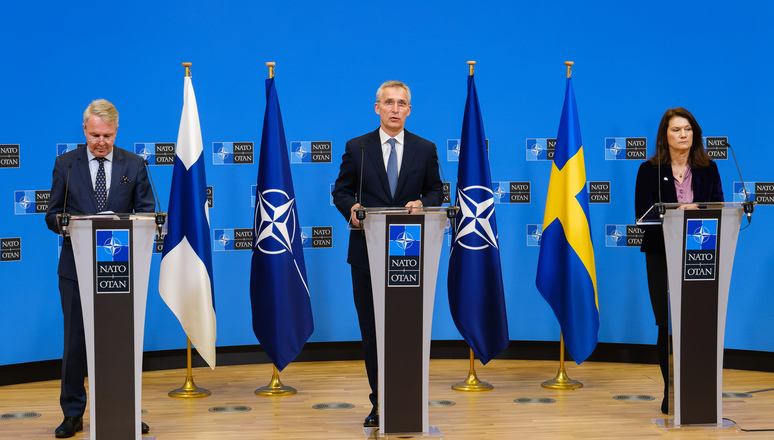
Press conference with NATO Secretary General Jens Stoltenberg, the Minister for Foreign Affairs of Finland, Pekka Haavisto and the Minister for Foreign Affairs of Sweden, Ann Linde.

*********************************************
Related: Historical Swedish Military Rearmament Plan
*********************************************

What does it bring to the future?

The implications for Sweden’s security and foreign policy, as well as for the Alliance, are evident. Stockholm has agreed to assume a greater responsibility in ensuring national security and the security of the region, including the Baltic Sea, Northern Europe, and the Arctic. By abandoning neutrality, strengthening ties with NATO, and supporting Ukraine, Sweden is positioning itself as one of the key players in shaping the future of European security. NATO, in its turn, by incorporating Sweden, becomes a proactive Northern player. Stockholm contributes to NATO’s expertise on the region by sharing its knowledge, as well as its territory and corresponding facilities. With every member, the Alliance gets stronger, both politically and militarily.

Sweden and Its Relationship with NATO – an Overview, compiled by Tor Kjolberg