
Freedom to Roam in Scandinavia

The freedom to explore nature is considered a birthright of most Scandinavians, and the politicians have seen fit to put that inheritance into law.

Since 1957 Norway has had a Lov om friliftslivet (Outdoor Recreation Act), which states succinctly: “At any time of the year, outlying property may be crossed on foot, with consideration and due caution.” In Norway the terms utmark and innmark divide areas where the right to roam is valid (utmark, “land outside”) and where it is invalid or restricted (innmark, “land inside”).
300616-hiking
In later years the right has come under pressure particularly around the Oslo Fjord and in popular areas of Southern Norway. These areas are popular sites for holiday homes and many owners of coastal land want to restrict public access to their property. As a general rule, building and partitioning of property is prohibited in a 100-meter zone closest to the sea, but local authorities in many areas have made liberal use of their ability to grant exemptions from this rule. However, even if a land owner has been permitted to build closer to the shore, he may not restrict people from walking along the shore. Fences and other barriers to prevent public access are not permitted (but yet sometimes erected, resulting in heavy fines).
From Sweden
From Sweden

In Sweden, the freedom to roam is called Allemansrätten (Everyman’s Right).

From Öland, Sweden
From Öland, Sweden

Everyone is permitted to camp anywhere for a night, or walk, ski or paddle a canoe anywhere, as long as the area is not fenced in or in close proximity to a private home, but all visitors are expected to show consideration for farmers and landowners.

Private property
Private property

Since 1994 the Instrument of Government says that notwithstanding the right to own property “everyone shall have access to nature in accordance with allemansrätten“. What this means is not further explicated on in the constitution, and only sparsely in other legislation, but the Swedish right to roam comes with an emphasis being placed upon the responsibility to look after the countryside; the maxim is “do not disturb, do not destroy”.
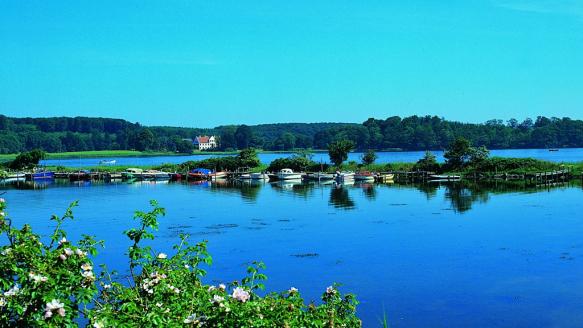
From Funen, Denmark
From Funen, Denmark

Due to the compact size and dense populations, Danes and visitors do not enjoy the right to access in the same way as in the two other Scandinavian countries. This means that it is generally illegal to pitch a tent outside the organized commercial camping grounds.

Geiranger fjord, Norway

Feature image (on top): From Sweden

Freedom to Roam in Scandinavia, compiled by Admin

Edvard Munch through the Eyes of Andy Warhol

Edvard Munch (1863-1944) and Andy Warhol (1928-1987): An Unlikely Pair. While Andy Warhol was detached and impenetrably cool, Edvard Munch was tortured and brooding.

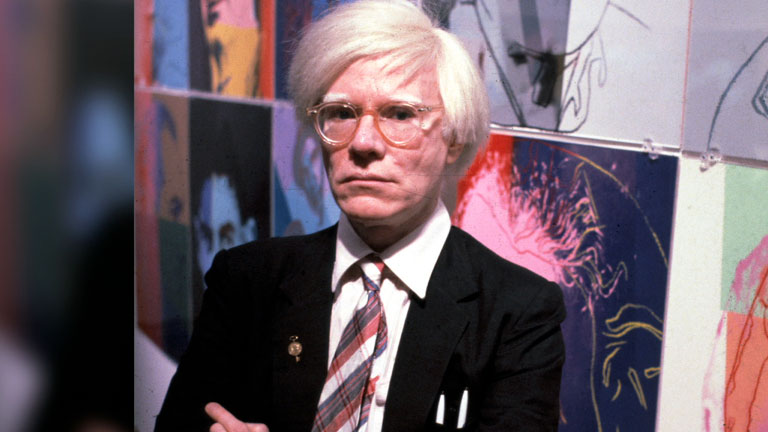
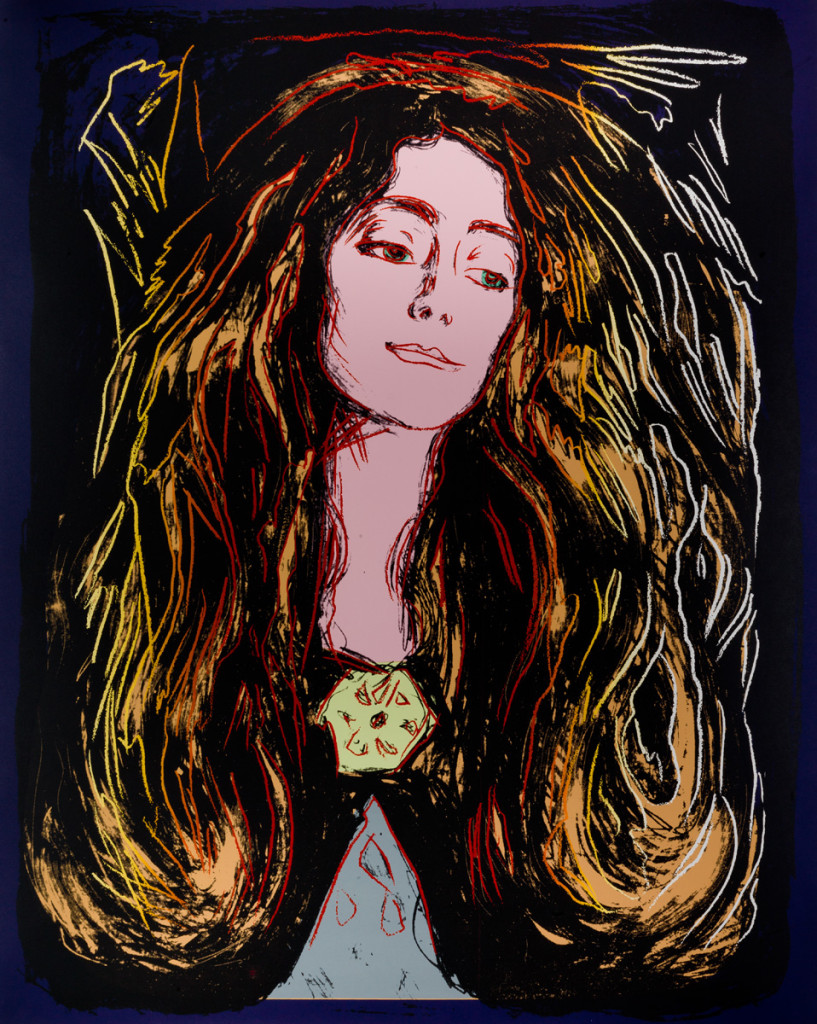
After an Edvard Munch exhibition at Galleri Bellman in New York In 1982, the gallery approached Andy Warhol to put his spin on Munch’s images. Warhol visited Oslo to see Munch’s dark lithographs in person, and in 1984, together with his master printer Rupert Jasen Smith, he created his trial proofs on a series based on four of his Norwegian predecessor’s works, “The Scream”, “Madonna”, The Brooch, Eva Mudocci” and “Self-Portrait”.

Andy Warhol
Andy Warhol

Warhol’s interpretations showed a surprising link between the two artists, which has led to several exhibitions of works by the two artists up to this day.

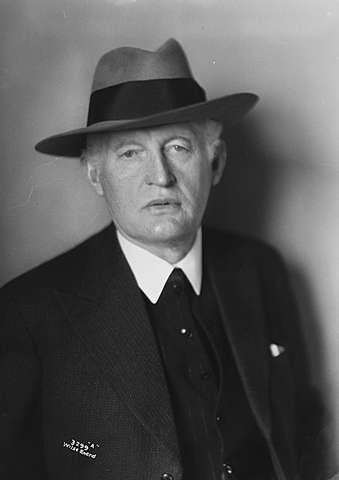
Edvard Munch 1933
Edvard Munch 1933

A more fascinating and successful fusion of Scandinavian and American art might be difficult to conjure up. Warhol has also appropriated works by artists such as Leonardo da Vinci, Sandro Botticelli and Giorgio de Chirico, but while he has distorted most of these, his prints after Edvard Munch have left tracing intact.

230616-munch-warhol-catalogue
Munch was different. In her 2013 catalogue essay Patricia G. Berman, Professor of art history at Wellesley College and the University of Oslo, as well as the New York exhibition’s co-curator, writes, “If Warhol offered himself up as surface, Munch was all impenetrable depth.”

Munch was perhaps as internal and problematic as an artist can get, while Andy Warhol on the contrary made no attempt to conceal that he was all about surface. One time he even stated, “I love plastic. I want to be plastic.”

Eva Mudocci, by Andy Warhol

Still there are considerable similarities in the two artists’ life and art. Munch made multiple of his prints and distributed them throughout Europe, and consumerism was also at the core of Warhol’s work. Both Munch’s “Scream” and Warhol’s “Soup Cans” have been tapped by consumerism.

As Berman rightly points out, “the resulting prints and paintings have impact precisely because the works of both artists are so well known.”

Munch-Warhol at Christiania Museum of Modern Art, Copenhagen

“Munch and Warhol were both prolific and experimental printmakers. They were both masters of self-invention, and they were both savvy businessmen. Their images find many similarities in the ways in which the two artists built their careers by carefully controlling their public personas and artistic production.”

Both artists used the alterations of color to create different moods in each edition, and the repeating prints show how firmly both grasped the power of the image.

We may ask ourselves: “What is original? What is copy? And does it really matter?” In some of Munch’s works, you can see his own delicate hand-tinting (he used washi, or Japan paper for color) and if we shift our gaze, we will see the more modern silkscreen techniques used by Warhol.

Feature image (on top) Madonna and Self Portrait ny Andy Warhol

Edvard Munch through the Eyes of Andy Warhol, written by Tor Kjolberg

Stumbling Stones in Norway

0

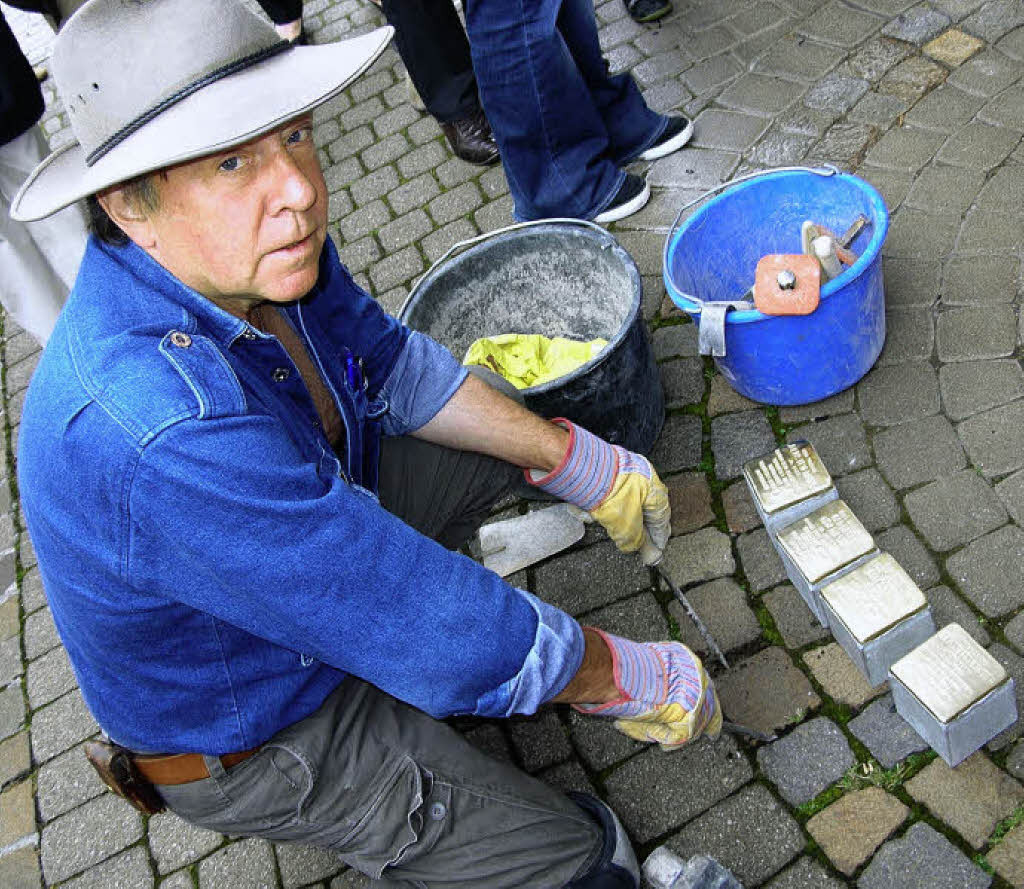
In 1990 the Berlin-born artist Gunther Deming marked in chalk the route taken by Cologne’s gypsies when they were deported in 1940. Three years later an older woman gave him an idea, leading to his stumbling stone project.

At first he placed the stones for Jewish WWII victims without official permission, but Germany made it legal in 2000, and by now he has personally placed almost 38,000 stumbling stones in over 650 German towns and cities, nearly 5000 in Berlin alone.

290616-Gunter-Deming
He has also been invited to place stones in over hundred places in countries surrounding Germany, including Norway, where more than 70 stones will be placed in the course of 2016.

The German city Munich, however, implemented a ban on the stones 12 years ago, when Charlotte Knobloch, leader of the city’s Jewish community and former president of the Central Council of Jews in Germany, claimed they were not respectful of the victims they intend to honor.

290616-norwegian-stumbling-stone
But brick by brick Deming’s “stumbling stones” or Stolpersteine are changing how the Holocaust is publicly remembered in Europe.

In Norway, the Jewish Museum in Oslo is responsible for researching the history of the victims and laying the stones inscribed with their names. A stumbling stone is a cobblestone-size (10 by 10 cm or 3.9 x 3.9 in) concrete cube bearing a brass plate inscribed with the name and life dates of individual victims of German Nazism. They aim at commemorating individual persons at exactly the last place of residency – or sometimes work. “Here lived” (Norwegian, “Her bodde”) begins the inscriptions engraved on every one.

Jewish museum, Oslo, Norway

“This is my life’s work. I will continue for as long as I’m able,” says Demnig. “Giving names back to the dead is a way of keeping them alive.”

Stumbling Stones in Norway, written by Tor Kjolberg

Zealand Coast Around Copenhagen

Heading north along the east coast from the Danish capital, Copenhagen, at the town of Helsingør you can be excused for thinking you’ve travelled back in time. Here an impressive fairy tale castle stands sentinel over the Øresund (the sound between Sweden and Denmark), which at that point is only four kilometers wide. Called Kronborg, it is perhaps better known as Elsinore in Shakespeare’s Hamlet.

Kastrup Sea Bath, Copenhagen

Denmark is made up of more than 400 islands, and Zealand is the largest of them. Since 2000, Zealand has permanently connected to the Swedish mainland by the very impressive Øresund bridge, which is almost eight kilometers long. Many people now use it to commute, crossing the sound every day to work in Malmö (at the Swedish end).

Land of Legends, Sagnlandet, Leire

Wherever your adventures on the island take you, it will never be far from a beach. Even around Copenhagen there are great opportunities for a dip and in the Øresund, not far from the center of the capital, are three very special saltwater swimming baths. Camp just outside the city within the ramparts of a 19th-century fortress and start your urban explorations with a refreshing swim after following a traffic-free cycle path into town.

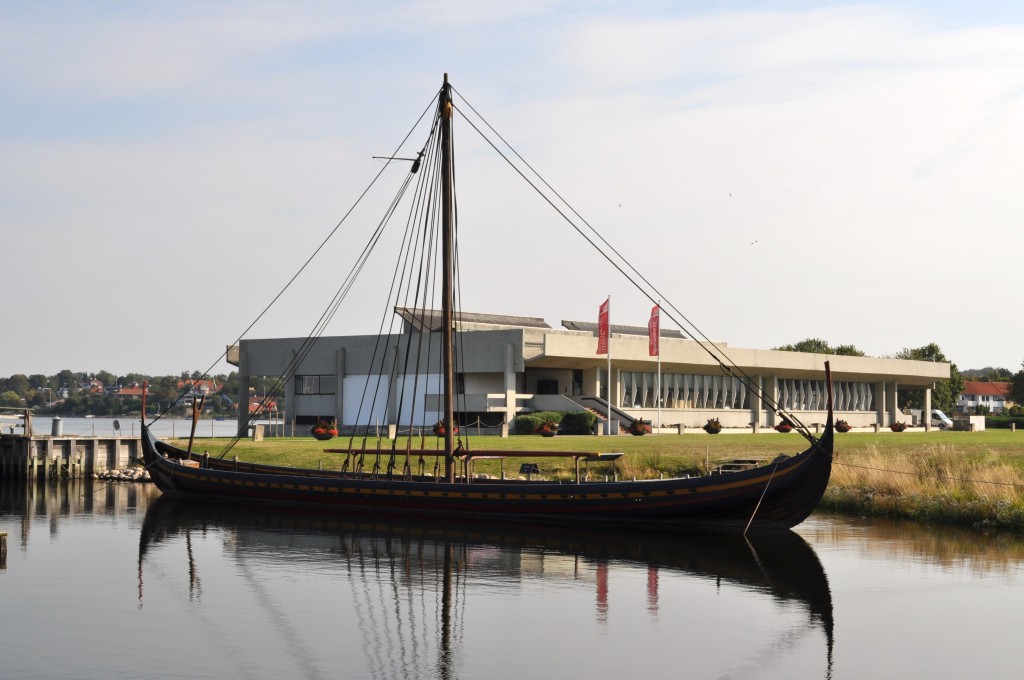
Viking Ship Museum, Roskilde

Everywhere you go in Denmark you will discover evidence of the Viking period. The Viking ship museum at Roskilde is well worth a visit and has some particularly fascinating archeological finds on display. These include an excavated Viking ship that was one of several sunk in the adjacent fjord as ‘block’ ships to act as an underwater barricade in the 11th century. One of the most direct links to this period, though, is not a museum exhibit but a living person. Margrethe II, the current queen, is the 53rd in an unbroken line of Danish monarchs that goes right back to 980.

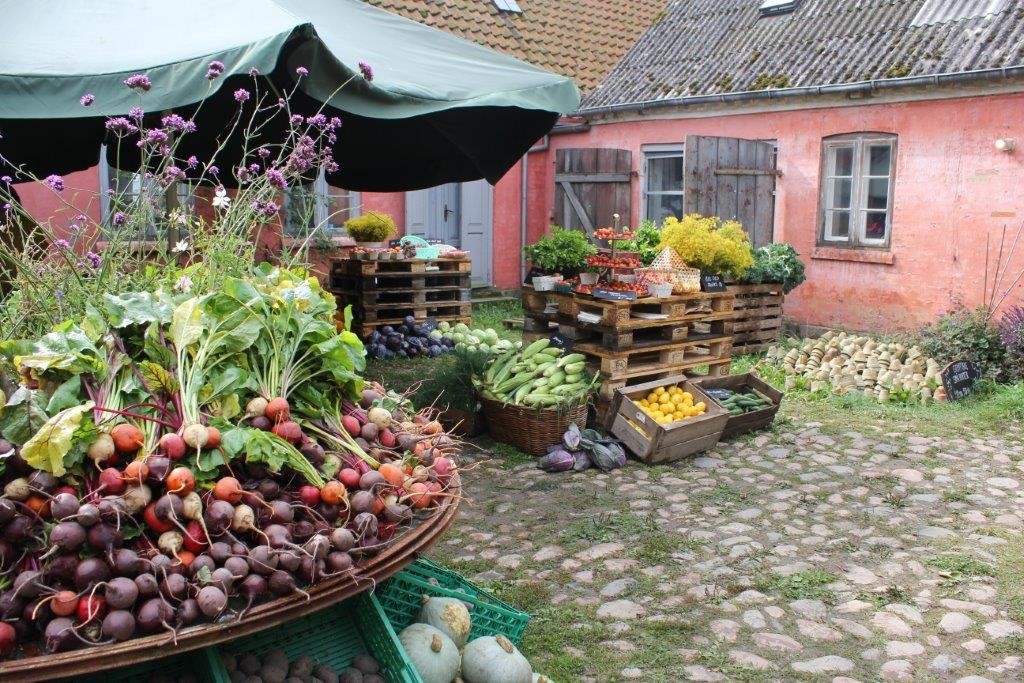
From Fugleberggaard Farm

According to an old Norse legend, the island of Zealand was carved out of Sweden by the goddess Gefjun. Take a look at a map of Sweden and find Lake Vänern (the largest lake). It is indeed a very similar shape to Zealand.

We thank Ben Love for permission to publish this chapter from his book Wild Guide Scandinavia. Here are some of his suggestions for places to visit in Zealand.

250616-gudmindrup-beach-denmark
Gudmindrup Beach
Classic sandy Danish beach fringed with grassy dunes. Great for children – the bottom shelves very gentle and there are no dangerous currents. Windsurfing and kitesurfing are popular here and you can rent boards and kit. During the summer months there’s a manned lifeguard tower. Located on the west coast of Zealand only a couple of hours from Copenhagen.

Kastrup Sea Bath
Beautifully designed seawater baths constructed from azobe, and African hardwood that doesn’t rot. Illuminated at night, the sea bath features platforms and diving towers and great views of the Øresund Bridge. Close to central Copenhagen.

Roskilde Viking Ship Museum
Excellent museum documenting the history of seafaring, boatbuilding and ships in Denmark during the medieval and prehistoric periods. Among the exhibits are remains of several ships that were deliberately sunk in the Roskilde Fjord in the 11th century to form an underwater barrier against attack. Also on display is the longest Viking ship ever discovered – a colossal 36m. Floating on the fjortd itself you’ll see a 29.4 m reconstructed Viking longship called the ‘Sea Stallion’; in 2007 it sailed from Roskilde to Dublin. For the ultimate Viking experience contact the museum to find out when it would be possible to try crewing it.

250616-røsnes-nature-school
Røsnes peninsula

Very rugged and beautiful peninsula where cliffs and woodland drop down to rocks and a narrow strip of white-sand beach. The trees and shrubs have been shaped by the wind, and from the cliffs there are amazing sea views. At the small nature school here they keep farm animals and run a variety of educational activities. There’s a fine pit and outdoor tables, making it ideal for picnic.

250616-Fuglebjerggard-denmark
Fuglebjerggaard organic farm
Fascinating and diverse organic farm with a shop selling a range of produce. There is also a fantastic café, restaurant and cookery school – a great opportunity for tasting Scandinavian organic gastronomy at its best.

250616-Central-Hotel-Cafe-Copenhagen
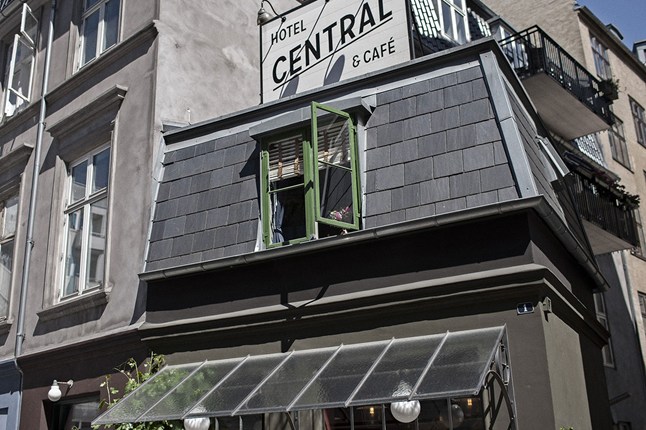
Central Hotel & Café
Quirky and very small hotel in downtown Copenhagen that has only one room. Located above a tine coffee shop that has seating for only five. Book well in advance if you’d like to stay here.

Feature image (on top): Kastrup Sea Bath, Copenhagen

Zealand Coast Around Copenhagen, was an excerpt from the book below.

Ben Love offers insight into more places to experience in his book Wild Guide Scandinavia.

Norwegian Mountain Hikes

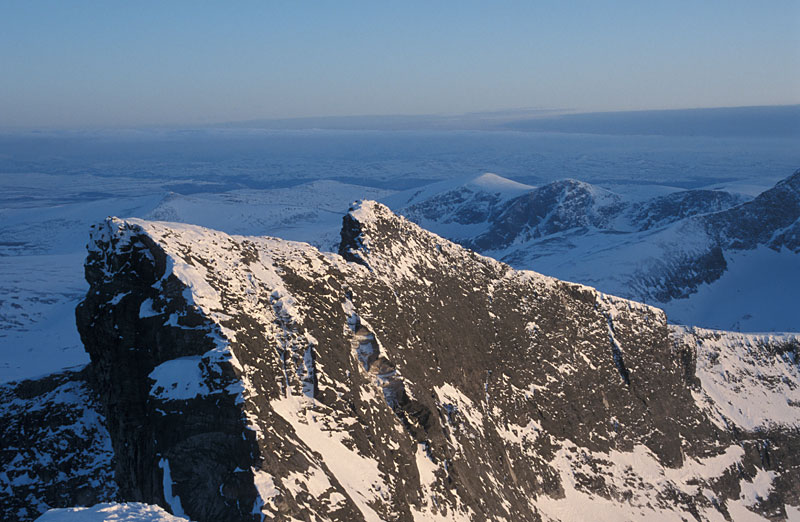
Snøhetta (the Snow Cap) is the highest mountain on Dovrefjell – a mountain region southwest of Trondheim and northwest of Lillehammer. Dovrefjell is known for its beautiful nature, its wildlife (a. o. reindeer and musk), and the (former) weapon range and training area.

200616-snoheim-area-map
Loceted just below Snøhetta, Reinheim Turisthytte was built by The Norwegian Trekking Association (DNT) in 1952. In 1959 the Army took it over related to the development of the Hjerkinn shooting field. The lodge then changed name to Snøheim (Home of Snow). In the autumn of 2007 DNT Oslo it was given back to DNT, and today Snøheim is a DNT lodge with 80 bunks, in rooms with two and four bunks.

Arriving Snoheim
Arriving Snoheim

Snøheim is open between June 27th and October 9th 2016.

The lodge is easlily accessible with train to Hjerkinn, and a shuttlebus to Snøheim from there.

Snøhetta mountain massiv

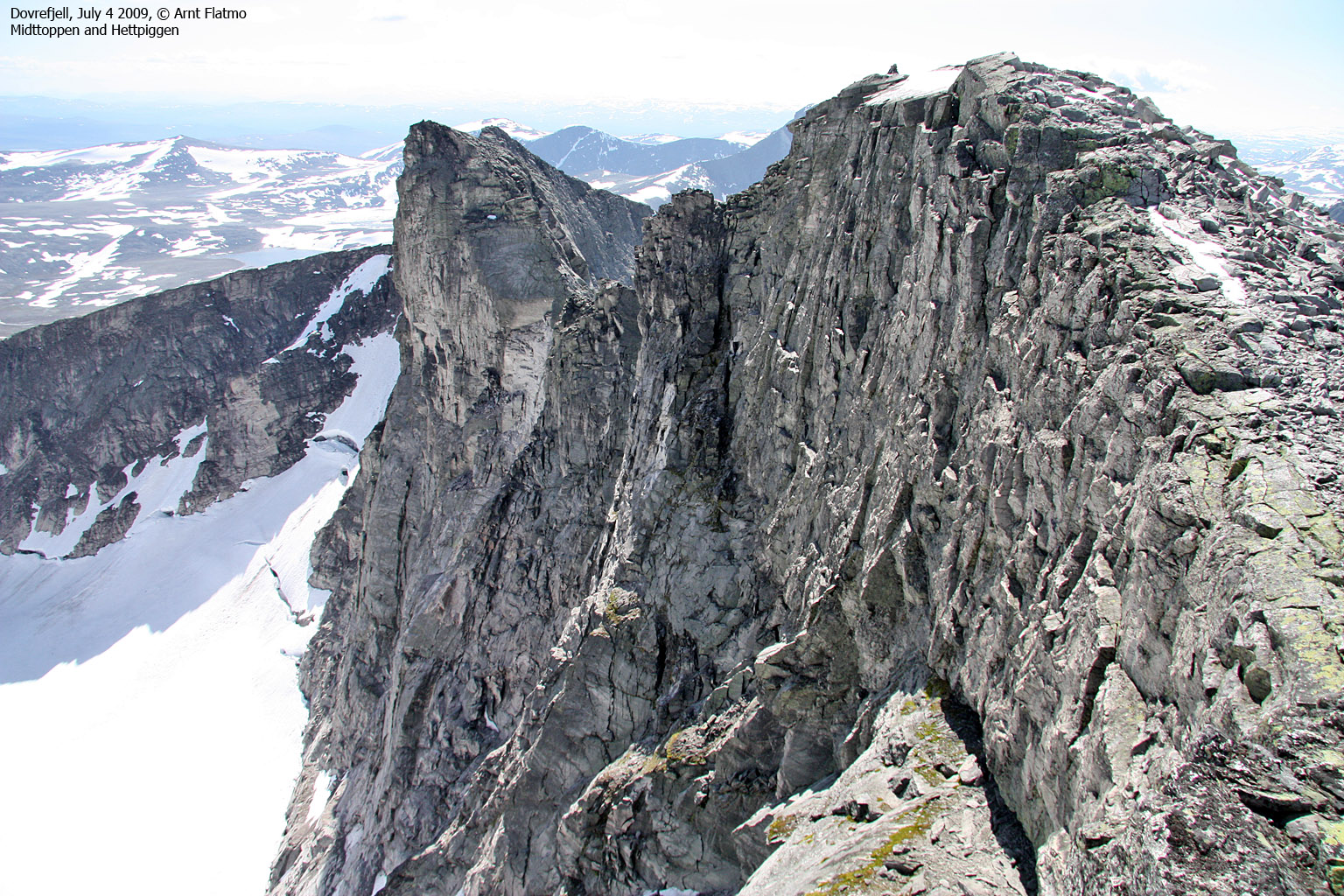
The Snøhetta massif has 4 distinct tops – Stortoppen, Midttoppen, Hettpiggen and Vesttoppen. All of these tops exceed 2000m, and Stortoppen is the highest Norwegian mainland mountain outside the Jotunheimen/Sognefjellet mountain range.

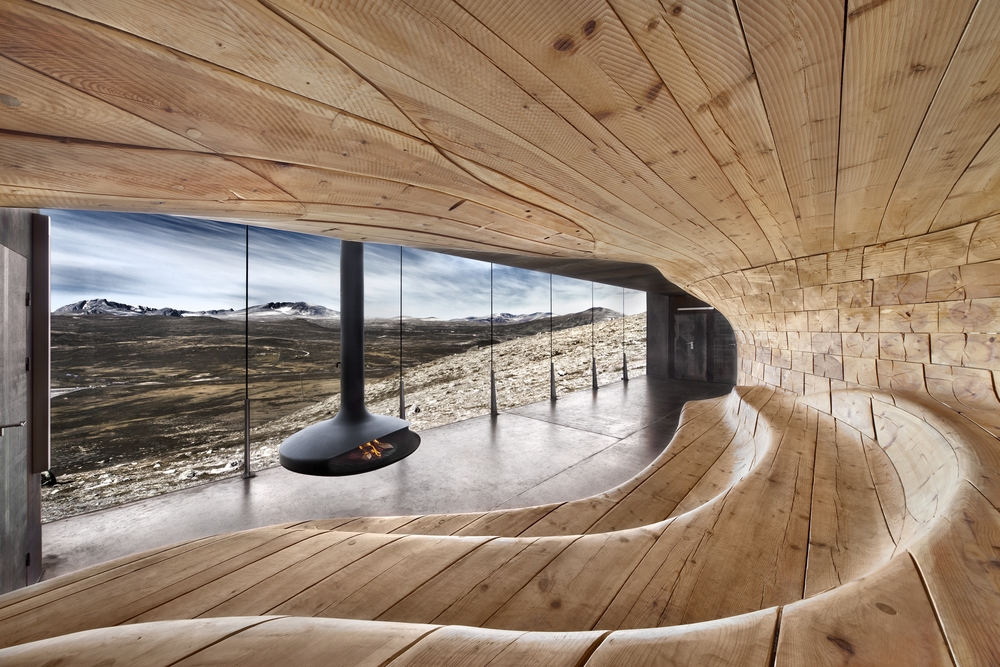
Viewpoint by Snøhetta architects

Of these 4 tops – it is only Hettpiggen that isn’t easily reached, and requires exposed scrambling or climbing in order to reach the top. The Snøhetta traverse is a “classic” – in summer as well as in winter. Close to Snøhetta, you will also find a handful of other tops exceeding “the magic” 2000m elevation. Larstinden, Svånåtinden and Skredahøin are the main ones – including a number of satellite tops that also exceed 2000m.

Heltpiggen and Vesttopp

The normal starting point for Snøhetta is Snøheim.  Snøhetta is only a 7km walk from the Snøheim parking, while the route from Kongsvollen Fjellstue by E6 (via Reinheim) is more than 20km.

200616-hiking-to-snoheim
DNT’s recommended hiking trails

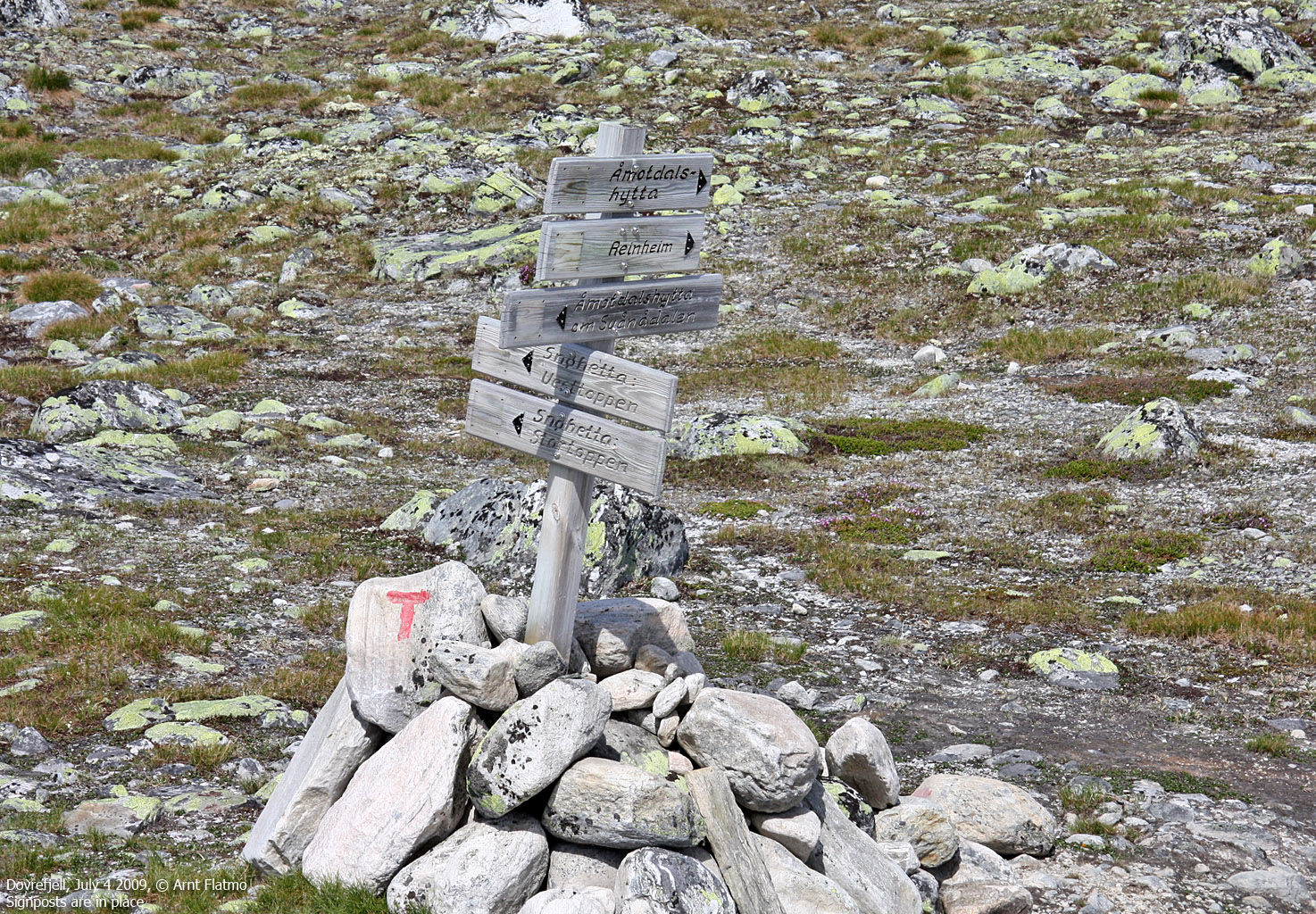
Suggested route: Snøheim – Snøhetta (summer/autumn)

Difficulty : YDS Class 2
Exposure : No
Distance : Approx. 7km to Stortoppen (2D distance)
Time : Approx. 3-4 hours to Stortoppen
Starting Elev.: Approx. 1450m
Vertical Gain : Approx. 840m

Access

(all distances are approx. distances)

The nearest bigger villages are Oppdal (north of Dovrefjell) and Dombås (south of). The starting point for the Snøheim road is by the E6/RV29 (Folldal) junction at Hjerkinn. Close to this junction, get on the road west towards the train station, but after just 30m, turn right and follow a road up to the Snøheim signpost. You can also reach this road from two other unmarked junctions along E6.

200616-route-mark-by-dnt
From this signpost, follow the Snøheim road 12,3km to the public parking.

200616-driving-to-snoheim
From the parking, follow the road to Snøheim (1,2km). At the first signpost, you can make a right turn and head towards Snøhetta on the east side of the lake. After rain and snowmelt, the river draining into this lake is wide, and you will have to look for a place to cross. It is therefore easier to follow the marked path on the west side of the lake.

Snoheim
Snoheim

Both these trails meet at approx. 1500m, and run towards the Gamle Reinheim cabin. You will have to cross the drain from Lake Istjørni, and if there is too much water in the river, seek towards the lake (go left) to find an easier place to cross.

From Dovre national park

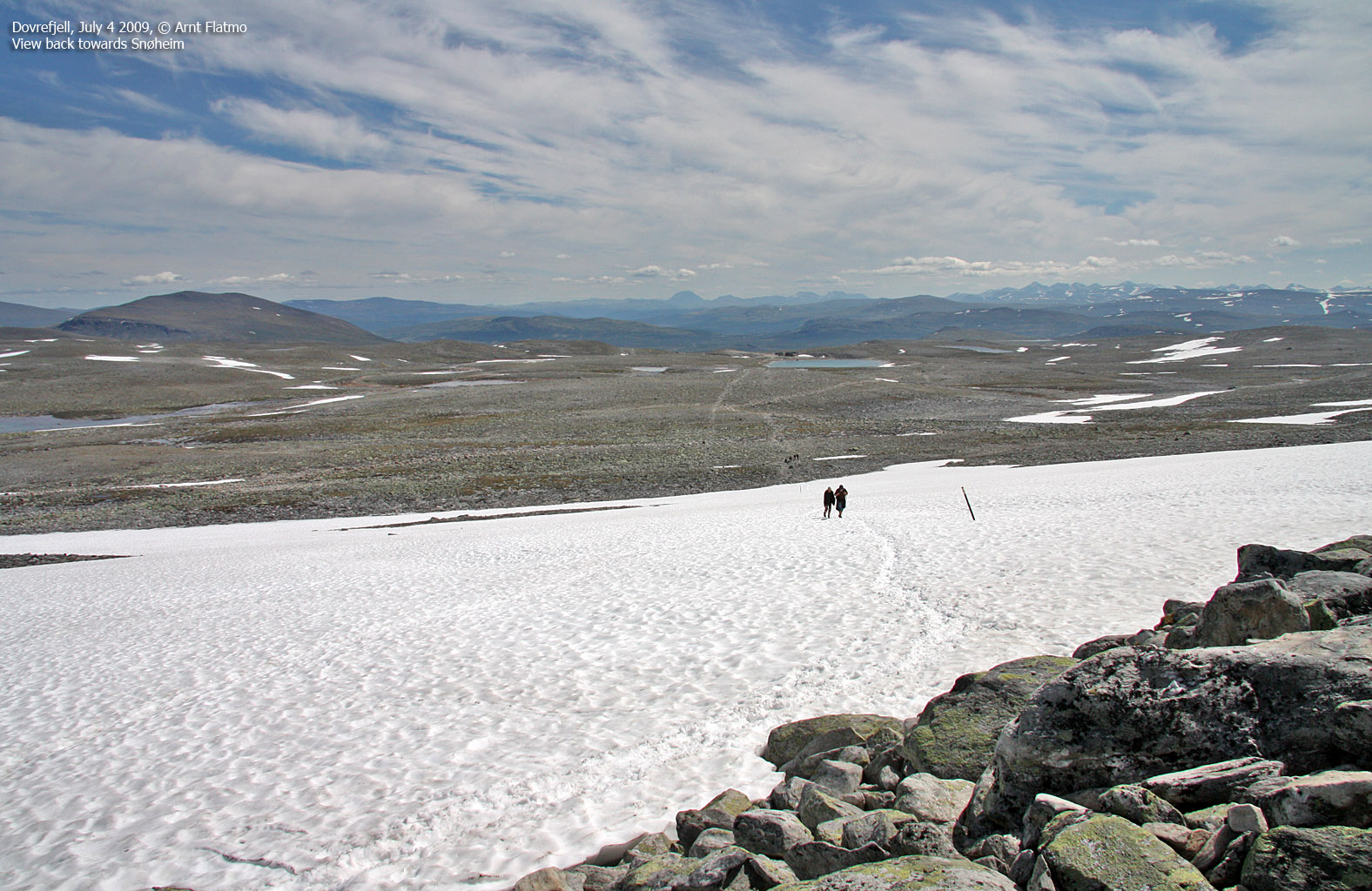
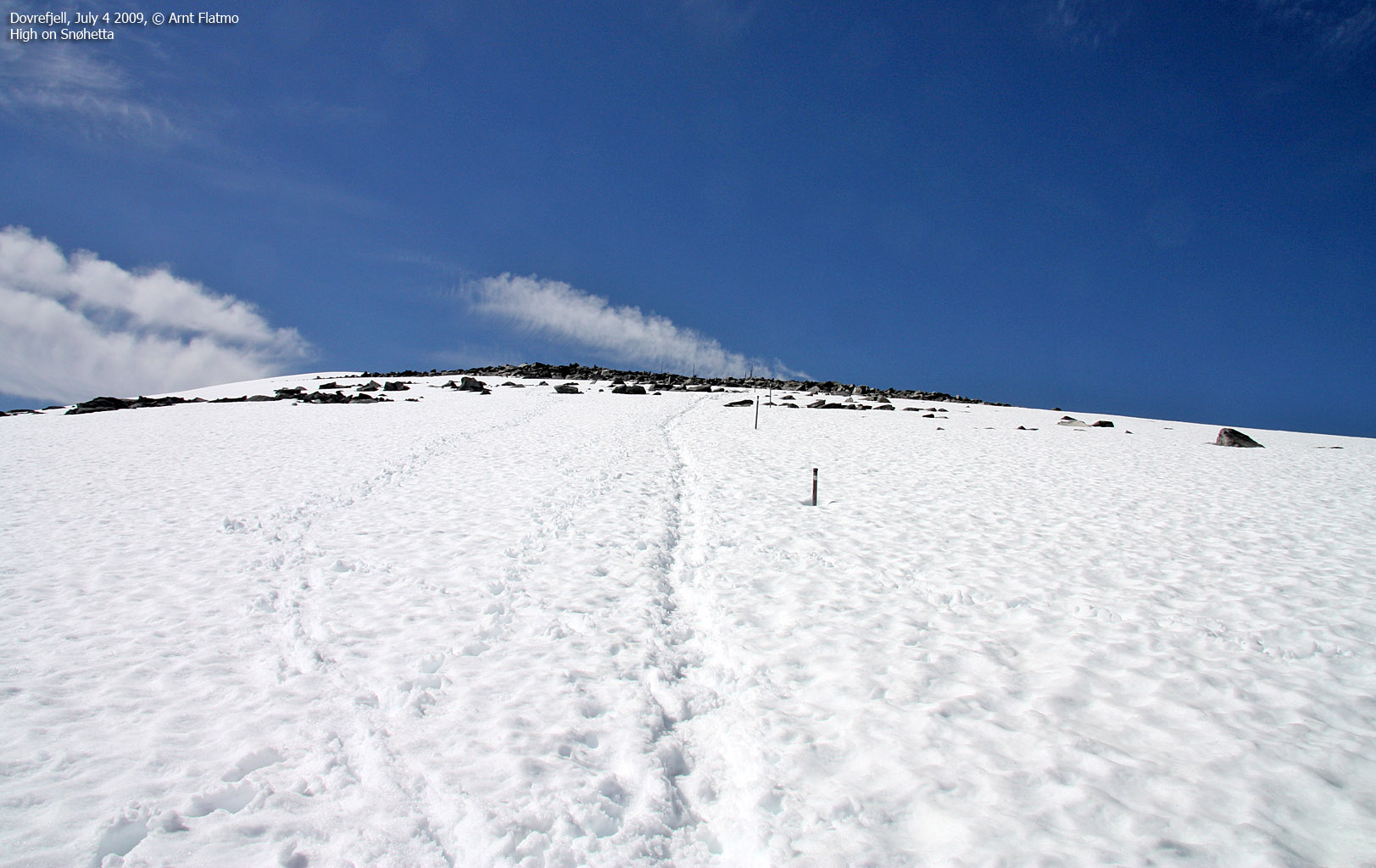
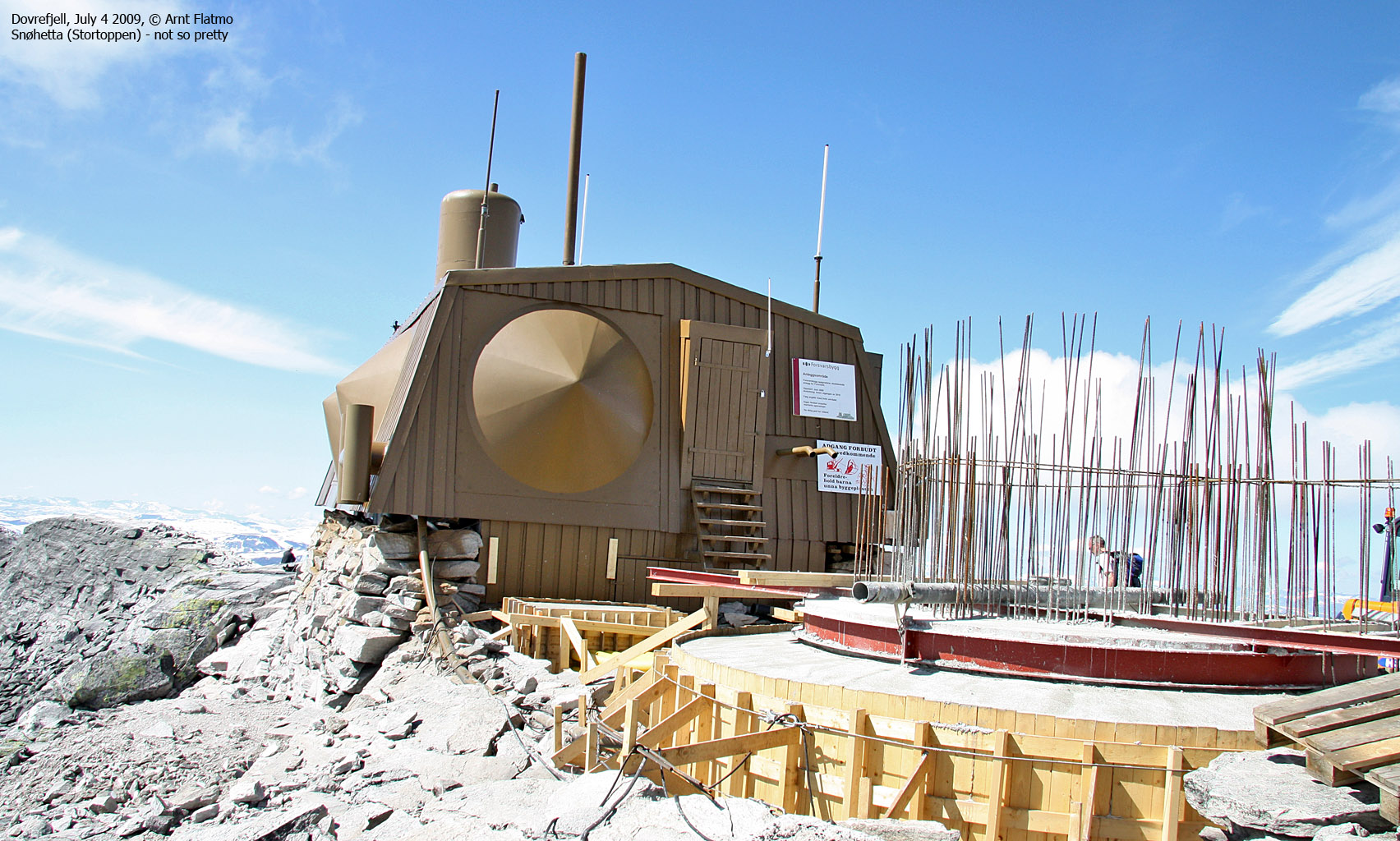
From Gamle Reinheim, follow the marked trail up the mountain and along Snøhetta’s west ridge. The ridge is fairly easy to walk. Expect some snow fields near the top. Snøhetta summit is “dominated” by a military building. You will find a proper cairn on the east side of this building.

From Dovre national park

Midttoppen

If you want to include Midttoppen on your hike, continue 400m along the ridge, then descend (along the “T” trail) into the col between Midttoppen and Stortoppen. Continue directly up to Midttoppen – or even 200m further, until you get to a viewpoint cairn, with a better view towards the other tops in this region.

Norwegian Mountain Hikes, compiled by Admin

The Capital of Fika

0

What is fika? It’s a Swedish custom where people gather to drink coffee, munch sweet treats and chat. It is as much part of the working day in Sweden as people are going to the pub in other countries.

As a Norwegian I consider it as the backbone of daily life for a Swede. It is a social event that could even be described as giving the Swedes a sense of place and who they are. Many Swedish companies have mandatory fika breaks and empliyees are given free hot drinks.

From Alingsaas
From Alingsaas

Derived from the word “kafi” (coffee), fika is a time to sit down, relax, take a break from what you are doing and socialize.

The little town of Alingsås, 45 kilometers north-east of Gothenburg, on the west coast of Sweden, has appointed itself as the “Capital of Fika”. It may not be the first place an international reader think about when searching for a Swedish tourist hotspot.

240616-swedish-fika
However, Alingsås is a picturesque town, with the most cafés per capita in the country, and its flourishing fika culture is known for its authentic history dating back as fas as the 1700s.

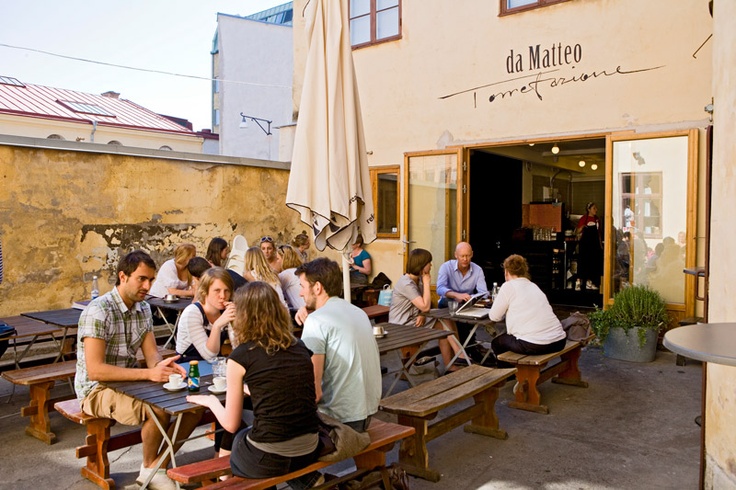
Da Matteo Dafé, Gothenburg
da Matteo Café, Gothenburg

Matts Johansson, founder of Da Matteo coffee chain in Gothenburg says, “Most Swedes have fika several times a day, whether it’s at the weekend or during the week. It’s about spending time with people, eating lovely homemade baked goods and drinking great coffee. It’s like going to the pub in other countries. It’s deeply ingrained in our culture.”

The tourism industry and café owners now hope that “the Capital of Fika” will help attracting foreign visitors to the municipality of around 39,000 inhabitants.

240616-swedish-fika-2
Does fika affect a country’s productivity?
A 2014 productivity research document analyzing 398 countries reveals that Sweden comes in at a respectable number 11. Sweden’s coffee-quaffing neighbor, Norway, is however the second most productive nation, behind Luxembourg. The workforce of the US is fourth, while long-lunching France is seventh.

Take a fika guided tour
Now you can experience Alingsås’café center, with around 30 cafes, three of which are listed in the prestigious White Guide Café Guide, on a fascinating 1.5 hours guided tour.

240616-swedish-fika-3
The tour includes visits to two cafés which are members of the White guide: Ekstedts bakery & Café and Nygrens Café. Guests will also get to taste cinnamon buns, truffles, pastries and cookies. Guests also get a little goodie bag of samples to take away with them.

The tour costs 330 SEK per person and is available every Saturday at 11.00 until 29 October.

Nygrens Café, Alingsaas

“Our fika tradition in Alingsås dates back until a time when we had a lot of industries in the town and workers didn’t have time to bake themselves, so they ate out at cafés,” Sandra Grönkvist, co-owner of Nygrens Café in Alingsås, told The Local of the three-centuries-old tradition.

Gunbritt Reiteke
Gunbritt Reiteke

Head of Tourism, Gunbritt Reteike, one of the people behind the ‘Capital of Fika’ campaign, told the regional GT tabloid that she is already fielding questions from global media about the hype. “I’ve had visits by journalists from the US, Germany, England and Norway booked in this spring,” she said.

Fika at IKEA
Fika at IKEA

Coffee breaks are so important to the Swedes that even the country’s mega-brand, IKEA, has a paragraph about it on its corporate website: “More than a coffee break, fika is a time to share, connect and relax with colleagues. Some of the best ideas and decisions happen at fika.”

The Capital of Fika, written by Tor Kjolberg

The Shipmaster’s House

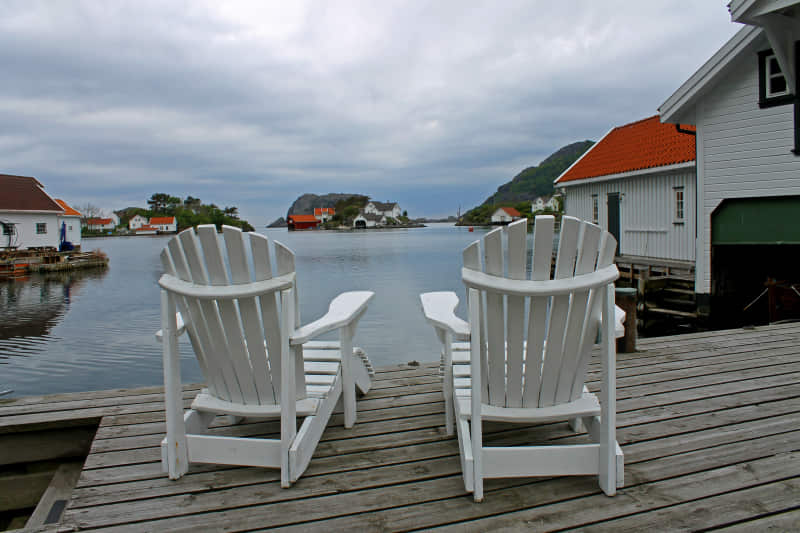
On the island of Lille Kirkeholmen (Little Church Islet), just outside Kargerø, Norway, on the western side of the Oslo Fjord, stands a red and white holiday village. For the family who bought the shipmaster’s house on the quayside, it was the realization of a summer dream.

170616-shipmaster's-house-kragero-norway
Summer dreams can vary. Some people prefer isolation, others choose a more sociable form of holiday life. Five minutes by boat from Kragerø, you will find a renovated holiday jewel, where the houses cluster close together, giving an intimacy and charm reminiscent of the south Norwegian towns of Lyngør and Brekkestø.

170616-Kragero-map
The family who wanted a waterfront holiday house, found just the thing they were after when they came across the shipmaster’s house standing slightly apart on the edge of the area. From there the residents can choose to join in the social life, or turn their backs on the world, enjoy the view and the natural surroundings, and have the feeling of being quite by themselves.

Lille Kirkeholmen, Kragerø

A low picket fence surrounds the house and a small garden where the family have planted shrubs, flowers and trees. The blossoming vegetation also provides privacy. It can be a good thing to shut the world out with flowers.

170616-shipmaster's-house-kragero-norway-2
The shipmaster’s house offers a total floor space of some 120 m2 over two full floors with dormer windows and a balcony. The ground floor is open plan, with a large living room affording plenty of space for socializing. The long dining-table in the corner offers plenty of opportunity for relaxation. And instead of a lonely exile in the kitchen, the cook can chat to the guests while preparing the next delicious meal.

On rainy days and cold summer evenings, a fire burns in the fireplace which the family designed themselves. Under the slanting ceilings on the first floor, there are three bedrooms and a little summer sitting room that can be turned into a guestroom if need arises. A good height under the ceiling gives a feeling of spaciousness.

From the balcony there is a fantastic view over the archipelago, and there could be no greater holiday happiness than sitting in the morning sunshine eating breakfast “out on the deck”.

Map of Kirkeholmene
Map of Kirkeholmene

The interior has a touch of New England style, with white-painted ceilings and walls, and shining white floorboards. The house is furnished with a few, carefully selected places of furniture and ornaments. The furniture is a mixture of new and old.

Inherited and old pieces of furniture have been refurbished and painted in various shades of blue, from navy to pale turquoise. Benches and beds have been custom made. Chairs and tables switch between an outdoor and indoor existence. When the sun shines, there is little reason to stay inside.

Summer in Kragerø
Summer in Kragerø

A genuine shipmaster’s house obviously has its own boathouse. A small outhouse has been built near the jetty as a storage area for the captain and his crew. And the amount of equipment needed to get the most out of a life on board is not inconsiderable.

Happiness is sitting on the jetty with a gentle southerly breeze riffing your hair, listening to cheerful voices and the screech of seagulls, watching the children play on the shore and in the water, hearing the monotonous dunk-dunk of a fishing boat as it ploughs through the waves.

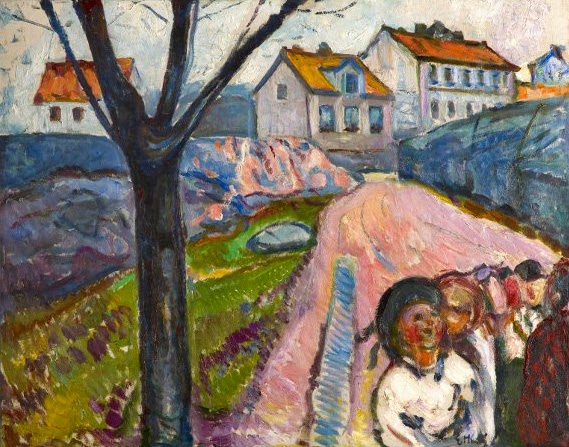
Summer in Kragerø (oil on canvas) by Edvard Munch (private collection)

The family enjoys their holiday paradise from the water’s edge. All that is left is for the sun to appear, giving warm summer days and happy summer memories – this year too.

The Shipmaster’s House, written by Tor Kjolberg

At the Water’s Edge in Scandinavia

Denmark and Sweden offer various coastlines and a thriving beach life. There are 8,000 km (5,000 miles) of coastline in Sweden, offering clean, if often chilly, water to swim in, and rocks to sun on (but few sandy beaches).

The most spectacular seascape is the Stockholm archipelago, with its 24,000 islands, bit nearly as thrilling are the waves crashing on the rocks of Bohuslan’s archipelago.

From Bohuslän, Sweden

The Danes are blessed with sandy beaches. With more than 7,400km (4,600 miles) of coastline, the waters surrounding Denmark are a playground for outdoor activities. Kayaks, canoes, rowing boats and smaller sailing or motor craft may be hired at resorts along the coasts or on the larger lakes.

Klitmøller Beach, Denmark

The air is hardly still in Denmark, and the windsurfing is excellent. Seasoned surfers may prefer the exhilaration of the North Sea, for example the beaches around Klitmøller; while beginners can try their hand in the lee of a bay or fjord, or on a lake.

From Hardanger fjord, Norway

Norway’s fjords can be explored by steamers summertime. In winter when the fjords freeze over, families take Sunday “walks” in skates among the rocks and islets. Norway has the next longest coastline in the world (83,281km) after Canada (202,080km).

At the Water’s Edge in Scandinavia, written by Tor Kjolberg

Five Star Camping in Norway

Bring your own caravan or mobile home, or rent a luxurious caravan or a high standard camping cabin. All is possible at the Hallingdal Holiday Park, which was admitted as member of Leading Campings Europe last year.

Children as well as adults may experience exiting activities at the Holiday Park in Hallingdal, north of Oslo, between Oslo and Bergen.

160616-hallingdal-holiday-park-norway
Sail past the trees
High over the ground and the Hallingdalselva river there are over 50 frames on poles with many trails of varying levels.  Mini trails for the little ones, extreme trails for the brave, and of course a great selection of happy medium options. This is a chance for the entire family to have a great time together!

160616-activities-at-hallingdal-holiday-park-norway
Platform climbing
At Hallingkastet you can climb, run, slide and pull from platform to platform up to 11 metres above the ground. There is also a climbing net and Norway’s longest spiral slide. Playground appliances and jumping pillow on the ground.

160616-hallingdal-holiday-park-norway-3
Climb staggering heights with a climbing net, or get down using the shortcut: Norway’s longest spiral slide! Thrilling excitement and butterflies in your stomach – but everything is safe; Hallingkastet is designed in way so that you can never fall more than 1.5 meters. Moreover, a great variety of play equipment and a giant jumping pillow will be on ground level.

160616-hallingdal-indoor-play-center
Giant Indoor Play Center
The biggest indoor play center between Oslo and Bergen! A 300 sqm indoor play area on several floors. Here you can spend whole days, and have so much fun that you almost start hoping for rain! When you are thirsty, go to Snakkbar! right next door, that serves food, drinks and coffee.

160616-hallingdal-animal-park
Hallingdal Animal Farm
With animals like rabbits, goats and many other “petting-animals”. During the high season you can try to drive a tractor or ride a pony. Open until the 19 August.

Make friends with Geir the Goat, Rabbit and all of Rabbits relatives and friends, the Chicken Brothers and their cousin Egg. Even an alpaca called Al. (Paca, of course) Here you can make new friends, some furry, some with feathers, some with udders and some in cages. At times you may even experience pony rides and tractor driving trips. Sometimes visitors get to witness new members of the farm being born – which certainly will give those watching a memory for life.

160616-hiking-in-hallingdal
Activity trails
You can walk, run, bike, jump or hop along the river and watch the fish jump. Climb the embankment, or play hide and seek in the woods, wade in the river and find fun places and make good friends.

160616-hallingdal-holiday-park-norway-2
River promenade

A beautiful walk that could accommodate romantic moments – here there are benches where you can sunbathe and hold hands. Maybe romance will flourish again along the Hallingdal river banks?

160616-hallingdal-wellbeing-center
Well-being center
The program offers various treatments and pampering for body and soul. Why not treat yourself to a little extra luxury this holiday?

160616-hallingdal-holiday-park-norway-arena
Hallingtunet arena

If you want to, you can take part in creating entertainment for the other guests and yourself. On occasions exciting bands and artists perform there – and it will be party in the park!

160616-by-canoe-at-hallingdal-holiday-center-norway
Canoeing

Contact our activity leaders to take part in canoeing on the Stranda fjord. Here you can go fishing and learn paddling techniques. Suitable for the whole family – with a lifejacket.

160616-fishing-in-hallingdal
Fishing

You can fish in the river outside the cottages. But if you have a more serious interest for fishing, you may be advised on rivers and lakes with perch and trout. There is plenty of information at the front desk about the types of fish you can get in the region. Remember that fishing requires a fishing license. It can be purchased via SMS/text messaging.

Hallingdal Holiday Park is based on both traditional and modern architecture with inspiration from mountains, nature and the local culture.

Enjoy 5 star camping in Norway this summer!

All images: Visit Norway

Five Star Camping in Norway, compiled by Tor Kjolberg

Danish Battle with Seagulls

0

Earlier this year officials in Aarhus, Denmark’s second city, declared a war on the local seagulls’ aggressive actions. The city appears to have lost its battle.

The gulls’ aggressive actions, which have become unbearable in recent years, forced the authorities to take action. 16 hunters were given permission to hunt them with powerful air guns from 15 April before the mating season begins.

150616-Seagull-in-Flight
Residents had complained at “horrific noise 20-21 hours a day, saying they could not even go out onto their balconies.

150616-hunting-in-the-aarhus-area-denmark
However, the birds are too smart for the hunters. They disappear when the hunters shoot, and stay away for a long time.

Annie Paaboel
Annie Paaboel

“A very low number of seagulls have been shot,” says city spokeswoman Annie Paabøl to Aarhus Stiftstidende. Chairwoman of Aarhus’s hunting association, Susanne Madsen, confirmed the project had been a flop. “They are smart,” she says, “and at the same time security issues have to be considered when we show up with an air rifle. That means there are a lot of places where we can’t shoot.”

Danish Battle with Seagulls, s
ource: The Local