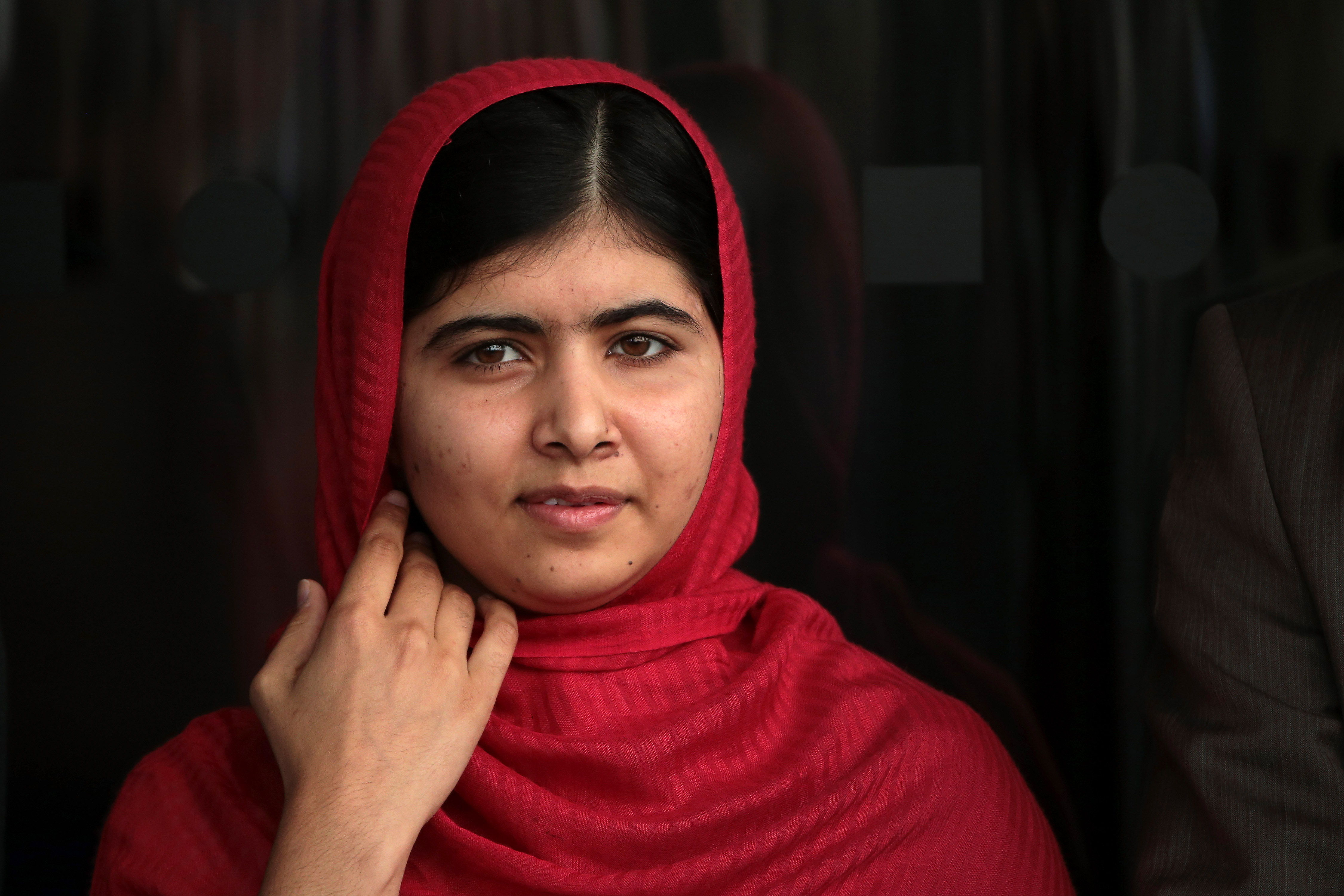
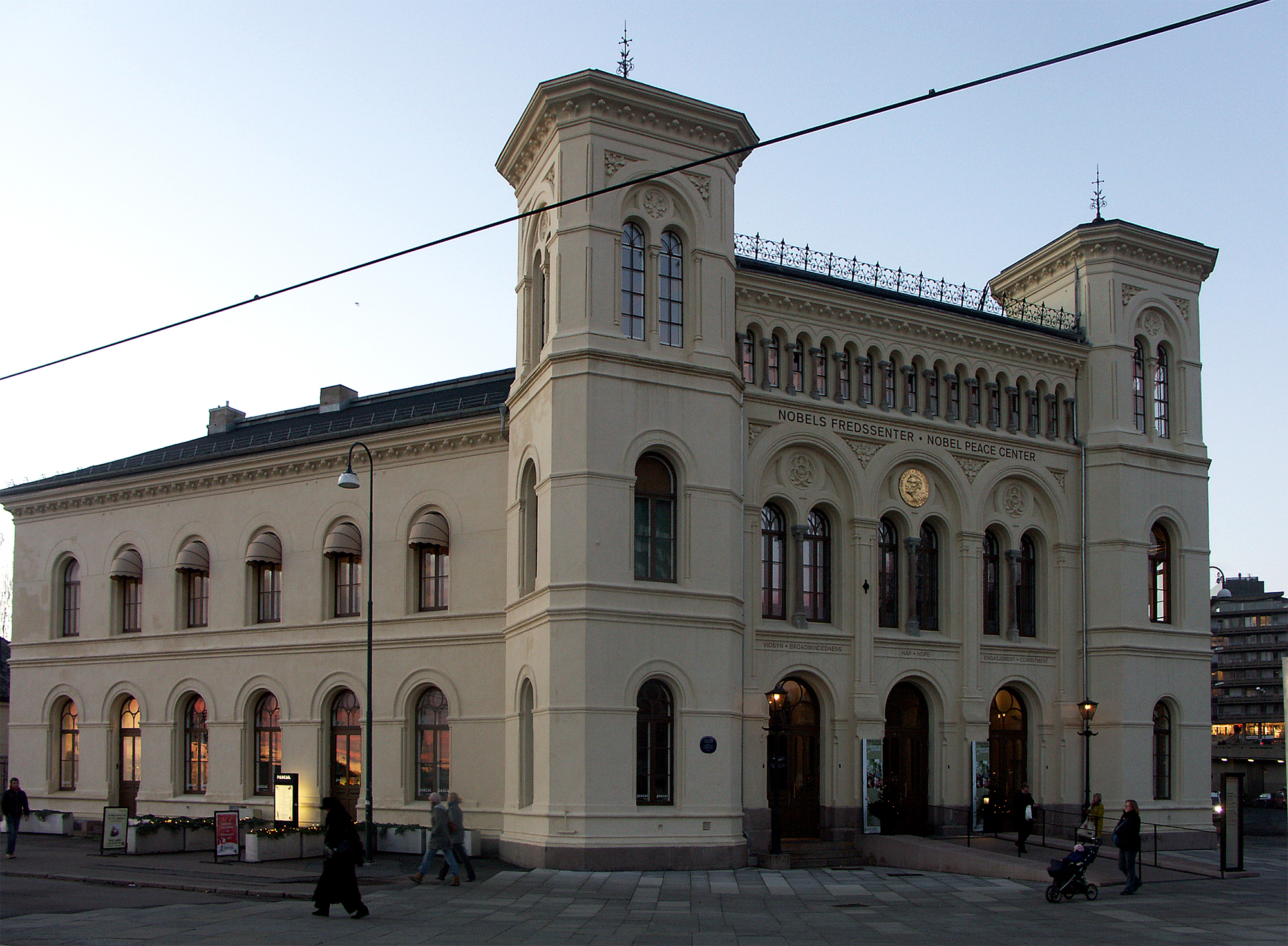
Malala and Kailash – Winners at the Oslo Peace Center

0

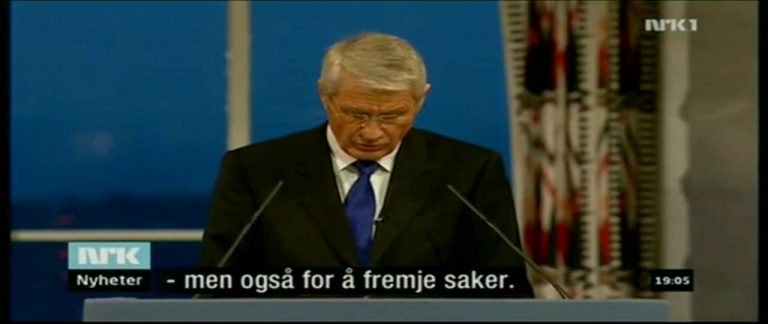
Record number of people visited the Malala and Kailash Exhibition at the Oslo Peace Center.

227,322 people visited the Nobel Peace Center in Oslo during 2014.

It is the best visitor figure for the Peace Center since its opening in 2005.

Malala Yousafzai Opens Birmingham Library
Especially during the last few weeks in December many people were drawn to the Peace Prize events. The exhibition Malala and Kailash was a winner – with 34,333 visitors.

In 2014, 944 school groups attended education in the various exhibitions.

Ett minne av unionstiden
Nobel Peace Centre is today one of Norway’s most visited museums.

Source: NTB

Picture This: Herb Ritts at Fotografiska, Stockholm

0

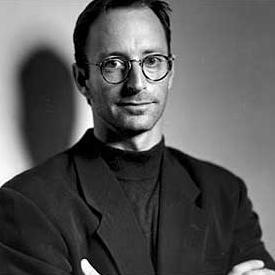
Herb Ritts was one of the world’s most sought-after fashion photographers. With his powerful imagery he also developed into a popular portrait composer, getting models and artists to reveal their true selves. The Exhibition “In Full Light” at Fotografiska runs through February 15.

270115-herb_ritts_in-full-lightHerb Ritt was born in California into a well-to-do family, and with Steve McQueen as his
next-door neighbour, Herb Ritts grew up at a time when the cult of the body began to emerge. Herb lived a carefree life wiyhout specific plans for the future, but he completed economics degree from Bard College in upstate New York, studied art history and then began working in his family’s furniture company.

A puncture while driving around the desert with his friend Richard Gere in their Buick Le Sabre radically changed Ritts’ life. He took some casual photos of Richard Gere, sweaty in a white singlet, cigarette provocatively in mouth, while he was changing tires in a garage in San Bernardino and before long the major fashion magazines wanted to employ him.

Herb Rotts
Herb Ritts

He exhibited for the first time in the show Working in LA., sponsored by the lifestyle magazine Interview. Then came fashion shoots for magazines such as Harper’s Bazaar, Vogue, Elle, Vanity Fair and Rolling Stone, and music videos for, among others, Madonna, Michael Jackson, Jennifer Lopez and Chris Isaac.

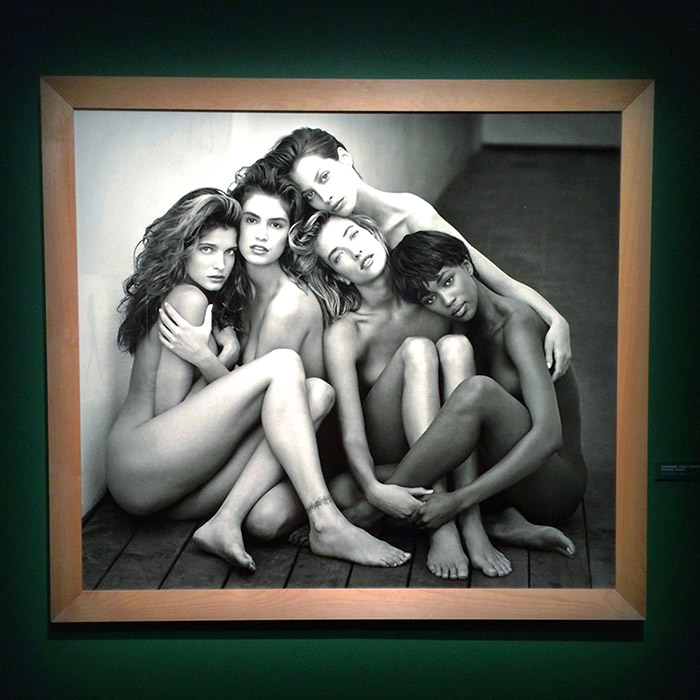
Stephanie Seymoour, Cindy Crawford, Christy Turlington Tatjana Patitz and Naomi-Campbell by Herb Ritts
Stephanie Seymoour, Cindy Crawford, Christy Turlington Tatjana Patitz and Naomi Campbell by Herb Ritts

He has worked with fashion companies such as Donna Karan, Calvin Klein, Versace and Giorgio Armani, and contributed to international publicity campaigns for Chanel, Lancôme, Revlon and Cartier, always with his trademark stylistic virtuosity.

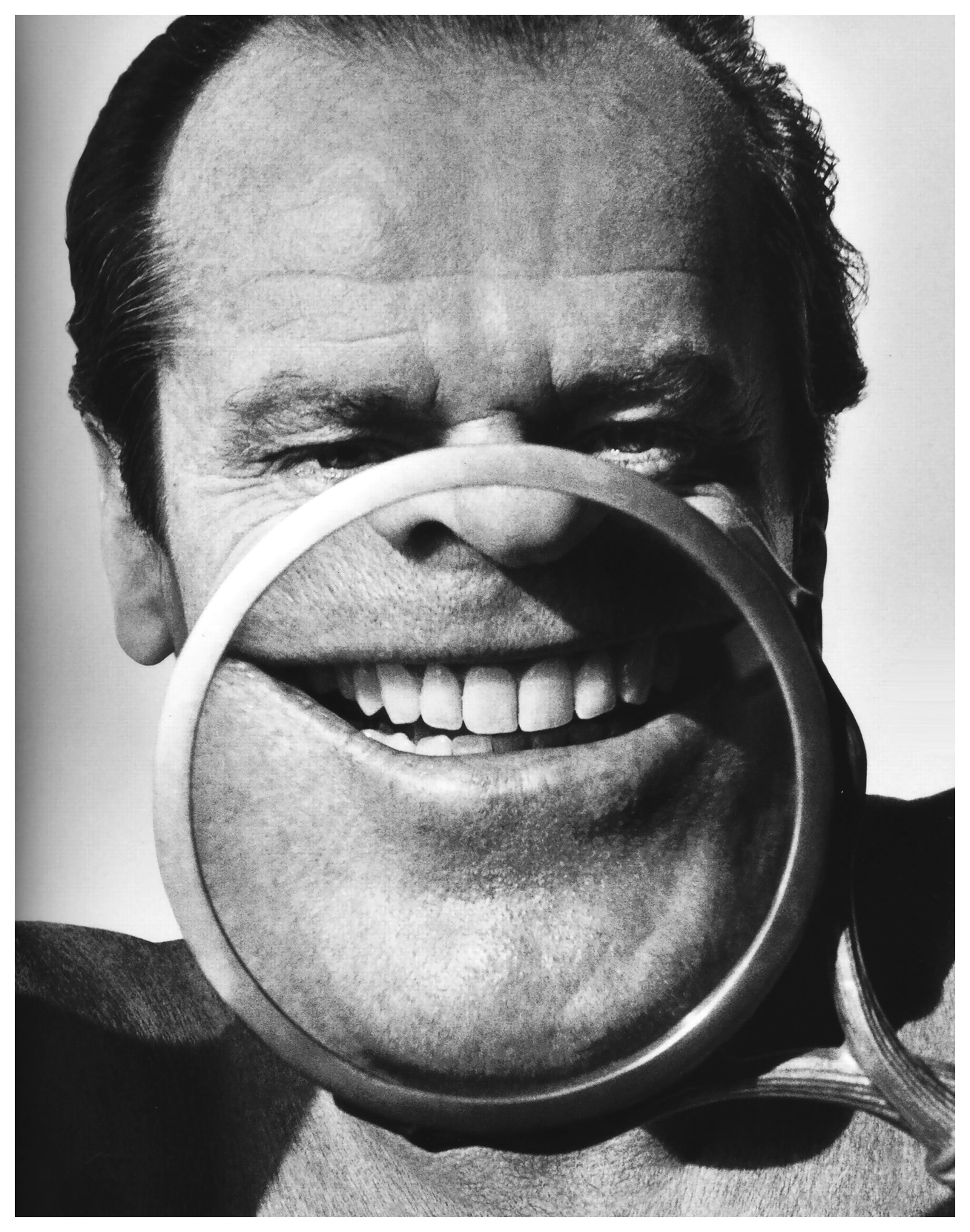
270115_nicholson-by-herb-ritts
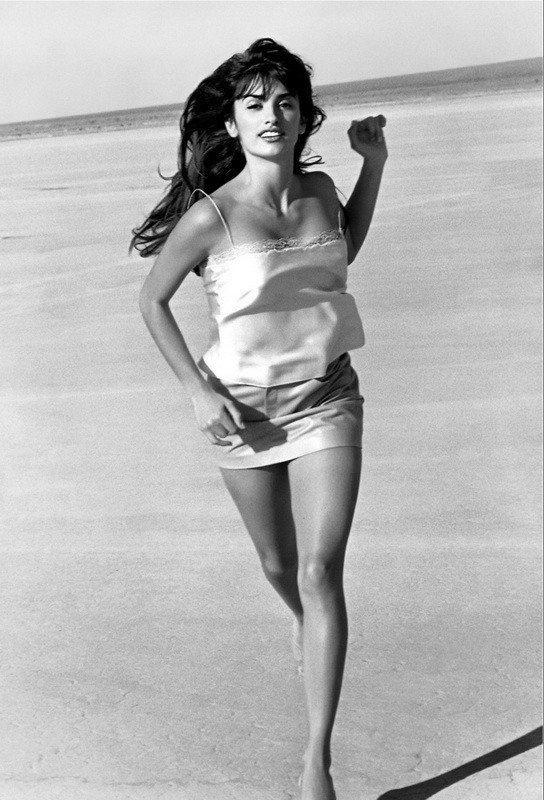
With a graphically perfected aesthetics he created his own glamorous universe. Transgressing boundaries, blending male forms and female strength, he created erotic and sensually elegant arrangements. His images may be body-fixated but they are never stereotyped; rather they express a love for form, color, harmony and light.

Herb Rotts for Versace
Herb Ritts for Versace

“I’ve always had a fondness for and innate sensitivity to light, texture, and warmth. I abstract it in my photographs: I like large Alek Wek, Los Angeles 1998planes and spaces, areas of texture and light, like deserts or oceans or monumental places,” Ritts explained.

Ritts’ images often contain a sense of humor and a smile – they are tongue-in-cheek and feature unaffected emotions. Reading his comments in his successful book, “Notorious”, one discovers a self-distance and a relaxed approach to the famous people he depicted.

Two days after Christmas Eve 2002, Herb Ritts died from pneumonia at the age of 50. He is remembered as one of the major lifestyle photographers of the ‘80s and ‘90s. He loved people and it shows in his images. “Basically, I fell into photography. I literally bought a little camera and went on vacation and started taking pictures of friends of mine and I guess I had an eye.” is how Ritts explained his success.

Feature image on top: Pierre and Yuri by Herb Ritts January 26, 2015

Porsgrunn on the architectural map

0

The new Porsgrunn Maritime Museum and Exploratorium is situated in the Norwegian town of Porsgrunn, 100 km south west of Oslo. It will tell the story of the town’s dock yard industry and its maritime history, which has employed thousands of people from the whole region.

In addition, the attractive location of the museum right on the riverside opens up an important process for the city concerning the future extensive urban renewal of the entire Porsgrunn Harbor area.

230115-adam-mork-porsgrunn-maritime-museum
“Porsgrunn is an industrial town, which is reflected clearly in the museum’s surrounding context. It consists of small to medium sized industries in the shape of small characteristic wooden buildings. It was important to create a museum with a high level of sensitivity towards these surroundings, yet at the same time for the new Maritime Museum and Exploratorium to stand out as a spectacular contemporary building and become a landmark of Porsgrunn”, Lars Bendrup explains, Owner of the Danish archetcts TRANSFORM, and continues, “Our general vision was to turn a backside into a frontside. With the new museum the town will now orientate itself towards the beautiful river, which for much too long has been Porsgrunn’s industrial backside”.

New meets old
The new Maritime Museum and Exploratorium is composed of eleven smaller square volumes, together amounting to almost 2,000 m2. Each volume has a different roof slant that assembled make up a varied roof structure. A characteristic aluminum facade, locally produced in Porsgrunn, not only holds the dynamic building structure together, but at the same time reflects light and colors from the surrounding Norwegian mountain landscape.

Dan Stubbergaard, Founder and Creative Director of COBE, elaborates, ”It is a sensitive art adding new to old in a historic area. First of all we wanted to understand the area’s characteristics and then we wanted to strengthen it but at the same time create something new and contrasting. The abrupt building structure of downscaled building volumes and the expressive roof profile are for example clear references to the area’s historic small wooden buildings, which all have their own particular roof profiles. This interpretation of the area’s pitched roofs and small wooden building entities sets the final frame for a unique and characteristic contemporary building”. He continues: “The goal was to create a house that not only understands and shows consideration for its surroundings, but also contributes with something radically new and different”.

Porsgrunn on the architectural map
Even before its openining in November 2013 the new Maritime Museum and Exploratorium received Porsgrunn Municipality’s building practice prize 2013 (“Byggeskikkpris”). The committee among other things emphasized the expressive form of the house, the aluminium facade, and an obvious readable logic of the building.

230115-rasmus-hjorthoj-porsgrunn-maritime-museum
”The building is so fine that it puts Porsgrunn on the architectural map”, the foreman of the jury said at the award ceremony.

The childrens favorite place to visit, lots of activities

Du Verden – Maritime Museum and Exploratorium is a vibrant venue with activities, experiments, interactive communication and information shows.

Converting the Heathens

0

Denmark’s particular difficulty in the 11th century was not fragmentation but a succession of kings so ineffectual (e.g. “Harald the Hen”) that several were simply taken out to sea and drowned.

In Sweden, the throne bobbed between two dynasties who routinely murdered the opposing incumbent. Next to these goings-on, the princes of the new power in the land, the Church, looked purposeful.

220115-Harald_Hen_coin
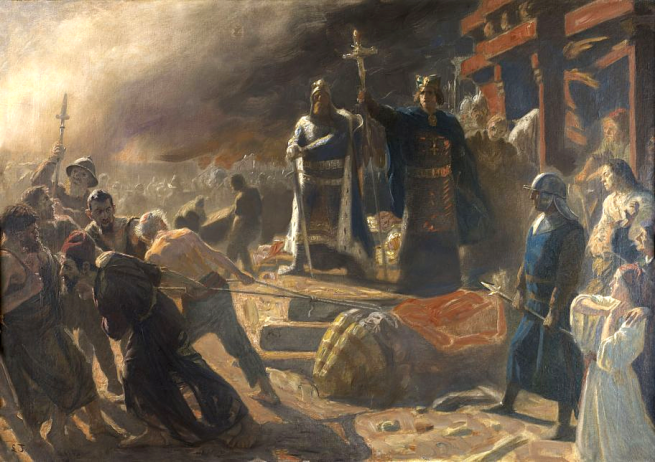
As comfortable in the saddle as the pulpit,  Bishop Absalon of Roskilde (1128-1201) personally sorted out “the heathen Wend”, a tribe of defiant Baltic pagans whose headquarters were of red-and-white banner in the heavens. It became Denmark’s national flag, the oldest national flag in the world and a source of pride among Danes. It must never touch the ground and only a pennant version may be flown at night. (Same rules apply to the Norwegian and Swedish national flags).

Absalon was a highly influential personality in medieval Denmark and a key figure in the development of the country after years of civil war. Portrayed on top as warrior on his rearing horse on Højbro Square in Copenhagen.

220115_statue_of_Absalon_of_Roskilede-in_Copenhagen

Absalon was born in 1128 as son of the wealthy landowner, Asser Rig, and his wife, Inge. His childhood home is a farm in Fjenneslev on Zealand Island. The farm is gone, but a memorial  for the bishop converting the heathens marks the place, where it was.

220115-bishop-absalon-denmark
In 1192, Absalon resigns at the age of 64. He lives his last years in Scania, where he was Arch Bishop of Lund since 1177. Absalon dies during Easter in 1201 and is buried in Sorø Monastery Church.

Discover Norway’s Best Water Show!

0

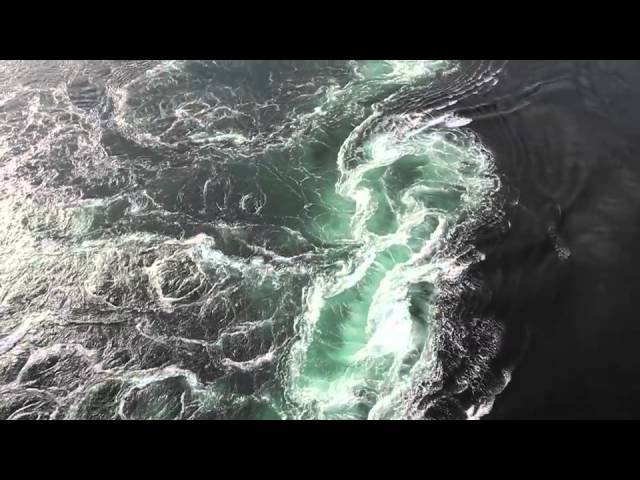
Every six hour over 400,000,000 cubic meters (520,000,000 cu yd) of sea water forces its way through a three kilometer (1.9 mi) long and 150-metre (490 ft) wide strait, with water speeds reaching 22 knots (41 km/h, 25 mph) in and out of the Saltstraumen just outside Bodö in Northern Norway, making it the best water show on the planet.

Just let this sink in for a minute….

The Saltstraumen has the strongest tidal current in the world. Vortices known as whirlpools or maelstroms up to ten metres (33ft) in diameter and five meters (16ft) in depth are formed when the current is at its strongest.

According to Wikipedia the Saltstraumen has existed for about two to three thousand years. Before that the area was different due to post-glacial rebound. The current is created when the tide tries to fill the Skjerstadfjorden. The height difference between the sea level and the fjord inside can be up to 1 metre (3 ft 3 in). When the current turns, there is a period when the strait is navigable.

Pretty cool, huh?

A paradise for sports anglers, and seabirds
Saltstraumen is the most powerful maelstrom in the world. The water speed has been measured at over 20 knots, and more than 3,000 m3 of water flow across the entrance to the fjord every second. Saltstraumen is very rich in fish, some of which are famously big. In fact, the largest pollock ever recorded was caught here. Cod and catfish are common catches for sports anglers. Many seabirds spend the winter feeding here, with eider and white-tailed eagles present in particularly large numbers.

????????
Safari with expert local guide

Saltstraumen Adventure organizes white-tailed eagle safaris and sea fishing trips with expert local guides.  Sign up for the safari and fishing adventure of a lifetime and enjoy Norway’s best water show.

Paradise for sports divers
Compared to many other diving destinations in Norway, Saltstraumen is like a live widescreen Full HD 3D TV for sports divers. The sense of letting yourself being carried by the current, first one way and then another, is simply unforgettable. Giant shoals of fish, all kinds of shells, snails, crustaceans, moss creatures, ascidians, starfish, serpent stars and angleworms add colour to the experience. Enjoy the view beneath the waves at Saltstraumen dykkercamp.

????????
A colourful myriad of species

The rocks that line the fast-flowing channel are the habitat of species including the sea fan, bubble gum coral, dead men’s fingers, breadcrumb sponges and sea lilies, which filter the nutritious waters. Two stony coral reefs have been found outside the threshold, and sports divers have also identified a reef of horn coral just inside the threshold. There is good reason why Saltstraumen has been put forward as a marine area of protection.

????????
A treasure chest of cultural memorials

Remains of Stone Age settlements have been found on both sides of Saltstraumen, along with cultural finds from the Iron Age. Godøy was a chieftain’s seat in the 900s. Chief Raud the Strong was based in the area, as described in Snorre’s saga. It is likely that the early settlement grew up here on account of the rich biological diversity to be found in the fast-flowing tidal waters.

????????
Your meeting with the coastal people of ages past

Tuvsjyen is an activity centre in Saltstraumen, featuring authentic food preparation using ancient methods and fresh ingredients harvested from the sea. Prepare your family’s catch in cooking pots from ages past. Activities, games and accommodation in a naturally beautiful and creative environment. The experience brings to life the local Stone Age culture from 9800 years ago. Visit www.tuvsjyen.com for a taste of the Stone Age.

Text and photos: Tor Kjolberg

When Signs Go “Bad”

0

Inaccurate translations happen everywhere. Scandinavians are known for their good command of the English language, but very often they speak it with a funny dialect. Today we welcome you to take a moment to share a laugh.

Have a laugh while studying signs go “bad”

Cocktail lounge, Norway:
Ladies are Requested Not to have Children in the Bar

At a Budapest zoo:
PLEASE DO NOT FEED THE ANIMALS. If you have any suitable food, give it to the guard on duty

200115-children_circus-funny-sign
Hotel, Acapulco:
The Manager has Personally Passed All the Water Served Here

Car rental brochure, Tokyo:
“When passenger of foot heave in sight, tootle the horn. Trumpet him melodiously at first, but if he still obstacles your passage then tootle him with vigor.”

200115-DoNotEnter

On an Athi River highway:
TAKE NOTICE: When this sign is under water, this road is impassable.

Tokyo hotel’s rules and regulations:
Guests are requested NOT to smoke or do other disgusting behaviors in bed.

200115-Funny-Lost-Pet-Sign
In an East African newspaper:
A new swimming pool is rapidly taking shape since the contractors have thrown in the bulk of their workers.

Hotel lobby, Bucharest:
The lift is being fixed for the next day. During that time we regret that you will be unbearable.

200115-funny-picure-5
In Nairobi restaurant:
Customers who find our waitresses rude ought to see the manager.

In a New Zealand restaurant:
Open seven days a week, and weekends too.

200115-funnysigns
Restaurant window:
Don’t stand there and be hungry. Come on in and get fed up.

On the menu of a Swiss restaurant:
Our wines leave you nothing to hope for.

200115-Funny-Signs-1
Hotel elevator, Paris:
Please leave your values at the front desk.

A menu in Vienna:
Fried milk, children sandwiches, roast cattle and boiled sheep.

200115-FunnySigns-2
Hotel, Japan:
You are invited to take advantage of the chambermaid.

At a Korean restaurant in Auckland, New Zealand:
We do not re-use the food.

200115-funny-signs-2
Supermarket, Hong Kong:
For your convenience, we recommend courteous, efficient self-service.

Outside Paris dress shop:
Dresses for street walking.

200115-Funny-Signs-3
In a Rhodes tailor shop:
Order your summers suit. Because is big rush we will execute customers in strict rotation.

A sign on a car in Manila, Philippines:
Car and owner for sale.

200115-funny-signs-4
Hotel, Zurich:
Because of the impropriety of entertaining guests of the opposite sex in the bedroom, is it suggested that the lobby be used for this purpose.

Airline ticket office, Copenhagen:
We take your bags and send them in all directions.

200115-Funny-Signs-6
War museum on the River Kwai, Thailand:
The Museum is building now – sorry for the visitor

Outside of Hong Kong:
Ladies may have a fit upstairs.

200115-funny-signs-7
In a Bangkok dry cleaner’s:
Drop your trousers here for best results.

In an advertisement by a Hong Kong dentist:
Teeth extracted by the latest Methodists.

200115-Funny-Signs-maple-syrup
Doctor’s Office, Rome:
Specialists in women and other diseases.

Instructions for a soap bubble gun:
While solution is not toxic it will not make child edible.

In an Italian cemetery:
Persons are prohibited from picking flowers from any but their own graves.

Detour sign in Kyushu, Japan:
Stop: Drive Sideways.

Sign at Mexican disco:
Members and non-members only.

A sign posted in Germany’s Black Forest:
It is strictly forbidden on our black forest camping site that people of different sex, for instance, men and women, live together in one tent unless they are married with each other for that purpose.

Japanese hotel room:
Please to bathe inside the tub.

On a South African building:
Mental health prevention centre.

From Soviet Weekly:
There will be a Moscow Exhibition of Arts by 15,000 Soviet Republic painters and sculptors. These were executed over the past two years.

Instructions on a Korean flight:
Upon arrival at Kimpo and Kimahie Airport, please wear your clothes.

Aeroflot advert:
Introducing wide boiled aircraft for your comfort.

Belgrade hotel elevator:
To move the cabin, push button for wishing floor. If the cabin should enter more persons, each one should press a number of wishing floor. Driving is then going alphabetically by national order.

Athens hotel:
Visitors are expected to complain at the office between the hours of 9 and 11 A.M. daily.

And what about this one from a shop window in Oslo:
Closed between Merry Christmas and Happy New Year.

So you see, inaccurate translations happen everywhere!

Norwegian Ways

0

When the last ice age finally backed off ten thousand years ago, the human population were more than happy to wave goodbye to snow and ice. But of course there were freaks in the Stone Age, too.

The first Norwegians were the ones who actually followed the glaciers back north. That’s right. These anomalities became ancestors to the modern Norwegians, and the gene for madness is what separates Norwegians from others, even today.

Let’s begin this by explaining a typical Norwegian eating habit.

Matpakke
Do you think it’s barbaric to eat with your fingers? Norwegians too. Unless the food has been wrapped in paper first.

From kindergarten and all the way through school, Norwegian kids are equipped with a matpakke from their parents. The matpakke is also common in public offices (where the cafeteria is a tragedy anyway) on universities and of course; on tur (hiking).

The food is supposed to be wrapped in paper, despite the fact that the matpakke always is squeezed and smashed to pieces by the time you’re supposed to eat it. It doesn’t seem to bother Norwegians much. They will wrap it in paper next time as well.

Essential ingredients:

Brødskive. A matpakke consists of at least one slice of bread, but usually two or three.

????????
Smør. Salted butter is important not only because of the taste, but also to glue slices of cheese, meat, etc. to the bread. Anything but the real McCoy is a no-no.

????????
Pålegg. In theory you can put anything on the bread. But not too fancy stuff. Salami is ok, pastrami is not. It depends on how long Norwegians have been aware of it. As long as it has been in use since the World War two, it’s ok.

????????
Ost. Cheese is almost never wrong. But then again, French brie was never meant for a matpakke. Keep it simple.

????????
Grønt. Most Norwegian stop after the above step. But the bold ones dare to freshen up a little with something green. It’s ok, but it’s a thin line between cucumber and over the top.

????????
Preparations

1. Spread the butter on the slice of bread. Make sure that the butter fills every little hole.

????????
2. Place the slices of salami on the bread, one on the right side, slightly overlapping to cover the whole slice of bread.

????????
3. Place the cucumber on top of the salami.

????????
4. Cover with a protective piece of mellomleggspapir.

????????
5. Wrap it in matpapir – se the instructions below.

Fig. 1 Precision
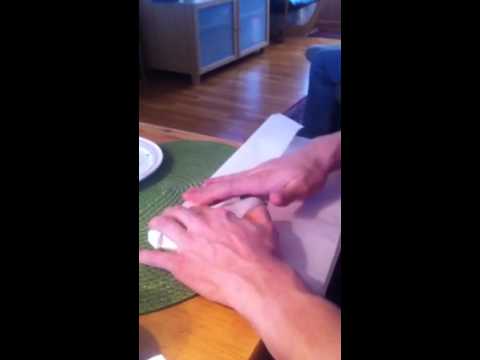
Rip off a piece of paper. Place the slices of bread in the centre.

????????
Fig. 2 The roll
Wrap one side of the paper over the slice of bread and continue into a roll, clockwise.

????????
Fig. 3 Completing the roll
Continue rolling until the whole slice is covered in paper.

???????? ????????
Fig 4 The crumble
Crumbe up the paper edges on the right – then repeat on the left.

Fig 5 Voila
Here you go. A perfect matpakke for a perfect lunch.

????????
Norwegian ways consist of many weird customs. More to come!

Text and photos: Tor Kjolberg

Ice-Age Scandinavia

As the ice floss retreated, so the hunter-gatherers moved north, colonizing the Nordic lands and giving rise to the Viking Age.

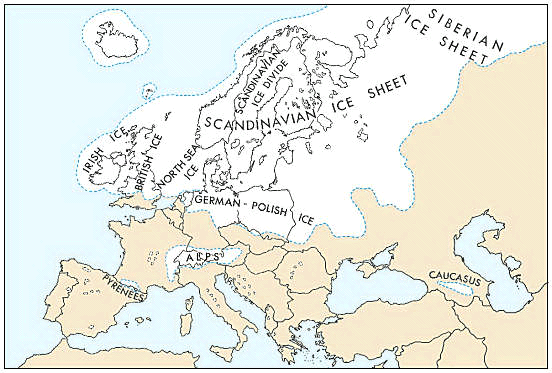
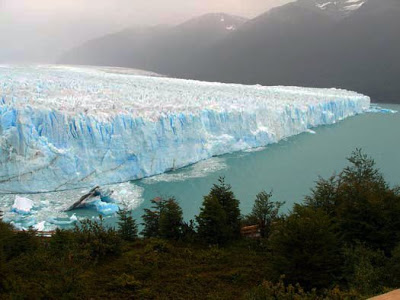
For 1.6 million years, Scandinavian languished under an ice-sheet that oozed out of the Jostedalsbreen in Norway, stretched as far as the British Isles and Moscow, and was 3,000 metres (9,800 ft) thick.

160115_Ice_Age_map
When eventually it melted, nomadic hunters and gatherers went after plants and animals that surfaced in the wake. Some 12,000 years ago, the peninsula celebrated its final liberation from the crushing weight of the icy rising like bread in an oven.

Unleavened Denmark, however, remained barely above the sea level, the largest bridge with Norway and Sweden broken.

OLYMPUS DIGITAL CAMERA
Contrary to the established view, new research shows that conifers grew in northern Scandinavia in the glacial period despite several kilometre thick ice sheets.

Up to now, most scientists have subscribed to the general view that the advancing ice presented all living things with an ultimatum: Go south or die out!

But now an international research team claims that the glaciations has not been total, and that there must have been some retreats with ice-free areas where trees could survive tens of thousands of years of glaciation.

“This means that we need to rethink how life reacts to global climate changes and that life on Earth is a lot more robust than we think,” says Professor Eske Willerslev, of the Centre for Geogenetics at the University of Copenhagen, who headed the research.

160115_Trees_surtvived_Ice_Age_in_Scandinavia
Generally accepted that the trees disappeared
Willerslev and his colleagues used the latest DNA technology to gain a fresh view on a controversial issue about the origin of the Scandinavian forests.

It has long been generally accepted that all trees in Scandinavia disappeared completely during the last Ice-Age in Scandinavia, which started some 115,000 years ago.

This view states that it wasn’t until after the ice melted away some 9,000 years ago that the trees started to reappear at an impressive speed from the south and the east.

Unidentified Objects

Artist Sara Vajira Lindstöm is displaying the small, paradoxical moments that can change our world at Soft Gallery in Oslo

The Soft Gallery in Raadgusgaten, Oslo, is the first gallery in Norway to present Sarah Vajira Lindström and her project “Unidentified Objects”.  The starting point for this project is her own obsession with collecting things from nature, then taking those findings home to be rearranged – a romantic’s longing to organize our nature.

150115-Sarah-Vajira-Lindström-Unidentified-Objects-2
On a white painted table in the gallery we observe plastic cans and glass containers with seaweed – or are they anemones and corals? They may also be moss or fungi, even bacterial cultures or tissue samples from the human body. The objects are located in an indefinable room between nature and our own inner being, and are all twisted together in astonishment for us to see.

Sarah Vajira Lindström wants to investigate what relationship we humans have to the nature around us and the contradiction between wild and  cultivated nature.  Lindström has selected, for the exhibition at SOFT gallery, a collection of small, unidentifiable objects,  a collection which apparently resembles what she may have found in the woods, but all of which are manufactured by the artist herself. The objects are natural recreations of fictitious, nonexistent organisms and it may look as if the artist, through the creation of each object, has captured a moment and frozen a growth process,  taking care of it in its own natural historical archive.

150115-Sarah-Vajira-Lindström-Unidentified-Objects-3
This is neither nature nor body, but a work of art by Sara Vajira Lindstrøm. The hybrid objects are partly made of plastic and silk. What does she want to show us? Why this ambiguity?

150115-Sarah-Vajira-Lindström-Unidentified-Objects-4
The exhibited works are the artist’s own collection of experiments with different techniques and materials. Lindström has explored knotting techniques, heat spraying, embroidery, and melting and burning of materials in textiles, plastics and rubber. She has worked with layers of transparency and opacity. The objects are small and varied and the viewer must be very close to discover all the details. The experience may remind us of a discovery in nature where one studies the details of a leaf or a seed capsule.

Sarah Vajira Lindström (1981) is a Swedish artist who lives and works in Oslo. She has a Masters degree in textile art from the Royal College of Art in London and a Bachelor of Arts degree from Central Saint Martins in London. She has participated in several group exhibitions at the Nordic Centre, Helsingborg, Talente 2014 in Munich, 2009 in Eindhoven, Konstslöjds, the Architecture Museum in Stockholm and Fablernas Värld (The World of Fairy Tales) at Konsthantverkarna in Stockholm. She will exhibit at Liljevalchs Vårsalong Stockholm until spring 2015.

????????
The exhibition Unidentified Object at Soft Galley runs through February 8.

www.sarahlindstrom.com

Text: Tor Kjolberg
All photos: Øystein Thorvaldsen, except exterior image of Soft Gallery, Oslo by Tor Kjolberg.

Cabin at Western Swedish Coast

0

A cabin has far more meaning than just a building when both its owners and the designer have deep connections to its location.

Stockholm architect Mat Fahlander and his client are lifelong friends, and they played together as children on this parcel of land, which has been in the client’s family since the 1940s. That kind of intimacy with a place also gives a unique perspective on how to fit a structure into it.

140115-Cabin_Kaggeboda_Sweden_2
Fahlander chose a simple box shape for both the main summer house and its guest satellite, floating them above the granite shortline of this rugged stretch of western Swedish coast, in order to retain a strong sense of the natural environment. This is enhanced by a huge glass facade, which includes a 16-foot sliding door and reminds that the sea is your front yard.

140115_Cabin_Kaggeboda_Sweden_3
Mindful of the storms that batter this coast, Fahlander wrapped the shelter in corrugated cement boards and topped it with corrugated tin, curved as a reflection of the many boulders that stud the shore. This cabin at Western Swedish coast is about 900 square feet, half that in the large communal area that faces the Skagerak Straight, half in three small bedrooms in the back.

All Photos by Åke E:son Lindman/Otto

Other articles that may be of interest:
Cardboard Cabin in Gothenburg
Norwegian Ski Holidays
Where is this?