Brondums Hotel in Skagen – A Living Museum

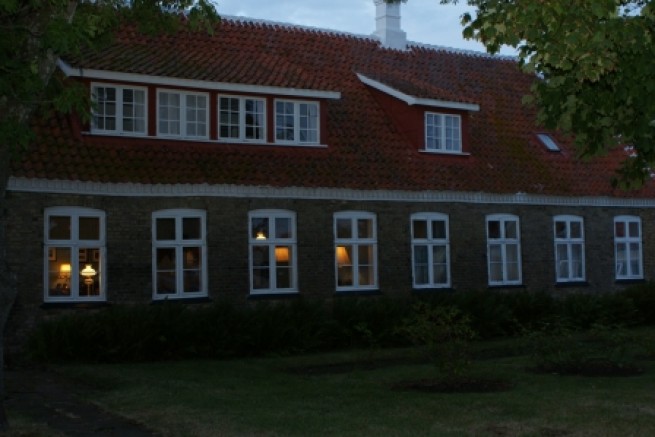
Brondums Hotel is deeply embedded in the history of Skagen, Denmark’s northernmost settlement.

The Danish painter Anna Ancher (1859-1935), associated with the Skagen painters, was born at the inn, which was then owned by her father, Erik Andersen Brondum, a merchant and landlord, who started running it around 1840.

????????
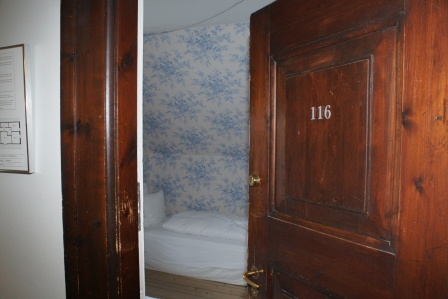
Prominent guests through the years included Hans Christian Andersen and Karen Blixen. Blixen stayed for several months in 1936 in room 116, where she wrote part of her book Out of Africa.
????????

????????
After the inn burned down in 1874, a new building was erected with a long low wing of grey bricks. This wing is the oldest part of the hotel.  Around 1890 the famous Danish architect Ulrich Plesner came to Skagen to inspect the lighthouse at Hojen.  At that time it was felt that  the inn needed to be enlarged,  so the son of Erik Brondum, Degn Brondum, seized the opportunity to commission Ulrik Plesner to supervise the construction of an extension to the inn which was then completed in 1892.  More space was needed, so Ulrik Plesner designed and built considerable extensions in his favorite red brick style.

As a result of Plesner’s extensions the inn became a hotel and remained as such until parts of it burned down in 1954 and 1959.

????????
Perhaps most significant, Brondums was a regular hangout for members of the Skagen school of painters from 1880s to the turn of the century. Many of their works are displayed in the hotel’s public rooms and were literally payment for the artists’ food and lodging, a fair trade for pleasurable living on the edge of two seas. The artists met in the blue room, and declared, “here is where we’ll meet.” (painting above)

????????
The famous dining room, adorned with paintings of the artists, was moved from the hotel to the Skagen Museum in 1940. The museum was built in 1928.
????????
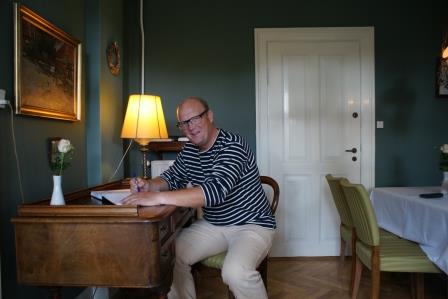
Maître d’hôtel, Kresten Skeel Langvold (55) informs us that people visiting the hotel today are seeking originality, which no longer can be bought for money. (Photo above at Degn Brondum’s desk). “Everyone from Skagen knows of the artists and their paintings, and all Danes are familiar with and love them. This has helped to spread the word about how fantastic it is here. Tourists have been coming for more than a hundred years,” says Langvold and continues, “Comfort or coziness is the motto of the Brøndums Hotel. From the moment you enter until you walk out the door again, you are surrounded by ‘hygge’, the Danish word for coziness”.

The professional staff does its utmost to ensure that everyone has a pleasant time here; the furnishings are elegant yet informal and candles are always burning on the tables, regardless of the time of day or year. “Our philosophy is that one should feel at home even when not at home.”

????????
Yes, you feel at home at Brondums hotel. Some guests may be surprised that when they enter their rooms, they find neither toilet nor shower. The truth is that Erik Brondum wanted rooms without water at all (there are sinks with hot and cold water in all the rooms and shower and toilets on every floor). His view was that there was enough water in the sea nearby, so that guests could just go there and bathe.
????????
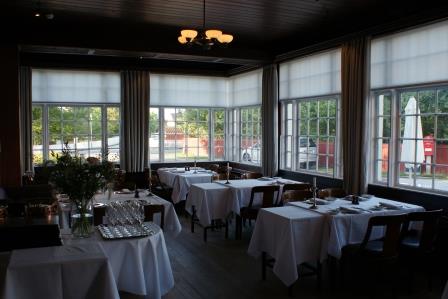
We enjoyed an excellent dinner at Brondums hotel, with a selection of delicatessen accompanied by Grand reserve champagne André Cloet as starter and Skagen sole as main dish.

????????
The staff was very friendly, but not quite as professional as one might expect at a place like this.

????????

They served for instance two big pieces of fish on the plates – not very elegant. And since the serving pantry was next to our table, there was disturbing traffic passing our table during our meal.

Text and photos: Tor Kjolberg

Decisive Dates In Scandinavia

During the most recent glacial period the entire Scandinavian peninsula was under a sheet of ice. As the ice cap began to withdraw, about 12,000 years ago, hunter-gatherers moved north in pursuit of reindeer. Here are some decisive dates in Scandinavian history.

Early history:
10,000 BC – AD 800

Hunter-gatherer tribes follow the melting ice northwards, establishing settlements in Southern Scandinavia.

110814_Scandinavian_Early_History
1500 BC
Trade routes are forged through the rivers of Eastern Europe to the Danube.

500 BC – AD 800
Iron Age Grauballe Man and Trollund Man are buried in peat bogs in Denmark.

110814_Grauballe_Man
AD 100
The historian Tacitus mentions the Fenni (The Sami) in his Germania and describes the Sveas who inhabit what is now called central Sweden.

110814_Tacitus
AD 400
Sweden’s influence over its “eastern province” begins.

The Viking Age
800 – 1060
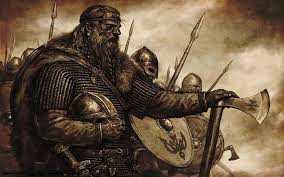
Vikings earn a reputation as sea warriors. Swedish Vikings (Varangians) soon control trade routes to Byzantium.

110814_Vikings
830
A Bebedictine monk, Ansgar (801-65), lands on Björklö in Sweden and founds a church.

110814_Bendixen_Ansgar
861
Vikings sack Paris

866
Vikings raid and plunder, eventually controlling most of England and Normandy.

940-95
Harald Bluetooth brings Christianity to Denmark; Olav Trygvason uses force in his attempt to convert the Norwegian Vikings.

110814_Olav_Trygvasaon_Statue_Troindheim_Norway_Daily_Scandinavian
1001
Leifur Eriksson discovers Vinland (America).

110814_leifur-eriksson_Statue_Daily_Scandinavian
1050
Harald Hardrada of Norway found Oslo.

110814_Harald_Hardrada_window_in_Kirkwall_Cathedral
1066
Defeat in England brings the Viking Age to an end.

Middle Ages , 1100 – 1500
1070
Building of Nidaros Cathedral begins in Norway

SONY DSC
1155
King Erik of Sweden launches a crusade into Finland: further Swedish invasions take place in 1239 and 1293.

110814_King_Erik_of_Sweden
1319-43
Inter-Scandinavian royal marriages produce a joint Norwegian-Swedish monarchy.

1362
Finland becomes a province of Sweden.

1397
The Kalmar Union unites the kingdoms of Norway, Denmark and Sweden.

1417
Eric VII of Denmark makes Copenhagen his capital and builds a palace at Helingoer.

110814_Kronborg_Slot_Helsingor

Wars and reformation
1520
Kristian II of Denmark invades Sweden and massacres the nobility in the “Stockholm Bloodbath”. Gustav Vasa drives him out and the Kalmar Union is disbanded.

1523
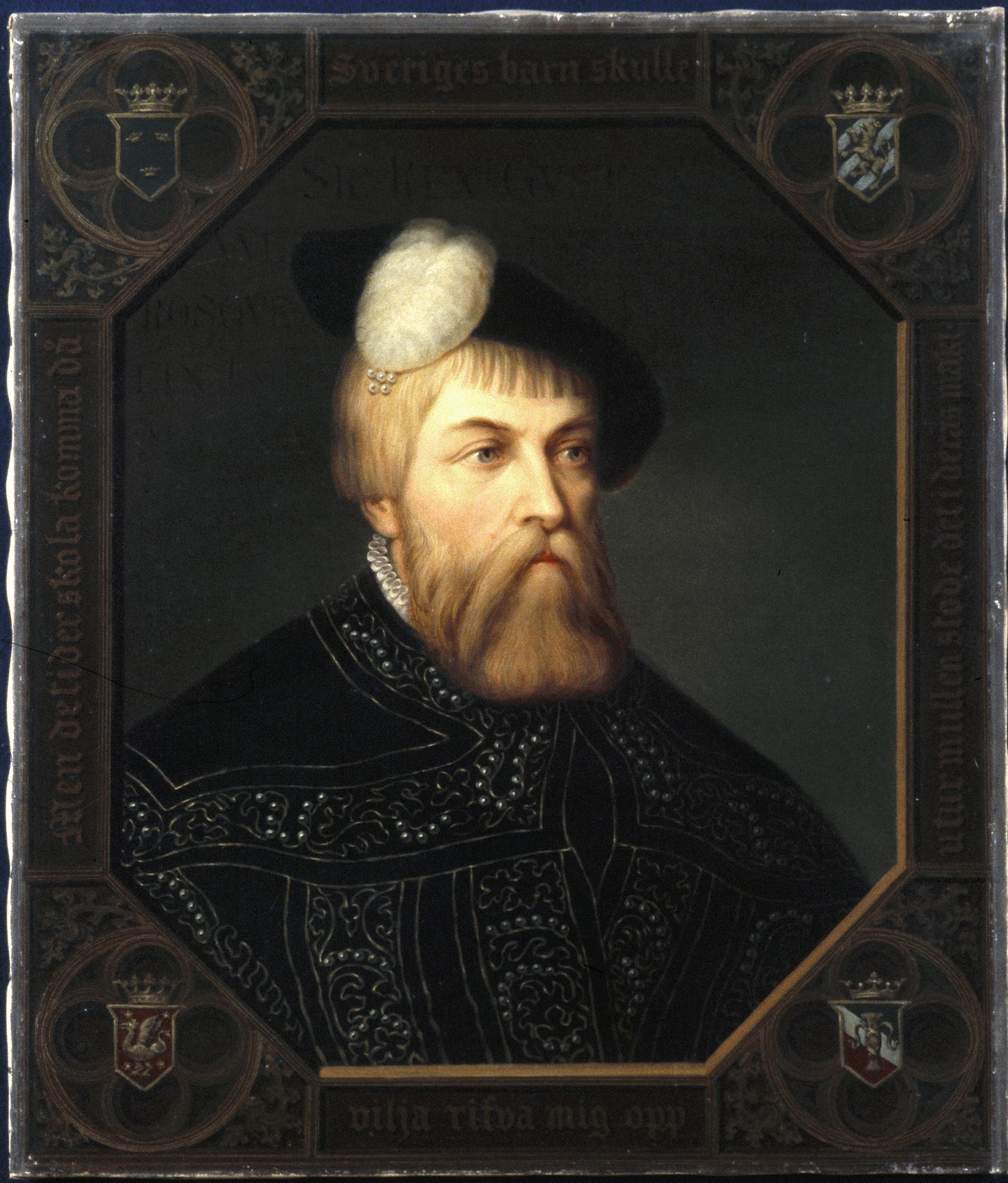
In Sweden, Gustav Vasa ascends the throne, marking the start of the Vasa dynasty (1523-1720), which also holds power in Finland.

110814_GustavVasa
1530
The Reformation; the Lutheran faith is introduced.

1536
Norway ceases to be an independent kingdom as the Danes take control.

1588-1648
Denmark flourishes under Kristian IV (1577-1648)

110814_Kristian_IV_aof_Denmark,_painted_by_Pieter_Isaacsz_1611-1616
1625-57
The Thirty Years War launched by the Danish king, Kristian IV, to check Swedish expansion ends in defeat for Denmark.

1714-41
Russia and Sweden battle over Finland. Under the Treaty of Turku (1743) Russia moves its border westwards.

Nineteenth Century
1801-14
During the Napoleonic Wars, English fleets twice bombard Copenhagen. Denmark sides with Napoleon and suffers defeat. Norway is ceded to Sweden.

1814
The Constitution of Norway was signed at Eidsvoll on May 17 this year. The constitution declared Norway to be an independent kingdom in an attempt to avoid being ceded to Sweden after Denmark–Norway‘s devastating defeat in the Napoleonic Wars.

1815-1907
In Sweden, Jean-Baptiste Bernadotte, French marshal of Napoleon, succeeds to the throne as Karl XIV Johan (1818-44). The great exodus to the United States takes place.

110814_King_Karl_Johan_of_Sweden_Norway
1864
Denmark and Prussia at war. Denmark loses Schlesvig-Holstein.

Modern Times
1905
Referendum in Norway leads to the end of the union with Sweden. The Danish prince Haakon VII is King of Norway.

110814_norway-haakon7
1930s
Denmark and Sweden establish welfare states.

1939-48
Sweden remains neutral in World Wars I and II. Norway proclaims neutrality in World War II, but is attacked by the Germans, who also occupy Denmark.

1949
Denmark becomes a founding member of NATO.

1960s
Norway begins oil exploration.

110814_Oil_platform
1973
Denmark joins the EEC (EU).

1986
Olof Palme, Swedish prime minister and international peacemaker, is assassinated.

110814_Olof-Palme
1995
Sweden join the EU. Norway votes against joining (1972 and 1994).

2000
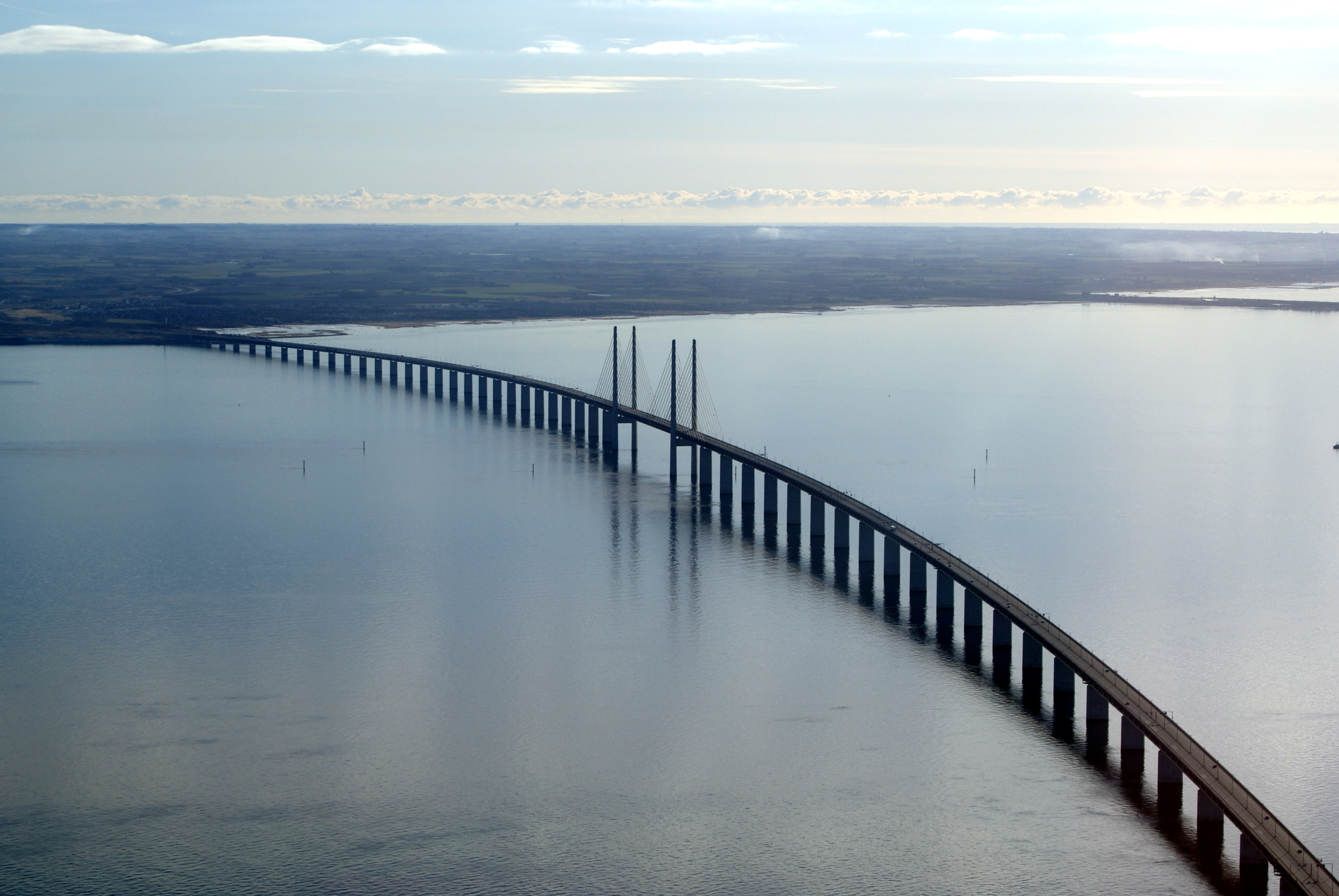
Oeresund bridge opens between Denmark and Sweden.

SONY DSC
2009
UN climate change conference held in Copenhagen.

2011
A bomb in Oslo and shooting on Utoya island kill 76 people. The gunman, a right-wing Christian extremist, accuses Norway’s Labour government of failing on immigration.

2013
September 24, first article in Daily Scandinavian  published.

The dates above are our selected decisive dates in Scandinavia.


Two New Danish Sites Inscribed on the UNESCO’s World Heritage List This Summer

0

These inscriptions bring the total number of sites on the World Heritage List to 1007.

230914_Sevns_klint_Photo_Visit_Denamrk

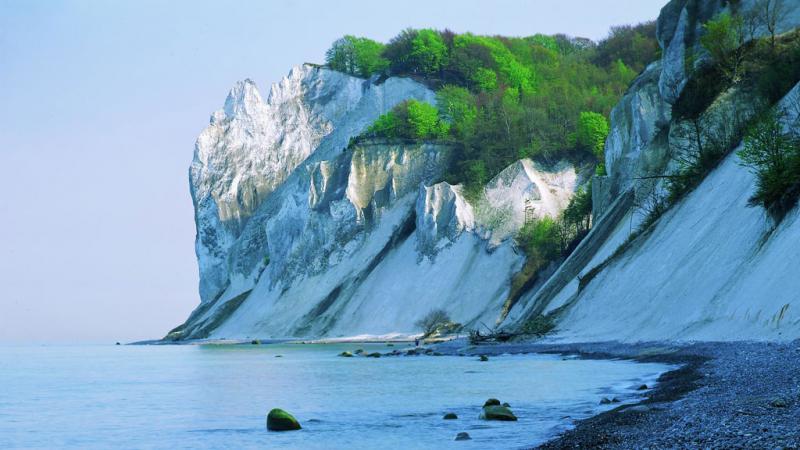
The geological site Stevns Klint in Denmark comprises a 15 km-long fossil-rich coastal cliff, offering exceptional evidence of the impact of the Chicxulub meteorite that crashed into the planet at the end of the Cretaceous, about 65 millions years ago.

Researchers think that this caused the most remarkable mass extinction ever, responsible for the disappearance of over 50% of all life on Earth. The site harbours a record of the cloud of ash formed by the impact of the meteorite – the exact site of the impact being at the bottom of the ocean off the coast of Mexico’s Yucatán peninsula.

230914-moens-klint-denamark

The asteroid impact that many researchers claim was the cause of the dinosaur die-off was bad news for marine life at the time as well. But new research shows that microalgae – one of the primary producers in the ocean – bounced back from the global extinction in about 100 years or less

An exceptional fossil record is visible at the site, showing the complete succession of fauna and micro-fauna charting the recovery after the mass extinction.

230914_Wadden_sea-migratory-birds

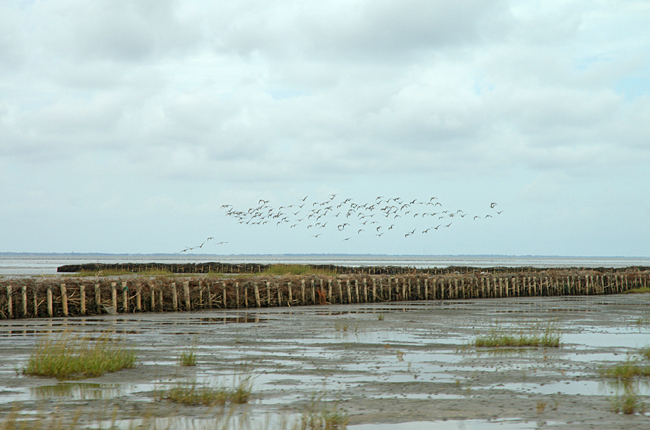
The Wadden Sea (Germany/Denmark). This is an extension of the Dutch and German Wadden Sea site, inscribed on the World Heritage List in 2009.

The Wadden Sea is the largest unbroken system of intertidal sand and mud flats in the world. The complete extension now covers most of the Danish Wadden Sea maritime conservation area, as well as a maritime extension of the Dutch Wadden Sea Conservation Area and the German Wadden Sea National Parks of Lower Saxony and Schleswig-Holstein.

230914_Vadehavet_Denmark_Photo_Mikkel_Barker_National_parks-of-denamrk

Wadden Sea National Park (Nationalpark Vadehavet) was named a Danish national park on 17 January 2008. Since June 2014 it contributes the Danish part of the UNESCO‘s World Heritage of the Wadden Sea. Prince Joachim of Denmark is Patron of the Wadden Sea Centre.

The Wadden Sea National Park is by far the largest of Denmarks national parks and covers the Danish part of the Wadden Sea from Ho Bugt to the German border, and includes the islands of FanøMandø and Rømø, as well as SkallingenVarde Å valley and many of the marshlands of TjæreborgmarskenRibemarskenMargrethekogenand De ydre diger i Tøndermarsken.

The Wadden Sea is known for its large number of migratory birds and for the large flocks of European Starlings which fly in formations known as the Sort sol. (Wikipedia)

An Evening of Norwegian Folk & Gospel in Nashville

Christ Church Cathedral, Nashville, Tennessee kicks off the season with a special performance by Norwegian musicians Solveig Leithaug on guitar and Alexander Rybak on violin October 1.

240914_Solveig_Leithaug
Ms. Leithaug, who is known for singing Scandinavian folk music as well as gospel, has 14 solo recordings and three best-selling children’s CDs to her credit. The Dove Award-winning recording artist has served as a guest artist at official Parliament functions, national and international conferences, television broadcasts, and inner-city and prison outreach events.

240914_Alexander_Rybak
Alexander Rybak displayed prodigious musical talent at an early age. After emigrating with his parents from Minsk, Belarus, to Norway, he studied violin and piano; by the time he was a teenager, he was performing on the violin with orchestras around the world. His breakthrough came in 2009, when he won the Eurovision Song Contest with his original composition “Fairytale”, which went on to top the charts all over Europe. At 28, he has released four albums and continues to tour throughout the world.

The performance of Norwegian folk & gospel is free and open to the public.

Re-unification of Iceland and Norway

0

A group of Icelanders have started a campaign to have the country brought under the administration of the Norwegian government as “Norway’s 20th county”, writes grapevine.com.

The group, Fylkisflokkurin (“The County Party”), already has just over one thousand members. In their mission statement, the group administrator writes that they aim for “the re-uninfication of Iceland and Norway”, wherein “the Norwegian government would constitutionally protect and promote Icelandic culture while Icelanders would enjoy all the same rights as Norwegians.” – Iceland is just too small to raise up talented politicians. It is also too small to raise and nurture properly talented people, says the group founder and director of the National Center of Addiction Medicine (SÁÁ), Gunnar Smári Egilsson, reports Nettavisen.

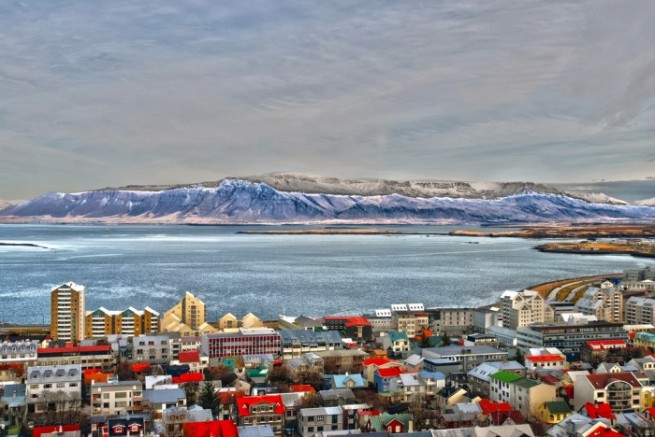
220914_Reykjavik_Pind_with_City_Hall
Iceland was colonized in medieval times, mainly by Norwegian people. The first wave probably started in 860, and saw its heyday from about 870 to 930, according to historian Per Norseng. Iceland and Norway formed a common Norse cultural area in the North Sea, and much of Norway’s history was chronicled by Icelandic writer Snorri Sturluson.

Iceland was brought under Norwegian rule around 1262. This lasted until the Kalmar Union in 1380, which united the three kingdoms of Denmark, Norway (with Iceland, Greenland, Faroe Islands, Shetland and Orkney), and Sweden (including some of Finland) under a single monarch. In the union, Denmark was the stronger country, and eventually gained rule over both Norway and Iceland (as well as Greenland and the Faroe Islands). Norway left this relationship in 1814, and Iceland in 1944.

Source: The Nordic Page
Feature image (on top): Allen Watkin | Reykjavik skyline

Making Oslo More Social

0

Living abroad in a foreign country is definitely a great intercultural experience, but typically brings up a lot of questions, for instance, how to find new friends and do something together?

????????
Oslo is a fast growing capital and several events and things are happening. However, sometimes it is hard to find the interesting ones. There are already a number of groups on Facebook, but they are often too big and messy.

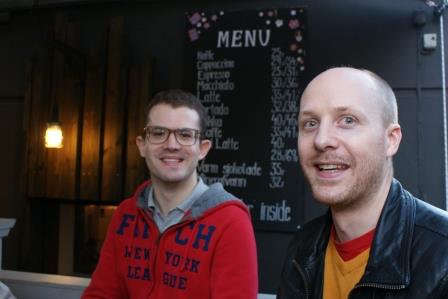
That’s why Christopher Bach (31), when he came to Oslo, Norway from Germany in 2007 and decided to stay, wanted to establish a group for expats and other people interested in multicultural issues. Together with his Norwegian friend, Per Kristian Haakonsen (35) he decided to create a Facebook group, Oslo Social Network.

The group was established in July last year and has already nearly 2,000 members, mainly expats but also some locals.

“Our group wants to make Oslo more social. The idea is to connect, find events and make new friends in Oslo,” explains Christopher.

Christopher Bach (left) and Per Kristian Haakonsen

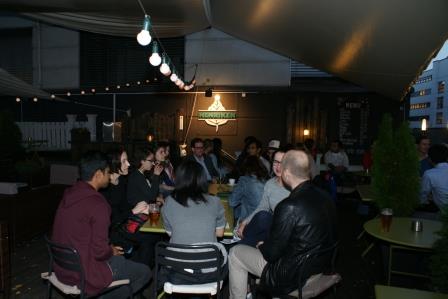
Daily Scandinavian joined the group at one of their social coffee meetings at Henriken across the honorary artist’s residence Grotten (“The Cave”).

“Oslo Social Network focuses on events that make it possible to meet new people,” says Per Kristian. “When members spot an interesting event or hear from a friend about something they think will fit, they are invited to post the information to the group. That might be cultural events, art exhibitions, concerts, parties, flea markets or hints on good cafés or places to eat. Even if someone just want to go hiking or just want to meet for a coffee (tea is fine, too) they can post it.”

The only requirement is that the activity should be open to all the group’s members.

“We always welcome newcomers to the events!” says Christopher Bach.

These events do not necessarily have to be “Facebook events”. Sometimes the most interesting things are happening outside of Facebook. Therefore, members just post it as a good old status message (“Let’s meet tomorrow by the tree”) or link to a website that has more information.

Christopher emphasizes that this group is special because it is all about finding events and social things to do in and around Oslo. The group is open to everyone; it is an inclusive group and anyone can join.

“Sometimes we do our own gatherings and have coffee hours, like tonight, or pub nights or hikes.”

Thee coffee hours are popular, and several multicultural friends had gathered this late summer evening in Oslo. It was easy to get in contact with the members. They told us that two or three events are planned for the dark season, in addition to the coffee meetings. Actually we eyewitnessed more people drinking beer than coffee.

????????
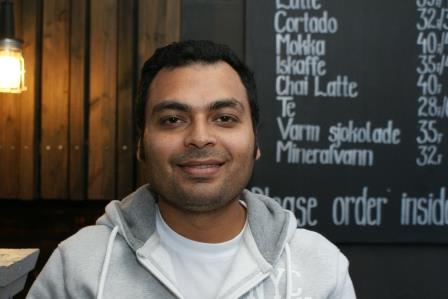
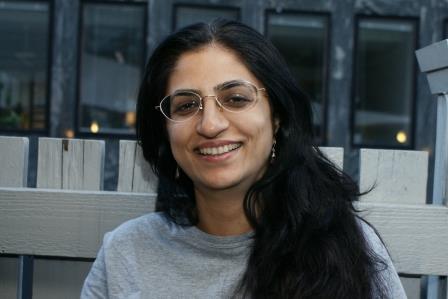
It was second time Waquas Ahmed (37) from Pakistan joined the coffee hour. “It is nice to meet international people,” he said. He likes to discuss Oslo and Norway as well as his home country. “I want to do new things,” he said.

????????
Shaz Bilal (31) from India has been a member for some months. “I like to meet new people,” she said and added that she is looking forward to some unique events.

We know that Christopher Bach and Per Kristian Haakonsen have some great ideas, and it will be interesting to follow the group – not only on Facebook.

Top ten places for Stockholm Visitors

Big and small. Well-known and unique. Classics like the Vasa Museum and modern newcomers like ABBA The Museum and Fotografiska. In Stockholm, there are more than a hundred attractions to choose from. We have boiled it down to a list of ten things you simply cannot miss.

180914_Kaknastornet_Stockholm
Here are some suggestions for our Stockholm visitors:

Kaknästornet
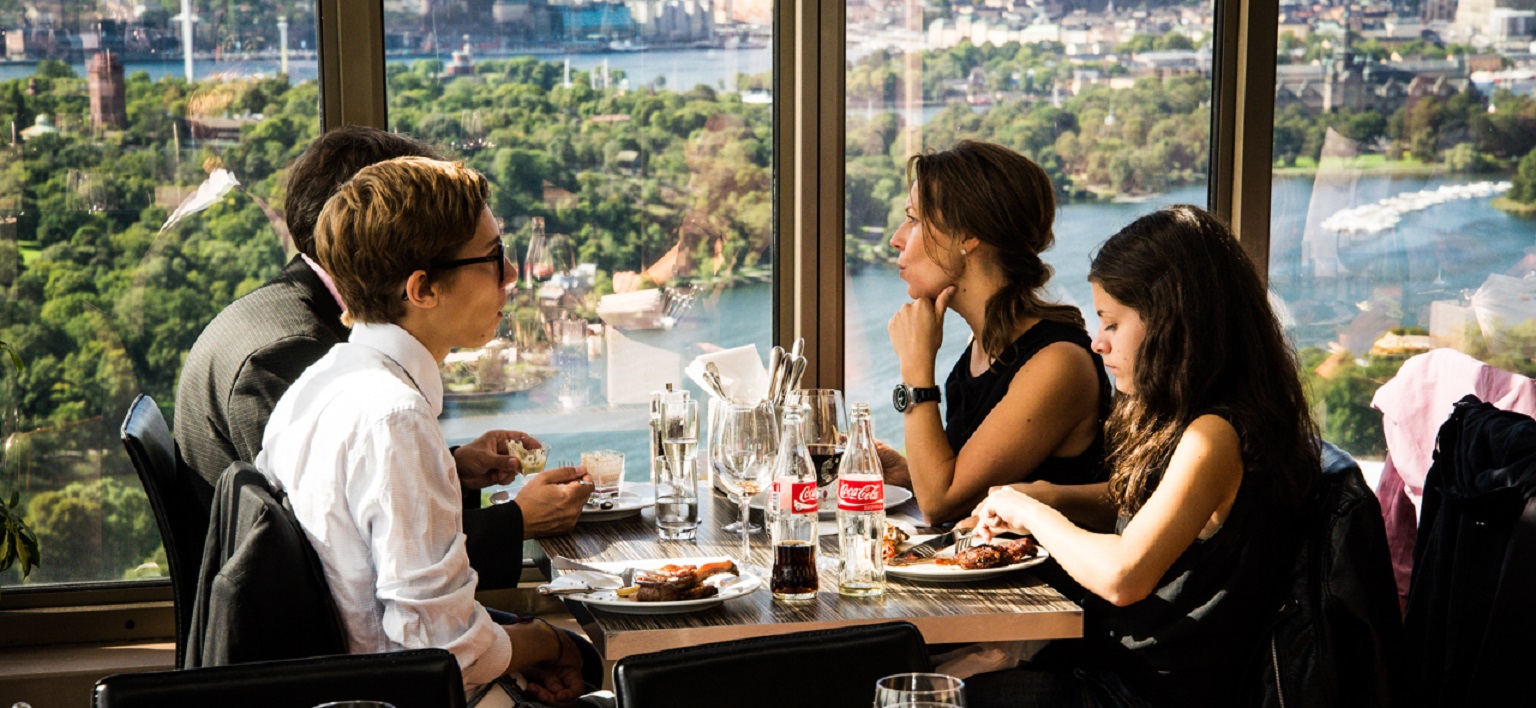
Kaknästornet, Stockholm tv-tower, 155 meter high with the best view of Stockholm, day and night, summer and winter, rain or shine, offers a unique environment for both ordinary days as partys Enjoy the tv-tower restaurant Stockholm, café, skybar, viewpoint and souvernir shop.
Elevator fee: 55 kr (7-15 years olds, 20 kr).

KONICA MINOLTA DIGITAL CAMERA
Skansen

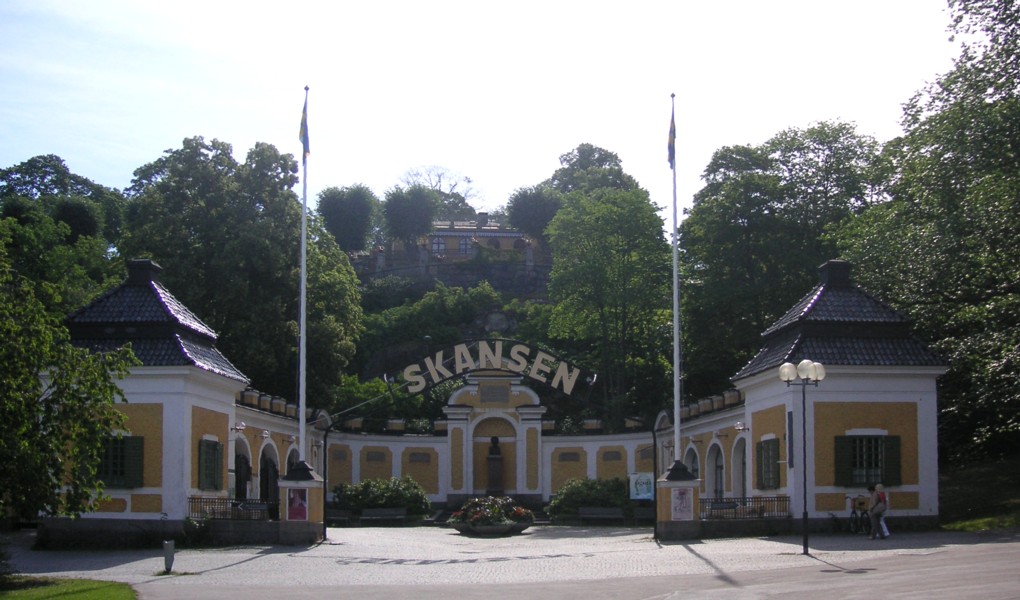
Skansen is the world’s first open-air museum, founded in 1891. Here you can stroll through five centuries of Swedish history, from north to south, with a real sense of the past all around in the histori¬cal buildings and dwellings, peop¬led by characters in period dress.

180914_Artipelag_Museum_Stockholm
Artipelag Museum

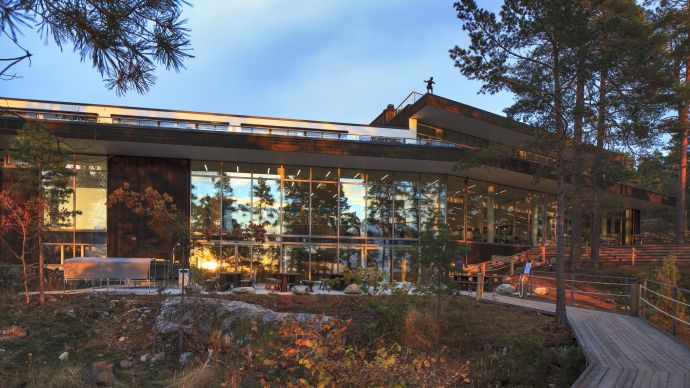
Artipelag is a new international venue for art, good food, events and activities – beautifully set on Värmdö in the Stockholm Archipelago, just 20 minutes from the city centre. Getting here is easy; whether by bus, car or boat. There are 350 parking spaces, a pier for passenger boats from Stockhom city and a long guest marina for visiting private boats. The visiting address is Artipelagstigen 1, Gustavsberg and the position N 59° 18´ 04″, O 18° 20´ 07″.
180914_Vasa_Museum_Stockholm
Vasa Museum

The Vasa Museum has become a natural part of Stockholm’s skyline. Its masts rising high above Djurgården have become a beacon guiding curious tourists and Stockholmers alike. Vasa has not always been housed in such splendour. From her salvaging in 1961 until 1988 Vasa’s home was a 27-year long temporary one at the Wasavarvet Museum.

180914_Djurgarden_Stockholm
Djurgården

The green island of Djurgården, close to central Stockholm, is beloved by both Stockholmers and tourists. Djurgården is a calm oasis which has been royal land since the fifteenth century. There are fine areas to stroll, for example around the Djurgårdsbrunn canal and Blockhusudden. Djurgården is also home to several of city’s top museums and attractions, as well as enjoyable cafés and restaurants. It’s easy to reach Djurgården on foot, by the Djurgården ferry boat from Gamla Stan/Slussen, by tram from Norrmalmstorg or by bus.
180914_Strandvaegen_Stockholm
Take a walk

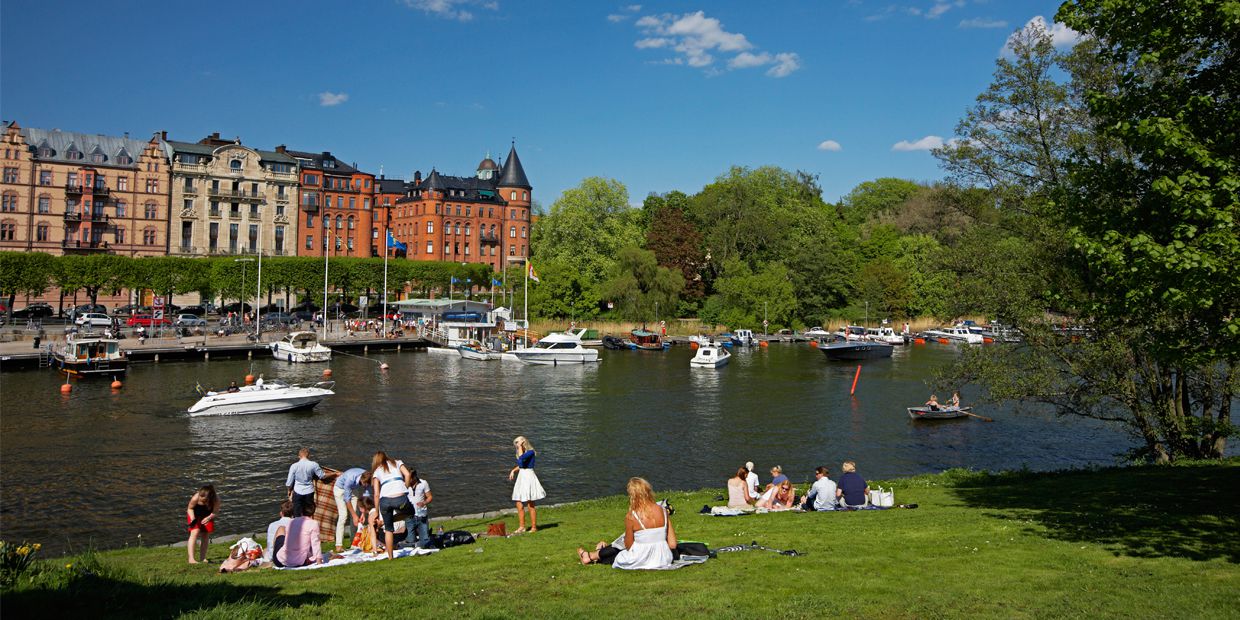
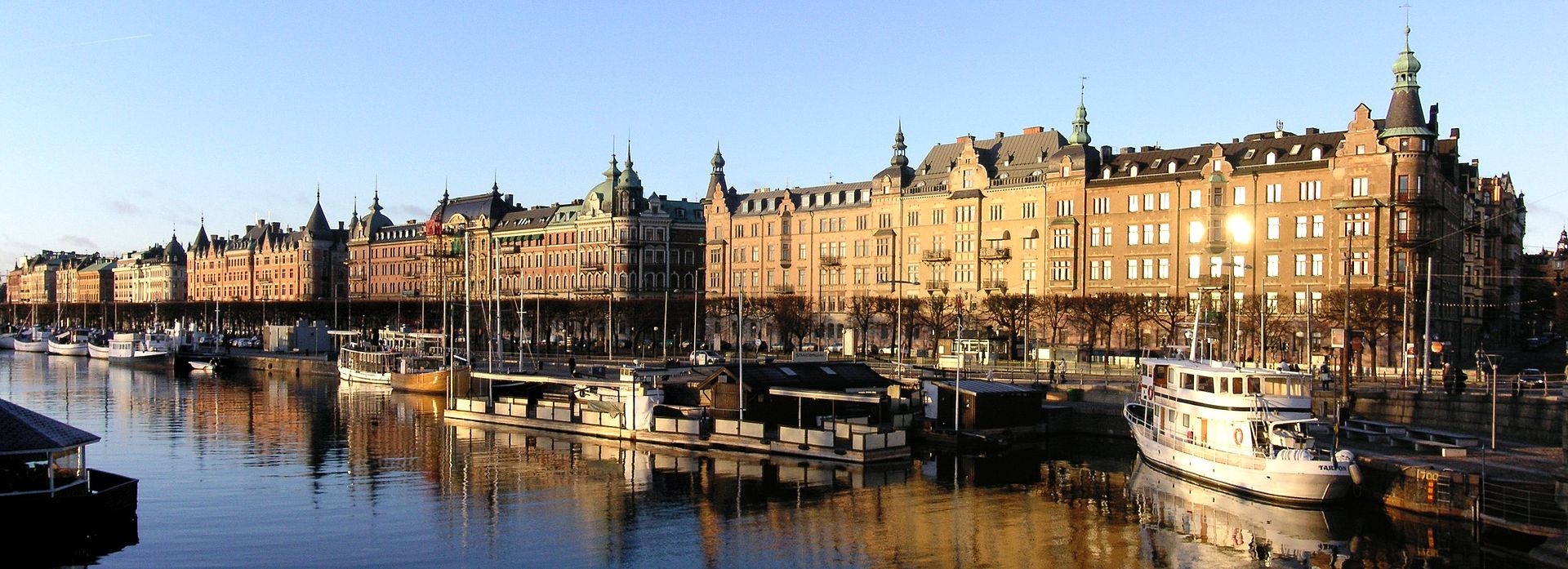
Strandvägen (Swedish for “Beach Road”) is a boulevard on Östermalm in central Stockholm, Sweden. Completed just in time for the Stockholm World’s Fair 1897, it quickly became known as one of the most prestigious addresses in town.
It’s hard to say which walk is the best direction to head, but strolling along the waterside on Strandvägen in Östermalm is hard to beat. Painters, boats, mini-stalls with ice-cream and treats. If you can combine it with a loop of the island of Skeppsholmen beforehand, you’re sure to impress your guests. Extra points if you mention to your visitor that the big white boat is actually a youth hostel.

180914_From_Gamla_Stan_Stockholm_Sweden
Gamla Stan
Here are a lot of unique things to see when visiting the old town in Stockholm. The old town is the original Stockholm. The town was set up during the 1300 century. There are about 3000 people living in the old city today. Most buildings are from the 1700 and 1800 century. If you can spare a few hours take the time to walk about the old town. The dominant building in the old city is the king’s castle. The old town is the place to be if you want to experience the town’s pulse. The area has Stockholm’s biggest ranges of restaurants, tourist shops, studios and museums. There are many wonderful paths to walk in the old town.

180914_Royal_Palace_Stockholm
The Royal Palace

Take a day trip to Drottningholm and experience a historic milieu of the highest standard. Drottningholm Palace is Sweden’s best preserved royal palace constructed in the seventeenth century, the permanent residence of the royal family and one of Stockholm’s three World Heritage Sites.

Photo Visit Sweden / Gomer Swahn

180914_Sweden._Stockholm_From_Södermalm
Hipster spotting in Södermalm

The vibe in the streets of Södermalm is relaxed, creative and trendy, especially in the Sofo area. This neighborhood offers a myriad of vintage stores, eclectic shops, Swedish fashion, galleries and design stores, mixed with an abundance of places to eat and drink.
Two of the best viewpoints in the city are located on Södermalm: Fjällgatan and Monteliusvägen. Art galleries are nestled shoulder to shoulder on Hornsgatspuckeln. The Hornstull area has undergone a renaissance and is now a trendy meeting place for Stockholm hipsters.

180914_Katarina_Elevator_Stockholm
Gondolen

Originally built in 1883 and replaced in 1935, this public elevator connects Slussen below to Södermalm above. Take a ride to the top and take in the nice views of Gamla Stan and other parts of the city, and of course the water, for 10SEK each way. There is a man in the elevator that will take your money once on the way up, once on the way down. There’s a bit of a wait for the elevator to come. There is a nice restaurant at the top, which is good, but not as impressive as the view itself.

100% Norway 2014

Bergen Academy of Art and Design has been invited by the Norwegian Design Council and the Norwegian embassy in London to design and curate the exhibition ‘100% Norway’ in 2014. Professors Dave Vikøren and Petter Bergerud of the Department of Design was appointed project managers.

170914_Cool_PhotobyAugustLundberg-100-percent-norway
The two professors have been busy at their drawing boards in Marken 37 designing the 260 sq. m exhibition space. ‘We were invited because we have made a name for ourselves in the international design arena for several years now. Our work has been noticed. I believe we were given the ‘100% Norway’ in 2014 assignment in recognition of our efforts,’ says Dave Vikøren.

170914_Lina_elephant_lorez-100-percent-norway
The ‘100 % Norway’ exhibition has been an important Norwegian contribution at the annual London Design Festival. The exhibition has presented and promoted new Norwegian design and has been positively received and highly praised. It has been organized jointly by the Norwegian Ministry of Foreign Affairs, the Embassy in London, the Norwegian Design Council, Innovation Norway and the Federation of Norwegian Industries.

170914_Morten-Jonas_bit-by-bit_100-percent-norway
Since 2013, the Federation of Norwegian Industries and Innovation Norway are no longer part of the project. For 2014, the board behind 100% Norway has chosen to renew the concept, and the Norwegian Design Council and the Norwegian Ministry of Foreign Affairs/the Embassy in London invited KHiB to take responsibility for the design and curating of the exhibition in 2014. This year’s exhibition in Old Truman Brewery  will be entitled ‘100% Norway’ and lasts from 18th to 21st September.

170914_Peacock_brass_round_lowres-100-percent-norway
In its artistic research, Bergen Academy of Art and Design focuses on the development of and innovation in design. Internationally, KHiB has been active in producing exhibitions that illustrate the processes behind and the results of these efforts, for example in Seoul, Helsinki and Stockholm.

170914_SEW_evening-100-percent-norway
A selection of student projects from the master’s programs in design offered by various educational institutions in Norway will also be included at the exhibition in order to show what  future designers in Norway are interested in. Projects from Oslo National Academy of the Arts, Oslo School of Architecture and Design, the Norwegian University of Science and Technology, Oslo and Akershus, University College and Bergen Academy of Art and Design will be represented at the exhibition.

170914_SEW_shelter-100-percent-norway
The objects selected for inclusion at the exhibition will be chosen on the recommendation of a jury of professional designers.

170914_Wave_100-percent-norway

Summer Nights in the Norwegian Tree Top Cabins

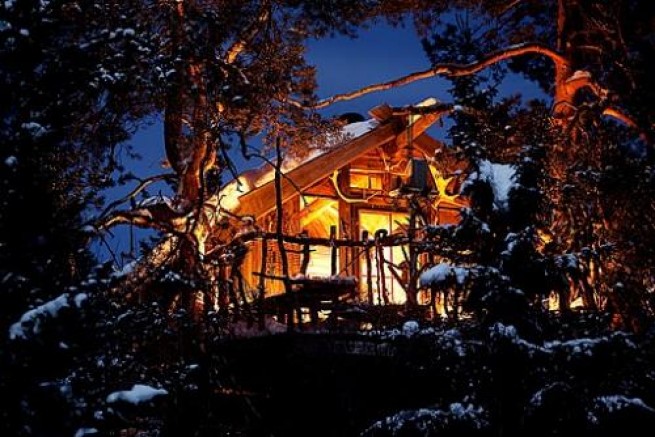
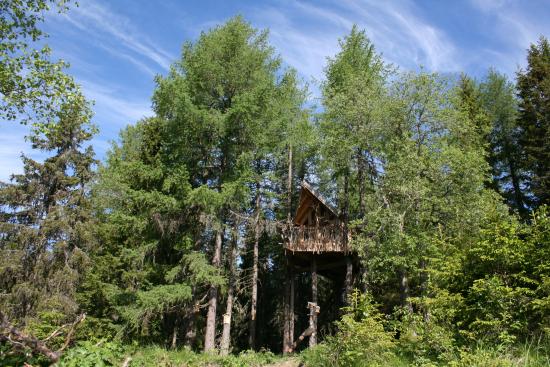
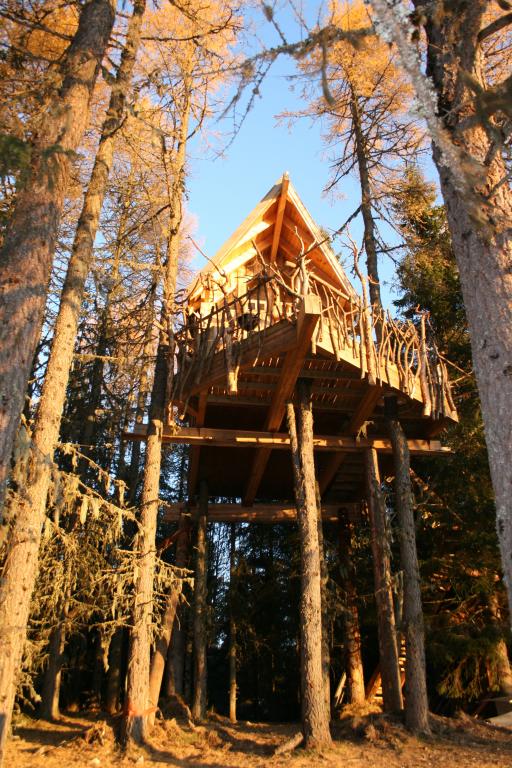
In the Hamar Region in Norway  the “Tretopphyttene”, Tree Top Cabins, have become a very popular attraction. Built on the top of tree crowns, the cabins are an exciting, yet very safe and comfortable, place to spend the night.

160914_Treetop_Cabin_Hamar_Norway_Daily_Scandinavian
25 feet above the forest floor, high in the tree crowns hangs the treetop cabins. They are an amazing way to experience the beautiful Norwegian nature up close and personal. These three unique cabins are placed in close proximity to each other in the woods of Ringsaker, between Hamar and Lillehammer, an hour and half north of Oslo.

160914_Treetop_Cabin_Hamar_NorwayThe newest addition, the pine cabin even has a ramp that makes it easily accessible for wheel chair users. So please permit yourself to take a minute and plan what will be an unforgettable experience wether it be a trip, vacation or a gift. The cabins comfortably houses 6-8 people and prices start at 999,- NOK per night.

If the wind gets up, the cabins move gently with the trees, just to let you know you are in a cabin like no other. This makes you aware you are not in a city hotel or in any normal cabin.

In the Norwegian Tree Top cabins you can sleep safely and comfortably among the tree crowns. You can also enjoy the great Norwegian wilderness and get up close with the many birds and beasts of the forest.

The cabins are located far away from the sights and sounds of traffic and populated areas. This means that on any night the silence is and light sounds of the forest are calming to the soul. And on clear nights you get to enjoy dark skies littered with beautiful stars.

Environmental Challenges in Scandinavia

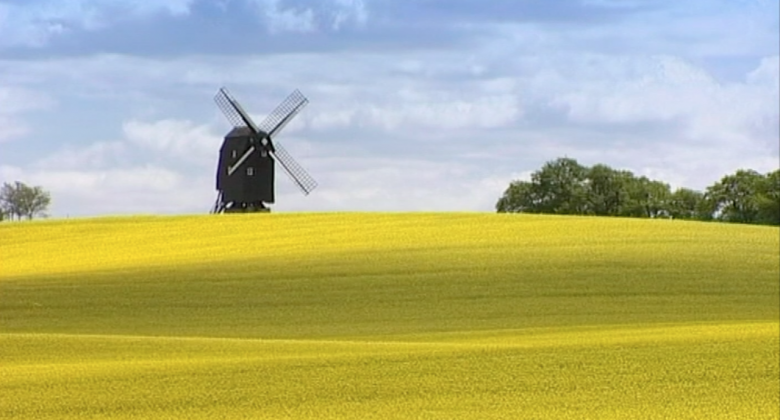
Scandinavia is blessed with vast uninhabited landscapes, and a small, environmentally-aware population who recycle, have a passion for bicycles and public transport, and see their countryside as a national asset that must be protected.

150914_Windmill_in_Skane_Sweden
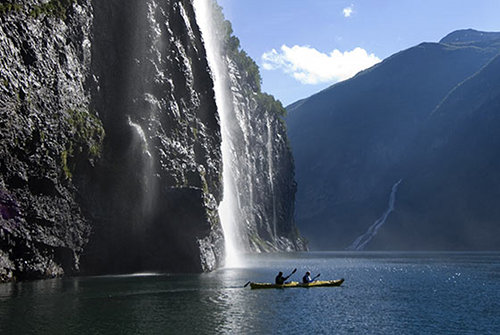
In December 2009, Oslo received the distinction of the third greenest city in Europe (after Copenhagen and Stockholm). Always aware of the wealth of their fisheries, water and fossil fuels, the Norwegians were among the first Europeans to feel concerned by the protection of the environment. Beyond the postcards of mountains plunging into the sea, fjords and spectacular northern lights stands a modern country that strives to protect its natural heritage.

150914_Norwegian_fjords_Daily_Scandinavian
Although there are challenges in Scandinavia, Scandinavia’s environmental record puts the rest of Europe to shame. Stockholm was designated Europe’s first Green Capital in 2010, Sweden plans to be carbon-neutral by 2020, and Norway by 2030.

150914_Krankesjoen_Skane_Sweden
Scandinavian nations invest heavily in their clean environments, and Sweden tops the list for Northern Europe. Count clean energy sources, efficient public transportation (like green-friendly rail networks) and top notch health care as reasons for the high ranking.

150914_Clean_forests_in_Scandinavia
Sweden and Norway are backing a green free trade agreement that will open up trade in environmentally friendly products. The agreement was signed last January in Davos by the EU, the US, China and Japan, along with a number of other countries that agreed to move ahead with the initiative to promote green trade.

Norway is a land known for its natural beauty and glorious fjords, but they keep it pristine with their public policy. That dramatic scenery is an invaluable national treasure which is well protected by progressive environmental legislation across the board!

Løv Organic has created a range of 22 high quality organic packed whole leaf teas that are both irresistible and environmentally friendly. The tea is french, but inspired by Scandinavia.

150914_lovorganic_Daily_Scandinavian

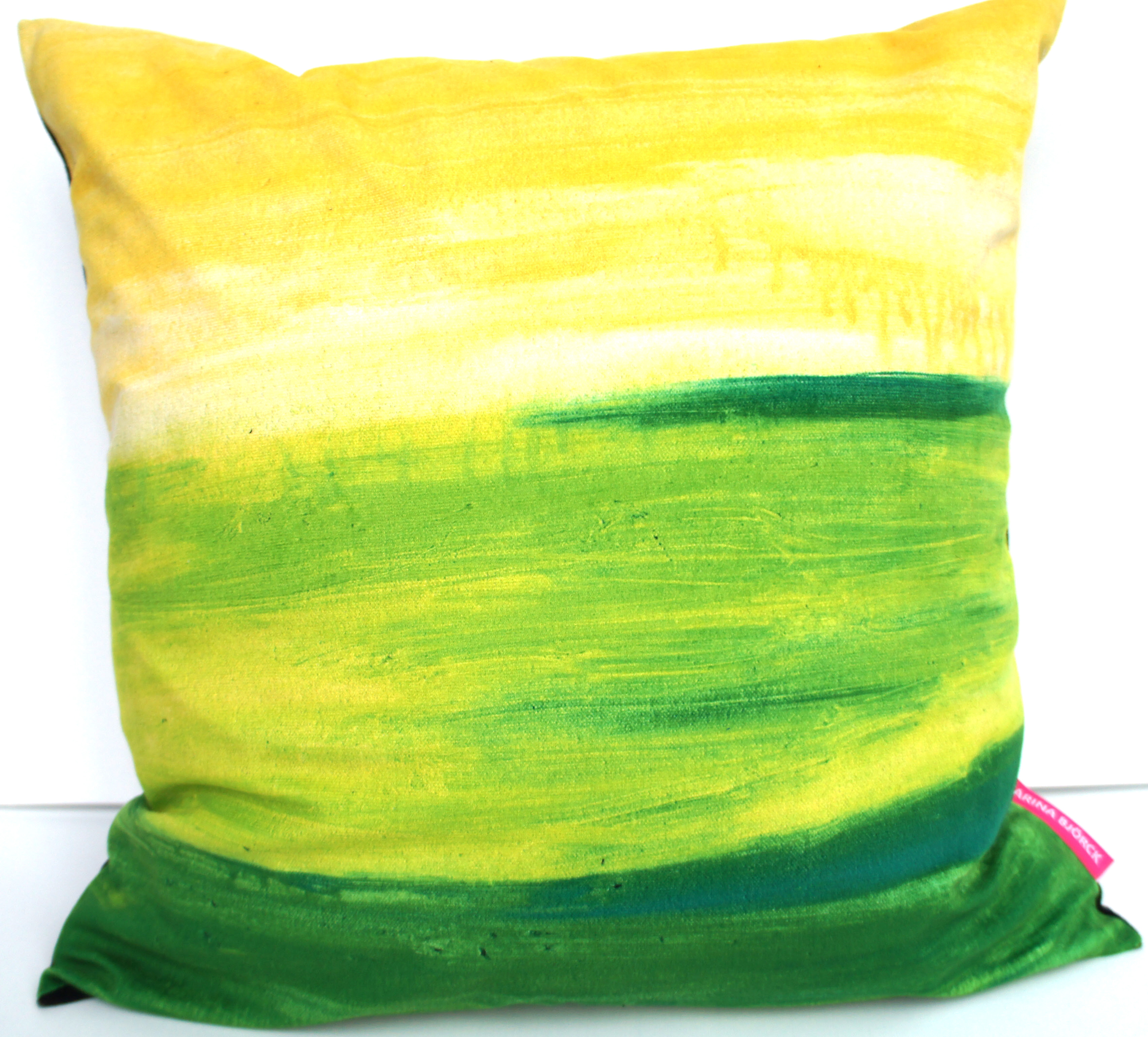
The Swedish artist Carina Björck has hand painted all pillowcases with environmentally friendly watercolours.

SONY DSC
Wind supplies 20 percent of Denmark’s electricity, and the world’s biggest solar power station is on the island of Aero.

150914_solar-power-plant-aero-denmark_daily_scandinavian
There are some headaches though. Nitrogen run-off from Sweden’s southern farmland contributes to Baltic Sea pollution and in Denmark, overfishing is a serious concern. The demands of a greedy 21st century are seen most clearly in Greenland, whose melting icecaps and stranded polar bears are shorthand for global warming.

In 2010 oil reserves were discovered in Baffin Bay; and Greenland’s first aluminium smelter will open this year.

Denmark and Norway have no nuclear power stations. Sweden is reassessing its following the failure of Japan’s Fukushima nuclear plant in 2011.