SAS launches new routes for 2014

0

From the end of March 2014, SAS will be opening Stockholm – Visby, Stavanger – Edinburgh, Oslo – Edinburgh, Oslo – Aalborg, Oslo – Aberdeen and Oslo – Chania, as well as Copenhagen – Leeds Bradford. These launches reflect increased customer demand for new nonstop services.

SAS continues to improve its customer offering by launching new routes. From four Scandinavian airports SAS is opening seven new routes in the summer 2014 timetable.

SAS announces the first seven new routes for the 2014 timetable. From the end of March 2014, SAS will be opening Stockholm – Visby, Stavanger – Edinburgh, Oslo – Edinburgh, Oslo – Aalborg, Oslo – Aberdeen and Oslo – Chania, as well as Copenhagen-Leeds Bradford. These launches reflect increased customer demand for new nonstop services.

“SAS offers more destinations and a greater frequency than any other Scandinavian airline, and we will continue to invest in our offering to our customers. This last year we have succeeded in improving our competitiveness and increasing productivity, and this gives us the opportunity to open many new routes to serve our customers,” says Joakim Landholm, Executive Vice President Commercial.

270214_Joakim_Landholm

Earlier this fall, SAS opened two new year-round routes, Copenhagen – Bremen and Copenhagen – Humberside, and announced two routes for the winter season 2013: Oslo – Sochi and Copenhagen – Salzburg. In 2013, SAS launched more than 50 new domestic and European routes, as well as the popular Copenhagen – San Francisco route.

The new routes will go on sale gradually from November 21, 2013. SAS will launch the peak summer timetable on Monday, November 25.

New routes from Sweden
Stockholm to: Visby (starts 30 Mar)

New routes from Norway
Oslo to: Edinburgh (10 Apr-11 Oct), Aalborg (starts 30 Mar), Aberdeen (starts 31
Mar), Chania (12 Apr-11 Oct)
Stavanger to: Edinburgh (10 Apr-11 Oct)

New routes from Denmark
Copenhagen to: Leeds Bradford (starts 31 Mar)
Aalborg to: Oslo (starts 30 Mar).

Money-saving Tips When Traveling to Scandinavia

How to save money , travelling in Scandinavia

Whether you want to see the Northern Lights, or island-hopping off the coast of Denmark, explore Norway’s fjords or see brown bears in Sweden, we are pleased to give you some money-saving tips. At least, buy the City Cards, and the City Bikes are a cheap and good way to explore the capitals.

City Cards
Scandinavia’s capitals (and some larger cities such as Göteborg) offer 24- and 48-hour tourist cards, which are well worth the money as the price includes admission to many museums, galleries and tourist attractions, and usually free access to public transport or car-parking.

City Cards in Norway are an excellent travel tip and a great value for travelers. The Oslo and Bergen city cards are available in different lengths and pay for themselves quickly with free admission on most sights and attractions, free parking, free public transportation, and much more. Here are the details of the city card programs in Oslo and Bergen:

“The Oslo Pass” – The City Card for Oslo, Norway

The Oslo Pass gives you free entry to more than 30 museums and attractions, free travel on all public transport, free parking in municipal car parks, free entry to outdoor swimming pools, free walking tours, discounts on sightseeing, ski simulator, Tusenfryd Amusement Park, concert tickets, climbing, ski and bike rental, and special offers in restaurants, shops, entertainment and leisure venues. 240213_OsloPass

You decide whether you want a card that is valid for 24, 48 or 72 hours. The card is valid from the time you validate it by writing the time and date in the space provided. From that moment, the pass is valid for the number of hours indicated on it. An Oslo Pass for children is available at a reduced rate. Along with the Oslo Pass, you will receive the Oslo Pass booklet, describing all the benefits for Oslo Pass holders. – See more at: http://www.visitoslo.com/en/activities-and-attractions/oslo-pass/#sthash.oMTlrQFX.dpuf

“The Bergen Card” – The City Card for Bergen, Norway

Want to save money in Bergen? Get the city card. Like other city cards, the Bergen Card grants you free admission to attractions and sights in the city, along with free public transportation and parking. Here, the city card also gives you access to cultural events, sightseeing trips, and additional savings in local restaurants and shops!

The Bergen Card is available in 1 and 2 day durations. Make sure to take a look at the Bergen Card Handbook that comes with the city card – it lists all the free and discounted destinations for you. Even cheaper than Oslo’s city card, and children pay less than half of the adult price!

City Card for Stockholm: The Stockholm Card (Stockholmskortet)

The most popular travel discount card among Sweden’s city cards is certainly the Stockholm Card (in Swedish: Stockholmskortet). This city card offers free public transportation in Stockholm and surrounding area, free admission to 75+ museums/attractions, free boat tours, hotel discounts, etc.

You can also opt for the SL Tourist Card (free public transportation through Greater Stockholm, along with free admission to Grona Lund amusement park.) Either card is available at tourist information offices in Stockholm, many campsites and hostels,
Gothenburg City Card gives you free entrance to plenty of sights, attractions, museums and day trips. Free parking and unlimited travel on trams, buses and boats are also included. You also recieve a book of discount shopping coupons with offers in selected stores.


This page shows everything that you get with your City Card. Some of the attractions are only open during the summer or winter season, please double-check the opening hours to be sure what’s open during your visit.

The Copenhagen card: Read what’s included. 250214_Copenhagen_cards
Hotels
Youth hostels in Scandinavia are well worth considering: they tend to be good value, family-oriented and have excellent facilities. Bring your own sheets and towels to save on rental costs.

Swedish hostel
Swedish hostel

City Bikes
Getting around Scandinavian cities by bicycle is generally a liberating experience. Borrow bicycles for free in Norway (Bergen, Oslo and Trondheim) and Denmark (Copenhagen) and explore further afield.

Oslo City Bikes
Oslo City Bikes

Food
Self-service buffet breakfasts in hostels and hotels are a great boon to the thrifty traveler.  Fill up in the morning; at lunchtime snack on sandwiches or look for the daily special on restaurant menus; many places do “early bird” evening deals, usually between 5.30pm and 7pm.

Breakfast buffet in Sweden

Nature
Wild, empty space is Scandinavia’s greatest treasure. Get back to nature with a tent and immerse yourself in solitude.

Free Festivals
Check what’s on and when. Many Scandinavian festivals have free as well as ticketed events: for example, at the Copenhagen Jazz Festival in July, the city streets become a venue.

250214_Copenhagen_Jazz_Festival

Use these money-saving tips when traveling to Scandinavia!

Famous Danish Film Directors

World class film directors from Denmark

Although Denmark is a small country, over the years we have been known to produce world-class film directors. The country’s first famous silent movie directors emerged around the 1900’s and the importance of film art is still big today.

Now contemporary Danish directors are known for their cutting-edge, quality films. Modern auteurs of Denmark are making it big in Hollywood with movies like Nicolas Winding Refn’s “Only God Forgives” and latest Lars Von Trier’s “Nymphomaniac”.

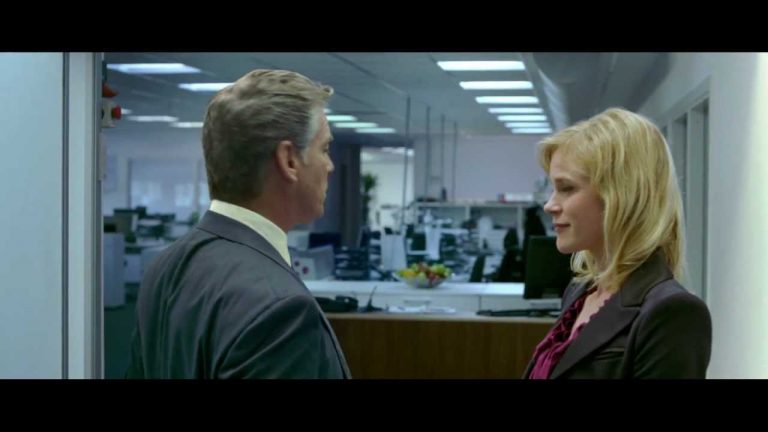
Lars Von Trier (photo above)
Lars Von Trier, one of the grand old men among famous Danish film directors, is as much known for his films as for his controversial statements and attitude. Among film critics he is often renowned for his distinct visual style and challenging storylines. Von Trier was also one of the founding members of the Dogma95 movement, first and foremost known for promoting hand-held filming as a new visual style. His most famous movies include Dancer in The Dark (2000), Antichrist (2009) and Melancholia (2011). The new release “Nymphomaniac” is set to premiere on December 25 2013.

(Photo: Christian Geisnæs)

260214_thomas_vinterberg
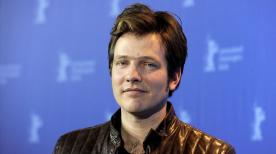
Thomas Vinterberg
Thomas Vinterberg is a Danish film director. Vinterberg co-founded the Dogme 95 movement with Lars von Trier. His first internationally acknowledged film was The Celebration (1998). Filmed according to the Dogme 95 rules, the film won 26 international film awards, including at the Cannes Film Festival and The European Film Awards. More recently Vinterberg directed The Hunt (2010) starring Danish Mads Mikkelsen, who won Best Actor Award at Cannes for his performance.

260214_susanne_bier
Susanne Bier

Susanne Bier is a Danish film director. After directing a long list of films for the Scandinavian markets, she found international acclaim with After the Wedding (2006) starring Mads Mikkelsen and Sidse Babett Knudsen, followed by In A Better World (2010) and Love Is All You Need (2012). In A Better World won Best Foreign Language Oscar and the European Film Award for Best Director in 2011.

260214_nicholas_winding_refn
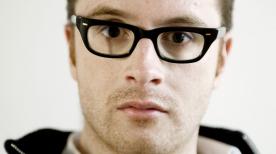
Nicolas Winding Refn

Nicolas Winding Refn a Danish film director, screenwriter and producer. He began his career in Denmark with the Danish-language trilogy Pusher (1996-2005). In 2011 Refn directed Drive which won him Best Director Award at the 2011 Cannes Film Festival and a whole host of other awards. His latest film, Only God Forgives, was shortlisted at the 2013 Cannes Film Festival.


Birka — The Swedish Viking trading center

0

One of the most important trading centers in Scandinavia during the Viking Age

In Lake Mälaren, 18 miles west of Stockholm, Sweden, lies the small island of Björkö. Its size belies its importance in the Viking world of 1,100 years ago.

240214_Birka_Viking_Museum

On this island are the ruins of the town of Birka, which, together with the towns of Hedeby in Denmark and Kaupang in Norway, was one of the most important trading centers in Scandinavia during the Viking Age.

Founded around AD 790, Birka was part of a royal strategy to control trade in the Baltic through the establishment of trading centers. Traders came to Birka from all over Europe — England, Germany, Greece and the lands of the eastern Baltic — bringing their cloth, silks, glass and weapons to trade for furs, antlers and iron. There is even evidence that Arabs and Orientals came with their goods.

Crafts flourished: woodcarving, bronze casting, textile weaving, leather work and wrought ironwork, among others. As trade grew, so did Birka, expanding along the lakeshore with small wattle-and-daub houses and workshops arranged in rows separated from each other by fences.

The permanent population of Birka was never very large, probably no more than 700 to 1,000 at its height. Merchants who came from other lands increased that population temporarily, especially in wintertime, when trading was most brisk.

Birka, the Swedish Viking trading center, lasted only two centuries. Founded at the end of the eighth century, it was abandoned by the end of the 10th. It wasn’t war, plague or natural disaster that was the death knell for Birka but probably a combination of other circumstances.

Water levels in Lake Mälaren fell, making Birka’s harbors less usable or unusable; trade patterns changed, and — perhaps most importantly — the town of Sigtuna was founded on the Swedish mainland around AD 970. Birka’s population either moved to Sigtuna or was ordered to move.

240214_Birka_Viking_Museum_Model

Christianity was on the rise all over Scandinavia at this time. Sigtuna was a Christian town from its founding, eclipsing predominantly pagan Birka.

Burial mounds

What visitors to Birka first notice when they arrive are the gentle green hills dotting the island. These “hills” are actually burial mounds — thousands of them. In Viking times, on the island there were six cemeteries encircling the town of Birka. In the largest of the cemeteries, Hemlanden, there are over 1,600 burial mounds. It is estimated that there are at least another 1,400 burial mounds scattered around the island in the other cemeteries.

Both Christian and pagan burials have been found beneath the mounds. Christians generally were buried without grave goods, while pagan graves contained goods necessary for the afterlife, including weapons, tools and ornaments. What was buried indicated the social status and the wealth of the dead person.

240214_From_Birka_Viking_Museum

Defensive ramparts

Near the first set of burial mounds are the ruins of Birka’s fort high on a cliff. There’s a semicircular earth-and-stone rampart with three openings facing toward the town that once existed there. A thousand years ago the cliff dropped steeply into the lake on its west side, making defense unnecessary there. Because the lake has receded, the cliff now drops onto dry land.

Northeast of the town was another long rampart with six openings that were probably where wooden defense towers once stood. Archaeologists discovered more than 50 graves that were incorporated into this rampart when it was built at the end of the ninth century. The builders of the rampart apparently found it easier to make the graves part of the wall rather than move them.

There is little visible evidence of the town of Birka, itself. It was located in the northwest corner of the island, covered an area of about 30 acres and had at least three harbors. It lay between the fort and the long protective town rampart to the east.

Museum and village

There are two excellent ways to visualize what Birka must have looked like 1,100 years ago. One is to visit the museum near the boat dock, where there’s a scale model of Viking Birka, complete down to the smallest details: there’s a man fishing on the ice, children romping, a vessel unloading cargo and a man pulling a sleigh loaded with antlers over the ice.

The other way is to visit the Viking Age houses that are being built, full size, a five-minute walk from the museum. It’s like stepping back into the year AD 900.

Birka is on UNESCO’s World Heritage List.

If you go…

My husband, Peter, and I journeyed to Birka from Stockholm by boat,  sailings every day between May and early September, leaving at 9:30 a.m. and returning from Björkö Island at 2:45 p.m. Between the end of June and mid-August there is a second sailing at 1 p.m., returning from Björkö at 6:15 p.m.

The trip over takes about one hour and 45 minutes and departs from Stadhusbron, just steps from Stockholm’s beautiful City Hall. The price was 290 Swedish kroner (about $40) for the round-trip boat trip, guide and museum admission or SEK200 ($28) for the boat trip only. Visitors have 3½ hours on the island. Stromma offers a wide variety of other excursions.

In Stockholm, don’t miss a visit to the superlative Historiska Museum at Narvavägen 13. It houses an incredible gold and silver collection which includes Viking Age jewelry and ornaments. Archaeological finds from Birka are also displayed there as part of the world’s largest Viking exhibition.

We rented a spacious, gracious apartment, with a working old-fashioned tile stove, on Nybrogatan, about a 25-minute walk from Stockholm’s Gamla Stan (Old Town) or a 10-minute bus ride. The apartment had a large living room, dining room, modern kitchen, bedroom, two bathrooms and lots of natural light through large windows. Our cost for 10 days was $2,671 at the time we rented in June ’09.

We rented through Via Nicoline, a company run by Nicoline Kinch, the owner of the apartment we stayed in. Via Nicoline offers 50 rental apartments in Stockholm.

We flew by SAS from New York/Newark to Stockholm as we almost always do on trips to Scandinavia.

Written by guest contributor

 

International Interest in Denmark’s Longest Roller Coaster

0

When Djurs Sommerland opened one of the largest new rides ever in Denmark last spring, interest came from more than just playful Danish children. International media such as L.A. Times and CNN reported about Denmark’s longest roller coaster, Juvelen (The Jewel), and the first in the queue was a bevy of roller coaster enthusiasts from foreign organizations who had travelled all the way to Scandinavia’s largest summer land to try the first ride on Juvelen. 

210214_Juvelen_Jewel_Djurs_summerland_denmark

Although amusement parks around the world offer both large and wild roller coasters, Denmark is also capable of marking itself on the world map of spectacular rides.

Djurs Sommerland’s opening of Denmark’s largest roller coaster and Europe’s only double launch coaster, did not go unnoticed outside of the country’s borders. At the same time, with a price tag of 70 million kroner, it is one the largest ever investments in a Danish amusement park.

The American L.A. Times reported on Juvelen, and CNN broadcasted a list of the world’s most exciting roller coaster news, including Juvelen. For some dedicated roller coaster enthusiasts with thousands of roller coasters under their belts, the opening was a very special day.

“Our visitors included members of Themepark Review and World of Coaster. At the same time Denmark’s only roller coaster club, Coaster Club Denmark, reported on its arrival. These people are true devotees, who travel around the world to try the largest, the best and the wildest roller coasters, so naturally their visit is a seal of approval for Juvelen,” said Henrik B. Nielsen, managing director of Djurs Sommerland.

210214_Djurs_Summerland_Denamrk

Thematization at an international level

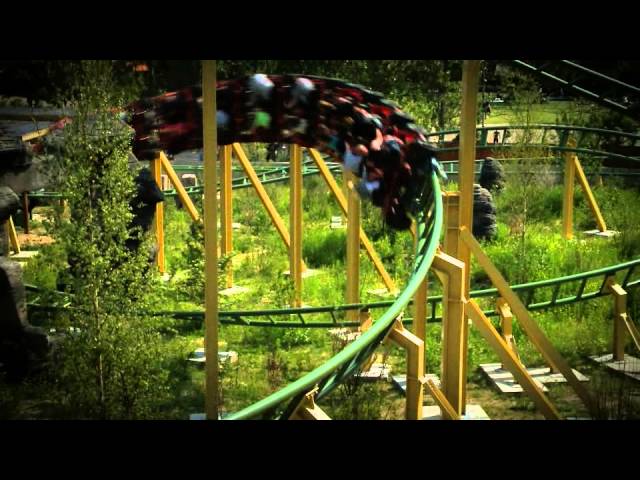
In addition to Juvelen’s length in kilometers, it is the roller coaster’s special design and thematization that draws interest from abroad. The new ride is Europe’s only “double launch” coaster, where guests are twice accelerated to speeds of up to 85 kilometers an hour. At the same time the ride takes place in a crimson ATV carriage, and the entire roller coaster is built into a comprehensive thematization.

“We deliberately try to give our guests more than just a roller coaster, which you can experience in the best amusement parks around the world. We therefore constructed a spectacular Mayan universe around Juvelen with a 10 meter high pyramid, large rock formations, over 100 trees and a lake large enough to give them the experience of running in hot pursuit through the jungle on a hunt for the stolen jewel. We have already had a fantastically good response,” said Henrik B. Nielsen.

Juvelen is a roller coaster for playful children of all ages, and the minimum height requirement is 120 centimetres.


Exclusive Swedes to Traena

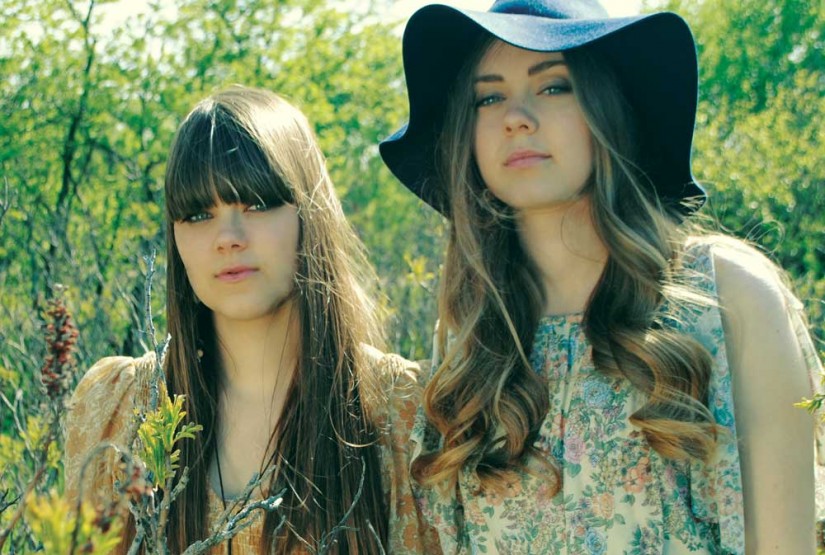
First Aid Kit are confirmed to participatete at the Trænafestival 2014. The two Swedish sisters Klara and Johanna Söderberg released their second album in 2012, named “The Lion’s Roar”. The album gave them a total of 4 awards in the Swedish Grammy awards. The talented duet were also awarded with the Nordic Music Prize for the same album.

 180214_First_Aid-Kit

The organizers have wanted to get the girls to the island of Traene for a long time, and this year they have succeeded. First Aid Kit will visit only one Norwegian festival in addition to Traena, the Slottsfjell Festival in Tønsberg. The island-version will probably be an emotional and energetic event that you don’t want to miss out. The music from First Aid Kit can be described as folk music with a strong influence of indie folk and American country.

Having said that, Sara and Johanna have created an unique sound and a musical universe where their natural talent for the good melody is greater than any references and other sources to music.

First Aid Kit, the exclusive swedes, describes their own songs as bittersweet, and when we listen closely to their lyrics we absolutely understand that description. There’s not much more to say, other than get your ticket to Trænafestival now! Go to Træna, become a volunteer, whatever it takes to be there when First Aid Kit enters the stage at the Trænafestival.
If you haven’t heard them before, give the girls a listen, and get hooked…


The World’s Oldest Preserved Man-of-War

On August 10, 1628, the magnificent royal warship Vasa sank on her maiden voyage in front of thousands of horrified onlookers before she even left the Stockholm harbor. Sudden gusts of wind and not enough ballast are the most popular explanation. 

190214_Vasa_museum
Built at vast expense to be the largest and most powerful battleship ever constructed, the 226-foot, 64-cannon man-of-war was supposed to become the pride of the Swedish war fleet. She took ytwo years to complete on the site where the Grand Hotel now stands.

Salvaged 333 years after her demise, and since then painstakingly restored, she can now be seen with her complete lower rigging at the Vasa Museum, the only maritime museum of its kind in the world. Large enough to dwarf even the wondrous museum especially built around her at enormous cost and completed in 1990, she is the oldest preserved man-of-war in the world.

190214_Vasa_stern_color_model

Elaborate wooden carvings cover the exterior of the boat. Of the 700 sculptures, 500 are figure sculptures, all of which had been stripped of their original paint and gilt. Almost as interesting was the ship’s cargo, which included 4,000 coins, medical equipment, and a backgammon set.

A video is shown regularly, illustrating the painstakingly five-year resurrection of the ship upon its discovery in 1961. The Vasa is the most visited museum in Scandinavia, and an immediate favorite for anyone visiting Stockholm.


Norway’s best hotels

0

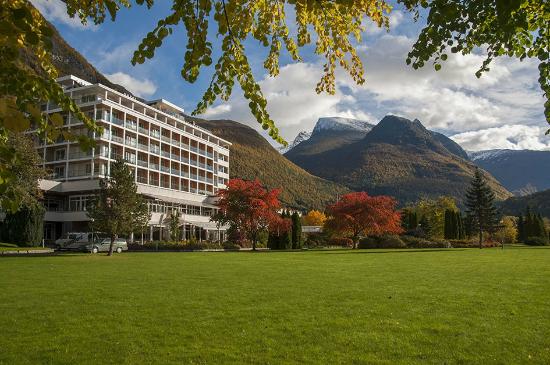
Tripadvisor has ranked the 25 best hotels in Norway. Here is the list and some guest reviews. Discover small boutique hotels or luxury resorts in Norway, the most northern country in Scandinavia, and experience what is above the Arctic Circle, the spectacular geography, and the famous fjords.

The Thief, Oslo Tjuvholmen
My kind of hotel! Spacious rooms, fantastic location, decor and amenities. Each room has a balcony with a spectacular view of the bay and the modern art museum.

170214_Thief-Hotel_Oslo_Norway

Solstrand Hotel & Bad, Osoyro
“Spectacular location, fantastic outdoor pool!” “Wonderful hotel” 

170214_solstrand-hotel-Osoyro

Hotel Alexandra, Loen
“Ideal destination, perfect family holiday, peace and beauty…” 

170214-hotel-alexandra-stryn

Clarion Collection Hotel Folketeatret, Oslo
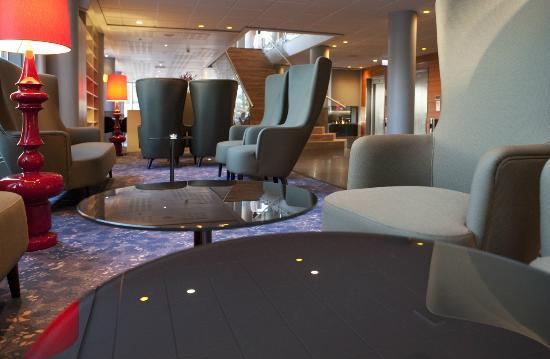
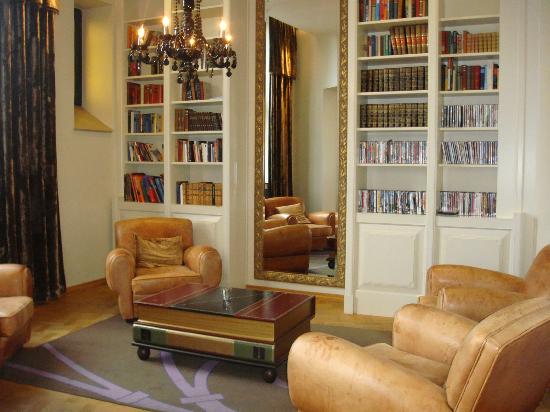
Some wonderful features/amenities: interior design, the large bathroom, nice shower, comfortable bedding, free dinner, afternoon tea and waffles (or other goodies), and friendly staff.

170214_Clarion_Collection_Hotel_Folketeatret_Oslo

Rica Park Hotel, Stavanger

Excellent choice in Stavanger City Centre. Great hospitality and perfect rooms.

170214_rica-park-hotel-stavanger

Hotel Brosundet, Alesund
A stylish boutique hotel with great views and amazing staff. Attractive, quiet hotel with excellent breakfast and friendly staff.

170214_hotel-brosundet_alesund

Comfort Hotel Grand Central, Oslo.
Next to Train Station. So convenient.

170214_Comfort_Hotel_Grand_Central_Oslo

Saga Hotel, Oslo
Saga Hotel is ´little hotel´ and special in ´big ways’. Excellent value, very nice central hotel.

170214_saga-hotel-oslo

Hotel Ullensvang, Lofthus
Fantastic view, enchanting hotel. Lovely setting, wonderful hotel. 

170214_Hotel_Ullensvang_Lofthusa

Dalen Hotel, Dalen
Fantastic location – romantic Hotel. Fantastic wooden fairy tale castle in the middle of nowhere.

170214-dalen-hotel-Dalen

Rica Bakklandet Hotel, Trondheim
This is the hotel who has figured it out. Friendly staff, clean rooms and great breakfast.

170214_rica-bakklandet-hotel-Trondheim

Clarion Collection Amanda, Haugesund
Loved it! From the reception to the room and beyond…. Exceptional service and friendliness.

170214_clarion-collection-amanda-Haugesund

Lysebu, Oslo
One couldn’t do better. Tranquil and Stunning location.

170214_Lysebu_Hotel_Oslo

Clarion Collection Hotel Tollboden, Drammen
Family friendly hotel with great staff. Nice place.

170214_Clarion_Collection_Hotel_Tollboden_Drammen

Rica Hotel, Grimstad
Small room, but a cozy room! Fantastisk stay 🙂

170214_Rica_Hotel_Grimstad

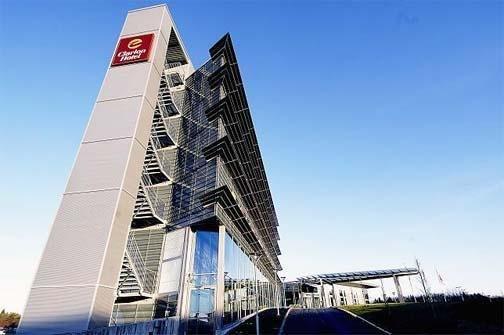
Clarion Hotel, Stavanger
Initial disappointment reversed by rock star manager! Number one in Stavanger.

170214_clarion-hotel-stavanger

Rica Nidelven Hotel, Trondheim
Nice hotel, excellent breakfast. Luxury hotel.

170214_rica-nidelven-hotel_Trondheim

Clarion Hotel Bergen Airport
Nice clean hotel, great breakfast! One of my best experiences ever.

170214_Clarion_Airport_Hotel_Bergen

Thon Hotel, Kirkenes
Breathtaking View of the Fjord! Saw the northern lights from the bedroom window. fantastic hotel.

170214_Thon_Hotel_Kirkenes

Clarion Collection Havnekontoret, Bergen
Great hotel and excellent service. Perfect hotel for business travelers.

170214_clarion-collection-havnekontoret_Bergen

Hotel Bristol, Oslo
Great Hotel, lovely staff and handy location.Great hotel and excellent service.

170214_Bristol_Hotel_Oslo

Rica Airport Hotel, Stavanger
Great hotel choice in Stavanger. Airport convenience.

170214_Sola_Airport_Hotel_Stavanger

Clarion Collection Hotel Atlantic, Sandefjord
Nice hotel with history. Oasis in whaling town.

170214_clarioncollectionhotelatlanticsandefjord

Rica Holmenkollen Park Hotel, Oslo
Perfect for business meeting but also family friendly. If Good Weather: Check in here! (Cancel your other reservation)

170214_Holmenkollen_Park_Hotel_Oslo

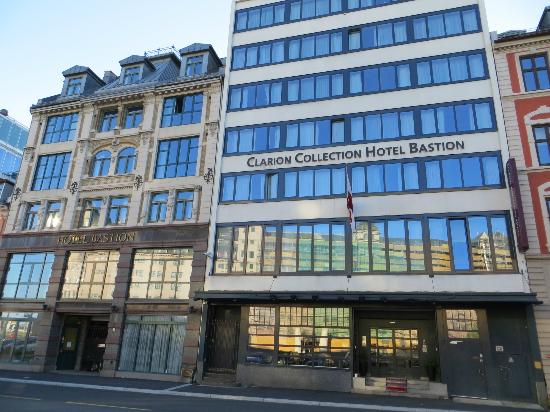
Clarion Collection Hotel Bastion, Oslo
Felt like home in one of Norway’s best hotels.

170214_clarion-collection-hotel

Flåklypa Grand Prix

0

In 1975 the most widely seen Norwegian films of all times was released. Flåklypa Grand Prix is still very popular, and in 2005 a new, digitally restored DVD was released which featured soundtracks and subtitles in 5 languages including English. Norway’s favourite animated folk are winning over a new generation of fans, almost 40 years after Solan, Ludvig and Reodor Felgen first captured the hearts of Norwegian filmgoers.

 140214_Flaaklypa_Grand_Prix

Solan and Ludvig – Christmas in Flåklypa (Solan og Ludvig – jul i Flåklypa) picks up the action 38 years after the most-seen Norwegian film ever, Flåklypa Grand Prix. The new movie was painstakingly created using stop-motion animation, faithful to the 1975 version.

This year’s NOK 25 million (USD 4.1 million), 72-minute feature is made up of more than 124,000 still images. It took two years to film at a rate of 20 seconds of footage per day, reported newspaper Aftenposten.

Christmas in Flåklypa premiered in the late creator Kjell Aukrust’s hometown of Alvdal at the start of November, before opening nationwide the following weekend. NewspaperDagsavisen has reported the film broke box office records for Norway’s best opening weekend this year, with almost 138,000 tickets sold.

140214_Flaaklypa_Grand_Prix_2

By the end of November, more than 500,000 Norwegians had seen the film and it’s tipped to outsell one of Norway’s most popular films ever, Max Manus, which sold 1.2 million seats.Aftenposten reported the new Flåklypa film already ranks as the fourth most-seen Norwegian film in the past 10 years.

This is the plot: In the town of Flåklypa the inventor Reodor Felgen lives with his animal friends Ludvig (a nervous, pessimistic and melancholic hedgehog) and Solan (a cheerful and optimistic magpie). Reodor works as a bicycle repairman, though he spends most of his time inventing strange things. One day, the trio discovers that one of Reodor’s former assistants; Rudolf Blodstrupmoen has stolen his design for a racecar engine and has become a world champion Formula One driver.

Solan secures funding from an Arab oil sheik who happens to be vacationing in Flåklypa, and to enter the race, the trio builds a gigantic racing car: Il Tempo Gigante—a fabulous construction with two extremely big engines, a body made out of copper, a spinning radar (that turns out to be useful when Blodstrupmoen starts engaging in smoke warfare during the race) and its own blood bank. Reodor ends up winning despite Blodstrupmoen’s attempts at sabotage.

If you want to buy this film or other of Ivo Caprino`s animated movies you should visit their website  .

Year of Miracles in Norway

0

In 2014 it will be 200 years since the Norwegian Constitution was signed and numerous events will take place around the country.

130214_Year_of_Miracles_Exhibition_in_Oslo

Exhibit at the Norwegian Folk Museum

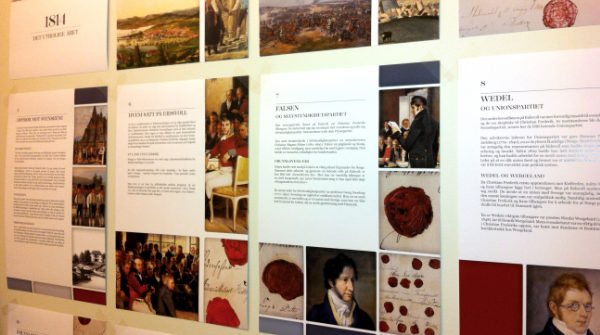
What is it that connects the Napoleonic Wars with the Norwegian Constitution? The exhibition “1814 – The Game for Denmark and Norway” explains the reasons for and the consequences of the events that took place during 1814, the “Year of Miracles”. In collaboration with the Museum of National History at Frederiksborg in Denmark, Norwegian Folk Museum, in Oslo, tells one of Norwegian history’s most exciting stories. The exhibition opened on January 15 and will last to the end of July 2014.

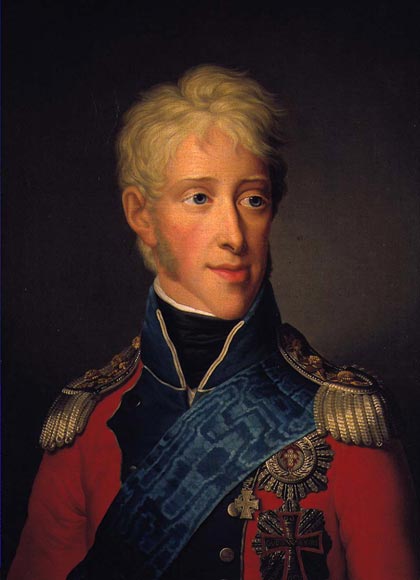
The exhibition was officially opened by H.M. Queen Sonja on Tuesday January 14, the date when King Frederik VI of Denmark was forced to surrender Norway to the King of Sweden. The Bicentenary of the Norwegian Constitution in 2014 will raise awareness of what the Norwegian Constitution means today, and what role it will play in our future democracy.

1814 is a memorable year in Norwegian history, a year that has become a national symbol. The exhibition “1814 – The game of Denmark and Norway” put the events of 1814 in a historical context and is an extensive exhibition that offers a unique cavalcade of items. Several of these, such as the anointing robes of Christian Frederik, Jakob Bull Kielland’s uniform, and a series of magnificent paintings will be on display for the very first time in Norway. Nearly 300 items, 65 of which have been borrowed from the Museum of National History at Frederiksborg, relate the story of what happened before, during and after 1814. This story is told both from a national and an international perspective. Through the exhibit visitors will become acquainted with the different players in the events that unfurled in 1814.

130214_King_Frederick_VI_of_Denmark

The Norwegian Constitution of May 17, 1814, occupies a special place in Norwegian history. Not only did it lay a foundation for democratic development, it was also instrumental in providing Norway with status as an independent country. So this was the year of miracles in Norway. “1814 – The Game for Denmark and Norway” is Norwegian Folk Museum’s largest and most important contribution to the Bicentenary Year of 2014.