

Hotel Booking Secrets – Part 1

I use Expedia for booking hotels plain and simple. While you can use many of the other apps available for researching and booking hotels, Expedia’s customer service is the most helpful and the website and app functionality are easy to navigate. But even if you are an Expedia expert, there are some tips and tricks that can help land you the best deal on travel accommodation. Find out more about these hotel booking secrets.

1. Don’t stick to one booking site.

Although I am an Expedia supporter, I use several comparison websites to get a feel for pricing in the area I’m looking to stay. When I feel I have a clear picture, I go to Expedia. Their customer service team has helped me negotiate refunds and gotten me out of some sticky situations while traveling abroad. They also allow you to accrue points that you can use for discounts on hotels.

2. Use filters

I begin with setting a filter to eliminate any hotel I would not choose to stay in. I do not need a five star hotel, but in order to keep a minimum standard, be sure to check ‘air conditioning’ and ‘free WiFi’ in the filter as that will eliminate most of the less-desirable hotels right away. You can use many other filters to find a hotel to your personal liking. Other popular filters include price range, guest rating, property type (hotel, apartment, hostel, bed and breakfast, etc.) neighborhood, pet friendly, ocean view and many more.

***************************************
Related: Reduce Your Flight Costs with Google Flights
***************************************

Hotel Booking Secrets – Part 13. Do undercover searches

Your digital footprint can work against you when it comes to booking accommodation. Some sites can recognize what you’ve been searching and change their prices for areas and hotels that you’re interested in.

It’s called dynamic pricing or personal price hikes, and it’s allegedly a common online marketing method. It seems unfair and a little creepy, but it happens.

The best way to beat them at their own game is to use ‘incognito’ mode when you’re searching so they can’t track you.

You can also use different browsers and clear your cookies when you’re cross-checking prices to make sure you’re looking at the best price possible, not one that’s tailor-made based on your search history.

Hotel Booking Secrets – Part 1
Photo: WEikipedia

4. Avoid hostels

Hostels can run as low as $10 per night, but that is usually in a non-private room with bunk beds, which leaves your belongings vulnerable to thieves. Some hostels offer private room options for a higher price (usually $25 per night depending upon location). The room is very small, but if all you are doing is sleeping there, the size of the room does not matter. I have seen decent hotel rooms in the $30-$60 per night range in many locations. In some parts of the world (usually Western Europe), you will not be able to find non-hostel hotels for less than $100 per night, so sharing a room with your travel companion is a good way to keep this cost down.

Hotel Booking Secrets – Part 14. Book in advance

Making hotel bookings in advance can often help you save money. Many hotels offer early bird discounts for bookings made months in advance, meaning you can grab a great room at a great rate.

However, these bookings are often non-refundable and offer no flexibility. It’s essential that you’re 100% sure of your travel dates, otherwise you risk making a booking that you can’t change or cancel without losing money.

It’s a common misconception that waiting to make a last-minute booking will save you money. While this is true in some cases, it’s also risky and can result in overspending if traveling during busy periods or high-demand events. For example, if a high-profile performer announces a concert in the same location you’re planning your getaway—you can expect prices to skyrocket.

Hotel Booking Secrets – Part 15. Be flexible where possible

If you have a time-constrained event that you need a hotel room for, skip to the next tip – this one’s not for you. However, if you can afford some flexibility for when you travel, you’ll likely find considerable price differences only a couple of days apart.

Weekends are typically most expensive in many tourist destinations, and special events and holiday periods also see higher hotel room rates than normal. The increased demand enables hotels to raise their prices, as people are still willing to pay out of necessity.

Hotel Booking Secrets – Part 16. Find a good location

I prefer to get a hotel that is close to the action or at least close to some cafes and restaurants so I can step out the front door and walk to a good spot without having to take a taxi every time. To do this, find a good location near any hotspots in the city using TripAdvisor, which is a website/mobile application not only for finding fun things to do but also booking tours, hotels and flights. As you may have learned in my article How I use TripAdvisor for Booking Tours, TripAdvisor has a function in which you can indicate your destination and research attractions that interest you in that location. First, go to TripAdvisor and type in the name of the city. Click on “things to do”. On the left side of the page is located a list of attractions by type. I usually click on the first option, which is ‘sights and landmarks’ and then click ‘view map’ on the right side of the page so I can see where the concentrations of these landmarks are located. I may even use this same procedure to find any hotspots in a particular city.

I will give you more tips and tricks in Hotel Booking Secrets – Part 2 which will be published in October.

Hotel Booking Secrets – Part 1, compiled by Tor Kjolberg
Best Places to Experience the Midnight Sun in Norway

0

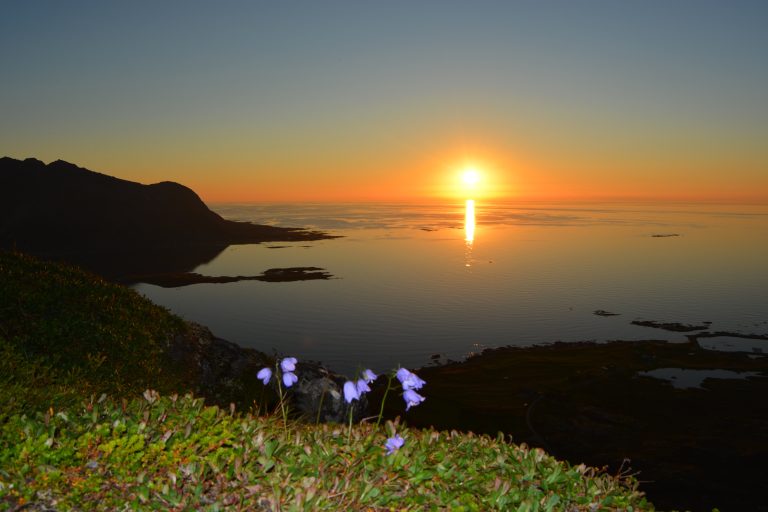
On pleasant summer days in Norway, the eternal daylight stretches one day into another. It’s easy to forget what time it actually is. Here we explore the best places to experience the midnight sun in Norway.

In wintertime visitors flock to Northern Norway hunting for the Northern lights. In summertime, people are enjoying the soft golden midnight sun. Northern Norway is often referred to as ‘the land of the midnight sun’.

Locals are accustomed to this excess of light, while visitors often say they’re jetlagged and experience sleep disturbances. Artists from all over the world, and in particular Norwegian artists, are fascinated by these long days.

I struggled to find the words to name the feelings that flooded through me, but I had no words strong enough to hold them. For a long moment, I drowned in them. When I surfaced, I was not the same man I had been. My life was an unending, unchanging midnight. It must, by necessity, always be midnight for me. So how was it possible that the sun was rising now, in the middle of my midnight?” wrote  Stephenie Meyer.  

Best Places to Experience the Midnight Sun in Norway
From Trana. Photo: Kristoffer Mollevik/Visit Helgeland

Helgeland

Helgeland is south of the Arctic Circle, so the time of the year you can experience the midnight sun here varies depending on where in Helgeland  you are, but overall the area enjoy the midnight sun from 12 June through 10 July. However, during the weeks before this, from mid-May until mid-August, even when the sun does sink below the horizon, it is still bright all night!

Best Places to Experience the Midnight Sun in Norway
Photo: Ernst Furuhatt/Visit Bodø

Bodø

The beautiful coastal town Bodø is the first European Capital of Culture north of the Arctic Circle. “It is hard to explain. It’s light all day and all night, but the sounds and atmosphere tell us when it’s nighttime. The animals and birds know it too. We call it “The infinite Nordland nights”. You simply have to experience it to understand!” (from Visit Bodo’s website).

Lofoten – Trollfjord

To be taken by boat around the Lofoten Islands, to places where you may see seals or whales, eagles and sea-birds, is a special experience. You will venture between the narrow, steep walls of Trollfjord, with its white sand beaches and fishers’ villages.

In summer, when the sun doesn’t dip below the horizon, you will never forget the adventure. The reason this happens is because the northern hemisphere is tipped toward the sun, resulting in longer days and warmer weather. Destinations close to and north of the Arctic Circle get the midnight sun. The further north of the Arctic Circle you go, the longer is the period it lasts for.

Best Places to Experience the Midnight Sun in Norway
Photo: Visit Lofoten

Lofoten – Svolvær

Svolvær, at the heart of the scenic Lofoten archipelago, is sandwiched between the mountains and the sea, Svolvær is an iconic destination for those wanting to experience the midnight sun during the summer months.

Vesterålen

Experience the midnight sun from the sea. The beautiful landscape of Vesterålen, the sea, it´s creatures and the midnight sun will be a memory of a lifetime.

Honningsvåg

Honningsvåg is home to the North Cape, where a globe monument marks the top of continental Europe. Why not enjoy the midnight sun on a birdwatching safari, departing from the fishing village of Gjesvær? From there you can explore the nearby islands of Gjesværstappan.

Tromsø

Tromsø is within the Arctic Circle, so it’s the perfect spot for midnight sun seekers.

This energetic university town really comes alive during the summer months. You can dance your socks off at Bukta Festival, held during the height of midsummer, or consider running the Midnight Sun Marathon.

To see the midnight sun in all its glory, take the Fjellheisen cable car up to Storsteinen mountain ledge. You’ll look out onto a landscape of fjords and mountains bathed in golden light.

Best Places to Experience the Midnight Sun in Norway
Photo: Sommarøy Arctic Hotel

Sommarøy

Sommerøy translates to ‘Summer Island’. In 2019, the 300 inhabitants there made a publicity campaign on Facebook to become a time-free zone, due to the 70 days of midnight sun it experiences every year.

“If we want to cut the grass at midnight we will. If we want to take a swim at 4AM we will,” the campaign video stated.

Best Places to Experience the Midnight Sun in Norway
Photo: Visit Hammerfest

Hammerfest

Hammerfest is the perfect city to visit if you want to experience the midnight sun! From 16 May to 29 July, you can experience the midnight sun, and it is light all day. In autumn it gradually gets darker and darker.

Cape Nordkinn

Cape Nordkinn,also known as Kinnarodden, is the northernmost point on the European mainland. It should not be confused with the North Cape, a spot often mislabeled as being Europe’s northernmost point, which is far more touristy. Cape Nordkinn, however, is a rugged, stony landscape with sweeping views of the Barents Sea.

Experienced hikers can take one of the hiking trails from Mehamn or Sandfjordvannene out to the Cape, where you’ll be rewarded with a view of the midnight sun suspended just above the horizon.

Best Places to Experience the Midnight Sun in Norway
Photo: Visit Alta

Alta – Finnmark

In the heart of Northen Norway, between the majestic mountains, the beautiful Altafjord, and the legendary Finnmarksvidda lies Alta, the city of Midnight Sun. An unspoiled, lush arctic environment within a short distance from the bustle of the city, just waiting to be discovered.

Best Places to Experience the Midnight Sun in Norway
Photo: Visit Svalbard

Svalbard

This remote Norwegian archipelago is located in between mainland Norway and the North Pole; its main town, Longyearbyen, is the world’s northernmost settlement. In these high latitudes, you’ll experience twenty four hour daylight for the entirety of the summer months.

There are plenty of wild adventures you can enjoy under the midnight sun on Svalbard. We’d recommend a glacier hike or a Svalbard kayak tour across fjords studded with icebergs. It’s a legal requirement to have a member of your party bearing arms, to guard against the threat of polar bears. For this reason, taking a guided Svalbard glacier tour is highly recommended!

Best Places to Experience the Midnight Sun in Norway – Conclusion

The Midnight Sun is not just beautiful to look at – it is also beautiful to feel. The warm feeling of the sun at midnight is something special, a feeling that will stay with you and serve as a warm memory for a long time.

Best Places to Experience the Midnight Sun in Norway, compiled by Tor KJolberg

Feature image (on top) © Visit Lofoten

Traditional Scandinavian Wood-Fired Bake Ovens

In bygone times, many Scandinavian households had wood-fired outdoor stone or brick ovens, often built a bit away from the house, as the risk of fire was alarming in old wooden houses. Read on and learn more about traditional Scandinavian wood-fired bake ovens.

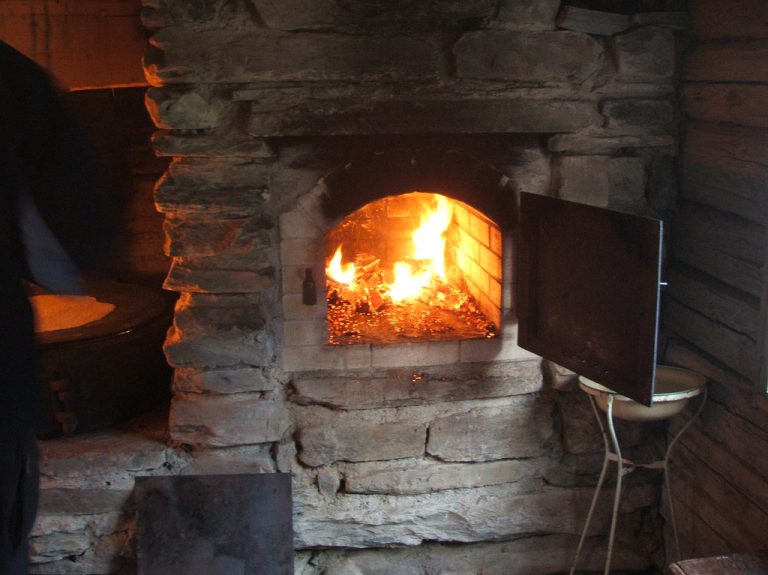
These outdoor ovens worked on the same principle: the wood was burnt to embers directly on the oven floor and pushed aside when the oven was thoroughly hot. You then baked on the hearth, as long as you wanted keeping a small fire going in the back. (On estates and at vicarages, the ovens were built as a separate bakehouse, where less fortunate parishioners could bring their loaves and flatbreads to bake.

Man has been baking bread in ovens like these for millennia, and they produce the best, crisped and most flavored bread – there is no comparison with anything baked in a modern oven. Often the fumes are scented with ling, or dried leaves, adding even more flavor.

Since ancient times, bread has also been baked in earth ovens, and still is in some parts of the world. In principle, this is a hole in the ground, clad with flat stones, and with a dome on top supported by wicker and clay. A colleague of mine said that the best bread she had ever baked was in such an oven built in the Danish Antiquity center in Lejre, south of Copenhagen, where they have recreated a village from every age since the Stone Age. She was teaching Viking cooking in an enormous cauldron on an open fire to feed the museum guests. Bones from all kinds of domestic animals and bunches of herbs were protruding from the surface and down in the soup were cabbages, parsnips, water mint, caraway and bread beans. The bread was made from emmer and sourdough and wrapped in huge leaves to keep it from scorching on the hot stones.

Traditional Scandinavian Wood-Fired Bake Ovens
From the Danish Antiquity center in Lejre

This type of oven was not necessarily used more than once a month – to heat a big oven was expensive – so the preferred breads were long-keeping, dense rye breads, wholegrain leaves and a huge assortment of crispbreads. They were baked from whatever was at hand – cheap rye and barley or maybe oats; nowadays the crispbread is usually baked from wheat and rye because we have lost the taste for the rougher cereals as we have become richer. The traditional breads are very good, though, and are returning to favor, as home bakeries are popping up like mushrooms after rain, all over Scandinavia.

Traditional Scandinavian Wood-Fired Bake Ovens
Traditional earth oven. Photo: Wikipedia

When a large wood-fired oven is lit, the temperature is extremely high at first – ideal for crispbread and wheat breads. When the temperature drops, it’s time to bake the rye breads that need a longer time at a lower heat. Last come the small cakes, and sometimes an extra drying of the crispbread. The flatbread is either dry or soft and eaten like Middle Eastern breads, wrapped around smoked meats, Surströmming, jam or cheese.

Traditional Scandinavian Wood-Fired Bake Ovens, written by Tor Kjolberg

Feature image (on top): Wood-fired oven at Egge Museum, North Trøndelag, Norway

Norwegian Soap Maker Inspired by Seagulls, Sea Breeze and Alchemy

0

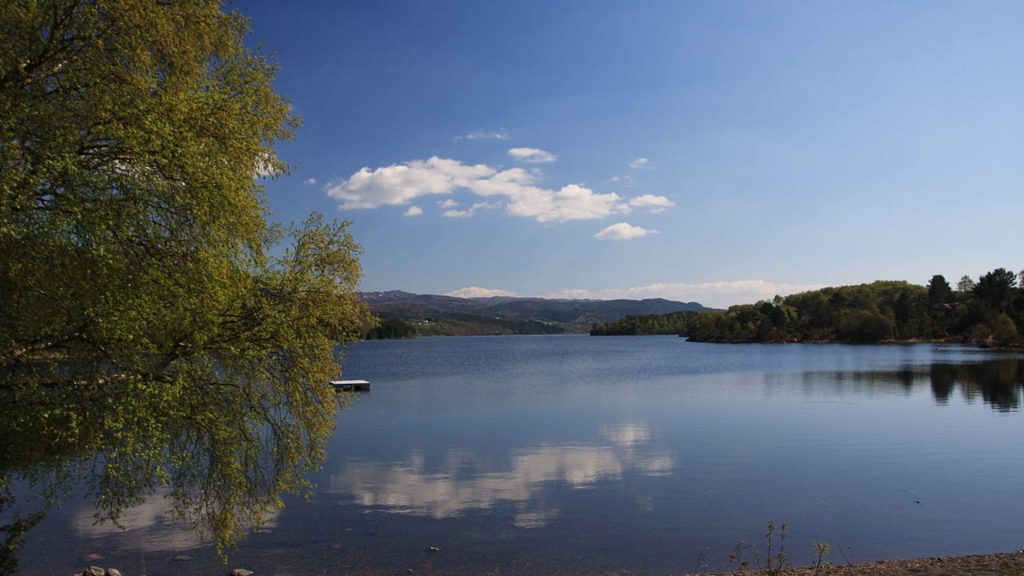
Nestled among a cluster of several hundred windswept islands, amid the startlingly clear waters of the fjords of western Norway, lies the Fitjar Islands Foundry; an artisan soap maker and scent design company that bustles with the kind of activity one would never expect to find in such a remote location. The Norwegian soap maker Fitjar Island Foundry is inspired by seagulls, sea breeze and alchemy.

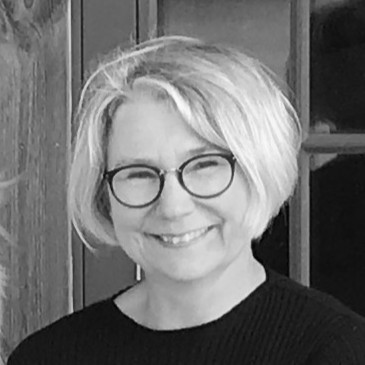
The shaving cream is sold to wet shaving enthusiasts worldwide. “I am particularly proud of the shaving cream, because it is so difficult to make,” says the founder of Fitjar Islands Foundry, Jorunn Hernes.

Norwegian Soap Maker Inspired by Seagulls, Sea Breeze and Alchemy
The Fitjar islands, carved by the passage of time and the harsh Nordic climate, are mostly uninhabited and isolated. Photo: Visit Norway

The Fitjar islands, carved by the passage of time and the harsh Nordic climate, are mostly uninhabited and isolated. Their vegetation is untamed, scarce and wildly poetic. It is impossible not to be seized by the wilderness of nature around here.

Norwegian Soap Maker Inspired by Seagulls, Sea Breeze and Alchemy
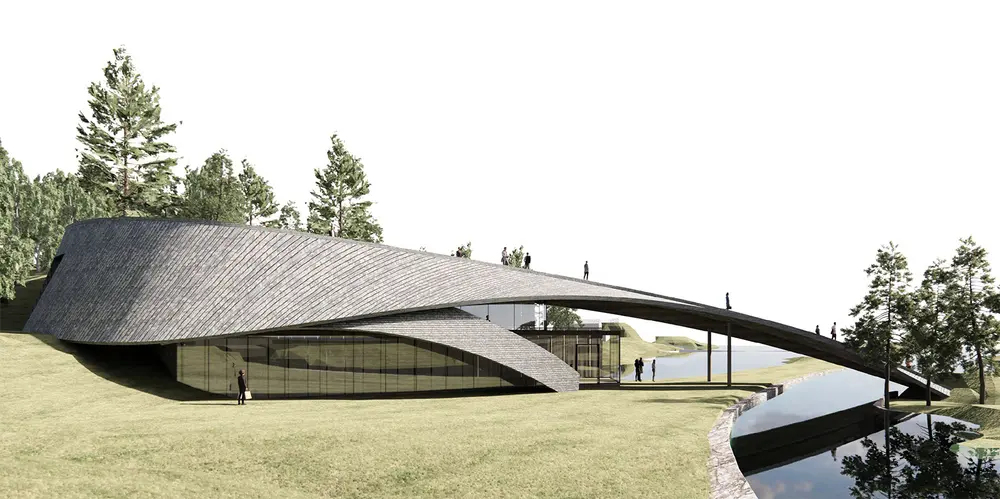
Fitjar Islands Foundry is now in the process to develop a modern production facility at Port Steingard at Kråko, Stord. Illustration: Snøhetta

Fitjar Islands Foundry is now in the process of developing a modern production facility at Port Steingard at Kråko, Stord. The production facility has a programmed space of approximately 400 m2 and a regulated total height of 10 meters. The building is planned at the harbor alongside a channel, and adjacent to the local brewery and restaurant ELØ – En Liten Øl (A Small Beer).

Norwegian Soap Maker Inspired by Seagulls, Sea Breeze and Alchemy
Founder Jorunn Hernes has received excellent reviews on the Internet

The present shop is, however, small and bright with shelves filled with shaving soaps such as Miklagard and Villmann, as well as regular bars of soap such as Folgefånn soap, Hulder soap and Coffee soap. But it is the online store that is the most important sales channel.

The biting cold wind here infuses the ever-changing landscape with a different scent dimension every moment. On a still winter morning, the breeze brings with it the coolness of the nearby glacier, flecked with undertones of the fresh spruce and juniper bushes that roam the islands. In the spring, the lilac-blooming heather adds its own sweet gentle notes.

The Fitjar Islands Production & Experience Facility, projected by Snøhetta, shall be an iconic building with an innovative and flexible layout. It will consist of both internal and external functions, such as picking and packaging area, storage, and production, but also a brand store, showroom, pop-up barber shop, and flexible meeting rooms.

**********************************
Related: Seaweed in as Shampoo Bottle
**********************************

Jorunn Hernes has received excellent reviews on the Internet, which is dedicated to shaving and soap. This is how the customer group grows. It also helps that more and more men are concerned with so-called wet shaving, and for this you need proper shaving soap or cream.

Founded on traditional soap manufacturing techniques and with exceptional attention to superior craftsmanship and quality, Fitjar Islands´s production embraces the importance of process in small-batch manufacturing. Wholeheartedly celebrating the beauty and humor of the little imperfections of an artisan method.

Norwegian Soap Maker Inspired by Seagulls, Sea Breeze and Alchemy
Fjellheim shaving soap

It all takes place in the Foundry at Fitjar, where each batch is carefully crafted and strictly controlled. Every Fitjar Islands product can be traced back to a real place and a real person, so customers know where they come from and how they are made.

Norwegian Soap Maker Inspired by Seagulls, Sea Breeze and Alchemy, written by Tor Kjolberg

Thoughtful Danish Furniture Design

0

Danes have design in their DNA. Professor Per H. Hansen’s masterly history of Danish modern furniture history 1930-2016 presents a refreshing perspective from a business historian who weaves together ideas about image, branding, and national identity to reposition the standard narrative of modern and thoughtful Danish furniture  design.

Minimalistic

Scandinavian design has a spare elegance rooted in minimalist principles. Everything in the space is selected with care and serves a defined purpose. The resulting effect is calming—with the visual field free of clutter, the mind can focus on other things, making it easier to relax and unwind.

Thoughtful Danish Furniture Design
Kaja Möller for Fredericia Interiors

Scandinavian furniture designers have become famous all over the world, but Denmark has emerged as the standout leader in the region. Hansen’s book recasts the story of Danish furniture in terms of cultural entrepreneurship and explores how tastes and fashion were shaped by cultural brand narrative.

Neutrals never go out of style

Finn Juhl was the Scandinavian master of color. Bold designs are the focus of the room – drawing eyes from the minute people enter and demonstrating how a light background provides timeless support for colorful prints and patterns. Hansen’s comprehensive business history of the rise, fall, and rise again of Danish Modern design is for academics, design professionals, critics, and enthusiasts alike.

Thoughtful Danish Furniture Design
Z chair. Danish Modern

Functionalism

Scandinavian rooms traditionally run small, so the use of space is vital. Removing unnecessary items, and replacing them with pieces that have multiple uses, is key. “We understand design on so many levels in Denmark. It is so deeply rooted in us through everything we are exposed to, from the cycle lanes to the signage,” said Maria Bruun, one of the new and award-winning stars of Danish furniture design in an interview with the prestigious magazine Monocle.

Professor Per H. Hansen’s book on Danish modern furniture design sheds new light on what has become an internationally well-known phenomenon. While scholars and others have offered different explanations of Danish Modern’s success, Per H. Hansen’s great achievement is the combination of a number of approaches and his close reading of original sources.

Thoughtful Danish Furniture DesignDurability

Because of their simple, versatile design, Scandinavian furniture works with the space in which it finds itself, rather than against it. One visible magnification was the rise of furniture and homeware companies such as Hay, which brought high-quality Danish design in the high street in the 2000s (subsequently bought by a US furniture giant).

From the combination of business history, design history, material culture and sociology a new understanding of Danish Modern’s rise, decline and re-emergence as a cultural market category comes to light in Hansen’s book.

Thoughtful Danish Furniture Design
Living room with neutral colors, wood and candles from Nordic Nest

Cozy homeliness

Scandinavians choose items that align with their style, rather than chasing trends, which come and go. Danish ‘hygge’ is the perfect example of this. The shift to a more academic oriented design education might explain the simultaneous rise to prominence of the social sciences within design and architecture in Denmark.

Thoughtful Danish Furniture Design
Professor Per H. Hansen, book cover

“I have been a big fan of Danish modern furniture for many years. Then, one fateful day in the late 1990s, I decided to write about it from a perspective inspired by my professional background as an economic and business historian. Combining hobby and professional interest – passion and academic distance – proved a challenge and much harder than I envisioned. The first result was published in Danish in 2006 and ever since I have wanted to publish an English edition. Here it is, at last, in a thoroughly revised version, which, I believe, has benefited from my getting older and wiser, on Danish Modern anyway, in the decade that has passed,” writes Professor Per H. Hansen in the preface of the English version.

Thoughtful Danish Design, edited by Tor Kjolberg

Feature image (on top) © Kaizenaire

Berry Picking in Sweden

0

Sweden is a haven for berry lovers, offering an abundance of wild berries that grow naturally across its forests and rural landscapes. Read on and learn more about berry picking in Sweden.

Some of the most common berries you can find are:

  1. Blueberries (Blåbär): A popular berry found in Sweden’s pine forests. They thrive in acidic soils and are usually abundant from July to September.
  2. Lingonberries (Lingon): These tart, red berries are iconic in Swedish cuisine, commonly found in the northern part of Sweden they thrive in pine forests and open woodlands. They ripen from late August to October.
  3. Cloudberries (Hjortron): A rare and highly prized berry, cloudberries are mainly found in the northern bogs and wetlands. They’re golden-orange and ready for picking from mid-July to August.
  4. Wild Strawberries (Smultron): These tiny, fragrant berries are a delightful find, often growing along sunny forest edges and meadows. They typically appear from June to July.
  5. Raspberries (Hallon): Wild raspberries can be found in the clearings, along roadsides, and at the edges of forests. They’re usually ripe from July to August. You find them in the south part of Sweden.

    Berry Picking in Sweden

Best Hiking and Walking Trails for Berry Foraging:

  1. Sörmlandsleden Trail: This extensive trail system in Södermanland offers over 1,000 kilometers of paths through diverse landscapes. Sections near Nyköping and Trosa are known for their rich blueberry and lingonberry spots, especially in late summer.
  2. Skuleskogen National Park: Located in the High Coast area, this park’s trails lead through ancient forests and rocky coastlines. It’s a fantastic spot for blueberry and lingonberry picking, with the best time being August.
  3. Fulufjället National Park: In Dalarna, this park is renowned for its stunning waterfalls and rich berry patches. Cloudberries are the crown jewel here, and foragers flock to the marshy areas in July and August to collect them.
  4. Berry Picking in Sweden
    Fulufjället National Park. Photo: Sveriges nasjonalparker

    Tyresta National Park: Just a short drive from Stockholm, Tyresta offers an excellent
    opportunity for urban dwellers to enjoy berry foraging. The park’s trails meander through old-growth forests, where blueberries and lingonberries grow in abundance from July to September.

  5. Åsnen National Park: Located in southern Sweden, Åsnen’s mixed woodlands and wetlands are perfect for foraging wild strawberries and raspberries, particularly in July and early August.
  6. Abisko National park: Located in the most northern part of Sweden, perfectly located for the golden berries, cloudberries. You find them mainly in the wetlands / swamp. They are growing individually close to the ground and they are the best berries in Sweden if you ask me!

Berry Picking in Sweden

Best Time to Go Berry Foraging: The best time for berry foraging in Sweden is during the summer and early autumn months, typically from mid-July to early October. Each berry has its peak season:

  • Blueberries: July to September
  • Lingonberries: Late August to October
  • Cloudberries: Mid-July to August
  • Wild Strawberries: June to July
  • Raspberries: July to August

Foragers should aim to go out in the early morning when the weather is cooler, and berries are at their freshest.

Sweden’s “Allemansrätten” (Right of Public Access) allows everyone to roam freely and pick berries on public land, making it a berry forager’s paradise. Just remember to respect nature and take only what you need!

Berry Picking in Sweden
Agnes Maltesdotter

Berry Picking in Sweden, written dedicatedly for Daily Scandinavian by Agnes Maltesdotter
Agnes is an experienced Swedish hiker and brand ambassador for Merrell Hiking Club, a women-centric community which aims to empower, inform and inspire female hikers.

Feature image (on top): © Michal Bozek/Unsplash

Viking Ship in Oslo on the Move. Price Tag NOK 550 Million ($58 Million)

0

The famous Norwegian Viking ship, the Oseberg ship, was built in AD 820, buried in a grave mound 14 years later, and excavated in 1904. Shortly after the excavation, the 21.5m long and 5.0m wide ship was re-assembled and exhibited at the Museum of the Viking Age, on Bygdøy Peninsula in Oslo. Now, the Viking ship in Oslo is on the Move. Price Tag NOK 550 Million ($58 Million).

A new Museum of the Viking Age will open in 2027 on the same site, and the Oseberg ship is now on the move. Price tag NOK 550 million (US58 million). The new museum will be three times as large as the current Viking Ship Museum. In total, the new museum will be approx. 13,000 m2, of which approx. 9000 m2 is audience space, including 5500 m2 of exhibitions.

Viking Ship in Oslo on the Move. Price Tag NOK 550 Million ($58 Million)
The new museum will be three times as large as the current Viking Ship Museum.

During the rebuilding of the museum, the Oseberg ship is packed into a steel rig. In the old museum, the Viking ships were stored in steel frames weighing approximately 50 tons. In the new building, the floor will not be able to withstand such a weight, and it has been decided that the ships will be lifted in crane tracks attached to the roof.

Viking Ship in Oslo on the Move. Price Tag NOK 550 Million ($58 Million)
Project Manager Lars Christian Gomnæs at Statsbygg

“Moving fragile Viking ships that are more than a thousand years old is unique in the world, and experience and references are not available”, says Project Manager Lars Christian Gomnæs at Statsbygg, who is responsible for the new construction.

In addition to tripling the exhibition area, the new museum facility will include a restaurant, lecture hall, museum shop, museum park, a separate area for visiting schoolchildren, a laboratory with access for the public, and a research center.

The existing building is linked to the new building by a glass extension. This is not only an elegant architectural solution, but also allows the exhibition design to reinforce the initial experience concept. Nothing is more “in the moment” than being able to stand under the sky in daylight before being cast into a different world, more specifically a late summer afternoon in Oseberg in the year 834.

Viking Ship in Oslo on the Move. Price Tag NOK 550 Million ($58 Million)
The new Museum of the Viking Age will open in 2027

Viking Ship in Oslo on the Move. Price Tag NOK 550 Million ($58 Million), edited by Tor Kjolberg

Feature image (on top)- The Oseberg Ship © Museum of the Viking Age/Tom Kolstad

The 12th Annual Norwegian International Entrepreneur Conference (NIEC) 2024

3

Top international speakers and attendees from around the globe meet in Oslo 7 November to network, gain insights from industry leaders, and be part of a vibrant community of entrepreneurs and innovators. Read on and learn more about the12th Annual Norwegian International Entrepreneur Conference (NIEC) 2024. 

International Speakers

The conference boasts a lineup of distinguished international speakers who are leaders in their respective fields. These experts will share their insights, experiences, and strategies, providing invaluable knowledge that can help you navigate the complexities of the global business landscape. Whether you are a seasoned entrepreneur or just starting, the wisdom imparted by these speakers can inspire and guide you towards success.

Among this year’s keynote speakers are Claudia van Zuiden (Solutionways) , Arturo Massaro (founder Dream school) and Harry Bruintjes from the Netherlands. Foubder of Homeless entrepreneur Andrew  Funk comes from USA and Indrani Govender (Mediator beyond Borders) comes from South Africa. Hanuman Das from UK is founder of www.godharmic.com.

The 12th Annual Norwegian International Entrepreneur Conference (NIEC) 2024
Claudia van Zuiden

“Everyone deserves to live the life their heart longs for, at home, at work and always. You can learn the skills how to do this. And then, just do it,” says Claudia van Zuiden.

The 12th Annual Norwegian International Entrepreneur Conference (NIEC) 2024
Arturo Massaro

Arturo Massaro is an inspiring coach, author, leadership expert, motivational speaker and international trainer. He is founder of the Dream school and inventor of the K.R.A.C.H.T metho, a method to realize your goals much easier and faster.

He has written the book “Expert Tips for Realizing Your Entrepreneurial Goals.”

The 12th Annual Norwegian International Entrepreneur Conference (NIEC) 2024
Hauman Dass

Hanuman Dass founded Go Dharmic in 2013, which launched a campaign to feed the homeless in London. Today, Go Dharmic works to relieve suffering through serving in disasters, advocating for peace, developing schools and alleviating food poverty. It also helps families facing humanitarian and environmental crisis.

The 12th Annual Norwegian International Entrepreneur Conference (NIEC) 2024
Harry Bruinties

Harry Bruintjes  is a clarity coach, a strategist, a thinktank, and speaker dedicated to a singular mission: piercing the veil of self-deception and illuminating the path to authentic self-expression and empowerment.

The 12th Annual Norwegian International Entrepreneur Conference (NIEC) 2024
Andrew Funk

Andrew Funk is founder and president of Homeless Entrepreneur and a social impact activist for homeless people.

The 12th Annual Norwegian International Entrepreneur Conference (NIEC) 2024
Indrani Govender

Indrani Govender is an internationally qualified mediator & arbitrator. She also trains and coaches professionals.

Reserve your ticket here.

***************************************
Related: Meet an Ever-Optimistic Swedish Serial Entrepreneur
***************************************

“Moving Towards Mastery”

The theme of the NIEC 2024 Entrepreneur Conference is “Moving Towards Mastery”. Masterful entrepreneurs are driven to create positive change in the world, whether through innovative products, sustainable practices or social impact initiatives. By aligning their business ventures with a higher purpose, they not only inspire others but also find fulfilment and genuine satisfaction in their own work.

While effective leadership is essential, success in entrepreneurship is very much a team effort. Mastery surrounds itself with a diverse network of mentors, seasoned advisors and peers who provide support and invaluable insights. Consciously building strong relationships and fostering a collaborative ecosystem is essential for entrepreneurial greatness.

Reserve your ticket here.

The 12th Annual Norwegian International Entrepreneur Conference (NIEC) 2024
Kristian Aarthun and serial entrepreneur Jojan Staël von Holstein, 2019. Photo: Tor Kjolberg

How it all started

The visionary entrepreneur Kristian Aartun established NIEC back in 2011 and we asked him what inspired him to organize such a conference.

“I attended a seminar at the Norwegian Ministry of Education and Research. Mr. Johan H. Andresen was one of the speakers and I was so impressed and inspired that I stood up and said, ‘I will organize an international entrepreneur conference next year’. If you’ve said A, you must also say B. And I did it,” says Aartun.

The conference took place in Oslo Concert Hall, and prominent speakers and ambassadors from several countries participated.

The 12th Annual Norwegian International Entrepreneur Conference (NIEC) 2024
Stian Rustad. Photo: Tor Kjolberg

“I want to thank my good Norwegian friend and entrepreneur Stian Rustad, founder of 24 Seven. He has been a solid supporter and sponsor for NIEC ever since 2012» says Aartun.

The 12th Annual Norwegian International Entrepreneur Conference (NIEC) 2024

The thoughtfully curated agenda of the 2024 conference reflects the diverse facets of entrepreneurship, delving into pivotal topics that define and shape the entrepreneurial narrative.

At NIEC 2024, you will experience topics like:  Innovation, entrepreneurship, inspiration, leadership, how to find your purpose, AI , cyber security. There will interesting key note speeches, and panel discussions.

Meet and network with investors, entrepreneurs, impactful and innovative people from all over the world.

Reserve your ticket here.

The 12th Annual Norwegian International Entrepreneur Conference (NIEC) 2024
Kristian Aarthun

About Kristian Aartun:

Kristian has over 30 years’ experience as an entrepreneur. He started at the age of 13 to work at radio stations and newspapers. When he was 19, he was hired by Hamburg based music company Edel music AG. He was then the youngest General Manager Music Director in Europe. Through 6 years he built up Edel records Norway from scratch to be the biggest independent record company in Norway.

He was also board member of Norwegian Grammy Awards, board member ethical committee of Norwegian record companies and founder and Chairman of Norway Music Export Norway AS aiming to export Norwegian music internationally. Kristian was also co-founder and Managing Director Of Radio City which was Norway’s most popular local radio at that time. He has also Founded DNBN Dutch Norwegian Business Network and NIEC Norwegian International Entrepreneur Conference.

The 12th Annual Norwegian International Entrepreneur Conference (NIEC) 2024About NIEC

The Norwegian International Entrepreneur Conference (NIEC) was founded in 2011 by a visionary entrepreneur, Kristian Aartun. His belief that entrepreneurship should transcend the pursuit of profit to embody the creation of value became the cornerstone of NIEC. A Decade of Value Creation Over the past 12 years, NIEC has been at the forefront of entrepreneurial evolution, advocating for value creation through purpose. It has been a platform where like-minded individuals and companies converge to explore how intrinsic and extrinsic values can drive performance and success.

The 12th Annual Norwegian International Entrepreneur Conference (NIEC) 2024, edited by Tor Kjolberg

Nominations for the Nordic Council Film Prize 2024

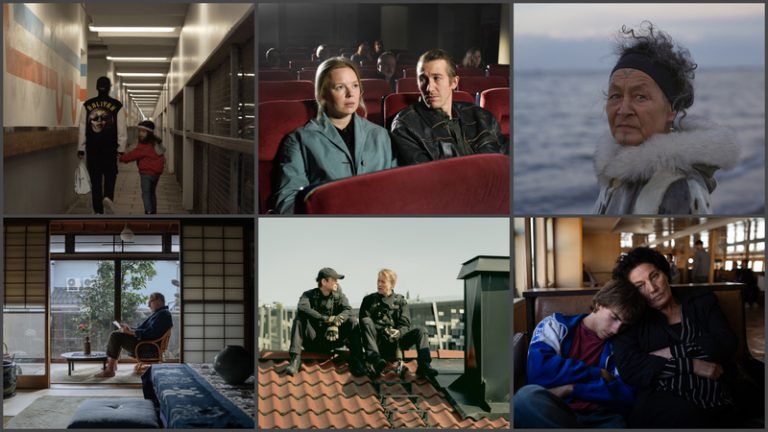
Six films have been nominated for the Nordic Council Film Prize 2024. This year, the battle for the prize is between two documentaries and four feature films. The winner will be announced on 22 October. Read on and learn more about the nominations for the Nordic Council Film Prize 2024.

Since 2002, the Nordic Council Film Prize has been awarded to a full-length feature film that has roots in Nordic culture and displays high standards of artistic quality.

Here are the nominations for the Nordic Council Film Prize 2024:

DENMARK

The documentary “The Son and the Moon”

Synopsis

The Son and the Moon consists of a courageous and honest six-year journey by a Danish-Iranian filmmaker, Roja Pakari, portraying her struggle with cancer, her love and her huge project mapping her family’s dramatic history. It is existential poetry with no filters, featuring an unforgettable woman on both sides of the camera.

Nominations for the Nordic Council Film Prize 2024
The Son and the Moon. Photo: Sonntag pictures

****************************************
You might also like to read: The National Film School of Denmark
****************************************

FINLAND

“Fallen Leaves”

Synopsis

Fallen Leaves tells the story of two lonely people (Alma Pöysti and Jussi Vatanen) who meet by chance in Helsinki one night and try to find the first, only, and ultimate love of their lives. Their path towards this honorable goal is clouded by the man’s alcoholism, lost phone numbers, and not knowing each other’s names or addresses, not to mention life’s general tendency to place obstacles in the way of those who seek happiness.

Nominations for the Nordic Council Film Prize 2024
Fallen leaves. Photo: Sputnik

GREENLAND

The documentary “Twice Colonized”, co-produced in Greenland.

Synopsis

Renowned Inuit lawyer Aaju Peter has spent her life leading the fight for the rights of her people. Now, just as she is launching an initiative to establish an indigenous forum at the European Union, she also finds herself facing a difficult, personal journey to mend her own wounds after the unexpected passing of her son.

ICELAND

“Touch”

Synopsis

An ageing widower, Kristófer, finds himself at a crossroads at the outbreak of the pandemic. He shuts his restaurant in Iceland – not just because of the pandemic but also because he knows his health is declining. Urged by his doctor to attend to any unfinished business he might have, he spontaneously embarks on a journey to seek answers to a mystery that has haunted him for a long time.

Nominations for the Nordic Council Film Prize 2024
Touch. Photo: Breki Samper. RVK Studios

NORWAY

‘Sex’

Synopsis

Sex follows two men in heterosexual marriages whose perceptions of sexuality, gender and identity are challenged by unexpected experiences.
One has a sexual encounter with another man without seeing it as a sign of homosexuality or infidelity. The other has dreams in which David Bowie sees him as a woman, stirring confusion and leading him to question how much our personalities are shaped by how others see us.

Nominations for the Nordic Council Film Prize 2024
SEX. Photo: Motlys

******************************************
You might also like to read: Norwegian Filmmaker Transferring Black  Comic Genre Movies to Mainstream Hollywood Movies
******************************************

SWEDEN

“Crossing”

Synopsis

Lia, a retired teacher, made a promise to find out what happened to her long-lost niece, Tekla. When she learns from Achi, a neighbor, that the niece might be living in Turkey, the pair set off to find her. In Istanbul, they discover a beautiful city full of connections and possibilities, but tracing someone who has no intention of being found proves harder than they thought – until they meet Evrim, a trans-rights lawyer. As Lia and Achi weave their way through the city’s backstreets, they feel closer than ever to Tekla.

Nominations for the Nordic Council Film Prize 2024
Crossing. Photo: Haydar Tastan

The six films have been nominated by the national juries.

The winner will be announced on 22 October

A TV show broadcasted by the Icelandic public service company RÚV will be shown in all of the Nordic countries. The “Nordlys” statuette will be handed over to the winner at a special award ceremony during the Session of the Nordic Council in Reykjavík in the last week of October.

The DKK 300,000 prize is shared equally between the screenwriter, director and producer to underline that film as an art form emerges from close collaboration between these three main jobs.

Nominations for the Nordic Council Film Prize 2024, based on a press release from Norden.org

Happy Foods in Oslo: Colorful & Refreshing

0

Irina Smit’s strong passion for plant-based food has resulted in two cookbooks and the café Happy Foods, where she inspires others to enjoy colorful, healthy and tasty dishes. Visit Happy Foods in Oslo: Colorful And refreshing.

“I want to live a life where I do what makes me happy, is meaningful to me and others, and gives me the quality of life I want,” says Irina in her latest book, Irinas Happy Food, which was released in the summer of 2024 in collaboration with Skappel Books. Here, she spreads the joy of food with 90 dishes over 304 pages. The first cookbook she created was published by Gyldendal in 2020. This time, she has managed much of the book process herself. Line Dammen has been the stylist and photographer.

Happy Foods in Oslo: Colorful & Refreshing
Irina Smit has realized her dream of owning a café where she is responsible for creating “happy food,” which she calls Happy Foods, with tempting dishes that appeal to the visual senses and are good for the body and soul.

The publication is bursting with joy for food based on clean and organic products. The same clean ingredients are used in the café she started in Majorstuen, near Vestkanttorget, in 2019. Most of the suppliers are based on sustainable production. The 38-year-old Irina, who is a trained chef, started small by delivering snacks to various shops and cafes in 2014. That same year, she quit her job as maître d’ at Nodee in Oslo.

Happy Foods in Oslo: Colorful & Refreshing
The corner café in Majorstua, Oslo has both indoor and outdoor seating

Irina grew up in Nesodden and attended Steiner-School. In her younger years, she was mostly interested in baking cakes, but since then, her interest in food has expanded to making all kinds of dishes. As an adult, she has mostly experimented with dishes based on fruits and vegetables. Her parents taught her early on the value of plant-based food during her upbringing. The family of six often visited farms during their free time, something she continues to do as an adult. One of her favorites is the biodynamic Bergsmyrende farm in Hurum. Here, Irina picks the best of the season’s vegetables and fruits. They produce plant-based products all year round, including in greenhouses, and deliver vegetables every week to Happy Foods.

“I pick all the salad used in the café from this farm, as well as herbs, chives, and cucumbers, among other things. I lived in Hurum for a few years and first got to know the farm in Asker, which has since become a favorite.”

During farm visits, she often brings her two daughters, aged nine and six, and her husband, who wholeheartedly supports Irina’s Happy Foods project.

“Eating outdoors, bringing the family on a picnic, rarely goes wrong; my family loves it, and we do it as often as we can,” says Irina. To make plant-based food even more appealing, she decorates the dishes with edible flowers from Fioriblomster farm in Vollen.

“I prefer organic food because it gives me more energy. I steer clear of ultra-processed food. This type of food triggers me, and I end up wanting more. It often leads to me losing control. I have therefore made a conscious choice to live a balanced life where I eat and make as much clean and colorful food as possible based on whole ingredients that promote health.” Irina’s daily diet mainly consists of a bit of healthy fat, in the form of nuts, olive oil, and avocados, as well as proteins from eggs, fish, and legumes, in addition to carbohydrates from fruits, vegetables, grains, and a little dark chocolate.

Happy Foods in Oslo: Colorful & Refreshing
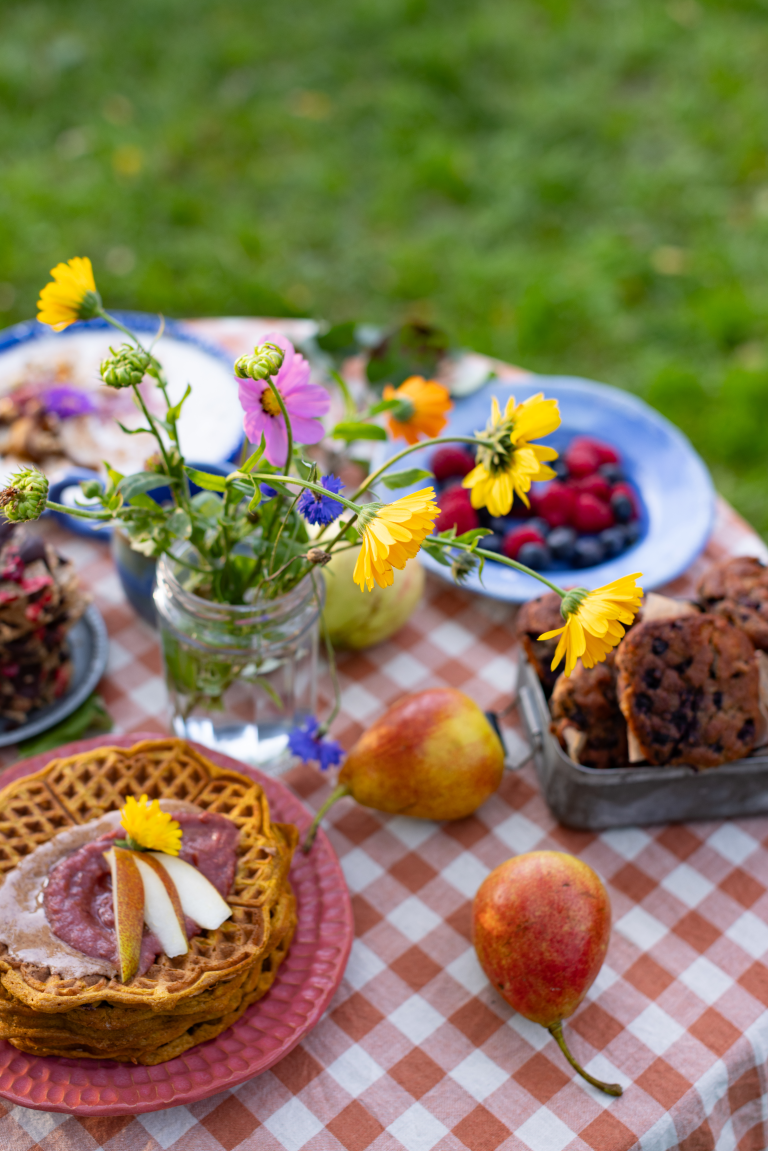
Autumn garden table set under the apple tree

Popular with Healthy Cakes

Some of the dishes, including healthy waffles and bread without flour, soups and salads, as well as raw food cakes and other sweets based on vegetables, served in the café, are also featured in her latest cookbook. Refined sugar and wheat flour are never used in her recipes. She has been running the café in Majorstuen for five years now. The Happy Foods concept has also recently been expanded with various evening events, including collaborations with mental coach Anniken Binz and ceramicist Caroline Sagafos.

“Meeting new people, making colorful and healthy food for enjoyable and inspiring events, setting tables brimming with various colorful and delicious dishes is one of the most rewarding things I do,” says Irina.

Irina updates her Instagram account weekly with new recipes. She makes videos herself, hoping they will inspire more people to cook based on healthy, plant-based products.

Happy Foods in Oslo: Colorful & Refreshing
Irina Smit in her element— in her own kitchen

“I love inspiring joy in food all year round, taking advantage of seasonal ingredients, and picking vegetables and fruits directly from producers. I often get ideas based on what is available in season and am conscious of combining different flavors and textures.”

One of the bestsellers at the café is waffles made with carrots, among other ingredients, topped with almond butter and seasonal berries. They are garnished with edible flowers from Fiori, organic flowers. Every day, a dedicated baker makes raw food cakes for the café. The cakes are incredibly popular, and fortunately based on vegetables. She believes that one of the reasons she stays healthy is the use of clean, ingredient-based products and homemade food.

The joyful food message—to include as much greenery and fruit as possible in the daily diet—is something she never gets tired of spreading to readers and guests. Seeing others enjoy the dishes she creates never ceases to excite her.

For more information, see www.happyfoods.no

Happy Foods in Oslo: Colorful & Refreshing
Anne Marit Muri

Happy Foods in Oslo: Colorful & Refreshing, written by Anne Marit Muri. Muri is a former editor of, among others, Magasinet Kunst, and has written reports on art and culture for a number of years.
She is the author and initiator of the book, Kunstnerliv, portraits of 19 contemporary artists, which was published in 2018, voted the year’s most beautiful art book in 2019 by Grafill. She is also the author of the book, Det gåtefulle lyset, Svalbard, which was published in autumn 2022, by the publisher Utenfor Allfarvei in Harstad.
Muri is educated at the University of Oslo and Bergen. She is currently working on a master’s degree in media development, under the auspices of Oslo Met, in addition to developing new book projects and is a writer for several magazines. She is a regular writer on fine arts, culture and lifestyle for Daily Scandinavian.

All images © happyfoods.no

Other articles written by Anne Marit Muri you might like to read:

Norwegian Photographer’s Eternals Studies with Nature

A Norwegian Artist’s Fusion of Old and New Times